Washington — Following reports that the mayor and police chief of Washington, D.C., were caught off guard by the president’s decision to assume federal oversight of the city’s police department, both officials have now presented a united front. Mayor Muriel Bowser and Police Chief Pamela Smith appeared together on Tuesday to assure residents that the Metropolitan Police Department’s structure and authority remain unchanged, even under the federal directive.
The comments came after the two met with U.S. Attorney General Pam Bondi, appointed interim commissioner of the Metropolitan Police Department, and Terry Cole, appointed interim federal administrator. Bowser emphasized that the federal order does not alter the chain of command within the MPD and that local leadership still retains hiring, firing, and operational authority. According to her, the president has the legal power to request services from the department but cannot unilaterally impose changes to its internal operations.
Bowser stated that the executive order is straightforward, affirming that while the president can request MPD assistance, the department continues to operate under city control in terms of funding, structure, and decision-making. She underscored that the city’s organizational chart, budget allocations, and operational methods are intact and that local authorities remain in charge.
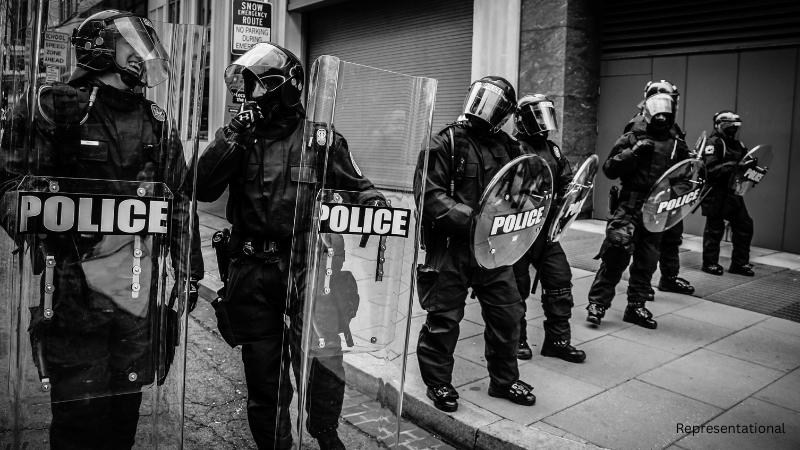
Chief Smith echoed this sentiment, making it clear that she reports to the mayor and not to the newly appointed federal administrator. She urged the public and the media to avoid fueling speculation about internal divisions, noting that their focus is on working collaboratively with federal partners. Smith highlighted that the additional federal resources would be directed toward removing illegal firearms from the city’s streets and enhancing public safety efforts.
Part of the plan includes National Guard troops assisting with patrols, but Bowser clarified that they will not have arrest powers. She explained that the National Guard is not a law enforcement agency but has historically supported city operations in various capacities. Any coordination involving Guard personnel will be managed through the MPD to ensure seamless integration into existing public safety strategies.
Smith further explained that the MPD will incorporate National Guard deployments into its operational plans, focusing on high-crime areas and places where law enforcement visibility can deter criminal activity. She also pointed out that the collaboration offers an opportunity to strengthen community engagement initiatives alongside federal agencies already working within the District.
While the federal move initially generated surprise and mixed reactions, Bowser stated that her priority now is making the best use of the additional officers and resources available. She praised the professionalism of the MPD and its leadership and expressed confidence that the integration of federal and local efforts can help reduce crime rates in the city.
Bowser stressed that the focus should remain on outcomes rather than the political or procedural aspects of how the arrangement came about. She reiterated her commitment to ensuring that federal law enforcement officers and National Guard members assigned to the city are deployed effectively and in alignment with local policing goals. Smith, for her part, pledged to lead the department in maintaining safety while fostering cooperation with all partners involved in this unprecedented public safety surge.
As Washington, D.C., navigates this period of enhanced federal involvement, city officials hope the added manpower and resources will result in tangible improvements in public safety. Both Bowser and Smith emphasized that their shared objective is to safeguard the community while preserving the city’s authority over its own police force.