Investigators say the incident appears to have resulted from outdated intelligence data used during the targeting process. Officers at US Central Command reportedly relied on coordinates supplied by the Defense Intelligence Agency that still classified the building as part of a military complex. According to officials briefed on the findings, the information had not been updated even though the structure had long since been converted into a school.
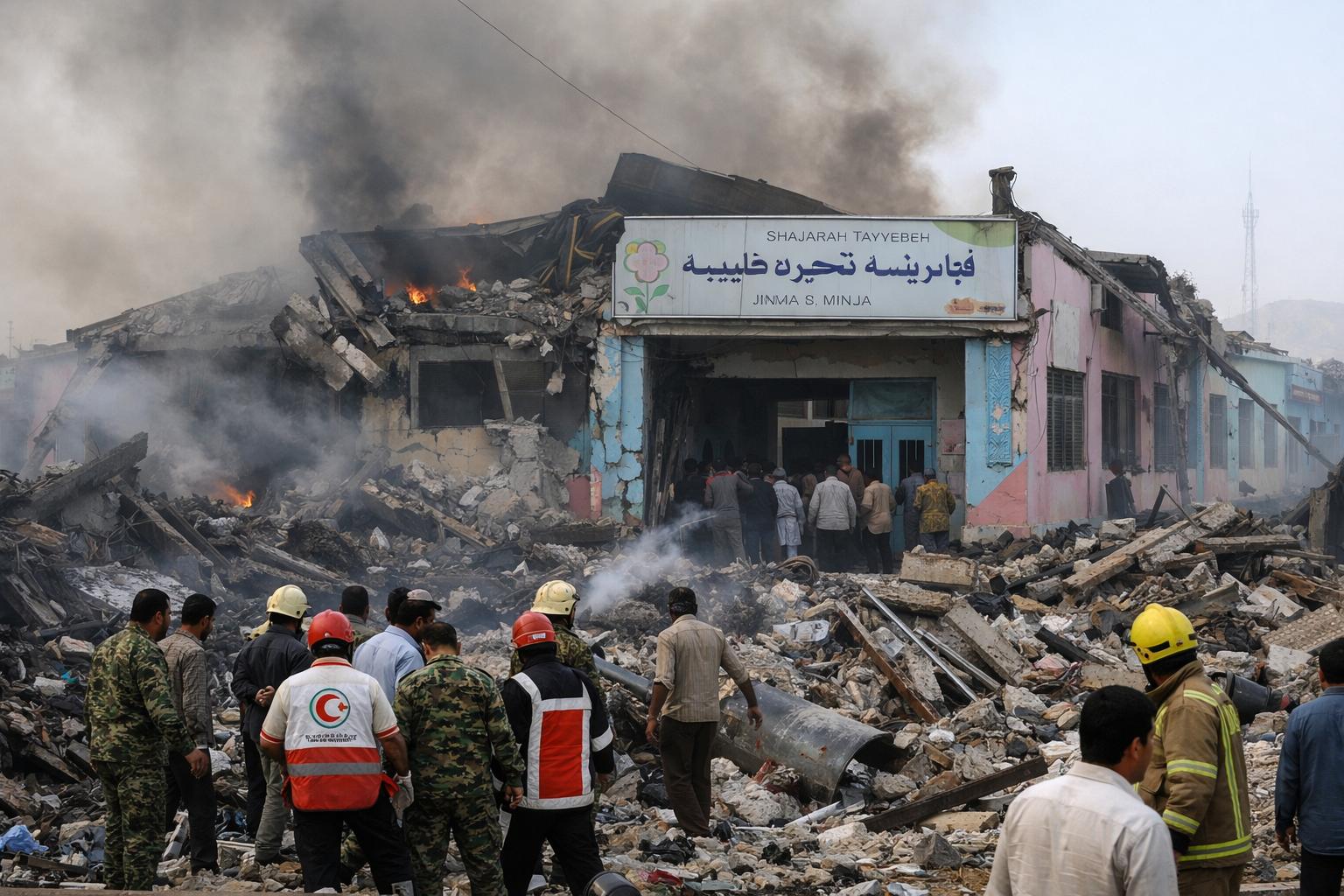
Iranian authorities say at least 175 people were killed in the attack, most of them children, making it one of the deadliest incidents linked to the current conflict. While the investigation has not yet been finalized, officials believe the mistake occurred because older intelligence assessments were not fully verified before the strike was authorized. The school stands near facilities used by Iran’s Islamic Revolutionary Guards Navy, which had been the primary target of the operation.
Analysts reviewing satellite imagery say the building had visibly changed over the years. Security towers previously located near the site had been removed, entrances were added for public access, and recreational areas such as a sports field were constructed. The structure’s walls were repainted in bright colors typical of a school environment, indicating that the facility had been repurposed well before the strike occurred.
Military targeting procedures typically require multiple agencies to confirm intelligence data. While the Defense Intelligence Agency provides initial assessments, operational commanders must verify those details using updated imagery and analysis, often supported by the National Geospatial-Intelligence Agency. Investigators are now examining why those safeguards failed and whether verification steps were overlooked in the fast-moving operational environment.
Officials involved in the inquiry say there is currently no indication that advanced artificial intelligence tools were responsible for the error. Instead, they believe the strike reflects a traditional wartime mistake caused by human oversight and outdated intelligence. The investigation remains ongoing as defense officials review how the information was transmitted and whether more recent intelligence should have been used before the attack was carried out.