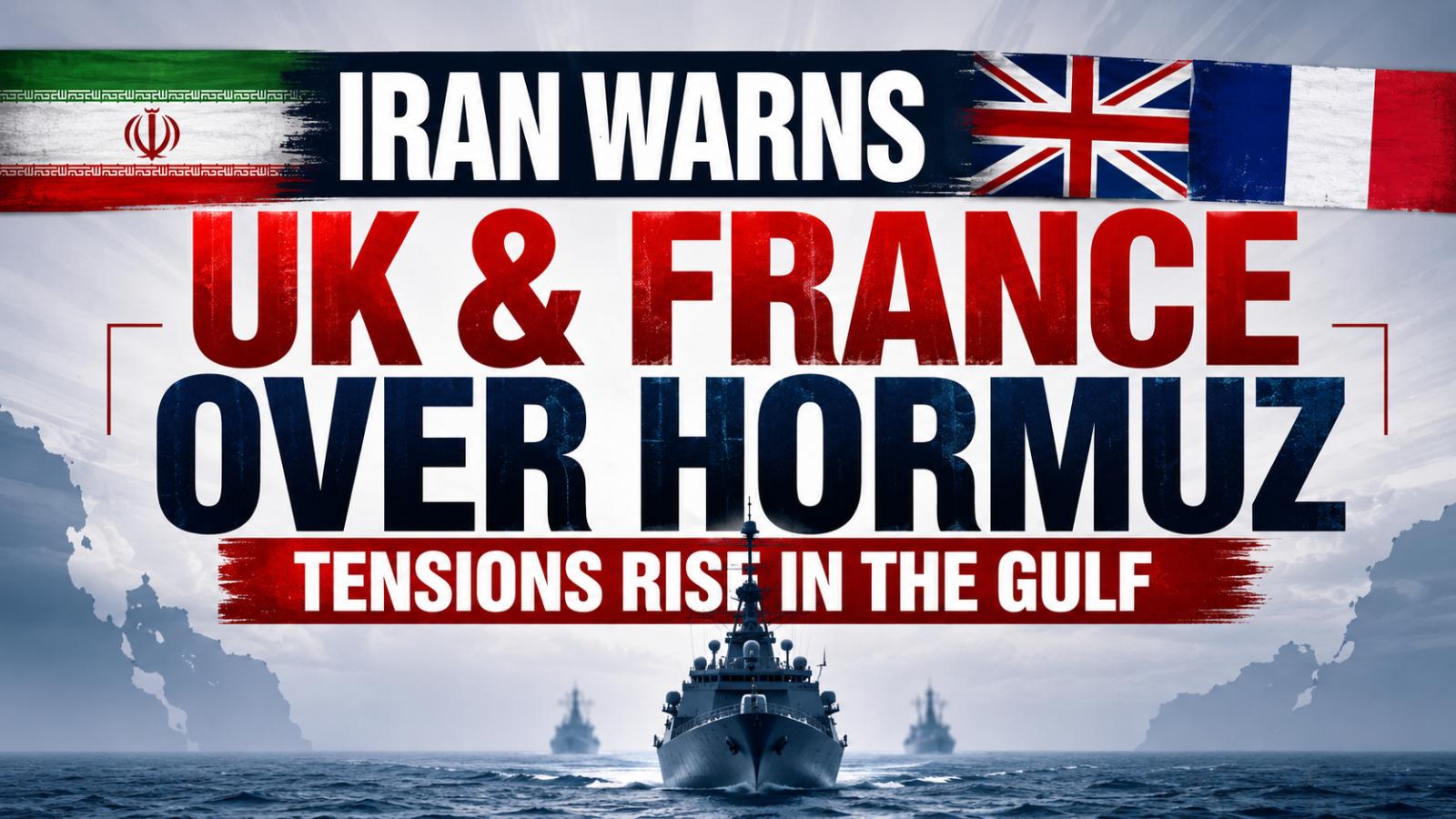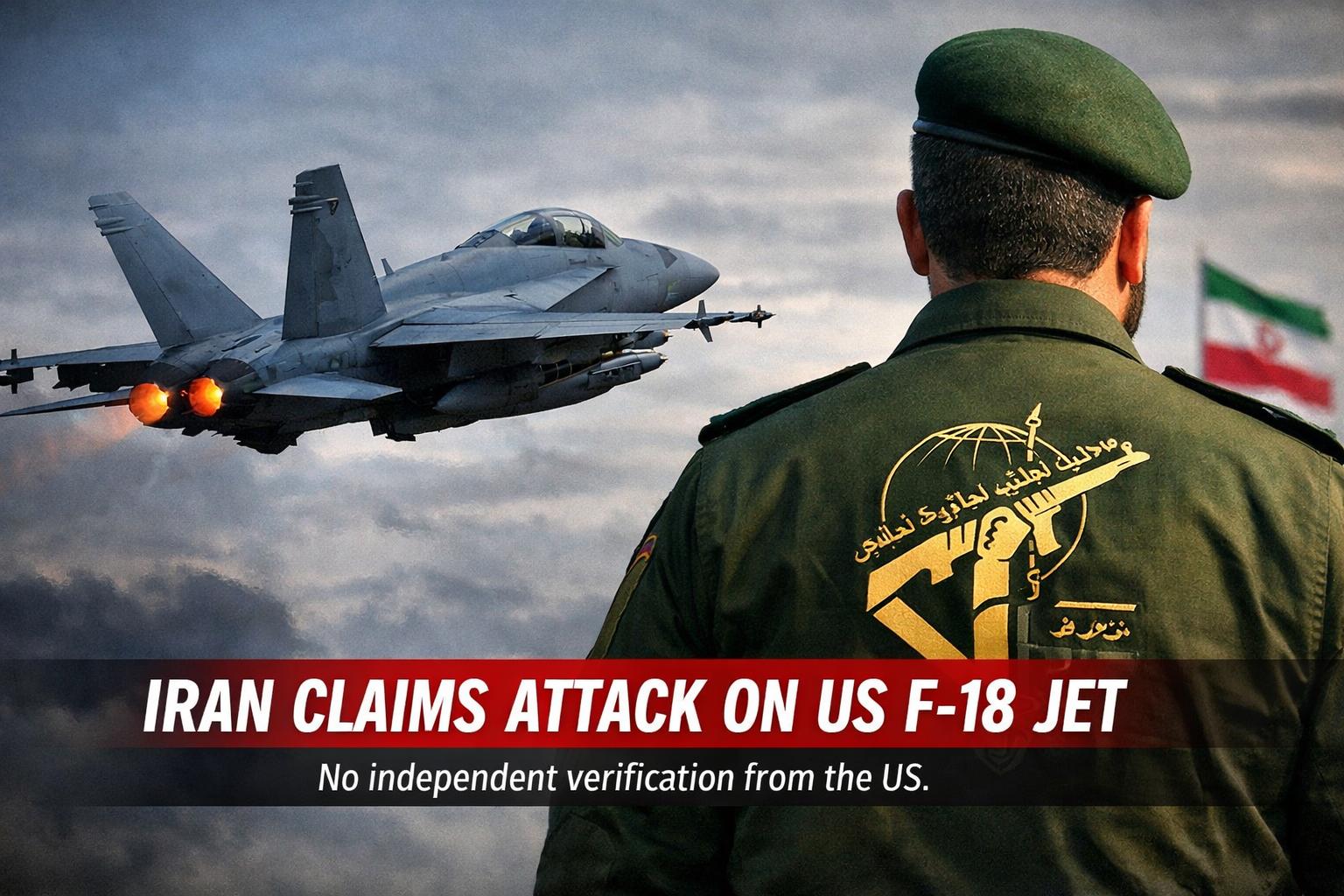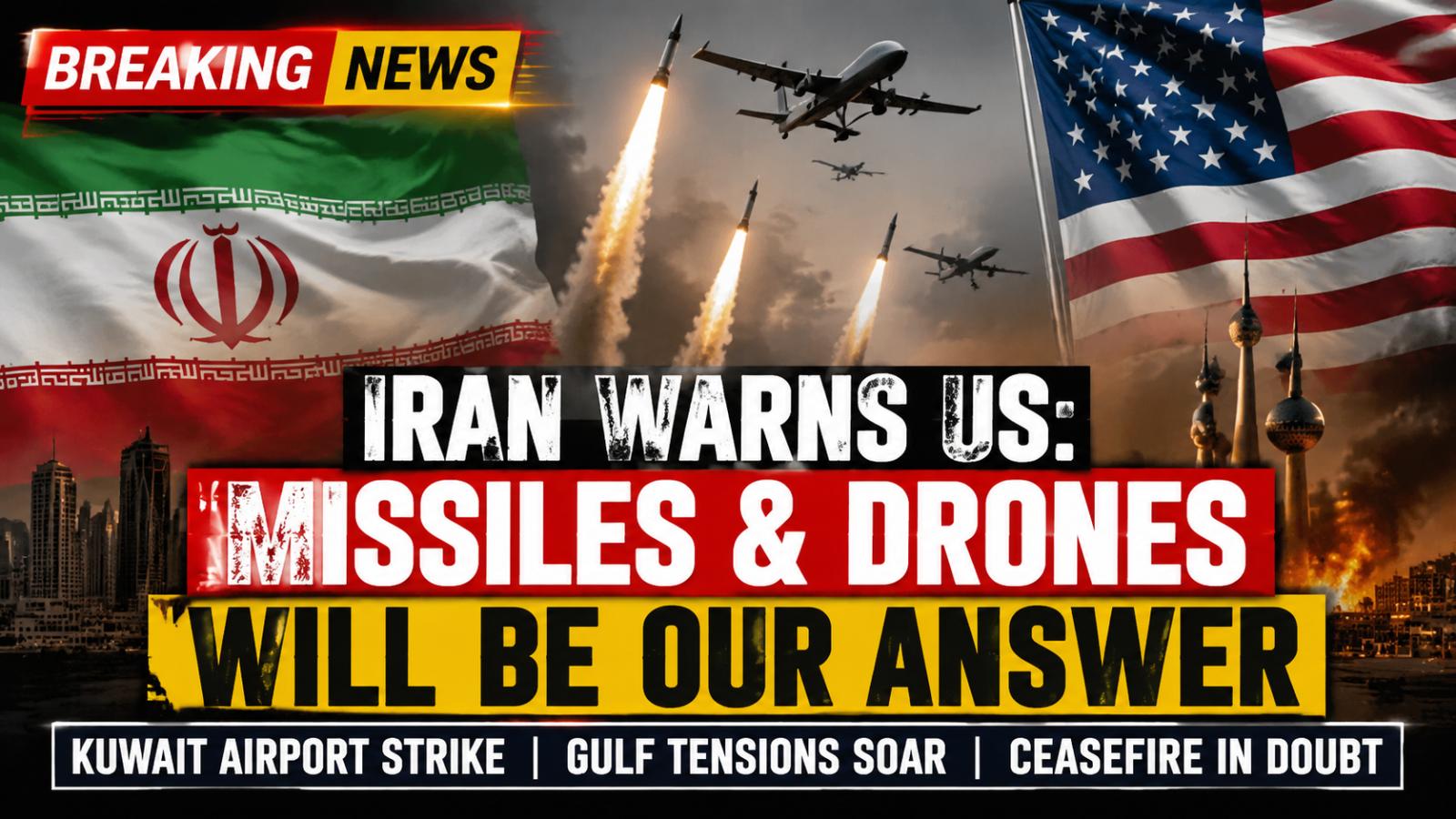
Iran has issued a stern warning that any renewed U.S. military action will trigger a swift response using missiles and drones. Senior military adviser Mohsen Rezaei, speaking amid rising Gulf tensions, emphasized that Iran is prepared to defend itself against what it considers aggressive overreach. The statement underlines the fragile state of regional diplomacy and the challenges facing efforts to secure a ceasefire.
Rezaei’s Statement: Defending Sovereignty
Posted on X, Rezaei stated that Iran will not tolerate unilateral moves by the United States in negotiations or ceasefire talks. “Any aggression will be met with a barrage of missiles and drones,” he said, highlighting the country’s readiness to retaliate. This message reflects Iran’s strategy to deter further attacks and maintain a defensive posture amid escalating conflict in the Gulf.
Drone and Missile Strikes in Kuwait
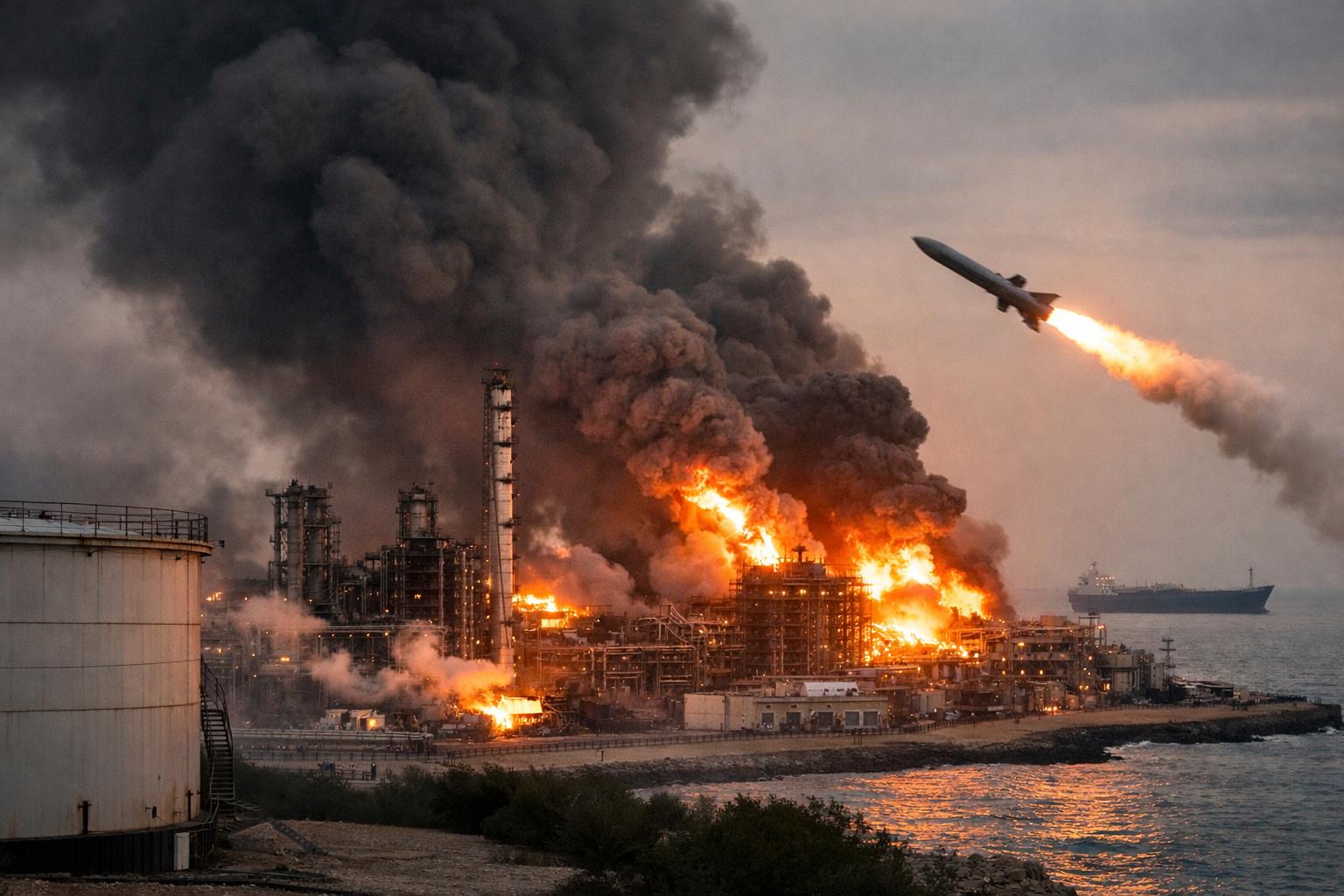
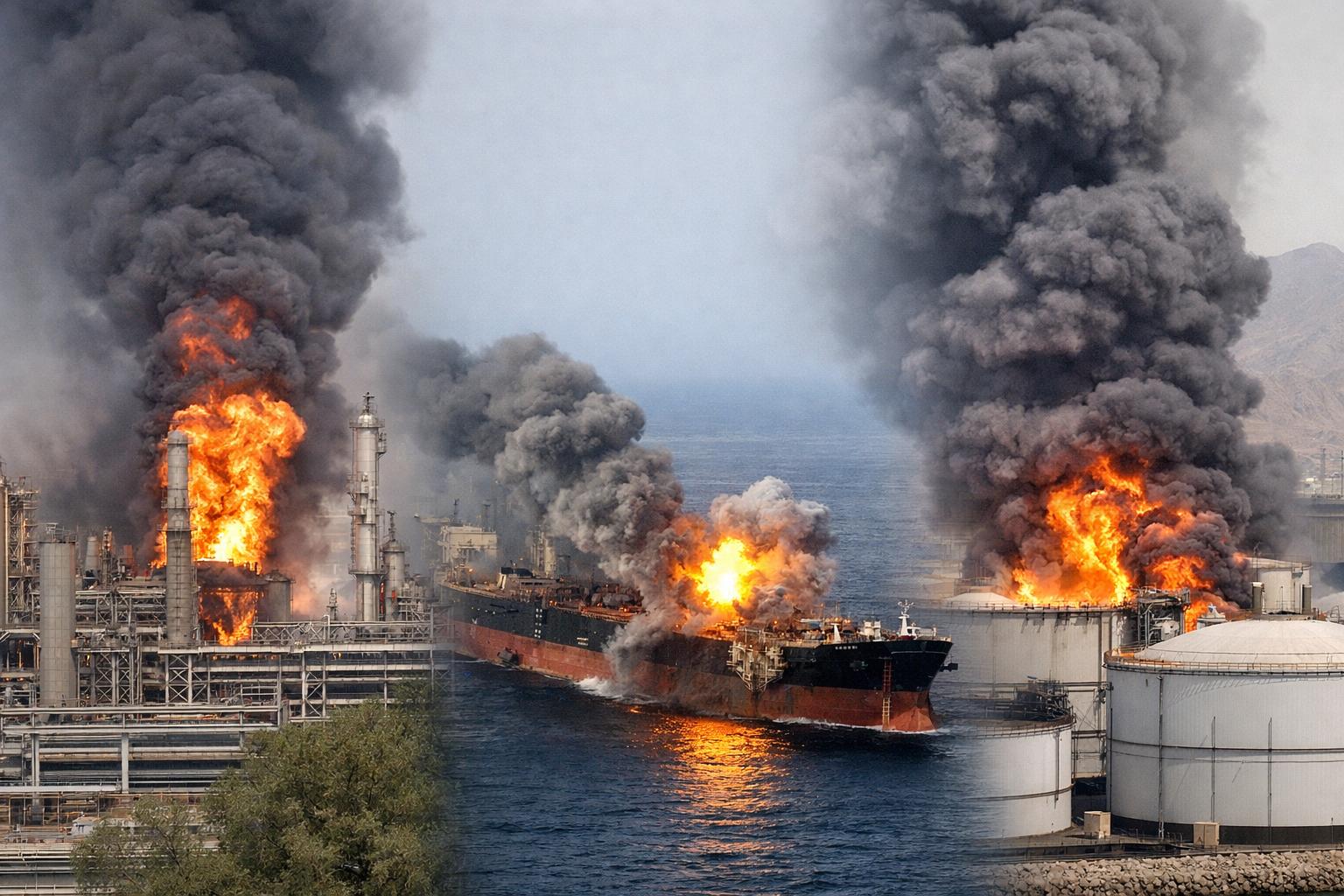
Kuwait International Airport’s T1 terminal was struck by drones, causing significant damage and at least one fatality. Kuwait’s Ministry of Defence condemned the attack as “criminal Iranian aggression.” Despite disruptions, Kuwait Airways has resumed flights. According to U.S. military reports, two missiles fired by Iran broke apart before reaching targets, while U.S. and Bahraini forces intercepted additional missiles aimed at Bahrain.
Regional Security Concerns
The series of attacks underscores the volatility of the Gulf region and the urgent need for diplomacy. Bahrain’s Defence Ministry confirmed destruction of three incoming missiles, demonstrating heightened military alertness. The escalation poses challenges for international efforts to maintain stability, prevent further attacks, and manage ongoing U.S.-Iran tensions.
Prospects for De-escalation
With both sides issuing warnings, the window for diplomatic resolution is narrowing. Regional allies and international observers are closely monitoring developments, hoping to prevent further violence and maintain a fragile balance of security in the Gulf.