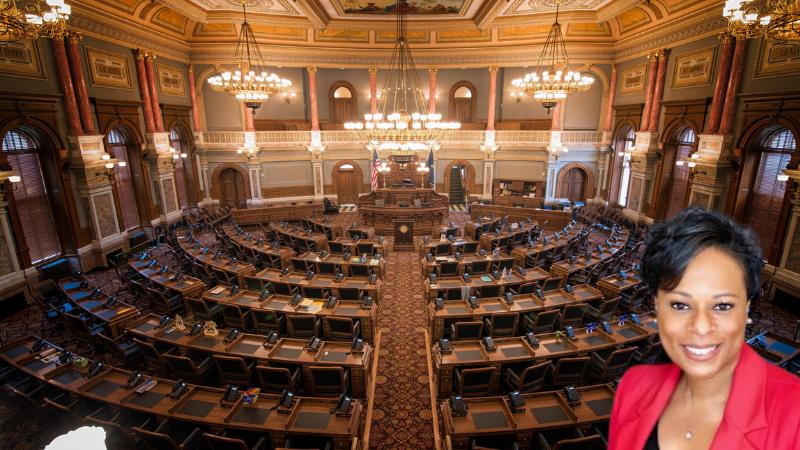
A dramatic protest unfolded in the Texas House when Representative Nicole Collier of North Texas spent the night on the House floor after rejecting a mandated escort by state troopers. Collier declared that she would not sign away her dignity and described herself as a political prisoner in response to what she believes is an abuse of legislative power.
The confrontation took place during the second special session of the legislature. The previous special session ended without passing any major bills, prompting Republican leaders to accelerate efforts in this new session. Among the items being prioritized are new redistricting maps and legislation focused on disaster preparedness and relief in the wake of severe flooding that struck the Texas Hill Country. These proposals have become highly contentious as Republicans press forward with their agenda while Democrats push back against what they view as restrictive and unnecessary measures.
Collier’s refusal to accept the Department of Public Safety escort and her decision to stay overnight in the chamber symbolize a broader struggle over representation and authority in state government. Critics argue that requiring escorts for certain lawmakers amounts to an overreach designed to intimidate, while supporters contend that such measures are needed to ensure legislative order. By rejecting the directive, Collier chose open defiance, drawing attention to the struggle over how power is exercised in the House.
Her protest highlights the tense environment at the Capitol, where debates over redistricting, disaster relief, and legislative authority continue to deepen partisan divides. Republican leaders argue that urgent action is necessary to secure the state’s future needs, while Collier and other Democrats maintain that the current approach stifles opposition and undermines fair debate.
The overnight demonstration has already sparked widespread discussion about the balance of power in the legislature and how far individual lawmakers are willing to go to stand by their principles. As the second special session progresses, the standoff is expected to intensify, with both sides digging in on critical issues that could shape Texas policy for years to come. Texans now wait to see whether compromise will emerge or whether conflict will continue to define the legislative process.
The confrontation took place during the second special session of the legislature. The previous special session ended without passing any major bills, prompting Republican leaders to accelerate efforts in this new session. Among the items being prioritized are new redistricting maps and legislation focused on disaster preparedness and relief in the wake of severe flooding that struck the Texas Hill Country. These proposals have become highly contentious as Republicans press forward with their agenda while Democrats push back against what they view as restrictive and unnecessary measures.
Collier’s refusal to accept the Department of Public Safety escort and her decision to stay overnight in the chamber symbolize a broader struggle over representation and authority in state government. Critics argue that requiring escorts for certain lawmakers amounts to an overreach designed to intimidate, while supporters contend that such measures are needed to ensure legislative order. By rejecting the directive, Collier chose open defiance, drawing attention to the struggle over how power is exercised in the House.
Her protest highlights the tense environment at the Capitol, where debates over redistricting, disaster relief, and legislative authority continue to deepen partisan divides. Republican leaders argue that urgent action is necessary to secure the state’s future needs, while Collier and other Democrats maintain that the current approach stifles opposition and undermines fair debate.
The overnight demonstration has already sparked widespread discussion about the balance of power in the legislature and how far individual lawmakers are willing to go to stand by their principles. As the second special session progresses, the standoff is expected to intensify, with both sides digging in on critical issues that could shape Texas policy for years to come. Texans now wait to see whether compromise will emerge or whether conflict will continue to define the legislative process.