The world’s most wanted man: Osama bin Laden
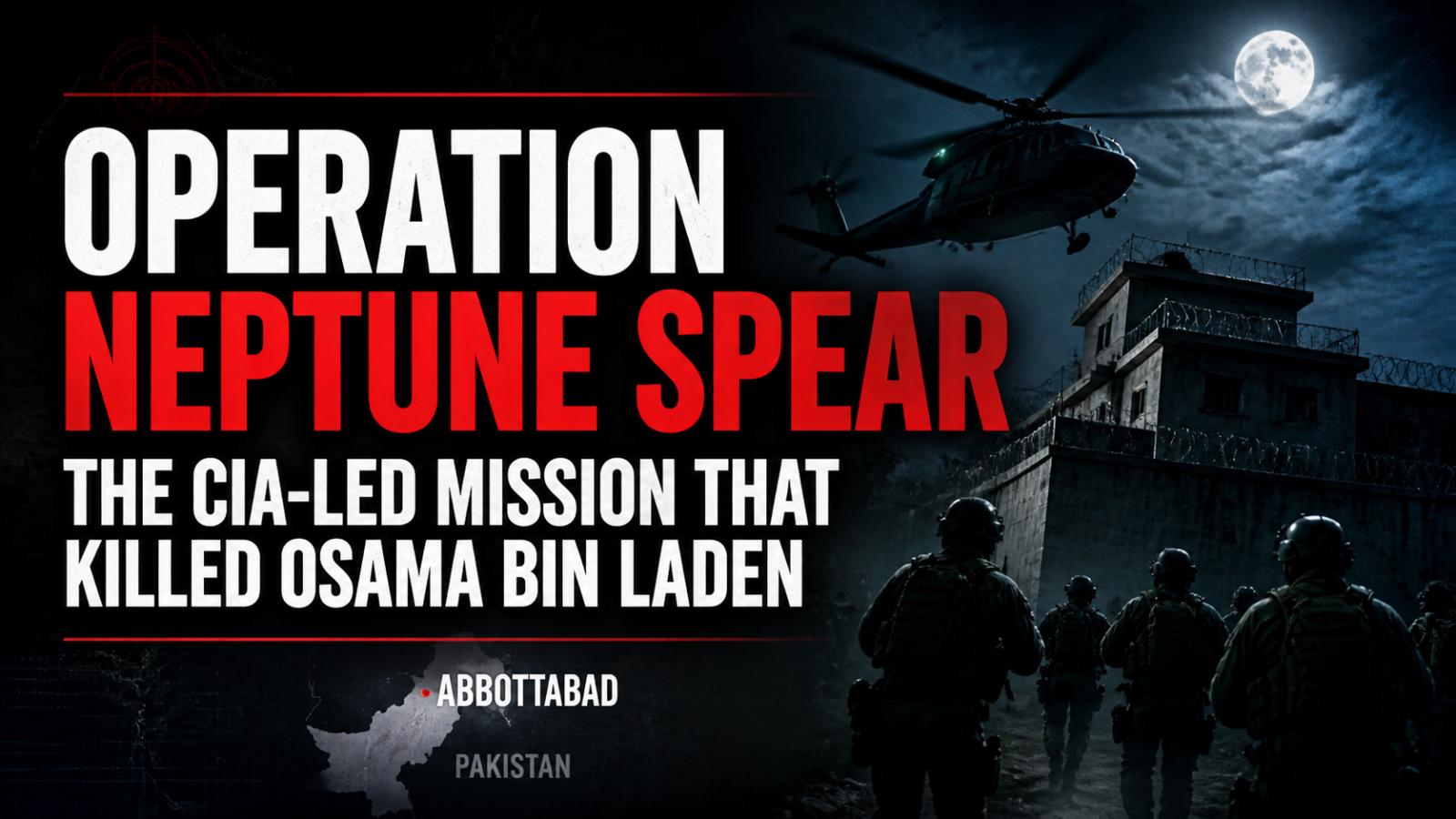
On May 2, 2011, Osama bin Laden, the world’s most wanted terrorist, was killed in a CIA-led operation called Operation Neptune Spear. After nearly a decade of intensive intelligence work, Bin Laden’s hideout in Abbottabad, Pakistan, was pinpointed, marking a major victory in the war on terror. The mission, involving a covert nighttime raid by US Navy SEALs, was the result of years of painstaking intelligence gathering, which ultimately brought justice for the victims of the September 11 attacks.
The breakthrough: A mysterious courier
For nearly ten years after the 9/11 tragedy, Osama bin Laden remained in hiding, constantly evading capture. His influence over al-Qaida continued to spread terror worldwide. The CIA relentlessly pursued leads, tracking individuals connected to him and working tirelessly to find his whereabouts. However, the breakthrough did not come from Bin Laden himself, but from a mysterious courier linked to him through years of covert operations. This courier became the key to finding Bin Laden.
Abbottabad compound: The suspicious hideout
In 2010, intelligence reports led investigators to a fortified compound in Abbottabad, Pakistan, which stood out due to its unusual features—high walls, barbed wire, and burned trash. The property appeared to house someone of great importance. These signs sparked suspicion among intelligence agencies that Bin Laden was hiding there.
Planning the raid: US forces prepare for mission
Detailed planning followed, with US officials using a full-scale replica of the compound to rehearse the mission. Every detail, from entry points to possible challenges, was studied to ensure that the operation would be carried out as smoothly as possible. With minimal civilian casualties as a top priority, the preparation for the raid was meticulous.
The final call: Obama authorizes the mission
On April 29, 2011, President Barack Obama authorized the operation, and US Navy SEALs were deployed to carry out the raid. The mission was high-risk, with the element of surprise being key to its success. On the night of May 2, US helicopters carrying Navy SEALs crossed into Pakistan. One of the helicopters was forced to crash land due to unexpected weather conditions, but the team pushed forward, unfazed by the setback.
The raid: SEALs find and kill Bin Laden
Upon reaching the compound, the SEALs quickly located Osama bin Laden on the third floor. The raid lasted only nine minutes, during which Bin Laden was killed. The team quickly secured the compound, confirming his identity using DNA samples and gathering valuable intelligence. Despite the earlier crash, the team successfully evacuated, leaving behind a destroyed helicopter to prevent any sensitive technology from being seized.
The Situation Room: Watching in real-time
Back in the White House Situation Room, President Obama and top officials monitored the operation in real-time, their anxious expressions captured in now-iconic photos. The raid was a defining moment, not just for the US, but for global security efforts.
Burial at sea: The final chapter
After confirming his identity, Bin Laden’s body was swiftly transported to the USS Carl Vinson, where he was buried at sea within 24 hours. This decision was made to avoid creating a physical grave that could become a shrine for followers.
Recovered secrets: Bin Laden’s ongoing influence
The materials recovered from the compound revealed that Bin Laden was still directing operations within al-Qaida, showing that he remained an active force in terrorism planning. His death, however, marked a significant blow to the terrorist group, disrupting al-Qaida’s operations and reshaping global counterterrorism strategies.
A defining moment in the war on terror
The raid on Osama bin Laden’s compound in Abbottabad will be remembered as a landmark operation in the fight against terrorism. It demonstrated the power of intelligence collaboration, precision military action, and the resolve of the United States to eliminate threats posed by terrorism.