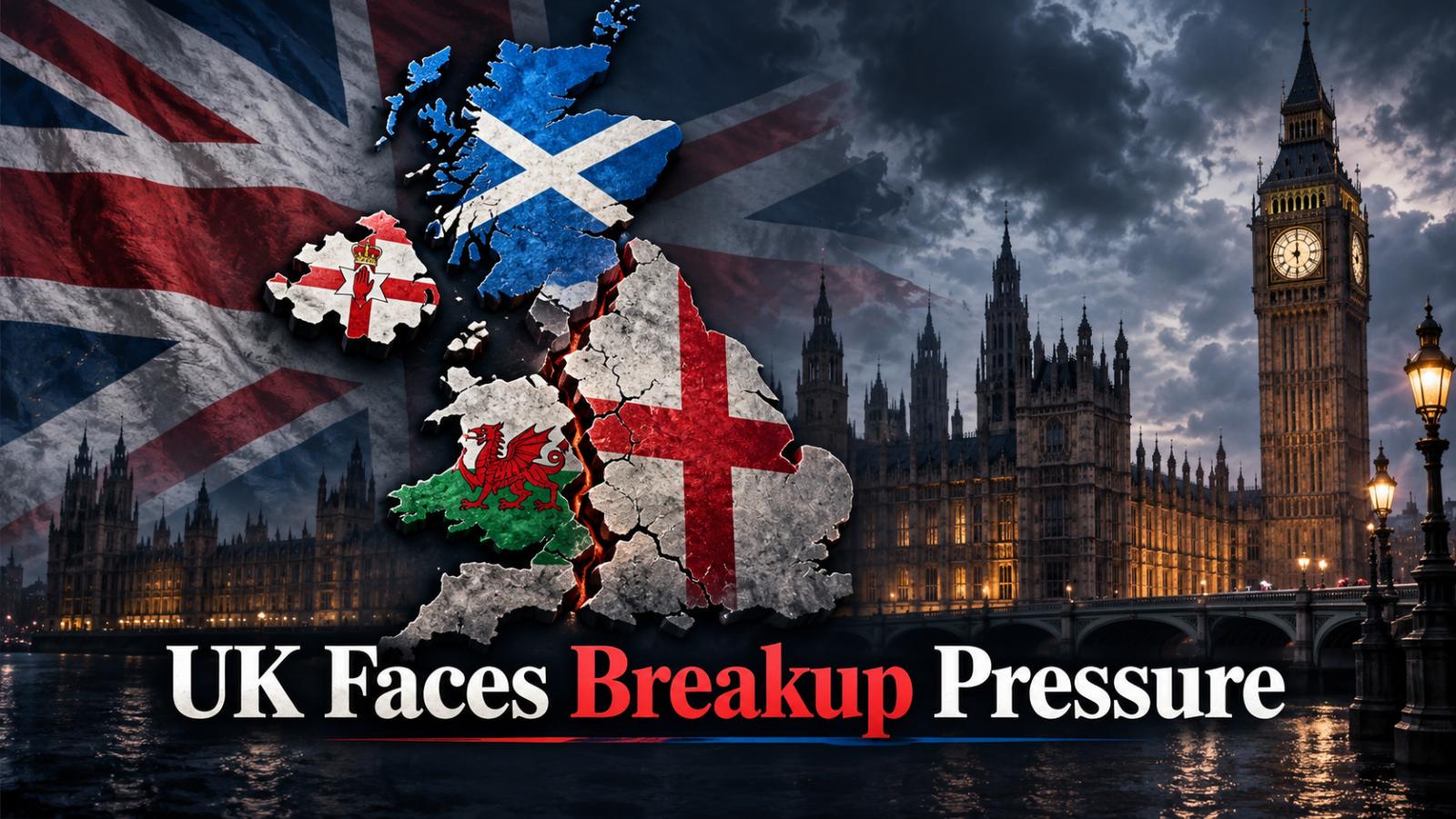
A new UK breakup independence push has brought Scotland, Wales and Northern Ireland into an unusually coordinated constitutional debate, with nationalist leaders arguing that decisions over their political futures should rest with voters in their respective nations. The development places fresh pressure on Westminster while raising difficult questions over how any future referendums would legally proceed.
Scotland independence bid gains fresh momentum
Scotland's First Minister John Swinney, leader of the Scottish National Party, has renewed his party's campaign for independence following the 2026 Scottish parliamentary election. The Scottish Government says responsibility for independence and constitutional affairs now sits directly with Swinney, highlighting the priority his administration is placing on the issue.
Scotland rejected independence in the 2014 referendum, but the constitutional argument has remained central to SNP politics. Swinney has continued to argue that Scotland should have the right to decide its future, while Westminster remains resistant to authorising another vote.
The UK House of Commons Library notes that the SNP entered the 2026 devolved election seeking powers needed to pursue another independence referendum. That legal question remains crucial because Scotland cannot simply organise a binding independence process without confronting the constitutional authority of the UK Parliament.
Wales independence push changes the political equation
The biggest shift has come from Wales, where Plaid Cymru leader Rhun ap Iorwerth is now First Minister. His government has called for a stronger Welsh voice within the UK's constitutional system and has argued that Wales should control decisions about its own political future.
The Welsh Government confirmed in September that ap Iorwerth's administration is pursuing closer cooperation with Scotland while pressing Westminster over funding and constitutional issues.
Plaid Cymru's 2026 manifesto called for the power to determine the timing, question and process of a Welsh independence referendum to be devolved to Wales. The House of Commons Library says such a change would require alterations to the existing constitutional framework.
Irish unity referendum remains a separate process
Northern Ireland presents a different constitutional situation. Sinn Féin's Michelle O'Neill supports Irish reunification rather than the creation of an independent Northern Irish state. Under the Good Friday Agreement framework, Northern Ireland can ultimately leave the United Kingdom and join a united Ireland if the legal conditions for a border poll are met.
That distinction matters. Scotland and Wales are debating independence, while Sinn Féin is campaigning for Irish unity. Their destinations are different even though all three movements challenge Westminster's existing constitutional settlement.
Cardiff summit puts Westminster under pressure
The political significance increased on September 14, 2026, when SNP leader John Swinney, Plaid Cymru leader Rhun ap Iorwerth and senior Sinn Féin figures Michelle O'Neill and Mary Lou McDonald met in Cardiff and signed a memorandum supporting each nation's right to determine its own future. Reports described it as an unprecedented gathering of the three major nationalist movements.
An important distinction is that the participants met in their party-political capacities rather than jointly exercising the authority of the three devolved governments. Northern Ireland in particular operates through a power-sharing executive, meaning O'Neill does not independently represent the entire administration on Irish unity.
The United Kingdom is therefore not on the verge of automatically breaking apart, but the constitutional pressure is clearly becoming more coordinated. Scotland's independence campaign, Plaid Cymru's growing influence in Wales and Sinn Féin's Irish unity strategy now give Westminster simultaneous challenges on three fronts.
Whether those campaigns eventually produce referendums will depend on elections, public opinion and complex constitutional rules. What has changed is the political landscape: nationalist leaders are increasingly cooperating, making the future of the United Kingdom a more prominent national debate than it has been for years.