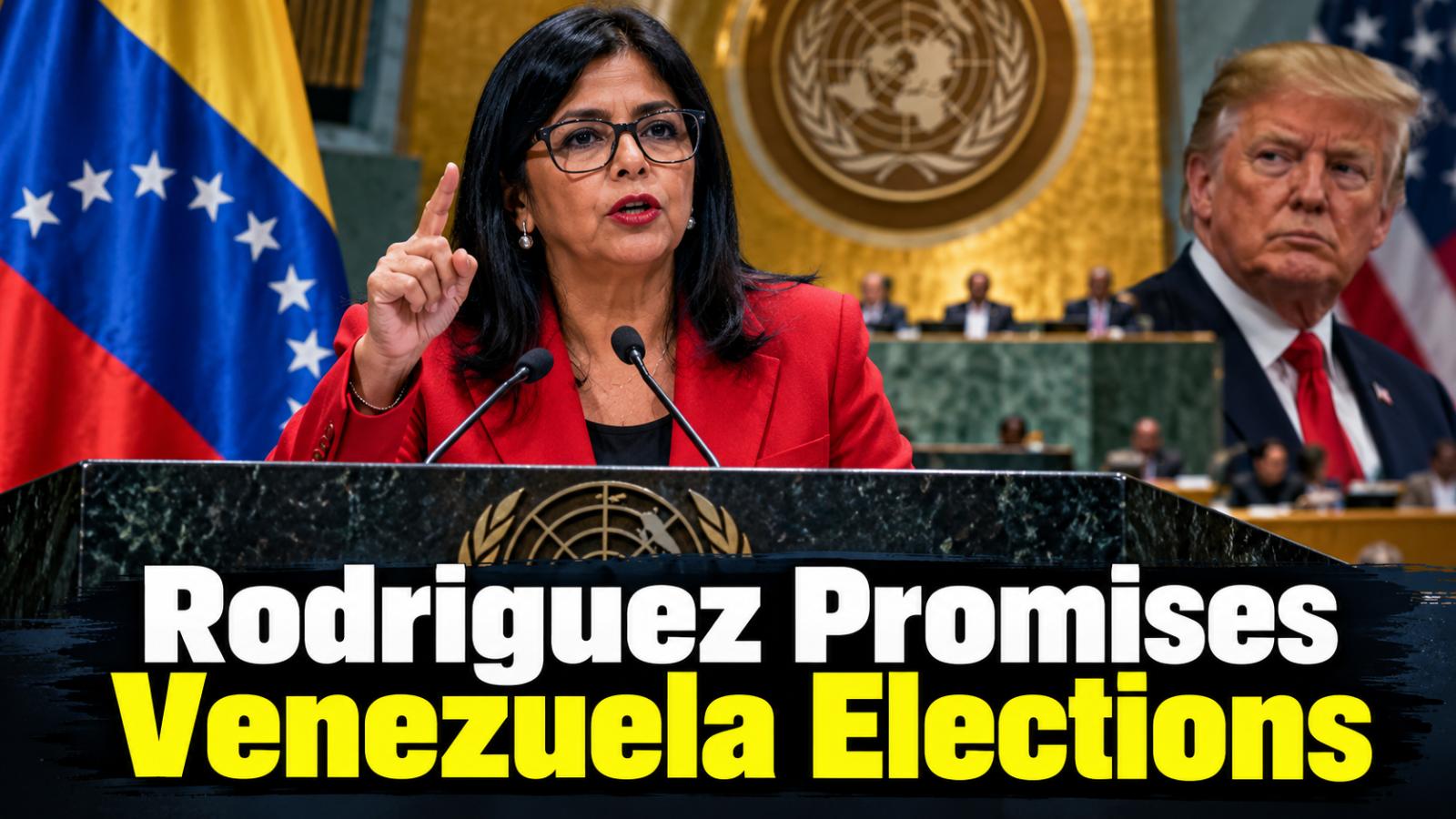
Venezuela’s interim President Delcy Rodriguez told the United Nations General Assembly on September 23 that elections will be held in the country, although she stopped short of announcing a date. Her remarks came as Caracas and Washington deepen a relationship that changed dramatically after Nicolas Maduro was removed from power in a US military operation in January.
Rodriguez also thanked President Donald Trump for supporting renewed diplomatic relations and cooperation with Venezuela. The speech marked her first UN General Assembly address as interim leader and came during her first US visit since assuming power. The UN’s 81st General Assembly general debate is taking place in New York from September 22 to 28.
Election pledge puts political future in focus
Rodriguez told delegates that elections would take place as Venezuela moves toward what she described as full democracy. She also said her government had opened political dialogue with opposition groups aimed at creating equal conditions for the process.
However, she did not give a timetable. That leaves a major unanswered question for Venezuelans and international governments watching the political transition.
US ties deepen under Rodriguez
The interim government has moved closer to Washington since Maduro’s removal. Rodriguez publicly thanked the Trump administration for reopening diplomatic cooperation, marking a sharp change from years of hostility between the two governments.
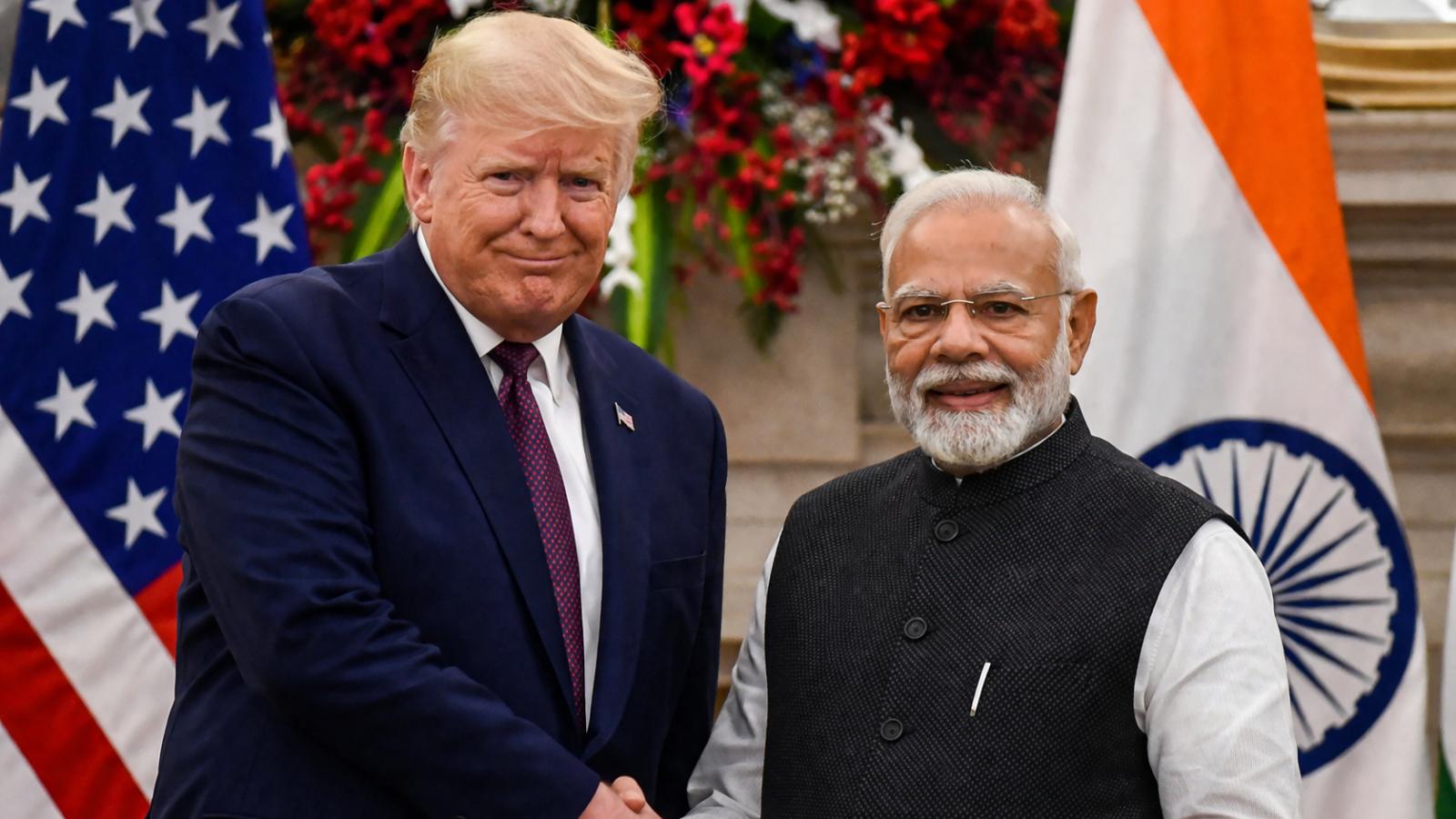
The shift has included talks on energy, mining, security and Venezuela’s economic recovery. Rodriguez and Trump met in New York on the sidelines of the UN gathering, with both sides describing the meeting as an important step in rebuilding bilateral relations.
Trump talks include elections and economic stability
Trump raised Venezuela’s eventual elections during his meeting with Rodriguez, but did not demand a specific election date. According to officials familiar with the discussion, he stressed that elections would ultimately be necessary for Venezuela’s transition.
Earlier in September, Trump said Rodriguez wanted elections but argued that Venezuela was not yet ready to hold them. That position highlights the tension between calls for a democratic vote and Washington’s focus on economic stabilization first.
Oil deal reshapes US-Venezuela relationship
Energy cooperation has become a central part of the new relationship. The Trump administration announced a major Venezuela oil agreement on September 2, presenting it as part of a broader strategy involving economic recovery and an eventual democratic transition.
The White House says economic stability is necessary before elections can take place. Critics of Washington’s approach, however, argue that commercial and strategic interests may be receiving greater priority than a rapid electoral timetable.
Transition remains without election date
Rodriguez’s UN pledge gives Venezuelans a public commitment to elections but leaves the timing unresolved. Her government is simultaneously trying to attract international investment, restructure Venezuela’s finances and restore diplomatic relationships after years of isolation.
She has also met international financial officials and world leaders during her New York visit as Caracas seeks greater international legitimacy.
For now, the key question is not whether Rodriguez has promised a vote, but when that vote will be held and what conditions will govern it. Until a timetable and electoral framework are announced, Venezuela’s democratic transition remains an open process rather than a completed political shift.