Starlink restrictions deepen Ukraine war communications crisis as Kyiv reports fresh problems with military satellite connectivity while Russia intensifies drone attacks. The dispute comes as Iran also moves against SpaceX Starlink, highlighting the growing role of satellite communications in modern conflicts.
Ukraine Starlink restrictions
Starlink has become a crucial communications tool for Ukrainian forces, supporting frontline coordination, reconnaissance, drone operations and logistics in areas where conventional networks are unreliable.
Recent restrictions affecting military-linked Starlink and Starshield terminals have therefore raised concern inside Ukraine. Defence officials say limits on terminals operating while in motion can reduce the effectiveness of drones and battlefield communications.
The wider dispute also extends beyond Ukraine. Iran has pledged tougher action against unauthorised Starlink use as governments increasingly view satellite internet as both a civilian communications service and a strategic security technology.
Russian drone attacks on Ukraine
Ukraine reported another intense wave of Russian drone strikes, with hundreds of Shahed-type and other attack drones launched against cities and infrastructure.
In Odesa, officials said a jet-powered drone struck a supermarket, injuring four people and triggering a major fire. The building was partly damaged, while vehicles nearby were also affected.
Ukrainian authorities reported additional deaths in the Kirovohrad region after strikes hit businesses, logistics facilities, warehouses and residential areas. Fatalities were also reported in Dnipro.
Such attacks place increasing pressure on Ukraine air defence, particularly as newer jet-powered drones can travel significantly faster than conventional Shahed systems.
Black Sea vessel strikes
Maritime security concerns have also increased after two vessels off Romania's coast were reportedly struck by aerial drones.
One San Marino-flagged vessel caught fire in the Black Sea, with Romanian authorities reporting crew members missing. Officials have not publicly established responsibility for that incident.
The attacks come amid a wider series of incidents involving commercial vessels near Romania and Bulgaria, adding another layer of risk to Black Sea shipping and regional trade.
Russia drone base expansion
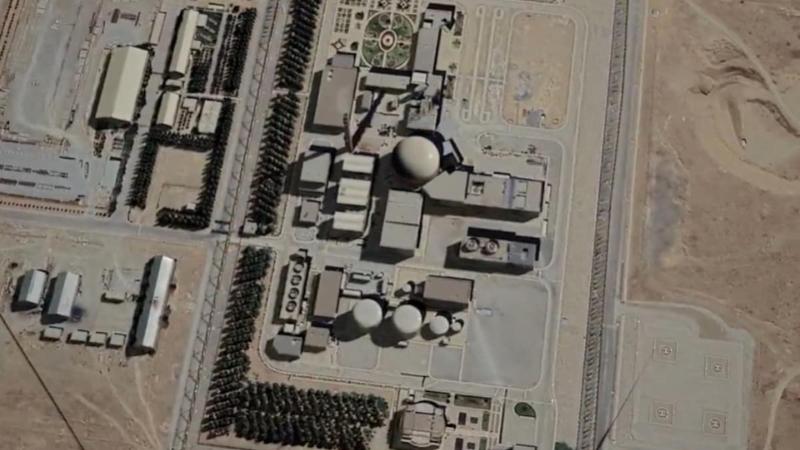
Defence analysts say Russia is close to completing a major new drone-launching facility in the Rostov region.
Satellite imagery reportedly shows a complex covering an area comparable to more than 100 football fields. Analysts believe the site could support large-scale deployment of jet-powered attack drones.
The development is significant because faster drones can reduce warning times and make interception more difficult, forcing Ukraine to spend more air-defence resources protecting cities and critical infrastructure.
Ukraine strike on Su-34M jets
Ukraine, meanwhile, says it carried out an overnight strike against a Russian airfield in the Voronezh region.
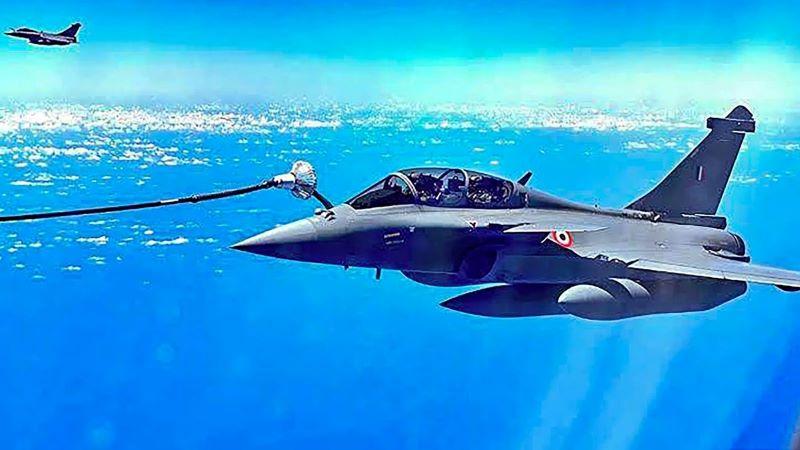
The Ukrainian military claimed four Su-34M fighter-bombers were destroyed and two others damaged. These claims have not been independently confirmed.
Russia uses Su-34 aircraft to launch glide bombs and other weapons against Ukrainian positions and cities near the frontline, making air bases and aircraft important targets for Kyiv's long-range strike campaign.
The expanding drone war shows how closely communications, satellite technology and military operations are now connected. Starlink restrictions can affect Ukrainian battlefield coordination, while Russia's growing drone infrastructure creates new pressure on Kyiv's air defences.
For Ukraine, maintaining reliable communications is becoming almost as important as securing missiles and interceptors. For SpaceX and governments worldwide, the conflict is also forcing difficult questions about who controls satellite networks when civilian technology becomes essential to warfare.