




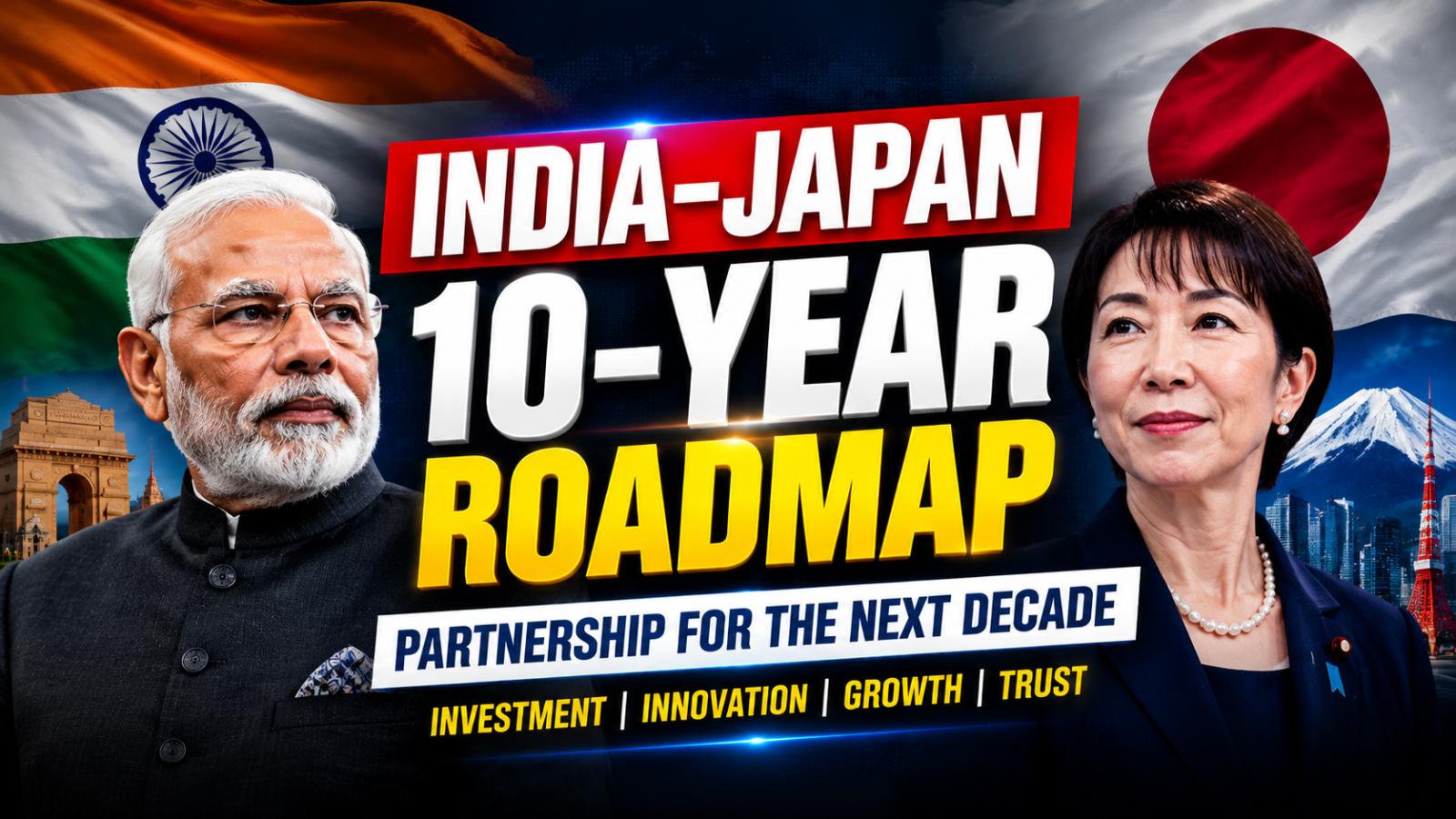
India Japan summit to review 10-year joint vision roadmap cooperation
India-Japan Summit to Review Long-Term Strategic Roadmap India is set to host Japanese Prime Minister Sanae Takaichi from July 1 to 3 for the 16th India-Japan Annual Summit, where both sides are expected to review progress under the Japan-India Joint Vision for the Next Decade. The framework, signed in Tokyo in August 2025, outlines a long-term roadmap aimed at streng
India Japan summit to review 10-year joint vision roadmap cooperation
India-Japan Summit to Review Long-Term Strategic Roadmap India is set to host Japanese Prime Minister Sanae Takaichi from July 1 to 3 for the 16th India-Japan Annual Summit, where both sides are expected to review progress under the Japan-India Joint Vision for the Next Decade. The framework, signed in Tokyo in August 2025, outlines a long-term roadmap aimed at streng
Birthright Citizenship Ruling: What H-1B and F-1 Families Should Know
The birthright citizenship ruling issued by the U.S. Supreme Court on Tuesday, June 30, 2026, provides important clarity for families living in the United States on temporary visas. Children born in the country to parents who are lawfully but temporarily present remain U.S. citizens at birth under the 14th Amendment. For the court’s vote and constitutional reasoning, read NRIPage’s full report on the
Birthright Citizenship Ruling: What H-1B and F-1 Families Should Know
The birthright citizenship ruling issued by the U.S. Supreme Court on Tuesday, June 30, 2026, provides important clarity for families living in the United States on temporary visas. Children born in the country to parents who are lawfully but temporarily present remain U.S. citizens at birth under the 14th Amendment. For the court’s vote and constitutional reasoning, read NRIPage’s full report on the

Trump v. Barbara Ruling: Supreme Court Protects Birthright Citizenship
The Trump v. Barbara ruling preserved automatic U.S. citizenship for nearly all children born on American soil. In a 6-3 decision issued Tuesday, June 30, 2026, the Supreme Court affirmed a lower-court judgment blocking President Donald Trump’s executive order. What the Trump v. Barbara ruling decided Chief Justice John Roberts wrote the court’s principal opinion, joined by Justices Sonia S
Trump v. Barbara Ruling: Supreme Court Protects Birthright Citizenship
The Trump v. Barbara ruling preserved automatic U.S. citizenship for nearly all children born on American soil. In a 6-3 decision issued Tuesday, June 30, 2026, the Supreme Court affirmed a lower-court judgment blocking President Donald Trump’s executive order. What the Trump v. Barbara ruling decided Chief Justice John Roberts wrote the court’s principal opinion, joined by Justices Sonia S

Iraq raid exposes massive cash and gold stash in Baghdad
A coordinated security operation in Baghdad’s heavily guarded Green Zone has triggered one of the most closely watched anti-corruption actions in recent months. Authorities recovered significant amounts of cash and gold while detaining individuals linked to a widening financial misconduct investigation involving public officials and political figures. High-security raids car
Iraq raid exposes massive cash and gold stash in Baghdad
A coordinated security operation in Baghdad’s heavily guarded Green Zone has triggered one of the most closely watched anti-corruption actions in recent months. Authorities recovered significant amounts of cash and gold while detaining individuals linked to a widening financial misconduct investigation involving public officials and political figures. High-security raids car
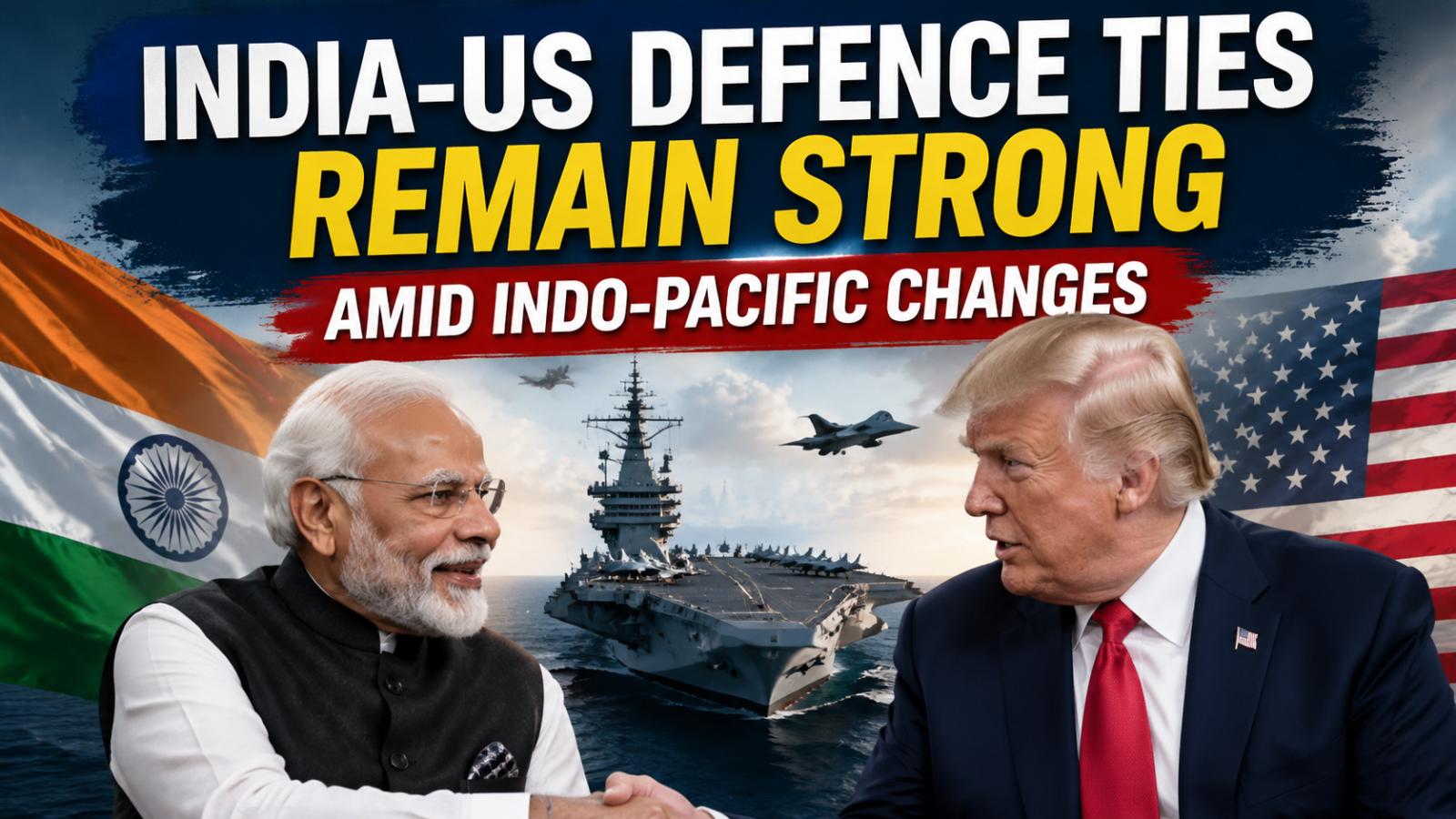
India-US defence ties remain stable amid Indo-Pacific changes
India and the United States continue to maintain stable defence cooperation despite recent adjustments in how Washington refers to its Indo-Pacific military structure. US Ambassador Sergio Gor reiterated that operational collaboration between the two countries is unaffected by the change in terminology, stressing continuity over symbolism. Military engagement remains active According to Gor, defence interaction between both nations is not only ongoing but expanding. Joint exercises, training programs, and coordinated operational planning continue across multiple domains. He noted that India remains one of the most frequently engaged partners in US military exercises globally, reflecting long-term strategic alignment rather than short-term political messaging. Indo-Pacific command terminology shift The discussion gained attention after the US reverted from the “Indo-Pacific Command” branding to its earlier designation. While the naming change sparked speculation about shifting priorities, officials clarified that command responsibilities and regional engagement remain unchanged. The operational scope still spans a vast area covering key maritime and security corridors in Asia-Pacific. Interpretation and political reactions The naming adjustment has been interpreted in different ways across policy circles, with some viewing it as symbolic recalibration. However, US officials have consistently pushed back on that narrative, arguing that defence cooperation with India is driven by shared strategic interests rather than administrative labels. Leadership relations and diplomatic tone Gor also highlighted the working relationship between former US President Donald Trump and Indian Prime Minister Narendra Modi, describing it as direct and pragmatic. He pointed to informal diplomatic interactions as evidence of sustained trust and coordination between leadership levels, which continues to influence broader strategic engagement. Long-term partnership outlook Despite periodic debates over terminology and diplomatic optics, both nations continue to prioritize defence, technology collaboration, and regional security coordination. The emphasis remains on sustained engagement in the Indo-Pacific region, where shared concerns over maritime security and strategic balance continue to drive cooperation rather than divergence.
India-US defence ties remain stable amid Indo-Pacific changes
India and the United States continue to maintain stable defence cooperation despite recent adjustments in how Washington refers to its Indo-Pacific military structure. US Ambassador Sergio Gor reiterated that operational collaboration between the two countries is unaffected by the change in terminology, stressing continuity over symbolism. Military engagement remains active According to Gor, defence interaction between both nations is not only ongoing but expanding. Joint exercises, training programs, and coordinated operational planning continue across multiple domains. He noted that India remains one of the most frequently engaged partners in US military exercises globally, reflecting long-term strategic alignment rather than short-term political messaging. Indo-Pacific command terminology shift The discussion gained attention after the US reverted from the “Indo-Pacific Command” branding to its earlier designation. While the naming change sparked speculation about shifting priorities, officials clarified that command responsibilities and regional engagement remain unchanged. The operational scope still spans a vast area covering key maritime and security corridors in Asia-Pacific. Interpretation and political reactions The naming adjustment has been interpreted in different ways across policy circles, with some viewing it as symbolic recalibration. However, US officials have consistently pushed back on that narrative, arguing that defence cooperation with India is driven by shared strategic interests rather than administrative labels. Leadership relations and diplomatic tone Gor also highlighted the working relationship between former US President Donald Trump and Indian Prime Minister Narendra Modi, describing it as direct and pragmatic. He pointed to informal diplomatic interactions as evidence of sustained trust and coordination between leadership levels, which continues to influence broader strategic engagement. Long-term partnership outlook Despite periodic debates over terminology and diplomatic optics, both nations continue to prioritize defence, technology collaboration, and regional security coordination. The emphasis remains on sustained engagement in the Indo-Pacific region, where shared concerns over maritime security and strategic balance continue to drive cooperation rather than divergence.

Japan PM visit pushes India Japan tech and defence cooperation
India and Japan have taken another step toward strengthening their long-term strategic relationship as high-level discussions were held in New Delhi focused on expanding cooperation across trade, defence, technology, and infrastructure. The engagement reflects a broader effort by both nations to build resilience in supply chains and increase coordination in the Indo-Pacific region amid shifting global economic and security dynamics. Rather than treating the relationship as routine diplomacy, both sides are increasingly positioning it as a structured partnership tied to economic security, innovation, and regional stability. Trade and investment becoming the core growth driver Economic cooperation continues to act as the backbone of the relationship. Japan remains one of India’s key foreign investors, with long-term commitments spread across manufacturing, transport, and urban development sectors. Japanese companies continue to expand their presence in India, particularly in automotive, electronics, and industrial technology. Infrastructure development remains a central pillar, with ongoing support for metro systems, freight corridors, and high-speed rail projects. Financial and institutional backing through Japanese development agencies has played a major role in shaping large-scale connectivity projects across Indian cities. However, both sides still face structural challenges such as slow project execution timelines and regulatory bottlenecks, which limit the speed of capital deployment despite strong political alignment. Defence cooperation expands beyond symbolic engagement Security collaboration between India and Japan has gradually shifted from occasional exercises to more consistent operational coordination. Joint drills such as maritime exercises and regional security training programs have strengthened interoperability between the two defence forces. The focus is increasingly on maritime domain awareness, especially in the Indo-Pacific region where strategic sea lanes remain critical for global trade. Both countries are also exploring ways to improve defence technology exchange, although this area remains sensitive due to regulatory and strategic constraints. Despite progress, defence cooperation is still relatively cautious compared to economic engagement, reflecting differing strategic thresholds and domestic policy considerations. Northeast India emerges as a strategic connectivity zone One of the most notable areas of cooperation is India’s northeastern region, which has gained attention as a key connectivity and development corridor. Japanese-supported infrastructure projects have contributed to road development, bridge construction, and logistics improvement in the region. Beyond physical infrastructure, skill development initiatives are also being introduced to improve employment readiness and cross-border workforce mobility. The region is increasingly being viewed as a bridge between South Asia and Southeast Asia, aligning with broader Indo-Pacific connectivity goals. Still, the region continues to face challenges including terrain constraints, limited industrial base, and slower private sector participation. Technology, AI and future-oriented collaboration Both countries are expanding cooperation in advanced technologies including artificial intelligence, clean energy systems, and digital infrastructure. Joint initiatives are being explored in areas such as smart manufacturing, automation, and next-generation communication systems. There is also growing interest in building more resilient supply chains for critical sectors like semiconductors and green energy technologies. This reflects a shared concern over global supply disruptions and overdependence on concentrated manufacturing hubs. While ambitions are high, actual implementation will depend on regulatory alignment and private sector participation, which remain uneven across sectors. Strategic outlook for the partnership The India–Japan relationship is increasingly being shaped by long-term geopolitical and economic considerations rather than short-term diplomatic exchanges. Both countries appear aligned on maintaining stability in the Indo-Pacific while expanding economic integration. However, the partnership is still evolving and remains uneven across sectors—strong in trade and infrastructure, moderate in defence, and still developing in advanced technology cooperation. The next phase will depend on execution efficiency and the ability to convert policy agreements into large-scale operational outcomes.
Japan PM visit pushes India Japan tech and defence cooperation
India and Japan have taken another step toward strengthening their long-term strategic relationship as high-level discussions were held in New Delhi focused on expanding cooperation across trade, defence, technology, and infrastructure. The engagement reflects a broader effort by both nations to build resilience in supply chains and increase coordination in the Indo-Pacific region amid shifting global economic and security dynamics. Rather than treating the relationship as routine diplomacy, both sides are increasingly positioning it as a structured partnership tied to economic security, innovation, and regional stability. Trade and investment becoming the core growth driver Economic cooperation continues to act as the backbone of the relationship. Japan remains one of India’s key foreign investors, with long-term commitments spread across manufacturing, transport, and urban development sectors. Japanese companies continue to expand their presence in India, particularly in automotive, electronics, and industrial technology. Infrastructure development remains a central pillar, with ongoing support for metro systems, freight corridors, and high-speed rail projects. Financial and institutional backing through Japanese development agencies has played a major role in shaping large-scale connectivity projects across Indian cities. However, both sides still face structural challenges such as slow project execution timelines and regulatory bottlenecks, which limit the speed of capital deployment despite strong political alignment. Defence cooperation expands beyond symbolic engagement Security collaboration between India and Japan has gradually shifted from occasional exercises to more consistent operational coordination. Joint drills such as maritime exercises and regional security training programs have strengthened interoperability between the two defence forces. The focus is increasingly on maritime domain awareness, especially in the Indo-Pacific region where strategic sea lanes remain critical for global trade. Both countries are also exploring ways to improve defence technology exchange, although this area remains sensitive due to regulatory and strategic constraints. Despite progress, defence cooperation is still relatively cautious compared to economic engagement, reflecting differing strategic thresholds and domestic policy considerations. Northeast India emerges as a strategic connectivity zone One of the most notable areas of cooperation is India’s northeastern region, which has gained attention as a key connectivity and development corridor. Japanese-supported infrastructure projects have contributed to road development, bridge construction, and logistics improvement in the region. Beyond physical infrastructure, skill development initiatives are also being introduced to improve employment readiness and cross-border workforce mobility. The region is increasingly being viewed as a bridge between South Asia and Southeast Asia, aligning with broader Indo-Pacific connectivity goals. Still, the region continues to face challenges including terrain constraints, limited industrial base, and slower private sector participation. Technology, AI and future-oriented collaboration Both countries are expanding cooperation in advanced technologies including artificial intelligence, clean energy systems, and digital infrastructure. Joint initiatives are being explored in areas such as smart manufacturing, automation, and next-generation communication systems. There is also growing interest in building more resilient supply chains for critical sectors like semiconductors and green energy technologies. This reflects a shared concern over global supply disruptions and overdependence on concentrated manufacturing hubs. While ambitions are high, actual implementation will depend on regulatory alignment and private sector participation, which remain uneven across sectors. Strategic outlook for the partnership The India–Japan relationship is increasingly being shaped by long-term geopolitical and economic considerations rather than short-term diplomatic exchanges. Both countries appear aligned on maintaining stability in the Indo-Pacific while expanding economic integration. However, the partnership is still evolving and remains uneven across sectors—strong in trade and infrastructure, moderate in defence, and still developing in advanced technology cooperation. The next phase will depend on execution efficiency and the ability to convert policy agreements into large-scale operational outcomes.
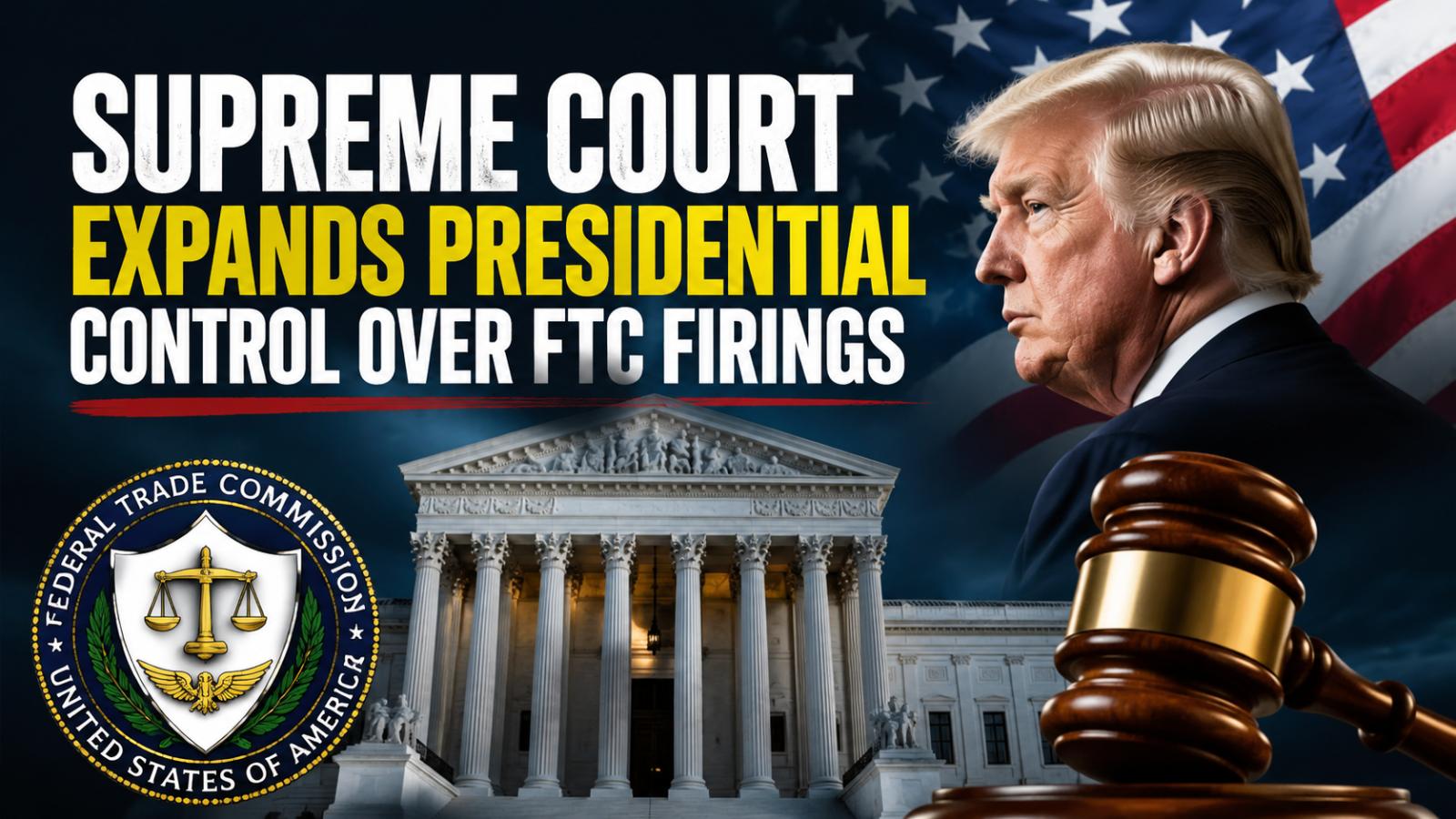
US Supreme Court expands presidential control over FTC firings
A major ruling from the US Supreme Court has redefined how much authority the president holds over independent federal agencies, including the Federal Trade Commission. In a closely watched 6–3 decision, the court concluded that certain protections preventing removal of agency officials without cause are inconsistent with the constitutional structure of executive power. The judgment effectively strengthens presidential oversight, allowing broader discretion in removing commissioners who exercise executive functions. Background of the FTC dismissal dispute The case arose after FTC commissioner Rebecca Slaughter was removed from her position without being given a formal reason tied to misconduct or inefficiency. She challenged the decision, arguing that the Federal Trade Commission Act of 1914 only permits removal under limited conditions such as neglect of duty or wrongdoing. Her legal team maintained that her dismissal violated statutory safeguards designed to protect agency independence. The dispute quickly escalated into a constitutional question about how far presidential authority extends over regulatory bodies. Court’s interpretation of executive authority Writing for the majority, Chief Justice John Roberts held that officials exercising executive power must remain accountable to the president. The court reasoned that insulating such officials from removal undermines the constitutional principle of a unified executive branch. As a result, the Federal Trade Commission’s structure was found to be partially incompatible with absolute “for cause” removal protection. The ruling split the court 6–3, with dissenting justices warning that the decision weakens institutional safeguards designed to prevent political interference in regulatory enforcement. Legal precedent and structural implications The decision revisits long-standing administrative law principles tied to earlier rulings that had supported limits on presidential removal power for independent agencies. By narrowing those protections, the court has opened the door for broader executive control over a range of federal commissions that previously operated with significant autonomy. Legal analysts expect the ruling to influence disputes involving multiple regulatory bodies beyond the FTC, particularly where commissioners have statutory job protections. Impact on independent agencies and governance The ruling could affect dozens of federal agencies that rely on “for cause” removal standards to maintain operational independence. These institutions, which include regulatory, labor, and enforcement bodies such as the Federal Trade Commission, may now face closer oversight from the White House. Supporters of the ruling argue it strengthens accountability and reduces bureaucratic insulation. Critics, however, warn it concentrates too much power in the executive branch and could weaken regulatory neutrality. Political reactions and dissenting views Former President Donald Trump welcomed the decision, describing it as a significant reinforcement of presidential authority over federal institutions. In contrast, Justice Sonia Sotomayor issued a strong dissent, arguing that the ruling undermines structural protections that prevent excessive executive control over independent agencies. The decision is expected to remain a key reference point in future constitutional debates on the balance of power between the presidency and regulatory institutions.
US Supreme Court expands presidential control over FTC firings
A major ruling from the US Supreme Court has redefined how much authority the president holds over independent federal agencies, including the Federal Trade Commission. In a closely watched 6–3 decision, the court concluded that certain protections preventing removal of agency officials without cause are inconsistent with the constitutional structure of executive power. The judgment effectively strengthens presidential oversight, allowing broader discretion in removing commissioners who exercise executive functions. Background of the FTC dismissal dispute The case arose after FTC commissioner Rebecca Slaughter was removed from her position without being given a formal reason tied to misconduct or inefficiency. She challenged the decision, arguing that the Federal Trade Commission Act of 1914 only permits removal under limited conditions such as neglect of duty or wrongdoing. Her legal team maintained that her dismissal violated statutory safeguards designed to protect agency independence. The dispute quickly escalated into a constitutional question about how far presidential authority extends over regulatory bodies. Court’s interpretation of executive authority Writing for the majority, Chief Justice John Roberts held that officials exercising executive power must remain accountable to the president. The court reasoned that insulating such officials from removal undermines the constitutional principle of a unified executive branch. As a result, the Federal Trade Commission’s structure was found to be partially incompatible with absolute “for cause” removal protection. The ruling split the court 6–3, with dissenting justices warning that the decision weakens institutional safeguards designed to prevent political interference in regulatory enforcement. Legal precedent and structural implications The decision revisits long-standing administrative law principles tied to earlier rulings that had supported limits on presidential removal power for independent agencies. By narrowing those protections, the court has opened the door for broader executive control over a range of federal commissions that previously operated with significant autonomy. Legal analysts expect the ruling to influence disputes involving multiple regulatory bodies beyond the FTC, particularly where commissioners have statutory job protections. Impact on independent agencies and governance The ruling could affect dozens of federal agencies that rely on “for cause” removal standards to maintain operational independence. These institutions, which include regulatory, labor, and enforcement bodies such as the Federal Trade Commission, may now face closer oversight from the White House. Supporters of the ruling argue it strengthens accountability and reduces bureaucratic insulation. Critics, however, warn it concentrates too much power in the executive branch and could weaken regulatory neutrality. Political reactions and dissenting views Former President Donald Trump welcomed the decision, describing it as a significant reinforcement of presidential authority over federal institutions. In contrast, Justice Sonia Sotomayor issued a strong dissent, arguing that the ruling undermines structural protections that prevent excessive executive control over independent agencies. The decision is expected to remain a key reference point in future constitutional debates on the balance of power between the presidency and regulatory institutions.
Myanmar jade mine collapse kills 5 in Kachin monsoon disaster
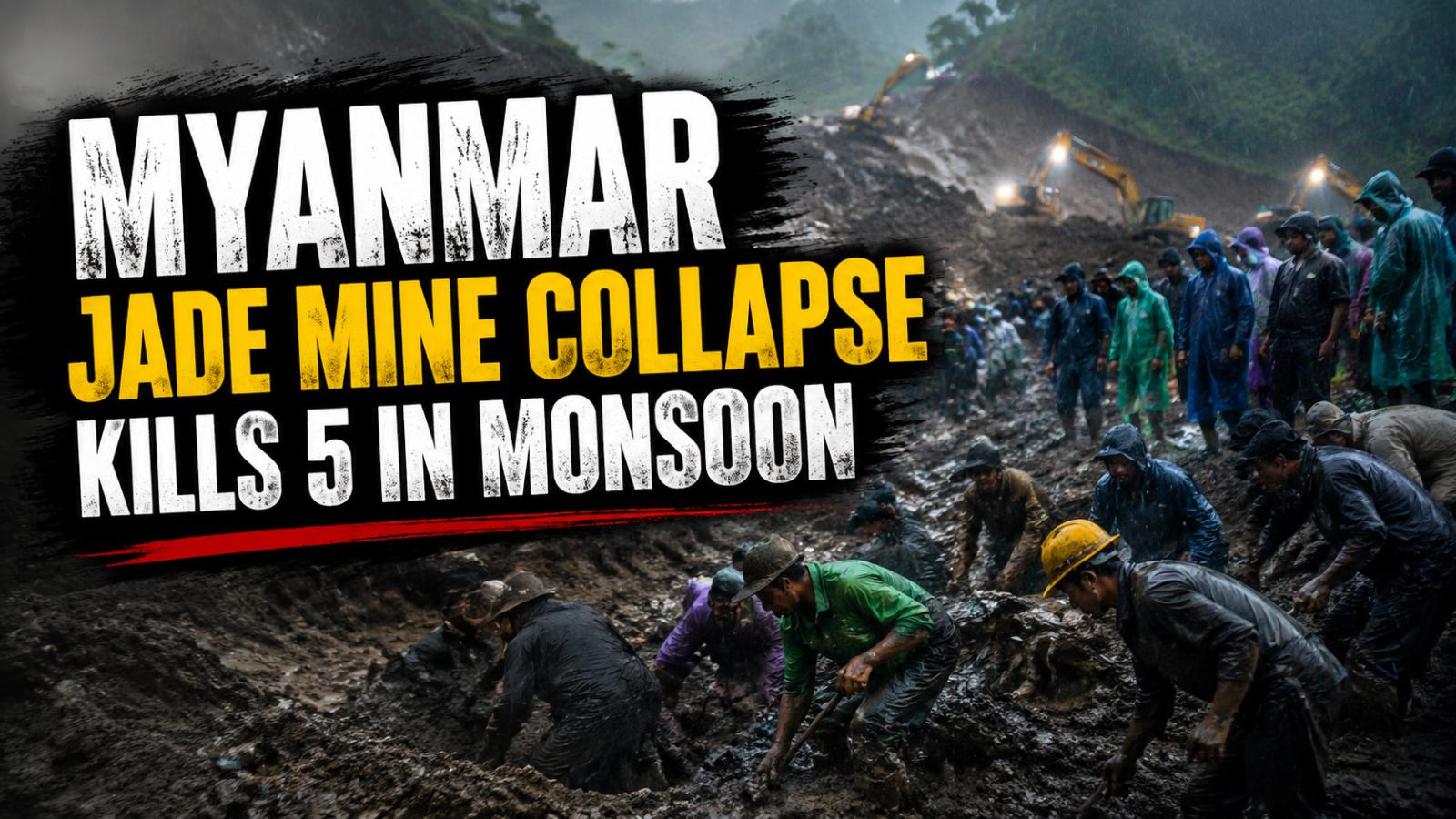
A deadly collapse at a jade mining waste site in Myanmar’s northern Kachin state has left at least five people dead, with several others still unaccounted for after days of heavy monsoon rainfall weakened the terrain in Hpakant township. The incident occurred in an abandoned mining zone where informal workers were searching through discarded material for leftover jade fragments. Continuous rain saturated the unstable slag heaps, causing a su
Myanmar jade mine collapse kills 5 in Kachin monsoon disaster
A deadly collapse at a jade mining waste site in Myanmar’s northern Kachin state has left at least five people dead, with several others still unaccounted for after days of heavy monsoon rainfall weakened the terrain in Hpakant township. The incident occurred in an abandoned mining zone where informal workers were searching through discarded material for leftover jade fragments. Continuous rain saturated the unstable slag heaps, causing a su
Indian Army refutes claims of PLA presence in Arunachal sector
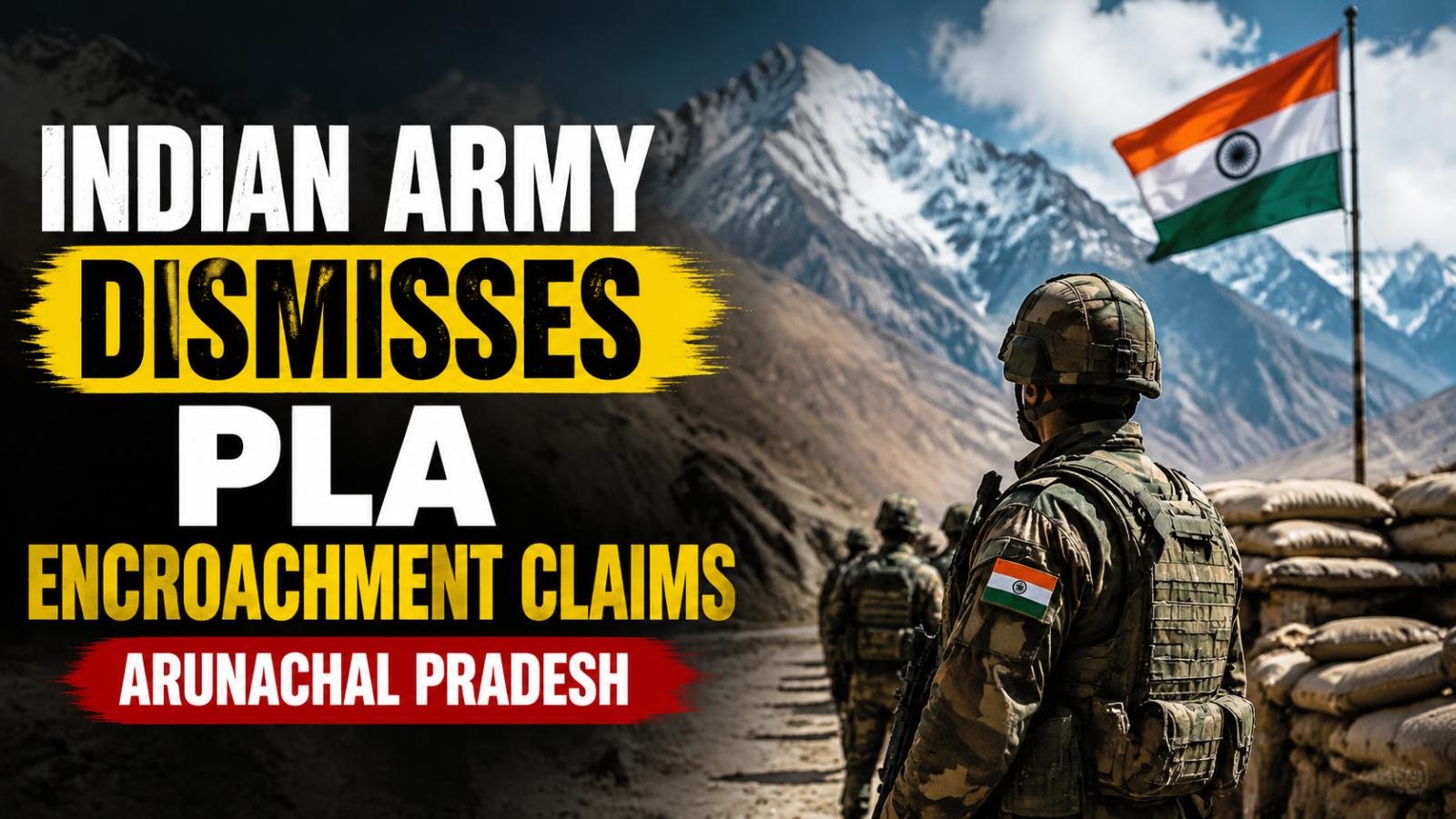
The Indian Army has firmly rejected recent reports suggesting any presence of Chinese PLA forces inside the Taksing sector of Arunachal Pradesh. Officials clarified that routine surveillance along the India-China border continues without interruption and no unusual movement or establishment of camps has been detected within Indian territory. Ground monitoring confirms stable situation Security personnel engaged in border management confirmed that the Upper Subansiri region, including forward areas near Taksing, remains under continuous observation. According to defence inputs, patrol patterns and monitoring systems have shown no indicators of encroachment or escalation. The Army emphasized that operational readiness in the region remains unchanged and fully active. Local concerns over land access claims Separate concerns were raised by local community representatives regarding traditional grazing areas and access to ancestral land in parts of the border belt. These concerns include regions such as Oying, Paniar, Marpan, Potrang Lake, and Tindingtang. While these issues reflect long-standing livelihood sensitivities in remote tribal zones, officials have not confirmed any link between these claims and cross-border military activity. Authorities urge caution over unverified reports Officials have urged restraint in circulating unverified information related to sensitive border zones. Defence sources noted that misinformation can easily create unnecessary tension in strategically important areas like Arunachal Pradesh, where geography and accessibility already complicate communication and verification. Citizens have been advised to rely on authenticated updates from official defence channels. Border status remains unchanged At present, there is no verified evidence supporting claims of PLA encroachment or permanent presence in the reported areas. The Army reiterated that the situation along the eastern frontier remains stable, with established protocols in place for surveillance and response. Continuous monitoring and coordination with civil administration continue to ensure security across the region.
Indian Army refutes claims of PLA presence in Arunachal sector
The Indian Army has firmly rejected recent reports suggesting any presence of Chinese PLA forces inside the Taksing sector of Arunachal Pradesh. Officials clarified that routine surveillance along the India-China border continues without interruption and no unusual movement or establishment of camps has been detected within Indian territory. Ground monitoring confirms stable situation Security personnel engaged in border management confirmed that the Upper Subansiri region, including forward areas near Taksing, remains under continuous observation. According to defence inputs, patrol patterns and monitoring systems have shown no indicators of encroachment or escalation. The Army emphasized that operational readiness in the region remains unchanged and fully active. Local concerns over land access claims Separate concerns were raised by local community representatives regarding traditional grazing areas and access to ancestral land in parts of the border belt. These concerns include regions such as Oying, Paniar, Marpan, Potrang Lake, and Tindingtang. While these issues reflect long-standing livelihood sensitivities in remote tribal zones, officials have not confirmed any link between these claims and cross-border military activity. Authorities urge caution over unverified reports Officials have urged restraint in circulating unverified information related to sensitive border zones. Defence sources noted that misinformation can easily create unnecessary tension in strategically important areas like Arunachal Pradesh, where geography and accessibility already complicate communication and verification. Citizens have been advised to rely on authenticated updates from official defence channels. Border status remains unchanged At present, there is no verified evidence supporting claims of PLA encroachment or permanent presence in the reported areas. The Army reiterated that the situation along the eastern frontier remains stable, with established protocols in place for surveillance and response. Continuous monitoring and coordination with civil administration continue to ensure security across the region.

Sabarimala Gold Theft: SIT Names 7 In Conspiracy Report
Kochi, June 30, 2026: The Sabarimala gold theft probe has widened after the Special Investigation Team informed the Kerala High Court that it had collected material against seven persons, including former Travancore Devaswom Board president P.S. Prasanth. The SIT report points to alleged criminal breach of trust, forgery and criminal conspiracy in connection with the Dwarapalaka idols and related gold-plating work. Sabarimala Gold Thef
Sabarimala Gold Theft: SIT Names 7 In Conspiracy Report
Kochi, June 30, 2026: The Sabarimala gold theft probe has widened after the Special Investigation Team informed the Kerala High Court that it had collected material against seven persons, including former Travancore Devaswom Board president P.S. Prasanth. The SIT report points to alleged criminal breach of trust, forgery and criminal conspiracy in connection with the Dwarapalaka idols and related gold-plating work. Sabarimala Gold Thef

Ayodhya Ram Temple Theft Probe Tracks Money Trail Across 7 Banks
The investigation into the Ayodhya Ram Temple donation theft case has widened into a detailed financial probe, with police seeking five years of banking records from seven banks connected to the eight arrested accused and the Shri Ram Janmabhoomi Teerth Kshetra Trust. Police sources said investigators have asked banks to provide account statements, transaction histories, KYC records, deposit details and other financial documents. The objective is to reconstruct the money trail and e
Ayodhya Ram Temple Theft Probe Tracks Money Trail Across 7 Banks
The investigation into the Ayodhya Ram Temple donation theft case has widened into a detailed financial probe, with police seeking five years of banking records from seven banks connected to the eight arrested accused and the Shri Ram Janmabhoomi Teerth Kshetra Trust. Police sources said investigators have asked banks to provide account statements, transaction histories, KYC records, deposit details and other financial documents. The objective is to reconstruct the money trail and e
Vijay Vows No Political Interference In Crime Crackdown
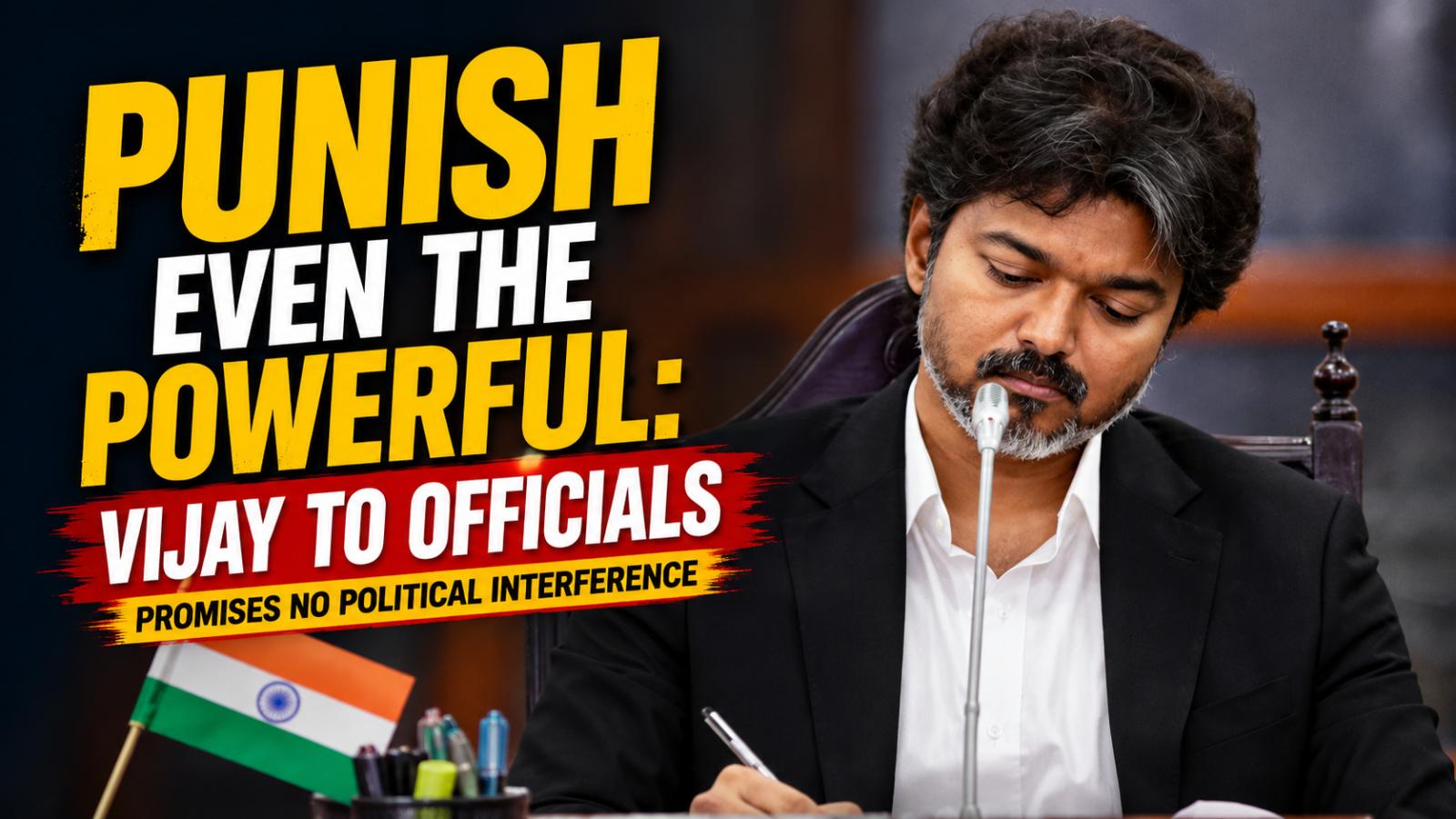
Tamil Nadu Chief Minister C. Joseph Vijay has directed district collectors, police chiefs and senior officials to take fearless and impartial action against criminals, saying there will be no political interference in law-and-order matters. Addressing the first joint conference of district collectors, superintendents of police and senior officials after the TVK government assumed office in May, Vijay said officials should act freely and ensure that even powerful offenders are punish
Vijay Vows No Political Interference In Crime Crackdown
Tamil Nadu Chief Minister C. Joseph Vijay has directed district collectors, police chiefs and senior officials to take fearless and impartial action against criminals, saying there will be no political interference in law-and-order matters. Addressing the first joint conference of district collectors, superintendents of police and senior officials after the TVK government assumed office in May, Vijay said officials should act freely and ensure that even powerful offenders are punish
Vijay Faces Pressure Over Minister Sarathkumar Video Row
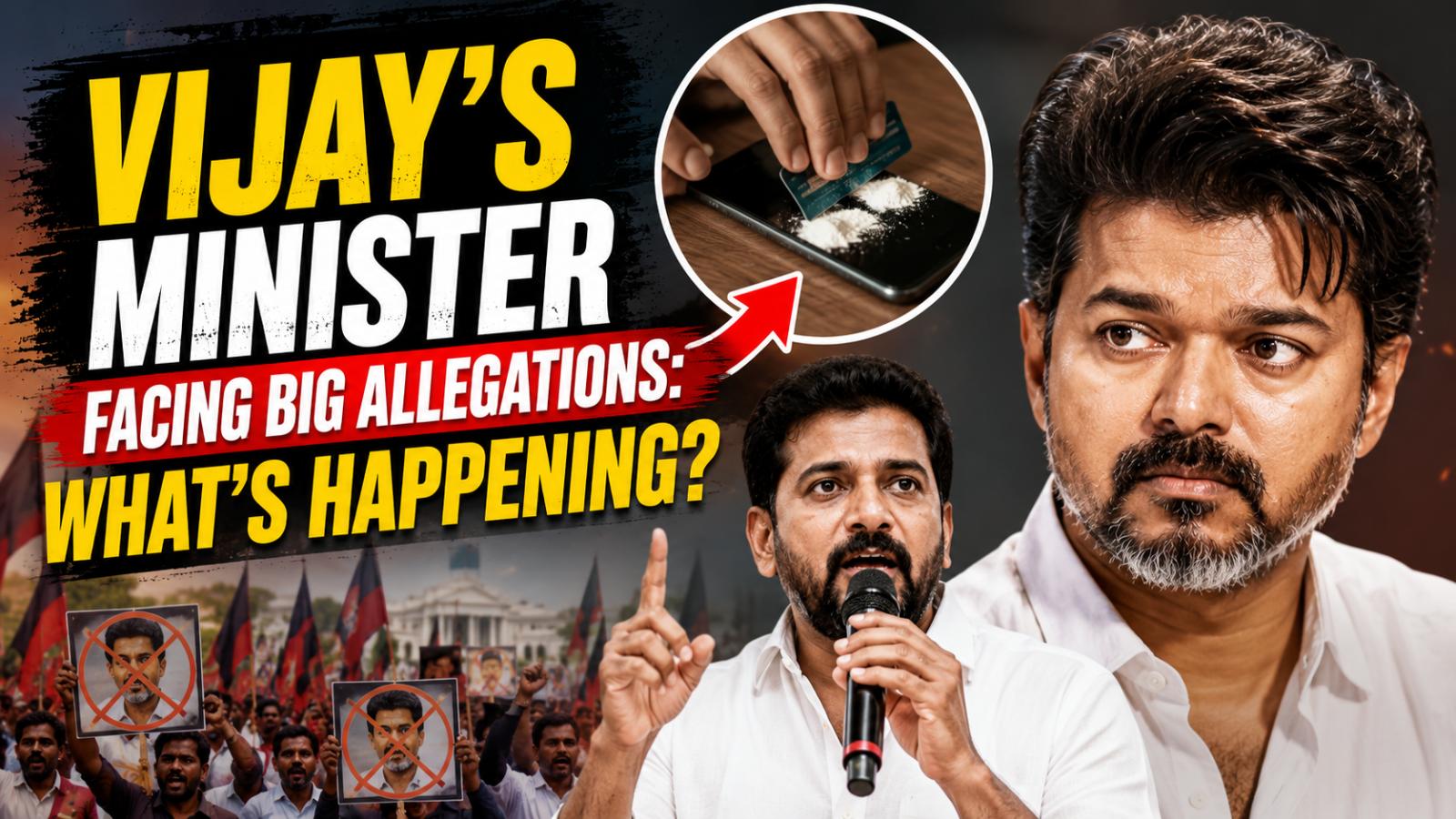
Tamil Nadu Chief Minister C. Joseph Vijay is facing fresh political pressure after a viral video involving one of his cabinet ministers triggered serious allegations and protests from opposition parties. The controversy centers on Tamil Nadu Human Resources Management Minister D. Sarathkumar, who has denied allegations of drug use after an old IPL-related video resurfaced on social media. In the video, the minister is seen handling a white powder-like substance on a mobile phone scr
Vijay Faces Pressure Over Minister Sarathkumar Video Row
Tamil Nadu Chief Minister C. Joseph Vijay is facing fresh political pressure after a viral video involving one of his cabinet ministers triggered serious allegations and protests from opposition parties. The controversy centers on Tamil Nadu Human Resources Management Minister D. Sarathkumar, who has denied allegations of drug use after an old IPL-related video resurfaced on social media. In the video, the minister is seen handling a white powder-like substance on a mobile phone scr

Revanth Reddy Says Musi River Revival Is His Life Goal
Telangana Chief Minister Revanth Reddy has said that the rejuvenation of the Musi river is his life goal, making a strong pitch for the cleanup and restoration project during a public meeting in Nalgonda district on Sunday, June 28, 2026. Speaking at the meeting, Revanth Reddy said he is determined to clean the Musi river at any cost. He said the river’s pollution has caused serious problems for people in parts of Telangana, especially in Nalgonda district, where residents have be
Revanth Reddy Says Musi River Revival Is His Life Goal
Telangana Chief Minister Revanth Reddy has said that the rejuvenation of the Musi river is his life goal, making a strong pitch for the cleanup and restoration project during a public meeting in Nalgonda district on Sunday, June 28, 2026. Speaking at the meeting, Revanth Reddy said he is determined to clean the Musi river at any cost. He said the river’s pollution has caused serious problems for people in parts of Telangana, especially in Nalgonda district, where residents have be

Pawan Kalyan Delays Shoulder Surgery For Official Duties
Pawan Kalyan has reportedly been advised to undergo immediate shoulder surgery after a recent medical examination found that his injury was more serious than earlier believed. The Andhra Pradesh Deputy Chief Minister visited Kokilaben Dhirubhai Ambani Hospital in Mumbai on Monday, June 29, 2026, for medical tests after dealing with shoulder pain and related discomfort for some time. According to reports, doctors found severe rotator cuff d
Pawan Kalyan Delays Shoulder Surgery For Official Duties
Pawan Kalyan has reportedly been advised to undergo immediate shoulder surgery after a recent medical examination found that his injury was more serious than earlier believed. The Andhra Pradesh Deputy Chief Minister visited Kokilaben Dhirubhai Ambani Hospital in Mumbai on Monday, June 29, 2026, for medical tests after dealing with shoulder pain and related discomfort for some time. According to reports, doctors found severe rotator cuff d
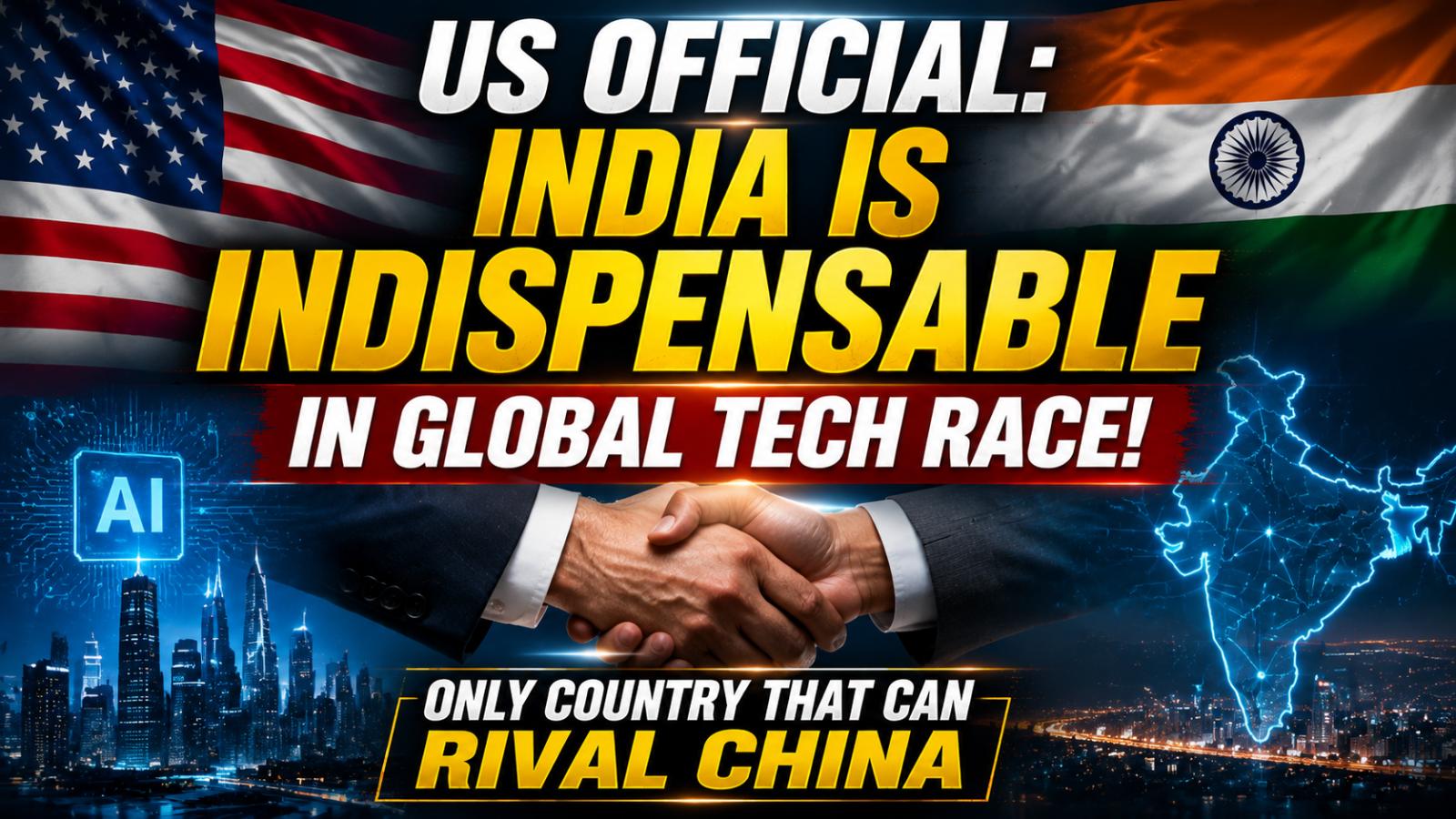
US official calls India indispensable in global tech race
India positioned as key global technology partner A senior United States official has described India as an indispensable partner in the global technology landscape, highlighting its unique ability to match China’s scale of engineering talent. The remarks were made at the IX US-India Strategic Partnership Forum Leadership Summit 2026 and reflect Washington’s growing reliance on New Delhi in critical emerging technologies.
US official calls India indispensable in global tech race
India positioned as key global technology partner A senior United States official has described India as an indispensable partner in the global technology landscape, highlighting its unique ability to match China’s scale of engineering talent. The remarks were made at the IX US-India Strategic Partnership Forum Leadership Summit 2026 and reflect Washington’s growing reliance on New Delhi in critical emerging technologies.

India pushes sunset clause in proposed US trade deal
India considers expiry safeguard in US trade talks India is reportedly preparing to seek a sunset clause in its proposed interim trade agreement with the United States, reflecting a growing global trend among trading partners to build expiry mechanisms into major economic deals. The move aligns closely with recent developments in European Union–US trade arrangements, where similar provisions have been introduced to limit long-term exposure
India pushes sunset clause in proposed US trade deal
India considers expiry safeguard in US trade talks India is reportedly preparing to seek a sunset clause in its proposed interim trade agreement with the United States, reflecting a growing global trend among trading partners to build expiry mechanisms into major economic deals. The move aligns closely with recent developments in European Union–US trade arrangements, where similar provisions have been introduced to limit long-term exposure

China appears to unveil J-36 stealth fighter in PLA video
PLA video sparks stealth fighter speculation China has appeared to offer the first public glimpse of its long-rumoured J-36 sixth-generation stealth fighter after the People’s Liberation Army released a promotional video featuring what defence analysts believe is the advanced aircraft. The brief appearance has triggered widespread discussion about the progress of China’s next-generation military aviation programme, although no official co
China appears to unveil J-36 stealth fighter in PLA video
PLA video sparks stealth fighter speculation China has appeared to offer the first public glimpse of its long-rumoured J-36 sixth-generation stealth fighter after the People’s Liberation Army released a promotional video featuring what defence analysts believe is the advanced aircraft. The brief appearance has triggered widespread discussion about the progress of China’s next-generation military aviation programme, although no official co
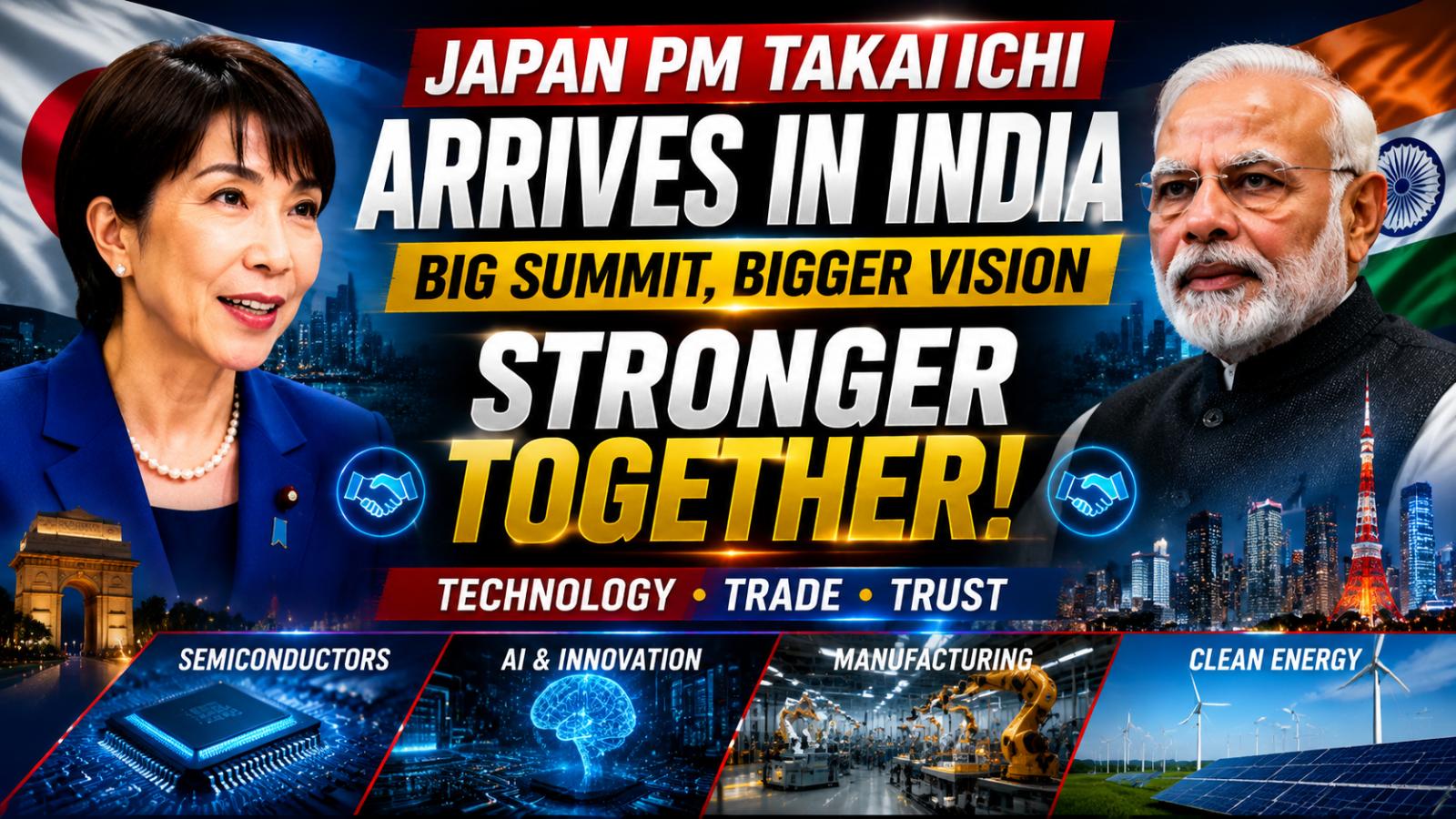
Japan PM Sanae Takaichi to visit India for key summit with Modi
High-level diplomatic engagement in New Delhi Japanese Prime Minister Sanae Takaichi will arrive in India on July 1,2026 for the 16th India-Japan Annual Summit at the invitation of Prime Minister Narendra Modi. The visit marks her first official trip to India since taking office in 2025 and comes at a time when both nations are seeking to strengthen strategic and economic alignment in a rapidly changing global environment.
Japan PM Sanae Takaichi to visit India for key summit with Modi
High-level diplomatic engagement in New Delhi Japanese Prime Minister Sanae Takaichi will arrive in India on July 1,2026 for the 16th India-Japan Annual Summit at the invitation of Prime Minister Narendra Modi. The visit marks her first official trip to India since taking office in 2025 and comes at a time when both nations are seeking to strengthen strategic and economic alignment in a rapidly changing global environment.
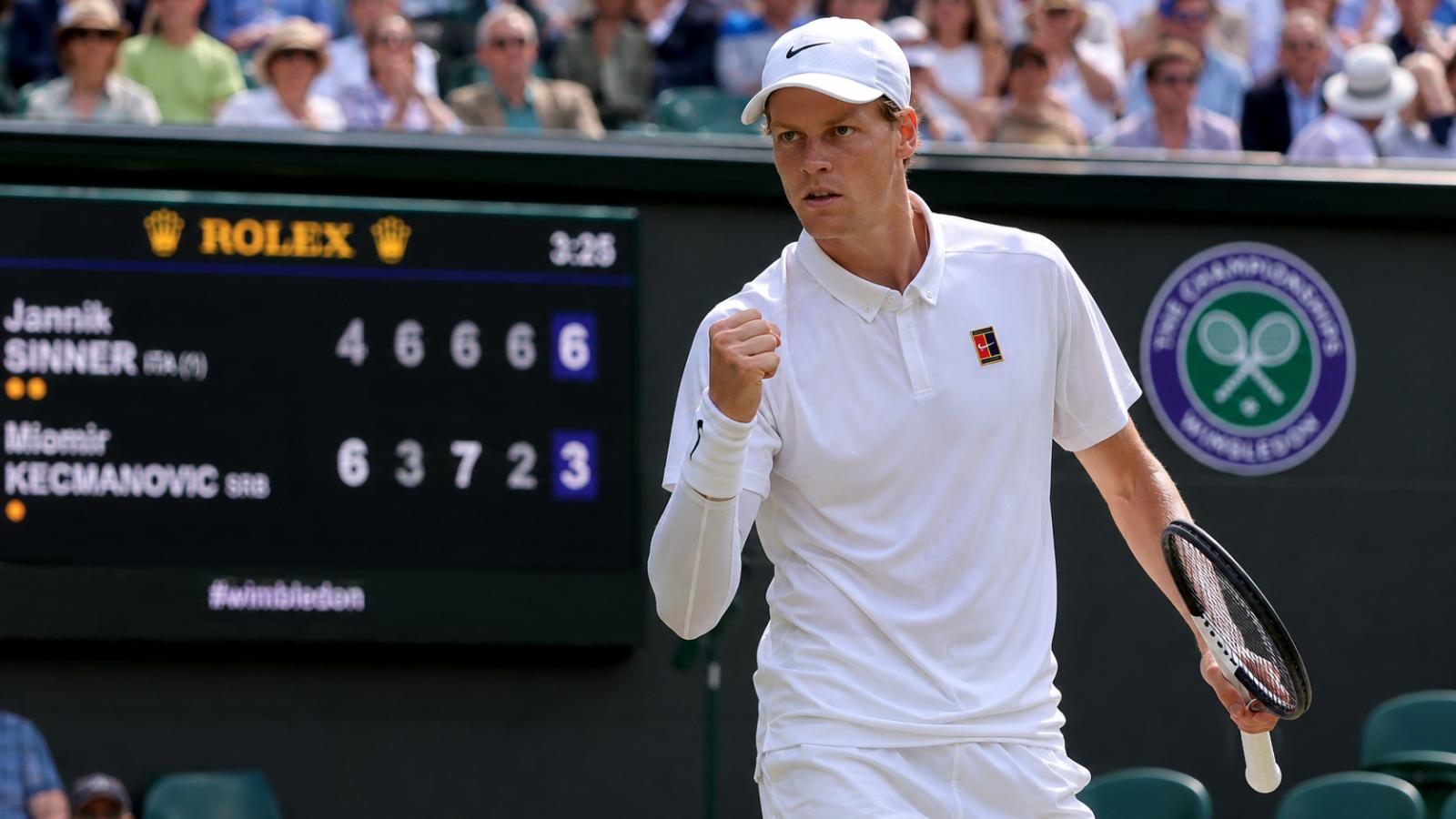
Jannik Sinner survives five-set Wimbledon scare against Kecmanovic
LONDON — Jannik Sinner survived a five-set Wimbledon scare on Monday, June 29, 2026, defeating Miomir Kecmanovic 4-6, 6-3, 6-7 (6), 6-2, 6-3 in the first round on Centre Court. The defending champion twice recovered from a one-set deficit and overcame a fall during the 3-hour, 30-minute match. The victory sent the world No. 1 into the second round and kept his Wimbledon title defense alive. How Jannik Sinner survived his Wimbledon opener Kecm
Jannik Sinner survives five-set Wimbledon scare against Kecmanovic
LONDON — Jannik Sinner survived a five-set Wimbledon scare on Monday, June 29, 2026, defeating Miomir Kecmanovic 4-6, 6-3, 6-7 (6), 6-2, 6-3 in the first round on Centre Court. The defending champion twice recovered from a one-set deficit and overcame a fall during the 3-hour, 30-minute match. The victory sent the world No. 1 into the second round and kept his Wimbledon title defense alive. How Jannik Sinner survived his Wimbledon opener Kecm