









UN diplomat resigns, warns of nuclear risk in Iran tensions
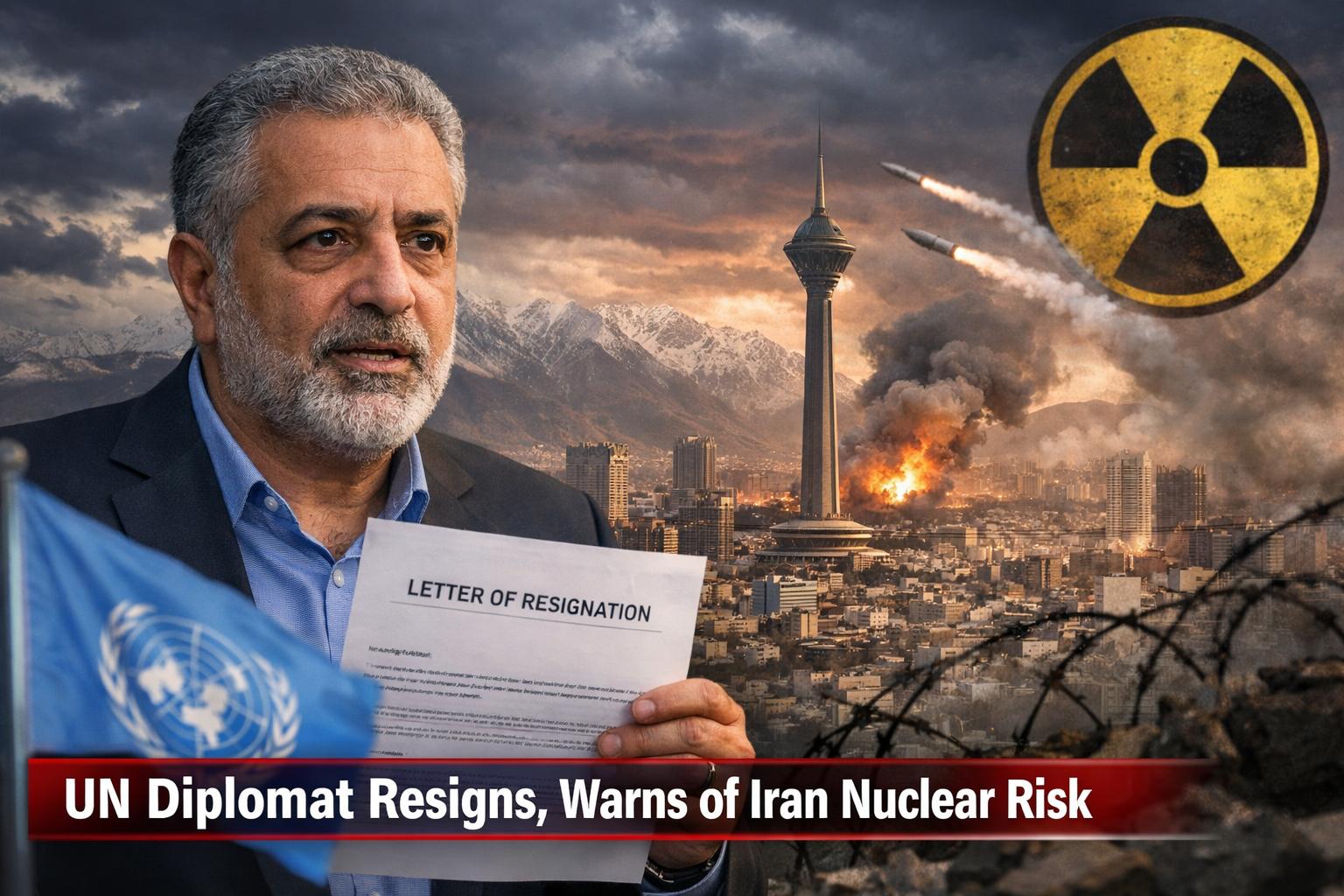
A diplomat associated with the United Nations has resigned, warning of a potential nuclear escalation tied to rising tensions involving Iran. Mohammad Safa announced his decision in a public statement shared on social media, accompanied by a resignation letter outlining his concerns. A timeline of Safa’s resignation has emerged through media reports and his own public statements. His resignation letter is dated March 27, 2026, indicating when the decision was formally made. He later publi
UN diplomat resigns, warns of nuclear risk in Iran tensions
A diplomat associated with the United Nations has resigned, warning of a potential nuclear escalation tied to rising tensions involving Iran. Mohammad Safa announced his decision in a public statement shared on social media, accompanied by a resignation letter outlining his concerns. A timeline of Safa’s resignation has emerged through media reports and his own public statements. His resignation letter is dated March 27, 2026, indicating when the decision was formally made. He later publi
US-Israel-Iran tensions escalate as troop levels rise in Middle East
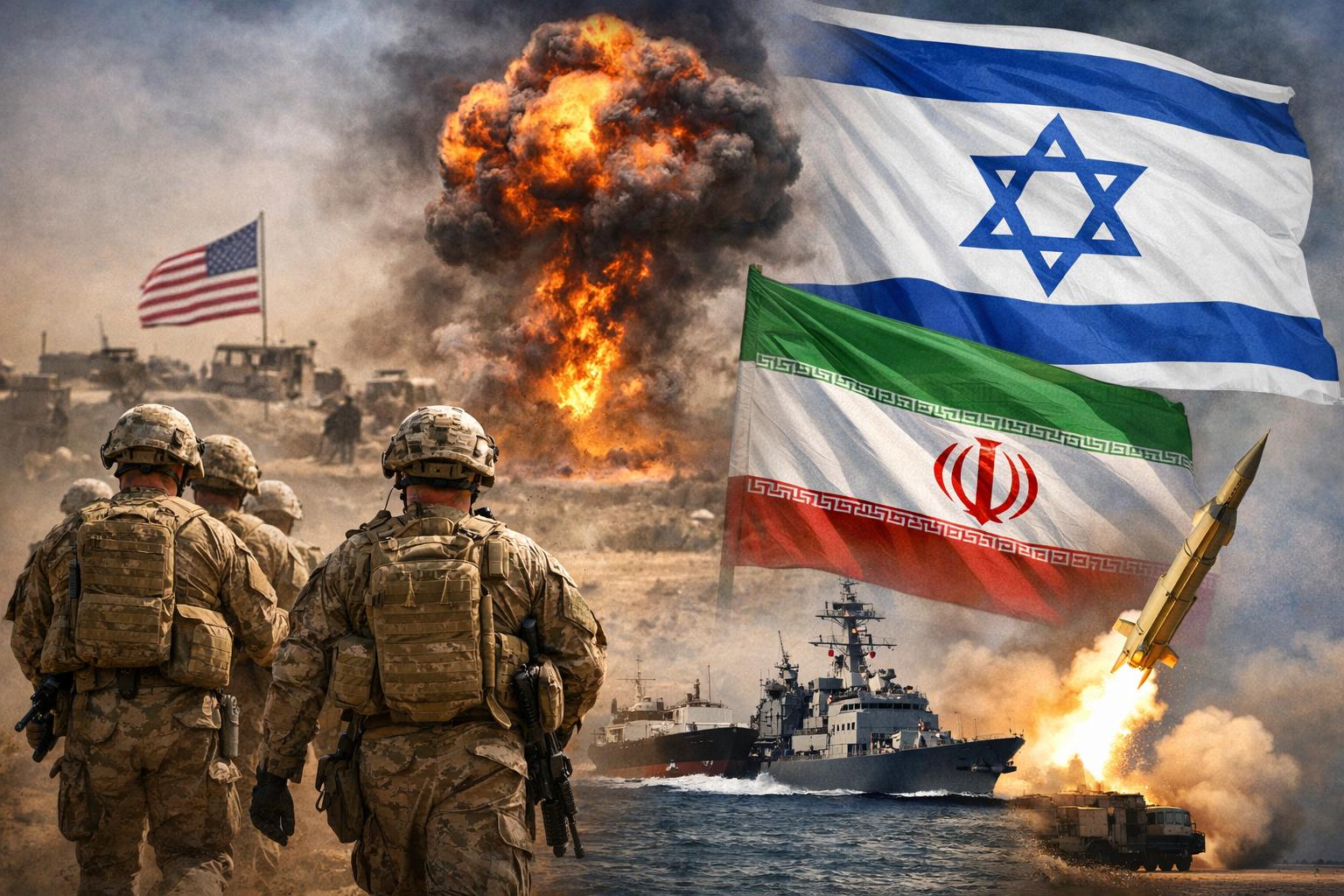
Tensions between the United States, Israel, and Iran are intensifying, with multiple developments across the Middle East signaling a potentially dangerous escalation in the ongoing conflict. The situation has drawn increased global attention as military activity expands and diplomatic efforts continue behind the scenes. Hundreds of US Special Operations forces have recently been deployed to the region, pushing total American troop levels beyond 50,000. The expanded presence reflects growing concerns in Washington over regional stability and the need to safeguard critical maritime routes, including the strategically vital Strait of Hormuz. US officials are also weighing a range of military and strategic options, including potential actions targeting Iran’s nuclear capabilities and energy infrastructure. Amid these developments, discussions have reportedly included the possibility of securing or seizing Iranian oil facilities and enriched uranium assets. At the same time, diplomatic channels remain active, with regional intermediaries attempting to ease tensions and prevent further escalation. Uncertainty surrounding Iran’s leadership has added another layer of complexity. Supreme Leader Mojtaba Khamenei has not appeared publicly in recent days, fueling speculation about his health and control over internal decision-making during a critical period. The conflict is also beginning to extend beyond traditional battle zones. A recent Iranian strike in Kuwait resulted in the death of an Indian worker, underscoring the growing risks to civilians and foreign nationals in the region. Analysts warn that such incidents highlight the vulnerability of critical infrastructure and the potential for unintended consequences as hostilities widen. Security experts caution that the situation remains highly volatile, with the possibility of broader regional fallout if tensions continue to rise. As military posturing increases alongside fragile diplomatic efforts, the coming days are expected to be crucial in determining whether the conflict can be contained or escalates further.
US-Israel-Iran tensions escalate as troop levels rise in Middle East
Tensions between the United States, Israel, and Iran are intensifying, with multiple developments across the Middle East signaling a potentially dangerous escalation in the ongoing conflict. The situation has drawn increased global attention as military activity expands and diplomatic efforts continue behind the scenes. Hundreds of US Special Operations forces have recently been deployed to the region, pushing total American troop levels beyond 50,000. The expanded presence reflects growing concerns in Washington over regional stability and the need to safeguard critical maritime routes, including the strategically vital Strait of Hormuz. US officials are also weighing a range of military and strategic options, including potential actions targeting Iran’s nuclear capabilities and energy infrastructure. Amid these developments, discussions have reportedly included the possibility of securing or seizing Iranian oil facilities and enriched uranium assets. At the same time, diplomatic channels remain active, with regional intermediaries attempting to ease tensions and prevent further escalation. Uncertainty surrounding Iran’s leadership has added another layer of complexity. Supreme Leader Mojtaba Khamenei has not appeared publicly in recent days, fueling speculation about his health and control over internal decision-making during a critical period. The conflict is also beginning to extend beyond traditional battle zones. A recent Iranian strike in Kuwait resulted in the death of an Indian worker, underscoring the growing risks to civilians and foreign nationals in the region. Analysts warn that such incidents highlight the vulnerability of critical infrastructure and the potential for unintended consequences as hostilities widen. Security experts caution that the situation remains highly volatile, with the possibility of broader regional fallout if tensions continue to rise. As military posturing increases alongside fragile diplomatic efforts, the coming days are expected to be crucial in determining whether the conflict can be contained or escalates further.

Bengali Actor Rahul Arunoday Banerjee Dies in Odisha Boating Tragedy
Renowned Bengali actor Rahul Arunoday Banerjee tragically passed away following a boating accident at Talsari beach in Odisha. The 42-year-old actor was reportedly in the region for a film shoot when the incident occurred, sending shockwaves across the Bengali film industry and his fan base. Acco
Bengali Actor Rahul Arunoday Banerjee Dies in Odisha Boating Tragedy
Renowned Bengali actor Rahul Arunoday Banerjee tragically passed away following a boating accident at Talsari beach in Odisha. The 42-year-old actor was reportedly in the region for a film shoot when the incident occurred, sending shockwaves across the Bengali film industry and his fan base. Acco
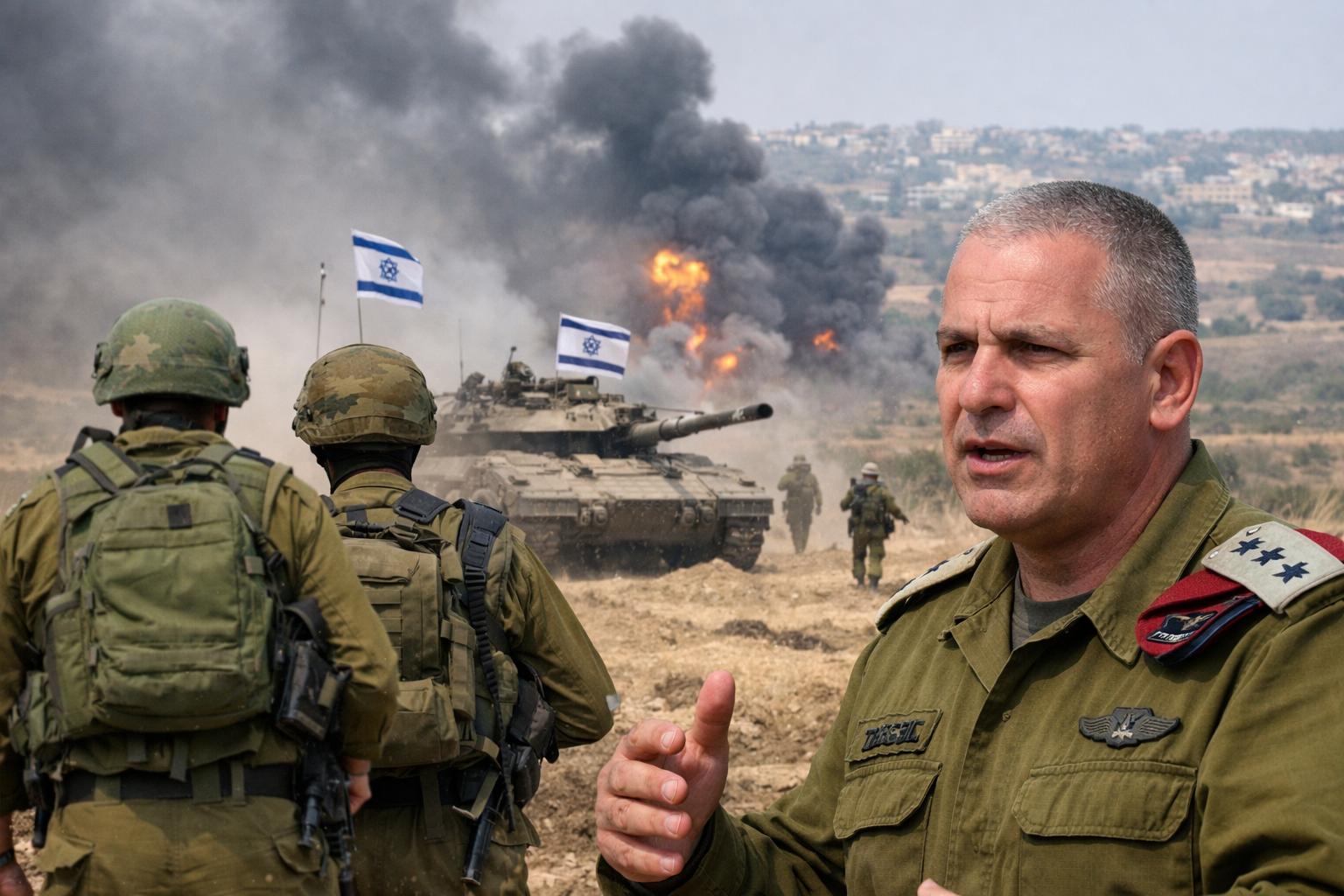
US–Israel–Iran War | IDF warns of troop shortages as Israel’s multi-front war intensifies
Israel’s top military official has issued a stark warning about the country’s operational readiness, citing severe manpower shortages as conflict across multiple fronts continues to intensify. Eyal Zamir, Chief of the General Staff of the Israel Defense Forces, told senior ministers that the military risks “collapsing on itself” if current staffing gaps are not addressed. The warning came
US–Israel–Iran War | IDF warns of troop shortages as Israel’s multi-front war intensifies
Israel’s top military official has issued a stark warning about the country’s operational readiness, citing severe manpower shortages as conflict across multiple fronts continues to intensify. Eyal Zamir, Chief of the General Staff of the Israel Defense Forces, told senior ministers that the military risks “collapsing on itself” if current staffing gaps are not addressed. The warning came
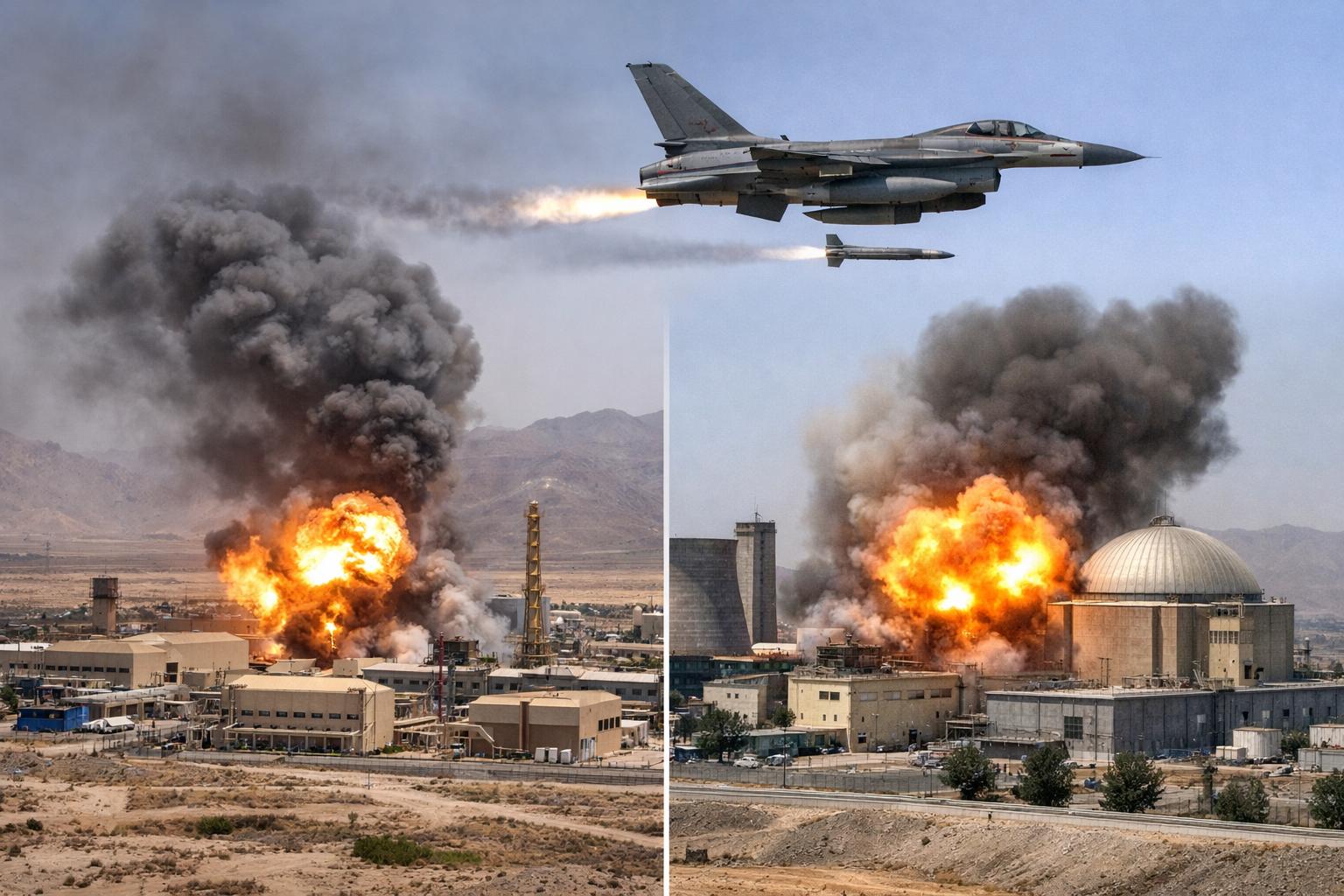
US–Israel–Iran War | Israel confirms strikes on Iran nuclear sites in Yazd and Arak
Israel confirmed it carried out coordinated airstrikes on nuclear-related facilities in central Iran on Friday, March 27, 2026, targeting a uranium processing site in Yazd and a heavy water plant in Arak, according to official military statements. The strikes mark a significant escalation in ongoing efforts to disrupt Iran’s nuclear program amid heightened regional tensions. The Israel Defense Forces (IDF) said the operation in Yazd focused on a uranium extraction facility described as cri
US–Israel–Iran War | Israel confirms strikes on Iran nuclear sites in Yazd and Arak
Israel confirmed it carried out coordinated airstrikes on nuclear-related facilities in central Iran on Friday, March 27, 2026, targeting a uranium processing site in Yazd and a heavy water plant in Arak, according to official military statements. The strikes mark a significant escalation in ongoing efforts to disrupt Iran’s nuclear program amid heightened regional tensions. The Israel Defense Forces (IDF) said the operation in Yazd focused on a uranium extraction facility described as cri

Gold and Silver Prices Surge: Is Now the Right Time to Invest or Wait?
Gold and silver have witnessed significant price jumps recently, attracting attention from investors as global market conditions remain uncertain. After two consecutive days of price declines, both metals have made a strong rebound, with gold prices soaring by Rs 5,300 (3.82%) to reach Rs 1,44,212 on the Multi Commodity Exchange (MCX). Silver saw an even larger increase, rising by Rs 13,060 (5.82%), reaching Rs 2,36,980. This sharp uptick in precious metal prices is largely driven by weakenin
Gold and Silver Prices Surge: Is Now the Right Time to Invest or Wait?
Gold and silver have witnessed significant price jumps recently, attracting attention from investors as global market conditions remain uncertain. After two consecutive days of price declines, both metals have made a strong rebound, with gold prices soaring by Rs 5,300 (3.82%) to reach Rs 1,44,212 on the Multi Commodity Exchange (MCX). Silver saw an even larger increase, rising by Rs 13,060 (5.82%), reaching Rs 2,36,980. This sharp uptick in precious metal prices is largely driven by weakenin

Ram Navami 2026: Date, Puja Muhurat, Rituals, and Celebrations in Ayodhya
Ram Navami, an important festival in Sanatan Dharma, marks the birth of Lord Ram, the seventh incarnation of Lord Vishnu. The festival is observed on the Navami Tithi during Shukla Paksha in the month of Chaitra. In 2026, Ram Navami will be celebrated on March 27, which aligns with the Udaya Tithi. This day holds immense significance in Hinduism, especially in Ayodhya, which is considered the birthplace of Lord Ram. The city becomes a center of devotion, as thousands of devotees gather to cel
Ram Navami 2026: Date, Puja Muhurat, Rituals, and Celebrations in Ayodhya
Ram Navami, an important festival in Sanatan Dharma, marks the birth of Lord Ram, the seventh incarnation of Lord Vishnu. The festival is observed on the Navami Tithi during Shukla Paksha in the month of Chaitra. In 2026, Ram Navami will be celebrated on March 27, which aligns with the Udaya Tithi. This day holds immense significance in Hinduism, especially in Ayodhya, which is considered the birthplace of Lord Ram. The city becomes a center of devotion, as thousands of devotees gather to cel

Supreme Court Asks Bengal if ED Can Approach Cops Over Mamata’s Alleged Interference
The Supreme Court of India on March 24, 2026, asked the West Bengal government if the Enforcement Directorate (ED) could approach the state police for a remedy regarding the alleged interference by Chief Minister Mamata Banerjee during the ED’s raids on the political consultancy firm I-PAC. This comes amid growing controversy surrounding the ED's legal plea under Article 32 of the Constitution, which seeks a CBI investigation into the alleged obstruction of its raids by Mamata Banerjee and
Supreme Court Asks Bengal if ED Can Approach Cops Over Mamata’s Alleged Interference
The Supreme Court of India on March 24, 2026, asked the West Bengal government if the Enforcement Directorate (ED) could approach the state police for a remedy regarding the alleged interference by Chief Minister Mamata Banerjee during the ED’s raids on the political consultancy firm I-PAC. This comes amid growing controversy surrounding the ED's legal plea under Article 32 of the Constitution, which seeks a CBI investigation into the alleged obstruction of its raids by Mamata Banerjee and
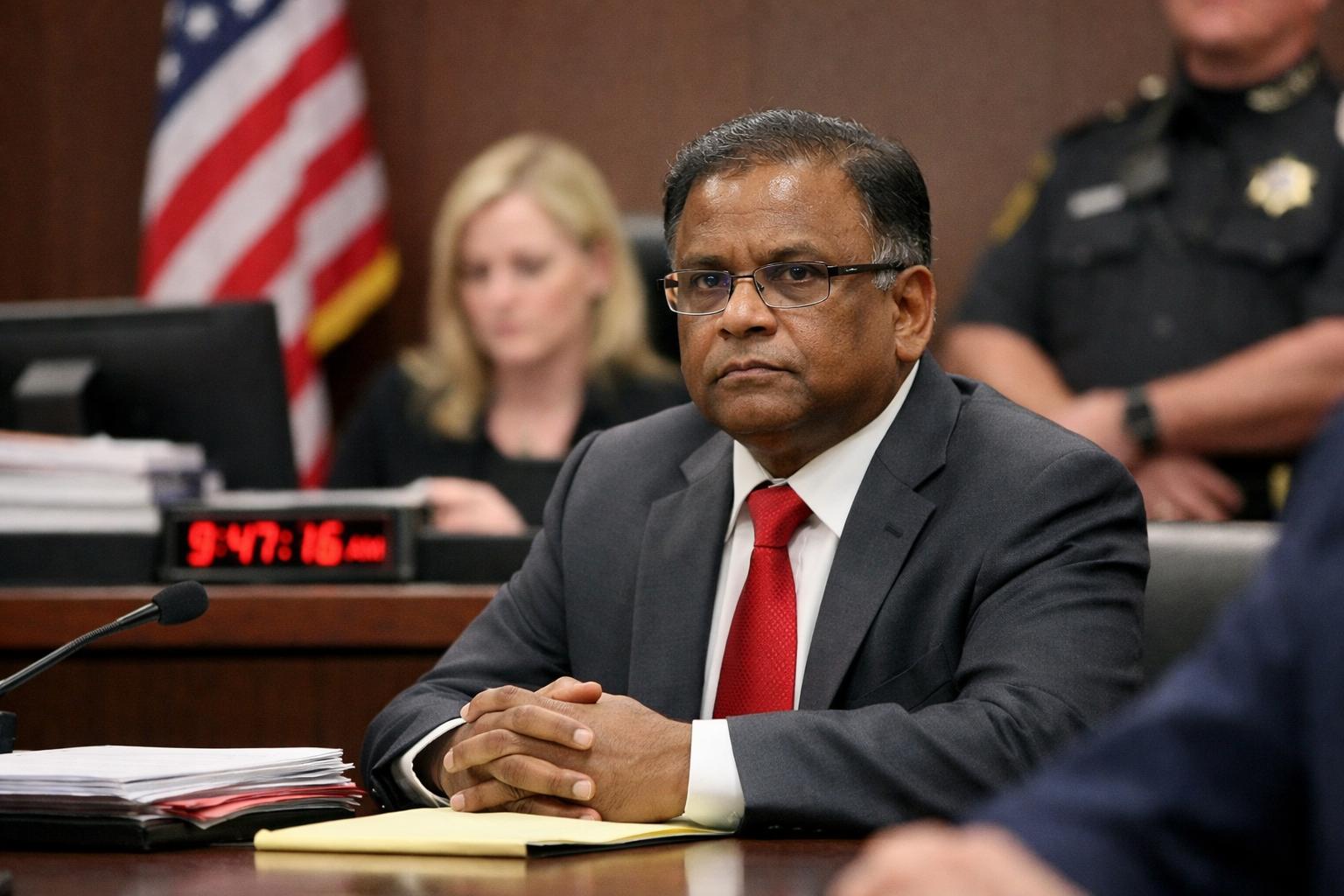
Indian-origin Texas judge KP George convicted in money laundering case
A county judge in Texas has been found guilty on two counts of money laundering, marking a major development in a high-profile campaign finance case. KP George, the first Indian-origin judge in Fort Bend County, was convicted of third-degree felony charges and now faces up to 10 years in prison. He is expected to be removed from office following his sentencing. The case traces back to financial activities between 2019 and 2022, when George was actively raising and managing campaign
Indian-origin Texas judge KP George convicted in money laundering case
A county judge in Texas has been found guilty on two counts of money laundering, marking a major development in a high-profile campaign finance case. KP George, the first Indian-origin judge in Fort Bend County, was convicted of third-degree felony charges and now faces up to 10 years in prison. He is expected to be removed from office following his sentencing. The case traces back to financial activities between 2019 and 2022, when George was actively raising and managing campaign
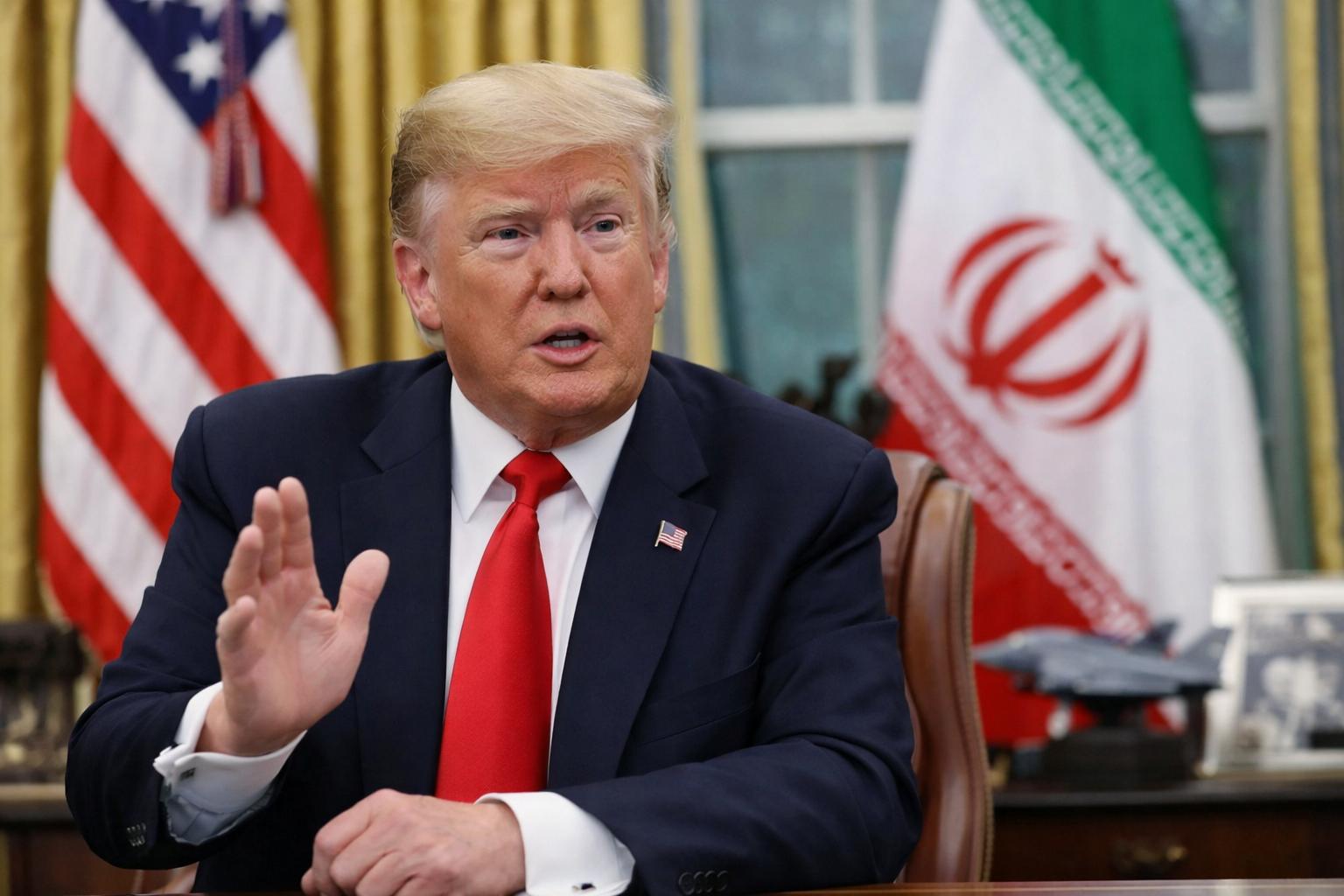
US–Israel–Iran War |Trump says Iran agrees to never develop nuclear weapons amid ongoing conflict
US President Donald Trump has stated that Iran has agreed to never develop nuclear weapons, describing the development as a sign of progress in ongoing diplomatic engagement between the two countries. His remarks come at a time when tensions in the Middle East remain high, with regional conflict continuing to shape the broader geopolitical landscape. Speaking to reporters at the Oval Office, Trump adopted an optimistic tone, indicating that backchannel communicati
US–Israel–Iran War |Trump says Iran agrees to never develop nuclear weapons amid ongoing conflict
US President Donald Trump has stated that Iran has agreed to never develop nuclear weapons, describing the development as a sign of progress in ongoing diplomatic engagement between the two countries. His remarks come at a time when tensions in the Middle East remain high, with regional conflict continuing to shape the broader geopolitical landscape. Speaking to reporters at the Oval Office, Trump adopted an optimistic tone, indicating that backchannel communicati

Kamal Haasan’s MNM Opts Out of 2026 Tamil Nadu Elections, Backs DMK-led Alliance
In a major political development ahead of the 2026 Tamil Nadu Assembly elections, Kamal Haasan's Makkal Needhi Maiam (MNM) has decided not to contest the polls, citing dissatisfaction over the seat-sharing arrangement with the DMK-led alliance. Despite the disagreement over the number of seats allocated to MNM and the proposal to contest under the DMK’s ‘Rising Sun’ symbol, Haasan’s party has pledged unconditional support to the alliance, leaving an open declaration that they would ba
Kamal Haasan’s MNM Opts Out of 2026 Tamil Nadu Elections, Backs DMK-led Alliance
In a major political development ahead of the 2026 Tamil Nadu Assembly elections, Kamal Haasan's Makkal Needhi Maiam (MNM) has decided not to contest the polls, citing dissatisfaction over the seat-sharing arrangement with the DMK-led alliance. Despite the disagreement over the number of seats allocated to MNM and the proposal to contest under the DMK’s ‘Rising Sun’ symbol, Haasan’s party has pledged unconditional support to the alliance, leaving an open declaration that they would ba
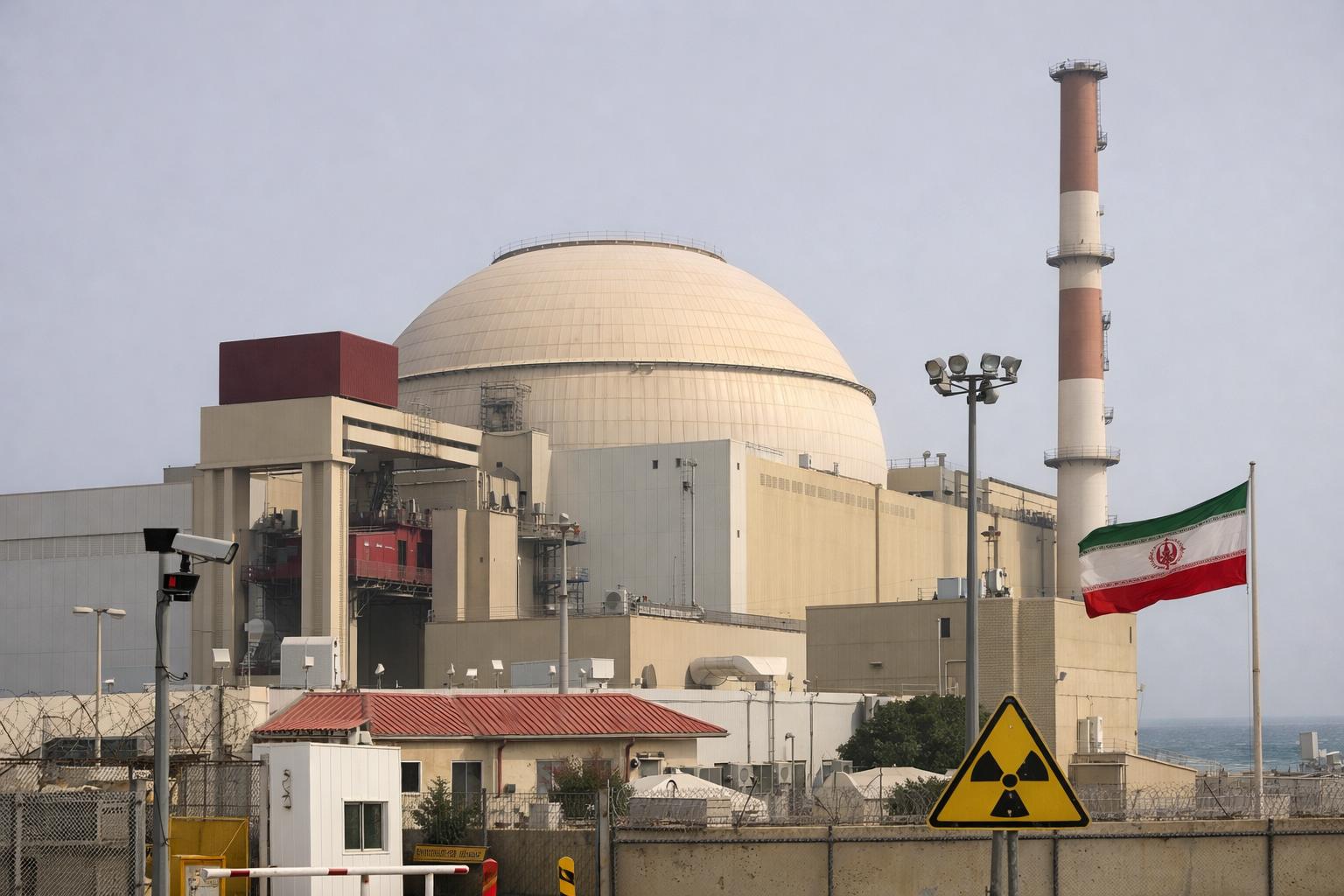
US–Israel–Iran War | Iran alleges strike near Bushehr nuclear plant amid rising tensions
Iran’s Atomic Energy Organization on Tuesday reported that a projectile struck within the perimeter of the Bushehr nuclear power plant, alleging that the attack was carried out by the United States and Israel. In an official statement, the agency described the incident as part of continued aggression by what it termed the “American-Zionist enemy.” Authorities said the projectile landed inside the facility’s enclosure but confirmed that initial assessments found no financial losses, techn
US–Israel–Iran War | Iran alleges strike near Bushehr nuclear plant amid rising tensions
Iran’s Atomic Energy Organization on Tuesday reported that a projectile struck within the perimeter of the Bushehr nuclear power plant, alleging that the attack was carried out by the United States and Israel. In an official statement, the agency described the incident as part of continued aggression by what it termed the “American-Zionist enemy.” Authorities said the projectile landed inside the facility’s enclosure but confirmed that initial assessments found no financial losses, techn
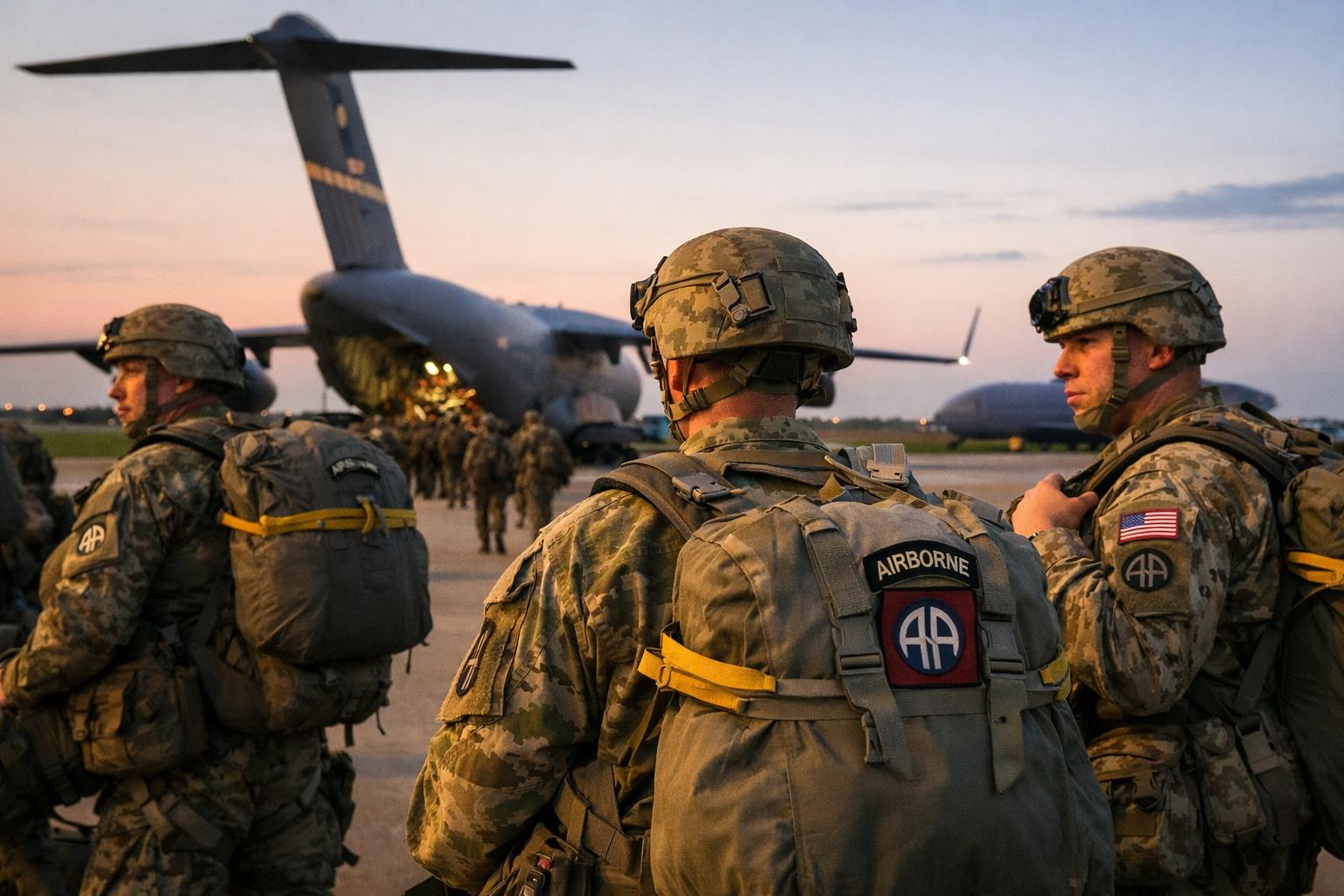
Pentagon plans 82nd Airborne deployment amid rising Iran tensions
The Pentagon is preparing to deploy approximately 3,000 troops from the 82nd Airborne Division as part of Operation Epic Fury, according to officials familiar with the matter. A formal deployment order is expected to be issued shortly, outlining potential military options without confirming any immediate decision to send ground forces into Iran. The move reflects heightened vigilance within the United States military as tensions in the Middle East continue to evolve. Officials indicated that the planned deployment would include a combat brigade along with its headquarters unit, both of which are integral to rapid-response operations. The 82nd Airborne Division, based at Fort Bragg, is recognized for its ability to mobilize forces quickly, with a capability to deploy thousands of troops globally within 18 hours. The division has previously demonstrated even faster mobilization timelines, underscoring its strategic importance in crisis situations. The development follows the recent cancellation of a major training exercise involving the unit, a decision that had already sparked speculation about a possible redeployment to the Middle East. While authorities have emphasized that diplomatic channels with Tehran remain open, the preparation of troops signals growing concern in Washington over the trajectory of regional tensions. If executed, the deployment would mark a notable shift in US military posture, strengthening both deterrence and operational readiness in the region. The 82nd Airborne Division is trained to handle a wide range of missions, including securing critical infrastructure such as airfields, reinforcing US diplomatic facilities, and supporting emergency evacuations when necessary. Its headquarters unit plays a central role in planning and coordinating these complex operations. The potential move highlights the balance the administration is attempting to maintain between diplomatic engagement and military preparedness. While no final decision on ground operations has been announced, the readiness of rapid response forces suggests that the United States is positioning itself to respond swiftly to any escalation.
Pentagon plans 82nd Airborne deployment amid rising Iran tensions
The Pentagon is preparing to deploy approximately 3,000 troops from the 82nd Airborne Division as part of Operation Epic Fury, according to officials familiar with the matter. A formal deployment order is expected to be issued shortly, outlining potential military options without confirming any immediate decision to send ground forces into Iran. The move reflects heightened vigilance within the United States military as tensions in the Middle East continue to evolve. Officials indicated that the planned deployment would include a combat brigade along with its headquarters unit, both of which are integral to rapid-response operations. The 82nd Airborne Division, based at Fort Bragg, is recognized for its ability to mobilize forces quickly, with a capability to deploy thousands of troops globally within 18 hours. The division has previously demonstrated even faster mobilization timelines, underscoring its strategic importance in crisis situations. The development follows the recent cancellation of a major training exercise involving the unit, a decision that had already sparked speculation about a possible redeployment to the Middle East. While authorities have emphasized that diplomatic channels with Tehran remain open, the preparation of troops signals growing concern in Washington over the trajectory of regional tensions. If executed, the deployment would mark a notable shift in US military posture, strengthening both deterrence and operational readiness in the region. The 82nd Airborne Division is trained to handle a wide range of missions, including securing critical infrastructure such as airfields, reinforcing US diplomatic facilities, and supporting emergency evacuations when necessary. Its headquarters unit plays a central role in planning and coordinating these complex operations. The potential move highlights the balance the administration is attempting to maintain between diplomatic engagement and military preparedness. While no final decision on ground operations has been announced, the readiness of rapid response forces suggests that the United States is positioning itself to respond swiftly to any escalation.
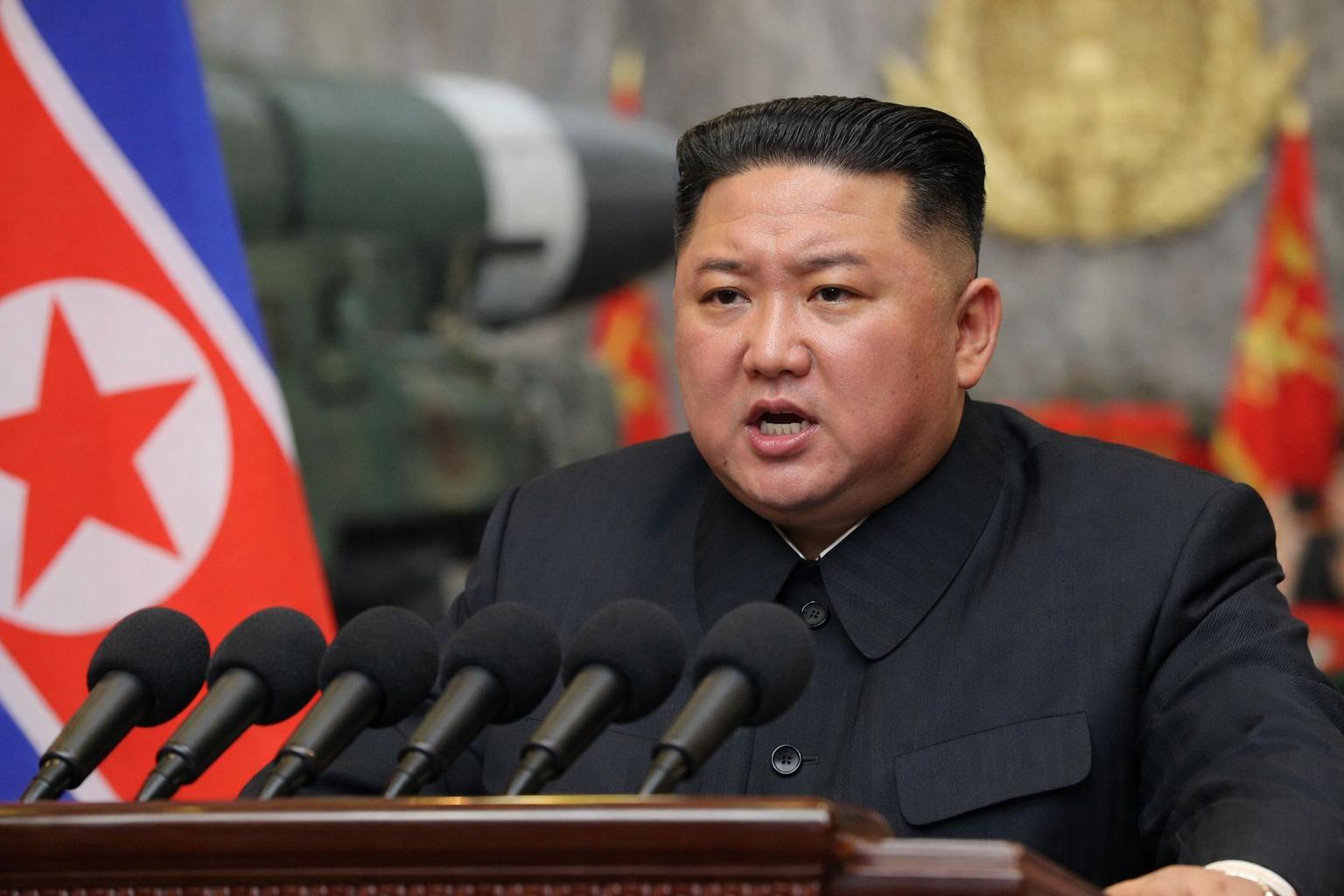
North Korea declares nuclear status irreversible, Kim Jong Un warns of expansion
North Korean leader Kim Jong Un has reaffirmed that his country will not abandon its nuclear weapons programme, declaring its status as a nuclear-armed state “irreversible” in a strongly worded address delivered to the nation’s legislature. The remarks came shortly after his reappointment as chairman of the State Affairs Commission, consolidating his leadership over the country’s highest decision-making body. According to official reports released on March 24, Kim outlined an intensified strategy to expand North Korea’s nuclear arsenal, framing the move as essential for national security and constitutional responsibility. He stated that Pyongyang would continue to strengthen its nuclear deterrent and advance its capabilities in response to what he described as ongoing threats from hostile forces. The leader emphasized that maintaining and enhancing nuclear readiness was a key priority, ensuring that the country remains prepared to counter strategic challenges. Kim portrayed the development of nuclear weapons as a justified and defensive measure, asserting that the programme aligns with the country’s long-term security goals. He indicated that North Korea would pursue both quantitative and qualitative improvements in its nuclear forces, underscoring a commitment to sustained military advancement amid rising geopolitical tensions in the region. The speech also included sharp criticism of South Korea, which Kim labelled as the “most hostile state.” He warned that any perceived provocation or infringement on North Korea’s sovereignty would be met with a decisive and uncompromising response. The language used signalled a continuation of strained inter-Korean relations, with little indication of near-term diplomatic engagement. Kim’s address covered broader policy areas, including defence, economic priorities, and relations with the United States, though nuclear policy remained the central focus. His remarks highlight an ongoing shift toward a more assertive security posture, raising concerns among regional and global observers about the future trajectory of East Asia’s security environment.
North Korea declares nuclear status irreversible, Kim Jong Un warns of expansion
North Korean leader Kim Jong Un has reaffirmed that his country will not abandon its nuclear weapons programme, declaring its status as a nuclear-armed state “irreversible” in a strongly worded address delivered to the nation’s legislature. The remarks came shortly after his reappointment as chairman of the State Affairs Commission, consolidating his leadership over the country’s highest decision-making body. According to official reports released on March 24, Kim outlined an intensified strategy to expand North Korea’s nuclear arsenal, framing the move as essential for national security and constitutional responsibility. He stated that Pyongyang would continue to strengthen its nuclear deterrent and advance its capabilities in response to what he described as ongoing threats from hostile forces. The leader emphasized that maintaining and enhancing nuclear readiness was a key priority, ensuring that the country remains prepared to counter strategic challenges. Kim portrayed the development of nuclear weapons as a justified and defensive measure, asserting that the programme aligns with the country’s long-term security goals. He indicated that North Korea would pursue both quantitative and qualitative improvements in its nuclear forces, underscoring a commitment to sustained military advancement amid rising geopolitical tensions in the region. The speech also included sharp criticism of South Korea, which Kim labelled as the “most hostile state.” He warned that any perceived provocation or infringement on North Korea’s sovereignty would be met with a decisive and uncompromising response. The language used signalled a continuation of strained inter-Korean relations, with little indication of near-term diplomatic engagement. Kim’s address covered broader policy areas, including defence, economic priorities, and relations with the United States, though nuclear policy remained the central focus. His remarks highlight an ongoing shift toward a more assertive security posture, raising concerns among regional and global observers about the future trajectory of East Asia’s security environment.
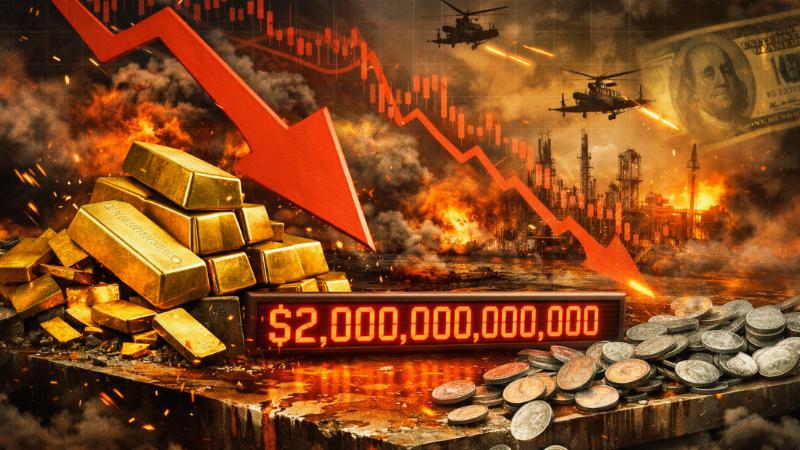
Gold and Silver Lose $2 Trillion: A Look into the $2 Trillion Market Wipeout
In a stunning turn of events, the global precious metals market witnessed a staggering $2 trillion wipeout, a rare occurrence that has rattled financial markets. This unprecedented crash occurred in just hours, disrupting the long-held belief that metals like gold and silver serve as ultimate safe-havens, especially during times of crisis. What makes this even more perplexing is that the meltdown happened amid an escalating war, with oil prices still elevated and investors seeking refuge in c
Gold and Silver Lose $2 Trillion: A Look into the $2 Trillion Market Wipeout
In a stunning turn of events, the global precious metals market witnessed a staggering $2 trillion wipeout, a rare occurrence that has rattled financial markets. This unprecedented crash occurred in just hours, disrupting the long-held belief that metals like gold and silver serve as ultimate safe-havens, especially during times of crisis. What makes this even more perplexing is that the meltdown happened amid an escalating war, with oil prices still elevated and investors seeking refuge in c
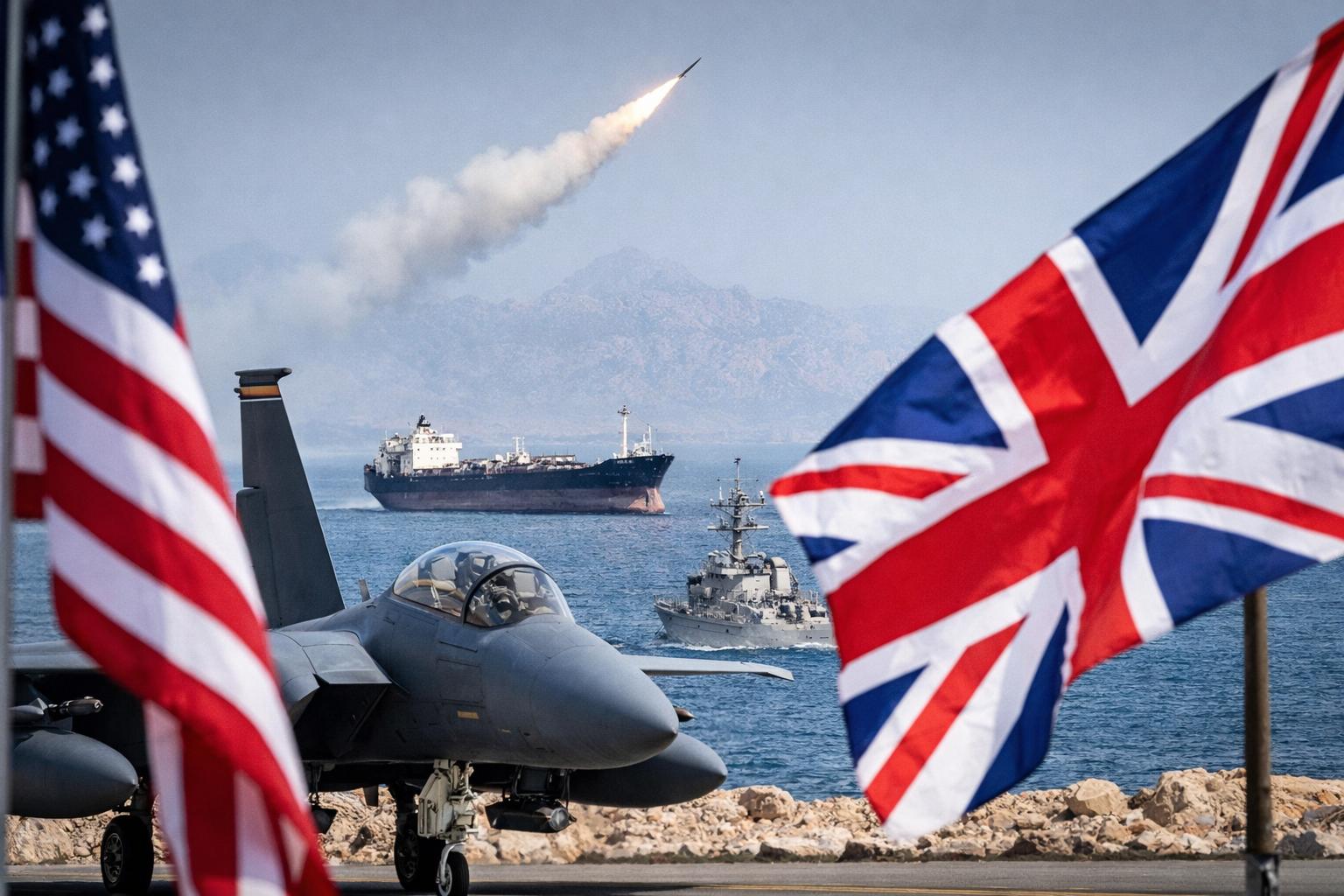
UK allows US to use bases for defensive strikes near Strait of Hormuz
The United Kingdom has approved an expanded role for United States forces to use British bases for defensive operations targeting Iranian-linked threats in the Strait of Hormuz, according to official statements following a ministerial meeting on Friday. The decision comes amid rising tensions in the Gulf region, where attacks on commercial shipping and critical infrastructure have raised concerns about global maritime security and economic stability. Previously, London had permitted US force
UK allows US to use bases for defensive strikes near Strait of Hormuz
The United Kingdom has approved an expanded role for United States forces to use British bases for defensive operations targeting Iranian-linked threats in the Strait of Hormuz, according to official statements following a ministerial meeting on Friday. The decision comes amid rising tensions in the Gulf region, where attacks on commercial shipping and critical infrastructure have raised concerns about global maritime security and economic stability. Previously, London had permitted US force

Ugadi 2026: Celebrate New Beginnings with Traditions
Ugadi, the Hindu New Year festival, will be celebrated on Thursday, March 19, 2026. This auspicious day, falling during the Chaitra month of the Hindu lunar calendar, marks the arrival of the spring season and the beginning of the harvest period. Celebrated with immense enthusiasm and devotion, particularly in Karnataka, Ugadi is a time for renewal, spiritual growth, and emotional well-being. Ugadi Timings (I
Ugadi 2026: Celebrate New Beginnings with Traditions
Ugadi, the Hindu New Year festival, will be celebrated on Thursday, March 19, 2026. This auspicious day, falling during the Chaitra month of the Hindu lunar calendar, marks the arrival of the spring season and the beginning of the harvest period. Celebrated with immense enthusiasm and devotion, particularly in Karnataka, Ugadi is a time for renewal, spiritual growth, and emotional well-being. Ugadi Timings (I
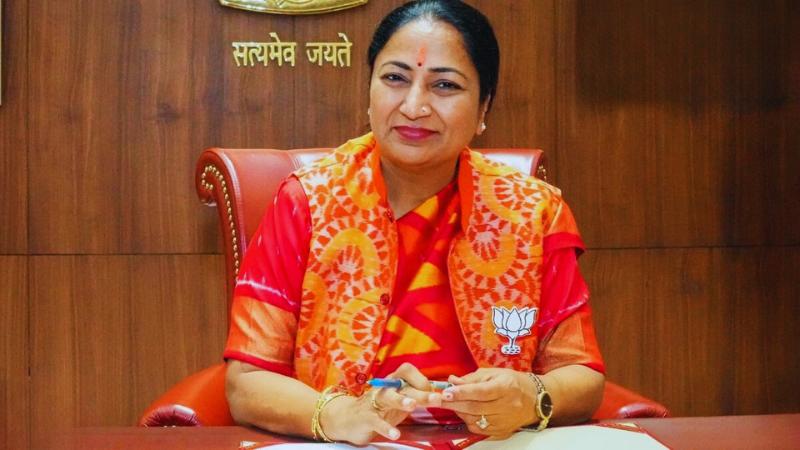
Delhi Government Plans to Merge Three Hospitals into AIIMS-Style Super Medical Hub
The Delhi governmentis undertaking a transformative step in the capital’s public healthcare system
Delhi Government Plans to Merge Three Hospitals into AIIMS-Style Super Medical Hub
The Delhi governmentis undertaking a transformative step in the capital’s public healthcare system
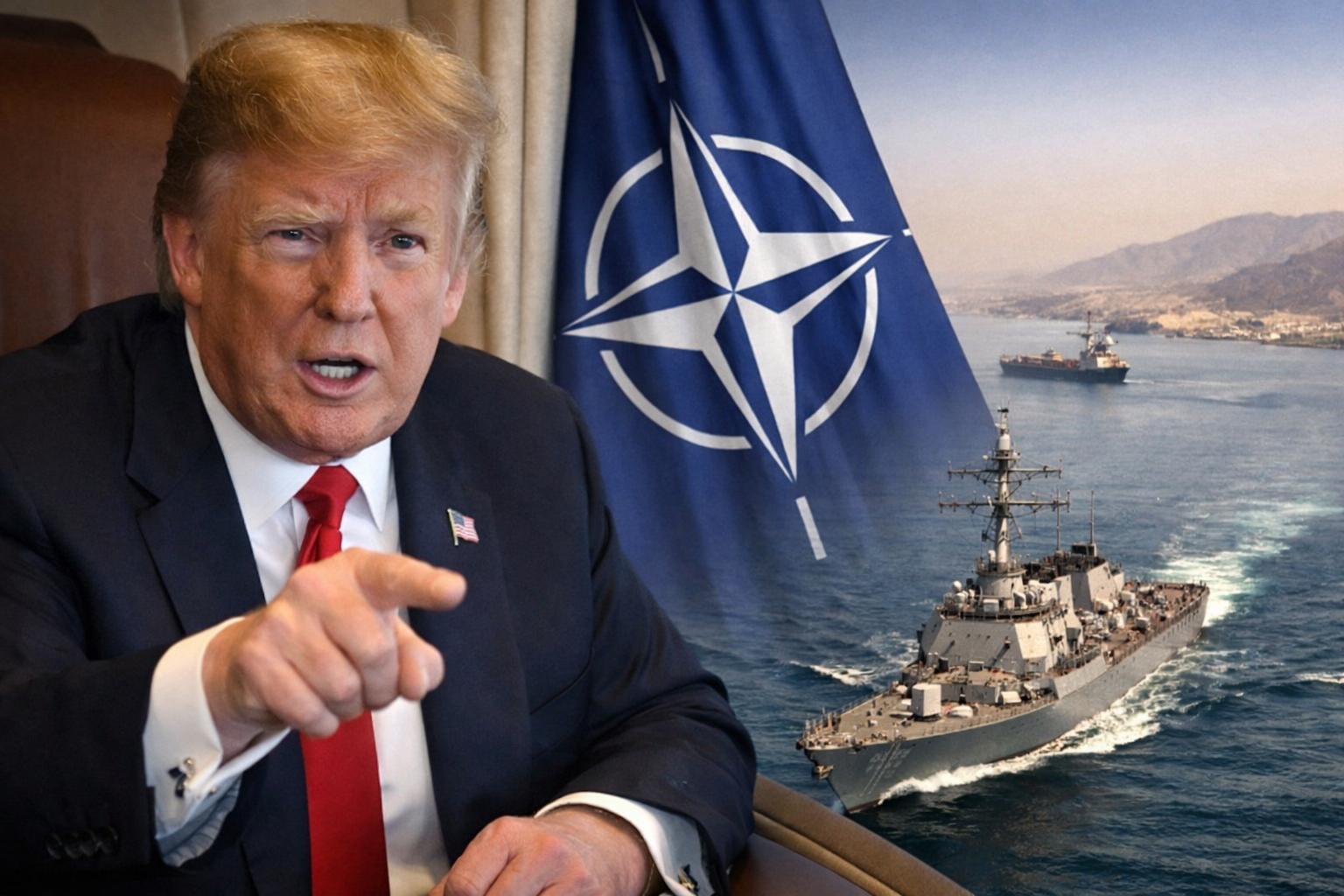
Trump warns NATO faces “very bad” future if allies refuse to reopen Strait of Hormuz
US President Donald Trump has warned that the future of the North Atlantic Treaty Organization could face serious consequences if allied nations fail to support efforts to reopen the Strait of Hormuz, a key global shipping route currently disrupted amid escalating tensions with Iran. The remarks signal increasing pressure from Washington on European allies to contribute more actively to maritime security in the strategically vital Gulf region. Speaking in a telephone interview on Sunday, Trump said a lack of support from allied nations could have negative implications for the military alliance. He emphasized that the United States has historically provided strong support to its partners, including assistance during the Ukraine-Russia war, and now expects reciprocal cooperation. According to Trump, maintaining stability in the Strait of Hormuz is essential not only for regional security but also for global oil trade and international shipping routes. Trump indicated that the United States has already taken significant action against Iranian threats in the Gulf and called for greater participation from allied countries to monitor and secure the waterway. He suggested that additional military support, including specialized forces or naval contributions, could help counter activities such as drone operations and naval mine deployments along the Iranian coastline, which he described as disruptive to maritime navigation. While speaking to reporters aboard Air Force One, Trump said he had demanded that several countries heavily dependent on oil shipments through the strait join a coalition aimed at safeguarding the passage. Although he did not disclose the names of the countries involved, he argued that nations benefiting from the route should take a more active role in protecting it. The president also discussed the situation with British Prime Minister Keir Starmer during a phone conversation on Sunday. According to the UK government, both leaders spoke about the importance of restoring access to the Strait of Hormuz to reduce disruptions in global shipping that are contributing to rising costs worldwide. Starmer also conveyed condolences for American service members who have died during the conflict. However, Trump voiced frustration over what he described as the United Kingdom’s initially cautious response to US requests for assistance. He said Washington expected support earlier in the operation and reiterated his longstanding view that NATO cooperation should be mutual. The Strait of Hormuz remains one of the world’s most critical maritime chokepoints, carrying a significant share of global oil supplies, making its security a central concern for governments and markets worldwide.
Trump warns NATO faces “very bad” future if allies refuse to reopen Strait of Hormuz
US President Donald Trump has warned that the future of the North Atlantic Treaty Organization could face serious consequences if allied nations fail to support efforts to reopen the Strait of Hormuz, a key global shipping route currently disrupted amid escalating tensions with Iran. The remarks signal increasing pressure from Washington on European allies to contribute more actively to maritime security in the strategically vital Gulf region. Speaking in a telephone interview on Sunday, Trump said a lack of support from allied nations could have negative implications for the military alliance. He emphasized that the United States has historically provided strong support to its partners, including assistance during the Ukraine-Russia war, and now expects reciprocal cooperation. According to Trump, maintaining stability in the Strait of Hormuz is essential not only for regional security but also for global oil trade and international shipping routes. Trump indicated that the United States has already taken significant action against Iranian threats in the Gulf and called for greater participation from allied countries to monitor and secure the waterway. He suggested that additional military support, including specialized forces or naval contributions, could help counter activities such as drone operations and naval mine deployments along the Iranian coastline, which he described as disruptive to maritime navigation. While speaking to reporters aboard Air Force One, Trump said he had demanded that several countries heavily dependent on oil shipments through the strait join a coalition aimed at safeguarding the passage. Although he did not disclose the names of the countries involved, he argued that nations benefiting from the route should take a more active role in protecting it. The president also discussed the situation with British Prime Minister Keir Starmer during a phone conversation on Sunday. According to the UK government, both leaders spoke about the importance of restoring access to the Strait of Hormuz to reduce disruptions in global shipping that are contributing to rising costs worldwide. Starmer also conveyed condolences for American service members who have died during the conflict. However, Trump voiced frustration over what he described as the United Kingdom’s initially cautious response to US requests for assistance. He said Washington expected support earlier in the operation and reiterated his longstanding view that NATO cooperation should be mutual. The Strait of Hormuz remains one of the world’s most critical maritime chokepoints, carrying a significant share of global oil supplies, making its security a central concern for governments and markets worldwide.
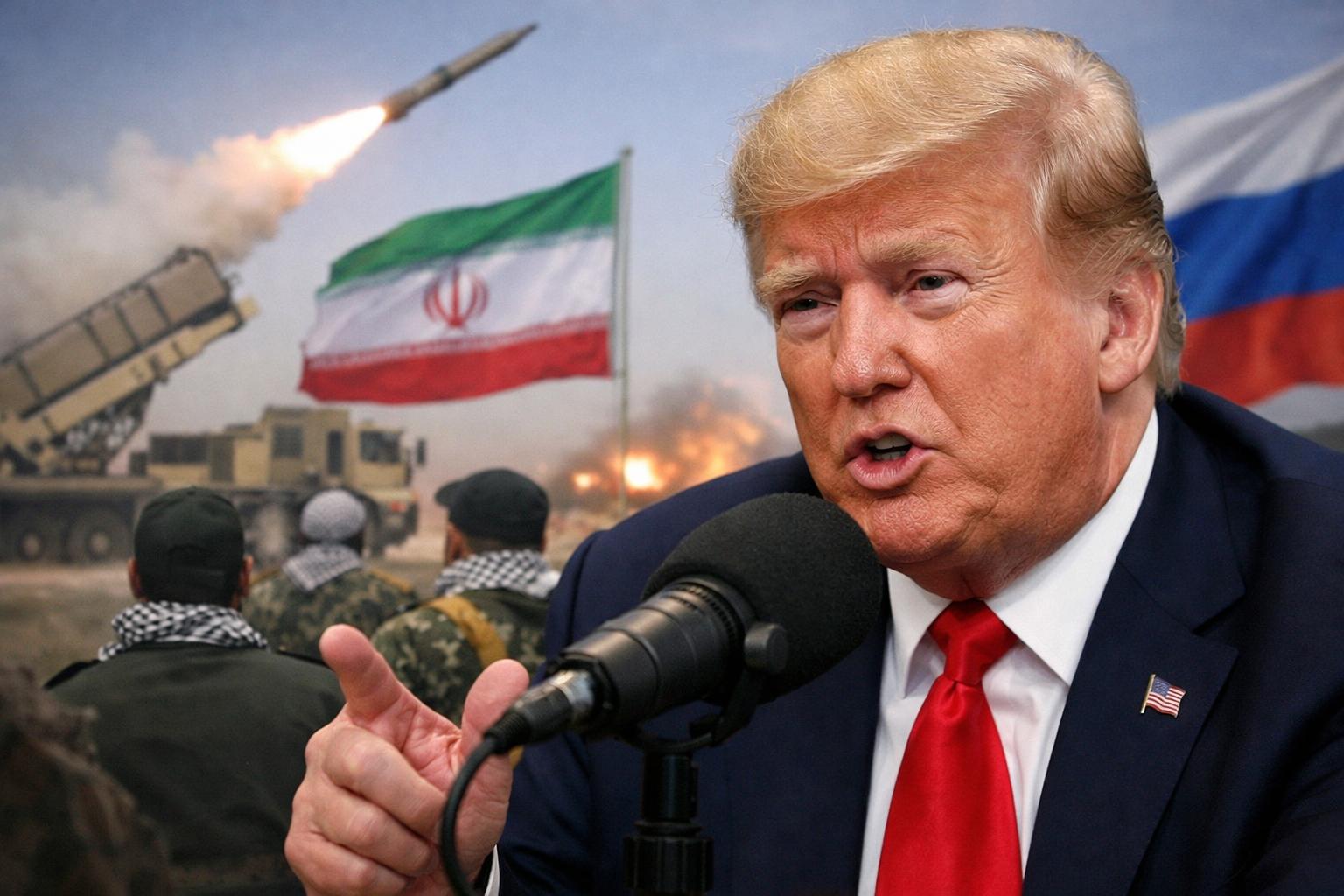
US–Israel–Iran War | Trump warns of possible US strikes on Iran within next week amid rising tensions
US President Donald Trump has warned that the United States could launch strong military strikes against Iran in the coming days, signaling a potential escalation in tensions between the two countries. Speaking during a radio interview aired Friday, Trump said Washington was prepared to act decisively and indicated that Iran could face significant attacks within the next week if the situation continues to deteriorate. Trump claimed that US operations had already inflicted severe damage on Iran’s military infrastructure. According to him, American actions have targeted key components of Iran’s missile and drone capabilities, including manufacturing facilities responsible for producing these weapons. He asserted that the extent of the damage was substantial and suggested it could take years for Iran to fully rebuild the affected systems. The president described the campaign as one of the most forceful responses seen in modern conflicts, emphasizing that the United States was intensifying pressure on Tehran. During the interview, Trump also addressed questions about Iran’s new Supreme Leader, Mojtaba Khamenei, who has not appeared publicly in recent weeks. Trump suggested that the Iranian leader may have been harmed but was likely still alive. He added that Iranian leadership would ultimately need to respond to the ongoing situation, indicating that the United States was continuing its operations with considerable intensity. When asked about the possible conclusion of the conflict, Trump did not provide a clear timeline. Instead, he said he would know when the war was over based on his own judgment of the situation. He also expressed skepticism about the immediate collapse of the Iranian government, noting that such a development would be difficult without significant internal or military pressure. The US president further stated that American forces could escort ships through the Strait of Hormuz if necessary to ensure maritime security in the region. The strategic waterway remains a critical route for global energy supplies, and any disruption there could have widespread economic consequences. Trump also suggested that Russia might be providing limited support to Iran during the conflict. He indicated that Russian President Vladimir Putin could be assisting Tehran in some capacity, while acknowledging that Moscow might view US support for Ukraine as a comparable dynamic. Reports circulating in recent days have alleged that Russia may have shared targeting information with Iran related to attacks on US forces, although such claims remain unconfirmed. Additionally, Trump said that Washington is not currently prioritizing an operation to seize Iran’s uranium resources but did not rule out the possibility in the future. He suggested that the issue could become a consideration later depending on how the situation evolves.
US–Israel–Iran War | Trump warns of possible US strikes on Iran within next week amid rising tensions
US President Donald Trump has warned that the United States could launch strong military strikes against Iran in the coming days, signaling a potential escalation in tensions between the two countries. Speaking during a radio interview aired Friday, Trump said Washington was prepared to act decisively and indicated that Iran could face significant attacks within the next week if the situation continues to deteriorate. Trump claimed that US operations had already inflicted severe damage on Iran’s military infrastructure. According to him, American actions have targeted key components of Iran’s missile and drone capabilities, including manufacturing facilities responsible for producing these weapons. He asserted that the extent of the damage was substantial and suggested it could take years for Iran to fully rebuild the affected systems. The president described the campaign as one of the most forceful responses seen in modern conflicts, emphasizing that the United States was intensifying pressure on Tehran. During the interview, Trump also addressed questions about Iran’s new Supreme Leader, Mojtaba Khamenei, who has not appeared publicly in recent weeks. Trump suggested that the Iranian leader may have been harmed but was likely still alive. He added that Iranian leadership would ultimately need to respond to the ongoing situation, indicating that the United States was continuing its operations with considerable intensity. When asked about the possible conclusion of the conflict, Trump did not provide a clear timeline. Instead, he said he would know when the war was over based on his own judgment of the situation. He also expressed skepticism about the immediate collapse of the Iranian government, noting that such a development would be difficult without significant internal or military pressure. The US president further stated that American forces could escort ships through the Strait of Hormuz if necessary to ensure maritime security in the region. The strategic waterway remains a critical route for global energy supplies, and any disruption there could have widespread economic consequences. Trump also suggested that Russia might be providing limited support to Iran during the conflict. He indicated that Russian President Vladimir Putin could be assisting Tehran in some capacity, while acknowledging that Moscow might view US support for Ukraine as a comparable dynamic. Reports circulating in recent days have alleged that Russia may have shared targeting information with Iran related to attacks on US forces, although such claims remain unconfirmed. Additionally, Trump said that Washington is not currently prioritizing an operation to seize Iran’s uranium resources but did not rule out the possibility in the future. He suggested that the issue could become a consideration later depending on how the situation evolves.










