



























FBI Director Kash Patel may exit amid Trump administration reshuffle talks
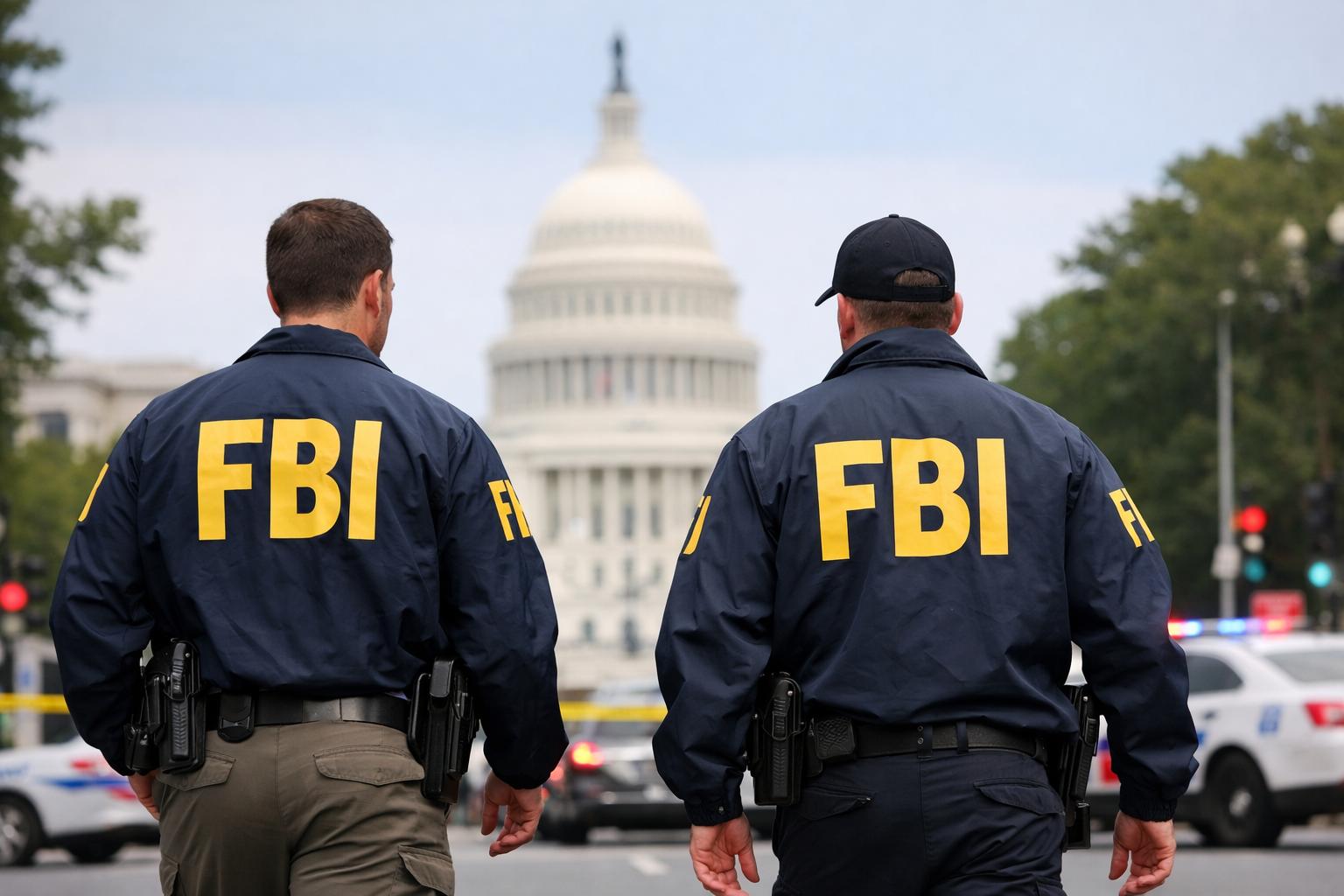
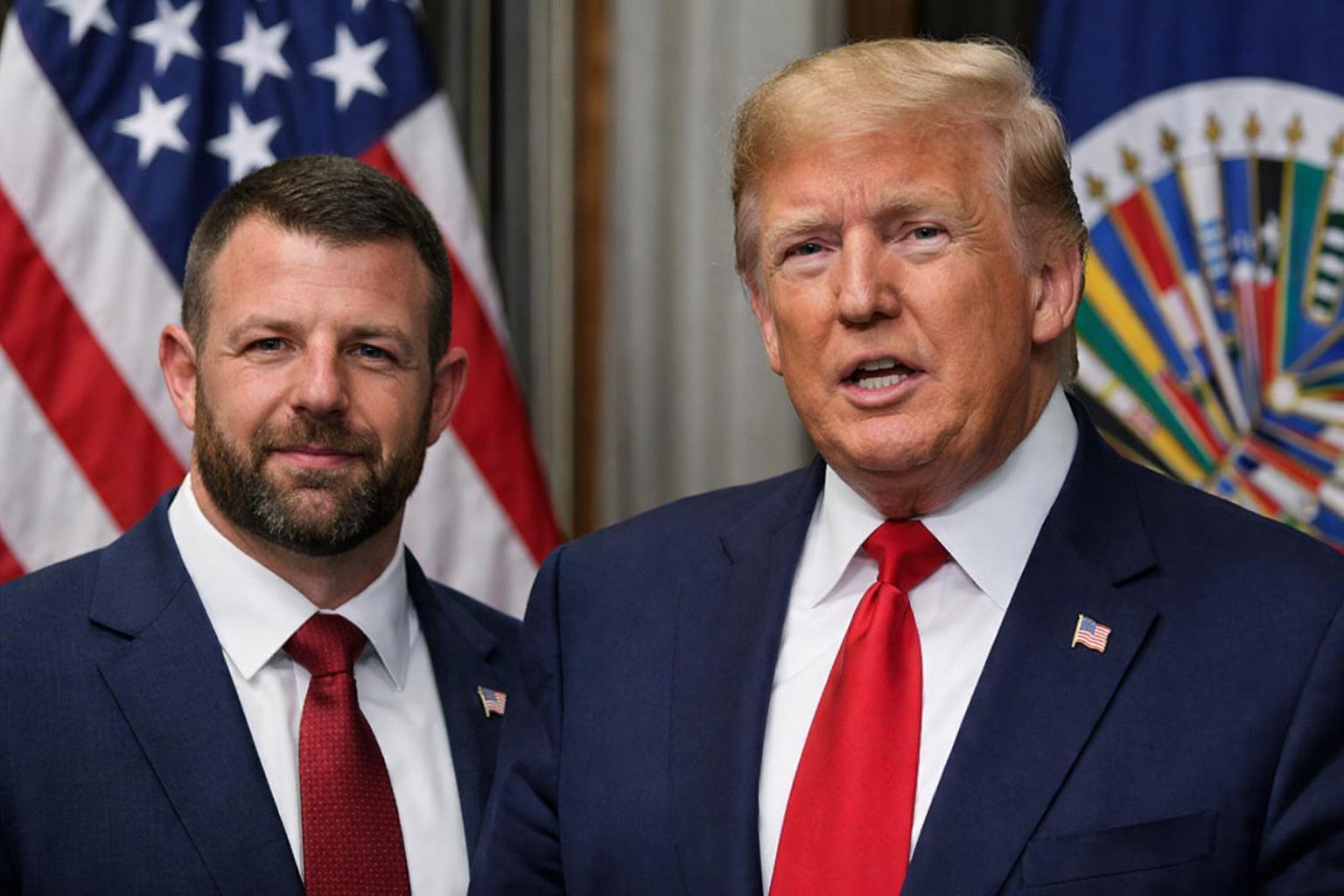
FBI Director Kash Patel faces growing exit speculation amid Trump administration reshuffle talks, controversy, and a $250 million defamation lawsuit over media allegations. FBI Director Kash Patel may exit amid Trump administration reshuffle talks as speculation intensifies within Washington over potential leadership changes, according to a report that cites unnamed senior officials familiar with internal discussions. The report did not specify a date or time for t
FBI Director Kash Patel may exit amid Trump administration reshuffle talks
FBI Director Kash Patel faces growing exit speculation amid Trump administration reshuffle talks, controversy, and a $250 million defamation lawsuit over media allegations. FBI Director Kash Patel may exit amid Trump administration reshuffle talks as speculation intensifies within Washington over potential leadership changes, according to a report that cites unnamed senior officials familiar with internal discussions. The report did not specify a date or time for t
Narendra Modi Reacts to Washington DC Incident: Trump, Melania, JD Vance Safe
Prime Minister Narendra Modi expressed relief that Donald Trump, Melania Trump, and
Narendra Modi Reacts to Washington DC Incident: Trump, Melania, JD Vance Safe
Prime Minister Narendra Modi expressed relief that Donald Trump, Melania Trump, and
Google Data Centre in Vizag: $15 Billion Investment, Launch Date, Key Details
Google will invest $15 billion to set up a data centre and AI hub in Visakhapatnam, marking one of the biggest investments in Andhra Pradesh. One of the largest investments in Andhra Pradesh’s history is set to take shape as
Google Data Centre in Vizag: $15 Billion Investment, Launch Date, Key Details
Google will invest $15 billion to set up a data centre and AI hub in Visakhapatnam, marking one of the biggest investments in Andhra Pradesh. One of the largest investments in Andhra Pradesh’s history is set to take shape as
Secret Service Agent Shot at White House Event, Suspect Arrested
Secret Service Agent Injured in Security Breach, Suspect Arrested at White House Event Date: April 25, 2026 Location: Washington, D.C. A major security scare unfolded after a suspect reportedly charged a security checkpoint with multiple weapons during a
Secret Service Agent Shot at White House Event, Suspect Arrested
Secret Service Agent Injured in Security Breach, Suspect Arrested at White House Event Date: April 25, 2026 Location: Washington, D.C. A major security scare unfolded after a suspect reportedly charged a security checkpoint with multiple weapons during a
Trump Safe After Gunshots at White House Dinner, Shooter Arrested in Washington DC
Gunshots at White House Correspondents' Dinner trigger panic as Secret Service swiftly evacuates leaders and arrests suspect. Date: April 25, 2026 Location: Washington Hilton, Washington, D.C. Gunshots caused a sudden security scare during the high-profile White House Correspondents' Association Dinner, where Donald Trump, Melania Trump, and JD Vance were in attendance. Secret Service agents immediately moved in, evacuating key officials from the venue as panic spread among hundreds of guests, including journalists, celebrities, and political leaders. Authorities quickly secured the area as attendees took cover under tables. Within minutes, law enforcement and United States Secret Service personnel surrounded the banquet hall, ensuring the safety of all high-profile individuals present. Shortly after the incident, President Trump confirmed via Truth Social that the suspect had been apprehended. He stated that all officials, including the First Lady, Vice President, and cabinet members, were safe and unharmed, while also praising the rapid and decisive response of security forces.
Trump Safe After Gunshots at White House Dinner, Shooter Arrested in Washington DC
Gunshots at White House Correspondents' Dinner trigger panic as Secret Service swiftly evacuates leaders and arrests suspect. Date: April 25, 2026 Location: Washington Hilton, Washington, D.C. Gunshots caused a sudden security scare during the high-profile White House Correspondents' Association Dinner, where Donald Trump, Melania Trump, and JD Vance were in attendance. Secret Service agents immediately moved in, evacuating key officials from the venue as panic spread among hundreds of guests, including journalists, celebrities, and political leaders. Authorities quickly secured the area as attendees took cover under tables. Within minutes, law enforcement and United States Secret Service personnel surrounded the banquet hall, ensuring the safety of all high-profile individuals present. Shortly after the incident, President Trump confirmed via Truth Social that the suspect had been apprehended. He stated that all officials, including the First Lady, Vice President, and cabinet members, were safe and unharmed, while also praising the rapid and decisive response of security forces.
Did Raghav Chadha’s switch expose ideology as strategy in politics? Yes, it raises serious questions
Did Raghav Chadha’s switch expose ideology as strategy in Indian politics? Yes, it raises serious questions as the recent political move by Raghav Chadha has triggered a wider debate about whether ideology in Indian politics is truly stable or simply a matter of strategy. The development, reported on Thursday, April 24, 2026, in India Standard Time, comes as Chadha, once a vocal critic of the Bharatiya Janata Party (BJP), aligned himself with the same political force he had publicly opposed. From vocal opposition to alignment with former rivals For years, Chadha built his political identity within the Aam Aadmi Party (AAP) by criticizing the BJP’s governance style, raising concerns about institutional independence and democratic functioning. His speeches positioned AAP as a clear alternative, emphasizing transparency and accountability. This consistent messaging helped shape public perception and earned him credibility among urban and educated voters. The sudden shift, however, has led to questions about whether those earlier positions were rooted in firm ideological belief or were part of a broader political strategy that evolved over time. BJP’s acceptance raises questions about ideological consistency The BJP, which has maintained political dominance at the national level for over a decade, has consistently emphasized strong ideological foundations and governance continuity. Its decision to accept a leader who had openly challenged its policies now brings attention to the balance between ideological commitment and political expansion. In parliamentary systems, numbers often determine legislative outcomes. Strategic decisions to strengthen representation can override past disagreements, reflecting a pragmatic approach to governance and policy-making. A recurring pattern across political systems This development is not isolated. Political realignments, shifting alliances, and evolving narratives are common across democratic systems worldwide. Leaders frequently transition between parties, and parties themselves adapt to changing political landscapes. Such shifts suggest that while ideology is presented as a guiding principle, strategy often plays a decisive role in shaping political actions. Public trust, consistency, and the shifting foundation of politics For the public, these developments can create uncertainty. Strong statements made in one phase of a political career may not align with actions taken later. This gap between words and actions raises broader concerns about consistency, accountability, and long-term trust in political institutions. What emerges from this pattern is not just a question about one leader or one party, but about the direction of politics itself. When positions can shift so sharply and be accepted just as quickly, it becomes harder to separate belief from convenience. The debate is no longer limited to whether one individual changed sides, but whether such changes are now an accepted norm across the political spectrum. In that context, the latest move involving Raghav Chadha reinforces a broader concern: political systems that emphasize ideology in public messaging may increasingly rely on strategy in practice. In that reality, one conclusion is becoming difficult to ignore. Adapting strategy to suit the moment is no longer just a political tool; it is increasingly becoming the most consistent ideology across political parties.
Did Raghav Chadha’s switch expose ideology as strategy in politics? Yes, it raises serious questions
Did Raghav Chadha’s switch expose ideology as strategy in Indian politics? Yes, it raises serious questions as the recent political move by Raghav Chadha has triggered a wider debate about whether ideology in Indian politics is truly stable or simply a matter of strategy. The development, reported on Thursday, April 24, 2026, in India Standard Time, comes as Chadha, once a vocal critic of the Bharatiya Janata Party (BJP), aligned himself with the same political force he had publicly opposed. From vocal opposition to alignment with former rivals For years, Chadha built his political identity within the Aam Aadmi Party (AAP) by criticizing the BJP’s governance style, raising concerns about institutional independence and democratic functioning. His speeches positioned AAP as a clear alternative, emphasizing transparency and accountability. This consistent messaging helped shape public perception and earned him credibility among urban and educated voters. The sudden shift, however, has led to questions about whether those earlier positions were rooted in firm ideological belief or were part of a broader political strategy that evolved over time. BJP’s acceptance raises questions about ideological consistency The BJP, which has maintained political dominance at the national level for over a decade, has consistently emphasized strong ideological foundations and governance continuity. Its decision to accept a leader who had openly challenged its policies now brings attention to the balance between ideological commitment and political expansion. In parliamentary systems, numbers often determine legislative outcomes. Strategic decisions to strengthen representation can override past disagreements, reflecting a pragmatic approach to governance and policy-making. A recurring pattern across political systems This development is not isolated. Political realignments, shifting alliances, and evolving narratives are common across democratic systems worldwide. Leaders frequently transition between parties, and parties themselves adapt to changing political landscapes. Such shifts suggest that while ideology is presented as a guiding principle, strategy often plays a decisive role in shaping political actions. Public trust, consistency, and the shifting foundation of politics For the public, these developments can create uncertainty. Strong statements made in one phase of a political career may not align with actions taken later. This gap between words and actions raises broader concerns about consistency, accountability, and long-term trust in political institutions. What emerges from this pattern is not just a question about one leader or one party, but about the direction of politics itself. When positions can shift so sharply and be accepted just as quickly, it becomes harder to separate belief from convenience. The debate is no longer limited to whether one individual changed sides, but whether such changes are now an accepted norm across the political spectrum. In that context, the latest move involving Raghav Chadha reinforces a broader concern: political systems that emphasize ideology in public messaging may increasingly rely on strategy in practice. In that reality, one conclusion is becoming difficult to ignore. Adapting strategy to suit the moment is no longer just a political tool; it is increasingly becoming the most consistent ideology across political parties.
Rahul Gandhi Accuses Mamata of Favoring the Rich in Bengal, Modi Following Suit Nationwide
Rahul Gandhi Accuses Mamata of Helping the Rich in Bengal, Modi Doing the Same Nationwide On April 25, 2026, Congress leader Rahul Gandhi launched a scathing attack on both West Bengal Chief Minister Mamata Banerjee and Prime Minister Narendra Modi. Rahul Gandhi stated that Mamata was favoring the rich over the poor in Bengal, and similarly, Modi was pursuing the same policies across the country. His comments come amidst the ongoing political discourse in West Benga
Rahul Gandhi Accuses Mamata of Favoring the Rich in Bengal, Modi Following Suit Nationwide
Rahul Gandhi Accuses Mamata of Helping the Rich in Bengal, Modi Doing the Same Nationwide On April 25, 2026, Congress leader Rahul Gandhi launched a scathing attack on both West Bengal Chief Minister Mamata Banerjee and Prime Minister Narendra Modi. Rahul Gandhi stated that Mamata was favoring the rich over the poor in Bengal, and similarly, Modi was pursuing the same policies across the country. His comments come amidst the ongoing political discourse in West Benga
Revanth Reddy’s Strategic Move to Avoid Backlash and Secure Azharuddin's Position as MLC
Revanth Reddy Prevents Backlash with Last-Minute MLC Appointment for Azharuddin On April 25, 2026, Telangana Chief Minister Revanth Reddy averted a major political backlash by ensuring that Congress leader Azharuddin, who had been appointed to the state cabinet six months ago, was legislated as an MLC before his time ran out. Under the law, a cabinet minister must hold a legislative position within six months of appointment if they are not already a sitting represen
Revanth Reddy’s Strategic Move to Avoid Backlash and Secure Azharuddin's Position as MLC
Revanth Reddy Prevents Backlash with Last-Minute MLC Appointment for Azharuddin On April 25, 2026, Telangana Chief Minister Revanth Reddy averted a major political backlash by ensuring that Congress leader Azharuddin, who had been appointed to the state cabinet six months ago, was legislated as an MLC before his time ran out. Under the law, a cabinet minister must hold a legislative position within six months of appointment if they are not already a sitting represen
Kalvakuntla Kavitha Launches Telangana Praja Jagruthi, Paying Tribute to Telangana Icons
All preparations are in place for the launch of a new political party by Kalvakuntla Kavitha, daughter of former Telangana Chief Minister and BRS president K Chandrasekhar Rao. The event will take place on April 25, 2026, at 10:00 AM at Prof Jayashankar Grounds in Muneerabad, Medchal-Malkajgiri district. Kavitha’s new political party has been named “Telangana Praja Jagruthi”, a name that was registered two months ago. Kavitha, who resigned from the BRS and her Legislative Coun
Kalvakuntla Kavitha Launches Telangana Praja Jagruthi, Paying Tribute to Telangana Icons
All preparations are in place for the launch of a new political party by Kalvakuntla Kavitha, daughter of former Telangana Chief Minister and BRS president K Chandrasekhar Rao. The event will take place on April 25, 2026, at 10:00 AM at Prof Jayashankar Grounds in Muneerabad, Medchal-Malkajgiri district. Kavitha’s new political party has been named “Telangana Praja Jagruthi”, a name that was registered two months ago. Kavitha, who resigned from the BRS and her Legislative Coun
Raghav Chadha Joins BJP, Sparks Major Shift In Rajya Sabha Numbers
A major political shift unfolded in New Delhi on Friday, April 24, 2026, as Raghav Chadha, along with fellow Rajya Sabha MPs Ashok Mittal and Sandeep Pathak, officially joined the Bharatiya Janata Party after resigning from the Aam Aadmi Party. The leaders were inducted into the BJP in the presence of party chief Nitin Nabin at the party office in Delhi, where they were welcomed with bouquets and greeted senior party members. Earlier in the day, Chadha, aged 37, announced his resignation from AAP along with six other MPs, stating their intention to merge with the BJP by invoking constitutional provisions that allow such a move when two-thirds of a party’s members agree. The group submitted a formal letter along with required documents to Rajya Sabha Chairman C. P. Radhakrishnan. With seven out of ten AAP MPs in the Rajya Sabha switching sides, the anti-defection law is unlikely to apply. As a result, only three AAP MPs—Sanjay Singh, Sant Balbir Singh Seechewal, and N. D. Gupta—remain in the Upper House. Chadha explained that his decision was driven by growing dissatisfaction with the party’s direction, stating that he increasingly felt like “the right person in the wrong party.” His exit comes after a series of developments, including his removal as Deputy Leader in the Rajya Sabha and replacement by Ashok Mittal. Reports also highlighted his absence from key opposition actions, refusal to sign certain notices, and exclusion from the party’s star campaigner list in multiple state elections. Meanwhile, Sandeep Pathak expressed emotional difficulty over leaving the party after a decade-long association. The move has triggered sharp reactions from AAP leadership. Senior leader Sanjay Singh accused the BJP of orchestrating defections through what he described as “Operation Lotus,” alleging misuse of state machinery and investigative agencies to weaken opposition parties. Arvind Kejriwal also reacted, stating that the development represents a betrayal of public trust, particularly ahead of the Punjab elections scheduled for early 2027, where AAP currently holds power. This high-profile political realignment is expected to significantly alter the balance of power in the Rajya Sabha, strengthening the BJP’s position while dealing a major setback to AAP’s parliamentary presence.
Raghav Chadha Joins BJP, Sparks Major Shift In Rajya Sabha Numbers
A major political shift unfolded in New Delhi on Friday, April 24, 2026, as Raghav Chadha, along with fellow Rajya Sabha MPs Ashok Mittal and Sandeep Pathak, officially joined the Bharatiya Janata Party after resigning from the Aam Aadmi Party. The leaders were inducted into the BJP in the presence of party chief Nitin Nabin at the party office in Delhi, where they were welcomed with bouquets and greeted senior party members. Earlier in the day, Chadha, aged 37, announced his resignation from AAP along with six other MPs, stating their intention to merge with the BJP by invoking constitutional provisions that allow such a move when two-thirds of a party’s members agree. The group submitted a formal letter along with required documents to Rajya Sabha Chairman C. P. Radhakrishnan. With seven out of ten AAP MPs in the Rajya Sabha switching sides, the anti-defection law is unlikely to apply. As a result, only three AAP MPs—Sanjay Singh, Sant Balbir Singh Seechewal, and N. D. Gupta—remain in the Upper House. Chadha explained that his decision was driven by growing dissatisfaction with the party’s direction, stating that he increasingly felt like “the right person in the wrong party.” His exit comes after a series of developments, including his removal as Deputy Leader in the Rajya Sabha and replacement by Ashok Mittal. Reports also highlighted his absence from key opposition actions, refusal to sign certain notices, and exclusion from the party’s star campaigner list in multiple state elections. Meanwhile, Sandeep Pathak expressed emotional difficulty over leaving the party after a decade-long association. The move has triggered sharp reactions from AAP leadership. Senior leader Sanjay Singh accused the BJP of orchestrating defections through what he described as “Operation Lotus,” alleging misuse of state machinery and investigative agencies to weaken opposition parties. Arvind Kejriwal also reacted, stating that the development represents a betrayal of public trust, particularly ahead of the Punjab elections scheduled for early 2027, where AAP currently holds power. This high-profile political realignment is expected to significantly alter the balance of power in the Rajya Sabha, strengthening the BJP’s position while dealing a major setback to AAP’s parliamentary presence.
Amit Shah Predicts BJP Sweep In Bengal, Claims 110 Of 152 Phase 1 Seats
Union Home Minister Amit Shah on April 24, 2026, expressed strong confidence in the Bharatiya Janata Party’s prospects in the West Bengal Assembly elections, asserting that the surge in voter turnout signals a decisive shift in favour of the party. Addressing a press conference in Kolkata a day after Phase 1 polling, Shah claimed that the BJP is on track to win more than 110 of the 152 seats that
Amit Shah Predicts BJP Sweep In Bengal, Claims 110 Of 152 Phase 1 Seats
Union Home Minister Amit Shah on April 24, 2026, expressed strong confidence in the Bharatiya Janata Party’s prospects in the West Bengal Assembly elections, asserting that the surge in voter turnout signals a decisive shift in favour of the party. Addressing a press conference in Kolkata a day after Phase 1 polling, Shah claimed that the BJP is on track to win more than 110 of the 152 seats that
Tamil Nadu Records 84.6% Polling, Highest Ever Turnout In Assembly Elections
Tamil Nadu witnessed a historic voter turnout of 84.6% in the Assembly elections held on April 24, 2026, marking the highest polling percentage in the state since 1952. The Election Commission reported that the turnout surpassed the previous high of 78.29% recorded in 2011, reflecting strong electoral participation across all 234 constituencies. From early morning, polling booths across the state saw long queues of voters, including elderly citizens, first-time voters, and families, highlight
Tamil Nadu Records 84.6% Polling, Highest Ever Turnout In Assembly Elections
Tamil Nadu witnessed a historic voter turnout of 84.6% in the Assembly elections held on April 24, 2026, marking the highest polling percentage in the state since 1952. The Election Commission reported that the turnout surpassed the previous high of 78.29% recorded in 2011, reflecting strong electoral participation across all 234 constituencies. From early morning, polling booths across the state saw long queues of voters, including elderly citizens, first-time voters, and families, highlight
West Bengal Records 92.9% Voting: What Historic Turnout Reveals In 2026 Polls
West Bengal recorded an unprecedented 92.9% voter turnout in Phase 1 of the Assembly elections held on Thursday, April 24, 2026, making it the highest polling percentage in the state since Independence. According to Chief Election Commissioner Gyanesh Kumar, this marks a historic milestone, reflecting extraordinary voter participation across constituencies. Out of approximately 3.6 crore registered
West Bengal Records 92.9% Voting: What Historic Turnout Reveals In 2026 Polls
West Bengal recorded an unprecedented 92.9% voter turnout in Phase 1 of the Assembly elections held on Thursday, April 24, 2026, making it the highest polling percentage in the state since Independence. According to Chief Election Commissioner Gyanesh Kumar, this marks a historic milestone, reflecting extraordinary voter participation across constituencies. Out of approximately 3.6 crore registered
Mamata Banerjee Claims Edge After High Turnout, Targets Modi And Shah In Bengal Polls
West Bengal Chief Minister Mamata Banerjee on April 23, 2026, expressed strong confidence in her party’s performance following a high voter turnout in the first phase of the Assembly elections. Addressing a rally in Chowringhee, central Kolkata, the Trinamool Congress (TMC) chief said the enthusiastic participation of voters indicated public support for her government and its policies. She stated
Mamata Banerjee Claims Edge After High Turnout, Targets Modi And Shah In Bengal Polls
West Bengal Chief Minister Mamata Banerjee on April 23, 2026, expressed strong confidence in her party’s performance following a high voter turnout in the first phase of the Assembly elections. Addressing a rally in Chowringhee, central Kolkata, the Trinamool Congress (TMC) chief said the enthusiastic participation of voters indicated public support for her government and its policies. She stated
Trump post on India sparks diplomatic pushback from US and India
A controversial Trump post on India triggered diplomatic reactions from US and Indian officials, prompting efforts to reaffirm strong bilateral ties and address global political concerns. Trump post on India sparks diplomatic pushback from US and India — Hours after Donald Trump shared a social media post containing derogatory language about India, US officials moved sw
Trump post on India sparks diplomatic pushback from US and India
A controversial Trump post on India triggered diplomatic reactions from US and Indian officials, prompting efforts to reaffirm strong bilateral ties and address global political concerns. Trump post on India sparks diplomatic pushback from US and India — Hours after Donald Trump shared a social media post containing derogatory language about India, US officials moved sw
How did Washington respond to Trump controversy? Embassy reaffirmed India ties
Trump repost triggers diplomatic unease between US and India A social media post by Donald Trump has drawn criticism in India after he amplified remarks from a podcast that described the country in derogatory terms. The controversy prompted a swift response from U.S. officials seeking to stabilize diplomatic messaging and reaffirm bilateral ties. Podcast remarks by Michael Savage ignite backlash The controversy stems from comments made by American radio host Michael Savage, who, during an episode of his “Savage Nation” podcast, criticized U.S. birthright citizenship policies. In his remarks, Savage grouped India and China among nations he labeled negatively while arguing that immigration policies are being exploited. Trump reposted both a transcript and video clip of the segment, bringing wider attention to the remarks. The repost quickly circulated online, triggering criticism in India and raising concerns about its potential impact on U.S.-India relations. US Embassy reiterates strong bilateral partnership In response, the U.S. Embassy in India issued a statement emphasizing the strength of ties between Washington and New Delhi. A spokesperson clarified that Trump has previously described India as “a great country” and referred to its leadership in positive terms, signaling an effort to contain diplomatic fallout. India responds cautiously through official channels India’s Ministry of External Affairs reacted with measured restraint. Spokesperson Randhir Jaiswal acknowledged awareness of the reports but declined to elaborate further, reflecting a cautious diplomatic approach while avoiding escalation. Broader debate on immigration fuels controversy Savage’s podcast remarks were part of a broader critique of U.S. immigration law, particularly the principle of granting citizenship to children born in the country regardless of parental status. He argued that the system is vulnerable to misuse, specifically referencing immigrants from Asian countries. The episode also included criticism of the U.S. Supreme Court’s role in shaping birthright citizenship policy and called for a national referendum on the issue. However, the language used in describing immigrants and foreign nations drew widespread condemnation, shifting focus from policy debate to diplomatic sensitivity. The incident highlights how political messaging and media amplification can quickly influence international relations, particularly between longstanding partners like the United States and India.
How did Washington respond to Trump controversy? Embassy reaffirmed India ties
Trump repost triggers diplomatic unease between US and India A social media post by Donald Trump has drawn criticism in India after he amplified remarks from a podcast that described the country in derogatory terms. The controversy prompted a swift response from U.S. officials seeking to stabilize diplomatic messaging and reaffirm bilateral ties. Podcast remarks by Michael Savage ignite backlash The controversy stems from comments made by American radio host Michael Savage, who, during an episode of his “Savage Nation” podcast, criticized U.S. birthright citizenship policies. In his remarks, Savage grouped India and China among nations he labeled negatively while arguing that immigration policies are being exploited. Trump reposted both a transcript and video clip of the segment, bringing wider attention to the remarks. The repost quickly circulated online, triggering criticism in India and raising concerns about its potential impact on U.S.-India relations. US Embassy reiterates strong bilateral partnership In response, the U.S. Embassy in India issued a statement emphasizing the strength of ties between Washington and New Delhi. A spokesperson clarified that Trump has previously described India as “a great country” and referred to its leadership in positive terms, signaling an effort to contain diplomatic fallout. India responds cautiously through official channels India’s Ministry of External Affairs reacted with measured restraint. Spokesperson Randhir Jaiswal acknowledged awareness of the reports but declined to elaborate further, reflecting a cautious diplomatic approach while avoiding escalation. Broader debate on immigration fuels controversy Savage’s podcast remarks were part of a broader critique of U.S. immigration law, particularly the principle of granting citizenship to children born in the country regardless of parental status. He argued that the system is vulnerable to misuse, specifically referencing immigrants from Asian countries. The episode also included criticism of the U.S. Supreme Court’s role in shaping birthright citizenship policy and called for a national referendum on the issue. However, the language used in describing immigrants and foreign nations drew widespread condemnation, shifting focus from policy debate to diplomatic sensitivity. The incident highlights how political messaging and media amplification can quickly influence international relations, particularly between longstanding partners like the United States and India.
Trump shares Michael Savage post on birthright citizenship: Who he is and why it’s controversial
Why did Donald Trump reshare Michael Savage’s post, and what impact did it have? The controversy began when Donald Trump reshared a detailed po
Trump shares Michael Savage post on birthright citizenship: Who he is and why it’s controversial
Why did Donald Trump reshare Michael Savage’s post, and what impact did it have? The controversy began when Donald Trump reshared a detailed po
“Butter Chicken Tsunami” Comment Triggers Debate Over Immigration and Trade
Comments by New Zealand lawmaker Shane Jones have sparked criticism from the Indian community and political leaders, highlighting tensions within the ruling coalition over immigration and a proposed trade agreement with India. Jones referred to the potential deal as a “butter chicken tsunami” during a radio interview, a remark that quickly drew backlash across political and community circles. Prime Minister Christopher Luxon described the statement as unhelpful but stopped short of labeling it discriminatory. The proposed agreement between New Zealand and India is already facing political hurdles, as Jones’s party, New Zealand First, has voiced opposition. This stance could force the governing party to seek support from the opposition Labour Party to secure parliamentary approval. Jones defended his position by raising concerns about immigration, arguing that unrestricted inflows could impact wages, infrastructure, and public services. His remarks have reignited broader debates about immigration policy and economic priorities, especially as the country navigates its trade relationships. Community leaders expressed strong concern over the tone of the comments. Representatives from Indian associations emphasized the contributions of Indians, who form one of the largest ethnic groups in the country. They argued that such rhetoric risks undermining social cohesion and creating unnecessary divisions within a multicultural society. The controversy has also drawn reactions from political opponents. Labour leader Chris Hipkins criticized the remarks, calling for more responsible discourse from public officials. Business representatives echoed similar sentiments, suggesting that policymakers should focus on constructive dialogue rather than rhetoric that could damage bilateral ties. Jones later acknowledged that colleagues had advised him to moderate his language, though he maintained that his comments were intended to emphasize concerns. As debate continues, the episode underscores the challenges facing New Zealand’s leadership in balancing trade ambitions, immigration policy, and maintaining unity within a diverse population.
“Butter Chicken Tsunami” Comment Triggers Debate Over Immigration and Trade
Comments by New Zealand lawmaker Shane Jones have sparked criticism from the Indian community and political leaders, highlighting tensions within the ruling coalition over immigration and a proposed trade agreement with India. Jones referred to the potential deal as a “butter chicken tsunami” during a radio interview, a remark that quickly drew backlash across political and community circles. Prime Minister Christopher Luxon described the statement as unhelpful but stopped short of labeling it discriminatory. The proposed agreement between New Zealand and India is already facing political hurdles, as Jones’s party, New Zealand First, has voiced opposition. This stance could force the governing party to seek support from the opposition Labour Party to secure parliamentary approval. Jones defended his position by raising concerns about immigration, arguing that unrestricted inflows could impact wages, infrastructure, and public services. His remarks have reignited broader debates about immigration policy and economic priorities, especially as the country navigates its trade relationships. Community leaders expressed strong concern over the tone of the comments. Representatives from Indian associations emphasized the contributions of Indians, who form one of the largest ethnic groups in the country. They argued that such rhetoric risks undermining social cohesion and creating unnecessary divisions within a multicultural society. The controversy has also drawn reactions from political opponents. Labour leader Chris Hipkins criticized the remarks, calling for more responsible discourse from public officials. Business representatives echoed similar sentiments, suggesting that policymakers should focus on constructive dialogue rather than rhetoric that could damage bilateral ties. Jones later acknowledged that colleagues had advised him to moderate his language, though he maintained that his comments were intended to emphasize concerns. As debate continues, the episode underscores the challenges facing New Zealand’s leadership in balancing trade ambitions, immigration policy, and maintaining unity within a diverse population.
Tamil Nadu Elections Live: Ajith, Vijay, Rajinikanth, Kamal Haasan Cast Votes
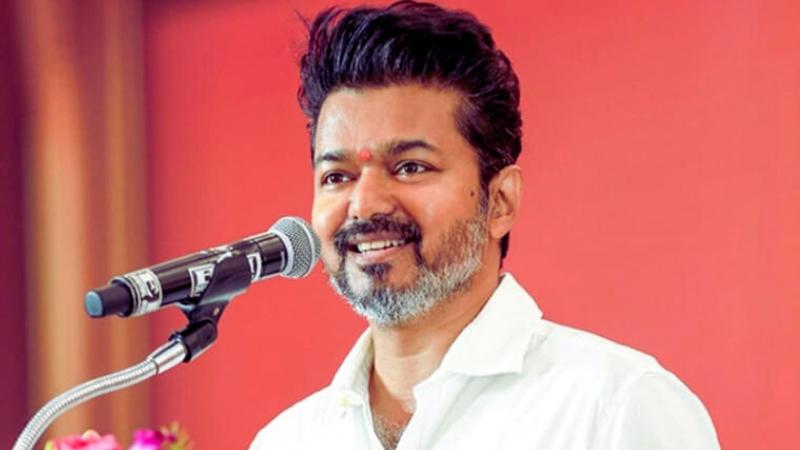
Voting for the Tamil Nadu Assembly Elections 2026 witnessed strong participation from not just the public but also leading stars from the film industry. Prominent actors including Ajith Kumar, Vijay, Rajinikanth, and Kamal Haasan stepped out early in the day to cast their votes, encouraging fans and citizens to take part in the democratic process. Their presence at polling booths across Chennai and other regions drew attention and boosted enthusiasm among voters. Ajith Kumar was amo
Tamil Nadu Elections Live: Ajith, Vijay, Rajinikanth, Kamal Haasan Cast Votes
Voting for the Tamil Nadu Assembly Elections 2026 witnessed strong participation from not just the public but also leading stars from the film industry. Prominent actors including Ajith Kumar, Vijay, Rajinikanth, and Kamal Haasan stepped out early in the day to cast their votes, encouraging fans and citizens to take part in the democratic process. Their presence at polling booths across Chennai and other regions drew attention and boosted enthusiasm among voters. Ajith Kumar was amo
Assembly Elections Live: Bengal Voting Begins, Tamil Nadu Sees Triangular Contest
After weeks of intense campaigning, voting has begun in West Bengal and Tamil Nadu, marking a crucial phase in the 2026 Assembly elections. In West Bengal, polling started at 7 am across 152 constituencies in the first phase, covering more than half of the state’s total 294 seats. The contest in Bengal is largely seen as a direct and high-stakes face-off between the ruling Trinamool Congress led by Mamata Banerjee and the Bharatiya Janata Party. Early hours witnessed long queues at polling
Assembly Elections Live: Bengal Voting Begins, Tamil Nadu Sees Triangular Contest
After weeks of intense campaigning, voting has begun in West Bengal and Tamil Nadu, marking a crucial phase in the 2026 Assembly elections. In West Bengal, polling started at 7 am across 152 constituencies in the first phase, covering more than half of the state’s total 294 seats. The contest in Bengal is largely seen as a direct and high-stakes face-off between the ruling Trinamool Congress led by Mamata Banerjee and the Bharatiya Janata Party. Early hours witnessed long queues at polling


