


































Kavitha Clarifies Stand on Criticizing KCR, Separates Politics from Family
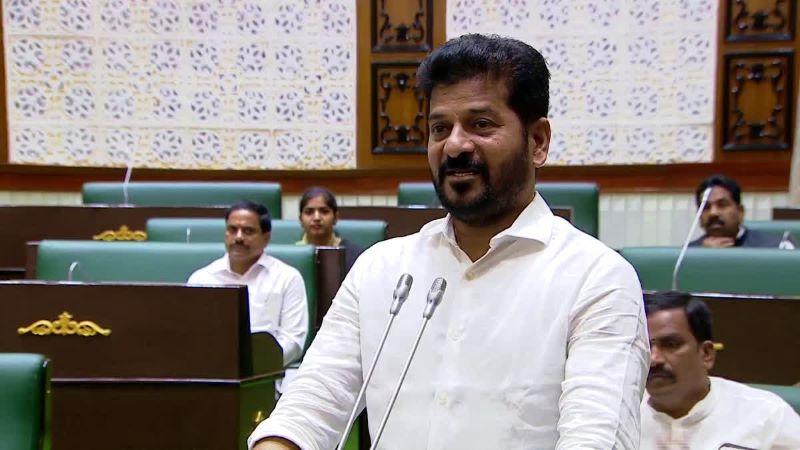
A fresh political debate is gaining momentum in Telangana as K. Kavitha addresses the growing controversy around her criticism of K. Chandrashekar Rao. After launching her own political outfit, Telangana Rakshana Samithi (TRS), Kavitha has intensified her political attacks on the Bharat Rashtra Samithi leadership, including her father KCR and brother K. T. Rama Rao. Responding to criticism over targeting her own father, Kavitha offered a carefully measured explanation. She stated that while she may strongly disagree with KCR in his role as a political leader, her respect and emotional bond with him as her father remain unchanged. According to her, the differences are purely ideological and political, not personal. Kavitha emphasized that KCR is the person who gave her life and shaped her journey, and she would always remain indebted to him. However, she made it clear that this respect would not stop her from questioning his political decisions or opposing his leadership when needed. Her remarks come after a wave of criticism on social media, where many accused her of turning against her own roots. The backlash appears to have influenced her tone, leading to a more balanced and diplomatic approach in recent statements. However, the political reality is more complicated. In public perception, separating personal and political criticism is rarely straightforward. For many observers, any attack on KCR—regardless of context—naturally feels like a direct challenge to the family itself. Kavitha seems aware of this risk and appears ready to navigate the consequences as she builds her independent political identity. This evolving situation highlights not just a family disagreement, but a deeper power shift within Telangana politics, where personal relationships and political ambitions are now openly intersecting.
Kavitha Clarifies Stand on Criticizing KCR, Separates Politics from Family
A fresh political debate is gaining momentum in Telangana as K. Kavitha addresses the growing controversy around her criticism of K. Chandrashekar Rao. After launching her own political outfit, Telangana Rakshana Samithi (TRS), Kavitha has intensified her political attacks on the Bharat Rashtra Samithi leadership, including her father KCR and brother K. T. Rama Rao. Responding to criticism over targeting her own father, Kavitha offered a carefully measured explanation. She stated that while she may strongly disagree with KCR in his role as a political leader, her respect and emotional bond with him as her father remain unchanged. According to her, the differences are purely ideological and political, not personal. Kavitha emphasized that KCR is the person who gave her life and shaped her journey, and she would always remain indebted to him. However, she made it clear that this respect would not stop her from questioning his political decisions or opposing his leadership when needed. Her remarks come after a wave of criticism on social media, where many accused her of turning against her own roots. The backlash appears to have influenced her tone, leading to a more balanced and diplomatic approach in recent statements. However, the political reality is more complicated. In public perception, separating personal and political criticism is rarely straightforward. For many observers, any attack on KCR—regardless of context—naturally feels like a direct challenge to the family itself. Kavitha seems aware of this risk and appears ready to navigate the consequences as she builds her independent political identity. This evolving situation highlights not just a family disagreement, but a deeper power shift within Telangana politics, where personal relationships and political ambitions are now openly intersecting.
AP Govt Sends Teachers to Singapore for Training After Student Tours Initiative
Andhra Pradesh’s education system is undergoing a noticeable shift under the leadership of Nara Lokesh, with the government now focusing not just on students but also on strengthening teachers. In a new initiative, the state has selected 37 high-performing teachers from government schools and is sending them to Singapore for a one-week intensive training program aimed at upgrading teaching standards. Until recently, the government’s reforms were largely centered around students, including exposure visits and learning enhancement programs. One such initiative involved taking students from government schools to New Delhi, where they explored science institutions and gained practical learning experiences beyond textbooks. Now, the attention has shifted toward teachers, recognizing that improving teaching quality directly impacts student outcomes. The selected educators will observe and learn advanced teaching practices widely adopted in Singapore, including digital learning systems, smart classroom integration, project-based teaching models, and modern evaluation techniques. These methods are known for making learning more interactive and effective. The expectation is straightforward but ambitious. After completing their training, these teachers will return and implement what they have learned across government schools in Andhra Pradesh. The goal is not just incremental improvement but a broader transformation in how education is delivered. However, the real test lies in execution. Sending 37 teachers abroad makes for a good headline, but unless there is a structured plan to scale these learnings across thousands of schools, the impact could remain limited. If the government ensures proper follow-up, training replication, and accountability, this initiative could genuinely improve classroom standards. Otherwise, it risks becoming another isolated reform without long-term effect. This move signals a more balanced approach to education reform—one that acknowledges that strong teachers are just as critical as motivated students in building a future-ready education system.
AP Govt Sends Teachers to Singapore for Training After Student Tours Initiative
Andhra Pradesh’s education system is undergoing a noticeable shift under the leadership of Nara Lokesh, with the government now focusing not just on students but also on strengthening teachers. In a new initiative, the state has selected 37 high-performing teachers from government schools and is sending them to Singapore for a one-week intensive training program aimed at upgrading teaching standards. Until recently, the government’s reforms were largely centered around students, including exposure visits and learning enhancement programs. One such initiative involved taking students from government schools to New Delhi, where they explored science institutions and gained practical learning experiences beyond textbooks. Now, the attention has shifted toward teachers, recognizing that improving teaching quality directly impacts student outcomes. The selected educators will observe and learn advanced teaching practices widely adopted in Singapore, including digital learning systems, smart classroom integration, project-based teaching models, and modern evaluation techniques. These methods are known for making learning more interactive and effective. The expectation is straightforward but ambitious. After completing their training, these teachers will return and implement what they have learned across government schools in Andhra Pradesh. The goal is not just incremental improvement but a broader transformation in how education is delivered. However, the real test lies in execution. Sending 37 teachers abroad makes for a good headline, but unless there is a structured plan to scale these learnings across thousands of schools, the impact could remain limited. If the government ensures proper follow-up, training replication, and accountability, this initiative could genuinely improve classroom standards. Otherwise, it risks becoming another isolated reform without long-term effect. This move signals a more balanced approach to education reform—one that acknowledges that strong teachers are just as critical as motivated students in building a future-ready education system.
Kavitha Secures TRS Name, Deals Major Blow to KCR and BRS Strategy
A major political development has unfolded in Telangana as K. Kavitha has successfully secured the TRS name for her new political party, creating fresh tensions within the state’s political landscape. This move is seen as a direct challenge to K. Chandrashekar Rao and his party, now known as
Kavitha Secures TRS Name, Deals Major Blow to KCR and BRS Strategy
A major political development has unfolded in Telangana as K. Kavitha has successfully secured the TRS name for her new political party, creating fresh tensions within the state’s political landscape. This move is seen as a direct challenge to K. Chandrashekar Rao and his party, now known as
Why the US Rushed $8.6B Arms Deal to Middle East Allies Amid Iran Crisis
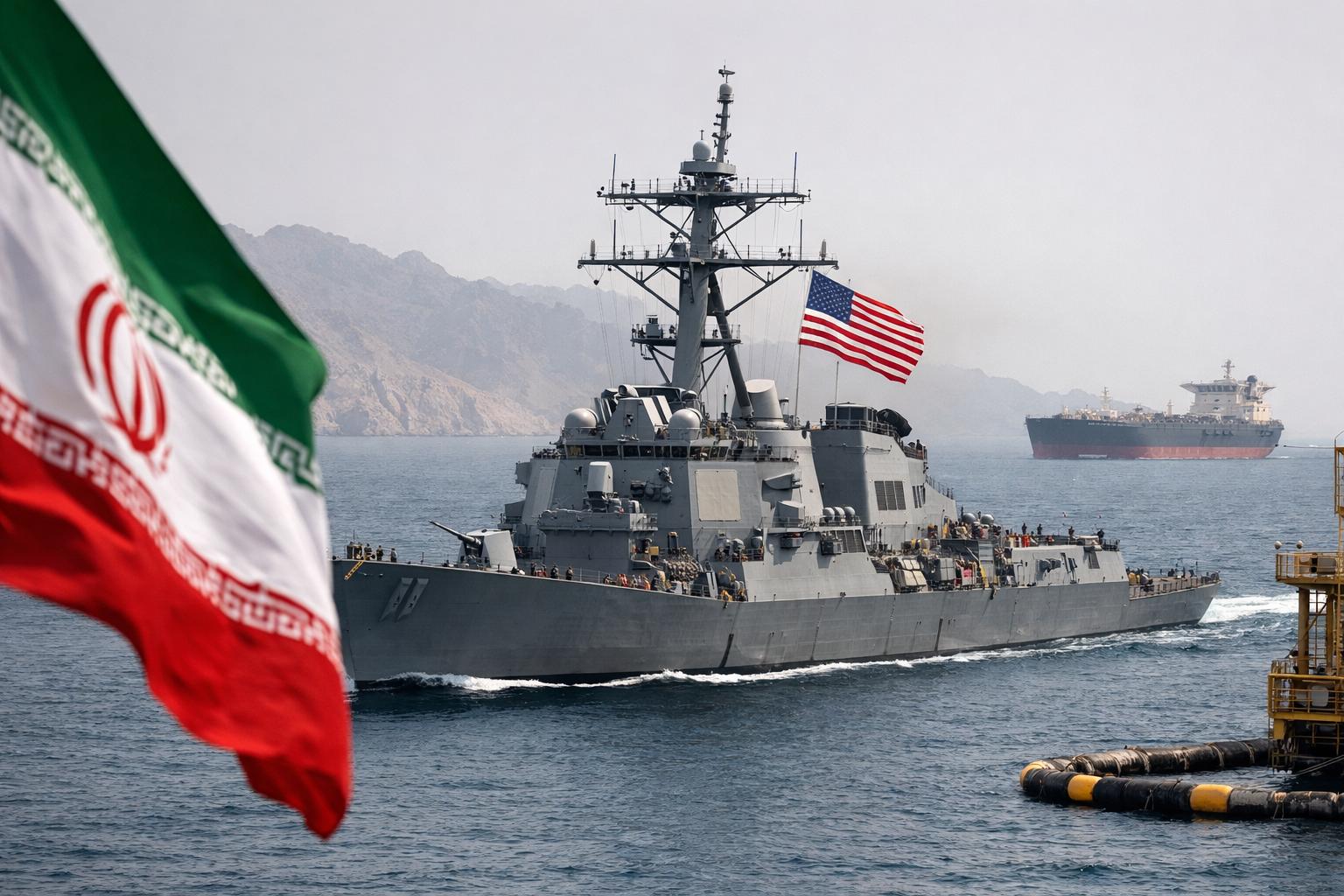
The United States has fast-tracked more than $8.6 billion in arms sales to key Middle East allies, signaling a sharp escalation in its response to rising tensions with Iran. Approved under emergency powers, the move bypasses Congress and reflects Washington’s urgency to strengthen regional defenses as the conflict enters a critical phase. Emergency Approval Signals Rising Urgency The decision, issued on Friday, invokes a rarely used em
Why the US Rushed $8.6B Arms Deal to Middle East Allies Amid Iran Crisis
The United States has fast-tracked more than $8.6 billion in arms sales to key Middle East allies, signaling a sharp escalation in its response to rising tensions with Iran. Approved under emergency powers, the move bypasses Congress and reflects Washington’s urgency to strengthen regional defenses as the conflict enters a critical phase. Emergency Approval Signals Rising Urgency The decision, issued on Friday, invokes a rarely used em
FIRs Filed Against AAP Rebel Sandeep Pathak in Punjab After BJP Switch
Date: May 2, 2026 | Time: 11:49AM IST | Place: Punjab, India Two FIRs have been filed against Rajya Sabha MP Sandeep Pathak in Punjab days after he switched allegiance from the Aam Aadmi Party (AAP) to the BJP, according to government sources. While the exact reasons behind the cases remain unclear, sources mentioned that the FIRs have been filed under non-bailable sections, making the situation more serious for Pathak. The news comes amid a growing political storm following the
FIRs Filed Against AAP Rebel Sandeep Pathak in Punjab After BJP Switch
Date: May 2, 2026 | Time: 11:49AM IST | Place: Punjab, India Two FIRs have been filed against Rajya Sabha MP Sandeep Pathak in Punjab days after he switched allegiance from the Aam Aadmi Party (AAP) to the BJP, according to government sources. While the exact reasons behind the cases remain unclear, sources mentioned that the FIRs have been filed under non-bailable sections, making the situation more serious for Pathak. The news comes amid a growing political storm following the
US fast-tracks $9 billion arms deals to Middle East allies
US Authorizes $9 Billion in Arms Sales to Middle East Allies The United States has authorized the expedited sale of arms to Israel, Kuwait, Qatar, and the UAE, totaling nearly $9 billion. This decision, approved by Secretary of State Marco Rubio, bypasses the standard congressional review process and is designed t
US fast-tracks $9 billion arms deals to Middle East allies
US Authorizes $9 Billion in Arms Sales to Middle East Allies The United States has authorized the expedited sale of arms to Israel, Kuwait, Qatar, and the UAE, totaling nearly $9 billion. This decision, approved by Secretary of State Marco Rubio, bypasses the standard congressional review process and is designed t
US-Iran conflict: Trump speaks on war, rejects Iran’s ceasefire deal
Trump declares war with Iran over nuclear threat President Donald Trump has reaffirmed his stance on the ongoing US-Iran conflict, declaring that the US is at war with Iran to prevent the country from acquiring nuclear weapons. In a statement made during a Florida event, Trump expressed his belief that Iran’s leadership poses a significant threat to global security, stating that "lunatics can't have a nuclear weapon." His comments come at a time when his administration has informed the US Congress that the war has reached its conclusion, though the situation remains tense. Trump emphasizes the importance of military action against Iran Trump explained that the US military action against Iran was crucial in preventing a nuclear-armed nation from destabilizing the Middle East. He credited US airstrikes with B2 bombers for preventing Iran from obtaining a nuclear weapon, which could have led to catastrophic consequences for Israel, the Middle East, and Europe. “If we didn’t do that, they would have had a nuclear weapon,” Trump added, emphasizing the urgency of the situation. He claimed that Iran's military capabilities have been severely diminished, stating that the country no longer has a navy, air force, anti-aircraft systems, or effective radar defenses. Trump rejects Iran's ceasefire proposal In a direct response to Iran’s proposal for a ceasefire, Trump made it clear that the US would not end the conflict prematurely. “We’re not going to leave early and have this kind of problem arise in three more years,” he said, reinforcing his position on the need for a strong and comprehensive resolution. Trump blamed Iran's leadership for the ongoing conflict, criticizing their fractured decision-making. “It’s a very disjointed leadership,” he remarked, indicating that despite their willingness to negotiate, Iran’s leaders are unable to reach a viable agreement. The ceasefire proposal is dismissed The ceasefire proposal, delivered by Pakistan on behalf of Iran, was quickly dismissed by the US. Despite this, a fragile ceasefire between the two nations has held, albeit with mutual accusations of violations. Tensions remain high, especially in the Strait of Hormuz, where a significant portion of the world’s oil and gas passes through. Trump outlined two potential paths forward: either continuing the conflict to decisively end Iran’s nuclear ambitions, or attempting to secure a deal. “Do we want to go and just blast the hell out of them and finish them forever? Or do we want to try and make a deal?” he questioned. Iran’s diplomatic efforts and continued tension Iran’s Foreign Minister, Abbas Araghchi, has been actively engaged in diplomatic efforts to resolve the war. He held discussions with several regional counterparts, including Turkey, Saudi Arabia, and Qatar, to brief them on Iran’s latest peace initiatives. However, the rounds of talks held in Pakistan have yielded no substantial progress. Trump expressed frustration over the lack of direct communication, stating, “No more 18-hour flights” for US envoys. What lies ahead for US-Iran relations? As the situation evolves, it remains uncertain whether further diplomatic efforts will lead to a resolution or whether military action will continue to dominate the US-Iran relationship. With both sides unwilling to compromise, the world watches closely, particularly in regard to the ongoing instability in the Strait of Hormuz. Will Iran’s diplomatic efforts succeed, or will the US pursue a more aggressive approach? The answer remains unclear as the two nations continue to grapple with the possibility of conflict or peace.
US-Iran conflict: Trump speaks on war, rejects Iran’s ceasefire deal
Trump declares war with Iran over nuclear threat President Donald Trump has reaffirmed his stance on the ongoing US-Iran conflict, declaring that the US is at war with Iran to prevent the country from acquiring nuclear weapons. In a statement made during a Florida event, Trump expressed his belief that Iran’s leadership poses a significant threat to global security, stating that "lunatics can't have a nuclear weapon." His comments come at a time when his administration has informed the US Congress that the war has reached its conclusion, though the situation remains tense. Trump emphasizes the importance of military action against Iran Trump explained that the US military action against Iran was crucial in preventing a nuclear-armed nation from destabilizing the Middle East. He credited US airstrikes with B2 bombers for preventing Iran from obtaining a nuclear weapon, which could have led to catastrophic consequences for Israel, the Middle East, and Europe. “If we didn’t do that, they would have had a nuclear weapon,” Trump added, emphasizing the urgency of the situation. He claimed that Iran's military capabilities have been severely diminished, stating that the country no longer has a navy, air force, anti-aircraft systems, or effective radar defenses. Trump rejects Iran's ceasefire proposal In a direct response to Iran’s proposal for a ceasefire, Trump made it clear that the US would not end the conflict prematurely. “We’re not going to leave early and have this kind of problem arise in three more years,” he said, reinforcing his position on the need for a strong and comprehensive resolution. Trump blamed Iran's leadership for the ongoing conflict, criticizing their fractured decision-making. “It’s a very disjointed leadership,” he remarked, indicating that despite their willingness to negotiate, Iran’s leaders are unable to reach a viable agreement. The ceasefire proposal is dismissed The ceasefire proposal, delivered by Pakistan on behalf of Iran, was quickly dismissed by the US. Despite this, a fragile ceasefire between the two nations has held, albeit with mutual accusations of violations. Tensions remain high, especially in the Strait of Hormuz, where a significant portion of the world’s oil and gas passes through. Trump outlined two potential paths forward: either continuing the conflict to decisively end Iran’s nuclear ambitions, or attempting to secure a deal. “Do we want to go and just blast the hell out of them and finish them forever? Or do we want to try and make a deal?” he questioned. Iran’s diplomatic efforts and continued tension Iran’s Foreign Minister, Abbas Araghchi, has been actively engaged in diplomatic efforts to resolve the war. He held discussions with several regional counterparts, including Turkey, Saudi Arabia, and Qatar, to brief them on Iran’s latest peace initiatives. However, the rounds of talks held in Pakistan have yielded no substantial progress. Trump expressed frustration over the lack of direct communication, stating, “No more 18-hour flights” for US envoys. What lies ahead for US-Iran relations? As the situation evolves, it remains uncertain whether further diplomatic efforts will lead to a resolution or whether military action will continue to dominate the US-Iran relationship. With both sides unwilling to compromise, the world watches closely, particularly in regard to the ongoing instability in the Strait of Hormuz. Will Iran’s diplomatic efforts succeed, or will the US pursue a more aggressive approach? The answer remains unclear as the two nations continue to grapple with the possibility of conflict or peace.
What is Trump’s new retirement plan? It expands savings access for millions
Expanding retirement access for underserved workers What is Trump’s new retirement plan? It expands savings access for millions, as a new executive order introduces a federal initiative aimed at workers without employer-sponsored retirement options. According to details outlined in the policy , tens of millions of Americans currently lack access to plans such as 401(k)s, creating long-term financial vulnerability. The initiative proposes a centralized platform, T
What is Trump’s new retirement plan? It expands savings access for millions
Expanding retirement access for underserved workers What is Trump’s new retirement plan? It expands savings access for millions, as a new executive order introduces a federal initiative aimed at workers without employer-sponsored retirement options. According to details outlined in the policy , tens of millions of Americans currently lack access to plans such as 401(k)s, creating long-term financial vulnerability. The initiative proposes a centralized platform, T
Veteran Korean actor Park Dong-bin found dead at 56 in South Korea
South Korean actor Park Dong-bin was found dead at age 56 in Pyeongtaek on Wednesday, April 29, 2026, at 4:25 PM KST. Police reported no signs of foul play and are investigating. Known for a viral K-drama meme, he is survived by his wife and daughter. Veteran Korean actor Park Dong-bin found dead at 56 in South Korea as authorities confirmed the longtime performer was discovered deceased at a restaurant he was preparing to open in Pyeongtaek, Gyeonggi Province. The incident occurred at approximately 4:25 PM local time (KST) on Wednesday, April 29, 2026, according to reports citing the Pyeongtaek Police Station. Officials responding to the scene reported no immediate signs of foul play or forced entry, indicating that the circumstances surrounding the actor’s death remain unclear. Authorities have launched an ongoing investigation to determine the exact cause and sequence of events leading to his death. Further details have not yet been released as of this writing. Park Dong-bin, 56, was a familiar figure in South Korea’s entertainment industry and gained renewed international recognition in recent years after a scene from the 2012 television drama It Was Love went viral online. The clip, which showed him humorously spitting out orange juice in reaction to shocking news, circulated widely on social media and earned him the nickname “Juice Guy,” introducing his work to a younger, global audience. His passing has drawn attention not only for his acting career but also for his recent entrepreneurial efforts. Reports indicate that he had been in the process of opening a new restaurant in Pyeongtaek, where he was found. Funeral arrangements were scheduled for the morning of Friday, May 1, 2026 (KST). According to local reports, his remains were to pass through the Yongin Forest of Peace before being laid to rest at Woosung Memorial Park. Park is survived by his wife, Lee Sang-yi, and their young daughter, Ji-yoo, who was born in 2023 and has reportedly been undergoing treatment for a congenital heart condition.
Veteran Korean actor Park Dong-bin found dead at 56 in South Korea
South Korean actor Park Dong-bin was found dead at age 56 in Pyeongtaek on Wednesday, April 29, 2026, at 4:25 PM KST. Police reported no signs of foul play and are investigating. Known for a viral K-drama meme, he is survived by his wife and daughter. Veteran Korean actor Park Dong-bin found dead at 56 in South Korea as authorities confirmed the longtime performer was discovered deceased at a restaurant he was preparing to open in Pyeongtaek, Gyeonggi Province. The incident occurred at approximately 4:25 PM local time (KST) on Wednesday, April 29, 2026, according to reports citing the Pyeongtaek Police Station. Officials responding to the scene reported no immediate signs of foul play or forced entry, indicating that the circumstances surrounding the actor’s death remain unclear. Authorities have launched an ongoing investigation to determine the exact cause and sequence of events leading to his death. Further details have not yet been released as of this writing. Park Dong-bin, 56, was a familiar figure in South Korea’s entertainment industry and gained renewed international recognition in recent years after a scene from the 2012 television drama It Was Love went viral online. The clip, which showed him humorously spitting out orange juice in reaction to shocking news, circulated widely on social media and earned him the nickname “Juice Guy,” introducing his work to a younger, global audience. His passing has drawn attention not only for his acting career but also for his recent entrepreneurial efforts. Reports indicate that he had been in the process of opening a new restaurant in Pyeongtaek, where he was found. Funeral arrangements were scheduled for the morning of Friday, May 1, 2026 (KST). According to local reports, his remains were to pass through the Yongin Forest of Peace before being laid to rest at Woosung Memorial Park. Park is survived by his wife, Lee Sang-yi, and their young daughter, Ji-yoo, who was born in 2023 and has reportedly been undergoing treatment for a congenital heart condition.
Narmada River boat accident kills mother and child near Bargi Dam
A boat accident in the Narmada River near Bargi Dam in Madhya Pradesh killed nine people, including a mother and child. Sudden bad weather caused the vessel to capsize. Rescue teams saved 24 people, while search operations continue for several missing passengers. A deadly boat accident in the Narmada River near Bargi Dam in the central Indian state of Madhya Pradesh has claimed the lives of a mother and her four-year-old son, highlighting the human toll of the tragedy that has left multiple families devastated. The incident occurred when a tourist vessel overturned in turbulent waters, reportedly after sudden adverse weather conditions disrupted the journey. Rescue teams recovered the bodies of the woman and her child on Friday morning, a day after the accident. Officials said the mother was found holding her son tightly, underscoring a final attempt to protect him as the boat sank. The victims were part of a family of four visiting from Delhi; the father and daughter survived the incident. Authorities confirmed that the death toll has risen to nine, while several individuals remain unaccounted for. According to officials, 24 people have been rescued so far, with 17 hospitalized for injuries and trauma. Nine others, including five children, are still missing as search operations continue. Survivors described moments of panic as the situation escalated rapidly. One passenger recounted that the weather worsened without warning, causing the boat to lose balance and take on water within minutes. Passengers were unable to comprehend the unfolding emergency as screams filled the air and people struggled to stay afloat. Another survivor, Syed Riyaz Hussain, described a prolonged fight for survival after being trapped in the water for nearly two hours. He said he managed to keep his head above water while surrounded by debris and victims drifting past, until rescue teams eventually located him. Members of his family are still missing. Local police, district authorities, and personnel from the State Disaster Response Force have been deployed to the site, conducting coordinated search efforts in challenging river conditions. Officials confirmed that the boat’s captain, Mahesh Patel, survived the incident as he was wearing a life jacket. The cause of the accident remains under investigation as authorities focus on rescue and recovery operations in the region.
Narmada River boat accident kills mother and child near Bargi Dam
A boat accident in the Narmada River near Bargi Dam in Madhya Pradesh killed nine people, including a mother and child. Sudden bad weather caused the vessel to capsize. Rescue teams saved 24 people, while search operations continue for several missing passengers. A deadly boat accident in the Narmada River near Bargi Dam in the central Indian state of Madhya Pradesh has claimed the lives of a mother and her four-year-old son, highlighting the human toll of the tragedy that has left multiple families devastated. The incident occurred when a tourist vessel overturned in turbulent waters, reportedly after sudden adverse weather conditions disrupted the journey. Rescue teams recovered the bodies of the woman and her child on Friday morning, a day after the accident. Officials said the mother was found holding her son tightly, underscoring a final attempt to protect him as the boat sank. The victims were part of a family of four visiting from Delhi; the father and daughter survived the incident. Authorities confirmed that the death toll has risen to nine, while several individuals remain unaccounted for. According to officials, 24 people have been rescued so far, with 17 hospitalized for injuries and trauma. Nine others, including five children, are still missing as search operations continue. Survivors described moments of panic as the situation escalated rapidly. One passenger recounted that the weather worsened without warning, causing the boat to lose balance and take on water within minutes. Passengers were unable to comprehend the unfolding emergency as screams filled the air and people struggled to stay afloat. Another survivor, Syed Riyaz Hussain, described a prolonged fight for survival after being trapped in the water for nearly two hours. He said he managed to keep his head above water while surrounded by debris and victims drifting past, until rescue teams eventually located him. Members of his family are still missing. Local police, district authorities, and personnel from the State Disaster Response Force have been deployed to the site, conducting coordinated search efforts in challenging river conditions. Officials confirmed that the boat’s captain, Mahesh Patel, survived the incident as he was wearing a life jacket. The cause of the accident remains under investigation as authorities focus on rescue and recovery operations in the region.
Could Alphabet overtake Nvidia as the most valuable company? Yes, analysts say it may happen soon
Shares of Alphabet are approaching a historic milestone, with the company nearing a $5 trillion valuation and potentially overtaking Nvidia as the world’s most valuable publicly traded firm. The surge comes after a strong rally in Alphabet’s stock, which climbed 10% on Thursday, extending its one-year gain to approximately 140% and pushing its market capitalization beyond $4.6 trillion. Strong earnings and cloud growth drive Alphabet’s surge The momentum follows a better-than-expected earnings report released on Wednesday, in which Alphabet exceeded analyst forecasts. A key highlight was its Google Cloud division, which generated more than $20 billion in revenue, reinforcing investor confidence in the company’s position within the artificial intelligence and cloud computing sectors. This performance has strengthened Alphabet’s standing among major AI-focused companies and boosted overall investor sentiment. Nvidia faces pressure amid partner concerns and stock decline Meanwhile, Nvidia, currently valued at under $4.9 trillion, has seen its stock decline by more than 6% over two trading sessions. The drop follows a report from The Wall Street Journal indicating that business partner OpenAI missed internal revenue and growth projections. The development has raised concerns about near-term demand and growth expectations in the AI ecosystem, impacting Nvidia’s market performance. Options market signals a potential shift in market leadership Options trading data suggests that Alphabet could soon close the valuation gap. For Alphabet to match Nvidia’s current market capitalization, its stock would need to rise by roughly 4%, reaching about $401 per share. Based on call option premiums around that level, traders estimate a 53% probability that Alphabet could reach that price before Thursday, May 15, 2026. Further projections indicate about a 30% chance that Alphabet will close above $400 on Friday, May 22, 2026, shortly after Nvidia’s upcoming earnings report scheduled for Tuesday, May 20, 2026. Notably, Nvidia’s stock has declined after four of its last five earnings announcements, adding uncertainty to its near-term outlook. Historical context as Alphabet eyes a return to the top Alphabet has previously held the top position among global companies, most recently in 2016 when it briefly surpassed Apple. A renewed rise to the top would mark a significant shift in market leadership, driven largely by advancements in artificial intelligence and cloud infrastructure. As both companies approach key earnings milestones, investors are closely watching whether Alphabet can capitalize on its momentum and reclaim the top spot in global market valuation. Alphabet has previously held the top position among global companies, most recently in 2016 when it briefly surpassed Apple. A renewed rise to the top would mark a significant shift in market leadership, driven largely by advancements in artificial intelligence and cloud infrastructure. As both companies approach key earnings milestones, investors are closely watching whether Alphabet can capitalize on its momentum and reclaim the top spot in global market valuation.
Could Alphabet overtake Nvidia as the most valuable company? Yes, analysts say it may happen soon
Shares of Alphabet are approaching a historic milestone, with the company nearing a $5 trillion valuation and potentially overtaking Nvidia as the world’s most valuable publicly traded firm. The surge comes after a strong rally in Alphabet’s stock, which climbed 10% on Thursday, extending its one-year gain to approximately 140% and pushing its market capitalization beyond $4.6 trillion. Strong earnings and cloud growth drive Alphabet’s surge The momentum follows a better-than-expected earnings report released on Wednesday, in which Alphabet exceeded analyst forecasts. A key highlight was its Google Cloud division, which generated more than $20 billion in revenue, reinforcing investor confidence in the company’s position within the artificial intelligence and cloud computing sectors. This performance has strengthened Alphabet’s standing among major AI-focused companies and boosted overall investor sentiment. Nvidia faces pressure amid partner concerns and stock decline Meanwhile, Nvidia, currently valued at under $4.9 trillion, has seen its stock decline by more than 6% over two trading sessions. The drop follows a report from The Wall Street Journal indicating that business partner OpenAI missed internal revenue and growth projections. The development has raised concerns about near-term demand and growth expectations in the AI ecosystem, impacting Nvidia’s market performance. Options market signals a potential shift in market leadership Options trading data suggests that Alphabet could soon close the valuation gap. For Alphabet to match Nvidia’s current market capitalization, its stock would need to rise by roughly 4%, reaching about $401 per share. Based on call option premiums around that level, traders estimate a 53% probability that Alphabet could reach that price before Thursday, May 15, 2026. Further projections indicate about a 30% chance that Alphabet will close above $400 on Friday, May 22, 2026, shortly after Nvidia’s upcoming earnings report scheduled for Tuesday, May 20, 2026. Notably, Nvidia’s stock has declined after four of its last five earnings announcements, adding uncertainty to its near-term outlook. Historical context as Alphabet eyes a return to the top Alphabet has previously held the top position among global companies, most recently in 2016 when it briefly surpassed Apple. A renewed rise to the top would mark a significant shift in market leadership, driven largely by advancements in artificial intelligence and cloud infrastructure. As both companies approach key earnings milestones, investors are closely watching whether Alphabet can capitalize on its momentum and reclaim the top spot in global market valuation. Alphabet has previously held the top position among global companies, most recently in 2016 when it briefly surpassed Apple. A renewed rise to the top would mark a significant shift in market leadership, driven largely by advancements in artificial intelligence and cloud infrastructure. As both companies approach key earnings milestones, investors are closely watching whether Alphabet can capitalize on its momentum and reclaim the top spot in global market valuation.
Indian student’s death in Chicago highlights mental health and visa stress
A 26-year-old Indian student from Andhra Pradesh died by suicide in Chicago after struggling to find a job post-graduation. Facing financial pressure and emotional stress, he left messages before his death. A fundraiser is underway to support repatriation and assist his family. Indian student’s death in Chicago highlights mental health and visa stress as Iraganaboyina Chandu, a 26-year-old graduate from Andhra Pradesh, died by suicide at his residence in Chicago
Indian student’s death in Chicago highlights mental health and visa stress
A 26-year-old Indian student from Andhra Pradesh died by suicide in Chicago after struggling to find a job post-graduation. Facing financial pressure and emotional stress, he left messages before his death. A fundraiser is underway to support repatriation and assist his family. Indian student’s death in Chicago highlights mental health and visa stress as Iraganaboyina Chandu, a 26-year-old graduate from Andhra Pradesh, died by suicide at his residence in Chicago
JNIM blockade in Mali on April 30 deepens crisis around Bamako
JNIM blockade in mali escalates crisis on April 30 The Mali crisis intensified on April 30 as the jnim blockade tightened around bamako, cutting key supply routes and increasing pressure on the mali junta government. The jihadist group, the Group for the Support of Islam and Muslims, also called for a united front to remove the military leadership, raising fears of deeper instability across the country. JNIM released a statement on Thursday, April 30, urging political parties, security forces, religious leaders, and citizens to unite against the junta. the group called for a “common front” to bring down the government and push for a transition, following recent coordinated attacks with Tuareg fighters. These attacks targeted military positions and led to the death of Mali’s defence minister Sadio Camara. His funeral in Bamako was held under tight security, attended by thousands including junta leader Assimi Goita. At the same time, the blockade around bamako has created a major supply crisis, with roads leading into the capital and nearby Kati effectively shut. Hundreds of trucks and passenger vehicles remain stranded at entry points, with drivers reporting long waits and growing uncertainty. jnim warned of strict action against anyone using these routes, allowing only those inside the city to leave. The impact is severe because Mali depends heavily on road transport for essential goods. As a landlocked country, it relies on routes through neighboring nations for fuel and supplies. key trade corridors linking to ports like abidjan are now disrupted, affecting businesses and daily life. Reports of violence against drivers along these routes have added to fear, though some claims remain unverified. Air traffic into Bamako continues without disruption, but the overall situation remains tense. analysts warn that if the blockade continues, it could worsen the mali economy crisis and create further humanitarian challenges. The developments on April 30 highlight the growing difficulty for authorities in handling both security threats and economic stability in Mali.
JNIM blockade in Mali on April 30 deepens crisis around Bamako
JNIM blockade in mali escalates crisis on April 30 The Mali crisis intensified on April 30 as the jnim blockade tightened around bamako, cutting key supply routes and increasing pressure on the mali junta government. The jihadist group, the Group for the Support of Islam and Muslims, also called for a united front to remove the military leadership, raising fears of deeper instability across the country. JNIM released a statement on Thursday, April 30, urging political parties, security forces, religious leaders, and citizens to unite against the junta. the group called for a “common front” to bring down the government and push for a transition, following recent coordinated attacks with Tuareg fighters. These attacks targeted military positions and led to the death of Mali’s defence minister Sadio Camara. His funeral in Bamako was held under tight security, attended by thousands including junta leader Assimi Goita. At the same time, the blockade around bamako has created a major supply crisis, with roads leading into the capital and nearby Kati effectively shut. Hundreds of trucks and passenger vehicles remain stranded at entry points, with drivers reporting long waits and growing uncertainty. jnim warned of strict action against anyone using these routes, allowing only those inside the city to leave. The impact is severe because Mali depends heavily on road transport for essential goods. As a landlocked country, it relies on routes through neighboring nations for fuel and supplies. key trade corridors linking to ports like abidjan are now disrupted, affecting businesses and daily life. Reports of violence against drivers along these routes have added to fear, though some claims remain unverified. Air traffic into Bamako continues without disruption, but the overall situation remains tense. analysts warn that if the blockade continues, it could worsen the mali economy crisis and create further humanitarian challenges. The developments on April 30 highlight the growing difficulty for authorities in handling both security threats and economic stability in Mali.
Pakistan commissions first Hangor-class submarine built in China
Pakistan submarine induction marks major naval boost Pakistan submarine induction marked a major milestone as the country commissioned its first Hangor-class submarine built in China. The ceremony was held in Sanya and attended by President Asif Ali Zardari and Naval Chief Admiral Naveed Ashraf. This move highlights strong China Pakistan defence cooperation and signals a major expansion in naval fleet capacity.
Pakistan commissions first Hangor-class submarine built in China
Pakistan submarine induction marks major naval boost Pakistan submarine induction marked a major milestone as the country commissioned its first Hangor-class submarine built in China. The ceremony was held in Sanya and attended by President Asif Ali Zardari and Naval Chief Admiral Naveed Ashraf. This move highlights strong China Pakistan defence cooperation and signals a major expansion in naval fleet capacity.
AI spending surge could top $1 trillion by 2027, analysts say
Wall Street analysts project AI spending could exceed $1 trillion by 2027 as major tech firms boost investments. Strong cloud demand and rising revenues support growth, though investor concerns remain over returns and rising infrastructure costs AI spending surge could top $1 trillion by 2027, analysts say is increasingly shaping expectations across the technology sector, as Wall Street analysts project unprecedented capital expenditures driven by artificial intelligence demand. Following recent tech earnings announcements on Wednesday, analysts at firms including Evercore and Bank of America estimate total AI-related capital spending could surpass $1 trillion by 2027, with 2026 projections already rising to between $800 billion and $900 billion. The surge reflects aggressive investment strategies by major technology companies, including Alphabet, Amazon, Meta, and Microsoft. According to analyst estimates, projected capital spending for 2026 includes approximately $200 billion from Amazon, $190 billion from Microsoft, $185 billion from Alphabet, and $135 billion from Meta, reflecting broad increases across the sector. Executives continue to signal confidence in long-term AI investments despite investor concerns about the scale of spending. Amazon CEO Andy Jassy emphasized the company’s commitment to infrastructure expansion, citing strong long-term returns. Similarly, Alphabet reported significant growth in its cloud segment, with revenue increasing sharply year over year, reinforcing expectations that AI-driven services are becoming a major revenue driver. Analysts note that while capital expenditures continue to rise, early signs of return on investment are emerging. Strong cloud demand, expanding contract backlogs, and increasing enterprise adoption of AI tools are contributing to revenue growth. Alphabet, in particular, has seen substantial backlog expansion tied to its cloud platform, with a large portion expected to convert into revenue over the next two years. However, not all companies are receiving equal investor confidence. Meta’s increased spending plans have raised concerns about near-term returns, particularly as its free cash flow has declined significantly compared to the previous year. CEO Mark Zuckerberg acknowledged higher infrastructure costs, including rising component prices, while maintaining confidence in the long-term value of AI investments. The rapid expansion of AI infrastructure is also benefiting semiconductor manufacturers and hardware suppliers. Companies such as Intel are seeing increased demand as AI workloads require a broader range of computing hardware beyond graphics processors. Analysts highlight growing demand for specialized chips and custom silicon solutions, suggesting that AI development could drive sustained growth across the semiconductor industry. Overall, analysts expect improving revenue and cash flow trends across the sector by 2026, supporting continued investment. While skepticism remains about the pace and scale of spending, the combination of strong demand, expanding cloud services, and technological advancements indicates that the AI-driven capital expenditure cycle is likely to continue shaping the global technology landscape.
AI spending surge could top $1 trillion by 2027, analysts say
Wall Street analysts project AI spending could exceed $1 trillion by 2027 as major tech firms boost investments. Strong cloud demand and rising revenues support growth, though investor concerns remain over returns and rising infrastructure costs AI spending surge could top $1 trillion by 2027, analysts say is increasingly shaping expectations across the technology sector, as Wall Street analysts project unprecedented capital expenditures driven by artificial intelligence demand. Following recent tech earnings announcements on Wednesday, analysts at firms including Evercore and Bank of America estimate total AI-related capital spending could surpass $1 trillion by 2027, with 2026 projections already rising to between $800 billion and $900 billion. The surge reflects aggressive investment strategies by major technology companies, including Alphabet, Amazon, Meta, and Microsoft. According to analyst estimates, projected capital spending for 2026 includes approximately $200 billion from Amazon, $190 billion from Microsoft, $185 billion from Alphabet, and $135 billion from Meta, reflecting broad increases across the sector. Executives continue to signal confidence in long-term AI investments despite investor concerns about the scale of spending. Amazon CEO Andy Jassy emphasized the company’s commitment to infrastructure expansion, citing strong long-term returns. Similarly, Alphabet reported significant growth in its cloud segment, with revenue increasing sharply year over year, reinforcing expectations that AI-driven services are becoming a major revenue driver. Analysts note that while capital expenditures continue to rise, early signs of return on investment are emerging. Strong cloud demand, expanding contract backlogs, and increasing enterprise adoption of AI tools are contributing to revenue growth. Alphabet, in particular, has seen substantial backlog expansion tied to its cloud platform, with a large portion expected to convert into revenue over the next two years. However, not all companies are receiving equal investor confidence. Meta’s increased spending plans have raised concerns about near-term returns, particularly as its free cash flow has declined significantly compared to the previous year. CEO Mark Zuckerberg acknowledged higher infrastructure costs, including rising component prices, while maintaining confidence in the long-term value of AI investments. The rapid expansion of AI infrastructure is also benefiting semiconductor manufacturers and hardware suppliers. Companies such as Intel are seeing increased demand as AI workloads require a broader range of computing hardware beyond graphics processors. Analysts highlight growing demand for specialized chips and custom silicon solutions, suggesting that AI development could drive sustained growth across the semiconductor industry. Overall, analysts expect improving revenue and cash flow trends across the sector by 2026, supporting continued investment. While skepticism remains about the pace and scale of spending, the combination of strong demand, expanding cloud services, and technological advancements indicates that the AI-driven capital expenditure cycle is likely to continue shaping the global technology landscape.
What do Apple options trades reveal? Mixed sentiment ahead of earnings
Apple’s stock may have remained largely flat over the past six months, but activity in the options market suggests traders are anticipating significant movement following its latest earnings report. Implied volatility points to a potential 3.5% swing in either direction, notably higher than the average 1.8% move seen after the company’s previous four quarterly earnings announcements. Options pricing reflects heightened expectations The increase in im
What do Apple options trades reveal? Mixed sentiment ahead of earnings
Apple’s stock may have remained largely flat over the past six months, but activity in the options market suggests traders are anticipating significant movement following its latest earnings report. Implied volatility points to a potential 3.5% swing in either direction, notably higher than the average 1.8% move seen after the company’s previous four quarterly earnings announcements. Options pricing reflects heightened expectations The increase in im
What did the Supreme Court decide on Louisiana’s voting map? A 6–3 ruling limits race-based districts
Supreme Court redefines limits on race in redistricting The Supreme Court of the United States issued a 6–3 ruling on Wednesday, April 29, 2026, striking down Louisiana’s congressional voting map and finding that lawmakers had improperly used race in drawing a second majority-Black district. In the majority opinion, Justice
What did the Supreme Court decide on Louisiana’s voting map? A 6–3 ruling limits race-based districts
Supreme Court redefines limits on race in redistricting The Supreme Court of the United States issued a 6–3 ruling on Wednesday, April 29, 2026, striking down Louisiana’s congressional voting map and finding that lawmakers had improperly used race in drawing a second majority-Black district. In the majority opinion, Justice
West Bengal Phase 2 Records 89.99 Percent Turnout Surpasses 2021 Voting
Voting in Phase 2 of West Bengal elections saw 89.99 percent turnout till 5 pm, crossing 2021 levels. High voter participation across districts signals intense political contest and strong public engagement. The second phase of the West Bengal Assembly elections 2026 witnessed an impressive voter turnout of 89.99 percent by 5 pm, already exceeding the 80.4 percent recorded in the 2021 elections for the same 142 c
West Bengal Phase 2 Records 89.99 Percent Turnout Surpasses 2021 Voting
Voting in Phase 2 of West Bengal elections saw 89.99 percent turnout till 5 pm, crossing 2021 levels. High voter participation across districts signals intense political contest and strong public engagement. The second phase of the West Bengal Assembly elections 2026 witnessed an impressive voter turnout of 89.99 percent by 5 pm, already exceeding the 80.4 percent recorded in the 2021 elections for the same 142 c
TDP Enters New Phase As Nara Lokesh Becomes Working President
Nara Lokesh has taken charge as National Working President of the Telugu Desam Party, marking a major leadership shift. His rise reflects a transition toward younger leadership after playing a key role in the party’s 2024 comeback.
TDP Enters New Phase As Nara Lokesh Becomes Working President
Nara Lokesh has taken charge as National Working President of the Telugu Desam Party, marking a major leadership shift. His rise reflects a transition toward younger leadership after playing a key role in the party’s 2024 comeback.
Chandrababu Naidu Warns TDP Leaders To Stay Disciplined Amid Internal Tensions
Chandrababu Naidu urged Telugu Desam Party leaders to stay disciplined and avoid internal conflicts. He warned that small issues and power-driven behavior can damage the party’s image and public trust. Chandrababu Naidu has issued a firm yet measured warning to leaders of the Telugu Desam Party, urging them to maintain discipline and avoid unnecessary internal conflicts. Speaking at a recent party event, Naidu highlighted how minor disputes over issues such as flex banners, photo placements, and seating arrangements can create a negative perception among the public and harm the party’s image. His remarks come at a time when reports of friction between TDP and Jana Sena Party leaders have surfaced, particularly in the Pithapuram constituency. Although Naidu did not mention any individual names, political observers believe his comments were directed at local leaders involved in these tensions. He emphasized that such behavior distracts from the party’s primary goal of serving the people and maintaining unity within the ranks. Naidu stressed that discipline is the backbone of any political organization and must be followed at every level, from grassroots workers to senior leadership. He reminded party members that the public is closely observing their actions, and even small missteps can quickly turn into damaging headlines. Drawing lessons from the past, Naidu pointed out that voters have already penalized leaders from YSR Congress Party for similar behavior driven by arrogance and misuse of power. He cautioned TDP leaders not to repeat those mistakes and instead focus on responsible conduct. By calling for unity, humility, and public-oriented work, Naidu reinforced the importance of protecting the party’s reputation through disciplined and respectful behavior.
Chandrababu Naidu Warns TDP Leaders To Stay Disciplined Amid Internal Tensions
Chandrababu Naidu urged Telugu Desam Party leaders to stay disciplined and avoid internal conflicts. He warned that small issues and power-driven behavior can damage the party’s image and public trust. Chandrababu Naidu has issued a firm yet measured warning to leaders of the Telugu Desam Party, urging them to maintain discipline and avoid unnecessary internal conflicts. Speaking at a recent party event, Naidu highlighted how minor disputes over issues such as flex banners, photo placements, and seating arrangements can create a negative perception among the public and harm the party’s image. His remarks come at a time when reports of friction between TDP and Jana Sena Party leaders have surfaced, particularly in the Pithapuram constituency. Although Naidu did not mention any individual names, political observers believe his comments were directed at local leaders involved in these tensions. He emphasized that such behavior distracts from the party’s primary goal of serving the people and maintaining unity within the ranks. Naidu stressed that discipline is the backbone of any political organization and must be followed at every level, from grassroots workers to senior leadership. He reminded party members that the public is closely observing their actions, and even small missteps can quickly turn into damaging headlines. Drawing lessons from the past, Naidu pointed out that voters have already penalized leaders from YSR Congress Party for similar behavior driven by arrogance and misuse of power. He cautioned TDP leaders not to repeat those mistakes and instead focus on responsible conduct. By calling for unity, humility, and public-oriented work, Naidu reinforced the importance of protecting the party’s reputation through disciplined and respectful behavior.


