

















#blockade
Taiwan China Tensions: What the 2027 Davidson Window Really Means
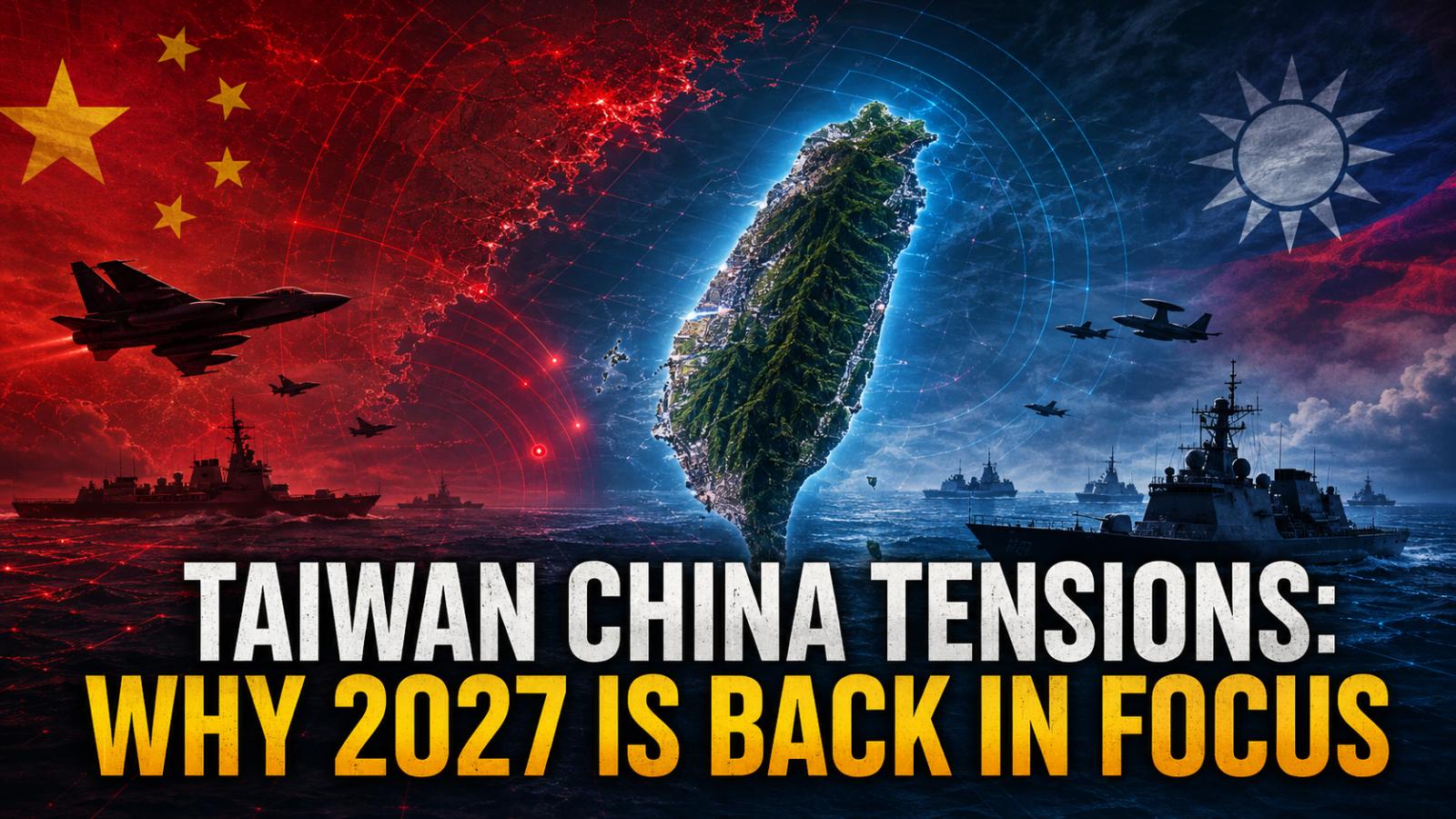
Taiwan China tensions are again drawing global attention as China increases military activity around the Taiwan Strait and Taiwan strengthens its defence planning. The year 2027 has become a major talking point because of what many defence analysts call the Davidson Window. This does not mean war is confirmed in 2027. That is the biggest misunderstanding. The real concern is different: by 2027, China’s P
Taiwan China Tensions: What the 2027 Davidson Window Really Means
Taiwan China tensions are again drawing global attention as China increases military activity around the Taiwan Strait and Taiwan strengthens its defence planning. The year 2027 has become a major talking point because of what many defence analysts call the Davidson Window. This does not mean war is confirmed in 2027. That is the biggest misunderstanding. The real concern is different: by 2027, China’s P
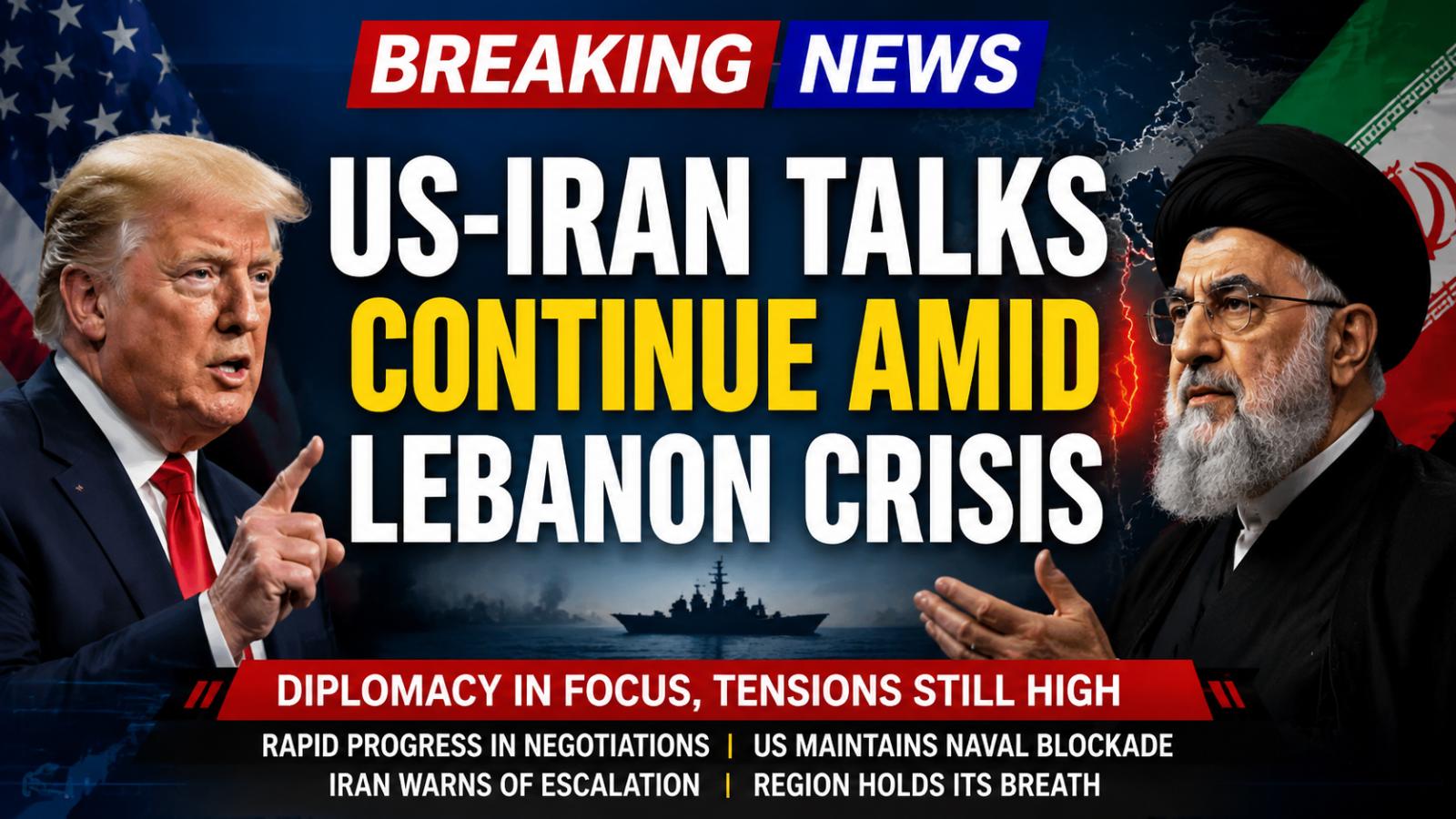
US-Iran Talks Progress Amid Lebanon Tensions, Trump Comments
US President Donald Trump confirmed that discussions with Iran are making steady progress despite ongoing unrest in Lebanon. According to his statement, talks are active and focused on diplomatic solutions to ease regional tensions. Efforts to De-escalate in Lebanon The discussions include attempts to persuade both Israel and Hezbollah to limit their actions in Lebanon.
US-Iran Talks Progress Amid Lebanon Tensions, Trump Comments
US President Donald Trump confirmed that discussions with Iran are making steady progress despite ongoing unrest in Lebanon. According to his statement, talks are active and focused on diplomatic solutions to ease regional tensions. Efforts to De-escalate in Lebanon The discussions include attempts to persuade both Israel and Hezbollah to limit their actions in Lebanon.
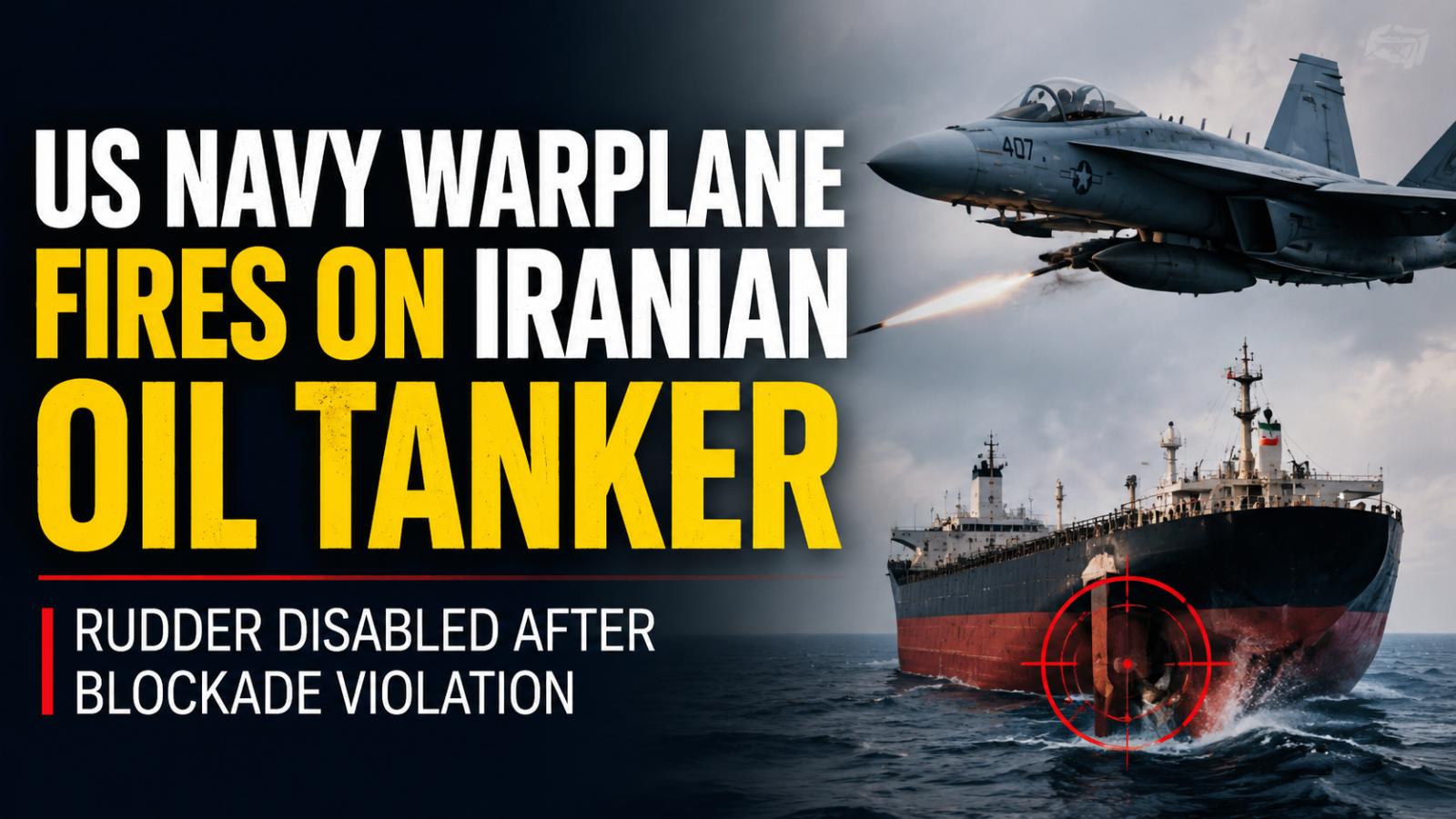
US Navy targets oil tanker violating blockade on Iranian ports
On May 6, the US military announced that a US Navy warplane disabled an Iranian oil tanker after it attempted to breach Washington’s blockade on Iranian ports. This marks the second time US forces have fired on a vessel accused of violating the blockade, which has been in place since April 13. The Iranian-flagged vessel, M/T Hasna, was reportedly not carrying any cargo when it was warned by US forces. When the crew failed to respond, a US F/A-18 Super Hornet opened fire, disabling the tanke
US Navy targets oil tanker violating blockade on Iranian ports
On May 6, the US military announced that a US Navy warplane disabled an Iranian oil tanker after it attempted to breach Washington’s blockade on Iranian ports. This marks the second time US forces have fired on a vessel accused of violating the blockade, which has been in place since April 13. The Iranian-flagged vessel, M/T Hasna, was reportedly not carrying any cargo when it was warned by US forces. When the crew failed to respond, a US F/A-18 Super Hornet opened fire, disabling the tanke
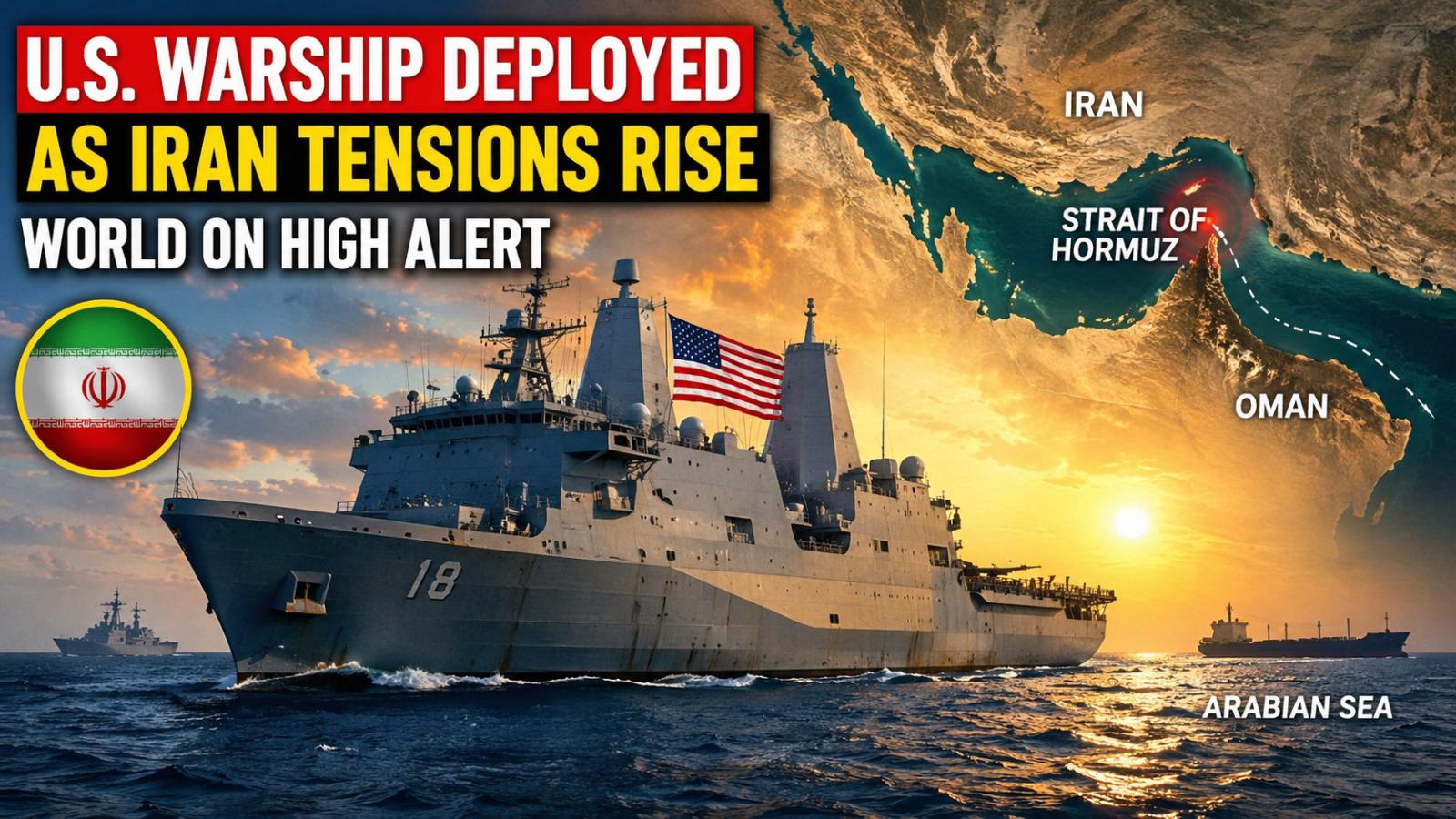
USS New Orleans Deployed in Arabian Sea as U.S.-Iran Tensions Rise Over Strait of Hormuz
The deployment of the USS New Orleans (LPD-18) in the Arabian Sea is drawing global attention as tensions between the United States and Iran continue to escalate. According to the U.S. Central Command, the warship has been actively involved in maritime patrol operations aimed at enforcing restrictions linked to Iran. Images released on May 2, 2026, show the vessel operatin
USS New Orleans Deployed in Arabian Sea as U.S.-Iran Tensions Rise Over Strait of Hormuz
The deployment of the USS New Orleans (LPD-18) in the Arabian Sea is drawing global attention as tensions between the United States and Iran continue to escalate. According to the U.S. Central Command, the warship has been actively involved in maritime patrol operations aimed at enforcing restrictions linked to Iran. Images released on May 2, 2026, show the vessel operatin
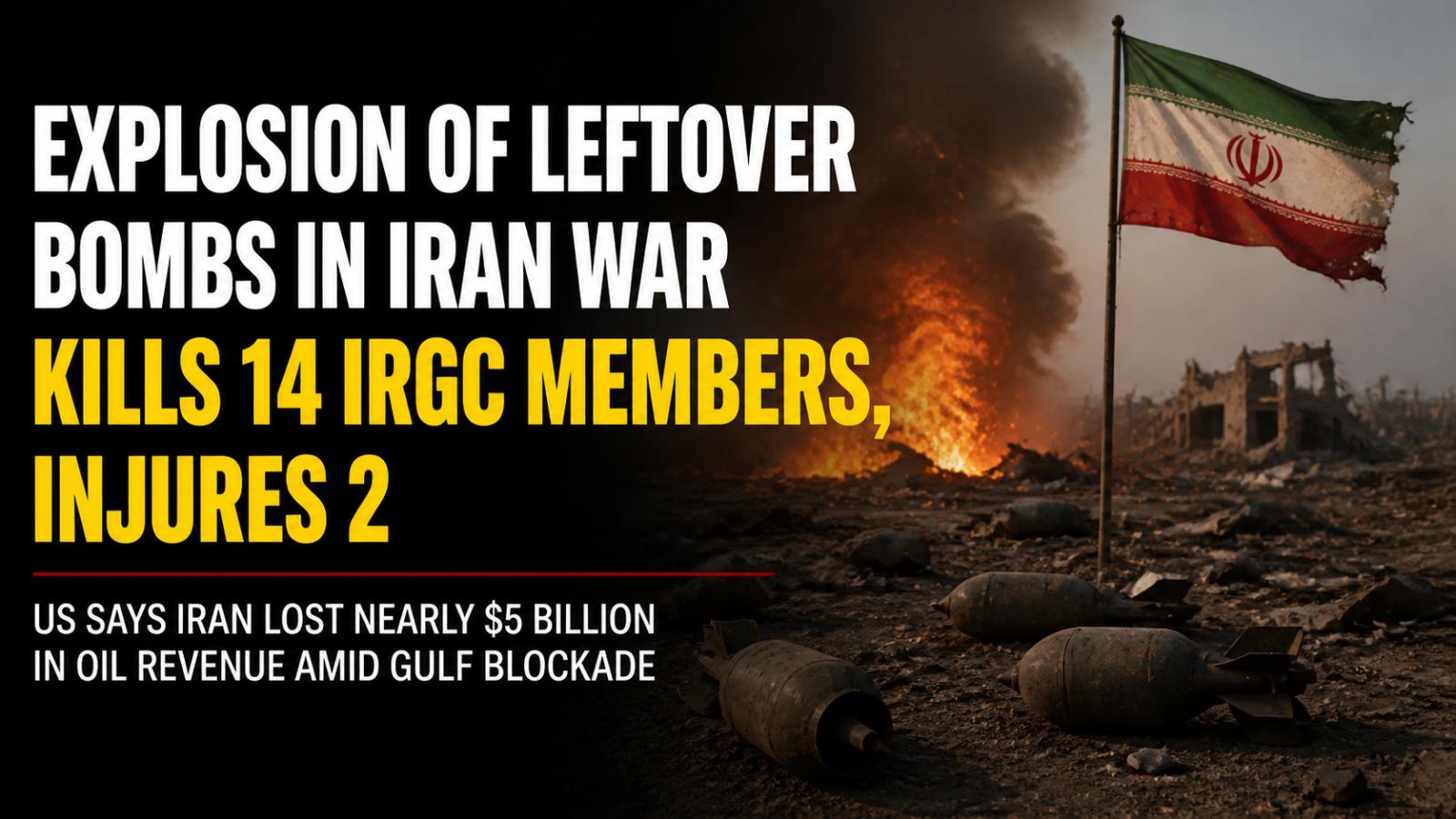
Explosion of leftover bombs kills 14 IRGC members in northwestern Iran
Explosion kills 14 IRGC members in northwestern Iran On Friday, May 1, 14 members of Iran's Islamic Revolutionary Guard Corps (IRGC) were killed in an explosion caused by leftover bombs from the ongoing war. The explosion took place in Zanjan Province, a region in northwestern Iran. This incident marks the largest number of casualties for the IRGC since the US-Iran ceasefi
Explosion of leftover bombs kills 14 IRGC members in northwestern Iran
Explosion kills 14 IRGC members in northwestern Iran On Friday, May 1, 14 members of Iran's Islamic Revolutionary Guard Corps (IRGC) were killed in an explosion caused by leftover bombs from the ongoing war. The explosion took place in Zanjan Province, a region in northwestern Iran. This incident marks the largest number of casualties for the IRGC since the US-Iran ceasefi
US naval blockade curbs Iran oil exports, raises floating crude stockpiles
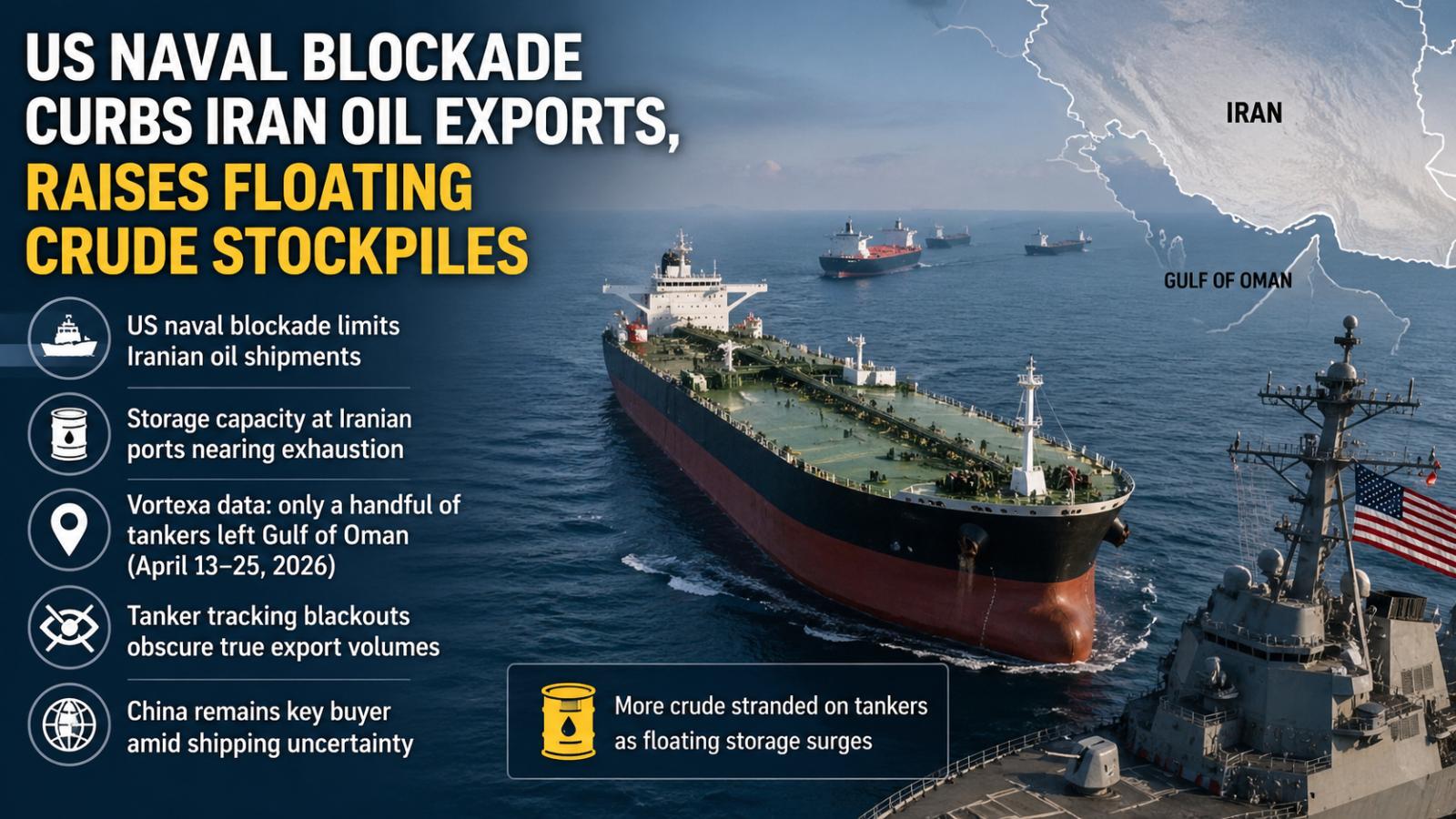
The US naval blockade has sharply reduced Iran’s oil exports, forcing crude into floating storage as onshore capacity fills. Limited tanker movement and tracking blackouts obscure shipments, raising concerns over global supply transparency and market stability US naval blockade curbs Iran oil exports, raises floating crude stockpiles has significantly reduced Tehran’s oil shipments, leaving large volumes stranded at sea as storage capacity tightens. Analysts citing shipping data report that Iranian crude exports have dropped sharply due to heightened maritime restrictions and operational risks in key transit routes. According to data from oil analytics firm Vortexa, only a limited number of tankers carrying Iranian crude departed the Gulf of Oman between Sunday, April 13, 2026, and Friday, April 25, 2026. This decline underscores the growing impact of the blockade, which has disrupted traditional export channels and created uncertainty across global energy markets. The situation is further complicated by tanker operators switching off tracking systems to avoid detection, making it difficult to accurately measure export volumes. China remains Iran’s primary buyer, but the opacity surrounding shipments has increased as vessels attempt to evade monitoring systems. Analysts note that this lack of transparency could distort global supply assessments and complicate pricing trends in international oil markets. As Iranian onshore storage facilities reach capacity, more crude is being held on tankers, effectively turning them into floating storage units. The blockade’s ripple effects extend beyond oil logistics. Broader policy measures tied to the maritime restrictions have contributed to operational challenges within U.S. federal systems. Since Friday, February 14, 2026, certain agencies have faced funding interruptions, leading to disruptions including extended wait times at major U.S. airports. While a recent measure supported by President Donald Trump has reopened the Department of Homeland Security, it does not allocate additional funding for Immigration and Customs Enforcement or the U.S. Border Patrol. The evolving situation highlights the intersection of geopolitical strategy and global energy flows, with analysts warning that prolonged disruptions could tighten supply chains and influence oil prices worldwide.
US naval blockade curbs Iran oil exports, raises floating crude stockpiles
The US naval blockade has sharply reduced Iran’s oil exports, forcing crude into floating storage as onshore capacity fills. Limited tanker movement and tracking blackouts obscure shipments, raising concerns over global supply transparency and market stability US naval blockade curbs Iran oil exports, raises floating crude stockpiles has significantly reduced Tehran’s oil shipments, leaving large volumes stranded at sea as storage capacity tightens. Analysts citing shipping data report that Iranian crude exports have dropped sharply due to heightened maritime restrictions and operational risks in key transit routes. According to data from oil analytics firm Vortexa, only a limited number of tankers carrying Iranian crude departed the Gulf of Oman between Sunday, April 13, 2026, and Friday, April 25, 2026. This decline underscores the growing impact of the blockade, which has disrupted traditional export channels and created uncertainty across global energy markets. The situation is further complicated by tanker operators switching off tracking systems to avoid detection, making it difficult to accurately measure export volumes. China remains Iran’s primary buyer, but the opacity surrounding shipments has increased as vessels attempt to evade monitoring systems. Analysts note that this lack of transparency could distort global supply assessments and complicate pricing trends in international oil markets. As Iranian onshore storage facilities reach capacity, more crude is being held on tankers, effectively turning them into floating storage units. The blockade’s ripple effects extend beyond oil logistics. Broader policy measures tied to the maritime restrictions have contributed to operational challenges within U.S. federal systems. Since Friday, February 14, 2026, certain agencies have faced funding interruptions, leading to disruptions including extended wait times at major U.S. airports. While a recent measure supported by President Donald Trump has reopened the Department of Homeland Security, it does not allocate additional funding for Immigration and Customs Enforcement or the U.S. Border Patrol. The evolving situation highlights the intersection of geopolitical strategy and global energy flows, with analysts warning that prolonged disruptions could tighten supply chains and influence oil prices worldwide.
China calls U.S. blockade in Strait of Hormuz 'dangerous and irresponsible'
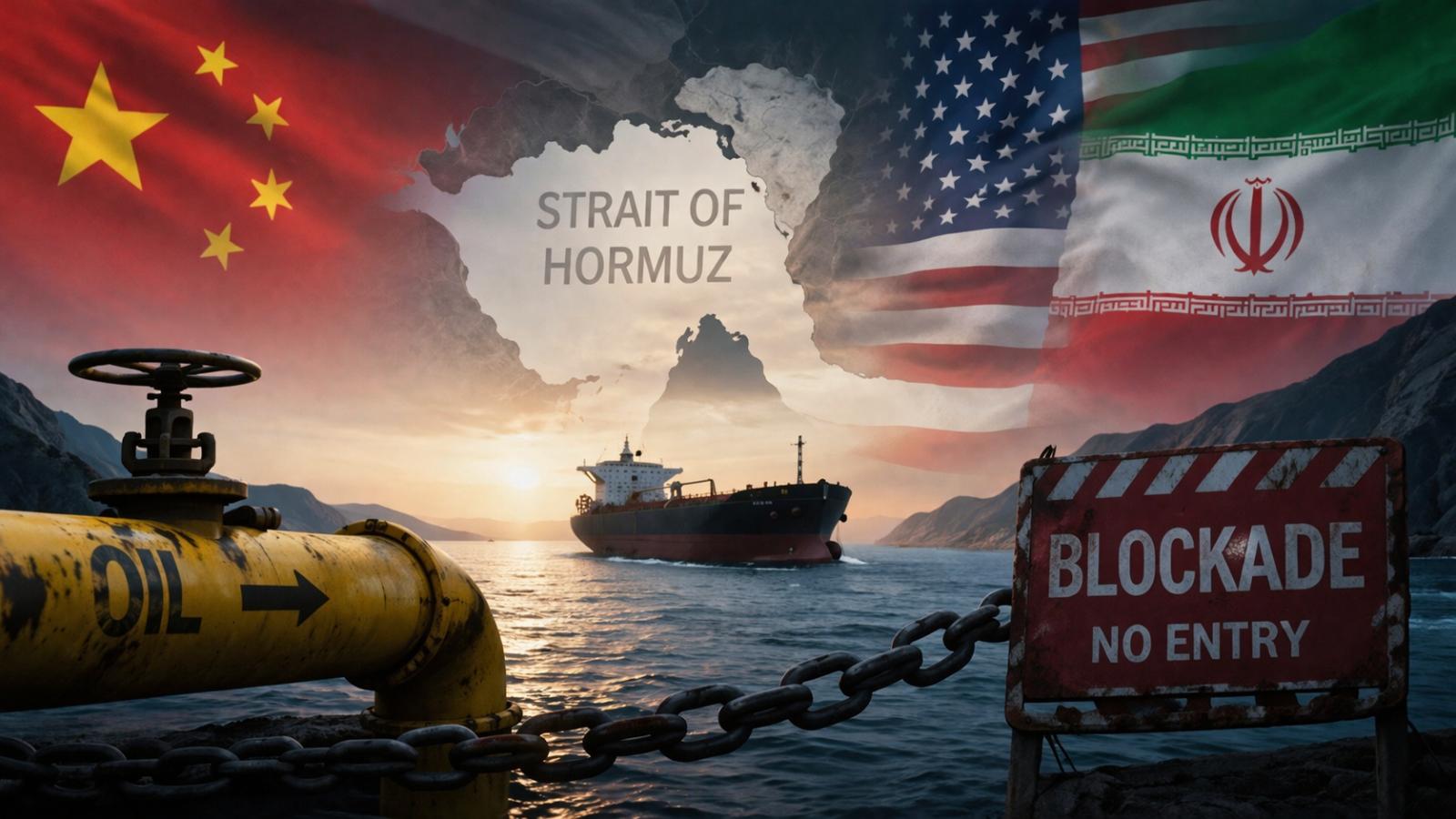
China has expressed strong disapproval over the United States' blockade of Iranian ports in the Strait of Hormuz, calling it a “dangerous and irresponsible act” that could escalate tensions in an already volatile region. In a statement issued on April 14, 2026, the Chinese Ministry of Foreign Affairs warned that the blockade, which began at 10:00 a.m. ET on Monday, along with increased U.S. military deployment in the area, risks undermining the fragile ceasefire that had
China calls U.S. blockade in Strait of Hormuz 'dangerous and irresponsible'
China has expressed strong disapproval over the United States' blockade of Iranian ports in the Strait of Hormuz, calling it a “dangerous and irresponsible act” that could escalate tensions in an already volatile region. In a statement issued on April 14, 2026, the Chinese Ministry of Foreign Affairs warned that the blockade, which began at 10:00 a.m. ET on Monday, along with increased U.S. military deployment in the area, risks undermining the fragile ceasefire that had
US President Trump on Failed Talks: Iran Will Not Have a Nuclear Weapon
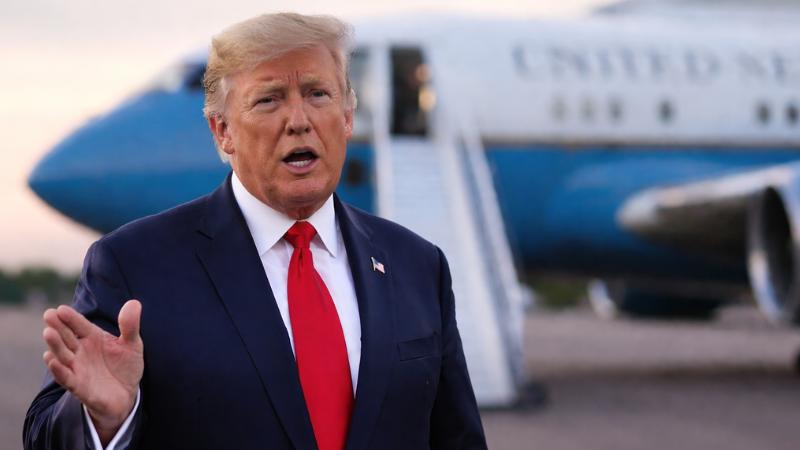
In the wake of a failed peace negotiation between the United States and Iran in Pakistan, US President Donald Trump announced a blockade on the Strait of Hormuz, which would come into effect at 10 AM on 13th April 2026. Speaking outside Air Force One, Trump stated that Iran is in a "very bad shape," emphasizing that the United States had a superior understanding of the situation. Despite the 21-hour long talks between the two nations, no agreement was reached, particularly on the issue of Ira
US President Trump on Failed Talks: Iran Will Not Have a Nuclear Weapon
In the wake of a failed peace negotiation between the United States and Iran in Pakistan, US President Donald Trump announced a blockade on the Strait of Hormuz, which would come into effect at 10 AM on 13th April 2026. Speaking outside Air Force One, Trump stated that Iran is in a "very bad shape," emphasizing that the United States had a superior understanding of the situation. Despite the 21-hour long talks between the two nations, no agreement was reached, particularly on the issue of Ira


