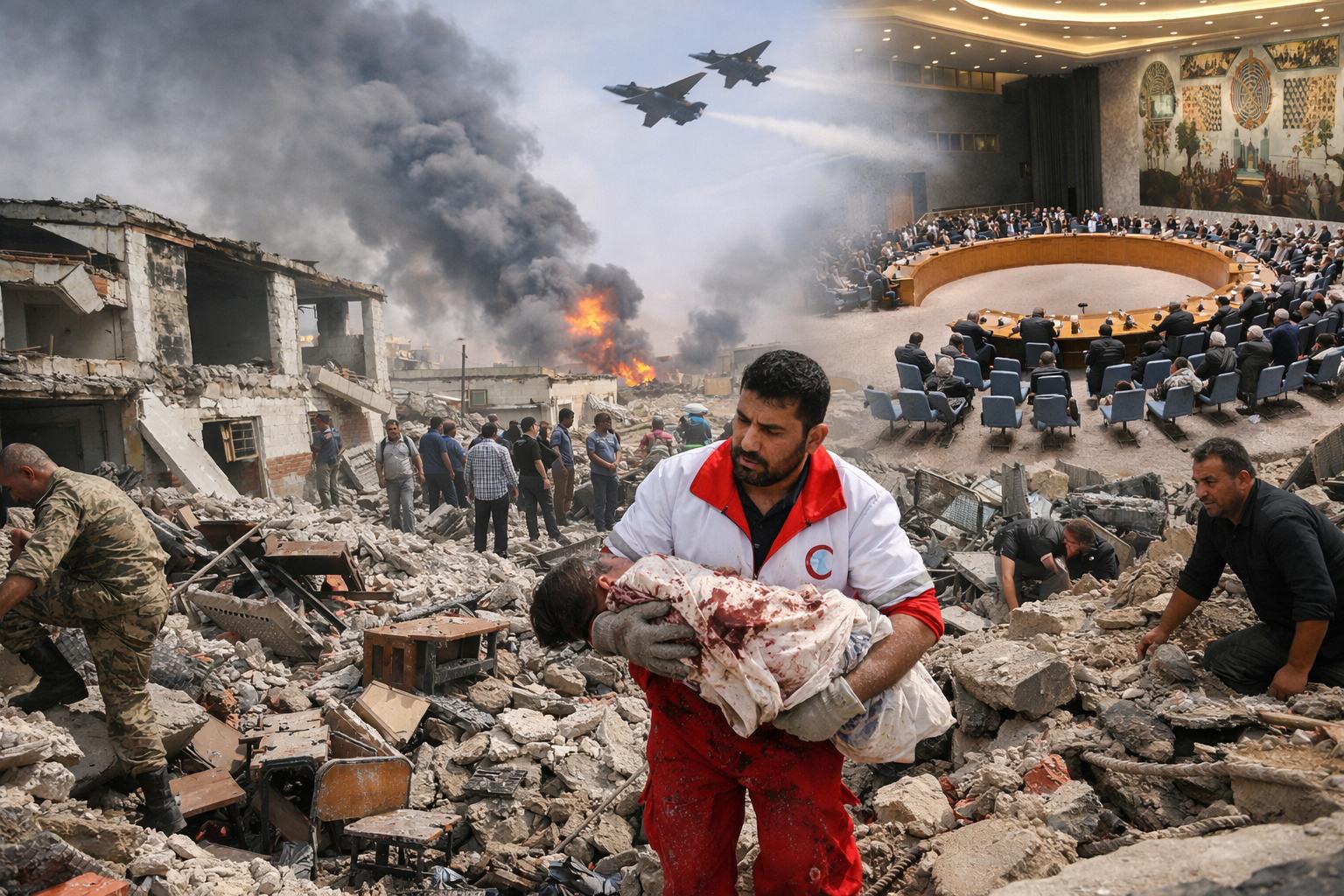
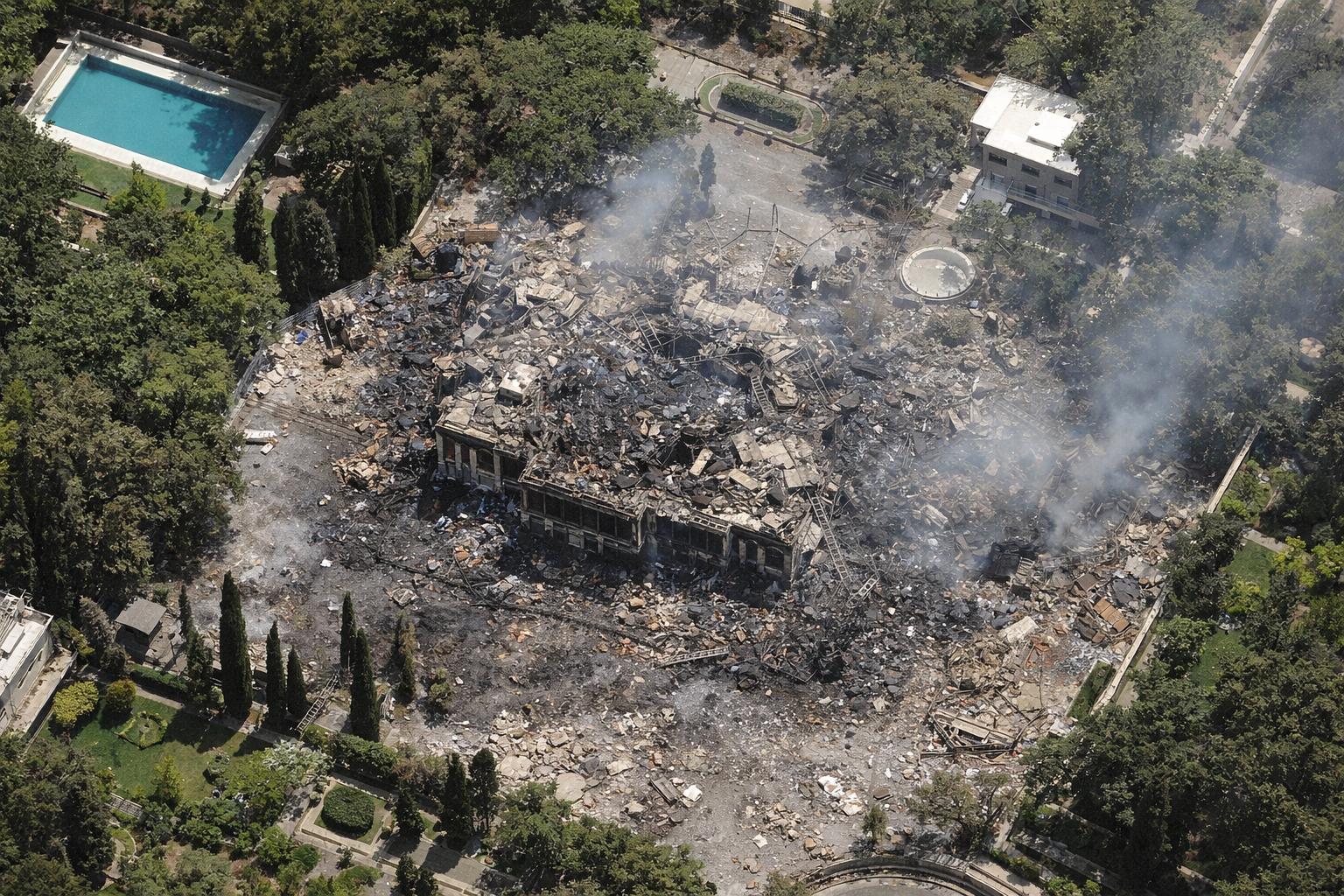
Iranian President Masoud Pezeshkian strongly condemned what he described as a barbaric attack on a school in southern Iran on Saturday, following a series of strikes carried out by the United States and Israel that have intensified the ongoing conflict in the Middle East. In an official statement, Pezeshkian said the incident marked another dark chapter in what he called a pattern of aggression against the country, and warned that the violence could further destabilize the region. According to Iranian authorities, at least 63 people were killed in the attack, with dozens more injured, making it one of the deadliest incidents reported since the latest escalation began.
Israeli officials stated that the strikes were aimed at high-level targets connected to Iran’s leadership and military planning. A military spokesperson said multiple locations where senior Iranian figures had gathered were hit simultaneously, resulting in the elimination of individuals considered critical to the country’s campaign management and governance. The strikes were described as part of a broader effort to weaken Iran’s operational capabilities, though details about those killed were not immediately confirmed by independent sources.
The developments prompted urgent diplomatic activity at the United Nations, where the security council scheduled an emergency session in New York to address the growing crisis. Diplomats said the meeting was requested by several member states, including Russia and China, who described the strikes as an act of armed aggression and called for immediate international discussion. France, Bahrain, and Colombia also supported the request, reflecting widespread concern over the risk of a wider regional war.
United Nations Secretary-General Antonio Guterres is expected to address the council and has already urged all sides to halt military actions. In a statement issued earlier, he warned that continued use of force could undermine international peace and security and lead to severe consequences for civilians across the Middle East. Guterres called for an immediate ceasefire and a return to diplomatic negotiations, stressing that only dialogue could prevent the conflict from expanding further and threatening global stability.
Iranian President Masoud Pezeshkian strongly condemned what he described as a barbaric attack on a school in southern Iran on Saturday, following a series of strikes carried out by the United States and Israel that have intensified the ongoing conflict in the Middle East. In an official statement, Pezeshkian said the incident marked another dark chapter in what he called a pattern of aggression against the country, and warned that the violence could further destabilize the region. According to Iranian authorities, at least 63 people were killed in the attack, with dozens more injured, making it one of the deadliest incidents reported since the latest escalation began.
Israeli officials stated that the strikes were aimed at high-level targets connected to Iran’s leadership and military planning. A military spokesperson said multiple locations where senior Iranian figures had gathered were hit simultaneously, resulting in the elimination of individuals considered critical to the country’s campaign management and governance. The strikes were described as part of a broader effort to weaken Iran’s operational capabilities, though details about those killed were not immediately confirmed by independent sources.
The developments prompted urgent diplomatic activity at the United Nations, where the security council scheduled an emergency session in New York to address the growing crisis. Diplomats said the meeting was requested by several member states, including Russia and China, who described the strikes as an act of armed aggression and called for immediate international discussion. France, Bahrain, and Colombia also supported the request, reflecting widespread concern over the risk of a wider regional war.
United Nations Secretary-General Antonio Guterres is expected to address the council and has already urged all sides to halt military actions. In a statement issued earlier, he warned that continued use of force could undermine international peace and security and lead to severe consequences for civilians across the Middle East. Guterres called for an immediate ceasefire and a return to diplomatic negotiations, stressing that only dialogue could prevent the conflict from expanding further and threatening global stability.
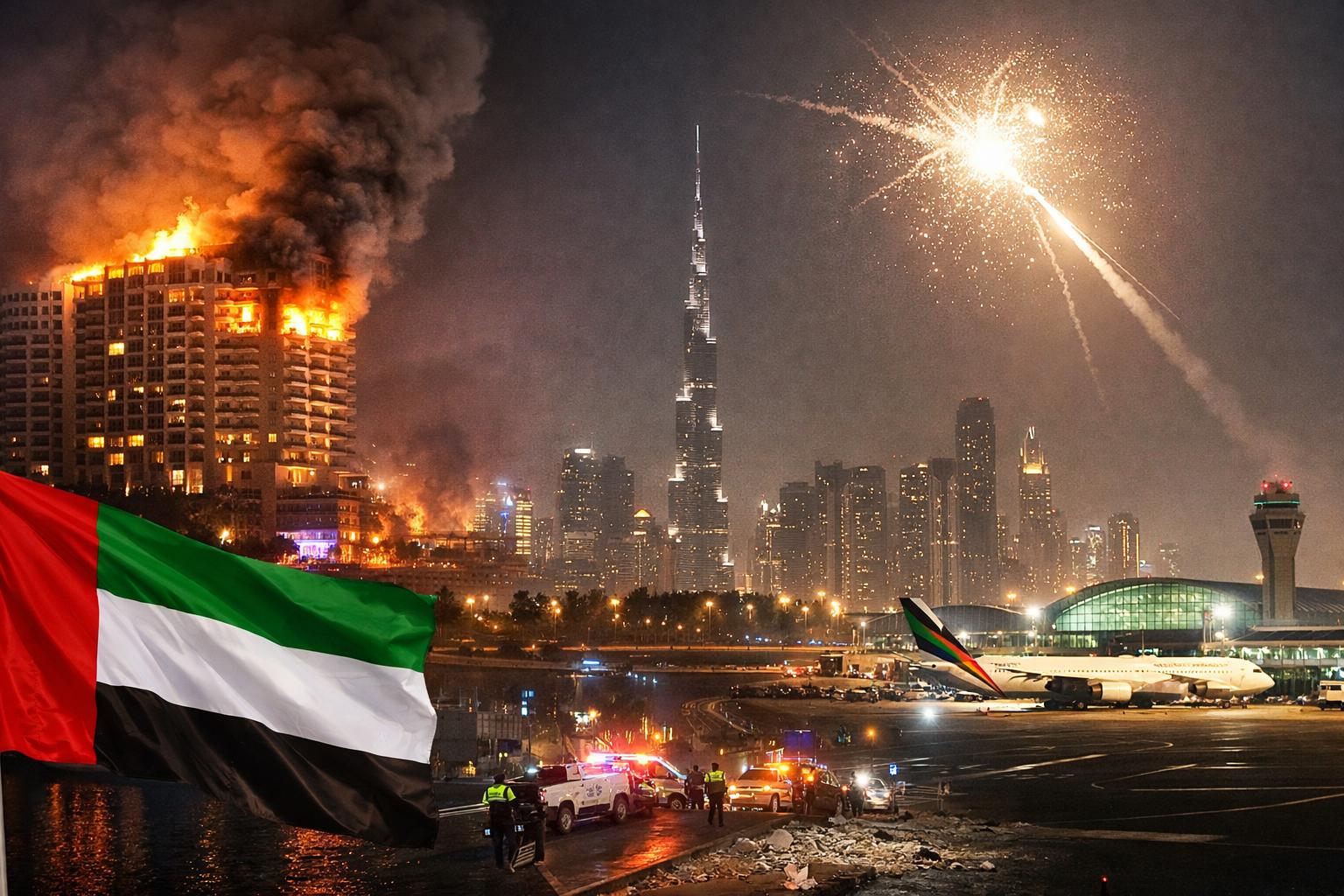
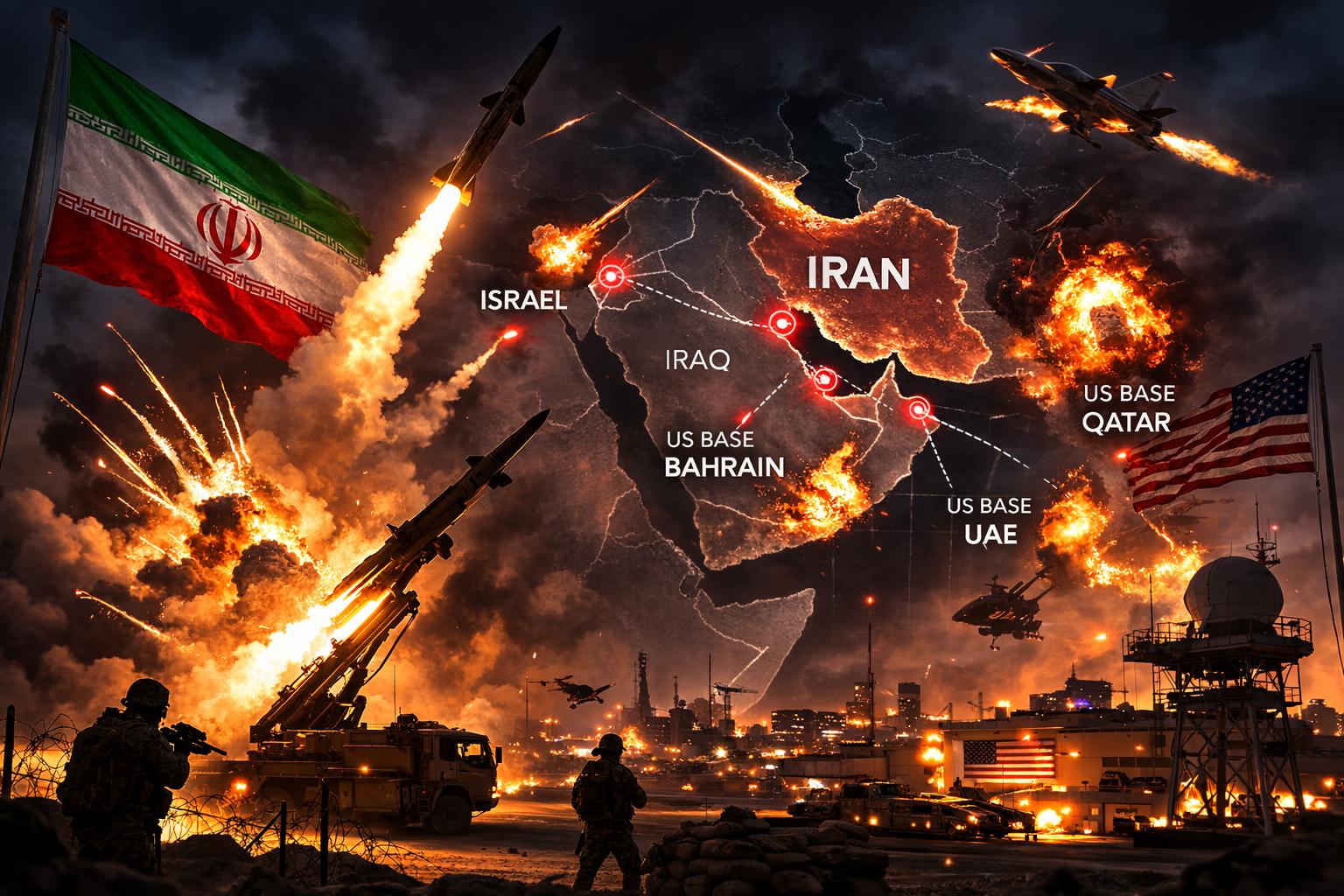
Iran launched a large-scale counter-attack targeting United States military bases across the Middle East, with several strikes also reported in the United Arab Emirates, triggering panic in major cities including Dubai and Abu Dhabi. Explosions were heard in multiple locations on Saturday, prompting emergency responses and heightened security across the Gulf region. Authorities confirmed that precautionary evacuations were carried out in several high-profile locations, including the Burj Khalifa
Iran launched a large-scale counter-attack targeting United States military bases across the Middle East, with several strikes also reported in the United Arab Emirates, triggering panic in major cities including Dubai and Abu Dhabi. Explosions were heard in multiple locations on Saturday, prompting emergency responses and heightened security across the Gulf region. Authorities confirmed that precautionary evacuations were carried out in several high-profile locations, including the Burj Khalifa
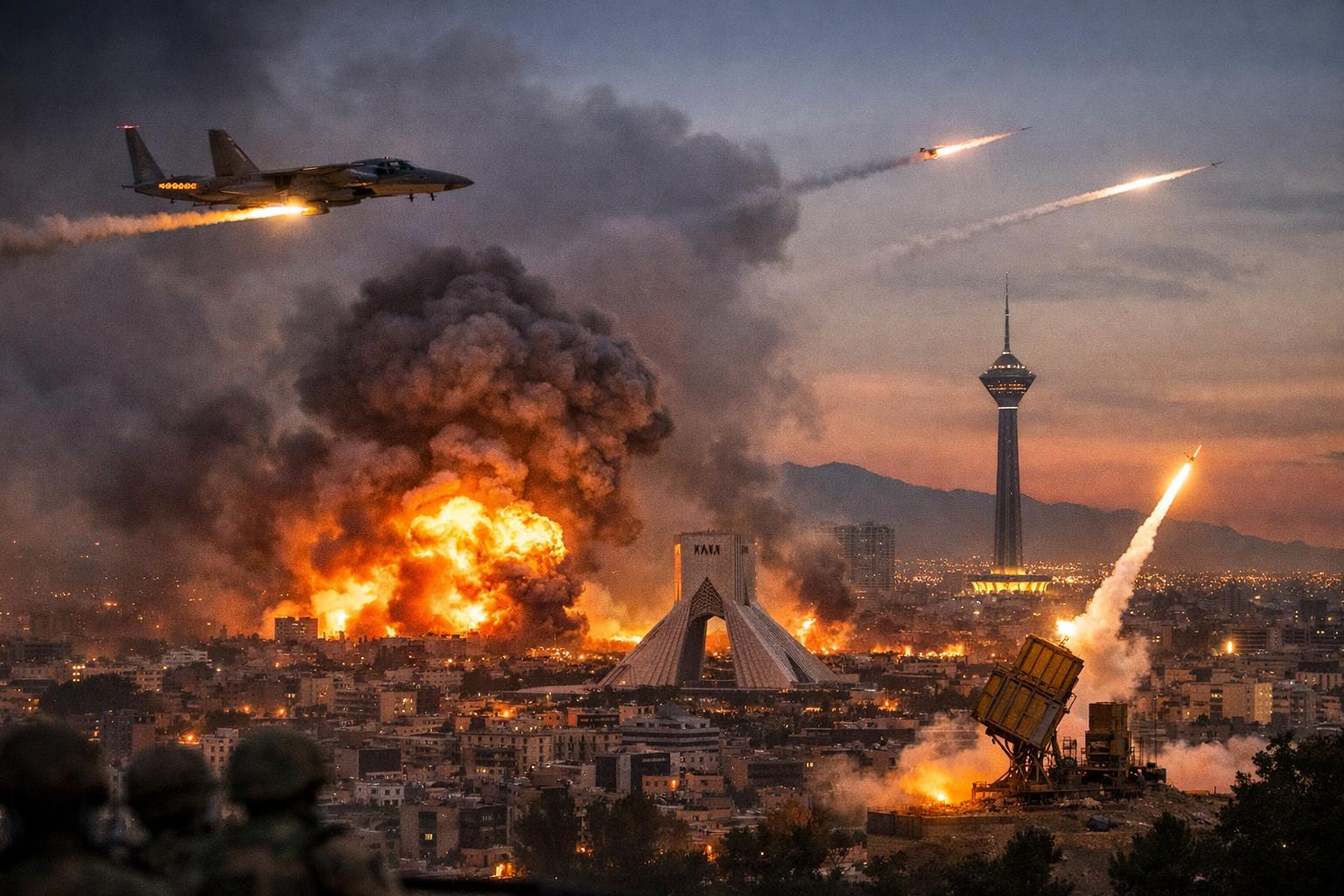
The United States and Israel have launched large-scale military strikes on Iran, triggering a rapid escalation that has pushed West Asia toward a wider conflict. US President Donald Trump announced the start of major combat operations, while calling on the Iranian public to oppose their leadership. Within hours, Iran responded with missile attacks targeting Israeli positions and US military facilities across the region, raising fears of a prolonged confrontation.
Explosions were reported in
The United States and Israel have launched large-scale military strikes on Iran, triggering a rapid escalation that has pushed West Asia toward a wider conflict. US President Donald Trump announced the start of major combat operations, while calling on the Iranian public to oppose their leadership. Within hours, Iran responded with missile attacks targeting Israeli positions and US military facilities across the region, raising fears of a prolonged confrontation.
Explosions were reported in
India on Saturday, February 28, called on all parties involved in the escalating military confrontation across West Asia to exercise restraint and avoid further escalation, stressing that the safety of civilians must remain the highest priority. The Ministry of External Affairs said dialogue and diplomacy were essential to reduce tensions following the rapid spread of hostilities involving the United States, Israel and Iran. The ministry stated that sovereignty and territorial integrity of al
India on Saturday, February 28, called on all parties involved in the escalating military confrontation across West Asia to exercise restraint and avoid further escalation, stressing that the safety of civilians must remain the highest priority. The Ministry of External Affairs said dialogue and diplomacy were essential to reduce tensions following the rapid spread of hostilities involving the United States, Israel and Iran. The ministry stated that sovereignty and territorial integrity of al
The United States and Israel carried out a coordinated military operation against Iran on February 28, marking a sharp escalation in West Asia tensions and raising concerns about a wider regional conflict. Officials familiar with the development said the strikes were aimed at key military and political targets, including locations linked to Iran’s leadership and nuclear programme. Iranian authorities later responded with missile attacks targeting Israeli territory and facilities used by US for
The United States and Israel carried out a coordinated military operation against Iran on February 28, marking a sharp escalation in West Asia tensions and raising concerns about a wider regional conflict. Officials familiar with the development said the strikes were aimed at key military and political targets, including locations linked to Iran’s leadership and nuclear programme. Iranian authorities later responded with missile attacks targeting Israeli territory and facilities used by US for
Iran launched large-scale retaliatory strikes on Saturday after the United States and Israel carried out coordinated military attacks on multiple targets across Iranian territory following the collapse of recent nuclear negotiations held in Oman and Switzerland. The joint offensive, described by Israel as Operation Roaring Lion and by the United States as Operation Epic Fury, reportedly struck more than 30 locations, including government facilities in Tehran and sites suspected of involvement in
Iran launched large-scale retaliatory strikes on Saturday after the United States and Israel carried out coordinated military attacks on multiple targets across Iranian territory following the collapse of recent nuclear negotiations held in Oman and Switzerland. The joint offensive, described by Israel as Operation Roaring Lion and by the United States as Operation Epic Fury, reportedly struck more than 30 locations, including government facilities in Tehran and sites suspected of involvement in
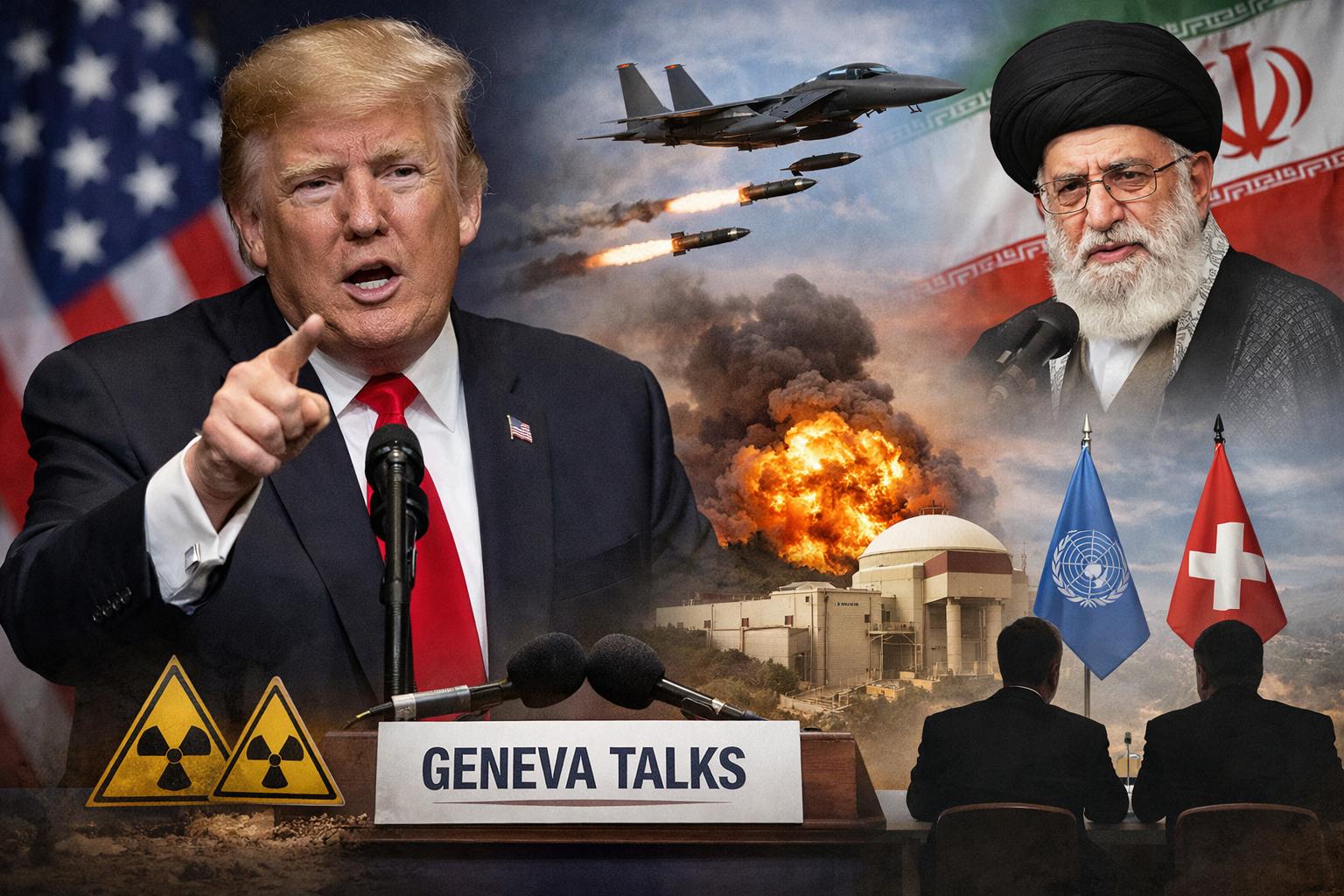
The collapse of the Geneva nuclear talks on February 26, 2026, marked a decisive setback in months of diplomatic efforts aimed at resolving the long-running dispute over Iran’s nuclear program. Mediators had earlier indicated that progress was being made, but negotiations ultimately failed after both sides refused to compromise on core demands. Officials confirmed that technical-level discussions were scheduled to continue in Vienna, though the situation deteriorated rapidly following milit
The collapse of the Geneva nuclear talks on February 26, 2026, marked a decisive setback in months of diplomatic efforts aimed at resolving the long-running dispute over Iran’s nuclear program. Mediators had earlier indicated that progress was being made, but negotiations ultimately failed after both sides refused to compromise on core demands. Officials confirmed that technical-level discussions were scheduled to continue in Vienna, though the situation deteriorated rapidly following milit
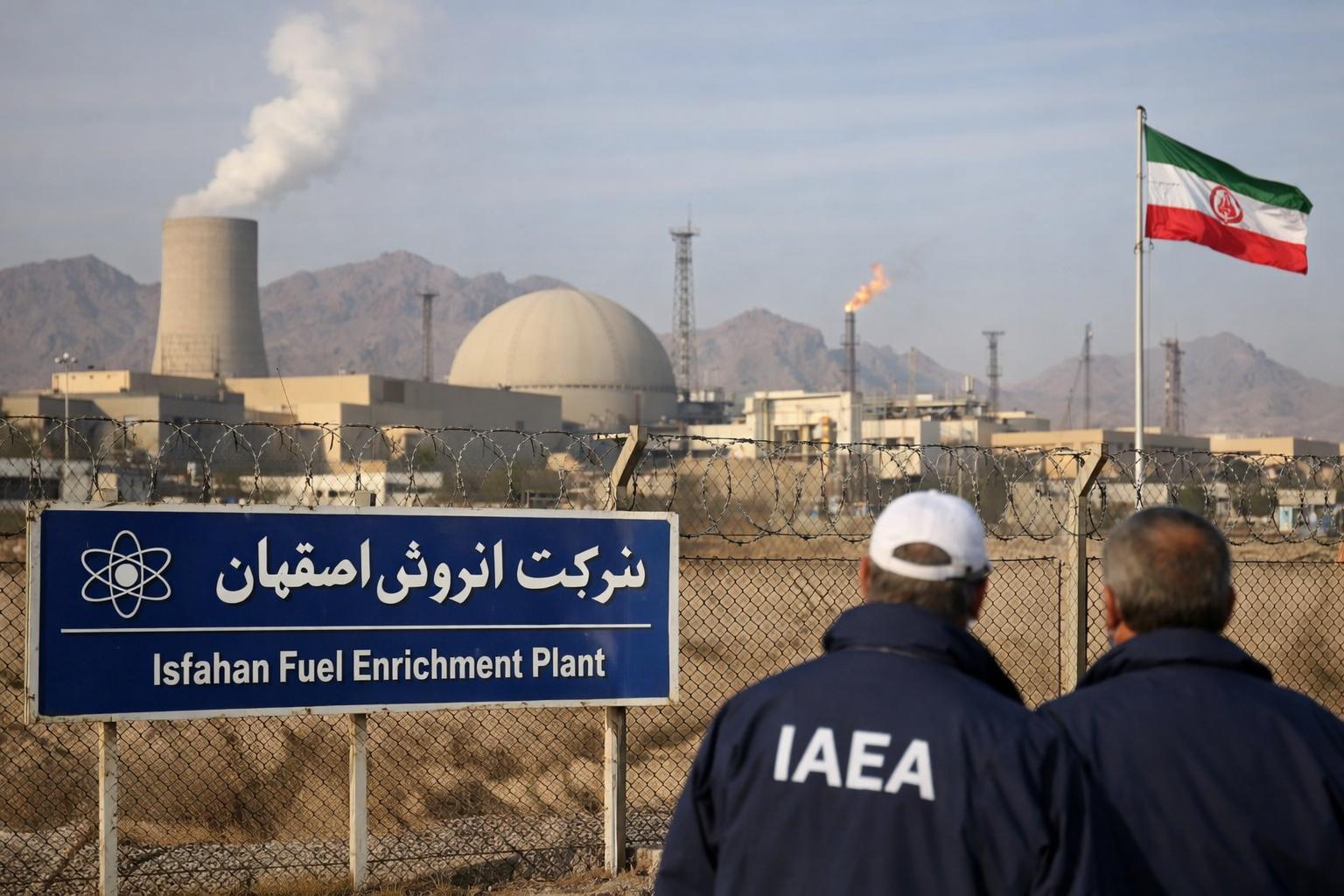
Iran has denied inspectors from the International Atomic Energy Agency access to several nuclear sites struck during a 12-day conflict involving Israel and the United States in June, according to a confidential report circulated among member states. The development has left the UN watchdog unable to verify the status of Tehran’s uranium enrichment activities or confirm the size and location of its enriched uranium stockpile.
In its latest assessment, the Vienna-based nuclear monit
Iran has denied inspectors from the International Atomic Energy Agency access to several nuclear sites struck during a 12-day conflict involving Israel and the United States in June, according to a confidential report circulated among member states. The development has left the UN watchdog unable to verify the status of Tehran’s uranium enrichment activities or confirm the size and location of its enriched uranium stockpile.
In its latest assessment, the Vienna-based nuclear monit
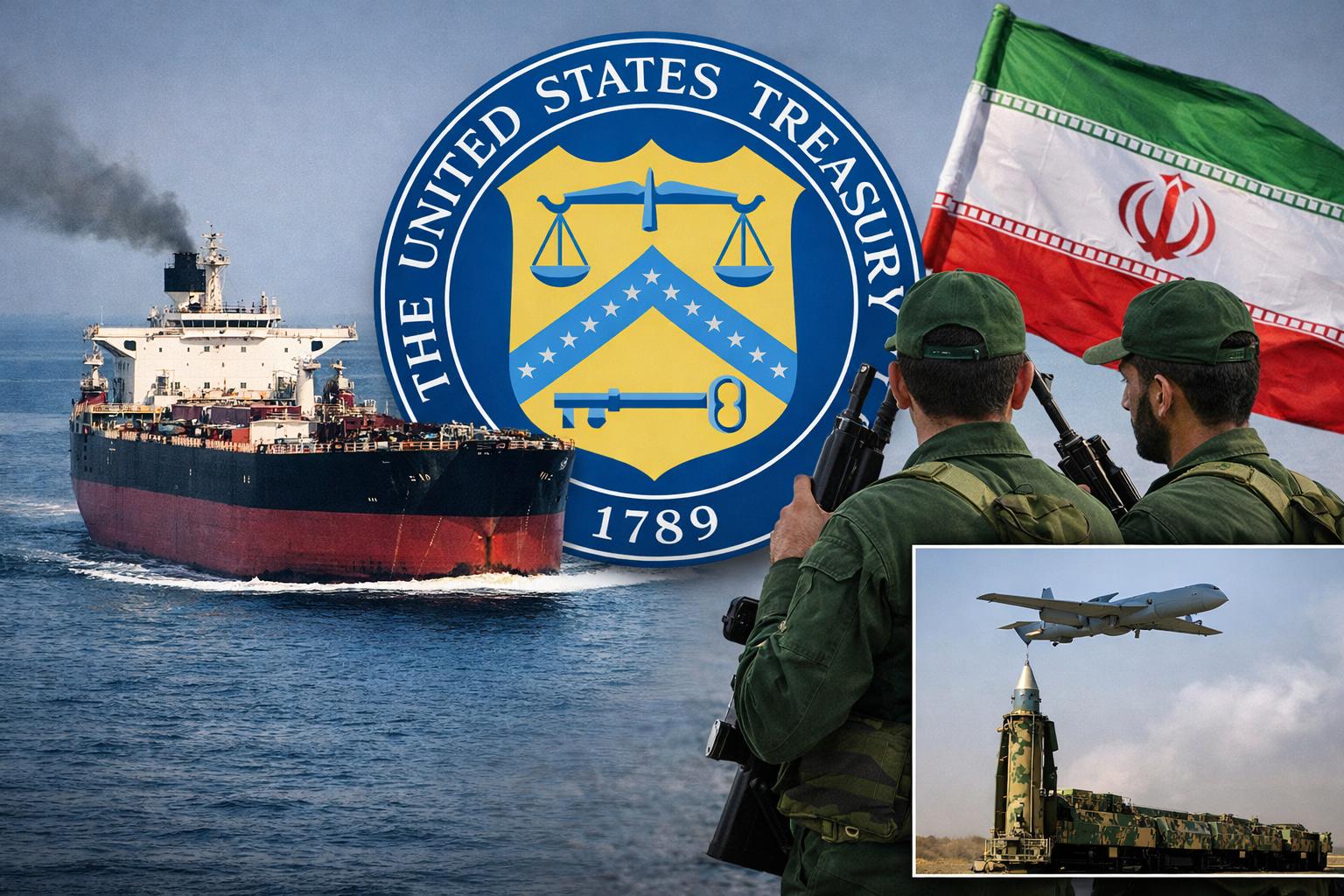
The United States Treasury Department announced on Wednesday that it has imposed sanctions on more than 30 individuals, entities, and vessels accused of facilitating illicit Iran oil sales and supporting Tehran’s weapons programs. The action, carried out through the Office of Foreign Assets Control (OFAC), forms part of Washington’s continuing maximum pressure campaign aimed at curbing Iran’s military capabilities and financial networks.
According to the Treasury, the measures
The United States Treasury Department announced on Wednesday that it has imposed sanctions on more than 30 individuals, entities, and vessels accused of facilitating illicit Iran oil sales and supporting Tehran’s weapons programs. The action, carried out through the Office of Foreign Assets Control (OFAC), forms part of Washington’s continuing maximum pressure campaign aimed at curbing Iran’s military capabilities and financial networks.
According to the Treasury, the measures
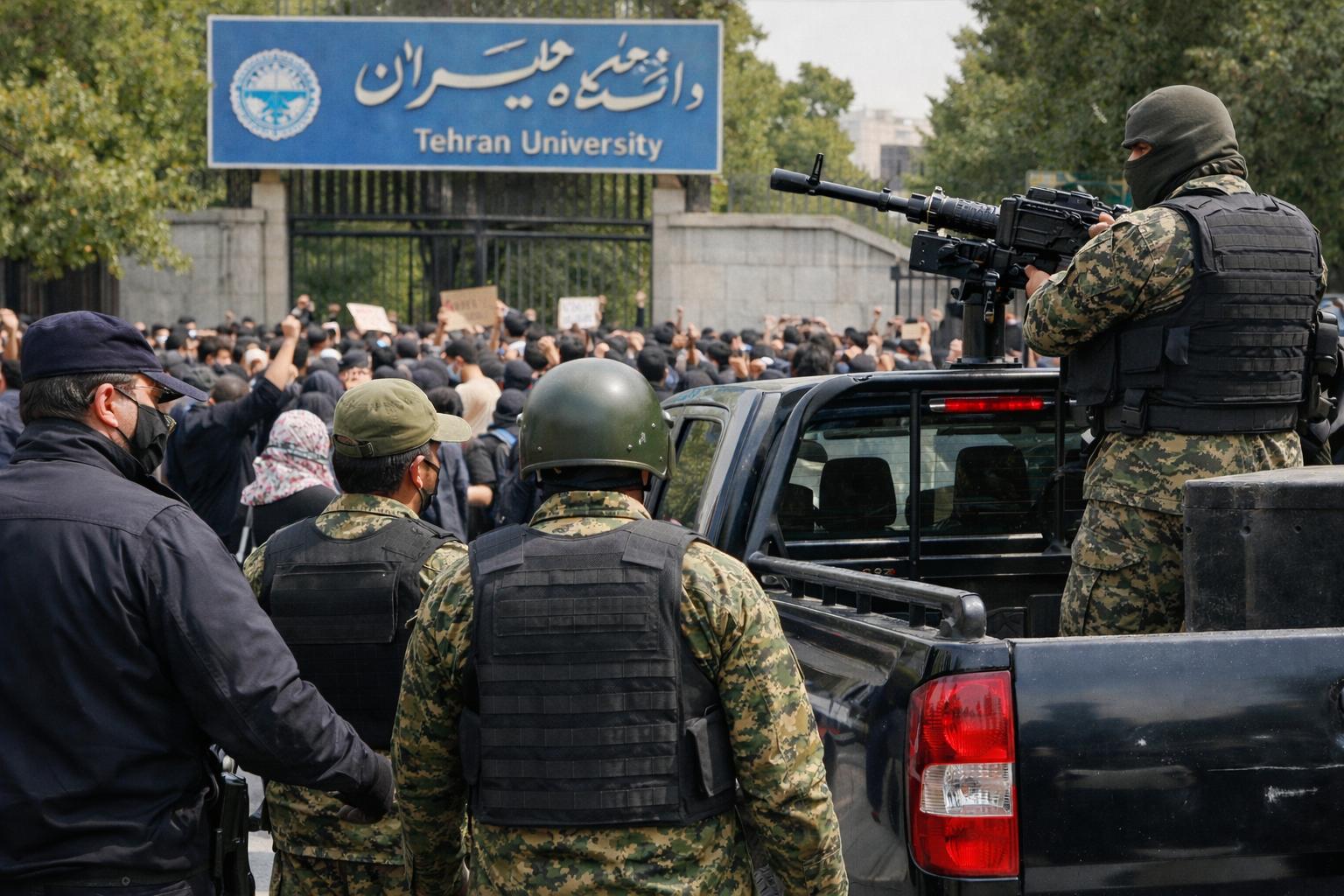
Iranian authorities on Tuesday deployed plainclothes police and armed security personnel across several universities in an effort to contain a fourth consecutive day of student protests directed at Supreme Leader Ayatollah Ali Khamenei. The heightened security presence reflects growing concern within the government over expanding campus unrest and the potential for demonstrations to spread further.
Clashes were reported at multiple academic institutions, including Tehran’s Univers
Iranian authorities on Tuesday deployed plainclothes police and armed security personnel across several universities in an effort to contain a fourth consecutive day of student protests directed at Supreme Leader Ayatollah Ali Khamenei. The heightened security presence reflects growing concern within the government over expanding campus unrest and the potential for demonstrations to spread further.
Clashes were reported at multiple academic institutions, including Tehran’s Univers
US President Donald Trump has said he is considering a limited military strike on Iran if ongoing negotiations over Tehran’s nuclear programme fail to result in a final agreement, raising fresh concerns about escalating tensions in the Middle East. The remarks followed a second round of high-level talks in Geneva that concluded without a comprehensive deal, despite what officials described as a technical breakthrough in certain areas of discussion. While negotiators appeared to narrow differen
US President Donald Trump has said he is considering a limited military strike on Iran if ongoing negotiations over Tehran’s nuclear programme fail to result in a final agreement, raising fresh concerns about escalating tensions in the Middle East. The remarks followed a second round of high-level talks in Geneva that concluded without a comprehensive deal, despite what officials described as a technical breakthrough in certain areas of discussion. While negotiators appeared to narrow differen
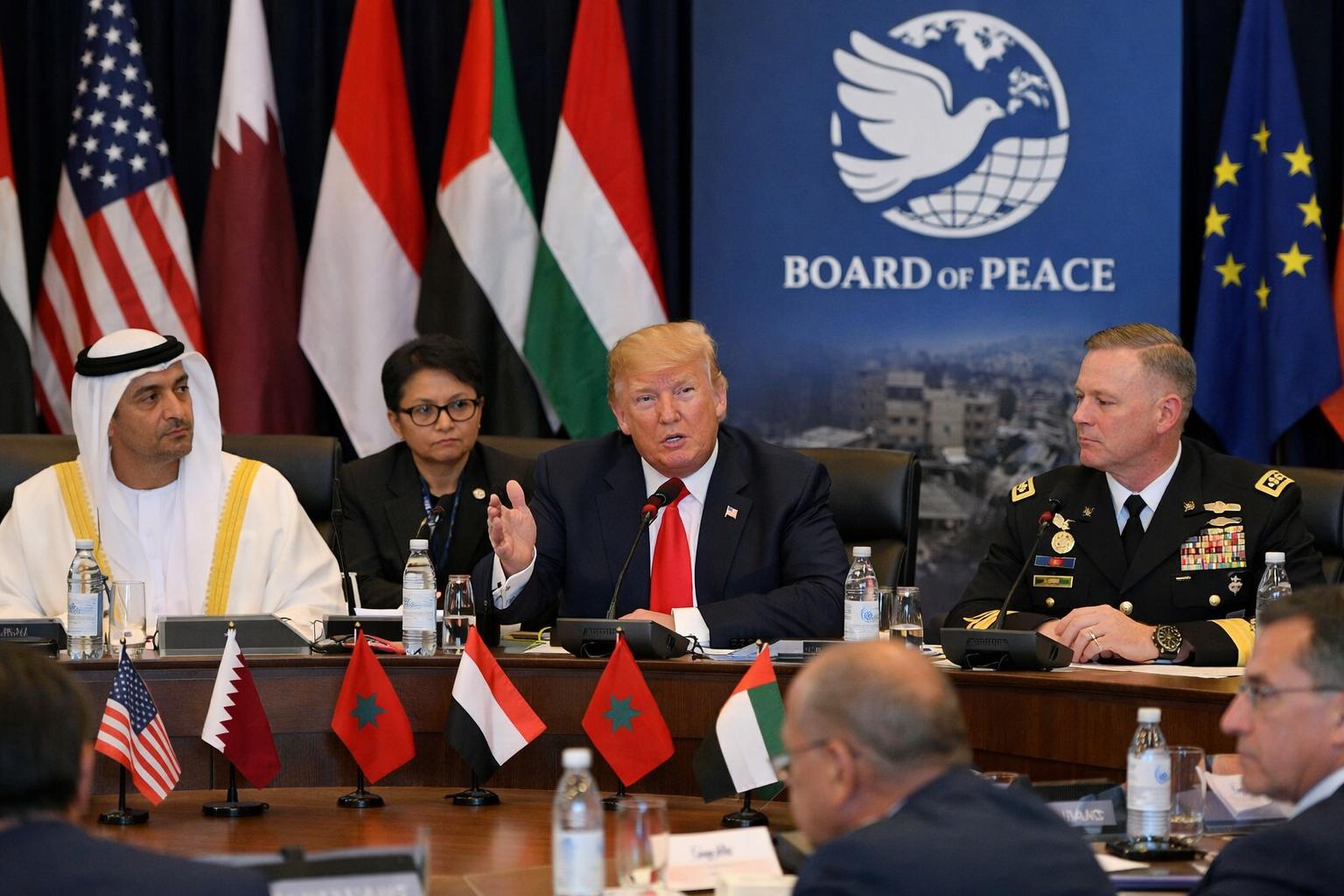
President Donald Trump on Thursday announced that the United States will contribute $10 billion to the newly formed Board of Peace, a central element of his 20-point plan aimed at stabilising and rebuilding Gaza. Speaking at the board’s inaugural meeting in Washington, Trump told representatives from nearly 50 countries that the United States intended to play a leading financial role in the initiative, though questions remain about how the funding will be sourced amid the administration’s
President Donald Trump on Thursday announced that the United States will contribute $10 billion to the newly formed Board of Peace, a central element of his 20-point plan aimed at stabilising and rebuilding Gaza. Speaking at the board’s inaugural meeting in Washington, Trump told representatives from nearly 50 countries that the United States intended to play a leading financial role in the initiative, though questions remain about how the funding will be sourced amid the administration’s
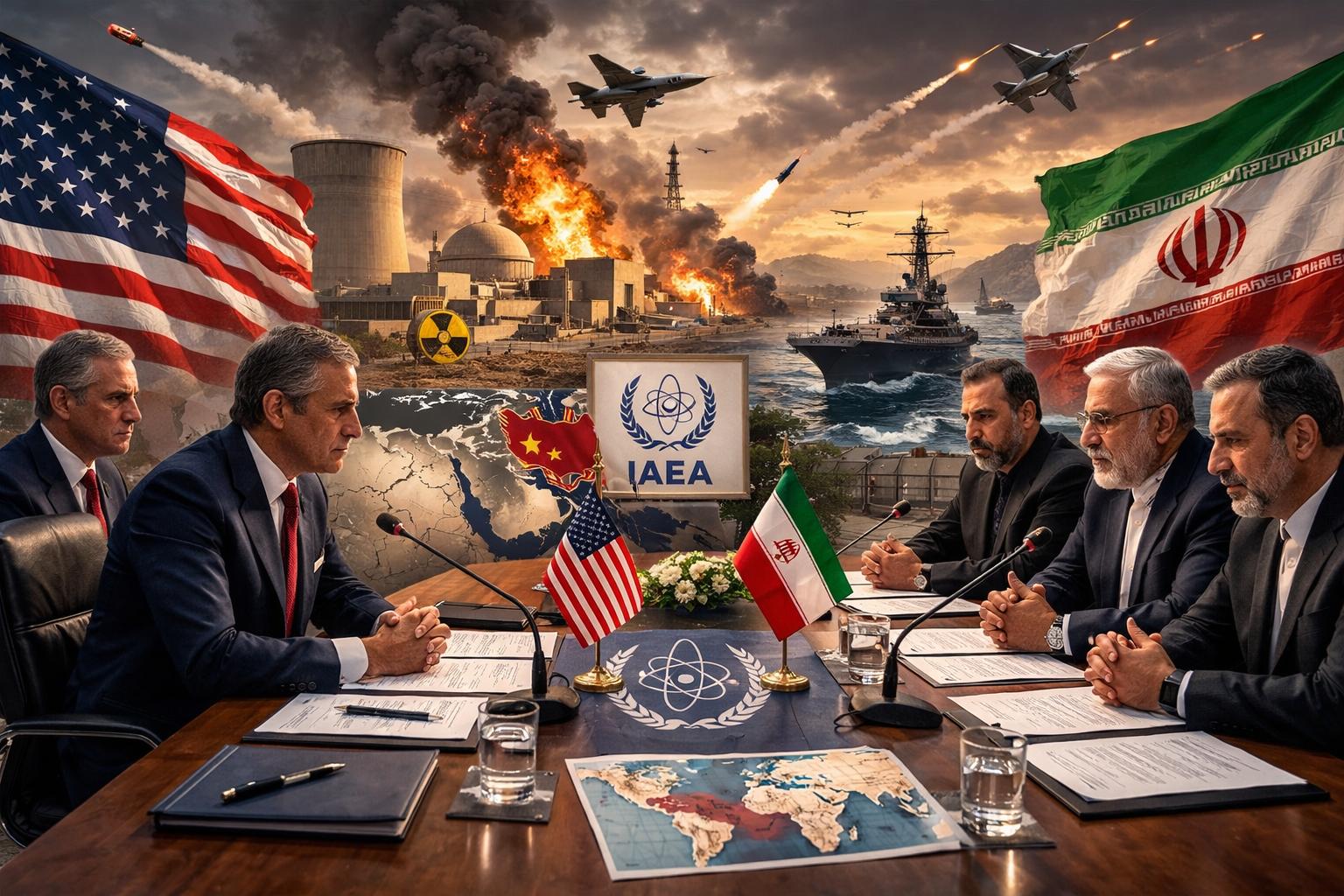
The head of the International Atomic Energy Agency (IAEA), Rafael Grossi, has issued a stark warning about the narrowing window for diplomacy between the United States and Iran, emphasizing the urgent need for an agreement to prevent further military escalation. His remarks come as concerns grow over Iran’s enriched nuclear material, which he said remains largely intact despite US strikes on key facilities last year.
Speaking in an interview with French broadcaster TF1, Grossi stressed tha
The head of the International Atomic Energy Agency (IAEA), Rafael Grossi, has issued a stark warning about the narrowing window for diplomacy between the United States and Iran, emphasizing the urgent need for an agreement to prevent further military escalation. His remarks come as concerns grow over Iran’s enriched nuclear material, which he said remains largely intact despite US strikes on key facilities last year.
Speaking in an interview with French broadcaster TF1, Grossi stressed tha
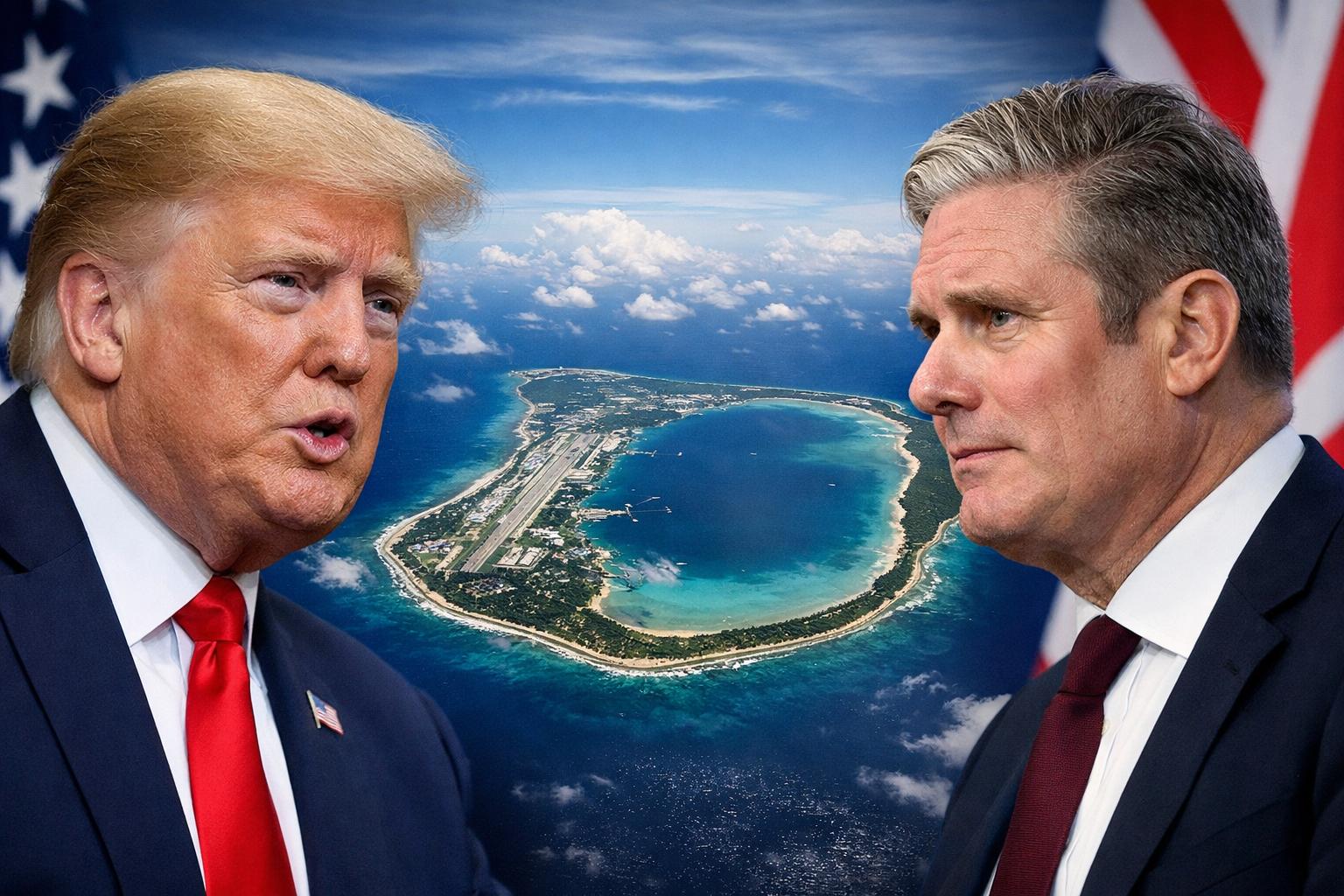
US President Donald Trump on Wednesday publicly criticized British Prime Minister Keir Starmer over the United Kingdom’s handling of the strategically important island of Diego Garcia, warning that London could be making a significant strategic error.
In a post on Truth Social dated February 18, Trump said he had advised Starmer that entering into a 100-year lease arrangement concerning Diego Garcia was a “big mistake.” The island, located in the Indian Ocean and part of the Chagos Arc
US President Donald Trump on Wednesday publicly criticized British Prime Minister Keir Starmer over the United Kingdom’s handling of the strategically important island of Diego Garcia, warning that London could be making a significant strategic error.
In a post on Truth Social dated February 18, Trump said he had advised Starmer that entering into a 100-year lease arrangement concerning Diego Garcia was a “big mistake.” The island, located in the Indian Ocean and part of the Chagos Arc
Iran has indicated it is prepared to allow verification of its nuclear activities following the conclusion of a second round of US-Iran negotiations mediated by Oman. Speaking on Tuesday, February 17, Iranian President Masoud Pezeshkian reiterated that Tehran has no intention of developing atomic weapons and expressed openness to international scrutiny aimed at confirming that position.
In remarks reported after the Geneva talks, Pezeshkian stated that Iran’s stance on nuclear weapons rema
Iran has indicated it is prepared to allow verification of its nuclear activities following the conclusion of a second round of US-Iran negotiations mediated by Oman. Speaking on Tuesday, February 17, Iranian President Masoud Pezeshkian reiterated that Tehran has no intention of developing atomic weapons and expressed openness to international scrutiny aimed at confirming that position.
In remarks reported after the Geneva talks, Pezeshkian stated that Iran’s stance on nuclear weapons rema
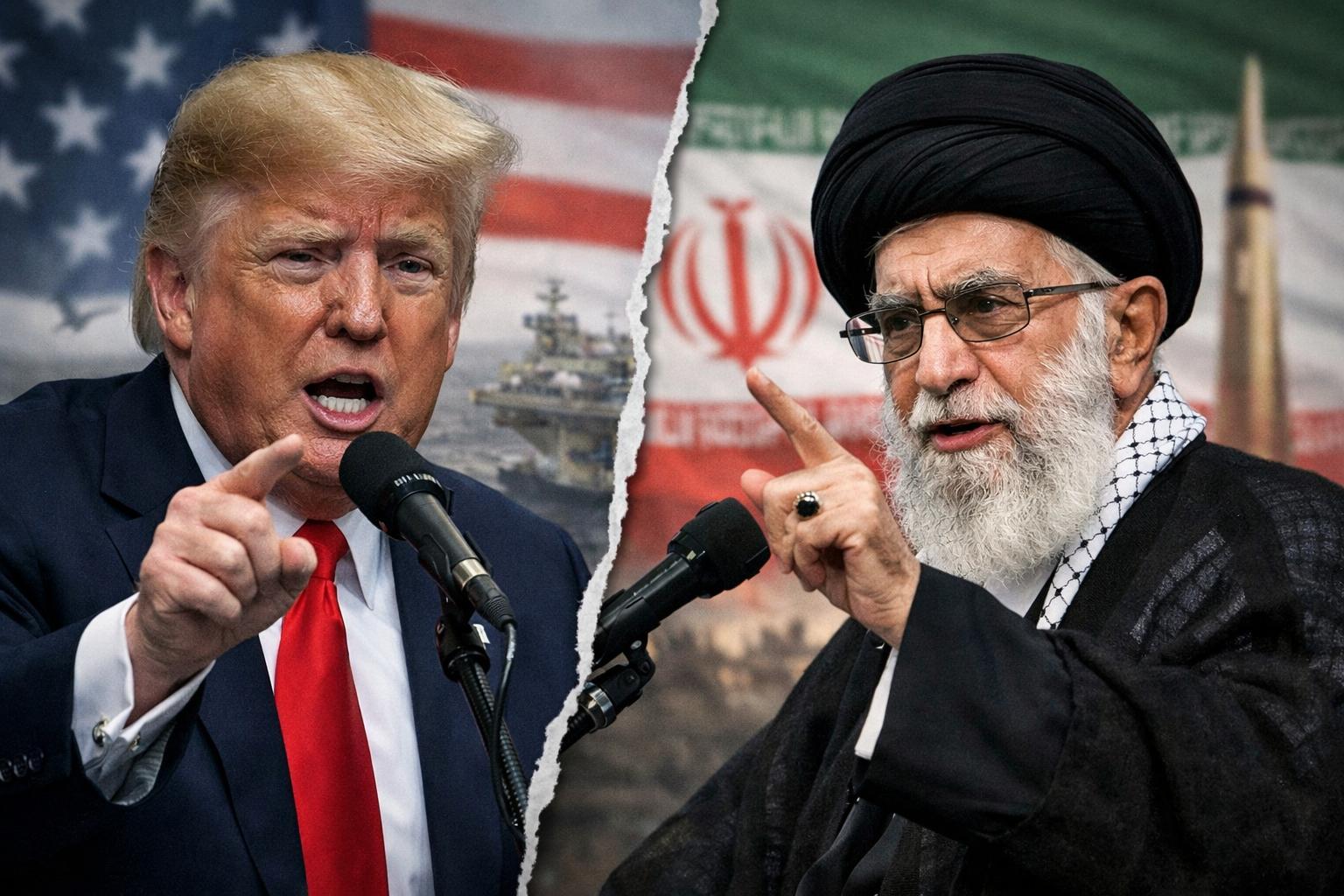
Tensions between the United States and Iran intensified this week as both sides exchanged sharp rhetoric ahead of renewed diplomatic efforts over Tehran’s nuclear program. Former US President Donald Trump highlighted America’s military strength while Iran’s Supreme Leader Ali Khamenei issued a pointed warning, underscoring the fragile atmosphere surrounding the latest round of nuclear deal talks.
The war of words escalated even before the second round of negotiations, which were mediat
Tensions between the United States and Iran intensified this week as both sides exchanged sharp rhetoric ahead of renewed diplomatic efforts over Tehran’s nuclear program. Former US President Donald Trump highlighted America’s military strength while Iran’s Supreme Leader Ali Khamenei issued a pointed warning, underscoring the fragile atmosphere surrounding the latest round of nuclear deal talks.
The war of words escalated even before the second round of negotiations, which were mediat
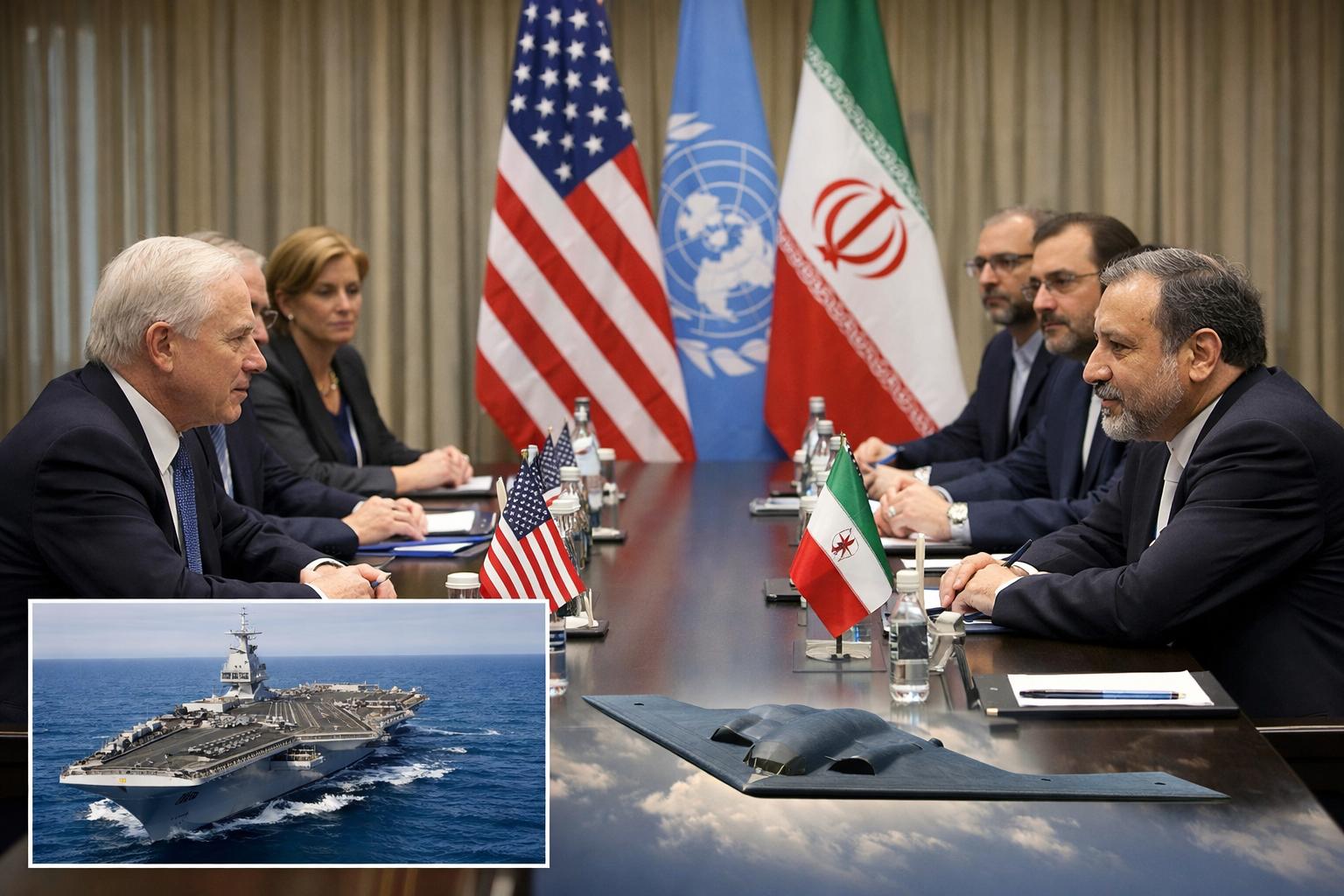
The second round of talks between the United States and Iran concluded in Geneva on Tuesday, with both sides signaling cautious optimism about the path forward. The Geneva meet, facilitated through Oman mediation, comes at a sensitive moment in US Iran relations, with diplomatic and military signals unfolding simultaneously across the Middle East.
Speaking at the Conference on Disarmament, Iran FM Abbas Araghchi described the latest engagement as a potential turning point. He said a
The second round of talks between the United States and Iran concluded in Geneva on Tuesday, with both sides signaling cautious optimism about the path forward. The Geneva meet, facilitated through Oman mediation, comes at a sensitive moment in US Iran relations, with diplomatic and military signals unfolding simultaneously across the Middle East.
Speaking at the Conference on Disarmament, Iran FM Abbas Araghchi described the latest engagement as a potential turning point. He said a
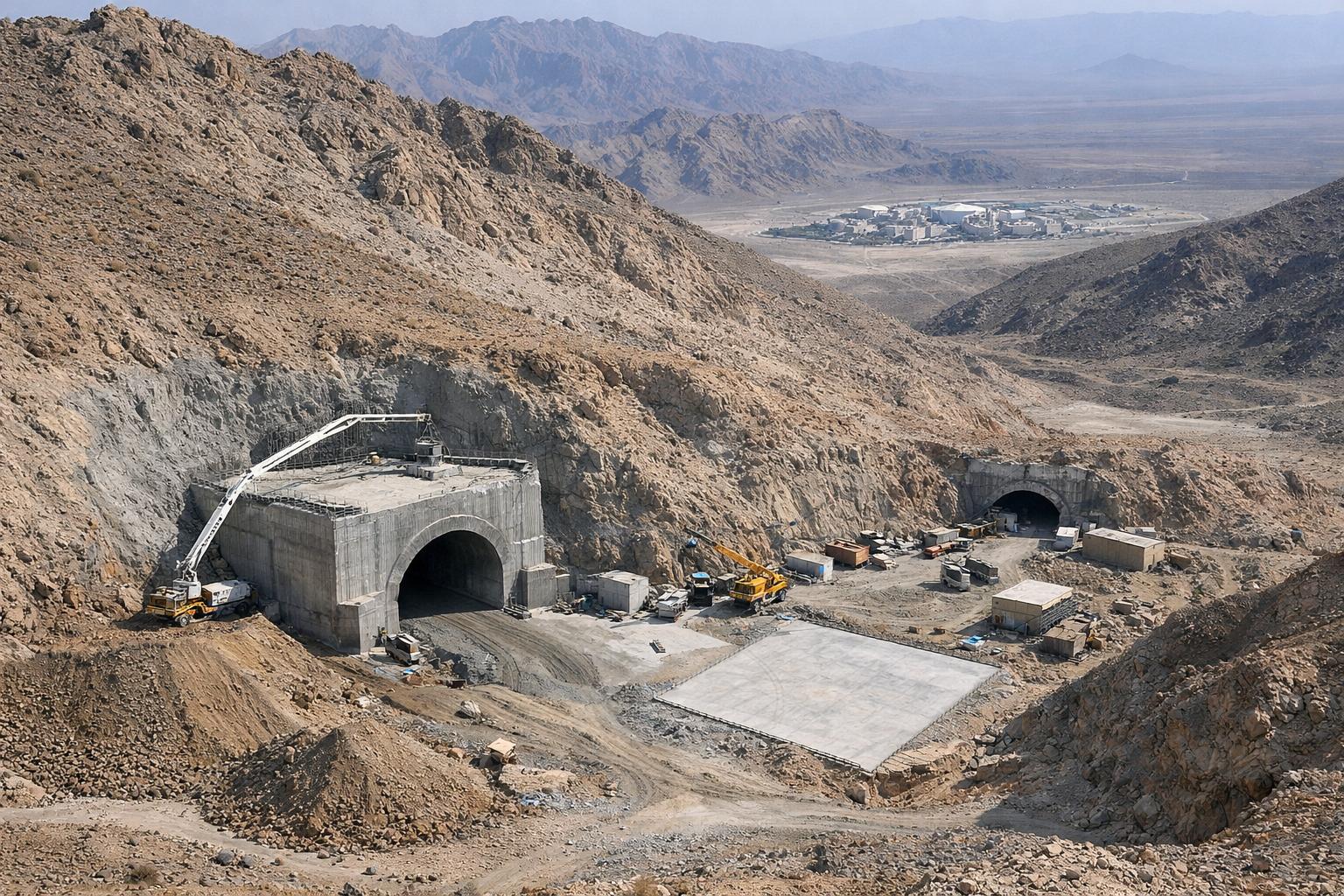
Fresh satellite imagery indicates that Iran is strengthening an underground complex near its main nuclear installation at Natanz, a development that analysts say could complicate diplomatic efforts and heighten regional security concerns. The activity has been observed at a mountainous site known as Pickaxe Mountain, located roughly 1.6 kilometres south of the uranium enrichment facility in central Iran, and appears to involve new concrete structures and expanded tunnel protections.
The construction comes at a time of renewed friction between Tehran and Washington. Former US president Donald Trump has repeatedly warned of possible military action if Iran does not reach an agreement over its nuclear programme, while Iranian officials have vowed to respond to any strike. The exchange of threats has added to fears of escalation across West Asia, where US forces have increased their presence and longstanding rivalries continue to shape the strategic landscape.
Images reviewed by analysts from the Institute for Science and International Security, a Washington-based think tank that tracks nuclear proliferation risks, show what appears to be fresh concrete poured over at least one tunnel entrance. Equipment consistent with a boom pump used for concrete delivery is visible at the site, suggesting active reinforcement work. Nearby, rock and soil appear to have been cleared and levelled, and additional concrete-reinforced structures have been erected close to the entrances.
Researchers who have monitored the area for several years say the scale of excavation and the amount of construction material suggest the site could support more than routine maintenance. The depth of the tunnels, estimated to be between 79 and 100 metres underground, may offer significant protection from aerial attacks and surveillance, potentially making the facility more resilient than other known installations. Such characteristics have drawn scrutiny from non-proliferation experts, who view hardened underground sites as capable of hosting sensitive operations such as centrifuge assembly or uranium enrichment.
Iran has previously said that Pickaxe Mountain could be used for manufacturing and assembling centrifuges, devices required for nuclear fuel production. Tehran maintains that its nuclear activities are intended solely for peaceful purposes, including energy generation and medical research, and has repeatedly denied pursuing a nuclear weapon. However, the limited access granted to international inspectors has raised questions among watchdog groups and foreign governments about transparency and compliance.
The site was not among those reportedly targeted during earlier US strikes on Iranian nuclear infrastructure, which officials described at the time as severely damaging key facilities. Analysts now suggest that any reconstruction of centrifuge capacity in protected locations like Pickaxe Mountain could allow Iran to restore or expand operations more quickly if other sites are disrupted.
International observers emphasize that the situation underscores the importance of oversight by the International Atomic Energy Agency. Experts argue that greater disclosure and inspections are essential to clarify the purpose of the new construction and to reduce the risk of miscalculation. Without verifiable information, they warn, suspicion could deepen and diplomatic efforts may face additional obstacles.
As tensions persist, the developments at Pickaxe Mountain have become another focal point in the broader debate over Iran’s nuclear ambitions, regional stability, and the fragile balance between deterrence and diplomacy.
Fresh satellite imagery indicates that Iran is strengthening an underground complex near its main nuclear installation at Natanz, a development that analysts say could complicate diplomatic efforts and heighten regional security concerns. The activity has been observed at a mountainous site known as Pickaxe Mountain, located roughly 1.6 kilometres south of the uranium enrichment facility in central Iran, and appears to involve new concrete structures and expanded tunnel protections.
The construction comes at a time of renewed friction between Tehran and Washington. Former US president Donald Trump has repeatedly warned of possible military action if Iran does not reach an agreement over its nuclear programme, while Iranian officials have vowed to respond to any strike. The exchange of threats has added to fears of escalation across West Asia, where US forces have increased their presence and longstanding rivalries continue to shape the strategic landscape.
Images reviewed by analysts from the Institute for Science and International Security, a Washington-based think tank that tracks nuclear proliferation risks, show what appears to be fresh concrete poured over at least one tunnel entrance. Equipment consistent with a boom pump used for concrete delivery is visible at the site, suggesting active reinforcement work. Nearby, rock and soil appear to have been cleared and levelled, and additional concrete-reinforced structures have been erected close to the entrances.
Researchers who have monitored the area for several years say the scale of excavation and the amount of construction material suggest the site could support more than routine maintenance. The depth of the tunnels, estimated to be between 79 and 100 metres underground, may offer significant protection from aerial attacks and surveillance, potentially making the facility more resilient than other known installations. Such characteristics have drawn scrutiny from non-proliferation experts, who view hardened underground sites as capable of hosting sensitive operations such as centrifuge assembly or uranium enrichment.
Iran has previously said that Pickaxe Mountain could be used for manufacturing and assembling centrifuges, devices required for nuclear fuel production. Tehran maintains that its nuclear activities are intended solely for peaceful purposes, including energy generation and medical research, and has repeatedly denied pursuing a nuclear weapon. However, the limited access granted to international inspectors has raised questions among watchdog groups and foreign governments about transparency and compliance.
The site was not among those reportedly targeted during earlier US strikes on Iranian nuclear infrastructure, which officials described at the time as severely damaging key facilities. Analysts now suggest that any reconstruction of centrifuge capacity in protected locations like Pickaxe Mountain could allow Iran to restore or expand operations more quickly if other sites are disrupted.
International observers emphasize that the situation underscores the importance of oversight by the International Atomic Energy Agency. Experts argue that greater disclosure and inspections are essential to clarify the purpose of the new construction and to reduce the risk of miscalculation. Without verifiable information, they warn, suspicion could deepen and diplomatic efforts may face additional obstacles.
As tensions persist, the developments at Pickaxe Mountain have become another focal point in the broader debate over Iran’s nuclear ambitions, regional stability, and the fragile balance between deterrence and diplomacy.
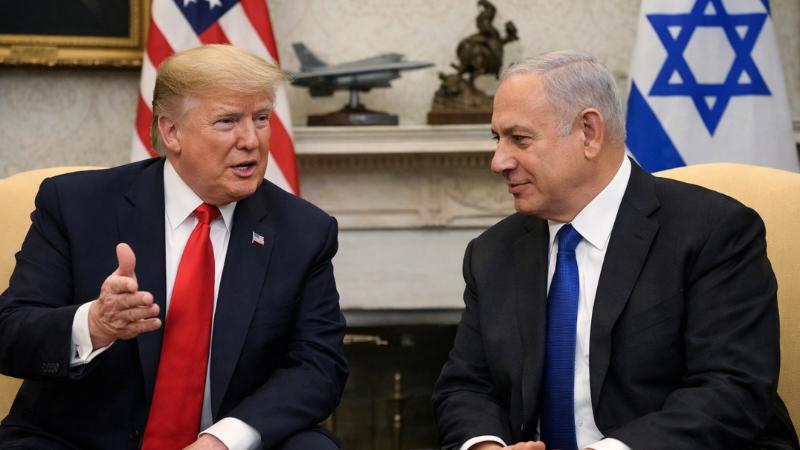
US President Donald Trump met Israeli Prime Minister Benjamin Netanyahu on Wednesday to discuss a range of strategic issues, with the Iran nuclear deal emerging as a central topic of conversation. The meeting, held amid heightened regional tensions, underscored ongoing diplomatic efforts and disagreements surrounding Tehran’s nuclear programme and its broader military capabilities.
Following the talks, Trump took to Truth Social to reiterate his administration’s position on nego
US President Donald Trump met Israeli Prime Minister Benjamin Netanyahu on Wednesday to discuss a range of strategic issues, with the Iran nuclear deal emerging as a central topic of conversation. The meeting, held amid heightened regional tensions, underscored ongoing diplomatic efforts and disagreements surrounding Tehran’s nuclear programme and its broader military capabilities.
Following the talks, Trump took to Truth Social to reiterate his administration’s position on nego
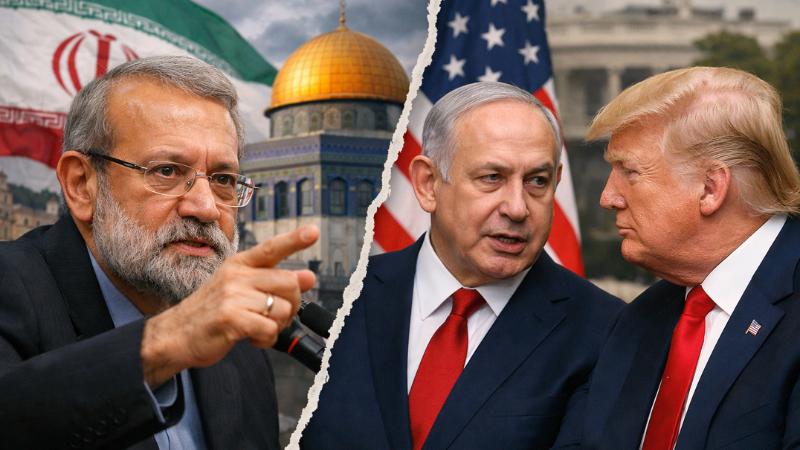
A senior Iranian security official has issued a sharp warning to the United States ahead of Israeli Prime Minister Benjamin Netanyahu’s visit to Washington, underscoring escalating rhetoric between Tehran and Tel Aviv as diplomatic efforts around Iran’s nuclear program continue to shape regional politics.
Ali Larijani, a prominent figure in Iran’s political and security establishment, addressed the matter in a post on social media on Tuesday, urging American policymakers and citizens to exercise caution. He said the United States should “think wisely” and remain alert to what he described as the “destructive role of the Zionists,” signaling Tehran’s deep distrust of Israeli influence over Washington’s foreign policy decisions. Larijani criticized Netanyahu’s planned trip, suggesting that the Israeli leader intended to sway the United States’ stance on negotiations related to Iran’s nuclear activities.
In his remarks, Larijani argued that Netanyahu might attempt to frame the direction of nuclear negotiations before arriving in the United States. He warned that such messaging could mislead American officials and complicate ongoing diplomatic efforts. The comments reflect broader concerns in Tehran that Israel seeks to derail talks that could ease tensions between Iran and the United States or lead to a new agreement governing Iran’s nuclear program.
Separately, Iran’s judiciary chief, Gholamhossein Mohseni Ejei, reinforced the government’s hardline posture. Speaking publicly, he said the Islamic Republic had demonstrated “compassion” since its founding but stressed that authorities would not hesitate to confront individuals or groups deemed disloyal. Ejei warned that the judiciary would take action against those acting “in tandem with Israel and other enemies of the Islamic revolution,” a statement widely interpreted as a message to domestic critics and alleged collaborators.
Meanwhile, Netanyahu confirmed that discussions about Iran’s nuclear ambitions would be a central part of his agenda in Washington. Before departing for the US capital, the Israeli prime minister told reporters that he intended to present Israel’s approach and core principles regarding negotiations with Tehran. He described these principles as essential not only for Israel’s security but for any country seeking peace and stability in the Middle East.
Netanyahu also emphasized the close relationship between Israel and the United States, highlighting frequent meetings with former US President Donald Trump as evidence of strong diplomatic and personal ties. According to the Israeli leader, this partnership plays a critical role in shaping policy on issues ranging from nuclear talks to the ongoing conflict in Gaza. He indicated that a range of regional security concerns would be discussed during the visit.
The exchange of pointed statements from both sides illustrates the persistent tensions surrounding Iran’s nuclear program and the broader geopolitical rivalry between Iran and Israel. As Washington prepares to engage with Israeli leadership while weighing its approach to Tehran, the coming discussions are likely to influence not only bilateral US-Israel relations but also the future trajectory of diplomacy and security across the Middle East.
A senior Iranian security official has issued a sharp warning to the United States ahead of Israeli Prime Minister Benjamin Netanyahu’s visit to Washington, underscoring escalating rhetoric between Tehran and Tel Aviv as diplomatic efforts around Iran’s nuclear program continue to shape regional politics.
Ali Larijani, a prominent figure in Iran’s political and security establishment, addressed the matter in a post on social media on Tuesday, urging American policymakers and citizens to exercise caution. He said the United States should “think wisely” and remain alert to what he described as the “destructive role of the Zionists,” signaling Tehran’s deep distrust of Israeli influence over Washington’s foreign policy decisions. Larijani criticized Netanyahu’s planned trip, suggesting that the Israeli leader intended to sway the United States’ stance on negotiations related to Iran’s nuclear activities.
In his remarks, Larijani argued that Netanyahu might attempt to frame the direction of nuclear negotiations before arriving in the United States. He warned that such messaging could mislead American officials and complicate ongoing diplomatic efforts. The comments reflect broader concerns in Tehran that Israel seeks to derail talks that could ease tensions between Iran and the United States or lead to a new agreement governing Iran’s nuclear program.
Separately, Iran’s judiciary chief, Gholamhossein Mohseni Ejei, reinforced the government’s hardline posture. Speaking publicly, he said the Islamic Republic had demonstrated “compassion” since its founding but stressed that authorities would not hesitate to confront individuals or groups deemed disloyal. Ejei warned that the judiciary would take action against those acting “in tandem with Israel and other enemies of the Islamic revolution,” a statement widely interpreted as a message to domestic critics and alleged collaborators.
Meanwhile, Netanyahu confirmed that discussions about Iran’s nuclear ambitions would be a central part of his agenda in Washington. Before departing for the US capital, the Israeli prime minister told reporters that he intended to present Israel’s approach and core principles regarding negotiations with Tehran. He described these principles as essential not only for Israel’s security but for any country seeking peace and stability in the Middle East.
Netanyahu also emphasized the close relationship between Israel and the United States, highlighting frequent meetings with former US President Donald Trump as evidence of strong diplomatic and personal ties. According to the Israeli leader, this partnership plays a critical role in shaping policy on issues ranging from nuclear talks to the ongoing conflict in Gaza. He indicated that a range of regional security concerns would be discussed during the visit.
The exchange of pointed statements from both sides illustrates the persistent tensions surrounding Iran’s nuclear program and the broader geopolitical rivalry between Iran and Israel. As Washington prepares to engage with Israeli leadership while weighing its approach to Tehran, the coming discussions are likely to influence not only bilateral US-Israel relations but also the future trajectory of diplomacy and security across the Middle East.