


















#climateimpact
France heatwave shuts landmarks as tourism faces disruption
France is experiencing an intense heat surge that has pushed temperatures across several regions to dangerous levels, placing large parts of the country under the highest weather alert category. Authorities have warned that the current conditions are among the most severe in recent years, with urban areas like Paris feeling the strongest impact due to dense infrastructure and limited night-time cooling. Paris tourism slows as conditions become unsafe Tourist activity in Paris has taken a noticeable hit as extreme heat makes outdoor movement difficult during peak hours. Visitors are shortening itineraries, avoiding long walking routes, and shifting to indoor attractions wherever possible. Public spaces remain crowded, but activity is largely concentrated in shaded areas and air-conditioned venues as people try to avoid prolonged exposure. Major landmarks adjust operations due to heat stress Several iconic sites have been forced to modify schedules in response to the heat conditions. The Eiffel Tower has adjusted operating hours, closing earlier than usual to reduce visitor risk during peak temperatures. The Louvre Museum has also shifted to reduced visiting hours, prioritizing safety for both staff and tourists. Other regional attractions have issued advisories urging travelers to delay or reschedule visits until conditions improve. Weather pattern driving the extreme temperatures Meteorologists attribute the heat surge to a stalled atmospheric pattern that is trapping warm air over Western Europe. This system is reinforced by hot air moving in from North Africa, intensifying the temperature spike across France. Combined with stagnant wind conditions, the heat is persisting longer than typical summer peaks, limiting overnight cooling and increasing strain on infrastructure. Climate trend raising frequency of extreme heat events Experts note that Europe is warming faster than many other regions globally, contributing to more frequent and intense heat episodes. France is increasingly experiencing prolonged summer heat events that disrupt transport, tourism, and daily routines. The current situation highlights how rising baseline temperatures are turning what were once rare extremes into recurring seasonal challenges.
France heatwave shuts landmarks as tourism faces disruption
France is experiencing an intense heat surge that has pushed temperatures across several regions to dangerous levels, placing large parts of the country under the highest weather alert category. Authorities have warned that the current conditions are among the most severe in recent years, with urban areas like Paris feeling the strongest impact due to dense infrastructure and limited night-time cooling. Paris tourism slows as conditions become unsafe Tourist activity in Paris has taken a noticeable hit as extreme heat makes outdoor movement difficult during peak hours. Visitors are shortening itineraries, avoiding long walking routes, and shifting to indoor attractions wherever possible. Public spaces remain crowded, but activity is largely concentrated in shaded areas and air-conditioned venues as people try to avoid prolonged exposure. Major landmarks adjust operations due to heat stress Several iconic sites have been forced to modify schedules in response to the heat conditions. The Eiffel Tower has adjusted operating hours, closing earlier than usual to reduce visitor risk during peak temperatures. The Louvre Museum has also shifted to reduced visiting hours, prioritizing safety for both staff and tourists. Other regional attractions have issued advisories urging travelers to delay or reschedule visits until conditions improve. Weather pattern driving the extreme temperatures Meteorologists attribute the heat surge to a stalled atmospheric pattern that is trapping warm air over Western Europe. This system is reinforced by hot air moving in from North Africa, intensifying the temperature spike across France. Combined with stagnant wind conditions, the heat is persisting longer than typical summer peaks, limiting overnight cooling and increasing strain on infrastructure. Climate trend raising frequency of extreme heat events Experts note that Europe is warming faster than many other regions globally, contributing to more frequent and intense heat episodes. France is increasingly experiencing prolonged summer heat events that disrupt transport, tourism, and daily routines. The current situation highlights how rising baseline temperatures are turning what were once rare extremes into recurring seasonal challenges.
Wildfires intensify across Georgia and Florida, forcing evacuations
NAHUNTA, Georgia — Wildfires burning across the southeastern United States intensified on Wednesday, April 22, 2026, destroying dozens of homes in Georgia and forcing widespread evacuations, school closures, and emergency responses across multiple communities. Officials reported that nearly 50 homes were destroyed in Georgia, with the most severe damage concentrated in Brantley County. County Manager Joey Cason said the fast-moving fire there expanded roughly sixfold within half a d
Wildfires intensify across Georgia and Florida, forcing evacuations
NAHUNTA, Georgia — Wildfires burning across the southeastern United States intensified on Wednesday, April 22, 2026, destroying dozens of homes in Georgia and forcing widespread evacuations, school closures, and emergency responses across multiple communities. Officials reported that nearly 50 homes were destroyed in Georgia, with the most severe damage concentrated in Brantley County. County Manager Joey Cason said the fast-moving fire there expanded roughly sixfold within half a d
Massive winter storm leaves at least 25 dead, power outages and travel chaos nationwide
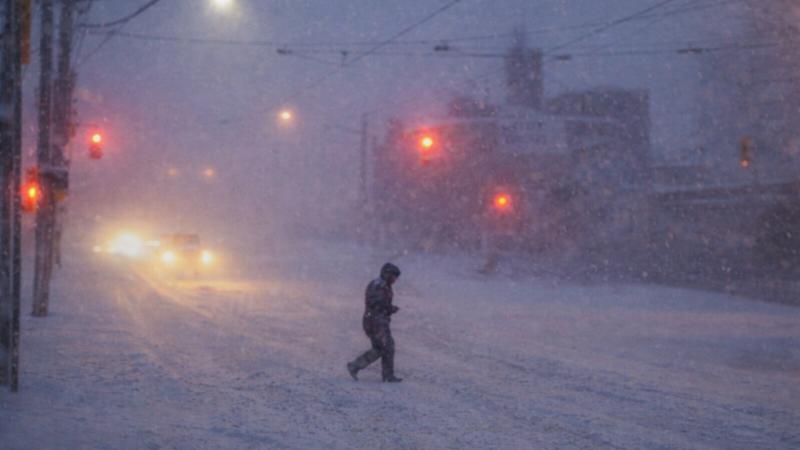
At least 25 people have died after a massive winter storm swept across large portions of the United States, unleashing heavy snowfall, dangerous ice accumulation and extreme cold that crippled infrastructure and disrupted daily life across multiple regions. The powerful system affected states from the South through the Midwest and into the Northeast, leaving a trail of fatalities, widespread power outages and major travel disruptions. The storm delivered significant snowfall across
Massive winter storm leaves at least 25 dead, power outages and travel chaos nationwide
At least 25 people have died after a massive winter storm swept across large portions of the United States, unleashing heavy snowfall, dangerous ice accumulation and extreme cold that crippled infrastructure and disrupted daily life across multiple regions. The powerful system affected states from the South through the Midwest and into the Northeast, leaving a trail of fatalities, widespread power outages and major travel disruptions. The storm delivered significant snowfall across
Southeast Asia floods and landslides push death toll past 400 as rescue efforts expand
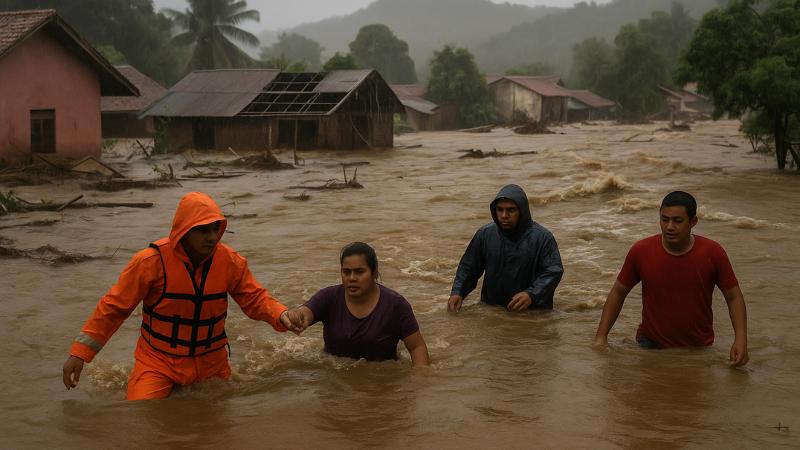
The death toll from the widespread floods and landslides triggered by days of heavy monsoon rain in Southeast Asia has risen to more than 400, according to updated assessments from regional authorities on Saturday. Rescue teams across Indonesia, Thailand and Malaysia continued large-scale operations through the weekend as thousands of people remained stranded, many of them waiting on rooftops or in partially submerged homes for emergency assistance. The severe weather, intensified by a tropic
Southeast Asia floods and landslides push death toll past 400 as rescue efforts expand
The death toll from the widespread floods and landslides triggered by days of heavy monsoon rain in Southeast Asia has risen to more than 400, according to updated assessments from regional authorities on Saturday. Rescue teams across Indonesia, Thailand and Malaysia continued large-scale operations through the weekend as thousands of people remained stranded, many of them waiting on rooftops or in partially submerged homes for emergency assistance. The severe weather, intensified by a tropic


