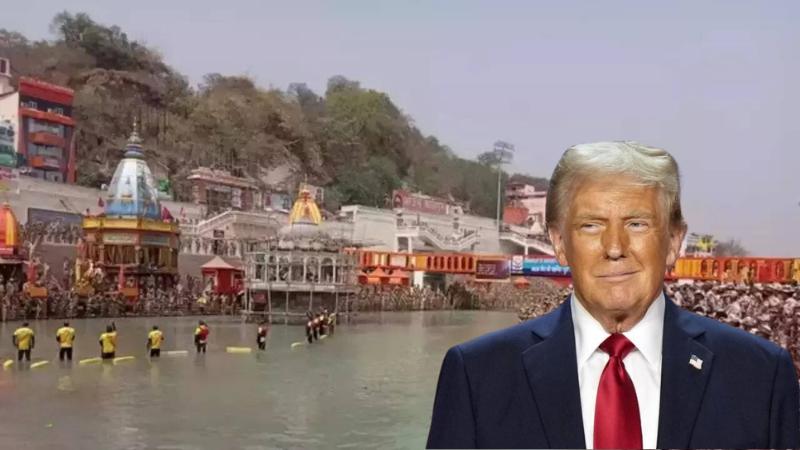
Russia has rejected United States President Donald Trump’s recent demand for an immediate ceasefire in the ongoing war with Ukraine, reaffirming its long-held conditions for peace. The Kremlin’s latest response makes clear that Moscow’s stance on the conflict remains unchanged, despite renewed diplomatic overtures from the U.S. and European allies seeking to end the devastating two-year war.
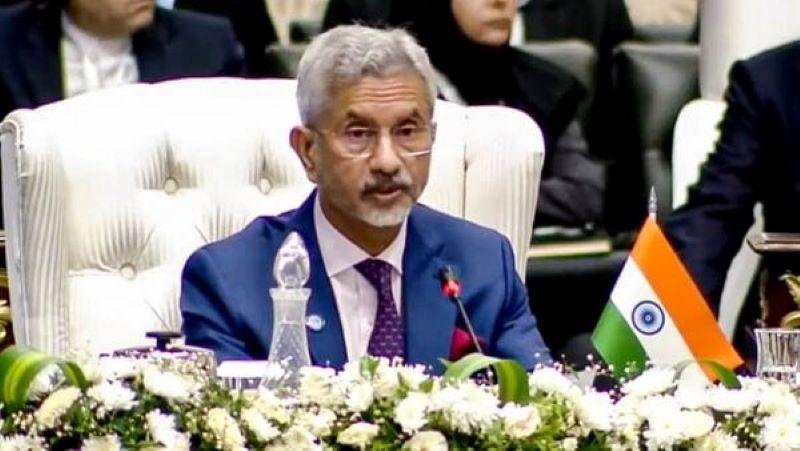
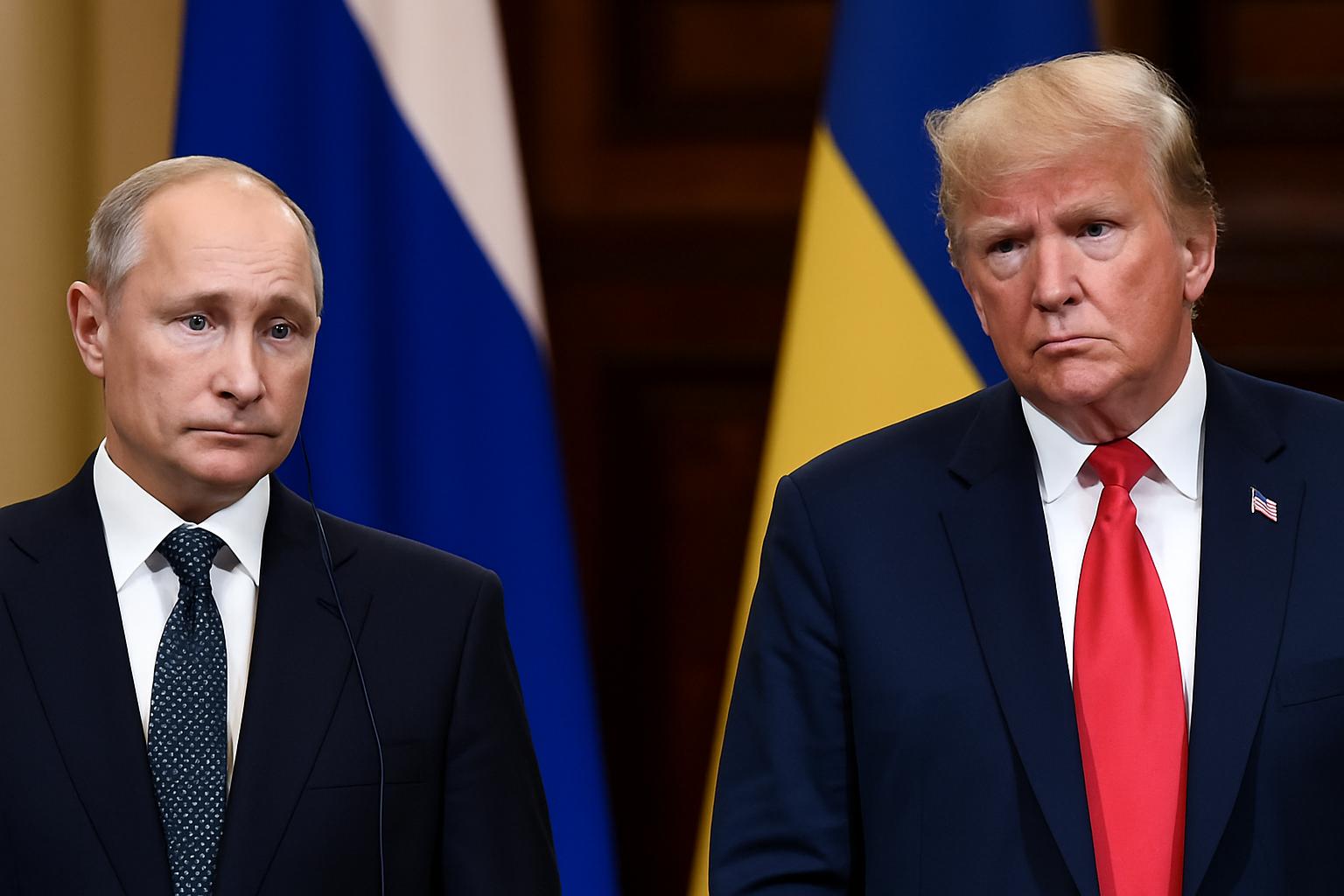
Speaking at a press briefing in Moscow, Russian Foreign Minister Sergei Lavrov dismissed Trump’s proposal, calling it inconsistent with the understanding reached during the Trump-Putin summit held in Alaska in August. Lavrov said that any sudden call for a halt to hostilities would ignore what Russia views as the root causes of the conflict, which center on Ukraine’s geopolitical alignment and military ambitions.
“You see, if we just stop, it means forgetting the root causes of this conflict, which the American administration clearly understood,” Lavrov said. “I am referring to ensuring Ukraine’s nonaligned, nonnuclear status, which implies refraining from any attempts to draw it into NATO.” His remarks underscored Russia’s core position that Ukraine’s future security arrangements remain a red line in any peace negotiation.
Lavrov’s comments came just days after President Trump stated that Russian President Vladimir Putin “wants a peace deal.” The remark raised speculation about a possible shift in Russia’s approach, particularly following months of slow military progress and growing economic strain under Western sanctions. However, the Kremlin’s latest rejection suggests Moscow remains firm in its insistence that any peace process must address its security concerns regarding NATO’s eastward expansion.
In response to Moscow’s dismissal, a coalition of Western leaders voiced strong support for Trump’s ceasefire proposal. A joint statement released Tuesday morning by the leaders of Britain, France, Germany, Italy, and Poland — as well as senior European Union officials — condemned Russia’s refusal to engage constructively in peace talks. “Russia’s stalling tactics have shown time and time again that Ukraine is the only party serious about peace,” the statement read. “We can all see that Putin continues to choose violence and destruction.”
While Western governments continue to call for a negotiated settlement, the situation on the ground in Ukraine remains tense. Both sides have launched new offensives ahead of the winter season, and there are no signs of meaningful progress toward a ceasefire. Analysts note that the Kremlin’s emphasis on Ukraine’s “nonaligned” status signals its unwillingness to compromise on territorial or political terms it sees as essential to national security.
During a meeting with Australian Prime Minister Anthony Albanese at the White House on Monday, President Trump sought to clarify remarks he made earlier at the United Nations, where he suggested that Ukraine “could possibly win the war.” When pressed by reporters, Trump elaborated, saying, “Well, they could. They could still win it. I don’t think they will, but they could still win it.” The statement, while cautiously optimistic, reflected the growing skepticism within the U.S. administration about Kyiv’s ability to reclaim occupied territories without a significant escalation in military support.
Observers say the widening gap between Russia’s entrenched conditions and the West’s demands for peace underscores the complexity of achieving a lasting settlement. Russia continues to maintain control over several key regions in eastern and southern Ukraine, while Kyiv insists on the complete withdrawal of Russian forces as a precondition for talks.
Meanwhile, diplomatic engagement appears to be intensifying behind the scenes. European officials are reportedly exploring a framework for phased negotiations that would involve security guarantees, humanitarian aid, and limited economic cooperation. However, without Russia’s agreement to halt its military operations, the prospects for immediate de-escalation remain dim.
As winter approaches, both sides face mounting pressure — Ukraine from dwindling resources and civilian displacement, and Russia from growing international isolation. Yet despite renewed calls for restraint, the conflict appears far from resolution. Moscow’s firm rejection of Trump’s ceasefire demand signals that the path to peace will likely remain steep and uncertain, with deep divisions persisting over the future of Ukraine’s sovereignty and alignment in the global order.