














#coldwar
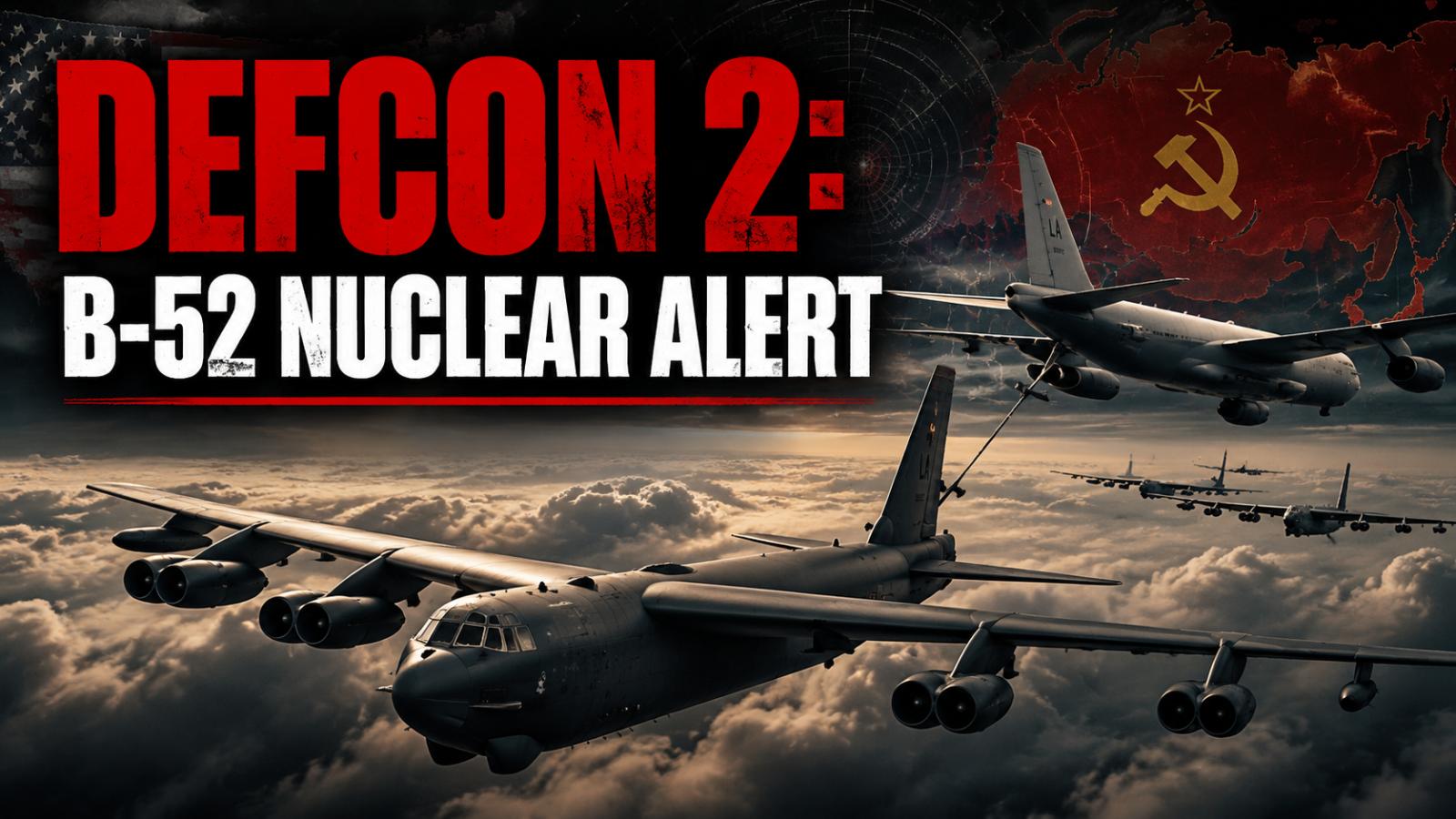
B-52 nuclear alert during Cuban missile crisis explained simply
The discovery of Soviet missiles in Cuba pushed the United States and the Soviet Union into a direct nuclear confrontation. With only a short distance separating missile sites from U.S. territory, decision-makers in Washington treated the situation as an immediate existential threat rather than a routine diplomatic crisis. Shift to maximum military readiness As intelligence confirmed missile dep
B-52 nuclear alert during Cuban missile crisis explained simply
The discovery of Soviet missiles in Cuba pushed the United States and the Soviet Union into a direct nuclear confrontation. With only a short distance separating missile sites from U.S. territory, decision-makers in Washington treated the situation as an immediate existential threat rather than a routine diplomatic crisis. Shift to maximum military readiness As intelligence confirmed missile dep
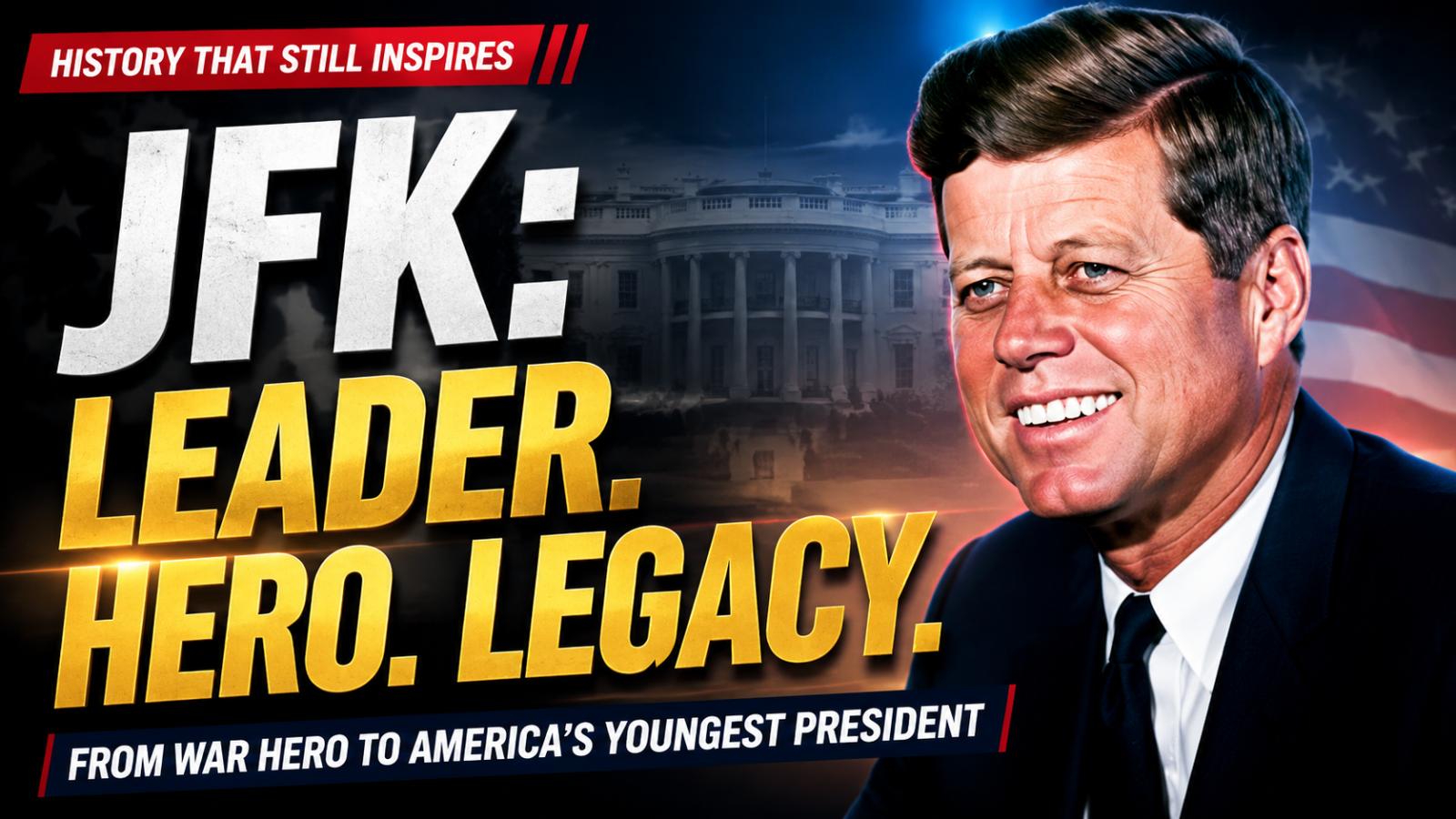
John F. Kennedy: The Youngest U.S. President
Early Life and Education John Fitzgerald Kennedy, widely known as JFK, was born on May 29, 1917, in Brookline, Massachusetts. Coming from a wealthy and politically ambitious Irish-American family, he was exposed to public service from an early age. Kennedy pursued higher education at Harvard University, where he cultivated an interest in politics, leadership, and international affairs, laying the groundwork for his future political career. Military Service and War Heroism During World War II, Kennedy served in the U.S. Navy and commanded a patrol boat, PT-109. When the vessel was struck by a Japanese destroyer, Kennedy’s leadership and courage helped save surviving crew members. This act of heroism earned him national recognition and significantly boosted his political profile, showcasing his bravery and commitment to service. Political Career and Presidency Following the war, Kennedy entered politics, serving first as a congressman and then as a senator from Massachusetts. In 1961, at the age of 43, he became the youngest person ever elected president of the United States. Kennedy’s presidency was marked by key challenges including civil rights initiatives, economic growth, and Cold War tensions, which tested his leadership on both domestic and international fronts. Cuban Missile Crisis One of the defining moments of JFK’s presidency occurred in 1962 during the Cuban Missile Crisis. The discovery of Soviet nuclear missiles in Cuba brought the world to the brink of nuclear conflict. Kennedy’s measured approach and negotiations with the Soviet Union are credited with averting a global disaster, cementing his reputation as a decisive yet thoughtful leader during crises. Assassination and Legacy Kennedy was assassinated on November 22, 1963, in Dallas, Texas, an event that shocked the world and left a lasting imprint on American history. Despite his short tenure, JFK’s leadership, vision for space exploration, and commitment to public service continue to inspire generations. Memorials, libraries, and institutions bearing his name preserve his enduring legacy and influence on both the United States and global politics.
John F. Kennedy: The Youngest U.S. President
Early Life and Education John Fitzgerald Kennedy, widely known as JFK, was born on May 29, 1917, in Brookline, Massachusetts. Coming from a wealthy and politically ambitious Irish-American family, he was exposed to public service from an early age. Kennedy pursued higher education at Harvard University, where he cultivated an interest in politics, leadership, and international affairs, laying the groundwork for his future political career. Military Service and War Heroism During World War II, Kennedy served in the U.S. Navy and commanded a patrol boat, PT-109. When the vessel was struck by a Japanese destroyer, Kennedy’s leadership and courage helped save surviving crew members. This act of heroism earned him national recognition and significantly boosted his political profile, showcasing his bravery and commitment to service. Political Career and Presidency Following the war, Kennedy entered politics, serving first as a congressman and then as a senator from Massachusetts. In 1961, at the age of 43, he became the youngest person ever elected president of the United States. Kennedy’s presidency was marked by key challenges including civil rights initiatives, economic growth, and Cold War tensions, which tested his leadership on both domestic and international fronts. Cuban Missile Crisis One of the defining moments of JFK’s presidency occurred in 1962 during the Cuban Missile Crisis. The discovery of Soviet nuclear missiles in Cuba brought the world to the brink of nuclear conflict. Kennedy’s measured approach and negotiations with the Soviet Union are credited with averting a global disaster, cementing his reputation as a decisive yet thoughtful leader during crises. Assassination and Legacy Kennedy was assassinated on November 22, 1963, in Dallas, Texas, an event that shocked the world and left a lasting imprint on American history. Despite his short tenure, JFK’s leadership, vision for space exploration, and commitment to public service continue to inspire generations. Memorials, libraries, and institutions bearing his name preserve his enduring legacy and influence on both the United States and global politics.
Russia’s doomsday radio sends rare surge of cryptic signals amid rising Europe war fears
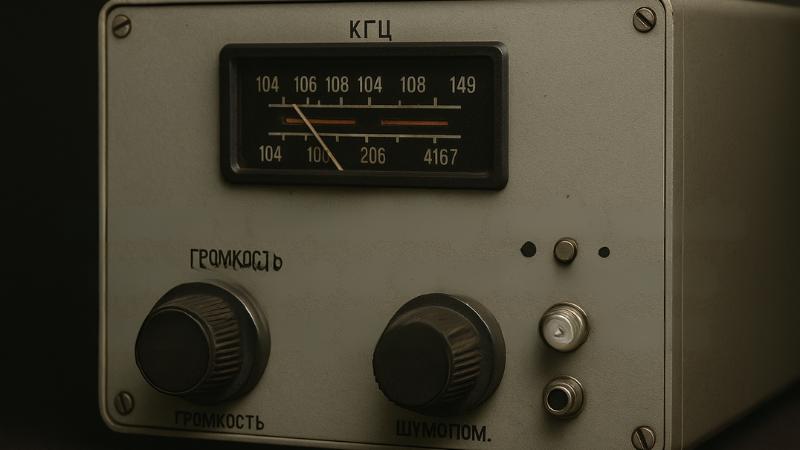
Russia’s mysterious shortwave radio station known as UVB-76, often referred to as the “Doomsday Radio” or “The Buzzer,” transmitted an unusually high number of cryptic messages this week, drawing renewed attention from military analysts and security observers across Europe. The rare surge in activity included three transmissions on Monday, eight more on Wednesday, and an extended broadcast combining faint music with long sequences of Morse code, an operational pattern that has not b
Russia’s doomsday radio sends rare surge of cryptic signals amid rising Europe war fears
Russia’s mysterious shortwave radio station known as UVB-76, often referred to as the “Doomsday Radio” or “The Buzzer,” transmitted an unusually high number of cryptic messages this week, drawing renewed attention from military analysts and security observers across Europe. The rare surge in activity included three transmissions on Monday, eight more on Wednesday, and an extended broadcast combining faint music with long sequences of Morse code, an operational pattern that has not b
US Positions Nuclear Submarines Near Russia After Medvedev Dead Hand Warning
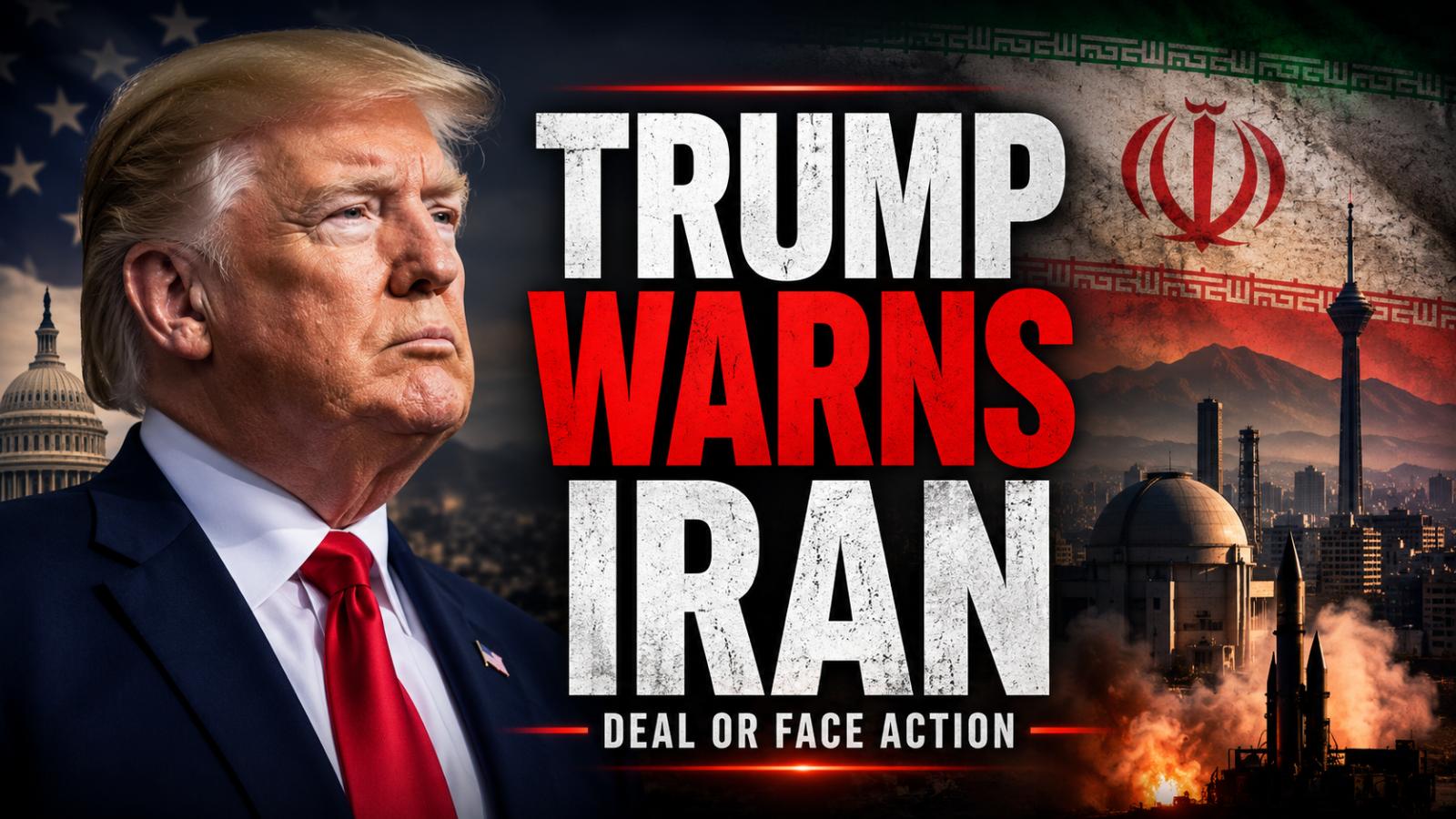
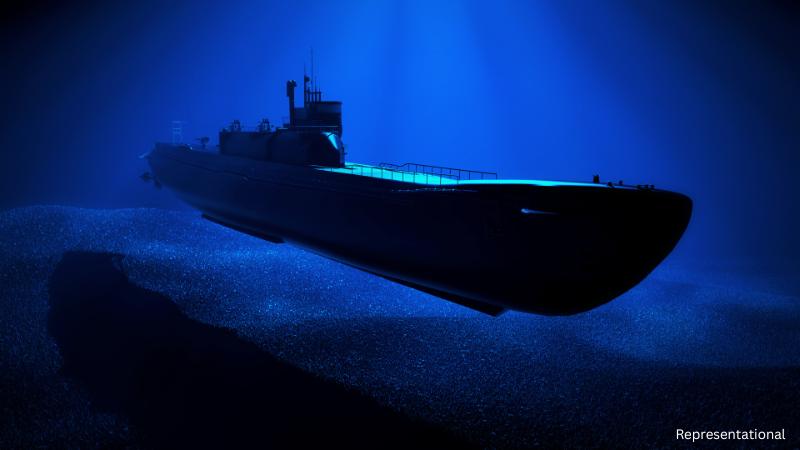
In a move that has intensified already strained relations between Washington and Moscow, US President Donald Trump announced on Friday that he has ordered the deployment of two nuclear submarines to regions near Russia. This decision came as a direct response to threats issued by former Russian President Dmitry Medvedev, who recently warned of potential nuclear retaliation using the Cold War-era Dead Hand system. The move signals a significant escalation in the ongoing standoff between the Un
US Positions Nuclear Submarines Near Russia After Medvedev Dead Hand Warning
In a move that has intensified already strained relations between Washington and Moscow, US President Donald Trump announced on Friday that he has ordered the deployment of two nuclear submarines to regions near Russia. This decision came as a direct response to threats issued by former Russian President Dmitry Medvedev, who recently warned of potential nuclear retaliation using the Cold War-era Dead Hand system. The move signals a significant escalation in the ongoing standoff between the Un


