Edit

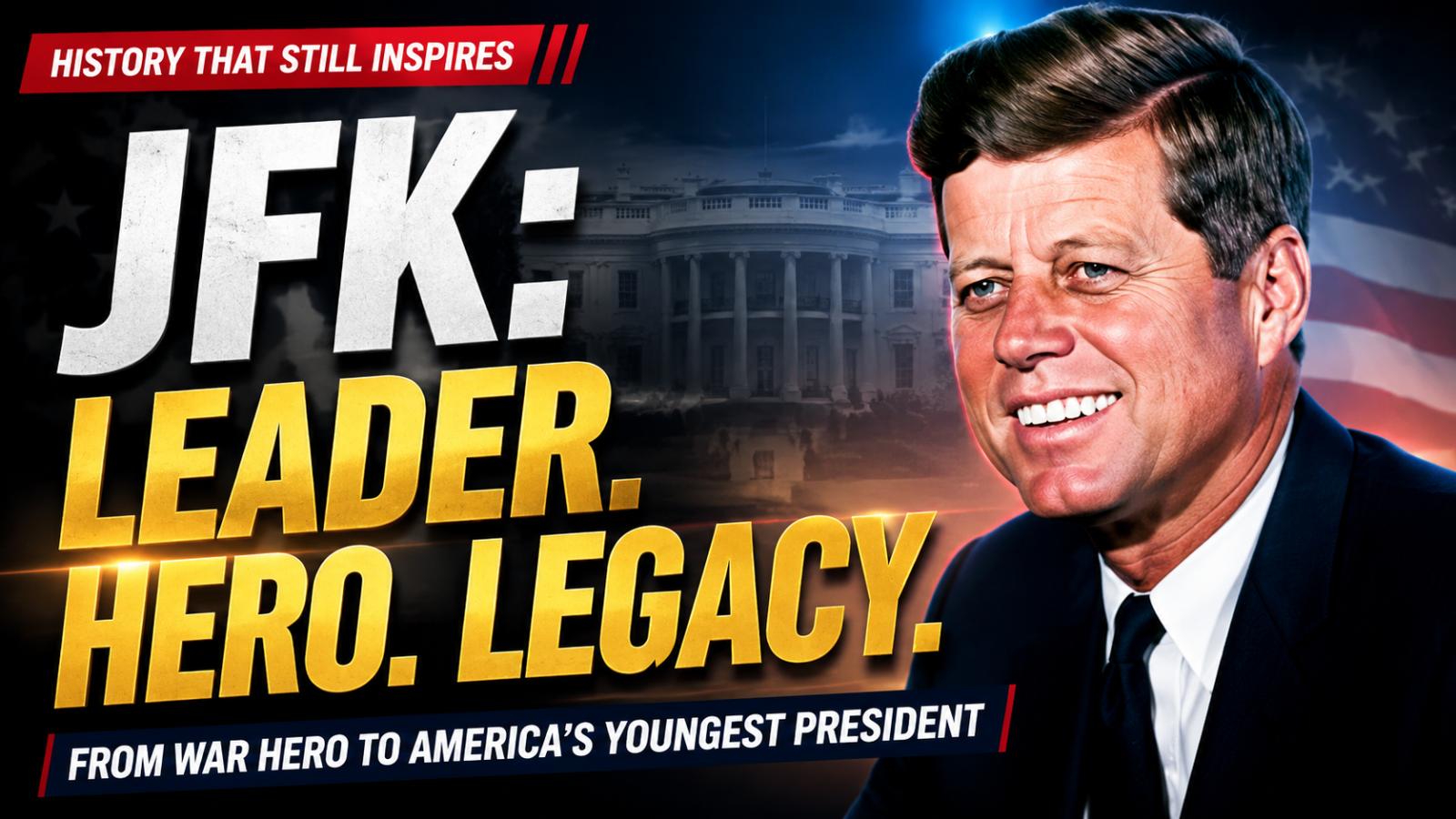
John F. Kennedy: The Youngest U.S. President

John F. Kennedy: The Youngest U.S. President

Early Life and Education

John Fitzgerald Kennedy, widely known as JFK, was born on May 29, 1917, in Brookline, Massachusetts. Coming from a wealthy and politically ambitious Irish-American family, he was exposed to public service from an early age. Kennedy pursued higher education at Harvard University, where he cultivated an interest in politics, leadership, and international affairs, laying the groundwork for his future political career.

Military Service and War Heroism

During World War II, Kennedy served in the U.S. Navy and commanded a patrol boat, PT-109. When the vessel was struck by a Japanese destroyer, Kennedy’s leadership and courage helped save surviving crew members. This act of heroism earned him national recognition and significantly boosted his political profile, showcasing his bravery and commitment to service.

Political Career and Presidency

Following the war, Kennedy entered politics, serving first as a congressman and then as a senator from Massachusetts. In 1961, at the age of 43, he became the youngest person ever elected president of the United States. Kennedy’s presidency was marked by key challenges including civil rights initiatives, economic growth, and Cold War tensions, which tested his leadership on both domestic and international fronts.

Cuban Missile Crisis

One of the defining moments of JFK’s presidency occurred in 1962 during the Cuban Missile Crisis. The discovery of Soviet nuclear missiles in Cuba brought the world to the brink of nuclear conflict. Kennedy’s measured approach and negotiations with the Soviet Union are credited with averting a global disaster, cementing his reputation as a decisive yet thoughtful leader during crises.

Assassination and Legacy

Kennedy was assassinated on November 22, 1963, in Dallas, Texas, an event that shocked the world and left a lasting imprint on American history. Despite his short tenure, JFK’s leadership, vision for space exploration, and commitment to public service continue to inspire generations. Memorials, libraries, and institutions bearing his name preserve his enduring legacy and influence on both the United States and global politics.

What is your response?

joyful Joyful 0%
cool Cool 0%
thrilled Thrilled 0%
upset Upset 0%
unhappy Unhappy 0%
AD
AD
AD
AD
AD
AD