










#dronewarfare
Russia Jet-Powered Drones Intensify Daytime Attacks on Kyiv
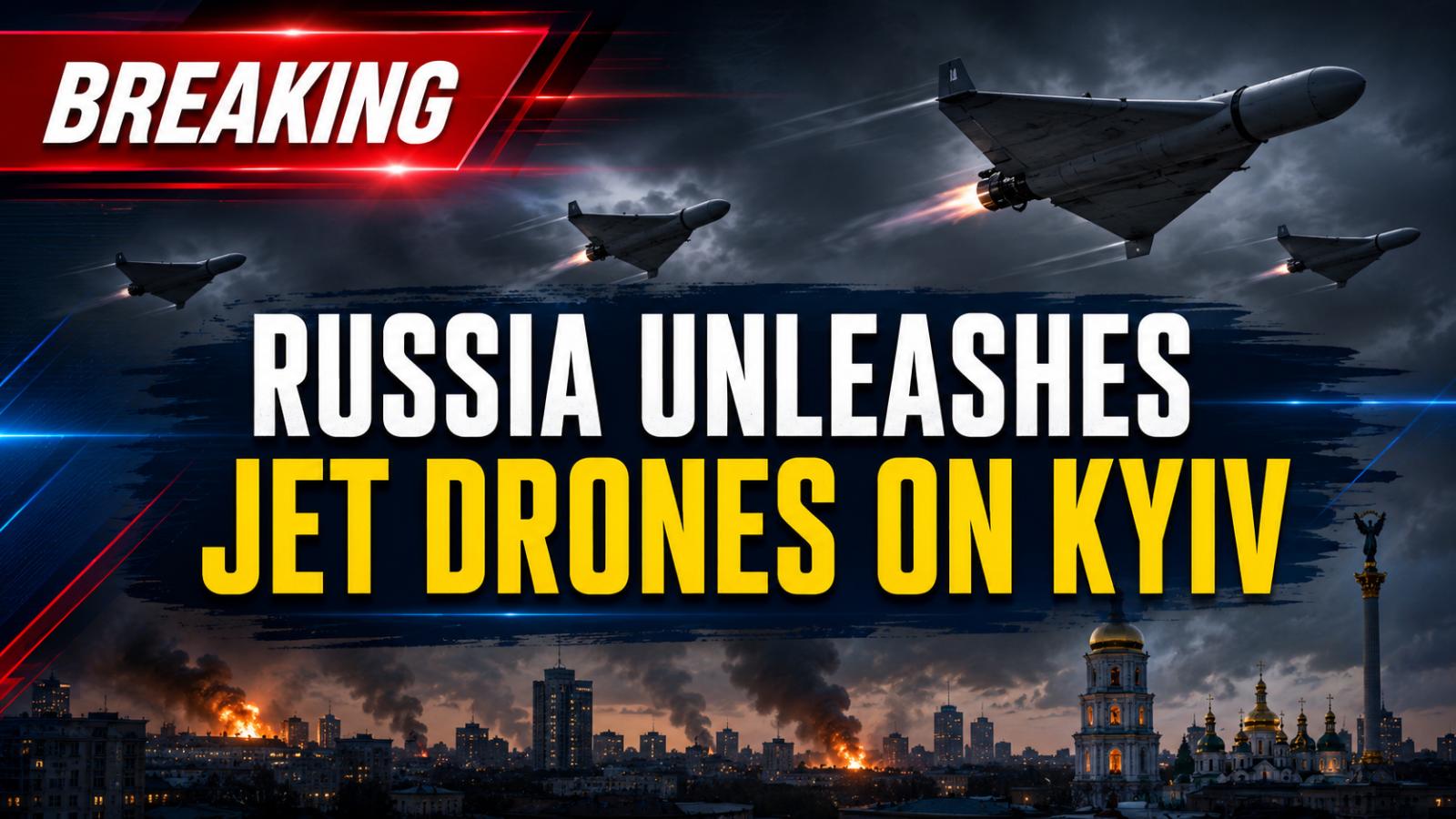
Russia’s growing use of jet-powered drones is creating a new challenge for Ukraine’s air-defence network, with Kyiv experiencing longer daytime air raid warnings. Ukrainian President Volodymyr Zelenskyy said around 800 jet-powered drones were among nearly 1,500 unmanned aircraft launched over four days. Kyiv Drone Attacks Russia has increasingly used daytime drone waves around the Ukrainian capital, disrupting businesses, emergency services and daily routines. Kyiv recorded eight air raid alerts by lunchtime on Monday, highlighting how frequently residents are now being forced to react to incoming threats. The presence of additional drones after an initial strike can also complicate rescue operations. Firefighters and other emergency crews may have to leave damaged locations when another threat appears, increasing the risk that fires and structural damage will worsen before teams can safely return. Shahed Drones Gain Speed The newer generation of Shahed-type drones can reportedly cruise at roughly 200 to 250 mph, about twice the speed of older piston-powered versions that travel near 115 mph. That increased speed makes them more difficult for Ukraine’s existing low-cost interceptor drones to catch and destroy. Shahed drones were originally developed in Iran before the technology reached Russia. Moscow has since expanded domestic production and introduced newer jet-powered variants, including the Geran-4 and Geran-5. Geran-4 Drone Campaign One Geran-4 reportedly struck an ammunition storage site in Myla, west of Kyiv, triggering hours of secondary explosions and damaging surrounding property. The source article reports 38 deaths in the attack. Ukraine says the scale of production is also increasing rapidly. Defence technology adviser Serhii Beskrestnov said at least 2,500 jet-powered drones were launched against Ukraine during August, compared with about 1,500 in July. Some recovered components reportedly carried production dates only days before the weapons were launched. Ukraine Air Defence Ukraine previously built a network of inexpensive ground-launched interceptor drones designed to destroy slower Shahed models. According to the source article, those systems helped raise interception rates above 90%, but the arrival of faster jet-powered variants is putting that approach under pressure. Zelenskyy said Ukrainian engineers are already developing faster interceptors specifically for the new threat. Four companies have produced relevant systems, with one technology described by the president as showing particularly strong results. Drone Warfare Intensifies The shift toward faster, mass-produced drones shows how quickly aerial warfare is evolving. Russia can increase pressure by launching large numbers of comparatively inexpensive weapons, while Ukraine must develop interceptors fast enough to catch them without relying entirely on costly aircraft or conventional air-defence missiles. That cost equation may become increasingly important as the campaign continues. Ukraine now faces the challenge of maintaining high interception rates while Russia expands production and uses jet-powered drones in sustained daytime waves. The outcome could shape how effectively Kyiv protects cities, infrastructure and emergency services during the coming months.
Russia Jet-Powered Drones Intensify Daytime Attacks on Kyiv
Russia’s growing use of jet-powered drones is creating a new challenge for Ukraine’s air-defence network, with Kyiv experiencing longer daytime air raid warnings. Ukrainian President Volodymyr Zelenskyy said around 800 jet-powered drones were among nearly 1,500 unmanned aircraft launched over four days. Kyiv Drone Attacks Russia has increasingly used daytime drone waves around the Ukrainian capital, disrupting businesses, emergency services and daily routines. Kyiv recorded eight air raid alerts by lunchtime on Monday, highlighting how frequently residents are now being forced to react to incoming threats. The presence of additional drones after an initial strike can also complicate rescue operations. Firefighters and other emergency crews may have to leave damaged locations when another threat appears, increasing the risk that fires and structural damage will worsen before teams can safely return. Shahed Drones Gain Speed The newer generation of Shahed-type drones can reportedly cruise at roughly 200 to 250 mph, about twice the speed of older piston-powered versions that travel near 115 mph. That increased speed makes them more difficult for Ukraine’s existing low-cost interceptor drones to catch and destroy. Shahed drones were originally developed in Iran before the technology reached Russia. Moscow has since expanded domestic production and introduced newer jet-powered variants, including the Geran-4 and Geran-5. Geran-4 Drone Campaign One Geran-4 reportedly struck an ammunition storage site in Myla, west of Kyiv, triggering hours of secondary explosions and damaging surrounding property. The source article reports 38 deaths in the attack. Ukraine says the scale of production is also increasing rapidly. Defence technology adviser Serhii Beskrestnov said at least 2,500 jet-powered drones were launched against Ukraine during August, compared with about 1,500 in July. Some recovered components reportedly carried production dates only days before the weapons were launched. Ukraine Air Defence Ukraine previously built a network of inexpensive ground-launched interceptor drones designed to destroy slower Shahed models. According to the source article, those systems helped raise interception rates above 90%, but the arrival of faster jet-powered variants is putting that approach under pressure. Zelenskyy said Ukrainian engineers are already developing faster interceptors specifically for the new threat. Four companies have produced relevant systems, with one technology described by the president as showing particularly strong results. Drone Warfare Intensifies The shift toward faster, mass-produced drones shows how quickly aerial warfare is evolving. Russia can increase pressure by launching large numbers of comparatively inexpensive weapons, while Ukraine must develop interceptors fast enough to catch them without relying entirely on costly aircraft or conventional air-defence missiles. That cost equation may become increasingly important as the campaign continues. Ukraine now faces the challenge of maintaining high interception rates while Russia expands production and uses jet-powered drones in sustained daytime waves. The outcome could shape how effectively Kyiv protects cities, infrastructure and emergency services during the coming months.

Task Force Falcon Strike Expands US Drone Power in Middle East
The United States has launched Task Force Falcon Strike, a new multinational attack drone initiative designed to operate unmanned systems above, on and below the sea. CENTCOM says the force will combine US capabilities with regional partners as Washington expands drone warfare across the Middle East. Attack drone force expands across multiple domains U.S. Central Command announced Task Force Fa
Task Force Falcon Strike Expands US Drone Power in Middle East
The United States has launched Task Force Falcon Strike, a new multinational attack drone initiative designed to operate unmanned systems above, on and below the sea. CENTCOM says the force will combine US capabilities with regional partners as Washington expands drone warfare across the Middle East. Attack drone force expands across multiple domains U.S. Central Command announced Task Force Fa
Ukraine Drones Expose Putin’s New Defence Problem
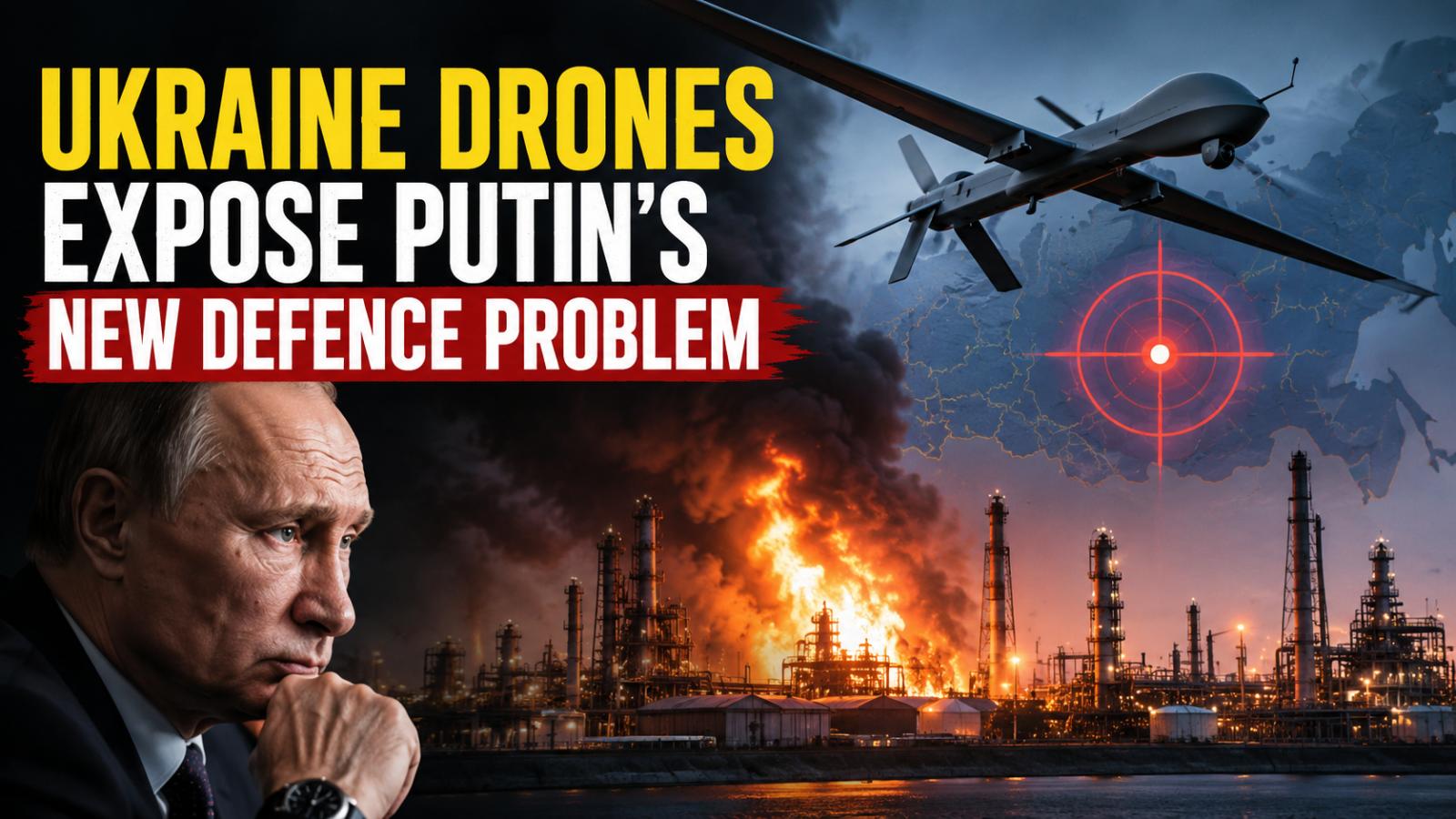
Ukraine drones have pushed the war far beyond the front lines after striking Russia’s largest oil refinery in Omsk. The deep Siberia attack highlights growing pressure on Russian air defence, strategic energy infrastructure and Vladimir Putin’s military planning. Ukraine drones reach the Omsk refinery Ukrainian drones struck the Omsk oil refinery in western Siberia on July 6, marking the first known attack
Ukraine Drones Expose Putin’s New Defence Problem
Ukraine drones have pushed the war far beyond the front lines after striking Russia’s largest oil refinery in Omsk. The deep Siberia attack highlights growing pressure on Russian air defence, strategic energy infrastructure and Vladimir Putin’s military planning. Ukraine drones reach the Omsk refinery Ukrainian drones struck the Omsk oil refinery in western Siberia on July 6, marking the first known attack

Russia Ukraine war losses rise amid drone escalation
The Russia–Ukraine conflict continues to evolve into a high-intensity war of attrition, with rising casualties reported among newly deployed troops and increasing strain on military systems. The nature of combat has shifted significantly, with rapid deployments and constant surveillance reducing operational margins for survival on key frontlines. Rapid deployment and shrink
Russia Ukraine war losses rise amid drone escalation
The Russia–Ukraine conflict continues to evolve into a high-intensity war of attrition, with rising casualties reported among newly deployed troops and increasing strain on military systems. The nature of combat has shifted significantly, with rapid deployments and constant surveillance reducing operational margins for survival on key frontlines. Rapid deployment and shrink
Iranian Airstrikes Damage 228 U.S. Military Sites Across the Gulf
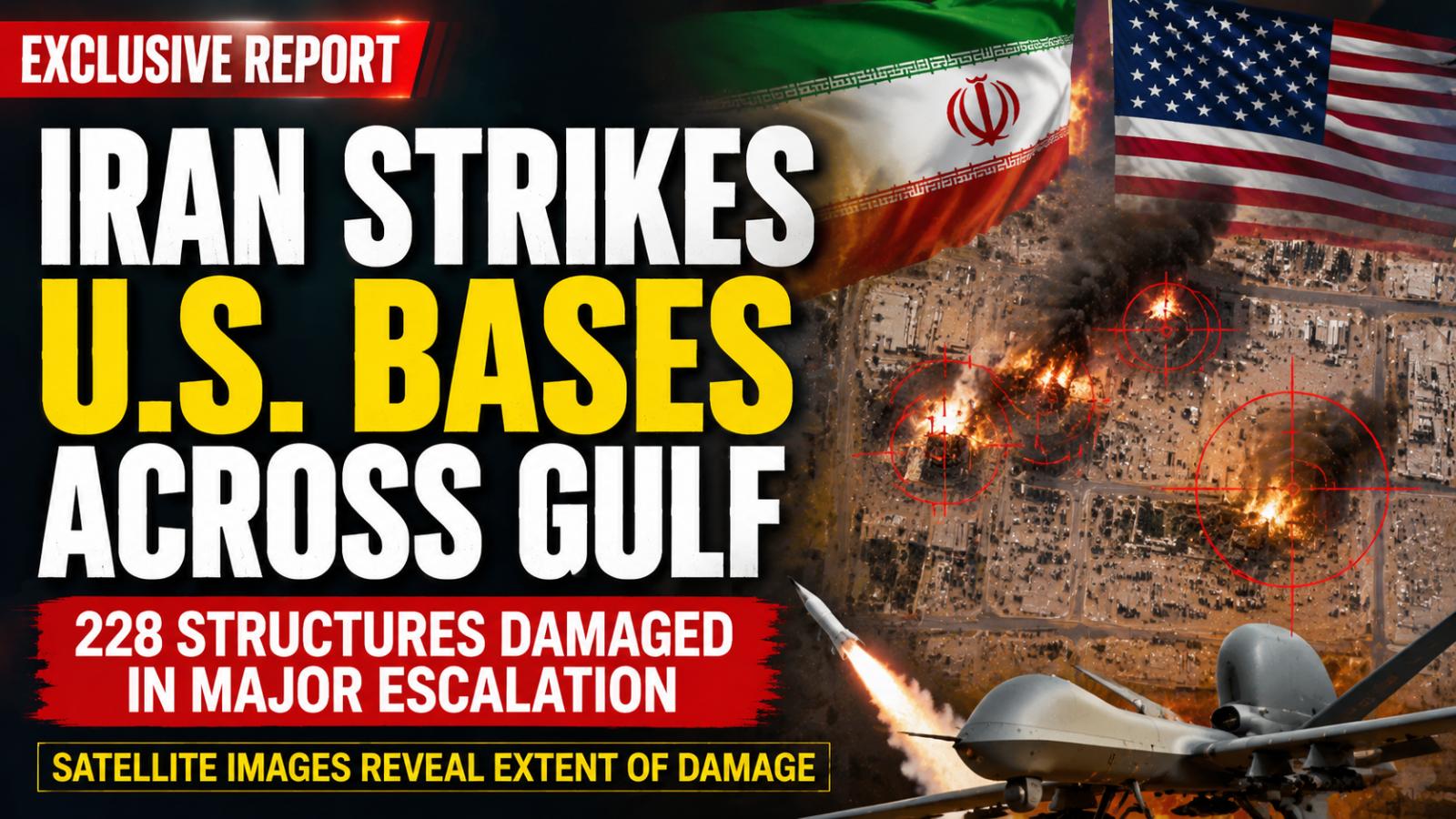
The Washington Post has reported, based on satellite imagery analysis, that Iranian airstrikes have severely damaged or destroyed at least 228 structures and pieces of equipment at U.S. military sites across the Gulf region since the conflict began on February 28. This number far exceeds the figures acknowledged by the U.S. government. The strikes affected 15 U.S. military sites in Kuwait, Bahrain, Qatar, Saudi Arabia, Jordan, and the UAE. Satellite images from Iranian state-affiliated media, along with 109 images from the EU's Copernicus satellite system and commercial sources, provided evidence of the scale of the damage. The investigation uncovered damage to 217 structures and 11 pieces of equipment, including hangars, barracks, fuel depots, aircraft, radar systems, and air defense equipment. In total, seven U.S. service members were killed in attacks on regional bases, six in Kuwait and one in Saudi Arabia, while more than 400 troops were injured by late April. Of the injured, 12 sustained serious injuries. More than half of the documented damage occurred at the U.S. 5th Fleet headquarters in Bahrain and major U.S. facilities in Kuwait. Iranian forces targeted critical infrastructure, including fuel bladders and Patriot missile defense systems at Ali al-Salem Air Base in Kuwait. Attacks also hit barracks, power infrastructure, and operational facilities at Camp Arifjan and Camp Buehring in Kuwait. Other U.S. sites, such as Al-Udeid Air Base in Qatar and naval facilities in Bahrain, saw significant damage to satellite communications infrastructure. Iran’s airstrikes have demonstrated a higher degree of precision than expected. Mark Cancian of the Center for Strategic and International Studies noted that "there are no random craters indicating misses," suggesting that the attacks were highly targeted. This precision has placed considerable strain on U.S.-made defense systems in the Gulf. Between February 28 and April 8, U.S. forces used at least 190 THAAD interceptors, nearly 53% of their pre-war inventory, and 1,060 Patriot interceptors, about 43% of their pre-war stock. Despite these efforts, U.S. air defenses have struggled to cope with modern drone warfare, where one-way attack drones are difficult to intercept yet highly accurate. The strikes have forced U.S. commanders to relocate personnel from bases at risk, with some U.S. officials describing the damage at the Naval Support Activity Bahrain as “extensive.” Personnel from the site have been relocated to MacDill Air Force Base in Tampa, Florida. The U.S. Central Command declined to provide further counter-assessments, citing the need for a complete evaluation after the conflict ends. This extensive damage underscores the ongoing challenges faced by U.S. forces in the Gulf and highlights the evolving nature of modern warfare.
Iranian Airstrikes Damage 228 U.S. Military Sites Across the Gulf
The Washington Post has reported, based on satellite imagery analysis, that Iranian airstrikes have severely damaged or destroyed at least 228 structures and pieces of equipment at U.S. military sites across the Gulf region since the conflict began on February 28. This number far exceeds the figures acknowledged by the U.S. government. The strikes affected 15 U.S. military sites in Kuwait, Bahrain, Qatar, Saudi Arabia, Jordan, and the UAE. Satellite images from Iranian state-affiliated media, along with 109 images from the EU's Copernicus satellite system and commercial sources, provided evidence of the scale of the damage. The investigation uncovered damage to 217 structures and 11 pieces of equipment, including hangars, barracks, fuel depots, aircraft, radar systems, and air defense equipment. In total, seven U.S. service members were killed in attacks on regional bases, six in Kuwait and one in Saudi Arabia, while more than 400 troops were injured by late April. Of the injured, 12 sustained serious injuries. More than half of the documented damage occurred at the U.S. 5th Fleet headquarters in Bahrain and major U.S. facilities in Kuwait. Iranian forces targeted critical infrastructure, including fuel bladders and Patriot missile defense systems at Ali al-Salem Air Base in Kuwait. Attacks also hit barracks, power infrastructure, and operational facilities at Camp Arifjan and Camp Buehring in Kuwait. Other U.S. sites, such as Al-Udeid Air Base in Qatar and naval facilities in Bahrain, saw significant damage to satellite communications infrastructure. Iran’s airstrikes have demonstrated a higher degree of precision than expected. Mark Cancian of the Center for Strategic and International Studies noted that "there are no random craters indicating misses," suggesting that the attacks were highly targeted. This precision has placed considerable strain on U.S.-made defense systems in the Gulf. Between February 28 and April 8, U.S. forces used at least 190 THAAD interceptors, nearly 53% of their pre-war inventory, and 1,060 Patriot interceptors, about 43% of their pre-war stock. Despite these efforts, U.S. air defenses have struggled to cope with modern drone warfare, where one-way attack drones are difficult to intercept yet highly accurate. The strikes have forced U.S. commanders to relocate personnel from bases at risk, with some U.S. officials describing the damage at the Naval Support Activity Bahrain as “extensive.” Personnel from the site have been relocated to MacDill Air Force Base in Tampa, Florida. The U.S. Central Command declined to provide further counter-assessments, citing the need for a complete evaluation after the conflict ends. This extensive damage underscores the ongoing challenges faced by U.S. forces in the Gulf and highlights the evolving nature of modern warfare.
How Iran’s affordable drones are challenging America’s expensive interceptors
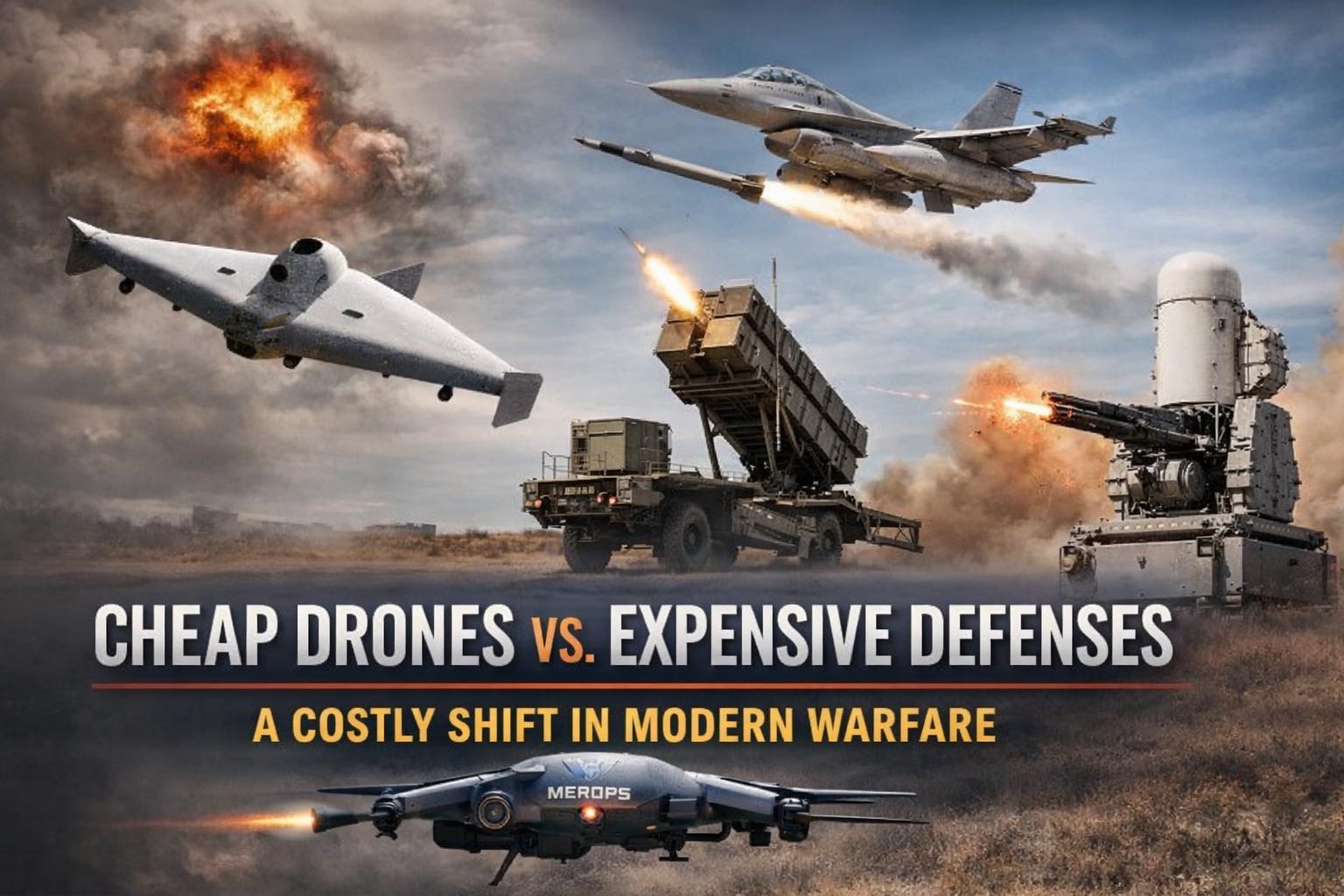
One of the most striking lessons from the war with Iran is how a relatively low-cost adversary has exposed vulnerabilities in U.S. defense strategy. Iran has demonstrated both a willingness to go on the offensive and an ability to leverage inexpensive drone technology at scale. These drones, often built with commercial-grade components, cost roughly $35,000 each—far less than the high-end interceptors used to destroy them. This imbalance has forced the United States and its allies to confront a new reality: modern warfare is no longer dominated solely by precision and sophistication, but also by affordability and volume. Cheap drones had already reshaped the battlefield in Ukraine, and Iran has now applied similar tactics in the Middle East, exploiting a long-standing gap in U.S. defense investments that favored fewer, more expensive systems over scalable solutions. Why are U.S. defenses struggling with cost efficiency? Because interceptors far exceed drone prices The financial mismatch is stark. In just the first six days of the conflict, the U.S. spent $11.3 billion, with estimates later rising to between $25 billion and $35 billion. A significant portion of that cost comes from interceptor missiles used to shoot down relatively inexpensive drones. Despite years of Pentagon focus on counter-drone capabilities, experts like Michael C. Horowitz note that there has been little urgency to scale affordable solutions. The result is a defense strategy where each engagement can cost far more than the threat itself—an unsustainable model in prolonged conflicts. How do air-based defenses work against drones? By using early detection and precision strikes—when available In an ideal scenario, airborne early warning systems detect drones hundreds of miles away. Fighter jets such as the F-16 Fighting Falcon are then deployed to intercept them using relatively cheaper rocket systems like APKWS II. This method is among the most cost-efficient, but it depends heavily on maintaining constant air patrols and intact detection systems. Iran has targeted these early warning assets, limiting their effectiveness and reducing the availability of this optimal defense approach. What role do ground and naval systems play? They offer range and reliability but at a steep price When air defenses are unavailable, the U.S. relies on ground- and sea-based systems. These include: Short-range systems like the Coyote, designed specifically for drones and relatively cost-effective—but in short supply. Naval destroyers using radar and SM-2 interceptors, which are powerful but expensive and designed for larger threats. The Patriot missile system, capable of intercepting drones from long distances using costly PAC-3 missiles. These systems were originally built to counter high-end threats like ballistic missiles, not swarms of cheap drones. As a result, they are often overkill—both technologically and financially—for the task at hand. Still, their use can be justified when defending high-value assets, such as billion-dollar radar installations or critical military infrastructure. What are the emerging solutions to counter drones? AI interceptors and lasers show promise but remain unproven New approaches aim to fix the cost imbalance. AI-powered interceptor drones, such as the Merops system developed by a company founded by Eric Schmidt, represent a potential shift toward cheaper, scalable defenses. These systems have been tested in collaboration with Ukrainian forces experienced in countering Iranian drones. The U.S. has already sent thousands of these units to the Middle East and begun training troops, though it remains unclear whether they have been deployed in combat. Meanwhile, the Pentagon has invested heavily in directed energy weapons—lasers that could cost as little as $3 per shot and reach targets up to 12 miles away. However, these systems have yet to be fielded in real-world combat. Why is ammunition depletion a growing concern? Because stockpiles may run out faster than they can be replaced Beyond cost, a more immediate concern is supply. Experts warn that interceptor stockpiles are being depleted at an alarming rate. As Tom Karako explains, the issue is not just affordability but availability: the U.S. risks running out of munitions before it can replenish them. This highlights a deeper strategic challenge. Modern conflicts—defined by mass-produced, low-cost threats—require not just advanced technology, but also sustainable production and scalable defense systems.
How Iran’s affordable drones are challenging America’s expensive interceptors
One of the most striking lessons from the war with Iran is how a relatively low-cost adversary has exposed vulnerabilities in U.S. defense strategy. Iran has demonstrated both a willingness to go on the offensive and an ability to leverage inexpensive drone technology at scale. These drones, often built with commercial-grade components, cost roughly $35,000 each—far less than the high-end interceptors used to destroy them. This imbalance has forced the United States and its allies to confront a new reality: modern warfare is no longer dominated solely by precision and sophistication, but also by affordability and volume. Cheap drones had already reshaped the battlefield in Ukraine, and Iran has now applied similar tactics in the Middle East, exploiting a long-standing gap in U.S. defense investments that favored fewer, more expensive systems over scalable solutions. Why are U.S. defenses struggling with cost efficiency? Because interceptors far exceed drone prices The financial mismatch is stark. In just the first six days of the conflict, the U.S. spent $11.3 billion, with estimates later rising to between $25 billion and $35 billion. A significant portion of that cost comes from interceptor missiles used to shoot down relatively inexpensive drones. Despite years of Pentagon focus on counter-drone capabilities, experts like Michael C. Horowitz note that there has been little urgency to scale affordable solutions. The result is a defense strategy where each engagement can cost far more than the threat itself—an unsustainable model in prolonged conflicts. How do air-based defenses work against drones? By using early detection and precision strikes—when available In an ideal scenario, airborne early warning systems detect drones hundreds of miles away. Fighter jets such as the F-16 Fighting Falcon are then deployed to intercept them using relatively cheaper rocket systems like APKWS II. This method is among the most cost-efficient, but it depends heavily on maintaining constant air patrols and intact detection systems. Iran has targeted these early warning assets, limiting their effectiveness and reducing the availability of this optimal defense approach. What role do ground and naval systems play? They offer range and reliability but at a steep price When air defenses are unavailable, the U.S. relies on ground- and sea-based systems. These include: Short-range systems like the Coyote, designed specifically for drones and relatively cost-effective—but in short supply. Naval destroyers using radar and SM-2 interceptors, which are powerful but expensive and designed for larger threats. The Patriot missile system, capable of intercepting drones from long distances using costly PAC-3 missiles. These systems were originally built to counter high-end threats like ballistic missiles, not swarms of cheap drones. As a result, they are often overkill—both technologically and financially—for the task at hand. Still, their use can be justified when defending high-value assets, such as billion-dollar radar installations or critical military infrastructure. What are the emerging solutions to counter drones? AI interceptors and lasers show promise but remain unproven New approaches aim to fix the cost imbalance. AI-powered interceptor drones, such as the Merops system developed by a company founded by Eric Schmidt, represent a potential shift toward cheaper, scalable defenses. These systems have been tested in collaboration with Ukrainian forces experienced in countering Iranian drones. The U.S. has already sent thousands of these units to the Middle East and begun training troops, though it remains unclear whether they have been deployed in combat. Meanwhile, the Pentagon has invested heavily in directed energy weapons—lasers that could cost as little as $3 per shot and reach targets up to 12 miles away. However, these systems have yet to be fielded in real-world combat. Why is ammunition depletion a growing concern? Because stockpiles may run out faster than they can be replaced Beyond cost, a more immediate concern is supply. Experts warn that interceptor stockpiles are being depleted at an alarming rate. As Tom Karako explains, the issue is not just affordability but availability: the U.S. risks running out of munitions before it can replenish them. This highlights a deeper strategic challenge. Modern conflicts—defined by mass-produced, low-cost threats—require not just advanced technology, but also sustainable production and scalable defense systems.
Russia launches massive missile and drone attack on Ukraine, killing at least 16
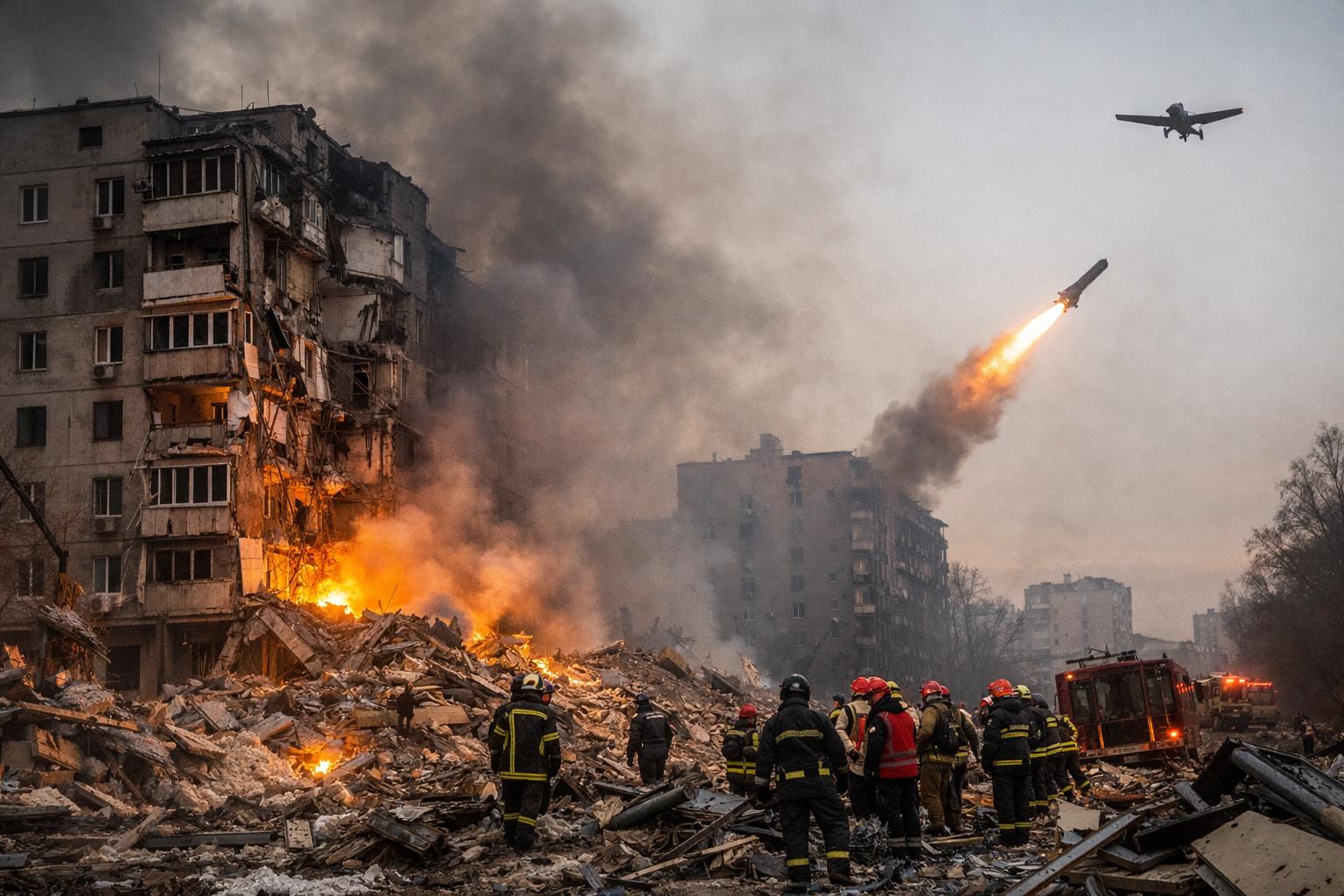
Russia launched one of its most intense aerial assaults of the year against Ukraine, firing a large number of missiles and drones in a coordinated attack that began overnight and continued into Thursday morning, April 16, 2026 (local time in Ukraine). Ukrainian officials reported that at least 16 people were killed and more than 100 others were injured in the strikes, marking a significant escalation following a brief Easter ceasefire between the two countries. According to
Russia launches massive missile and drone attack on Ukraine, killing at least 16
Russia launched one of its most intense aerial assaults of the year against Ukraine, firing a large number of missiles and drones in a coordinated attack that began overnight and continued into Thursday morning, April 16, 2026 (local time in Ukraine). Ukrainian officials reported that at least 16 people were killed and more than 100 others were injured in the strikes, marking a significant escalation following a brief Easter ceasefire between the two countries. According to
India Developing Low Cost Kamikaze Drones Like Iran’s Shahed For Modern Warfare
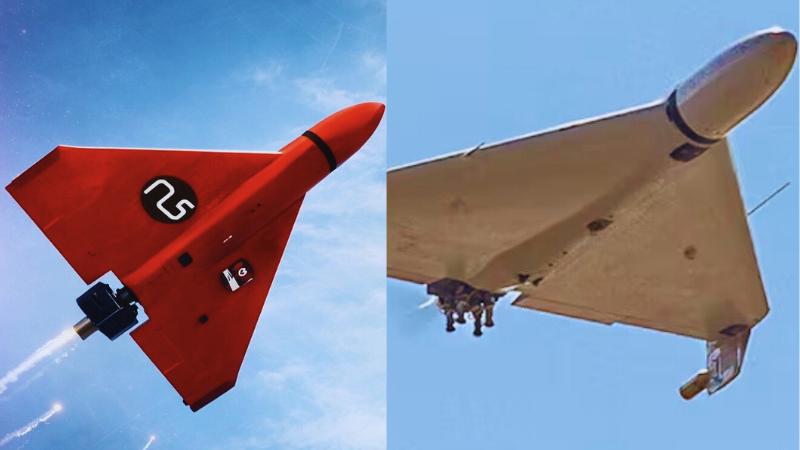
Low cost drones are rapidly transforming modern warfare across the world. Recent conflicts such as the Russia Ukraine war and the ongoing tensions in the Middle East have shown how inexpensive loitering drones can challenge powerful military systems. Iran’s Shahed 136 drone has become one of the most talked about examples of this new form of warfare because of its ability to strike targets at long distances while costing only a fraction of traditional military aircraft. These dron
India Developing Low Cost Kamikaze Drones Like Iran’s Shahed For Modern Warfare
Low cost drones are rapidly transforming modern warfare across the world. Recent conflicts such as the Russia Ukraine war and the ongoing tensions in the Middle East have shown how inexpensive loitering drones can challenge powerful military systems. Iran’s Shahed 136 drone has become one of the most talked about examples of this new form of warfare because of its ability to strike targets at long distances while costing only a fraction of traditional military aircraft. These dron
US–Israel–Iran War | Costly interceptors challenge US defenses against Iran’s mass drone strategy
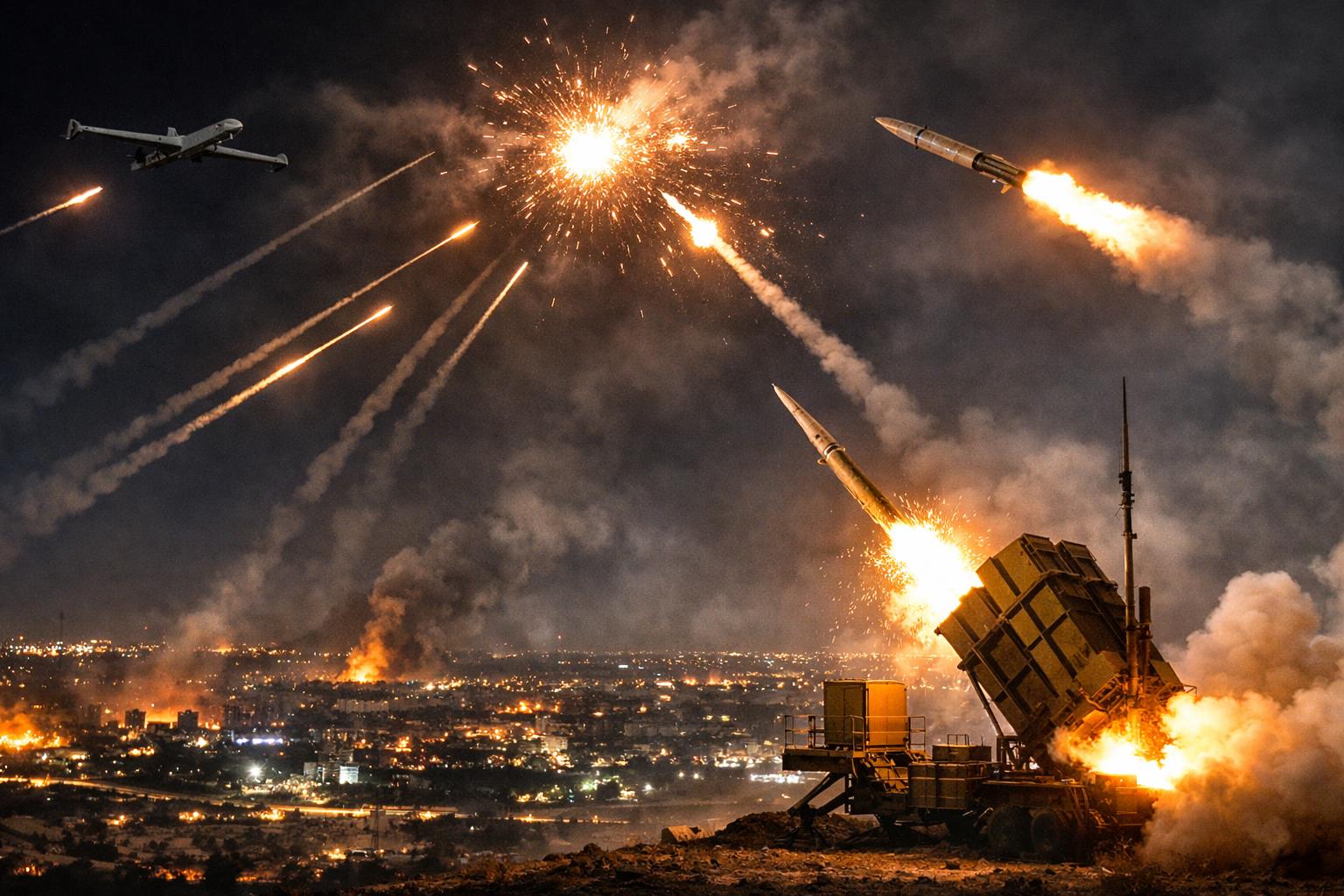
The skies over West Asia have become the center of a rapidly intensifying aerial confrontation as waves of Iranian drones and missiles streak across the region. Air defense systems operated by the United States and Israel are working almost continuously to intercept incoming threats, creating a dramatic display of explosions, interceptor launches, and fire trails across the night sky. The escalating conflict has transformed the region’s airspace into a high-stakes battlefield, where defensive
US–Israel–Iran War | Costly interceptors challenge US defenses against Iran’s mass drone strategy
The skies over West Asia have become the center of a rapidly intensifying aerial confrontation as waves of Iranian drones and missiles streak across the region. Air defense systems operated by the United States and Israel are working almost continuously to intercept incoming threats, creating a dramatic display of explosions, interceptor launches, and fire trails across the night sky. The escalating conflict has transformed the region’s airspace into a high-stakes battlefield, where defensive
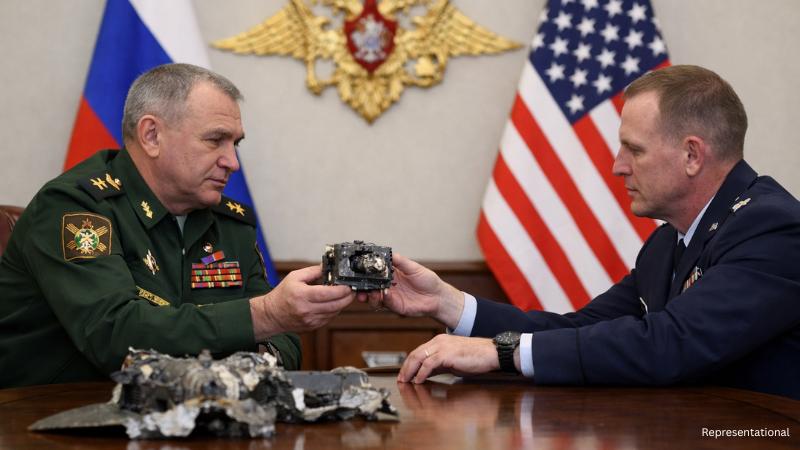
Russia says drone attack targeted Putin residence, shares data with US military
Russia’s Defence Ministry said on Thursday that it had transferred what it described as evidence showing that Ukrainian forces targeted a Russian presidential residence earlier this week, an allegation that Kyiv and Western governments have firmly rejected. The announcement adds to rising diplomatic tensions as Moscow and Washington continue discussions related to the broader war in Ukraine. According to the ministry, fragments of a Ukrainian drone recovered after an alleged attem
Russia says drone attack targeted Putin residence, shares data with US military
Russia’s Defence Ministry said on Thursday that it had transferred what it described as evidence showing that Ukrainian forces targeted a Russian presidential residence earlier this week, an allegation that Kyiv and Western governments have firmly rejected. The announcement adds to rising diplomatic tensions as Moscow and Washington continue discussions related to the broader war in Ukraine. According to the ministry, fragments of a Ukrainian drone recovered after an alleged attem
Pakistan Admits Indian Drone Strikes Hit Nur Khan Airbase During Op Sindoor
Pakistan has, for the first time, publicly acknowledged that Indian drone strikes caused damage at the strategically sensitive Nur Khan airbase in Rawalpindi during Operation Sindoor, marking a significant shift from its earlier attempts to downplay or deny the impact of the attacks. The admission came during a year-end press briefing on December 27, when Pakistan’s Deputy Prime Minister and Foreign Minister
Pakistan Admits Indian Drone Strikes Hit Nur Khan Airbase During Op Sindoor
Pakistan has, for the first time, publicly acknowledged that Indian drone strikes caused damage at the strategically sensitive Nur Khan airbase in Rawalpindi during Operation Sindoor, marking a significant shift from its earlier attempts to downplay or deny the impact of the attacks. The admission came during a year-end press briefing on December 27, when Pakistan’s Deputy Prime Minister and Foreign Minister
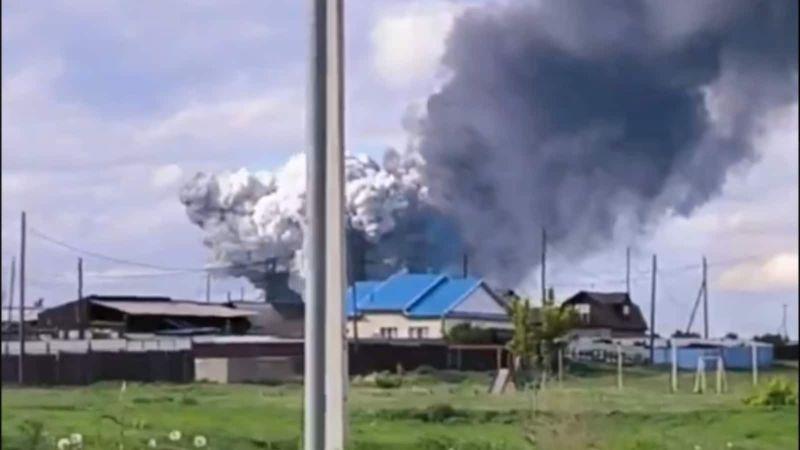
Ukraine’s Hidden Drones Hit 5 Russian Airbases in Strikes
In a covert operation named "Spider’s Web," Ukraine struck five Russian military airbases in its longest-range drone attack since the 2022 invasion began. According to Ukrainian President Volodymyr Zelensky and sources within Ukraine's Security Service (SBU), the mission took over 18 months to plan and was executed using 117 first-person-view (FPV) drones. Uniquely, drones were hidden in modified wooden cabins mounted on trucks that were sm
Ukraine’s Hidden Drones Hit 5 Russian Airbases in Strikes
In a covert operation named "Spider’s Web," Ukraine struck five Russian military airbases in its longest-range drone attack since the 2022 invasion began. According to Ukrainian President Volodymyr Zelensky and sources within Ukraine's Security Service (SBU), the mission took over 18 months to plan and was executed using 117 first-person-view (FPV) drones. Uniquely, drones were hidden in modified wooden cabins mounted on trucks that were sm

India neutralises high-explosive Pakistani drones targeting civilians in Punjab
In the early hours of the morning, around 5:00 a.m., Pakistani forces launched several Byker YIHA III kamikaze drones across the International Border, targeting the densely populated city of Amritsar in Punjab. The aggressive act was clearly aimed at causing maximum disruption and potential harm to civilian areas. However, the Indian Army's Air Defence (AAD) system responded swiftly, successfully detecting and neutralising the aerial threats within seconds of their entry into Indian airspace
India neutralises high-explosive Pakistani drones targeting civilians in Punjab
In the early hours of the morning, around 5:00 a.m., Pakistani forces launched several Byker YIHA III kamikaze drones across the International Border, targeting the densely populated city of Amritsar in Punjab. The aggressive act was clearly aimed at causing maximum disruption and potential harm to civilian areas. However, the Indian Army's Air Defence (AAD) system responded swiftly, successfully detecting and neutralising the aerial threats within seconds of their entry into Indian airspace










