






















Beijing Plane Crash: Aircraft Reportedly Hits CITIC Tower
BEIJING — A small aircraft reportedly crashed into CITIC Tower in Beijing’s central business district at about 6:00 p.m. China Standard Time on Friday, June 26, 2026. The Beijing plane crash damaged part of the tower’s glass facade and sent debris toward streets below. The 108-story building, widely known as China Zun, stands 528 meters, or 1,732 feet, tall and is Beijing’s tallest skyscraper. Beijing Plane Crash Prompts Evacuation A fi
Beijing Plane Crash: Aircraft Reportedly Hits CITIC Tower
BEIJING — A small aircraft reportedly crashed into CITIC Tower in Beijing’s central business district at about 6:00 p.m. China Standard Time on Friday, June 26, 2026. The Beijing plane crash damaged part of the tower’s glass facade and sent debris toward streets below. The 108-story building, widely known as China Zun, stands 528 meters, or 1,732 feet, tall and is Beijing’s tallest skyscraper. Beijing Plane Crash Prompts Evacuation A fi
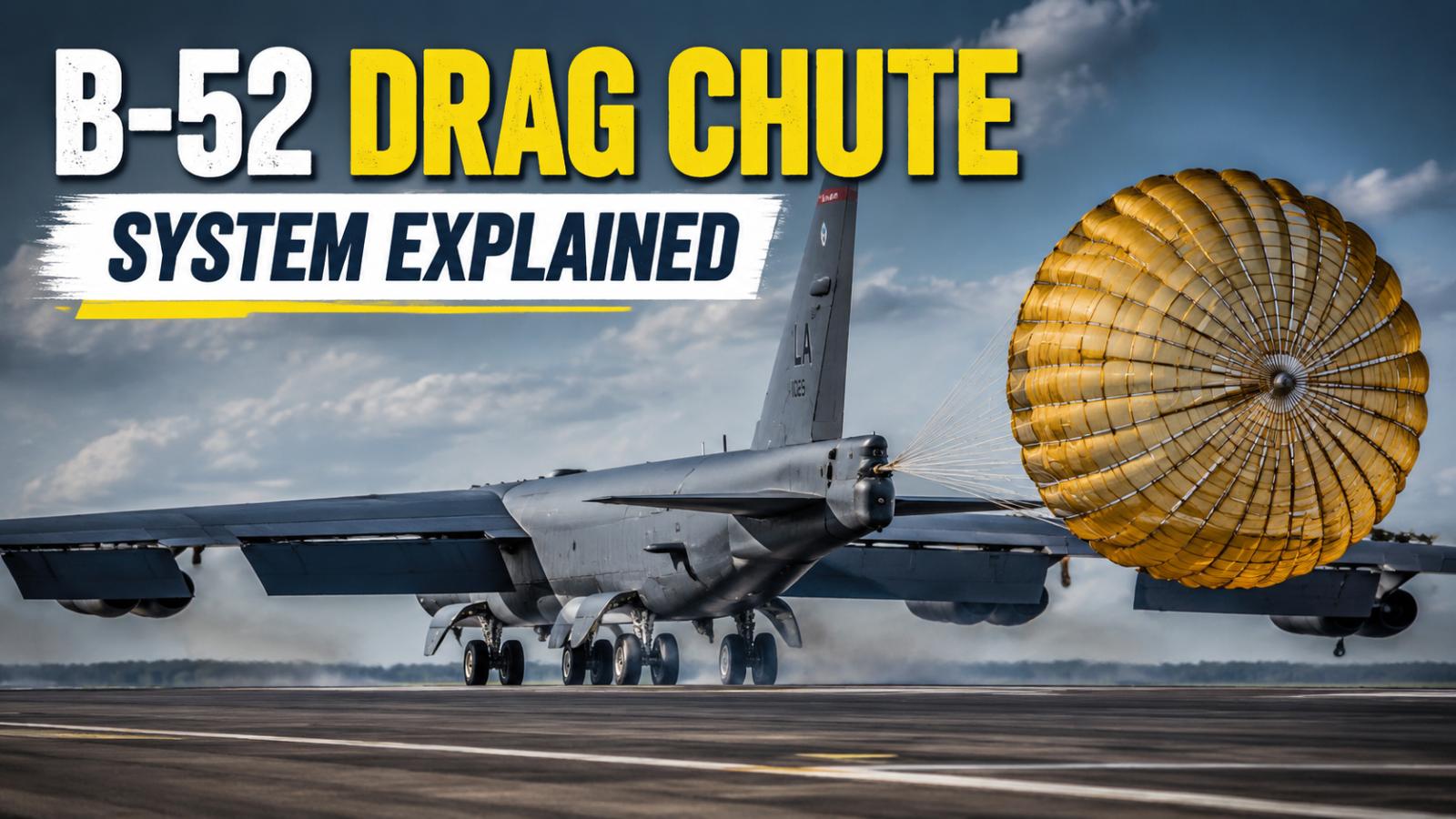
B-52 drag chute system and landing braking explained
The B-52 Stratofortress relies on a drag chute to help slow the aircraft immediately after touchdown. Instead of depending only on wheel brakes, the system deploys a parachute from the rear of the aircraft that creates strong air resistance. This resistance reduces speed quickly and stabilizes the landing rollout, especially important for such a large and heavy bomber. Why the aircraft needs extra braking support A fully loaded B-52 carries enormous mass and lands at high speeds, which naturally generates extreme heat and stress on its wheel braking system. If only standard brakes were used, stopping distance would increase significantly and brake components could overheat or wear out rapidly. The drag chute reduces this burden by absorbing a portion of the kinetic energy during rollout. How the system is activated during landing Once the aircraft touches down and is stable on the runway, the crew initiates the drag chute deployment. A small pilot chute is released first, which pulls out the main parachute from its housing in the tail section. As it inflates, it creates immediate drag force that slows the aircraft even before full brake pressure is applied on the wheels. Impact on runway distance and safety The chute significantly shortens the distance required to bring the bomber to a safe stop. This becomes especially valuable on wet, icy, or short runways where braking efficiency is reduced. By lowering reliance on friction-based braking alone, the system improves safety margins and allows more flexible landing operations in different environments. Operational use in real conditions In practice, crews often rely on the drag chute as a standard part of landing procedures because it protects the braking system and enhances control. It is particularly important during adverse weather conditions or high-weight landings. Ground teams then recover and repack the chute after use for the next mission. A system built for rapid nuclear response... Why the system is still relevant today Despite being designed decades ago, the drag chute remains an effective and simple solution to a complex problem: stopping a very heavy aircraft safely in limited runway space. Its continued use highlights how practical engineering solutions can stay valuable long after the aircraft itself enters modern service cycles.
B-52 drag chute system and landing braking explained
The B-52 Stratofortress relies on a drag chute to help slow the aircraft immediately after touchdown. Instead of depending only on wheel brakes, the system deploys a parachute from the rear of the aircraft that creates strong air resistance. This resistance reduces speed quickly and stabilizes the landing rollout, especially important for such a large and heavy bomber. Why the aircraft needs extra braking support A fully loaded B-52 carries enormous mass and lands at high speeds, which naturally generates extreme heat and stress on its wheel braking system. If only standard brakes were used, stopping distance would increase significantly and brake components could overheat or wear out rapidly. The drag chute reduces this burden by absorbing a portion of the kinetic energy during rollout. How the system is activated during landing Once the aircraft touches down and is stable on the runway, the crew initiates the drag chute deployment. A small pilot chute is released first, which pulls out the main parachute from its housing in the tail section. As it inflates, it creates immediate drag force that slows the aircraft even before full brake pressure is applied on the wheels. Impact on runway distance and safety The chute significantly shortens the distance required to bring the bomber to a safe stop. This becomes especially valuable on wet, icy, or short runways where braking efficiency is reduced. By lowering reliance on friction-based braking alone, the system improves safety margins and allows more flexible landing operations in different environments. Operational use in real conditions In practice, crews often rely on the drag chute as a standard part of landing procedures because it protects the braking system and enhances control. It is particularly important during adverse weather conditions or high-weight landings. Ground teams then recover and repack the chute after use for the next mission. A system built for rapid nuclear response... Why the system is still relevant today Despite being designed decades ago, the drag chute remains an effective and simple solution to a complex problem: stopping a very heavy aircraft safely in limited runway space. Its continued use highlights how practical engineering solutions can stay valuable long after the aircraft itself enters modern service cycles.
Why Is the B-52 Called the BUFF? Nickname Meaning Explained
Why is the B-52 called the BUFF? The nickname is an informal Air Force term for the Boeing B-52 Stratofortress, reflecting the bomber’s immense size, unconventional appearance and decades of service. B-52 BUFF Meaning and Origin Boeing gave the long-range bomber the official name Stratofortress, suggesting strength and high-altitude power. Aircrews and maintainers instead embraced BUFF, commonly presented in public as “Big Ugly Fat Fellow.” Inside
Why Is the B-52 Called the BUFF? Nickname Meaning Explained
Why is the B-52 called the BUFF? The nickname is an informal Air Force term for the Boeing B-52 Stratofortress, reflecting the bomber’s immense size, unconventional appearance and decades of service. B-52 BUFF Meaning and Origin Boeing gave the long-range bomber the official name Stratofortress, suggesting strength and high-altitude power. Aircrews and maintainers instead embraced BUFF, commonly presented in public as “Big Ugly Fat Fellow.” Inside
IAF AN-32 Meets With Accident At Assam Airbase
An Indian Air Force AN-32 transport aircraft met with an accident at Air Force Station Jorhat in Assam on Saturday, triggering an emergency response inside the military facility. Initial reports said the aircraft may have caught fire after landing, but officials have not yet confirmed the exact cause of the incident. The Indian Air Force issued a brief statement confirming the accident. It said an AN-32 aircraft of the IAF met with an acci
IAF AN-32 Meets With Accident At Assam Airbase
An Indian Air Force AN-32 transport aircraft met with an accident at Air Force Station Jorhat in Assam on Saturday, triggering an emergency response inside the military facility. Initial reports said the aircraft may have caught fire after landing, but officials have not yet confirmed the exact cause of the incident. The Indian Air Force issued a brief statement confirming the accident. It said an AN-32 aircraft of the IAF met with an acci
Trump Says China Will Buy 200 Boeing Jets After Xi Talks
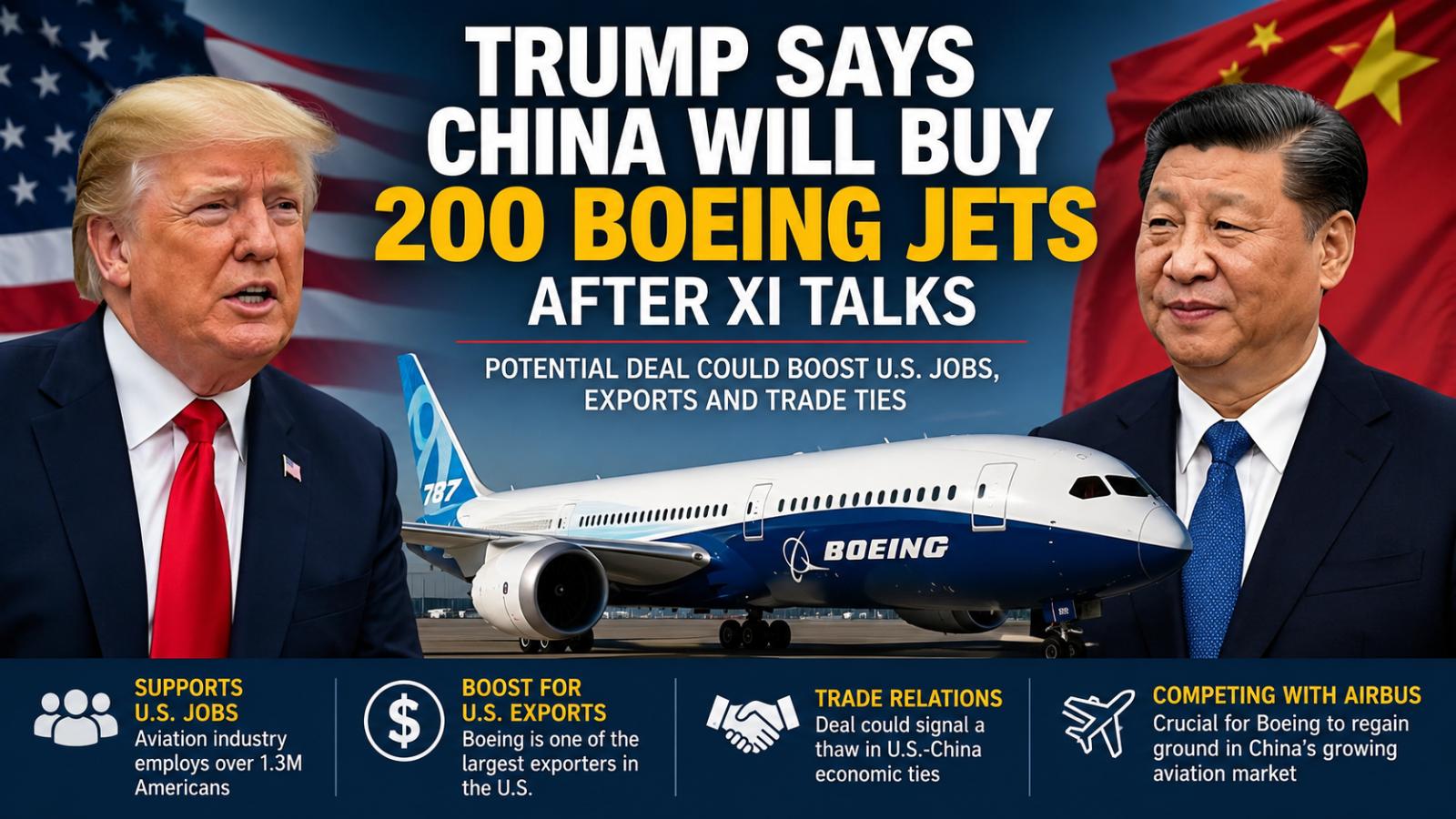
President Donald Trump said China agreed to buy 200 Boeing jets after talks with Chinese President Xi Jinping, a potential aircraft order that could bring Boeing back into a major role in U.S.-China trade discussions. Trump made the comments during a Fox News interview on Thursday, May 14, 2026, saying China had agreed to order 200 Boeing aircraft. He described the deal as a commitment, though the specific aircraft models were not immediately confirmed.
Trump Says China Will Buy 200 Boeing Jets After Xi Talks
President Donald Trump said China agreed to buy 200 Boeing jets after talks with Chinese President Xi Jinping, a potential aircraft order that could bring Boeing back into a major role in U.S.-China trade discussions. Trump made the comments during a Fox News interview on Thursday, May 14, 2026, saying China had agreed to order 200 Boeing aircraft. He described the deal as a commitment, though the specific aircraft models were not immediately confirmed.
Satellite images fuel concerns over Pakistan's role in US-Iran diplomacy
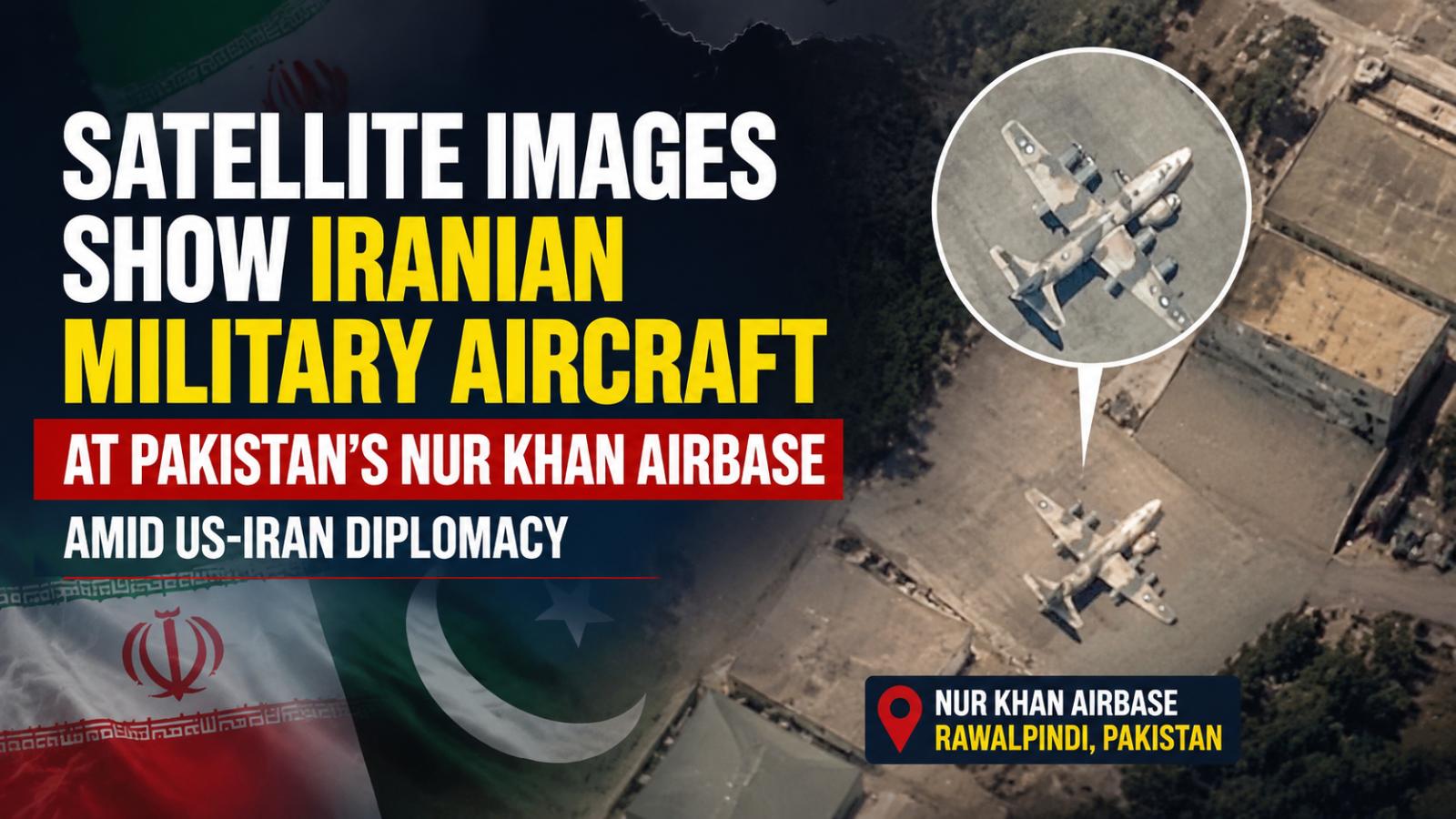
Fresh satellite imagery has sparked renewed scrutiny over Pakistan's involvement in the ongoing US-Iran diplomatic talks, with reports suggesting that Islamabad may be housing at least one Iranian military aircraft at the strategically important Nur Khan Airbase, located near Islamabad. These developments come amid heightened tensions between Washington and Tehran, as Pakistan continues to position itself as a mediator between the two nations. The satellite images, which are believe
Satellite images fuel concerns over Pakistan's role in US-Iran diplomacy
Fresh satellite imagery has sparked renewed scrutiny over Pakistan's involvement in the ongoing US-Iran diplomatic talks, with reports suggesting that Islamabad may be housing at least one Iranian military aircraft at the strategically important Nur Khan Airbase, located near Islamabad. These developments come amid heightened tensions between Washington and Tehran, as Pakistan continues to position itself as a mediator between the two nations. The satellite images, which are believe
Emergency Evacuation After Turkish Airlines Wheel Catches Fire in Nepal
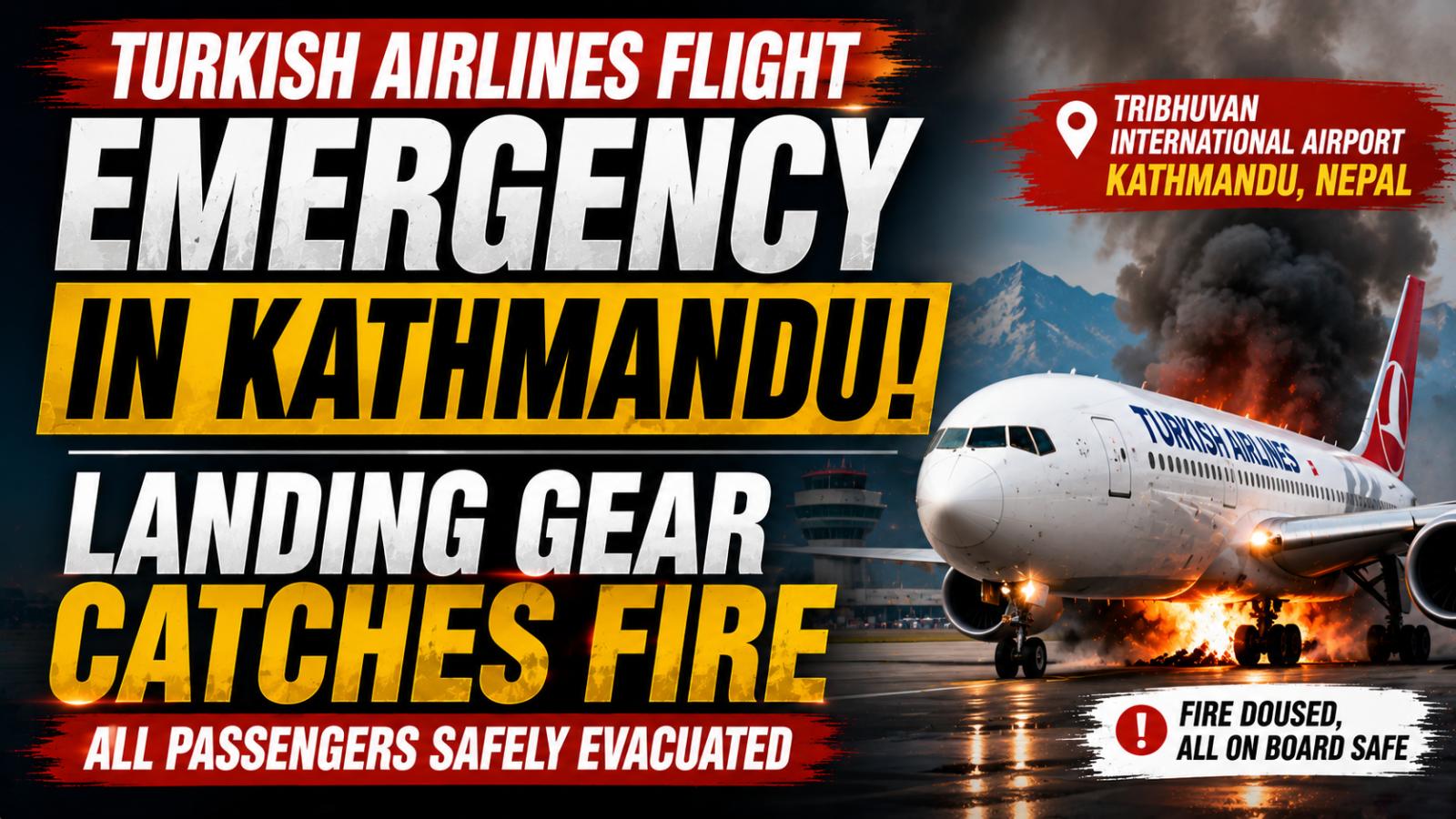
A Turkish Airlines flight arriving from Istanbul experienced an emergency landing situation at Nepal’s Tribhuvan International Airport in Kathmandu after one of its landing gear wheels caught fire upon touchdown on May 10th, Sunday. Airport authorities confirmed that the fire was quickly brought under control and all passengers and crew members were safely evacuated from the aircraft without injuries. The aircraft, operating as Turkish Airlines flight TK726, was carrying 278 passe
Emergency Evacuation After Turkish Airlines Wheel Catches Fire in Nepal
A Turkish Airlines flight arriving from Istanbul experienced an emergency landing situation at Nepal’s Tribhuvan International Airport in Kathmandu after one of its landing gear wheels caught fire upon touchdown on May 10th, Sunday. Airport authorities confirmed that the fire was quickly brought under control and all passengers and crew members were safely evacuated from the aircraft without injuries. The aircraft, operating as Turkish Airlines flight TK726, was carrying 278 passe
US KC-135 Sends Distress Signal Over Persian Gulf
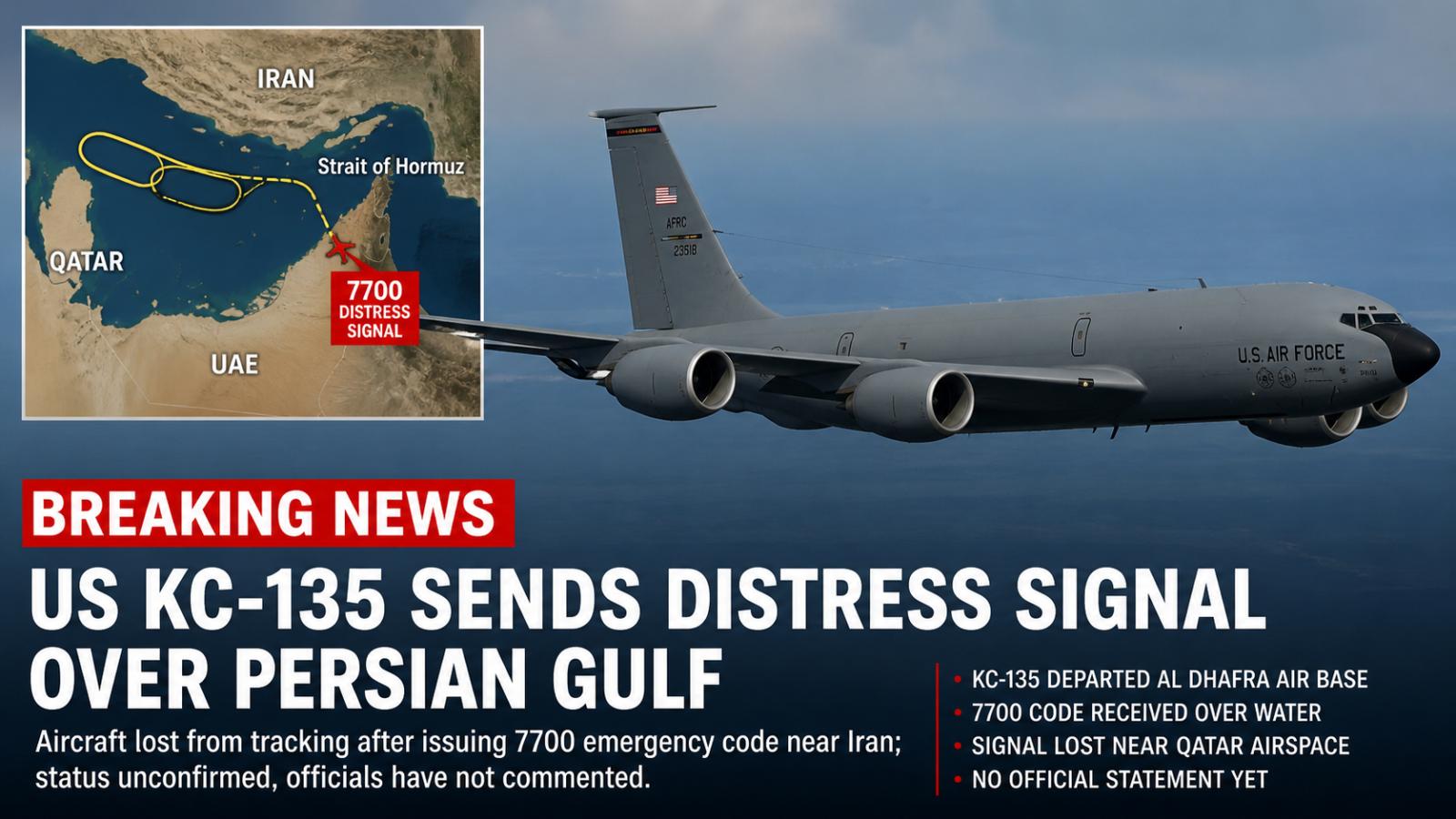
A U.S. military Boeing KC-135 Stratotanker transmitted a 7700 emergency distress signal while flying over the Persian Gulf near the Strait of Hormuz on Tuesday May 5, 2026, according to flight tracking data. The aircraft, which departed from Al Dhafra Air Base in the United Arab Emirates, was later no long
US KC-135 Sends Distress Signal Over Persian Gulf
A U.S. military Boeing KC-135 Stratotanker transmitted a 7700 emergency distress signal while flying over the Persian Gulf near the Strait of Hormuz on Tuesday May 5, 2026, according to flight tracking data. The aircraft, which departed from Al Dhafra Air Base in the United Arab Emirates, was later no long
United Airlines flight 169 collision at Newark under FAA investigation
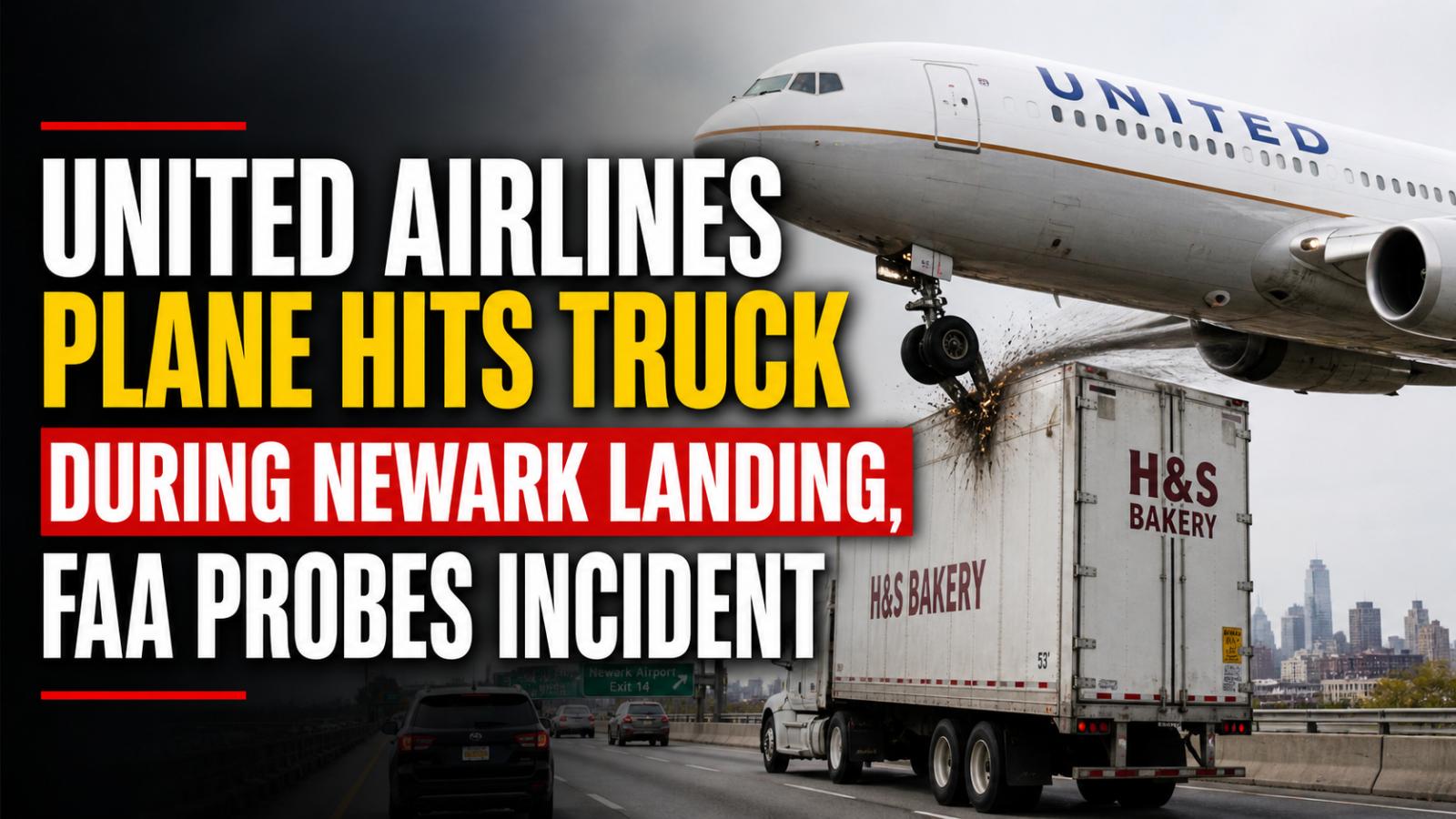
A United Airlines Boeing 767 was involved in a serious aviation incident near Newark Airport on Sunday, May 3, when its landing gear struck a truck during final approach, leaving one driver injured and prompting an FAA probe. The aircraft, operating as flight 169 from Venice, was carrying 231 people and landed safely despite the collision. Authorities confirmed no passengers or crew were injured, while the driver on the ground suffered minor injuries. The airline has removed the crew from dut
United Airlines flight 169 collision at Newark under FAA investigation
A United Airlines Boeing 767 was involved in a serious aviation incident near Newark Airport on Sunday, May 3, when its landing gear struck a truck during final approach, leaving one driver injured and prompting an FAA probe. The aircraft, operating as flight 169 from Venice, was carrying 231 people and landed safely despite the collision. Authorities confirmed no passengers or crew were injured, while the driver on the ground suffered minor injuries. The airline has removed the crew from dut
USS Gerald R. Ford Set to Leave Middle East After Record Deployment
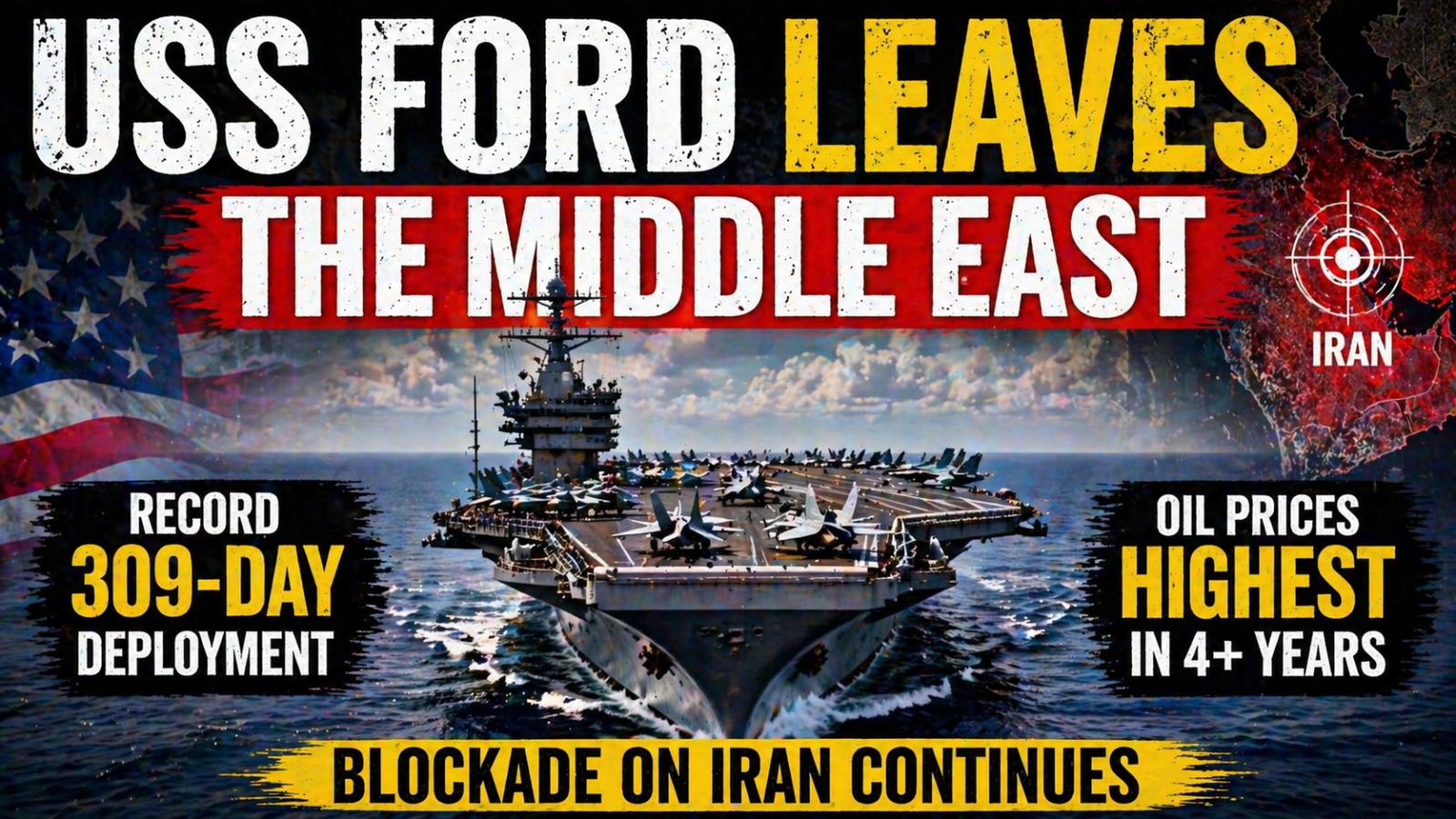
The USS Gerald R. Ford, the US Navy’s newest aircraft carrier, is preparing to leave the Middle East after completing a record 309-day deployment, marking the longest continuous mission for a modern American carrier. The vessel is expected to return to its home port at Naval Station Norfolk, Virginia, around mid-May, concluding an extended operational period that has drawn attention from lawmakers and defense officials. The decision to bring the USS Ford back follows a demanding d
USS Gerald R. Ford Set to Leave Middle East After Record Deployment
The USS Gerald R. Ford, the US Navy’s newest aircraft carrier, is preparing to leave the Middle East after completing a record 309-day deployment, marking the longest continuous mission for a modern American carrier. The vessel is expected to return to its home port at Naval Station Norfolk, Virginia, around mid-May, concluding an extended operational period that has drawn attention from lawmakers and defense officials. The decision to bring the USS Ford back follows a demanding d
US deploys three aircraft carriers to Middle East amid Iran tensions
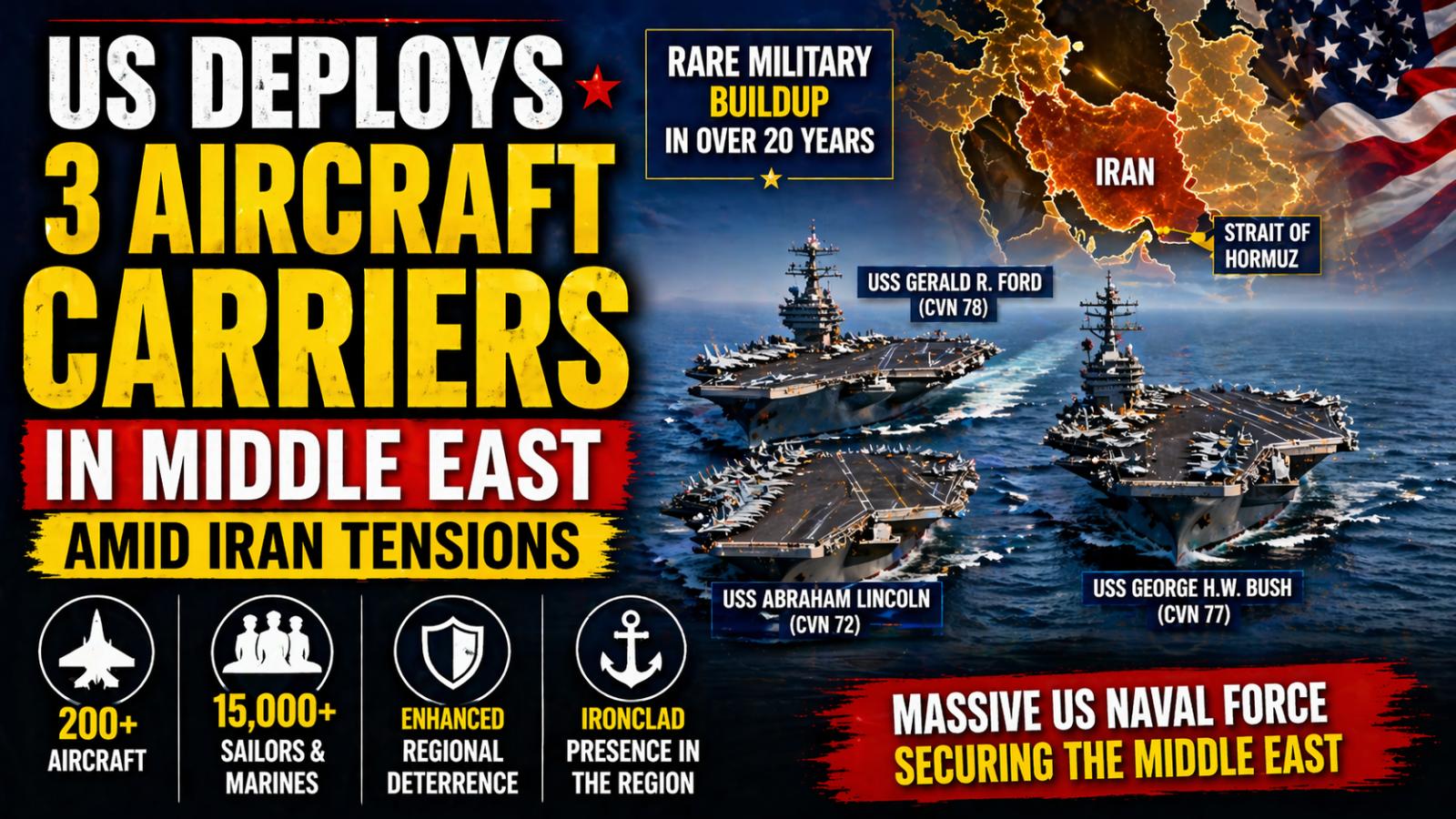
US deploys three aircraft carriers to the Middle East amid Iran tensions, expanding naval operations and reinforcing security in key maritime routes including the Strait of Hormuz. US deploys three aircraft carriers to Middle East amid Iran tensions as Washington significantly expands its military footprint across the region, marking one of the largest naval concentrations in more than two decades. Officials confirmed that three carrier strike groups—the USS Abraham Lincoln, USS Gerald R. Ford, and USS George H.W. Bush—are operating simultaneously, supported by more than 200 aircraft and approximately 15,000 sailors and Marines. A statement from US Central Command on Thursday confirmed the rare deployment, describing it as a significant concentration of naval power aimed at maintaining operational readiness amid rising tensions involving Iran. The carrier groups and their air wings are conducting coordinated missions, underscoring the strategic importance of key maritime routes in the Middle East and reinforcing a broader posture of deterrence. The announcement coincided with remarks from Donald Trump on Thursday, who declined to provide a timeline for a potential resolution to the Iran conflict. He indicated that any agreement would depend on conditions favorable to US interests, highlighting ongoing uncertainty surrounding diplomatic efforts. The absence of a clear timeline has aligned with increased military activity and messaging focused on regional stability. Defense officials stated on Friday that the US blockade of Iranian vessels in the Strait of Hormuz remains “ironclad,” with additional naval assets expected to join the operation in the coming days. The expanding mission signals a broader enforcement effort in one of the world’s most critical shipping corridors. The USS George H.W. Bush, commissioned in 2009, is among the newest Nimitz-class carriers involved, measuring nearly 1,000 feet in length and powered by two nuclear reactors, with the capacity to carry more than 80 aircraft and support a crew exceeding 5,500 personnel.
US deploys three aircraft carriers to Middle East amid Iran tensions
US deploys three aircraft carriers to the Middle East amid Iran tensions, expanding naval operations and reinforcing security in key maritime routes including the Strait of Hormuz. US deploys three aircraft carriers to Middle East amid Iran tensions as Washington significantly expands its military footprint across the region, marking one of the largest naval concentrations in more than two decades. Officials confirmed that three carrier strike groups—the USS Abraham Lincoln, USS Gerald R. Ford, and USS George H.W. Bush—are operating simultaneously, supported by more than 200 aircraft and approximately 15,000 sailors and Marines. A statement from US Central Command on Thursday confirmed the rare deployment, describing it as a significant concentration of naval power aimed at maintaining operational readiness amid rising tensions involving Iran. The carrier groups and their air wings are conducting coordinated missions, underscoring the strategic importance of key maritime routes in the Middle East and reinforcing a broader posture of deterrence. The announcement coincided with remarks from Donald Trump on Thursday, who declined to provide a timeline for a potential resolution to the Iran conflict. He indicated that any agreement would depend on conditions favorable to US interests, highlighting ongoing uncertainty surrounding diplomatic efforts. The absence of a clear timeline has aligned with increased military activity and messaging focused on regional stability. Defense officials stated on Friday that the US blockade of Iranian vessels in the Strait of Hormuz remains “ironclad,” with additional naval assets expected to join the operation in the coming days. The expanding mission signals a broader enforcement effort in one of the world’s most critical shipping corridors. The USS George H.W. Bush, commissioned in 2009, is among the newest Nimitz-class carriers involved, measuring nearly 1,000 feet in length and powered by two nuclear reactors, with the capacity to carry more than 80 aircraft and support a crew exceeding 5,500 personnel.
US Deploys Third Aircraft Carrier as Trump Signals No Urgency for Iran Deal
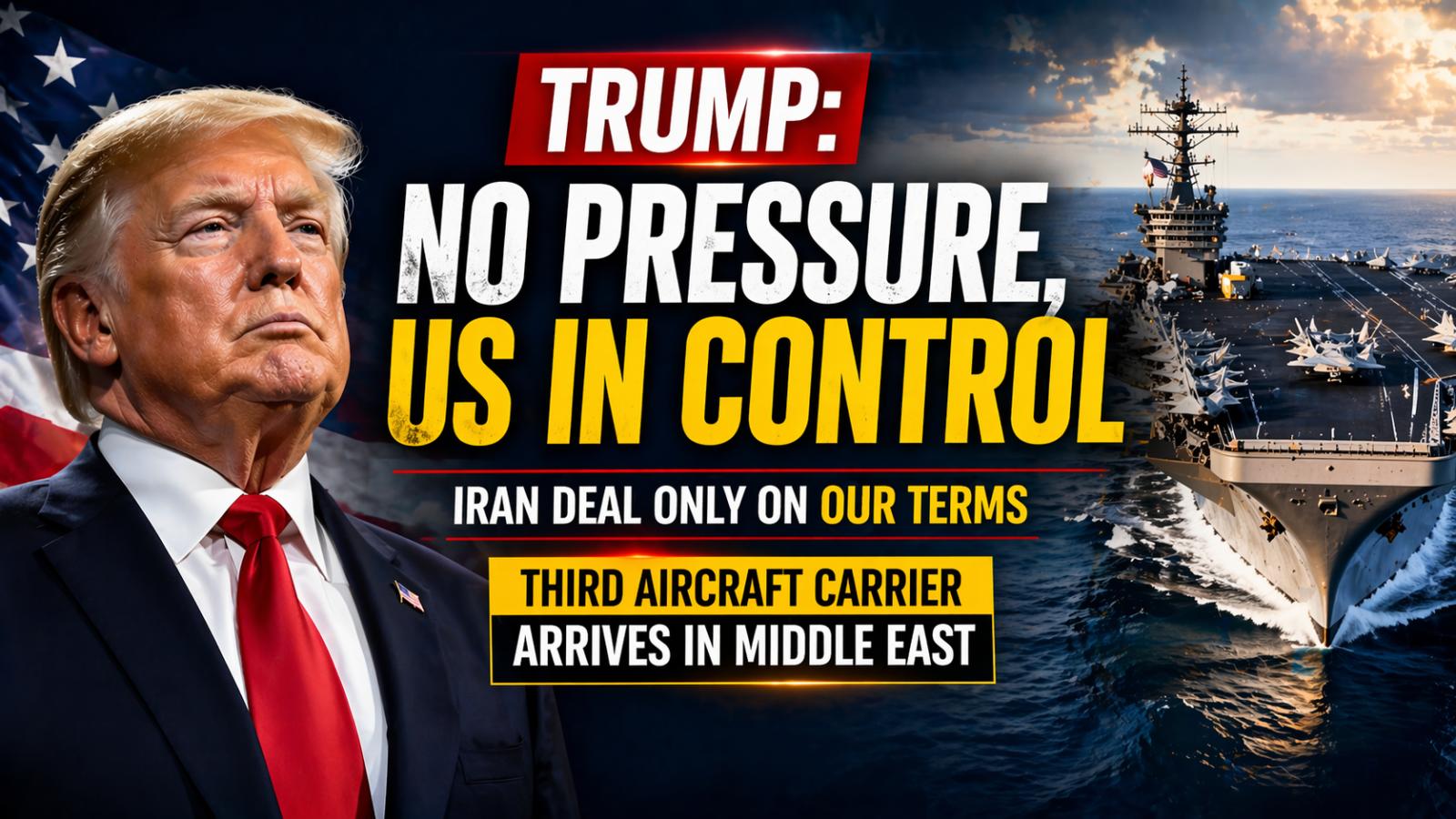
US President Donald Trump has dismissed speculation that Washington is under pressure to secure a deal with Iran, stating that the United States is in no rush to negotiate amid ongoing tensions. In a recent statement, Trump emphasized that while the US has the flexibility to wait, Iran faces increasing urgency as conditions evolve. He asserted that recent developments have significantly weakened Iran’s military capabilities, pointing to setbacks across its naval and air forces as well as the degradation of its defense systems. Trump also highlighted what he described as a tightening blockade, suggesting that the strategic balance currently favors the United States and its allies. He reiterated that any agreement would only move forward if it aligns with American interests and broader global stability, rejecting claims that his administration is eager to conclude talks quickly. At the same time, the US military has reinforced its presence in the region. United States Central Command confirmed the arrival of a third aircraft carrier, the USS George H.W. Bush, into its operational zone. The carrier is currently positioned in the Indian Ocean, joining the USS Abraham Lincoln in the Arabian Sea and the USS Gerald R. Ford in the Red Sea. The deployment marks a notable expansion of US naval strength in the Middle East during a fragile ceasefire period. The USS George H.W. Bush followed an unusual route, traveling around the Horn of Africa before entering the region, underscoring the strategic importance of its positioning. These developments reflect a continued emphasis on military readiness while diplomatic uncertainty persists, with Washington signaling that timing and terms of any agreement will remain firmly under its control.
US Deploys Third Aircraft Carrier as Trump Signals No Urgency for Iran Deal
US President Donald Trump has dismissed speculation that Washington is under pressure to secure a deal with Iran, stating that the United States is in no rush to negotiate amid ongoing tensions. In a recent statement, Trump emphasized that while the US has the flexibility to wait, Iran faces increasing urgency as conditions evolve. He asserted that recent developments have significantly weakened Iran’s military capabilities, pointing to setbacks across its naval and air forces as well as the degradation of its defense systems. Trump also highlighted what he described as a tightening blockade, suggesting that the strategic balance currently favors the United States and its allies. He reiterated that any agreement would only move forward if it aligns with American interests and broader global stability, rejecting claims that his administration is eager to conclude talks quickly. At the same time, the US military has reinforced its presence in the region. United States Central Command confirmed the arrival of a third aircraft carrier, the USS George H.W. Bush, into its operational zone. The carrier is currently positioned in the Indian Ocean, joining the USS Abraham Lincoln in the Arabian Sea and the USS Gerald R. Ford in the Red Sea. The deployment marks a notable expansion of US naval strength in the Middle East during a fragile ceasefire period. The USS George H.W. Bush followed an unusual route, traveling around the Horn of Africa before entering the region, underscoring the strategic importance of its positioning. These developments reflect a continued emphasis on military readiness while diplomatic uncertainty persists, with Washington signaling that timing and terms of any agreement will remain firmly under its control.
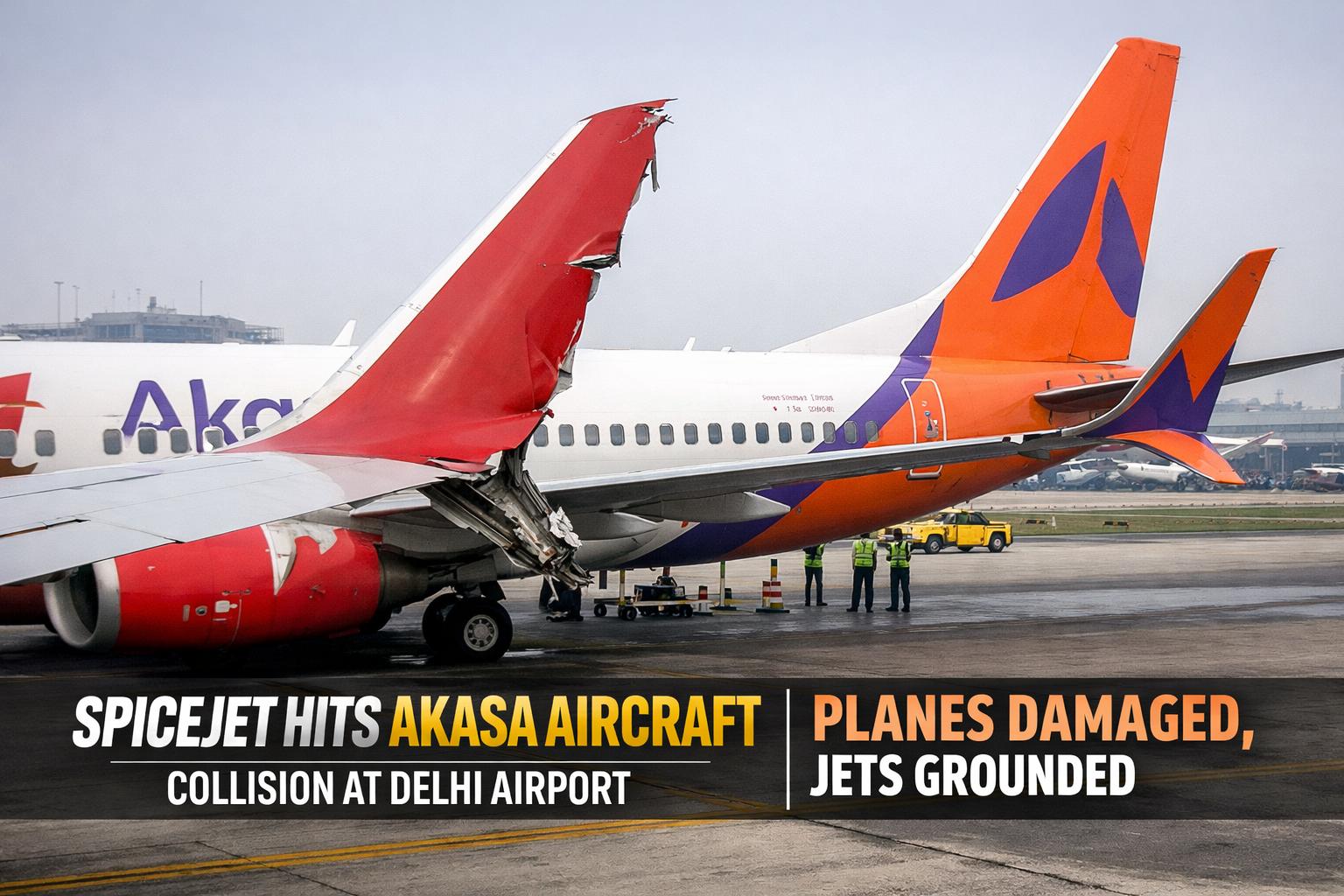
SpiceJet Plane Hits Akasa Aircraft at Delhi Airport, Both Jets Damaged During Taxiing
A serious ground incident at Indira Gandhi International Airport has raised fresh concerns over aviation safety after a SpiceJet aircraft collided with a stationary Akasa Air plane while taxiing on Thursday. The
SpiceJet Plane Hits Akasa Aircraft at Delhi Airport, Both Jets Damaged During Taxiing
A serious ground incident at Indira Gandhi International Airport has raised fresh concerns over aviation safety after a SpiceJet aircraft collided with a stationary Akasa Air plane while taxiing on Thursday. The
US Deploys 150 Aircraft Near Iran as Nuclear Tensions Escalate
Satellite imagery and open-source flight tracking data indicate that the United States has significantly expanded its military presence across Europe and the Middle East as tensions with Iran intensify over Tehran’s nuclear programme. More than 150 American military aircraft have reportedly been repositioned to forward operating bases in what analysts describe as one of the largest regional force deployments in over two decades. The aircraft include heavy cargo planes, aerial refuelling tanker
US Deploys 150 Aircraft Near Iran as Nuclear Tensions Escalate
Satellite imagery and open-source flight tracking data indicate that the United States has significantly expanded its military presence across Europe and the Middle East as tensions with Iran intensify over Tehran’s nuclear programme. More than 150 American military aircraft have reportedly been repositioned to forward operating bases in what analysts describe as one of the largest regional force deployments in over two decades. The aircraft include heavy cargo planes, aerial refuelling tanker
US fighter jet downs Iranian drone near aircraft carrier in Arabian Sea
A United States Navy fighter jet shot down an Iranian drone after it approached an American aircraft carrier operating in the Arabian Sea, according to US Central Command, marking the latest escalation in a period of heightened military tensions across the Middle East. The incident occurred as the unmanned aircraft moved toward the USS Abraham Lincoln with what officials described as unclear intent, despite attempts by US forces to deter it. Military authorities said the drone “ag
US fighter jet downs Iranian drone near aircraft carrier in Arabian Sea
A United States Navy fighter jet shot down an Iranian drone after it approached an American aircraft carrier operating in the Arabian Sea, according to US Central Command, marking the latest escalation in a period of heightened military tensions across the Middle East. The incident occurred as the unmanned aircraft moved toward the USS Abraham Lincoln with what officials described as unclear intent, despite attempts by US forces to deter it. Military authorities said the drone “ag
Trump threatens 50% tariffs on Canadian aircraft amid certification dispute
US President Donald Trump has intensified trade tensions with Canada by threatening to impose sweeping tariffs on Canadian-made aircraft, opening a new chapter in an already strained bilateral relationship. In a statement issued on Thursday, Trump said the United States could levy tariffs of up to 50 per cent on aircraft sold from Canada into the US market, citing what he described as Canada’s refusal to certify American-made business jets. The president also announced plans to decertify all aircraft manufactured in Canada for use in the United States, a move he said would remain in effect until Canadian regulators approve a series of jets produced by Gulfstream Aerospace. The warning was delivered through a post on Truth Social, where Trump accused Canadian authorities of erecting regulatory barriers that unfairly block American products. In his remarks, Trump singled out the Bombardier Global Express business jet, which is manufactured in Quebec, arguing that Ottawa has benefited from access to the US market while allegedly denying similar treatment to American manufacturers. He claimed Canada had “wrongfully and illegally” refused to certify the Gulfstream 500, 600, 700, and 800 models, which he described as among the most advanced aircraft in the world. According to Trump, the lack of certification effectively prevents Gulfstream from selling its jets in Canada. Trump warned that unless the situation is resolved immediately, the United States would move forward with punitive tariffs on all aircraft imported from Canada. He framed the threat as a matter of fairness and reciprocity, asserting that American companies should not face obstacles abroad while foreign competitors enjoy broad access to the US market. The aircraft dispute is the latest flashpoint in a broader deterioration of relations between the United States and Canada since Trump returned to office last year. Political and economic friction between the two long-time allies has grown steadily, with trade policy emerging as a central source of conflict. Earlier the same day as Trump’s comments, Canadian Prime Minister Mark Carney publicly urged Washington to respect Canadian sovereignty, following reports of contacts between US officials and Alberta separatist groups. Trade tensions have also been fueled by Canada’s recent diplomatic engagement with China. Trump has repeatedly warned Ottawa against deepening economic ties with Beijing, arguing that such moves could undermine US interests. He has threatened to impose tariffs as high as 100 per cent on Canadian goods if Canada proceeds with a trade agreement with China, a warning he reiterated over the weekend. In a series of earlier social media posts, Trump mocked Carney by referring to him as “Governor” and cautioned that Canada should not act as a conduit for Chinese goods entering the US market. He claimed that closer ties with Beijing would leave Canada economically vulnerable and pledged swift retaliation if such an agreement were finalized. The remarks came shortly after Carney visited Beijing, marking the first visit by a Canadian leader to China in nearly a decade. The escalating rhetoric underscores the growing uncertainty surrounding North American trade and the aerospace sector in particular. With aircraft manufacturing representing a significant industry for both countries, analysts say prolonged disputes over certification and tariffs could have far-reaching economic consequences. For now, the standoff highlights how regulatory disagreements and geopolitical concerns are increasingly shaping trade relations between Washington and Ottawa.
Trump threatens 50% tariffs on Canadian aircraft amid certification dispute
US President Donald Trump has intensified trade tensions with Canada by threatening to impose sweeping tariffs on Canadian-made aircraft, opening a new chapter in an already strained bilateral relationship. In a statement issued on Thursday, Trump said the United States could levy tariffs of up to 50 per cent on aircraft sold from Canada into the US market, citing what he described as Canada’s refusal to certify American-made business jets. The president also announced plans to decertify all aircraft manufactured in Canada for use in the United States, a move he said would remain in effect until Canadian regulators approve a series of jets produced by Gulfstream Aerospace. The warning was delivered through a post on Truth Social, where Trump accused Canadian authorities of erecting regulatory barriers that unfairly block American products. In his remarks, Trump singled out the Bombardier Global Express business jet, which is manufactured in Quebec, arguing that Ottawa has benefited from access to the US market while allegedly denying similar treatment to American manufacturers. He claimed Canada had “wrongfully and illegally” refused to certify the Gulfstream 500, 600, 700, and 800 models, which he described as among the most advanced aircraft in the world. According to Trump, the lack of certification effectively prevents Gulfstream from selling its jets in Canada. Trump warned that unless the situation is resolved immediately, the United States would move forward with punitive tariffs on all aircraft imported from Canada. He framed the threat as a matter of fairness and reciprocity, asserting that American companies should not face obstacles abroad while foreign competitors enjoy broad access to the US market. The aircraft dispute is the latest flashpoint in a broader deterioration of relations between the United States and Canada since Trump returned to office last year. Political and economic friction between the two long-time allies has grown steadily, with trade policy emerging as a central source of conflict. Earlier the same day as Trump’s comments, Canadian Prime Minister Mark Carney publicly urged Washington to respect Canadian sovereignty, following reports of contacts between US officials and Alberta separatist groups. Trade tensions have also been fueled by Canada’s recent diplomatic engagement with China. Trump has repeatedly warned Ottawa against deepening economic ties with Beijing, arguing that such moves could undermine US interests. He has threatened to impose tariffs as high as 100 per cent on Canadian goods if Canada proceeds with a trade agreement with China, a warning he reiterated over the weekend. In a series of earlier social media posts, Trump mocked Carney by referring to him as “Governor” and cautioned that Canada should not act as a conduit for Chinese goods entering the US market. He claimed that closer ties with Beijing would leave Canada economically vulnerable and pledged swift retaliation if such an agreement were finalized. The remarks came shortly after Carney visited Beijing, marking the first visit by a Canadian leader to China in nearly a decade. The escalating rhetoric underscores the growing uncertainty surrounding North American trade and the aerospace sector in particular. With aircraft manufacturing representing a significant industry for both countries, analysts say prolonged disputes over certification and tariffs could have far-reaching economic consequences. For now, the standoff highlights how regulatory disagreements and geopolitical concerns are increasingly shaping trade relations between Washington and Ottawa.
USS Abraham Lincoln arrives in Middle East as US boosts military posture near Iran
The United States has deployed the aircraft carrier USS Abraham Lincoln and its accompanying warships to the Middle East, a move aimed at reinforcing American military capabilities in a region marked by escalating political and security tensions. The announcement was made on Monday, January 26, by US Central Command, which said the carrier strike group’s presence is intended to support regional security and stability while enhancing both offensive and defensive readiness. Accordin
USS Abraham Lincoln arrives in Middle East as US boosts military posture near Iran
The United States has deployed the aircraft carrier USS Abraham Lincoln and its accompanying warships to the Middle East, a move aimed at reinforcing American military capabilities in a region marked by escalating political and security tensions. The announcement was made on Monday, January 26, by US Central Command, which said the carrier strike group’s presence is intended to support regional security and stability while enhancing both offensive and defensive readiness. Accordin
Plane crash-lands on moving car during Florida highway rush hour
A small aircraft crash-landed on a moving vehicle during rush hour along Interstate 95 in Brevard County, Florida, prompting a rapid response from emergency crews and traffic authorities. The incident occurred when the plane, carrying a 27-year-old pilot and a 27-year-old passenger, descended onto the busy roadway and struck a 2023 Toyota Camry that was traveling along the interstate. According to the Florida Highway Patrol, both individuals on board the aircraft escaped the crash without inj
Plane crash-lands on moving car during Florida highway rush hour
A small aircraft crash-landed on a moving vehicle during rush hour along Interstate 95 in Brevard County, Florida, prompting a rapid response from emergency crews and traffic authorities. The incident occurred when the plane, carrying a 27-year-old pilot and a 27-year-old passenger, descended onto the busy roadway and struck a 2023 Toyota Camry that was traveling along the interstate. According to the Florida Highway Patrol, both individuals on board the aircraft escaped the crash without inj
Airbus software glitch grounds A320 jets worldwide, disrupting peak travel
Thousands of passengers across multiple continents faced significant travel disruptions after Airbus ordered an immediate software update for approximately 6,000 A320-series aircraft. The unexpected directive, one of the largest issued in the manufacturer’s history, resulted in widespread grounding of narrow-body jets during a peak travel period and triggered delays and cancellations across Asia, Europe, the United States, and Australia. Airlines were instructed to complete the corrective a
Airbus software glitch grounds A320 jets worldwide, disrupting peak travel
Thousands of passengers across multiple continents faced significant travel disruptions after Airbus ordered an immediate software update for approximately 6,000 A320-series aircraft. The unexpected directive, one of the largest issued in the manufacturer’s history, resulted in widespread grounding of narrow-body jets during a peak travel period and triggered delays and cancellations across Asia, Europe, the United States, and Australia. Airlines were instructed to complete the corrective a
Trump Confirms Plan To Sell F-35 Fighter Jets To Saudi Arabia Ahead Of Crown Prince Visit
US President Donald Trump announced that the United States will move forward with selling F-35 fighter jets to Saudi Arabia, marking a significant shift in defence cooperation just as Crown Prince Mohammed bin Salman prepares for his first Washington visit in more than seven years. Trump described Saudi Arabia as a strong ally and confirmed that the kingdom’s request for the world-class stealth aircraft will be fulfilled. The crown prince is expected to arrive with clear priorities, includi
Trump Confirms Plan To Sell F-35 Fighter Jets To Saudi Arabia Ahead Of Crown Prince Visit
US President Donald Trump announced that the United States will move forward with selling F-35 fighter jets to Saudi Arabia, marking a significant shift in defence cooperation just as Crown Prince Mohammed bin Salman prepares for his first Washington visit in more than seven years. Trump described Saudi Arabia as a strong ally and confirmed that the kingdom’s request for the world-class stealth aircraft will be fulfilled. The crown prince is expected to arrive with clear priorities, includi


