


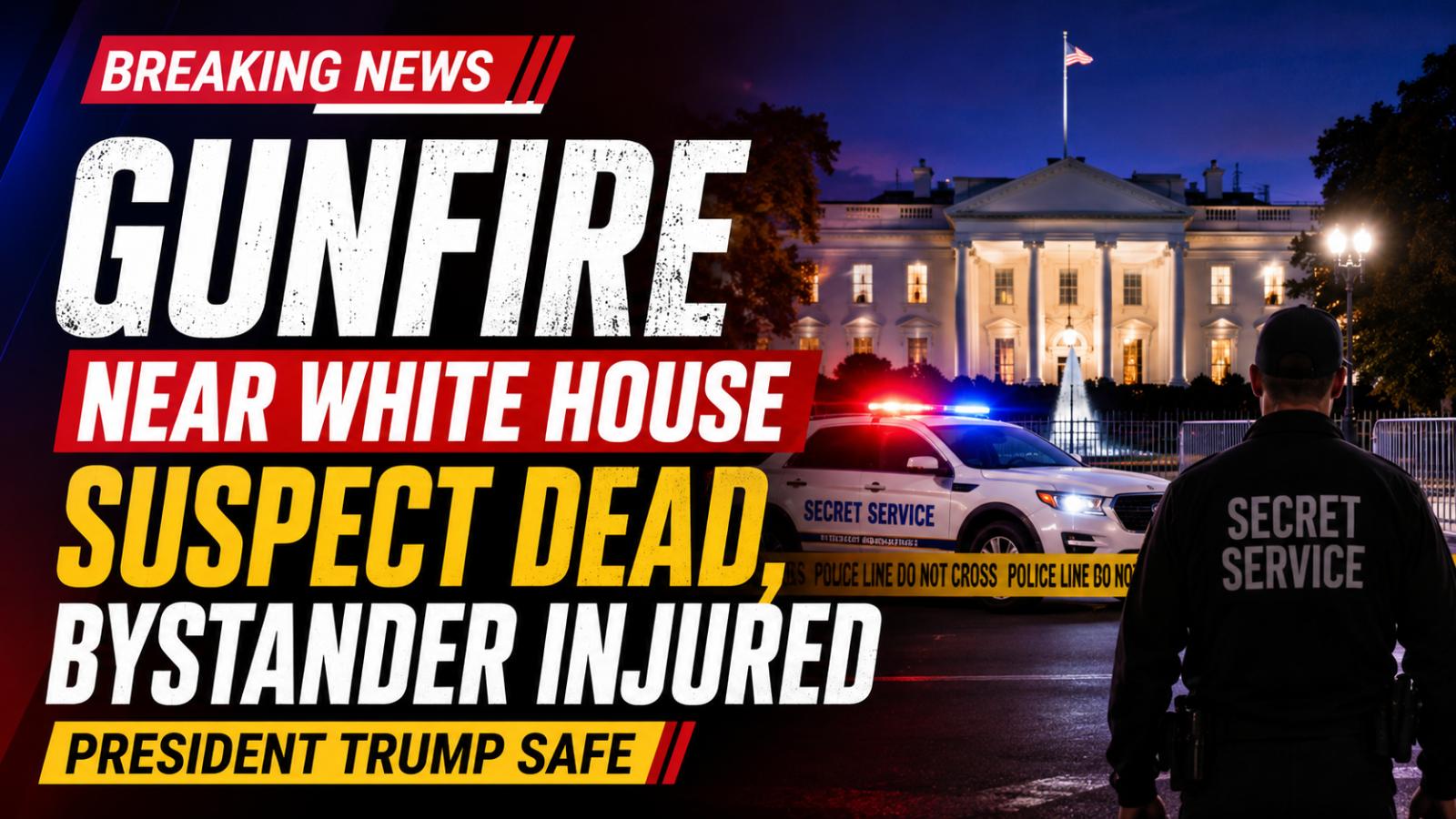
White House Checkpoint Shooting: Suspect Dead, Bystander Hurt
What Happened Near The White House A shooting near the White House on Saturday evening, May 23, 2026, triggered a major security response after a suspect allegedly opened fire at a Secret Service checkpoint. The incident happened shortly after 6 pm ET near 17th Street and Pennsylvania Avenue NW in Washington, DC, an area close to the White House complex. According to the US Secret Service, the person approached the checkpoint, removed a weapon from a bag and began
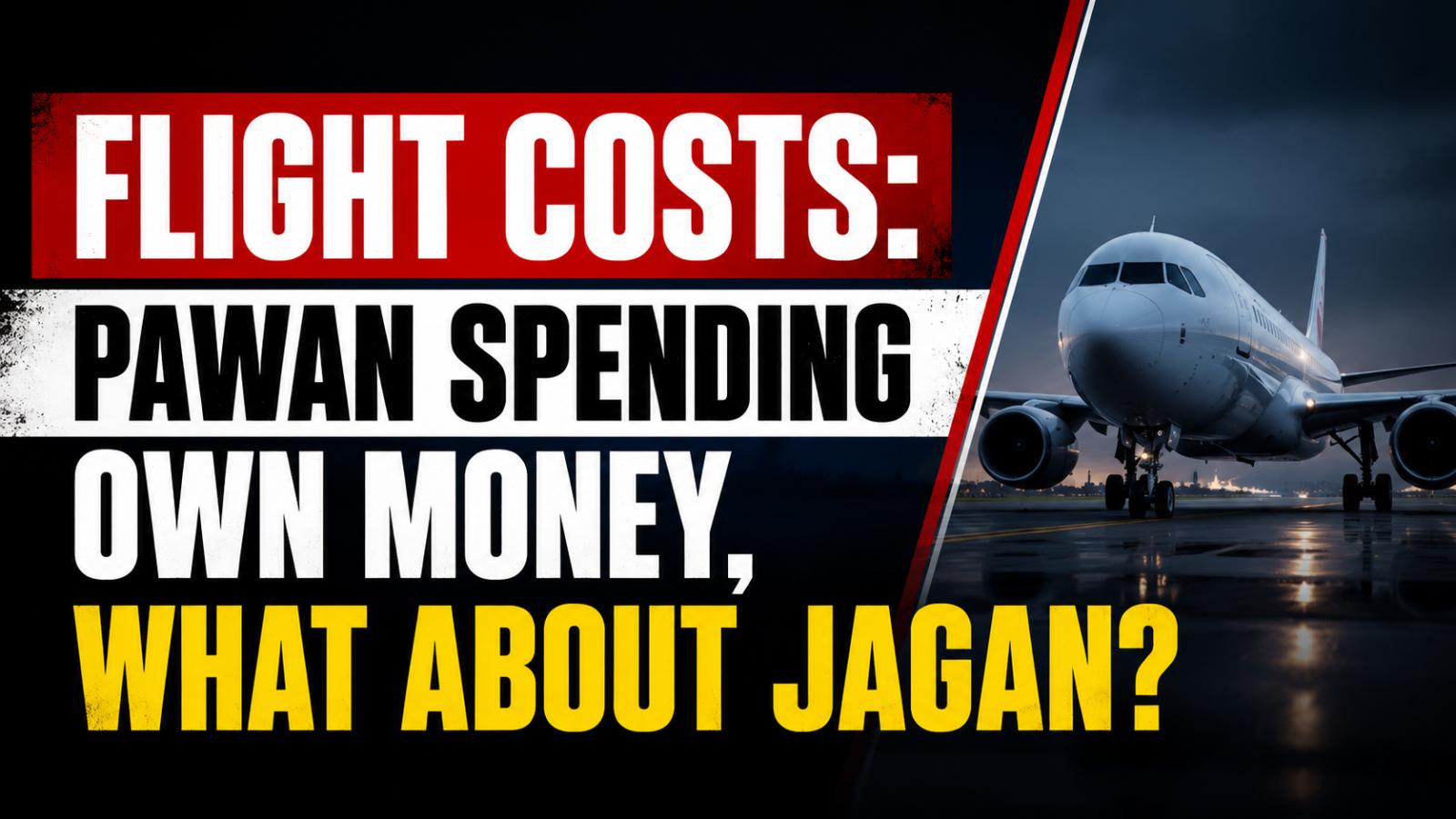
Pawan Kalyan Uses Own Money For Flights, Jagan Spends ₹222 Crore
Janasena clarifies Pawan Kalyan spent no government money on personal flights, while YS Jagan allegedly spent ₹222 crore. Pawan Kalyan’s Personal Expenditure on Flights Janasena leadership has clarified that actor-turned-politician Pawan Kalyan has never used government funds for his personal flights. Speaking to the media, party representative Nadendla Manohar emphasized that all of Pawan Kalyan’s privat
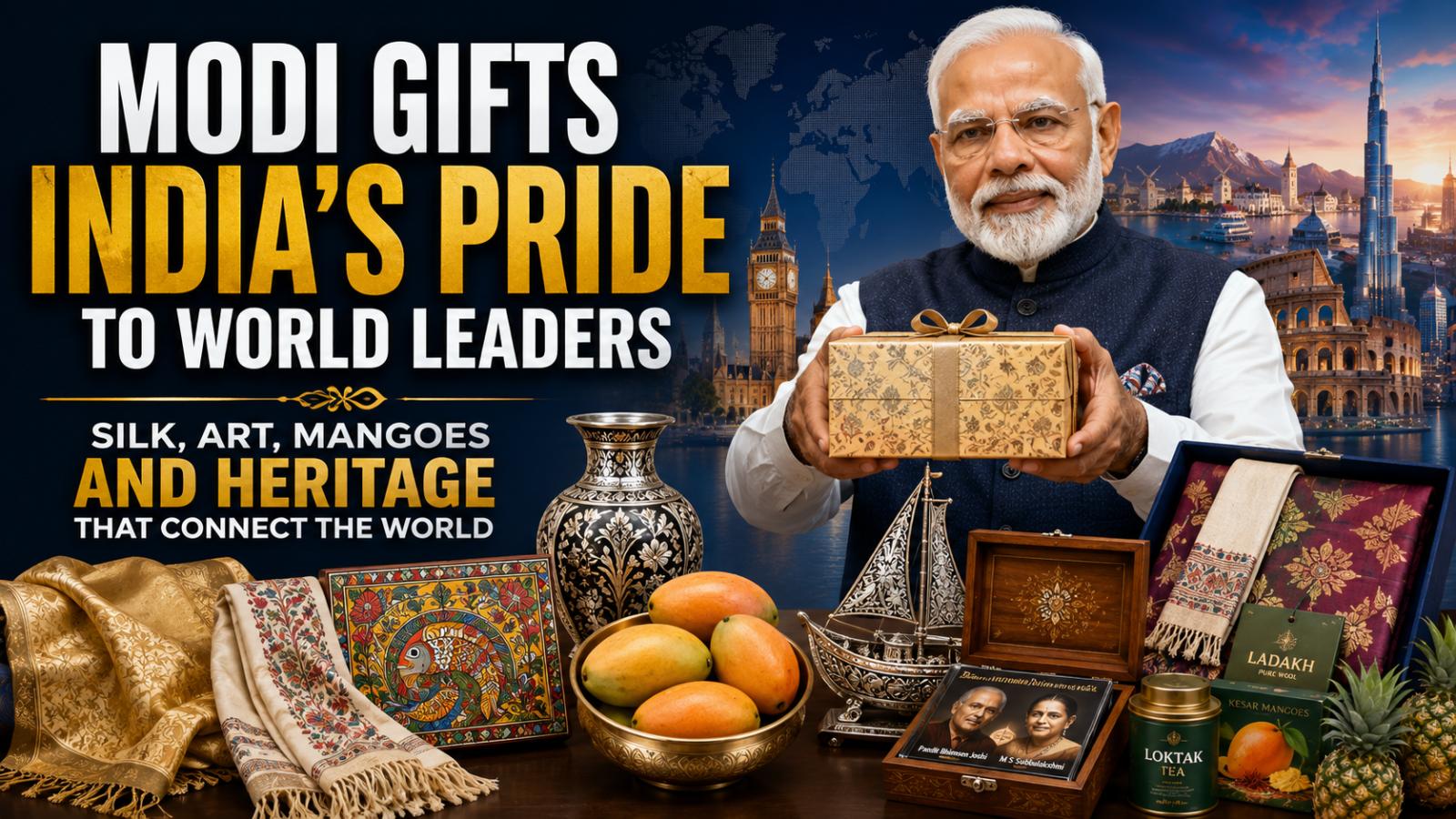
PM Narendra Modi Gifts Indian Heritage To World Leaders On Five-Nation Tour
May 22, 2026 Prime Minister Narendra Modi’s five-nation tour highlighted India’s cultural diplomacy through gifts such as Muga silk, Ladakhi wool, Kesar mangoes, Madhubani art, Bidri work and regional rice varieties. Prime Minister Narendra Modi’s recently concluded five-nation tour was not just about diplomacy and high-level meetings. It also became a carefully curated showcase of India’s cultural diversity, traditional craftsmanship and regional pride. During his visit to the United Arab Emirates, the Netherlands, Sweden, Norway and Italy, Modi presented world leaders with gifts that reflected India’s textiles, art forms, agricultural heritage and spiritual traditions. The gifts were chosen not merely as ceremonial items but as cultural messages. From Assam’s golden Muga silk to Rajasthan’s Madhubani painting, from Ladakh’s pure wool stole to Gujarat’s Kesar mangoes, each item carried a story of Indian identity. The selection also appeared to match the recipient country’s cultural background, creating a bridge between Indian traditions and the heritage of the host nations. Indian textiles and art take centre stage Italian Prime Minister Giorgia Meloni received a Muga silk stole, one of Assam’s most prestigious textiles. Known as the golden silk of Assam, Muga silk is valued for its natural golden sheen, durability and understated elegance. The gift was seen as a meaningful cultural connection with Italy, a country famous for luxury textiles, fashion and refined design. Meloni was also given a packet of Melody toffees, a lighter personal gesture that quickly attracted attention online. A video shared by Meloni showed her appreciating the toffee, calling it “very, very good.” The moment gained extra traction because many social media users have already used the popular term “Melodi” to describe the equation between Modi and Meloni. The Italian Prime Minister also received a Shirui Lily silk stole inspired by the rare Shirui Lily of Manipur. The flower, which blooms only in the misty heights of Shirui Kashong peak, has deep cultural significance for the Tangkhul Naga community. It symbolises purity, identity and pride. The choice also carried a connection to Italy, where lilies have long been associated with grace, purity and artistic refinement. Italian President Sergio Mattarella was gifted a marble inlay work box along with CDs of legendary Indian classical musicians Pandit Bhimsen Joshi and M S Subbulakshmi. The box represented the Pacchikari or Pietra Dura tradition, closely associated with Agra’s master craftsmen. The art form has a historical connection to Florence and later flourished in India under royal patronage, making it a symbolic bridge between India and Italy. In the Netherlands, King Willem-Alexander received Jaipur blue pottery, a GI-tagged art form known for its cobalt blue, white and yellow designs. This was a clever diplomatic choice because the Netherlands has its own celebrated Delft Blue pottery tradition. Queen Maxima received Meenakari and Kundan earrings, representing the royal jewellery traditions of Rajasthan. Dutch Prime Minister Rob Jetten was gifted a Madhubani painting featuring a fish motif. Madhubani painting, a GI-tagged folk art from Bihar’s Mithila region, is known for vibrant colours, geometric patterns and symbolic themes. The fish motif is often linked to prosperity, fertility and good fortune. Norwegian Prime Minister Jonas Gahr Støre received a pressed orchid painting and orchid paperweights made from real pressed orchids and ferns from Sikkim. These gifts highlighted the biodiversity of the Eastern Himalayas. King Harald V of Norway was presented with a silver sailboat model made using Tarakasi, the ancient silver filigree art of Cuttack in Odisha. Queen Sonja received a palm leaf Pattachitra, one of Odisha’s oldest and most intricate art forms. Food, craft and heritage used as diplomacy Swedish Prime Minister Ulf Kristersson received a Ladakhi pure wool stole, along with Loktak tea and a handcrafted Santiniketan messenger bag. The Ladakhi stole represented India’s high-altitude textile heritage, while Loktak tea brought attention to the northeast’s artisanal tea culture. The Santiniketan bag reflected Bengal’s craft traditions and the cultural legacy associated with the region. Iceland’s Prime Minister Kristrun Frostadottir was gifted a replica of the ice axe used by Sherpa Tenzing Norgay during the historic first ascent of Mount Everest in 1953 with Sir Edmund Hillary. This gift was one of the most symbolic items on the list, connecting adventure, mountaineering history and Himalayan pride. Denmark’s Prime Minister Mette Frederiksen received a Bidri silver work vase. Bidri work, rooted in the Deccan, is known for its blackened metal base and intricate silver inlay. It remains one of India’s most refined metal craft traditions. Finland’s Prime Minister Petteri Orpo was gifted a Kamal Talai Pichwai painting from Rajasthan’s Nathdwara tradition, known for devotional themes and delicate artistic detailing. In the UAE, President Sheikh Mohamed bin Zayed Al Nahyan received a Rogan painting featuring the tree of life. Rogan art is a rare textile painting tradition from Gujarat’s Kutch region. He was also given Kesar mangoes, the GI-tagged mango variety known as Gujarat’s “Queen of Mangoes,” and Meghalaya pineapples, which are among India’s most admired fruit varieties. The UAE Crown Prince received a ceremonial dagger with Koftgari work, representing India’s martial and metalwork heritage. He was also gifted Mithila makhana, a premium agricultural product from Bihar. The UAE Queen Mother received Maheshwari silk fabric from Madhya Pradesh and Chak Hao rice, the famous black rice of Manipur. Modi also presented a wide selection of Indian rice varieties to Qu Dongyu, Director-General of the Food and Agriculture Organisation of the United Nations. The gifts included red rice from Palakkad in Kerala, Gobindobhog rice from West Bengal, Basmati rice from the Indo-Gangetic plains, Joha rice from Assam and Kalanamak rice from Uttar Pradesh, often known as “Buddha Rice.” He was also given millet bars, underlining India’s ongoing push to promote millets as nutritious and climate-resilient grains. The gift diplomacy during Modi’s tour served a clear purpose. It promoted Indian handlooms, GI-tagged products, traditional art forms and regional agricultural produce on a global stage. It also projected India as a country with deep cultural roots and enormous regional diversity. However, the real value of such diplomatic gifting depends on follow-through. If India wants these products to gain global visibility beyond ceremonial exchanges, it must invest more in international branding, artisan support, export channels and digital storytelling. A Muga silk stole or Madhubani painting can create diplomatic symbolism, but the bigger opportunity is to convert that visibility into global market demand for Indian artisans, farmers and craft communities. Modi’s latest gift list shows how cultural diplomacy can be used as soft power. Each gift carried a message: India is not just negotiating with the world politically and economically, but also introducing its regional stories, craft traditions, foods and artistic identity to global leaders. For audiences in India and abroad, the tour offered a reminder that diplomacy is not only built through agreements and speeches. Sometimes, it is also carried through silk, mangoes, paintings, rice and handcrafted symbols of heritage.
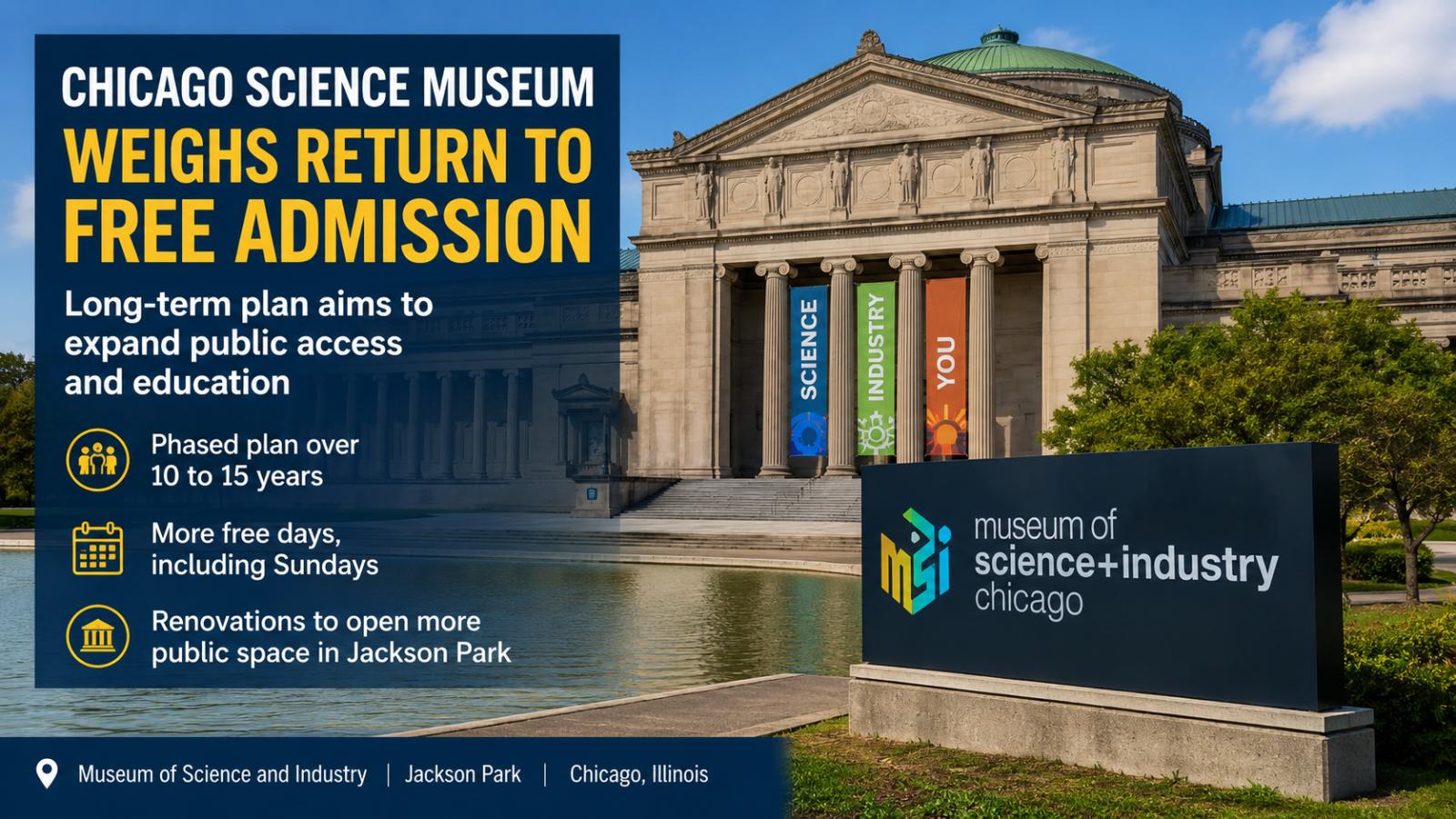
Chicago Science Museum Weighs Long-Term Return to Free Admission
Chicago’s Museum of Science and Industry is exploring a long-term plan to restore free admission, a move that could expand public access to one of the city’s most recognized cultural institutions. Museum CEO Dr. Chevy Humphrey said the idea remains in its early stages, but the goal is to gradually reduce financial barriers for families, students, and community visitors. Chicago Science Museum Free Admission Plan Under Review The museum bega
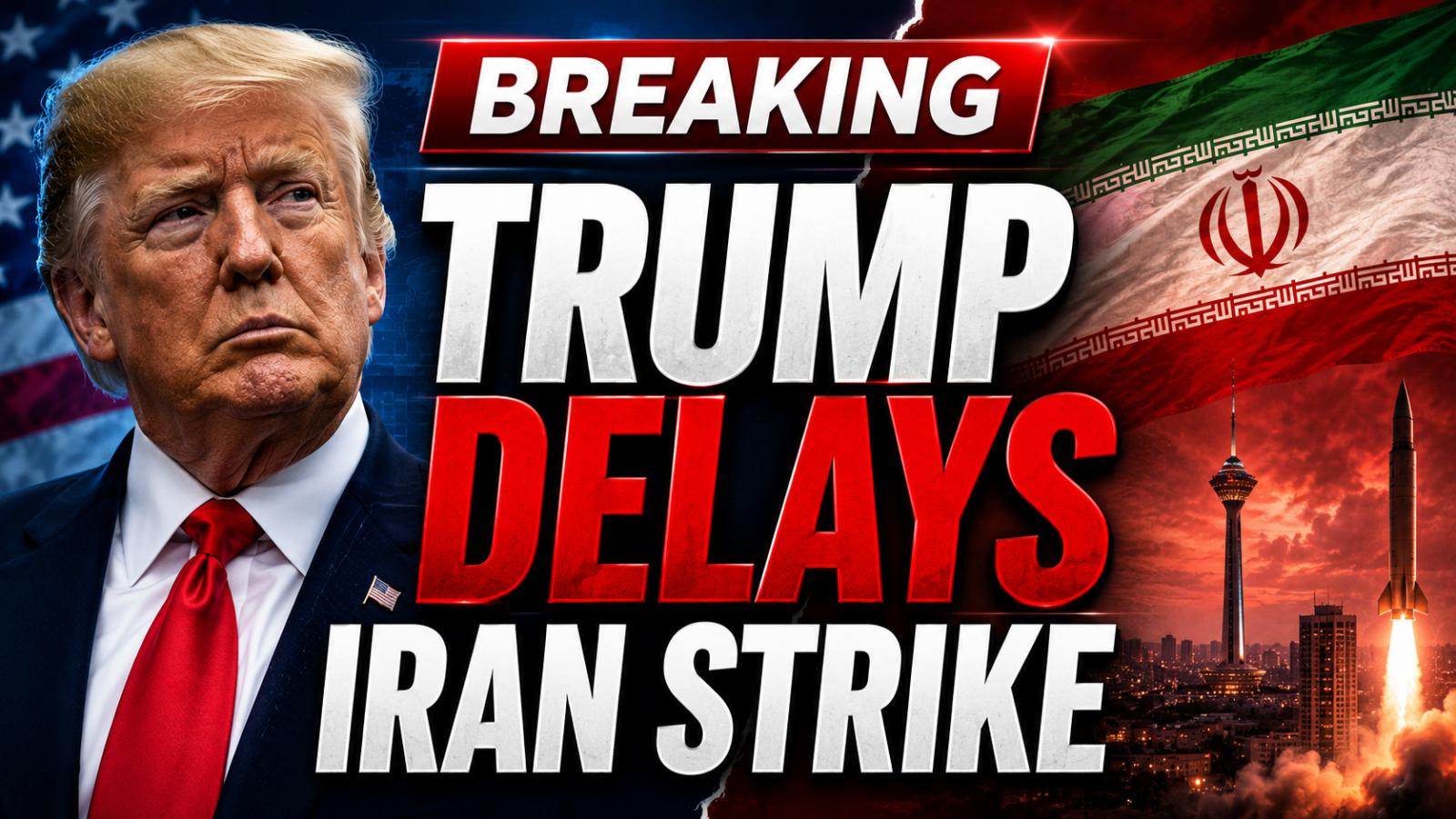
Trump Delays Iran Attack After Gulf Leaders Push For Nuclear Talks
Trump Delays Iran Attack As Gulf Leaders Push Nuclear Deal US President Donald Trump said he is postponing a planned military attack on Iran that had been scheduled for May 19,2026, citing requests from Gulf leaders and renewed negotiations with Tehran. Trump announced the decision May 18,2026 on Truth Social shortly after Iran confirmed it had responded to a new US proposal aimed at ending the ongoing conflict. He said the
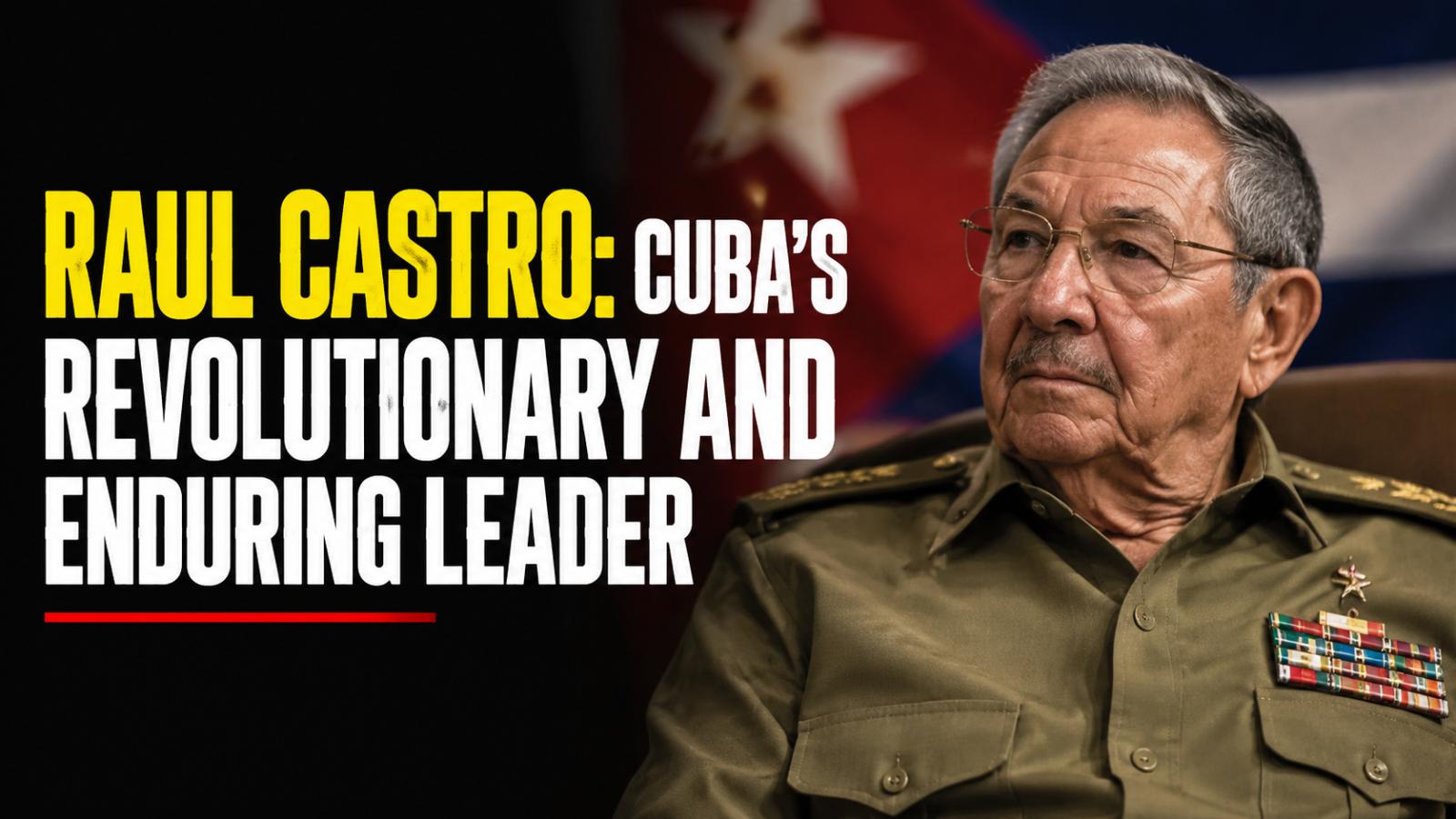
Raul Castro: Cuba’s Enduring Leader and Revolutionary
Raul Castro, born in 1931, is the younger brother of Fidel Castro and one of the most influential figures in modern Cuban history. As a key participant in the 1959 Cuban Revolution, he helped overthrow the US-backed dictator Fulgencio Batista, establishing a communist state. Today, at 94, Raul continues to shape Cuba’s politics, impacting government decisions, Communist Party direction, and economic responses amid ongoing challenges. His decades-long leadership spans military strategy, gove
DOJ Accuses Yale of Admissions Bias
Federal Accusations Against Yale The United States Department of Justice on Thursday, May 14, 2026, accused Yale School of Medicine of discriminating against white and Asian applicants. The allegations follow a year-long federal investigation into the university’s diversity-focused admissions practices. According to the Justice Department, Yale leadership intentionally selected applicants based on race, resulting in Black

College Financial Aid Under $250,000: FAFSA, CSS Profile and Net Cost Explained
Families earning under $250,000 may still qualify for college financial aid, but the amount depends on the school, household finances, assets, application forms and the college’s total cost of attendance. There is no single U.S. rule that gives every family below $250,000 free tuition. Some selective private universities offer generous income-based grants, while public colleges and smaller institutions may use different formulas. The final amount often depends on the difference be
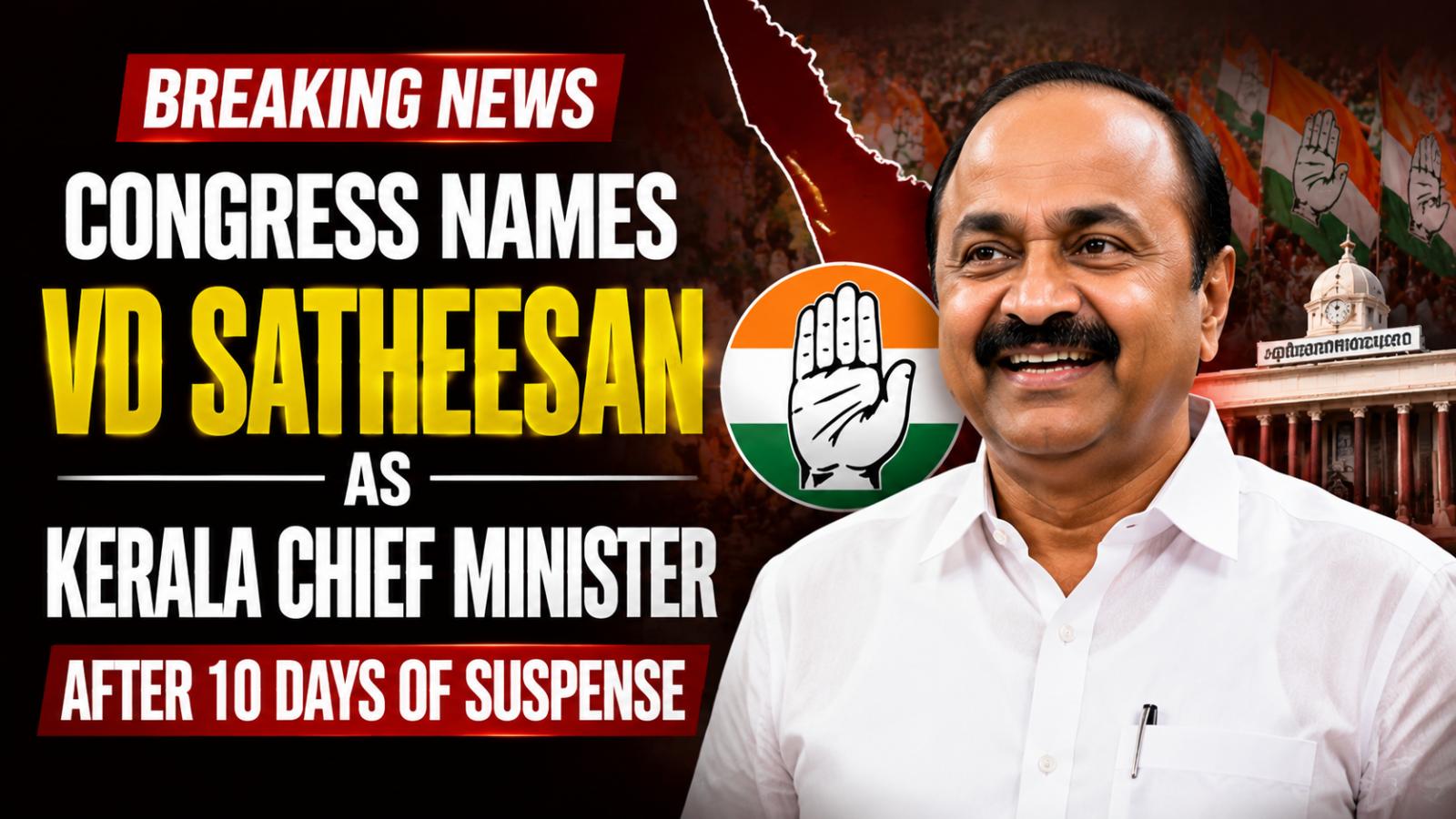
Congress Names VD Satheesan as Kerala CM After 10 Days of Deliberations
After 10 days of deliberations, Congress has appointed VD Satheesan as Kerala's next Chief Minister, choosing the popular MLA over KC Venugopal and Ramesh Chennithala, following a landslide UDF victory in the 2026 Assembly elections. In a move that concludes 10 days of intense deliberations, the Congress party has named VD Satheesan as the next Chief Minister of Kerala following the United Democratic Front (UDF)’s victory in the 2026 Kerala Assembly elections. Satheesan’s appointment ends the speculation that had centered on senior leaders KC Venugopal and Ramesh Chennithala. Despite Venugopal’s strong support among the newly elected MLAs, Satheesan’s massive popularity among the masses, coupled with his strategic role in the party’s victory, made him the choice for the top post. The Congress leadership in Kerala had earlier hinted at appointing Satheesan as the CM due to his leadership in revitalizing the party after its heavy defeat in the 2021 elections. As Leader of the Opposition, Satheesan has been widely credited with uniting the Opposition and presenting a strong challenge to the ruling CPI(M)-led Left Democratic Front (LDF) government. His aggressive campaigning and alliance-building efforts played a crucial role in the UDF’s landslide victory, securing 102 seats. Venugopal, despite his backing among the majority of newly elected MLAs, accepted the high command’s decision graciously, emphasizing the party’s supremacy and reiterating his support for Satheesan. This smooth transition is seen as an attempt to quell factionalism within the Congress and present a united front ahead of the state’s political challenges. Satheesan’s journey in Kerala politics began with student activism, and he has been an integral part of the Congress for decades. As a six-time MLA from Paravur, Satheesan’s political career has been marked by his unwavering loyalty to the Congress and his ability to rally support even in challenging times. His rise within the party has positioned him as one of Kerala's most influential leaders, poised to steer the Congress-led UDF into a new era. The announcement of his appointment as CM comes after a wave of political tensions in the state, marked by the paper leak controversy in the NEET-UG 2026 exam and various issues surrounding the Left government. With Satheesan at the helm, Congress hopes to build on its recent success and make significant strides in addressing key governance concerns in Kerala.
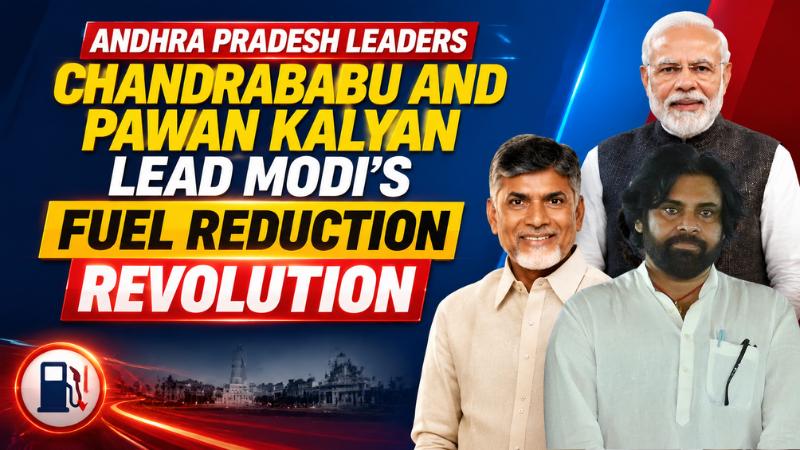
Andhra Pradesh Leaders Chandrababu and Pawan Kalyan Lead Modi's Fuel Reduction Revolution
The government of Andhra Pradesh is aligning itself closely with the National Democratic Alliance (NDA) government at the centre, primarily driven by the strong support of leaders like Chandrababu Naidu and Pawan Kalyan for Prime Minister Narendra Modi. Recent political developments suggest that Andhra Pradesh is actively embracing Modi’s initiative aimed at reducing fuel consumption and promoting eco-friendly practices. In a significant move that echoes the Prime Minister's earli
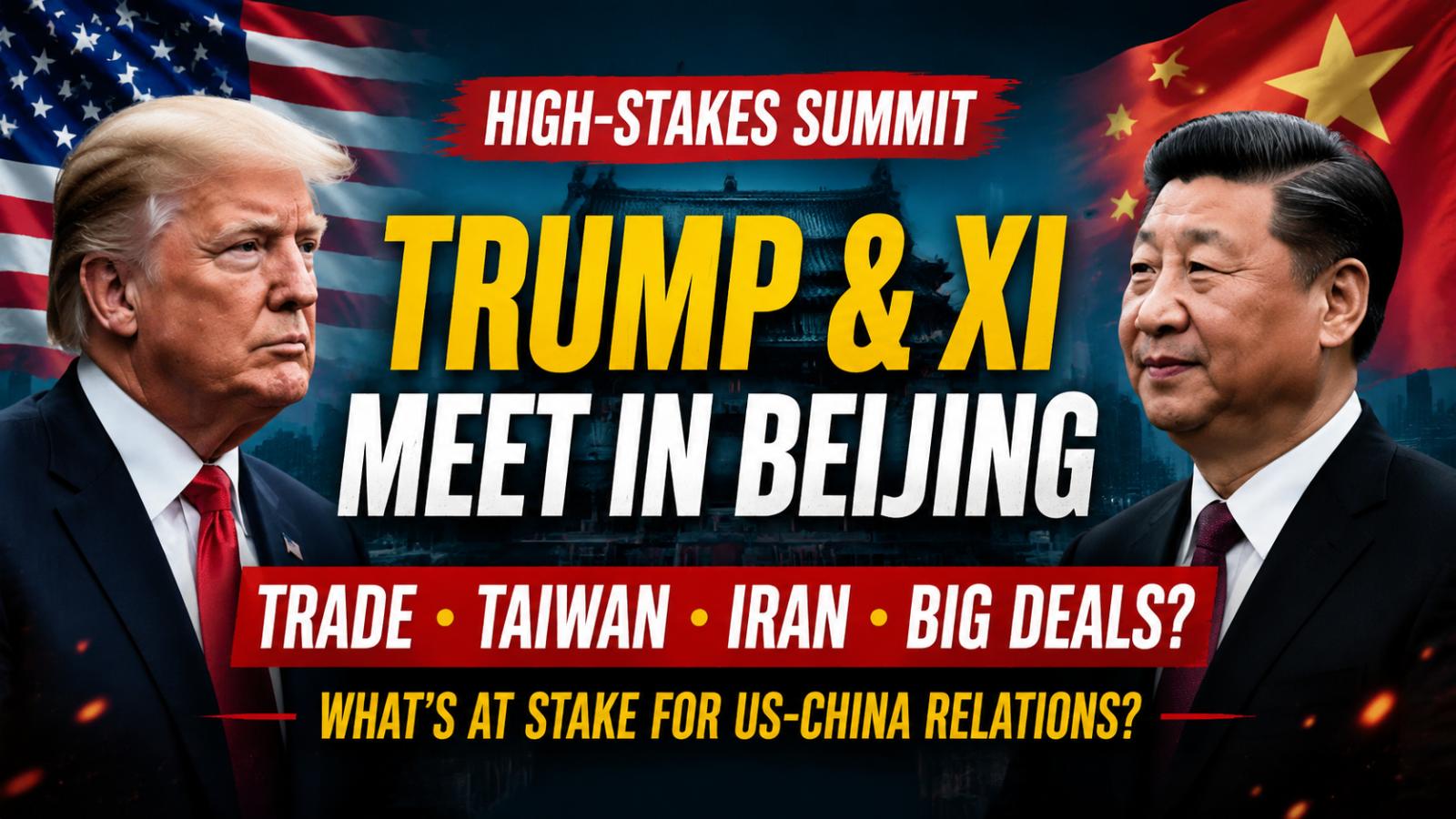
US-China Summit: Trump and Xi Discuss Trade, Taiwan, and Iran
On May 14, US President Donald Trump will meet Chinese President Xi Jinping in Beijing for an important summit that could reshape the US-China relationship. This high-level meeting comes after years of trade disputes, rising tensions over Taiwan, and concerns about Iran’s nuclear ambitions. The two leaders are expected to tackle these critical issues head-on, with major global implications. This marks Trump’s first visit to China since 2017, and the atmosphere surrounding the trip is tense, yet optimistic. Alongside the president, top business leaders, including Nvidia’s Jensen Huang and Tesla’s Elon Musk, will be part of the delegation, emphasizing the US’s desire to push for commercial deals that strengthen trade ties with China. The summit is taking place against the backdrop of escalating tensions, including the ongoing trade war between the two powers, China’s rare earth restrictions, and the fierce competition in artificial intelligence (AI). Trade Tensions: A Fragile Truce One of the central issues on the table is trade. The US and China have been at odds for years, with both countries imposing tariffs on each other's goods. While last year saw a brief period of truce, many unresolved issues remain. President Trump is expected to press China for further trade reforms and better deals for American businesses, especially in the face of high tariffs and economic uncertainty.Both sides are aware that the trade dynamics have far-reaching consequences for the global economy, so finding common ground will be critical. Taiwan: A Stubborn Point of Contention Another major issue will be Taiwan, which has long been a flashpoint between the two nations. China views Taiwan as an inseparable part of its territory, while the US has shown strong support for the island’s autonomy. With tensions rising, especially after China increased military activity near Taiwan, the US's stance on Taiwan remains a key area of friction. Trump’s administration has been vocal about its support for Taiwan, and it remains to be seen how this will affect the overall talks. How the two leaders address this issue will set the tone for future interactions between the two countries, especially considering the delicate balance the US must strike between its relationship with China and its support for Taiwan. Iran: A Strategic Challenge Trump is also expected to address the situation in Iran, seeking China’s cooperation on curbing Iran’s nuclear ambitions. With China’s significant economic ties to Iran, Trump hopes Beijing can use its influence to help rein in Tehran’s nuclear program and reduce instability in the Middle East. China’s role in global diplomacy has been growing, and this summit could serve as a turning point for its involvement in international peace efforts. The Stakes of the Summit Both leaders face high stakes at this summit. Trump’s goal is clear: to secure deals that will benefit American businesses and address concerns about China’s rising influence in global trade and AI. For China, maintaining its geopolitical power while ensuring economic growth is paramount. Despite the challenging topics, both leaders know the importance of maintaining a functional relationship for global stability. As the summit unfolds, eyes will be on whether the two leaders can navigate their differences and strike a deal that addresses the critical issues of trade, Taiwan, and Iran. The outcome will not just shape US-China relations, but could influence global geopolitics for years to come. This meeting is more than just diplomacy; it's a chance to shape the future of international relations, with consequences that reach far beyond the negotiating table.
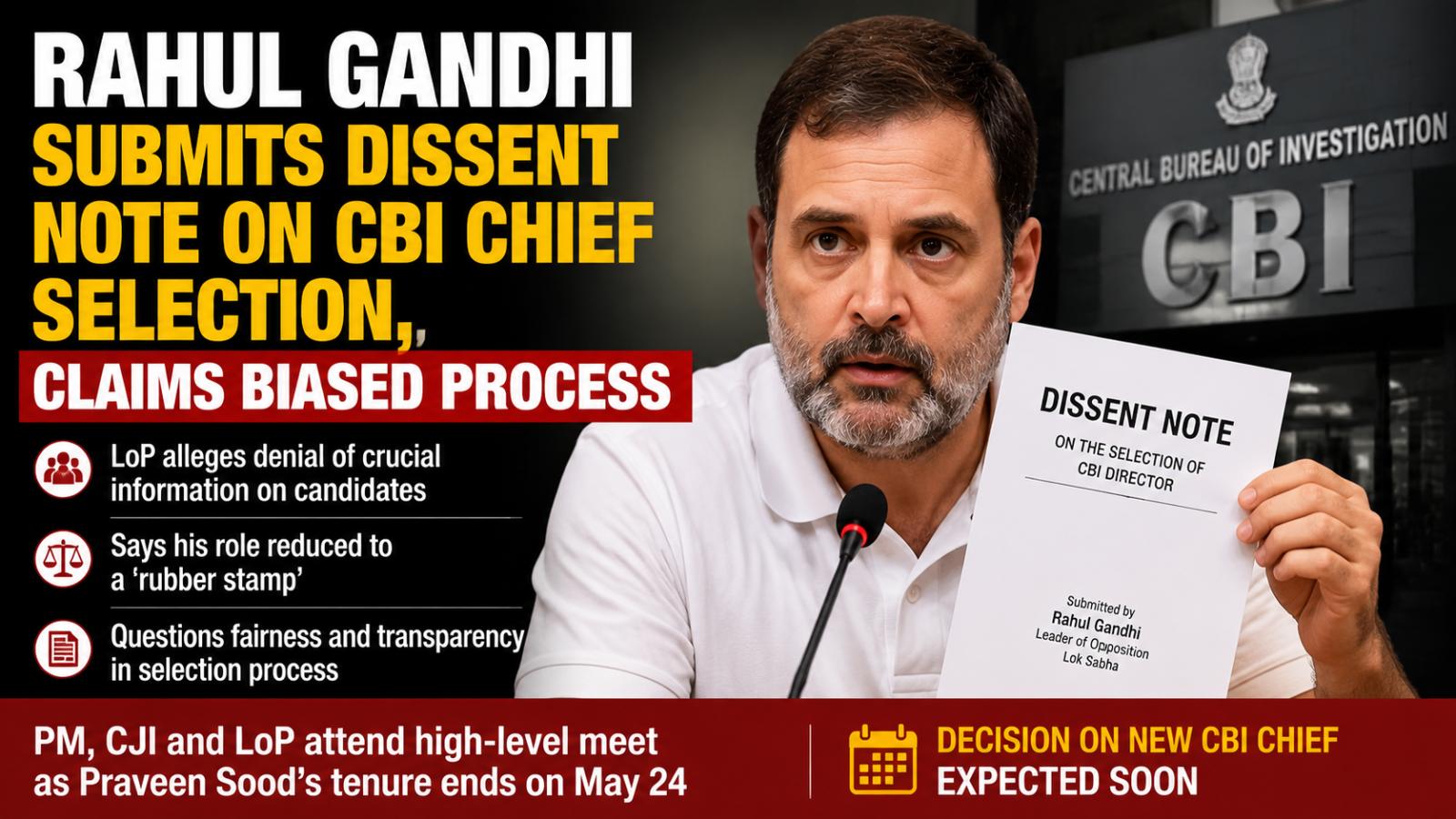
Rahul Gandhi Submits Dissent Note on CBI Chief Selection, Claims Biased Process
On May 13, 2026, Rahul Gandhi, the Leader of Opposition in the Lok Sabha, submitted a dissent note to Prime Minister Narendra Modi regarding the selection process for the new Central Bureau of Investigation (CBI) chief. The Congress MP accused the process of being biased, stating that his constitutional role in the appointment process had been reduced to that of a "rubber stamp." Gandhi expressed that the procedure was designed to ensure that the government's preferred candidate would be selected, and he refused to participate in what he deemed a "mockery" of the process. The high-level meeting, which included Prime Minister Modi, Chief Justice of India Surya Kant, and Gandhi, was held at the Prime Minister's residence to discuss the potential successors to Praveen Sood, the outgoing CBI Director, whose tenure ends on May 24, 2026. Gandhi claimed that despite repeated requests, he was denied access to crucial self-appraisal and assessment reports of the 69 shortlisted candidates. He pointed out that he was expected to review these records only during the meeting, preventing a meaningful evaluation of the candidates' histories and performances. The lack of transparency in the process, he said, made it difficult for him to fulfill his constitutional duty to ensure a fair and unbiased selection for the critical position. In his note, Gandhi also accused the Modi government of using the CBI to target political opponents, journalists, and critics. He noted that his suggestions for a more transparent and fair process had been ignored, including earlier written requests made on October 21 and May 5 of the previous year. Gandhi’s criticism of the process is seen as part of a broader political strategy to hold the government accountable on issues of institutional independence, especially as the CBI has often been at the center of political controversies. As the selection process for the new CBI chief continues, it is expected that the Modi government will announce the new director soon, with several senior IPS officers under consideration for the top position. This issue remains a politically sensitive one, with several high-profile cases involving the agency, making the outcome of the CBI chief selection process crucial for the current government and the opposition alike.
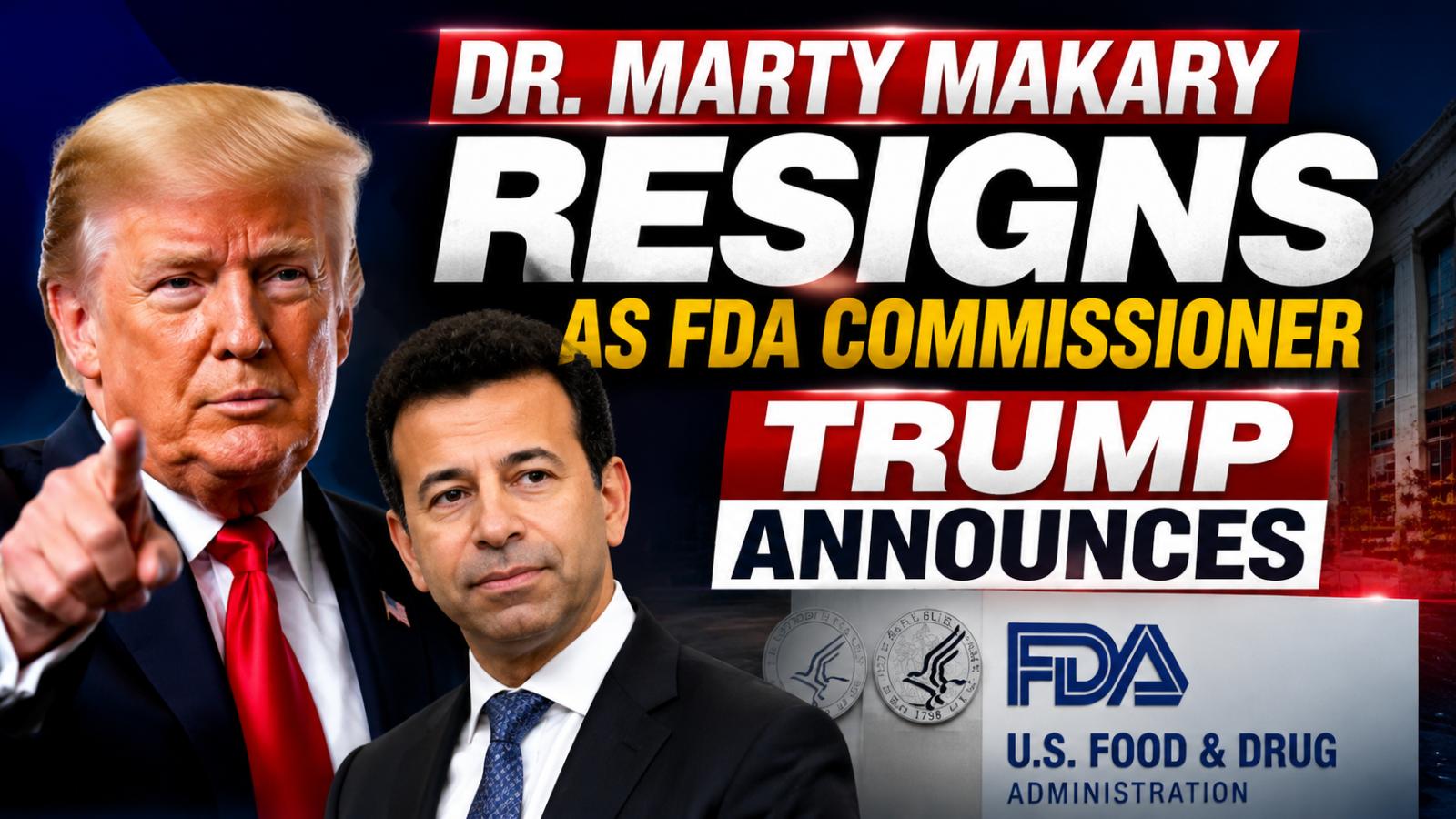
Dr. Marty Makary Resigns as FDA Commissioner, Trump Announces
Dr. Marty Makary Resigns as FDA Commissioner Dr. Marty Makary has resigned from his position as the commissioner of the U.S. Food and Drug Administration (FDA), as confirmed by President Donald Trump on May 12. In a social media post, Trump revealed that Makary had informed him of his decision to step down, effective Tuesday. While Makary did not offer an explicit reason for his resignation, Trump praised his leadership, calling him a “hard worke
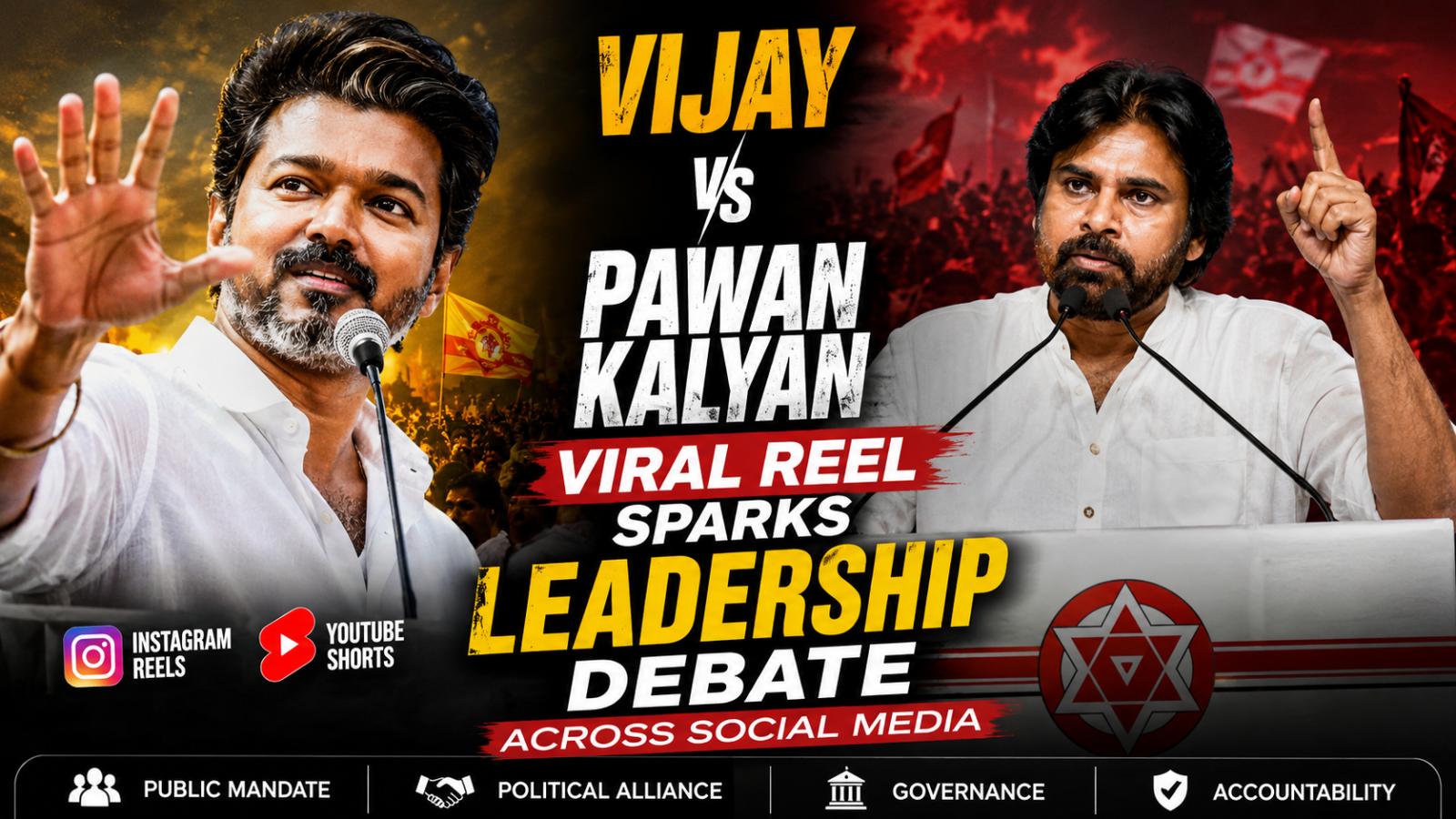
Vijay vs Pawan Kalyan Viral Reels Sparks
A cinematic political reel comparing Vijay and Pawan Kalyan is rapidly becoming one of India’s most discussed viral political videos, triggering huge engagement across Instagram Reels, YouTube Shorts, Facebook, and X. The viral political reel, centered around leadership, public mandate, governance, and p
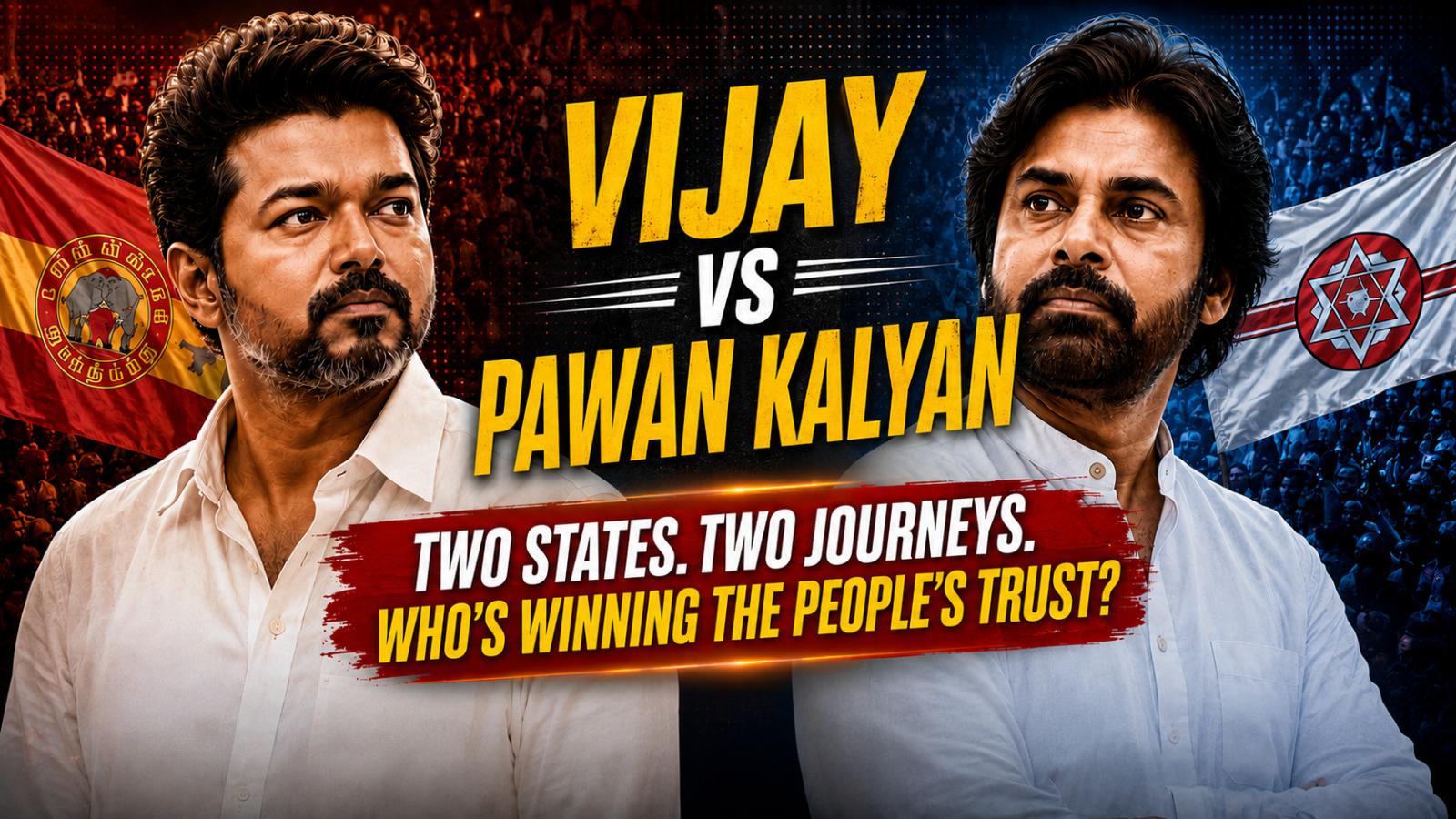
Leadership and Public Mandate Theme Drives Viral Political Reel
A visually driven political reel comparing actor-turned-political figures Vijay and Pawan Kalyan is drawing strong engagement across social media platforms. The video, designed in a cinematic format with dramatic color contrasts and symbolic imagery, presents two different leadership journeys while focusing on themes such as public mandate, political alliances, governance, and accountability. The reel uses side-by-side visuals, slogans, and emotionally charged design elements to highlight differences in political perception and public expectations surrounding both leaders. The content gained traction largely because of its presentation style rather than direct political criticism. Supporters from both Tamil Nadu and Andhra Pradesh have been actively sharing the reel, discussing leadership qualities, ideological consistency, and the role of public trust in politics. Several visuals emphasize the importance of principles, voter respect, and long-term governance, while also reflecting on how political alliances influence public opinion during elections. The reel avoids direct personal attacks and concludes with a message encouraging viewers to respect different political journeys. That ending appears to have helped the content resonate with a broader audience, especially among younger social media users who engage heavily with political edits, cinematic storytelling, and leadership-focused discussions online. The combination of dramatic visuals, emotionally balanced narration, and a neutral closing statement has contributed to its growing reach. Vijay, who recently increased his political visibility in Tamil Nadu, and Pawan Kalyan, who remains a significant political figure in Andhra Pradesh, continue to attract large online communities. Their supporters often use digital content, speeches, and edited reels to amplify narratives around leadership and governance. Political content creators are increasingly using short-form video formats to influence public conversations, especially among audiences consuming politics through Instagram Reels, YouTube Shorts, and similar platforms. The viral reel also reflects a wider trend in Indian political communication where cinematic presentation and emotional storytelling are becoming central tools for online engagement. Rather than relying only on speeches or campaign footage, creators are blending film-style editing with political messaging to increase audience retention and social sharing.
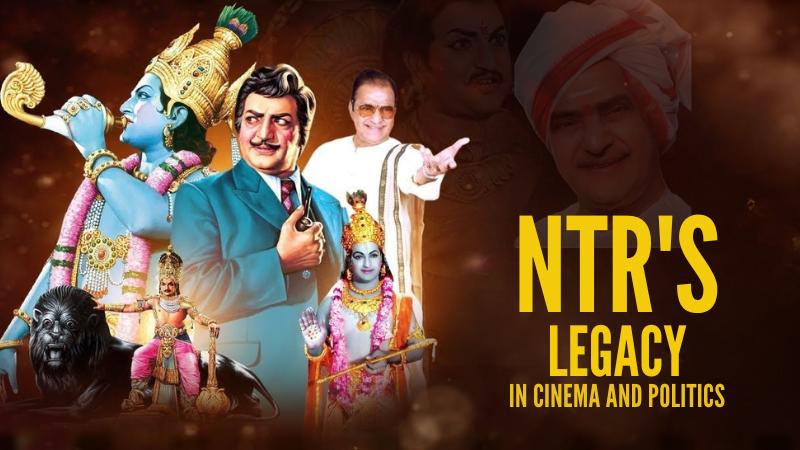
NTR life story from film superstar to Andhra Pradesh political icon
Nandamuri Taraka Rama Rao, widely known as NTR, remains one of the most respected personalities in Indian cinema and Andhra Pradesh politics. His journey from a small village in Andhra Pradesh to becoming a film superstar and political leader continues to inspire millions. NTR earned massive popularity through Telugu cinema and later used that public support to build a powerful political movement that changed the political history of Andhra Pradesh. Born on May 28, 1923, in Nimmakur
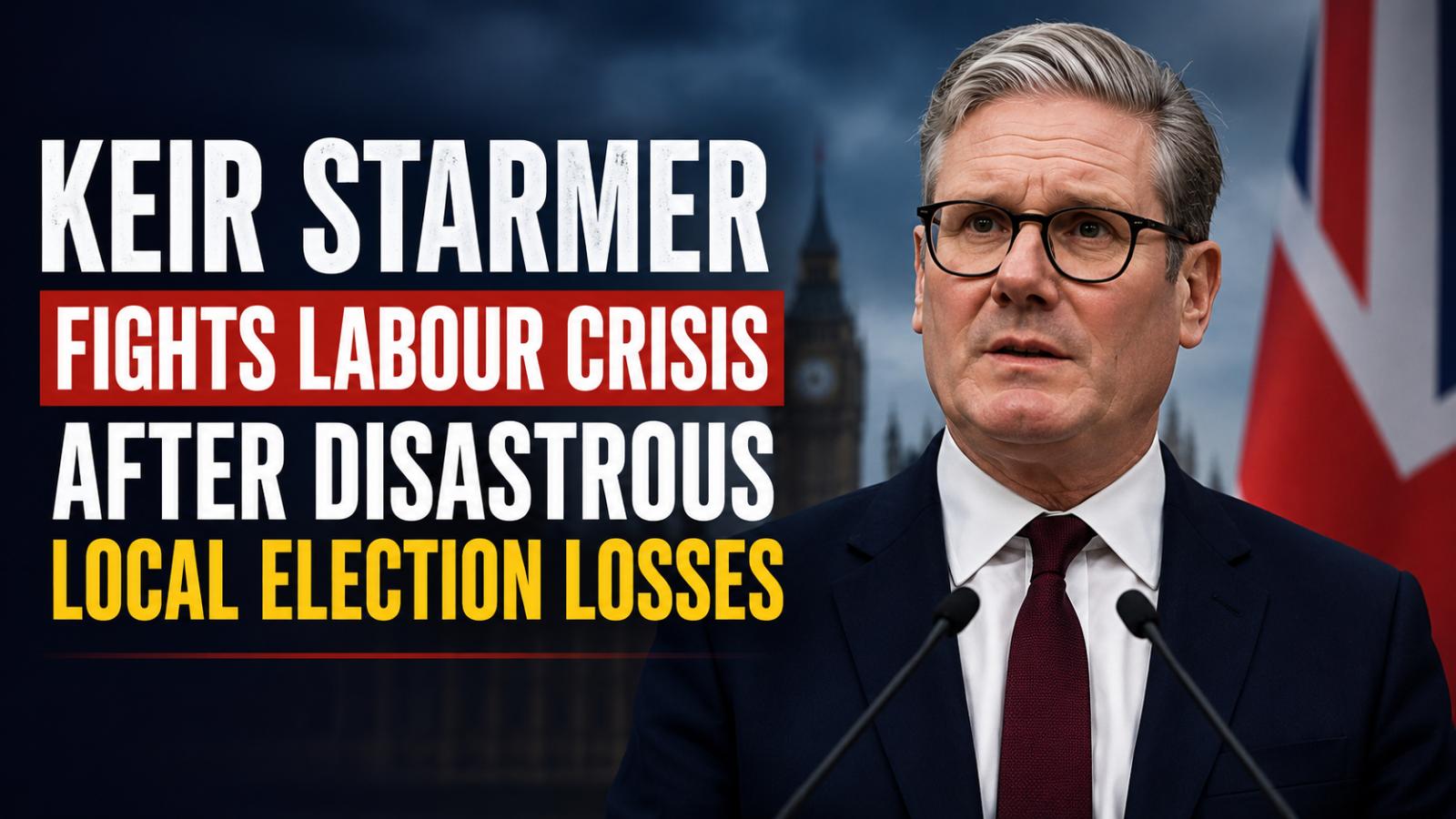
UK PM Keir Starmer announces British Steel plan during Labour revolt
United Kingdom Prime Minister Keir Starmer is facing one of the toughest moments of his political career after Labour suffered major defeats in local elections across England and Wales. In a major speech aimed at calming angry Labour MPs, Starmer admitted the election results were “tough” and accepted responsibility for the setback. At the same time, he promised to rebuild trust, strengthen the UK economy, improve ties with Europe, and protect Britain from being pulled into a war with Ira
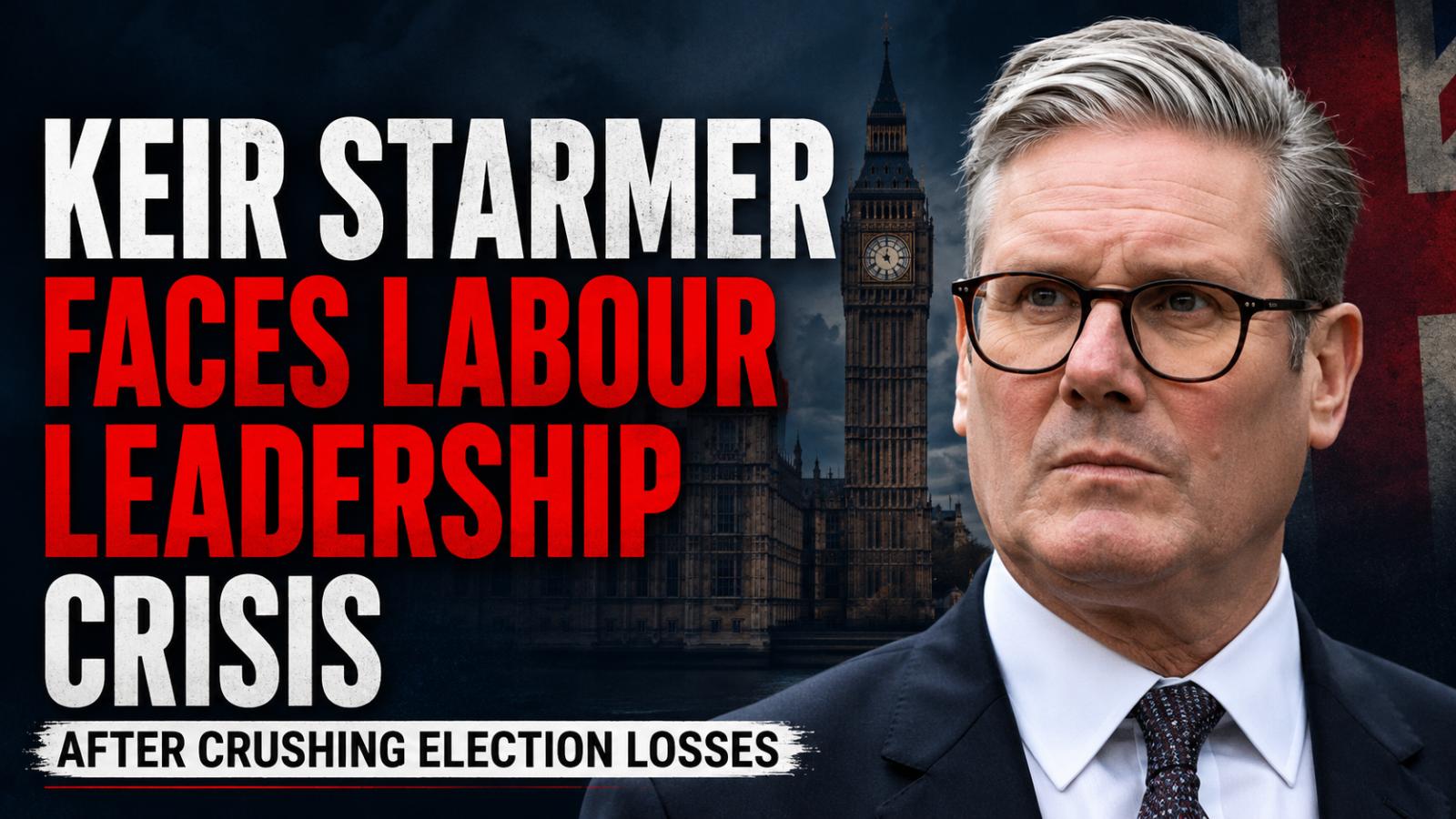
Keir Starmer faces Labour leadership crisis after crushing local election losses
United Kingdom Prime Minister Keir Starmer is facing a serious Labour leadership crisis after the party suffered heavy losses in the 2026 local elections across England and Wales. The poor election performance has triggered anger among Labour MPs, with Catherine West warning cabinet ministers that she may begin gathering support for a leadership contest if no one challenges Starmer by Monday. The growing rebellion has raised fresh questions about Starmer’s future as leader of the Labour Par
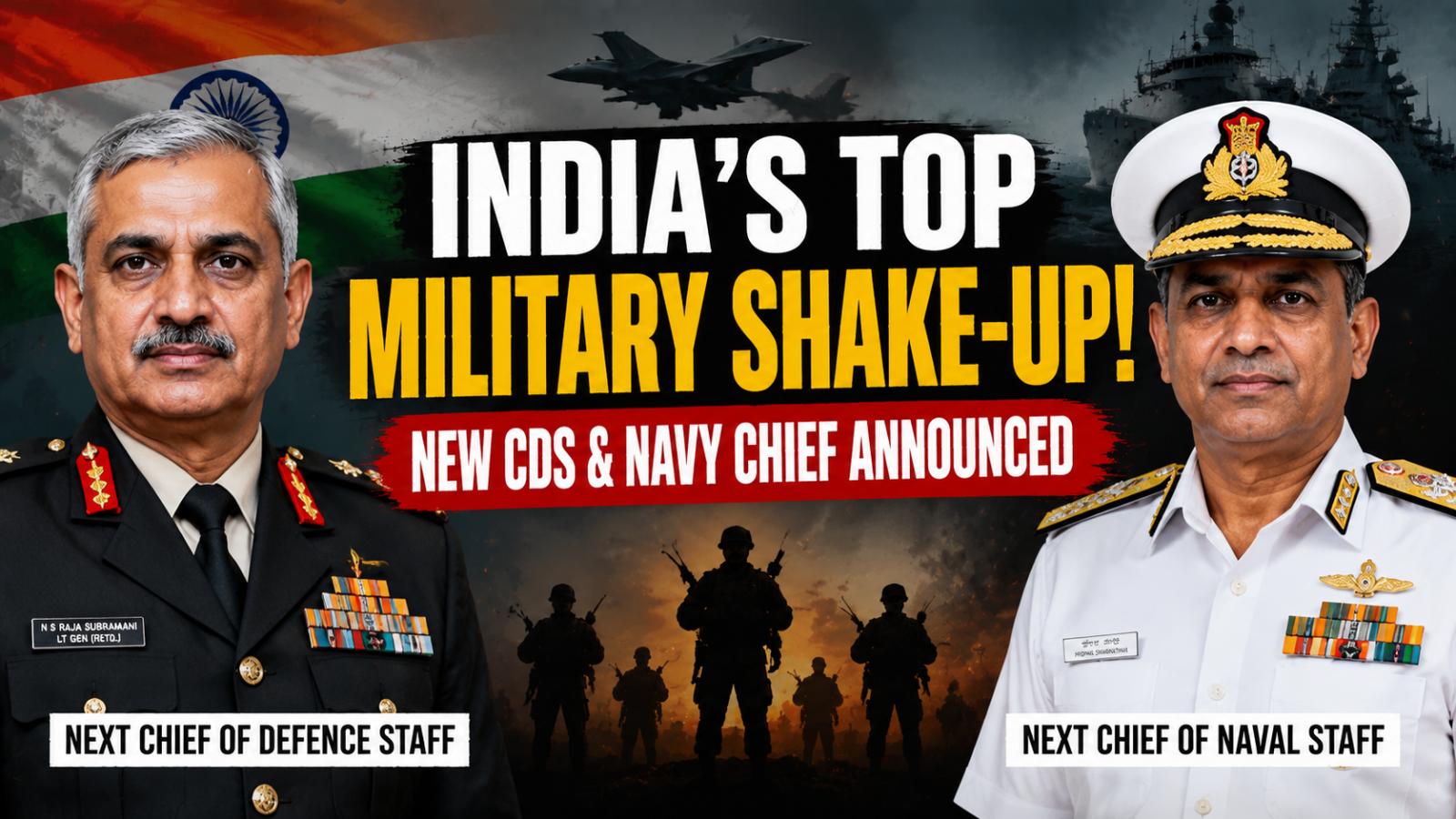
Major Shake-Up in India's Military Leadership: New CDS and Naval Chief Announced
India's military leadership is set to undergo one of the most significant top-level shake-ups in recent years, with the official announcement of key appointments in the country's armed forces. On May 9, the Indian government named Lieutenant General N S Raja Subramani (Retd.) as the next Chief of Defence Staff (CDS) and Vice Admiral Krishna Swaminathan as the new Chief of Naval Staff. These appointments will take effect at the end of May. Lt Gen Raja Subramani will succeed General Anil Chauhan, who held the position of CDS before retiring. Vice Admiral Swaminathan will take over from Admiral Dinesh K Tripathi, who has served as the Chief of Naval Staff for the past few years. The appointments mark a significant change in the leadership structure of India’s armed forces, reflecting the government’s intent to revamp its military leadership for the coming years. The announcement comes after a period of intense speculation about who would fill these critical positions. The new leadership appointments come at a time when India is focusing on modernizing its defense forces and enhancing the capabilities of its military in a rapidly changing geopolitical landscape. The new CDS, Lt Gen Raja Subramani, will be tasked with overseeing the integration of the armed forces, a key goal under the leadership of the CDS role, which was created to provide greater coordination between the Indian Army, Navy, and Air Force. Lt Gen Raja Subramani brings with him decades of experience, having held senior military roles during his service. His appointment is seen as a step towards strengthening India’s defense strategy, particularly in dealing with regional security challenges. On the other hand, Vice Admiral Krishna Swaminathan, who will take charge of the Indian Navy, is expected to further enhance naval capabilities, focusing on both maritime security and strengthening India’s naval presence in the Indian Ocean region. The appointments of Lt Gen Raja Subramani and Vice Admiral Swaminathan represent a pivotal moment for India’s military, ensuring continuity while introducing new leadership to navigate the challenges of a rapidly evolving defense environment. With these changes, India continues its commitment to strengthening its defense forces and enhancing its security posture on the global stage.
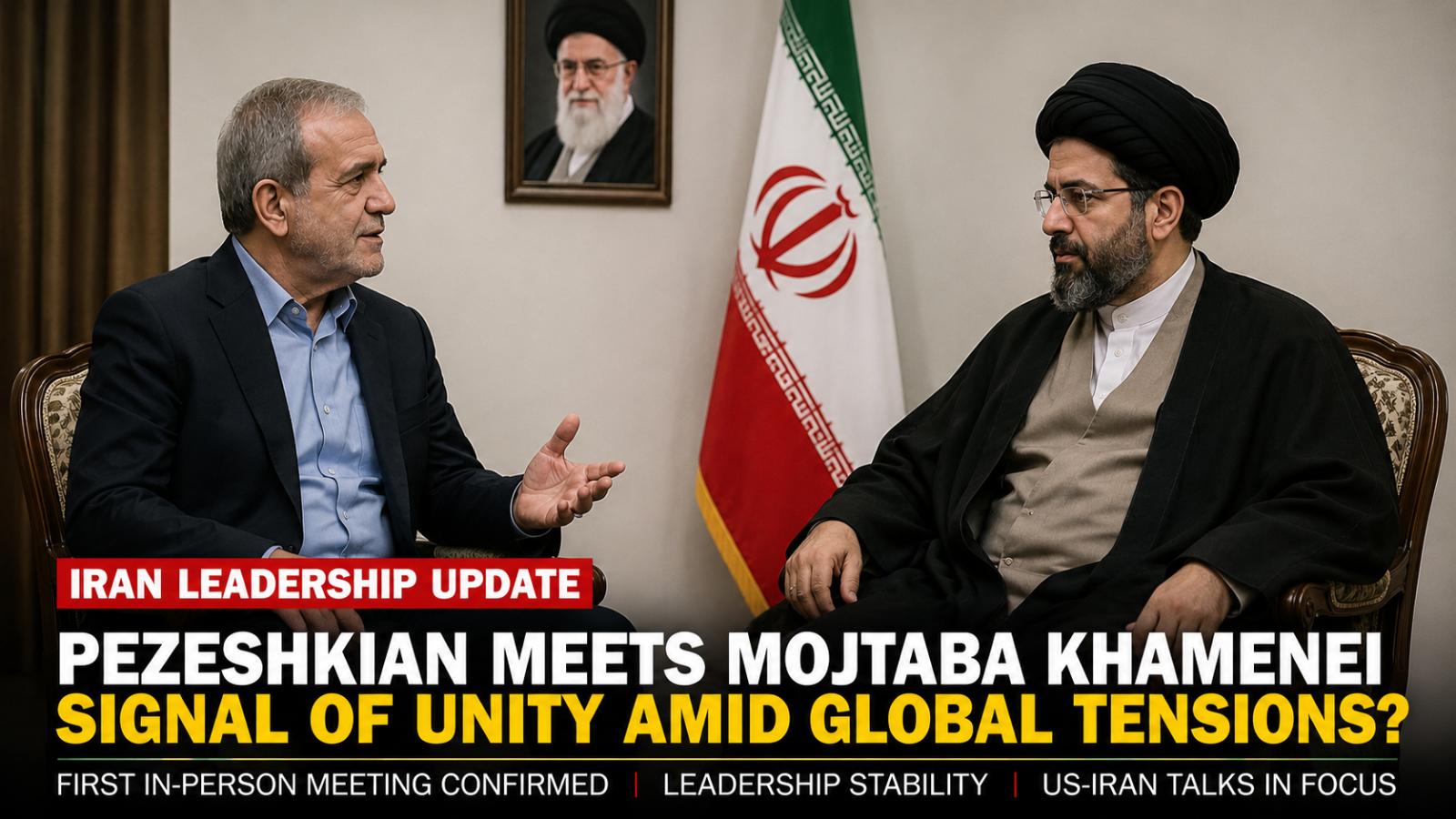
Iran Supreme Leader Mojtaba Khamenei Meets President Pezeshkian for First Time — What It Reveals About Iran’s Power Shift
Iran Leadership Transition: First Meeting Confirmed Iran’s new supreme leader Mojtaba Khamenei has held his first known in-person meeting with President Masoud Pezeshkian, signaling stability in Iran’s leadership transition. Pezeshkian confirmed the two-and-a-half-hour discussion, describing it as “constructive and based on trust,” offering the clearest sign yet of internal unity after months of uncertainty.