
















Rahul Gandhi Submits Dissent Note on CBI Chief Selection, Claims Biased Process
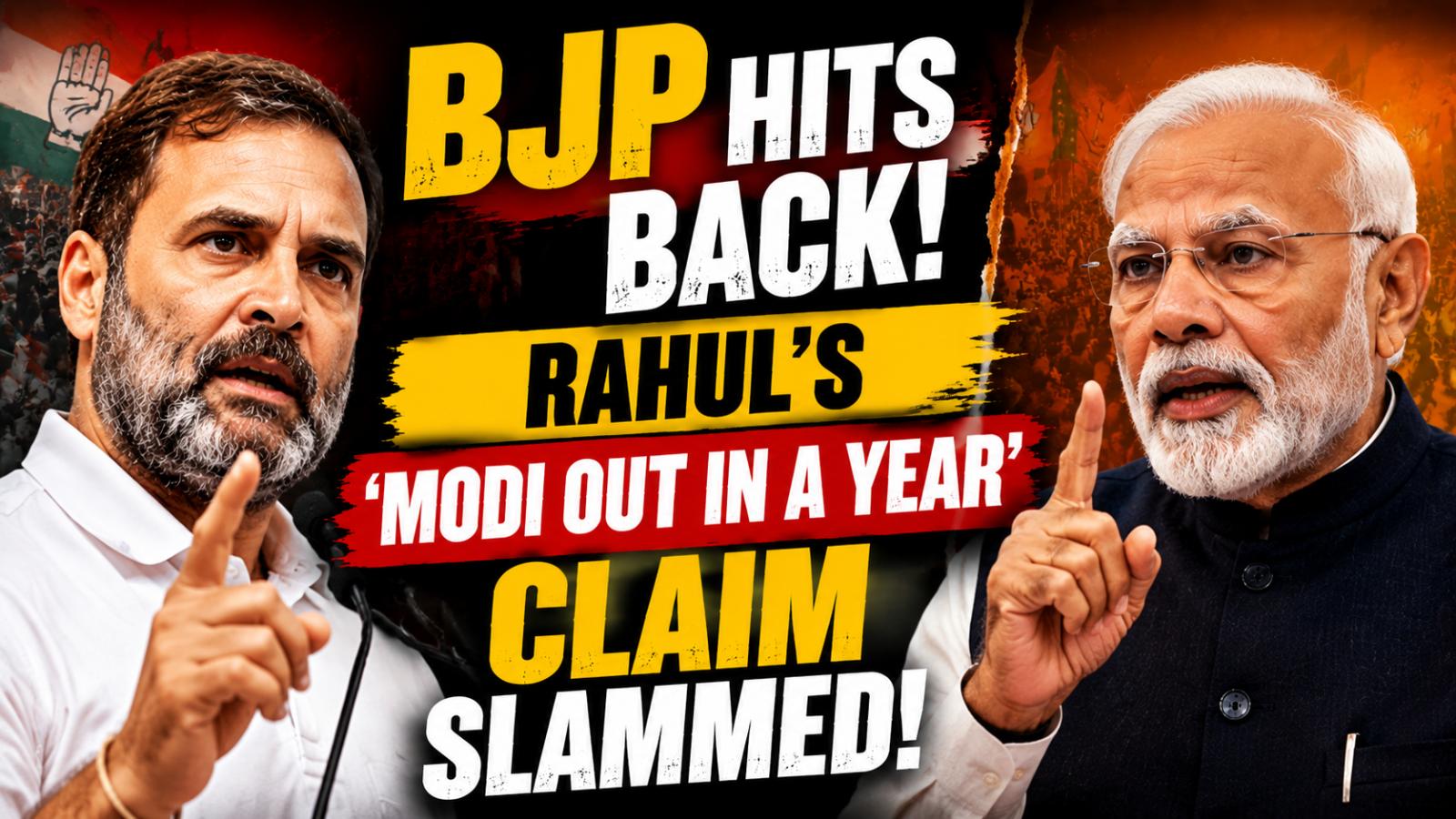
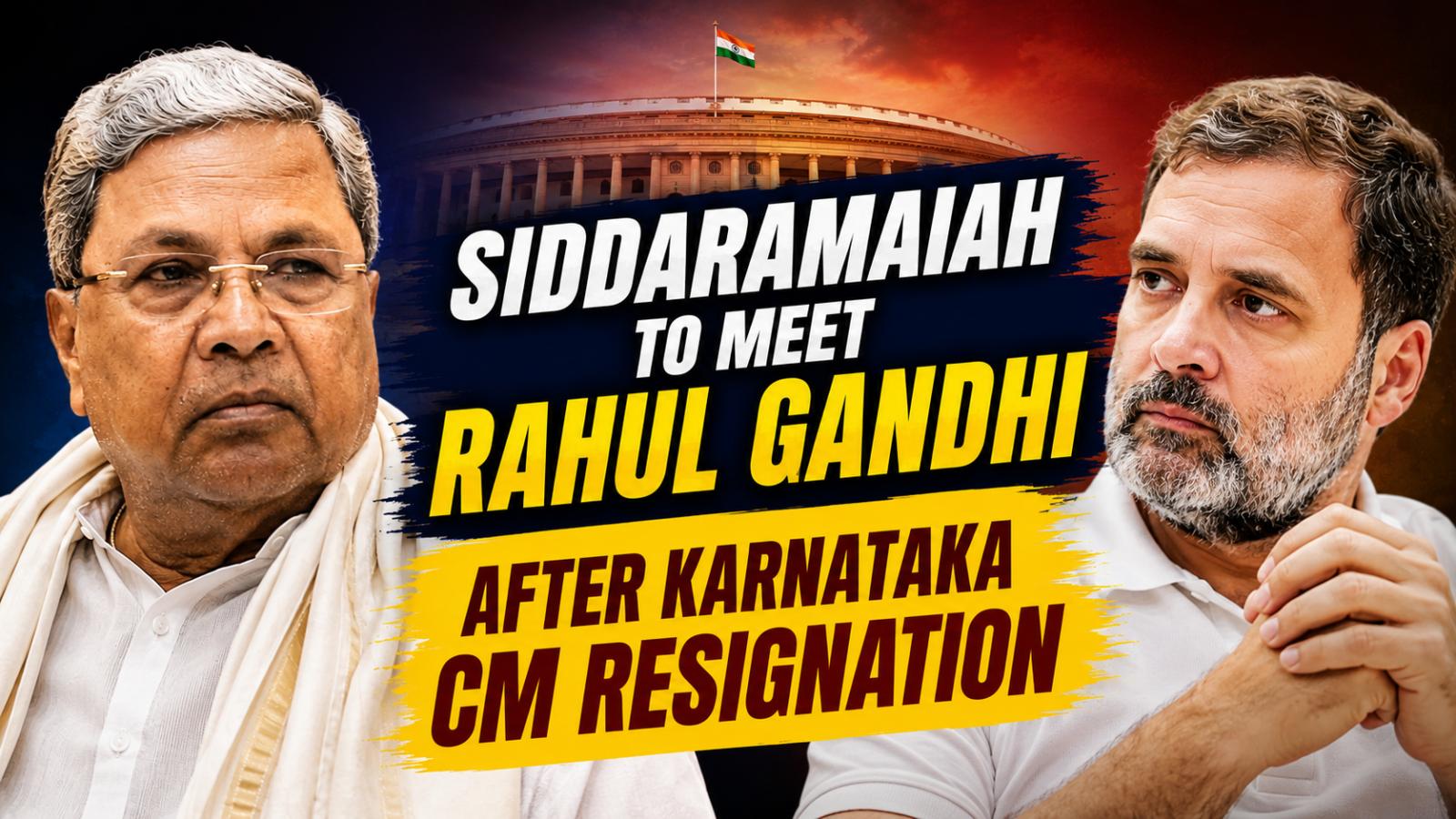
On May 13, 2026, Rahul Gandhi, the Leader of Opposition in the Lok Sabha, submitted a dissent note to Prime Minister Narendra Modi regarding the selection process for the new Central Bureau of Investigation (CBI) chief. The Congress MP accused the process of being biased, stating that his constitutional role in the appointment process had been reduced to that of a "rubber stamp." Gandhi expressed that the procedure was designed to ensure that the government's preferred candidate would be selected, and he refused to participate in what he deemed a "mockery" of the process. The high-level meeting, which included Prime Minister Modi, Chief Justice of India Surya Kant, and Gandhi, was held at the Prime Minister's residence to discuss the potential successors to Praveen Sood, the outgoing CBI Director, whose tenure ends on May 24, 2026. Gandhi claimed that despite repeated requests, he was denied access to crucial self-appraisal and assessment reports of the 69 shortlisted candidates. He pointed out that he was expected to review these records only during the meeting, preventing a meaningful evaluation of the candidates' histories and performances. The lack of transparency in the process, he said, made it difficult for him to fulfill his constitutional duty to ensure a fair and unbiased selection for the critical position. In his note, Gandhi also accused the Modi government of using the CBI to target political opponents, journalists, and critics. He noted that his suggestions for a more transparent and fair process had been ignored, including earlier written requests made on October 21 and May 5 of the previous year. Gandhi’s criticism of the process is seen as part of a broader political strategy to hold the government accountable on issues of institutional independence, especially as the CBI has often been at the center of political controversies. As the selection process for the new CBI chief continues, it is expected that the Modi government will announce the new director soon, with several senior IPS officers under consideration for the top position. This issue remains a politically sensitive one, with several high-profile cases involving the agency, making the outcome of the CBI chief selection process crucial for the current government and the opposition alike.
Rahul Gandhi Submits Dissent Note on CBI Chief Selection, Claims Biased Process
On May 13, 2026, Rahul Gandhi, the Leader of Opposition in the Lok Sabha, submitted a dissent note to Prime Minister Narendra Modi regarding the selection process for the new Central Bureau of Investigation (CBI) chief. The Congress MP accused the process of being biased, stating that his constitutional role in the appointment process had been reduced to that of a "rubber stamp." Gandhi expressed that the procedure was designed to ensure that the government's preferred candidate would be selected, and he refused to participate in what he deemed a "mockery" of the process. The high-level meeting, which included Prime Minister Modi, Chief Justice of India Surya Kant, and Gandhi, was held at the Prime Minister's residence to discuss the potential successors to Praveen Sood, the outgoing CBI Director, whose tenure ends on May 24, 2026. Gandhi claimed that despite repeated requests, he was denied access to crucial self-appraisal and assessment reports of the 69 shortlisted candidates. He pointed out that he was expected to review these records only during the meeting, preventing a meaningful evaluation of the candidates' histories and performances. The lack of transparency in the process, he said, made it difficult for him to fulfill his constitutional duty to ensure a fair and unbiased selection for the critical position. In his note, Gandhi also accused the Modi government of using the CBI to target political opponents, journalists, and critics. He noted that his suggestions for a more transparent and fair process had been ignored, including earlier written requests made on October 21 and May 5 of the previous year. Gandhi’s criticism of the process is seen as part of a broader political strategy to hold the government accountable on issues of institutional independence, especially as the CBI has often been at the center of political controversies. As the selection process for the new CBI chief continues, it is expected that the Modi government will announce the new director soon, with several senior IPS officers under consideration for the top position. This issue remains a politically sensitive one, with several high-profile cases involving the agency, making the outcome of the CBI chief selection process crucial for the current government and the opposition alike.
Dr. Marty Makary Resigns as FDA Commissioner, Trump Announces
Dr. Marty Makary Resigns as FDA Commissioner Dr. Marty Makary has resigned from his position as the commissioner of the U.S. Food and Drug Administration (FDA), as confirmed by President Donald Trump on May 12. In a social media post, Trump revealed that Makary had informed him of his decision to step down, effective Tuesday. While Makary did not offer an explicit reason for his resignation, Trump praised his leadership, calling him a “hard worke
Dr. Marty Makary Resigns as FDA Commissioner, Trump Announces
Dr. Marty Makary Resigns as FDA Commissioner Dr. Marty Makary has resigned from his position as the commissioner of the U.S. Food and Drug Administration (FDA), as confirmed by President Donald Trump on May 12. In a social media post, Trump revealed that Makary had informed him of his decision to step down, effective Tuesday. While Makary did not offer an explicit reason for his resignation, Trump praised his leadership, calling him a “hard worke
Vijay vs Pawan Kalyan Viral Reels Sparks
A cinematic political reel comparing Vijay and Pawan Kalyan is rapidly becoming one of India’s most discussed viral political videos, triggering huge engagement across Instagram Reels, YouTube Shorts, Facebook, and X. The viral political reel, centered around leadership, public mandate, governance, and p
Vijay vs Pawan Kalyan Viral Reels Sparks
A cinematic political reel comparing Vijay and Pawan Kalyan is rapidly becoming one of India’s most discussed viral political videos, triggering huge engagement across Instagram Reels, YouTube Shorts, Facebook, and X. The viral political reel, centered around leadership, public mandate, governance, and p
Leadership and Public Mandate Theme Drives Viral Political Reel
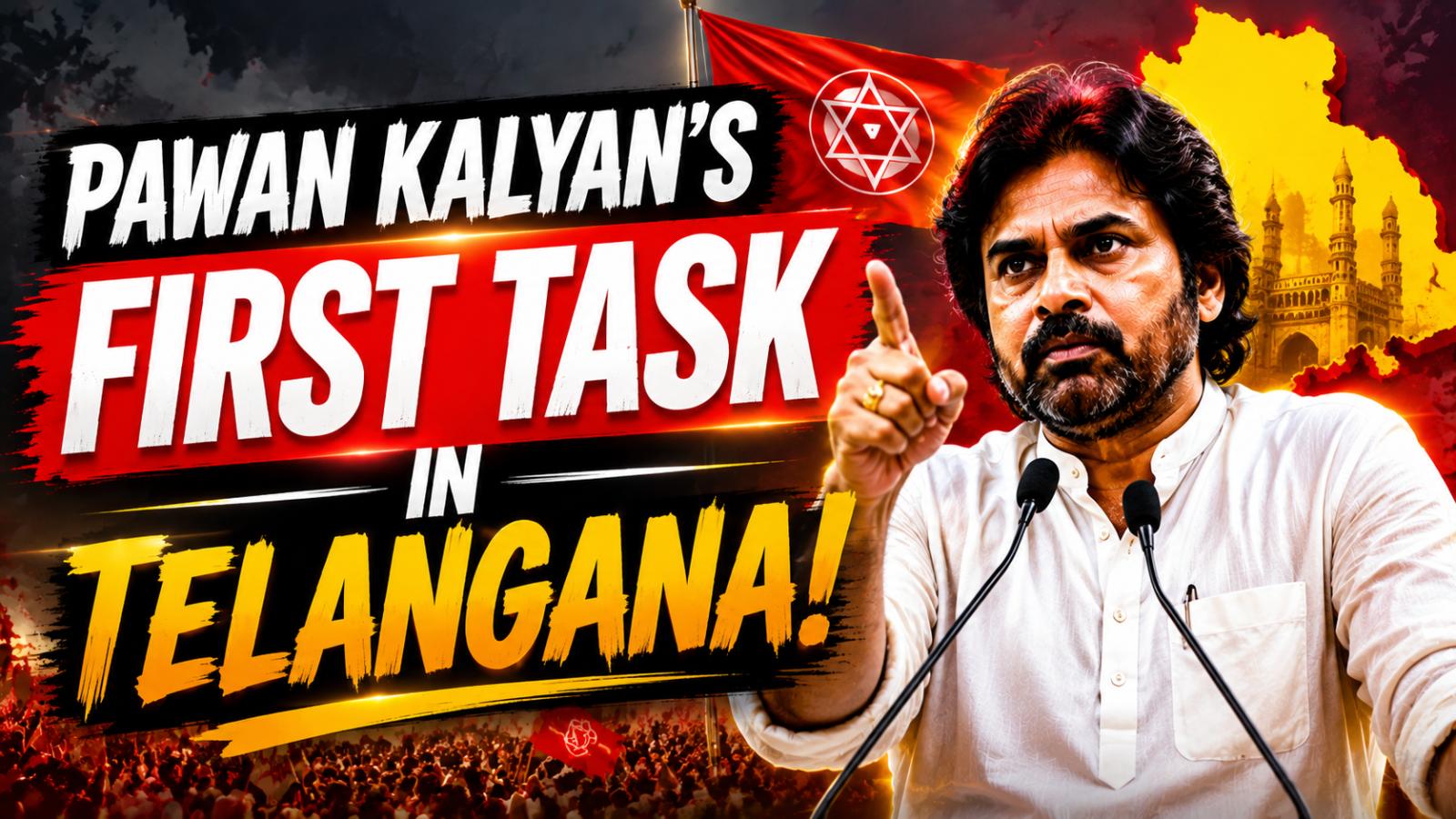
A visually driven political reel comparing actor-turned-political figures Vijay and Pawan Kalyan is drawing strong engagement across social media platforms. The video, designed in a cinematic format with dramatic color contrasts and symbolic imagery, presents two different leadership journeys while focusing on themes such as public mandate, political alliances, governance, and accountability. The reel uses side-by-side visuals, slogans, and emotionally charged design elements to highlight differences in political perception and public expectations surrounding both leaders. The content gained traction largely because of its presentation style rather than direct political criticism. Supporters from both Tamil Nadu and Andhra Pradesh have been actively sharing the reel, discussing leadership qualities, ideological consistency, and the role of public trust in politics. Several visuals emphasize the importance of principles, voter respect, and long-term governance, while also reflecting on how political alliances influence public opinion during elections. The reel avoids direct personal attacks and concludes with a message encouraging viewers to respect different political journeys. That ending appears to have helped the content resonate with a broader audience, especially among younger social media users who engage heavily with political edits, cinematic storytelling, and leadership-focused discussions online. The combination of dramatic visuals, emotionally balanced narration, and a neutral closing statement has contributed to its growing reach. Vijay, who recently increased his political visibility in Tamil Nadu, and Pawan Kalyan, who remains a significant political figure in Andhra Pradesh, continue to attract large online communities. Their supporters often use digital content, speeches, and edited reels to amplify narratives around leadership and governance. Political content creators are increasingly using short-form video formats to influence public conversations, especially among audiences consuming politics through Instagram Reels, YouTube Shorts, and similar platforms. The viral reel also reflects a wider trend in Indian political communication where cinematic presentation and emotional storytelling are becoming central tools for online engagement. Rather than relying only on speeches or campaign footage, creators are blending film-style editing with political messaging to increase audience retention and social sharing.
Leadership and Public Mandate Theme Drives Viral Political Reel
A visually driven political reel comparing actor-turned-political figures Vijay and Pawan Kalyan is drawing strong engagement across social media platforms. The video, designed in a cinematic format with dramatic color contrasts and symbolic imagery, presents two different leadership journeys while focusing on themes such as public mandate, political alliances, governance, and accountability. The reel uses side-by-side visuals, slogans, and emotionally charged design elements to highlight differences in political perception and public expectations surrounding both leaders. The content gained traction largely because of its presentation style rather than direct political criticism. Supporters from both Tamil Nadu and Andhra Pradesh have been actively sharing the reel, discussing leadership qualities, ideological consistency, and the role of public trust in politics. Several visuals emphasize the importance of principles, voter respect, and long-term governance, while also reflecting on how political alliances influence public opinion during elections. The reel avoids direct personal attacks and concludes with a message encouraging viewers to respect different political journeys. That ending appears to have helped the content resonate with a broader audience, especially among younger social media users who engage heavily with political edits, cinematic storytelling, and leadership-focused discussions online. The combination of dramatic visuals, emotionally balanced narration, and a neutral closing statement has contributed to its growing reach. Vijay, who recently increased his political visibility in Tamil Nadu, and Pawan Kalyan, who remains a significant political figure in Andhra Pradesh, continue to attract large online communities. Their supporters often use digital content, speeches, and edited reels to amplify narratives around leadership and governance. Political content creators are increasingly using short-form video formats to influence public conversations, especially among audiences consuming politics through Instagram Reels, YouTube Shorts, and similar platforms. The viral reel also reflects a wider trend in Indian political communication where cinematic presentation and emotional storytelling are becoming central tools for online engagement. Rather than relying only on speeches or campaign footage, creators are blending film-style editing with political messaging to increase audience retention and social sharing.
NTR life story from film superstar to Andhra Pradesh political icon
Nandamuri Taraka Rama Rao, widely known as NTR, remains one of the most respected personalities in Indian cinema and Andhra Pradesh politics. His journey from a small village in Andhra Pradesh to becoming a film superstar and political leader continues to inspire millions. NTR earned massive popularity through Telugu cinema and later used that public support to build a powerful political movement that changed the political history of Andhra Pradesh. Born on May 28, 1923, in Nimmakur
NTR life story from film superstar to Andhra Pradesh political icon
Nandamuri Taraka Rama Rao, widely known as NTR, remains one of the most respected personalities in Indian cinema and Andhra Pradesh politics. His journey from a small village in Andhra Pradesh to becoming a film superstar and political leader continues to inspire millions. NTR earned massive popularity through Telugu cinema and later used that public support to build a powerful political movement that changed the political history of Andhra Pradesh. Born on May 28, 1923, in Nimmakur
UK PM Keir Starmer announces British Steel plan during Labour revolt
United Kingdom Prime Minister Keir Starmer is facing one of the toughest moments of his political career after Labour suffered major defeats in local elections across England and Wales. In a major speech aimed at calming angry Labour MPs, Starmer admitted the election results were “tough” and accepted responsibility for the setback. At the same time, he promised to rebuild trust, strengthen the UK economy, improve ties with Europe, and protect Britain from being pulled into a war with Ira
UK PM Keir Starmer announces British Steel plan during Labour revolt
United Kingdom Prime Minister Keir Starmer is facing one of the toughest moments of his political career after Labour suffered major defeats in local elections across England and Wales. In a major speech aimed at calming angry Labour MPs, Starmer admitted the election results were “tough” and accepted responsibility for the setback. At the same time, he promised to rebuild trust, strengthen the UK economy, improve ties with Europe, and protect Britain from being pulled into a war with Ira
Keir Starmer faces Labour leadership crisis after crushing local election losses
United Kingdom Prime Minister Keir Starmer is facing a serious Labour leadership crisis after the party suffered heavy losses in the 2026 local elections across England and Wales. The poor election performance has triggered anger among Labour MPs, with Catherine West warning cabinet ministers that she may begin gathering support for a leadership contest if no one challenges Starmer by Monday. The growing rebellion has raised fresh questions about Starmer’s future as leader of the Labour Par
Keir Starmer faces Labour leadership crisis after crushing local election losses
United Kingdom Prime Minister Keir Starmer is facing a serious Labour leadership crisis after the party suffered heavy losses in the 2026 local elections across England and Wales. The poor election performance has triggered anger among Labour MPs, with Catherine West warning cabinet ministers that she may begin gathering support for a leadership contest if no one challenges Starmer by Monday. The growing rebellion has raised fresh questions about Starmer’s future as leader of the Labour Par
Major Shake-Up in India's Military Leadership: New CDS and Naval Chief Announced
India's military leadership is set to undergo one of the most significant top-level shake-ups in recent years, with the official announcement of key appointments in the country's armed forces. On May 9, the Indian government named Lieutenant General N S Raja Subramani (Retd.) as the next Chief of Defence Staff (CDS) and Vice Admiral Krishna Swaminathan as the new Chief of Naval Staff. These appointments will take effect at the end of May. Lt Gen Raja Subramani will succeed General Anil Chauhan, who held the position of CDS before retiring. Vice Admiral Swaminathan will take over from Admiral Dinesh K Tripathi, who has served as the Chief of Naval Staff for the past few years. The appointments mark a significant change in the leadership structure of India’s armed forces, reflecting the government’s intent to revamp its military leadership for the coming years. The announcement comes after a period of intense speculation about who would fill these critical positions. The new leadership appointments come at a time when India is focusing on modernizing its defense forces and enhancing the capabilities of its military in a rapidly changing geopolitical landscape. The new CDS, Lt Gen Raja Subramani, will be tasked with overseeing the integration of the armed forces, a key goal under the leadership of the CDS role, which was created to provide greater coordination between the Indian Army, Navy, and Air Force. Lt Gen Raja Subramani brings with him decades of experience, having held senior military roles during his service. His appointment is seen as a step towards strengthening India’s defense strategy, particularly in dealing with regional security challenges. On the other hand, Vice Admiral Krishna Swaminathan, who will take charge of the Indian Navy, is expected to further enhance naval capabilities, focusing on both maritime security and strengthening India’s naval presence in the Indian Ocean region. The appointments of Lt Gen Raja Subramani and Vice Admiral Swaminathan represent a pivotal moment for India’s military, ensuring continuity while introducing new leadership to navigate the challenges of a rapidly evolving defense environment. With these changes, India continues its commitment to strengthening its defense forces and enhancing its security posture on the global stage.
Major Shake-Up in India's Military Leadership: New CDS and Naval Chief Announced
India's military leadership is set to undergo one of the most significant top-level shake-ups in recent years, with the official announcement of key appointments in the country's armed forces. On May 9, the Indian government named Lieutenant General N S Raja Subramani (Retd.) as the next Chief of Defence Staff (CDS) and Vice Admiral Krishna Swaminathan as the new Chief of Naval Staff. These appointments will take effect at the end of May. Lt Gen Raja Subramani will succeed General Anil Chauhan, who held the position of CDS before retiring. Vice Admiral Swaminathan will take over from Admiral Dinesh K Tripathi, who has served as the Chief of Naval Staff for the past few years. The appointments mark a significant change in the leadership structure of India’s armed forces, reflecting the government’s intent to revamp its military leadership for the coming years. The announcement comes after a period of intense speculation about who would fill these critical positions. The new leadership appointments come at a time when India is focusing on modernizing its defense forces and enhancing the capabilities of its military in a rapidly changing geopolitical landscape. The new CDS, Lt Gen Raja Subramani, will be tasked with overseeing the integration of the armed forces, a key goal under the leadership of the CDS role, which was created to provide greater coordination between the Indian Army, Navy, and Air Force. Lt Gen Raja Subramani brings with him decades of experience, having held senior military roles during his service. His appointment is seen as a step towards strengthening India’s defense strategy, particularly in dealing with regional security challenges. On the other hand, Vice Admiral Krishna Swaminathan, who will take charge of the Indian Navy, is expected to further enhance naval capabilities, focusing on both maritime security and strengthening India’s naval presence in the Indian Ocean region. The appointments of Lt Gen Raja Subramani and Vice Admiral Swaminathan represent a pivotal moment for India’s military, ensuring continuity while introducing new leadership to navigate the challenges of a rapidly evolving defense environment. With these changes, India continues its commitment to strengthening its defense forces and enhancing its security posture on the global stage.
Iran Supreme Leader Mojtaba Khamenei Meets President Pezeshkian for First Time — What It Reveals About Iran’s Power Shift
Iran Leadership Transition: First Meeting Confirmed Iran’s new supreme leader Mojtaba Khamenei has held his first known in-person meeting with President Masoud Pezeshkian, signaling stability in Iran’s leadership transition. Pezeshkian confirmed the two-and-a-half-hour discussion, describing it as “constructive and based on trust,” offering the clearest sign yet of internal unity after months of uncertainty.
Iran Supreme Leader Mojtaba Khamenei Meets President Pezeshkian for First Time — What It Reveals About Iran’s Power Shift
Iran Leadership Transition: First Meeting Confirmed Iran’s new supreme leader Mojtaba Khamenei has held his first known in-person meeting with President Masoud Pezeshkian, signaling stability in Iran’s leadership transition. Pezeshkian confirmed the two-and-a-half-hour discussion, describing it as “constructive and based on trust,” offering the clearest sign yet of internal unity after months of uncertainty.
US Immigration 2026: Visa Delays, EAD Rule Changes Hit Applicants
US Immigration 2026: What Changed and Why It Matters US immigration updates in 2026 are causing visa delays, stricter EAD rules, and longer green card wait times. Officials say these changes aim to tighten oversight—but applicants are feeling the impact immediately. Visa Delays and Green Card Backlogs Grow Processing times have slowed across multiple visa categories as USCIS enforces stricter use of Final Action Dates. This
US Immigration 2026: Visa Delays, EAD Rule Changes Hit Applicants
US Immigration 2026: What Changed and Why It Matters US immigration updates in 2026 are causing visa delays, stricter EAD rules, and longer green card wait times. Officials say these changes aim to tighten oversight—but applicants are feeling the impact immediately. Visa Delays and Green Card Backlogs Grow Processing times have slowed across multiple visa categories as USCIS enforces stricter use of Final Action Dates. This
Punjab on High Alert After Explosions at Military Installations
Punjab was placed on heightened security alert on the night of May 5, IST after two separate explosions rocked military installations within hours of each other, one outside the BSF headquarters in Jalandhar and another near an Army camp in Amritsar. Although no casualties have been reported in either incident, the back-to-back blasts have raised alarms across security agencies, prompting a swift multi-agency response. Authorities are now investigating whether the two incidents are connected,
Punjab on High Alert After Explosions at Military Installations
Punjab was placed on heightened security alert on the night of May 5, IST after two separate explosions rocked military installations within hours of each other, one outside the BSF headquarters in Jalandhar and another near an Army camp in Amritsar. Although no casualties have been reported in either incident, the back-to-back blasts have raised alarms across security agencies, prompting a swift multi-agency response. Authorities are now investigating whether the two incidents are connected,
What happened to Mojtaba Khamenei during the Iran conflict? He survived an airstrike, officials say
Iranian authorities on Friday, May 1, confirmed that Mojtaba Khamenei was present in a building that was later destroyed in an airstrike during the ongoing Iran conflict, which began on February 28. Officials stated that he survived the attack and remains in active control of key state matters, while also dismissing widespread speculation about his health and absence from public appearances. Senior official details narrow escape during bombing Ayatollah Mohsen Qomi, a senior member of Iran’s Assembly of Experts and Deputy for International Affairs in the Supreme Leader’s office, said that Mojtaba Khamenei had been inside the targeted building shortly before it was struck. According to Qomi, Khamenei moved into the courtyard just minutes before the explosion, avoiding the fatal impact that reportedly killed others inside. Qomi described the survival as a matter of timing, emphasizing that the leader’s presence in the building had been confirmed but that his movement moments before the strike ultimately ensured his safety. The airstrike was part of ongoing hostilities that have escalated since late February. Officials assert leader remains in control of national affairs Despite rumors circulating internationally, Iranian officials maintained that Mojtaba Khamenei is in good health and continues to oversee both diplomatic and operational matters. Qomi stated that Khamenei is directly supervising negotiations and military-related decisions, including providing guidance to negotiating teams under varying conditions. The comments appear aimed at reinforcing internal stability and projecting continuity in leadership during a period of heightened geopolitical tension. Iranian officials emphasized that decision-making authority remains firmly centralized under Khamenei’s direction. Iran dismisses Western speculation as strategic pressure Qomi also addressed claims from Western sources regarding the leader’s health, characterizing them as deliberate attempts to provoke a response from Tehran. He suggested that questions about Khamenei’s public absence are part of a broader strategy to create uncertainty and apply psychological pressure. According to Qomi, such narratives are intended to push Iranian officials into reactive communication, which could be leveraged for strategic advantage by adversaries. Acknowledgment of injuries and focus on protection While firmly denying claims of serious health concerns, Qomi indicated that Mojtaba Khamenei may have sustained injuries during the incident. He stated that ensuring the leader’s safety has become a top priority for Iranian authorities, underscoring the importance of preserving leadership continuity amid the conflict. Officials reiterated that despite any injuries, Khamenei remains active and engaged in directing national policy, reinforcing the government’s position that leadership stability has not been compromised.
What happened to Mojtaba Khamenei during the Iran conflict? He survived an airstrike, officials say
Iranian authorities on Friday, May 1, confirmed that Mojtaba Khamenei was present in a building that was later destroyed in an airstrike during the ongoing Iran conflict, which began on February 28. Officials stated that he survived the attack and remains in active control of key state matters, while also dismissing widespread speculation about his health and absence from public appearances. Senior official details narrow escape during bombing Ayatollah Mohsen Qomi, a senior member of Iran’s Assembly of Experts and Deputy for International Affairs in the Supreme Leader’s office, said that Mojtaba Khamenei had been inside the targeted building shortly before it was struck. According to Qomi, Khamenei moved into the courtyard just minutes before the explosion, avoiding the fatal impact that reportedly killed others inside. Qomi described the survival as a matter of timing, emphasizing that the leader’s presence in the building had been confirmed but that his movement moments before the strike ultimately ensured his safety. The airstrike was part of ongoing hostilities that have escalated since late February. Officials assert leader remains in control of national affairs Despite rumors circulating internationally, Iranian officials maintained that Mojtaba Khamenei is in good health and continues to oversee both diplomatic and operational matters. Qomi stated that Khamenei is directly supervising negotiations and military-related decisions, including providing guidance to negotiating teams under varying conditions. The comments appear aimed at reinforcing internal stability and projecting continuity in leadership during a period of heightened geopolitical tension. Iranian officials emphasized that decision-making authority remains firmly centralized under Khamenei’s direction. Iran dismisses Western speculation as strategic pressure Qomi also addressed claims from Western sources regarding the leader’s health, characterizing them as deliberate attempts to provoke a response from Tehran. He suggested that questions about Khamenei’s public absence are part of a broader strategy to create uncertainty and apply psychological pressure. According to Qomi, such narratives are intended to push Iranian officials into reactive communication, which could be leveraged for strategic advantage by adversaries. Acknowledgment of injuries and focus on protection While firmly denying claims of serious health concerns, Qomi indicated that Mojtaba Khamenei may have sustained injuries during the incident. He stated that ensuring the leader’s safety has become a top priority for Iranian authorities, underscoring the importance of preserving leadership continuity amid the conflict. Officials reiterated that despite any injuries, Khamenei remains active and engaged in directing national policy, reinforcing the government’s position that leadership stability has not been compromised.
Will Donald Trump win Nobel Peace Prize 2026? Key facts and timeline
Nobel Peace Prize 2026: Trump emerges as likely contender Donald Trump is being seen as a likely contender for the Nobel Peace Prize 2026, with 287 candidates under review, but the final list remains strictly confidential. Kristian Berg Harpviken, secretary of the Norwegian Nobel Committee, confirmed that the total nominations include 208 individuals and 79 organisations, highlighting strong global participation despite ongoing conf
Will Donald Trump win Nobel Peace Prize 2026? Key facts and timeline
Nobel Peace Prize 2026: Trump emerges as likely contender Donald Trump is being seen as a likely contender for the Nobel Peace Prize 2026, with 287 candidates under review, but the final list remains strictly confidential. Kristian Berg Harpviken, secretary of the Norwegian Nobel Committee, confirmed that the total nominations include 208 individuals and 79 organisations, highlighting strong global participation despite ongoing conf
Orioles vs Astros Doubleheader Set After Rainout in Baltimore
The Baltimore Orioles and Houston Astros will play a scheduled MLB doubleheader on Thursday at Camden Yards after a rainout forced the postponement of Wednesday’s game. The first matchup begins at 12:35 p.m., followed by the second game shortly after, marking Baltimore’s first doubleheader of the 2026 baseball season and adding pressure on both teams’ rotations and bullpen depth. Key Developments The Orioles Astros doublehe
Orioles vs Astros Doubleheader Set After Rainout in Baltimore
The Baltimore Orioles and Houston Astros will play a scheduled MLB doubleheader on Thursday at Camden Yards after a rainout forced the postponement of Wednesday’s game. The first matchup begins at 12:35 p.m., followed by the second game shortly after, marking Baltimore’s first doubleheader of the 2026 baseball season and adding pressure on both teams’ rotations and bullpen depth. Key Developments The Orioles Astros doublehe
What defines JRD Tata’s legacy? A life of service over ownership
A life of service over ownership JRD Tata’s legacy offers a striking contrast to modern perceptions of wealth and leadership. As one of India’s most influential industrialists, he led the Tata Group for over five decades, yet chose to live in a rented residence rather than accumulate personal assets. His approach reflected a philosophy that prioritized responsibility, ethics, and long-term impact over visible displays of success. Leadership that expanded an industrial empire Under JRD Tata’s leadership, the Tata Group evolved into one of India’s most significant industrial conglomerates, spanning sectors such as steel, aviation, power, and chemicals. His tenure marked a period of sustained growth and modernization, contributing to the country’s economic development. Rather than focusing on personal gain, he emphasized institutional strength, innovation, and employee welfare, setting standards that influenced corporate governance across industries. Simplicity as a leadership principle JRD Tata’s personal lifestyle remained notably modest despite his professional stature. He lived in a rented bungalow in Mumbai for decades, demonstrating that leadership did not require material excess. His daily life reflected discipline and humility, reinforcing the idea that influence comes from actions and values rather than possessions. This approach continues to resonate in discussions about ethical leadership and sustainable success. Impact measured beyond wealth The scale of JRD Tata’s impact is reflected not only in business expansion but also in the opportunities created for thousands of employees and communities. His leadership helped build institutions that continue to operate globally, shaping industries and contributing to economic stability. For many observers, his legacy represents a model where success is defined by contribution rather than ownership. A lasting example for global audiences For audiences in the United States and beyond, JRD Taa’s story provides a broader perspective on leadership in a global context. His life underscores the importance of purpose-driven decision-making and challenges assumptions about the relationship between wealth and success. In an era where corporate influence is closely examined, his example remains relevant as a benchmark for integrity and long-term vision.
What defines JRD Tata’s legacy? A life of service over ownership
A life of service over ownership JRD Tata’s legacy offers a striking contrast to modern perceptions of wealth and leadership. As one of India’s most influential industrialists, he led the Tata Group for over five decades, yet chose to live in a rented residence rather than accumulate personal assets. His approach reflected a philosophy that prioritized responsibility, ethics, and long-term impact over visible displays of success. Leadership that expanded an industrial empire Under JRD Tata’s leadership, the Tata Group evolved into one of India’s most significant industrial conglomerates, spanning sectors such as steel, aviation, power, and chemicals. His tenure marked a period of sustained growth and modernization, contributing to the country’s economic development. Rather than focusing on personal gain, he emphasized institutional strength, innovation, and employee welfare, setting standards that influenced corporate governance across industries. Simplicity as a leadership principle JRD Tata’s personal lifestyle remained notably modest despite his professional stature. He lived in a rented bungalow in Mumbai for decades, demonstrating that leadership did not require material excess. His daily life reflected discipline and humility, reinforcing the idea that influence comes from actions and values rather than possessions. This approach continues to resonate in discussions about ethical leadership and sustainable success. Impact measured beyond wealth The scale of JRD Tata’s impact is reflected not only in business expansion but also in the opportunities created for thousands of employees and communities. His leadership helped build institutions that continue to operate globally, shaping industries and contributing to economic stability. For many observers, his legacy represents a model where success is defined by contribution rather than ownership. A lasting example for global audiences For audiences in the United States and beyond, JRD Taa’s story provides a broader perspective on leadership in a global context. His life underscores the importance of purpose-driven decision-making and challenges assumptions about the relationship between wealth and success. In an era where corporate influence is closely examined, his example remains relevant as a benchmark for integrity and long-term vision.
TDP Enters New Phase As Nara Lokesh Becomes Working President
Nara Lokesh has taken charge as National Working President of the Telugu Desam Party, marking a major leadership shift. His rise reflects a transition toward younger leadership after playing a key role in the party’s 2024 comeback.
TDP Enters New Phase As Nara Lokesh Becomes Working President
Nara Lokesh has taken charge as National Working President of the Telugu Desam Party, marking a major leadership shift. His rise reflects a transition toward younger leadership after playing a key role in the party’s 2024 comeback.
From Nephew to Power Center: Abhishek Banerjee’s Rise in Bengal Politics
Abhishek Banerjee has steadily evolved into one of the most prominent faces of West Bengal politics, marking a significant transition within the Trinamool Congress. While he formally entered politics in 2011, his early exposure to political life came much earlier through his aunt,
From Nephew to Power Center: Abhishek Banerjee’s Rise in Bengal Politics
Abhishek Banerjee has steadily evolved into one of the most prominent faces of West Bengal politics, marking a significant transition within the Trinamool Congress. While he formally entered politics in 2011, his early exposure to political life came much earlier through his aunt,
What did King Charles III say in Congress? He honored history and condemned violence
What did King Charles III say in Congress? He honored history and condemned violence— King Charles III opened his address to the United States Congress with a deeply personal tribute to his late mother, Queen Elizabeth II, recalling her historic 1991 speech delivered in the same chamber beneath the Statue of Freedom. Speaking with respect for the institution, he described Congress as a “citadel of democracy” representing the voices and rights of the American people, emphasizing the signifi
What did King Charles III say in Congress? He honored history and condemned violence
What did King Charles III say in Congress? He honored history and condemned violence— King Charles III opened his address to the United States Congress with a deeply personal tribute to his late mother, Queen Elizabeth II, recalling her historic 1991 speech delivered in the same chamber beneath the Statue of Freedom. Speaking with respect for the institution, he described Congress as a “citadel of democracy” representing the voices and rights of the American people, emphasizing the signifi
Iran Mural Raises Speculation Over Mojtaba Khamenei Health Condition
A newly unveiled mural in Mashhad, Iran, has drawn attention and sparked renewed speculation about the status of Mojtaba Khamenei, a key figure in Iran’s leadership. The artwork, revealed during a public ceremony attended by officials, features his portrait alongside several military and political figures believed to have died in recent US-Israeli airstrikes. The inclusion has prompted questions, as such murals in Iran are typically used to honor individuals associated with significan
Iran Mural Raises Speculation Over Mojtaba Khamenei Health Condition
A newly unveiled mural in Mashhad, Iran, has drawn attention and sparked renewed speculation about the status of Mojtaba Khamenei, a key figure in Iran’s leadership. The artwork, revealed during a public ceremony attended by officials, features his portrait alongside several military and political figures believed to have died in recent US-Israeli airstrikes. The inclusion has prompted questions, as such murals in Iran are typically used to honor individuals associated with significan
World leaders denounce shooting targeting Trump, stress rejection of violence
Global leaders condemn shooting incident involving President Trump as a wave of international reactions underscored a shared rejection of political violence and relief that the former U.S. president and other attendees were unharmed. The incident prompted swift responses from leaders across continents, reflecting concern over rising threats to public figures and democratic processes. Narendra Modi Indian Prime Minister
World leaders denounce shooting targeting Trump, stress rejection of violence
Global leaders condemn shooting incident involving President Trump as a wave of international reactions underscored a shared rejection of political violence and relief that the former U.S. president and other attendees were unharmed. The incident prompted swift responses from leaders across continents, reflecting concern over rising threats to public figures and democratic processes. Narendra Modi Indian Prime Minister


