




















#earthatmosphere
NASA satellite Van Allen Probe A expected to reenter Earth’s atmosphere Tuesday
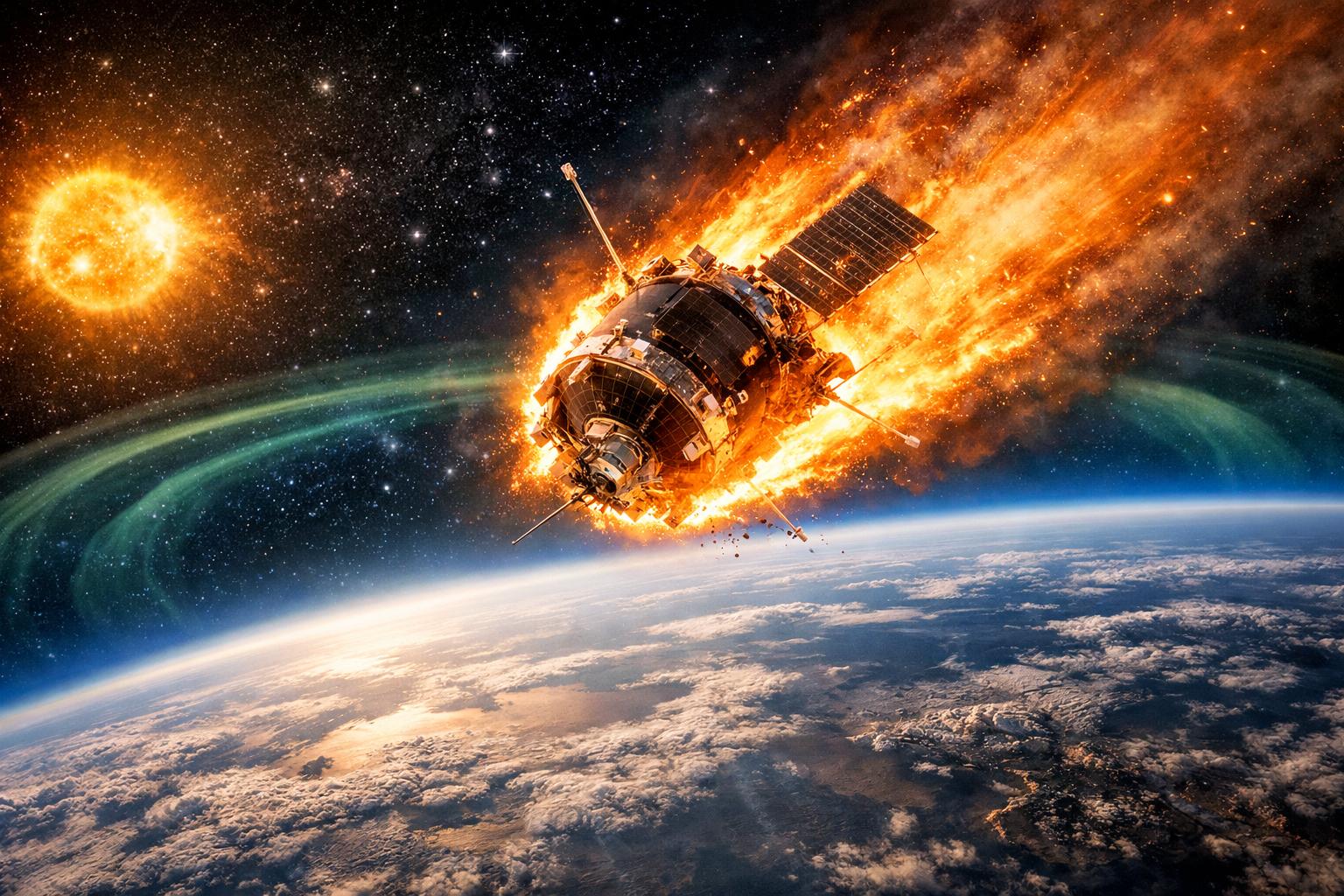
A decommissioned NASA satellite that once helped scientists understand how Earth’s magnetic field protects the planet from harmful cosmic radiation is expected to reenter Earth’s atmosphere on Tuesday evening. According to NASA, the spacecraft known as Van Allen Probe A could make atmospheric reentry around 7:45 p.m. Eastern Time, though officials note that predicting the exact moment remains difficult. Space agencies say the timing of the event carries uncertainty, with the act
NASA satellite Van Allen Probe A expected to reenter Earth’s atmosphere Tuesday
A decommissioned NASA satellite that once helped scientists understand how Earth’s magnetic field protects the planet from harmful cosmic radiation is expected to reenter Earth’s atmosphere on Tuesday evening. According to NASA, the spacecraft known as Van Allen Probe A could make atmospheric reentry around 7:45 p.m. Eastern Time, though officials note that predicting the exact moment remains difficult. Space agencies say the timing of the event carries uncertainty, with the act
Massive Coronal Hole on Sun to Trigger Solar Storm June 25
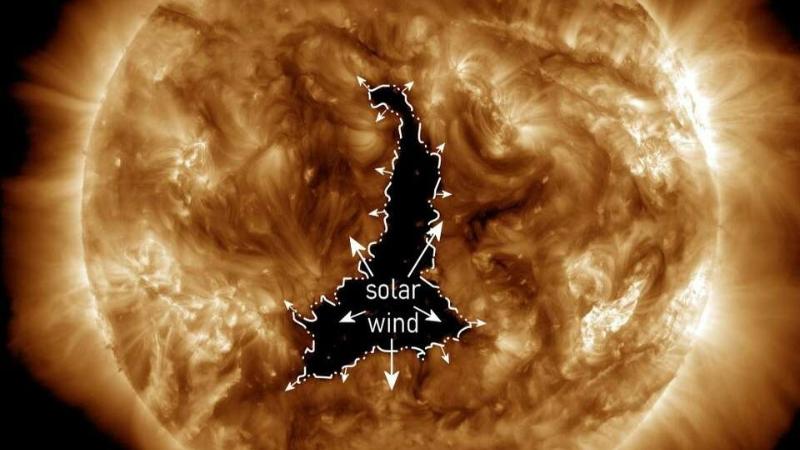
A massive coronal hole in the Sun’s atmosphere is facing Earth and is expected to bring a stream of high-speed solar wind, potentially triggering geomagnetic storms. According to the National Oceanic and Atmospheric Administration (NOAA), the leading edge of this solar phenomenon is projected to reach Earth late on June 25, possibly resulting in G1-class geomagnetic activity. Coronal holes are cooler, darker re
Massive Coronal Hole on Sun to Trigger Solar Storm June 25
A massive coronal hole in the Sun’s atmosphere is facing Earth and is expected to bring a stream of high-speed solar wind, potentially triggering geomagnetic storms. According to the National Oceanic and Atmospheric Administration (NOAA), the leading edge of this solar phenomenon is projected to reach Earth late on June 25, possibly resulting in G1-class geomagnetic activity. Coronal holes are cooler, darker re


