Global oil supply shaken as Hormuz disruption deepens amid US-Israel Iran conflict
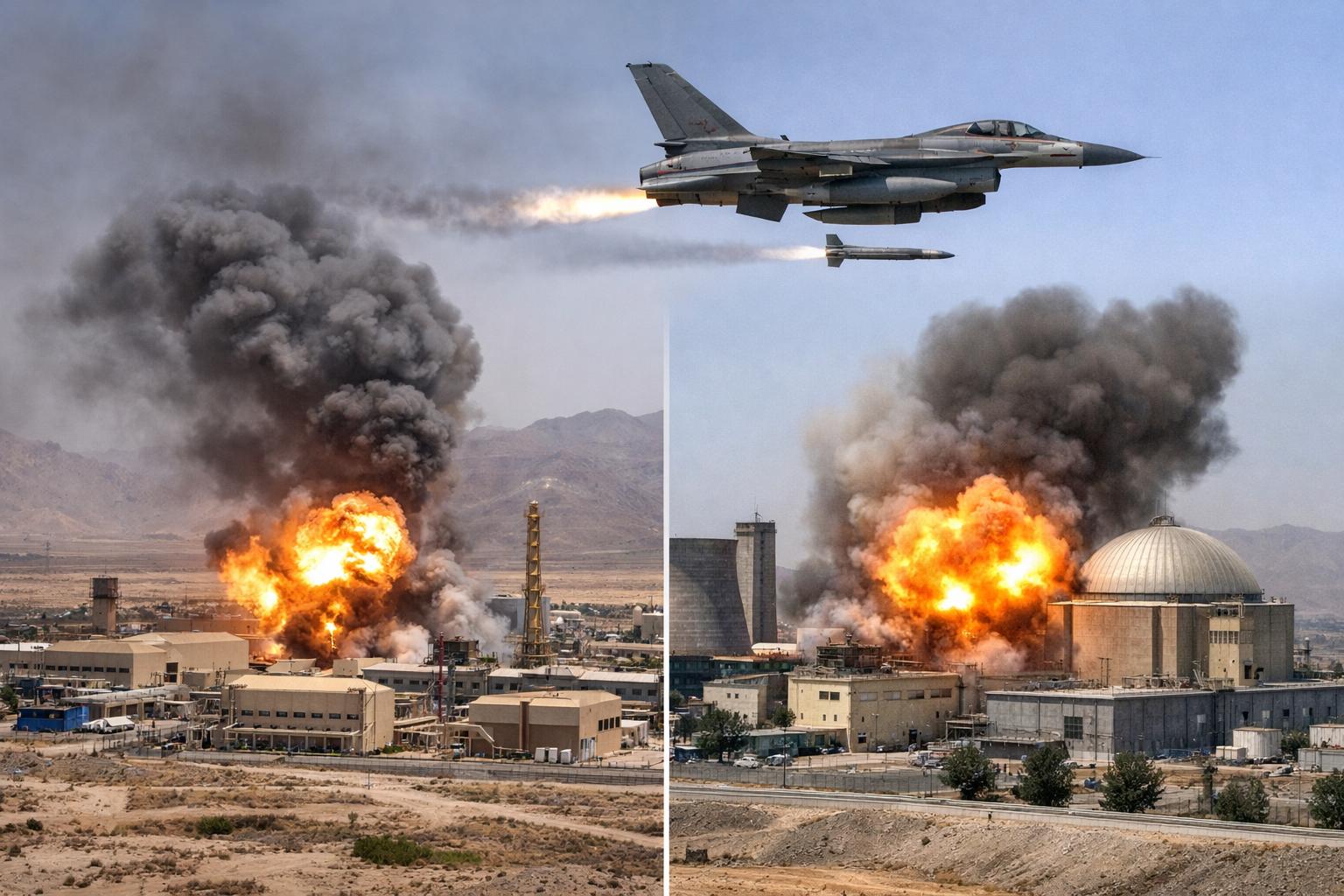
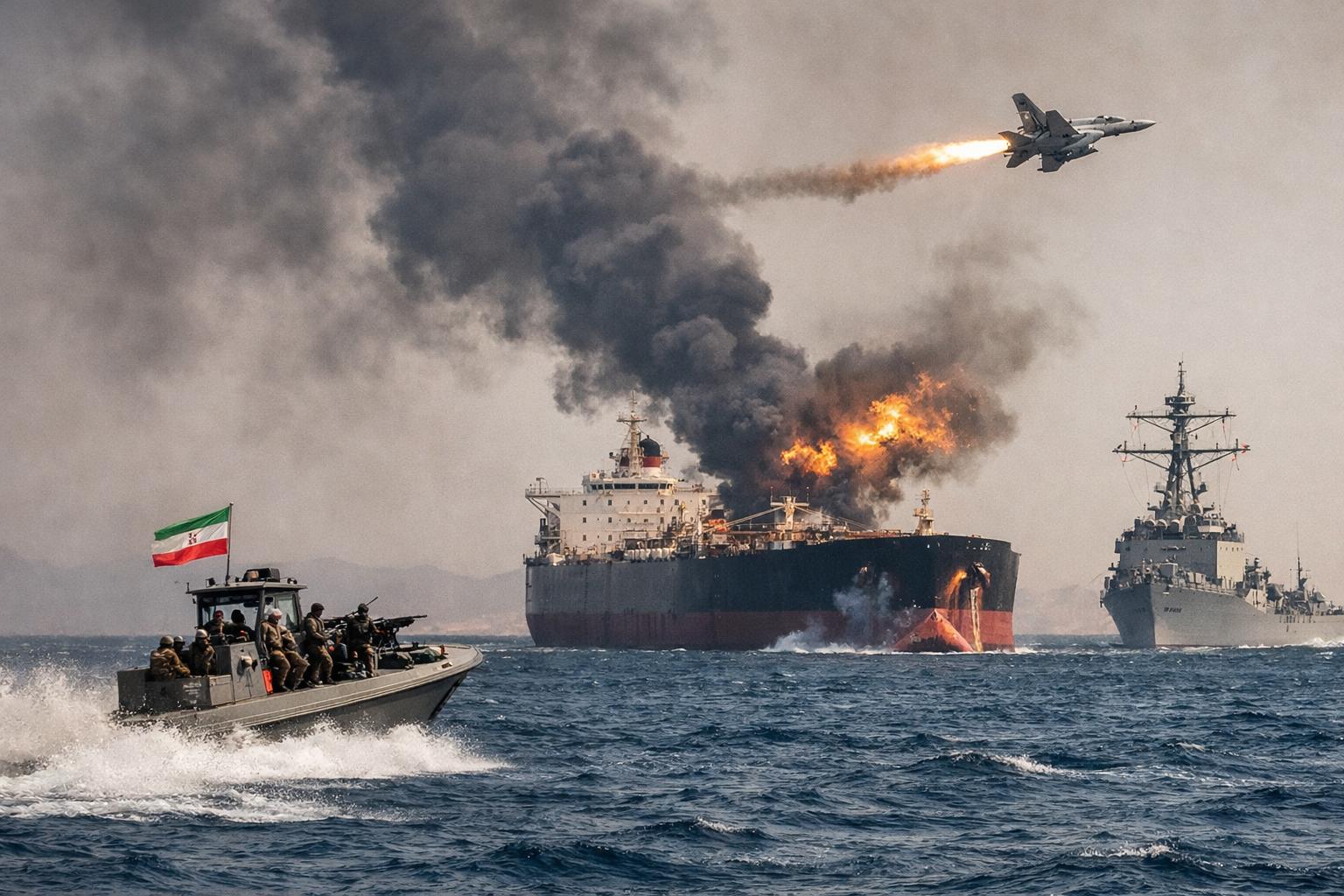
The ongoing conflict involving the United States, Israel and Iran has triggered what the International Energy Agency (IEA) describes as the largest disruption in the history of the global oil market, as tensions intensify around the Strait of Hormuz, one of the world’s most critical energy transit routes. In a report released on Thursday, the agency said oil and petroleum product flows through the strategic waterway have plunged sharply, raising serious concerns about global energy security
Global oil supply shaken as Hormuz disruption deepens amid US-Israel Iran conflict
The ongoing conflict involving the United States, Israel and Iran has triggered what the International Energy Agency (IEA) describes as the largest disruption in the history of the global oil market, as tensions intensify around the Strait of Hormuz, one of the world’s most critical energy transit routes. In a report released on Thursday, the agency said oil and petroleum product flows through the strategic waterway have plunged sharply, raising serious concerns about global energy security
Japan Leads G7 Nations by Releasing Strategic Oil Reserves Amid Middle East Crisis
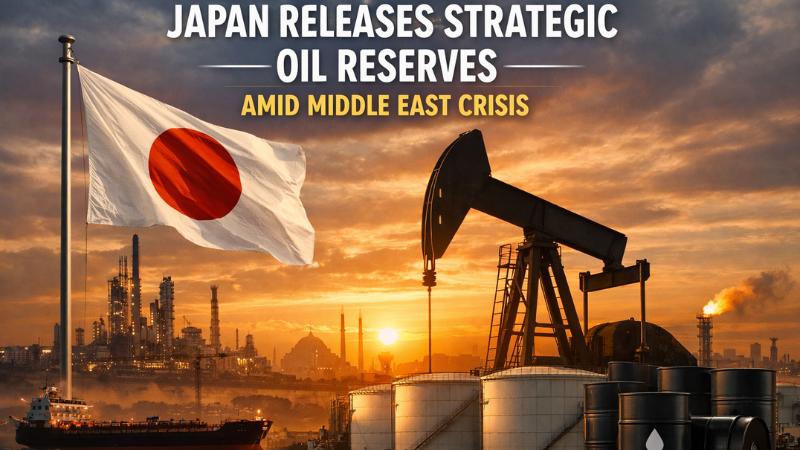
In a significant move amid the ongoing Middle East crisis, Japan has become the first G7 nation to announce the release of its strategic oil reserves. This decision comes in response to the geopolitical tensions affecting the global oil market and concerns over potential disruptions in the supply of crude oil. Japan's action is aimed at maintaining energy security and stabilizing oil prices, which have been fluctuating due to the crisis in the Middle East. As one of the world's larg
Japan Leads G7 Nations by Releasing Strategic Oil Reserves Amid Middle East Crisis
In a significant move amid the ongoing Middle East crisis, Japan has become the first G7 nation to announce the release of its strategic oil reserves. This decision comes in response to the geopolitical tensions affecting the global oil market and concerns over potential disruptions in the supply of crude oil. Japan's action is aimed at maintaining energy security and stabilizing oil prices, which have been fluctuating due to the crisis in the Middle East. As one of the world's larg
Iran’s Strategic Patience: Why Tehran Keeps India Close Despite US and Israel Ties
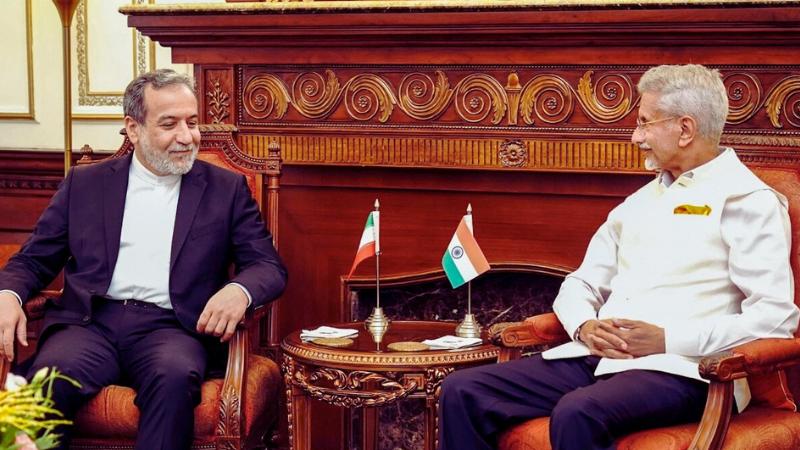
The relationship between Iran and India has long been defined by strategic patience, as Tehran maintains a nuanced and pragmatic approach to its ties with New Delhi. Despite India’s deepening defense relations with Israel and its comprehensive partnership with the United States, Iran has chosen to sustain its close relationship with India, recognizing the strategic value of energy ties and regional geopolitical balance. In a recent phone conversation between External Affairs Minis
Iran’s Strategic Patience: Why Tehran Keeps India Close Despite US and Israel Ties
The relationship between Iran and India has long been defined by strategic patience, as Tehran maintains a nuanced and pragmatic approach to its ties with New Delhi. Despite India’s deepening defense relations with Israel and its comprehensive partnership with the United States, Iran has chosen to sustain its close relationship with India, recognizing the strategic value of energy ties and regional geopolitical balance. In a recent phone conversation between External Affairs Minis
Oil Prices Fall After US Navy Escorts Tanker Through Strait of Hormuz
Global oil prices fell sharply on Tuesday after the United States confirmed that a naval escort ensured the safe passage of an oil tanker through the Strait of Hormuz, a critical shipping lane for the world’s energy markets. The announcement helped calm investors who had been reacting to escalating geopolitical tensions and fears of a major oil supply disruption linked to the ongoing Iran conflict. U.S. crude oil dropped around 15 percent to $79.96 per barrel, while Brent crude, t
Oil Prices Fall After US Navy Escorts Tanker Through Strait of Hormuz
Global oil prices fell sharply on Tuesday after the United States confirmed that a naval escort ensured the safe passage of an oil tanker through the Strait of Hormuz, a critical shipping lane for the world’s energy markets. The announcement helped calm investors who had been reacting to escalating geopolitical tensions and fears of a major oil supply disruption linked to the ongoing Iran conflict. U.S. crude oil dropped around 15 percent to $79.96 per barrel, while Brent crude, t
US–Israel–Iran War | India assures adequate oil reserves amid Strait of Hormuz tensions
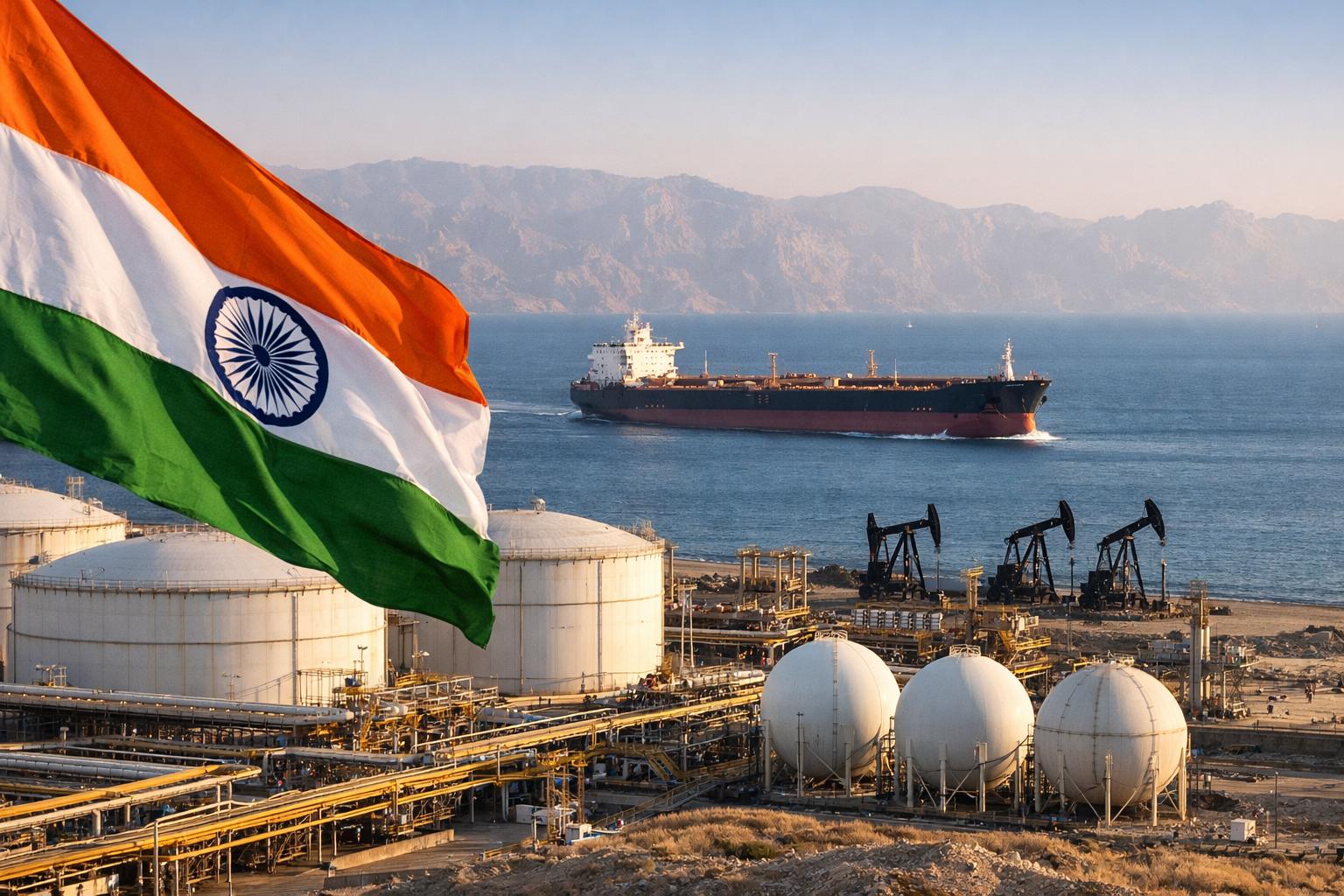
Amid escalating geopolitical tensions in West Asia and growing concerns over potential disruptions in the Strait of Hormuz, government sources have reassured citizens that India’s oil reserves and fuel stocks remain sufficient, urging the public not to panic or hoard essential petroleum products. Officials said the country currently maintains around 25 days of crude oil and petroleum products, including petrol and diesel, ensuring stability in the event of short-term supply disruptions. Liq
US–Israel–Iran War | India assures adequate oil reserves amid Strait of Hormuz tensions
Amid escalating geopolitical tensions in West Asia and growing concerns over potential disruptions in the Strait of Hormuz, government sources have reassured citizens that India’s oil reserves and fuel stocks remain sufficient, urging the public not to panic or hoard essential petroleum products. Officials said the country currently maintains around 25 days of crude oil and petroleum products, including petrol and diesel, ensuring stability in the event of short-term supply disruptions. Liq
China’s Polar Silk Road: Arctic ambitions reshape trade and security
The Arctic, once considered remote and largely inaccessible, is emerging as a key area of global strategic interest. China has formally included its “Polar Silk Road” initiative within its broader Belt and Road strategy, signaling an expansion of influence in a region historically dominated by Arctic nations. By calling itself a “near-Arctic state,” Beijing is asserting that its economic and strategic interests extend well beyond its geographical borders, prompting concern from other glo
China’s Polar Silk Road: Arctic ambitions reshape trade and security
The Arctic, once considered remote and largely inaccessible, is emerging as a key area of global strategic interest. China has formally included its “Polar Silk Road” initiative within its broader Belt and Road strategy, signaling an expansion of influence in a region historically dominated by Arctic nations. By calling itself a “near-Arctic state,” Beijing is asserting that its economic and strategic interests extend well beyond its geographical borders, prompting concern from other glo
Gulf Nations: India's Next Big Trade Market, Mega FTA Deal in Progress
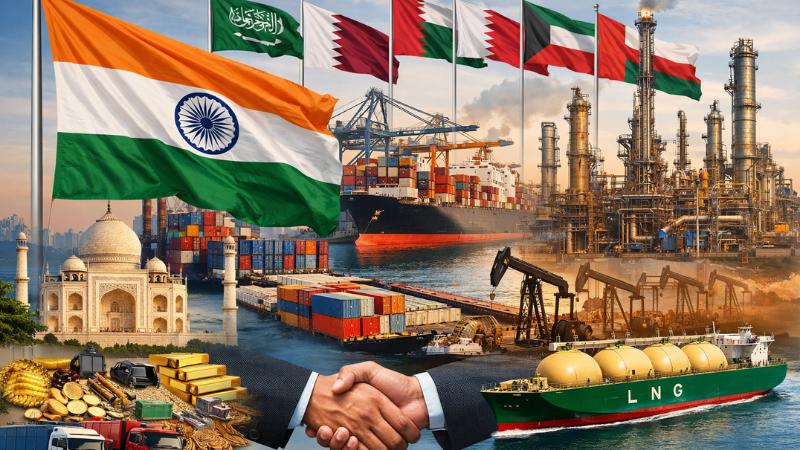
India's relationship with the Gulf Cooperation Council (GCC) nations is evolving into a major trade partnership. In 2024-25, the bilateral trade between India and the six-nation bloc reached a substantial $179 billion, driven by strong exports such as gems, metals, electronics, and chemicals. With an existing free trade pact with the UAE since 2022, and a recent agreement with Oman, India is now focused on formalizing a comprehensive free trade agreement (FTA) with the GCC. This new agreement
Gulf Nations: India's Next Big Trade Market, Mega FTA Deal in Progress
India's relationship with the Gulf Cooperation Council (GCC) nations is evolving into a major trade partnership. In 2024-25, the bilateral trade between India and the six-nation bloc reached a substantial $179 billion, driven by strong exports such as gems, metals, electronics, and chemicals. With an existing free trade pact with the UAE since 2022, and a recent agreement with Oman, India is now focused on formalizing a comprehensive free trade agreement (FTA) with the GCC. This new agreement
India and US near historic trade pact as tariff cuts and mineral ties advance
India and the United States are moving closer to concluding what officials describe as a landmark trade agreement, with External Affairs Minister S. Jaishankar indicating that the final details are being worked out and an announcement could come soon. Speaking at the conclusion of his visit to Washington on February 5, Jaishankar said negotiations had reached an advanced stage and expressed confidence that the pact would usher in a new phase of cooperation between the two countries.
India and US near historic trade pact as tariff cuts and mineral ties advance
India and the United States are moving closer to concluding what officials describe as a landmark trade agreement, with External Affairs Minister S. Jaishankar indicating that the final details are being worked out and an announcement could come soon. Speaking at the conclusion of his visit to Washington on February 5, Jaishankar said negotiations had reached an advanced stage and expressed confidence that the pact would usher in a new phase of cooperation between the two countries.
Russia questions India’s pledge to stop Russian crude after U.S. tariff agreement
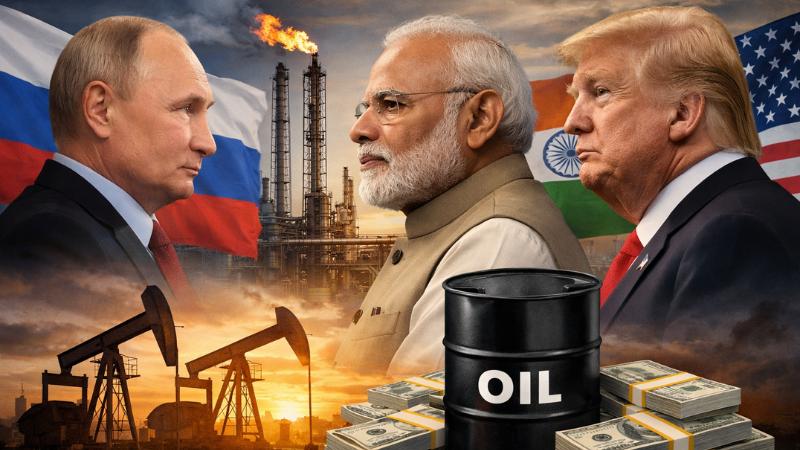
Russia has said it has not received any official confirmation from India that the country plans to halt purchases of Russian oil, a day after U.S. President Donald Trump claimed New Delhi agreed to scale back those imports as part of a new trade agreement with Washington. Kremlin spokesperson Dmitry Peskov stated that Moscow had yet to hear directly from Indian authorities regarding any change in energy flows. While acknowledging the evolving relationship between the United States a
Russia questions India’s pledge to stop Russian crude after U.S. tariff agreement
Russia has said it has not received any official confirmation from India that the country plans to halt purchases of Russian oil, a day after U.S. President Donald Trump claimed New Delhi agreed to scale back those imports as part of a new trade agreement with Washington. Kremlin spokesperson Dmitry Peskov stated that Moscow had yet to hear directly from Indian authorities regarding any change in energy flows. While acknowledging the evolving relationship between the United States a
India and US review strategic cooperation in Jaishankar–Rubio conversation
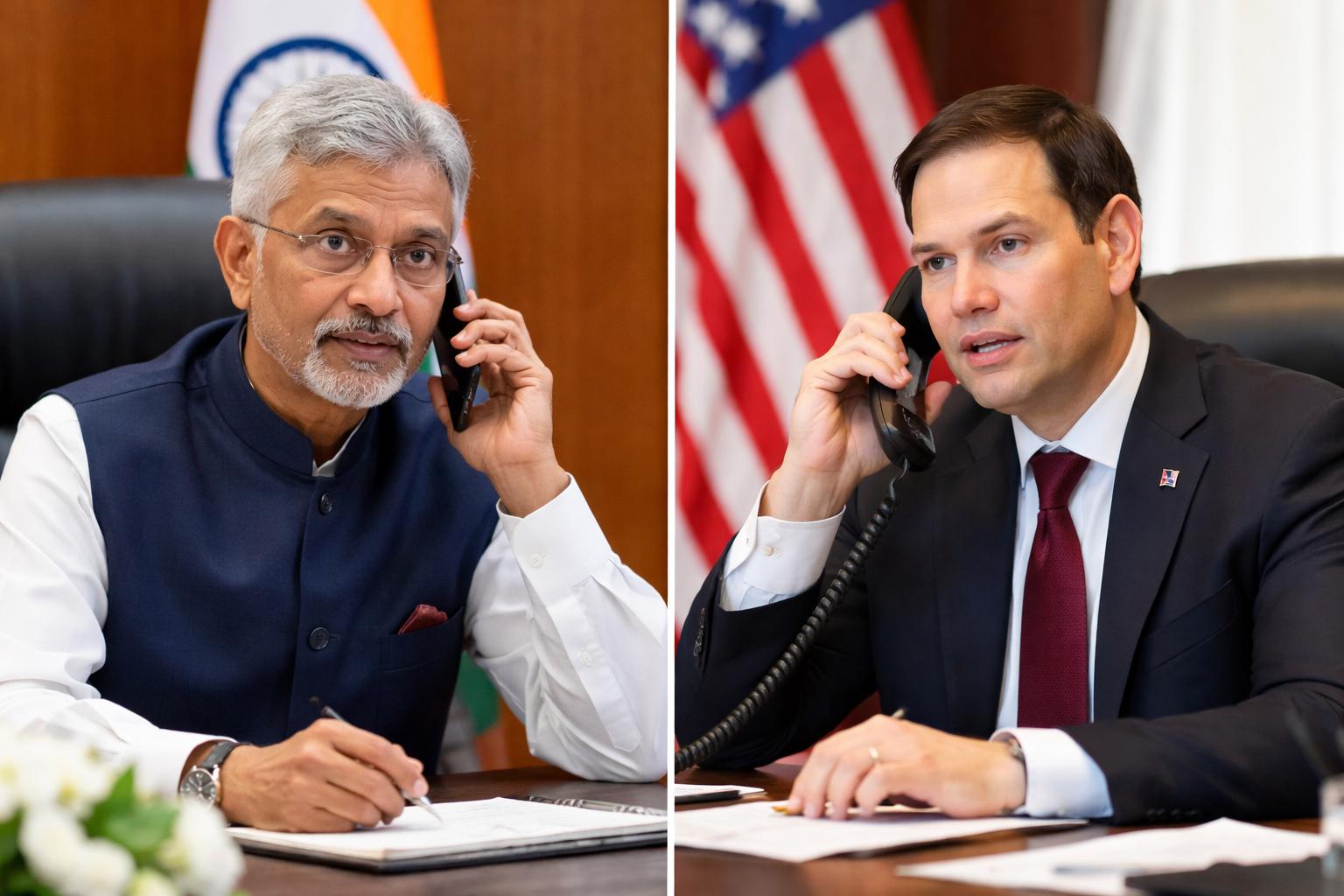
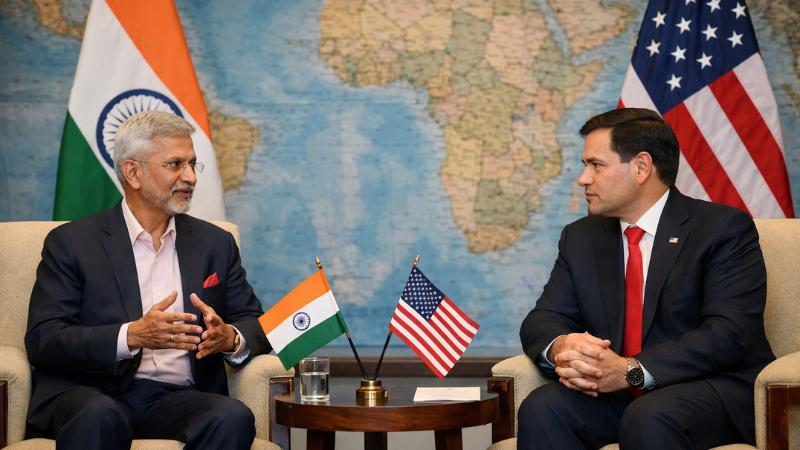
External Affairs Minister S Jaishankar on Tuesday said he held a constructive and wide-ranging discussion with United States Secretary of State Marco Rubio, focusing on key areas of bilateral and strategic cooperation between the two countries. The conversation reflected the ongoing engagement between New Delhi and Washington as both sides continue to strengthen ties across multiple sectors of mutual interest. In a message shared on social media platform X, Jaishankar described the interaction as a “good conversation,” noting that the talks covered important subjects including trade, critical minerals, nuclear cooperation, defence collaboration and energy security. These areas have emerged as central pillars of the evolving India-US partnership, particularly in the context of shifting global economic and geopolitical dynamics. The discussion on trade and economic engagement comes at a time when both countries are exploring ways to deepen supply chain resilience and expand market access. Cooperation on critical minerals has gained added importance amid global efforts to secure resources essential for advanced manufacturing, clean energy technologies and strategic industries. Nuclear cooperation and defence ties were also part of the agenda, underscoring the growing convergence in security interests and technological collaboration. Energy cooperation featured prominently in the talks, reflecting shared priorities related to energy security, sustainability and long-term growth. India and the United States have increasingly worked together on conventional and clean energy initiatives, including efforts to address climate challenges while meeting rising energy demands. Jaishankar said both sides agreed to remain in close touch on these and other issues, signalling continuity in diplomatic engagement and policy coordination. The exchange highlights the emphasis placed by both governments on maintaining regular dialogue to address global challenges, regional stability and economic opportunities. The conversation forms part of ongoing diplomatic efforts to reinforce the strategic partnership between India and the United States, which continues to expand across political, economic and security domains.
India and US review strategic cooperation in Jaishankar–Rubio conversation
External Affairs Minister S Jaishankar on Tuesday said he held a constructive and wide-ranging discussion with United States Secretary of State Marco Rubio, focusing on key areas of bilateral and strategic cooperation between the two countries. The conversation reflected the ongoing engagement between New Delhi and Washington as both sides continue to strengthen ties across multiple sectors of mutual interest. In a message shared on social media platform X, Jaishankar described the interaction as a “good conversation,” noting that the talks covered important subjects including trade, critical minerals, nuclear cooperation, defence collaboration and energy security. These areas have emerged as central pillars of the evolving India-US partnership, particularly in the context of shifting global economic and geopolitical dynamics. The discussion on trade and economic engagement comes at a time when both countries are exploring ways to deepen supply chain resilience and expand market access. Cooperation on critical minerals has gained added importance amid global efforts to secure resources essential for advanced manufacturing, clean energy technologies and strategic industries. Nuclear cooperation and defence ties were also part of the agenda, underscoring the growing convergence in security interests and technological collaboration. Energy cooperation featured prominently in the talks, reflecting shared priorities related to energy security, sustainability and long-term growth. India and the United States have increasingly worked together on conventional and clean energy initiatives, including efforts to address climate challenges while meeting rising energy demands. Jaishankar said both sides agreed to remain in close touch on these and other issues, signalling continuity in diplomatic engagement and policy coordination. The exchange highlights the emphasis placed by both governments on maintaining regular dialogue to address global challenges, regional stability and economic opportunities. The conversation forms part of ongoing diplomatic efforts to reinforce the strategic partnership between India and the United States, which continues to expand across political, economic and security domains.
Sergio Gor assumes charge as US ambassador to India, outlines trade talks and Pax Silica invite
Sergio Gor formally assumed charge as the United States Ambassador to India on Monday, marking the beginning of a new diplomatic chapter between the two countries. Speaking shortly after taking office, Gor described the relationship between India and the United States as the most consequential global partnership of the century, underlining its growing importance across economic, strategic, and technological domains. He confirmed that fresh trade negotiations between the two sides are schedule
Sergio Gor assumes charge as US ambassador to India, outlines trade talks and Pax Silica invite
Sergio Gor formally assumed charge as the United States Ambassador to India on Monday, marking the beginning of a new diplomatic chapter between the two countries. Speaking shortly after taking office, Gor described the relationship between India and the United States as the most consequential global partnership of the century, underlining its growing importance across economic, strategic, and technological domains. He confirmed that fresh trade negotiations between the two sides are schedule
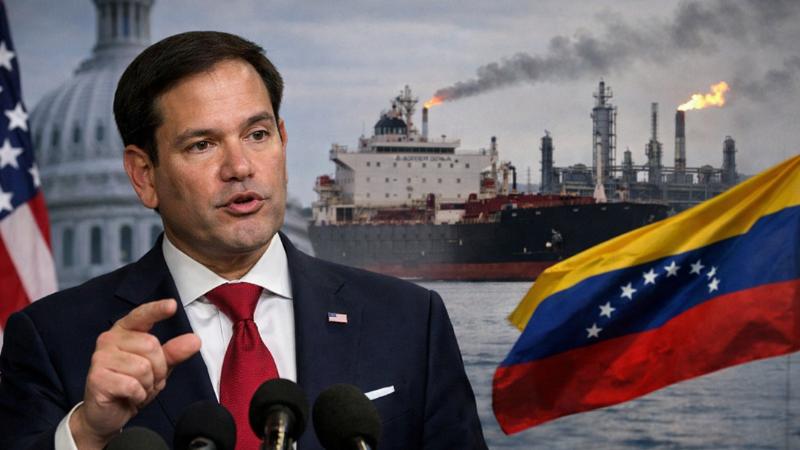
US plans to control Venezuela oil sales as Rubio outlines leverage over interim leaders
United States Secretary of State Marco Rubio said on Wednesday that Washington holds significant leverage over Venezuela’s interim authorities and is preparing to execute a plan that would place control of the country’s oil exports firmly in US hands. Speaking to reporters on Capitol Hill, Rubio said the administration is finalising an arrangement to take possession of oil currently immobilised in Venezuela and sell it on global markets at full market prices. According to Rubio,
US plans to control Venezuela oil sales as Rubio outlines leverage over interim leaders
United States Secretary of State Marco Rubio said on Wednesday that Washington holds significant leverage over Venezuela’s interim authorities and is preparing to execute a plan that would place control of the country’s oil exports firmly in US hands. Speaking to reporters on Capitol Hill, Rubio said the administration is finalising an arrangement to take possession of oil currently immobilised in Venezuela and sell it on global markets at full market prices. According to Rubio,
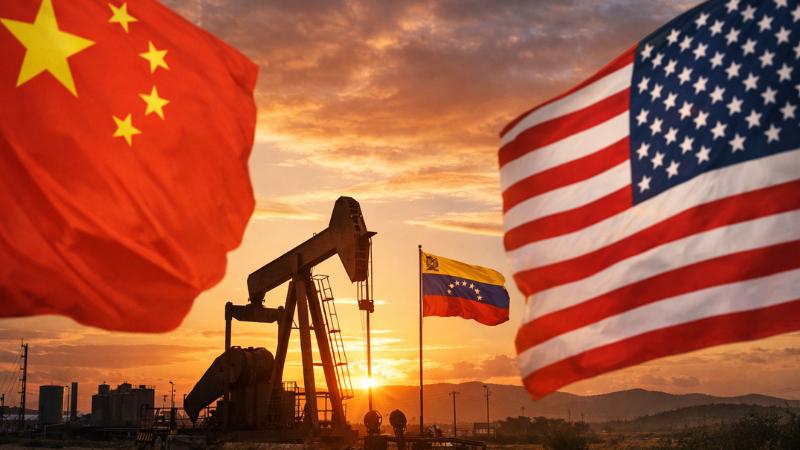
US–Venezuela crisis – China condemns US pressure on Venezuela oil ties, calls it violation of sovereignty
China on Wednesday strongly criticized reported United States demands aimed at reshaping Venezuela’s oil partnerships, calling the move an act of coercion that violates both national sovereignty and international law. Beijing’s response follows media reports that Washington has sought exclusive control over Venezuela’s oil sector as part of its political and economic engagement with the South American nation. Speaking at a regular press briefing, Chinese Foreign Ministry spoke
US–Venezuela crisis – China condemns US pressure on Venezuela oil ties, calls it violation of sovereignty
China on Wednesday strongly criticized reported United States demands aimed at reshaping Venezuela’s oil partnerships, calling the move an act of coercion that violates both national sovereignty and international law. Beijing’s response follows media reports that Washington has sought exclusive control over Venezuela’s oil sector as part of its political and economic engagement with the South American nation. Speaking at a regular press briefing, Chinese Foreign Ministry spoke
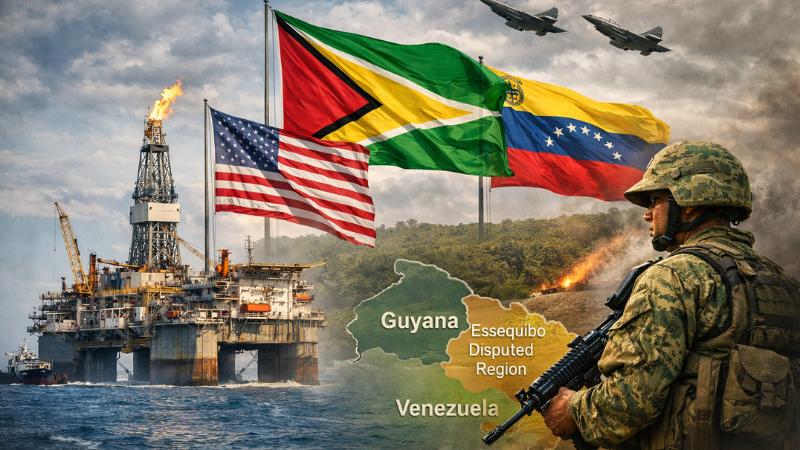
Oil, power and principle: how Guyana reshaped US policy toward Venezuela
For decades, the United States has presented itself as a global guardian of democracy and international law, drawing legitimacy from its own origins in resistance to unchecked authority. Its constitutional structure was designed to restrain executive power, particularly in decisions involving war and foreign intervention. Yet the conduct of contemporary US foreign policy increasingly reflects a different reality, one in which strategic interests and economic leverage often shape moral languag
Oil, power and principle: how Guyana reshaped US policy toward Venezuela
For decades, the United States has presented itself as a global guardian of democracy and international law, drawing legitimacy from its own origins in resistance to unchecked authority. Its constitutional structure was designed to restrain executive power, particularly in decisions involving war and foreign intervention. Yet the conduct of contemporary US foreign policy increasingly reflects a different reality, one in which strategic interests and economic leverage often shape moral languag
US welcomes India’s SHANTI Bill 2025, signals boost to civil nuclear cooperation
The United States has welcomed India’s newly enacted legislation on nuclear energy, describing it as a significant move toward strengthening bilateral cooperation in the civil nuclear and energy sectors. The response follows President Draupadi Murmu’s assent to the Sustainable Harnessing and Advancement of Nuclear Energy for Transforming India Bill, widely known as the SHANTI Bill, 2025, which introduces far-reaching changes to the country’s nuclear governance framework. In a statement shared on social media, the US Embassy in India said it viewed the new law as an important step toward a stronger energy security partnership and enhanced peaceful civil nuclear cooperation. The embassy added that the United States was prepared to engage with India on joint innovation and research and development initiatives across the energy sector, underscoring the strategic importance Washington places on collaboration in advanced and clean energy technologies. The SHANTI Act marks a decisive shift in India’s approach to civil nuclear power by replacing the Atomic Energy Act of 1962, a law that had remained largely unchanged for more than six decades. The updated framework seeks to modernize regulatory oversight, expand participation, and align India’s nuclear sector with contemporary global practices, while maintaining safety and security as central priorities. Among the most consequential reforms introduced by the new legislation is the opening of India’s civil nuclear sector to private participation for the first time. Until now, nuclear power generation and related activities were almost exclusively handled by state-owned enterprises. The move is expected to attract fresh investment, encourage innovation, and accelerate capacity building in a sector considered critical to India’s long-term energy security and climate commitments. The Act also grants statutory backing to the Atomic Energy Regulatory Board, strengthening its authority and independence. In addition, it outlines a structured licensing regime designed to bring clarity and predictability to approvals and compliance. To address disputes more efficiently, the legislation proposes the establishment of a specialized nuclear tribunal with jurisdiction over matters arising from the sector. Under the provisions of the SHANTI Act, licenses may be issued to a wide range of entities, including government departments, public sector bodies, government-controlled corporations, government companies, joint ventures involving such entities, as well as other companies or individuals expressly permitted by the central government through notification. This broader eligibility is intended to create a more inclusive and competitive ecosystem while retaining oversight through regulation. The US response to the legislation must also be seen in the context of the broader India–US civil nuclear relationship, which began nearly two decades ago with the announcement of a landmark cooperation initiative. That agreement ended India’s prolonged nuclear isolation and enabled civilian nuclear engagement despite New Delhi remaining outside the Nuclear Non-Proliferation Treaty, marking a major shift in bilateral relations and US policy. While the agreement reshaped strategic ties, its implementation faced delays over the years due to regulatory and legal complexities. Momentum picked up earlier this year when the US Department of Energy granted regulatory clearance to an American company to design and build nuclear reactors in India, a development widely seen as a breakthrough. With the enactment of the SHANTI Bill, both sides appear poised to build on that progress. The legislation provides a clearer regulatory pathway and signals India’s intent to expand its nuclear energy program, creating new opportunities for collaboration, investment, and technology exchange between the two countries in the years ahead.
US welcomes India’s SHANTI Bill 2025, signals boost to civil nuclear cooperation
The United States has welcomed India’s newly enacted legislation on nuclear energy, describing it as a significant move toward strengthening bilateral cooperation in the civil nuclear and energy sectors. The response follows President Draupadi Murmu’s assent to the Sustainable Harnessing and Advancement of Nuclear Energy for Transforming India Bill, widely known as the SHANTI Bill, 2025, which introduces far-reaching changes to the country’s nuclear governance framework. In a statement shared on social media, the US Embassy in India said it viewed the new law as an important step toward a stronger energy security partnership and enhanced peaceful civil nuclear cooperation. The embassy added that the United States was prepared to engage with India on joint innovation and research and development initiatives across the energy sector, underscoring the strategic importance Washington places on collaboration in advanced and clean energy technologies. The SHANTI Act marks a decisive shift in India’s approach to civil nuclear power by replacing the Atomic Energy Act of 1962, a law that had remained largely unchanged for more than six decades. The updated framework seeks to modernize regulatory oversight, expand participation, and align India’s nuclear sector with contemporary global practices, while maintaining safety and security as central priorities. Among the most consequential reforms introduced by the new legislation is the opening of India’s civil nuclear sector to private participation for the first time. Until now, nuclear power generation and related activities were almost exclusively handled by state-owned enterprises. The move is expected to attract fresh investment, encourage innovation, and accelerate capacity building in a sector considered critical to India’s long-term energy security and climate commitments. The Act also grants statutory backing to the Atomic Energy Regulatory Board, strengthening its authority and independence. In addition, it outlines a structured licensing regime designed to bring clarity and predictability to approvals and compliance. To address disputes more efficiently, the legislation proposes the establishment of a specialized nuclear tribunal with jurisdiction over matters arising from the sector. Under the provisions of the SHANTI Act, licenses may be issued to a wide range of entities, including government departments, public sector bodies, government-controlled corporations, government companies, joint ventures involving such entities, as well as other companies or individuals expressly permitted by the central government through notification. This broader eligibility is intended to create a more inclusive and competitive ecosystem while retaining oversight through regulation. The US response to the legislation must also be seen in the context of the broader India–US civil nuclear relationship, which began nearly two decades ago with the announcement of a landmark cooperation initiative. That agreement ended India’s prolonged nuclear isolation and enabled civilian nuclear engagement despite New Delhi remaining outside the Nuclear Non-Proliferation Treaty, marking a major shift in bilateral relations and US policy. While the agreement reshaped strategic ties, its implementation faced delays over the years due to regulatory and legal complexities. Momentum picked up earlier this year when the US Department of Energy granted regulatory clearance to an American company to design and build nuclear reactors in India, a development widely seen as a breakthrough. With the enactment of the SHANTI Bill, both sides appear poised to build on that progress. The legislation provides a clearer regulatory pathway and signals India’s intent to expand its nuclear energy program, creating new opportunities for collaboration, investment, and technology exchange between the two countries in the years ahead.
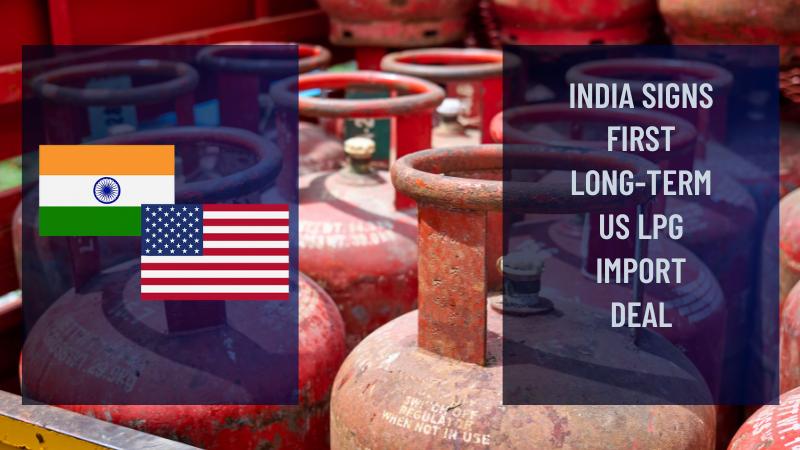
India seals historic US LPG import contract for 2026 supply
India has signed its first structured, long-term contract to import liquefied petroleum gas from the United States, marking what government officials describe as a major turning point in the country’s energy sourcing strategy. The announcement comes at a time when global energy markets remain highly volatile and nations are increasingly seeking diversified, stable supply lines. According to the Ministry of Petroleum and Natural Gas, the agreement will help safeguard India’s fuel supply du

India seals historic US LPG import contract for 2026 supply
India has signed its first structured, long-term contract to import liquefied petroleum gas from the United States, marking what government officials describe as a major turning point in the country’s energy sourcing strategy. The announcement comes at a time when global energy markets remain highly volatile and nations are increasingly seeking diversified, stable supply lines. According to the Ministry of Petroleum and Natural Gas, the agreement will help safeguard India’s fuel supply du
India confirms US sanctions will not impact Chabahar Port project in Iran
New Delhi: India’s Ministry of External Affairs (MEA) has clarified that the American sanctions imposed on Iran will not affect the Chabahar Port project, a critical component of India’s regional connectivity and trade strategy. The confirmation underscores New Delhi’s commitment to maintaining strategic investments in the port, even as it continues its dialogue with the United States on broader trade and diplomatic issues. The Chabahar Port, located on Iran’s southeastern c
India confirms US sanctions will not impact Chabahar Port project in Iran
New Delhi: India’s Ministry of External Affairs (MEA) has clarified that the American sanctions imposed on Iran will not affect the Chabahar Port project, a critical component of India’s regional connectivity and trade strategy. The confirmation underscores New Delhi’s commitment to maintaining strategic investments in the port, even as it continues its dialogue with the United States on broader trade and diplomatic issues. The Chabahar Port, located on Iran’s southeastern c
India Stands Firm Amid U.S. Pressure on Russian Oil
India is once again at the center of global diplomatic attention after former U.S. President Donald Trump claimed that Prime Minister Narendra Modi had agreed to halt Russian oil imports. The Indian government swiftly denied the statement, emphasizing that its energy decisions are made independently and based solely on national interest. This move highlights New Delhi’s determination to maintain strategic autonomy amid increasing international pressure. Over the past two years
India Stands Firm Amid U.S. Pressure on Russian Oil
India is once again at the center of global diplomatic attention after former U.S. President Donald Trump claimed that Prime Minister Narendra Modi had agreed to halt Russian oil imports. The Indian government swiftly denied the statement, emphasizing that its energy decisions are made independently and based solely on national interest. This move highlights New Delhi’s determination to maintain strategic autonomy amid increasing international pressure. Over the past two years
Rupee strengthens despite Trump’s tariff hike on Indian exports over Russian oil
A diplomatic and economic row is deepening between India and the United States after US President Donald Trump imposed a steep increase in tariffs on Indian exports. Just one day after the announcement, the Indian rupee showed early signs of resilience, rising 3 paise to open at 87.69 against the US dollar in the currency market. The modest strengthening of the rupee comes even as the broader trade implications of the new US measures are expected to weigh heavily on the Indian economy in the
Rupee strengthens despite Trump’s tariff hike on Indian exports over Russian oil
A diplomatic and economic row is deepening between India and the United States after US President Donald Trump imposed a steep increase in tariffs on Indian exports. Just one day after the announcement, the Indian rupee showed early signs of resilience, rising 3 paise to open at 87.69 against the US dollar in the currency market. The modest strengthening of the rupee comes even as the broader trade implications of the new US measures are expected to weigh heavily on the Indian economy in the