Gulf US talks focus Gaza rebuild, Iran risks and Hormuz security
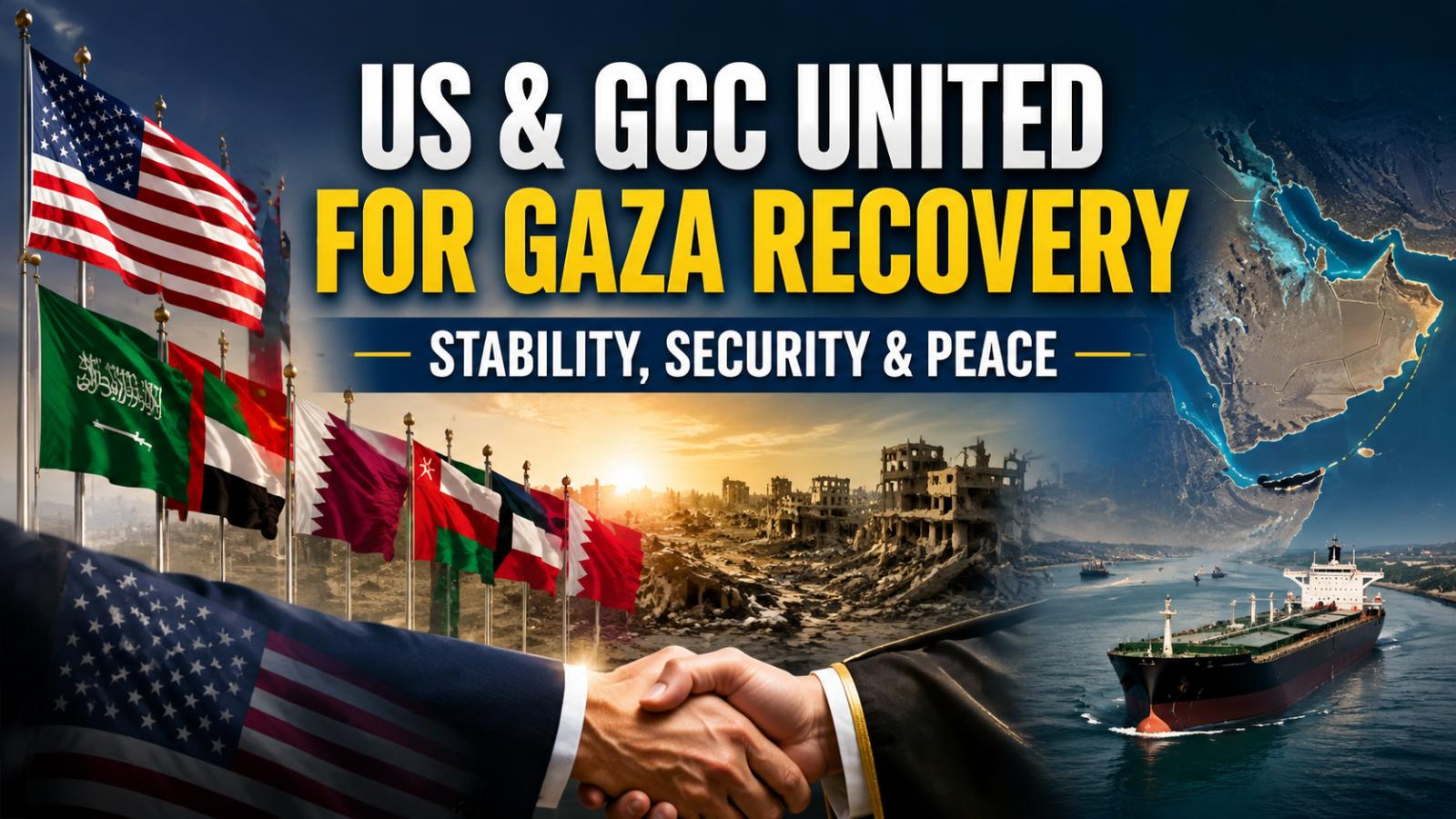
A recent round of discussions between the United States and Gulf Cooperation Council members centered on the future of Gaza, with a strong emphasis on preventing forced displacement and prioritizing civilian safety. The participating sides underscored that any population movement must remain voluntary and reversible, rejecting any framework that would permanently alter the demographic structure of the territory. The talks also reflected growin
Gulf US talks focus Gaza rebuild, Iran risks and Hormuz security
A recent round of discussions between the United States and Gulf Cooperation Council members centered on the future of Gaza, with a strong emphasis on preventing forced displacement and prioritizing civilian safety. The participating sides underscored that any population movement must remain voluntary and reversible, rejecting any framework that would permanently alter the demographic structure of the territory. The talks also reflected growin
Gaza peace plan divides leaders over disarmament terms
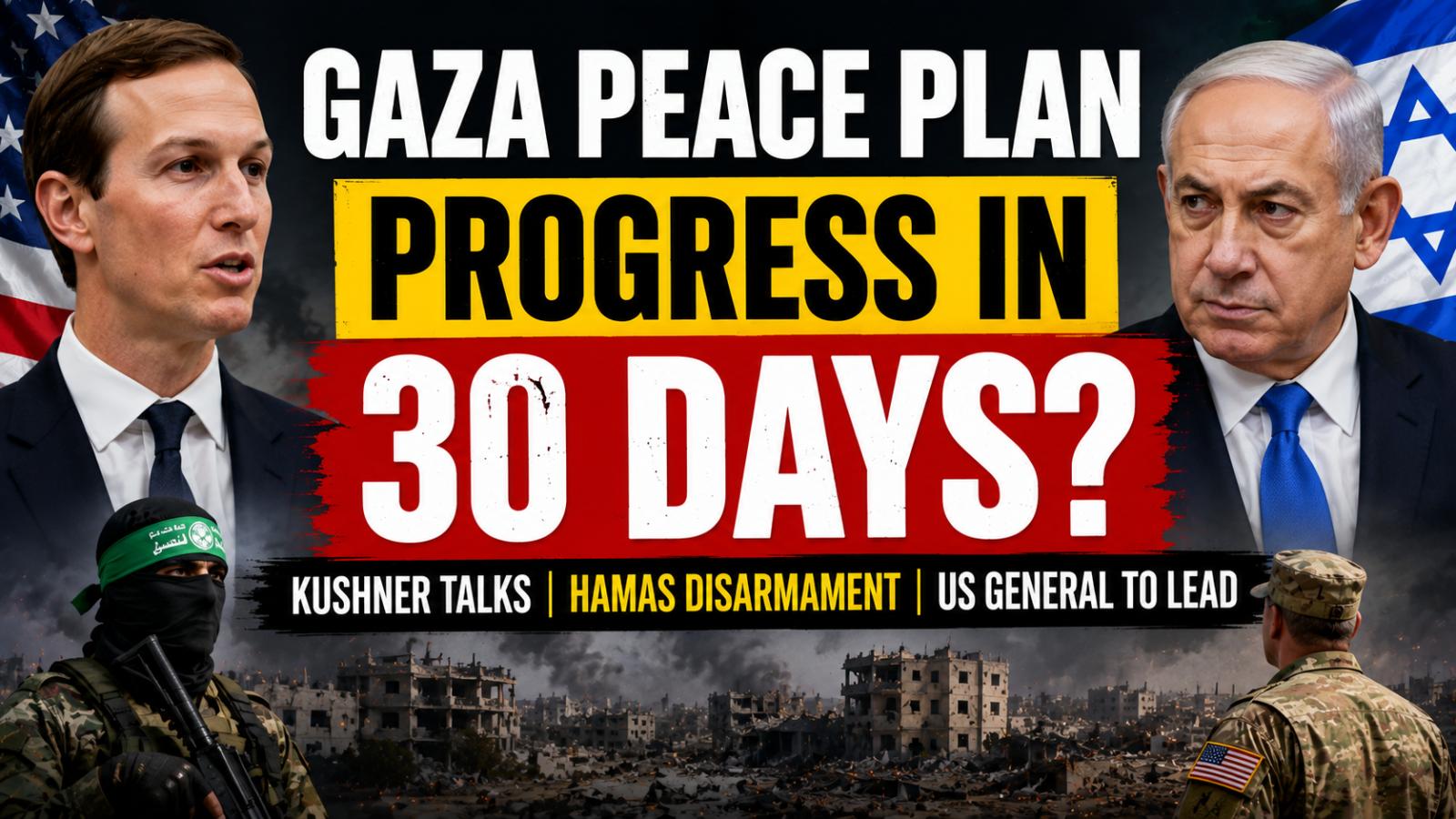
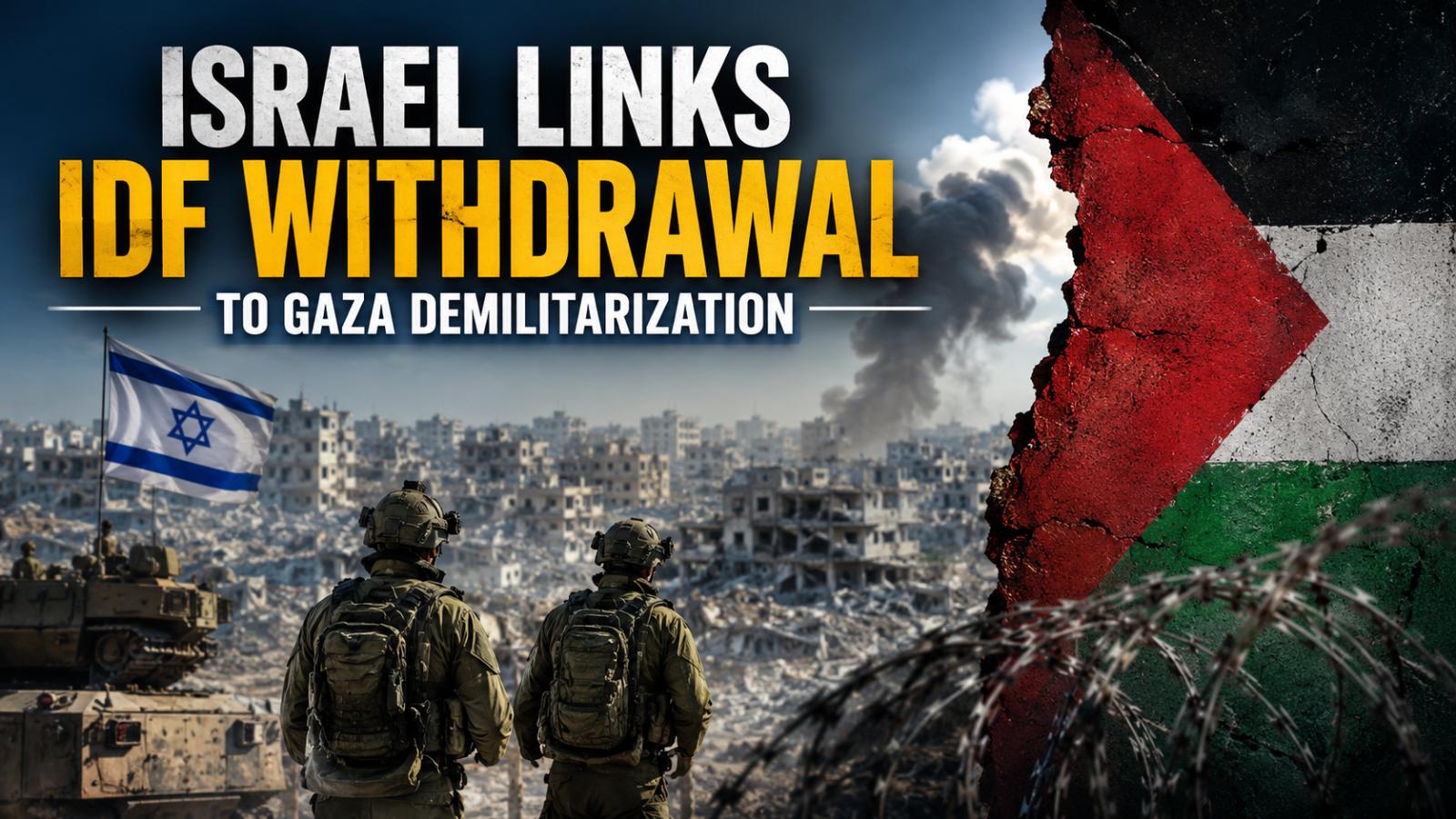
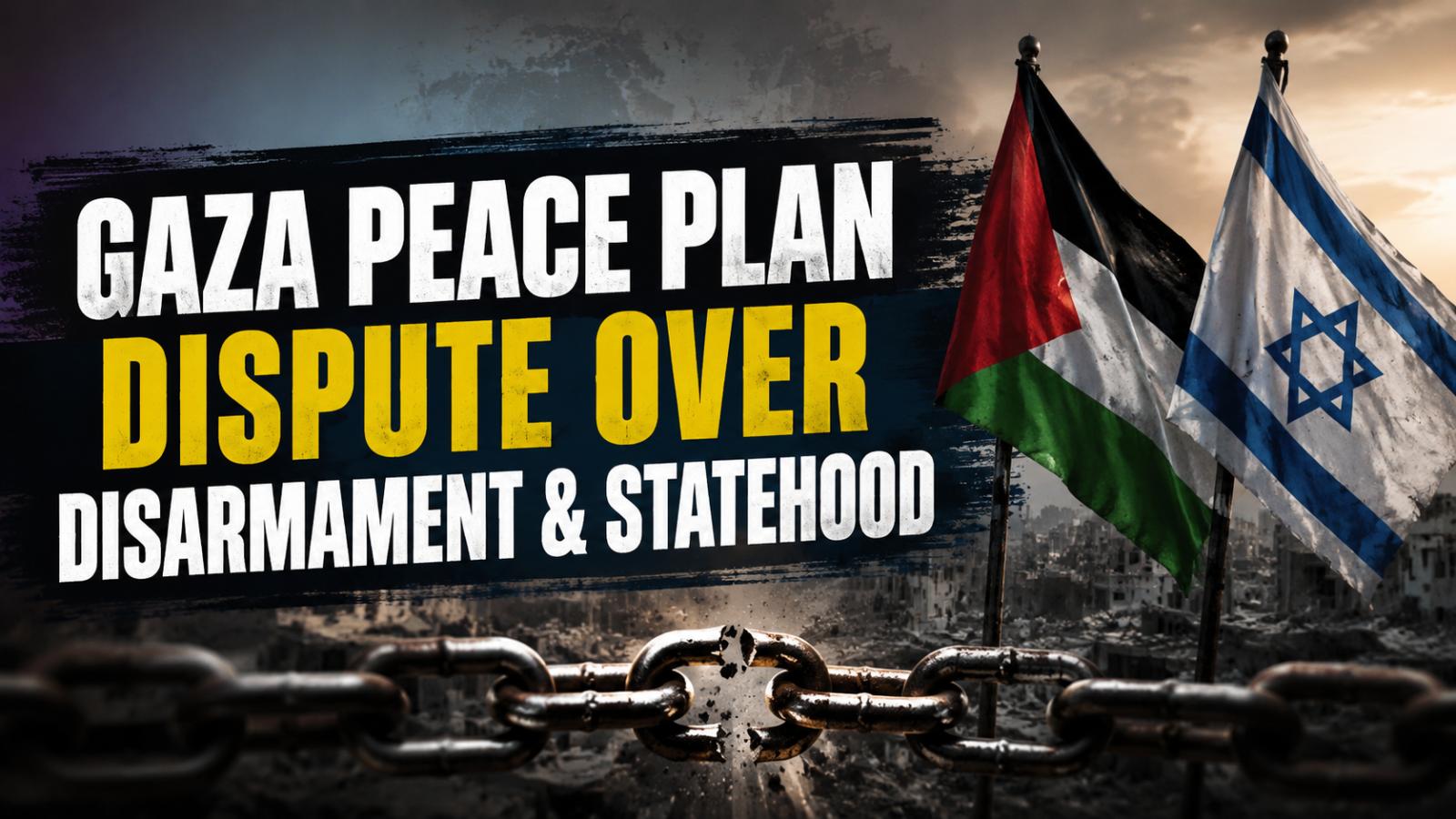
Fresh diplomatic discussions around a proposed Gaza peace framework have exposed deep divisions over how the territory should transition after conflict. The draft outlines a multi-step roadmap covering security arrangements, reconstruction and political governance, but key stakeholders remain split on the order in which these steps should take place. At the center of the disagreement is whether armed groups should be required to disarm before any political transition begins, or whether political recognition and state-building guarantees must come first to ensure balance in negotiations. Disarmament conditions trigger political tension One version of the proposal places disarmament as a prerequisite for rebuilding efforts and formal governance structures. Supporters of this approach argue that long-term stability cannot be achieved without removing weapons from non-state actors first. Opponents reject this sequencing, warning that it could leave Palestinian authorities without leverage in future talks. They argue that political rights and institutional recognition must be secured alongside any security commitments, not after them. This divide has become one of the most sensitive issues in the ongoing talks. Aid and reconstruction tied to compliance terms Another contested element involves humanitarian aid and reconstruction funding. Some draft interpretations suggest that international assistance could be linked to compliance with security benchmarks under the proposed roadmap. Critics say this risks turning basic recovery needs into conditional political tools, potentially slowing down urgently needed rebuilding efforts. Supporters argue that conditionality is necessary to prevent renewed escalation and ensure accountability during the transition phase. Governance model and external oversight concerns The proposed framework also includes the idea of an international oversight structure to stabilize post-conflict Gaza. While intended to support security coordination and administrative rebuilding, the concept has raised concerns about long-term external control. Questions remain unanswered over who would lead local governance, how authority would be transferred over time, and what limits would be placed on external involvement. These unresolved issues continue to slow consensus-building. Trust gap widens between negotiating sides Beyond policy disagreements, a broader trust deficit is shaping the talks. Each side interprets the roadmap differently, particularly on what constitutes compliance and political progress. This lack of shared definition has made it difficult to establish a clear sequence for implementation. Analysts note that without agreed enforcement mechanisms, even minor disputes could delay or derail the entire process. Fragile outlook for ceasefire implementation While discussions continue, the overall outlook remains uncertain. The success of any ceasefire arrangement depends on whether both sides can align on sequencing, accountability, and political guarantees. Without that alignment, observers warn that the proposed roadmap risks remaining a draft framework rather than becoming an actionable peace agreement.
Gaza peace plan divides leaders over disarmament terms
Fresh diplomatic discussions around a proposed Gaza peace framework have exposed deep divisions over how the territory should transition after conflict. The draft outlines a multi-step roadmap covering security arrangements, reconstruction and political governance, but key stakeholders remain split on the order in which these steps should take place. At the center of the disagreement is whether armed groups should be required to disarm before any political transition begins, or whether political recognition and state-building guarantees must come first to ensure balance in negotiations. Disarmament conditions trigger political tension One version of the proposal places disarmament as a prerequisite for rebuilding efforts and formal governance structures. Supporters of this approach argue that long-term stability cannot be achieved without removing weapons from non-state actors first. Opponents reject this sequencing, warning that it could leave Palestinian authorities without leverage in future talks. They argue that political rights and institutional recognition must be secured alongside any security commitments, not after them. This divide has become one of the most sensitive issues in the ongoing talks. Aid and reconstruction tied to compliance terms Another contested element involves humanitarian aid and reconstruction funding. Some draft interpretations suggest that international assistance could be linked to compliance with security benchmarks under the proposed roadmap. Critics say this risks turning basic recovery needs into conditional political tools, potentially slowing down urgently needed rebuilding efforts. Supporters argue that conditionality is necessary to prevent renewed escalation and ensure accountability during the transition phase. Governance model and external oversight concerns The proposed framework also includes the idea of an international oversight structure to stabilize post-conflict Gaza. While intended to support security coordination and administrative rebuilding, the concept has raised concerns about long-term external control. Questions remain unanswered over who would lead local governance, how authority would be transferred over time, and what limits would be placed on external involvement. These unresolved issues continue to slow consensus-building. Trust gap widens between negotiating sides Beyond policy disagreements, a broader trust deficit is shaping the talks. Each side interprets the roadmap differently, particularly on what constitutes compliance and political progress. This lack of shared definition has made it difficult to establish a clear sequence for implementation. Analysts note that without agreed enforcement mechanisms, even minor disputes could delay or derail the entire process. Fragile outlook for ceasefire implementation While discussions continue, the overall outlook remains uncertain. The success of any ceasefire arrangement depends on whether both sides can align on sequencing, accountability, and political guarantees. Without that alignment, observers warn that the proposed roadmap risks remaining a draft framework rather than becoming an actionable peace agreement.
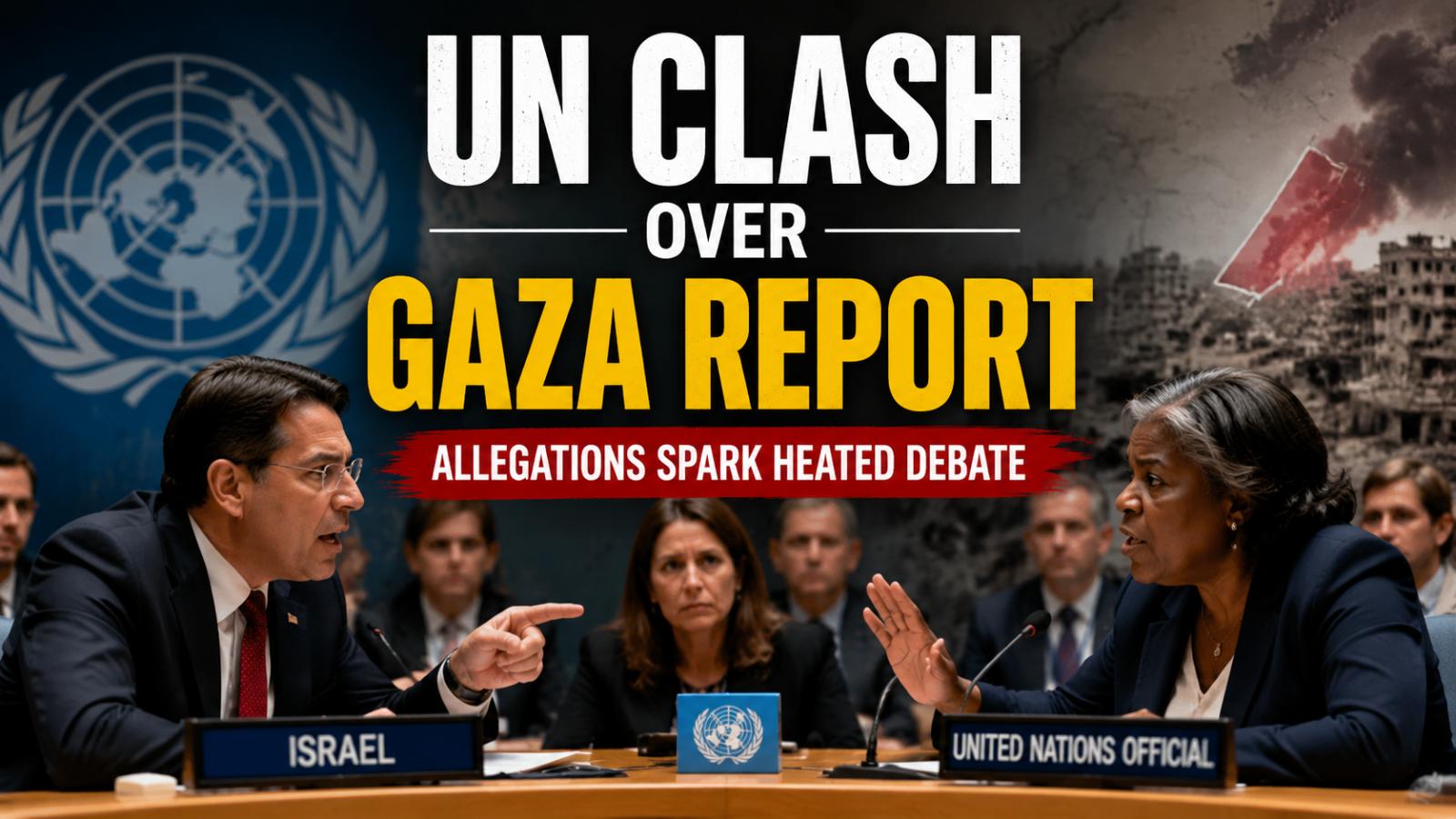
UN meeting turns tense over Gaza report allegations dispute
A United Nations discussion intended to review conflict-related sexual violence and child protection issues turned sharply contentious in New York, as disagreements over a Gaza-focused report escalated between Israel’s delegation and senior UN officials. What began as a policy review quickly shifted into a direct diplomatic exchange over credibility, methodology, and political framing of the findings. Dispute over credibility of conflict data The tension intensified when Israel’s representative, Danny Danon, challenged the validity of a UN monitoring report that documented violations affecting children in multiple conflict zones, including Gaza. He argued that the findings reflected institutional bias and selective interpretation of incidents involving Israeli forces and related actors. His remarks prompted immediate pushback from UN officials present in the session. Sharp exchange between diplomats and UN officials UN representative Vanessa Frazier responded by rejecting the criticism of the report’s integrity, stressing that the data was compiled through established verification mechanisms used in conflict monitoring worldwide. She objected to what she described as personal accusations directed at UN personnel, which further escalated the exchange. The discussion momentarily lost procedural focus as both sides defended their positions more forcefully. Findings highlight scale of child impact in conflict zones The report at the center of the debate outlined thousands of grave violations affecting children across active conflict regions during the year. It attributed a significant portion of documented incidents to multiple parties operating in high-intensity zones, while also calling attention to the broader deterioration of child safety in war-affected areas. UN Secretary-General António Guterres has previously expressed concern over rising figures and warned that persistent patterns of violations could trigger stronger international accountability measures. Broader diplomatic divide over accountability frameworks The confrontation reflects a continuing divide between Israel and United Nations institutions regarding how conflict data is collected, interpreted, and publicly presented. Israel has consistently rejected allegations of bias in UN reporting, while UN bodies maintain that standardized monitoring systems are essential for documenting humanitarian conditions in active war zones. The latest exchange underscores how reporting on civilian harm has become a recurring point of friction in international diplomacy, particularly in relation to Gaza.
UN meeting turns tense over Gaza report allegations dispute
A United Nations discussion intended to review conflict-related sexual violence and child protection issues turned sharply contentious in New York, as disagreements over a Gaza-focused report escalated between Israel’s delegation and senior UN officials. What began as a policy review quickly shifted into a direct diplomatic exchange over credibility, methodology, and political framing of the findings. Dispute over credibility of conflict data The tension intensified when Israel’s representative, Danny Danon, challenged the validity of a UN monitoring report that documented violations affecting children in multiple conflict zones, including Gaza. He argued that the findings reflected institutional bias and selective interpretation of incidents involving Israeli forces and related actors. His remarks prompted immediate pushback from UN officials present in the session. Sharp exchange between diplomats and UN officials UN representative Vanessa Frazier responded by rejecting the criticism of the report’s integrity, stressing that the data was compiled through established verification mechanisms used in conflict monitoring worldwide. She objected to what she described as personal accusations directed at UN personnel, which further escalated the exchange. The discussion momentarily lost procedural focus as both sides defended their positions more forcefully. Findings highlight scale of child impact in conflict zones The report at the center of the debate outlined thousands of grave violations affecting children across active conflict regions during the year. It attributed a significant portion of documented incidents to multiple parties operating in high-intensity zones, while also calling attention to the broader deterioration of child safety in war-affected areas. UN Secretary-General António Guterres has previously expressed concern over rising figures and warned that persistent patterns of violations could trigger stronger international accountability measures. Broader diplomatic divide over accountability frameworks The confrontation reflects a continuing divide between Israel and United Nations institutions regarding how conflict data is collected, interpreted, and publicly presented. Israel has consistently rejected allegations of bias in UN reporting, while UN bodies maintain that standardized monitoring systems are essential for documenting humanitarian conditions in active war zones. The latest exchange underscores how reporting on civilian harm has become a recurring point of friction in international diplomacy, particularly in relation to Gaza.
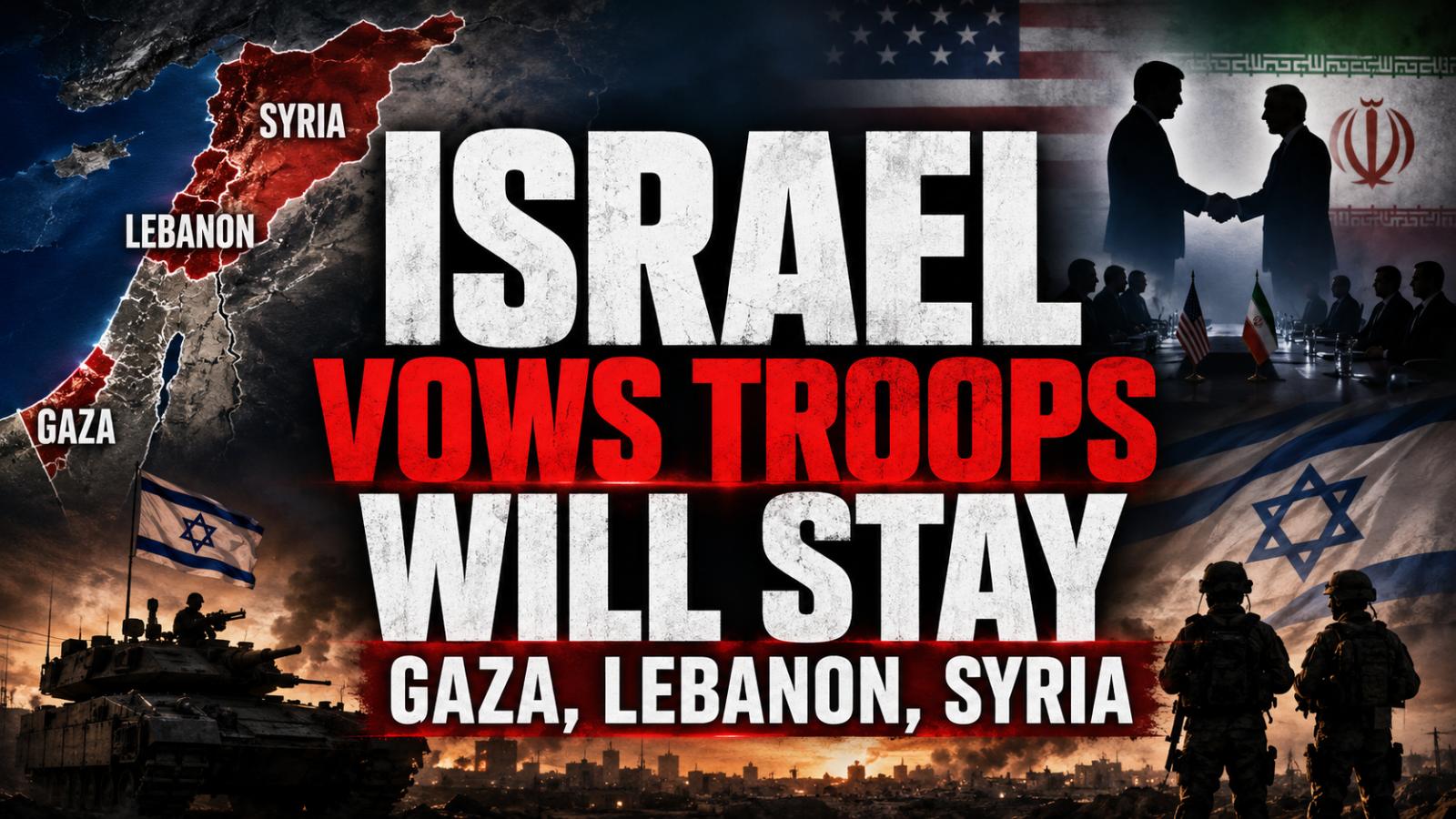
Israel to Keep Troops in Gaza, Lebanon and Syria
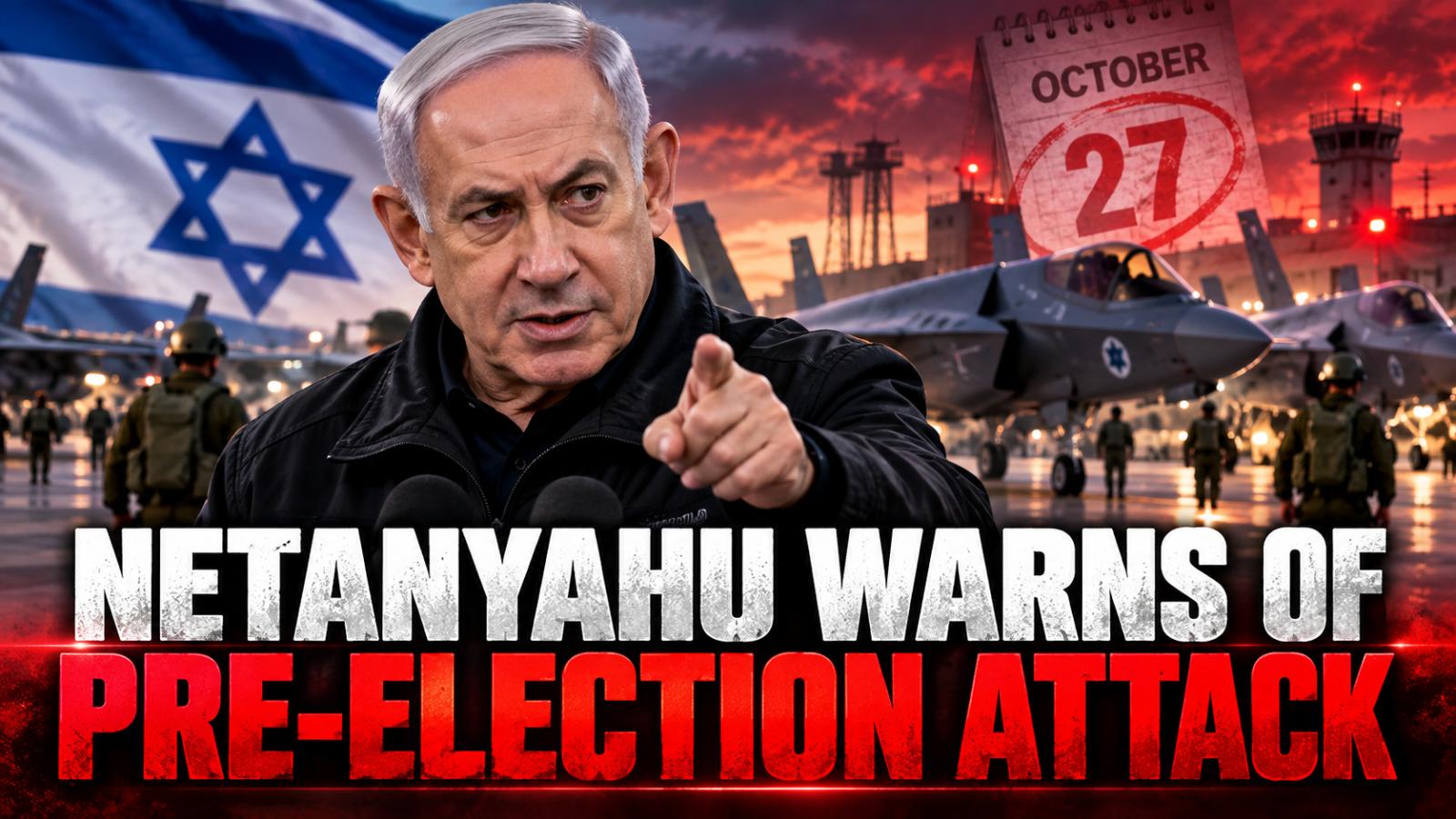
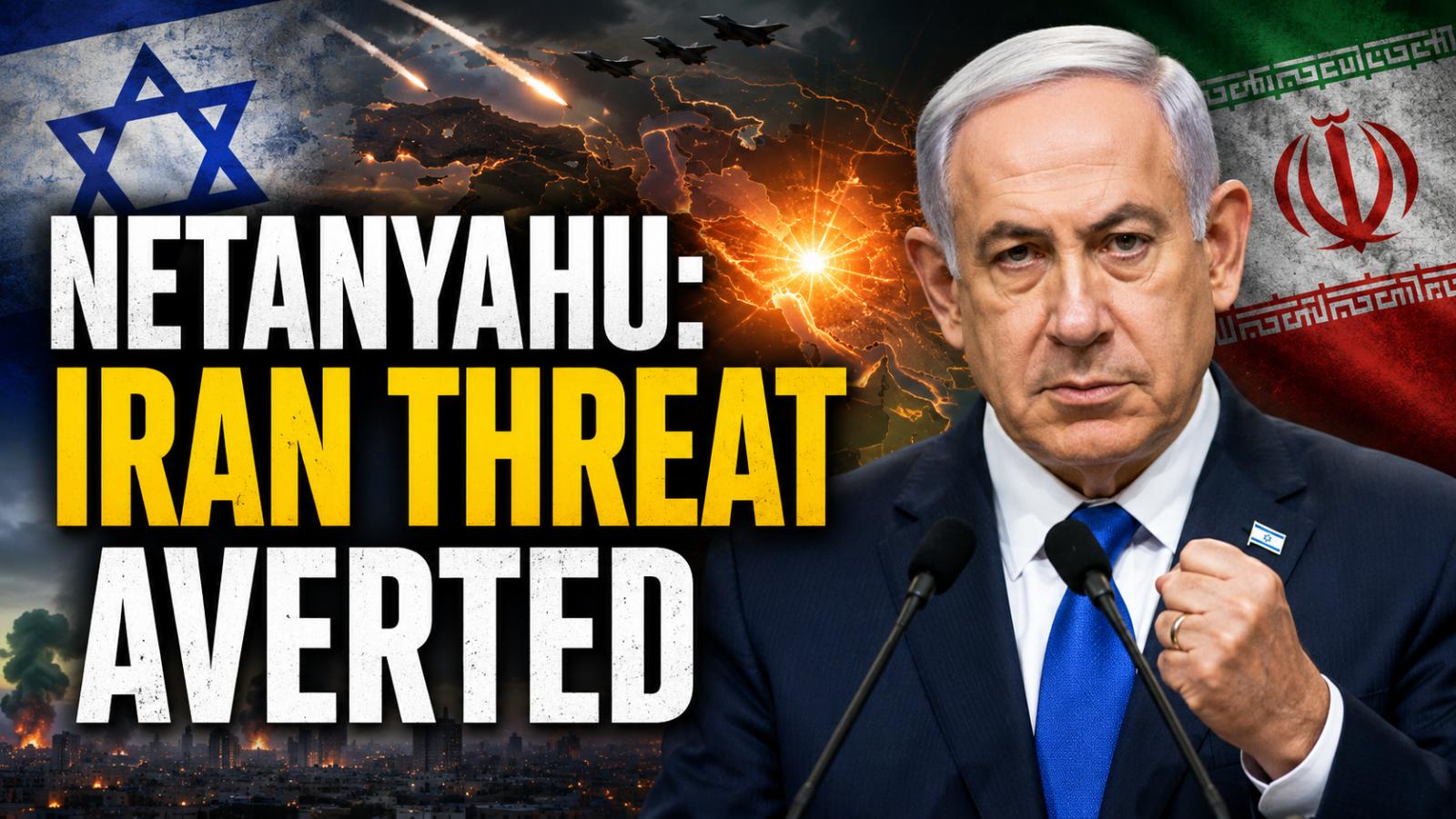
Netanyahu Defends Iran Campaign Israeli Prime Minister Benjamin Netanyahu said the joint US-Israeli military campaign against Iran had protected Israel from what he described as the danger of nuclear annihilation. Speaking after Washington and Tehran announced a preliminary agreement to halt the regional war, Netanyahu said Israel and the United States had removed an immediate Iranian nuclear threat and created a credible military deterrent for future negotiations. He said Iran would not be allowed to obtain nuclear weapons “with or without a deal,” while insisting that Israel would retain the ability to act if it judged the threat unresolved. Security Zones To Remain Netanyahu also said Israeli forces would remain in security zones in Gaza, Lebanon and Syria for as long as his government considered necessary. He argued that those buffer areas were created to protect Israel’s borders after years of threats from Iran-backed groups and other armed factions. His position comes as the US-Iran agreement seeks to reduce fighting across the region, including in Lebanon, where Hezbollah and Israeli forces have been involved in continued hostilities. The statement signals that Israel may not automatically withdraw from territory it currently controls even if broader diplomacy moves forward. Iran Deal Raises Tensions The US-Iran agreement has created political pressure inside Israel, with critics warning that the deal may leave major issues unresolved, including Iran’s missile program and support for regional armed groups. Netanyahu has avoided directly rejecting the diplomatic track, but he has stressed that Israel is not bound to accept security risks it considers unacceptable. The gap between Washington’s push for de-escalation and Israel’s insistence on military freedom of action could become a major test for future Middle East diplomacy. Netanyahu Confirms Election Run Netanyahu also confirmed that he plans to run in Israel’s upcoming elections. His announcement comes as he faces criticism from opposition parties over the handling of the war, the fate of hostages, continued military operations and the political cost of the Iran campaign. Despite domestic pressure and a continuing corruption trial, Netanyahu said he intends to seek another term. His remarks show that the Iran campaign, the US-Iran deal and Israel’s security zones are likely to become central issues in the election debate.
Israel to Keep Troops in Gaza, Lebanon and Syria
Netanyahu Defends Iran Campaign Israeli Prime Minister Benjamin Netanyahu said the joint US-Israeli military campaign against Iran had protected Israel from what he described as the danger of nuclear annihilation. Speaking after Washington and Tehran announced a preliminary agreement to halt the regional war, Netanyahu said Israel and the United States had removed an immediate Iranian nuclear threat and created a credible military deterrent for future negotiations. He said Iran would not be allowed to obtain nuclear weapons “with or without a deal,” while insisting that Israel would retain the ability to act if it judged the threat unresolved. Security Zones To Remain Netanyahu also said Israeli forces would remain in security zones in Gaza, Lebanon and Syria for as long as his government considered necessary. He argued that those buffer areas were created to protect Israel’s borders after years of threats from Iran-backed groups and other armed factions. His position comes as the US-Iran agreement seeks to reduce fighting across the region, including in Lebanon, where Hezbollah and Israeli forces have been involved in continued hostilities. The statement signals that Israel may not automatically withdraw from territory it currently controls even if broader diplomacy moves forward. Iran Deal Raises Tensions The US-Iran agreement has created political pressure inside Israel, with critics warning that the deal may leave major issues unresolved, including Iran’s missile program and support for regional armed groups. Netanyahu has avoided directly rejecting the diplomatic track, but he has stressed that Israel is not bound to accept security risks it considers unacceptable. The gap between Washington’s push for de-escalation and Israel’s insistence on military freedom of action could become a major test for future Middle East diplomacy. Netanyahu Confirms Election Run Netanyahu also confirmed that he plans to run in Israel’s upcoming elections. His announcement comes as he faces criticism from opposition parties over the handling of the war, the fate of hostages, continued military operations and the political cost of the Iran campaign. Despite domestic pressure and a continuing corruption trial, Netanyahu said he intends to seek another term. His remarks show that the Iran campaign, the US-Iran deal and Israel’s security zones are likely to become central issues in the election debate.
Israel Says Troops Will Stay in Gaza, Lebanon and Syria
Israel Reaffirms Security Zone Policy Israeli Defence Minister Israel Katz said Israel will not withdraw from security zones it currently controls in Gaza, Lebanon and Syria, signaling that any future regional agreement involving Iran and the United States may not automatically lead to Israeli troop pullbacks. In a statement posted Friday, June 13,2026 Katz said Israel’s security doctrine remains focused o
Israel Says Troops Will Stay in Gaza, Lebanon and Syria
Israel Reaffirms Security Zone Policy Israeli Defence Minister Israel Katz said Israel will not withdraw from security zones it currently controls in Gaza, Lebanon and Syria, signaling that any future regional agreement involving Iran and the United States may not automatically lead to Israeli troop pullbacks. In a statement posted Friday, June 13,2026 Katz said Israel’s security doctrine remains focused o
Eitan Gilboa in Himachal triggers calls for legal action
Eitan Gilboa, an Israeli army reservist accused of involvement in war crimes in Gaza, is currently visiting Himachal Pradesh. His presence has drawn strong reactions from human rights organizations, urging Indian authorities to take legal action under the Geneva Convention, which obliges signatory countries to investigate serious violations of international humanitarian law. Allegations Against Gilboa
Eitan Gilboa in Himachal triggers calls for legal action
Eitan Gilboa, an Israeli army reservist accused of involvement in war crimes in Gaza, is currently visiting Himachal Pradesh. His presence has drawn strong reactions from human rights organizations, urging Indian authorities to take legal action under the Geneva Convention, which obliges signatory countries to investigate serious violations of international humanitarian law. Allegations Against Gilboa
Israeli Army Reviews Fatal West Bank Incident
Infant Killed Near Hebron A seven-month-old Palestinian infant was killed and his parents were wounded after Israeli soldiers opened fire on a vehicle near Hebron in the occupied West Bank, according to the Palestinian health ministry. The ministry identified the child as Sam Fahd Abu Haikal and said the shooting took place in the Tel Rumeida area, south of Hebron. His parents were also injured in the incid
Israeli Army Reviews Fatal West Bank Incident
Infant Killed Near Hebron A seven-month-old Palestinian infant was killed and his parents were wounded after Israeli soldiers opened fire on a vehicle near Hebron in the occupied West Bank, according to the Palestinian health ministry. The ministry identified the child as Sam Fahd Abu Haikal and said the shooting took place in the Tel Rumeida area, south of Hebron. His parents were also injured in the incid
Rising Child Marriages in Gaza Amid War and Displacement
The ongoing war in Gaza has triggered a worrying increase in child marriages. Families struggling with displacement, economic hardship, and insecurity are increasingly marrying off teenage daughters, seeing it as a means to protect them and ensure survival. Interviews with girls aged 13 to 16 reveal stories of early pregnancies, miscarriages, and abuse, highlighting the harsh consequences of these marriages. One mother, who lost her husband and eldest son in the conflict, explained, “I thou
Rising Child Marriages in Gaza Amid War and Displacement
The ongoing war in Gaza has triggered a worrying increase in child marriages. Families struggling with displacement, economic hardship, and insecurity are increasingly marrying off teenage daughters, seeing it as a means to protect them and ensure survival. Interviews with girls aged 13 to 16 reveal stories of early pregnancies, miscarriages, and abuse, highlighting the harsh consequences of these marriages. One mother, who lost her husband and eldest son in the conflict, explained, “I thou
Trump peace board Gaza reconstruction hits zero funding hurdle
The Trump board of peace, set up to coordinate reconstruction in Gaza after recent conflicts, is facing an unprecedented funding shortfall. Despite multibillion-dollar pledges from the United States and several Gulf nations, no significant donor funds have been delivered, leaving the reconstruction plan at a standstill. The initiative, envisioned as a multilateral effort to rebuild Gaza’s damaged infrastructure, has yet to move beyond the planning stage.
Trump peace board Gaza reconstruction hits zero funding hurdle
The Trump board of peace, set up to coordinate reconstruction in Gaza after recent conflicts, is facing an unprecedented funding shortfall. Despite multibillion-dollar pledges from the United States and several Gulf nations, no significant donor funds have been delivered, leaving the reconstruction plan at a standstill. The initiative, envisioned as a multilateral effort to rebuild Gaza’s damaged infrastructure, has yet to move beyond the planning stage.
Germany Says Turkiye Has Key Leverage in Iran Conflict Diplomacy
Germany says Turkiye has key leverage in Iran conflict diplomacy, pointing to Ankara’s strategic location, economic strength and political influence across several crisis zones. German Foreign Minister Johann Wadephul made the remarks during a press conference in Berlin alongside Turkish Foreign Minister Hakan Fidan, saying Turkiye can play an important role in developments linked to the Iran conflict and the war in Ukraine. Turkiye’s Regional
Germany Says Turkiye Has Key Leverage in Iran Conflict Diplomacy
Germany says Turkiye has key leverage in Iran conflict diplomacy, pointing to Ankara’s strategic location, economic strength and political influence across several crisis zones. German Foreign Minister Johann Wadephul made the remarks during a press conference in Berlin alongside Turkish Foreign Minister Hakan Fidan, saying Turkiye can play an important role in developments linked to the Iran conflict and the war in Ukraine. Turkiye’s Regional
Iran condemns Israeli flotilla raid as piracy amid global protests
Israel flotilla attack triggers global outrage The Israel flotilla attack has sparked widespread international condemnation after Israeli naval forces intercepted vessels from the Global Sumud flotilla in international waters nearly 1,000 km from Israel near Crete. The operation led to the detention of hundreds of activists and seizure of aid ships, raising serious concerns about legality, human rights, and humanita
Iran condemns Israeli flotilla raid as piracy amid global protests
Israel flotilla attack triggers global outrage The Israel flotilla attack has sparked widespread international condemnation after Israeli naval forces intercepted vessels from the Global Sumud flotilla in international waters nearly 1,000 km from Israel near Crete. The operation led to the detention of hundreds of activists and seizure of aid ships, raising serious concerns about legality, human rights, and humanita
Israel says Hamas intelligence leader killed in Gaza strike
Israel says it killed a senior Hamas intelligence leader involved in planning the October 7 attack, as violence continues in Gaza despite a ceasefire, with reports of additional casualties from a separate drone strike. The Israel Defense Forces said on Wednesday, April 29, 2026, that Iyad Ahmed Abd al Rahman Shambari, a senior figure in Hamas’s military intelligence wing, was killed in the Gaza Strip. According to the IDF, Shambari led the operations department within Hamas military intelligence and played a key role in planning the October 7, 2023, attack on Israel that triggered the ongoing war. The IDF statement did not specify the exact time of the strike or provide additional operational details. The Israeli military has repeatedly targeted senior Hamas figures as part of its broader campaign in Gaza following the large-scale assault that prompted Israel’s ground offensive in the enclave. A ceasefire announced on Friday, October 10, 2025, has largely reduced large-scale combat, but violence has continued across Gaza. The Gaza health ministry, which operates under Hamas authority, reported that at least 818 Palestinians have been killed since the truce began. The United Nations has previously considered such figures broadly reliable, though independent verification remains limited. Separately, Gaza’s civil defense agency said four people were killed and six others injured in a drone strike targeting a vehicle in the western Al Rimal neighborhood of Gaza City. A Gaza security official identified two of the victims as Hamas commander Iyad al Shanbari and his son Salah. The identities of the other two individuals were not disclosed. There was no immediate independent confirmation of the identities of those killed in that strike. The IDF has not publicly commented on the specific incident described by local authorities. The developments underscore ongoing instability in Gaza despite the ceasefire, with sporadic strikes and casualties continuing to be reported.
Israel says Hamas intelligence leader killed in Gaza strike
Israel says it killed a senior Hamas intelligence leader involved in planning the October 7 attack, as violence continues in Gaza despite a ceasefire, with reports of additional casualties from a separate drone strike. The Israel Defense Forces said on Wednesday, April 29, 2026, that Iyad Ahmed Abd al Rahman Shambari, a senior figure in Hamas’s military intelligence wing, was killed in the Gaza Strip. According to the IDF, Shambari led the operations department within Hamas military intelligence and played a key role in planning the October 7, 2023, attack on Israel that triggered the ongoing war. The IDF statement did not specify the exact time of the strike or provide additional operational details. The Israeli military has repeatedly targeted senior Hamas figures as part of its broader campaign in Gaza following the large-scale assault that prompted Israel’s ground offensive in the enclave. A ceasefire announced on Friday, October 10, 2025, has largely reduced large-scale combat, but violence has continued across Gaza. The Gaza health ministry, which operates under Hamas authority, reported that at least 818 Palestinians have been killed since the truce began. The United Nations has previously considered such figures broadly reliable, though independent verification remains limited. Separately, Gaza’s civil defense agency said four people were killed and six others injured in a drone strike targeting a vehicle in the western Al Rimal neighborhood of Gaza City. A Gaza security official identified two of the victims as Hamas commander Iyad al Shanbari and his son Salah. The identities of the other two individuals were not disclosed. There was no immediate independent confirmation of the identities of those killed in that strike. The IDF has not publicly commented on the specific incident described by local authorities. The developments underscore ongoing instability in Gaza despite the ceasefire, with sporadic strikes and casualties continuing to be reported.
Gaza faces rising disease risk as rat infestation spreads in displacement camps
Rising temperatures are intensifying public health concerns in the Gaza Strip, where a widespread infestation of rodents and parasites is compounding already dire living conditions for displaced civilians. Health officials warn that the rapid spread of rats, fleas, and lice could trigger a major disease outbreak in overcrowded camps lacking basic sanitation. In areas such as Khan Yunis and the Al-Mawasi coastal strip, displaced families are living in makeshift shelters that offer little protection against pests. Residents report that large rodents, identified by some as Norway rats, are burrowing into tents at night. Muhammad al-Raqab, a displaced father, described repeated attacks on his family, saying rodents chewed through his shelter and bit his children while they slept. He now stays awake overnight to guard them. The infestation is closely linked to the collapse of Gaza’s sanitation infrastructure. With municipal services largely nonfunctional and access to landfill sites near the eastern border restricted, millions of tons of waste have accumulated near populated areas. The buildup has created ideal conditions for vermin to thrive. According to the United Nations Office for the Coordination of Humanitarian Affairs, approximately 1.7 million of Gaza’s 2.2 million residents remain displaced and unable to return to their homes despite a ceasefire that began in October 2025. Field assessments conducted in March described camp conditions as heavily affected by vermin and parasite infestations. Medical professionals are already seeing the consequences. Hani al-Flait, head of pediatrics at Al-Aqsa Hospital in central Gaza, reported a steady rise in skin infections such as scabies. Residents also describe worsening conditions as fleas spread allergies among both children and adults, further straining limited healthcare resources in the enclave.


Gaza faces rising disease risk as rat infestation spreads in displacement camps
Rising temperatures are intensifying public health concerns in the Gaza Strip, where a widespread infestation of rodents and parasites is compounding already dire living conditions for displaced civilians. Health officials warn that the rapid spread of rats, fleas, and lice could trigger a major disease outbreak in overcrowded camps lacking basic sanitation. In areas such as Khan Yunis and the Al-Mawasi coastal strip, displaced families are living in makeshift shelters that offer little protection against pests. Residents report that large rodents, identified by some as Norway rats, are burrowing into tents at night. Muhammad al-Raqab, a displaced father, described repeated attacks on his family, saying rodents chewed through his shelter and bit his children while they slept. He now stays awake overnight to guard them. The infestation is closely linked to the collapse of Gaza’s sanitation infrastructure. With municipal services largely nonfunctional and access to landfill sites near the eastern border restricted, millions of tons of waste have accumulated near populated areas. The buildup has created ideal conditions for vermin to thrive. According to the United Nations Office for the Coordination of Humanitarian Affairs, approximately 1.7 million of Gaza’s 2.2 million residents remain displaced and unable to return to their homes despite a ceasefire that began in October 2025. Field assessments conducted in March described camp conditions as heavily affected by vermin and parasite infestations. Medical professionals are already seeing the consequences. Hani al-Flait, head of pediatrics at Al-Aqsa Hospital in central Gaza, reported a steady rise in skin infections such as scabies. Residents also describe worsening conditions as fleas spread allergies among both children and adults, further straining limited healthcare resources in the enclave.
Middle East Crisis Us Iran Talks Fail Israel Lebanon Village Destruction Concerns Rise
Tensions in the Middle East continue to rise as the United States and Iran failed to reach an agreement after long peace talks held in Pakistan. At the same time, concerns are growing over the situation in southern Lebanon, where reports suggest large-scale destruction in several villages along the Israel-Lebanon border. According to reports, Israeli military operations have led to the demolition of villages such as Taybeh, Naqoura, and Deir Seryan. Videos circulating onli
Middle East Crisis Us Iran Talks Fail Israel Lebanon Village Destruction Concerns Rise
Tensions in the Middle East continue to rise as the United States and Iran failed to reach an agreement after long peace talks held in Pakistan. At the same time, concerns are growing over the situation in southern Lebanon, where reports suggest large-scale destruction in several villages along the Israel-Lebanon border. According to reports, Israeli military operations have led to the demolition of villages such as Taybeh, Naqoura, and Deir Seryan. Videos circulating onli
Gun battle near Israeli consulate in Istanbul leaves one attacker dead
A prolonged gun battle outside a high-rise building housing the Israeli consulate in Istanbul left one attacker dead and two others wounded on Tuesday, April 7, 2026, Turkish authorities said. The exchange of gunfire, which lasted approximately 10 minutes, unfolded just after midday local time (IST equivalent), in a densely populated financial district marked by office towers and heavy security presence. According to officials and eyewitness accounts, police stationed at a permanent c
Gun battle near Israeli consulate in Istanbul leaves one attacker dead
A prolonged gun battle outside a high-rise building housing the Israeli consulate in Istanbul left one attacker dead and two others wounded on Tuesday, April 7, 2026, Turkish authorities said. The exchange of gunfire, which lasted approximately 10 minutes, unfolded just after midday local time (IST equivalent), in a densely populated financial district marked by office towers and heavy security presence. According to officials and eyewitness accounts, police stationed at a permanent c
US–Israel–Iran War | IDF warns of troop shortages as Israel’s multi-front war intensifies
Israel’s top military official has issued a stark warning about the country’s operational readiness, citing severe manpower shortages as conflict across multiple fronts continues to intensify. Eyal Zamir, Chief of the General Staff of the Israel Defense Forces, told senior ministers that the military risks “collapsing on itself” if current staffing gaps are not addressed. The warning came
US–Israel–Iran War | IDF warns of troop shortages as Israel’s multi-front war intensifies
Israel’s top military official has issued a stark warning about the country’s operational readiness, citing severe manpower shortages as conflict across multiple fronts continues to intensify. Eyal Zamir, Chief of the General Staff of the Israel Defense Forces, told senior ministers that the military risks “collapsing on itself” if current staffing gaps are not addressed. The warning came
PM Modi Endorses Gaza Peace Plan in Israel, Stresses Humanity Over Conflict
Prime Minister Narendra Modi, during his visit to Israel, has strongly reiterated India's stance on the Gaza issue, emphasizing that humanity must never fall victim to conflict. Speaking at a joint press briefing with Israeli Prime Minister Benjamin Netanyahu, PM Modi expressed India's unwavering support for the Gaza Peace Plan, which was endorsed by the United Nations Security Council (UNSC). He stated that the plan creates a pathway toward peace in the region and reinforced India's commitme
PM Modi Endorses Gaza Peace Plan in Israel, Stresses Humanity Over Conflict
Prime Minister Narendra Modi, during his visit to Israel, has strongly reiterated India's stance on the Gaza issue, emphasizing that humanity must never fall victim to conflict. Speaking at a joint press briefing with Israeli Prime Minister Benjamin Netanyahu, PM Modi expressed India's unwavering support for the Gaza Peace Plan, which was endorsed by the United Nations Security Council (UNSC). He stated that the plan creates a pathway toward peace in the region and reinforced India's commitme
Trump announces $10 billion US pledge to Gaza peace board
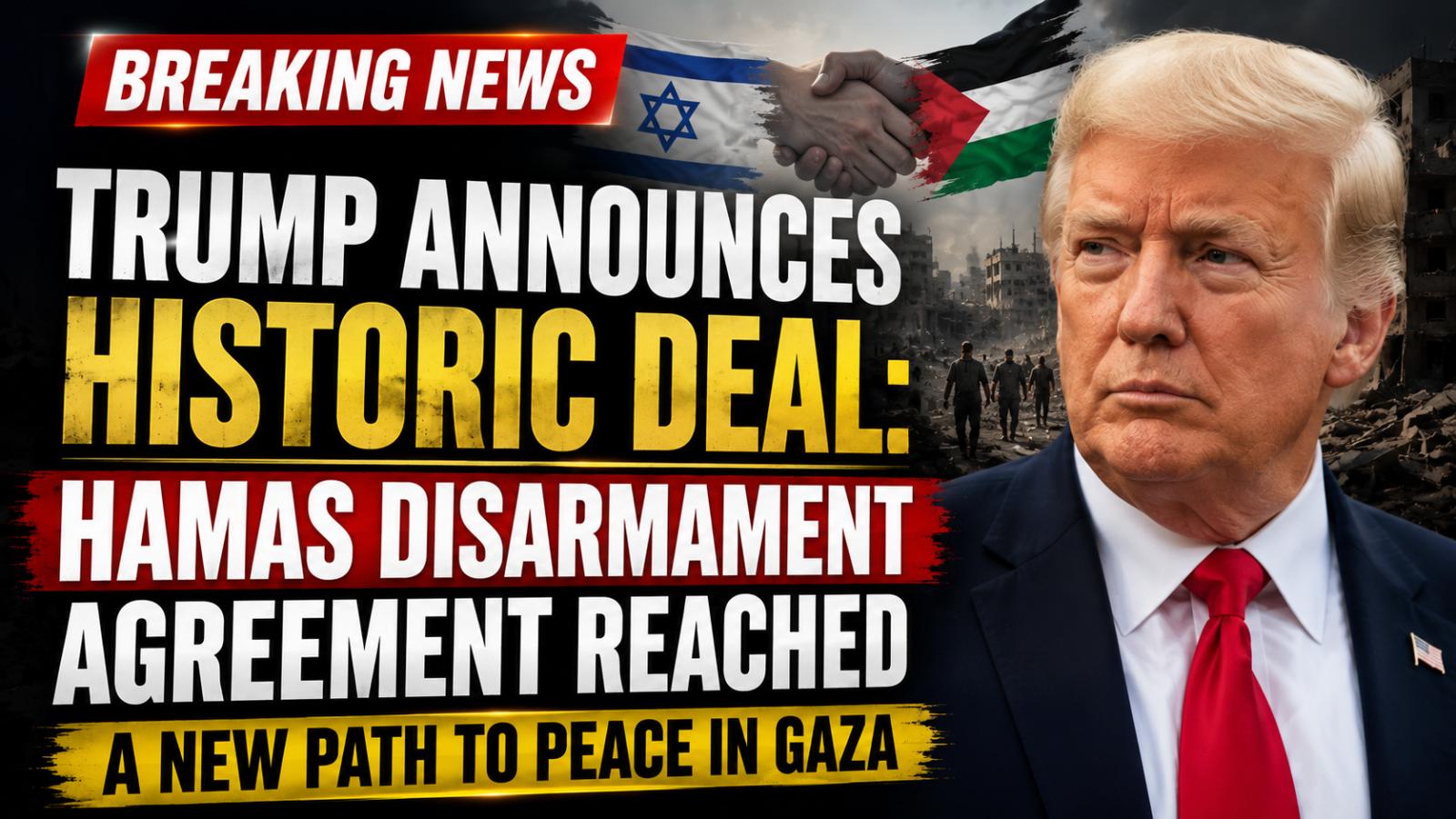
President Donald Trump on Thursday announced that the United States will contribute $10 billion to the newly formed Board of Peace, a central element of his 20-point plan aimed at stabilising and rebuilding Gaza. Speaking at the board’s inaugural meeting in Washington, Trump told representatives from nearly 50 countries that the United States intended to play a leading financial role in the initiative, though questions remain about how the funding will be sourced amid the administration’s
Trump announces $10 billion US pledge to Gaza peace board
President Donald Trump on Thursday announced that the United States will contribute $10 billion to the newly formed Board of Peace, a central element of his 20-point plan aimed at stabilising and rebuilding Gaza. Speaking at the board’s inaugural meeting in Washington, Trump told representatives from nearly 50 countries that the United States intended to play a leading financial role in the initiative, though questions remain about how the funding will be sourced amid the administration’s
India attends Trump’s Gaza Board of Peace meeting as observer
India participated as an observer in the inaugural meeting of United States President Donald Trump’s newly announced Board of Peace initiative focused on Gaza, according to official participant records. The meeting was held at the Donald J. Trump Institute of Peace in Washington, DC, where India was represented by Chargé d’Affaires Namgya Khampa from the Indian embassy. New Delhi has not formally joined the Board of Peace but attended in a limited observer capacity as international discussions around Gaza reconstruction and regional stability continue to evolve. During the launch event, Trump announced a pledge of $10 billion toward the reconstruction of the Gaza Strip, positioning the initiative as a major international effort following the recent ceasefire. Several Muslim-majority countries also committed financial and security support. Leaders from Qatar, Saudi Arabia, and the United Arab Emirates each pledged at least $1 billion, according to officials present at the gathering. The White House Press Secretary later stated that total commitments from participating nations had crossed $6.5 billion, a figure that appeared to exclude the separate US contribution. The Board of Peace was convened in the aftermath of a ceasefire agreement reached in October following negotiations facilitated by the United States in coordination with Qatar and Egypt. The ceasefire aimed to halt nearly two years of intense conflict in Gaza. Under the proposed second phase of the framework, Hamas is expected to be disarmed as part of broader stabilisation measures. The current war was triggered by Hamas’ October 7, 2023 attack on Israel, which led to a large-scale Israeli military response in the Gaza Strip. In a notable development, Morocco announced its readiness to contribute police personnel and officers to the newly proposed International Stabilisation Force, marking what officials described as a first-of-its-kind commitment by an Arab nation in the context of the Gaza peace initiative. The move is seen as part of wider efforts to establish security arrangements alongside reconstruction planning. Prime Minister Narendra Modi was among several global leaders invited by the US President to be associated with the Board of Peace, which was formally announced as part of the second phase of the Israel-Hamas ceasefire framework. India, however, had not been present at the earlier January 22 ceremony in Davos where Trump first unveiled the initiative aimed at fostering long-term peace in Gaza and potentially addressing other global conflicts. The Board of Peace has drawn attention in diplomatic circles due to perceptions that it could emerge as an alternative multilateral platform. Trump has previously suggested that the body “might” replace the United Nations, arguing that existing global institutions have not fully delivered on their mandates. Observers note that the structure, scope, and long-term objectives of the Board of Peace remain under discussion as participating countries evaluate their roles. India’s decision to attend as an observer reflects its cautious diplomatic approach to the evolving Middle East situation. Officials have not indicated any immediate plan to formally join the initiative, but New Delhi continues to monitor developments closely as international stakeholders shape the future framework for Gaza’s reconstruction and regional stability.
India attends Trump’s Gaza Board of Peace meeting as observer
India participated as an observer in the inaugural meeting of United States President Donald Trump’s newly announced Board of Peace initiative focused on Gaza, according to official participant records. The meeting was held at the Donald J. Trump Institute of Peace in Washington, DC, where India was represented by Chargé d’Affaires Namgya Khampa from the Indian embassy. New Delhi has not formally joined the Board of Peace but attended in a limited observer capacity as international discussions around Gaza reconstruction and regional stability continue to evolve. During the launch event, Trump announced a pledge of $10 billion toward the reconstruction of the Gaza Strip, positioning the initiative as a major international effort following the recent ceasefire. Several Muslim-majority countries also committed financial and security support. Leaders from Qatar, Saudi Arabia, and the United Arab Emirates each pledged at least $1 billion, according to officials present at the gathering. The White House Press Secretary later stated that total commitments from participating nations had crossed $6.5 billion, a figure that appeared to exclude the separate US contribution. The Board of Peace was convened in the aftermath of a ceasefire agreement reached in October following negotiations facilitated by the United States in coordination with Qatar and Egypt. The ceasefire aimed to halt nearly two years of intense conflict in Gaza. Under the proposed second phase of the framework, Hamas is expected to be disarmed as part of broader stabilisation measures. The current war was triggered by Hamas’ October 7, 2023 attack on Israel, which led to a large-scale Israeli military response in the Gaza Strip. In a notable development, Morocco announced its readiness to contribute police personnel and officers to the newly proposed International Stabilisation Force, marking what officials described as a first-of-its-kind commitment by an Arab nation in the context of the Gaza peace initiative. The move is seen as part of wider efforts to establish security arrangements alongside reconstruction planning. Prime Minister Narendra Modi was among several global leaders invited by the US President to be associated with the Board of Peace, which was formally announced as part of the second phase of the Israel-Hamas ceasefire framework. India, however, had not been present at the earlier January 22 ceremony in Davos where Trump first unveiled the initiative aimed at fostering long-term peace in Gaza and potentially addressing other global conflicts. The Board of Peace has drawn attention in diplomatic circles due to perceptions that it could emerge as an alternative multilateral platform. Trump has previously suggested that the body “might” replace the United Nations, arguing that existing global institutions have not fully delivered on their mandates. Observers note that the structure, scope, and long-term objectives of the Board of Peace remain under discussion as participating countries evaluate their roles. India’s decision to attend as an observer reflects its cautious diplomatic approach to the evolving Middle East situation. Officials have not indicated any immediate plan to formally join the initiative, but New Delhi continues to monitor developments closely as international stakeholders shape the future framework for Gaza’s reconstruction and regional stability.
Trump warns Iran of consequences if nuclear deal talks fail
US President Donald Trump met Israeli Prime Minister Benjamin Netanyahu on Wednesday to discuss a range of strategic issues, with the Iran nuclear deal emerging as a central topic of conversation. The meeting, held amid heightened regional tensions, underscored ongoing diplomatic efforts and disagreements surrounding Tehran’s nuclear programme and its broader military capabilities. Following the talks, Trump took to Truth Social to reiterate his administration’s position on nego
Trump warns Iran of consequences if nuclear deal talks fail
US President Donald Trump met Israeli Prime Minister Benjamin Netanyahu on Wednesday to discuss a range of strategic issues, with the Iran nuclear deal emerging as a central topic of conversation. The meeting, held amid heightened regional tensions, underscored ongoing diplomatic efforts and disagreements surrounding Tehran’s nuclear programme and its broader military capabilities. Following the talks, Trump took to Truth Social to reiterate his administration’s position on nego