Trump’s Visit to China: A Grand Reception
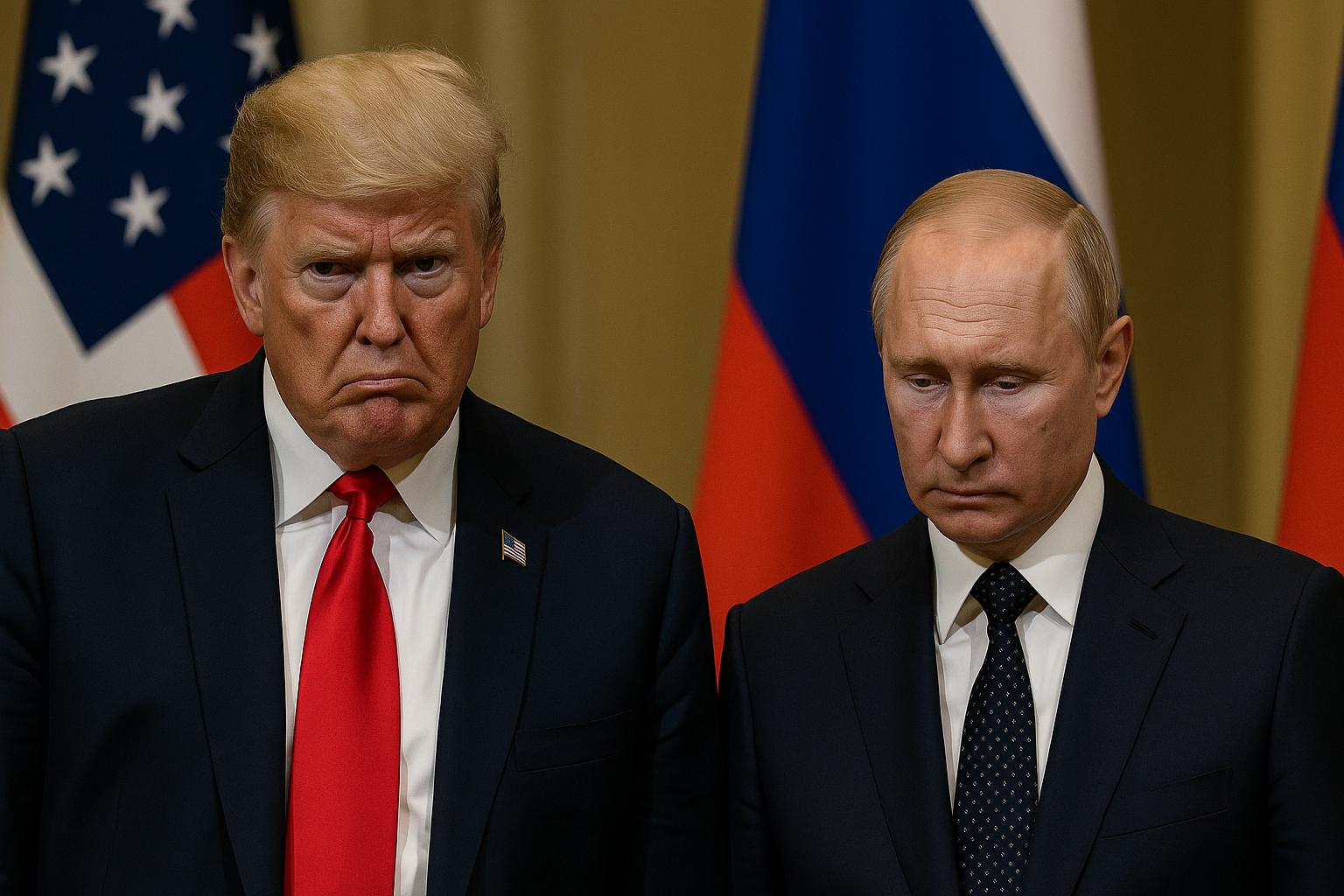
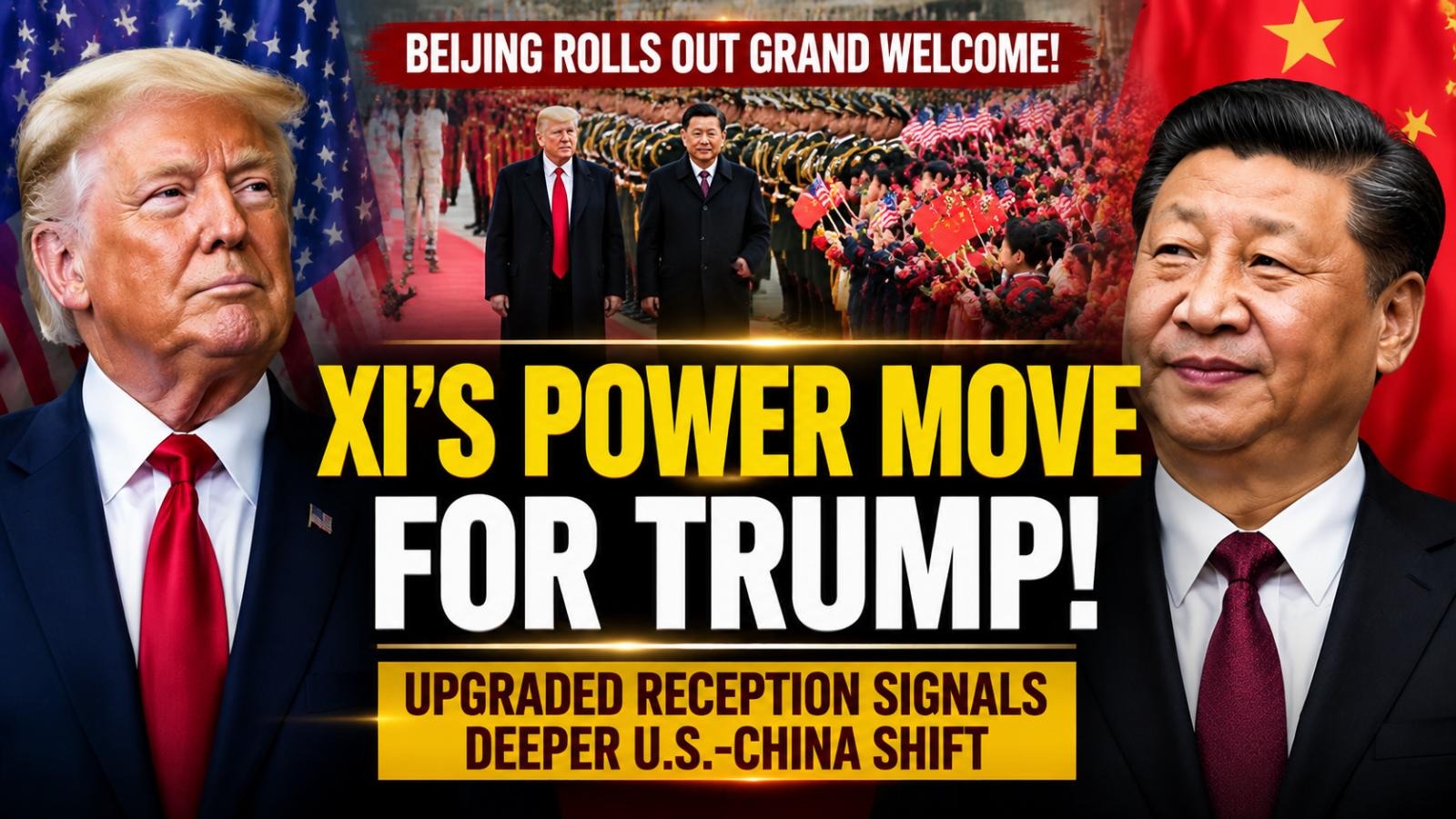
A Warmer Welcome for Trump Chinese President Xi Jinping’s diplomatic approach to Donald Trump’s recent visit to Beijing marked a clear shift in China-US relations. Unlike in 2017, when Trump was greeted by a lower-ranking official, this time China sent Vice President Han Zheng, along with both ambassadors and senior foreign affairs officials, signaling a significant elevation in the diplomatic reception. Isabelle Vladoiu, founder of the US Institute of Diplomacy and Human Righ
Trump’s Visit to China: A Grand Reception
A Warmer Welcome for Trump Chinese President Xi Jinping’s diplomatic approach to Donald Trump’s recent visit to Beijing marked a clear shift in China-US relations. Unlike in 2017, when Trump was greeted by a lower-ranking official, this time China sent Vice President Han Zheng, along with both ambassadors and senior foreign affairs officials, signaling a significant elevation in the diplomatic reception. Isabelle Vladoiu, founder of the US Institute of Diplomacy and Human Righ
Xi and Trump Summit at Beijing
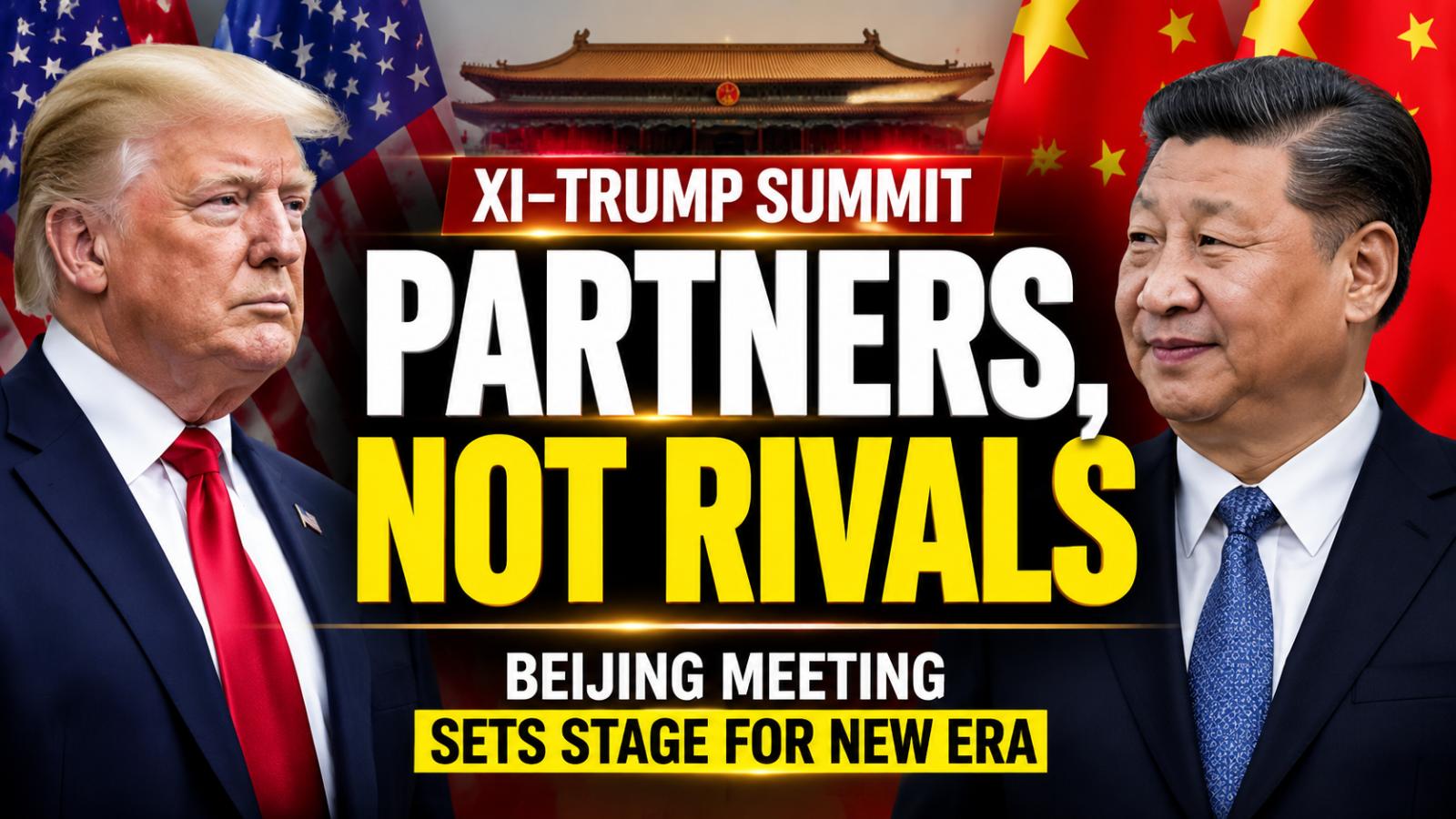
Historic Summit Marks a New Phase for US-China Relations On Thursday, May 14, 2026, Chinese President Xi Jinping welcomed US President Donald Trump to Beijing for a high-stakes summit, marking a critical moment in the evolving relationship between the two global powers. Xi set the tone for the summit by stressing the importance of cooperation over confrontation, calling for a stable US-China relationship as a foundation for global stability. “A stable China-US relationship is a
Xi and Trump Summit at Beijing
Historic Summit Marks a New Phase for US-China Relations On Thursday, May 14, 2026, Chinese President Xi Jinping welcomed US President Donald Trump to Beijing for a high-stakes summit, marking a critical moment in the evolving relationship between the two global powers. Xi set the tone for the summit by stressing the importance of cooperation over confrontation, calling for a stable US-China relationship as a foundation for global stability. “A stable China-US relationship is a
Iran Rejects UAE Drone Strike Accusations, Points to US Adventurism
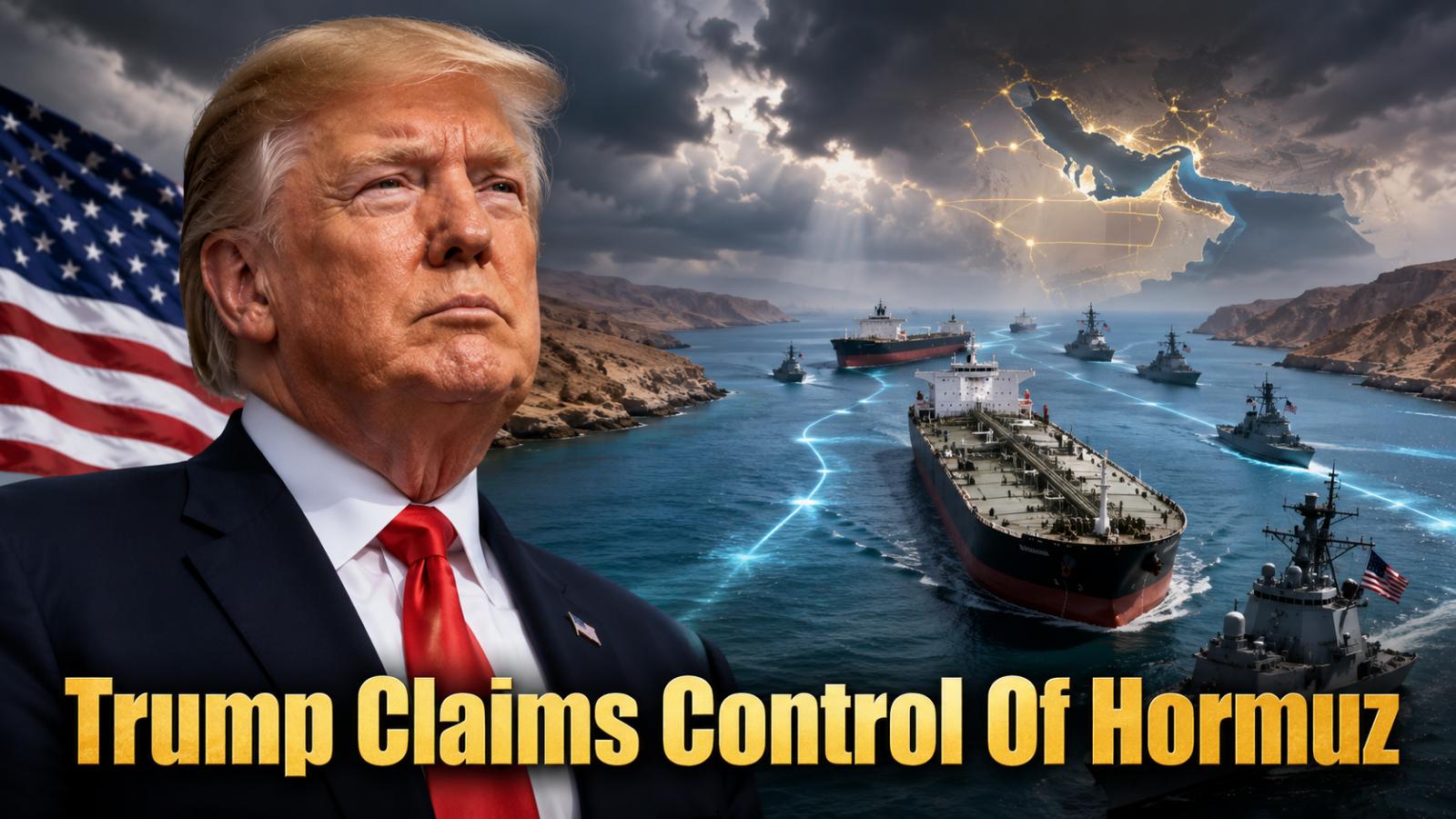
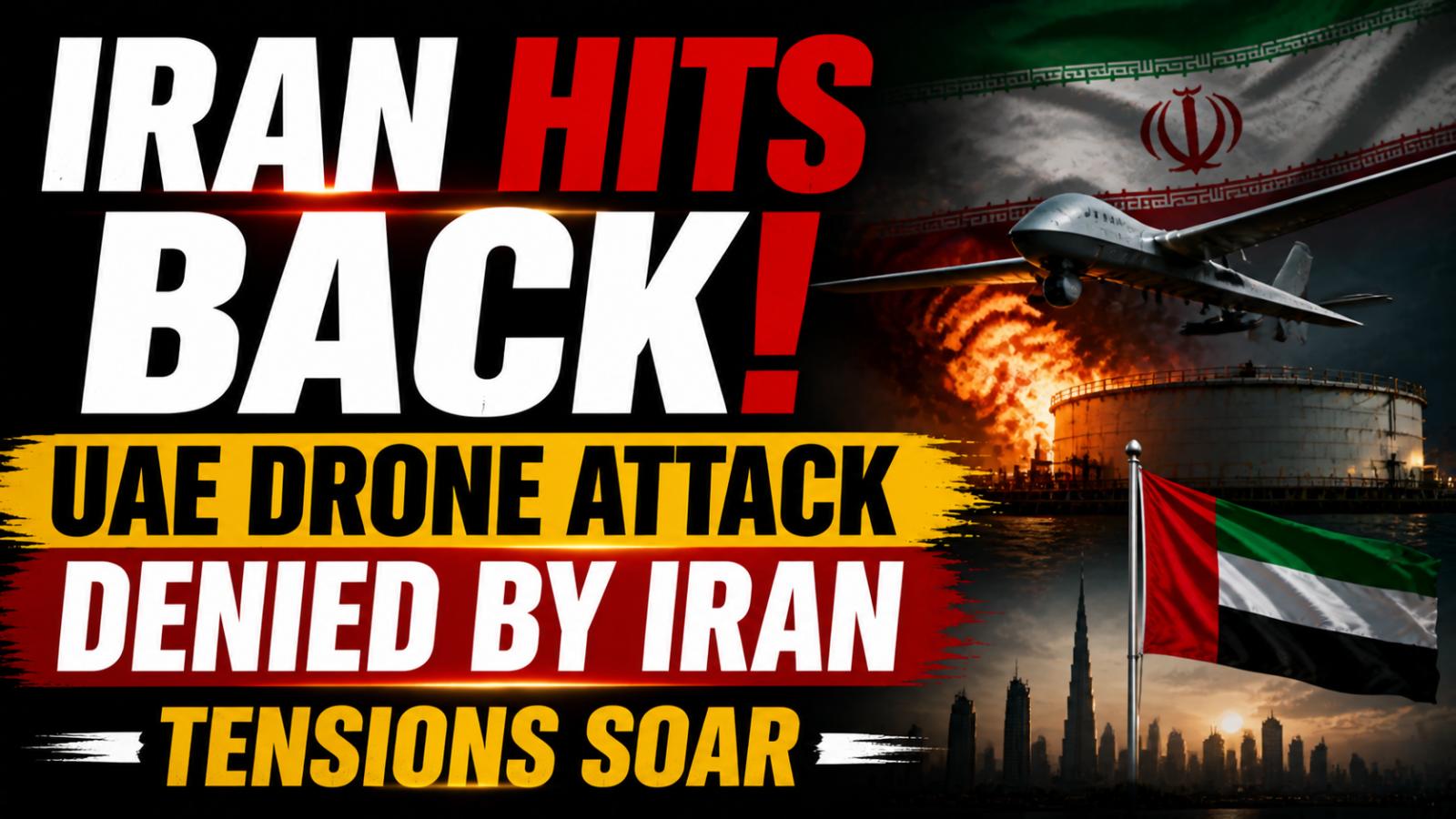
Iran has strongly denied accusations from the United Arab Emirates that it was behind a drone strike targeting oil facilities in Fujairah, calling the attack a product of US military adventurism. UAE authorities reported the attack on Monday, saying that three Indian nationals were injured in the strike and were hospitalized. The UAE also described the attack as a “dangerous escalation” amid growing tensions in the region. Iran's military officials, speaking on state television, insisted that the Islamic Republic had no plans to target UAE oil infrastructure. They argued that the attack was part of a broader geopolitical game in which the US was attempting to create a passage for ships to unlawfully pass through the Strait of Hormuz, a key oil shipping lane. Iranian officials called on the US to cease its military actions in the region, accusing Washington of destabilizing the area and holding the US accountable for the escalation. In the aftermath of the strike, US President Donald Trump announced a new maritime operation, Project Freedom, aimed at guiding neutral ships safely through the Gulf. The initiative, which Trump described as a humanitarian effort, is seen as a response to the increasing number of incidents in the Strait of Hormuz. US officials reported engaging with Iranian small boats in the Gulf, claiming that US forces had destroyed several Iranian vessels. Iran, however, denied these claims, stating that none of its boats had been sunk. Iran's Foreign Minister, Seyed Abbas Araghchi, emphasized the need for a political resolution to the ongoing tensions, cautioning against further military action. He called for greater diplomatic efforts, including mediation by countries like Pakistan, to prevent a deeper conflict. Araghchi also warned the UAE and other regional actors against further escalation, urging them to avoid external interference that could destabilize the region further. As the situation continues to develop, both Iran and the US remain at odds over their military presence in the vital Strait of Hormuz.
Iran Rejects UAE Drone Strike Accusations, Points to US Adventurism
Iran has strongly denied accusations from the United Arab Emirates that it was behind a drone strike targeting oil facilities in Fujairah, calling the attack a product of US military adventurism. UAE authorities reported the attack on Monday, saying that three Indian nationals were injured in the strike and were hospitalized. The UAE also described the attack as a “dangerous escalation” amid growing tensions in the region. Iran's military officials, speaking on state television, insisted that the Islamic Republic had no plans to target UAE oil infrastructure. They argued that the attack was part of a broader geopolitical game in which the US was attempting to create a passage for ships to unlawfully pass through the Strait of Hormuz, a key oil shipping lane. Iranian officials called on the US to cease its military actions in the region, accusing Washington of destabilizing the area and holding the US accountable for the escalation. In the aftermath of the strike, US President Donald Trump announced a new maritime operation, Project Freedom, aimed at guiding neutral ships safely through the Gulf. The initiative, which Trump described as a humanitarian effort, is seen as a response to the increasing number of incidents in the Strait of Hormuz. US officials reported engaging with Iranian small boats in the Gulf, claiming that US forces had destroyed several Iranian vessels. Iran, however, denied these claims, stating that none of its boats had been sunk. Iran's Foreign Minister, Seyed Abbas Araghchi, emphasized the need for a political resolution to the ongoing tensions, cautioning against further military action. He called for greater diplomatic efforts, including mediation by countries like Pakistan, to prevent a deeper conflict. Araghchi also warned the UAE and other regional actors against further escalation, urging them to avoid external interference that could destabilize the region further. As the situation continues to develop, both Iran and the US remain at odds over their military presence in the vital Strait of Hormuz.
Bangladesh Initiates Judicial Process to Extradite Sheikh Hasina
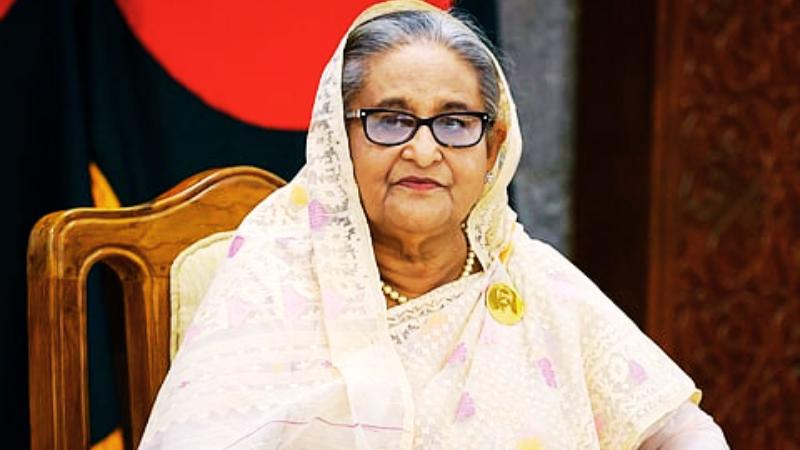
India has confirmed that Bangladesh’s request to extradite former Prime Minister Sheikh Hasina is currently under examination through established judicial and legal processes. The matter was discussed during recent talks betwee
Bangladesh Initiates Judicial Process to Extradite Sheikh Hasina
India has confirmed that Bangladesh’s request to extradite former Prime Minister Sheikh Hasina is currently under examination through established judicial and legal processes. The matter was discussed during recent talks betwee
Iran's Embassy Shares LEGO-Style Animation of Trump in 'Fake Jesus' Controversy
A new viral video from Iran, titled “Fake Jesus,” has quickly garnered attention across social media. This 90-second AI-generated LEGO animation, which debuted on X from the Iranian Embassy’s South Africa account, presents U.S. President Donald Trump as a LEGO-style character. Trump is portrayed in a red robe and MAGA hat, reimagined as a self-proclaimed healer. The rap-style lyrics in the video criticize him for attempting to assume a messianic role while promoting destruction and war.
Iran's Embassy Shares LEGO-Style Animation of Trump in 'Fake Jesus' Controversy
A new viral video from Iran, titled “Fake Jesus,” has quickly garnered attention across social media. This 90-second AI-generated LEGO animation, which debuted on X from the Iranian Embassy’s South Africa account, presents U.S. President Donald Trump as a LEGO-style character. Trump is portrayed in a red robe and MAGA hat, reimagined as a self-proclaimed healer. The rap-style lyrics in the video criticize him for attempting to assume a messianic role while promoting destruction and war.
Venezuela, Hormuz, Malacca: The US-China energy conflict intensifies in 2026
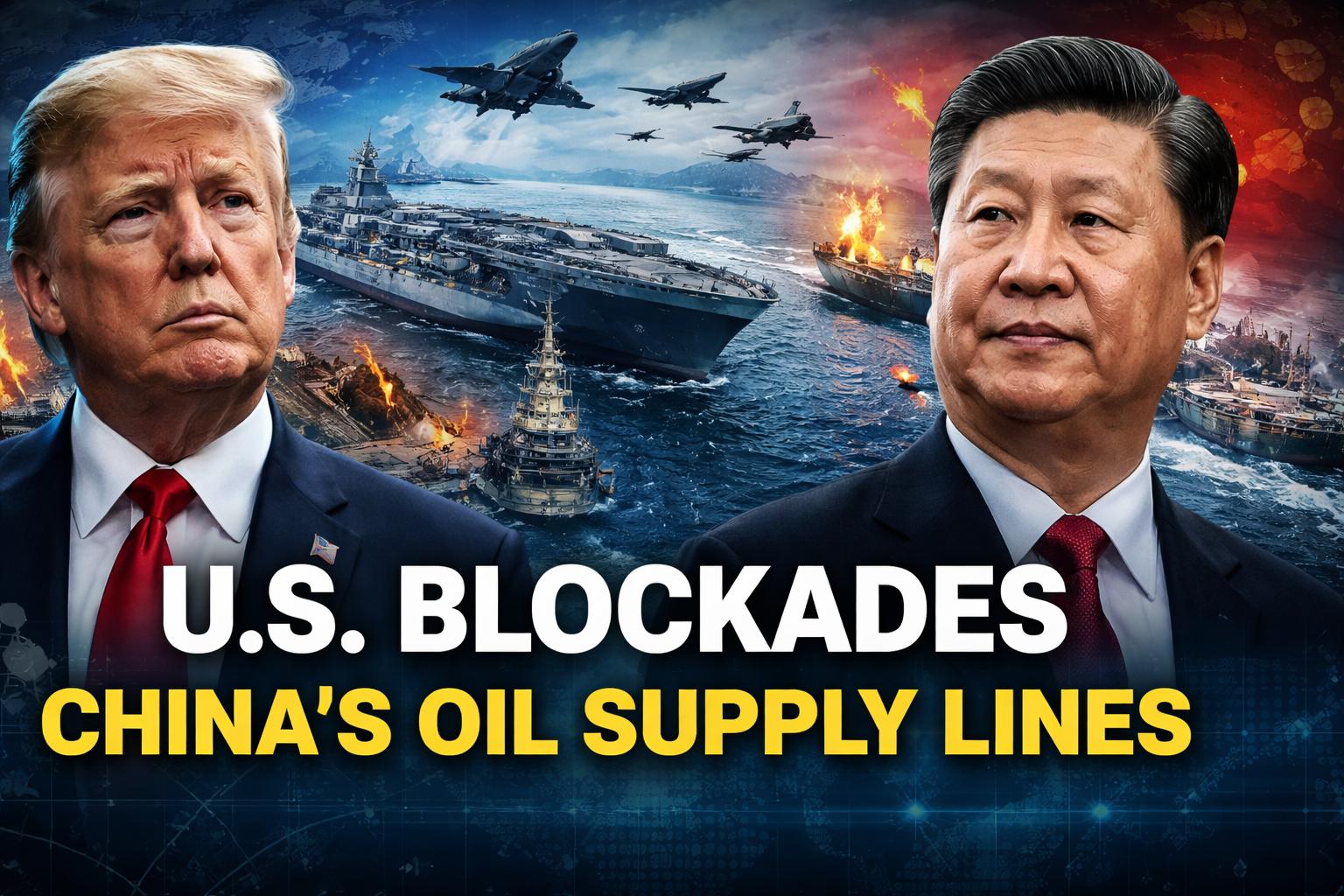
The geopolitical struggle for control over global oil supply routes escalated in early 2026, as the United States moved to strategically target key energy chokepoints in an attempt to disrupt China’s oil flow. With major oil reserves located in Venezuela, the strategic Strait of Hormuz, and the Malacca Strait, the US appears to be building a complex energy blockade aimed at China, using military force and economic pressure to shift the balance of power. In January 2026, the US took a bold step by moving its military presence to Venezuela, home to the world’s largest proven oil reserves. The operation involved an elite force that captured former Venezuelan President Nicolas Maduro, potentially altering the country’s political landscape and controlling access to its vast oil reserves. With an estimated 303 billion barrels of oil at stake, Venezuela became the first of many critical points in this evolving global energy chess game. The next move came in February 2026, when the US extended its reach into the Strait of Hormuz. This chokepoint, through which 20 to 25 percent of the world’s seaborne crude oil passes, became a target as the US launched air strikes on Iranian military and energy infrastructure. The subsequent blockade of Hormuz raised the stakes even higher, as China, a major oil importer, relies heavily on this route for its energy needs. Despite Trump’s assertion that the US no longer needed Hormuz oil due to domestic production, the global impact was undeniable, with oil prices rising sharply. By March 2026, the US had expanded its strategy to the Malacca Strait, one of the world’s busiest shipping lanes and a vital route for Chinese oil imports. Through a new deal with Indonesia, the US gained increased access to the region’s airspace, strengthening its surveillance and control capabilities. This move escalated the geopolitical pressure on China, which had already been preparing for such scenarios by building overland pipeline infrastructure to mitigate risks associated with maritime routes. China’s response to these strategic moves has been multifaceted. In Venezuela, it quickly adapted to the US military action, tapping into shadow fleets and using alternative routes to maintain its crude supply. Furthermore, China’s vast reserves, along with its investments in Russian and Iranian oil, have provided it with a buffer to withstand the pressure from the US blockade. With over 1.3 billion barrels in emergency reserves, China has the capacity to play the waiting game, absorbing the initial shocks to its oil supply. As the US tightens its grip on these strategic chokepoints, the geopolitical chessboard continues to shift. China’s ability to reroute oil through its vast pipeline network and shadow tanker fleet provides a buffer, but it remains to be seen which side will blink first in this high-stakes game. While the US hopes to achieve its goals through escalating energy denial, China’s resilience and strategic planning indicate that this global oil conflict is far from over. The Malacca Strait, a vital point in this strategic maneuvering, serves as the final battleground. With its ability to influence both regional and global shipping routes, the US’s efforts to control this chokepoint may prove pivotal. However, China’s efforts to secure alternative oil sources and protect its interests in the region suggest that the true outcome of this energy conflict will depend on the endurance and tactical flexibility of both superpowers.
Venezuela, Hormuz, Malacca: The US-China energy conflict intensifies in 2026
The geopolitical struggle for control over global oil supply routes escalated in early 2026, as the United States moved to strategically target key energy chokepoints in an attempt to disrupt China’s oil flow. With major oil reserves located in Venezuela, the strategic Strait of Hormuz, and the Malacca Strait, the US appears to be building a complex energy blockade aimed at China, using military force and economic pressure to shift the balance of power. In January 2026, the US took a bold step by moving its military presence to Venezuela, home to the world’s largest proven oil reserves. The operation involved an elite force that captured former Venezuelan President Nicolas Maduro, potentially altering the country’s political landscape and controlling access to its vast oil reserves. With an estimated 303 billion barrels of oil at stake, Venezuela became the first of many critical points in this evolving global energy chess game. The next move came in February 2026, when the US extended its reach into the Strait of Hormuz. This chokepoint, through which 20 to 25 percent of the world’s seaborne crude oil passes, became a target as the US launched air strikes on Iranian military and energy infrastructure. The subsequent blockade of Hormuz raised the stakes even higher, as China, a major oil importer, relies heavily on this route for its energy needs. Despite Trump’s assertion that the US no longer needed Hormuz oil due to domestic production, the global impact was undeniable, with oil prices rising sharply. By March 2026, the US had expanded its strategy to the Malacca Strait, one of the world’s busiest shipping lanes and a vital route for Chinese oil imports. Through a new deal with Indonesia, the US gained increased access to the region’s airspace, strengthening its surveillance and control capabilities. This move escalated the geopolitical pressure on China, which had already been preparing for such scenarios by building overland pipeline infrastructure to mitigate risks associated with maritime routes. China’s response to these strategic moves has been multifaceted. In Venezuela, it quickly adapted to the US military action, tapping into shadow fleets and using alternative routes to maintain its crude supply. Furthermore, China’s vast reserves, along with its investments in Russian and Iranian oil, have provided it with a buffer to withstand the pressure from the US blockade. With over 1.3 billion barrels in emergency reserves, China has the capacity to play the waiting game, absorbing the initial shocks to its oil supply. As the US tightens its grip on these strategic chokepoints, the geopolitical chessboard continues to shift. China’s ability to reroute oil through its vast pipeline network and shadow tanker fleet provides a buffer, but it remains to be seen which side will blink first in this high-stakes game. While the US hopes to achieve its goals through escalating energy denial, China’s resilience and strategic planning indicate that this global oil conflict is far from over. The Malacca Strait, a vital point in this strategic maneuvering, serves as the final battleground. With its ability to influence both regional and global shipping routes, the US’s efforts to control this chokepoint may prove pivotal. However, China’s efforts to secure alternative oil sources and protect its interests in the region suggest that the true outcome of this energy conflict will depend on the endurance and tactical flexibility of both superpowers.
The Impact of Global Tensions and Falling Crude Prices on India’s Sensex Surge
On April 8, 2026, India’s stock markets experienced a remarkable surge, with the BSE Sensex climbing over 2,700 points, marking a 3.66% increase, and the Nifty rising by more than 3.4%. Investor wealth swelled by over Rs 14 lakh crore during the early trade, signaling a sharp recovery after a period of volatility. This rally was fueled by multiple factors, including easing global geopolitical tensions, softer crude prices, and an increase in investor confidence. The biggest trigge
The Impact of Global Tensions and Falling Crude Prices on India’s Sensex Surge
On April 8, 2026, India’s stock markets experienced a remarkable surge, with the BSE Sensex climbing over 2,700 points, marking a 3.66% increase, and the Nifty rising by more than 3.4%. Investor wealth swelled by over Rs 14 lakh crore during the early trade, signaling a sharp recovery after a period of volatility. This rally was fueled by multiple factors, including easing global geopolitical tensions, softer crude prices, and an increase in investor confidence. The biggest trigge
Gold Dips Below Rs 1.5 Lakh: Should You Buy Now or Wait?
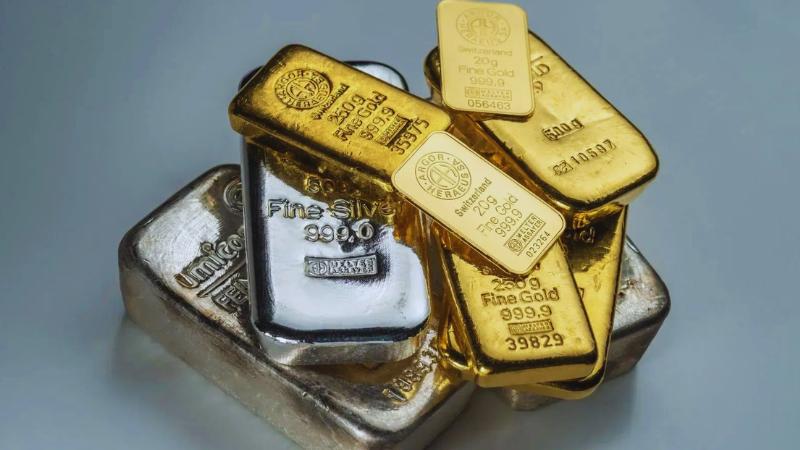
Gold prices have recently fallen below the Rs 1.5 lakh mark, sparking interest among investors wondering whether this is the right time to buy or if it’s better to wait. As geopolitical tensions rise, particularly in the Middle East, and the US dollar strengthens, precious metals have come under pressure, prompting many to reconsider their investment strategies. Gold, which was trading at Rs 1,49,513 on the Multi Commodity Exchange (MCX), faced a dip of Rs 167, while silver droppe
Gold Dips Below Rs 1.5 Lakh: Should You Buy Now or Wait?
Gold prices have recently fallen below the Rs 1.5 lakh mark, sparking interest among investors wondering whether this is the right time to buy or if it’s better to wait. As geopolitical tensions rise, particularly in the Middle East, and the US dollar strengthens, precious metals have come under pressure, prompting many to reconsider their investment strategies. Gold, which was trading at Rs 1,49,513 on the Multi Commodity Exchange (MCX), faced a dip of Rs 167, while silver droppe
West Asia Crisis: Jaishankar Holds Key Talks with Qatar PM, UAE Foreign Minister
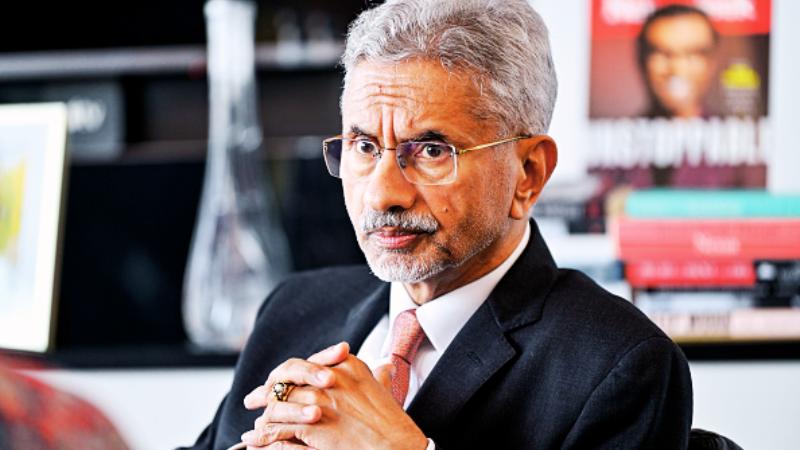
On April 5, 2026, Subrahmanyam Jaishankar held crucial telephonic discussions with Sheikh Mohammed bin Abdulrahman bin Jassim Al Thani and
West Asia Crisis: Jaishankar Holds Key Talks with Qatar PM, UAE Foreign Minister
On April 5, 2026, Subrahmanyam Jaishankar held crucial telephonic discussions with Sheikh Mohammed bin Abdulrahman bin Jassim Al Thani and
Stock Market : Dow, Nasdaq Futures
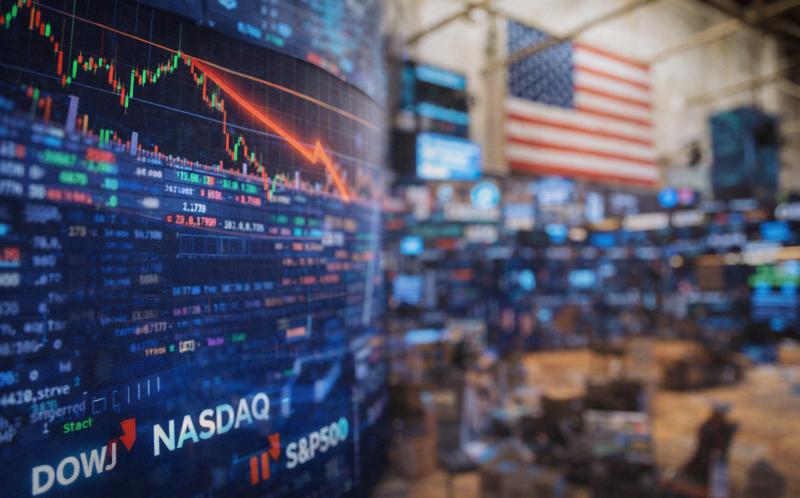
U.S. stock markets closed weaker as investors reacted to escalating geopolitical uncertainty. Major indices, including the Dow Jones Industrial Average, S&P 500, and Nasdaq, fell following comments from U.S. leadership that the conflict with Iran will continue in the coming weeks, which kept risk sentiment subdued. The S&P 500, which tracks 500 of the largest U.S. companies, declined nearly 0.9% on the day. Broader equity benchmarks weakened as stock buyers remained cautious
Stock Market : Dow, Nasdaq Futures
U.S. stock markets closed weaker as investors reacted to escalating geopolitical uncertainty. Major indices, including the Dow Jones Industrial Average, S&P 500, and Nasdaq, fell following comments from U.S. leadership that the conflict with Iran will continue in the coming weeks, which kept risk sentiment subdued. The S&P 500, which tracks 500 of the largest U.S. companies, declined nearly 0.9% on the day. Broader equity benchmarks weakened as stock buyers remained cautious
Rupee Falls to Record Low of 95.20 Against US Dollar Despite RBI Measures
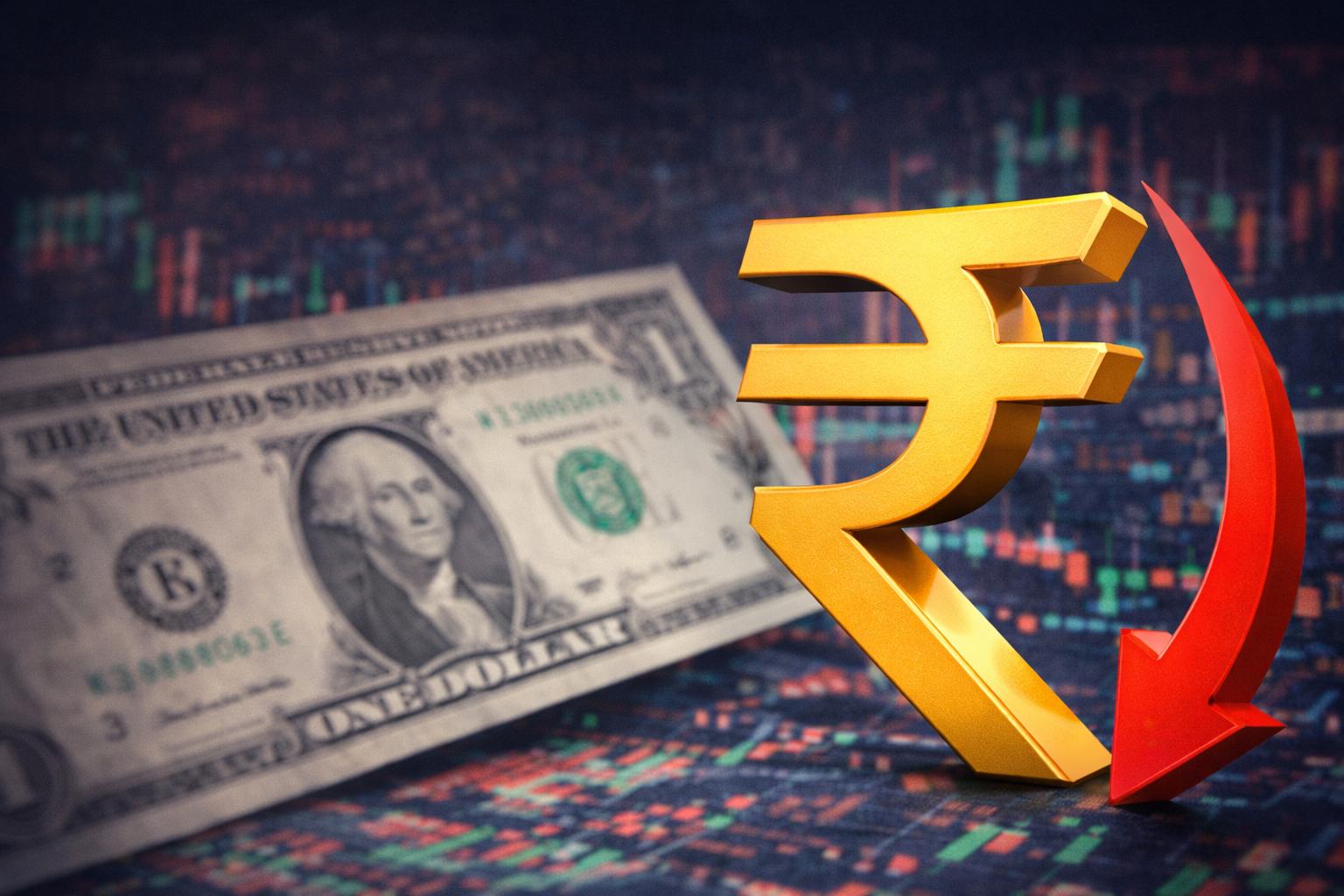
The Indian rupee slipped past the 95 mark against the US dollar on March 30, 2026, hitting an all-time low of 95.20 per dollar, a decline of 0.3% for the day. This drop occurred despite the Reserve Bank of India's (RBI) recent intervention aimed at curbing currency volatility. The currency has been under pressure from a mix of global factors, sustained foreign outflows, and rising oil prices. The RBI had introduced measures to support the rupee by tightening limits on banks' foreign exchange positions. As of late Friday, the central bank directed banks to cap their net open rupee positions in the foreign exchange market at $100 million by the end of each business day, with compliance required by April 10. While this move offered temporary relief, the impact was limited as analysts pointed out that underlying factors, such as persistent foreign outflows and high crude oil prices, continued to weigh on the rupee. Foreign portfolio outflows have been one of the major contributors to the rupee's weakness. These outflows, coupled with high global oil prices, have put pressure on India’s current account deficit, thus exerting more pressure on the currency. The rising oil prices are linked to geopolitical tensions, such as the ongoing conflict in Iran, which has exacerbated market volatility. Additionally, the wider spread between the onshore and non-deliverable forward (NDF) markets, due to increasing volatility, has contributed to the rupee’s decline. Despite the RBI’s directive, the rupee continued its downward spiral, reflecting broader economic challenges. The currency has fallen over 4% in March alone, marking its worst monthly performance in over seven years. The Nifty 50 index also reflected the market's overall weakness, dropping by about 2% on Monday, with a looming risk of its worst monthly decline since March 2020. In this uncertain climate, analysts predict that unless there is a significant drop in oil prices or a reversal in foreign fund flows, the pressure on the rupee is likely to persist. The continued outflows from emerging markets and heightened global uncertainty have created a negative sentiment surrounding India’s economic outlook, which, in turn, has kept the rupee under significant pressure.

Rupee Falls to Record Low of 95.20 Against US Dollar Despite RBI Measures
The Indian rupee slipped past the 95 mark against the US dollar on March 30, 2026, hitting an all-time low of 95.20 per dollar, a decline of 0.3% for the day. This drop occurred despite the Reserve Bank of India's (RBI) recent intervention aimed at curbing currency volatility. The currency has been under pressure from a mix of global factors, sustained foreign outflows, and rising oil prices. The RBI had introduced measures to support the rupee by tightening limits on banks' foreign exchange positions. As of late Friday, the central bank directed banks to cap their net open rupee positions in the foreign exchange market at $100 million by the end of each business day, with compliance required by April 10. While this move offered temporary relief, the impact was limited as analysts pointed out that underlying factors, such as persistent foreign outflows and high crude oil prices, continued to weigh on the rupee. Foreign portfolio outflows have been one of the major contributors to the rupee's weakness. These outflows, coupled with high global oil prices, have put pressure on India’s current account deficit, thus exerting more pressure on the currency. The rising oil prices are linked to geopolitical tensions, such as the ongoing conflict in Iran, which has exacerbated market volatility. Additionally, the wider spread between the onshore and non-deliverable forward (NDF) markets, due to increasing volatility, has contributed to the rupee’s decline. Despite the RBI’s directive, the rupee continued its downward spiral, reflecting broader economic challenges. The currency has fallen over 4% in March alone, marking its worst monthly performance in over seven years. The Nifty 50 index also reflected the market's overall weakness, dropping by about 2% on Monday, with a looming risk of its worst monthly decline since March 2020. In this uncertain climate, analysts predict that unless there is a significant drop in oil prices or a reversal in foreign fund flows, the pressure on the rupee is likely to persist. The continued outflows from emerging markets and heightened global uncertainty have created a negative sentiment surrounding India’s economic outlook, which, in turn, has kept the rupee under significant pressure.


US Stock Markets Fall Amid Rising Tensions in the Middle East
The Dow Jones Industrial Average dropped by 84.75 points, or 0.18%, finishing at 46,123.72. The S&P 500 also saw a decline, losing 21.42 points (0.33%) to settle at 6,559.62. The Nasdaq Composite experienced a sharper drop, falling by 184.87 points (0.84%), closing at 21,761.89. As tensions remain high in the Middle East, with thousands of US Marines heading to the Gulf and both sides intensifying military actions, the markets are reflecting investor uncertainty. Despite Trump's delay on his self-imposed deadline for Iran to reopen the Strait of Hormuz, Iran's firm stance denying negotiations has contributed to the geopolitical instability, further impacting investor sentiment.
US Stock Markets Fall Amid Rising Tensions in the Middle East
The Dow Jones Industrial Average dropped by 84.75 points, or 0.18%, finishing at 46,123.72. The S&P 500 also saw a decline, losing 21.42 points (0.33%) to settle at 6,559.62. The Nasdaq Composite experienced a sharper drop, falling by 184.87 points (0.84%), closing at 21,761.89. As tensions remain high in the Middle East, with thousands of US Marines heading to the Gulf and both sides intensifying military actions, the markets are reflecting investor uncertainty. Despite Trump's delay on his self-imposed deadline for Iran to reopen the Strait of Hormuz, Iran's firm stance denying negotiations has contributed to the geopolitical instability, further impacting investor sentiment.
Japan Leads G7 Nations by Releasing Strategic Oil Reserves Amid Middle East Crisis
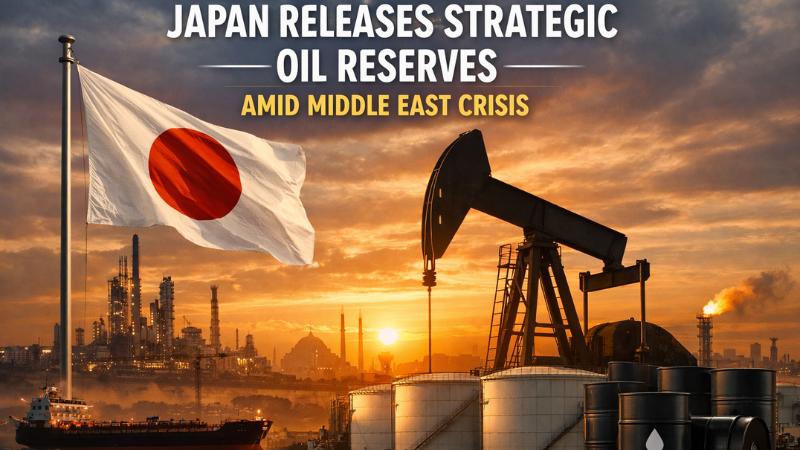
In a significant move amid the ongoing Middle East crisis, Japan has become the first G7 nation to announce the release of its strategic oil reserves. This decision comes in response to the geopolitical tensions affecting the global oil market and concerns over potential disruptions in the supply of crude oil. Japan's action is aimed at maintaining energy security and stabilizing oil prices, which have been fluctuating due to the crisis in the Middle East. As one of the world's larg
Japan Leads G7 Nations by Releasing Strategic Oil Reserves Amid Middle East Crisis
In a significant move amid the ongoing Middle East crisis, Japan has become the first G7 nation to announce the release of its strategic oil reserves. This decision comes in response to the geopolitical tensions affecting the global oil market and concerns over potential disruptions in the supply of crude oil. Japan's action is aimed at maintaining energy security and stabilizing oil prices, which have been fluctuating due to the crisis in the Middle East. As one of the world's larg
Iran’s Strategic Patience: Why Tehran Keeps India Close Despite US and Israel Ties
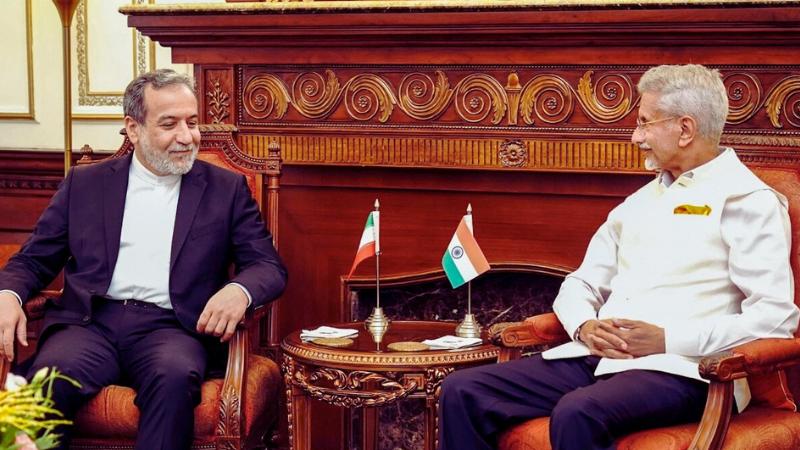
The relationship between Iran and India has long been defined by strategic patience, as Tehran maintains a nuanced and pragmatic approach to its ties with New Delhi. Despite India’s deepening defense relations with Israel and its comprehensive partnership with the United States, Iran has chosen to sustain its close relationship with India, recognizing the strategic value of energy ties and regional geopolitical balance. In a recent phone conversation between External Affairs Minis
Iran’s Strategic Patience: Why Tehran Keeps India Close Despite US and Israel Ties
The relationship between Iran and India has long been defined by strategic patience, as Tehran maintains a nuanced and pragmatic approach to its ties with New Delhi. Despite India’s deepening defense relations with Israel and its comprehensive partnership with the United States, Iran has chosen to sustain its close relationship with India, recognizing the strategic value of energy ties and regional geopolitical balance. In a recent phone conversation between External Affairs Minis
Government Dismisses LPG Shortage Claims, Increases Production by 10%
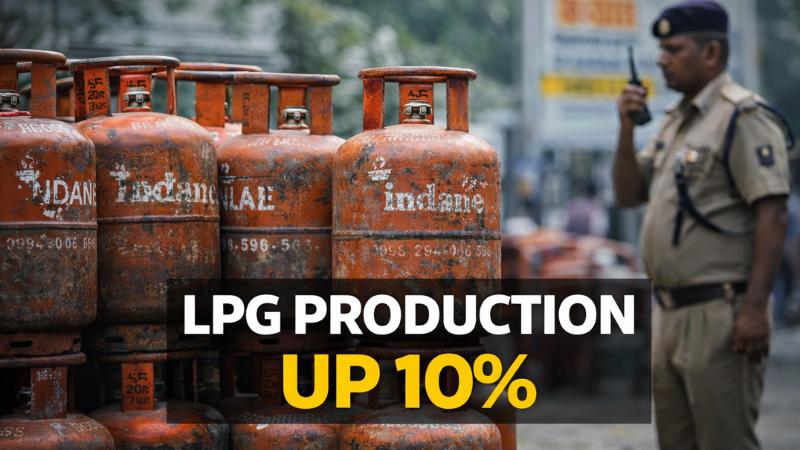
The Indian government has moved to dismiss concerns over an LPG shortage, asserting that supplies have stabilized and are sufficient to meet the country’s demands. Government sources confirmed that oil refineries have increased LPG production by around 10% in response to earlier directives. Additional administrative measures have been implemented to curb hoarding and prevent malpractice in LPG distribution. The authorities have also extended the monitoring period for LPG distribut
Government Dismisses LPG Shortage Claims, Increases Production by 10%
The Indian government has moved to dismiss concerns over an LPG shortage, asserting that supplies have stabilized and are sufficient to meet the country’s demands. Government sources confirmed that oil refineries have increased LPG production by around 10% in response to earlier directives. Additional administrative measures have been implemented to curb hoarding and prevent malpractice in LPG distribution. The authorities have also extended the monitoring period for LPG distribut
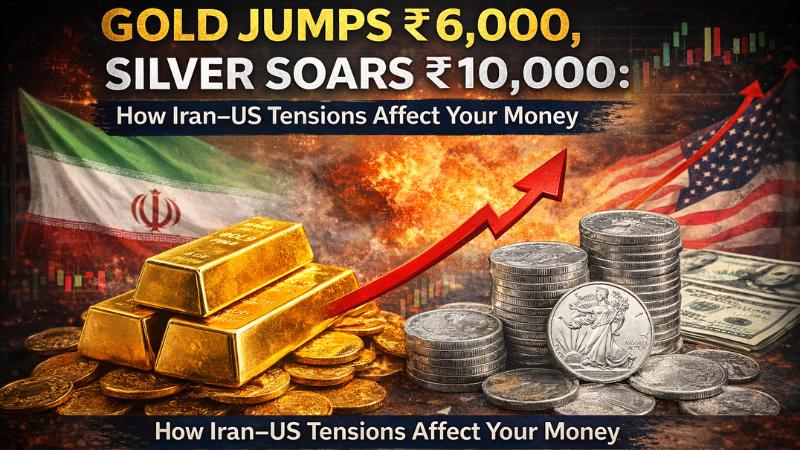
Gold and Silver Prices Soar Amid Iran-US Tensions: What This Means for Your Investments
Gold and silver prices surged sharply on Monday as rising tensions between Iran and the US rattled global markets. As the geopolitical crisis escalated, investors flocked to safe-haven assets, resulting in a significant spike in bullion prices on the Multi Commodity Exchange (MCX). By 11:45 AM, MCX Gold had risen by Rs 5,497, trading at Rs 1,67,601, while MCX Silver climbed by Rs 9,806, reaching Rs 2,92,450. The sudden surge in precious metal prices reflects growing concerns over geopolitical
Gold and Silver Prices Soar Amid Iran-US Tensions: What This Means for Your Investments
Gold and silver prices surged sharply on Monday as rising tensions between Iran and the US rattled global markets. As the geopolitical crisis escalated, investors flocked to safe-haven assets, resulting in a significant spike in bullion prices on the Multi Commodity Exchange (MCX). By 11:45 AM, MCX Gold had risen by Rs 5,497, trading at Rs 1,67,601, while MCX Silver climbed by Rs 9,806, reaching Rs 2,92,450. The sudden surge in precious metal prices reflects growing concerns over geopolitical
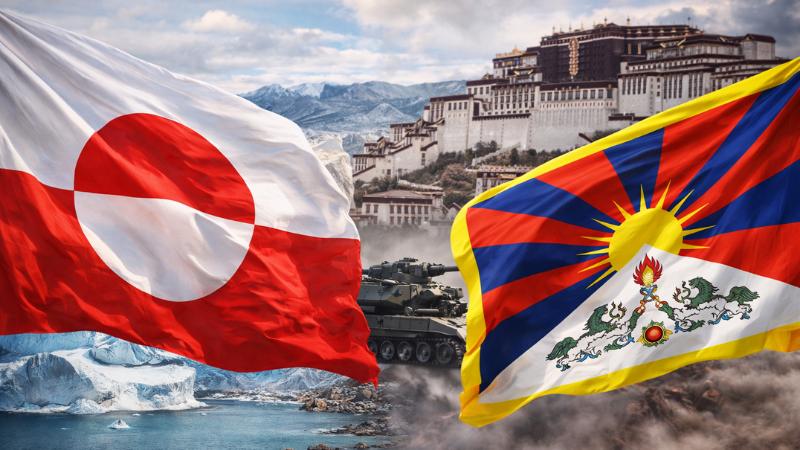
Greenland’s uncertain future highlights risks faced by peaceful societies
In the history of the post-Second World War era, Tibet stands as one of the most profound and painful examples of what can happen when a civilisation places its faith entirely in peace. For centuries, Tibet sought to build its identity not through conquest or military power, but through spiritual authority, discipline, and restraint. It believed that moral strength and inner balance could serve as a shield against external threats. That belief, however, proved tragically misplaced in a world whe
Greenland’s uncertain future highlights risks faced by peaceful societies
In the history of the post-Second World War era, Tibet stands as one of the most profound and painful examples of what can happen when a civilisation places its faith entirely in peace. For centuries, Tibet sought to build its identity not through conquest or military power, but through spiritual authority, discipline, and restraint. It believed that moral strength and inner balance could serve as a shield against external threats. That belief, however, proved tragically misplaced in a world whe
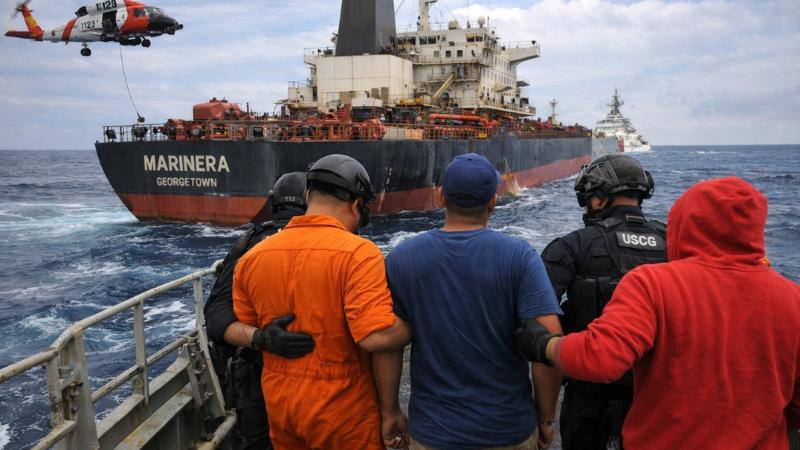
Three Indian nationals among crew as US seizes oil tanker Marinera in North Atlantic
The United States intercepted and seized a Russian-flagged oil tanker in the North Atlantic on January 7, marking a significant escalation in its global enforcement of sanctions linked to Venezuelan oil exports. The vessel, now identified as the Marinera and previously known as Bella 1, was boarded in international waters after a pursuit that extended for more than two weeks across ocean routes from the Caribbean. U.S. European Command confirmed that the operation was conduc
Three Indian nationals among crew as US seizes oil tanker Marinera in North Atlantic
The United States intercepted and seized a Russian-flagged oil tanker in the North Atlantic on January 7, marking a significant escalation in its global enforcement of sanctions linked to Venezuelan oil exports. The vessel, now identified as the Marinera and previously known as Bella 1, was boarded in international waters after a pursuit that extended for more than two weeks across ocean routes from the Caribbean. U.S. European Command confirmed that the operation was conduc
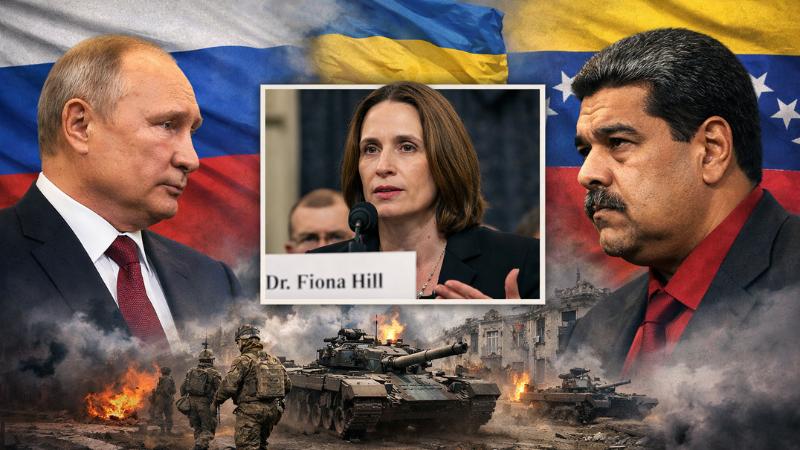
Russia once offered US control of Venezuela for a free hand in Ukraine, ex-adviser reveals
A resurfaced claim from 2019 by former White House national security adviser Fiona Hill has drawn renewed global attention after a high-profile U.S. operation in Venezuela. Hill told a U.S. congressional hearing in 2019 that senior Russian officials informally signaled they would consider reducing Moscow’s support for Venezuelan President Nicolás Maduro if Washington granted Russia greater latitude regarding Ukraine. The suggestion, described by Hill as a “very strange swap arrangement,?
Russia once offered US control of Venezuela for a free hand in Ukraine, ex-adviser reveals
A resurfaced claim from 2019 by former White House national security adviser Fiona Hill has drawn renewed global attention after a high-profile U.S. operation in Venezuela. Hill told a U.S. congressional hearing in 2019 that senior Russian officials informally signaled they would consider reducing Moscow’s support for Venezuelan President Nicolás Maduro if Washington granted Russia greater latitude regarding Ukraine. The suggestion, described by Hill as a “very strange swap arrangement,?
Oil, power and principle: how Guyana reshaped US policy toward Venezuela
For decades, the United States has presented itself as a global guardian of democracy and international law, drawing legitimacy from its own origins in resistance to unchecked authority. Its constitutional structure was designed to restrain executive power, particularly in decisions involving war and foreign intervention. Yet the conduct of contemporary US foreign policy increasingly reflects a different reality, one in which strategic interests and economic leverage often shape moral languag
Oil, power and principle: how Guyana reshaped US policy toward Venezuela
For decades, the United States has presented itself as a global guardian of democracy and international law, drawing legitimacy from its own origins in resistance to unchecked authority. Its constitutional structure was designed to restrain executive power, particularly in decisions involving war and foreign intervention. Yet the conduct of contemporary US foreign policy increasingly reflects a different reality, one in which strategic interests and economic leverage often shape moral languag