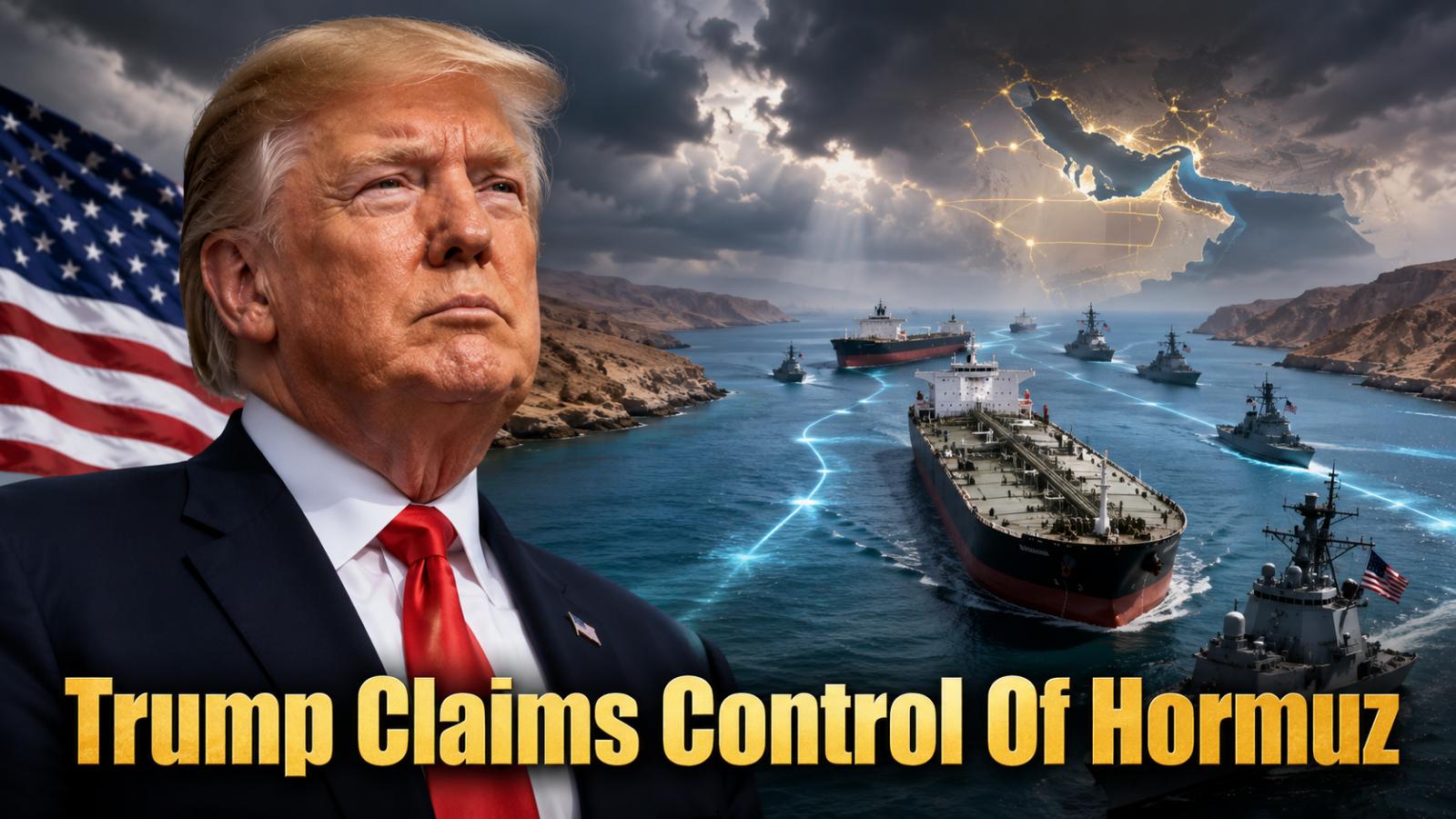
President Donald Trump has renewed his US Hormuz control claim, saying Washington has “complete control” of the Strait of Hormuz as more oil tankers move through the strategic waterway. Shipping remains well below normal levels, however, while Iran continues to dispute American claims of control.
Trump Hormuz claim
Trump told reporters on Wednesday that a large number of vessels had recentl
President Donald Trump has renewed his US Hormuz control claim, saying Washington has “complete control” of the Strait of Hormuz as more oil tankers move through the strategic waterway. Shipping remains well below normal levels, however, while Iran continues to dispute American claims of control.
Trump Hormuz claim
Trump told reporters on Wednesday that a large number of vessels had recentl
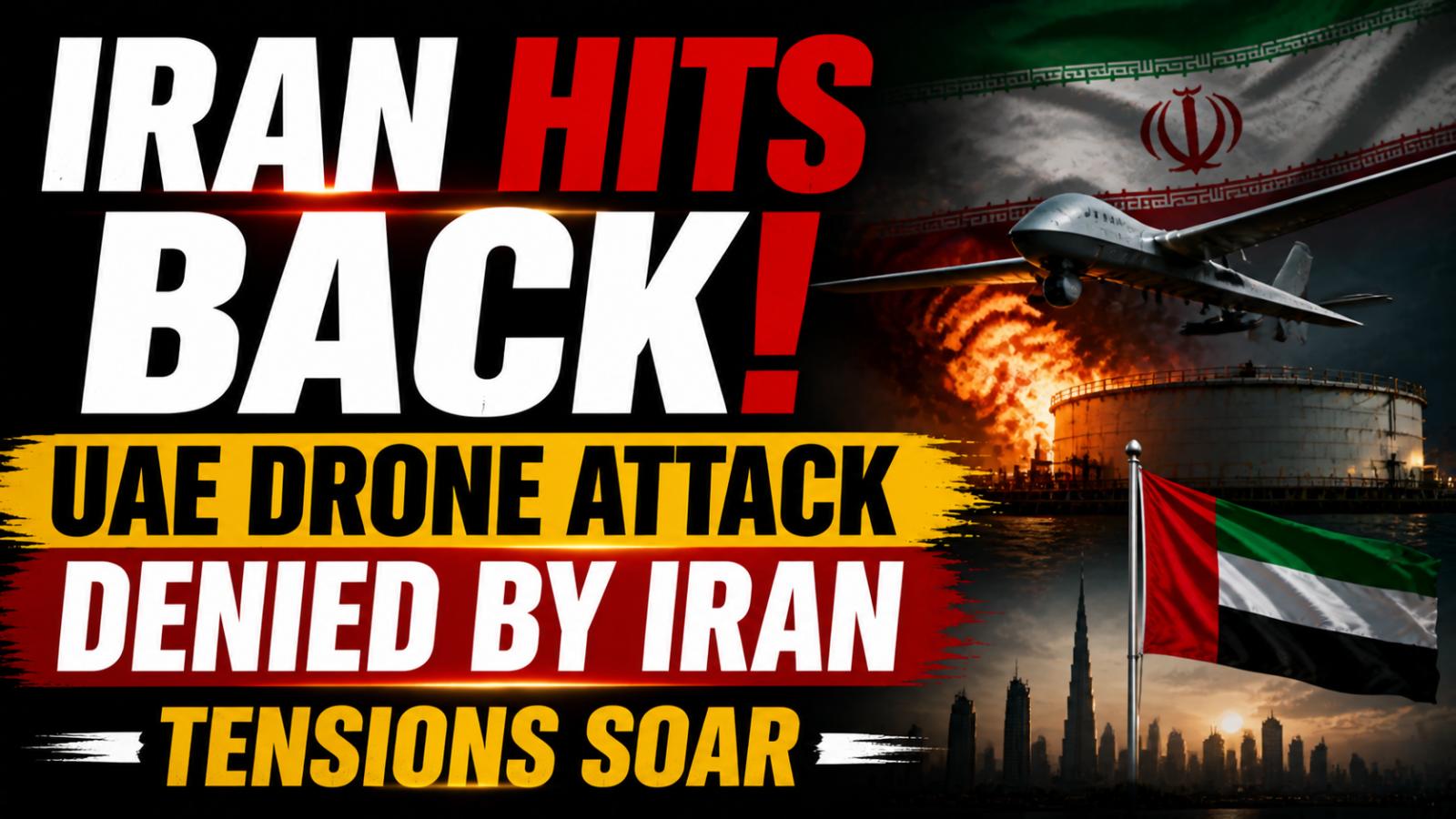
Iran has strongly denied accusations from the United Arab Emirates that it was behind a drone strike targeting oil facilities in Fujairah, calling the attack a product of US military adventurism. UAE authorities reported the attack on Monday, saying that three Indian nationals were injured in the strike and were hospitalized. The UAE also described the attack as a “dangerous escalation” amid growing tensions in the region.
Iran's military officials, speaking on state television, insisted that the Islamic Republic had no plans to target UAE oil infrastructure. They argued that the attack was part of a broader geopolitical game in which the US was attempting to create a passage for ships to unlawfully pass through the Strait of Hormuz, a key oil shipping lane. Iranian officials called on the US to cease its military actions in the region, accusing Washington of destabilizing the area and holding the US accountable for the escalation.
In the aftermath of the strike, US President Donald Trump announced a new maritime operation, Project Freedom, aimed at guiding neutral ships safely through the Gulf. The initiative, which Trump described as a humanitarian effort, is seen as a response to the increasing number of incidents in the Strait of Hormuz. US officials reported engaging with Iranian small boats in the Gulf, claiming that US forces had destroyed several Iranian vessels. Iran, however, denied these claims, stating that none of its boats had been sunk.
Iran's Foreign Minister, Seyed Abbas Araghchi, emphasized the need for a political resolution to the ongoing tensions, cautioning against further military action. He called for greater diplomatic efforts, including mediation by countries like Pakistan, to prevent a deeper conflict. Araghchi also warned the UAE and other regional actors against further escalation, urging them to avoid external interference that could destabilize the region further. As the situation continues to develop, both Iran and the US remain at odds over their military presence in the vital Strait of Hormuz.
Iran has strongly denied accusations from the United Arab Emirates that it was behind a drone strike targeting oil facilities in Fujairah, calling the attack a product of US military adventurism. UAE authorities reported the attack on Monday, saying that three Indian nationals were injured in the strike and were hospitalized. The UAE also described the attack as a “dangerous escalation” amid growing tensions in the region.
Iran's military officials, speaking on state television, insisted that the Islamic Republic had no plans to target UAE oil infrastructure. They argued that the attack was part of a broader geopolitical game in which the US was attempting to create a passage for ships to unlawfully pass through the Strait of Hormuz, a key oil shipping lane. Iranian officials called on the US to cease its military actions in the region, accusing Washington of destabilizing the area and holding the US accountable for the escalation.
In the aftermath of the strike, US President Donald Trump announced a new maritime operation, Project Freedom, aimed at guiding neutral ships safely through the Gulf. The initiative, which Trump described as a humanitarian effort, is seen as a response to the increasing number of incidents in the Strait of Hormuz. US officials reported engaging with Iranian small boats in the Gulf, claiming that US forces had destroyed several Iranian vessels. Iran, however, denied these claims, stating that none of its boats had been sunk.
Iran's Foreign Minister, Seyed Abbas Araghchi, emphasized the need for a political resolution to the ongoing tensions, cautioning against further military action. He called for greater diplomatic efforts, including mediation by countries like Pakistan, to prevent a deeper conflict. Araghchi also warned the UAE and other regional actors against further escalation, urging them to avoid external interference that could destabilize the region further. As the situation continues to develop, both Iran and the US remain at odds over their military presence in the vital Strait of Hormuz.
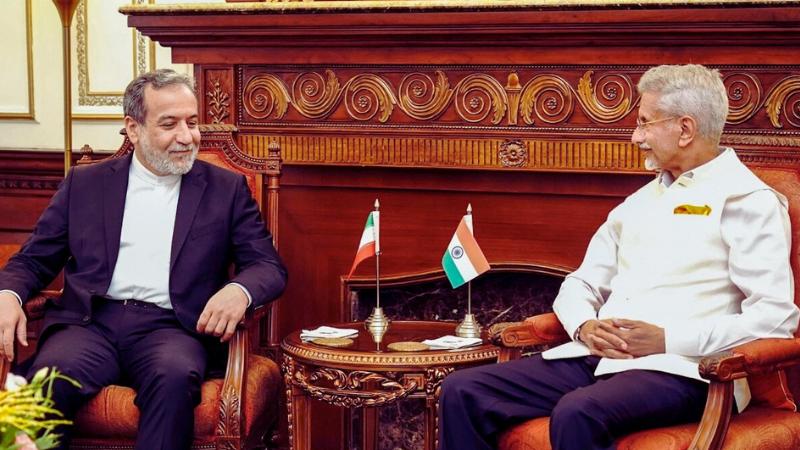
The relationship between Iran and India has long been defined by strategic patience, as Tehran maintains a nuanced and pragmatic approach to its ties with New Delhi. Despite India’s deepening defense relations with Israel and its comprehensive partnership with the United States, Iran has chosen to sustain its close relationship with India, recognizing the strategic value of energy ties and regional geopolitical balance.
In a recent phone conversation between External Affairs Minis
The relationship between Iran and India has long been defined by strategic patience, as Tehran maintains a nuanced and pragmatic approach to its ties with New Delhi. Despite India’s deepening defense relations with Israel and its comprehensive partnership with the United States, Iran has chosen to sustain its close relationship with India, recognizing the strategic value of energy ties and regional geopolitical balance.
In a recent phone conversation between External Affairs Minis
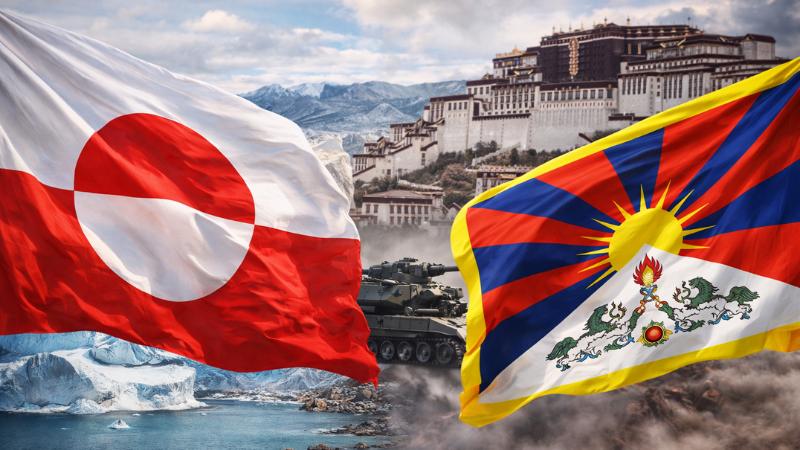
In the history of the post-Second World War era, Tibet stands as one of the most profound and painful examples of what can happen when a civilisation places its faith entirely in peace. For centuries, Tibet sought to build its identity not through conquest or military power, but through spiritual authority, discipline, and restraint. It believed that moral strength and inner balance could serve as a shield against external threats. That belief, however, proved tragically misplaced in a world whe
In the history of the post-Second World War era, Tibet stands as one of the most profound and painful examples of what can happen when a civilisation places its faith entirely in peace. For centuries, Tibet sought to build its identity not through conquest or military power, but through spiritual authority, discipline, and restraint. It believed that moral strength and inner balance could serve as a shield against external threats. That belief, however, proved tragically misplaced in a world whe
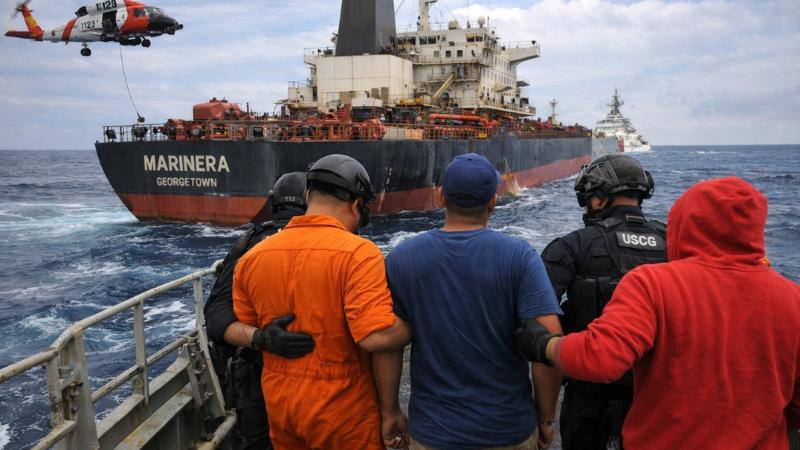
The United States intercepted and seized a Russian-flagged oil tanker in the North Atlantic on January 7, marking a significant escalation in its global enforcement of sanctions linked to Venezuelan oil exports. The vessel, now identified as the Marinera and previously known as Bella 1, was boarded in international waters after a pursuit that extended for more than two weeks across ocean routes from the Caribbean. U.S. European Command confirmed that the operation was conduc
The United States intercepted and seized a Russian-flagged oil tanker in the North Atlantic on January 7, marking a significant escalation in its global enforcement of sanctions linked to Venezuelan oil exports. The vessel, now identified as the Marinera and previously known as Bella 1, was boarded in international waters after a pursuit that extended for more than two weeks across ocean routes from the Caribbean. U.S. European Command confirmed that the operation was conduc
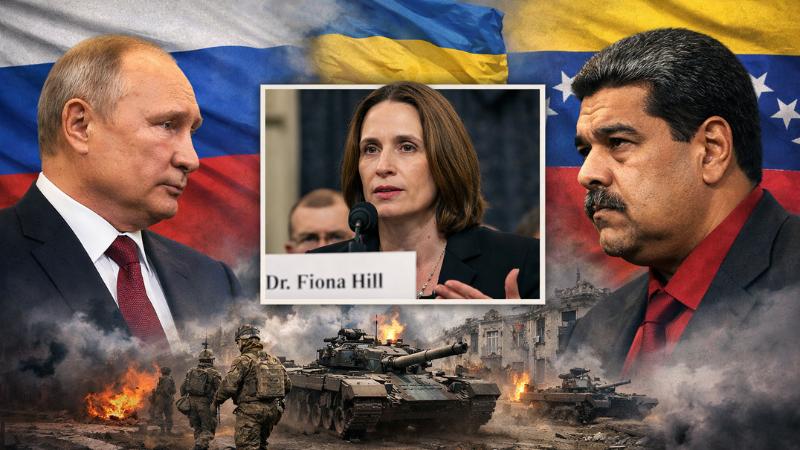
A resurfaced claim from 2019 by former White House national security adviser Fiona Hill has drawn renewed global attention after a high-profile U.S. operation in Venezuela. Hill told a U.S. congressional hearing in 2019 that senior Russian officials informally signaled they would consider reducing Moscow’s support for Venezuelan President Nicolás Maduro if Washington granted Russia greater latitude regarding Ukraine. The suggestion, described by Hill as a “very strange swap arrangement,?
A resurfaced claim from 2019 by former White House national security adviser Fiona Hill has drawn renewed global attention after a high-profile U.S. operation in Venezuela. Hill told a U.S. congressional hearing in 2019 that senior Russian officials informally signaled they would consider reducing Moscow’s support for Venezuelan President Nicolás Maduro if Washington granted Russia greater latitude regarding Ukraine. The suggestion, described by Hill as a “very strange swap arrangement,?
For decades, the United States has presented itself as a global guardian of democracy and international law, drawing legitimacy from its own origins in resistance to unchecked authority. Its constitutional structure was designed to restrain executive power, particularly in decisions involving war and foreign intervention. Yet the conduct of contemporary US foreign policy increasingly reflects a different reality, one in which strategic interests and economic leverage often shape moral languag
For decades, the United States has presented itself as a global guardian of democracy and international law, drawing legitimacy from its own origins in resistance to unchecked authority. Its constitutional structure was designed to restrain executive power, particularly in decisions involving war and foreign intervention. Yet the conduct of contemporary US foreign policy increasingly reflects a different reality, one in which strategic interests and economic leverage often shape moral languag
Pakistan, a country grappling with terrorism, political instability, and economic challenges, has once again found itself in a precarious diplomatic situation with its long-time ally, China. The latest controversy centers around Pakistan's attempt to negotiate over the use of Gwadar port in Balochistan, which is part of the ambitious China-Pakistan Economic Corridor (CPEC). During a high-level meeting, Pakistan reportedly demanded that China provide a second-strike nuclear capability in e
Pakistan, a country grappling with terrorism, political instability, and economic challenges, has once again found itself in a precarious diplomatic situation with its long-time ally, China. The latest controversy centers around Pakistan's attempt to negotiate over the use of Gwadar port in Balochistan, which is part of the ambitious China-Pakistan Economic Corridor (CPEC). During a high-level meeting, Pakistan reportedly demanded that China provide a second-strike nuclear capability in e