







Venezuela earthquake survivor rescued after eight days trapped
Survivor pulled alive after eight days under rubble Rescue teams in Venezuela have pulled a man alive from the rubble of a collapsed nine-story structure in La Guaira, eight days after a series of powerful earthquakes devastated large parts of the country. The survivor’s rescue has been described by emergency officials as a rare moment of hope amid widespread destructio
Venezuela earthquake survivor rescued after eight days trapped
Survivor pulled alive after eight days under rubble Rescue teams in Venezuela have pulled a man alive from the rubble of a collapsed nine-story structure in La Guaira, eight days after a series of powerful earthquakes devastated large parts of the country. The survivor’s rescue has been described by emergency officials as a rare moment of hope amid widespread destructio

SS Rajamouli gets surprise honour beside Hollywood legends
Rajamouli receives rare global honour at Lumière Museum SS Rajamouli has achieved another proud international moment as his name has been added to the prestigious Mur des Cinéastes at the Lumière Museum in Lyon, France. The rare recognition places the celebrated Indian filmmaker among some of the greatest names in world cinema. The honour came during his visit to the historic Institut Lumière, where his popular films E
SS Rajamouli gets surprise honour beside Hollywood legends
Rajamouli receives rare global honour at Lumière Museum SS Rajamouli has achieved another proud international moment as his name has been added to the prestigious Mur des Cinéastes at the Lumière Museum in Lyon, France. The rare recognition places the celebrated Indian filmmaker among some of the greatest names in world cinema. The honour came during his visit to the historic Institut Lumière, where his popular films E
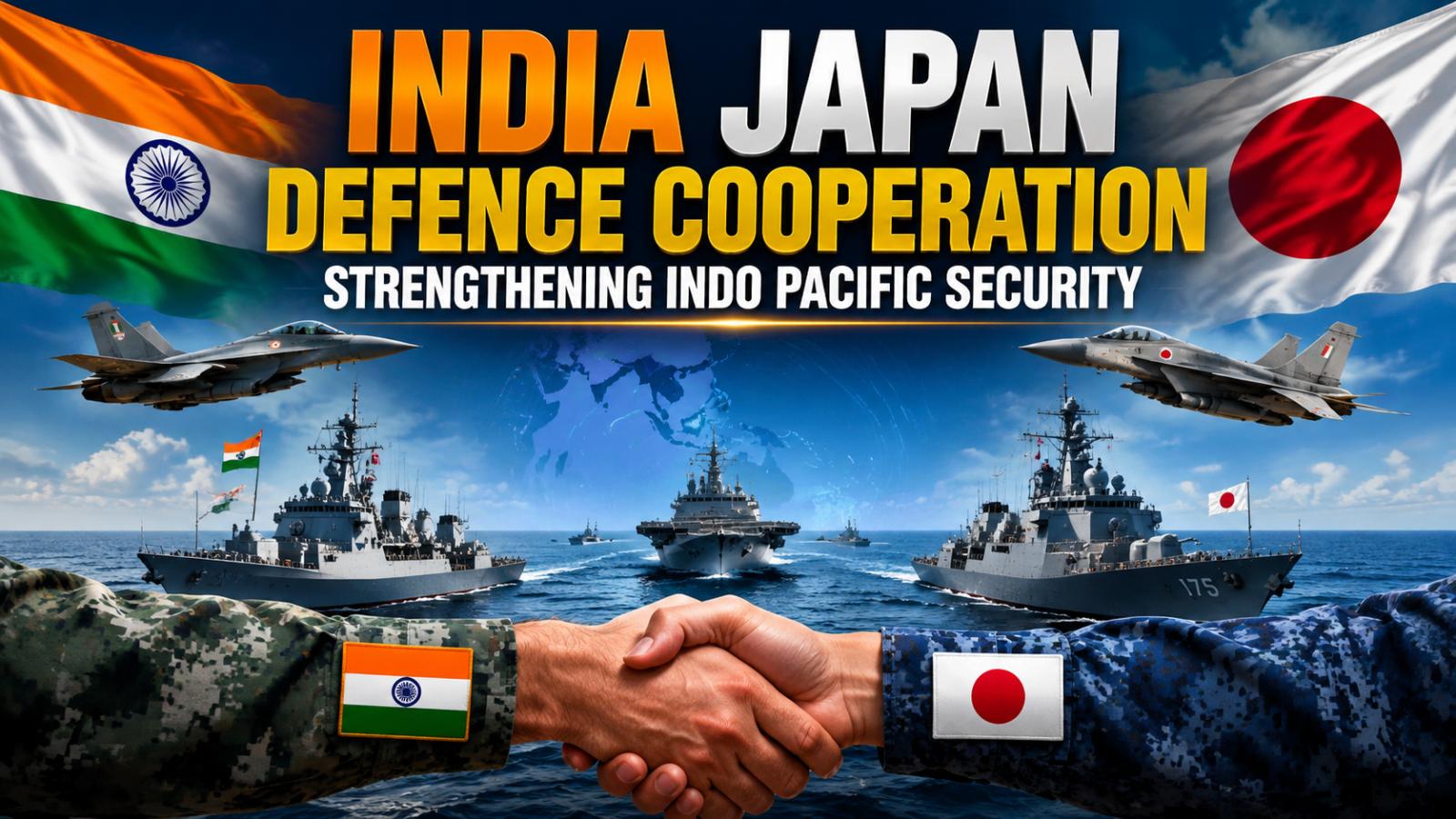
India Japan expand military drills across land sea air
India and Japan are steadily widening their defence partnership with a stronger focus on Indo Pacific stability. The cooperation is no longer limited to symbolic diplomacy and now includes structured military coordination, regular exercises and operational level engagement between the armed forces of both countries. The shared objective is improving readiness and ensuring secure maritime routes across a region that is becoming increasingly contested. Defence dialogue moves into operational coordination High level defence talks between the two countries have evolved into practical coordination mechanisms. Regular 2+2 ministerial meetings have helped align security priorities, especially around regional stability, maritime surveillance and disaster response readiness. This structured engagement has created a foundation for long term interoperability between Indian and Japanese defence forces. Army level training under Dharma Guardian framework The joint Army exercise Dharma Guardian has become a key pillar of land based cooperation. It focuses on counter insurgency operations, jungle warfare and high altitude combat readiness. These drills are designed to improve tactical coordination between the Indian Army and the Japan Ground Self Defence Force, especially in complex terrain scenarios where joint response capability is critical. Naval cooperation through Malabar, JIMEX and MILAN Maritime collaboration remains the strongest pillar of this partnership. Exercises like Malabar, JIMEX and MILAN bring together naval forces to train in anti submarine warfare, sea lane protection and coordinated fleet operations. These drills improve communication and operational compatibility between navies, while also strengthening surveillance across key Indo Pacific shipping routes. Air force integration under Veer Guardian exercises Air cooperation has also expanded through joint training activities such as Veer Guardian. These exercises involve fighter aircraft operations, tactical missions and coordinated aerial drills between the Indian Air Force and the Japan Air Self Defence Force. The focus is on improving mission readiness and developing shared operational understanding in air combat scenarios. Defence technology and industrial cooperation Beyond field exercises, both countries are deepening collaboration in defence technology. Areas such as maritime surveillance systems, sensors and advanced naval equipment are gaining attention. Technology transfer initiatives and joint development discussions are gradually shaping a more integrated defence industrial partnership. Long term Indo Pacific security outlook The India Japan defence partnership is expected to grow further as regional security dynamics continue to evolve. Both countries are increasingly aligned on maintaining freedom of navigation, securing trade routes and responding to emerging maritime threats. This cooperation is positioning them as important contributors to Indo Pacific stability rather than passive regional players.
India Japan expand military drills across land sea air
India and Japan are steadily widening their defence partnership with a stronger focus on Indo Pacific stability. The cooperation is no longer limited to symbolic diplomacy and now includes structured military coordination, regular exercises and operational level engagement between the armed forces of both countries. The shared objective is improving readiness and ensuring secure maritime routes across a region that is becoming increasingly contested. Defence dialogue moves into operational coordination High level defence talks between the two countries have evolved into practical coordination mechanisms. Regular 2+2 ministerial meetings have helped align security priorities, especially around regional stability, maritime surveillance and disaster response readiness. This structured engagement has created a foundation for long term interoperability between Indian and Japanese defence forces. Army level training under Dharma Guardian framework The joint Army exercise Dharma Guardian has become a key pillar of land based cooperation. It focuses on counter insurgency operations, jungle warfare and high altitude combat readiness. These drills are designed to improve tactical coordination between the Indian Army and the Japan Ground Self Defence Force, especially in complex terrain scenarios where joint response capability is critical. Naval cooperation through Malabar, JIMEX and MILAN Maritime collaboration remains the strongest pillar of this partnership. Exercises like Malabar, JIMEX and MILAN bring together naval forces to train in anti submarine warfare, sea lane protection and coordinated fleet operations. These drills improve communication and operational compatibility between navies, while also strengthening surveillance across key Indo Pacific shipping routes. Air force integration under Veer Guardian exercises Air cooperation has also expanded through joint training activities such as Veer Guardian. These exercises involve fighter aircraft operations, tactical missions and coordinated aerial drills between the Indian Air Force and the Japan Air Self Defence Force. The focus is on improving mission readiness and developing shared operational understanding in air combat scenarios. Defence technology and industrial cooperation Beyond field exercises, both countries are deepening collaboration in defence technology. Areas such as maritime surveillance systems, sensors and advanced naval equipment are gaining attention. Technology transfer initiatives and joint development discussions are gradually shaping a more integrated defence industrial partnership. Long term Indo Pacific security outlook The India Japan defence partnership is expected to grow further as regional security dynamics continue to evolve. Both countries are increasingly aligned on maintaining freedom of navigation, securing trade routes and responding to emerging maritime threats. This cooperation is positioning them as important contributors to Indo Pacific stability rather than passive regional players.
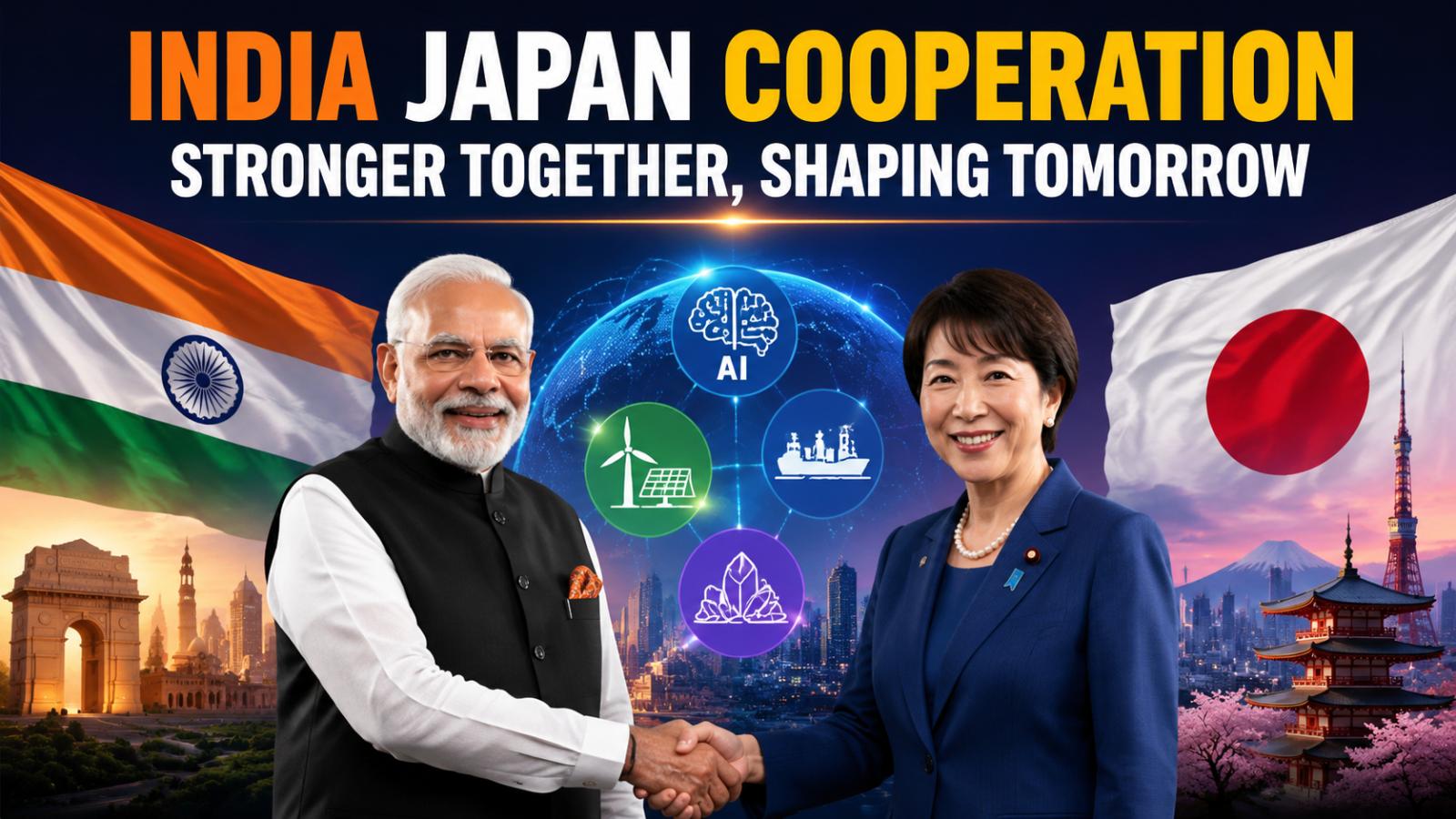
India Japan cooperation expands into AI and energy pact
India and Japan have moved to broaden their strategic cooperation with a new framework focused on technology, energy security and resilient supply chains. The latest engagement signals a shift from traditional diplomatic alignment toward deeper economic and innovation-driven collaboration aimed at long-term stability in the Indo-Pacific region. Focus shifts toward AI and digit
India Japan cooperation expands into AI and energy pact
India and Japan have moved to broaden their strategic cooperation with a new framework focused on technology, energy security and resilient supply chains. The latest engagement signals a shift from traditional diplomatic alignment toward deeper economic and innovation-driven collaboration aimed at long-term stability in the Indo-Pacific region. Focus shifts toward AI and digit

India Japan carbon credit deal boosts clean energy projects
India and Japan are using a joint framework to connect climate action with investment flows. Instead of treating emission cuts as isolated national efforts, both countries are aligning projects where funding, technology, and verified reductions move together. This approach is built to support long-term decarbonisation while still allowing industrial growth in emerging markets like India.
India Japan carbon credit deal boosts clean energy projects
India and Japan are using a joint framework to connect climate action with investment flows. Instead of treating emission cuts as isolated national efforts, both countries are aligning projects where funding, technology, and verified reductions move together. This approach is built to support long-term decarbonisation while still allowing industrial growth in emerging markets like India.

Panama Canal Control Sparks Fresh Political Controversy in US Discourse
Trump revisits Panama Canal transfer decision President Donald Trump has stated that the United States should never have transferred control of the Panama Canal to Panama, arguing that the decision has led to rising transit fees and potential geopolitical risks. Speaking at the opening of the Theodore Roosevelt Presidential Library in Medora, he criticised the 1977 agreement that eventually led to the full handover of the canal in 1999.
Panama Canal Control Sparks Fresh Political Controversy in US Discourse
Trump revisits Panama Canal transfer decision President Donald Trump has stated that the United States should never have transferred control of the Panama Canal to Panama, arguing that the decision has led to rising transit fees and potential geopolitical risks. Speaking at the opening of the Theodore Roosevelt Presidential Library in Medora, he criticised the 1977 agreement that eventually led to the full handover of the canal in 1999.

Venezuela declares national mourning after deadly earthquake disaster
National mourning declared amid rising devastation Venezuela has declared seven days of national mourning following last week’s powerful twin earthquakes that left the country facing one of its worst humanitarian disasters in recent history. Interim president Delcy Rodriguez announced the decision as the confirmed death toll climbed to at least 2,295, with thousands more injured and many still unaccounted for. Authorities say nearly 13,000 people have
Venezuela declares national mourning after deadly earthquake disaster
National mourning declared amid rising devastation Venezuela has declared seven days of national mourning following last week’s powerful twin earthquakes that left the country facing one of its worst humanitarian disasters in recent history. Interim president Delcy Rodriguez announced the decision as the confirmed death toll climbed to at least 2,295, with thousands more injured and many still unaccounted for. Authorities say nearly 13,000 people have
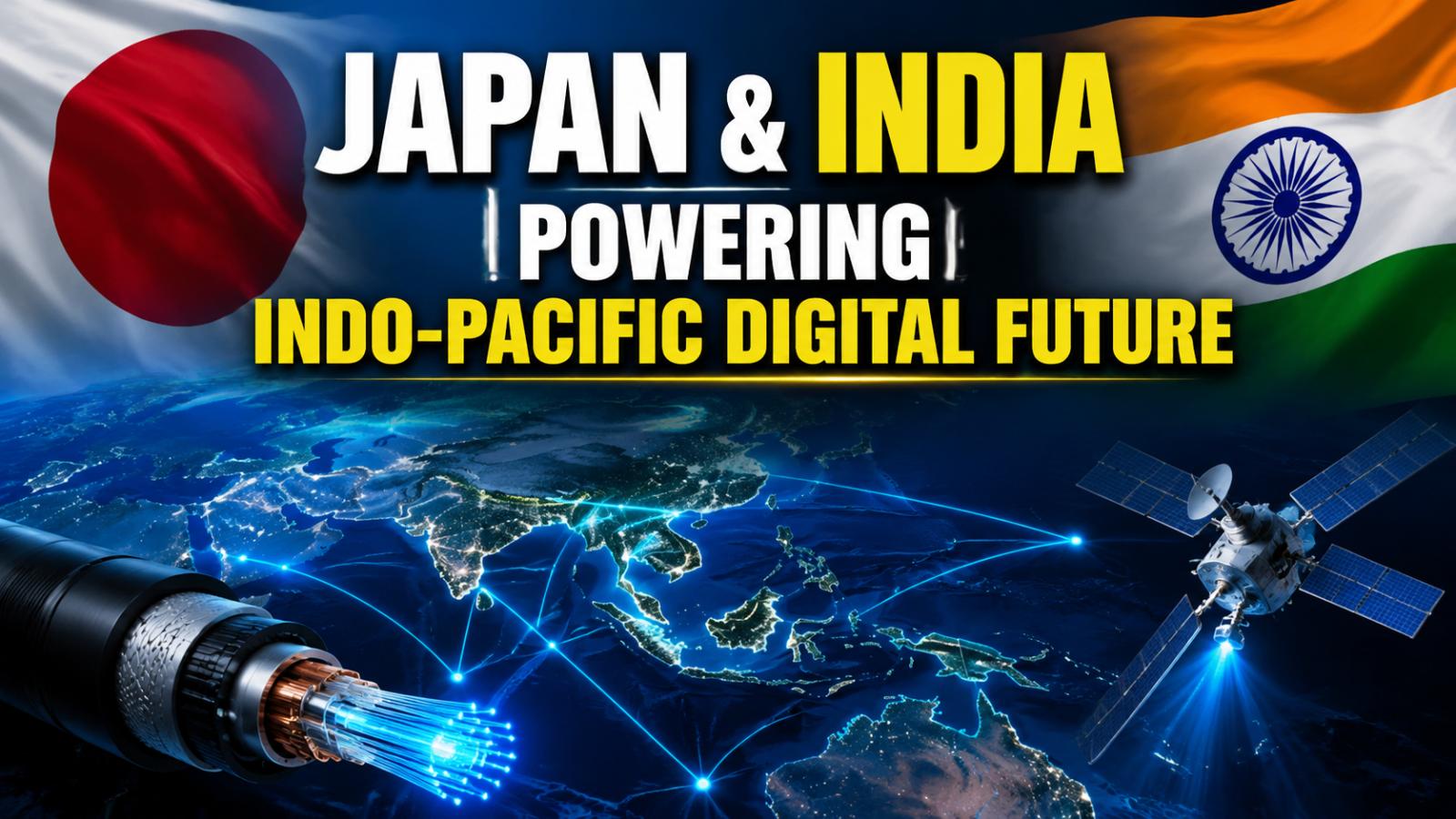
Japan India digital pact reshapes Indo Pacific tech routes
The Indo-Pacific strategy is increasingly moving away from traditional security frameworks toward digital infrastructure control. Japan and India are emerging as key drivers in this transition, focusing on secure data movement, resilient communication systems, and long-term technological independence from concentrated global networks. The shift reflects a broader attempt to reduce vulnerabilities in cross-border data flows and critical digital assets.
Japan India digital pact reshapes Indo Pacific tech routes
The Indo-Pacific strategy is increasingly moving away from traditional security frameworks toward digital infrastructure control. Japan and India are emerging as key drivers in this transition, focusing on secure data movement, resilient communication systems, and long-term technological independence from concentrated global networks. The shift reflects a broader attempt to reduce vulnerabilities in cross-border data flows and critical digital assets.

India Japan summit 2026 boosts FOIP rare earth strategy
The India Japan Summit 2026 is emerging as more than diplomatic engagement, shifting toward a structured economic alignment under the Free and Open Indo-Pacific (FOIP) framework. Japan is positioning India as a long-term partner in building alternative production networks outside China’s dominant supply ecosystem. The focus is no longer symbolic cooperation but measurable industrial integration across energy, technology, and critical materials. Rare Earth Dependency and Strategic Diversification A major driver of the summit is global concern over rare earth concentration in China. These materials are essential for electric vehicles, defence systems, and semiconductor manufacturing. Japan has been actively seeking diversification, and India is being viewed as a viable partner due to its untapped mineral reserves and growing extraction capability. However, this shift is not immediate. India still faces infrastructure gaps in refining and processing, which limits its ability to fully replace existing supply chains. The partnership therefore focuses on joint development rather than replacement. Northeast India as an Emerging Industrial Bridge Northeast India is increasingly being integrated into strategic planning as a logistics and manufacturing connector between South Asia and Southeast Asia. Its geographical position near the Bay of Bengal makes it relevant for regional trade routes, especially under Japan-backed connectivity initiatives. The long-term expectation is the development of corridors linking manufacturing zones, ports, and resource hubs. But execution remains a challenge due to terrain, infrastructure bottlenecks, and slow industrial scaling. EV Batteries and Semiconductor Collaboration Expands The summit is expected to accelerate cooperation in electric mobility and chip production. Japan’s technology strength in precision manufacturing complements India’s expanding industrial base and domestic demand growth. Instead of simple export-import trade, both countries are moving toward localized production ecosystems. This includes battery supply chains, semiconductor assembly, and joint research in advanced materials. The real shift here is from consumption-driven trade to production-sharing models. Investment Flow and Industrial Integration Japanese investment in India continues to grow steadily, with a strong presence in automobiles, electronics, and infrastructure. The partnership now appears to be entering a deeper phase where investment is tied to strategic supply chain redesign rather than isolated projects. This creates a long-term dependency loop where both economies benefit from shared manufacturing ecosystems, but also become more structurally linked to global market fluctuations. Strategic Outcome: A Competing Supply Chain Bloc The broader outcome of the India Japan Summit 2026 is the gradual formation of an alternative industrial network in Asia. It does not replace existing systems overnight but creates parallel pathways in critical sectors like energy storage, semiconductors, and defence manufacturing. The key question going forward is execution speed. Policy alignment is strong, but infrastructure readiness and capital deployment will decide how quickly this partnership moves from strategy to reality.
India Japan summit 2026 boosts FOIP rare earth strategy
The India Japan Summit 2026 is emerging as more than diplomatic engagement, shifting toward a structured economic alignment under the Free and Open Indo-Pacific (FOIP) framework. Japan is positioning India as a long-term partner in building alternative production networks outside China’s dominant supply ecosystem. The focus is no longer symbolic cooperation but measurable industrial integration across energy, technology, and critical materials. Rare Earth Dependency and Strategic Diversification A major driver of the summit is global concern over rare earth concentration in China. These materials are essential for electric vehicles, defence systems, and semiconductor manufacturing. Japan has been actively seeking diversification, and India is being viewed as a viable partner due to its untapped mineral reserves and growing extraction capability. However, this shift is not immediate. India still faces infrastructure gaps in refining and processing, which limits its ability to fully replace existing supply chains. The partnership therefore focuses on joint development rather than replacement. Northeast India as an Emerging Industrial Bridge Northeast India is increasingly being integrated into strategic planning as a logistics and manufacturing connector between South Asia and Southeast Asia. Its geographical position near the Bay of Bengal makes it relevant for regional trade routes, especially under Japan-backed connectivity initiatives. The long-term expectation is the development of corridors linking manufacturing zones, ports, and resource hubs. But execution remains a challenge due to terrain, infrastructure bottlenecks, and slow industrial scaling. EV Batteries and Semiconductor Collaboration Expands The summit is expected to accelerate cooperation in electric mobility and chip production. Japan’s technology strength in precision manufacturing complements India’s expanding industrial base and domestic demand growth. Instead of simple export-import trade, both countries are moving toward localized production ecosystems. This includes battery supply chains, semiconductor assembly, and joint research in advanced materials. The real shift here is from consumption-driven trade to production-sharing models. Investment Flow and Industrial Integration Japanese investment in India continues to grow steadily, with a strong presence in automobiles, electronics, and infrastructure. The partnership now appears to be entering a deeper phase where investment is tied to strategic supply chain redesign rather than isolated projects. This creates a long-term dependency loop where both economies benefit from shared manufacturing ecosystems, but also become more structurally linked to global market fluctuations. Strategic Outcome: A Competing Supply Chain Bloc The broader outcome of the India Japan Summit 2026 is the gradual formation of an alternative industrial network in Asia. It does not replace existing systems overnight but creates parallel pathways in critical sectors like energy storage, semiconductors, and defence manufacturing. The key question going forward is execution speed. Policy alignment is strong, but infrastructure readiness and capital deployment will decide how quickly this partnership moves from strategy to reality.
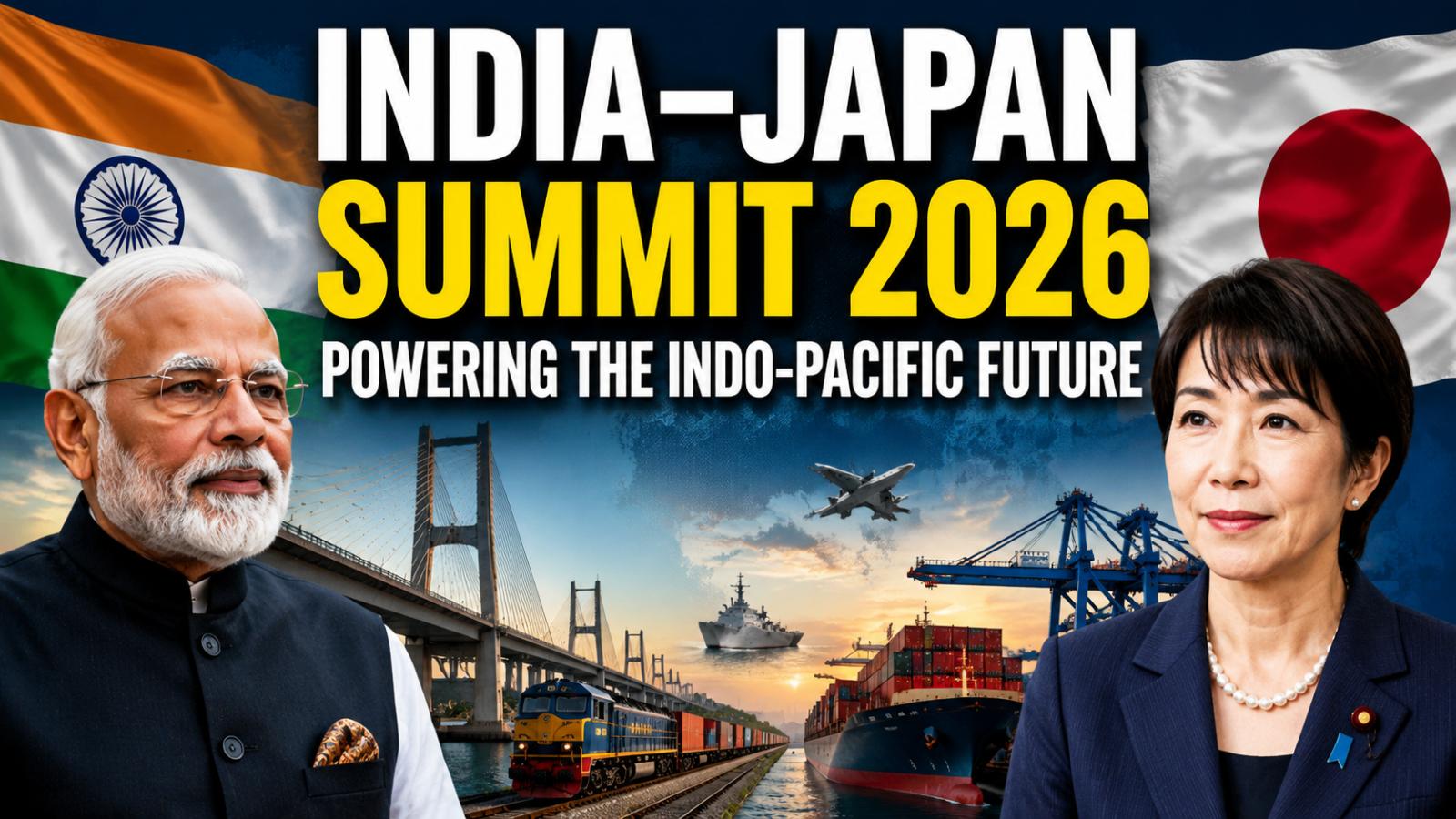
India Japan summit 2026 reshapes Indo Pacific alignment
The latest round of strategic talks between India and Japan signals a shift from broad diplomatic alignment to project-driven cooperation. The visit by Japanese Prime Minister Sanae Takaichi marks a renewed focus on infrastructure delivery, supply chain redesign, and
India Japan summit 2026 reshapes Indo Pacific alignment
The latest round of strategic talks between India and Japan signals a shift from broad diplomatic alignment to project-driven cooperation. The visit by Japanese Prime Minister Sanae Takaichi marks a renewed focus on infrastructure delivery, supply chain redesign, and
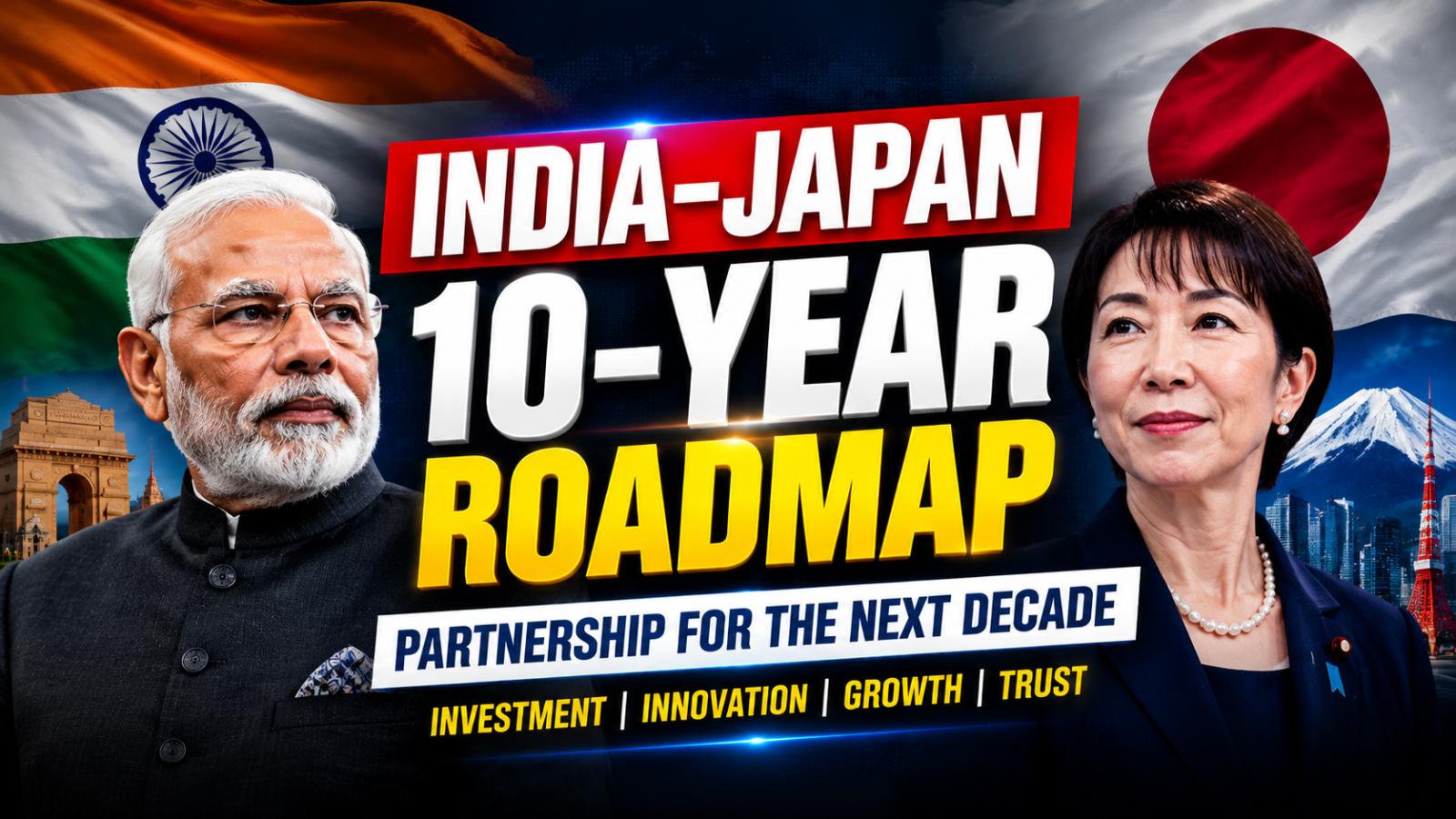
India Japan summit to review 10-year joint vision roadmap cooperation
India-Japan Summit to Review Long-Term Strategic Roadmap India is set to host Japanese Prime Minister Sanae Takaichi from July 1 to 3 for the 16th India-Japan Annual Summit, where both sides are expected to review progress under the Japan-India Joint Vision for the Next Decade. The framework, signed in Tokyo in August 2025, outlines a long-term roadmap aimed at streng
India Japan summit to review 10-year joint vision roadmap cooperation
India-Japan Summit to Review Long-Term Strategic Roadmap India is set to host Japanese Prime Minister Sanae Takaichi from July 1 to 3 for the 16th India-Japan Annual Summit, where both sides are expected to review progress under the Japan-India Joint Vision for the Next Decade. The framework, signed in Tokyo in August 2025, outlines a long-term roadmap aimed at streng

Birthright Citizenship Ruling: What H-1B and F-1 Families Should Know
The birthright citizenship ruling issued by the U.S. Supreme Court on Tuesday, June 30, 2026, provides important clarity for families living in the United States on temporary visas. Children born in the country to parents who are lawfully but temporarily present remain U.S. citizens at birth under the 14th Amendment. For the court’s vote and constitutional reasoning, read NRIPage’s full report on the
Birthright Citizenship Ruling: What H-1B and F-1 Families Should Know
The birthright citizenship ruling issued by the U.S. Supreme Court on Tuesday, June 30, 2026, provides important clarity for families living in the United States on temporary visas. Children born in the country to parents who are lawfully but temporarily present remain U.S. citizens at birth under the 14th Amendment. For the court’s vote and constitutional reasoning, read NRIPage’s full report on the

Trump v. Barbara Ruling: Supreme Court Protects Birthright Citizenship
The Trump v. Barbara ruling preserved automatic U.S. citizenship for nearly all children born on American soil. In a 6-3 decision issued Tuesday, June 30, 2026, the Supreme Court affirmed a lower-court judgment blocking President Donald Trump’s executive order. What the Trump v. Barbara ruling decided Chief Justice John Roberts wrote the court’s principal opinion, joined by Justices Sonia S
Trump v. Barbara Ruling: Supreme Court Protects Birthright Citizenship
The Trump v. Barbara ruling preserved automatic U.S. citizenship for nearly all children born on American soil. In a 6-3 decision issued Tuesday, June 30, 2026, the Supreme Court affirmed a lower-court judgment blocking President Donald Trump’s executive order. What the Trump v. Barbara ruling decided Chief Justice John Roberts wrote the court’s principal opinion, joined by Justices Sonia S

Iraq raid exposes massive cash and gold stash in Baghdad
A coordinated security operation in Baghdad’s heavily guarded Green Zone has triggered one of the most closely watched anti-corruption actions in recent months. Authorities recovered significant amounts of cash and gold while detaining individuals linked to a widening financial misconduct investigation involving public officials and political figures. High-security raids car
Iraq raid exposes massive cash and gold stash in Baghdad
A coordinated security operation in Baghdad’s heavily guarded Green Zone has triggered one of the most closely watched anti-corruption actions in recent months. Authorities recovered significant amounts of cash and gold while detaining individuals linked to a widening financial misconduct investigation involving public officials and political figures. High-security raids car
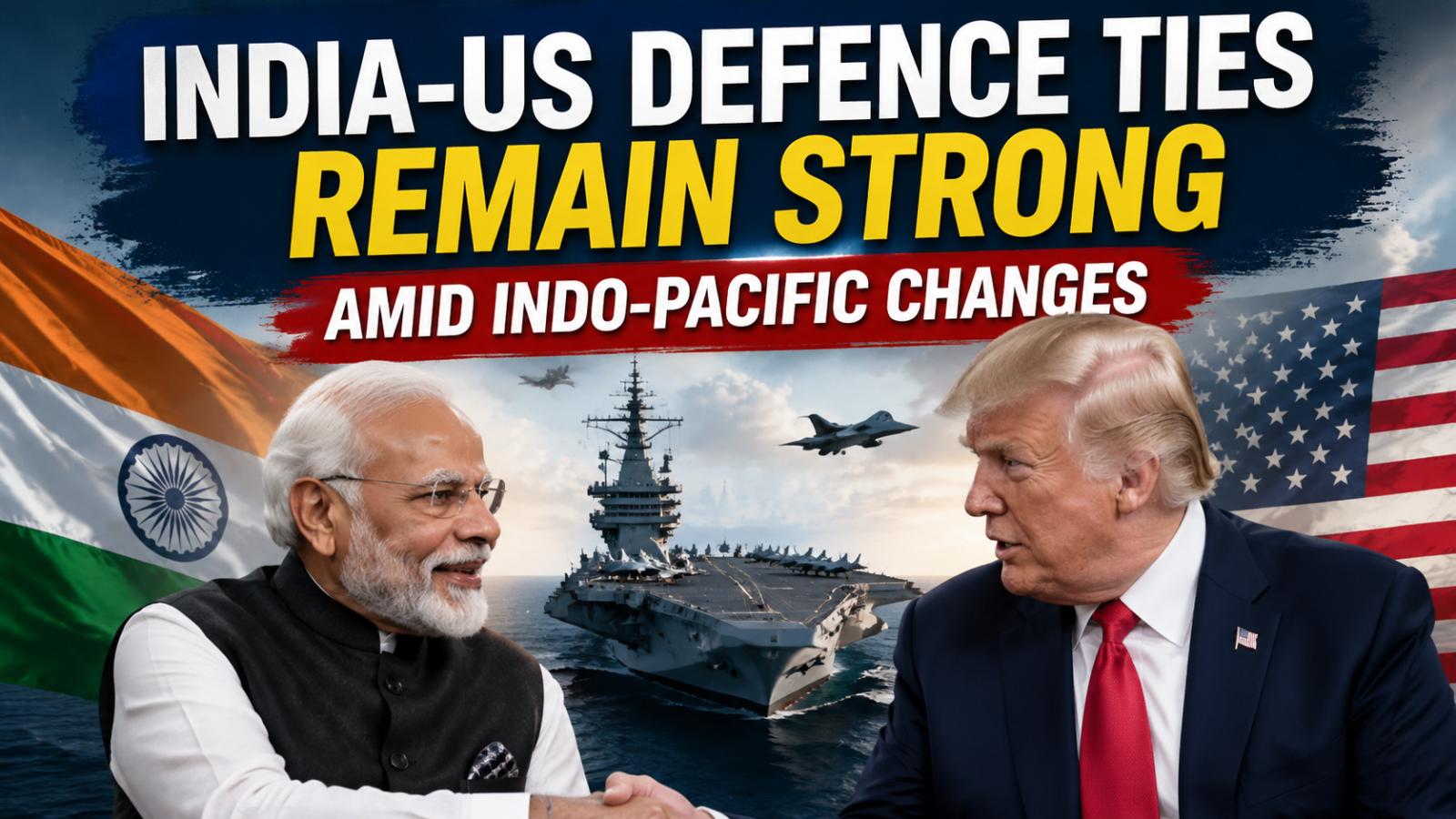
India-US defence ties remain stable amid Indo-Pacific changes
India and the United States continue to maintain stable defence cooperation despite recent adjustments in how Washington refers to its Indo-Pacific military structure. US Ambassador Sergio Gor reiterated that operational collaboration between the two countries is unaffected by the change in terminology, stressing continuity over symbolism. Military engagement remains active According to Gor, defence interaction between both nations is not only ongoing but expanding. Joint exercises, training programs, and coordinated operational planning continue across multiple domains. He noted that India remains one of the most frequently engaged partners in US military exercises globally, reflecting long-term strategic alignment rather than short-term political messaging. Indo-Pacific command terminology shift The discussion gained attention after the US reverted from the “Indo-Pacific Command” branding to its earlier designation. While the naming change sparked speculation about shifting priorities, officials clarified that command responsibilities and regional engagement remain unchanged. The operational scope still spans a vast area covering key maritime and security corridors in Asia-Pacific. Interpretation and political reactions The naming adjustment has been interpreted in different ways across policy circles, with some viewing it as symbolic recalibration. However, US officials have consistently pushed back on that narrative, arguing that defence cooperation with India is driven by shared strategic interests rather than administrative labels. Leadership relations and diplomatic tone Gor also highlighted the working relationship between former US President Donald Trump and Indian Prime Minister Narendra Modi, describing it as direct and pragmatic. He pointed to informal diplomatic interactions as evidence of sustained trust and coordination between leadership levels, which continues to influence broader strategic engagement. Long-term partnership outlook Despite periodic debates over terminology and diplomatic optics, both nations continue to prioritize defence, technology collaboration, and regional security coordination. The emphasis remains on sustained engagement in the Indo-Pacific region, where shared concerns over maritime security and strategic balance continue to drive cooperation rather than divergence.
India-US defence ties remain stable amid Indo-Pacific changes
India and the United States continue to maintain stable defence cooperation despite recent adjustments in how Washington refers to its Indo-Pacific military structure. US Ambassador Sergio Gor reiterated that operational collaboration between the two countries is unaffected by the change in terminology, stressing continuity over symbolism. Military engagement remains active According to Gor, defence interaction between both nations is not only ongoing but expanding. Joint exercises, training programs, and coordinated operational planning continue across multiple domains. He noted that India remains one of the most frequently engaged partners in US military exercises globally, reflecting long-term strategic alignment rather than short-term political messaging. Indo-Pacific command terminology shift The discussion gained attention after the US reverted from the “Indo-Pacific Command” branding to its earlier designation. While the naming change sparked speculation about shifting priorities, officials clarified that command responsibilities and regional engagement remain unchanged. The operational scope still spans a vast area covering key maritime and security corridors in Asia-Pacific. Interpretation and political reactions The naming adjustment has been interpreted in different ways across policy circles, with some viewing it as symbolic recalibration. However, US officials have consistently pushed back on that narrative, arguing that defence cooperation with India is driven by shared strategic interests rather than administrative labels. Leadership relations and diplomatic tone Gor also highlighted the working relationship between former US President Donald Trump and Indian Prime Minister Narendra Modi, describing it as direct and pragmatic. He pointed to informal diplomatic interactions as evidence of sustained trust and coordination between leadership levels, which continues to influence broader strategic engagement. Long-term partnership outlook Despite periodic debates over terminology and diplomatic optics, both nations continue to prioritize defence, technology collaboration, and regional security coordination. The emphasis remains on sustained engagement in the Indo-Pacific region, where shared concerns over maritime security and strategic balance continue to drive cooperation rather than divergence.
Japan PM visit pushes India Japan tech and defence cooperation
India and Japan have taken another step toward strengthening their long-term strategic relationship as high-level discussions were held in New Delhi focused on expanding cooperation across trade, defence, technology, and infrastructure. The engagement reflects a broader effort by both nations to build resilience in supply chains and increase coordination in the Indo-Pacific region amid shifting global economic and security dynamics. Rather than treating the relationship as routine diplomacy, both sides are increasingly positioning it as a structured partnership tied to economic security, innovation, and regional stability. Trade and investment becoming the core growth driver Economic cooperation continues to act as the backbone of the relationship. Japan remains one of India’s key foreign investors, with long-term commitments spread across manufacturing, transport, and urban development sectors. Japanese companies continue to expand their presence in India, particularly in automotive, electronics, and industrial technology. Infrastructure development remains a central pillar, with ongoing support for metro systems, freight corridors, and high-speed rail projects. Financial and institutional backing through Japanese development agencies has played a major role in shaping large-scale connectivity projects across Indian cities. However, both sides still face structural challenges such as slow project execution timelines and regulatory bottlenecks, which limit the speed of capital deployment despite strong political alignment. Defence cooperation expands beyond symbolic engagement Security collaboration between India and Japan has gradually shifted from occasional exercises to more consistent operational coordination. Joint drills such as maritime exercises and regional security training programs have strengthened interoperability between the two defence forces. The focus is increasingly on maritime domain awareness, especially in the Indo-Pacific region where strategic sea lanes remain critical for global trade. Both countries are also exploring ways to improve defence technology exchange, although this area remains sensitive due to regulatory and strategic constraints. Despite progress, defence cooperation is still relatively cautious compared to economic engagement, reflecting differing strategic thresholds and domestic policy considerations. Northeast India emerges as a strategic connectivity zone One of the most notable areas of cooperation is India’s northeastern region, which has gained attention as a key connectivity and development corridor. Japanese-supported infrastructure projects have contributed to road development, bridge construction, and logistics improvement in the region. Beyond physical infrastructure, skill development initiatives are also being introduced to improve employment readiness and cross-border workforce mobility. The region is increasingly being viewed as a bridge between South Asia and Southeast Asia, aligning with broader Indo-Pacific connectivity goals. Still, the region continues to face challenges including terrain constraints, limited industrial base, and slower private sector participation. Technology, AI and future-oriented collaboration Both countries are expanding cooperation in advanced technologies including artificial intelligence, clean energy systems, and digital infrastructure. Joint initiatives are being explored in areas such as smart manufacturing, automation, and next-generation communication systems. There is also growing interest in building more resilient supply chains for critical sectors like semiconductors and green energy technologies. This reflects a shared concern over global supply disruptions and overdependence on concentrated manufacturing hubs. While ambitions are high, actual implementation will depend on regulatory alignment and private sector participation, which remain uneven across sectors. Strategic outlook for the partnership The India–Japan relationship is increasingly being shaped by long-term geopolitical and economic considerations rather than short-term diplomatic exchanges. Both countries appear aligned on maintaining stability in the Indo-Pacific while expanding economic integration. However, the partnership is still evolving and remains uneven across sectors—strong in trade and infrastructure, moderate in defence, and still developing in advanced technology cooperation. The next phase will depend on execution efficiency and the ability to convert policy agreements into large-scale operational outcomes.
Japan PM visit pushes India Japan tech and defence cooperation
India and Japan have taken another step toward strengthening their long-term strategic relationship as high-level discussions were held in New Delhi focused on expanding cooperation across trade, defence, technology, and infrastructure. The engagement reflects a broader effort by both nations to build resilience in supply chains and increase coordination in the Indo-Pacific region amid shifting global economic and security dynamics. Rather than treating the relationship as routine diplomacy, both sides are increasingly positioning it as a structured partnership tied to economic security, innovation, and regional stability. Trade and investment becoming the core growth driver Economic cooperation continues to act as the backbone of the relationship. Japan remains one of India’s key foreign investors, with long-term commitments spread across manufacturing, transport, and urban development sectors. Japanese companies continue to expand their presence in India, particularly in automotive, electronics, and industrial technology. Infrastructure development remains a central pillar, with ongoing support for metro systems, freight corridors, and high-speed rail projects. Financial and institutional backing through Japanese development agencies has played a major role in shaping large-scale connectivity projects across Indian cities. However, both sides still face structural challenges such as slow project execution timelines and regulatory bottlenecks, which limit the speed of capital deployment despite strong political alignment. Defence cooperation expands beyond symbolic engagement Security collaboration between India and Japan has gradually shifted from occasional exercises to more consistent operational coordination. Joint drills such as maritime exercises and regional security training programs have strengthened interoperability between the two defence forces. The focus is increasingly on maritime domain awareness, especially in the Indo-Pacific region where strategic sea lanes remain critical for global trade. Both countries are also exploring ways to improve defence technology exchange, although this area remains sensitive due to regulatory and strategic constraints. Despite progress, defence cooperation is still relatively cautious compared to economic engagement, reflecting differing strategic thresholds and domestic policy considerations. Northeast India emerges as a strategic connectivity zone One of the most notable areas of cooperation is India’s northeastern region, which has gained attention as a key connectivity and development corridor. Japanese-supported infrastructure projects have contributed to road development, bridge construction, and logistics improvement in the region. Beyond physical infrastructure, skill development initiatives are also being introduced to improve employment readiness and cross-border workforce mobility. The region is increasingly being viewed as a bridge between South Asia and Southeast Asia, aligning with broader Indo-Pacific connectivity goals. Still, the region continues to face challenges including terrain constraints, limited industrial base, and slower private sector participation. Technology, AI and future-oriented collaboration Both countries are expanding cooperation in advanced technologies including artificial intelligence, clean energy systems, and digital infrastructure. Joint initiatives are being explored in areas such as smart manufacturing, automation, and next-generation communication systems. There is also growing interest in building more resilient supply chains for critical sectors like semiconductors and green energy technologies. This reflects a shared concern over global supply disruptions and overdependence on concentrated manufacturing hubs. While ambitions are high, actual implementation will depend on regulatory alignment and private sector participation, which remain uneven across sectors. Strategic outlook for the partnership The India–Japan relationship is increasingly being shaped by long-term geopolitical and economic considerations rather than short-term diplomatic exchanges. Both countries appear aligned on maintaining stability in the Indo-Pacific while expanding economic integration. However, the partnership is still evolving and remains uneven across sectors—strong in trade and infrastructure, moderate in defence, and still developing in advanced technology cooperation. The next phase will depend on execution efficiency and the ability to convert policy agreements into large-scale operational outcomes.
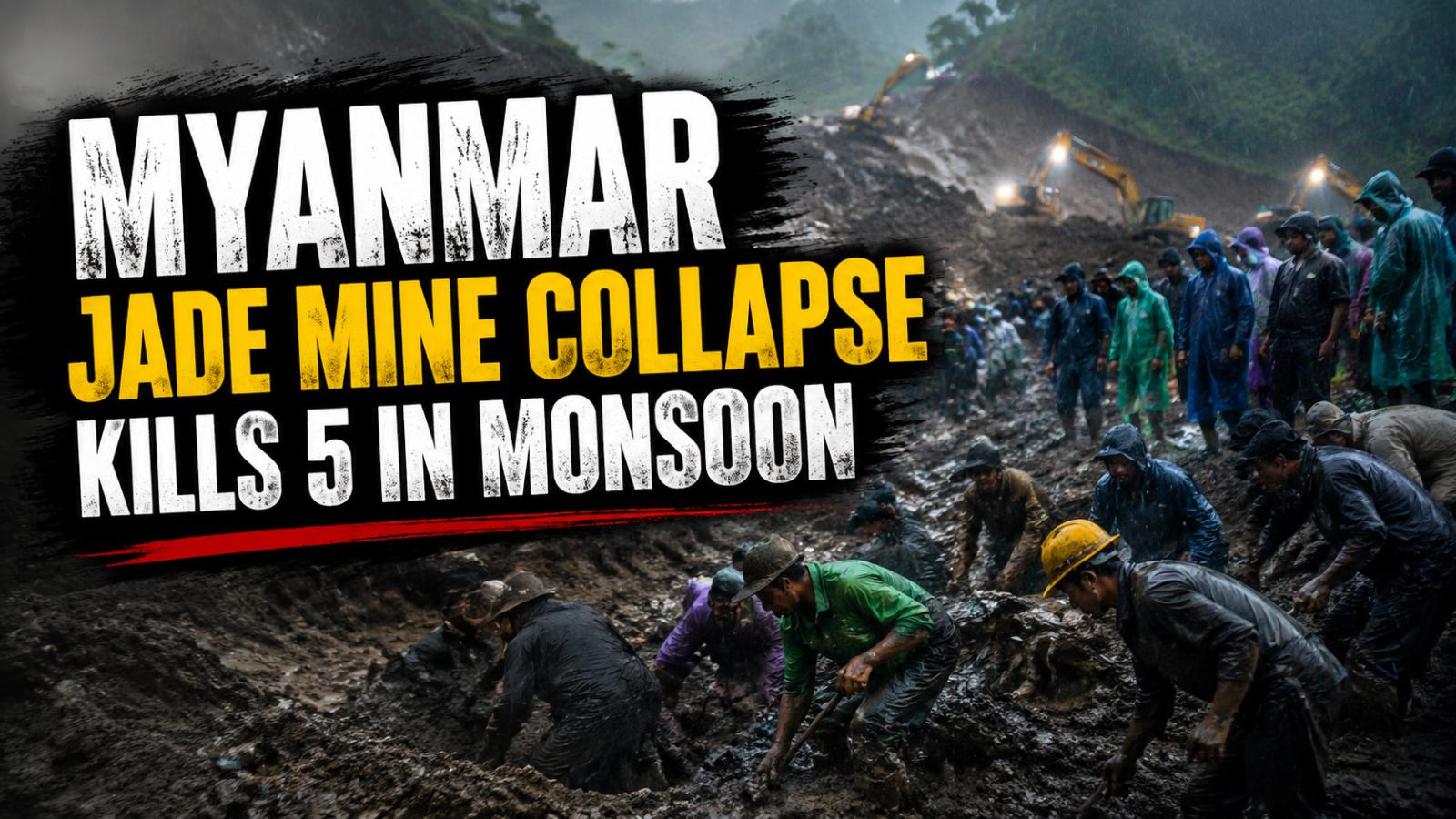
Myanmar jade mine collapse kills 5 in Kachin monsoon disaster
A deadly collapse at a jade mining waste site in Myanmar’s northern Kachin state has left at least five people dead, with several others still unaccounted for after days of heavy monsoon rainfall weakened the terrain in Hpakant township. The incident occurred in an abandoned mining zone where informal workers were searching through discarded material for leftover jade fragments. Continuous rain saturated the unstable slag heaps, causing a su
Myanmar jade mine collapse kills 5 in Kachin monsoon disaster
A deadly collapse at a jade mining waste site in Myanmar’s northern Kachin state has left at least five people dead, with several others still unaccounted for after days of heavy monsoon rainfall weakened the terrain in Hpakant township. The incident occurred in an abandoned mining zone where informal workers were searching through discarded material for leftover jade fragments. Continuous rain saturated the unstable slag heaps, causing a su
US official calls India indispensable in global tech race
India positioned as key global technology partner A senior United States official has described India as an indispensable partner in the global technology landscape, highlighting its unique ability to match China’s scale of engineering talent. The remarks were made at the IX US-India Strategic Partnership Forum Leadership Summit 2026 and reflect Washington’s growing reliance on New Delhi in critical emerging technologies.
US official calls India indispensable in global tech race
India positioned as key global technology partner A senior United States official has described India as an indispensable partner in the global technology landscape, highlighting its unique ability to match China’s scale of engineering talent. The remarks were made at the IX US-India Strategic Partnership Forum Leadership Summit 2026 and reflect Washington’s growing reliance on New Delhi in critical emerging technologies.

India pushes sunset clause in proposed US trade deal
India considers expiry safeguard in US trade talks India is reportedly preparing to seek a sunset clause in its proposed interim trade agreement with the United States, reflecting a growing global trend among trading partners to build expiry mechanisms into major economic deals. The move aligns closely with recent developments in European Union–US trade arrangements, where similar provisions have been introduced to limit long-term exposure
India pushes sunset clause in proposed US trade deal
India considers expiry safeguard in US trade talks India is reportedly preparing to seek a sunset clause in its proposed interim trade agreement with the United States, reflecting a growing global trend among trading partners to build expiry mechanisms into major economic deals. The move aligns closely with recent developments in European Union–US trade arrangements, where similar provisions have been introduced to limit long-term exposure
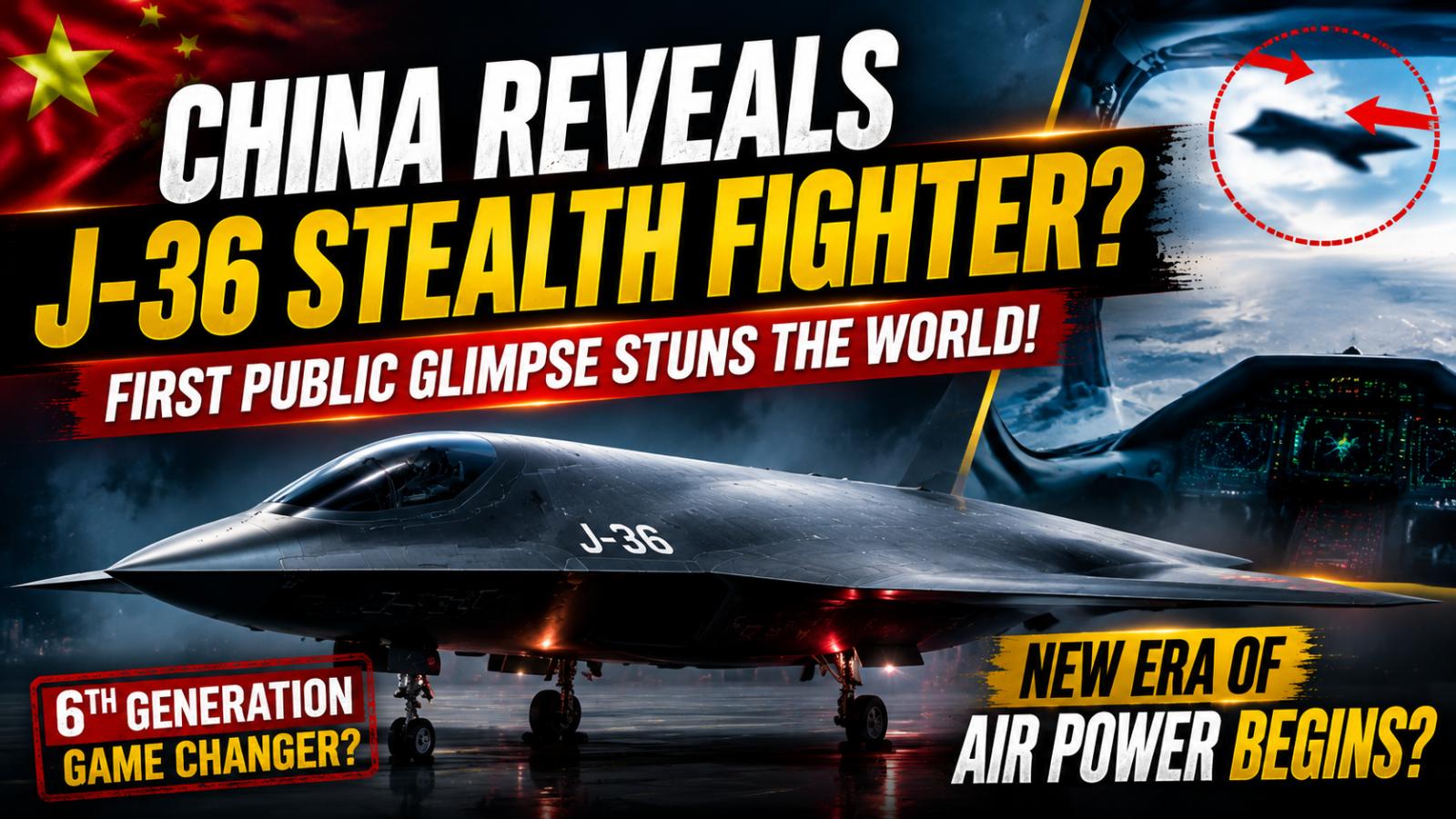
China appears to unveil J-36 stealth fighter in PLA video
PLA video sparks stealth fighter speculation China has appeared to offer the first public glimpse of its long-rumoured J-36 sixth-generation stealth fighter after the People’s Liberation Army released a promotional video featuring what defence analysts believe is the advanced aircraft. The brief appearance has triggered widespread discussion about the progress of China’s next-generation military aviation programme, although no official co
China appears to unveil J-36 stealth fighter in PLA video
PLA video sparks stealth fighter speculation China has appeared to offer the first public glimpse of its long-rumoured J-36 sixth-generation stealth fighter after the People’s Liberation Army released a promotional video featuring what defence analysts believe is the advanced aircraft. The brief appearance has triggered widespread discussion about the progress of China’s next-generation military aviation programme, although no official co










