#globalhealth
Rubio Says WHO Was Late Detecting Congo Ebola Outbreak as Deaths Rise
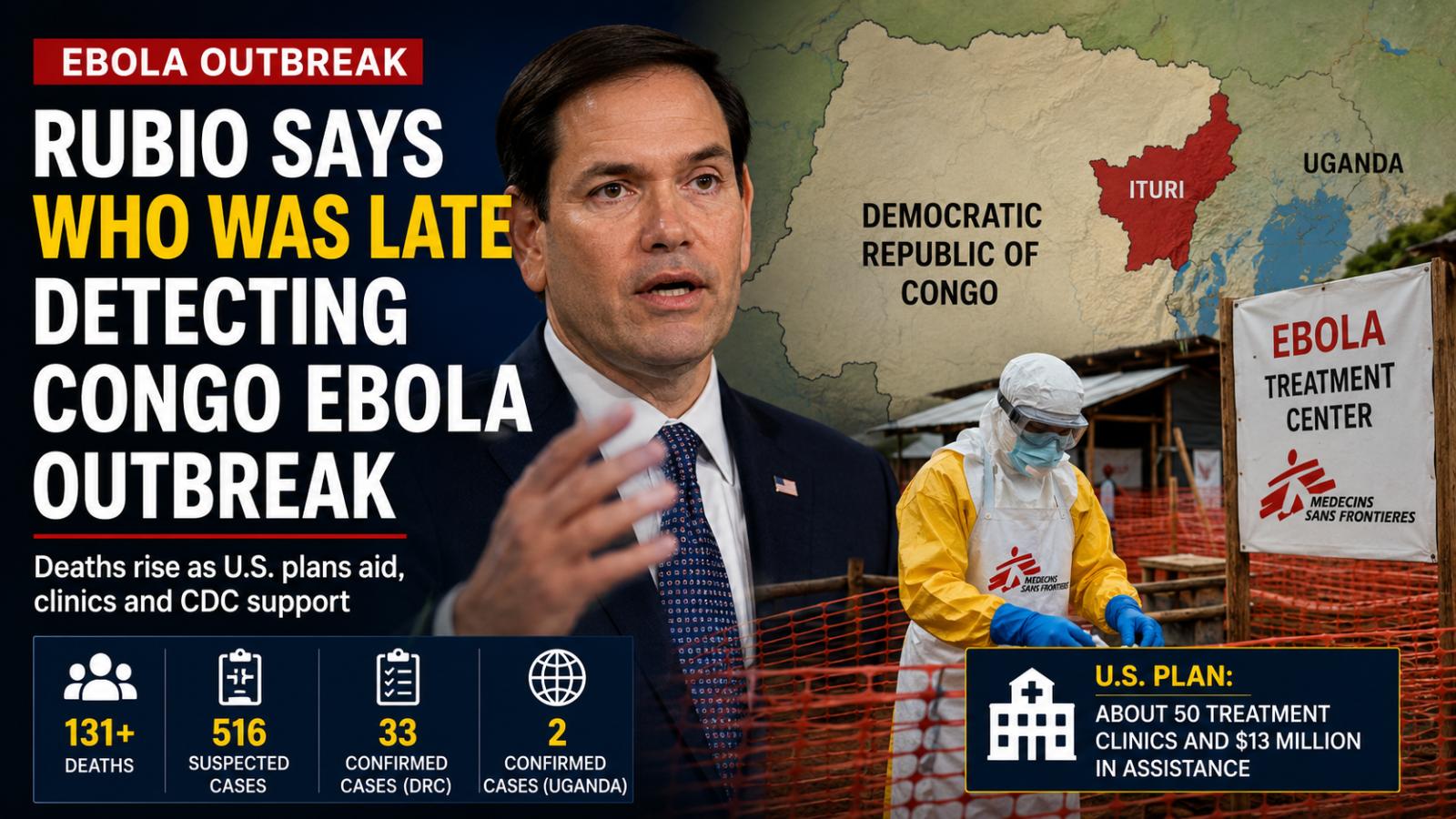
U.S. Secretary of State Marco Rubio said on Tuesday, May 19, 2026, that the World Health Organization was “a little late” in detecting the Ebola outbreak spreading in the Democratic Republic of Congo, as deaths continued to rise and Washington prepared support for the response. The outbreak has intensified concern among global health officials because of its speed, suspected death toll and spread in difficult field conditions. Reuters reported at least 131 fatalities linked to t
Rubio Says WHO Was Late Detecting Congo Ebola Outbreak as Deaths Rise
U.S. Secretary of State Marco Rubio said on Tuesday, May 19, 2026, that the World Health Organization was “a little late” in detecting the Ebola outbreak spreading in the Democratic Republic of Congo, as deaths continued to rise and Washington prepared support for the response. The outbreak has intensified concern among global health officials because of its speed, suspected death toll and spread in difficult field conditions. Reuters reported at least 131 fatalities linked to t
Hantavirus Outbreak Reported on Cruise Ship Leaves Three Dead
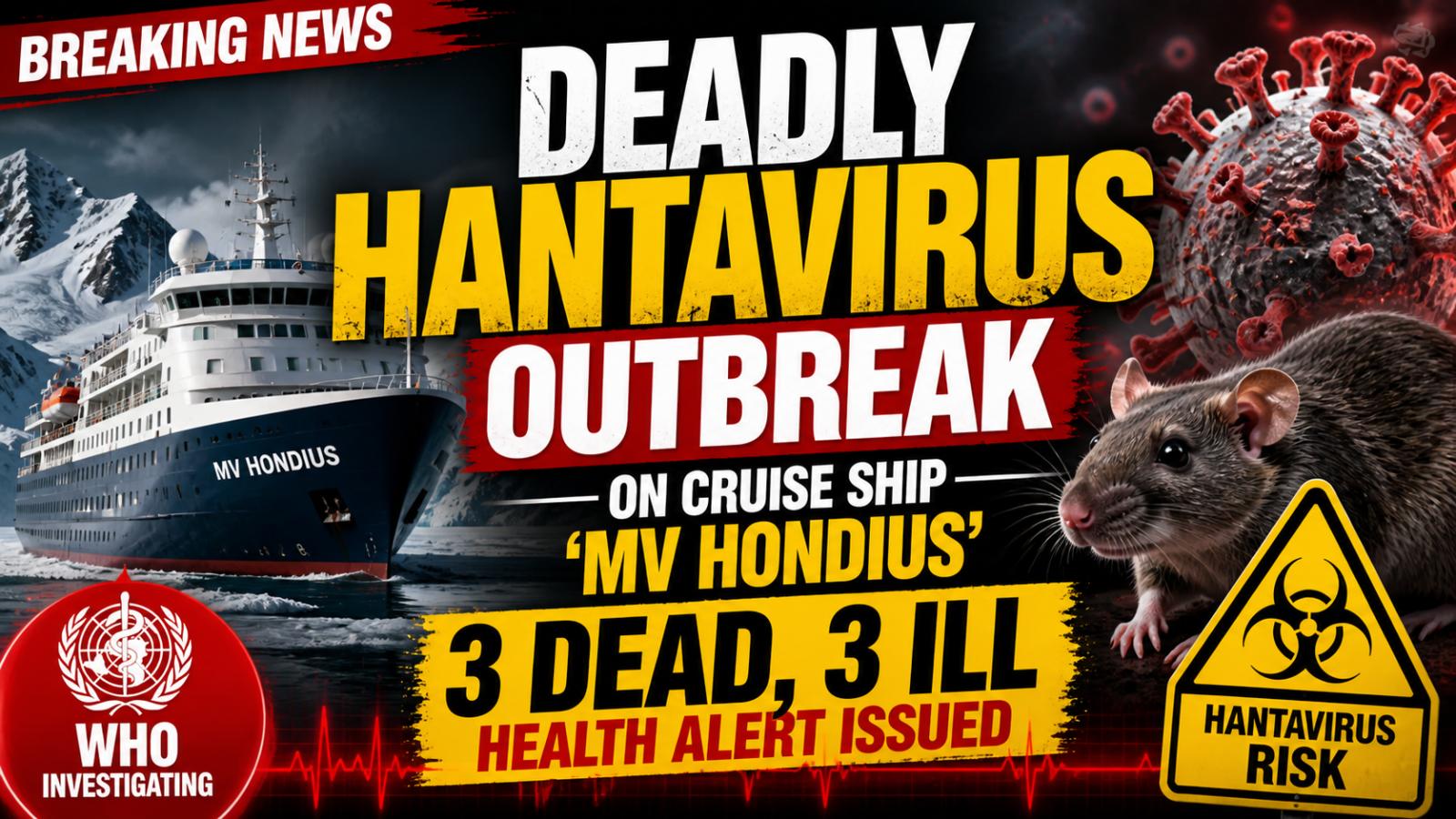
A suspected outbreak of hantavirus on board the cruise vessel MV Hondius has resulted in three deaths and several serious illnesses, raising concerns among global health authorities. The ship, operated by a Netherlands-based expedition company, was sailing near Cape Verde when the medical situation emerged, prompting urgent response measures and international coordination. Officials confirmed that at least three passengers died, while others showed symptoms consistent with a hantavi
Hantavirus Outbreak Reported on Cruise Ship Leaves Three Dead
A suspected outbreak of hantavirus on board the cruise vessel MV Hondius has resulted in three deaths and several serious illnesses, raising concerns among global health authorities. The ship, operated by a Netherlands-based expedition company, was sailing near Cape Verde when the medical situation emerged, prompting urgent response measures and international coordination. Officials confirmed that at least three passengers died, while others showed symptoms consistent with a hantavi
Gaza faces rising disease risk as rat infestation spreads in displacement camps
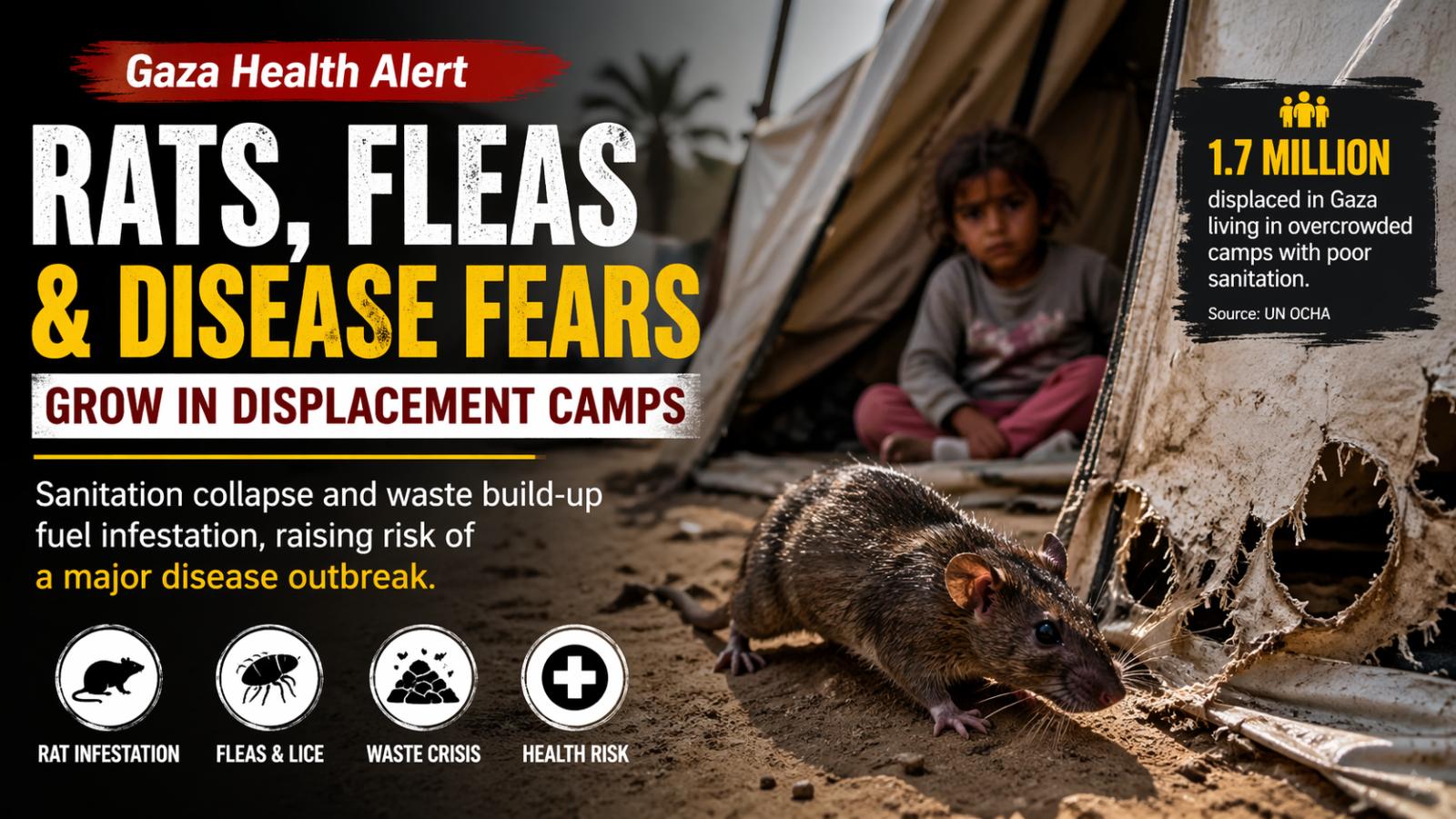
Rising temperatures are intensifying public health concerns in the Gaza Strip, where a widespread infestation of rodents and parasites is compounding already dire living conditions for displaced civilians. Health officials warn that the rapid spread of rats, fleas, and lice could trigger a major disease outbreak in overcrowded camps lacking basic sanitation. In areas such as Khan Yunis and the Al-Mawasi coastal strip, displaced families are living in makeshift shelters that offer little protection against pests. Residents report that large rodents, identified by some as Norway rats, are burrowing into tents at night. Muhammad al-Raqab, a displaced father, described repeated attacks on his family, saying rodents chewed through his shelter and bit his children while they slept. He now stays awake overnight to guard them. The infestation is closely linked to the collapse of Gaza’s sanitation infrastructure. With municipal services largely nonfunctional and access to landfill sites near the eastern border restricted, millions of tons of waste have accumulated near populated areas. The buildup has created ideal conditions for vermin to thrive. According to the United Nations Office for the Coordination of Humanitarian Affairs, approximately 1.7 million of Gaza’s 2.2 million residents remain displaced and unable to return to their homes despite a ceasefire that began in October 2025. Field assessments conducted in March described camp conditions as heavily affected by vermin and parasite infestations. Medical professionals are already seeing the consequences. Hani al-Flait, head of pediatrics at Al-Aqsa Hospital in central Gaza, reported a steady rise in skin infections such as scabies. Residents also describe worsening conditions as fleas spread allergies among both children and adults, further straining limited healthcare resources in the enclave.
Gaza faces rising disease risk as rat infestation spreads in displacement camps
Rising temperatures are intensifying public health concerns in the Gaza Strip, where a widespread infestation of rodents and parasites is compounding already dire living conditions for displaced civilians. Health officials warn that the rapid spread of rats, fleas, and lice could trigger a major disease outbreak in overcrowded camps lacking basic sanitation. In areas such as Khan Yunis and the Al-Mawasi coastal strip, displaced families are living in makeshift shelters that offer little protection against pests. Residents report that large rodents, identified by some as Norway rats, are burrowing into tents at night. Muhammad al-Raqab, a displaced father, described repeated attacks on his family, saying rodents chewed through his shelter and bit his children while they slept. He now stays awake overnight to guard them. The infestation is closely linked to the collapse of Gaza’s sanitation infrastructure. With municipal services largely nonfunctional and access to landfill sites near the eastern border restricted, millions of tons of waste have accumulated near populated areas. The buildup has created ideal conditions for vermin to thrive. According to the United Nations Office for the Coordination of Humanitarian Affairs, approximately 1.7 million of Gaza’s 2.2 million residents remain displaced and unable to return to their homes despite a ceasefire that began in October 2025. Field assessments conducted in March described camp conditions as heavily affected by vermin and parasite infestations. Medical professionals are already seeing the consequences. Hani al-Flait, head of pediatrics at Al-Aqsa Hospital in central Gaza, reported a steady rise in skin infections such as scabies. Residents also describe worsening conditions as fleas spread allergies among both children and adults, further straining limited healthcare resources in the enclave.
Changes to U.S. medical aid system may risk HIV and malaria supply chains
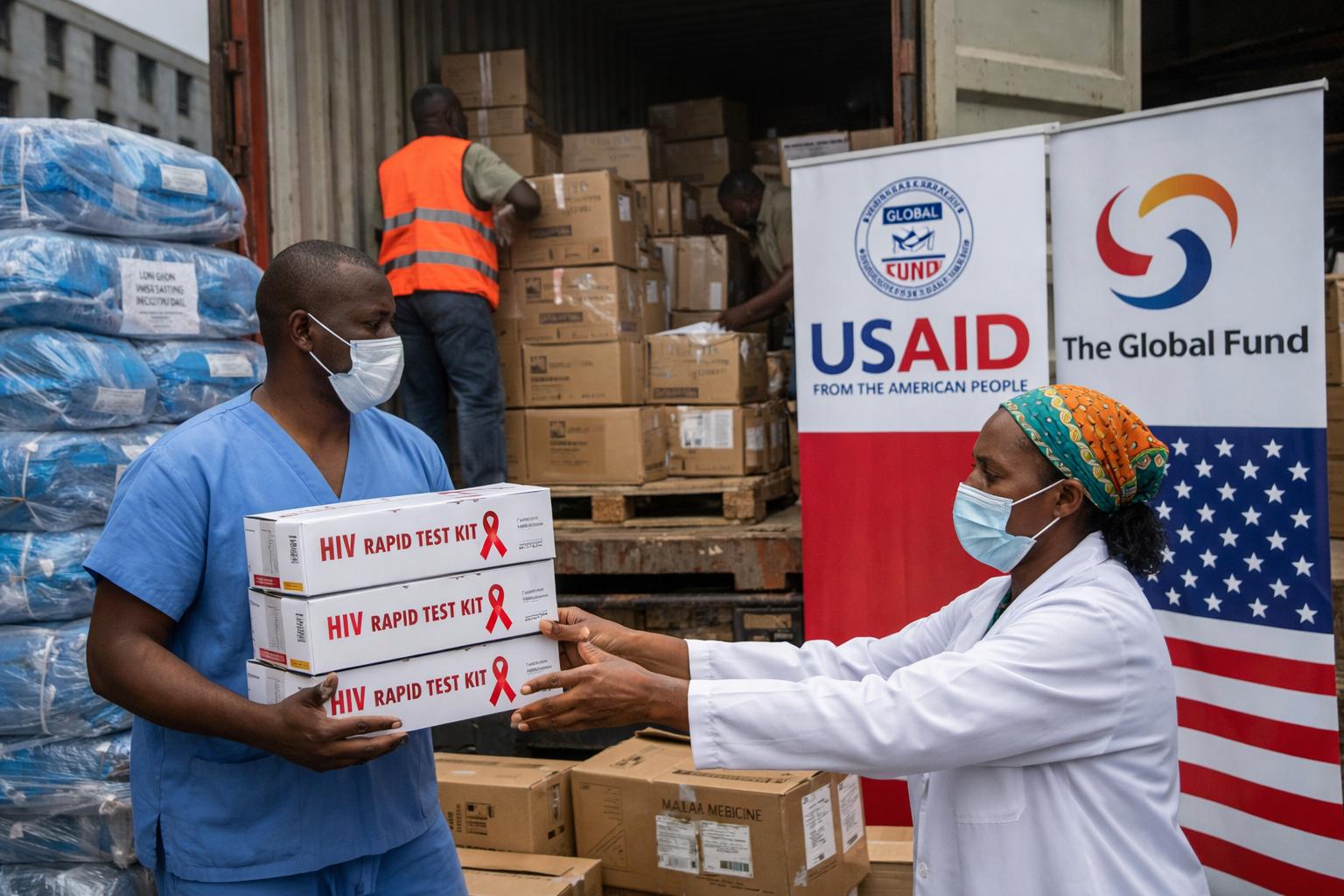
NAIROBI/LONDON — Friday, April 3, 2026 — The United States is restructuring how it delivers critical medical supplies for diseases such as HIV and malaria to lower-income countries, a move that officials and experts warn could disrupt life-saving services across multiple regions. For nearly a decade, the U.S. managed its medical aid through the Global Health Supply Chain Program, overseen by private contractor Chemonics. Between 2016 and 2024, the program distributed more than $5 billion worth of HIV and malaria treatments and prevention tools to roughly 90 countries, primarily in sub-Saharan Africa and parts of Asia. That system was first disrupted in January 2025, when President Donald Trump halted international aid on the first day of his presidency. The decision left large quantities of medical supplies stranded in ports and warehouses, including antiretroviral drugs and insecticide-treated bed nets. Although a waiver later allowed the resumption of some life-saving shipments, uncertainty has persisted. The latest shift comes as the administration reduces foreign aid spending, dismantles the U.S. Agency for International Development (USAID), and transitions away from contractor-led programs toward direct agreements with recipient governments. According to multiple sources, the U.S. State Department instructed staff in 17 African countries and Haiti via an internal email sent on Tuesday, April 1, 2026, to begin phasing out the current supply program by Friday, May 30, 2026. The same communication noted that the Chemonics contract would end on Tuesday, September 30, 2026, aligning with broader USAID program closures. However, officials cautioned that a rushed transition could create immediate risks to service continuity, potentially leading to shortages of essential medicines. Experts familiar with the process say the timeline is particularly challenging because procuring and delivering medical products to remote regions can take up to a year. Rapid changes could therefore interrupt treatment for patients relying on consistent access to HIV medications and malaria prevention tools. The U.S. government is reportedly exploring collaboration with the Global Fund to Fight AIDS, Tuberculosis and Malaria, which already manages approximately $2 billion in annual health procurement. Still, negotiations remain unclear, and earlier discussions had anticipated a transition closer to November 2027. The administration’s broader “America First” global health strategy emphasizes direct funding to national governments and increased use of private logistics firms. Officials argue the previous system was inefficient and costly, while critics warn that abrupt structural changes could weaken established supply chains. Recent bilateral agreements have been signed with several countries, including Kenya, Rwanda, and Uganda, though implementation details are still under negotiation. Legal and administrative challenges in some regions continue to delay progress, adding to concerns about potential disruptions in critical healthcare delivery systems.
Changes to U.S. medical aid system may risk HIV and malaria supply chains
NAIROBI/LONDON — Friday, April 3, 2026 — The United States is restructuring how it delivers critical medical supplies for diseases such as HIV and malaria to lower-income countries, a move that officials and experts warn could disrupt life-saving services across multiple regions. For nearly a decade, the U.S. managed its medical aid through the Global Health Supply Chain Program, overseen by private contractor Chemonics. Between 2016 and 2024, the program distributed more than $5 billion worth of HIV and malaria treatments and prevention tools to roughly 90 countries, primarily in sub-Saharan Africa and parts of Asia. That system was first disrupted in January 2025, when President Donald Trump halted international aid on the first day of his presidency. The decision left large quantities of medical supplies stranded in ports and warehouses, including antiretroviral drugs and insecticide-treated bed nets. Although a waiver later allowed the resumption of some life-saving shipments, uncertainty has persisted. The latest shift comes as the administration reduces foreign aid spending, dismantles the U.S. Agency for International Development (USAID), and transitions away from contractor-led programs toward direct agreements with recipient governments. According to multiple sources, the U.S. State Department instructed staff in 17 African countries and Haiti via an internal email sent on Tuesday, April 1, 2026, to begin phasing out the current supply program by Friday, May 30, 2026. The same communication noted that the Chemonics contract would end on Tuesday, September 30, 2026, aligning with broader USAID program closures. However, officials cautioned that a rushed transition could create immediate risks to service continuity, potentially leading to shortages of essential medicines. Experts familiar with the process say the timeline is particularly challenging because procuring and delivering medical products to remote regions can take up to a year. Rapid changes could therefore interrupt treatment for patients relying on consistent access to HIV medications and malaria prevention tools. The U.S. government is reportedly exploring collaboration with the Global Fund to Fight AIDS, Tuberculosis and Malaria, which already manages approximately $2 billion in annual health procurement. Still, negotiations remain unclear, and earlier discussions had anticipated a transition closer to November 2027. The administration’s broader “America First” global health strategy emphasizes direct funding to national governments and increased use of private logistics firms. Officials argue the previous system was inefficient and costly, while critics warn that abrupt structural changes could weaken established supply chains. Recent bilateral agreements have been signed with several countries, including Kenya, Rwanda, and Uganda, though implementation details are still under negotiation. Legal and administrative challenges in some regions continue to delay progress, adding to concerns about potential disruptions in critical healthcare delivery systems.
Early global surge of H3N2 flu raises concern as U.S. enters peak season
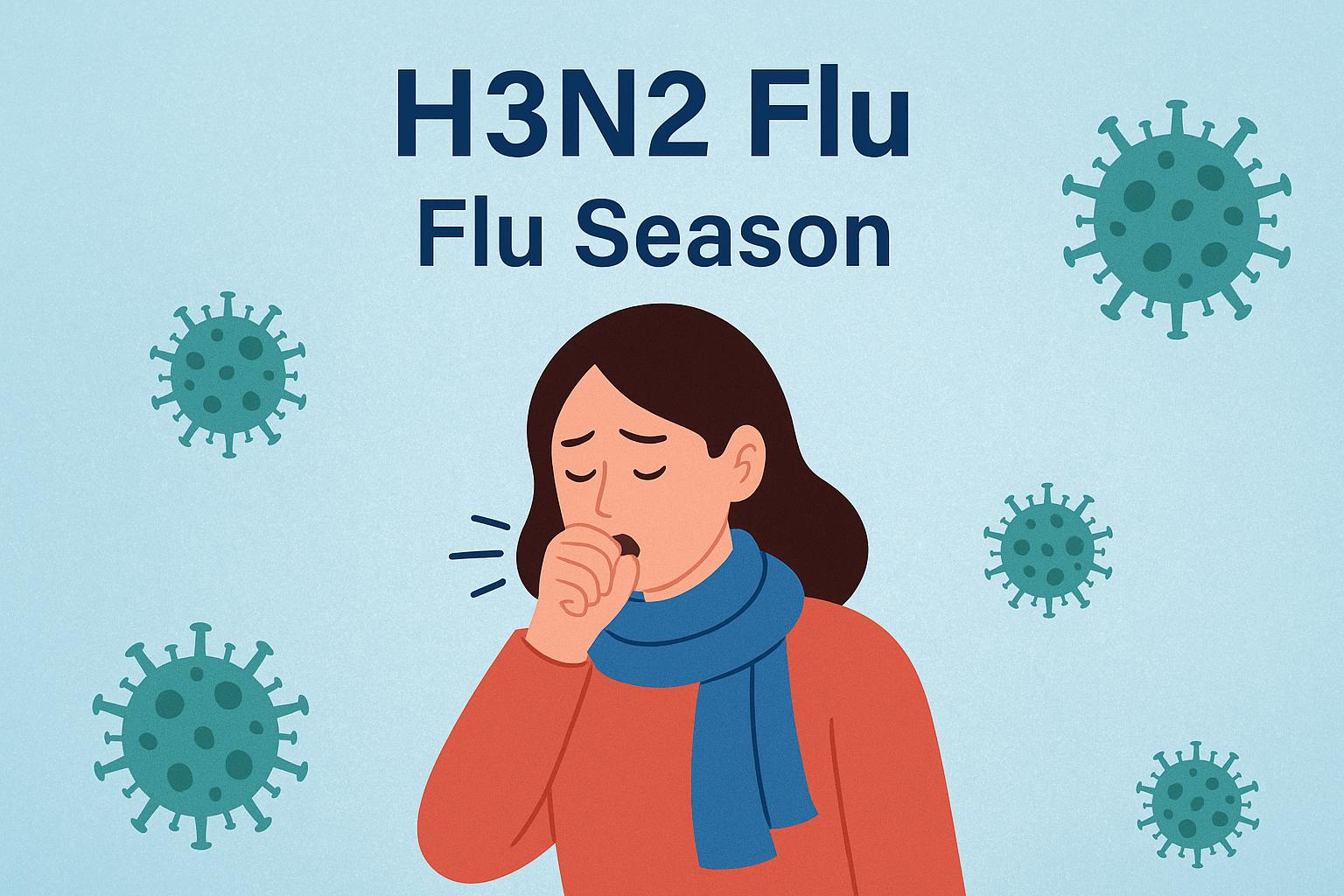
Health officials across the United States are closely monitoring a rapidly spreading H3N2 influenza strain that has already led to unusually large outbreaks in several countries. The early and aggressive activity observed abroad is raising concern that the U.S. may be headed toward a more challenging flu season than in recent years. Countries including Canada, the United Kingdom, and Japan have recorded stronger-than-normal waves of influenza infection, with some regions reporting significant
Early global surge of H3N2 flu raises concern as U.S. enters peak season
Health officials across the United States are closely monitoring a rapidly spreading H3N2 influenza strain that has already led to unusually large outbreaks in several countries. The early and aggressive activity observed abroad is raising concern that the U.S. may be headed toward a more challenging flu season than in recent years. Countries including Canada, the United Kingdom, and Japan have recorded stronger-than-normal waves of influenza infection, with some regions reporting significant
Trump administration destroys $9.7m worth of contraceptives meant for poor nations
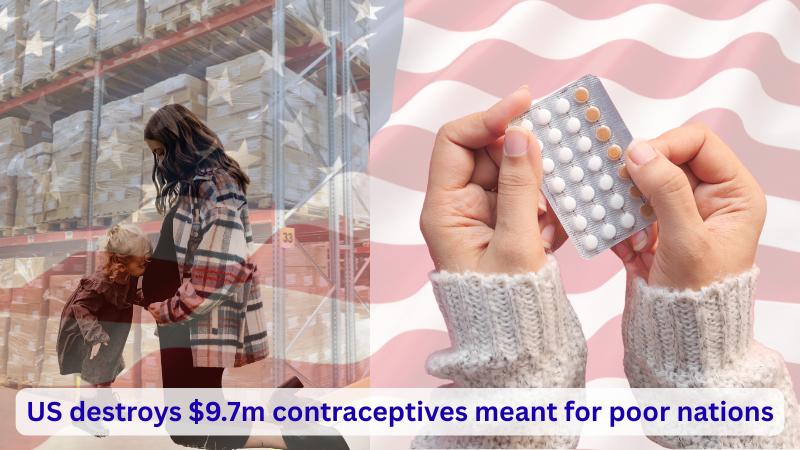
The Trump administration has come under intense criticism after the United States Agency for International Development (USAID) confirmed that nearly ten million dollars’ worth of contraceptives earmarked for people in low-income nations were deliberately destroyed earlier this year. The products, which included birth control pills, intrauterine devices, and hormonal implants valued at $9.7 million, were stored in a warehouse in Belgium before being incinerated at a medical waste facilit
Trump administration destroys $9.7m worth of contraceptives meant for poor nations
The Trump administration has come under intense criticism after the United States Agency for International Development (USAID) confirmed that nearly ten million dollars’ worth of contraceptives earmarked for people in low-income nations were deliberately destroyed earlier this year. The products, which included birth control pills, intrauterine devices, and hormonal implants valued at $9.7 million, were stored in a warehouse in Belgium before being incinerated at a medical waste facilit
Bill Gates Pledges $200 Billion to Aid Global Future
Despite mounting global challenges, tech magnate and philanthropist Bill Gates is confident humanity is on track to build a better world over the next two decades. In a recent interview and an accompanying blog post, the Microsoft co-founder shared his bold vision of a more equitable future and committed to donating a staggering $200 billion through the Bill & Melinda Gates Foundation over the next 20 years. Gates’ announcement comes at a critical juncture. As geopolitical
Bill Gates Pledges $200 Billion to Aid Global Future
Despite mounting global challenges, tech magnate and philanthropist Bill Gates is confident humanity is on track to build a better world over the next two decades. In a recent interview and an accompanying blog post, the Microsoft co-founder shared his bold vision of a more equitable future and committed to donating a staggering $200 billion through the Bill & Melinda Gates Foundation over the next 20 years. Gates’ announcement comes at a critical juncture. As geopolitical