






Trump warns of higher tariffs as India delays Washington trade visit
United States President Donald Trump has issued a fresh warning to global trade partners, threatening significantly higher tariffs for countries he claims have taken advantage of the American economy for years. The remarks come amid heightened uncertainty following a recent Supreme Court ruling that has reshaped the administration’s tariff authority and complicated ongoing trade negotiations. In a post on Truth Social, Trump cautioned that any nation attempting to “play games” in the w
Trump warns of higher tariffs as India delays Washington trade visit
United States President Donald Trump has issued a fresh warning to global trade partners, threatening significantly higher tariffs for countries he claims have taken advantage of the American economy for years. The remarks come amid heightened uncertainty following a recent Supreme Court ruling that has reshaped the administration’s tariff authority and complicated ongoing trade negotiations. In a post on Truth Social, Trump cautioned that any nation attempting to “play games” in the w
India reschedules US trade talks after Supreme Court tariff ruling
The Indian government has decided to reschedule a planned visit by its trade delegation to Washington, DC, following fresh uncertainty triggered by the US Supreme Court’s decision to strike down former president Donald Trump’s “Liberation Day” tariffs. Officials indicated that the move reflects a cautious approach as both sides assess the legal and strategic implications of the ruling on the ongoing India-US trade deal discussions. The Indian delegation, led by chief negotiator Darpa
India reschedules US trade talks after Supreme Court tariff ruling
The Indian government has decided to reschedule a planned visit by its trade delegation to Washington, DC, following fresh uncertainty triggered by the US Supreme Court’s decision to strike down former president Donald Trump’s “Liberation Day” tariffs. Officials indicated that the move reflects a cautious approach as both sides assess the legal and strategic implications of the ruling on the ongoing India-US trade deal discussions. The Indian delegation, led by chief negotiator Darpa
Top Court Limits Trump Tariff Powers Amid India-Russia Oil Dispute
The United States Supreme Court on Friday struck down a series of broad tariffs imposed by President Donald Trump, ruling that the administration had exceeded its authority under federal law. In a closely watched 6–3 decision, the court determined that the International Emergency Economic Powers Act does not authorize the president to unilaterally impose sweeping duties on foreign imports, a finding that could have significant implications for future trade policy and executive power. The ruling addressed the legal limits of presidential authority under the IEEPA, a statute historically used to regulate economic activity during national emergencies. Writing for the majority, the court concluded that the law does not grant the executive branch the expansive tariff powers claimed by the administration. The decision effectively invalidates the contested measures and reinforces congressional oversight over major trade actions. In his dissent, Justice Brett Kavanaugh pointed to the administration’s use of tariffs as a tool of foreign policy leverage, including duties imposed on India over its purchases of Russian oil. He argued that the tariffs were part of sensitive international negotiations and should be viewed within the broader context of the president’s conduct of foreign affairs. Kavanaugh noted that the government had maintained the tariffs helped secure trade concessions from major partners such as China, the United Kingdom and Japan. According to the administration’s position, the measures were intended to open foreign markets to American businesses and support trade agreements valued in the trillions of dollars. The dissent specifically referenced the August 2025 decision to impose a 25 percent tariff on India for what the administration described as direct or indirect imports of Russian Federation oil. At the time, the White House framed the move as part of broader efforts tied to geopolitical negotiations and energy security concerns. The tariffs included a reciprocal component initially set at 25 percent and later reduced to 18 percent. Kavanaugh further observed that the administration subsequently eased the India-specific penalties in February 2026 after the government reported that New Delhi had committed to halting purchases of Russian oil and to increasing imports of American energy products. He argued that such developments demonstrated the traditional diplomatic use of tariffs as leverage in complex international negotiations. Despite these arguments, the majority held that statutory limits must guide the exercise of executive power, even in matters touching on foreign affairs and national security. The court emphasized that significant economic measures with wide domestic consequences require clear authorization from Congress. The decision marks a notable judicial check on presidential trade authority and is likely to influence how future administrations deploy tariffs in pursuit of foreign policy objectives. Legal analysts say the ruling reinforces the principle that emergency economic powers cannot be broadly interpreted to reshape global trade relationships without explicit legislative backing. While the immediate policy effects remain to be fully assessed, the judgment underscores ongoing tensions between the executive branch’s flexibility in foreign affairs and the constitutional role of Congress in regulating commerce. The case is expected to shape debates over trade strategy, energy diplomacy and the scope of presidential economic powers in the years ahead.
Top Court Limits Trump Tariff Powers Amid India-Russia Oil Dispute
The United States Supreme Court on Friday struck down a series of broad tariffs imposed by President Donald Trump, ruling that the administration had exceeded its authority under federal law. In a closely watched 6–3 decision, the court determined that the International Emergency Economic Powers Act does not authorize the president to unilaterally impose sweeping duties on foreign imports, a finding that could have significant implications for future trade policy and executive power. The ruling addressed the legal limits of presidential authority under the IEEPA, a statute historically used to regulate economic activity during national emergencies. Writing for the majority, the court concluded that the law does not grant the executive branch the expansive tariff powers claimed by the administration. The decision effectively invalidates the contested measures and reinforces congressional oversight over major trade actions. In his dissent, Justice Brett Kavanaugh pointed to the administration’s use of tariffs as a tool of foreign policy leverage, including duties imposed on India over its purchases of Russian oil. He argued that the tariffs were part of sensitive international negotiations and should be viewed within the broader context of the president’s conduct of foreign affairs. Kavanaugh noted that the government had maintained the tariffs helped secure trade concessions from major partners such as China, the United Kingdom and Japan. According to the administration’s position, the measures were intended to open foreign markets to American businesses and support trade agreements valued in the trillions of dollars. The dissent specifically referenced the August 2025 decision to impose a 25 percent tariff on India for what the administration described as direct or indirect imports of Russian Federation oil. At the time, the White House framed the move as part of broader efforts tied to geopolitical negotiations and energy security concerns. The tariffs included a reciprocal component initially set at 25 percent and later reduced to 18 percent. Kavanaugh further observed that the administration subsequently eased the India-specific penalties in February 2026 after the government reported that New Delhi had committed to halting purchases of Russian oil and to increasing imports of American energy products. He argued that such developments demonstrated the traditional diplomatic use of tariffs as leverage in complex international negotiations. Despite these arguments, the majority held that statutory limits must guide the exercise of executive power, even in matters touching on foreign affairs and national security. The court emphasized that significant economic measures with wide domestic consequences require clear authorization from Congress. The decision marks a notable judicial check on presidential trade authority and is likely to influence how future administrations deploy tariffs in pursuit of foreign policy objectives. Legal analysts say the ruling reinforces the principle that emergency economic powers cannot be broadly interpreted to reshape global trade relationships without explicit legislative backing. While the immediate policy effects remain to be fully assessed, the judgment underscores ongoing tensions between the executive branch’s flexibility in foreign affairs and the constitutional role of Congress in regulating commerce. The case is expected to shape debates over trade strategy, energy diplomacy and the scope of presidential economic powers in the years ahead.
Global reaction after Supreme Court rules Trump exceeded tariff authority
World leaders and policymakers reacted quickly on Friday after the Supreme Court of the United States ruled that President Donald Trump exceeded his legal authority by imposing sweeping global tariffs, a decision that effectively blocks a key component of his trade policy agenda. The ruling has prompted governments and market observers worldwide to evaluate the potential consequences for international trade, economic stability, and future US trade relations. Speaking at a White House breakfa
Global reaction after Supreme Court rules Trump exceeded tariff authority
World leaders and policymakers reacted quickly on Friday after the Supreme Court of the United States ruled that President Donald Trump exceeded his legal authority by imposing sweeping global tariffs, a decision that effectively blocks a key component of his trade policy agenda. The ruling has prompted governments and market observers worldwide to evaluate the potential consequences for international trade, economic stability, and future US trade relations. Speaking at a White House breakfa
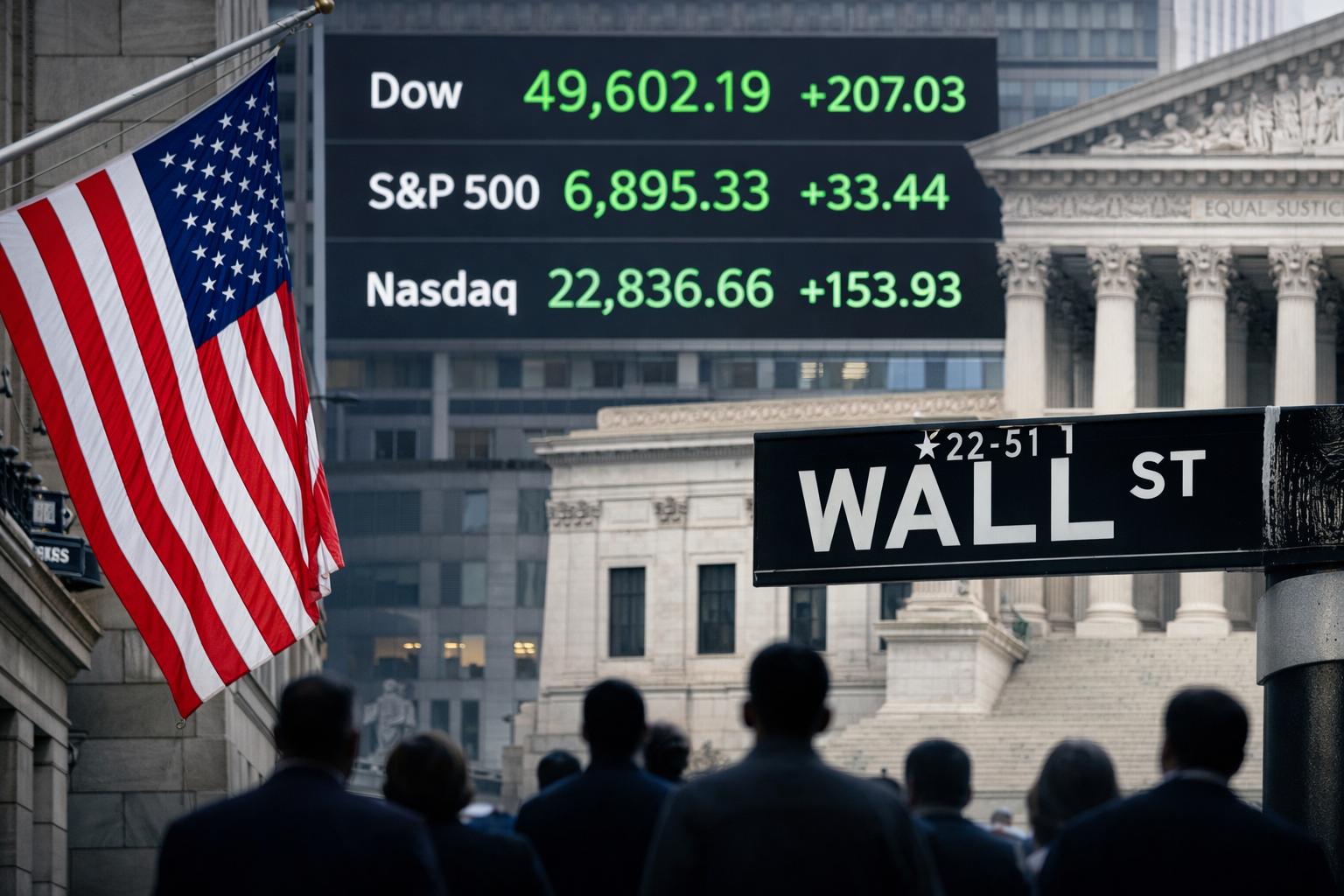
US Stocks Rise After Supreme Court Blocks Trump Tariffs
U.S. stocks mostly advanced on Friday after the Supreme Court struck down former President Donald Trump’s sweeping global tariffs, delivering a major boost to Wall Street and companies exposed to international trade. The ruling, which found that the tariffs exceeded presidential authority under the International Emergency Economic Powers Act of 1977, triggered a broad market rally and lifted investor sentiment across multiple sectors. In a 6–3 decision, the Supreme Court determi
US Stocks Rise After Supreme Court Blocks Trump Tariffs
U.S. stocks mostly advanced on Friday after the Supreme Court struck down former President Donald Trump’s sweeping global tariffs, delivering a major boost to Wall Street and companies exposed to international trade. The ruling, which found that the tariffs exceeded presidential authority under the International Emergency Economic Powers Act of 1977, triggered a broad market rally and lifted investor sentiment across multiple sectors. In a 6–3 decision, the Supreme Court determi
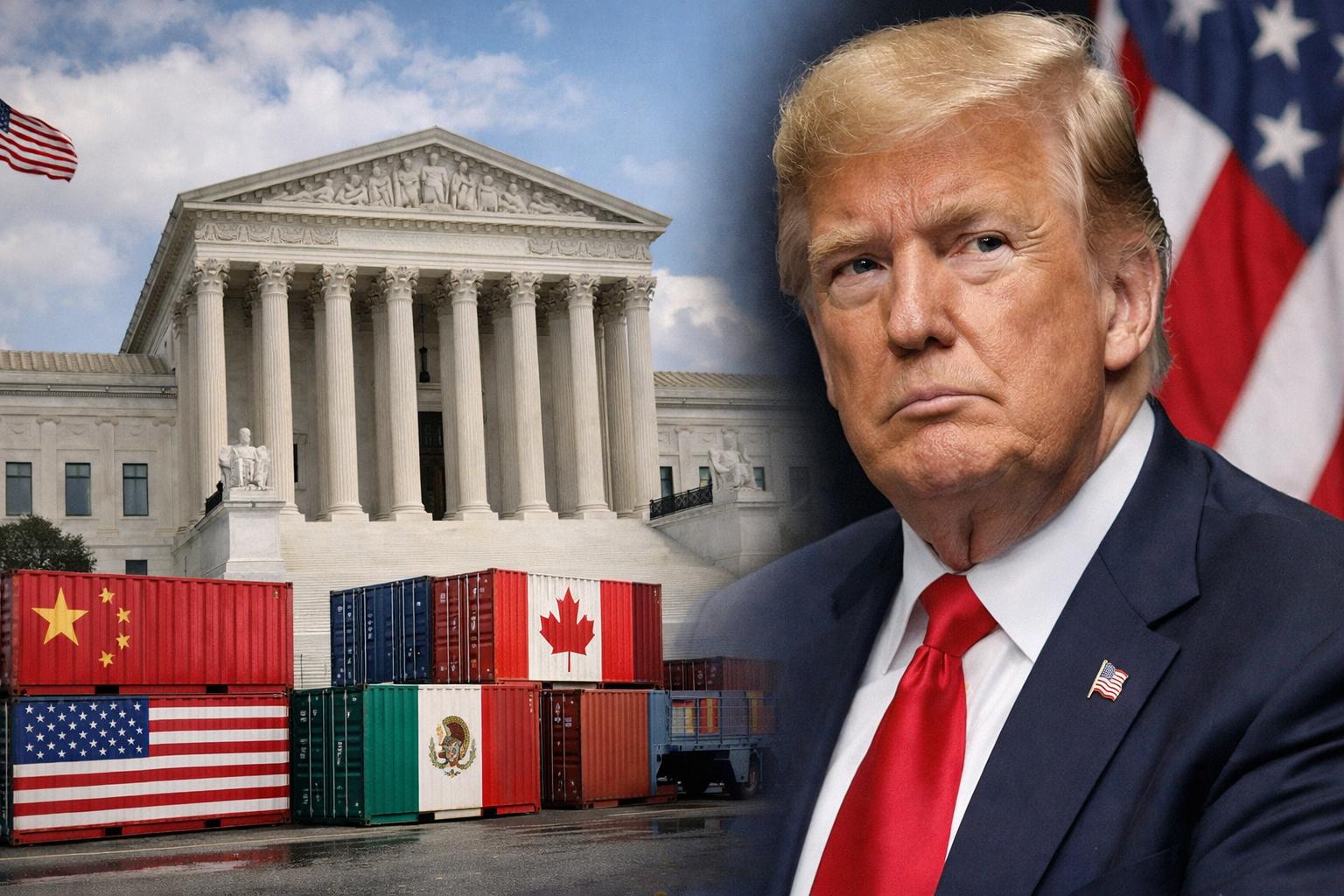
Supreme Court strikes down major portion of Trump tariff policy
The Supreme Court on Friday invalidated a significant portion of President Donald Trump’s sweeping tariff program, ruling that the law used to justify many of the import duties does not grant the president authority to impose such measures unilaterally. The decision marks a major development in the ongoing debate over presidential powers and U.S. trade policy. In a 6–3 ruling, the court’s majority concluded that the International Emergency Economic Powers Act (IEEPA), the statu
Supreme Court strikes down major portion of Trump tariff policy
The Supreme Court on Friday invalidated a significant portion of President Donald Trump’s sweeping tariff program, ruling that the law used to justify many of the import duties does not grant the president authority to impose such measures unilaterally. The decision marks a major development in the ongoing debate over presidential powers and U.S. trade policy. In a 6–3 ruling, the court’s majority concluded that the International Emergency Economic Powers Act (IEEPA), the statu
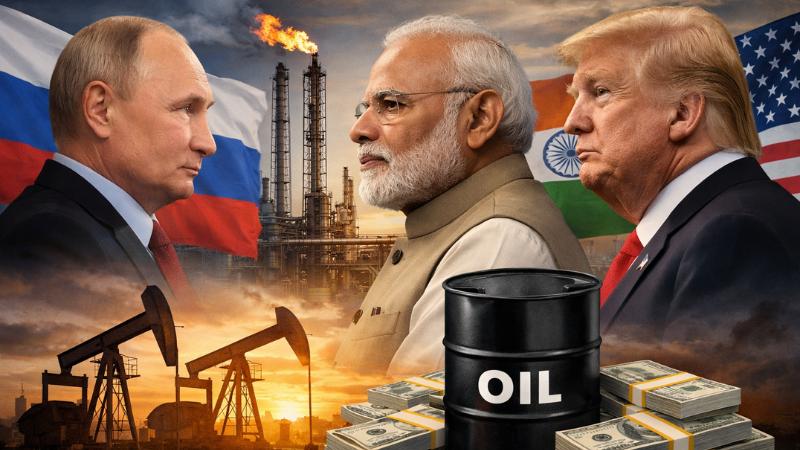
Russia questions India’s pledge to stop Russian crude after U.S. tariff agreement
Russia has said it has not received any official confirmation from India that the country plans to halt purchases of Russian oil, a day after U.S. President Donald Trump claimed New Delhi agreed to scale back those imports as part of a new trade agreement with Washington. Kremlin spokesperson Dmitry Peskov stated that Moscow had yet to hear directly from Indian authorities regarding any change in energy flows. While acknowledging the evolving relationship between the United States a
Russia questions India’s pledge to stop Russian crude after U.S. tariff agreement
Russia has said it has not received any official confirmation from India that the country plans to halt purchases of Russian oil, a day after U.S. President Donald Trump claimed New Delhi agreed to scale back those imports as part of a new trade agreement with Washington. Kremlin spokesperson Dmitry Peskov stated that Moscow had yet to hear directly from Indian authorities regarding any change in energy flows. While acknowledging the evolving relationship between the United States a
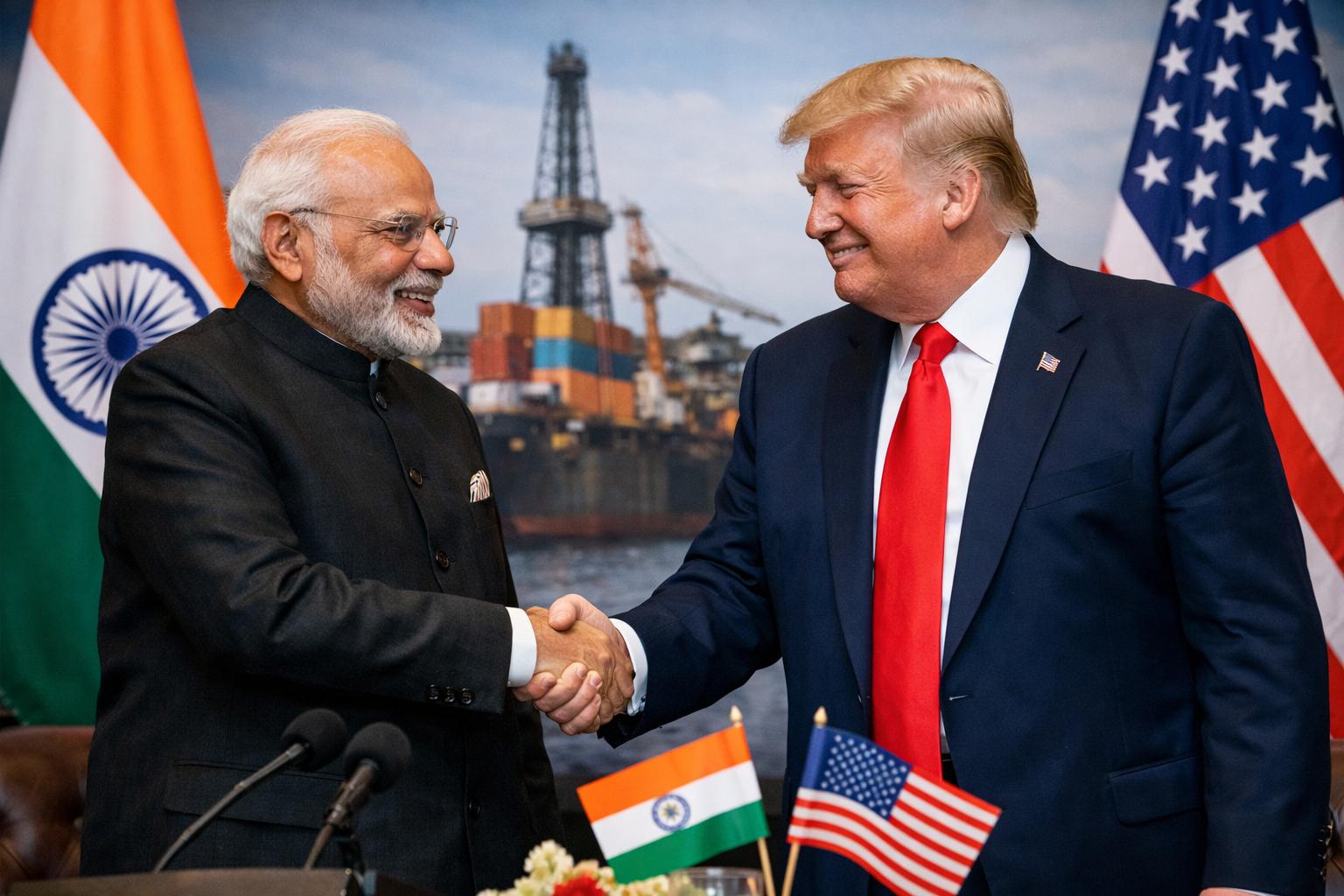
PM Modi expresses gratitude to Trump after US cuts tariffs on Indian goods
Prime Minister Narendra Modi on Monday welcomed a significant reduction in tariffs on Indian exports to the United States following an announcement by US President Donald Trump that the two countries had reached a bilateral trade agreement aimed at lowering reciprocal duties. Under the new arrangement, tariffs on Made in India products entering the US market will be reduced to 18%, marking a notable shift in trade relations between the two major economies. The agreement also provide
PM Modi expresses gratitude to Trump after US cuts tariffs on Indian goods
Prime Minister Narendra Modi on Monday welcomed a significant reduction in tariffs on Indian exports to the United States following an announcement by US President Donald Trump that the two countries had reached a bilateral trade agreement aimed at lowering reciprocal duties. Under the new arrangement, tariffs on Made in India products entering the US market will be reduced to 18%, marking a notable shift in trade relations between the two major economies. The agreement also provide
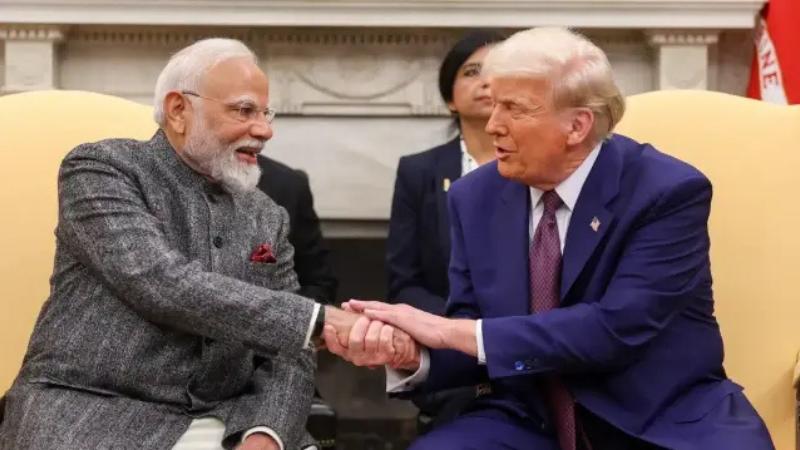
US and India agree on trade deal as tariffs are cut and oil strategy shifts
In a significant development affecting global trade and energy policy, United States President Donald Trump announced a bilateral trade agreement with Indian Prime Minister Narendra Modi following a direct telephone conversation on Monday. According to an official post shared by the US Ambassador to India on social media, the leaders discussed a range of strategic and economic issues, culminating in an accord that reduces key economic barriers between the two countries. In his publi
US and India agree on trade deal as tariffs are cut and oil strategy shifts
In a significant development affecting global trade and energy policy, United States President Donald Trump announced a bilateral trade agreement with Indian Prime Minister Narendra Modi following a direct telephone conversation on Monday. According to an official post shared by the US Ambassador to India on social media, the leaders discussed a range of strategic and economic issues, culminating in an accord that reduces key economic barriers between the two countries. In his publi
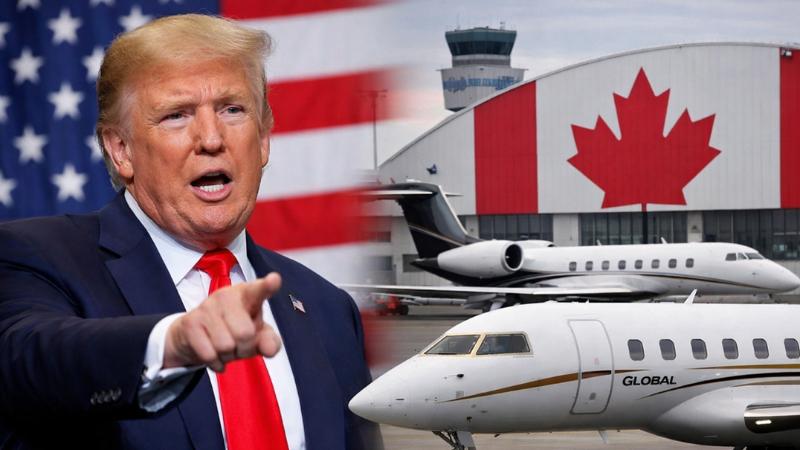
Trump threatens 50% tariffs on Canadian aircraft amid certification dispute
US President Donald Trump has intensified trade tensions with Canada by threatening to impose sweeping tariffs on Canadian-made aircraft, opening a new chapter in an already strained bilateral relationship. In a statement issued on Thursday, Trump said the United States could levy tariffs of up to 50 per cent on aircraft sold from Canada into the US market, citing what he described as Canada’s refusal to certify American-made business jets. The president also announced plans to decertify all aircraft manufactured in Canada for use in the United States, a move he said would remain in effect until Canadian regulators approve a series of jets produced by Gulfstream Aerospace. The warning was delivered through a post on Truth Social, where Trump accused Canadian authorities of erecting regulatory barriers that unfairly block American products. In his remarks, Trump singled out the Bombardier Global Express business jet, which is manufactured in Quebec, arguing that Ottawa has benefited from access to the US market while allegedly denying similar treatment to American manufacturers. He claimed Canada had “wrongfully and illegally” refused to certify the Gulfstream 500, 600, 700, and 800 models, which he described as among the most advanced aircraft in the world. According to Trump, the lack of certification effectively prevents Gulfstream from selling its jets in Canada. Trump warned that unless the situation is resolved immediately, the United States would move forward with punitive tariffs on all aircraft imported from Canada. He framed the threat as a matter of fairness and reciprocity, asserting that American companies should not face obstacles abroad while foreign competitors enjoy broad access to the US market. The aircraft dispute is the latest flashpoint in a broader deterioration of relations between the United States and Canada since Trump returned to office last year. Political and economic friction between the two long-time allies has grown steadily, with trade policy emerging as a central source of conflict. Earlier the same day as Trump’s comments, Canadian Prime Minister Mark Carney publicly urged Washington to respect Canadian sovereignty, following reports of contacts between US officials and Alberta separatist groups. Trade tensions have also been fueled by Canada’s recent diplomatic engagement with China. Trump has repeatedly warned Ottawa against deepening economic ties with Beijing, arguing that such moves could undermine US interests. He has threatened to impose tariffs as high as 100 per cent on Canadian goods if Canada proceeds with a trade agreement with China, a warning he reiterated over the weekend. In a series of earlier social media posts, Trump mocked Carney by referring to him as “Governor” and cautioned that Canada should not act as a conduit for Chinese goods entering the US market. He claimed that closer ties with Beijing would leave Canada economically vulnerable and pledged swift retaliation if such an agreement were finalized. The remarks came shortly after Carney visited Beijing, marking the first visit by a Canadian leader to China in nearly a decade. The escalating rhetoric underscores the growing uncertainty surrounding North American trade and the aerospace sector in particular. With aircraft manufacturing representing a significant industry for both countries, analysts say prolonged disputes over certification and tariffs could have far-reaching economic consequences. For now, the standoff highlights how regulatory disagreements and geopolitical concerns are increasingly shaping trade relations between Washington and Ottawa.
Trump threatens 50% tariffs on Canadian aircraft amid certification dispute
US President Donald Trump has intensified trade tensions with Canada by threatening to impose sweeping tariffs on Canadian-made aircraft, opening a new chapter in an already strained bilateral relationship. In a statement issued on Thursday, Trump said the United States could levy tariffs of up to 50 per cent on aircraft sold from Canada into the US market, citing what he described as Canada’s refusal to certify American-made business jets. The president also announced plans to decertify all aircraft manufactured in Canada for use in the United States, a move he said would remain in effect until Canadian regulators approve a series of jets produced by Gulfstream Aerospace. The warning was delivered through a post on Truth Social, where Trump accused Canadian authorities of erecting regulatory barriers that unfairly block American products. In his remarks, Trump singled out the Bombardier Global Express business jet, which is manufactured in Quebec, arguing that Ottawa has benefited from access to the US market while allegedly denying similar treatment to American manufacturers. He claimed Canada had “wrongfully and illegally” refused to certify the Gulfstream 500, 600, 700, and 800 models, which he described as among the most advanced aircraft in the world. According to Trump, the lack of certification effectively prevents Gulfstream from selling its jets in Canada. Trump warned that unless the situation is resolved immediately, the United States would move forward with punitive tariffs on all aircraft imported from Canada. He framed the threat as a matter of fairness and reciprocity, asserting that American companies should not face obstacles abroad while foreign competitors enjoy broad access to the US market. The aircraft dispute is the latest flashpoint in a broader deterioration of relations between the United States and Canada since Trump returned to office last year. Political and economic friction between the two long-time allies has grown steadily, with trade policy emerging as a central source of conflict. Earlier the same day as Trump’s comments, Canadian Prime Minister Mark Carney publicly urged Washington to respect Canadian sovereignty, following reports of contacts between US officials and Alberta separatist groups. Trade tensions have also been fueled by Canada’s recent diplomatic engagement with China. Trump has repeatedly warned Ottawa against deepening economic ties with Beijing, arguing that such moves could undermine US interests. He has threatened to impose tariffs as high as 100 per cent on Canadian goods if Canada proceeds with a trade agreement with China, a warning he reiterated over the weekend. In a series of earlier social media posts, Trump mocked Carney by referring to him as “Governor” and cautioned that Canada should not act as a conduit for Chinese goods entering the US market. He claimed that closer ties with Beijing would leave Canada economically vulnerable and pledged swift retaliation if such an agreement were finalized. The remarks came shortly after Carney visited Beijing, marking the first visit by a Canadian leader to China in nearly a decade. The escalating rhetoric underscores the growing uncertainty surrounding North American trade and the aerospace sector in particular. With aircraft manufacturing representing a significant industry for both countries, analysts say prolonged disputes over certification and tariffs could have far-reaching economic consequences. For now, the standoff highlights how regulatory disagreements and geopolitical concerns are increasingly shaping trade relations between Washington and Ottawa.
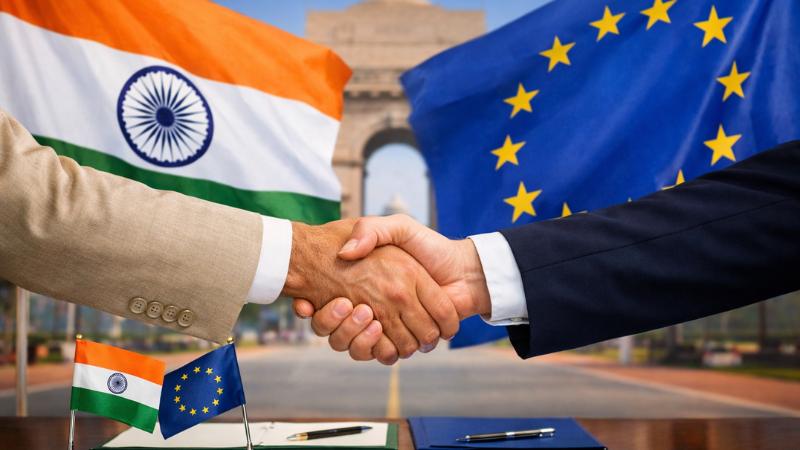
India and EU conclude free trade talks ahead of New Delhi summit
India and the European Union are set to announce the conclusion of negotiations on a long-awaited free trade agreement during a high-level summit in New Delhi on January 27. Senior leaders from both sides are expected to participate in the meeting, which will focus on trade liberalisation, security cooperation and mobility arrangements for students and professionals. The conclusion of the talks marks a significant moment in bilateral relations, reflecting renewed political momentum after years of intermittent progress. Officials involved in the process have indicated that the agreement is designed to be balanced and forward-looking, aligning with the long-term economic interests of both partners. While the pact is expected to boost trade volumes, policymakers see it as a qualitative shift in India–EU engagement, strengthening cooperation across manufacturing, services, technology and sustainable development. The timing is notable, as global trade flows continue to face uncertainty amid rising tariff barriers and geopolitical tensions. Economic experts have described the agreement as a landmark step that could reshape commercial ties between the two economies. They point to strong complementarities, with India offering a large and growing market and the European Union bringing advanced technology, investment capacity and diversified demand. The efficient exchange of goods and services under the agreement is expected to enhance supply chains and open new opportunities for businesses on both sides. From India’s perspective, the trade pact reflects a strategic effort to deepen integration with major global partners while safeguarding domestic priorities. Officials confirmed that negotiations have been completed and that the agreement is undergoing final legal review. The remaining procedural steps are expected to be completed soon, paving the way for formal signing and implementation. The announcement has drawn international attention, including criticism from some quarters in the United States. A senior US official recently expressed concern over the deal, linking it to broader disputes over energy trade and tariffs. The remarks underscored differing approaches to trade policy and highlighted how the India–EU agreement fits into a complex global economic landscape shaped by competing interests and sanctions regimes. The summit in New Delhi is also expected to mark progress beyond trade. Leaders are likely to finalise a Security and Defence Partnership aimed at enhancing strategic coordination, as well as a framework to facilitate mobility for Indian students and professionals seeking opportunities in Europe. These initiatives reflect a broader effort to strengthen people-to-people ties and cooperation in emerging areas of mutual interest. Negotiations for an India–EU free trade agreement first began in 2007 but were suspended in 2013 due to differences over ambition and market access. The process was revived in 2022, following renewed political commitment on both sides to address outstanding issues and adapt the talks to changing global conditions. The European Union remains India’s largest trading partner, accounting for a significant share of the country’s total trade in goods and services. With the conclusion of the free trade negotiations, both sides are positioning the agreement as a cornerstone of their economic relationship, one that could provide stability and growth amid an evolving global trade environment.
India and EU conclude free trade talks ahead of New Delhi summit
India and the European Union are set to announce the conclusion of negotiations on a long-awaited free trade agreement during a high-level summit in New Delhi on January 27. Senior leaders from both sides are expected to participate in the meeting, which will focus on trade liberalisation, security cooperation and mobility arrangements for students and professionals. The conclusion of the talks marks a significant moment in bilateral relations, reflecting renewed political momentum after years of intermittent progress. Officials involved in the process have indicated that the agreement is designed to be balanced and forward-looking, aligning with the long-term economic interests of both partners. While the pact is expected to boost trade volumes, policymakers see it as a qualitative shift in India–EU engagement, strengthening cooperation across manufacturing, services, technology and sustainable development. The timing is notable, as global trade flows continue to face uncertainty amid rising tariff barriers and geopolitical tensions. Economic experts have described the agreement as a landmark step that could reshape commercial ties between the two economies. They point to strong complementarities, with India offering a large and growing market and the European Union bringing advanced technology, investment capacity and diversified demand. The efficient exchange of goods and services under the agreement is expected to enhance supply chains and open new opportunities for businesses on both sides. From India’s perspective, the trade pact reflects a strategic effort to deepen integration with major global partners while safeguarding domestic priorities. Officials confirmed that negotiations have been completed and that the agreement is undergoing final legal review. The remaining procedural steps are expected to be completed soon, paving the way for formal signing and implementation. The announcement has drawn international attention, including criticism from some quarters in the United States. A senior US official recently expressed concern over the deal, linking it to broader disputes over energy trade and tariffs. The remarks underscored differing approaches to trade policy and highlighted how the India–EU agreement fits into a complex global economic landscape shaped by competing interests and sanctions regimes. The summit in New Delhi is also expected to mark progress beyond trade. Leaders are likely to finalise a Security and Defence Partnership aimed at enhancing strategic coordination, as well as a framework to facilitate mobility for Indian students and professionals seeking opportunities in Europe. These initiatives reflect a broader effort to strengthen people-to-people ties and cooperation in emerging areas of mutual interest. Negotiations for an India–EU free trade agreement first began in 2007 but were suspended in 2013 due to differences over ambition and market access. The process was revived in 2022, following renewed political commitment on both sides to address outstanding issues and adapt the talks to changing global conditions. The European Union remains India’s largest trading partner, accounting for a significant share of the country’s total trade in goods and services. With the conclusion of the free trade negotiations, both sides are positioning the agreement as a cornerstone of their economic relationship, one that could provide stability and growth amid an evolving global trade environment.
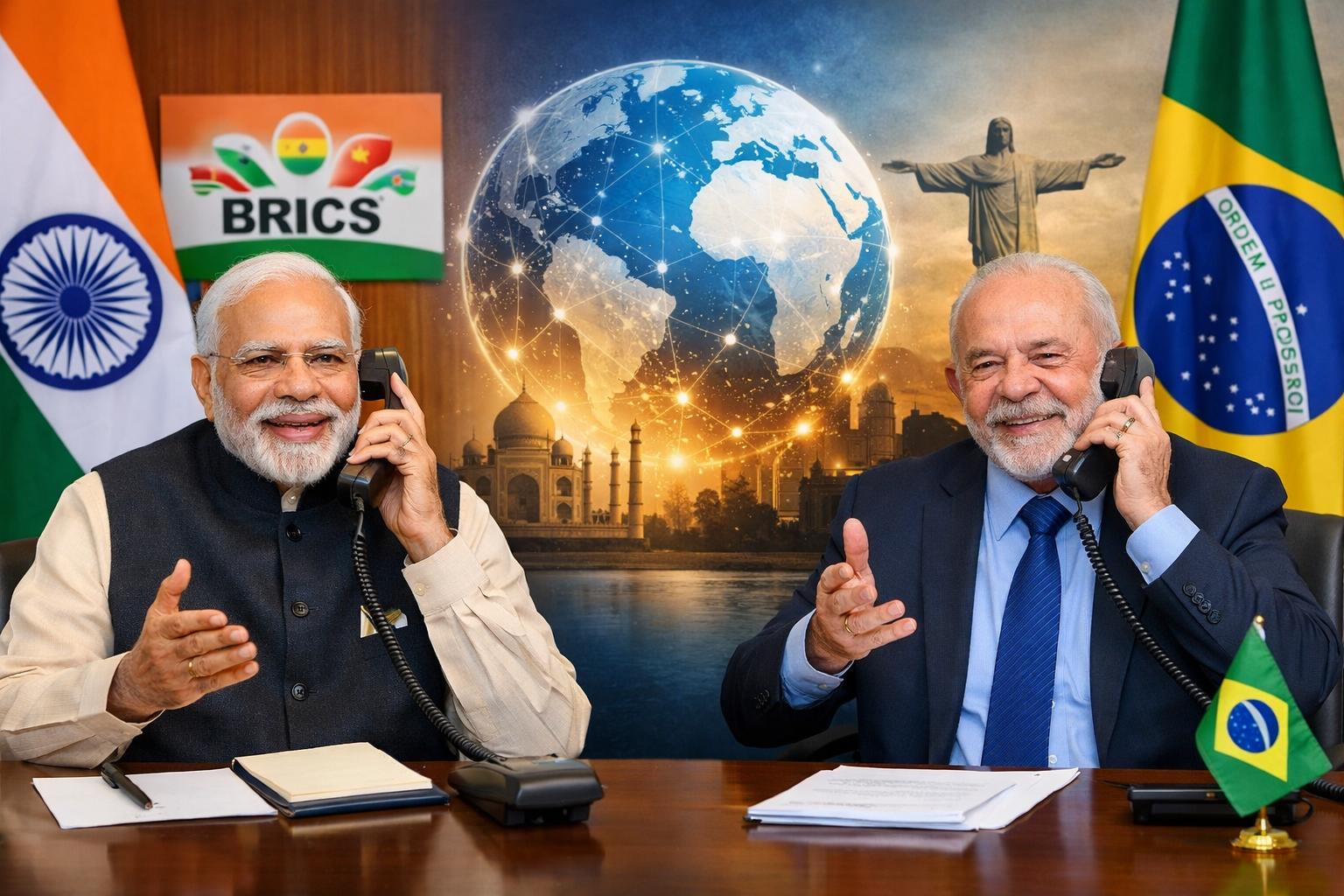
PM Modi Speaks With President Lula, Strengthens India-Brazil Strategic Partnership
Indian Prime Minister Narendra Modi spoke with Brazilian President Luiz Inacio Lula da Silva in a high-level conversation that emphasized the continued growth and future potential of the India-Brazil Strategic Partnership. During the discussion, Prime Minister Modi expressed his anticipation of welcoming President Lula to India in the near future, underscoring the importance of strengthening bilateral ties and expanding cooperation across economic, technological and geopolitical fronts. Modi des
PM Modi Speaks With President Lula, Strengthens India-Brazil Strategic Partnership
Indian Prime Minister Narendra Modi spoke with Brazilian President Luiz Inacio Lula da Silva in a high-level conversation that emphasized the continued growth and future potential of the India-Brazil Strategic Partnership. During the discussion, Prime Minister Modi expressed his anticipation of welcoming President Lula to India in the near future, underscoring the importance of strengthening bilateral ties and expanding cooperation across economic, technological and geopolitical fronts. Modi des
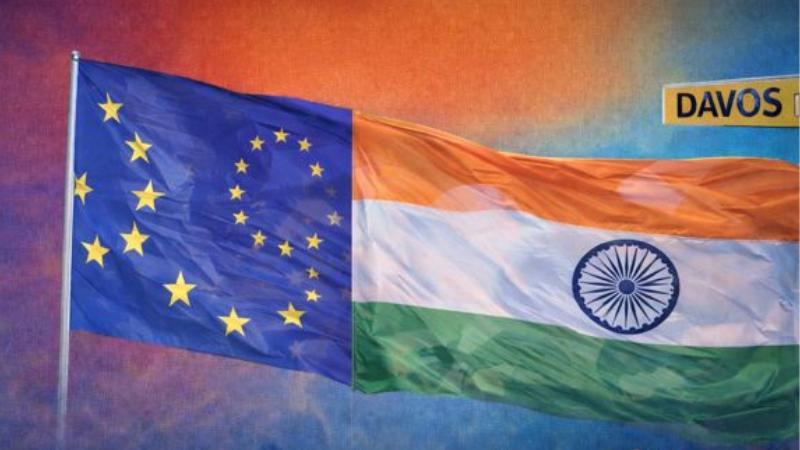
India Nears Mother of All Trade Deals With EU Amid Trump Tariff Tensions
Global geopolitics is witnessing a major shift as India positions itself for what is being described as the “Mother of All Trade Deals” with the European Union. This development comes at a time when United States President Donald Trump has intensified tariff pressures and sanctions on several nations, including India. These aggressive trade policies have forced multiple global powers to rethink their economic alliances, creating fresh opportunities for India on the international stage.
India Nears Mother of All Trade Deals With EU Amid Trump Tariff Tensions
Global geopolitics is witnessing a major shift as India positions itself for what is being described as the “Mother of All Trade Deals” with the European Union. This development comes at a time when United States President Donald Trump has intensified tariff pressures and sanctions on several nations, including India. These aggressive trade policies have forced multiple global powers to rethink their economic alliances, creating fresh opportunities for India on the international stage.
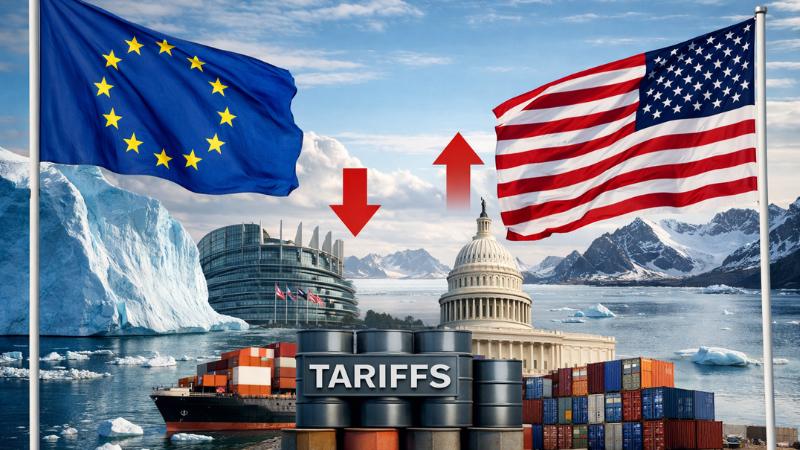
EU delays US trade deal vote amid Trump tariff threat over Greenland
European Union lawmakers have decided to postpone the ratification of a recently concluded trade agreement with the United States following new tariff threats issued by President Donald Trump in connection with Greenland. The European Parliament, the bloc’s main political institution, had been scheduled to vote in the coming week on measures that would remove tariffs on selected US exports under the agreement. That plan has now been put on hold as tensions between Washington and several Eur
EU delays US trade deal vote amid Trump tariff threat over Greenland
European Union lawmakers have decided to postpone the ratification of a recently concluded trade agreement with the United States following new tariff threats issued by President Donald Trump in connection with Greenland. The European Parliament, the bloc’s main political institution, had been scheduled to vote in the coming week on measures that would remove tariffs on selected US exports under the agreement. That plan has now been put on hold as tensions between Washington and several Eur

Indian businessman sentenced in US for illegal export of aviation technology to Russia
A United States federal court has sentenced an Indian businessman to 30 months in prison for orchestrating a scheme to illegally export controlled aviation technology to Russia, in violation of strict US export regulations introduced after the Ukraine conflict. The sentencing underscores Washington’s continued focus on disrupting global supply chains used to bypass sanctions and export controls aimed at safeguarding national security. Sanjay Kaushik, 58, a New Delhi-based aviation
Indian businessman sentenced in US for illegal export of aviation technology to Russia
A United States federal court has sentenced an Indian businessman to 30 months in prison for orchestrating a scheme to illegally export controlled aviation technology to Russia, in violation of strict US export regulations introduced after the Ukraine conflict. The sentencing underscores Washington’s continued focus on disrupting global supply chains used to bypass sanctions and export controls aimed at safeguarding national security. Sanjay Kaushik, 58, a New Delhi-based aviation
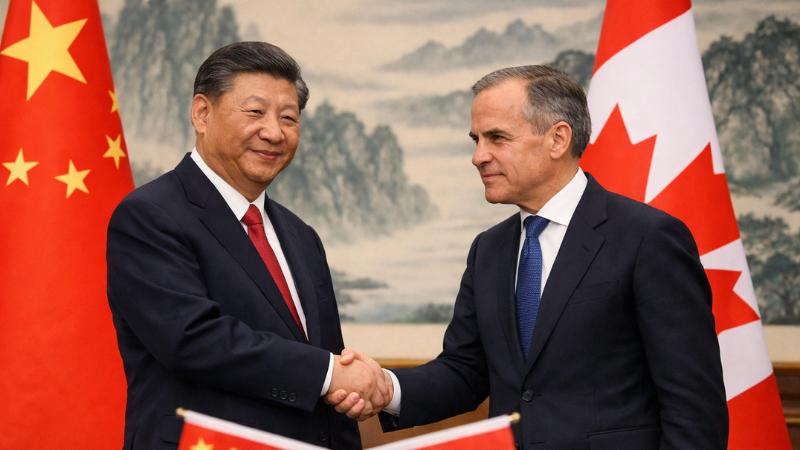
China and Canada cut tariffs and signal reset in bilateral relations after Beijing talks
China and Canada have announced a significant reduction in tariffs and signalled a broader reset in their bilateral relationship following high-level talks in Beijing, marking a notable shift after years of strained diplomatic and trade ties. The agreement was confirmed after a meeting on Friday between Chinese President Xi Jinping and Canadian Prime Minister Mark Carney, the first Canadian leader to visit China in nearly a decade. Under the deal, China is expected to reduce tariffs on Canad
China and Canada cut tariffs and signal reset in bilateral relations after Beijing talks
China and Canada have announced a significant reduction in tariffs and signalled a broader reset in their bilateral relationship following high-level talks in Beijing, marking a notable shift after years of strained diplomatic and trade ties. The agreement was confirmed after a meeting on Friday between Chinese President Xi Jinping and Canadian Prime Minister Mark Carney, the first Canadian leader to visit China in nearly a decade. Under the deal, China is expected to reduce tariffs on Canad
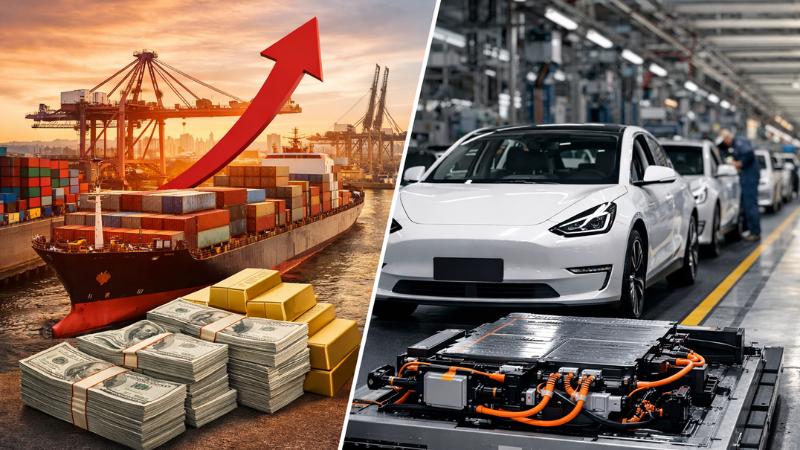
China sets record trade surplus and strengthens global auto leadership in 2025
Amid ongoing geopolitical tensions, trade disputes, and armed conflicts across multiple regions, China quietly achieved two major economic milestones in 2025, underscoring its continued influence over global manufacturing and trade. Official data released this month shows that the country recorded the largest annual trade surplus in its history while further consolidating its position as the world’s leading automobile producer and seller. These achievements came despite persistent pressures
China sets record trade surplus and strengthens global auto leadership in 2025
Amid ongoing geopolitical tensions, trade disputes, and armed conflicts across multiple regions, China quietly achieved two major economic milestones in 2025, underscoring its continued influence over global manufacturing and trade. Official data released this month shows that the country recorded the largest annual trade surplus in its history while further consolidating its position as the world’s leading automobile producer and seller. These achievements came despite persistent pressures
Supreme Court delays ruling on Trump-era tariffs, leaving markets in limbo
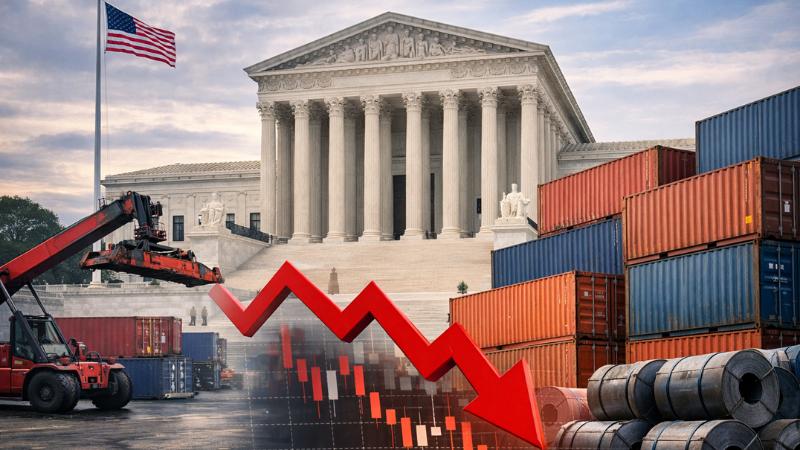
The Supreme Court did not issue a decision Friday on the legality of broad tariffs imposed during President Donald Trump’s administration, extending uncertainty for financial markets and trade policy observers who have been closely watching the case for its potential economic and fiscal implications. Expectations had grown that the ruling might be released before the end of the week, but the court issued only a single opinion on Friday, unrelated to tariffs or trade authority. The
Supreme Court delays ruling on Trump-era tariffs, leaving markets in limbo
The Supreme Court did not issue a decision Friday on the legality of broad tariffs imposed during President Donald Trump’s administration, extending uncertainty for financial markets and trade policy observers who have been closely watching the case for its potential economic and fiscal implications. Expectations had grown that the ruling might be released before the end of the week, but the court issued only a single opinion on Friday, unrelated to tariffs or trade authority. The
US commerce secretary says Modi did not call Trump, trade deal collapsed
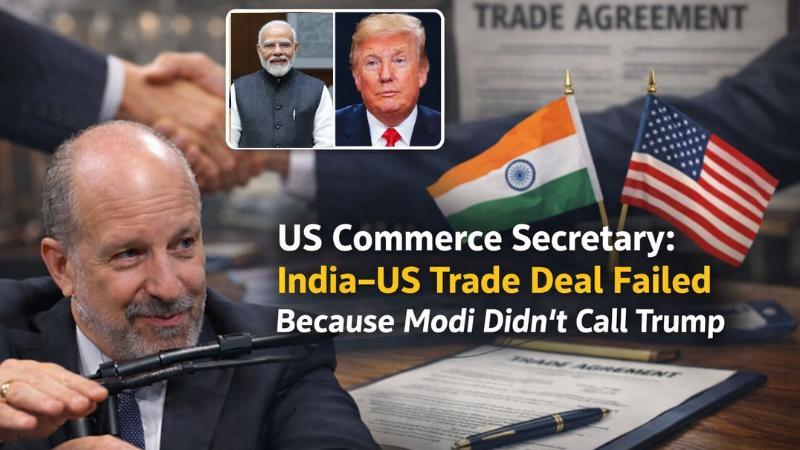
The proposed India–US trade deal failed to materialise because Prime Minister Narendra Modi did not personally call US President Donald Trump, according to claims made by US Commerce Secretary Howard Lutnick. Speaking on a podcast, Lutnick said the final step required to close the agreement was direct communication between the two leaders, which did not happen, leading to the collapse of the negotiations. Lutnick stated that the framework of the deal had been completed and was rea
US commerce secretary says Modi did not call Trump, trade deal collapsed
The proposed India–US trade deal failed to materialise because Prime Minister Narendra Modi did not personally call US President Donald Trump, according to claims made by US Commerce Secretary Howard Lutnick. Speaking on a podcast, Lutnick said the final step required to close the agreement was direct communication between the two leaders, which did not happen, leading to the collapse of the negotiations. Lutnick stated that the framework of the deal had been completed and was rea
Trump claims India cut Russian oil imports after US imposed 50% tariffs
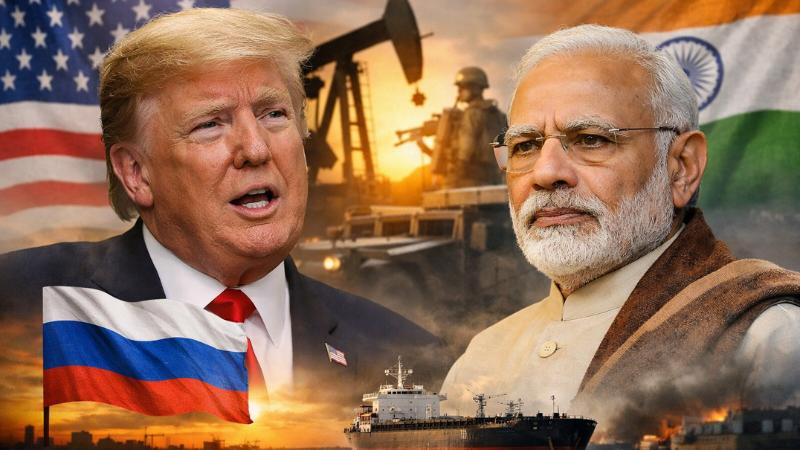
US President Donald Trump on Sunday, January 4, claimed that India has significantly reduced its purchases of Russian oil following the imposition of steep tariffs on Indian goods by Washington. Speaking aboard Air Force One, Trump said his administration’s decision to levy a 50 percent tariff had prompted a response from New Delhi, while also warning that the United States could escalate trade penalties further if necessary. Trump asserted that India’s leadership acted in respo
Trump claims India cut Russian oil imports after US imposed 50% tariffs
US President Donald Trump on Sunday, January 4, claimed that India has significantly reduced its purchases of Russian oil following the imposition of steep tariffs on Indian goods by Washington. Speaking aboard Air Force One, Trump said his administration’s decision to levy a 50 percent tariff had prompted a response from New Delhi, while also warning that the United States could escalate trade penalties further if necessary. Trump asserted that India’s leadership acted in respo










