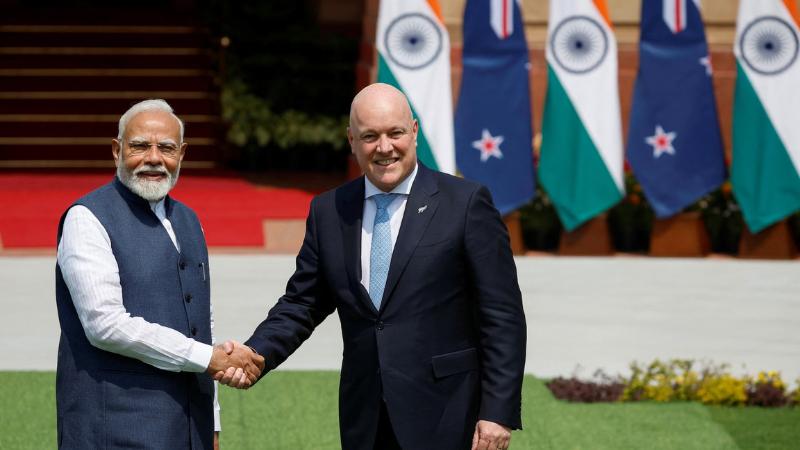
New Zealand Foreign Minister Winston Peters has publicly criticised the recently concluded India–New Zealand Free Trade Agreement, describing it as a low-quality deal that undermines New Zealand’s economic and labour interests. His remarks come just days after India and New Zealand announced the successful conclusion of FTA negotiations, which both governments claim could significantly boost bil
New Zealand Foreign Minister Winston Peters has publicly criticised the recently concluded India–New Zealand Free Trade Agreement, describing it as a low-quality deal that undermines New Zealand’s economic and labour interests. His remarks come just days after India and New Zealand announced the successful conclusion of FTA negotiations, which both governments claim could significantly boost bil
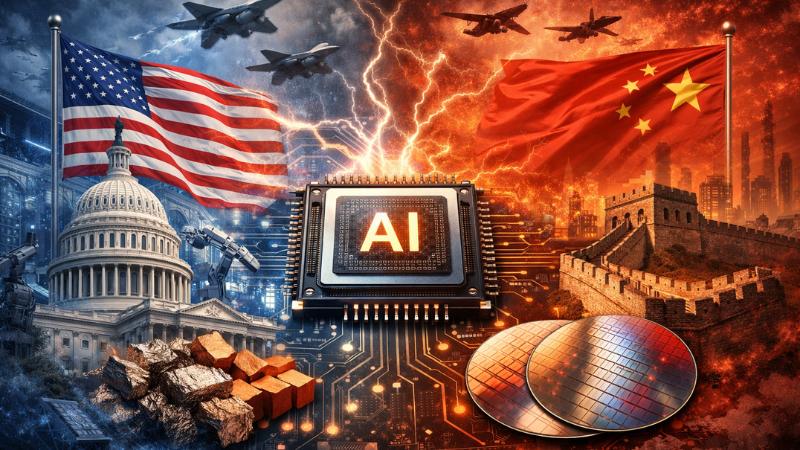
The strategic rivalry between the United States and China in the semiconductor sector continued to intensify throughout 2025, with export controls remaining a central instrument in what has come to be known as the global chip war. The dispute, rooted in concerns over national security, technological leadership and economic influence, significantly affected the semiconductor industry, global supply chains and investment decisions during the year.
At the start of 2025, the United States maintained restrictions on the export of advanced artificial intelligence chips and related technologies to China. These controls were designed to limit Beijing’s access to cutting-edge computing capabilities that could be applied to military and surveillance technologies. US officials defended the measures as necessary to protect national security interests, but the restrictions had immediate commercial consequences for American chipmakers with strong exposure to the Chinese market.
Companies producing high-performance AI chips, including industry leaders such as Nvidia, reported revenue pressures linked to reduced access to Chinese customers. The curbs also led to higher compliance costs and uncertainty over long-term market strategies. Industry executives warned that prolonged restrictions could weaken the global competitiveness of US firms while accelerating China’s efforts to develop independent semiconductor capabilities.
Policy signals shifted after Donald Trump assumed the US presidency in January. His administration moved to ease certain export controls on advanced AI chips for what were described as approved customers in China. Under the revised framework, sales of Nvidia’s H200 chip were permitted, subject to conditions that included profit-sharing arrangements with the US government. The adjustments were widely interpreted as an attempt to balance national security concerns with the commercial interests of American technology companies.
China responded to the US measures by criticising what it described as discriminatory semiconductor policies and urging Washington to reverse the controls. Beijing argued that the restrictions were disrupting global supply chains and undermining fair competition in the semiconductor industry. At the same time, Chinese authorities accelerated domestic initiatives aimed at strengthening the country’s chip manufacturing ecosystem and reducing reliance on foreign suppliers.
As part of its response, China imposed export controls on several rare earth elements, materials that are essential for semiconductor production and advanced electronics. China holds a dominant position in the global rare earth supply, making these measures a powerful lever in the broader technology competition. The restrictions heightened concerns among manufacturers worldwide about material availability and supply chain resilience.
The prolonged US-China chip war had ripple effects across global markets. American and allied semiconductor firms experienced volatility in revenues and share prices as companies reassessed exposure to geopolitical risk. Investment patterns shifted as manufacturers sought to diversify production and sourcing to reduce dependence on any single market. Chinese technology firms increasingly turned to domestic suppliers, accelerating efforts to replace restricted foreign components with locally developed alternatives.
In parallel, the United States expanded its focus on strengthening domestic semiconductor production through subsidy programmes under the CHIPS Act. The initiative supported the construction of new fabrication plants and aimed to secure long-term technological leadership by rebuilding advanced manufacturing capacity within the country.
By late 2025, both Washington and Beijing took limited steps to ease tensions, agreeing to suspend certain rare earth export controls. While the move signalled a willingness to manage escalation, the underlying competition in advanced chip technologies remained unresolved. The year underscored how deeply the semiconductor rivalry has become embedded in global trade, industrial policy and national security calculations, with lasting implications for the future of the technology sector.
The strategic rivalry between the United States and China in the semiconductor sector continued to intensify throughout 2025, with export controls remaining a central instrument in what has come to be known as the global chip war. The dispute, rooted in concerns over national security, technological leadership and economic influence, significantly affected the semiconductor industry, global supply chains and investment decisions during the year.
At the start of 2025, the United States maintained restrictions on the export of advanced artificial intelligence chips and related technologies to China. These controls were designed to limit Beijing’s access to cutting-edge computing capabilities that could be applied to military and surveillance technologies. US officials defended the measures as necessary to protect national security interests, but the restrictions had immediate commercial consequences for American chipmakers with strong exposure to the Chinese market.
Companies producing high-performance AI chips, including industry leaders such as Nvidia, reported revenue pressures linked to reduced access to Chinese customers. The curbs also led to higher compliance costs and uncertainty over long-term market strategies. Industry executives warned that prolonged restrictions could weaken the global competitiveness of US firms while accelerating China’s efforts to develop independent semiconductor capabilities.
Policy signals shifted after Donald Trump assumed the US presidency in January. His administration moved to ease certain export controls on advanced AI chips for what were described as approved customers in China. Under the revised framework, sales of Nvidia’s H200 chip were permitted, subject to conditions that included profit-sharing arrangements with the US government. The adjustments were widely interpreted as an attempt to balance national security concerns with the commercial interests of American technology companies.
China responded to the US measures by criticising what it described as discriminatory semiconductor policies and urging Washington to reverse the controls. Beijing argued that the restrictions were disrupting global supply chains and undermining fair competition in the semiconductor industry. At the same time, Chinese authorities accelerated domestic initiatives aimed at strengthening the country’s chip manufacturing ecosystem and reducing reliance on foreign suppliers.
As part of its response, China imposed export controls on several rare earth elements, materials that are essential for semiconductor production and advanced electronics. China holds a dominant position in the global rare earth supply, making these measures a powerful lever in the broader technology competition. The restrictions heightened concerns among manufacturers worldwide about material availability and supply chain resilience.
The prolonged US-China chip war had ripple effects across global markets. American and allied semiconductor firms experienced volatility in revenues and share prices as companies reassessed exposure to geopolitical risk. Investment patterns shifted as manufacturers sought to diversify production and sourcing to reduce dependence on any single market. Chinese technology firms increasingly turned to domestic suppliers, accelerating efforts to replace restricted foreign components with locally developed alternatives.
In parallel, the United States expanded its focus on strengthening domestic semiconductor production through subsidy programmes under the CHIPS Act. The initiative supported the construction of new fabrication plants and aimed to secure long-term technological leadership by rebuilding advanced manufacturing capacity within the country.
By late 2025, both Washington and Beijing took limited steps to ease tensions, agreeing to suspend certain rare earth export controls. While the move signalled a willingness to manage escalation, the underlying competition in advanced chip technologies remained unresolved. The year underscored how deeply the semiconductor rivalry has become embedded in global trade, industrial policy and national security calculations, with lasting implications for the future of the technology sector.
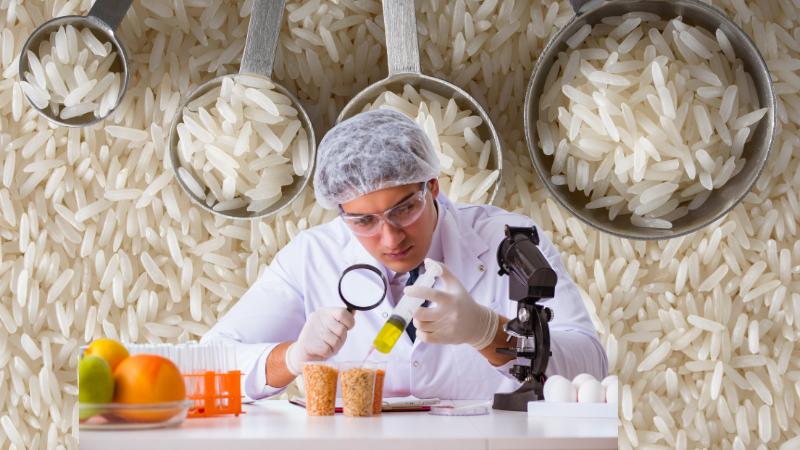
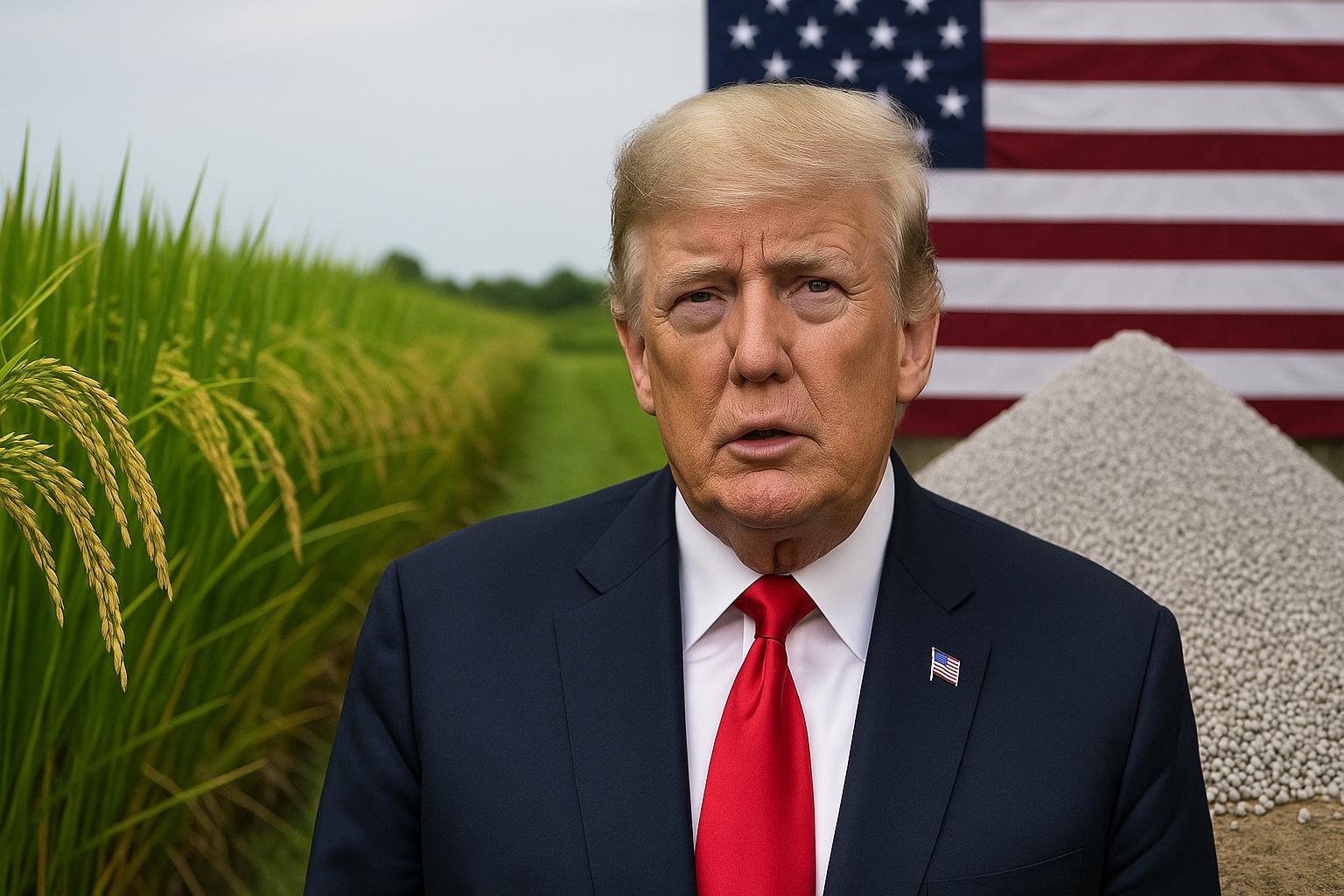
US President Donald Trump indicated that his administration is prepared to examine new tariffs on a range of agricultural imports, including Canadian fertiliser and Indian rice, after American farmers raised concerns that low-priced foreign goods were eroding their competitiveness. The comments came during a roundtable discussion at the White House, where the President unveiled a $12 billion support package intended to cushion farmers from mounting price pressures and market volatility. Througho
US President Donald Trump indicated that his administration is prepared to examine new tariffs on a range of agricultural imports, including Canadian fertiliser and Indian rice, after American farmers raised concerns that low-priced foreign goods were eroding their competitiveness. The comments came during a roundtable discussion at the White House, where the President unveiled a $12 billion support package intended to cushion farmers from mounting price pressures and market volatility. Througho
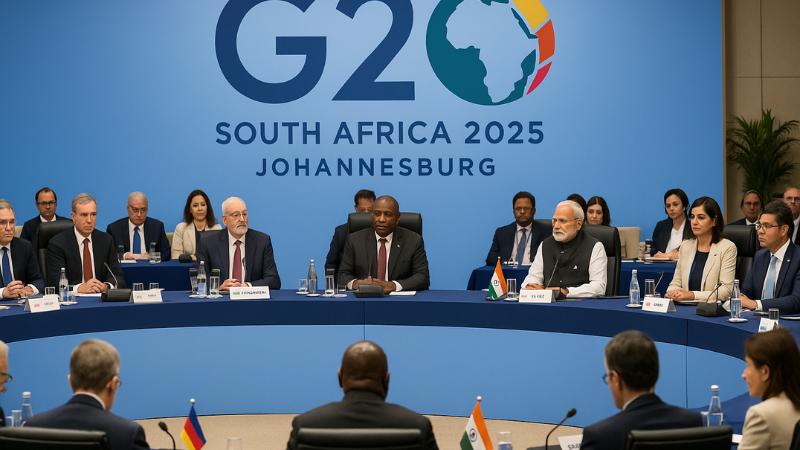
The G20 Leaders’ Summit 2025 opened in South Africa on Friday, marking a significant moment for the international forum as it convenes on the African continent for the first time. Hosted in Johannesburg, the three-day gathering carries the theme “Solidarity, Equality and Sustainability,” reflecting South Africa’s priorities of promoting collaborative global action in an increasingly complex geopolitical environment.
This year’s summit places particular emphasis on strength
The G20 Leaders’ Summit 2025 opened in South Africa on Friday, marking a significant moment for the international forum as it convenes on the African continent for the first time. Hosted in Johannesburg, the three-day gathering carries the theme “Solidarity, Equality and Sustainability,” reflecting South Africa’s priorities of promoting collaborative global action in an increasingly complex geopolitical environment.
This year’s summit places particular emphasis on strength
The United States is preparing a major escalation in its economic pressure campaign against Russia, with President Donald Trump announcing that he supports Senate legislation enabling Washington to impose tariffs of up to 500 percent on countries that continue significant trade with Moscow. The measure represents one of the most aggressive attempts yet to curtail Russian war funding and signals growing frustration in Washington over the prolonged conflict in Ukraine.
Speaking before
The United States is preparing a major escalation in its economic pressure campaign against Russia, with President Donald Trump announcing that he supports Senate legislation enabling Washington to impose tariffs of up to 500 percent on countries that continue significant trade with Moscow. The measure represents one of the most aggressive attempts yet to curtail Russian war funding and signals growing frustration in Washington over the prolonged conflict in Ukraine.
Speaking before
The United States Supreme Court has signaled strong skepticism toward former President Donald Trump’s use of emergency powers to impose sweeping global tariffs, raising the possibility that one of his most controversial trade measures could soon face major curbs. The case, which centers on Trump’s invocation of the International Emergency Economic Powers Act (IEEPA), could redefine the limits of presidential authority in shaping US trade policy. For India, which bore the brunt of several
The United States Supreme Court has signaled strong skepticism toward former President Donald Trump’s use of emergency powers to impose sweeping global tariffs, raising the possibility that one of his most controversial trade measures could soon face major curbs. The case, which centers on Trump’s invocation of the International Emergency Economic Powers Act (IEEPA), could redefine the limits of presidential authority in shaping US trade policy. For India, which bore the brunt of several
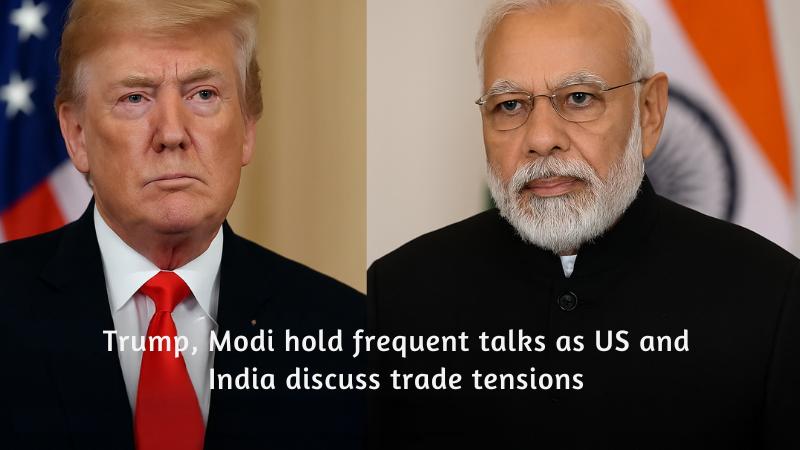
The White House has confirmed that United States President Donald Trump and Indian Prime Minister Narendra Modi continue to engage in regular communication, with trade officials from both countries involved in what have been described as “very serious discussions.” The statement comes amid rising diplomatic and economic tensions between the two nations following Washington’s recent decision to impose a 50 percent tariff on select Indian imports, a move that has strained one of the world
The White House has confirmed that United States President Donald Trump and Indian Prime Minister Narendra Modi continue to engage in regular communication, with trade officials from both countries involved in what have been described as “very serious discussions.” The statement comes amid rising diplomatic and economic tensions between the two nations following Washington’s recent decision to impose a 50 percent tariff on select Indian imports, a move that has strained one of the world
In a major development for global trade, China has announced that it will suspend an additional 24 percent tariff on United States goods for a period of one year, while maintaining a 10 percent levy on imports from the US. The announcement, made by the State Council Tariff Commission, signals a cautious step by Beijing toward easing long-standing trade tensions with Washington. The suspension is effective immediately and will remain in place for twelve months.
The decision follows a
In a major development for global trade, China has announced that it will suspend an additional 24 percent tariff on United States goods for a period of one year, while maintaining a 10 percent levy on imports from the US. The announcement, made by the State Council Tariff Commission, signals a cautious step by Beijing toward easing long-standing trade tensions with Washington. The suspension is effective immediately and will remain in place for twelve months.
The decision follows a
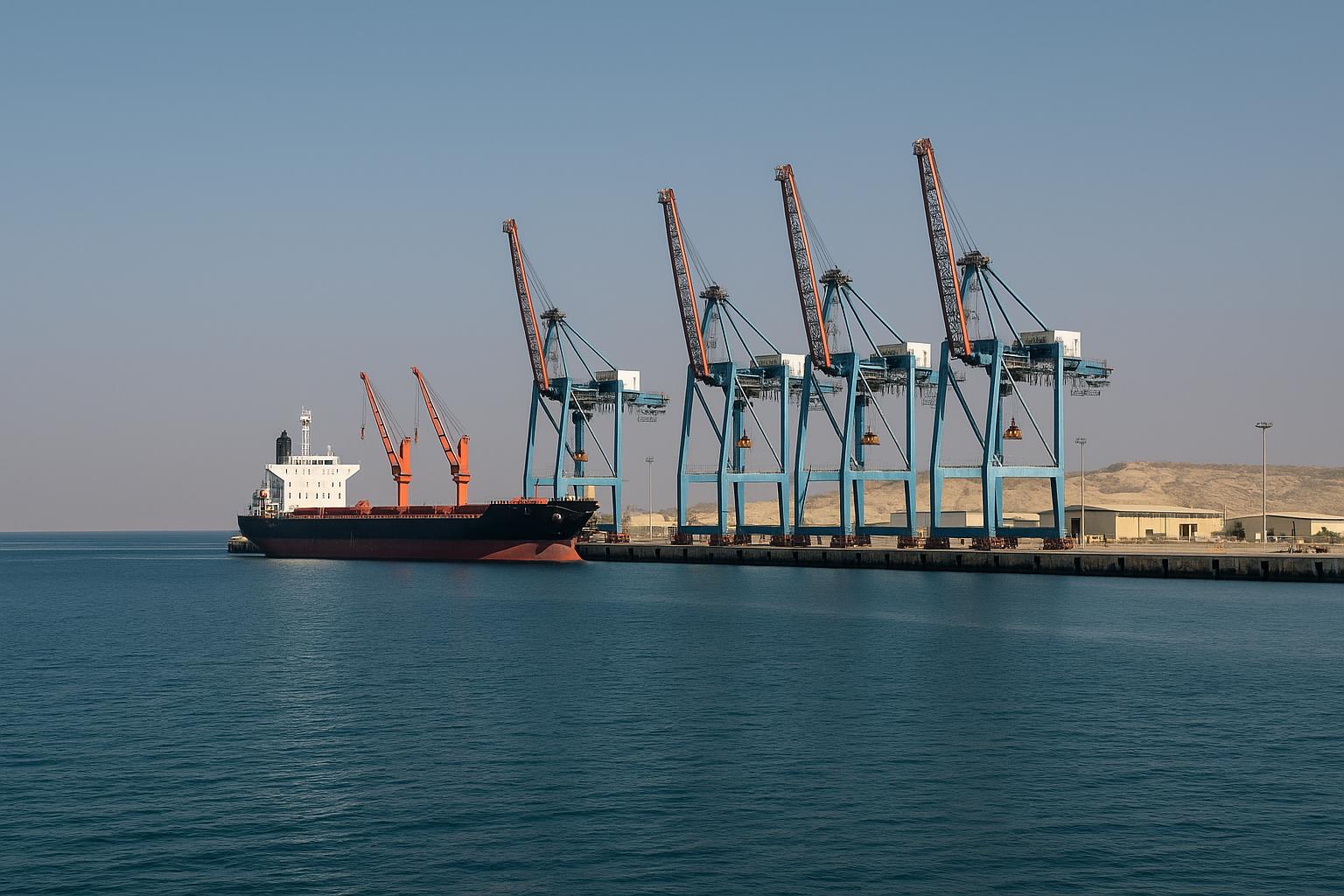
New Delhi: India’s Ministry of External Affairs (MEA) has clarified that the American sanctions imposed on Iran will not affect the Chabahar Port project, a critical component of India’s regional connectivity and trade strategy. The confirmation underscores New Delhi’s commitment to maintaining strategic investments in the port, even as it continues its dialogue with the United States on broader trade and diplomatic issues.
The Chabahar Port, located on Iran’s southeastern c
New Delhi: India’s Ministry of External Affairs (MEA) has clarified that the American sanctions imposed on Iran will not affect the Chabahar Port project, a critical component of India’s regional connectivity and trade strategy. The confirmation underscores New Delhi’s commitment to maintaining strategic investments in the port, even as it continues its dialogue with the United States on broader trade and diplomatic issues.
The Chabahar Port, located on Iran’s southeastern c
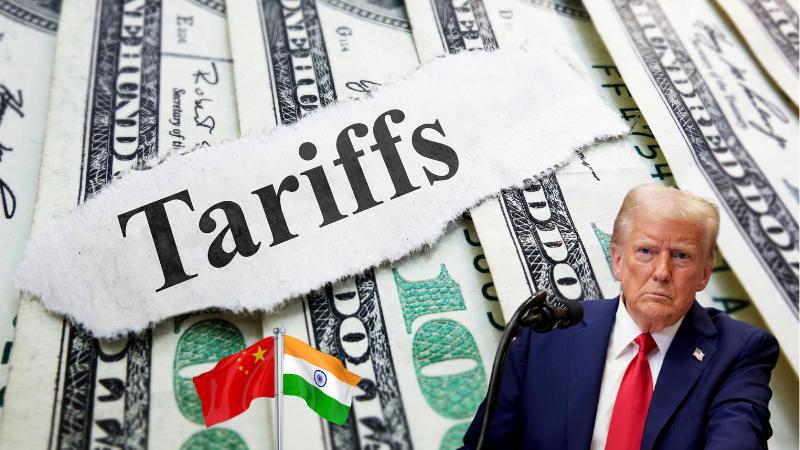
United States President Donald Trump has once again defended his administration’s tariff policies, claiming that the strategy has played a major role in strengthening the U.S. economy and boosting the stock market. Since returning to office for his second term, Trump has emphasized a renewed focus on economic nationalism, arguing that countries trading with the United States must pay tariffs determined by the government to protect American interests.
In his latest remarks, Trump a
United States President Donald Trump has once again defended his administration’s tariff policies, claiming that the strategy has played a major role in strengthening the U.S. economy and boosting the stock market. Since returning to office for his second term, Trump has emphasized a renewed focus on economic nationalism, arguing that countries trading with the United States must pay tariffs determined by the government to protect American interests.
In his latest remarks, Trump a
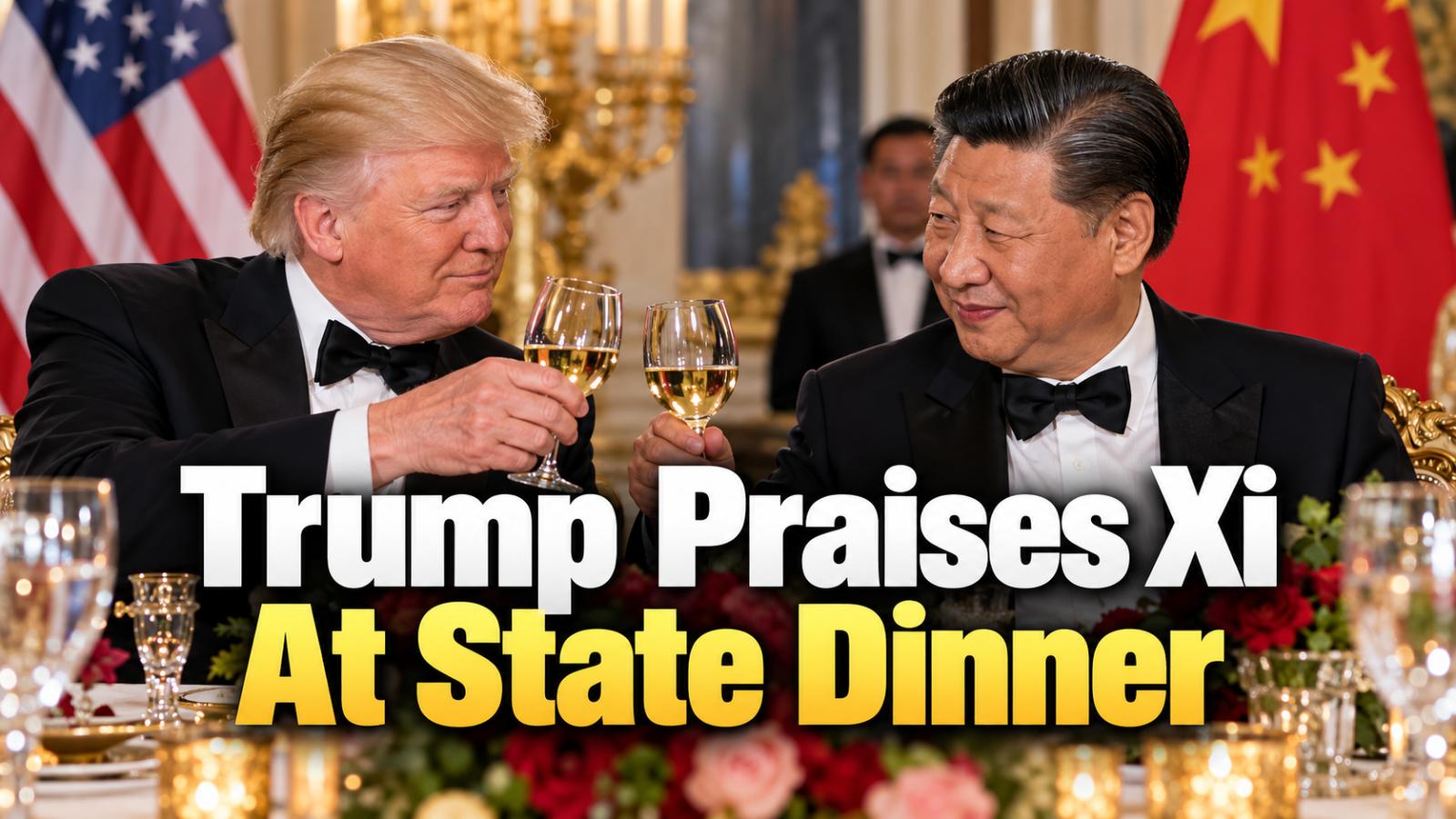
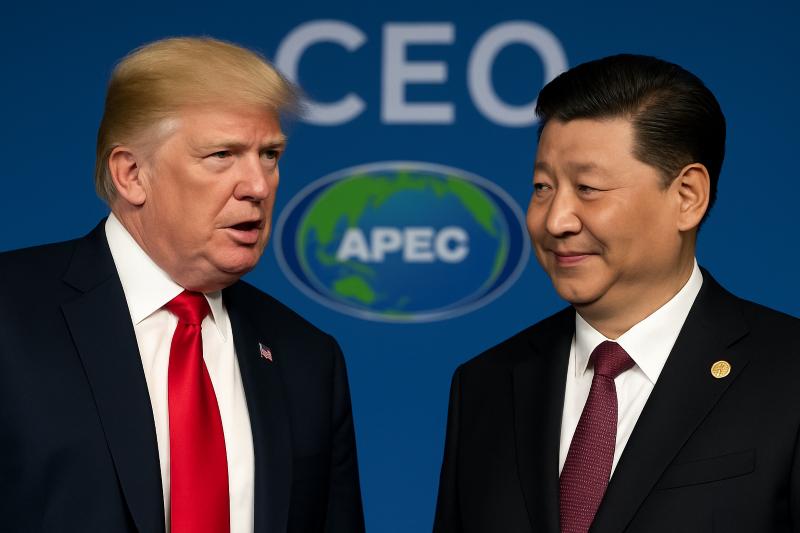
As the world watches the evolving dynamics of U.S.–China relations, former U.S. President Donald Trump has expressed confidence that a “fair trade deal” with Chinese President Xi Jinping could soon materialize during the Asia-Pacific Economic Cooperation (APEC) summit.
Speaking ahead of the high-profile event, Trump described his relationship with Xi as “strong” and said he expects posit
As the world watches the evolving dynamics of U.S.–China relations, former U.S. President Donald Trump has expressed confidence that a “fair trade deal” with Chinese President Xi Jinping could soon materialize during the Asia-Pacific Economic Cooperation (APEC) summit.
Speaking ahead of the high-profile event, Trump described his relationship with Xi as “strong” and said he expects posit
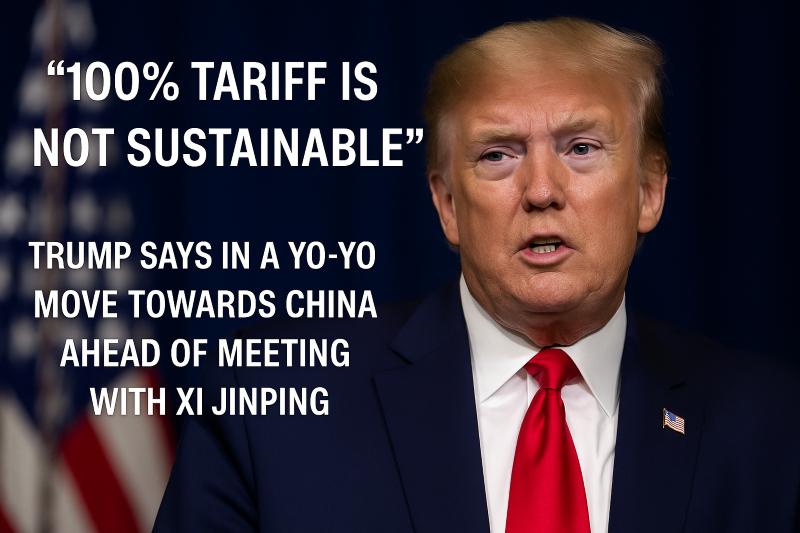
U.S. President Donald Trump conceded in a recent interview that imposing a 100% tariff on Chinese imports would not be a lasting policy, saying, “It’s not sustainable, but that’s what the number is.”
He asserted that Beijing “forced me to do that,” pointing to China’s tighter export controls—especially on rare earth elements—as justification for the heightened measur
U.S. President Donald Trump conceded in a recent interview that imposing a 100% tariff on Chinese imports would not be a lasting policy, saying, “It’s not sustainable, but that’s what the number is.”
He asserted that Beijing “forced me to do that,” pointing to China’s tighter export controls—especially on rare earth elements—as justification for the heightened measur
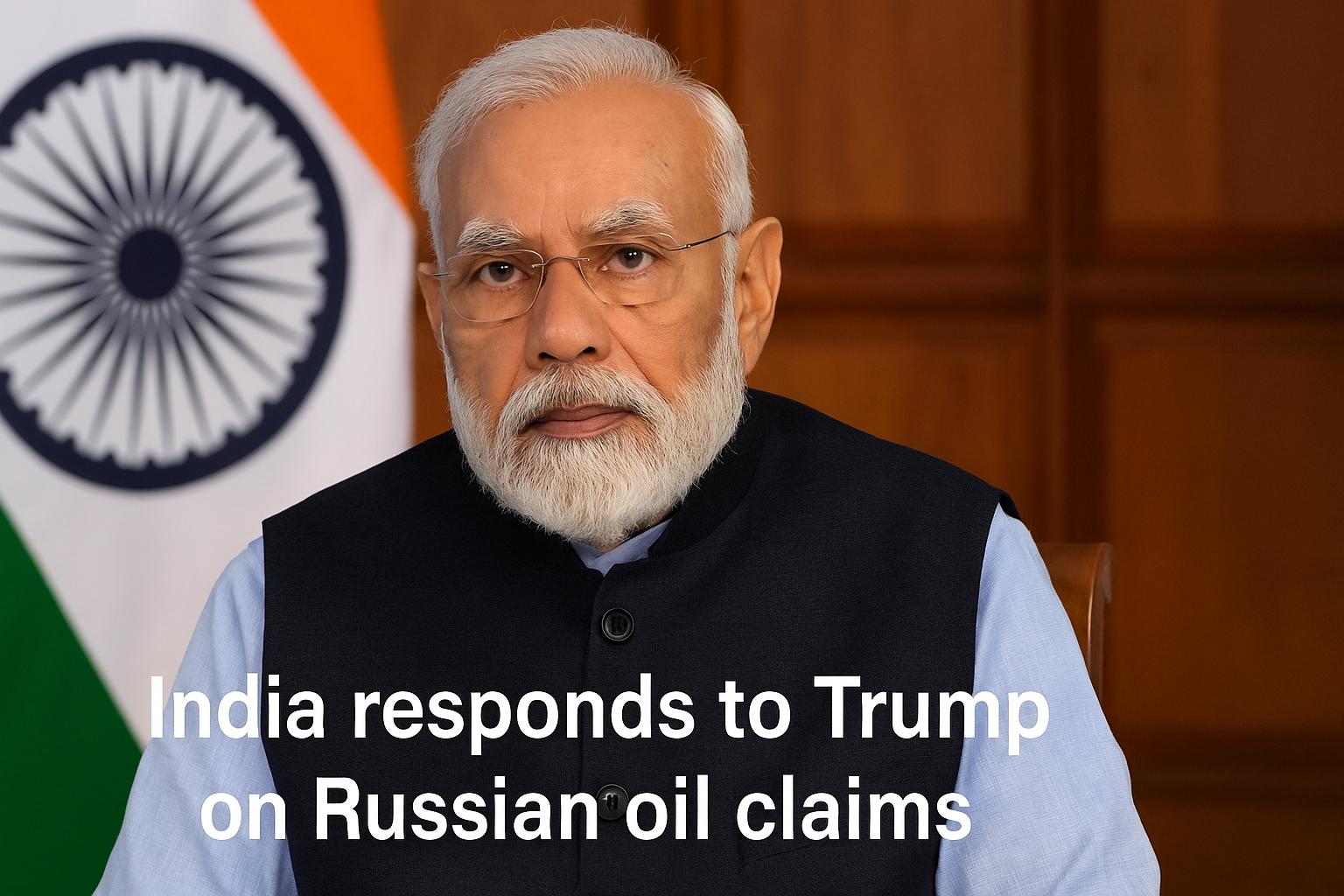
Hours after United States President Donald Trump asserted that Indian Prime Minister Narendra Modi had personally assured him that New Delhi would soon halt the purchase of oil from Russia, the Indian government issued a carefully worded statement reiterating its independent energy policy. The clarification underscored India’s commitment to protecting its national interests and consumers amid global price volatility, without directly confirming or denying Trump’s remarks.
In a s
Hours after United States President Donald Trump asserted that Indian Prime Minister Narendra Modi had personally assured him that New Delhi would soon halt the purchase of oil from Russia, the Indian government issued a carefully worded statement reiterating its independent energy policy. The clarification underscored India’s commitment to protecting its national interests and consumers amid global price volatility, without directly confirming or denying Trump’s remarks.
In a s
US President Donald Trump has reignited debate over the influence of the BRICS bloc, claiming that the group represents “an attack on the dollar” and warning that countries joining it could face tariffs from the United States. Trump made the remarks during a bilateral lunch with Argentine President Javier Milei at the White House, reiterating his stance on protecting the dominance of the US dollar in global trade.
Speaking to reporters, Trump asserted that the United States woul
US President Donald Trump has reignited debate over the influence of the BRICS bloc, claiming that the group represents “an attack on the dollar” and warning that countries joining it could face tariffs from the United States. Trump made the remarks during a bilateral lunch with Argentine President Javier Milei at the White House, reiterating his stance on protecting the dominance of the US dollar in global trade.
Speaking to reporters, Trump asserted that the United States woul
India Post will resume all categories of international postal services to the United States beginning Wednesday, following the successful implementation of a new customs-compliant system that aligns with recent US import regulations. The Ministry of Communications confirmed the development, marking a major restoration of cross-border mail services that had been suspended since August 22 due to changes in the United States’ shipping policy.
The temporary suspension came after the U
India Post will resume all categories of international postal services to the United States beginning Wednesday, following the successful implementation of a new customs-compliant system that aligns with recent US import regulations. The Ministry of Communications confirmed the development, marking a major restoration of cross-border mail services that had been suspended since August 22 due to changes in the United States’ shipping policy.
The temporary suspension came after the U
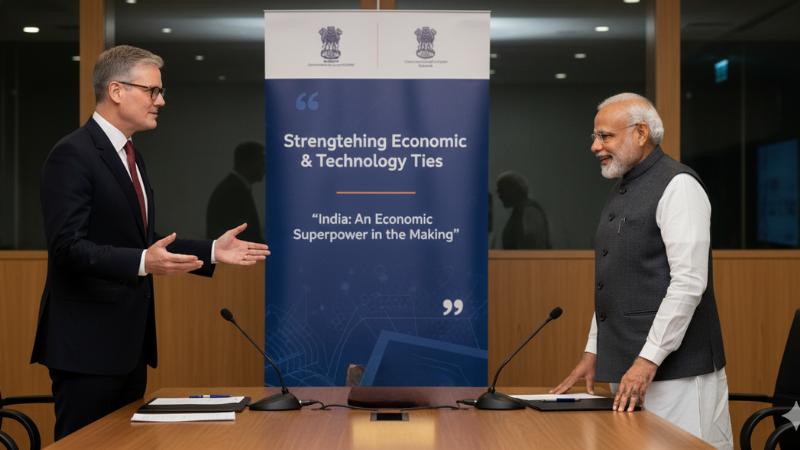
India is rapidly emerging as an economic superpower, said British Prime Minister Keir Starmer during his visit to Mumbai on Thursday. He highlighted that India, the world’s largest democracy, is on track to become the third-largest economy by 2028. “The United Kingdom is perfectly placed to be a partner in this journey,” Starmer said while addressing reporters in Mumbai.
Earlier in the day, Keir Starme
India is rapidly emerging as an economic superpower, said British Prime Minister Keir Starmer during his visit to Mumbai on Thursday. He highlighted that India, the world’s largest democracy, is on track to become the third-largest economy by 2028. “The United Kingdom is perfectly placed to be a partner in this journey,” Starmer said while addressing reporters in Mumbai.
Earlier in the day, Keir Starme
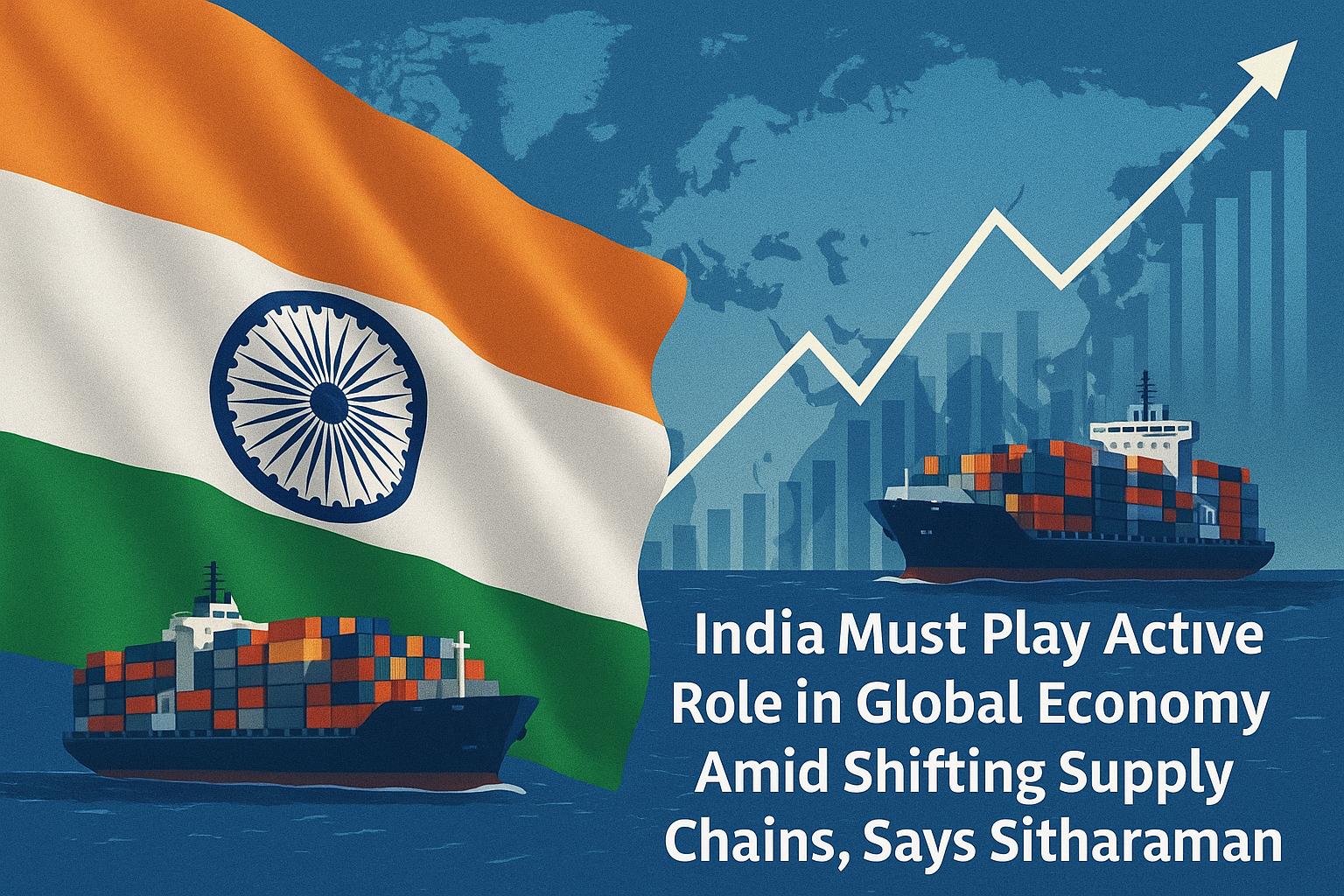
Finance Minister Nirmala Sitharaman on Friday emphasized that India cannot afford to remain a passive spectator as geopolitical conflicts, sanctions, and tariffs continue to reshape global supply chains. Speaking at the inauguration of the Kautilya Economic Conclave 2025 in New Delhi, she said that India’s economy has shown remarkable resilience in the face of disruptions, but it must play a proactive role to secure its future.
Sitharaman highlighted how global uncertainty is
Finance Minister Nirmala Sitharaman on Friday emphasized that India cannot afford to remain a passive spectator as geopolitical conflicts, sanctions, and tariffs continue to reshape global supply chains. Speaking at the inauguration of the Kautilya Economic Conclave 2025 in New Delhi, she said that India’s economy has shown remarkable resilience in the face of disruptions, but it must play a proactive role to secure its future.
Sitharaman highlighted how global uncertainty is
Russian foreign minister Sergey Lavrov has strongly criticised Washington’s trade and tariff threats, arguing that major powers such as India and China cannot be coerced into changing their policies through ultimatums. Speaking on a television programme in Moscow, Lavrov said that the repeated warnings from the United States to cut energy ties with Russia were not only failing but also backfiring, as they were pushing countries to diversify markets, look for alternative energy resources
Russian foreign minister Sergey Lavrov has strongly criticised Washington’s trade and tariff threats, arguing that major powers such as India and China cannot be coerced into changing their policies through ultimatums. Speaking on a television programme in Moscow, Lavrov said that the repeated warnings from the United States to cut energy ties with Russia were not only failing but also backfiring, as they were pushing countries to diversify markets, look for alternative energy resources
US President Donald Trump has once again turned his attention toward India, accusing New Delhi of exploiting the United States through what he described as a “one-sided disaster” in trade relations. His remarks come as Prime Minister Narendra Modi attends the Shanghai Cooperation Organisation summit in China, where he is seen engaging with leaders such as Xi Jinping and Vladimir Putin in a show of strategic camaraderie.
Trump, writing on his social platform, argued that
US President Donald Trump has once again turned his attention toward India, accusing New Delhi of exploiting the United States through what he described as a “one-sided disaster” in trade relations. His remarks come as Prime Minister Narendra Modi attends the Shanghai Cooperation Organisation summit in China, where he is seen engaging with leaders such as Xi Jinping and Vladimir Putin in a show of strategic camaraderie.
Trump, writing on his social platform, argued that
Former United States President Donald Trump issued a stark warning on Sunday, August 31, declaring that America would be completely destroyed without the tariffs he imposed during his time in office. His comments came only days after a federal appeals court ruled that the majority of those tariffs were unlawful, sparking yet another political and legal clash over one of the central elements of his economic policy. Writing on TruthSocial, Trump insisted that wit
Former United States President Donald Trump issued a stark warning on Sunday, August 31, declaring that America would be completely destroyed without the tariffs he imposed during his time in office. His comments came only days after a federal appeals court ruled that the majority of those tariffs were unlawful, sparking yet another political and legal clash over one of the central elements of his economic policy. Writing on TruthSocial, Trump insisted that wit