Mohsin Naqvi Biggest Scam Claim Fuels Pakistan Power Speculation
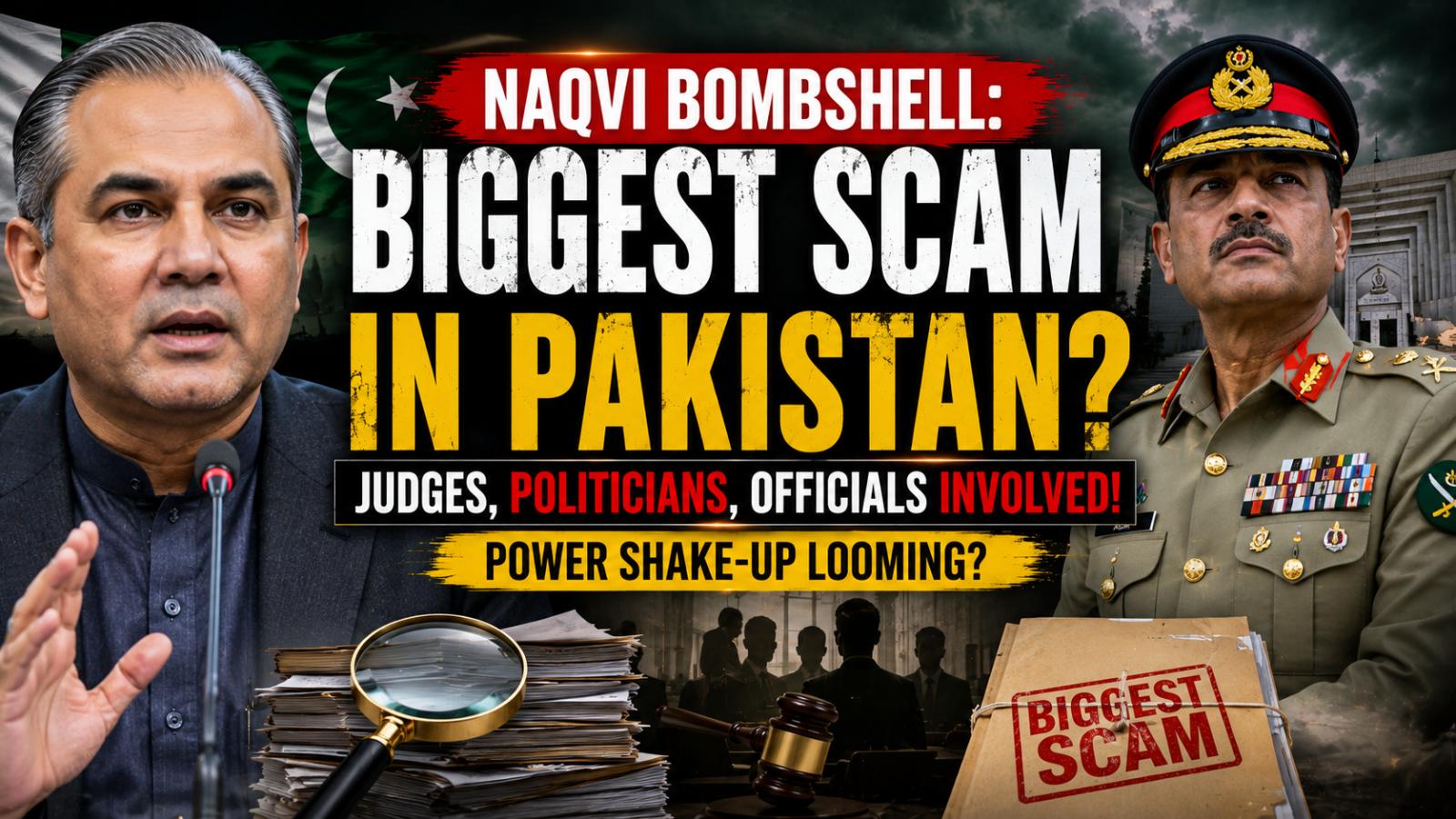
Mohsin Naqvi's biggest scam claim has added fresh political pressure in Pakistan after he alleged that judges, bureaucrats, politicians and bankers were involved in a decades-long corruption network. The remarks come days after his warning that Pakistan's governance system had collapsed, intensifying debate over reforms and the country's political direction.
Mohsin Naqvi Biggest Scam Claim Fuels Pakistan Power Speculation
Mohsin Naqvi's biggest scam claim has added fresh political pressure in Pakistan after he alleged that judges, bureaucrats, politicians and bankers were involved in a decades-long corruption network. The remarks come days after his warning that Pakistan's governance system had collapsed, intensifying debate over reforms and the country's political direction.
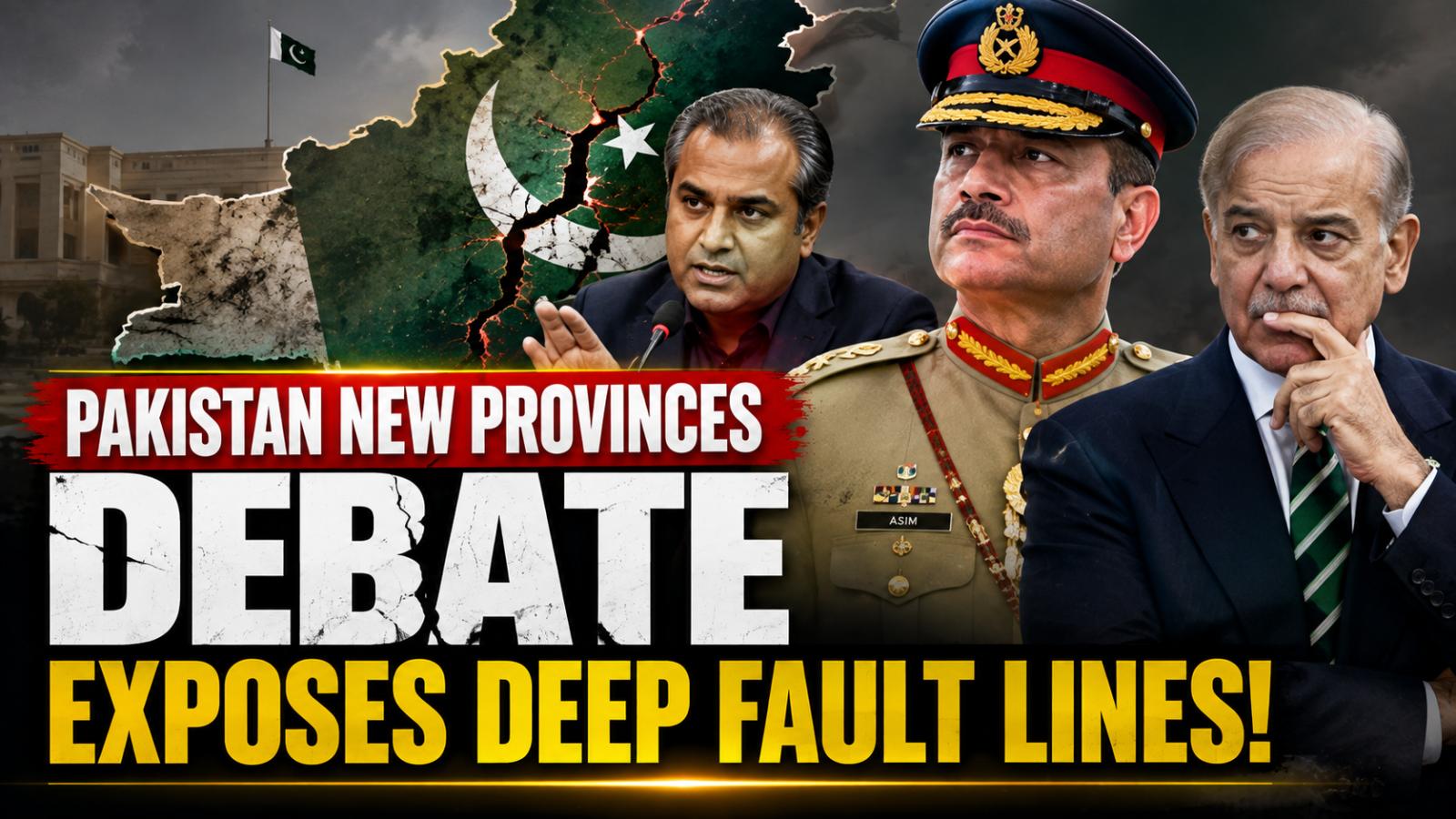
Pakistan New Provinces Debate Exposes Political Fault Lines
The Pakistan new provinces debate has intensified after Interior Minister Mohsin Naqvi declared that governance had collapsed and called for additional administrative units. Military remarks supporting governance reform have raised political concerns for the PML-N and PPP coalition.
Naqvi Province Plan Challenges the Status Quo
Pakistan New Provinces Debate Exposes Political Fault Lines
The Pakistan new provinces debate has intensified after Interior Minister Mohsin Naqvi declared that governance had collapsed and called for additional administrative units. Military remarks supporting governance reform have raised political concerns for the PML-N and PPP coalition.
Naqvi Province Plan Challenges the Status Quo
Many Indian politicians and senior officials have children or spouses studying, working or living abroad. Such connections are legal and common, but public controversies often raise a broader question: should senior officeholders disclose significant overseas family, residency and financial links?
China naked officials policy
China uses the informal expression “naked officials” for certain
Many Indian politicians and senior officials have children or spouses studying, working or living abroad. Such connections are legal and common, but public controversies often raise a broader question: should senior officeholders disclose significant overseas family, residency and financial links?
China naked officials policy
China uses the informal expression “naked officials” for certain
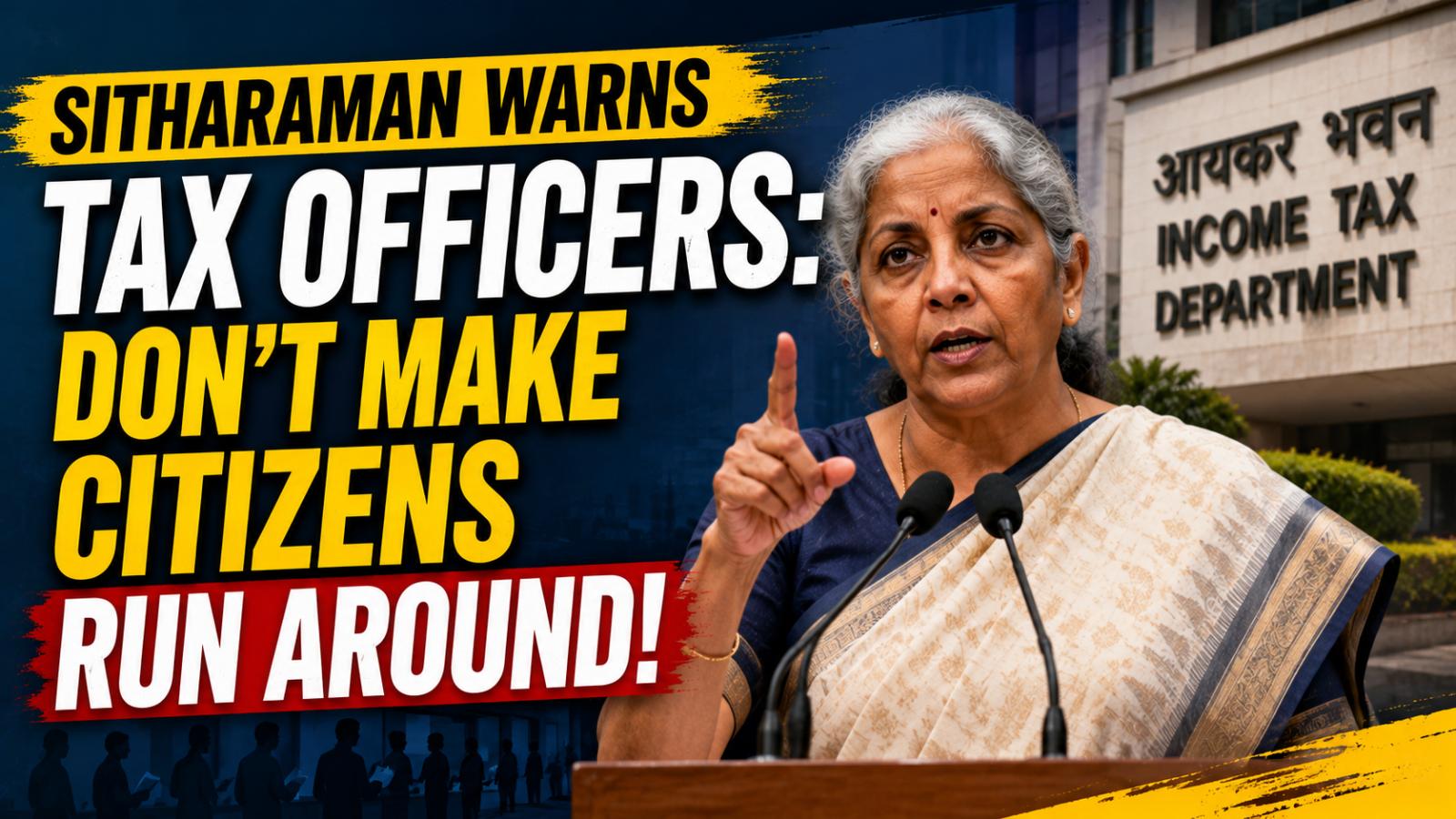
Finance Minister Nirmala Sitharaman urged Income Tax officials to stop making citizens chase departments for services they are legally entitled to receive.
Sitharaman Tells Tax Officers to Serve Citizens Without Delay
Finance Minister Nirmala Sitharaman has asked Income Tax Department officials to ensure that taxpayers and ordinary citizens are not forced to move repeatedly between government offices for routine services and benefits that
Finance Minister Nirmala Sitharaman urged Income Tax officials to stop making citizens chase departments for services they are legally entitled to receive.
Sitharaman Tells Tax Officers to Serve Citizens Without Delay
Finance Minister Nirmala Sitharaman has asked Income Tax Department officials to ensure that taxpayers and ordinary citizens are not forced to move repeatedly between government offices for routine services and benefits that
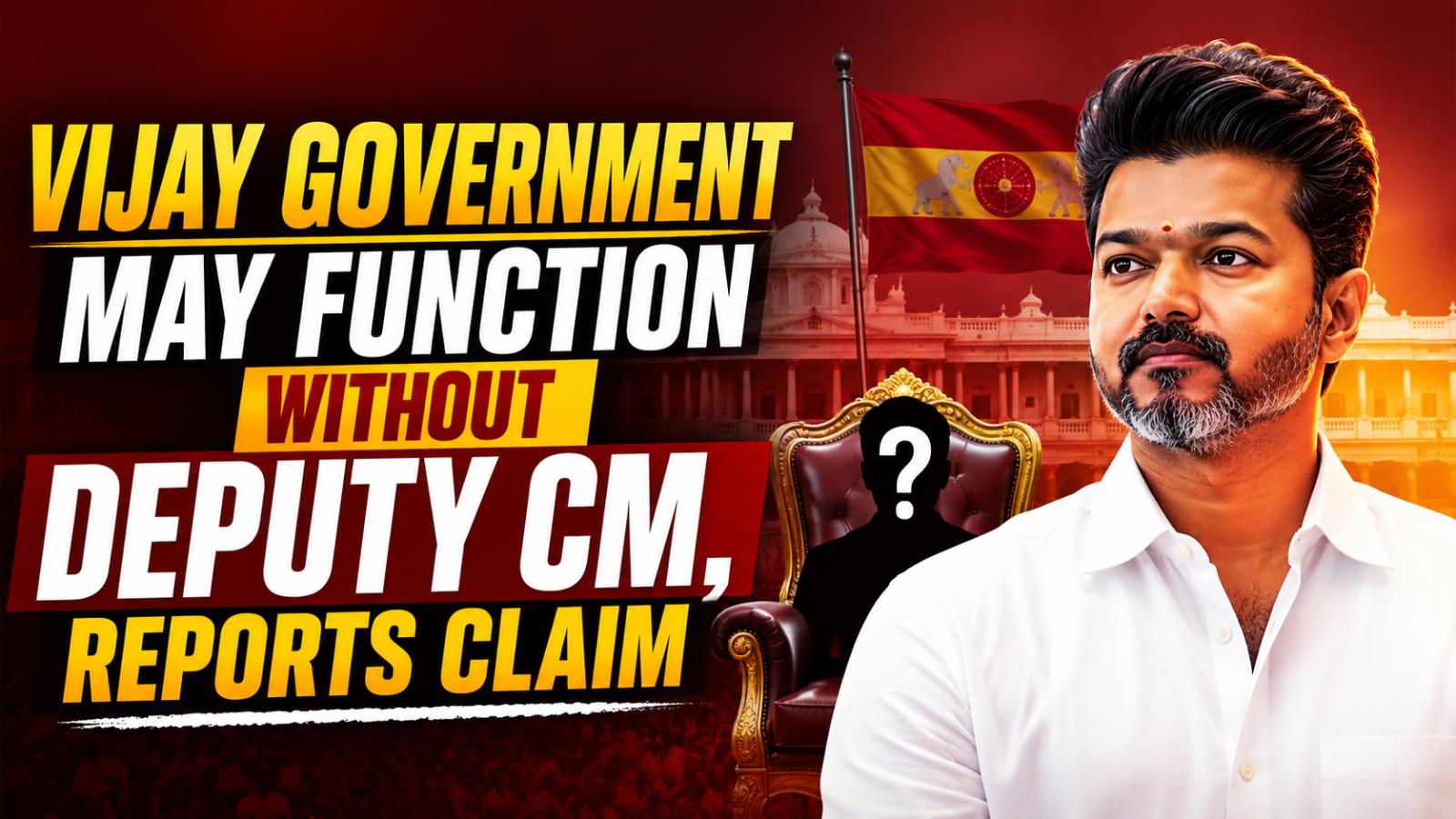
Vijay government may function without Deputy CM
Chennai: Tamil Nadu Chief Minister Vijay’s government could continue functioning without appointing a Deputy Chief Minister, according to reports circulating in political circles. The emerging speculation has triggered discussion about the leadership structure of the administration and whether Vijay intends to retain a highly centralized model of governance under the Chief Mini
Vijay government may function without Deputy CM
Chennai: Tamil Nadu Chief Minister Vijay’s government could continue functioning without appointing a Deputy Chief Minister, according to reports circulating in political circles. The emerging speculation has triggered discussion about the leadership structure of the administration and whether Vijay intends to retain a highly centralized model of governance under the Chief Mini
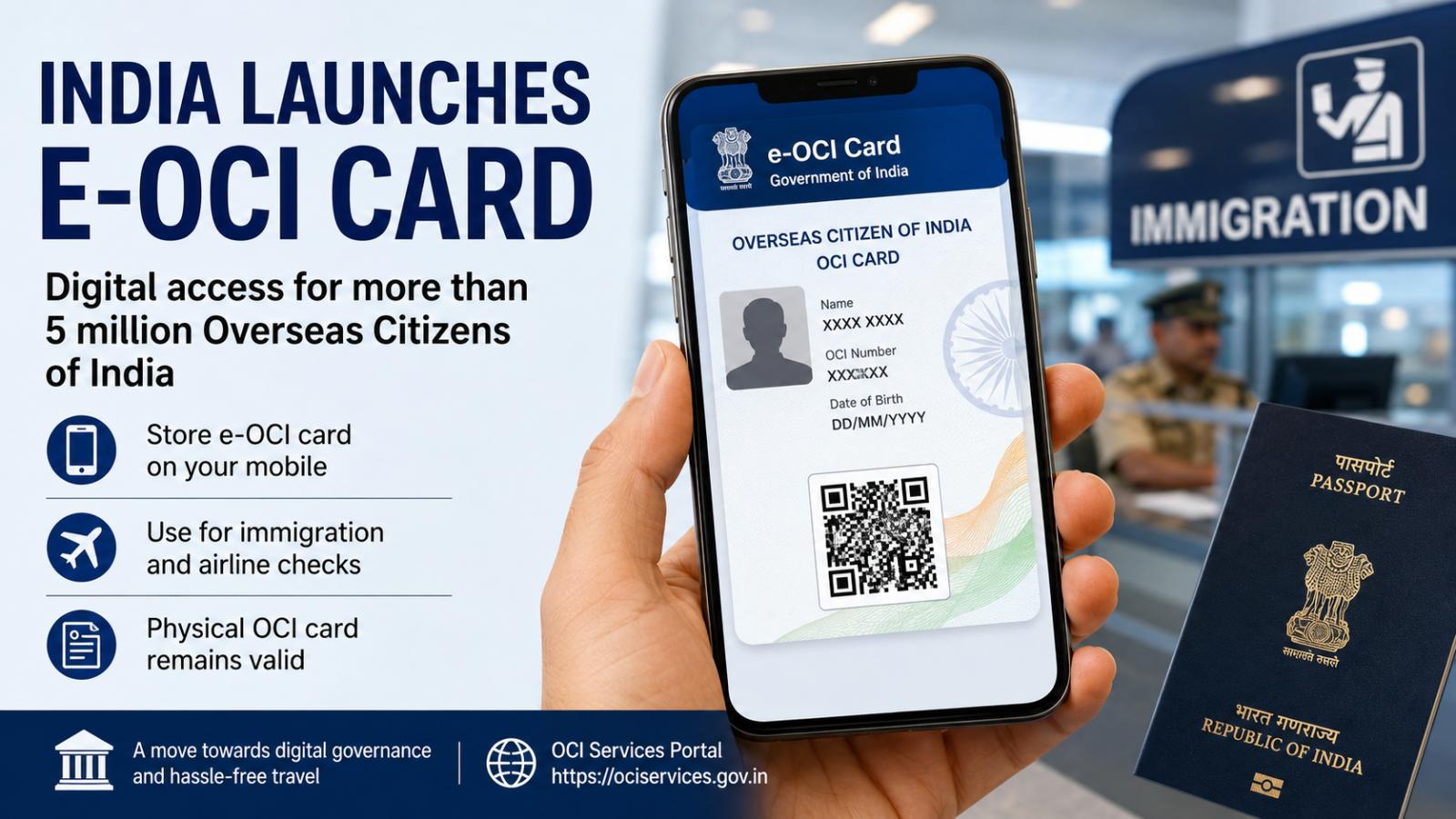
India has launched an e-OCI card for more than 5 million Overseas Citizen of India cardholders, giving them a digital credential for immigration and airline verification while keeping existing physical OCI cards valid.
Readers unfamiliar with the program can review our explainer on what an OCI
India has launched an e-OCI card for more than 5 million Overseas Citizen of India cardholders, giving them a digital credential for immigration and airline verification while keeping existing physical OCI cards valid.
Readers unfamiliar with the program can review our explainer on what an OCI
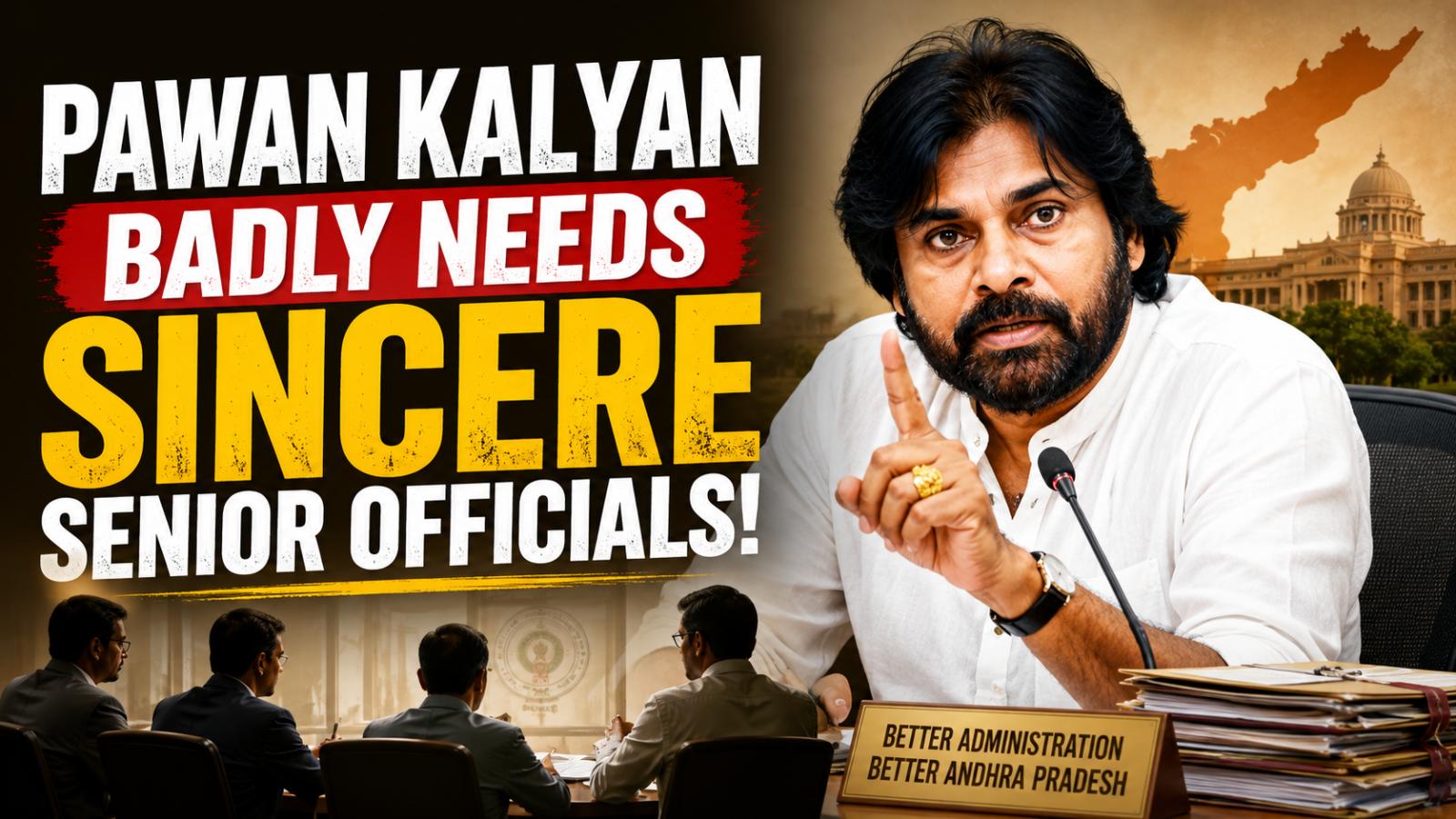
A stable administration depends heavily on capable senior officials who can understand public policy, guide departments and ensure that government decisions are implemented effectively. Chief Minister N. Chandrababu Naidu has often been seen as a leader who works closely with the bureaucracy, and this administrative style has helped him maintain control over governance issues.
Pawan Kalyan’s recent remarks indicate that he too is looking for
A stable administration depends heavily on capable senior officials who can understand public policy, guide departments and ensure that government decisions are implemented effectively. Chief Minister N. Chandrababu Naidu has often been seen as a leader who works closely with the bureaucracy, and this administrative style has helped him maintain control over governance issues.
Pawan Kalyan’s recent remarks indicate that he too is looking for
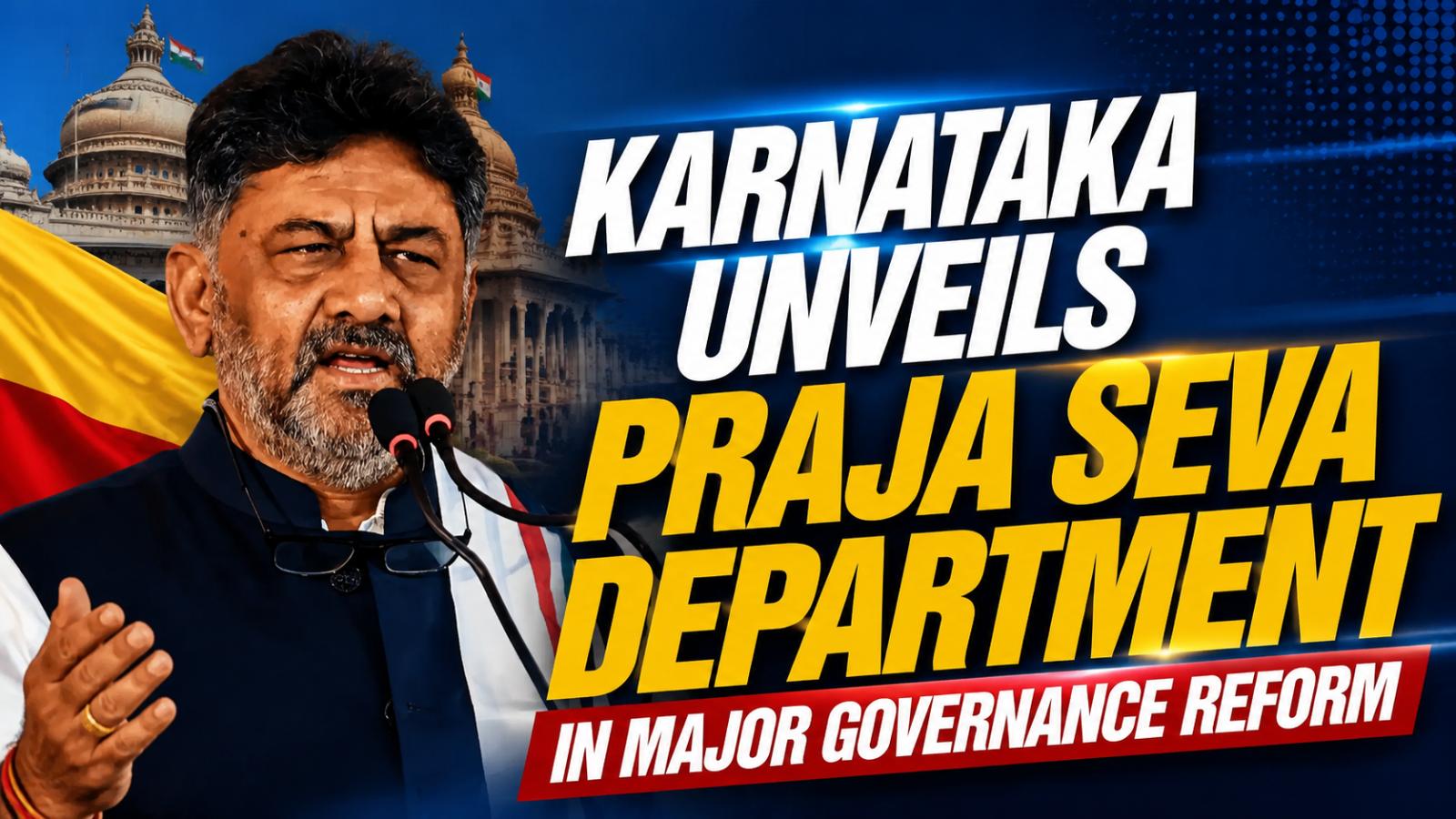
Karnataka Unveils Praja Seva Department In Major Governance Reform
In a significant move aimed at transforming public administration and enhancing service delivery, the Karnataka government has established a new Praja Seva Department by bringing together several key governance and citizen-service wings under one umbrella. The decision, approved by the state Cabinet and formalised through a government order issued on June 24, is being viewed as a major step towards b
Karnataka Unveils Praja Seva Department In Major Governance Reform
In a significant move aimed at transforming public administration and enhancing service delivery, the Karnataka government has established a new Praja Seva Department by bringing together several key governance and citizen-service wings under one umbrella. The decision, approved by the state Cabinet and formalised through a government order issued on June 24, is being viewed as a major step towards b
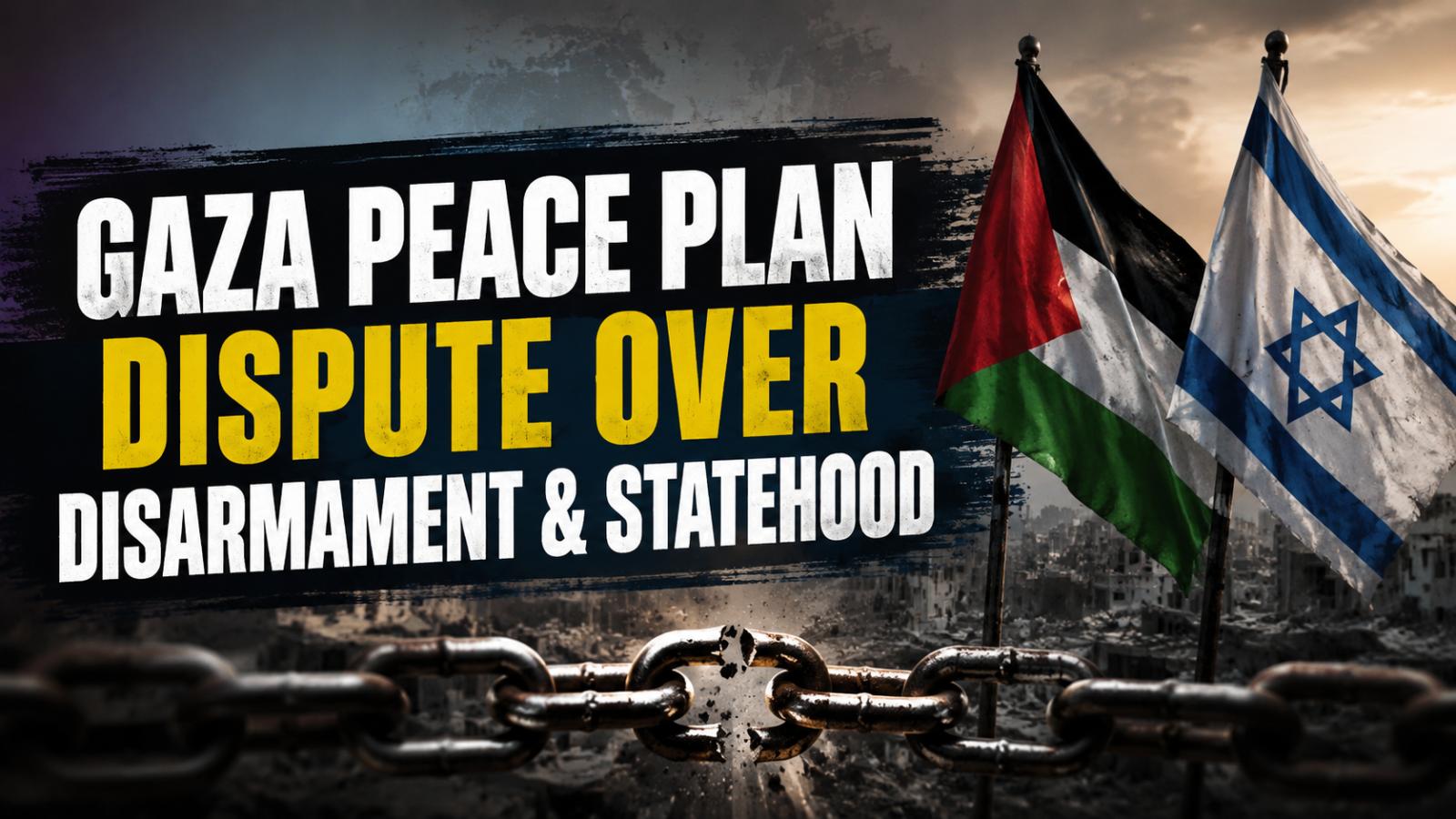
Fresh diplomatic discussions around a proposed Gaza peace framework have exposed deep divisions over how the territory should transition after conflict. The draft outlines a multi-step roadmap covering security arrangements, reconstruction and political governance, but key stakeholders remain split on the order in which these steps should take place.
At the center of the disagreement is whether armed groups should be required to disarm before any political transition begins, or whether political recognition and state-building guarantees must come first to ensure balance in negotiations.
Disarmament conditions trigger political tension
One version of the proposal places disarmament as a prerequisite for rebuilding efforts and formal governance structures. Supporters of this approach argue that long-term stability cannot be achieved without removing weapons from non-state actors first.
Opponents reject this sequencing, warning that it could leave Palestinian authorities without leverage in future talks. They argue that political rights and institutional recognition must be secured alongside any security commitments, not after them. This divide has become one of the most sensitive issues in the ongoing talks.
Aid and reconstruction tied to compliance terms
Another contested element involves humanitarian aid and reconstruction funding. Some draft interpretations suggest that international assistance could be linked to compliance with security benchmarks under the proposed roadmap.
Critics say this risks turning basic recovery needs into conditional political tools, potentially slowing down urgently needed rebuilding efforts. Supporters argue that conditionality is necessary to prevent renewed escalation and ensure accountability during the transition phase.
Governance model and external oversight concerns
The proposed framework also includes the idea of an international oversight structure to stabilize post-conflict Gaza. While intended to support security coordination and administrative rebuilding, the concept has raised concerns about long-term external control.
Questions remain unanswered over who would lead local governance, how authority would be transferred over time, and what limits would be placed on external involvement. These unresolved issues continue to slow consensus-building.
Trust gap widens between negotiating sides
Beyond policy disagreements, a broader trust deficit is shaping the talks. Each side interprets the roadmap differently, particularly on what constitutes compliance and political progress.
This lack of shared definition has made it difficult to establish a clear sequence for implementation. Analysts note that without agreed enforcement mechanisms, even minor disputes could delay or derail the entire process.
Fragile outlook for ceasefire implementation
While discussions continue, the overall outlook remains uncertain. The success of any ceasefire arrangement depends on whether both sides can align on sequencing, accountability, and political guarantees.
Without that alignment, observers warn that the proposed roadmap risks remaining a draft framework rather than becoming an actionable peace agreement.
Fresh diplomatic discussions around a proposed Gaza peace framework have exposed deep divisions over how the territory should transition after conflict. The draft outlines a multi-step roadmap covering security arrangements, reconstruction and political governance, but key stakeholders remain split on the order in which these steps should take place.
At the center of the disagreement is whether armed groups should be required to disarm before any political transition begins, or whether political recognition and state-building guarantees must come first to ensure balance in negotiations.
Disarmament conditions trigger political tension
One version of the proposal places disarmament as a prerequisite for rebuilding efforts and formal governance structures. Supporters of this approach argue that long-term stability cannot be achieved without removing weapons from non-state actors first.
Opponents reject this sequencing, warning that it could leave Palestinian authorities without leverage in future talks. They argue that political rights and institutional recognition must be secured alongside any security commitments, not after them. This divide has become one of the most sensitive issues in the ongoing talks.
Aid and reconstruction tied to compliance terms
Another contested element involves humanitarian aid and reconstruction funding. Some draft interpretations suggest that international assistance could be linked to compliance with security benchmarks under the proposed roadmap.
Critics say this risks turning basic recovery needs into conditional political tools, potentially slowing down urgently needed rebuilding efforts. Supporters argue that conditionality is necessary to prevent renewed escalation and ensure accountability during the transition phase.
Governance model and external oversight concerns
The proposed framework also includes the idea of an international oversight structure to stabilize post-conflict Gaza. While intended to support security coordination and administrative rebuilding, the concept has raised concerns about long-term external control.
Questions remain unanswered over who would lead local governance, how authority would be transferred over time, and what limits would be placed on external involvement. These unresolved issues continue to slow consensus-building.
Trust gap widens between negotiating sides
Beyond policy disagreements, a broader trust deficit is shaping the talks. Each side interprets the roadmap differently, particularly on what constitutes compliance and political progress.
This lack of shared definition has made it difficult to establish a clear sequence for implementation. Analysts note that without agreed enforcement mechanisms, even minor disputes could delay or derail the entire process.
Fragile outlook for ceasefire implementation
While discussions continue, the overall outlook remains uncertain. The success of any ceasefire arrangement depends on whether both sides can align on sequencing, accountability, and political guarantees.
Without that alignment, observers warn that the proposed roadmap risks remaining a draft framework rather than becoming an actionable peace agreement.
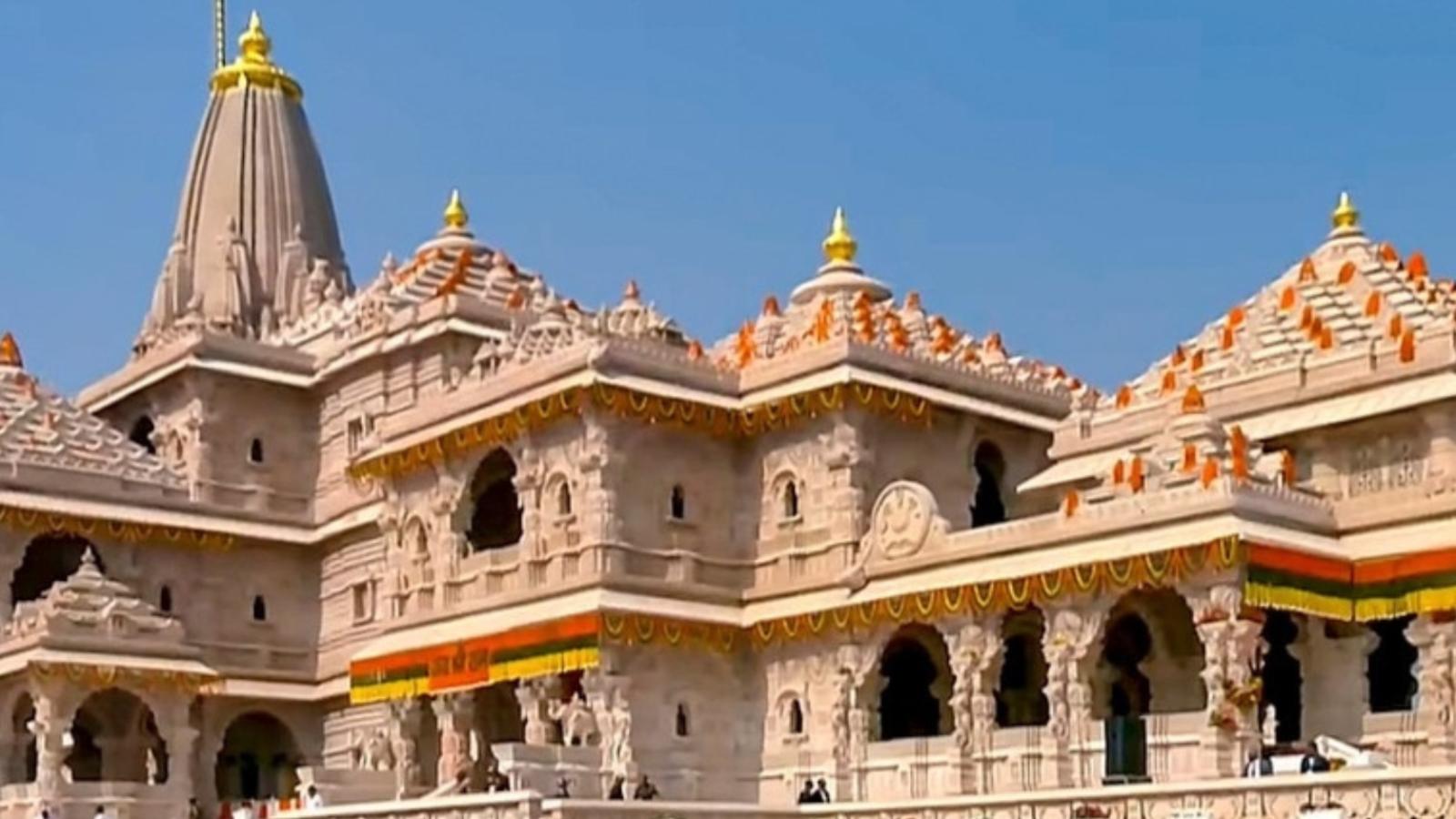
Misra seeks overhaul of Ram Mandir management
Ram Janmabhoomi Temple Construction Committee chairman Nripendra Misra has called for a major restructuring of the Ram Mandir management system amid the ongoing controversy over alleged misappropriation of donations in Ayodhya. His remarks have added weight to growing concerns over how offerings, cash, jewellery and other valuables are being handled at one of India’s most important religious sites.
Misra said
Misra seeks overhaul of Ram Mandir management
Ram Janmabhoomi Temple Construction Committee chairman Nripendra Misra has called for a major restructuring of the Ram Mandir management system amid the ongoing controversy over alleged misappropriation of donations in Ayodhya. His remarks have added weight to growing concerns over how offerings, cash, jewellery and other valuables are being handled at one of India’s most important religious sites.
Misra said
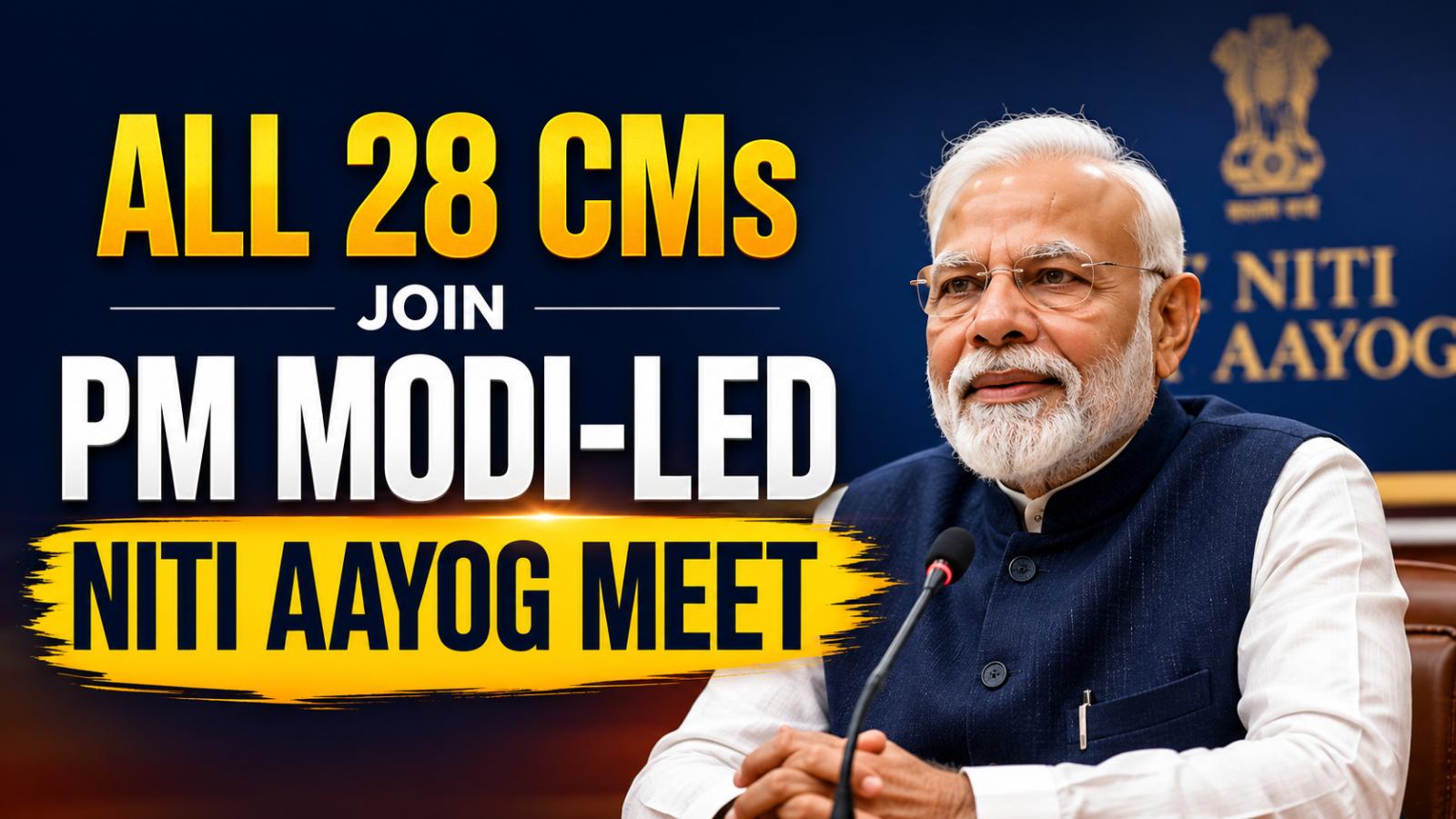
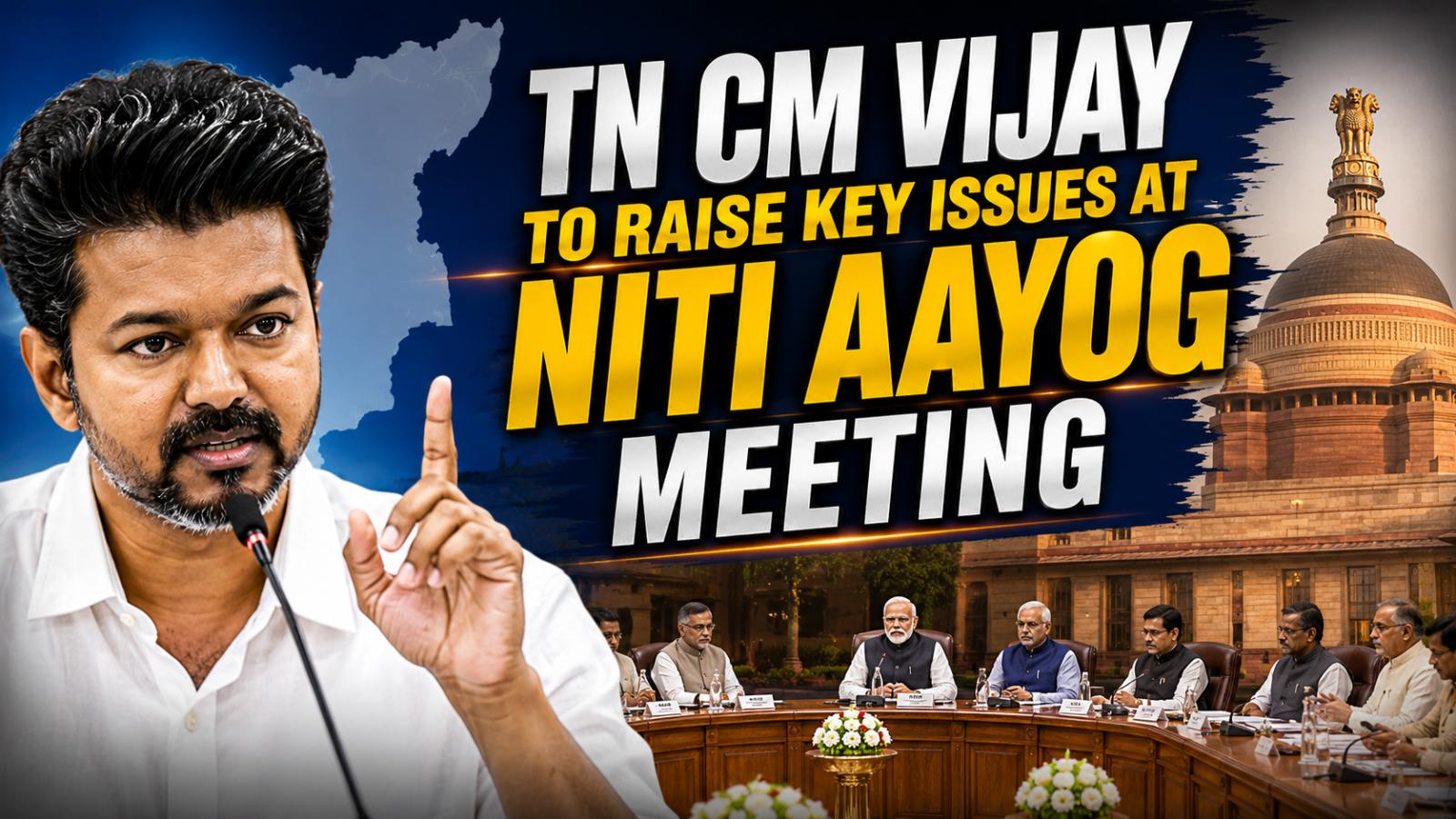
Vijay’s Maiden Address at NITI Aayog
Tamil Nadu Chief Minister C. Joseph Vijay is set to make his first address at the 11th Governing Council meeting of NITI Aayog on Thursday, 11 June 2026, at the Rashtrapati Bhavan Cultural Centre. The meeting is chaired by Prime Minister Narendra Modi and brings together Chief Ministers and Lieutenant Governors from across India. CM Vijay is expected to present Tamil Nadu’s priorities regar
Vijay’s Maiden Address at NITI Aayog
Tamil Nadu Chief Minister C. Joseph Vijay is set to make his first address at the 11th Governing Council meeting of NITI Aayog on Thursday, 11 June 2026, at the Rashtrapati Bhavan Cultural Centre. The meeting is chaired by Prime Minister Narendra Modi and brings together Chief Ministers and Lieutenant Governors from across India. CM Vijay is expected to present Tamil Nadu’s priorities regar
New Tamil Nadu Police Chief 2026
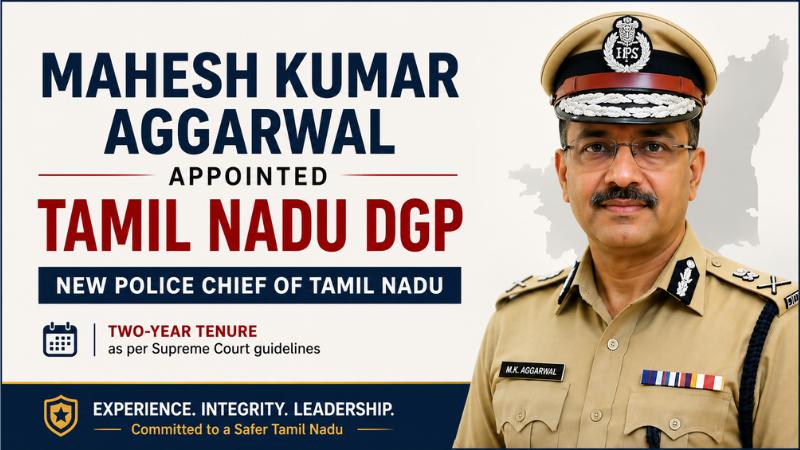
Tamil Nadu Gets New DGP
In a major Tamil Nadu DGP appointment news update, senior IPS officer Mahesh Kumar Aggarwal has been appointed as the new Director-General of Police and Head of the Police Force. The 1994-batch IPS officer will replace Sandeep Rai Rathore and is set to lead the State police at a crucial time.
New Tamil Nadu Police Chief 2026
Tamil Nadu Gets New DGP
In a major Tamil Nadu DGP appointment news update, senior IPS officer Mahesh Kumar Aggarwal has been appointed as the new Director-General of Police and Head of the Police Force. The 1994-batch IPS officer will replace Sandeep Rai Rathore and is set to lead the State police at a crucial time.
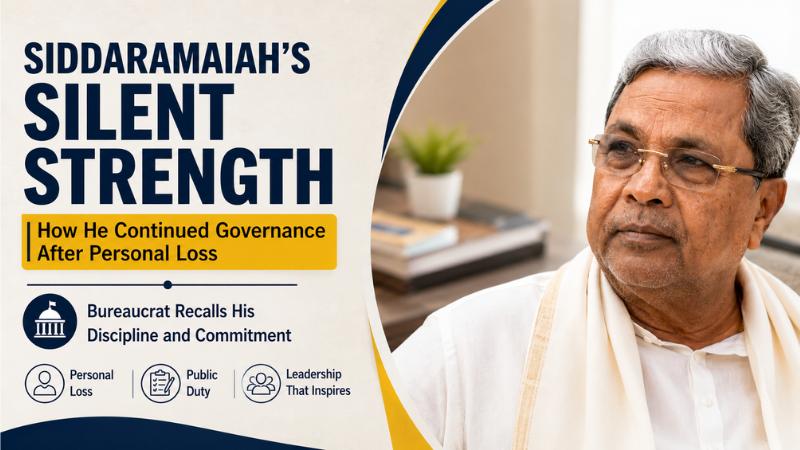
L K Atheeq Recalls Siddaramaiah’s Discipline During Personal Grief
Personal Loss And Public Duty
Siddaramaiah’s political journey is often discussed through elections, welfare schemes, and budget decisions. But a recollection by bureaucrat L K Atheeq gives a more personal view of the Karnataka Chief Minister. After the death of his elder son, Rakesh Siddaramaiah, in 2
L K Atheeq Recalls Siddaramaiah’s Discipline During Personal Grief
Personal Loss And Public Duty
Siddaramaiah’s political journey is often discussed through elections, welfare schemes, and budget decisions. But a recollection by bureaucrat L K Atheeq gives a more personal view of the Karnataka Chief Minister. After the death of his elder son, Rakesh Siddaramaiah, in 2
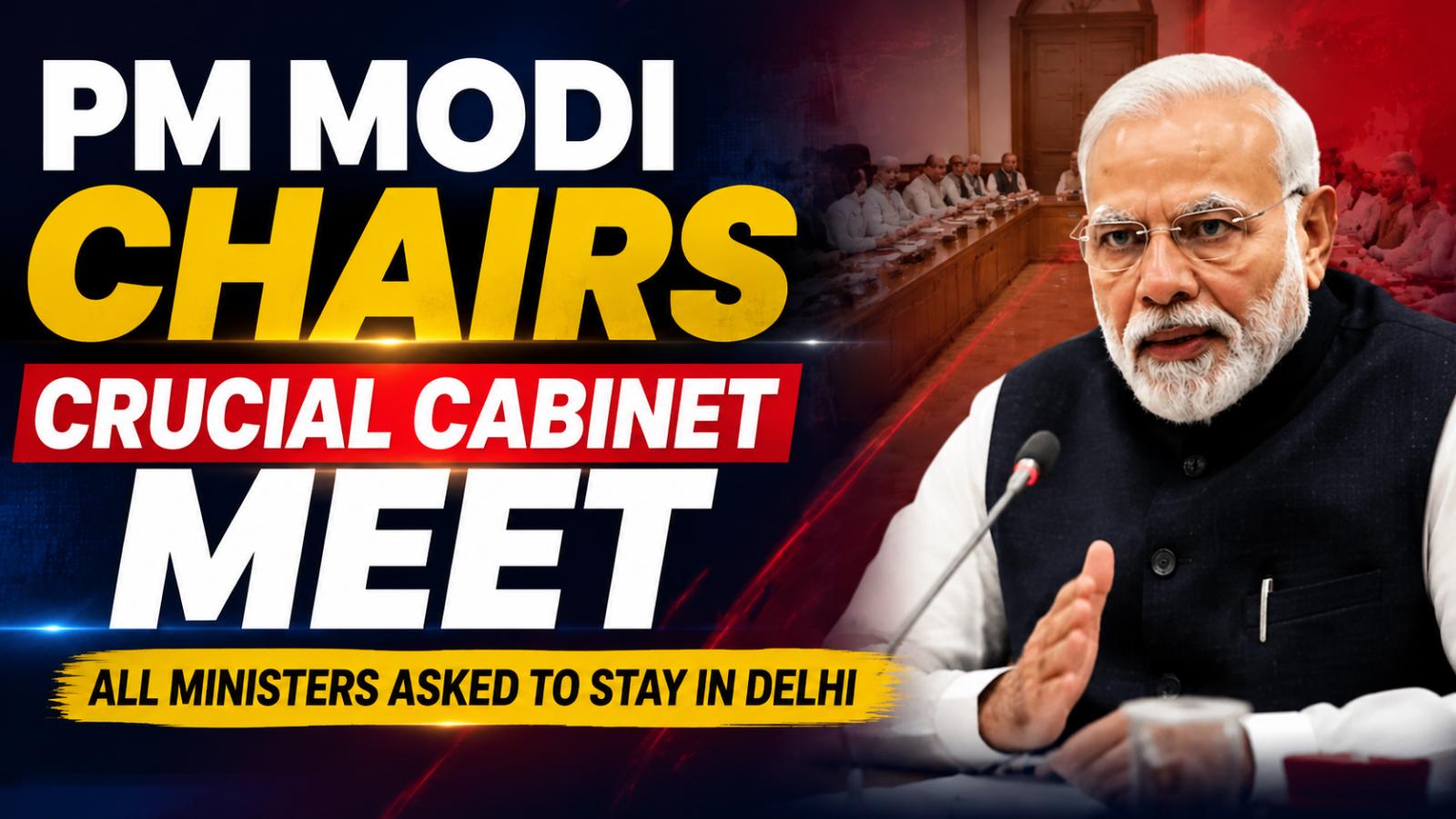
Prime Minister Narendra Modi is set to chair a crucial Council of Ministers meeting at Seva Teerth in Delhi at 4 pm on Thursday. All Union ministers, including Cabinet ministers, ministers of state with independent charge, and ministers of state, have been asked to remain in the capital during this period. The meeting comes immediately after PM Modi’s foreign visit and is expected to cover governance priorities, regional geopolitical developments, and possible political changes within the g
Prime Minister Narendra Modi is set to chair a crucial Council of Ministers meeting at Seva Teerth in Delhi at 4 pm on Thursday. All Union ministers, including Cabinet ministers, ministers of state with independent charge, and ministers of state, have been asked to remain in the capital during this period. The meeting comes immediately after PM Modi’s foreign visit and is expected to cover governance priorities, regional geopolitical developments, and possible political changes within the g
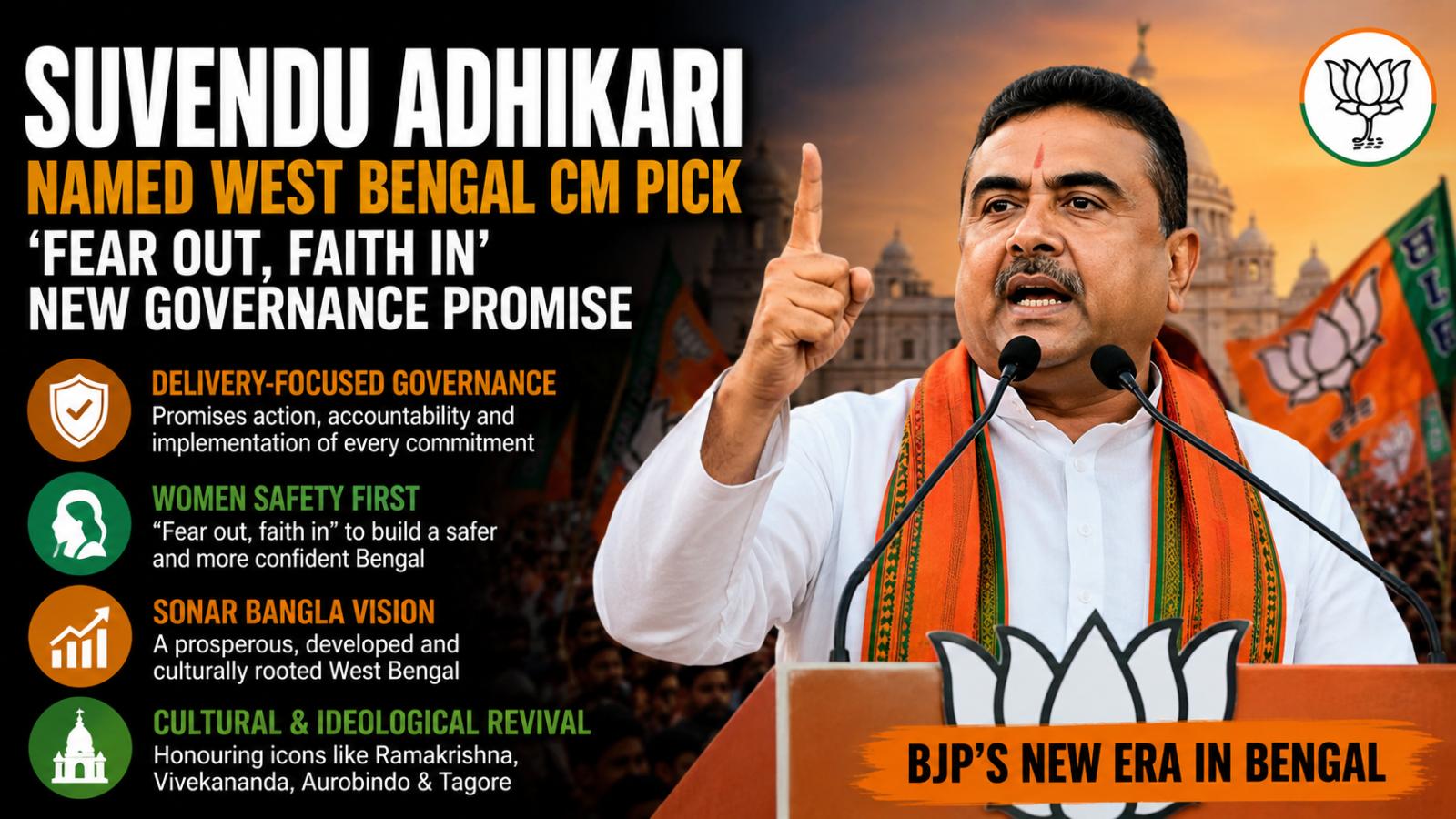
Suvendu Adhikari Sets Governance Tone After Bengal CM Pick
Suvendu Adhikari, named the BJP’s West Bengal Chief Minister pick, has promised a delivery-focused government built on trust, safety and quick implementation.
Addressing newly elected BJP legislators in Kolkata on Friday, May 8, Adhikari said the new administration would move beyond slogans and focus on visible results. His message was clear: Bengal’s voters, he said, had backed change and no
Suvendu Adhikari Sets Governance Tone After Bengal CM Pick
Suvendu Adhikari, named the BJP’s West Bengal Chief Minister pick, has promised a delivery-focused government built on trust, safety and quick implementation.
Addressing newly elected BJP legislators in Kolkata on Friday, May 8, Adhikari said the new administration would move beyond slogans and focus on visible results. His message was clear: Bengal’s voters, he said, had backed change and no
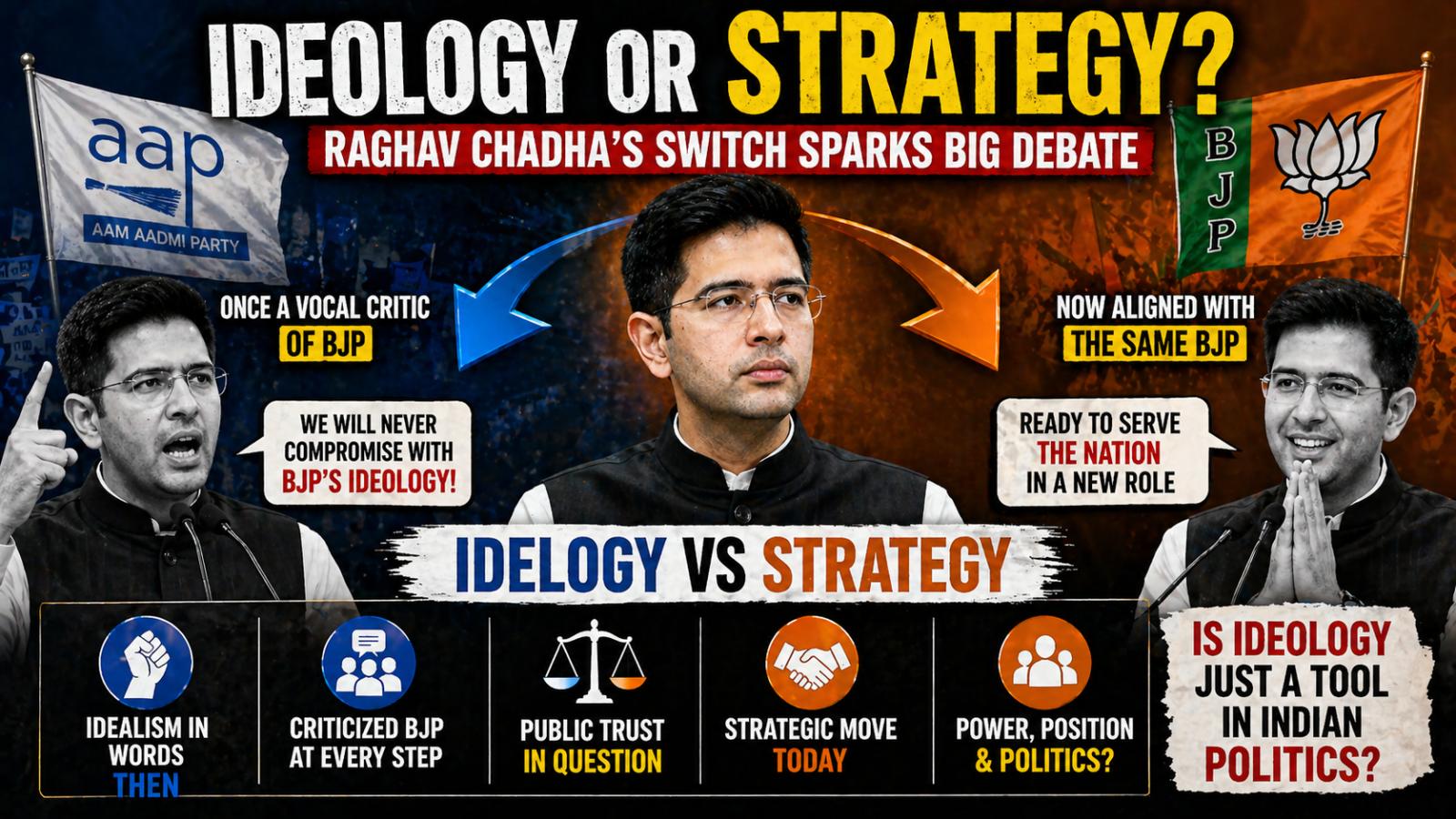
Did Raghav Chadha’s switch expose ideology as strategy in Indian politics? Yes, it raises serious questions as the recent political move by Raghav Chadha has triggered a wider debate about whether ideology in Indian politics is truly stable or simply a matter of strategy. The development, reported on Thursday, April 24, 2026, in India Standard Time, comes as Chadha, once a vocal critic of the Bharatiya Janata Party (BJP), aligned himself with the same political force he had publicly opposed.
From vocal opposition to alignment with former rivals
For years, Chadha built his political identity within the Aam Aadmi Party (AAP) by criticizing the BJP’s governance style, raising concerns about institutional independence and democratic functioning. His speeches positioned AAP as a clear alternative, emphasizing transparency and accountability. This consistent messaging helped shape public perception and earned him credibility among urban and educated voters.
The sudden shift, however, has led to questions about whether those earlier positions were rooted in firm ideological belief or were part of a broader political strategy that evolved over time.
BJP’s acceptance raises questions about ideological consistency
The BJP, which has maintained political dominance at the national level for over a decade, has consistently emphasized strong ideological foundations and governance continuity. Its decision to accept a leader who had openly challenged its policies now brings attention to the balance between ideological commitment and political expansion.
In parliamentary systems, numbers often determine legislative outcomes. Strategic decisions to strengthen representation can override past disagreements, reflecting a pragmatic approach to governance and policy-making.
A recurring pattern across political systems
This development is not isolated. Political realignments, shifting alliances, and evolving narratives are common across democratic systems worldwide. Leaders frequently transition between parties, and parties themselves adapt to changing political landscapes.
Such shifts suggest that while ideology is presented as a guiding principle, strategy often plays a decisive role in shaping political actions.
Public trust, consistency, and the shifting foundation of politics
For the public, these developments can create uncertainty. Strong statements made in one phase of a political career may not align with actions taken later. This gap between words and actions raises broader concerns about consistency, accountability, and long-term trust in political institutions.
What emerges from this pattern is not just a question about one leader or one party, but about the direction of politics itself. When positions can shift so sharply and be accepted just as quickly, it becomes harder to separate belief from convenience. The debate is no longer limited to whether one individual changed sides, but whether such changes are now an accepted norm across the political spectrum.
In that context, the latest move involving Raghav Chadha reinforces a broader concern: political systems that emphasize ideology in public messaging may increasingly rely on strategy in practice.
In that reality, one conclusion is becoming difficult to ignore. Adapting strategy to suit the moment is no longer just a political tool; it is increasingly becoming the most consistent ideology across political parties.
Did Raghav Chadha’s switch expose ideology as strategy in Indian politics? Yes, it raises serious questions as the recent political move by Raghav Chadha has triggered a wider debate about whether ideology in Indian politics is truly stable or simply a matter of strategy. The development, reported on Thursday, April 24, 2026, in India Standard Time, comes as Chadha, once a vocal critic of the Bharatiya Janata Party (BJP), aligned himself with the same political force he had publicly opposed.
From vocal opposition to alignment with former rivals
For years, Chadha built his political identity within the Aam Aadmi Party (AAP) by criticizing the BJP’s governance style, raising concerns about institutional independence and democratic functioning. His speeches positioned AAP as a clear alternative, emphasizing transparency and accountability. This consistent messaging helped shape public perception and earned him credibility among urban and educated voters.
The sudden shift, however, has led to questions about whether those earlier positions were rooted in firm ideological belief or were part of a broader political strategy that evolved over time.
BJP’s acceptance raises questions about ideological consistency
The BJP, which has maintained political dominance at the national level for over a decade, has consistently emphasized strong ideological foundations and governance continuity. Its decision to accept a leader who had openly challenged its policies now brings attention to the balance between ideological commitment and political expansion.
In parliamentary systems, numbers often determine legislative outcomes. Strategic decisions to strengthen representation can override past disagreements, reflecting a pragmatic approach to governance and policy-making.
A recurring pattern across political systems
This development is not isolated. Political realignments, shifting alliances, and evolving narratives are common across democratic systems worldwide. Leaders frequently transition between parties, and parties themselves adapt to changing political landscapes.
Such shifts suggest that while ideology is presented as a guiding principle, strategy often plays a decisive role in shaping political actions.
Public trust, consistency, and the shifting foundation of politics
For the public, these developments can create uncertainty. Strong statements made in one phase of a political career may not align with actions taken later. This gap between words and actions raises broader concerns about consistency, accountability, and long-term trust in political institutions.
What emerges from this pattern is not just a question about one leader or one party, but about the direction of politics itself. When positions can shift so sharply and be accepted just as quickly, it becomes harder to separate belief from convenience. The debate is no longer limited to whether one individual changed sides, but whether such changes are now an accepted norm across the political spectrum.
In that context, the latest move involving Raghav Chadha reinforces a broader concern: political systems that emphasize ideology in public messaging may increasingly rely on strategy in practice.
In that reality, one conclusion is becoming difficult to ignore. Adapting strategy to suit the moment is no longer just a political tool; it is increasingly becoming the most consistent ideology across political parties.
The debate around delimitation and fertility trends in India has long been presented as a matter of data, numbers, and scientific calculation. However, beneath the surface lies a far more complex reality that statistics alone often fail to fully capture. While policymakers and scholars rely heavily on demographic data to redraw constituencies and assess population changes, the lived experiences and political consequences of these decisions extend far beyond what the numbers suggest.
Delimitation, the process of redrawing electoral boundaries based on population, is intended to ensure fair representation. On paper, it appears straightforward: regions with higher populations should have more representation. However, this principle becomes contentious when viewed in the context of India’s diverse demographic patterns. States that have successfully controlled population growth through effective policies may find themselves disadvantaged in terms of political representation, while those with higher fertility rates could gain more seats. This creates a paradox where success in population control might translate into reduced political influence.
The science behind fertility rates also presents limitations. While data can indicate trends such as declining birth rates or regional disparities, it cannot fully explain the social, cultural, and economic factors driving these changes. Fertility decisions are influenced by education, access to healthcare, urbanization, and shifting societal values. These nuances are often overlooked when discussions are framed purely in statistical terms. As a result, policies based solely on numerical analysis risk missing the deeper context that shapes population behavior.
Understanding The Limits Of Data
Scholarly research on delimitation and fertility often lags behind the political realities experienced on the ground. While academics strive to build models and frameworks to explain these phenomena, their findings can take time to reflect the rapidly evolving dynamics of Indian society. Political leaders and citizens, on the other hand, often develop intuitive understandings of these issues based on direct experience. This gap between theory and reality highlights the limitations of relying exclusively on scientific approaches.
Moreover, the use of census data as the primary basis for delimitation introduces its own challenges. Census figures provide a snapshot of population distribution at a specific point in time, but they cannot account for migration patterns, economic shifts, or sudden demographic changes. In a country as vast and diverse as India, these factors can significantly alter the ground reality within a short period. As a result, decisions based on outdated or incomplete data may fail to achieve the intended goal of equitable representation.
Balancing Representation And Fairness
The intersection of delimitation and fertility trends raises important questions about fairness and equity in governance. Should representation be based purely on population numbers, or should it also consider the efforts made by certain regions to control population growth? This dilemma underscores the need for a more nuanced approach that goes beyond traditional metrics.
Policymakers must recognize that demographic data is only one piece of the puzzle. A holistic understanding of social, economic, and cultural factors is essential to create policies that are both fair and effective. This may involve exploring alternative methods of representation or introducing safeguards to ensure that states are not penalized for successful population control measures.
Ultimately, the science of delimitation and fertility provides valuable insights, but it is not a complete solution. To address the challenges posed by these issues, India must move beyond numbers and embrace a more comprehensive perspective that reflects the complexity of its society. Only then can the country achieve a balance between representation, fairness, and sustainable development.
The debate around delimitation and fertility trends in India has long been presented as a matter of data, numbers, and scientific calculation. However, beneath the surface lies a far more complex reality that statistics alone often fail to fully capture. While policymakers and scholars rely heavily on demographic data to redraw constituencies and assess population changes, the lived experiences and political consequences of these decisions extend far beyond what the numbers suggest.
Delimitation, the process of redrawing electoral boundaries based on population, is intended to ensure fair representation. On paper, it appears straightforward: regions with higher populations should have more representation. However, this principle becomes contentious when viewed in the context of India’s diverse demographic patterns. States that have successfully controlled population growth through effective policies may find themselves disadvantaged in terms of political representation, while those with higher fertility rates could gain more seats. This creates a paradox where success in population control might translate into reduced political influence.
The science behind fertility rates also presents limitations. While data can indicate trends such as declining birth rates or regional disparities, it cannot fully explain the social, cultural, and economic factors driving these changes. Fertility decisions are influenced by education, access to healthcare, urbanization, and shifting societal values. These nuances are often overlooked when discussions are framed purely in statistical terms. As a result, policies based solely on numerical analysis risk missing the deeper context that shapes population behavior.
Understanding The Limits Of Data
Scholarly research on delimitation and fertility often lags behind the political realities experienced on the ground. While academics strive to build models and frameworks to explain these phenomena, their findings can take time to reflect the rapidly evolving dynamics of Indian society. Political leaders and citizens, on the other hand, often develop intuitive understandings of these issues based on direct experience. This gap between theory and reality highlights the limitations of relying exclusively on scientific approaches.
Moreover, the use of census data as the primary basis for delimitation introduces its own challenges. Census figures provide a snapshot of population distribution at a specific point in time, but they cannot account for migration patterns, economic shifts, or sudden demographic changes. In a country as vast and diverse as India, these factors can significantly alter the ground reality within a short period. As a result, decisions based on outdated or incomplete data may fail to achieve the intended goal of equitable representation.
Balancing Representation And Fairness
The intersection of delimitation and fertility trends raises important questions about fairness and equity in governance. Should representation be based purely on population numbers, or should it also consider the efforts made by certain regions to control population growth? This dilemma underscores the need for a more nuanced approach that goes beyond traditional metrics.
Policymakers must recognize that demographic data is only one piece of the puzzle. A holistic understanding of social, economic, and cultural factors is essential to create policies that are both fair and effective. This may involve exploring alternative methods of representation or introducing safeguards to ensure that states are not penalized for successful population control measures.
Ultimately, the science of delimitation and fertility provides valuable insights, but it is not a complete solution. To address the challenges posed by these issues, India must move beyond numbers and embrace a more comprehensive perspective that reflects the complexity of its society. Only then can the country achieve a balance between representation, fairness, and sustainable development.
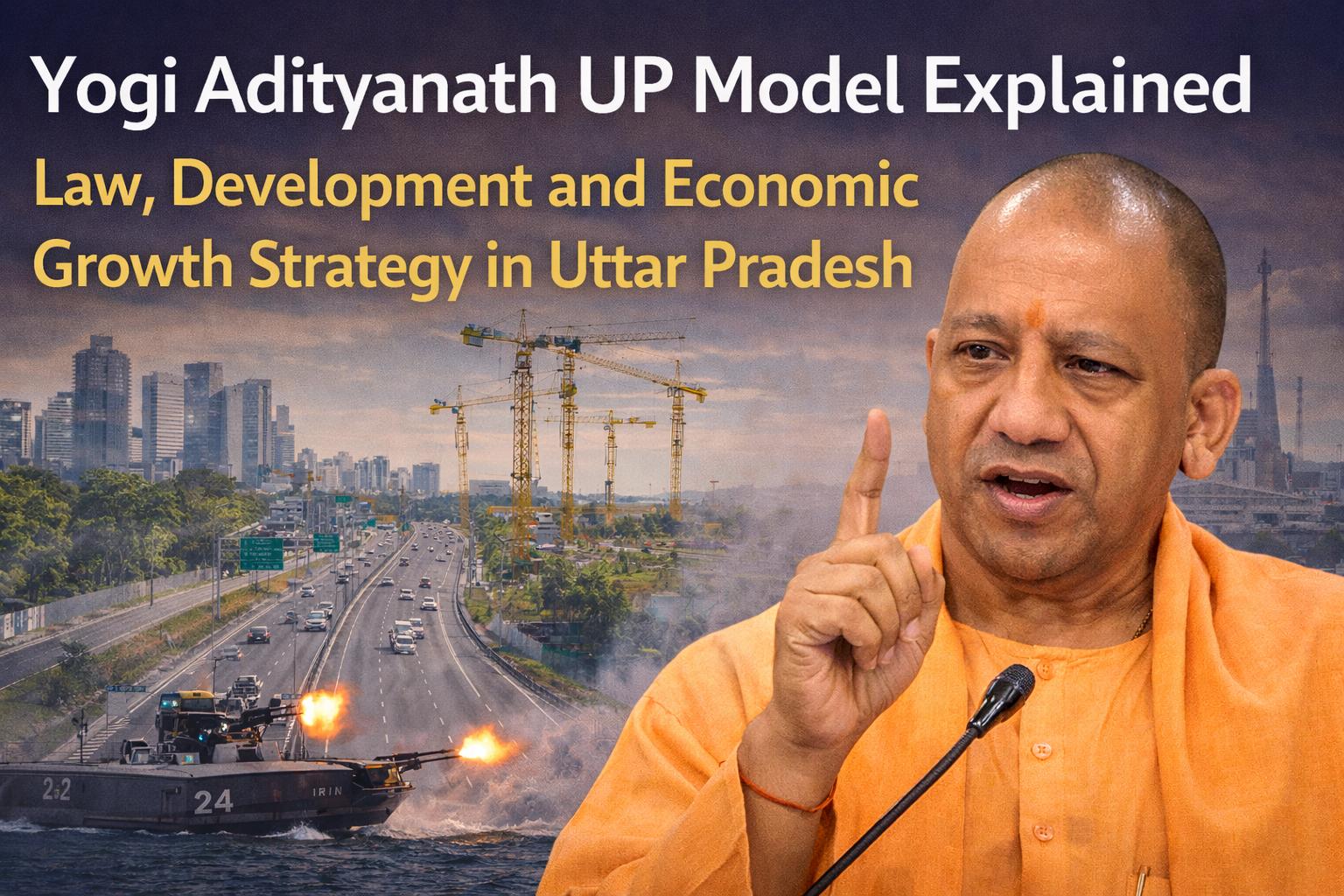
Yogi Adityanath UP model explained: A transformation strategy for India’s largest state
The Yogi Adityanath UP model has emerged as a major topic in India’s political and economic discussions. Focused on law and order, infrastructure expansion, and investment growth, the model aims to transform Uttar Pradesh into a key economic hub. Since taking office, Yogi Adityanath has posi
Yogi Adityanath UP model explained: A transformation strategy for India’s largest state
The Yogi Adityanath UP model has emerged as a major topic in India’s political and economic discussions. Focused on law and order, infrastructure expansion, and investment growth, the model aims to transform Uttar Pradesh into a key economic hub. Since taking office, Yogi Adityanath has posi
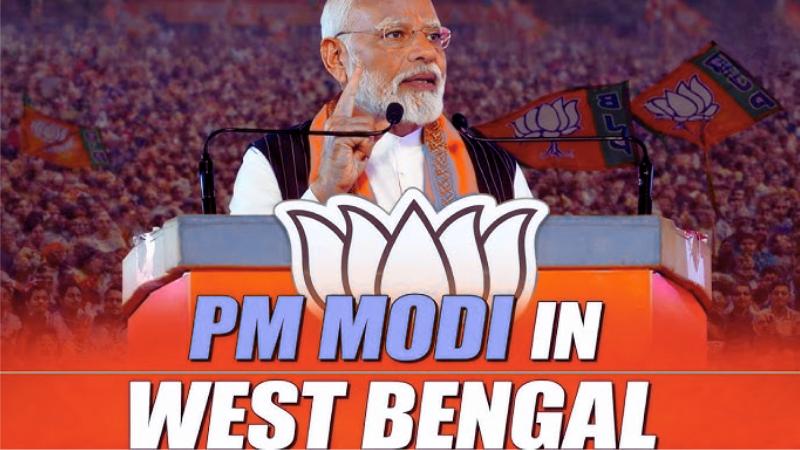
Prime Minister Narendra Modi, addressing a rally in Haldia, outlined six key guarantees for the people of West Bengal ahead of the April 23 elections. During his speech, he criticised the ruling
Prime Minister Narendra Modi, addressing a rally in Haldia, outlined six key guarantees for the people of West Bengal ahead of the April 23 elections. During his speech, he criticised the ruling