New reel trend highlights risks of sharing gestures in social media photos
Social Media Privacy Concerns Gain Attention Through Viral Content A new social media reel concept is drawing attention to how everyday photo habits may expose more information than users realize. The content focuses on common posing gestures, particularly hand signs used in selfies, and raises broader questions about digital privacy awareness in online sharing culture
New reel trend highlights risks of sharing gestures in social media photos
Social Media Privacy Concerns Gain Attention Through Viral Content A new social media reel concept is drawing attention to how everyday photo habits may expose more information than users realize. The content focuses on common posing gestures, particularly hand signs used in selfies, and raises broader questions about digital privacy awareness in online sharing culture
France's longest land border surprisingly connects to Brazil
Introduction Many people assume that France’s longest border lies somewhere in Europe. When asked to name the country that shares the most extensive land connection with France, guesses often point to neighboring nations such as Germany, Spain, or Belgium. This assumption, while understandable, is entirely incorrect. The Surprising Answer In reality, France’s longest land border is with Brazil. The reason for this unexpected fact l
France's longest land border surprisingly connects to Brazil
Introduction Many people assume that France’s longest border lies somewhere in Europe. When asked to name the country that shares the most extensive land connection with France, guesses often point to neighboring nations such as Germany, Spain, or Belgium. This assumption, while understandable, is entirely incorrect. The Surprising Answer In reality, France’s longest land border is with Brazil. The reason for this unexpected fact l
Spiti Valley guide: monasteries, villages, adventureSpiti Valley guide: monasteries, villages, adventure
Spiti Valley, located in the Lahaul and Spiti district of Himachal Pradesh, is a remote Himalayan region near the Tibet/China border. Known as the “Middle Land,” Spiti Valley is a high-altitude cold desert with barren mountains, dramatic cliffs, blue skies, ancient monasteries, and small villages. Its unique landscape offers adventure, stargazing, and a spiritual Himalayan experience, making it a rare destination for travelers seeking raw and silent beauty. The valley is famous for its ce
Spiti Valley guide: monasteries, villages, adventureSpiti Valley guide: monasteries, villages, adventure
Spiti Valley, located in the Lahaul and Spiti district of Himachal Pradesh, is a remote Himalayan region near the Tibet/China border. Known as the “Middle Land,” Spiti Valley is a high-altitude cold desert with barren mountains, dramatic cliffs, blue skies, ancient monasteries, and small villages. Its unique landscape offers adventure, stargazing, and a spiritual Himalayan experience, making it a rare destination for travelers seeking raw and silent beauty. The valley is famous for its ce
California Voter Groups: Ballot Data Shows Six Political Blocs
California voter groups are more divided than a simple left-versus-right map suggests. An analysis of precinct-level ballot measure data found six voter communities shaped by party preference, populism, class, race and views on government institutions. The analysis reviewed how California precincts voted on 65 statewide ballot issues from 2016 through 2024. It focused on precincts with more than 700 voters and used principal component analysis, a statistical method
California Voter Groups: Ballot Data Shows Six Political Blocs
California voter groups are more divided than a simple left-versus-right map suggests. An analysis of precinct-level ballot measure data found six voter communities shaped by party preference, populism, class, race and views on government institutions. The analysis reviewed how California precincts voted on 65 statewide ballot issues from 2016 through 2024. It focused on precincts with more than 700 voters and used principal component analysis, a statistical method
Pulicat Lake Flamingo Season: Best Bird Photography And Weekend Trip Near Chennai
Flamingo Season Makes Pulicat Lake A Birding Hotspot Pulicat Lake, a historic lagoon town near Chennai, has become one of the most popular bird watching places near Chennai, especially during the Pulicat Lake flamingo season. Every year, birders, wildlife lovers and photographers visit the lake to witness graceful flamingos moving across the shallow waters. The calm surroundings, open wetlands and still ref
Pulicat Lake Flamingo Season: Best Bird Photography And Weekend Trip Near Chennai
Flamingo Season Makes Pulicat Lake A Birding Hotspot Pulicat Lake, a historic lagoon town near Chennai, has become one of the most popular bird watching places near Chennai, especially during the Pulicat Lake flamingo season. Every year, birders, wildlife lovers and photographers visit the lake to witness graceful flamingos moving across the shallow waters. The calm surroundings, open wetlands and still ref
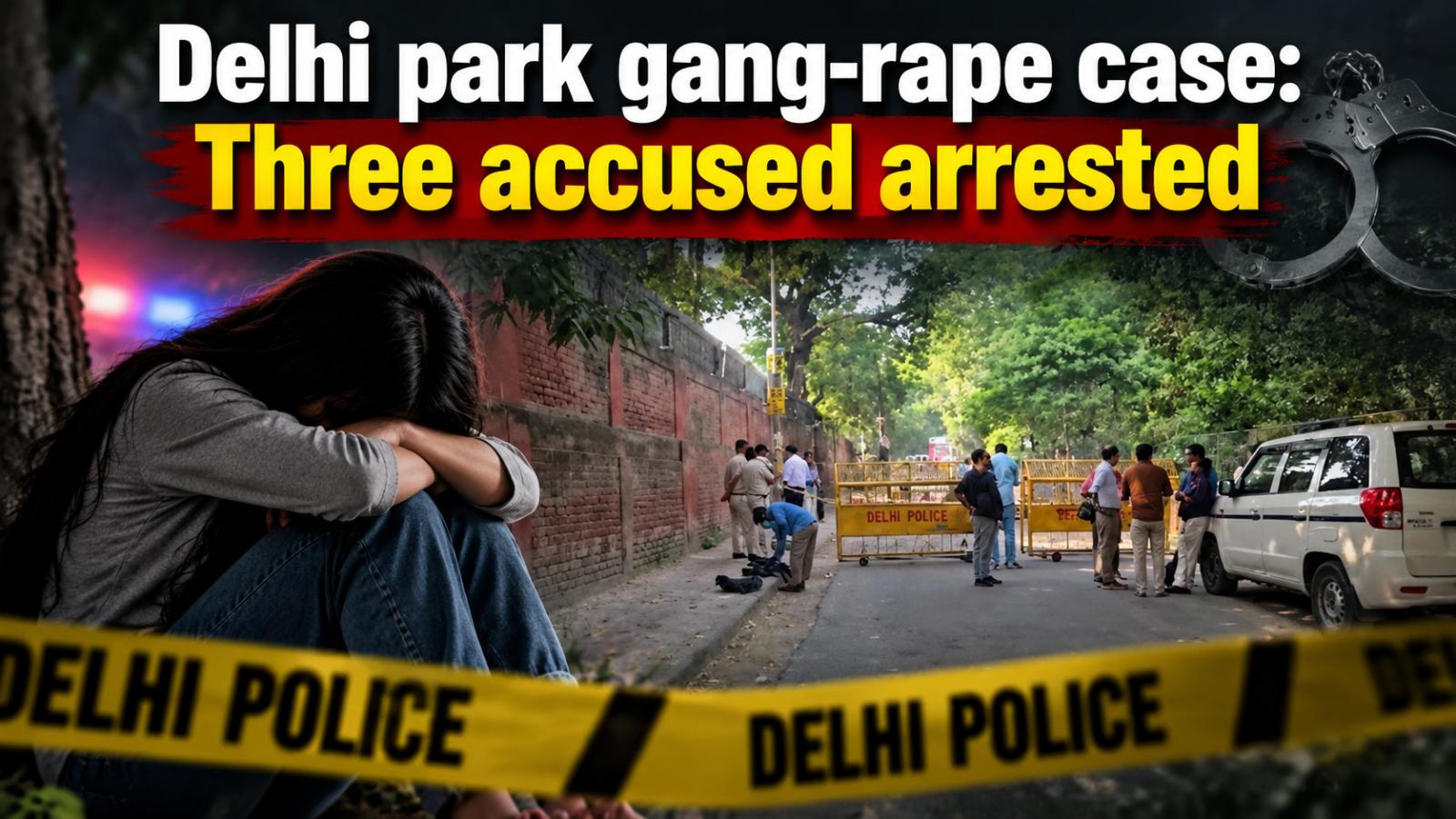
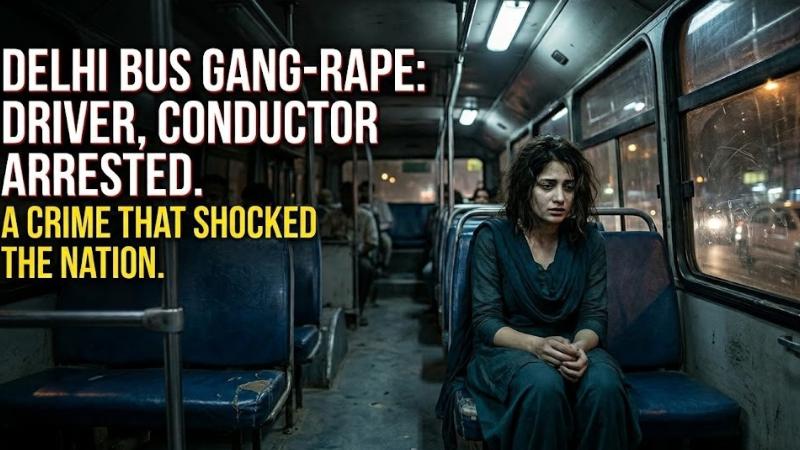
Woman Gang-Raped Inside Bus in Delhi; Driver and Conductor Arrested
On May 11, 2026, a woman was gang-raped inside a stationary sleeper bus in Delhi, leading to the arrest of the driver and conductor. The incident has sparked political outrage and heightened concerns over women’s safety in the capital. In a shocking incident, a woman was allegedly gang-raped inside a stationary sleeper bus in Delhi on May 11. The bus driver and conductor have been arrested. According to the victim's complaint, she approached a man standing near the bus door to ask for the time, after which she was forcibly pulled inside the vehicle. The accused then drove the bus towards Nangloi, where the assault allegedly occurred. After the incident, the woman was thrown out of the bus. The victim, a 30-year-old married woman with three children, works at a factory in Mangolpuri. Following her medical examination, an FIR was registered, and the two men were arrested. Delhi Police have seized the bus and are investigating all possible angles, including whether the bus was operational at the time of the assault and if any other passengers were present. The incident has drawn strong political reactions, particularly from the Aam Aadmi Party (AAP), which has condemned the BJP-led government over safety concerns in the national capital. AAP leaders, including former Deputy CM Manish Sisodia, have compared the incident to the 2012 Nirbhaya case, citing the continued danger to women in Delhi’s public transport system. The case remains under investigation, and authorities are expected to gather further details, including forensic and medical reports. The arrest of the accused men brings some measure of accountability, but concerns about women’s safety in Delhi remain high.
Woman Gang-Raped Inside Bus in Delhi; Driver and Conductor Arrested
On May 11, 2026, a woman was gang-raped inside a stationary sleeper bus in Delhi, leading to the arrest of the driver and conductor. The incident has sparked political outrage and heightened concerns over women’s safety in the capital. In a shocking incident, a woman was allegedly gang-raped inside a stationary sleeper bus in Delhi on May 11. The bus driver and conductor have been arrested. According to the victim's complaint, she approached a man standing near the bus door to ask for the time, after which she was forcibly pulled inside the vehicle. The accused then drove the bus towards Nangloi, where the assault allegedly occurred. After the incident, the woman was thrown out of the bus. The victim, a 30-year-old married woman with three children, works at a factory in Mangolpuri. Following her medical examination, an FIR was registered, and the two men were arrested. Delhi Police have seized the bus and are investigating all possible angles, including whether the bus was operational at the time of the assault and if any other passengers were present. The incident has drawn strong political reactions, particularly from the Aam Aadmi Party (AAP), which has condemned the BJP-led government over safety concerns in the national capital. AAP leaders, including former Deputy CM Manish Sisodia, have compared the incident to the 2012 Nirbhaya case, citing the continued danger to women in Delhi’s public transport system. The case remains under investigation, and authorities are expected to gather further details, including forensic and medical reports. The arrest of the accused men brings some measure of accountability, but concerns about women’s safety in Delhi remain high.
Raghu Rai’s Lens Preserved Bengal’s Cultural Icons, Kolkata Pays Tribute
Raghu Rai’s photography stands as a timeless tribute to Bengal’s rich cultural and intellectual heritage, capturing a remarkable spectrum of personalities and moments that shaped the region’s identity. Widely regarded as one of India’s most influential photographers, Raghu Rai used his lens to document not just events, but the deeper emotions and stories behind them. His iconic black and white portraits of legends such as Satyajit Ray and Mother Teresa remain some of the most powerful visual records of their lives and work. Through subtle expressions, light, and composition, Rai was able to reveal the humanity, depth, and quiet strength of his subjects, turning simple photographs into lasting narratives. Kolkata, often considered the cultural capital of India, played a central role in Rai’s photographic journey. The city’s streets, intellectual circles, and artistic traditions frequently appeared in his work, giving audiences a glimpse into its vibrant soul. His images went beyond famous figures to include everyday life, traditions, and social realities, creating a layered and authentic portrayal of Bengal. Over the years, his work has not only preserved history but also inspired generations of photographers and art lovers. As tributes continue to pour in, his legacy endures through images that still speak with emotional clarity and cultural significance, ensuring that the spirit of Bengal’s icons and people lives on through his extraordinary vision.
Raghu Rai’s Lens Preserved Bengal’s Cultural Icons, Kolkata Pays Tribute
Raghu Rai’s photography stands as a timeless tribute to Bengal’s rich cultural and intellectual heritage, capturing a remarkable spectrum of personalities and moments that shaped the region’s identity. Widely regarded as one of India’s most influential photographers, Raghu Rai used his lens to document not just events, but the deeper emotions and stories behind them. His iconic black and white portraits of legends such as Satyajit Ray and Mother Teresa remain some of the most powerful visual records of their lives and work. Through subtle expressions, light, and composition, Rai was able to reveal the humanity, depth, and quiet strength of his subjects, turning simple photographs into lasting narratives. Kolkata, often considered the cultural capital of India, played a central role in Rai’s photographic journey. The city’s streets, intellectual circles, and artistic traditions frequently appeared in his work, giving audiences a glimpse into its vibrant soul. His images went beyond famous figures to include everyday life, traditions, and social realities, creating a layered and authentic portrayal of Bengal. Over the years, his work has not only preserved history but also inspired generations of photographers and art lovers. As tributes continue to pour in, his legacy endures through images that still speak with emotional clarity and cultural significance, ensuring that the spirit of Bengal’s icons and people lives on through his extraordinary vision.
Australia’s Pink Wonder: The Science Behind Lake Hillier’s Unique Color
Lake Hillier is one of the world’s most fascinating natural wonders, renowned for its striking bubblegum-pink water. Located on Middle Island off the southern coast of Western Australia, the lake stands out vividly against the deep blue ocean and lush greenery that surround it. The lake’s unique pink hue is the result of microscopic organisms that
Australia’s Pink Wonder: The Science Behind Lake Hillier’s Unique Color
Lake Hillier is one of the world’s most fascinating natural wonders, renowned for its striking bubblegum-pink water. Located on Middle Island off the southern coast of Western Australia, the lake stands out vividly against the deep blue ocean and lush greenery that surround it. The lake’s unique pink hue is the result of microscopic organisms that
The Hidden Limits of Delimitation Science and India’s Fertility Debate
The debate around delimitation and fertility trends in India has long been presented as a matter of data, numbers, and scientific calculation. However, beneath the surface lies a far more complex reality that statistics alone often fail to fully capture. While policymakers and scholars rely heavily on demographic data to redraw constituencies and assess population changes, the lived experiences and political consequences of these decisions extend far beyond what the numbers suggest. Delimitation, the process of redrawing electoral boundaries based on population, is intended to ensure fair representation. On paper, it appears straightforward: regions with higher populations should have more representation. However, this principle becomes contentious when viewed in the context of India’s diverse demographic patterns. States that have successfully controlled population growth through effective policies may find themselves disadvantaged in terms of political representation, while those with higher fertility rates could gain more seats. This creates a paradox where success in population control might translate into reduced political influence. The science behind fertility rates also presents limitations. While data can indicate trends such as declining birth rates or regional disparities, it cannot fully explain the social, cultural, and economic factors driving these changes. Fertility decisions are influenced by education, access to healthcare, urbanization, and shifting societal values. These nuances are often overlooked when discussions are framed purely in statistical terms. As a result, policies based solely on numerical analysis risk missing the deeper context that shapes population behavior. Understanding The Limits Of Data Scholarly research on delimitation and fertility often lags behind the political realities experienced on the ground. While academics strive to build models and frameworks to explain these phenomena, their findings can take time to reflect the rapidly evolving dynamics of Indian society. Political leaders and citizens, on the other hand, often develop intuitive understandings of these issues based on direct experience. This gap between theory and reality highlights the limitations of relying exclusively on scientific approaches. Moreover, the use of census data as the primary basis for delimitation introduces its own challenges. Census figures provide a snapshot of population distribution at a specific point in time, but they cannot account for migration patterns, economic shifts, or sudden demographic changes. In a country as vast and diverse as India, these factors can significantly alter the ground reality within a short period. As a result, decisions based on outdated or incomplete data may fail to achieve the intended goal of equitable representation. Balancing Representation And Fairness The intersection of delimitation and fertility trends raises important questions about fairness and equity in governance. Should representation be based purely on population numbers, or should it also consider the efforts made by certain regions to control population growth? This dilemma underscores the need for a more nuanced approach that goes beyond traditional metrics. Policymakers must recognize that demographic data is only one piece of the puzzle. A holistic understanding of social, economic, and cultural factors is essential to create policies that are both fair and effective. This may involve exploring alternative methods of representation or introducing safeguards to ensure that states are not penalized for successful population control measures. Ultimately, the science of delimitation and fertility provides valuable insights, but it is not a complete solution. To address the challenges posed by these issues, India must move beyond numbers and embrace a more comprehensive perspective that reflects the complexity of its society. Only then can the country achieve a balance between representation, fairness, and sustainable development.
The Hidden Limits of Delimitation Science and India’s Fertility Debate
The debate around delimitation and fertility trends in India has long been presented as a matter of data, numbers, and scientific calculation. However, beneath the surface lies a far more complex reality that statistics alone often fail to fully capture. While policymakers and scholars rely heavily on demographic data to redraw constituencies and assess population changes, the lived experiences and political consequences of these decisions extend far beyond what the numbers suggest. Delimitation, the process of redrawing electoral boundaries based on population, is intended to ensure fair representation. On paper, it appears straightforward: regions with higher populations should have more representation. However, this principle becomes contentious when viewed in the context of India’s diverse demographic patterns. States that have successfully controlled population growth through effective policies may find themselves disadvantaged in terms of political representation, while those with higher fertility rates could gain more seats. This creates a paradox where success in population control might translate into reduced political influence. The science behind fertility rates also presents limitations. While data can indicate trends such as declining birth rates or regional disparities, it cannot fully explain the social, cultural, and economic factors driving these changes. Fertility decisions are influenced by education, access to healthcare, urbanization, and shifting societal values. These nuances are often overlooked when discussions are framed purely in statistical terms. As a result, policies based solely on numerical analysis risk missing the deeper context that shapes population behavior. Understanding The Limits Of Data Scholarly research on delimitation and fertility often lags behind the political realities experienced on the ground. While academics strive to build models and frameworks to explain these phenomena, their findings can take time to reflect the rapidly evolving dynamics of Indian society. Political leaders and citizens, on the other hand, often develop intuitive understandings of these issues based on direct experience. This gap between theory and reality highlights the limitations of relying exclusively on scientific approaches. Moreover, the use of census data as the primary basis for delimitation introduces its own challenges. Census figures provide a snapshot of population distribution at a specific point in time, but they cannot account for migration patterns, economic shifts, or sudden demographic changes. In a country as vast and diverse as India, these factors can significantly alter the ground reality within a short period. As a result, decisions based on outdated or incomplete data may fail to achieve the intended goal of equitable representation. Balancing Representation And Fairness The intersection of delimitation and fertility trends raises important questions about fairness and equity in governance. Should representation be based purely on population numbers, or should it also consider the efforts made by certain regions to control population growth? This dilemma underscores the need for a more nuanced approach that goes beyond traditional metrics. Policymakers must recognize that demographic data is only one piece of the puzzle. A holistic understanding of social, economic, and cultural factors is essential to create policies that are both fair and effective. This may involve exploring alternative methods of representation or introducing safeguards to ensure that states are not penalized for successful population control measures. Ultimately, the science of delimitation and fertility provides valuable insights, but it is not a complete solution. To address the challenges posed by these issues, India must move beyond numbers and embrace a more comprehensive perspective that reflects the complexity of its society. Only then can the country achieve a balance between representation, fairness, and sustainable development.
Artemis II Crew Captures Stunning Views of Moon's Far Side in Historic Flyby
The Artemis II crew has made history by capturing breathtaking views of the far side of the Moon during a record-setting flyby. This landmark achievement in space exploration comes as part of NASA's Artemis program, which aims to return humans to the Moon and ultimately send astronauts to Mars. The crew of Artemis II, aboard the Orion spacecraft, achieved a rare and remarkable perspective of the lunar surface, providing viewers with never-before-seen imagery of the Moon’s far side.
Artemis II Crew Captures Stunning Views of Moon's Far Side in Historic Flyby
The Artemis II crew has made history by capturing breathtaking views of the far side of the Moon during a record-setting flyby. This landmark achievement in space exploration comes as part of NASA's Artemis program, which aims to return humans to the Moon and ultimately send astronauts to Mars. The crew of Artemis II, aboard the Orion spacecraft, achieved a rare and remarkable perspective of the lunar surface, providing viewers with never-before-seen imagery of the Moon’s far side.
Film Certification Time Reduced to 18 Days with New Online System, Says Ministry
The Ministry of Information and Broadcasting announced that the average time taken for the certification of feature films has been reduced to just 18 working days, thanks to the introduction of the Online Certificate System. Minister L Murugan shared this information in response to a question raised by Priyanka Gandhi Vadra in the Lok Sabha. This reduction marks a significant improvement in the efficiency of the film certification process, which was previously subject to a 48-day prescribed t
Film Certification Time Reduced to 18 Days with New Online System, Says Ministry
The Ministry of Information and Broadcasting announced that the average time taken for the certification of feature films has been reduced to just 18 working days, thanks to the introduction of the Online Certificate System. Minister L Murugan shared this information in response to a question raised by Priyanka Gandhi Vadra in the Lok Sabha. This reduction marks a significant improvement in the efficiency of the film certification process, which was previously subject to a 48-day prescribed t
Japan’s birth crisis deepens as 2025 births hit historic low
Japan is on course to record its lowest number of births since national data collection began in 1899, with estimates for 2025 indicating the total will fall below 670,000. The figure is not only historically low but also worse than the most pessimistic government forecasts, underscoring the speed and scale of the country’s demographic decline. As the population continues to shrink, the question facing policymakers and businesses alike is whether Japan can sustain its economic and social systems with a rapidly diminishing younger generation. The population trend has been moving in this direction for more than a decade. Japan’s total population began declining in 2011 and has continued to contract each year since. In 2024, deaths exceeded births by nearly one million people, marking the largest annual natural decrease on record. That year also saw births drop below 700,000 for the first time, a decline of 5.7 percent from the previous year. Once home to about 128 million people, Japan’s population now stands at roughly 123 million and continues to fall. At the center of the crisis is an extremely low fertility rate. Japan’s current fertility level is estimated at around 1.14 children per woman, far below the replacement rate of approximately 2.1 required to maintain population stability. This gap reflects deep-rooted economic and social pressures that have reshaped family formation. Economic insecurity remains a major factor, with stagnant wages, rising living costs, and high childcare expenses discouraging many young adults from marrying or having children. Marriage rates have declined sharply over recent decades, and because childbirth outside marriage remains relatively uncommon, fewer marriages translate directly into fewer births. Work culture and social expectations have also played a significant role. Japan’s long working hours and limited work-life balance make parenting particularly challenging, especially for women. Despite gradual improvements, gender inequality continues to place most childcare responsibilities on mothers. At the same time, more women are pursuing higher education, careers, and financial independence, leading many to delay or reject traditional family models altogether. These choices reflect changing aspirations as much as structural constraints. The demographic shift is already affecting the economy. With fewer young people entering the workforce each year, labor shortages are emerging across key sectors including manufacturing, construction, agriculture, caregiving, and services. Businesses are facing reduced production capacity, strained supply chains, and rising operational costs. Small and medium-sized enterprises, in particular, are struggling to recruit and retain workers, adding pressure to regional economies. While fears of an outright economic collapse are overstated, the risk of prolonged stagnation is real. Japan remains a global leader in technology, automation, and robotics, and these strengths are helping to offset some labor shortages. Automated systems can increase productivity and reduce reliance on human labor in certain industries. However, technology has limits. Fields such as healthcare, education, and many service roles depend heavily on human interaction, empathy, and judgment, qualities machines cannot fully replicate. Japan’s population challenge is no longer a distant projection but an immediate reality shaping daily life and long-term planning. How effectively the country combines technological innovation with social reform, workforce participation changes, and potential adjustments to immigration policy will determine whether this demographic turning point leads to managed adaptation or deepening economic and social strain.
Japan’s birth crisis deepens as 2025 births hit historic low
Japan is on course to record its lowest number of births since national data collection began in 1899, with estimates for 2025 indicating the total will fall below 670,000. The figure is not only historically low but also worse than the most pessimistic government forecasts, underscoring the speed and scale of the country’s demographic decline. As the population continues to shrink, the question facing policymakers and businesses alike is whether Japan can sustain its economic and social systems with a rapidly diminishing younger generation. The population trend has been moving in this direction for more than a decade. Japan’s total population began declining in 2011 and has continued to contract each year since. In 2024, deaths exceeded births by nearly one million people, marking the largest annual natural decrease on record. That year also saw births drop below 700,000 for the first time, a decline of 5.7 percent from the previous year. Once home to about 128 million people, Japan’s population now stands at roughly 123 million and continues to fall. At the center of the crisis is an extremely low fertility rate. Japan’s current fertility level is estimated at around 1.14 children per woman, far below the replacement rate of approximately 2.1 required to maintain population stability. This gap reflects deep-rooted economic and social pressures that have reshaped family formation. Economic insecurity remains a major factor, with stagnant wages, rising living costs, and high childcare expenses discouraging many young adults from marrying or having children. Marriage rates have declined sharply over recent decades, and because childbirth outside marriage remains relatively uncommon, fewer marriages translate directly into fewer births. Work culture and social expectations have also played a significant role. Japan’s long working hours and limited work-life balance make parenting particularly challenging, especially for women. Despite gradual improvements, gender inequality continues to place most childcare responsibilities on mothers. At the same time, more women are pursuing higher education, careers, and financial independence, leading many to delay or reject traditional family models altogether. These choices reflect changing aspirations as much as structural constraints. The demographic shift is already affecting the economy. With fewer young people entering the workforce each year, labor shortages are emerging across key sectors including manufacturing, construction, agriculture, caregiving, and services. Businesses are facing reduced production capacity, strained supply chains, and rising operational costs. Small and medium-sized enterprises, in particular, are struggling to recruit and retain workers, adding pressure to regional economies. While fears of an outright economic collapse are overstated, the risk of prolonged stagnation is real. Japan remains a global leader in technology, automation, and robotics, and these strengths are helping to offset some labor shortages. Automated systems can increase productivity and reduce reliance on human labor in certain industries. However, technology has limits. Fields such as healthcare, education, and many service roles depend heavily on human interaction, empathy, and judgment, qualities machines cannot fully replicate. Japan’s population challenge is no longer a distant projection but an immediate reality shaping daily life and long-term planning. How effectively the country combines technological innovation with social reform, workforce participation changes, and potential adjustments to immigration policy will determine whether this demographic turning point leads to managed adaptation or deepening economic and social strain.
Tripura Student Killed In Racial Attack Suffered Paralysis, Hospital Report Reveals
Fresh details have emerged in the death of 24-year-old Tripura student Angel Chakma, who succumbed to severe injuries sustained during a violent racial attack in Uttarakhand’s Dehradun. A medical report issued by Graphic Era Hospital has revealed the extent of the trauma he endured, including complete pa

Tripura Student Killed In Racial Attack Suffered Paralysis, Hospital Report Reveals
Fresh details have emerged in the death of 24-year-old Tripura student Angel Chakma, who succumbed to severe injuries sustained during a violent racial attack in Uttarakhand’s Dehradun. A medical report issued by Graphic Era Hospital has revealed the extent of the trauma he endured, including complete pa

Grapevine-Colleyville ISD considers school closures amid budget shortfall
The Grapevine-Colleyville Independent School District (GCISD) in Texas is evaluating the potential closure of multiple elementary schools as it grapples with a significant budget shortfall and a steady decline in student enrollment. District officials confirmed that two to three schools could be affected, triggering concern among parents and community members who fear their neighborhood schools may soon be shuttered. According to GCISD, the discussion is still in the early stages, a
Grapevine-Colleyville ISD considers school closures amid budget shortfall
The Grapevine-Colleyville Independent School District (GCISD) in Texas is evaluating the potential closure of multiple elementary schools as it grapples with a significant budget shortfall and a steady decline in student enrollment. District officials confirmed that two to three schools could be affected, triggering concern among parents and community members who fear their neighborhood schools may soon be shuttered. According to GCISD, the discussion is still in the early stages, a
PM Modi Warns Demographic Change Bigger Threat Than Infiltration at RSS Centenary
Prime Minister Narendra Modi issued a strong warning at the Rashtriya Swayamsevak Sangh’s (RSS) centenary celebrations in New Delhi, stating that India’s greatest threat today is not infiltration by external forces but demographic changes that could destabilize social equality and national unity. Stressing that “unity in diversity” has always been the soul of India, he said that internal divisions caused by caste, language, regionalism,
PM Modi Warns Demographic Change Bigger Threat Than Infiltration at RSS Centenary
Prime Minister Narendra Modi issued a strong warning at the Rashtriya Swayamsevak Sangh’s (RSS) centenary celebrations in New Delhi, stating that India’s greatest threat today is not infiltration by external forces but demographic changes that could destabilize social equality and national unity. Stressing that “unity in diversity” has always been the soul of India, he said that internal divisions caused by caste, language, regionalism,
Adele In Talks For 2026 Super Bowl Halftime Show, Signs Multi-Million Book Deal
Global music icon Adele is reportedly in talks to headline the 2026 Super Bowl halftime show in Santa Clara, California, according to a report by Daily Mail. If confirmed, it would mark nearly a decade since the British singer famously turned down the opportunity, citing her discomfort with the show’s format. At that time, she said the Super Bowl “is not about music” and explained she did not feel suited to its highly choreographed style.
Adele In Talks For 2026 Super Bowl Halftime Show, Signs Multi-Million Book Deal
Global music icon Adele is reportedly in talks to headline the 2026 Super Bowl halftime show in Santa Clara, California, according to a report by Daily Mail. If confirmed, it would mark nearly a decade since the British singer famously turned down the opportunity, citing her discomfort with the show’s format. At that time, she said the Super Bowl “is not about music” and explained she did not feel suited to its highly choreographed style.
Three Colleyville firefighters injured battling blaze on Emerald Drive
Three firefighters in Colleyville, Texas, were injured on Wednesday evening while working to extinguish a blaze on Emerald Drive. According to officials, the call came in just before 5 p.m. in the 6100 block of the residential neighborhood. Emergency responders arrived quickly, but during the course of operations, three firefighters sustained injuries that required hospitalization. Authorities confirmed that none of the injuries are life threatening, and all th
Three Colleyville firefighters injured battling blaze on Emerald Drive
Three firefighters in Colleyville, Texas, were injured on Wednesday evening while working to extinguish a blaze on Emerald Drive. According to officials, the call came in just before 5 p.m. in the 6100 block of the residential neighborhood. Emergency responders arrived quickly, but during the course of operations, three firefighters sustained injuries that required hospitalization. Authorities confirmed that none of the injuries are life threatening, and all th
Total Lunar Eclipse 2025: Blood Moon On September 7 Timings And Visibility In India
A remarkable celestial event is set to unfold on the night of September 7-8, 2025. The total lunar eclipse, commonly known as the "Blood Moon," will provide an awe-inspiring display for skywatchers across the globe. As Earth positions itself perfectly between the Sun and the Moon, it will cast its shadow on the lunar surface, creating a striking reddish-orange glow that has fascinated observers for centuries. This type of lunar eclipse, known for its e
Total Lunar Eclipse 2025: Blood Moon On September 7 Timings And Visibility In India
A remarkable celestial event is set to unfold on the night of September 7-8, 2025. The total lunar eclipse, commonly known as the "Blood Moon," will provide an awe-inspiring display for skywatchers across the globe. As Earth positions itself perfectly between the Sun and the Moon, it will cast its shadow on the lunar surface, creating a striking reddish-orange glow that has fascinated observers for centuries. This type of lunar eclipse, known for its e
Strategic Diplomacy: Sergio Gor’s Nomination Signals Shift in US-India Policy
US President Donald Trump has nominated Sergio Gor, the current head of the White House Presidential Personnel Office, as the new ambassador to India. This decision comes at a time when the relationship between Washington and New Delhi is under stress, particularly over issues related to trade, agriculture, and India’s ties with Russia. The post of ambassador to India has been vacant since January, followi
Strategic Diplomacy: Sergio Gor’s Nomination Signals Shift in US-India Policy
US President Donald Trump has nominated Sergio Gor, the current head of the White House Presidential Personnel Office, as the new ambassador to India. This decision comes at a time when the relationship between Washington and New Delhi is under stress, particularly over issues related to trade, agriculture, and India’s ties with Russia. The post of ambassador to India has been vacant since January, followi
Why Independence Came Late for Some Indians in 1947: The Unique August 18 Celebration
While India celebrates its Independence on August 15, 1947, with great pride, parts of West Bengal, particularly in the Nadia and Malda districts, observe a different date – August 18. This unique observance is a result of a cartographic error that occurred during the partition of British India, which delayed their freedom by three days. Today, these areas mark August 18 as their true day of independence. In 19
Why Independence Came Late for Some Indians in 1947: The Unique August 18 Celebration
While India celebrates its Independence on August 15, 1947, with great pride, parts of West Bengal, particularly in the Nadia and Malda districts, observe a different date – August 18. This unique observance is a result of a cartographic error that occurred during the partition of British India, which delayed their freedom by three days. Today, these areas mark August 18 as their true day of independence. In 19