






Raghu Rai’s Lens Preserved Bengal’s Cultural Icons, Kolkata Pays Tribute
Raghu Rai’s photography stands as a timeless tribute to Bengal’s rich cultural and intellectual heritage, capturing a remarkable spectrum of personalities and moments that shaped the region’s identity. Widely regarded as one of India’s most influential photographers, Raghu Rai used his lens to document not just events, but the deeper emotions and stories behind them. His iconic black and white portraits of legends such as Satyajit Ray and Mother Teresa remain some of the most powerful visual records of their lives and work. Through subtle expressions, light, and composition, Rai was able to reveal the humanity, depth, and quiet strength of his subjects, turning simple photographs into lasting narratives. Kolkata, often considered the cultural capital of India, played a central role in Rai’s photographic journey. The city’s streets, intellectual circles, and artistic traditions frequently appeared in his work, giving audiences a glimpse into its vibrant soul. His images went beyond famous figures to include everyday life, traditions, and social realities, creating a layered and authentic portrayal of Bengal. Over the years, his work has not only preserved history but also inspired generations of photographers and art lovers. As tributes continue to pour in, his legacy endures through images that still speak with emotional clarity and cultural significance, ensuring that the spirit of Bengal’s icons and people lives on through his extraordinary vision.
Raghu Rai’s Lens Preserved Bengal’s Cultural Icons, Kolkata Pays Tribute
Raghu Rai’s photography stands as a timeless tribute to Bengal’s rich cultural and intellectual heritage, capturing a remarkable spectrum of personalities and moments that shaped the region’s identity. Widely regarded as one of India’s most influential photographers, Raghu Rai used his lens to document not just events, but the deeper emotions and stories behind them. His iconic black and white portraits of legends such as Satyajit Ray and Mother Teresa remain some of the most powerful visual records of their lives and work. Through subtle expressions, light, and composition, Rai was able to reveal the humanity, depth, and quiet strength of his subjects, turning simple photographs into lasting narratives. Kolkata, often considered the cultural capital of India, played a central role in Rai’s photographic journey. The city’s streets, intellectual circles, and artistic traditions frequently appeared in his work, giving audiences a glimpse into its vibrant soul. His images went beyond famous figures to include everyday life, traditions, and social realities, creating a layered and authentic portrayal of Bengal. Over the years, his work has not only preserved history but also inspired generations of photographers and art lovers. As tributes continue to pour in, his legacy endures through images that still speak with emotional clarity and cultural significance, ensuring that the spirit of Bengal’s icons and people lives on through his extraordinary vision.

Google Data Centre in Vizag: $15 Billion Investment, Launch Date, Key Details
Google will invest $15 billion to set up a data centre and AI hub in Visakhapatnam, marking one of the biggest investments in Andhra Pradesh. One of the largest investments in Andhra Pradesh’s history is set to take shape as
Google Data Centre in Vizag: $15 Billion Investment, Launch Date, Key Details
Google will invest $15 billion to set up a data centre and AI hub in Visakhapatnam, marking one of the biggest investments in Andhra Pradesh. One of the largest investments in Andhra Pradesh’s history is set to take shape as

Who gives more death sentences, India or the U.S.? India ranks much higher
Global death penalty data shows executions remain concentrated in a few countries, while India issues far more death sentences than the U.S. The global death penalty remains in force in a limited number of countries, but recent figures show that its use is still concentrated in a small group of states. In 2024, Amnesty International recorded 2,087 new death sentences across 46 countries and 1,518 executions in 15 countries, the highest execution total since 2015. The
Who gives more death sentences, India or the U.S.? India ranks much higher
Global death penalty data shows executions remain concentrated in a few countries, while India issues far more death sentences than the U.S. The global death penalty remains in force in a limited number of countries, but recent figures show that its use is still concentrated in a small group of states. In 2024, Amnesty International recorded 2,087 new death sentences across 46 countries and 1,518 executions in 15 countries, the highest execution total since 2015. The

What led to the Louisiana store shooting? Husband arrested after accidental discharge injures wife
A meeting inside a convenience store in Bossier City, Louisiana, turned into a life-threatening emergency on Friday, April 4, 2026, when a firearm discharged at close range, leaving a 30-year-old woman critically injured and prompting the arrest of her husband weeks later. Gun discharge during store meeting under investigation Authorities said the incident occurred inside Mezo Grocery and Deli, where Jigisha, also known as Soniya Gajera, and her husband
What led to the Louisiana store shooting? Husband arrested after accidental discharge injures wife
A meeting inside a convenience store in Bossier City, Louisiana, turned into a life-threatening emergency on Friday, April 4, 2026, when a firearm discharged at close range, leaving a 30-year-old woman critically injured and prompting the arrest of her husband weeks later. Gun discharge during store meeting under investigation Authorities said the incident occurred inside Mezo Grocery and Deli, where Jigisha, also known as Soniya Gajera, and her husband

Did Raghav Chadha’s switch expose ideology as strategy in politics? Yes, it raises serious questions
Did Raghav Chadha’s switch expose ideology as strategy in Indian politics? Yes, it raises serious questions as the recent political move by Raghav Chadha has triggered a wider debate about whether ideology in Indian politics is truly stable or simply a matter of strategy. The development, reported on Thursday, April 24, 2026, in India Standard Time, comes as Chadha, once a vocal critic of the Bharatiya Janata Party (BJP), aligned himself with the same political force he had publicly opposed. From vocal opposition to alignment with former rivals For years, Chadha built his political identity within the Aam Aadmi Party (AAP) by criticizing the BJP’s governance style, raising concerns about institutional independence and democratic functioning. His speeches positioned AAP as a clear alternative, emphasizing transparency and accountability. This consistent messaging helped shape public perception and earned him credibility among urban and educated voters. The sudden shift, however, has led to questions about whether those earlier positions were rooted in firm ideological belief or were part of a broader political strategy that evolved over time. BJP’s acceptance raises questions about ideological consistency The BJP, which has maintained political dominance at the national level for over a decade, has consistently emphasized strong ideological foundations and governance continuity. Its decision to accept a leader who had openly challenged its policies now brings attention to the balance between ideological commitment and political expansion. In parliamentary systems, numbers often determine legislative outcomes. Strategic decisions to strengthen representation can override past disagreements, reflecting a pragmatic approach to governance and policy-making. A recurring pattern across political systems This development is not isolated. Political realignments, shifting alliances, and evolving narratives are common across democratic systems worldwide. Leaders frequently transition between parties, and parties themselves adapt to changing political landscapes. Such shifts suggest that while ideology is presented as a guiding principle, strategy often plays a decisive role in shaping political actions. Public trust, consistency, and the shifting foundation of politics For the public, these developments can create uncertainty. Strong statements made in one phase of a political career may not align with actions taken later. This gap between words and actions raises broader concerns about consistency, accountability, and long-term trust in political institutions. What emerges from this pattern is not just a question about one leader or one party, but about the direction of politics itself. When positions can shift so sharply and be accepted just as quickly, it becomes harder to separate belief from convenience. The debate is no longer limited to whether one individual changed sides, but whether such changes are now an accepted norm across the political spectrum. In that context, the latest move involving Raghav Chadha reinforces a broader concern: political systems that emphasize ideology in public messaging may increasingly rely on strategy in practice. In that reality, one conclusion is becoming difficult to ignore. Adapting strategy to suit the moment is no longer just a political tool; it is increasingly becoming the most consistent ideology across political parties.
Did Raghav Chadha’s switch expose ideology as strategy in politics? Yes, it raises serious questions
Did Raghav Chadha’s switch expose ideology as strategy in Indian politics? Yes, it raises serious questions as the recent political move by Raghav Chadha has triggered a wider debate about whether ideology in Indian politics is truly stable or simply a matter of strategy. The development, reported on Thursday, April 24, 2026, in India Standard Time, comes as Chadha, once a vocal critic of the Bharatiya Janata Party (BJP), aligned himself with the same political force he had publicly opposed. From vocal opposition to alignment with former rivals For years, Chadha built his political identity within the Aam Aadmi Party (AAP) by criticizing the BJP’s governance style, raising concerns about institutional independence and democratic functioning. His speeches positioned AAP as a clear alternative, emphasizing transparency and accountability. This consistent messaging helped shape public perception and earned him credibility among urban and educated voters. The sudden shift, however, has led to questions about whether those earlier positions were rooted in firm ideological belief or were part of a broader political strategy that evolved over time. BJP’s acceptance raises questions about ideological consistency The BJP, which has maintained political dominance at the national level for over a decade, has consistently emphasized strong ideological foundations and governance continuity. Its decision to accept a leader who had openly challenged its policies now brings attention to the balance between ideological commitment and political expansion. In parliamentary systems, numbers often determine legislative outcomes. Strategic decisions to strengthen representation can override past disagreements, reflecting a pragmatic approach to governance and policy-making. A recurring pattern across political systems This development is not isolated. Political realignments, shifting alliances, and evolving narratives are common across democratic systems worldwide. Leaders frequently transition between parties, and parties themselves adapt to changing political landscapes. Such shifts suggest that while ideology is presented as a guiding principle, strategy often plays a decisive role in shaping political actions. Public trust, consistency, and the shifting foundation of politics For the public, these developments can create uncertainty. Strong statements made in one phase of a political career may not align with actions taken later. This gap between words and actions raises broader concerns about consistency, accountability, and long-term trust in political institutions. What emerges from this pattern is not just a question about one leader or one party, but about the direction of politics itself. When positions can shift so sharply and be accepted just as quickly, it becomes harder to separate belief from convenience. The debate is no longer limited to whether one individual changed sides, but whether such changes are now an accepted norm across the political spectrum. In that context, the latest move involving Raghav Chadha reinforces a broader concern: political systems that emphasize ideology in public messaging may increasingly rely on strategy in practice. In that reality, one conclusion is becoming difficult to ignore. Adapting strategy to suit the moment is no longer just a political tool; it is increasingly becoming the most consistent ideology across political parties.
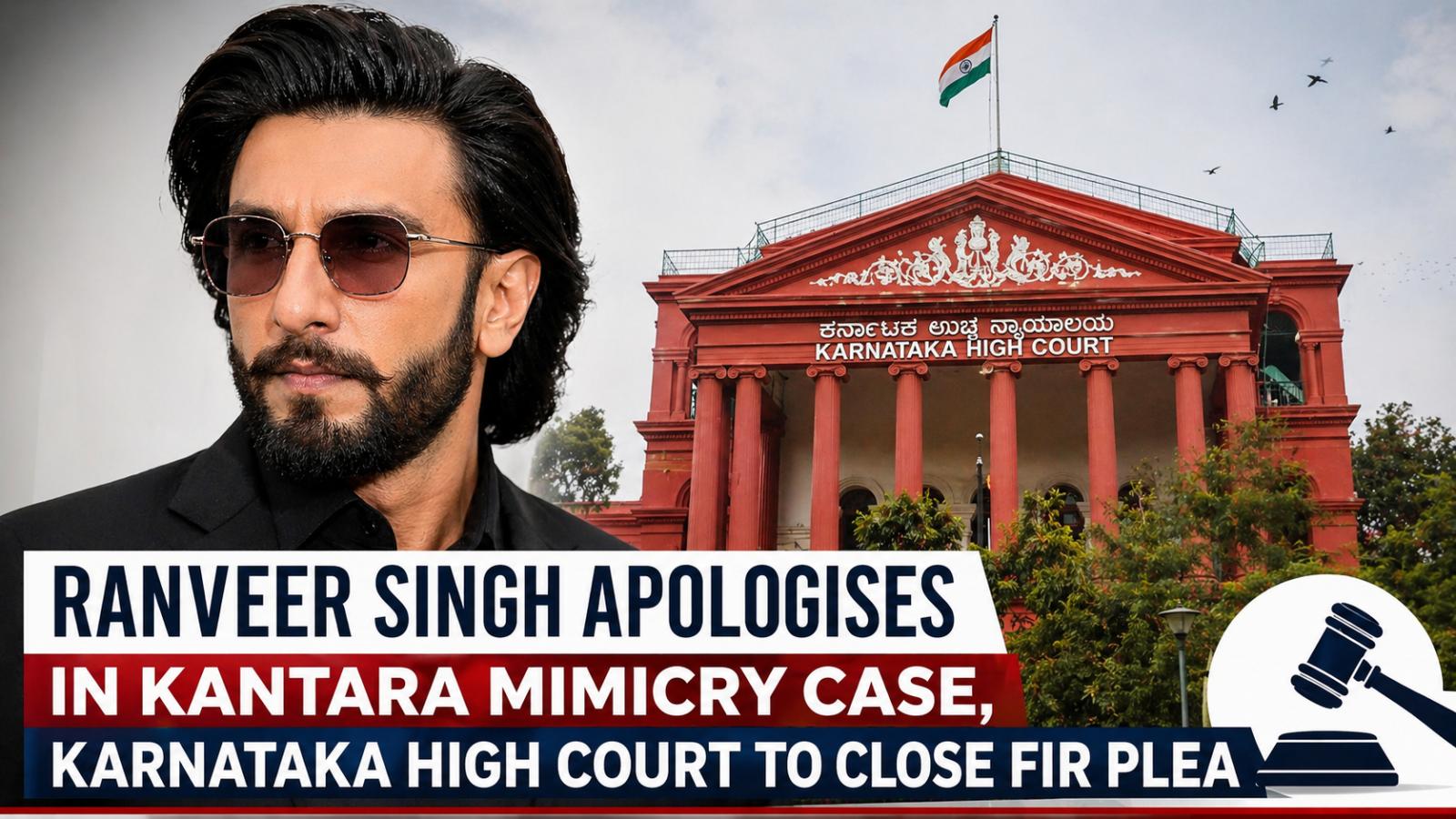
Ranveer Singh apologises for Kantara mimicry remarks, court to close case
Ranveer Singh submitted a revised affidavit before the Karnataka High Court on Saturday (April 25) during a hearing, expressing his unconditional apology over his mimicry of a character from Kantara: Chapter 1 at a public event last year. The court, after taking note of the affidavit, indicated that it is likely to dispose of the matter by recording the actor’s undertaking and closing the proceedings. The hearing pertained to Singh’s plea seeking to quash an FIR registered against him following remarks made during the International Film Festival of India in Goa. At the event, the actor had mimicked a role portrayed by Rishab Shetty and allegedly made references that hurt religious sentiments associated with a temple deity. The FIR invoked provisions under the Bharatiya Nyaya Sanhita, 2023, relating to promoting enmity and outraging religious beliefs. During the proceedings, counsel representing Singh informed the court that the affidavit had been revised to include an unconditional apology and an acknowledgment of the sentiments involved. The bench noted that the actor had also undertaken to visit the concerned temple within a specified period, and this assurance would be recorded while disposing of the case. The complainant, however, argued before the court that the matter involved a larger issue of faith and should not be treated as a routine legal dispute. The court responded by stating that it would issue an admonition, emphasizing that public figures must remain mindful of their words and actions, especially in matters linked to religious sensitivities. Earlier, the court had declined to stay the FIR, observing that celebrity status does not grant immunity from accountability. With the submission of the revised affidavit during the hearing and the acknowledgment of concerns raised, the court signaled that it would formally conclude the matter without engaging in a detailed legal examination.
Ranveer Singh apologises for Kantara mimicry remarks, court to close case
Ranveer Singh submitted a revised affidavit before the Karnataka High Court on Saturday (April 25) during a hearing, expressing his unconditional apology over his mimicry of a character from Kantara: Chapter 1 at a public event last year. The court, after taking note of the affidavit, indicated that it is likely to dispose of the matter by recording the actor’s undertaking and closing the proceedings. The hearing pertained to Singh’s plea seeking to quash an FIR registered against him following remarks made during the International Film Festival of India in Goa. At the event, the actor had mimicked a role portrayed by Rishab Shetty and allegedly made references that hurt religious sentiments associated with a temple deity. The FIR invoked provisions under the Bharatiya Nyaya Sanhita, 2023, relating to promoting enmity and outraging religious beliefs. During the proceedings, counsel representing Singh informed the court that the affidavit had been revised to include an unconditional apology and an acknowledgment of the sentiments involved. The bench noted that the actor had also undertaken to visit the concerned temple within a specified period, and this assurance would be recorded while disposing of the case. The complainant, however, argued before the court that the matter involved a larger issue of faith and should not be treated as a routine legal dispute. The court responded by stating that it would issue an admonition, emphasizing that public figures must remain mindful of their words and actions, especially in matters linked to religious sensitivities. Earlier, the court had declined to stay the FIR, observing that celebrity status does not grant immunity from accountability. With the submission of the revised affidavit during the hearing and the acknowledgment of concerns raised, the court signaled that it would formally conclude the matter without engaging in a detailed legal examination.
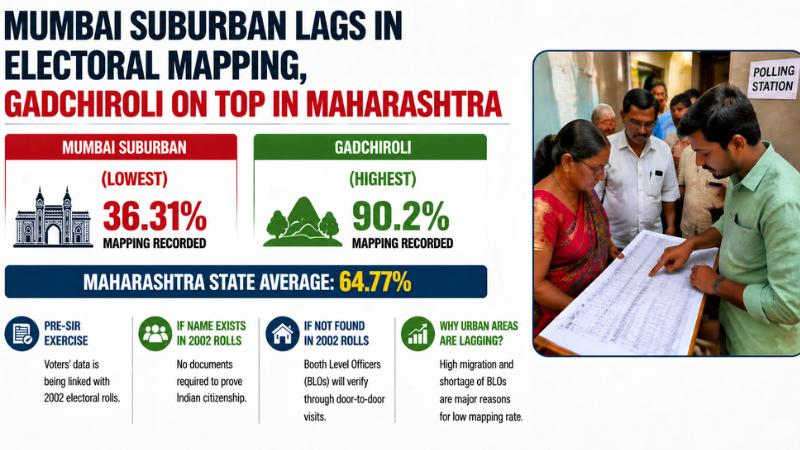
Mumbai Suburban Faces Low Voter Mapping; Gadchiroli Leads Maharashtra's Electoral Revision
Mumbai: The ongoing Special Intensive Revision (SIR) of electoral mapping in Maharashtra has shown disappointing results in urban areas, particularly in Mumbai, Thane, and Pune, while the tribal district of Gadchiroli has seen the highest participation. As per the Maharashtra State Election Commission (SEC) data, the Mumbai Suburban district recorded only 36.31% of electoral mapping, the lowest in the state and far below the state average of 64.77%. On the other hand, Gadchiroli has achieved
Mumbai Suburban Faces Low Voter Mapping; Gadchiroli Leads Maharashtra's Electoral Revision
Mumbai: The ongoing Special Intensive Revision (SIR) of electoral mapping in Maharashtra has shown disappointing results in urban areas, particularly in Mumbai, Thane, and Pune, while the tribal district of Gadchiroli has seen the highest participation. As per the Maharashtra State Election Commission (SEC) data, the Mumbai Suburban district recorded only 36.31% of electoral mapping, the lowest in the state and far below the state average of 64.77%. On the other hand, Gadchiroli has achieved
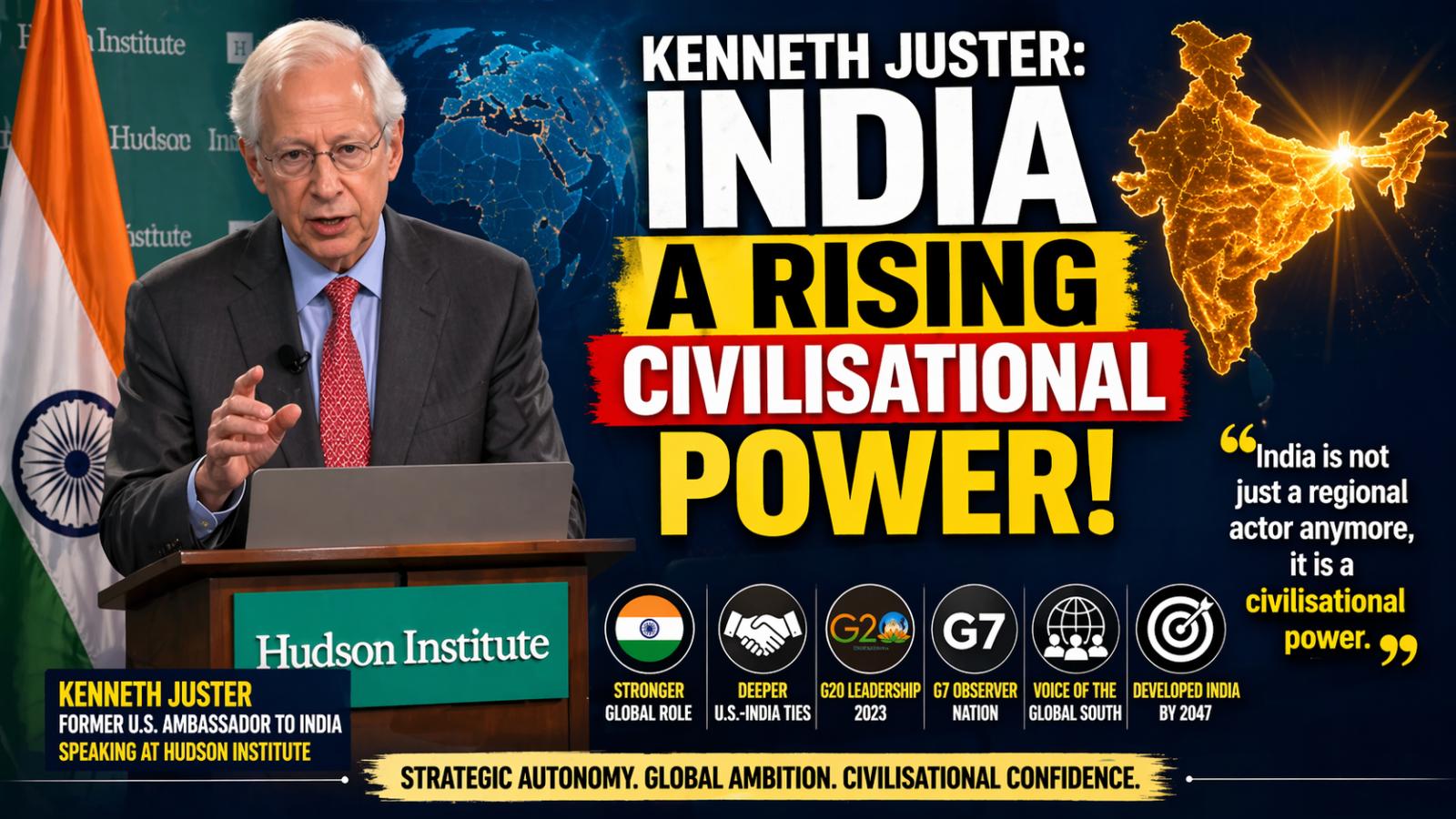
What did Kenneth Juster say about India’s global role? He called it a rising civilisational power
India’s emergence as a civilisational power in global affairs What did Kenneth Juster say about India’s global role? He called it a rising civilisational power, underscoring a major shift in how the country positions itself internationally. Former U.S. Ambassador to India Kenneth Juster said on Thursday, April 23, 2026, that India has evolved into a “civilisational power” under Prime Minister Narendra Modi, reflecting a more assertive and confident global posture. Speaking at an event hosted by the Hudson Institute, Juster identified Modi’s 2014 election as a turning point that accelerated India’s transformation in foreign policy and international engagement. Expanding diplomatic reach and global engagement Juster emphasized that India’s approach to global affairs has shifted significantly over the past decade, with New Delhi demonstrating greater confidence and a willingness to engage broadly with countries across regions. He noted that India no longer views itself as limited to a regional role but instead positions itself as a major global force with a distinct civilizational identity. This evolution has enabled India to expand its diplomatic outreach and pursue strategic ambitions with increased clarity and purpose. Navigating U.S.-China competition with strategic autonomy According to Juster, India’s foreign policy reflects a careful balance between deeper global engagement and maintaining strategic autonomy, particularly in the context of U.S.-China competition. While India shares concerns with other middle powers about preserving independence in decision-making, it has simultaneously strengthened ties with the United States. This dual approach allows India to navigate geopolitical tensions while safeguarding its national interests. Growing influence in global governance platforms Juster also highlighted India’s increasing role in global governance, including its active participation in G7 discussions as a regular observer and its leadership during the G20 presidency in 2023. He pointed to India’s ambition of becoming a developed nation by 2047 as a key driver of its international strategy. Additionally, India has sought to position itself as a leading voice for the Global South, shaping conversations on development, equity, and governance. Washington’s perspective on India’s rising global role Juster’s remarks reflect a broader consensus in Washington that India is emerging as a confident and influential actor on the world stage. By combining strategic independence with proactive diplomacy, India is increasingly seen as a country intent on shaping the global order in the 21st century while advancing its long-term national objectives.
What did Kenneth Juster say about India’s global role? He called it a rising civilisational power
India’s emergence as a civilisational power in global affairs What did Kenneth Juster say about India’s global role? He called it a rising civilisational power, underscoring a major shift in how the country positions itself internationally. Former U.S. Ambassador to India Kenneth Juster said on Thursday, April 23, 2026, that India has evolved into a “civilisational power” under Prime Minister Narendra Modi, reflecting a more assertive and confident global posture. Speaking at an event hosted by the Hudson Institute, Juster identified Modi’s 2014 election as a turning point that accelerated India’s transformation in foreign policy and international engagement. Expanding diplomatic reach and global engagement Juster emphasized that India’s approach to global affairs has shifted significantly over the past decade, with New Delhi demonstrating greater confidence and a willingness to engage broadly with countries across regions. He noted that India no longer views itself as limited to a regional role but instead positions itself as a major global force with a distinct civilizational identity. This evolution has enabled India to expand its diplomatic outreach and pursue strategic ambitions with increased clarity and purpose. Navigating U.S.-China competition with strategic autonomy According to Juster, India’s foreign policy reflects a careful balance between deeper global engagement and maintaining strategic autonomy, particularly in the context of U.S.-China competition. While India shares concerns with other middle powers about preserving independence in decision-making, it has simultaneously strengthened ties with the United States. This dual approach allows India to navigate geopolitical tensions while safeguarding its national interests. Growing influence in global governance platforms Juster also highlighted India’s increasing role in global governance, including its active participation in G7 discussions as a regular observer and its leadership during the G20 presidency in 2023. He pointed to India’s ambition of becoming a developed nation by 2047 as a key driver of its international strategy. Additionally, India has sought to position itself as a leading voice for the Global South, shaping conversations on development, equity, and governance. Washington’s perspective on India’s rising global role Juster’s remarks reflect a broader consensus in Washington that India is emerging as a confident and influential actor on the world stage. By combining strategic independence with proactive diplomacy, India is increasingly seen as a country intent on shaping the global order in the 21st century while advancing its long-term national objectives.
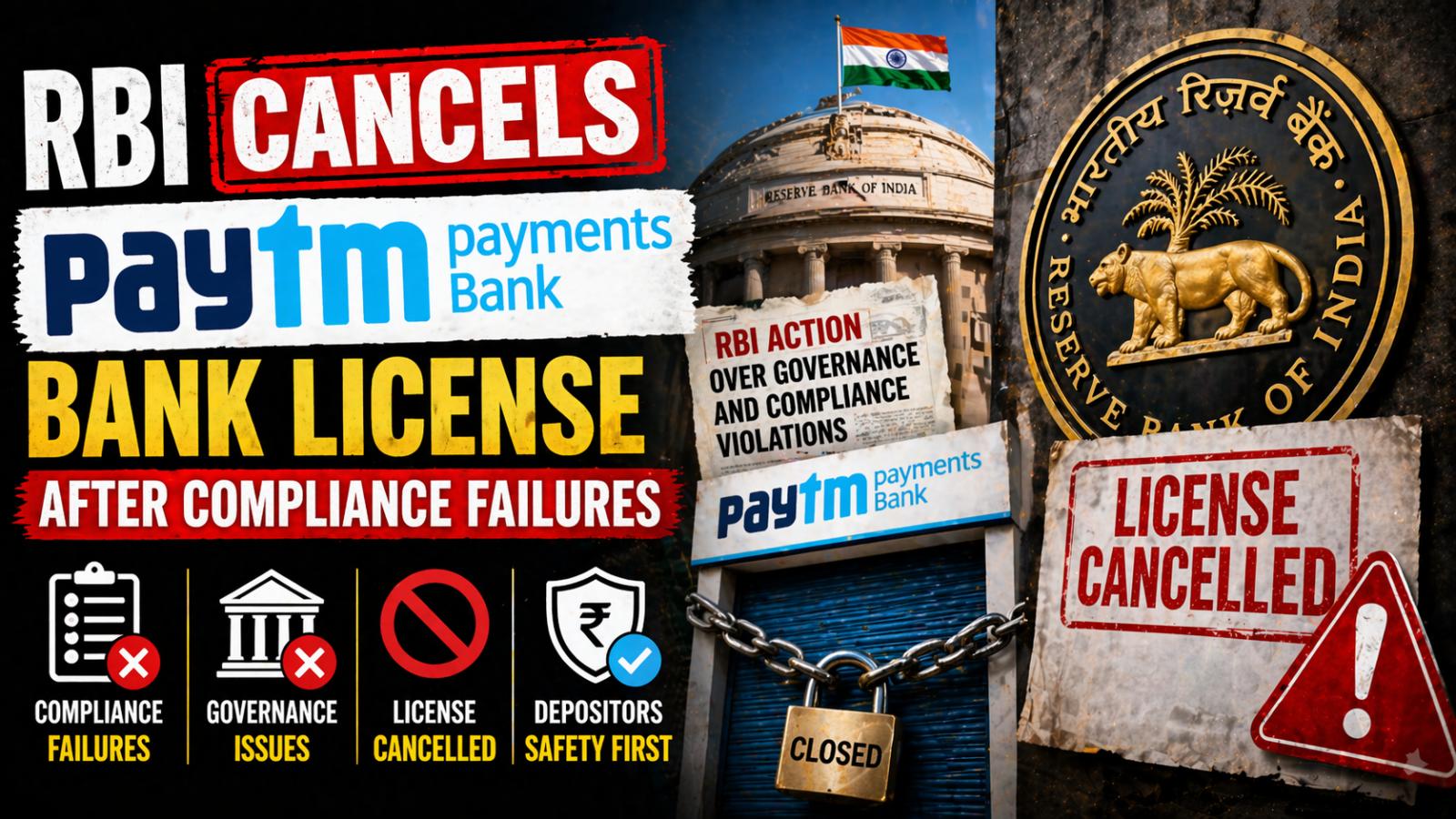
What happened to Paytm Payments Bank? RBI cancels its license after violations
Regulatory action culminates in license cancellation What happened to Paytm Payments Bank? RBI cancels its license after violations forms the central development in India’s financial sector, as the Reserve Bank of India revoked the banking license of Paytm Payments Bank Ltd wi
What happened to Paytm Payments Bank? RBI cancels its license after violations
Regulatory action culminates in license cancellation What happened to Paytm Payments Bank? RBI cancels its license after violations forms the central development in India’s financial sector, as the Reserve Bank of India revoked the banking license of Paytm Payments Bank Ltd wi
How did Dr. Rajkumar influence Kannada cinema and earn top honors?
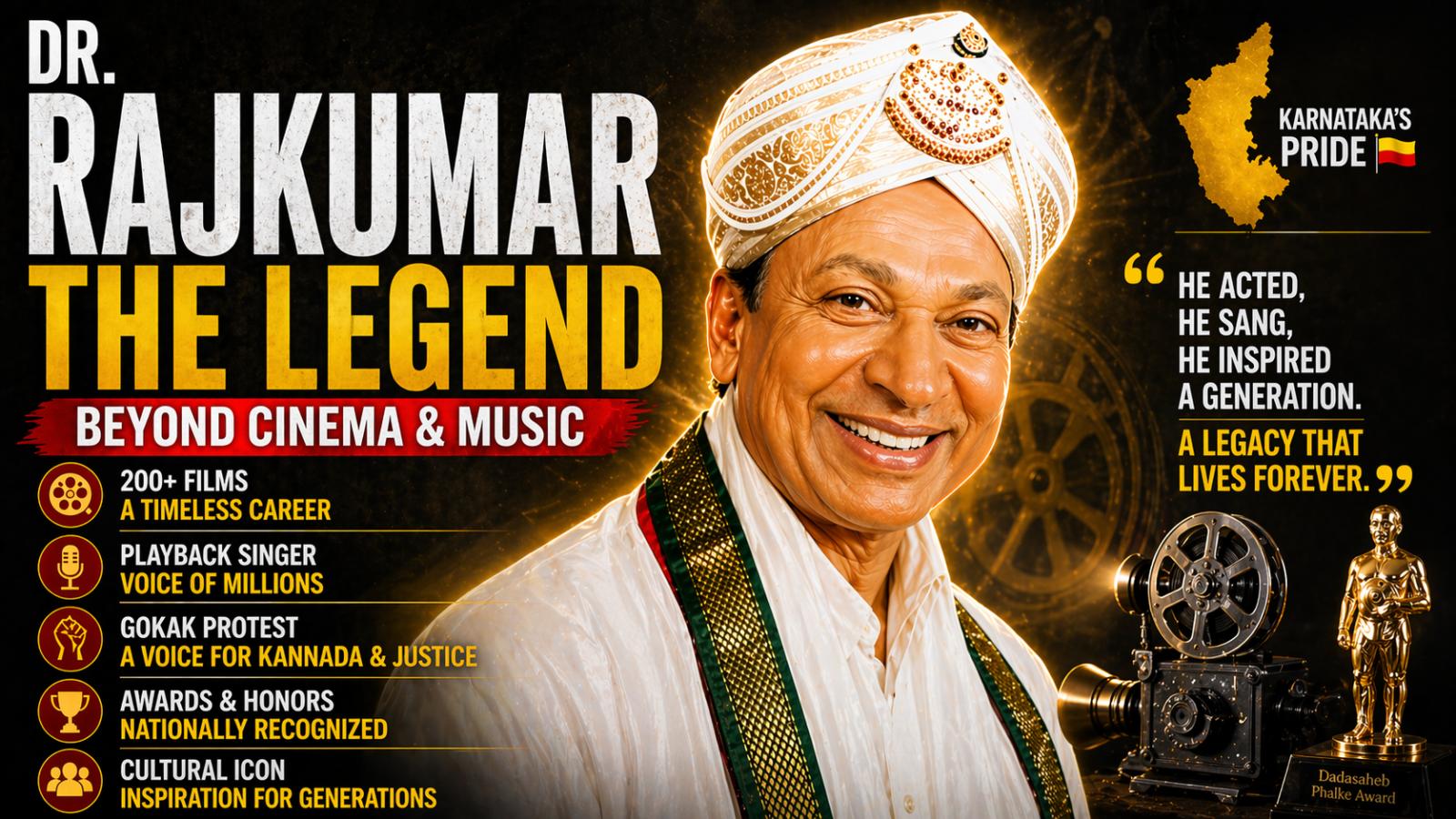
How did Dr. Rajkumar influence Kannada cinema and earn top honors? remains a defining question in understanding Indian cinema, particularly in southern India. Dr. Rajkumar, born on April 24, 1929, in Karnataka, India, rose from a theater background to become one of the most respected actors in Kannada cinema. Raised in a family of stage performers, his early exposure to acting shaped a disciplined and values-driven career that spanned decades. Early life and rise in Kannada cinema Rajkumar’s upbringing in rural Karnataka and his work in traveling theater troupes laid the foundation for his entry into films. He made his cinematic debut in the 1950s with Bedara Kannappa, a mythological film where he portrayed a devoted follower of Lord Shiva. The film marked a turning point in Kannada cinema and established him as a leading actor. Over time, he went on to act in more than 200 films, earning widespread recognition Film career success and lasting impact Over the course of his career, Rajkumar became synonymous with Kannada cinema, often referred to as “Annavru.” His films consistently performed well at the box office and carried strong social messages. One of his most influential works, Bangarada Manushya, portrayed a man returning to agriculture, inspiring many toward rural development and farming. Decades later, Jeevana Chaitra highlighted his enduring appeal, where he played an elderly villager reflecting on changing societal values. Contributions as a playback singer In addition to acting, Rajkumar was an accomplished playback singer. His songs, often rooted in classical traditions, gained widespread popularity. His performance in “Nadamaya” from Jeevana Chaitra earned him national recognition, further establishing his versatility in Indian cinema. Awards, honors, and public recognition Rajkumar received numerous prestigious honors for his contributions to cinema and culture. He was awarded the Dadasaheb Phalke Award in 1995, India’s highest recognition in film. He also received the Padma Bhushan in 1983, one of the country’s top civilian honors. In 1992, he was conferred the Karnataka Ratna, recognizing his profound influence on the state’s cultural identity. Role in Gokak protest and personal principles During the Gokak agitation in the 1980s, Rajkumar played an active role in advocating for the primacy of the Kannada language in education. His involvement brought widespread attention to the movement and reinforced his position as a cultural leader. Strict on-screen rule against smoking and alcohol portrayal One of his most defining personal principles was his conscious decision to never smoke or consume alcohol in his on-screen roles. Given his immense popularity and influence, he believed audiences—especially younger fans—might imitate his behavior. This deliberate choice reflected his sense of responsibility as a public figure and strengthened his reputation as a disciplined and value-driven icon. Rajkumar’s legacy continues to influence Indian cinema and cultural identity, making his life and career a lasting point of reference for artists and audiences alike.
How did Dr. Rajkumar influence Kannada cinema and earn top honors?
How did Dr. Rajkumar influence Kannada cinema and earn top honors? remains a defining question in understanding Indian cinema, particularly in southern India. Dr. Rajkumar, born on April 24, 1929, in Karnataka, India, rose from a theater background to become one of the most respected actors in Kannada cinema. Raised in a family of stage performers, his early exposure to acting shaped a disciplined and values-driven career that spanned decades. Early life and rise in Kannada cinema Rajkumar’s upbringing in rural Karnataka and his work in traveling theater troupes laid the foundation for his entry into films. He made his cinematic debut in the 1950s with Bedara Kannappa, a mythological film where he portrayed a devoted follower of Lord Shiva. The film marked a turning point in Kannada cinema and established him as a leading actor. Over time, he went on to act in more than 200 films, earning widespread recognition Film career success and lasting impact Over the course of his career, Rajkumar became synonymous with Kannada cinema, often referred to as “Annavru.” His films consistently performed well at the box office and carried strong social messages. One of his most influential works, Bangarada Manushya, portrayed a man returning to agriculture, inspiring many toward rural development and farming. Decades later, Jeevana Chaitra highlighted his enduring appeal, where he played an elderly villager reflecting on changing societal values. Contributions as a playback singer In addition to acting, Rajkumar was an accomplished playback singer. His songs, often rooted in classical traditions, gained widespread popularity. His performance in “Nadamaya” from Jeevana Chaitra earned him national recognition, further establishing his versatility in Indian cinema. Awards, honors, and public recognition Rajkumar received numerous prestigious honors for his contributions to cinema and culture. He was awarded the Dadasaheb Phalke Award in 1995, India’s highest recognition in film. He also received the Padma Bhushan in 1983, one of the country’s top civilian honors. In 1992, he was conferred the Karnataka Ratna, recognizing his profound influence on the state’s cultural identity. Role in Gokak protest and personal principles During the Gokak agitation in the 1980s, Rajkumar played an active role in advocating for the primacy of the Kannada language in education. His involvement brought widespread attention to the movement and reinforced his position as a cultural leader. Strict on-screen rule against smoking and alcohol portrayal One of his most defining personal principles was his conscious decision to never smoke or consume alcohol in his on-screen roles. Given his immense popularity and influence, he believed audiences—especially younger fans—might imitate his behavior. This deliberate choice reflected his sense of responsibility as a public figure and strengthened his reputation as a disciplined and value-driven icon. Rajkumar’s legacy continues to influence Indian cinema and cultural identity, making his life and career a lasting point of reference for artists and audiences alike.
Why is India exiting Chabahar port? Government plans divestment amid US sanctions
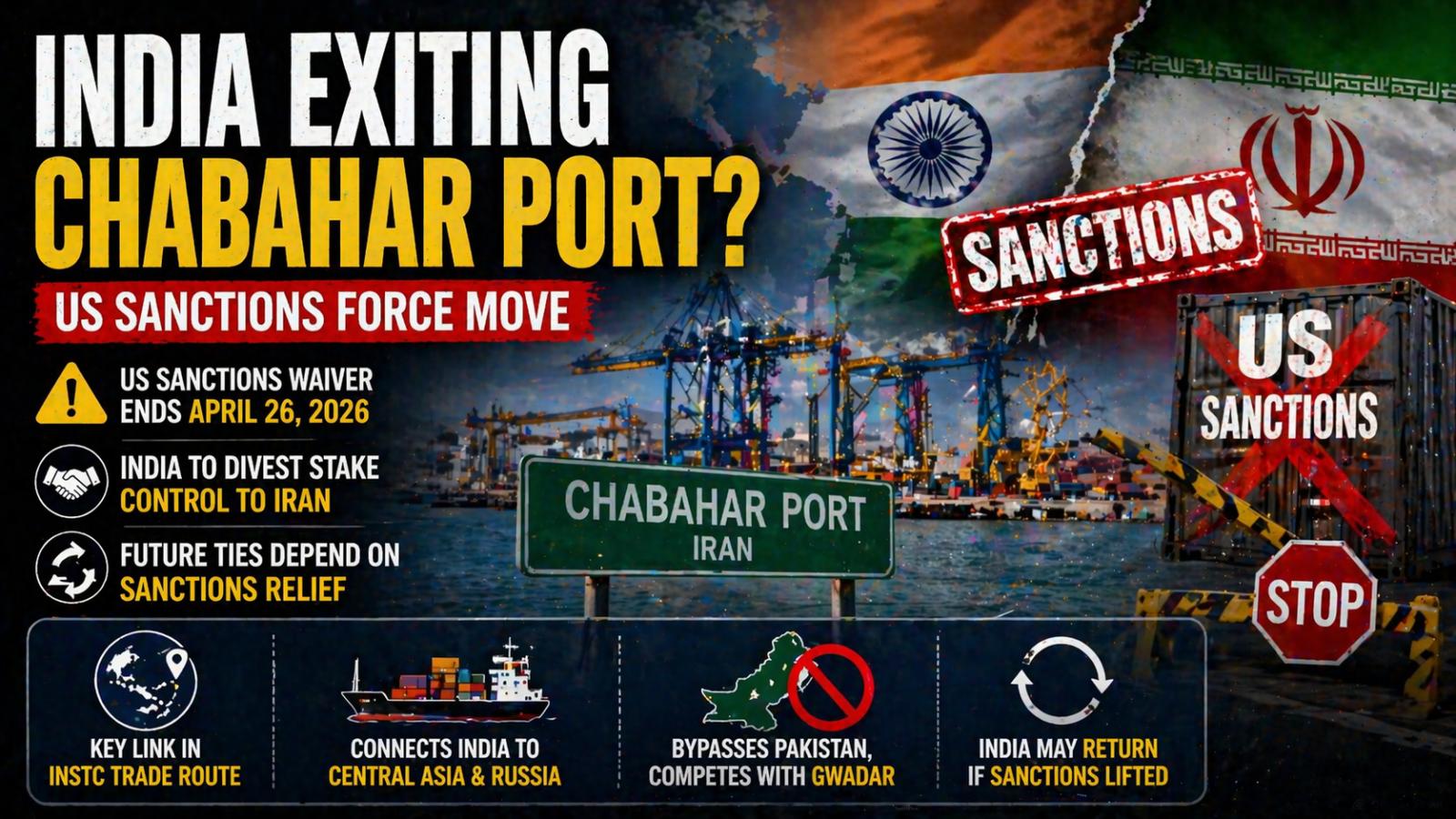
Sanctions pressure drives India’s planned exit from Chabahar port Why is India exiting Chabahar port? Government plans divestment amid US sanctions as New Delhi prepares to step back from the strategic Iranian port ahead of the expiration of a US sanctions waiver on Sunday, April 26, 2026. The move is expected to transfer operational control to a local Iranian entity while preserving the possibility of India’s return if sanctions are lifted or a new waiver is g
Why is India exiting Chabahar port? Government plans divestment amid US sanctions
Sanctions pressure drives India’s planned exit from Chabahar port Why is India exiting Chabahar port? Government plans divestment amid US sanctions as New Delhi prepares to step back from the strategic Iranian port ahead of the expiration of a US sanctions waiver on Sunday, April 26, 2026. The move is expected to transfer operational control to a local Iranian entity while preserving the possibility of India’s return if sanctions are lifted or a new waiver is g
Raghav Chadha Joins BJP, Sparks Major Shift In Rajya Sabha Numbers
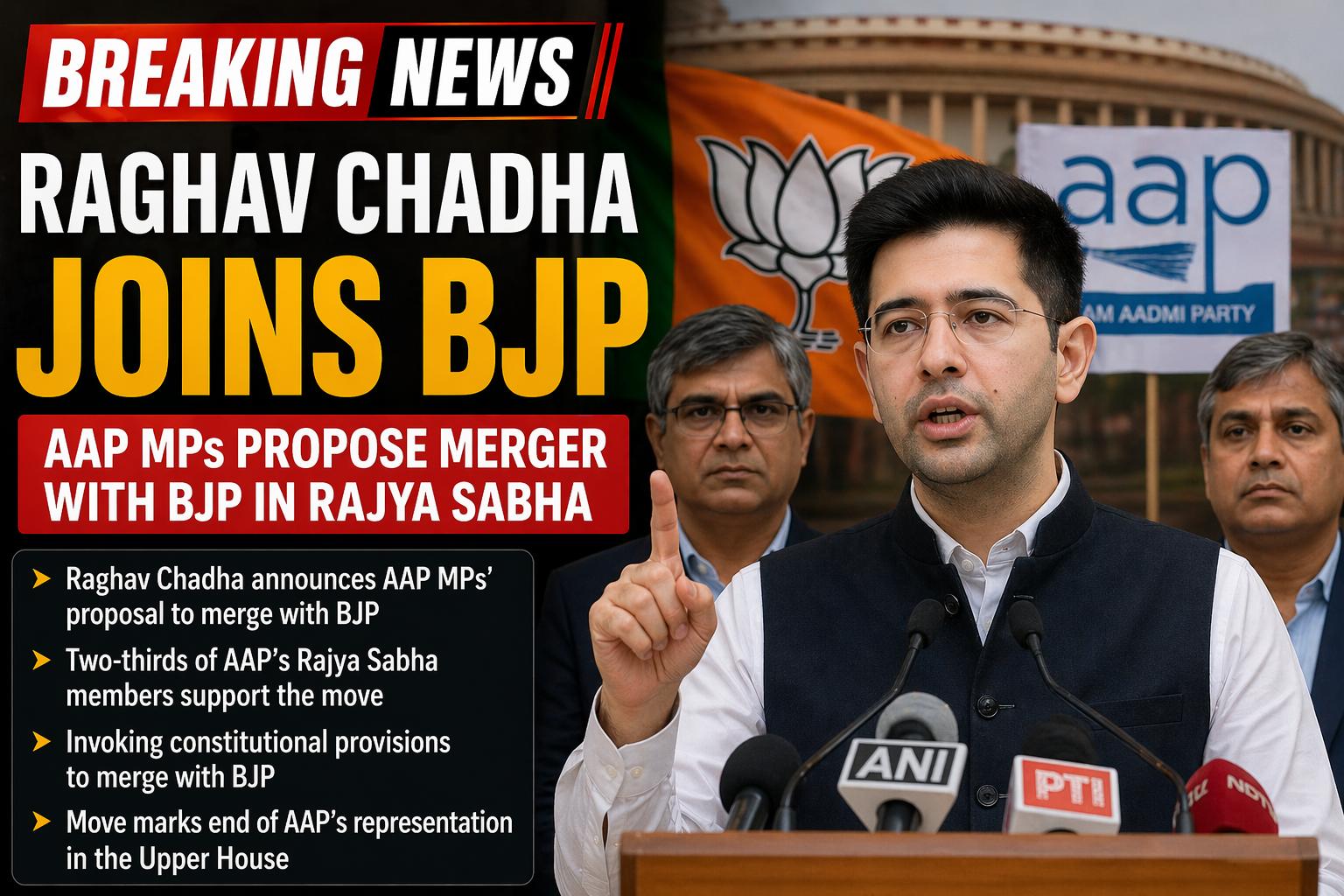
A major political shift unfolded in New Delhi on Friday, April 24, 2026, as Raghav Chadha, along with fellow Rajya Sabha MPs Ashok Mittal and Sandeep Pathak, officially joined the Bharatiya Janata Party after resigning from the Aam Aadmi Party. The leaders were inducted into the BJP in the presence of party chief Nitin Nabin at the party office in Delhi, where they were welcomed with bouquets and greeted senior party members. Earlier in the day, Chadha, aged 37, announced his resignation from AAP along with six other MPs, stating their intention to merge with the BJP by invoking constitutional provisions that allow such a move when two-thirds of a party’s members agree. The group submitted a formal letter along with required documents to Rajya Sabha Chairman C. P. Radhakrishnan. With seven out of ten AAP MPs in the Rajya Sabha switching sides, the anti-defection law is unlikely to apply. As a result, only three AAP MPs—Sanjay Singh, Sant Balbir Singh Seechewal, and N. D. Gupta—remain in the Upper House. Chadha explained that his decision was driven by growing dissatisfaction with the party’s direction, stating that he increasingly felt like “the right person in the wrong party.” His exit comes after a series of developments, including his removal as Deputy Leader in the Rajya Sabha and replacement by Ashok Mittal. Reports also highlighted his absence from key opposition actions, refusal to sign certain notices, and exclusion from the party’s star campaigner list in multiple state elections. Meanwhile, Sandeep Pathak expressed emotional difficulty over leaving the party after a decade-long association. The move has triggered sharp reactions from AAP leadership. Senior leader Sanjay Singh accused the BJP of orchestrating defections through what he described as “Operation Lotus,” alleging misuse of state machinery and investigative agencies to weaken opposition parties. Arvind Kejriwal also reacted, stating that the development represents a betrayal of public trust, particularly ahead of the Punjab elections scheduled for early 2027, where AAP currently holds power. This high-profile political realignment is expected to significantly alter the balance of power in the Rajya Sabha, strengthening the BJP’s position while dealing a major setback to AAP’s parliamentary presence.
Raghav Chadha Joins BJP, Sparks Major Shift In Rajya Sabha Numbers
A major political shift unfolded in New Delhi on Friday, April 24, 2026, as Raghav Chadha, along with fellow Rajya Sabha MPs Ashok Mittal and Sandeep Pathak, officially joined the Bharatiya Janata Party after resigning from the Aam Aadmi Party. The leaders were inducted into the BJP in the presence of party chief Nitin Nabin at the party office in Delhi, where they were welcomed with bouquets and greeted senior party members. Earlier in the day, Chadha, aged 37, announced his resignation from AAP along with six other MPs, stating their intention to merge with the BJP by invoking constitutional provisions that allow such a move when two-thirds of a party’s members agree. The group submitted a formal letter along with required documents to Rajya Sabha Chairman C. P. Radhakrishnan. With seven out of ten AAP MPs in the Rajya Sabha switching sides, the anti-defection law is unlikely to apply. As a result, only three AAP MPs—Sanjay Singh, Sant Balbir Singh Seechewal, and N. D. Gupta—remain in the Upper House. Chadha explained that his decision was driven by growing dissatisfaction with the party’s direction, stating that he increasingly felt like “the right person in the wrong party.” His exit comes after a series of developments, including his removal as Deputy Leader in the Rajya Sabha and replacement by Ashok Mittal. Reports also highlighted his absence from key opposition actions, refusal to sign certain notices, and exclusion from the party’s star campaigner list in multiple state elections. Meanwhile, Sandeep Pathak expressed emotional difficulty over leaving the party after a decade-long association. The move has triggered sharp reactions from AAP leadership. Senior leader Sanjay Singh accused the BJP of orchestrating defections through what he described as “Operation Lotus,” alleging misuse of state machinery and investigative agencies to weaken opposition parties. Arvind Kejriwal also reacted, stating that the development represents a betrayal of public trust, particularly ahead of the Punjab elections scheduled for early 2027, where AAP currently holds power. This high-profile political realignment is expected to significantly alter the balance of power in the Rajya Sabha, strengthening the BJP’s position while dealing a major setback to AAP’s parliamentary presence.

What challenges is Tesla facing in India? Market hurdles limit EV expansion
What challenges is Tesla facing in India? Market hurdles limit EV expansion India has emerged as the weakest new market globally for Tesla Inc, underscoring the structural and policy challenges facing the automaker led by Elon Musk despite rising demand for electric vehicles in
What challenges is Tesla facing in India? Market hurdles limit EV expansion
What challenges is Tesla facing in India? Market hurdles limit EV expansion India has emerged as the weakest new market globally for Tesla Inc, underscoring the structural and policy challenges facing the automaker led by Elon Musk despite rising demand for electric vehicles in
Amit Shah Predicts BJP Sweep In Bengal, Claims 110 Of 152 Phase 1 Seats
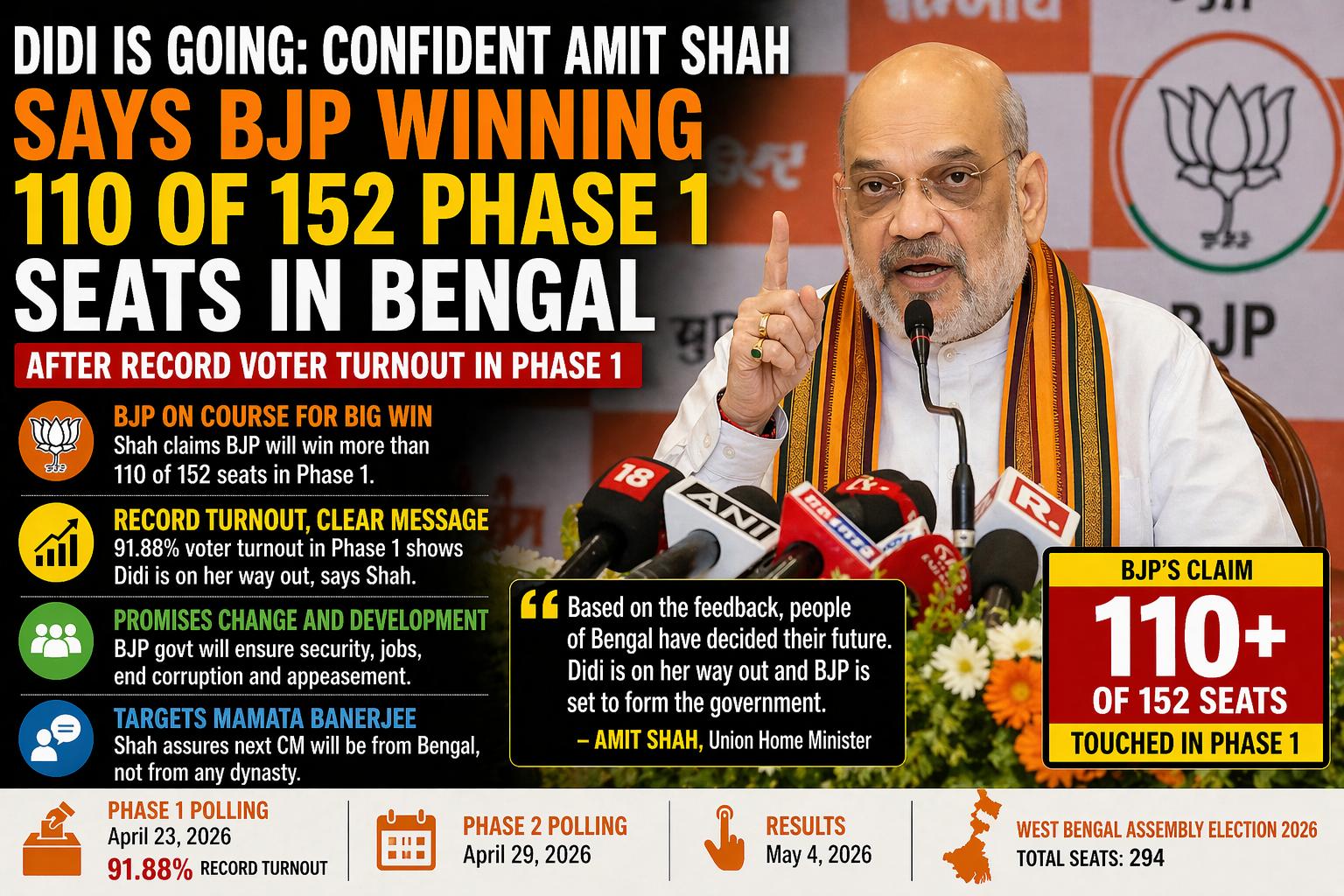
Union Home Minister Amit Shah on April 24, 2026, expressed strong confidence in the Bharatiya Janata Party’s prospects in the West Bengal Assembly elections, asserting that the surge in voter turnout signals a decisive shift in favour of the party. Addressing a press conference in Kolkata a day after Phase 1 polling, Shah claimed that the BJP is on track to win more than 110 of the 152 seats that
Amit Shah Predicts BJP Sweep In Bengal, Claims 110 Of 152 Phase 1 Seats
Union Home Minister Amit Shah on April 24, 2026, expressed strong confidence in the Bharatiya Janata Party’s prospects in the West Bengal Assembly elections, asserting that the surge in voter turnout signals a decisive shift in favour of the party. Addressing a press conference in Kolkata a day after Phase 1 polling, Shah claimed that the BJP is on track to win more than 110 of the 152 seats that
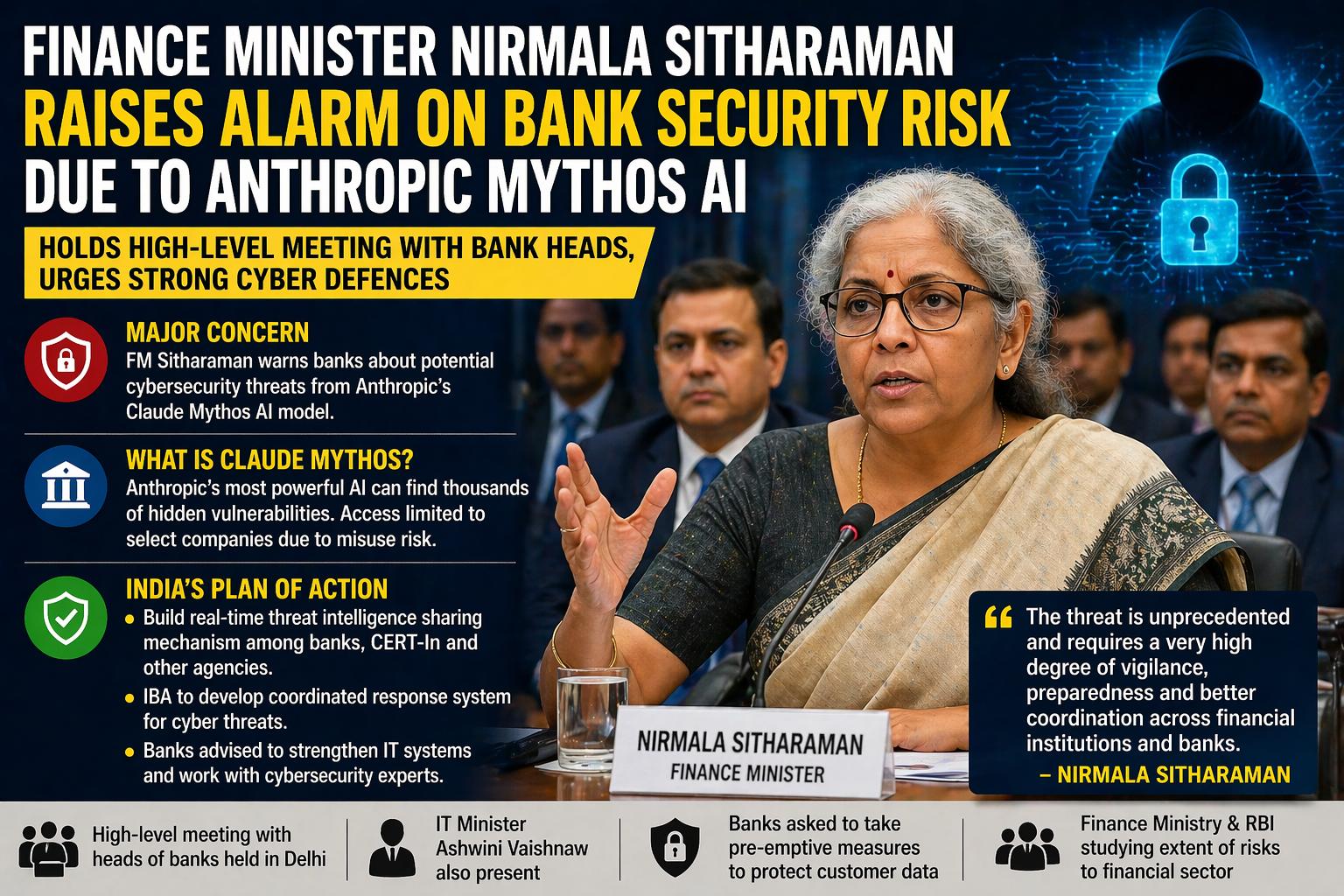
Nirmala Sitharaman Warns Banks On AI Threat From Anthropic Claude Mythos
Union Finance Minister Nirmala Sitharaman on Thursday, April 24, 2026, raised serious concerns over emerging cybersecurity risks posed by advanced artificial intelligence systems, particularly Claude Mythos developed by
Nirmala Sitharaman Warns Banks On AI Threat From Anthropic Claude Mythos
Union Finance Minister Nirmala Sitharaman on Thursday, April 24, 2026, raised serious concerns over emerging cybersecurity risks posed by advanced artificial intelligence systems, particularly Claude Mythos developed by
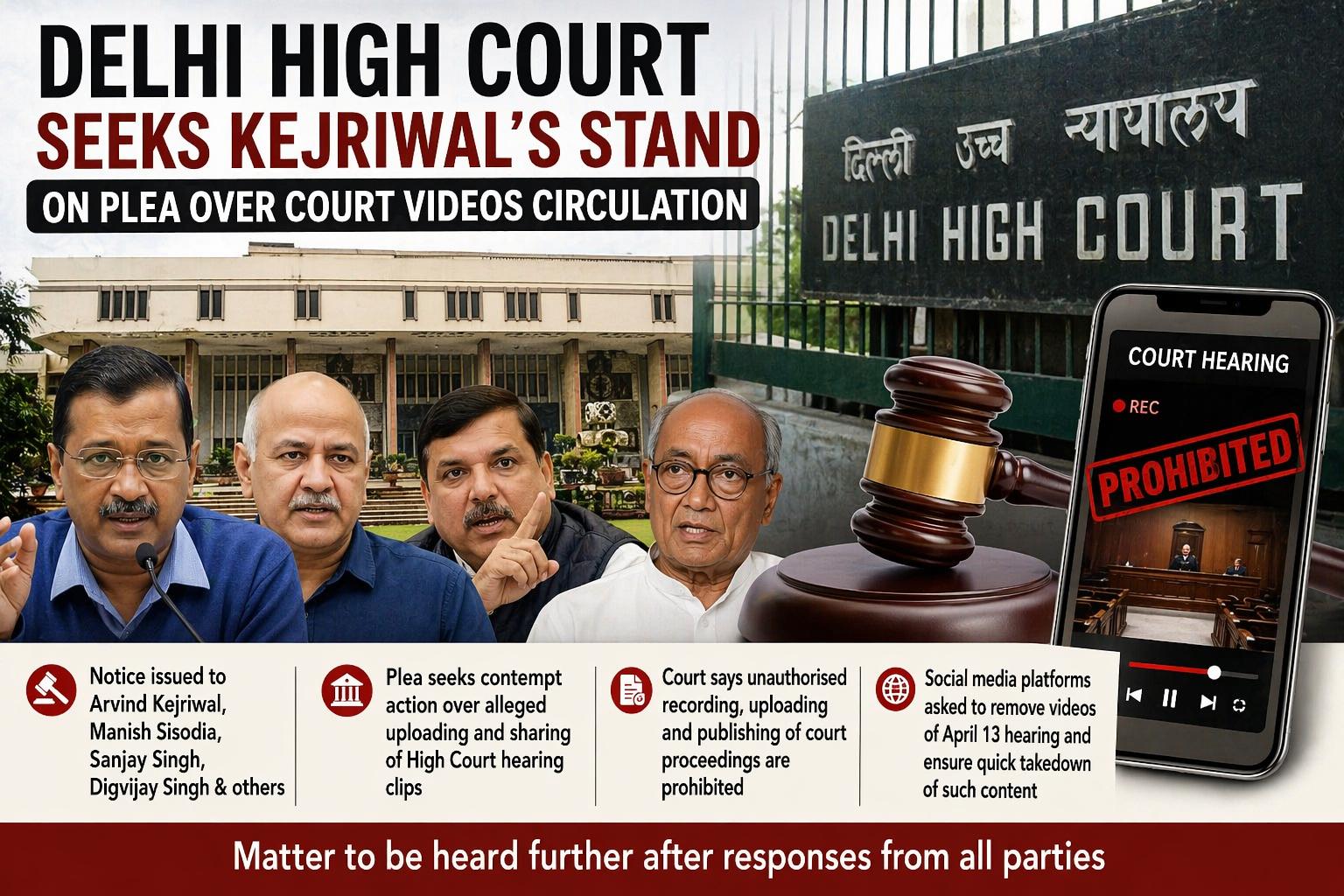
Delhi High Court Issues Notice to Kejriwal, Sisodia Over Court Video Sharing Case
The Delhi High Court has asked AAP leaders Arvind Kejriwal, Manish Sisodia, and Sanjay Singh, along with Congress leader Digvijay Singh and others, to respond to a petition related to the circulation of court hearing videos.The plea seeks contempt action against them for allegedly recording and sharing video clips of a High Court hearing on social media. The case is being heard by a bench of Justice V. Kameswar Rao and Justice Manmeet P.S. Arora. During the hearing, the Court made i
Delhi High Court Issues Notice to Kejriwal, Sisodia Over Court Video Sharing Case
The Delhi High Court has asked AAP leaders Arvind Kejriwal, Manish Sisodia, and Sanjay Singh, along with Congress leader Digvijay Singh and others, to respond to a petition related to the circulation of court hearing videos.The plea seeks contempt action against them for allegedly recording and sharing video clips of a High Court hearing on social media. The case is being heard by a bench of Justice V. Kameswar Rao and Justice Manmeet P.S. Arora. During the hearing, the Court made i

Kerala Heatwave Alert: Orange Warning In 3 Districts, Schools Closed Amid Rising Heat
Kerala is currently facing a sharp rise in temperatures, prompting authorities to issue an orange alert in three districts—Kollam, Thrissur, and Palakkad—on April 24, 2026, at around 09:00 AM IST. The warning by the India Meteorological Department indicates that temperatures are likely to remain significantly above normal, increasing the risk of heat-related illnesses such as dehydration, heat exhaustion, and heatstroke. The sudden spike in heat has been linked to dry weather conditions and reduced cloud cover, making the situation more intense across these regions. In response, district administrations have declared holidays for educational institutions to protect students from extreme heat exposure during peak hours. Children are among the most vulnerable groups, and this precautionary move aims to ensure their safety. Authorities have also advised the public to avoid stepping out between 11 AM and 3 PM, when temperatures are at their highest, and to stay hydrated by consuming adequate fluids. Palakkad, which is already known for higher temperatures, is expected to experience more severe heat conditions, while Kollam and Thrissur are also witnessing unusual temperature spikes. Health departments have issued advisories urging people to wear light clothing, avoid strenuous activities, and recognize early symptoms of heat stress such as dizziness and fatigue. Hospitals and health centers have been put on alert to handle potential cases. Local bodies have been directed to ensure the availability of drinking water in public places, while employers are encouraged to provide shaded rest areas for outdoor workers. With temperatures continuing to rise, authorities are closely monitoring the situation and may extend safety measures if needed.
Kerala Heatwave Alert: Orange Warning In 3 Districts, Schools Closed Amid Rising Heat
Kerala is currently facing a sharp rise in temperatures, prompting authorities to issue an orange alert in three districts—Kollam, Thrissur, and Palakkad—on April 24, 2026, at around 09:00 AM IST. The warning by the India Meteorological Department indicates that temperatures are likely to remain significantly above normal, increasing the risk of heat-related illnesses such as dehydration, heat exhaustion, and heatstroke. The sudden spike in heat has been linked to dry weather conditions and reduced cloud cover, making the situation more intense across these regions. In response, district administrations have declared holidays for educational institutions to protect students from extreme heat exposure during peak hours. Children are among the most vulnerable groups, and this precautionary move aims to ensure their safety. Authorities have also advised the public to avoid stepping out between 11 AM and 3 PM, when temperatures are at their highest, and to stay hydrated by consuming adequate fluids. Palakkad, which is already known for higher temperatures, is expected to experience more severe heat conditions, while Kollam and Thrissur are also witnessing unusual temperature spikes. Health departments have issued advisories urging people to wear light clothing, avoid strenuous activities, and recognize early symptoms of heat stress such as dizziness and fatigue. Hospitals and health centers have been put on alert to handle potential cases. Local bodies have been directed to ensure the availability of drinking water in public places, while employers are encouraged to provide shaded rest areas for outdoor workers. With temperatures continuing to rise, authorities are closely monitoring the situation and may extend safety measures if needed.
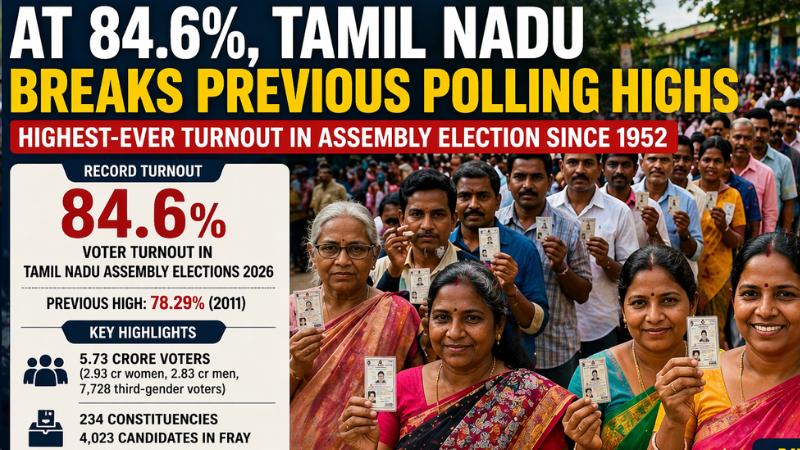
Tamil Nadu Records 84.6% Polling, Highest Ever Turnout In Assembly Elections
Tamil Nadu witnessed a historic voter turnout of 84.6% in the Assembly elections held on April 24, 2026, marking the highest polling percentage in the state since 1952. The Election Commission reported that the turnout surpassed the previous high of 78.29% recorded in 2011, reflecting strong electoral participation across all 234 constituencies. From early morning, polling booths across the state saw long queues of voters, including elderly citizens, first-time voters, and families, highlight
Tamil Nadu Records 84.6% Polling, Highest Ever Turnout In Assembly Elections
Tamil Nadu witnessed a historic voter turnout of 84.6% in the Assembly elections held on April 24, 2026, marking the highest polling percentage in the state since 1952. The Election Commission reported that the turnout surpassed the previous high of 78.29% recorded in 2011, reflecting strong electoral participation across all 234 constituencies. From early morning, polling booths across the state saw long queues of voters, including elderly citizens, first-time voters, and families, highlight
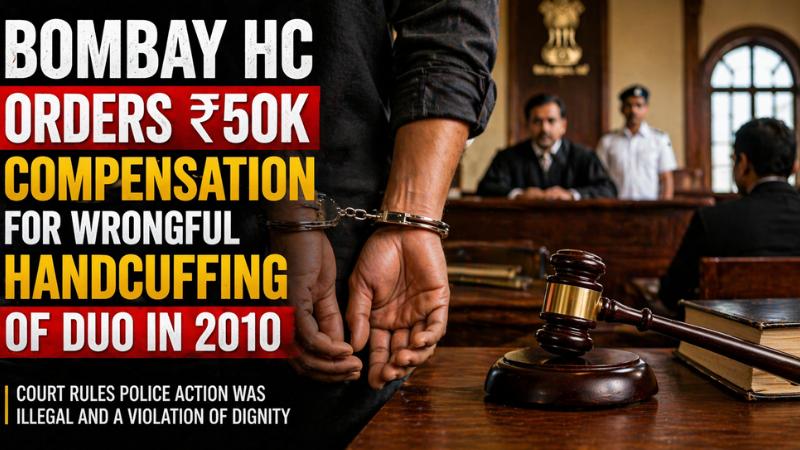
Wrongful Handcuffing Case: Bombay HC Directs State To Pay ₹50K Each
The Bombay High Court has directed the Maharashtra government to pay ₹50,000 each as compensation to advocate Yogeshwar Kawade and former serviceman Avinash Date for wrongful handcuffing by police in a 2010 case. A division bench comprising Justices Urmila Joshi-Phalke and Nivedita Mehta observed that the act amounted to “unwarranted humiliation and in
Wrongful Handcuffing Case: Bombay HC Directs State To Pay ₹50K Each
The Bombay High Court has directed the Maharashtra government to pay ₹50,000 each as compensation to advocate Yogeshwar Kawade and former serviceman Avinash Date for wrongful handcuffing by police in a 2010 case. A division bench comprising Justices Urmila Joshi-Phalke and Nivedita Mehta observed that the act amounted to “unwarranted humiliation and in
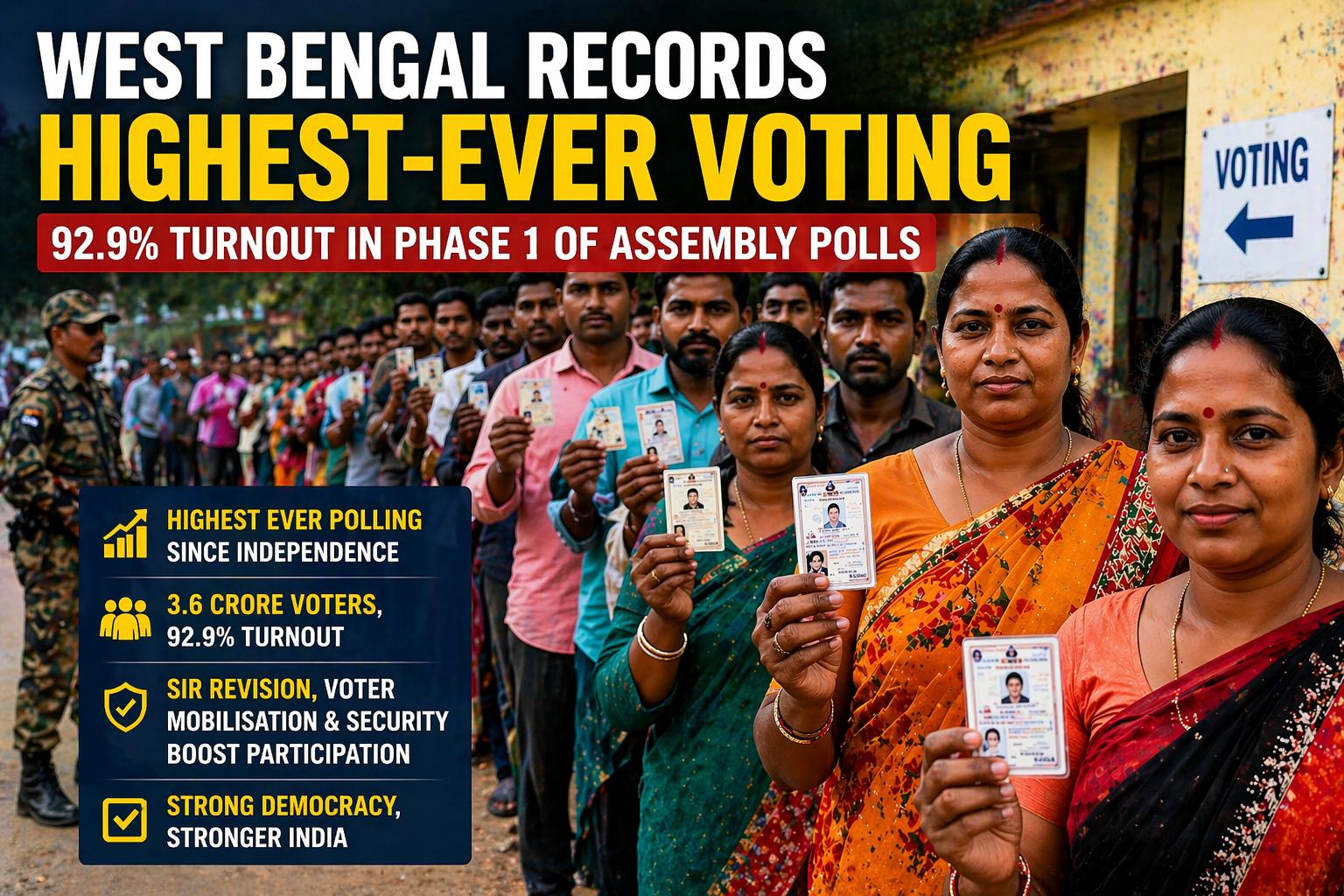
West Bengal Records 92.9% Voting: What Historic Turnout Reveals In 2026 Polls
West Bengal recorded an unprecedented 92.9% voter turnout in Phase 1 of the Assembly elections held on Thursday, April 24, 2026, making it the highest polling percentage in the state since Independence. According to Chief Election Commissioner Gyanesh Kumar, this marks a historic milestone, reflecting extraordinary voter participation across constituencies. Out of approximately 3.6 crore registered
West Bengal Records 92.9% Voting: What Historic Turnout Reveals In 2026 Polls
West Bengal recorded an unprecedented 92.9% voter turnout in Phase 1 of the Assembly elections held on Thursday, April 24, 2026, making it the highest polling percentage in the state since Independence. According to Chief Election Commissioner Gyanesh Kumar, this marks a historic milestone, reflecting extraordinary voter participation across constituencies. Out of approximately 3.6 crore registered