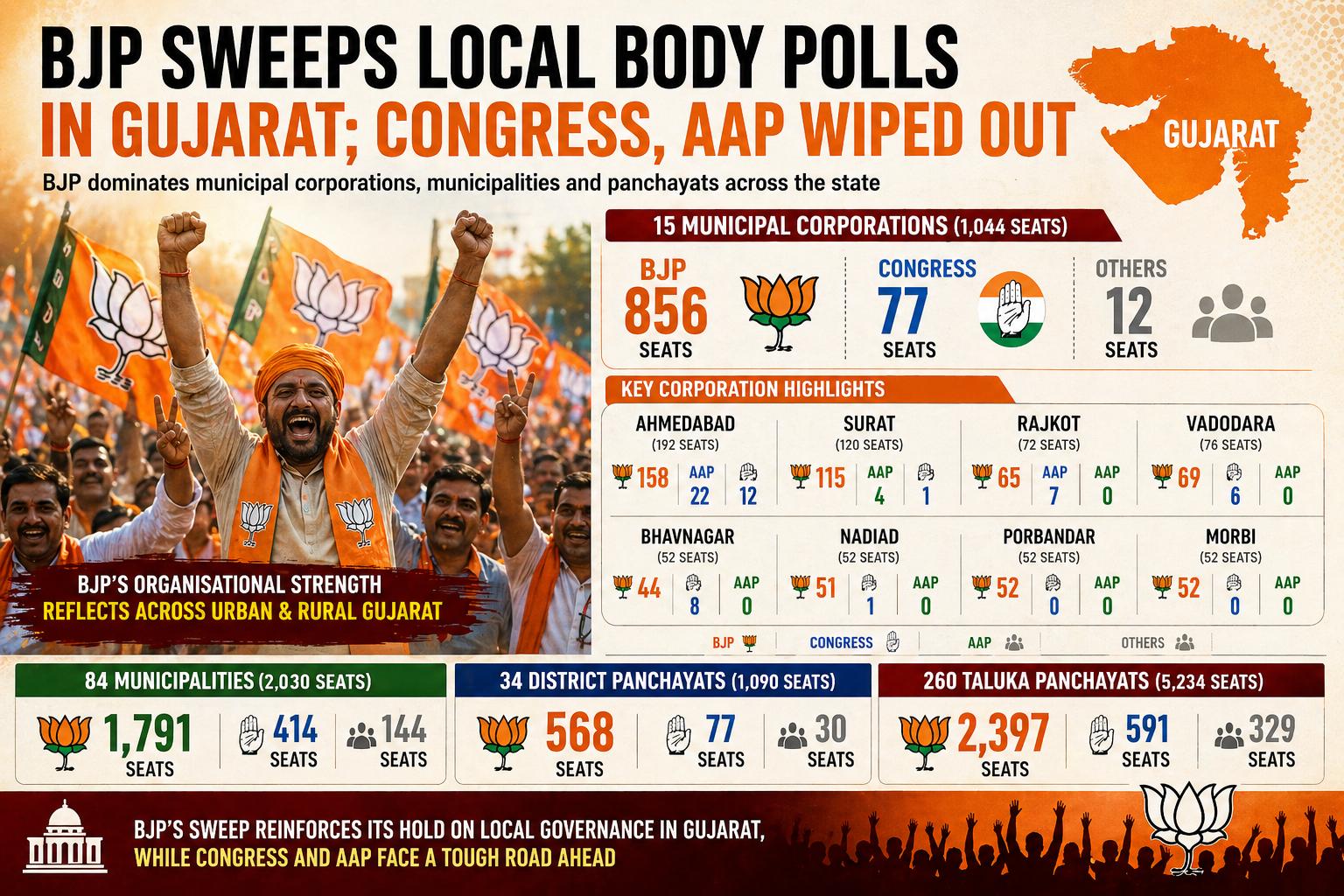
April 28, 2026 | Gujarat — BJP sweeps local body elections with massive wins across cities and panchayats. Congress and AAP trail far behind, highlighting BJP’s strong organisational dominance statewide
The Bharatiya Janata Party has delivered a commanding performance in the Gujarat local body elections, securing an overwhelming majority across municipal corporation
April 28, 2026 | Gujarat — BJP sweeps local body elections with massive wins across cities and panchayats. Congress and AAP trail far behind, highlighting BJP’s strong organisational dominance statewide
The Bharatiya Janata Party has delivered a commanding performance in the Gujarat local body elections, securing an overwhelming majority across municipal corporation
The results of the Gujarat Local Body Elections 2026 show a strong victory for the Bharatiya Janata Party (BJP). The party has secured a large number of seats across both urban and rural areas, clearly dominating the elections.In major cities and municipal corporations, BJP candidates won by comfortable margins. The party also performed very well in municipalities and panchayats, showing strong support from rural voters.
Opposition parties like Congress and Aam Aadmi Party (AAP) str
The results of the Gujarat Local Body Elections 2026 show a strong victory for the Bharatiya Janata Party (BJP). The party has secured a large number of seats across both urban and rural areas, clearly dominating the elections.In major cities and municipal corporations, BJP candidates won by comfortable margins. The party also performed very well in municipalities and panchayats, showing strong support from rural voters.
Opposition parties like Congress and Aam Aadmi Party (AAP) str
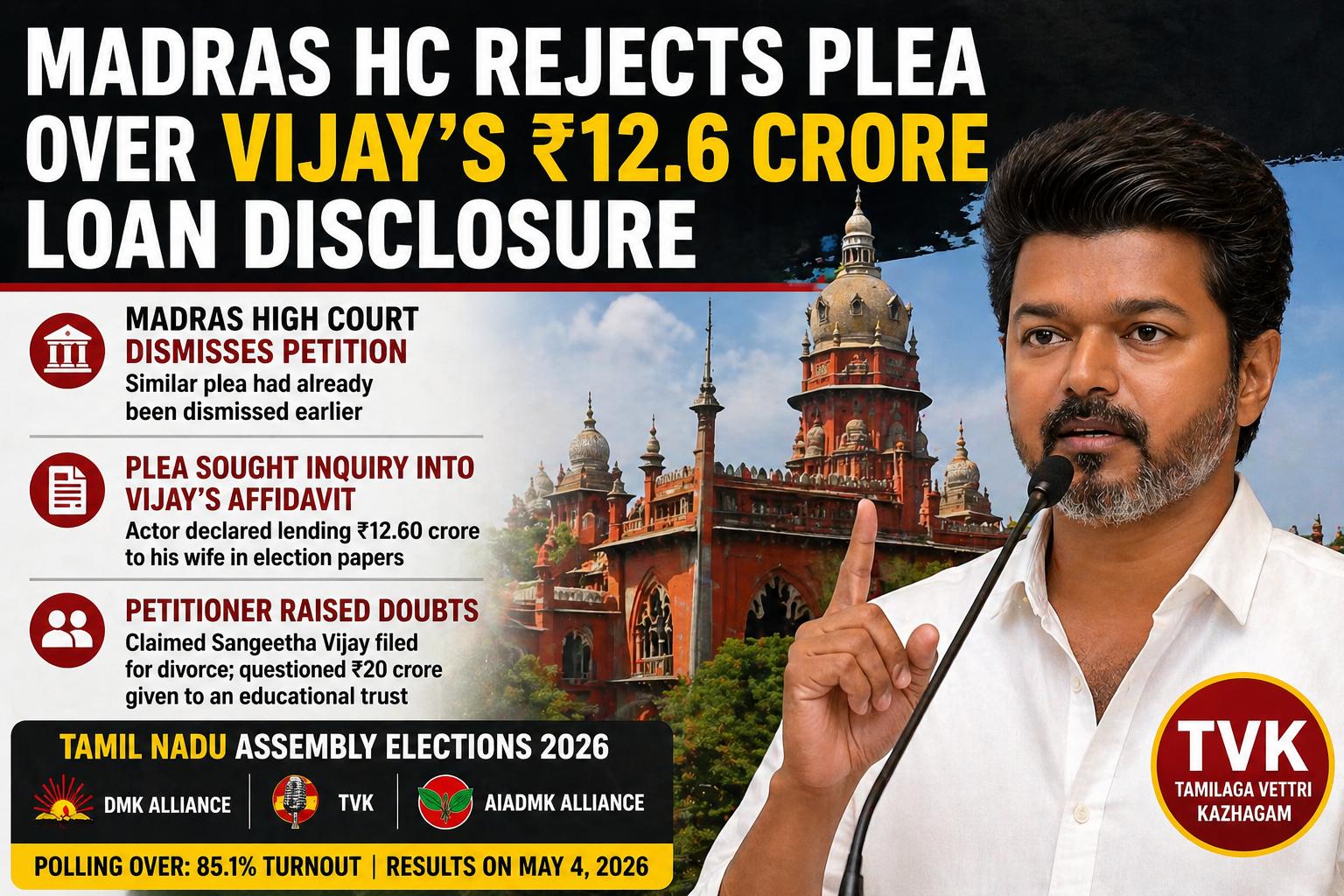
On April 27, 2026, the Madras High Court dismissed a petition challenging Vijay’s ₹12.6 crore loan disclosure, with no specific time of judgment disclosed.
The Madras High Court
On April 27, 2026, the Madras High Court dismissed a petition challenging Vijay’s ₹12.6 crore loan disclosure, with no specific time of judgment disclosed.
The Madras High Court
On April 25, 2026, 79 crude bombs were recovered from an abandoned house in South 24 Parganas, West Bengal, prompting the National Investigation Agency to register a case on April 26, 2026; the exact time of recovery was not disclosed.
The
On April 25, 2026, 79 crude bombs were recovered from an abandoned house in South 24 Parganas, West Bengal, prompting the National Investigation Agency to register a case on April 26, 2026; the exact time of recovery was not disclosed.
The
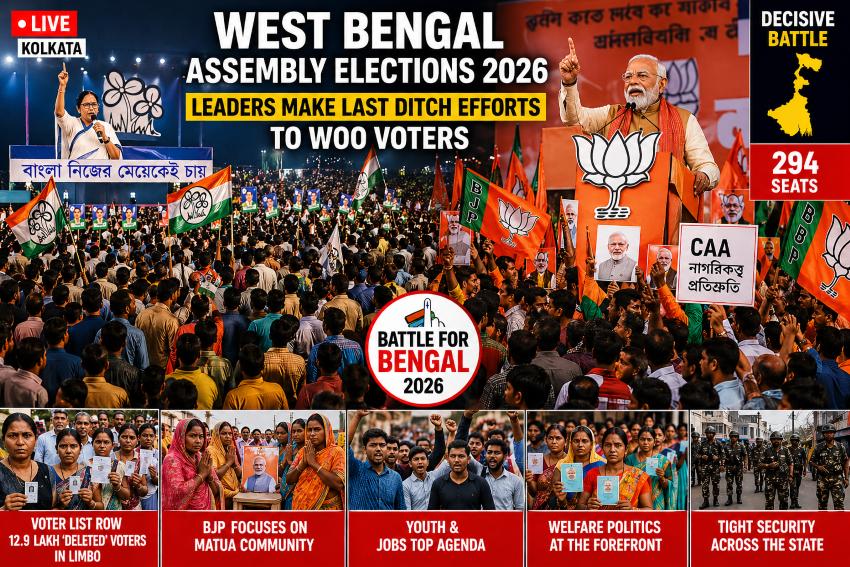
With only a few hours left before campaigning ends for the second phase of the 2026 West Bengal Assembly elections, political leaders have intensified their efforts to reach voters across the state.
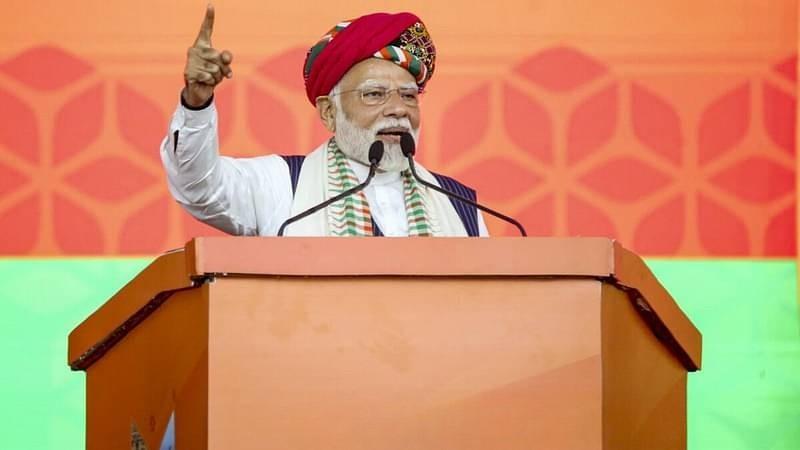
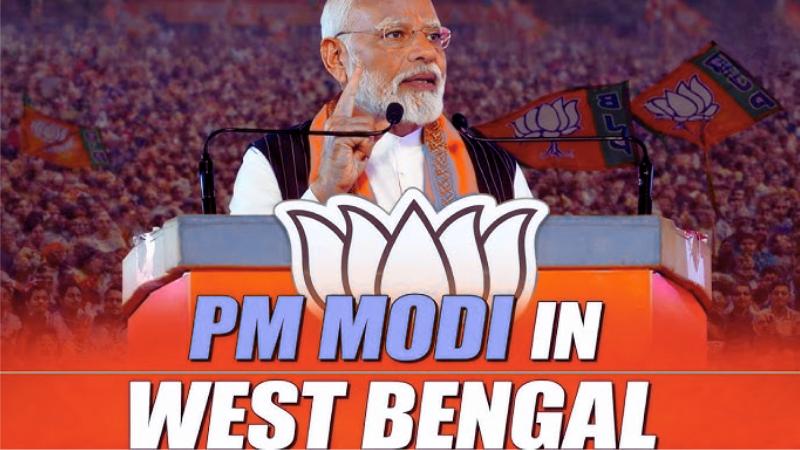
Prime Minister Narendra Modi addressed key concerns of the Matua community, promising that the Bharatiya Janata Party (BJP) would ensure citizenship for Hindu refugees who migrated from Banglad
With only a few hours left before campaigning ends for the second phase of the 2026 West Bengal Assembly elections, political leaders have intensified their efforts to reach voters across the state.
Prime Minister Narendra Modi addressed key concerns of the Matua community, promising that the Bharatiya Janata Party (BJP) would ensure citizenship for Hindu refugees who migrated from Banglad
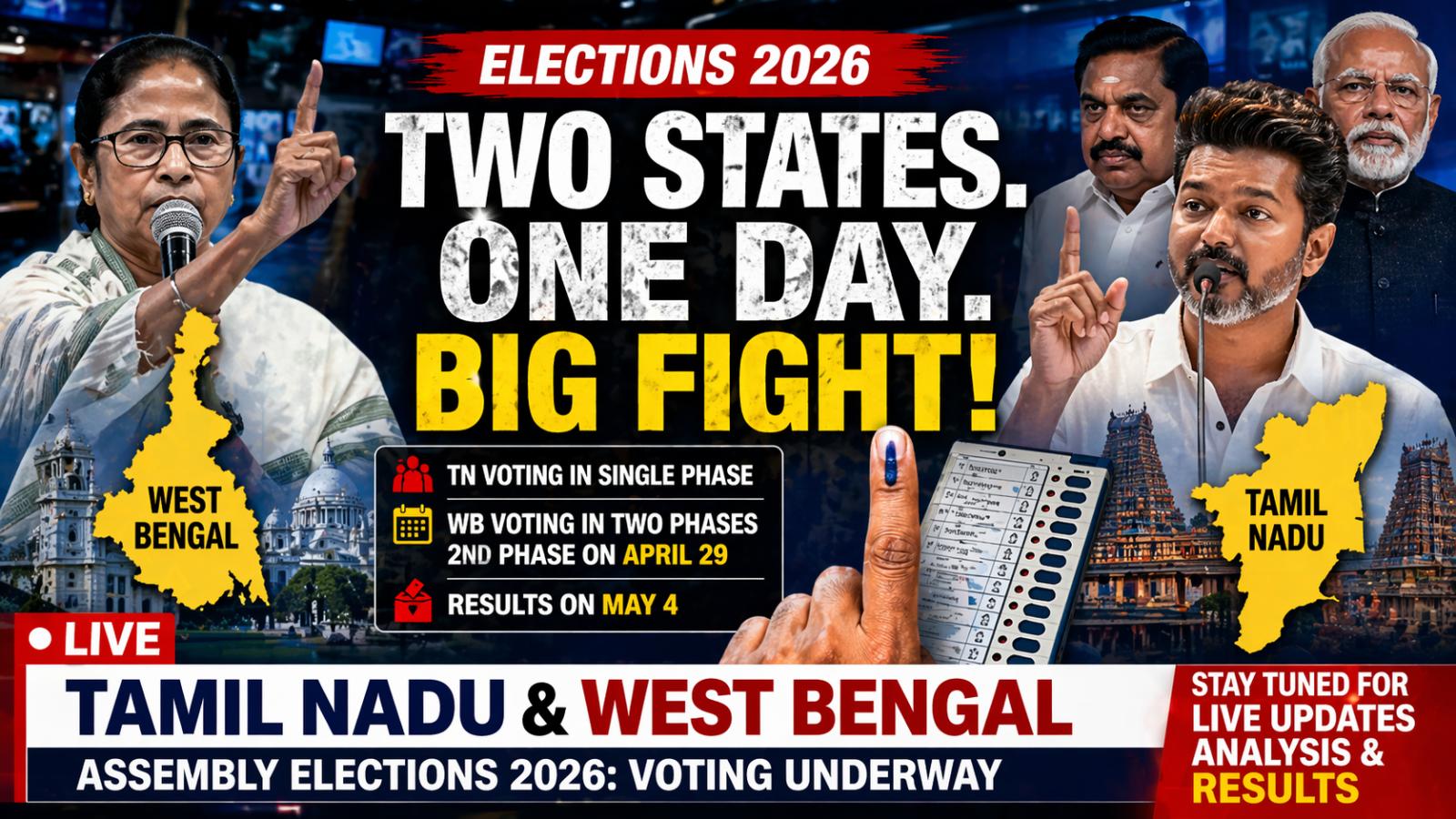
Voting is currently underway in two of India’s most politically significant states, Tamil Nadu and West Bengal, as part of the 2026 Assembly elections. Polling began today at 7:00 am and is scheduled to continue until 6:00 pm, following early mock polling exercises conducted at select locations such as Chennai and Siliguri to ensure the readiness of voting systems. Officials have reported smooth initial operations, with voter turnout expected to build steadily throughout the day.
The electoral process differs between the two states. Tamil Nadu is conducting voting in a single phase, meaning voters across the state will determine the next government simultaneously. In contrast, West Bengal is following a two-phase format, with the second phase scheduled for April 29. Results for both states, along with ongoing bypolls in other regions, will be declared on May 4.
In Tamil Nadu, the contest is primarily between the DMK-led Secular Progressive Alliance and the NDA bloc led by AIADMK. The DMK alliance includes Congress, DMDK, and VCK, while AIADMK is aligned with BJP and PMK. However, this election cycle introduces a notable shift with the political entry of Vijay and his party TVK. His debut adds a third dimension to what has traditionally been a two-front contest, potentially altering voting patterns and outcomes.
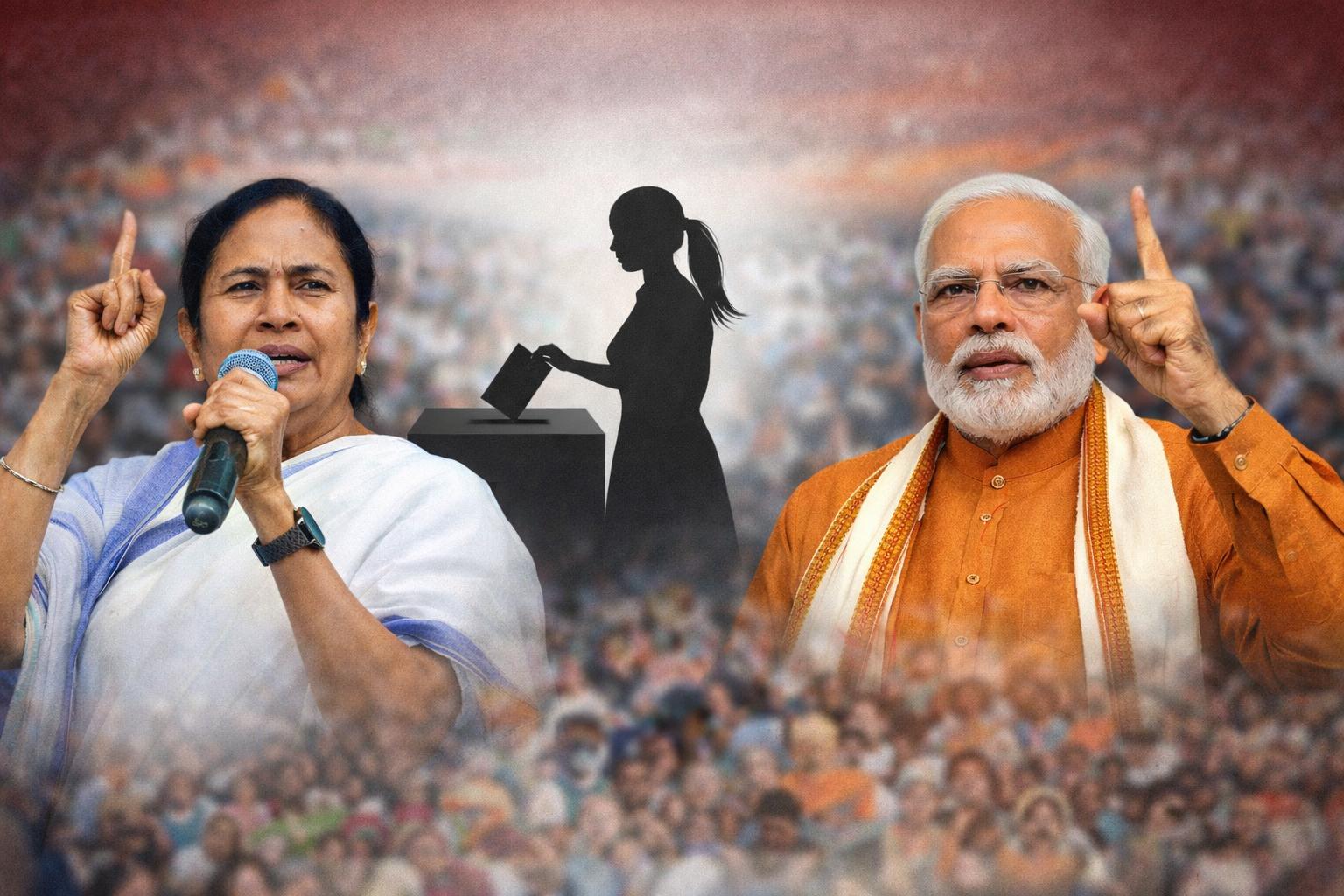
West Bengal presents an equally intense political environment. The ruling Trinamool Congress, led by Chief Minister Mamata Banerjee, is seeking a fourth consecutive term in power. The BJP, which significantly expanded its presence in the previous election by securing 77 seats, is aiming to build on that momentum and challenge the incumbent leadership more aggressively.
Beyond these two major states, bypolls are also being conducted in Gujarat’s Umreth and Maharashtra’s Baramati and Rahuri constituencies. These results will be announced alongside the main election outcomes, adding further political significance to the day’s voting activity.
Voting is currently underway in two of India’s most politically significant states, Tamil Nadu and West Bengal, as part of the 2026 Assembly elections. Polling began today at 7:00 am and is scheduled to continue until 6:00 pm, following early mock polling exercises conducted at select locations such as Chennai and Siliguri to ensure the readiness of voting systems. Officials have reported smooth initial operations, with voter turnout expected to build steadily throughout the day.
The electoral process differs between the two states. Tamil Nadu is conducting voting in a single phase, meaning voters across the state will determine the next government simultaneously. In contrast, West Bengal is following a two-phase format, with the second phase scheduled for April 29. Results for both states, along with ongoing bypolls in other regions, will be declared on May 4.
In Tamil Nadu, the contest is primarily between the DMK-led Secular Progressive Alliance and the NDA bloc led by AIADMK. The DMK alliance includes Congress, DMDK, and VCK, while AIADMK is aligned with BJP and PMK. However, this election cycle introduces a notable shift with the political entry of Vijay and his party TVK. His debut adds a third dimension to what has traditionally been a two-front contest, potentially altering voting patterns and outcomes.
West Bengal presents an equally intense political environment. The ruling Trinamool Congress, led by Chief Minister Mamata Banerjee, is seeking a fourth consecutive term in power. The BJP, which significantly expanded its presence in the previous election by securing 77 seats, is aiming to build on that momentum and challenge the incumbent leadership more aggressively.
Beyond these two major states, bypolls are also being conducted in Gujarat’s Umreth and Maharashtra’s Baramati and Rahuri constituencies. These results will be announced alongside the main election outcomes, adding further political significance to the day’s voting activity.
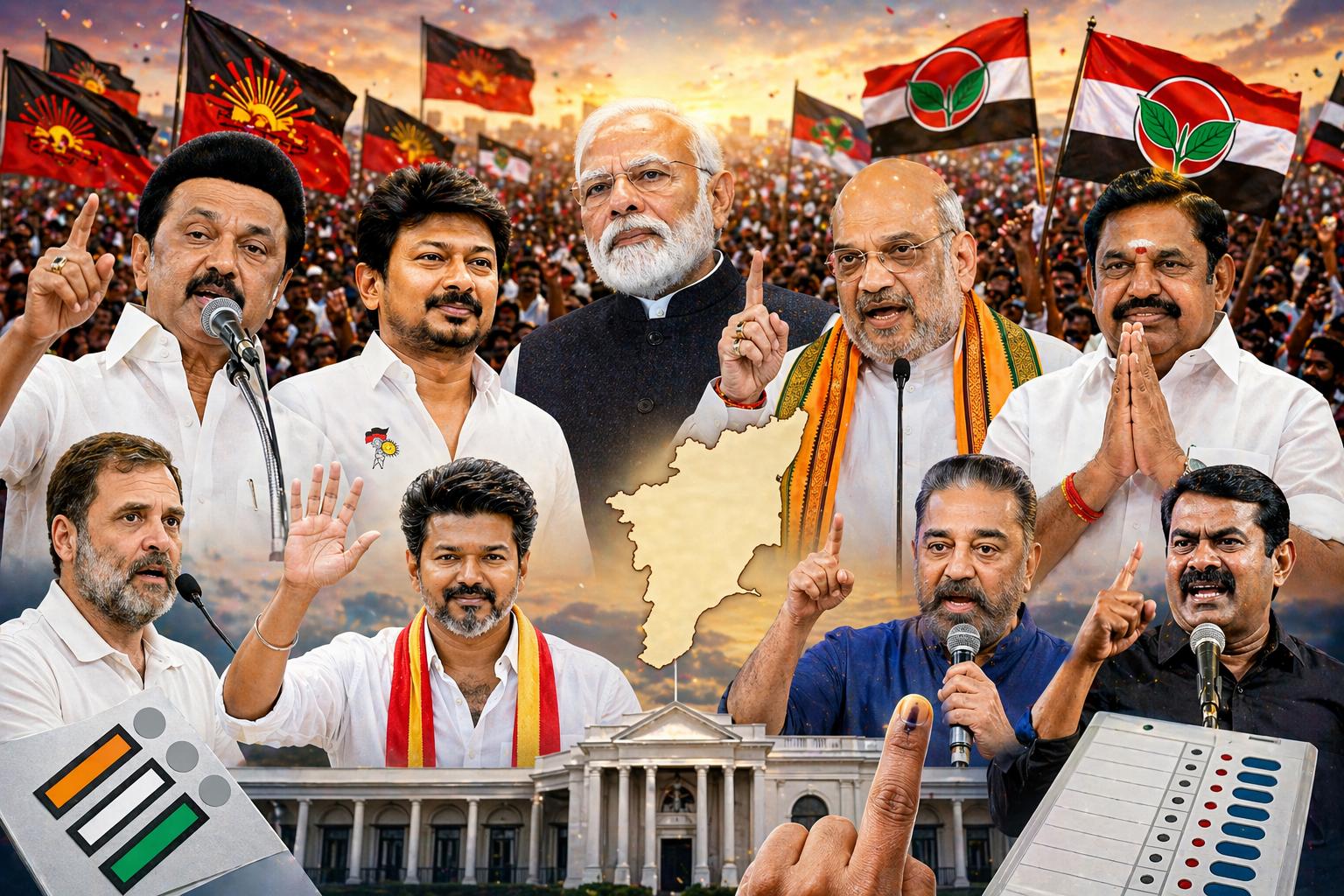
Chennai: The intense campaign for the Tamil Nadu Assembly elections 2026 will come to an end today, marking the start of the mandatory silent period ahead of voting scheduled on April 23. Over the past few weeks, the state has witnessed a high-energy political battle, with top national and regional leaders holding rallies, roadshows, and public meetings across all 234 constituencies.
Prominent leaders including Prime Minister Narendra Modi, Union Home Minister Amit Shah, Congress le
Chennai: The intense campaign for the Tamil Nadu Assembly elections 2026 will come to an end today, marking the start of the mandatory silent period ahead of voting scheduled on April 23. Over the past few weeks, the state has witnessed a high-energy political battle, with top national and regional leaders holding rallies, roadshows, and public meetings across all 234 constituencies.
Prominent leaders including Prime Minister Narendra Modi, Union Home Minister Amit Shah, Congress le
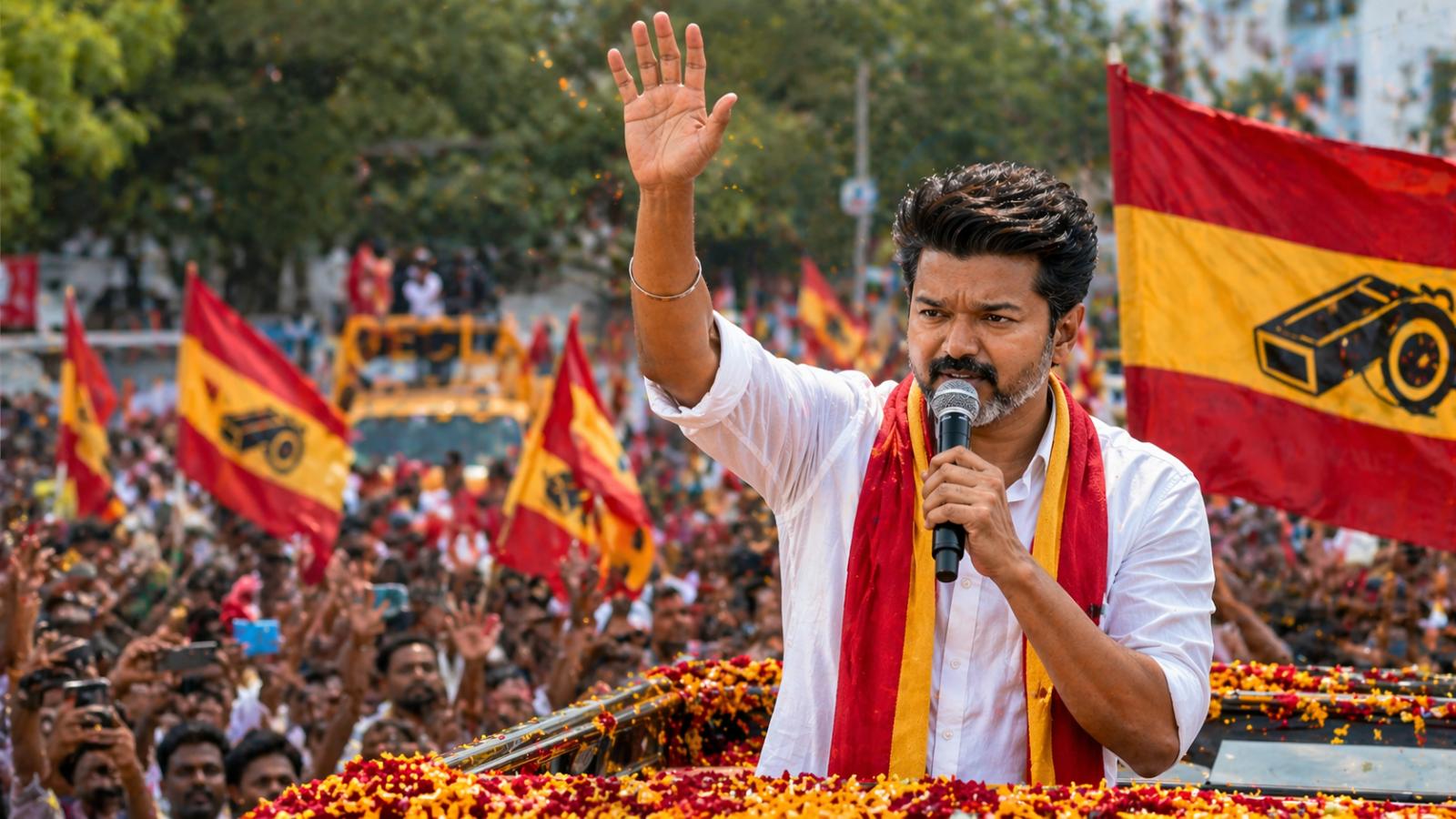
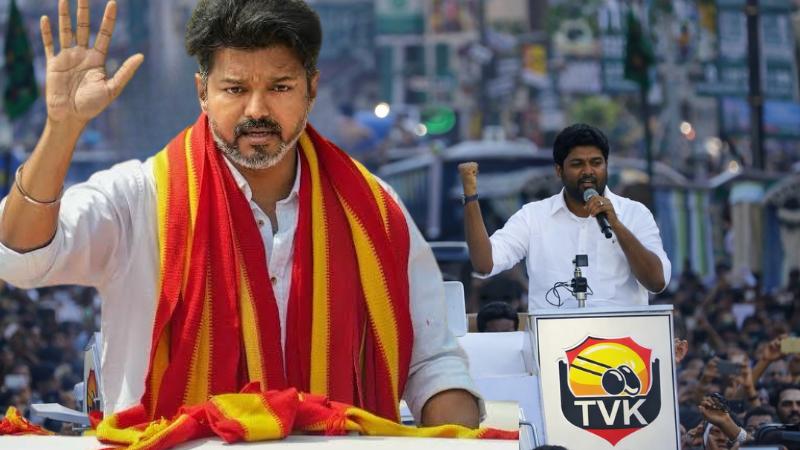
Chennai: Vijay, chief of Tamilaga Vettri Kazhagam, made a strong final appeal to voters ahead of the Tamil Nadu Assembly Elections 2026, urging them to support his party’s “Whistle” symbol.
Addres
Chennai: Vijay, chief of Tamilaga Vettri Kazhagam, made a strong final appeal to voters ahead of the Tamil Nadu Assembly Elections 2026, urging them to support his party’s “Whistle” symbol.
Addres
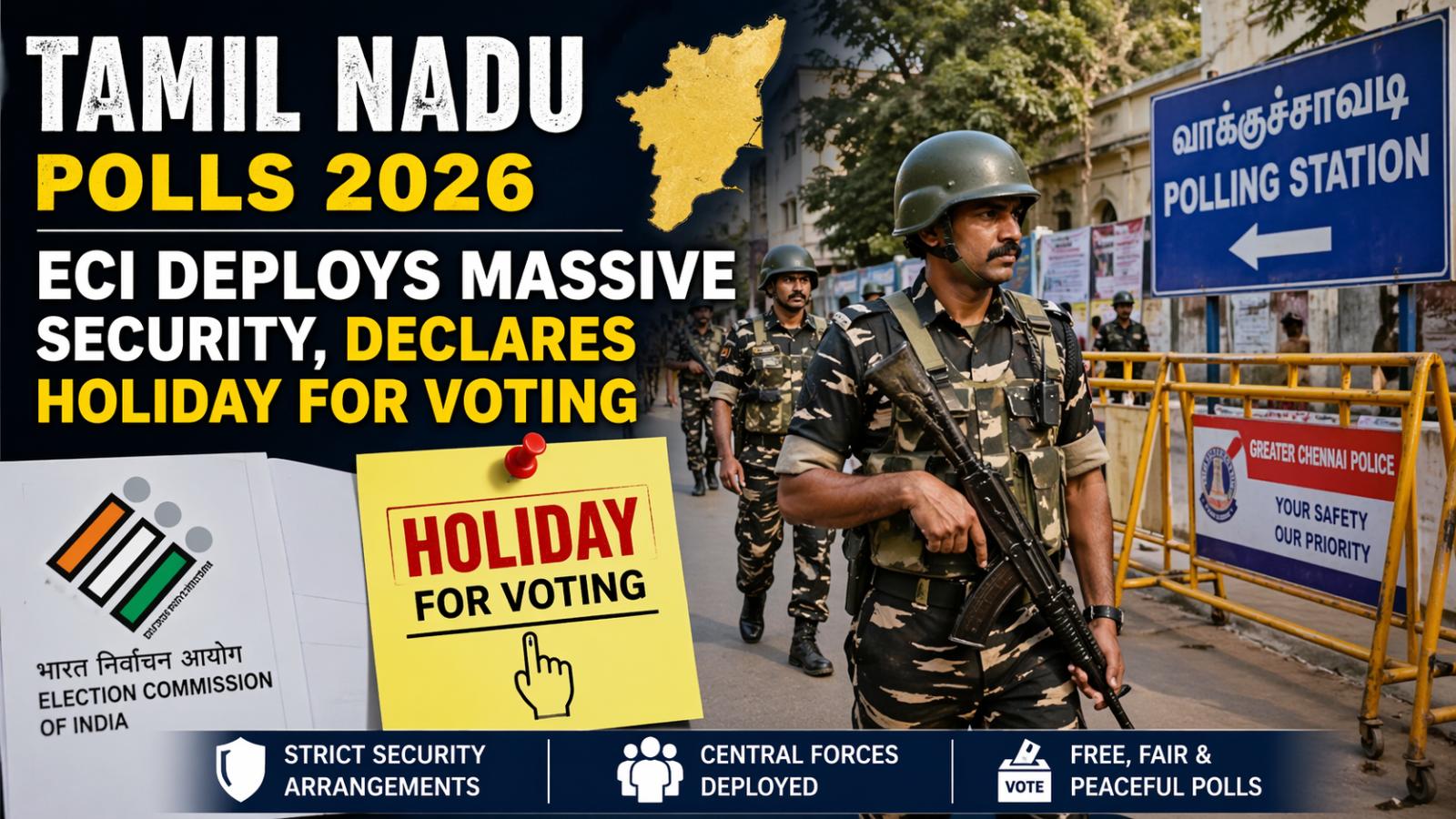
The Election Commission of India has completed extensive preparations for the Tamil Nadu Assembly elections scheduled for April 23, ensuring strict monitoring and security across the state. Surveillance teams have been deployed in all constituencies and are working round the clock to maintain law and order. Authorities have seized cash, liquor, narcotics and gift items worth Rs 1212.74 crore during the enforcement drive, although a portion of the seized cash was later returned after verification. The final electoral rolls show over 5.73 crore voters, including more than 2.93 crore women, who are expected to cast their votes at over 75,000 polling stations across the state.
A public holiday has been declared on polling day to encourage voter participation. Employers have been directed to grant leave even to shift-based and casual workers, including those working outside their constituencies, so they can exercise their franchise. Liquor outlets across the state and bordering regions will remain closed from April 21 to April 23, and again on the counting day, May 4, as part of measures to ensure free and fair elections.
To strengthen election integrity, over 7,000 micro observers have been deployed at sensitive polling stations. These teams will function under the supervision of general, police and expenditure observers appointed for all 234 constituencies. Additionally, nearly 84,000 police personnel and more than 40,000 non-police staff have been assigned election duties. The Union Home Ministry has also provided 300 companies of CAPF personnel to enhance security coverage across districts.
Officials have emphasized that these arrangements are aimed at ensuring a transparent and peaceful voting process. With strict enforcement, widespread monitoring and administrative readiness, authorities expect a smooth polling day with strong voter participation across Tamil Nadu.
The Election Commission of India has completed extensive preparations for the Tamil Nadu Assembly elections scheduled for April 23, ensuring strict monitoring and security across the state. Surveillance teams have been deployed in all constituencies and are working round the clock to maintain law and order. Authorities have seized cash, liquor, narcotics and gift items worth Rs 1212.74 crore during the enforcement drive, although a portion of the seized cash was later returned after verification. The final electoral rolls show over 5.73 crore voters, including more than 2.93 crore women, who are expected to cast their votes at over 75,000 polling stations across the state.
A public holiday has been declared on polling day to encourage voter participation. Employers have been directed to grant leave even to shift-based and casual workers, including those working outside their constituencies, so they can exercise their franchise. Liquor outlets across the state and bordering regions will remain closed from April 21 to April 23, and again on the counting day, May 4, as part of measures to ensure free and fair elections.
To strengthen election integrity, over 7,000 micro observers have been deployed at sensitive polling stations. These teams will function under the supervision of general, police and expenditure observers appointed for all 234 constituencies. Additionally, nearly 84,000 police personnel and more than 40,000 non-police staff have been assigned election duties. The Union Home Ministry has also provided 300 companies of CAPF personnel to enhance security coverage across districts.
Officials have emphasized that these arrangements are aimed at ensuring a transparent and peaceful voting process. With strict enforcement, widespread monitoring and administrative readiness, authorities expect a smooth polling day with strong voter participation across Tamil Nadu.
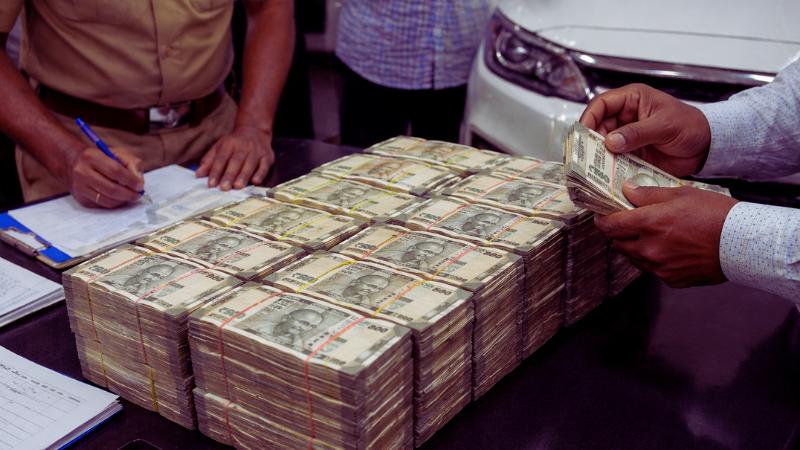
A major cash seizure was reported in Perambalur, where authorities recovered nearly ₹2.5 crore in unaccounted money during a late-night vehicle inspection. The operation was part of routine checks amid heightened vigilance in the region.
Officials intercepted a car during the inspection and discovered a substantial amount of cash concealed inside. T
A major cash seizure was reported in Perambalur, where authorities recovered nearly ₹2.5 crore in unaccounted money during a late-night vehicle inspection. The operation was part of routine checks amid heightened vigilance in the region.
Officials intercepted a car during the inspection and discovered a substantial amount of cash concealed inside. T
The debate around delimitation and fertility trends in India has long been presented as a matter of data, numbers, and scientific calculation. However, beneath the surface lies a far more complex reality that statistics alone often fail to fully capture. While policymakers and scholars rely heavily on demographic data to redraw constituencies and assess population changes, the lived experiences and political consequences of these decisions extend far beyond what the numbers suggest.
Delimitation, the process of redrawing electoral boundaries based on population, is intended to ensure fair representation. On paper, it appears straightforward: regions with higher populations should have more representation. However, this principle becomes contentious when viewed in the context of India’s diverse demographic patterns. States that have successfully controlled population growth through effective policies may find themselves disadvantaged in terms of political representation, while those with higher fertility rates could gain more seats. This creates a paradox where success in population control might translate into reduced political influence.
The science behind fertility rates also presents limitations. While data can indicate trends such as declining birth rates or regional disparities, it cannot fully explain the social, cultural, and economic factors driving these changes. Fertility decisions are influenced by education, access to healthcare, urbanization, and shifting societal values. These nuances are often overlooked when discussions are framed purely in statistical terms. As a result, policies based solely on numerical analysis risk missing the deeper context that shapes population behavior.
Understanding The Limits Of Data
Scholarly research on delimitation and fertility often lags behind the political realities experienced on the ground. While academics strive to build models and frameworks to explain these phenomena, their findings can take time to reflect the rapidly evolving dynamics of Indian society. Political leaders and citizens, on the other hand, often develop intuitive understandings of these issues based on direct experience. This gap between theory and reality highlights the limitations of relying exclusively on scientific approaches.
Moreover, the use of census data as the primary basis for delimitation introduces its own challenges. Census figures provide a snapshot of population distribution at a specific point in time, but they cannot account for migration patterns, economic shifts, or sudden demographic changes. In a country as vast and diverse as India, these factors can significantly alter the ground reality within a short period. As a result, decisions based on outdated or incomplete data may fail to achieve the intended goal of equitable representation.
Balancing Representation And Fairness
The intersection of delimitation and fertility trends raises important questions about fairness and equity in governance. Should representation be based purely on population numbers, or should it also consider the efforts made by certain regions to control population growth? This dilemma underscores the need for a more nuanced approach that goes beyond traditional metrics.
Policymakers must recognize that demographic data is only one piece of the puzzle. A holistic understanding of social, economic, and cultural factors is essential to create policies that are both fair and effective. This may involve exploring alternative methods of representation or introducing safeguards to ensure that states are not penalized for successful population control measures.
Ultimately, the science of delimitation and fertility provides valuable insights, but it is not a complete solution. To address the challenges posed by these issues, India must move beyond numbers and embrace a more comprehensive perspective that reflects the complexity of its society. Only then can the country achieve a balance between representation, fairness, and sustainable development.
The debate around delimitation and fertility trends in India has long been presented as a matter of data, numbers, and scientific calculation. However, beneath the surface lies a far more complex reality that statistics alone often fail to fully capture. While policymakers and scholars rely heavily on demographic data to redraw constituencies and assess population changes, the lived experiences and political consequences of these decisions extend far beyond what the numbers suggest.
Delimitation, the process of redrawing electoral boundaries based on population, is intended to ensure fair representation. On paper, it appears straightforward: regions with higher populations should have more representation. However, this principle becomes contentious when viewed in the context of India’s diverse demographic patterns. States that have successfully controlled population growth through effective policies may find themselves disadvantaged in terms of political representation, while those with higher fertility rates could gain more seats. This creates a paradox where success in population control might translate into reduced political influence.
The science behind fertility rates also presents limitations. While data can indicate trends such as declining birth rates or regional disparities, it cannot fully explain the social, cultural, and economic factors driving these changes. Fertility decisions are influenced by education, access to healthcare, urbanization, and shifting societal values. These nuances are often overlooked when discussions are framed purely in statistical terms. As a result, policies based solely on numerical analysis risk missing the deeper context that shapes population behavior.
Understanding The Limits Of Data
Scholarly research on delimitation and fertility often lags behind the political realities experienced on the ground. While academics strive to build models and frameworks to explain these phenomena, their findings can take time to reflect the rapidly evolving dynamics of Indian society. Political leaders and citizens, on the other hand, often develop intuitive understandings of these issues based on direct experience. This gap between theory and reality highlights the limitations of relying exclusively on scientific approaches.
Moreover, the use of census data as the primary basis for delimitation introduces its own challenges. Census figures provide a snapshot of population distribution at a specific point in time, but they cannot account for migration patterns, economic shifts, or sudden demographic changes. In a country as vast and diverse as India, these factors can significantly alter the ground reality within a short period. As a result, decisions based on outdated or incomplete data may fail to achieve the intended goal of equitable representation.
Balancing Representation And Fairness
The intersection of delimitation and fertility trends raises important questions about fairness and equity in governance. Should representation be based purely on population numbers, or should it also consider the efforts made by certain regions to control population growth? This dilemma underscores the need for a more nuanced approach that goes beyond traditional metrics.
Policymakers must recognize that demographic data is only one piece of the puzzle. A holistic understanding of social, economic, and cultural factors is essential to create policies that are both fair and effective. This may involve exploring alternative methods of representation or introducing safeguards to ensure that states are not penalized for successful population control measures.
Ultimately, the science of delimitation and fertility provides valuable insights, but it is not a complete solution. To address the challenges posed by these issues, India must move beyond numbers and embrace a more comprehensive perspective that reflects the complexity of its society. Only then can the country achieve a balance between representation, fairness, and sustainable development.
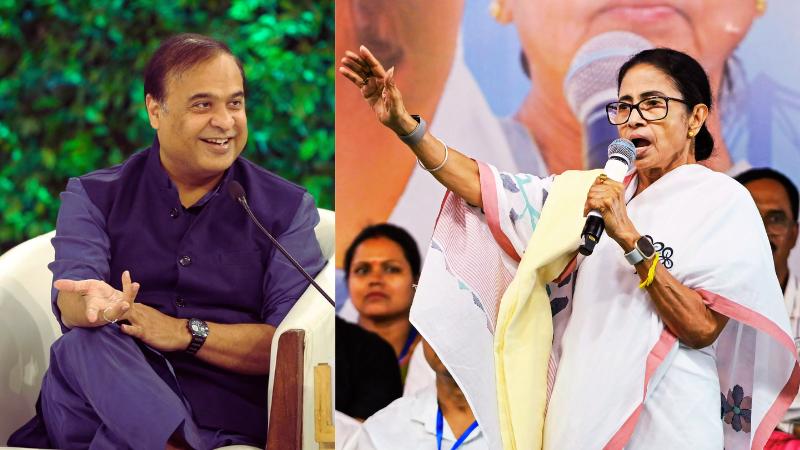
Political tensions have intensified ahead of the 2026 Assembly elections as Himanta Biswa Sarma launched a sharp attack on Mamata Banerjee during a campaign rally in
Political tensions have intensified ahead of the 2026 Assembly elections as Himanta Biswa Sarma launched a sharp attack on Mamata Banerjee during a campaign rally in
In a major technological twist to election campaigning, actor-turned-politician Vijay and his party Tamizhaga Vetri Kazhagam have introduced hologram-based outreach to connect with voters across Tamil Nadu. With elections approaching, the party is using life-sized 3D projections of Vijay to overcome the ch
In a major technological twist to election campaigning, actor-turned-politician Vijay and his party Tamizhaga Vetri Kazhagam have introduced hologram-based outreach to connect with voters across Tamil Nadu. With elections approaching, the party is using life-sized 3D projections of Vijay to overcome the ch
The upcoming West Bengal Assembly elections in 2026 are shaping up to be a high-stakes political battle, but the real deciding factor may not be traditional party loyalties or leadership narratives. Instead, the spotlight is firmly on women voters, a powerful and steadily growing electoral force that could ultimately determine the outcome. With polling scheduled in two phases on April 23 and April 29, both the ruling Trinamool Congress and the Bharatiya Janata Party have intensified efforts t
The upcoming West Bengal Assembly elections in 2026 are shaping up to be a high-stakes political battle, but the real deciding factor may not be traditional party loyalties or leadership narratives. Instead, the spotlight is firmly on women voters, a powerful and steadily growing electoral force that could ultimately determine the outcome. With polling scheduled in two phases on April 23 and April 29, both the ruling Trinamool Congress and the Bharatiya Janata Party have intensified efforts t
The Bharatiya Janata Party (BJP) has come a long way in Tamil Nadu, evolving from a marginal player to a growing force that now actively shapes the state’s political landscape. Historically dominated by regional powers such as the AIADMK and DMK, Tamil Nadu politics has seen a shift in recent years with BJP gaining more influence. The party's rise in Tamil Nadu is largely attributed to its well-crafted strategies, focus on key issues that resonate with the people, and a strong leadership pr
The Bharatiya Janata Party (BJP) has come a long way in Tamil Nadu, evolving from a marginal player to a growing force that now actively shapes the state’s political landscape. Historically dominated by regional powers such as the AIADMK and DMK, Tamil Nadu politics has seen a shift in recent years with BJP gaining more influence. The party's rise in Tamil Nadu is largely attributed to its well-crafted strategies, focus on key issues that resonate with the people, and a strong leadership pr
Mamata Banerjee, the Chief Minister of West Bengal, has maintained a highly unusual profile for a leader who has been in power for nearly 15 years. While most political leaders tend to accumulate wealth, properties, and other assets during their time in office, Mamata stands out for her modest and simple lifestyle. Despite her long tenure at the helm of one of India’s most politically significant states, she does not own a house, a personal car, or any substantial land. These details emerge
Mamata Banerjee, the Chief Minister of West Bengal, has maintained a highly unusual profile for a leader who has been in power for nearly 15 years. While most political leaders tend to accumulate wealth, properties, and other assets during their time in office, Mamata stands out for her modest and simple lifestyle. Despite her long tenure at the helm of one of India’s most politically significant states, she does not own a house, a personal car, or any substantial land. These details emerge
Prime Minister Narendra Modi, addressing a rally in Haldia, outlined six key guarantees for the people of West Bengal ahead of the April 23 elections. During his speech, he criticised the ruling
Prime Minister Narendra Modi, addressing a rally in Haldia, outlined six key guarantees for the people of West Bengal ahead of the April 23 elections. During his speech, he criticised the ruling
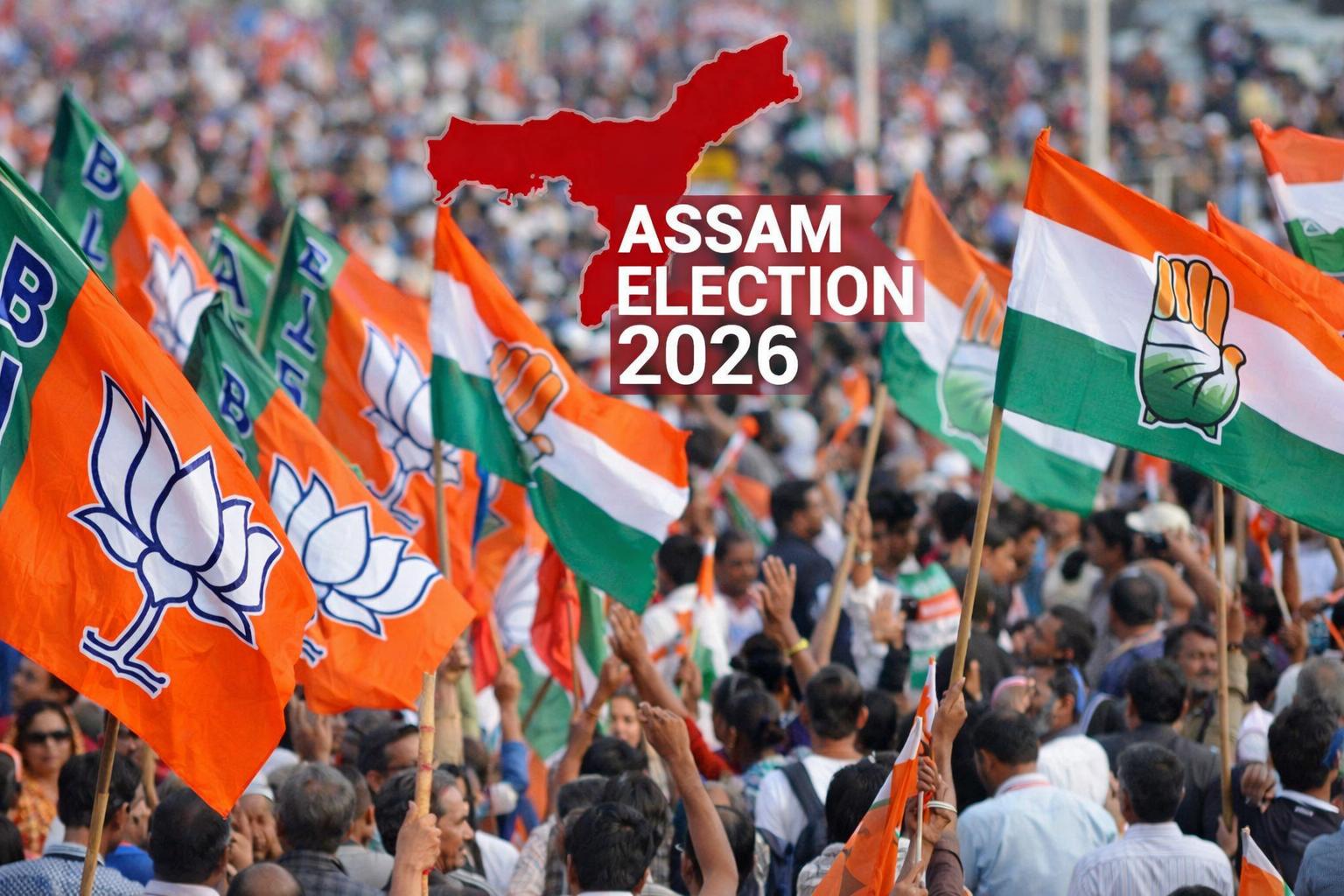
The political landscape in Assam is heating up as the 2026 assembly elections approach, with major parties unveiling their manifestos to attract voters across the state. Both Bharatiya Janata Party and Indian National C
The political landscape in Assam is heating up as the 2026 assembly elections approach, with major parties unveiling their manifestos to attract voters across the state. Both Bharatiya Janata Party and Indian National C
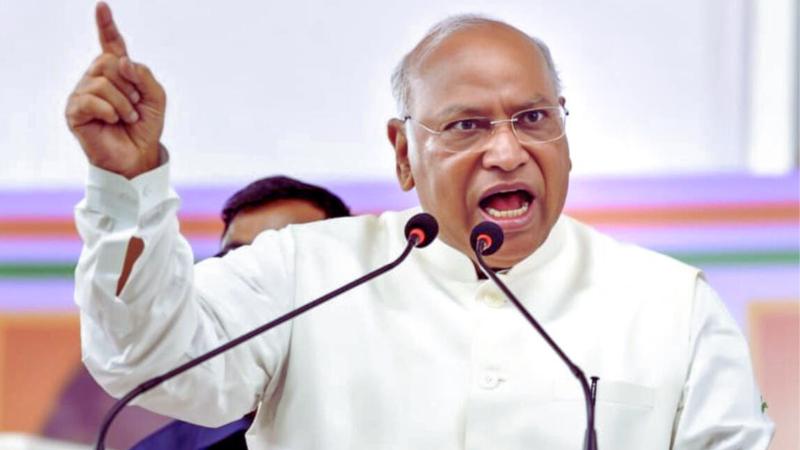
A major political controversy has erupted ahead of the Kerala Assembly elections after Mallikarjun Kharge made a remark comparing voters in Kerala with those in Gujarat. Speaking at a rally in Idukki district, the Congress president stated that people in Kerala are educated and cannot be misled, unlike “illiterate” individuals in Gujarat and some other regions. The statement quickly triggered sharp reactions from the Bharatiya Janata Party, intensifying the already heated election atmosphere.
The remark was made while Kharge was addressing political rivals, including Narendra Modi and Kerala Chief Minister Pinarayi Vijayan. His comments were interpreted by BJP leaders as an insult to the people of Gujarat, leading to widespread criticism across party lines. The controversy comes at a crucial time when political parties are actively campaigning and trying to consolidate voter support ahead of polling.
The BJP responded aggressively, with Gujarat Deputy Chief Minister Harsh Sanghavi accusing Kharge of disrespecting the people of Gujarat and undermining the state’s legacy. Sanghavi highlighted Gujarat’s historical contribution to India, pointing out that it is the birthplace of leaders like Mahatma Gandhi and Sardar Vallabhbhai Patel. He questioned whether Congress continues to target Gujarat out of frustration after losing political ground in the state.
Adding to the criticism, BJP spokesperson Sudhanshu Trivedi challenged Kharge’s statement by referencing prominent leaders from different parts of India, including Gujarat and Uttar Pradesh. Trivedi accused the Congress of engaging in divisive rhetoric ahead of elections, suggesting that such remarks are part of a broader strategy to polarize voters.
The timing of the controversy has amplified its political significance, as Kerala prepares to vote. The BJP has framed the issue as an example of Congress’s alleged “divide-and-rule” approach, aiming to mobilize public sentiment against the party. Meanwhile, Congress leaders are likely to face pressure to clarify or defend Kharge’s statement as the debate continues to dominate headlines.
This episode highlights how election campaigns in India often escalate into sharp exchanges, where statements made during rallies can quickly turn into national controversies. With polling day approaching, the fallout from this remark could influence voter perception and shape campaign narratives in the final phase of the election race.
A major political controversy has erupted ahead of the Kerala Assembly elections after Mallikarjun Kharge made a remark comparing voters in Kerala with those in Gujarat. Speaking at a rally in Idukki district, the Congress president stated that people in Kerala are educated and cannot be misled, unlike “illiterate” individuals in Gujarat and some other regions. The statement quickly triggered sharp reactions from the Bharatiya Janata Party, intensifying the already heated election atmosphere.
The remark was made while Kharge was addressing political rivals, including Narendra Modi and Kerala Chief Minister Pinarayi Vijayan. His comments were interpreted by BJP leaders as an insult to the people of Gujarat, leading to widespread criticism across party lines. The controversy comes at a crucial time when political parties are actively campaigning and trying to consolidate voter support ahead of polling.
The BJP responded aggressively, with Gujarat Deputy Chief Minister Harsh Sanghavi accusing Kharge of disrespecting the people of Gujarat and undermining the state’s legacy. Sanghavi highlighted Gujarat’s historical contribution to India, pointing out that it is the birthplace of leaders like Mahatma Gandhi and Sardar Vallabhbhai Patel. He questioned whether Congress continues to target Gujarat out of frustration after losing political ground in the state.
Adding to the criticism, BJP spokesperson Sudhanshu Trivedi challenged Kharge’s statement by referencing prominent leaders from different parts of India, including Gujarat and Uttar Pradesh. Trivedi accused the Congress of engaging in divisive rhetoric ahead of elections, suggesting that such remarks are part of a broader strategy to polarize voters.
The timing of the controversy has amplified its political significance, as Kerala prepares to vote. The BJP has framed the issue as an example of Congress’s alleged “divide-and-rule” approach, aiming to mobilize public sentiment against the party. Meanwhile, Congress leaders are likely to face pressure to clarify or defend Kharge’s statement as the debate continues to dominate headlines.
This episode highlights how election campaigns in India often escalate into sharp exchanges, where statements made during rallies can quickly turn into national controversies. With polling day approaching, the fallout from this remark could influence voter perception and shape campaign narratives in the final phase of the election race.
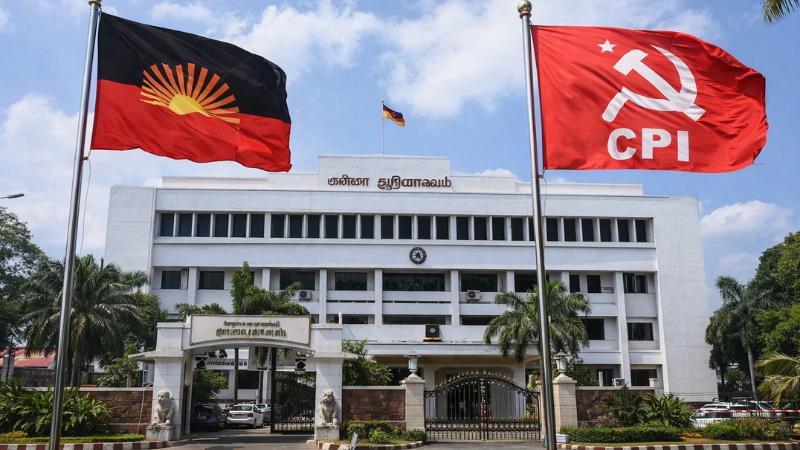
In an important development in Tamil Nadu’s political landscape, the ruling Dravida Munnetra Kazhagam (DMK) has allotted five seats to its ally, the Communist Party of India (CPI), for the upcoming 2026 Tamil Nadu Assembly elections. This seat allocation comes after several rounds of talks between the two parties, reflecting their continued collaboration and alliance ahead of the crucial polls.
The decision was finalized following discussions held at the DMK headquarters, Anna Ari
In an important development in Tamil Nadu’s political landscape, the ruling Dravida Munnetra Kazhagam (DMK) has allotted five seats to its ally, the Communist Party of India (CPI), for the upcoming 2026 Tamil Nadu Assembly elections. This seat allocation comes after several rounds of talks between the two parties, reflecting their continued collaboration and alliance ahead of the crucial polls.
The decision was finalized following discussions held at the DMK headquarters, Anna Ari