A shocking workplace harassment case has emerged from the Nashik branch of Tata Consultancy Services, where a female employee has alleged months of sexual harassment, verbal abuse, and religious insults by multiple colleagues. The survivor, who joined the company in July 2024, described the office environment as deeply unsafe and intimidating, claiming that accused employees operated without fear due to alleged protection from senior officials.
According to her complaint, the harass
A shocking workplace harassment case has emerged from the Nashik branch of Tata Consultancy Services, where a female employee has alleged months of sexual harassment, verbal abuse, and religious insults by multiple colleagues. The survivor, who joined the company in July 2024, described the office environment as deeply unsafe and intimidating, claiming that accused employees operated without fear due to alleged protection from senior officials.
According to her complaint, the harass
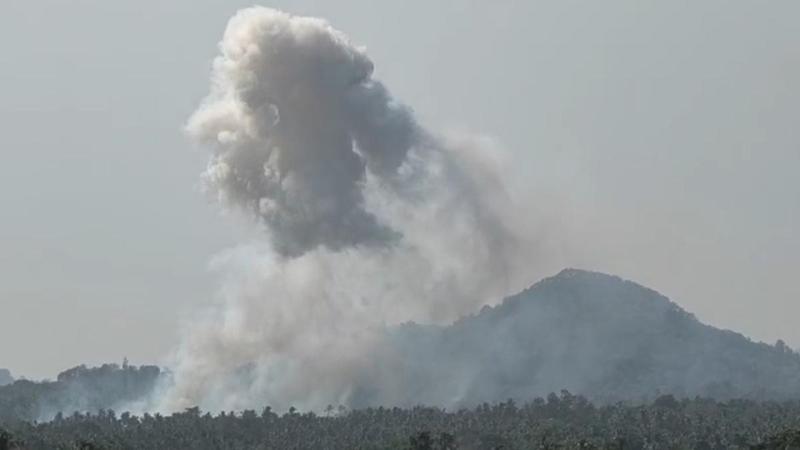
A tragic explosion at a fireworks manufacturing unit in Mundathikode, located in Kerala, has claimed the lives of at least 13 people and left around 40 others injured, several of them in critical condition. The incident occurred just days before the grand celebrations of Thrissur Pooram, one of the most prominent temple festivals in the state, where elaborate fireworks displays are a major highlight.
According to initial reports, the blast took place while workers were preparing fireworks for the upcoming festival. The explosion triggered a massive fire that quickly engulfed the unit, causing widespread destruction and panic in the surrounding area. Eyewitnesses described multiple blasts occurring in quick succession, indicating the presence of highly volatile materials stored inside the facility.
Authorities rushed to the spot immediately after receiving alerts, with fire and rescue teams working tirelessly to control the flames and search for survivors. Due to the intensity of the explosion and the extent of the damage, drones were deployed to assess the situation from above and help locate victims trapped under debris. Emergency services shifted the injured to nearby hospitals, where doctors confirmed that several victims remain in critical condition.
The incident has raised serious concerns about safety standards in fireworks manufacturing units, especially during peak festival seasons when production is at its highest. Officials have launched an investigation to determine the exact cause of the explosion and to check whether safety regulations were violated. Preliminary findings suggest that improper storage or handling of explosive materials may have contributed to the tragedy.
Local authorities have also initiated a review of all licensed fireworks units in the region to prevent similar incidents in the future. Meanwhile, families of the victims are grappling with immense grief as the state mourns the loss of lives in what is being described as one of the deadliest industrial accidents in recent times.
A tragic explosion at a fireworks manufacturing unit in Mundathikode, located in Kerala, has claimed the lives of at least 13 people and left around 40 others injured, several of them in critical condition. The incident occurred just days before the grand celebrations of Thrissur Pooram, one of the most prominent temple festivals in the state, where elaborate fireworks displays are a major highlight.
According to initial reports, the blast took place while workers were preparing fireworks for the upcoming festival. The explosion triggered a massive fire that quickly engulfed the unit, causing widespread destruction and panic in the surrounding area. Eyewitnesses described multiple blasts occurring in quick succession, indicating the presence of highly volatile materials stored inside the facility.
Authorities rushed to the spot immediately after receiving alerts, with fire and rescue teams working tirelessly to control the flames and search for survivors. Due to the intensity of the explosion and the extent of the damage, drones were deployed to assess the situation from above and help locate victims trapped under debris. Emergency services shifted the injured to nearby hospitals, where doctors confirmed that several victims remain in critical condition.
The incident has raised serious concerns about safety standards in fireworks manufacturing units, especially during peak festival seasons when production is at its highest. Officials have launched an investigation to determine the exact cause of the explosion and to check whether safety regulations were violated. Preliminary findings suggest that improper storage or handling of explosive materials may have contributed to the tragedy.
Local authorities have also initiated a review of all licensed fireworks units in the region to prevent similar incidents in the future. Meanwhile, families of the victims are grappling with immense grief as the state mourns the loss of lives in what is being described as one of the deadliest industrial accidents in recent times.
The Bal Gangadhar Tilak Ganesh Chaturthi history is one of the most powerful examples of how culture and politics came together during India’s freedom struggle. What was once a private religious celebration became a massive public movement that united people against British rule.
How Tilak transformed Ganesh Chaturthi
In 1893, Bal Gangadhar Tilak, one
The Bal Gangadhar Tilak Ganesh Chaturthi history is one of the most powerful examples of how culture and politics came together during India’s freedom struggle. What was once a private religious celebration became a massive public movement that united people against British rule.
How Tilak transformed Ganesh Chaturthi
In 1893, Bal Gangadhar Tilak, one
India may soon take a major step toward changing how vehicles are powered, with the government reportedly preparing draft rules for introducing E85 fuel. This new blend, made of up to 85% ethanol and 15% petrol, could significantly reduce the country’s dependence on imported crude oil and promote the use of domestically produced biofuel.
The move comes at a time when global oil markets remain unstable due to geopolitical tensions, including conflicts affecting major oil-producing
India may soon take a major step toward changing how vehicles are powered, with the government reportedly preparing draft rules for introducing E85 fuel. This new blend, made of up to 85% ethanol and 15% petrol, could significantly reduce the country’s dependence on imported crude oil and promote the use of domestically produced biofuel.
The move comes at a time when global oil markets remain unstable due to geopolitical tensions, including conflicts affecting major oil-producing
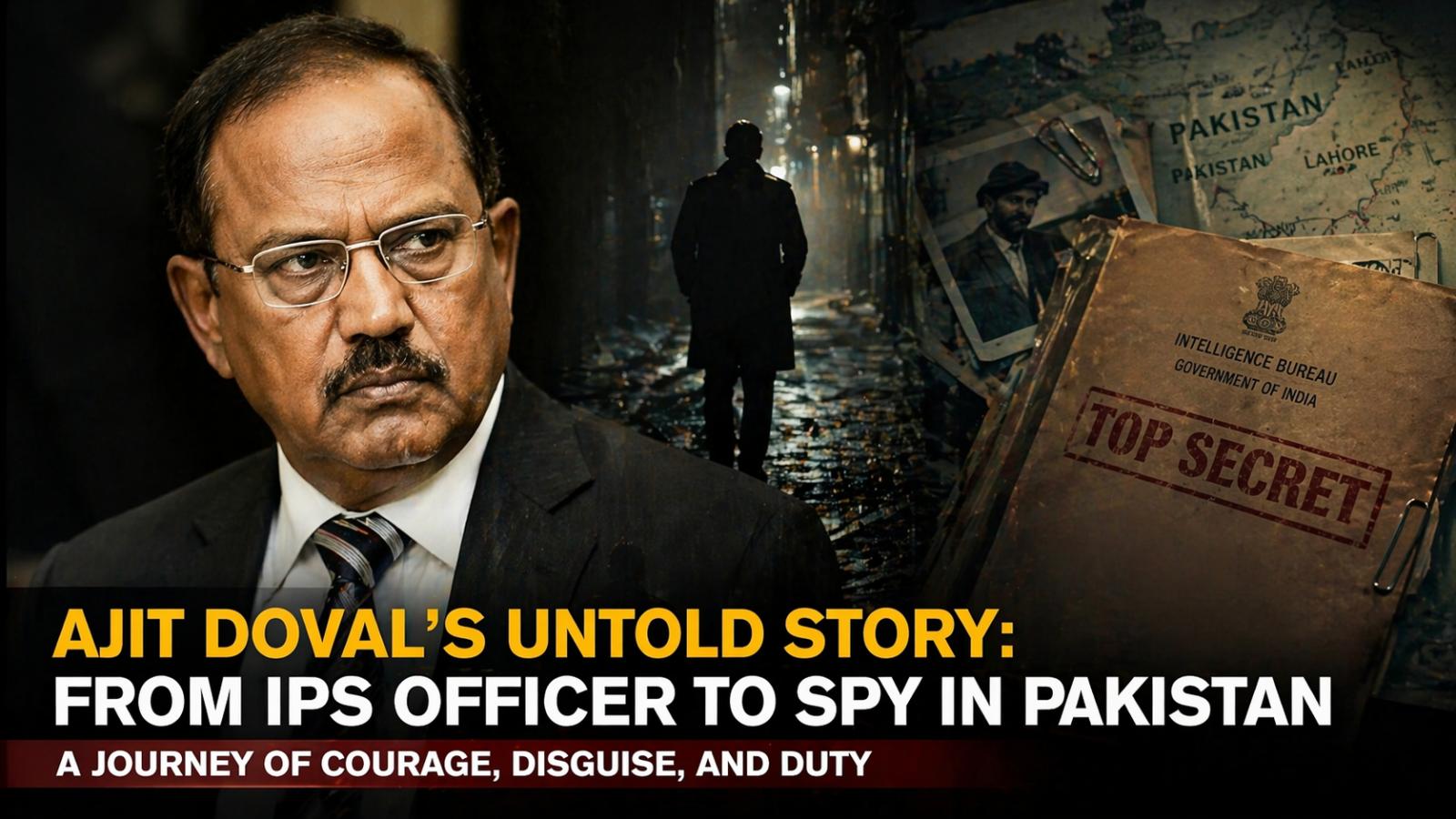
Ajit Doval began his professional journey as an officer in the Indian Police Service in 1968, serving in the Kerala cadre. Over time, he developed a reputation for managing insurgency-related challenges and complex law-and-order situations, which required a combination of tactical decision-making and psychological resilience. Rather than following a conventional policing career, he later transitioned into the Intelligence Bureau, moving into a domain where operational visibility is minimal but strategic impact is significant.
During the 1970s, Doval was reportedly assigned to a deep-cover intelligence mission in Pakistan, marking a critical phase in his career. The assignment extended over several years, demanding a sustained and disciplined approach to undercover work. To function effectively, he assumed a complete alternate identity, integrating into local society through language proficiency, cultural understanding, and adherence to social and religious practices. This level of immersion was essential for maintaining credibility and avoiding suspicion in a sensitive environment.
Operating in a foreign and potentially hostile setting required the development of a consistent personal narrative and the ability to establish relationships without drawing attention. Such assignments are typically conducted without direct support, placing significant responsibility on the individual operative. The risks associated with exposure are severe, emphasizing the need for precision, restraint, and continuous situational awareness. Intelligence gathering in these conditions often involves incremental efforts, where accurate information is collected over time rather than through rapid or visible actions.
The nature of such operations differs considerably from their portrayal in popular media. While films like Dhurandhar often depict espionage through fast-paced sequences and overt action, real-world intelligence work is characterized by patience, discretion, and long-term commitment. Doval’s reported experiences reflect the complexities of covert operations, where outcomes are rarely visible and details remain largely classified, underscoring the contrast between cinematic representation and operational reality.
Ajit Doval began his professional journey as an officer in the Indian Police Service in 1968, serving in the Kerala cadre. Over time, he developed a reputation for managing insurgency-related challenges and complex law-and-order situations, which required a combination of tactical decision-making and psychological resilience. Rather than following a conventional policing career, he later transitioned into the Intelligence Bureau, moving into a domain where operational visibility is minimal but strategic impact is significant.
During the 1970s, Doval was reportedly assigned to a deep-cover intelligence mission in Pakistan, marking a critical phase in his career. The assignment extended over several years, demanding a sustained and disciplined approach to undercover work. To function effectively, he assumed a complete alternate identity, integrating into local society through language proficiency, cultural understanding, and adherence to social and religious practices. This level of immersion was essential for maintaining credibility and avoiding suspicion in a sensitive environment.
Operating in a foreign and potentially hostile setting required the development of a consistent personal narrative and the ability to establish relationships without drawing attention. Such assignments are typically conducted without direct support, placing significant responsibility on the individual operative. The risks associated with exposure are severe, emphasizing the need for precision, restraint, and continuous situational awareness. Intelligence gathering in these conditions often involves incremental efforts, where accurate information is collected over time rather than through rapid or visible actions.
The nature of such operations differs considerably from their portrayal in popular media. While films like Dhurandhar often depict espionage through fast-paced sequences and overt action, real-world intelligence work is characterized by patience, discretion, and long-term commitment. Doval’s reported experiences reflect the complexities of covert operations, where outcomes are rarely visible and details remain largely classified, underscoring the contrast between cinematic representation and operational reality.
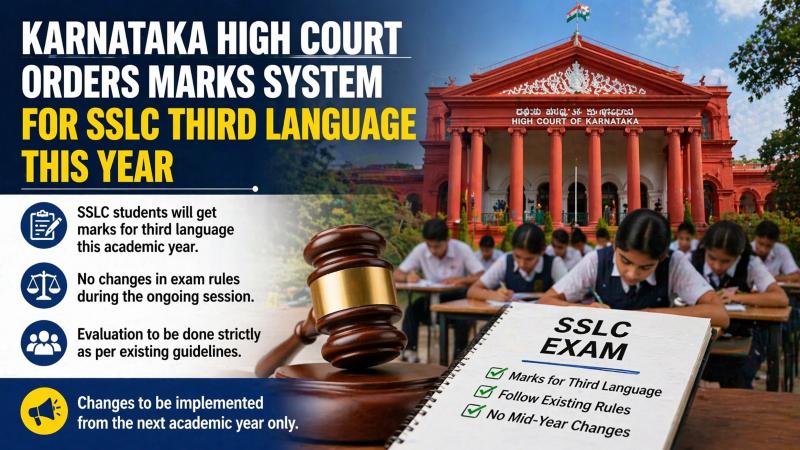
The Karnataka High Court has clarified that SSLC students will be awarded marks, not grades, for the third language in the current academic year. The court emphasised that any changes to examination rules, including the introduction of a grading system, can only be implemented from the next academic session and not midway through an ongoing year.
The court further directed the state government to evaluate the recently concluded Senior School Leaving Certificate (SSLC) examinations s
The Karnataka High Court has clarified that SSLC students will be awarded marks, not grades, for the third language in the current academic year. The court emphasised that any changes to examination rules, including the introduction of a grading system, can only be implemented from the next academic session and not midway through an ongoing year.
The court further directed the state government to evaluate the recently concluded Senior School Leaving Certificate (SSLC) examinations s
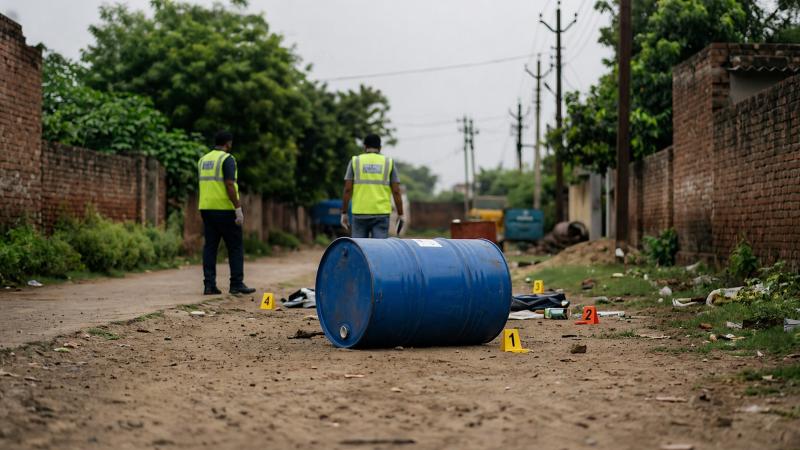
A shocking murder case has surfaced from Satna, adding to a series of disturbing “blue drum” crimes reported in recent times. The incident came to light on Monday when a woman named Asha and her daughter returned home to find their house locked from the outside, while the lights and cooler were still running inside, raising immediate suspicion.
Co
A shocking murder case has surfaced from Satna, adding to a series of disturbing “blue drum” crimes reported in recent times. The incident came to light on Monday when a woman named Asha and her daughter returned home to find their house locked from the outside, while the lights and cooler were still running inside, raising immediate suspicion.
Co
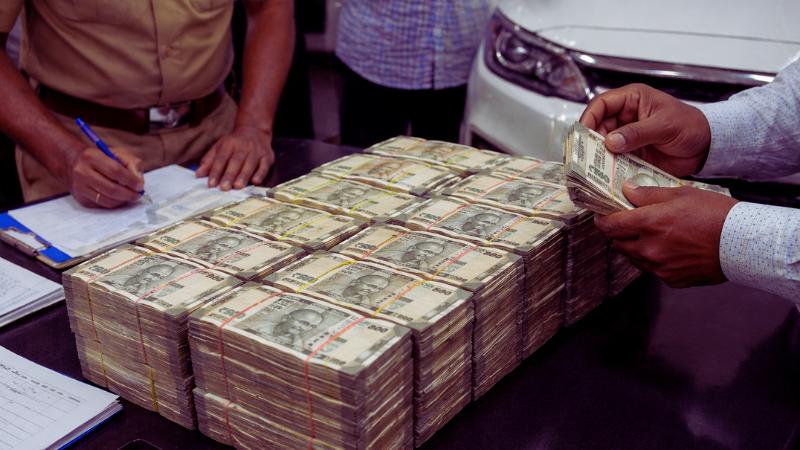
A major cash seizure was reported in Perambalur, where authorities recovered nearly ₹2.5 crore in unaccounted money during a late-night vehicle inspection. The operation was part of routine checks amid heightened vigilance in the region.
Officials intercepted a car during the inspection and discovered a substantial amount of cash concealed inside. T
A major cash seizure was reported in Perambalur, where authorities recovered nearly ₹2.5 crore in unaccounted money during a late-night vehicle inspection. The operation was part of routine checks amid heightened vigilance in the region.
Officials intercepted a car during the inspection and discovered a substantial amount of cash concealed inside. T
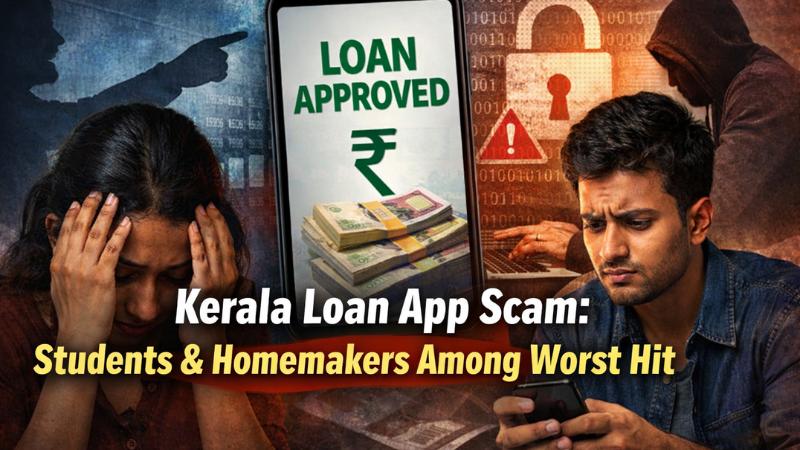
A major loan app scam in Kerala has come to light, with students and homemakers emerging as the worst affected groups. The fraudulent operation involves illegal digital lending apps that lure users with quick and easy loans, often requiring minimal documentation. Once individuals sign up, they are trapped in a cycle of harassment, high interest rates, and threats.
Authorities have revealed that these apps operate without proper registration and violate financial regulations. Victims
A major loan app scam in Kerala has come to light, with students and homemakers emerging as the worst affected groups. The fraudulent operation involves illegal digital lending apps that lure users with quick and easy loans, often requiring minimal documentation. Once individuals sign up, they are trapped in a cycle of harassment, high interest rates, and threats.
Authorities have revealed that these apps operate without proper registration and violate financial regulations. Victims
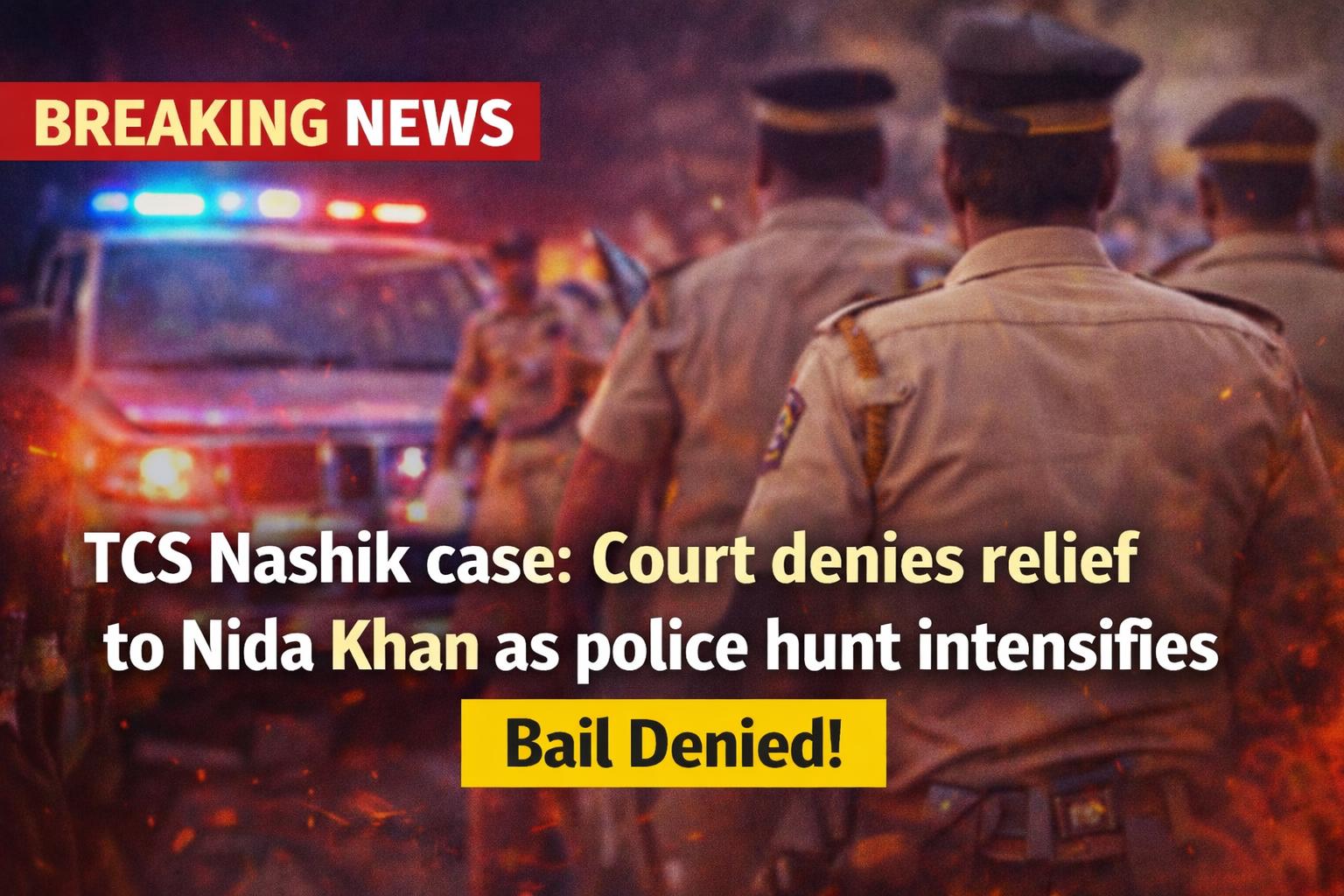
Court denies interim relief to Nida Khan in TCS Nashik case
A Nashik court has refused to grant interim protection from arrest to Nida Khan, one of the accused in the TCS Nashik BPO case, intensifying the legal pressure against her. The decision comes as police continue their search for Khan, who remains the only accused yet to be taken into custody. Khan had approached the court seeking anticipatory bail, citing her pregn
Court denies interim relief to Nida Khan in TCS Nashik case
A Nashik court has refused to grant interim protection from arrest to Nida Khan, one of the accused in the TCS Nashik BPO case, intensifying the legal pressure against her. The decision comes as police continue their search for Khan, who remains the only accused yet to be taken into custody. Khan had approached the court seeking anticipatory bail, citing her pregn
A tragic incident in Gurugram has left residents shocked after a 33-year-old manager working with American Express was found dead in his apartment just four months after his marriage. The deceased, identified as Rishabh Dixit, was discovered in his flat at Pyramid Society in Sector 76 on Friday morning, Ap
A tragic incident in Gurugram has left residents shocked after a 33-year-old manager working with American Express was found dead in his apartment just four months after his marriage. The deceased, identified as Rishabh Dixit, was discovered in his flat at Pyramid Society in Sector 76 on Friday morning, Ap
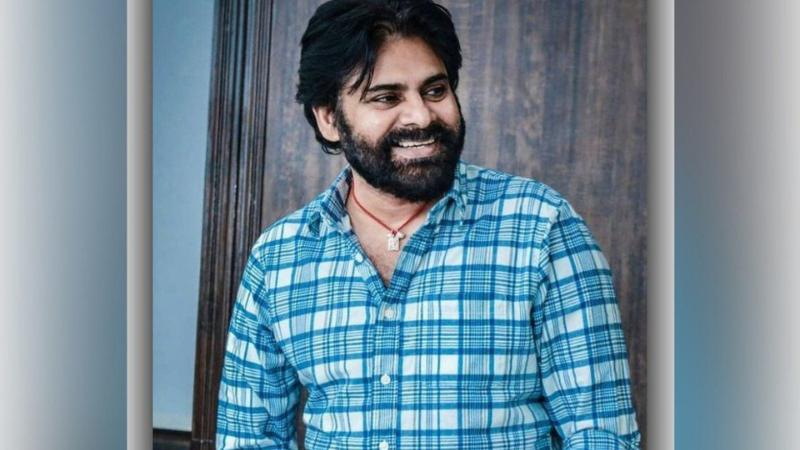
Popular actor and Andhra Pradesh Deputy Chief Minister Pawan Kalyan has recently undergone a surgical procedure, triggering widespread discussion and concern among fans and the film industry. The news surfaced quickly and spread across media platforms, leading to speculation about the reason behind the surgery and his current health condition.
According to initial reports, the procedure was planned and conducted under medical supervision, suggesting that it was not an emergency situation. Sources close to the development indicate that the surgery was successful, and doctors are closely monitoring his recovery. However, no official statement has been released detailing the exact nature of the medical condition or the treatment involved.
The development has generated significant attention, particularly because of Kalyan’s dual role as a leading figure in both politics and the entertainment industry. His active public presence and strong connection with supporters have intensified public interest in his health status. Social media platforms have been flooded with messages of support and wishes for a speedy recovery, reflecting the deep admiration and concern of his followers.
Recovery Updates and Public Response
Despite the ongoing speculation, individuals close to Pawan Kalyan have reassured that his condition remains stable and is steadily improving. Industry colleagues and political associates have also expressed optimism, urging the public not to jump to conclusions in the absence of confirmed information. Early indications suggest that he is responding well to post-surgery care and is expected to recover gradually.
While the timeline for his return to public duties and film commitments remains unclear, it will largely depend on medical advice and recovery progress. Experts note that such procedures are often routine or preventive, and not necessarily linked to serious health concerns.
This incident also highlights the importance of prioritizing health, even for public figures with demanding schedules. Regular medical check-ups and timely treatment are essential for long-term well-being. As fans await official confirmation, the overwhelming support pouring in from across the country underscores the strong bond between Pawan Kalyan and his audience.
Popular actor and Andhra Pradesh Deputy Chief Minister Pawan Kalyan has recently undergone a surgical procedure, triggering widespread discussion and concern among fans and the film industry. The news surfaced quickly and spread across media platforms, leading to speculation about the reason behind the surgery and his current health condition.
According to initial reports, the procedure was planned and conducted under medical supervision, suggesting that it was not an emergency situation. Sources close to the development indicate that the surgery was successful, and doctors are closely monitoring his recovery. However, no official statement has been released detailing the exact nature of the medical condition or the treatment involved.
The development has generated significant attention, particularly because of Kalyan’s dual role as a leading figure in both politics and the entertainment industry. His active public presence and strong connection with supporters have intensified public interest in his health status. Social media platforms have been flooded with messages of support and wishes for a speedy recovery, reflecting the deep admiration and concern of his followers.
Recovery Updates and Public Response
Despite the ongoing speculation, individuals close to Pawan Kalyan have reassured that his condition remains stable and is steadily improving. Industry colleagues and political associates have also expressed optimism, urging the public not to jump to conclusions in the absence of confirmed information. Early indications suggest that he is responding well to post-surgery care and is expected to recover gradually.
While the timeline for his return to public duties and film commitments remains unclear, it will largely depend on medical advice and recovery progress. Experts note that such procedures are often routine or preventive, and not necessarily linked to serious health concerns.
This incident also highlights the importance of prioritizing health, even for public figures with demanding schedules. Regular medical check-ups and timely treatment are essential for long-term well-being. As fans await official confirmation, the overwhelming support pouring in from across the country underscores the strong bond between Pawan Kalyan and his audience.
The debate around delimitation and fertility trends in India has long been presented as a matter of data, numbers, and scientific calculation. However, beneath the surface lies a far more complex reality that statistics alone often fail to fully capture. While policymakers and scholars rely heavily on demographic data to redraw constituencies and assess population changes, the lived experiences and political consequences of these decisions extend far beyond what the numbers suggest.
Delimitation, the process of redrawing electoral boundaries based on population, is intended to ensure fair representation. On paper, it appears straightforward: regions with higher populations should have more representation. However, this principle becomes contentious when viewed in the context of India’s diverse demographic patterns. States that have successfully controlled population growth through effective policies may find themselves disadvantaged in terms of political representation, while those with higher fertility rates could gain more seats. This creates a paradox where success in population control might translate into reduced political influence.
The science behind fertility rates also presents limitations. While data can indicate trends such as declining birth rates or regional disparities, it cannot fully explain the social, cultural, and economic factors driving these changes. Fertility decisions are influenced by education, access to healthcare, urbanization, and shifting societal values. These nuances are often overlooked when discussions are framed purely in statistical terms. As a result, policies based solely on numerical analysis risk missing the deeper context that shapes population behavior.
Understanding The Limits Of Data
Scholarly research on delimitation and fertility often lags behind the political realities experienced on the ground. While academics strive to build models and frameworks to explain these phenomena, their findings can take time to reflect the rapidly evolving dynamics of Indian society. Political leaders and citizens, on the other hand, often develop intuitive understandings of these issues based on direct experience. This gap between theory and reality highlights the limitations of relying exclusively on scientific approaches.
Moreover, the use of census data as the primary basis for delimitation introduces its own challenges. Census figures provide a snapshot of population distribution at a specific point in time, but they cannot account for migration patterns, economic shifts, or sudden demographic changes. In a country as vast and diverse as India, these factors can significantly alter the ground reality within a short period. As a result, decisions based on outdated or incomplete data may fail to achieve the intended goal of equitable representation.
Balancing Representation And Fairness
The intersection of delimitation and fertility trends raises important questions about fairness and equity in governance. Should representation be based purely on population numbers, or should it also consider the efforts made by certain regions to control population growth? This dilemma underscores the need for a more nuanced approach that goes beyond traditional metrics.
Policymakers must recognize that demographic data is only one piece of the puzzle. A holistic understanding of social, economic, and cultural factors is essential to create policies that are both fair and effective. This may involve exploring alternative methods of representation or introducing safeguards to ensure that states are not penalized for successful population control measures.
Ultimately, the science of delimitation and fertility provides valuable insights, but it is not a complete solution. To address the challenges posed by these issues, India must move beyond numbers and embrace a more comprehensive perspective that reflects the complexity of its society. Only then can the country achieve a balance between representation, fairness, and sustainable development.
The debate around delimitation and fertility trends in India has long been presented as a matter of data, numbers, and scientific calculation. However, beneath the surface lies a far more complex reality that statistics alone often fail to fully capture. While policymakers and scholars rely heavily on demographic data to redraw constituencies and assess population changes, the lived experiences and political consequences of these decisions extend far beyond what the numbers suggest.
Delimitation, the process of redrawing electoral boundaries based on population, is intended to ensure fair representation. On paper, it appears straightforward: regions with higher populations should have more representation. However, this principle becomes contentious when viewed in the context of India’s diverse demographic patterns. States that have successfully controlled population growth through effective policies may find themselves disadvantaged in terms of political representation, while those with higher fertility rates could gain more seats. This creates a paradox where success in population control might translate into reduced political influence.
The science behind fertility rates also presents limitations. While data can indicate trends such as declining birth rates or regional disparities, it cannot fully explain the social, cultural, and economic factors driving these changes. Fertility decisions are influenced by education, access to healthcare, urbanization, and shifting societal values. These nuances are often overlooked when discussions are framed purely in statistical terms. As a result, policies based solely on numerical analysis risk missing the deeper context that shapes population behavior.
Understanding The Limits Of Data
Scholarly research on delimitation and fertility often lags behind the political realities experienced on the ground. While academics strive to build models and frameworks to explain these phenomena, their findings can take time to reflect the rapidly evolving dynamics of Indian society. Political leaders and citizens, on the other hand, often develop intuitive understandings of these issues based on direct experience. This gap between theory and reality highlights the limitations of relying exclusively on scientific approaches.
Moreover, the use of census data as the primary basis for delimitation introduces its own challenges. Census figures provide a snapshot of population distribution at a specific point in time, but they cannot account for migration patterns, economic shifts, or sudden demographic changes. In a country as vast and diverse as India, these factors can significantly alter the ground reality within a short period. As a result, decisions based on outdated or incomplete data may fail to achieve the intended goal of equitable representation.
Balancing Representation And Fairness
The intersection of delimitation and fertility trends raises important questions about fairness and equity in governance. Should representation be based purely on population numbers, or should it also consider the efforts made by certain regions to control population growth? This dilemma underscores the need for a more nuanced approach that goes beyond traditional metrics.
Policymakers must recognize that demographic data is only one piece of the puzzle. A holistic understanding of social, economic, and cultural factors is essential to create policies that are both fair and effective. This may involve exploring alternative methods of representation or introducing safeguards to ensure that states are not penalized for successful population control measures.
Ultimately, the science of delimitation and fertility provides valuable insights, but it is not a complete solution. To address the challenges posed by these issues, India must move beyond numbers and embrace a more comprehensive perspective that reflects the complexity of its society. Only then can the country achieve a balance between representation, fairness, and sustainable development.
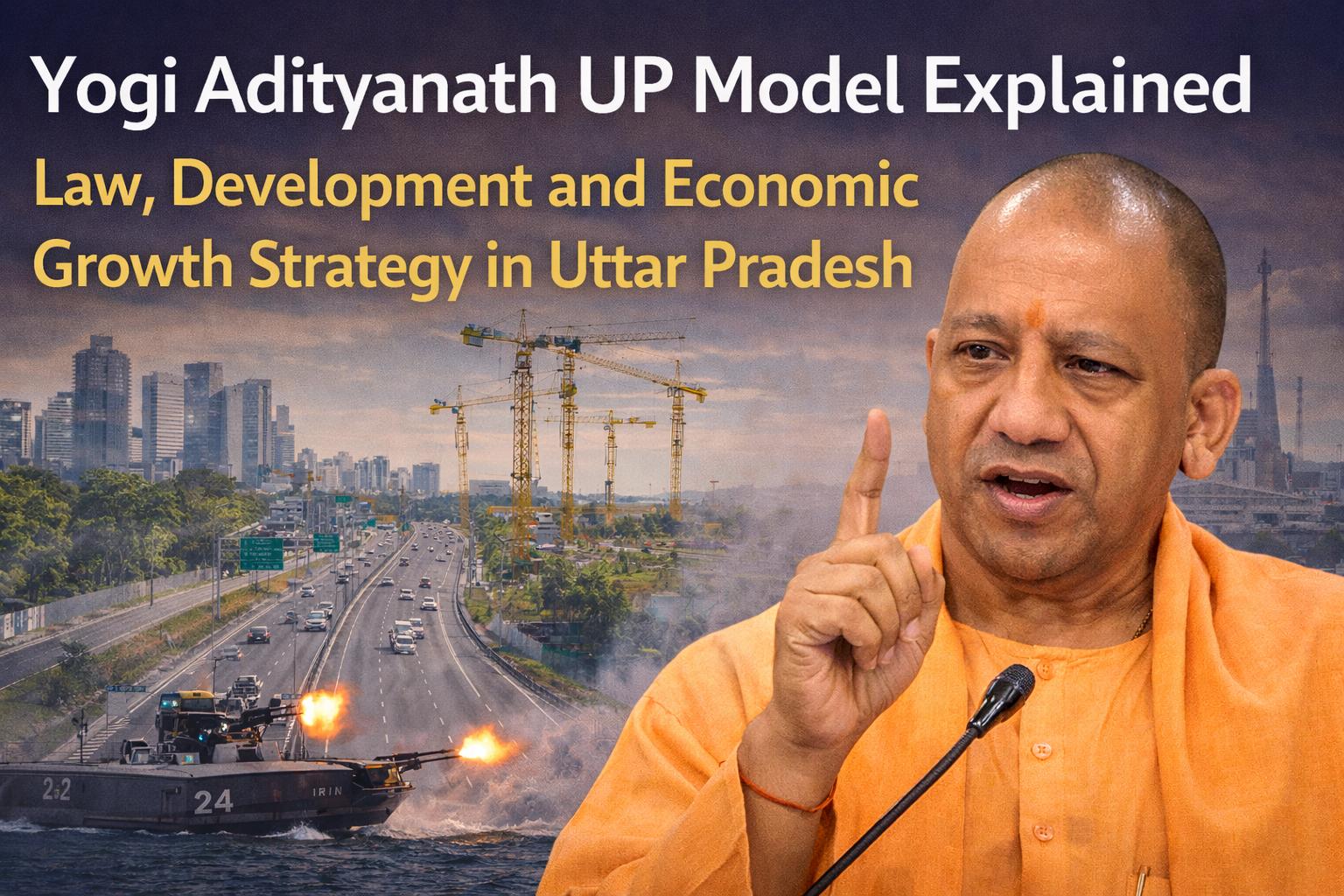
Yogi Adityanath UP model explained: A transformation strategy for India’s largest state
The Yogi Adityanath UP model has emerged as a major topic in India’s political and economic discussions. Focused on law and order, infrastructure expansion, and investment growth, the model aims to transform Uttar Pradesh into a key economic hub. Since taking office, Yogi Adityanath has posi
Yogi Adityanath UP model explained: A transformation strategy for India’s largest state
The Yogi Adityanath UP model has emerged as a major topic in India’s political and economic discussions. Focused on law and order, infrastructure expansion, and investment growth, the model aims to transform Uttar Pradesh into a key economic hub. Since taking office, Yogi Adityanath has posi
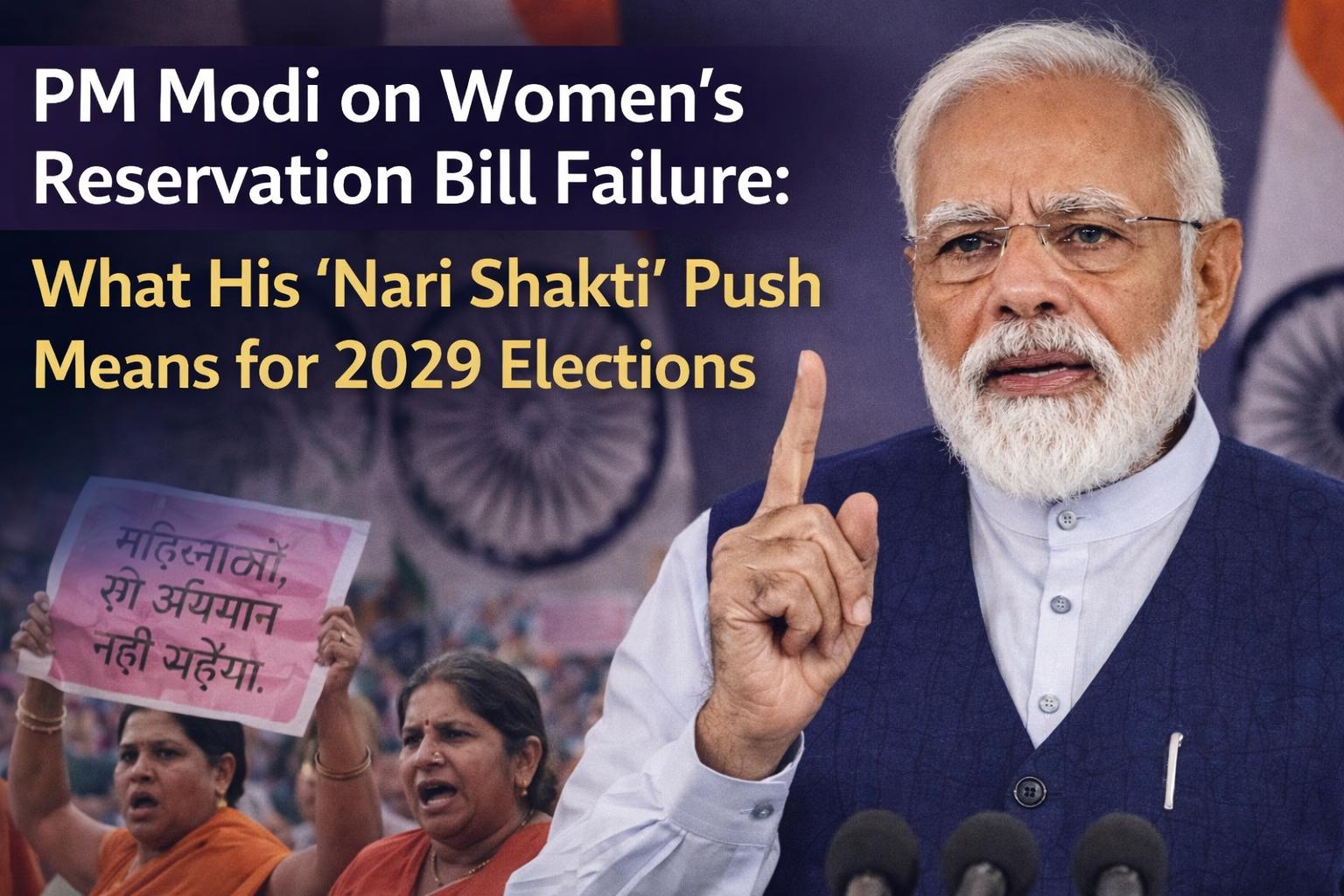
PM Modi women reservation bill speech highlights ‘Nari Shakti’ push
Prime Minister Narendra Modi’s women reservation bill speech on Saturday, April 18, 2026, has brought renewed focus on women’s representation in India’s political system. Calling the Nari Shakti initiative a “great yajna,” Modi emphasized that empowering women remains a central goal despite the recen
PM Modi women reservation bill speech highlights ‘Nari Shakti’ push
Prime Minister Narendra Modi’s women reservation bill speech on Saturday, April 18, 2026, has brought renewed focus on women’s representation in India’s political system. Calling the Nari Shakti initiative a “great yajna,” Modi emphasized that empowering women remains a central goal despite the recen
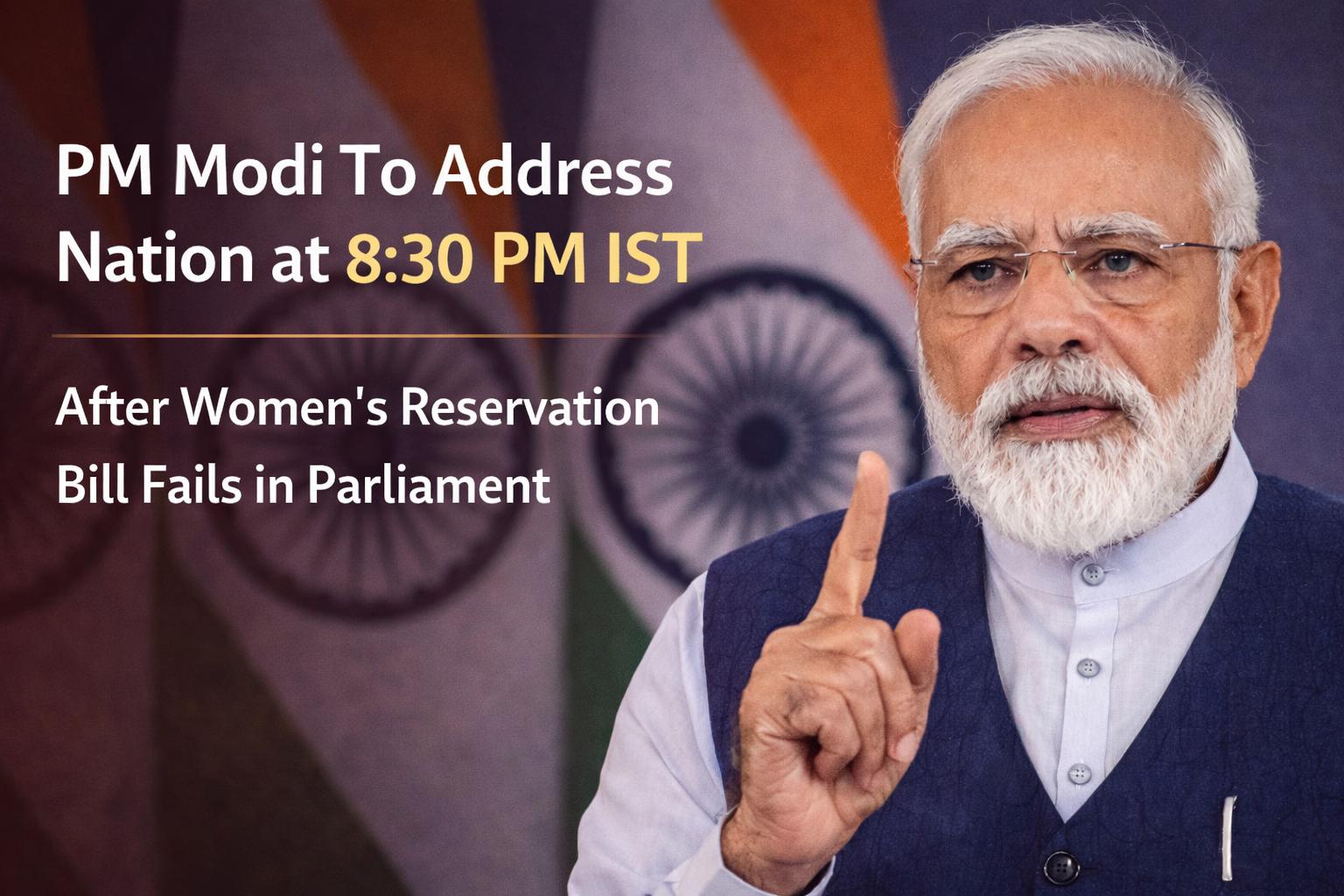
Prime Minister Narendra Modi is set to deliver a national address at 8:30 PM, prompting widespread speculation about the topic. The announcement comes at a politically sensitive moment, just a day after the women’s reservation bill failed to secure approval in Parliament.
Why PM Modi is addressing the nation today
While officials have not confirmed the subject of the speech, the timing has drawn attention. The Prime Minister reportedly di
Prime Minister Narendra Modi is set to deliver a national address at 8:30 PM, prompting widespread speculation about the topic. The announcement comes at a politically sensitive moment, just a day after the women’s reservation bill failed to secure approval in Parliament.
Why PM Modi is addressing the nation today
While officials have not confirmed the subject of the speech, the timing has drawn attention. The Prime Minister reportedly di
British traveller Indian hospitality viral video wins hearts online
A British traveller Indian hospitality viral video( https://www.instagram.com/reels/DXOd0Juk01o/ ) is capturing global attention after a simple yet powerful moment of kindness in rural India. The video, shared on social media, highlights how a local man’s small gesture left a lasting impression, showcasing t
British traveller Indian hospitality viral video wins hearts online
A British traveller Indian hospitality viral video( https://www.instagram.com/reels/DXOd0Juk01o/ ) is capturing global attention after a simple yet powerful moment of kindness in rural India. The video, shared on social media, highlights how a local man’s small gesture left a lasting impression, showcasing t
Narendra Modi will address the nation at 8:30 PM on April 18, 2026, following the defeat of the Women’s Reservation Bill in the Lok Sabha. The Prime Minister’s Office confirmed the address, though the agenda has not been disclosed. The development follows the Constitution (131st Amendment) Bill, falling short of the required two-thirds majority in the
Narendra Modi will address the nation at 8:30 PM on April 18, 2026, following the defeat of the Women’s Reservation Bill in the Lok Sabha. The Prime Minister’s Office confirmed the address, though the agenda has not been disclosed. The development follows the Constitution (131st Amendment) Bill, falling short of the required two-thirds majority in the
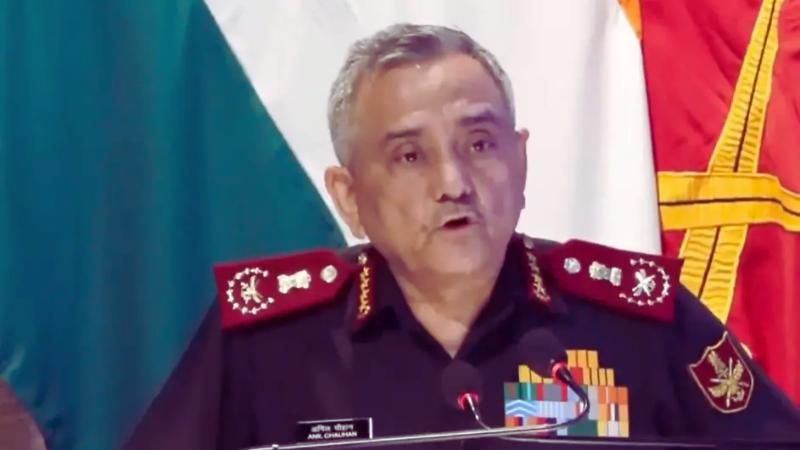
Anil Chauhan has stressed the need for India’s armed forces to enhance coordination and prepare for future challenges, drawing lessons from ‘Operation Sindoor’. He noted that the military must move beyond replicating past strategies and instead adapt to evolving threats and new forms of warfare.
Referring to ‘Operation Sindoor’, Chauhan desc
Anil Chauhan has stressed the need for India’s armed forces to enhance coordination and prepare for future challenges, drawing lessons from ‘Operation Sindoor’. He noted that the military must move beyond replicating past strategies and instead adapt to evolving threats and new forms of warfare.
Referring to ‘Operation Sindoor’, Chauhan desc