India Hosts Quad Delhi Meeting as Indo-Pacific Security, China and West Asia Tensions Take Centre Stage
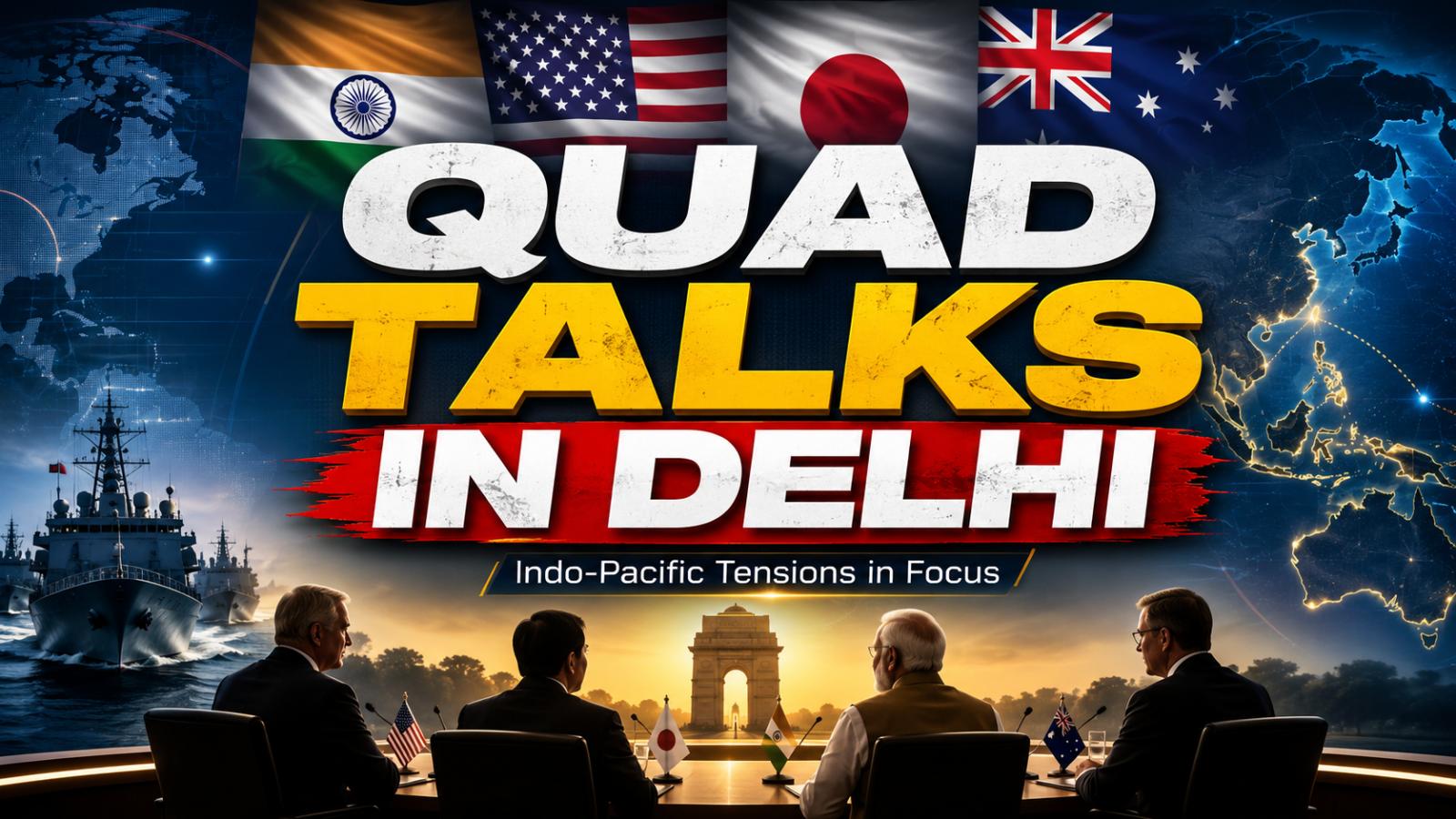
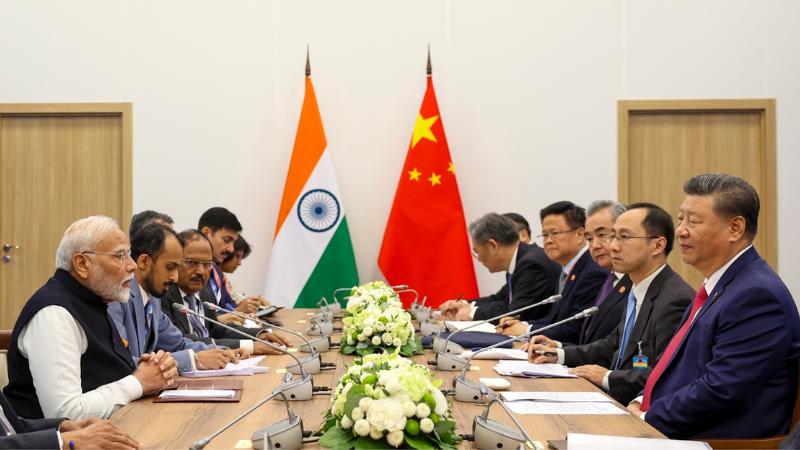
India is hosting the Quad foreign ministers’ meeting in New Delhi on May 26, 2026, bringing together senior leaders from India, the United States, Japan and Australia. External Affairs Minister S. Jaishankar is chairing the meeting, with U.S. Secretary of State Marco Rubio, Australian Foreign Minister Penny Wong and Japanese Foreign Minister Toshimitsu Motegi attending the talks. The participation details are confirmed by India’s Ministry of External Affairs. The meeting comes a
India Hosts Quad Delhi Meeting as Indo-Pacific Security, China and West Asia Tensions Take Centre Stage
India is hosting the Quad foreign ministers’ meeting in New Delhi on May 26, 2026, bringing together senior leaders from India, the United States, Japan and Australia. External Affairs Minister S. Jaishankar is chairing the meeting, with U.S. Secretary of State Marco Rubio, Australian Foreign Minister Penny Wong and Japanese Foreign Minister Toshimitsu Motegi attending the talks. The participation details are confirmed by India’s Ministry of External Affairs. The meeting comes a
FIFA World Cup TV Rights Crisis Deepens in India and China
FIFA is racing to finalize 2026 FIFA World Cup TV rights in China and India, with broadcast deals still unresolved less than a month before the tournament begins on Thursday, June 11, 2026. The delay matters because China and India represent two of the world’s largest sports audiences. Without final agreements, millions of football fans could face uncertainty over where to watch the tournament. China CCTV Talks Move Forward Senior FIFA offici
FIFA World Cup TV Rights Crisis Deepens in India and China
FIFA is racing to finalize 2026 FIFA World Cup TV rights in China and India, with broadcast deals still unresolved less than a month before the tournament begins on Thursday, June 11, 2026. The delay matters because China and India represent two of the world’s largest sports audiences. Without final agreements, millions of football fans could face uncertainty over where to watch the tournament. China CCTV Talks Move Forward Senior FIFA offici
China Admits Pakistan J-10C Support During Operation Sindoor
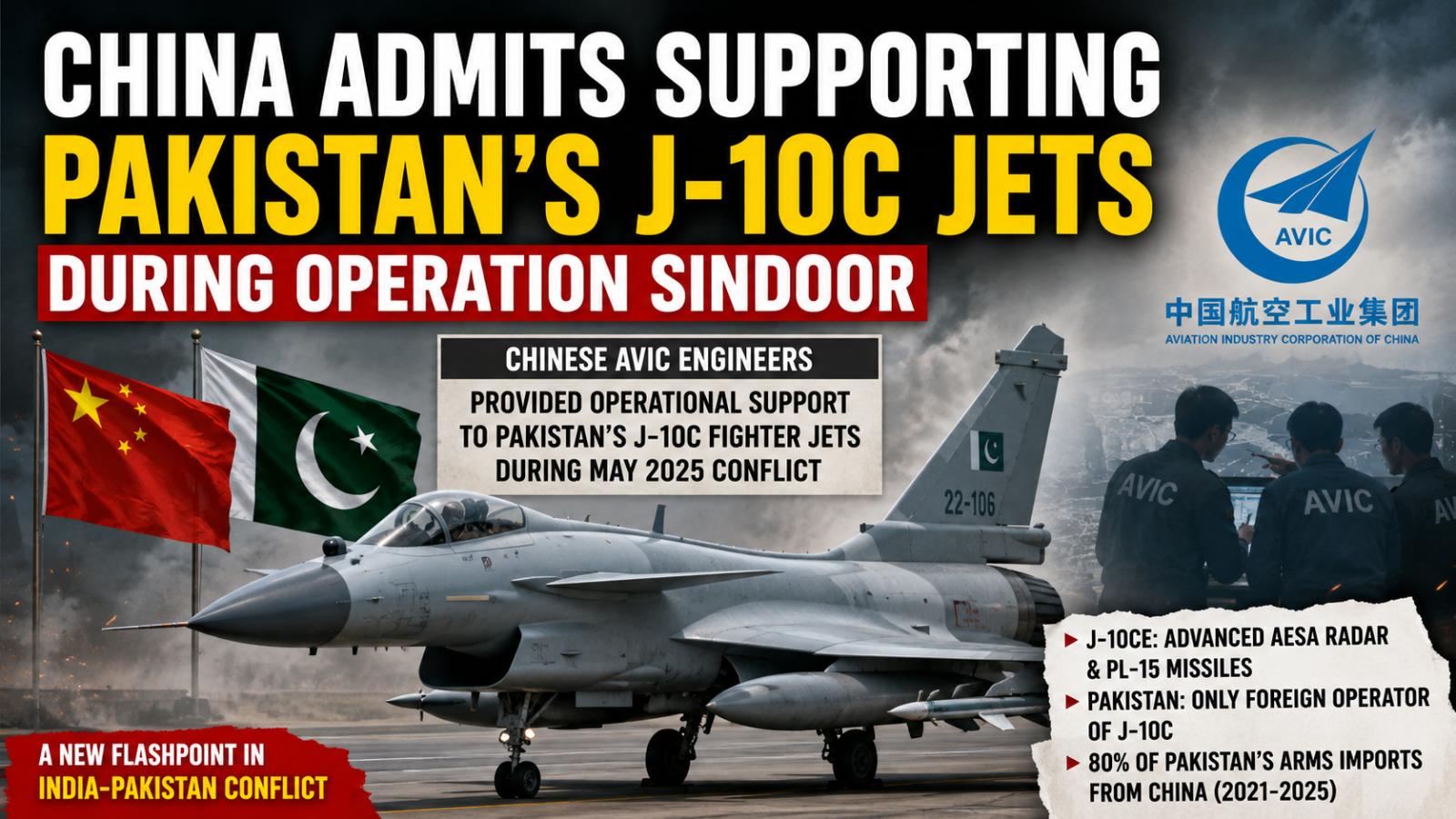
China’s rare admission raises stakes China has admitted its engineers supported Pakistan’s J-10C fighter jet operations during India’s Operation Sindoor in May 2025, a disclosure that adds a sharper China angle to the India-Pakistan conflict. The admission came through Chinese state broadcaster CCTV, where AVIC engineer Zhang Heng described being at a support base as fighter jets took off and air-raid sirens sounded. He said the team worked in extreme May heat while trying to keep Chinese-made equipment combat-ready. Why the J-10C disclosure matters The J-10CE, Pakistan’s export version of China’s J-10C multirole fighter, is central to the story because Pakistan remains its only foreign operator. The aircraft is linked to advanced AESA radar and PL-15 long-range air-to-air missiles, making any wartime support politically sensitive. Indian defence officials have said Operation Sindoor targeted terror infrastructure after the Pahalgam attack, while later briefings claimed 13 Pakistani aircraft and 11 airfields were hit. Those claims, combined with Beijing’s acknowledgement of technical support, are likely to intensify scrutiny of the China-Pakistan defence partnership. Regional security impact The timing is significant. The disclosure surfaced around the first anniversary of Operation Sindoor and reinforces India’s long-held concern that Pakistan’s military capability is increasingly backed by Chinese systems, engineers and supply chains. For New Delhi, the key question is no longer whether Chinese weapons were used, but how deeply Chinese personnel supported Pakistan during active conflict. That makes this admission more than a defence update—it is a fresh flashpoint in Asian security.
China Admits Pakistan J-10C Support During Operation Sindoor
China’s rare admission raises stakes China has admitted its engineers supported Pakistan’s J-10C fighter jet operations during India’s Operation Sindoor in May 2025, a disclosure that adds a sharper China angle to the India-Pakistan conflict. The admission came through Chinese state broadcaster CCTV, where AVIC engineer Zhang Heng described being at a support base as fighter jets took off and air-raid sirens sounded. He said the team worked in extreme May heat while trying to keep Chinese-made equipment combat-ready. Why the J-10C disclosure matters The J-10CE, Pakistan’s export version of China’s J-10C multirole fighter, is central to the story because Pakistan remains its only foreign operator. The aircraft is linked to advanced AESA radar and PL-15 long-range air-to-air missiles, making any wartime support politically sensitive. Indian defence officials have said Operation Sindoor targeted terror infrastructure after the Pahalgam attack, while later briefings claimed 13 Pakistani aircraft and 11 airfields were hit. Those claims, combined with Beijing’s acknowledgement of technical support, are likely to intensify scrutiny of the China-Pakistan defence partnership. Regional security impact The timing is significant. The disclosure surfaced around the first anniversary of Operation Sindoor and reinforces India’s long-held concern that Pakistan’s military capability is increasingly backed by Chinese systems, engineers and supply chains. For New Delhi, the key question is no longer whether Chinese weapons were used, but how deeply Chinese personnel supported Pakistan during active conflict. That makes this admission more than a defence update—it is a fresh flashpoint in Asian security.
India Enters Top Five as Global Defense Spending Surge
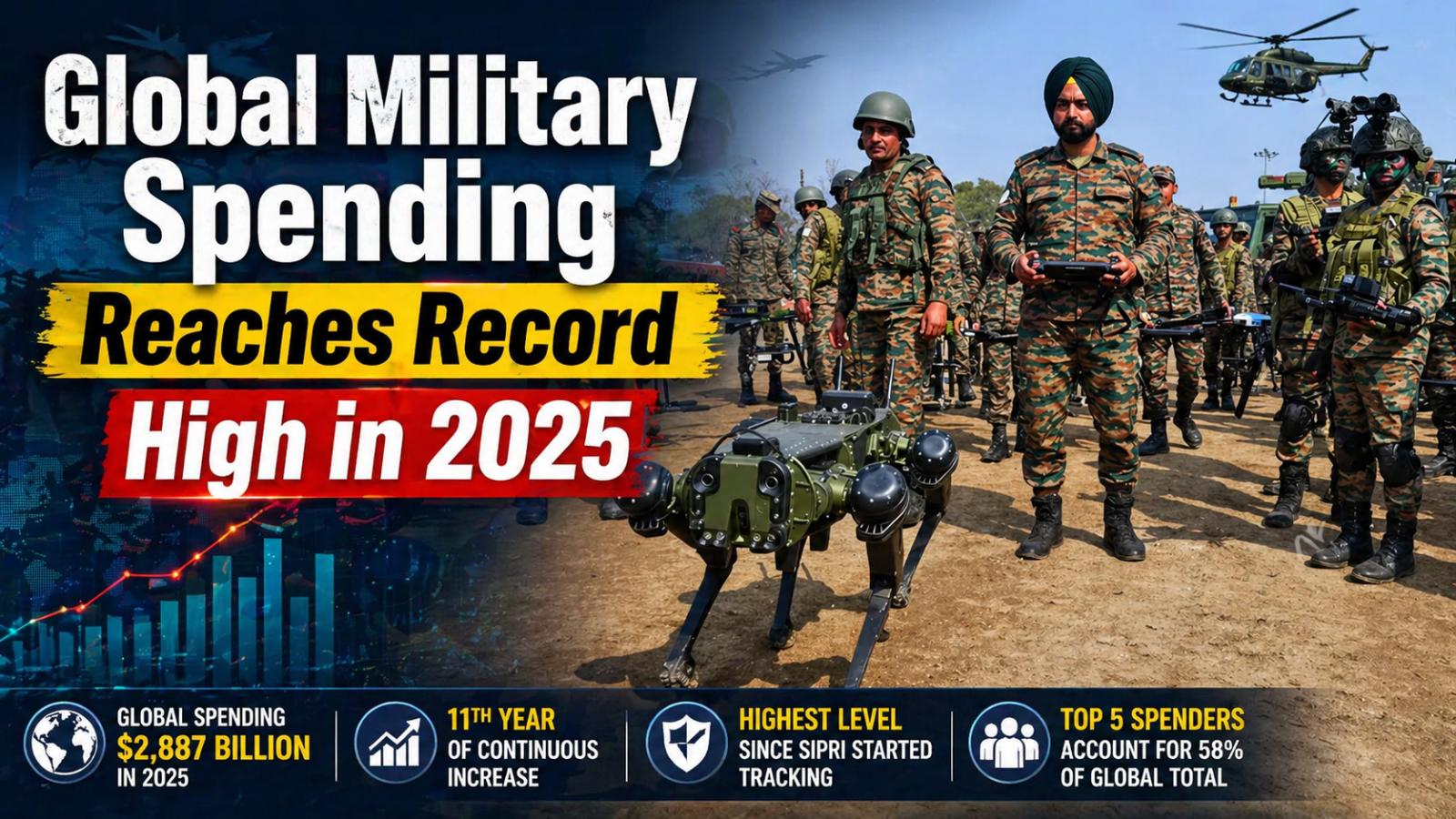
Global military spending reached a record $2,887 billion in 2025, marking the eleventh consecutive year of growth and the highest level ever recorded. According to the latest SIPRI report, the increase reflects rising geopolitical tensions, ongoing conflicts, and a shifting global security environment that has prompted governments to expand their defense budgets. India emerged as one of the world’s top military spenders, entering the top five for the first time with total expenditure of $92.1 billion. The country’s defense spending rose by 8.9 percent, reflecting heightened security concerns and operational demands. The report noted that this increase coincided with armed tensions involving Pakistan in May 2025, during which India deployed a range of military assets including aircraft, drones, and missile systems. The five largest spenders—the United States, China, Russia, Germany, and India—collectively accounted for 58 percent of global military expenditure, totaling $1,686 billion. Pakistan also increased its defense budget by 11 percent to $11.9 billion, driven largely by procurement activities and ongoing modernization efforts following regional tensions. Europe was identified as the primary contributor to the global rise in military spending, with a 14 percent increase bringing the region’s total to $864 billion. This marked the fastest growth in Central and Western Europe since the Cold War, as countries accelerated rearmament programs in response to security concerns, particularly the ongoing conflict involving Russia and Ukraine. The United States remained the largest military spender globally, allocating $954 billion in 2025. However, this represented a 7.5 percent decline compared to the previous year. The decrease was attributed mainly to reduced financial assistance to Ukraine, contrasting with higher levels of support in earlier years. Overall, the data highlights a continued global trend toward increased defense investment, driven by evolving security challenges and shifting geopolitical dynamics.
India Enters Top Five as Global Defense Spending Surge
Global military spending reached a record $2,887 billion in 2025, marking the eleventh consecutive year of growth and the highest level ever recorded. According to the latest SIPRI report, the increase reflects rising geopolitical tensions, ongoing conflicts, and a shifting global security environment that has prompted governments to expand their defense budgets. India emerged as one of the world’s top military spenders, entering the top five for the first time with total expenditure of $92.1 billion. The country’s defense spending rose by 8.9 percent, reflecting heightened security concerns and operational demands. The report noted that this increase coincided with armed tensions involving Pakistan in May 2025, during which India deployed a range of military assets including aircraft, drones, and missile systems. The five largest spenders—the United States, China, Russia, Germany, and India—collectively accounted for 58 percent of global military expenditure, totaling $1,686 billion. Pakistan also increased its defense budget by 11 percent to $11.9 billion, driven largely by procurement activities and ongoing modernization efforts following regional tensions. Europe was identified as the primary contributor to the global rise in military spending, with a 14 percent increase bringing the region’s total to $864 billion. This marked the fastest growth in Central and Western Europe since the Cold War, as countries accelerated rearmament programs in response to security concerns, particularly the ongoing conflict involving Russia and Ukraine. The United States remained the largest military spender globally, allocating $954 billion in 2025. However, this represented a 7.5 percent decline compared to the previous year. The decrease was attributed mainly to reduced financial assistance to Ukraine, contrasting with higher levels of support in earlier years. Overall, the data highlights a continued global trend toward increased defense investment, driven by evolving security challenges and shifting geopolitical dynamics.
Global military spending hits $2.9 trillion in 2025 amid rising tensions
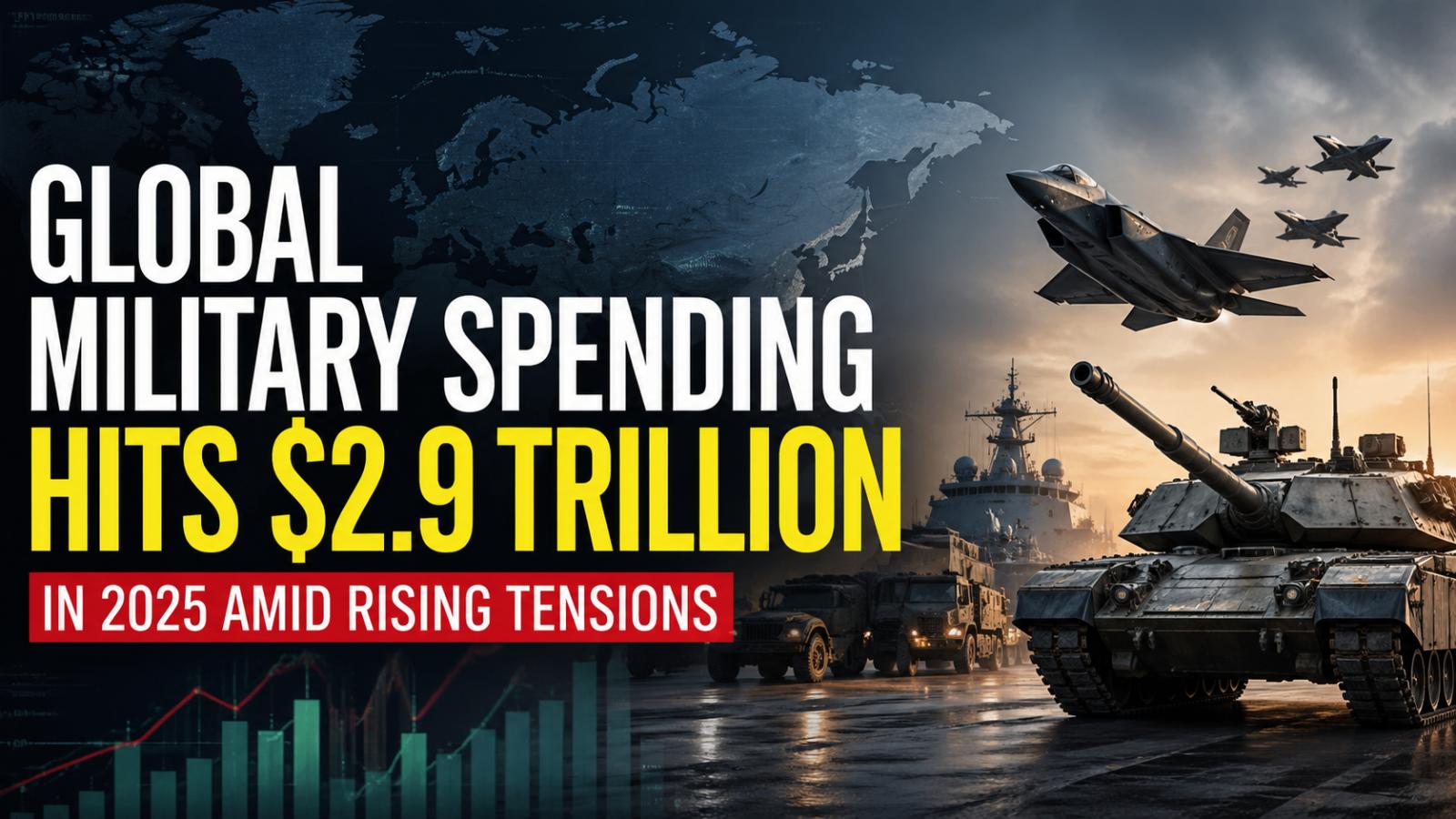
Global military spending 2025 overview Global military spending in 2025 has reached nearly $2.9 trillion, clearly showing how countries are increasing defence budgets as global tensions continue to rise. The total spending stood at $2887 billion in 2025, marking a 2.9 per cent increase from 2024, highlighting a steady rise in military expenditure trends worldwide. This reflects a world becoming less secure, with nations investing more in defence to protect themselves. The United States, Russia, and China remained the top three military spenders, with a combined total of $1.48 trillion. These nations continue to dominate global defence spending, shaping international security dynamics. Experts say this rise in defence budget growth shows that countries are preparing for both current conflicts and future uncertainties. Europe witnessed a major surge, with military spending increasing by 14 per cent to $864 billion in 2025. This sharp rise is mainly driven by the ongoing Russia-Ukraine war and reduced dependence on the United States for security. Countries like Germany increased spending by 24 per cent to $114 billion, while Spain recorded a significant 50 per cent jump to $40.2 billion, crossing two per cent of GDP for the first time in decades. The United States remained the largest spender despite a decline of 7.5 per cent, bringing its total to $954 billion in 2025. The decrease is linked to reduced financial aid approvals for Ukraine, although future budgets suggest spending could exceed $1 trillion in 2026, indicating a possible rebound. In Eastern Europe, Russia increased its military expenditure by 5.9 per cent to $190 billion, while Ukraine saw a sharp rise of 20 per cent to $84.1 billion. Ukraine’s defence spending now accounts for a large share of its GDP, showing the intensity of the ongoing conflict. Asia and Oceania recorded one of the fastest growth rates, with spending reaching $681 billion in 2025, an 8.5 per cent increase. China led the region with $336 billion, followed by Japan and India. India increased its defence budget by 8.9 per cent to $92.1 billion, making it the fifth-largest military spender globally. This growth highlights rising security concerns across the region. In the Middle East, spending patterns were mixed. Iran’s defence expenditure fell by 5.6 per cent to $7.4 billion, mainly due to high inflation. Israel also saw a decline of 4.9 per cent to $48.3 billion after reducing military operations following a ceasefire in early 2025, although its spending remains significantly higher compared to earlier years. Regional tensions continue to influence defence strategies across the Middle East. Overall, the SIPRI report shows that global military spending is steadily increasing as countries respond to rising geopolitical tensions and conflicts. The trend highlights a shift toward stronger military preparedness, reflecting uncertainty in the global security environment.
Global military spending hits $2.9 trillion in 2025 amid rising tensions
Global military spending 2025 overview Global military spending in 2025 has reached nearly $2.9 trillion, clearly showing how countries are increasing defence budgets as global tensions continue to rise. The total spending stood at $2887 billion in 2025, marking a 2.9 per cent increase from 2024, highlighting a steady rise in military expenditure trends worldwide. This reflects a world becoming less secure, with nations investing more in defence to protect themselves. The United States, Russia, and China remained the top three military spenders, with a combined total of $1.48 trillion. These nations continue to dominate global defence spending, shaping international security dynamics. Experts say this rise in defence budget growth shows that countries are preparing for both current conflicts and future uncertainties. Europe witnessed a major surge, with military spending increasing by 14 per cent to $864 billion in 2025. This sharp rise is mainly driven by the ongoing Russia-Ukraine war and reduced dependence on the United States for security. Countries like Germany increased spending by 24 per cent to $114 billion, while Spain recorded a significant 50 per cent jump to $40.2 billion, crossing two per cent of GDP for the first time in decades. The United States remained the largest spender despite a decline of 7.5 per cent, bringing its total to $954 billion in 2025. The decrease is linked to reduced financial aid approvals for Ukraine, although future budgets suggest spending could exceed $1 trillion in 2026, indicating a possible rebound. In Eastern Europe, Russia increased its military expenditure by 5.9 per cent to $190 billion, while Ukraine saw a sharp rise of 20 per cent to $84.1 billion. Ukraine’s defence spending now accounts for a large share of its GDP, showing the intensity of the ongoing conflict. Asia and Oceania recorded one of the fastest growth rates, with spending reaching $681 billion in 2025, an 8.5 per cent increase. China led the region with $336 billion, followed by Japan and India. India increased its defence budget by 8.9 per cent to $92.1 billion, making it the fifth-largest military spender globally. This growth highlights rising security concerns across the region. In the Middle East, spending patterns were mixed. Iran’s defence expenditure fell by 5.6 per cent to $7.4 billion, mainly due to high inflation. Israel also saw a decline of 4.9 per cent to $48.3 billion after reducing military operations following a ceasefire in early 2025, although its spending remains significantly higher compared to earlier years. Regional tensions continue to influence defence strategies across the Middle East. Overall, the SIPRI report shows that global military spending is steadily increasing as countries respond to rising geopolitical tensions and conflicts. The trend highlights a shift toward stronger military preparedness, reflecting uncertainty in the global security environment.
Who gives more death sentences, India or the U.S.? India ranks much higher
Global death penalty data shows executions remain concentrated in a few countries, while India issues far more death sentences than the U.S. The global death penalty remains in force in a limited number of countries, but recent figures show that its use is still concentrated in a small group of states. In 2024, Amnesty International recorded 2,087 new death sentences across 46 countries and 1,518 executions in 15 countries, the highest execution total since 2015. The
Who gives more death sentences, India or the U.S.? India ranks much higher
Global death penalty data shows executions remain concentrated in a few countries, while India issues far more death sentences than the U.S. The global death penalty remains in force in a limited number of countries, but recent figures show that its use is still concentrated in a small group of states. In 2024, Amnesty International recorded 2,087 new death sentences across 46 countries and 1,518 executions in 15 countries, the highest execution total since 2015. The
Sanctioned tanker diverts Iranian crude from India to China amid payment concerns
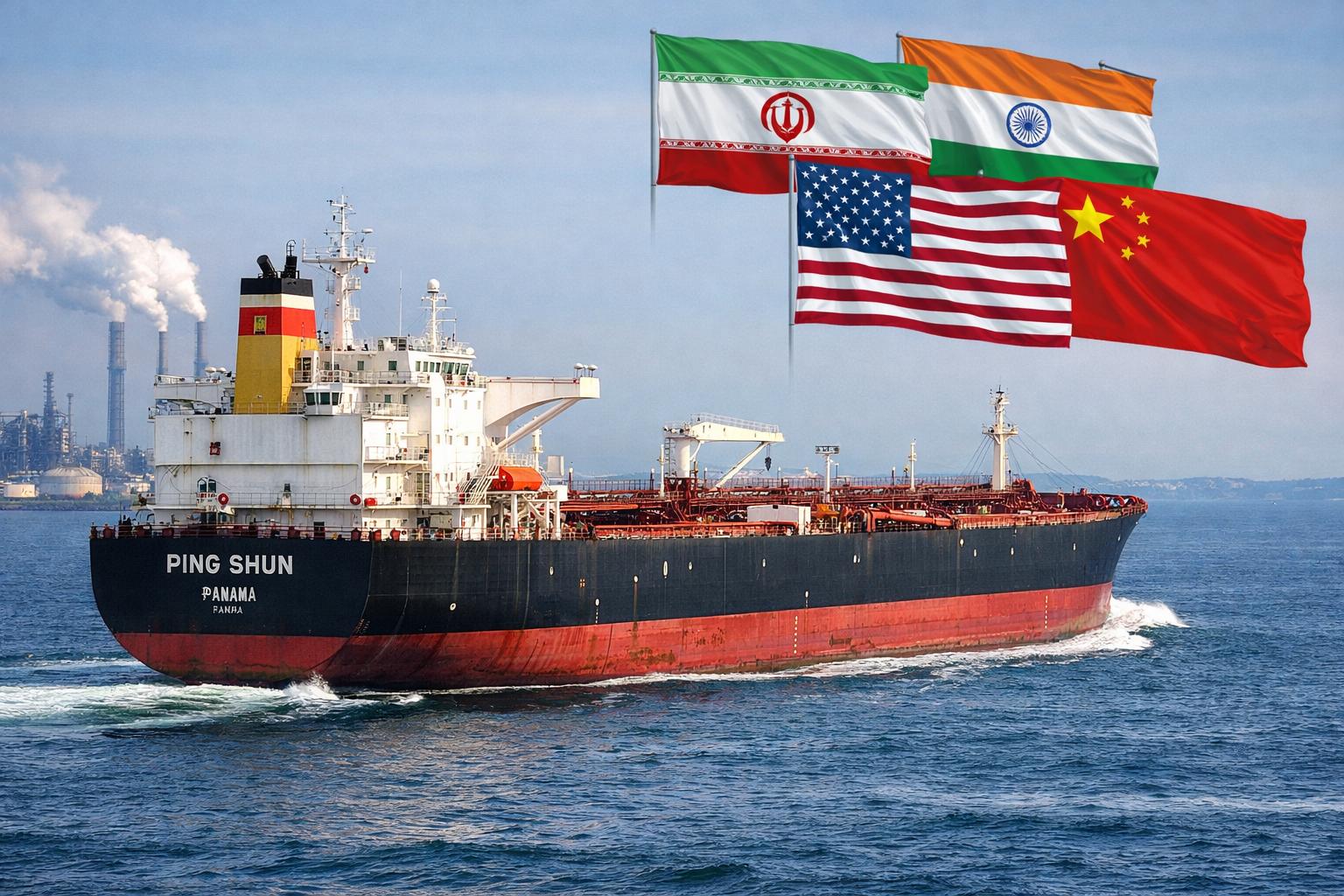
A U.S.-sanctioned oil tanker carrying Iranian crude has changed course from India to China, raising uncertainty over what could have been India’s first Iranian oil import in nearly seven years. The Aframax tanker Ping Shun, built in 2002 and sanctioned by the United States in 2025, is now signaling Dongying, China, as its destination instead of Vadinar in Gujarat, according to data from Kpler.
Sanctioned tanker diverts Iranian crude from India to China amid payment concerns
A U.S.-sanctioned oil tanker carrying Iranian crude has changed course from India to China, raising uncertainty over what could have been India’s first Iranian oil import in nearly seven years. The Aframax tanker Ping Shun, built in 2002 and sanctioned by the United States in 2025, is now signaling Dongying, China, as its destination instead of Vadinar in Gujarat, according to data from Kpler.
90 Ships Cross Hormuz as Iran Continues Oil Exports Amid War, Despite Challenges
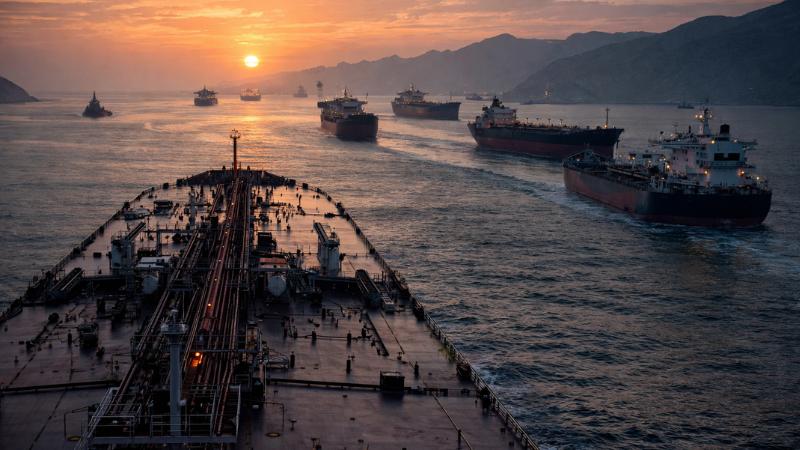
In the midst of the ongoing war, Iran has continued to export millions of barrels of oil, with about 90 ships, including oil tankers, crossing the critical Strait of Hormuz between March 1 and 15, 2026. Despite the waterway being effectively "closed" to most traffic due to the conflict, Iran has managed to keep its oil exports flowing, benefitting from its control over this vital chokepoint. According to maritime traffic data from Lloyd's List Intelligence, Iran has relied on a mix
90 Ships Cross Hormuz as Iran Continues Oil Exports Amid War, Despite Challenges
In the midst of the ongoing war, Iran has continued to export millions of barrels of oil, with about 90 ships, including oil tankers, crossing the critical Strait of Hormuz between March 1 and 15, 2026. Despite the waterway being effectively "closed" to most traffic due to the conflict, Iran has managed to keep its oil exports flowing, benefitting from its control over this vital chokepoint. According to maritime traffic data from Lloyd's List Intelligence, Iran has relied on a mix
India Rejected Gwadar Port in 1956, Now Under Chinese Control - Balochistan's Grievances
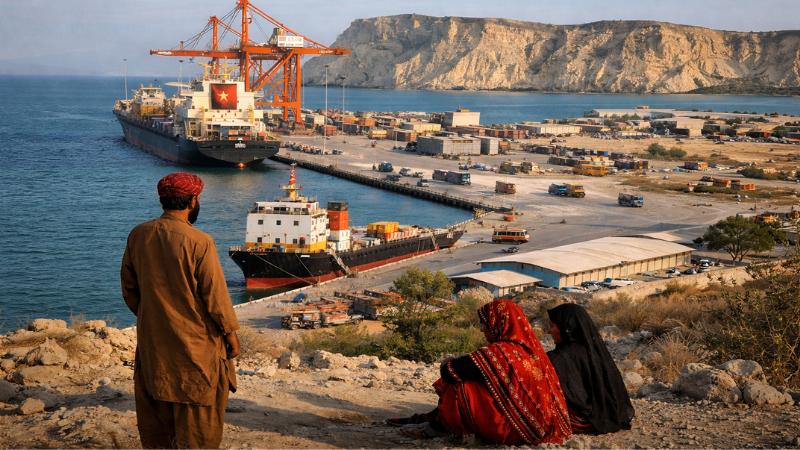
Gwadar, a port in Pakistan's Balochistan province, has become a focal point for geopolitical tensions, local unrest, and external influence, especially from China. Originally a fishing settlement on the Arabian Sea, it is now home to Pakistan's third-largest port, which plays a crucial role in the China–Pakistan Economic Corridor (CPEC). The strategic location of Gwadar, near the Strait of Hormuz, has made it a highly coveted asset for various powers. What is most remarkable about
India Rejected Gwadar Port in 1956, Now Under Chinese Control - Balochistan's Grievances
Gwadar, a port in Pakistan's Balochistan province, has become a focal point for geopolitical tensions, local unrest, and external influence, especially from China. Originally a fishing settlement on the Arabian Sea, it is now home to Pakistan's third-largest port, which plays a crucial role in the China–Pakistan Economic Corridor (CPEC). The strategic location of Gwadar, near the Strait of Hormuz, has made it a highly coveted asset for various powers. What is most remarkable about
Global leaders extend Republic Day greetings as India marks 77 years as a republic
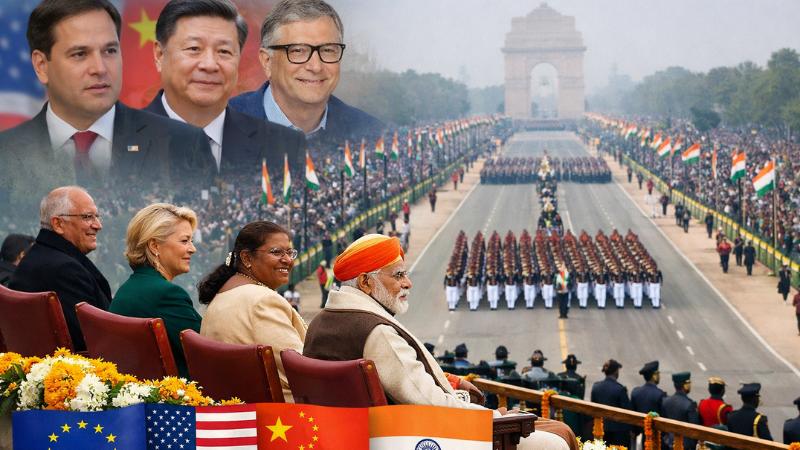
India’s 77th Republic Day was marked on Monday, January 26, 2026, with a wide range of greetings from global leaders and prominent international figures, reflecting the country’s growing diplomatic influence and expanding partnerships across regions. Messages from political leaders, senior officials, and business figures highlighted shared democratic values, strategic cooperation, and the importance of dialogue in an increasingly complex global environment. The Republic Day cele
Global leaders extend Republic Day greetings as India marks 77 years as a republic
India’s 77th Republic Day was marked on Monday, January 26, 2026, with a wide range of greetings from global leaders and prominent international figures, reflecting the country’s growing diplomatic influence and expanding partnerships across regions. Messages from political leaders, senior officials, and business figures highlighted shared democratic values, strategic cooperation, and the importance of dialogue in an increasingly complex global environment. The Republic Day cele

Why rising labour costs failed to weaken China’s manufacturing dominance
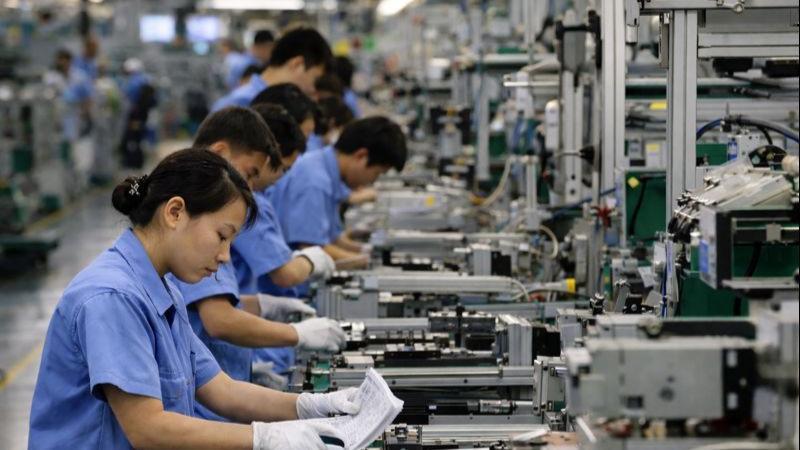
China’s manufacturing success was attributed to cheap labour. That perception has now changed completely. Factory wages in China have climbed close to eight dollars per hour, far higher than those in Vietnam, Malaysia, Thailand, and India. By cost logic alone, China should have lost its position as the world’s manufacturing hub. Instead, it continues to dominate global production, contributing nearly 28 percent of worldwide manufacturing output. The reason lies not in wages, but in produc
Why rising labour costs failed to weaken China’s manufacturing dominance
China’s manufacturing success was attributed to cheap labour. That perception has now changed completely. Factory wages in China have climbed close to eight dollars per hour, far higher than those in Vietnam, Malaysia, Thailand, and India. By cost logic alone, China should have lost its position as the world’s manufacturing hub. Instead, it continues to dominate global production, contributing nearly 28 percent of worldwide manufacturing output. The reason lies not in wages, but in produc
China Calls Pentagon Report Irresponsible, Rejects Claims Of Rift With India
China has strongly criticised a recent Pentagon report, calling it irresponsible, misleading, and an attempt to create divisions between Beijing and New Delhi while exaggerating the so-called China threat narrative. Responding sharply, Chinese officials accused the United States of distorting China’s defence policy and interfering in its internal affairs to justify Washington’s continued military dominance. Speaking at a media briefing in Beijing, Chinese Foreign Ministry spokes
China Calls Pentagon Report Irresponsible, Rejects Claims Of Rift With India
China has strongly criticised a recent Pentagon report, calling it irresponsible, misleading, and an attempt to create divisions between Beijing and New Delhi while exaggerating the so-called China threat narrative. Responding sharply, Chinese officials accused the United States of distorting China’s defence policy and interfering in its internal affairs to justify Washington’s continued military dominance. Speaking at a media briefing in Beijing, Chinese Foreign Ministry spokes
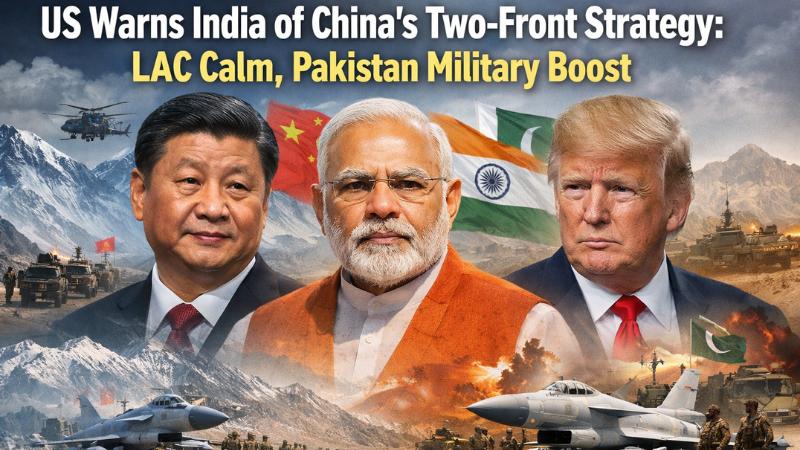
US Warns India of China’s Two-Front Strategy: LAC Calm, Pakistan Military Boost
The United States has cautioned India about China’s evolving two-front strategic approach that combines diplomatic calm along the Line of Actual Control with an aggressive expansion of military support to Pakistan. The warning comes from the US Department of Defense’s 2025 Annual Report to Congress on Military and Security Developments involving the People’s Republic of China, a comprehensive assessment of Beijing’s military modernisation and regional ambitions. The report h
US Warns India of China’s Two-Front Strategy: LAC Calm, Pakistan Military Boost
The United States has cautioned India about China’s evolving two-front strategic approach that combines diplomatic calm along the Line of Actual Control with an aggressive expansion of military support to Pakistan. The warning comes from the US Department of Defense’s 2025 Annual Report to Congress on Military and Security Developments involving the People’s Republic of China, a comprehensive assessment of Beijing’s military modernisation and regional ambitions. The report h
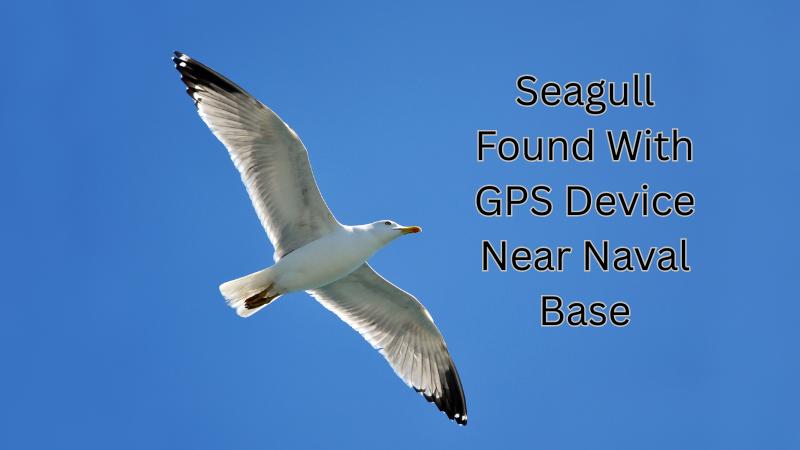
Seagull With Chinese GPS Device Found Near Naval Base In Karnataka Sparks Investigation
A migratory seagull carrying a Chinese-made GPS tracking device was found along Karnataka’s Karwar coast, raising questions due to the location’s proximity to the strategic INS Kadamba naval base. Locals first spotted the bird near Timmakka Garden in Uttara Kannada district and alerted the marine division of the forest department. The discovery drew attention because INS Kadamba hosts key Indian Navy assets and is undergoing expansion that will make it one of the largest naval bases in th

Seagull With Chinese GPS Device Found Near Naval Base In Karnataka Sparks Investigation
A migratory seagull carrying a Chinese-made GPS tracking device was found along Karnataka’s Karwar coast, raising questions due to the location’s proximity to the strategic INS Kadamba naval base. Locals first spotted the bird near Timmakka Garden in Uttara Kannada district and alerted the marine division of the forest department. The discovery drew attention because INS Kadamba hosts key Indian Navy assets and is undergoing expansion that will make it one of the largest naval bases in th

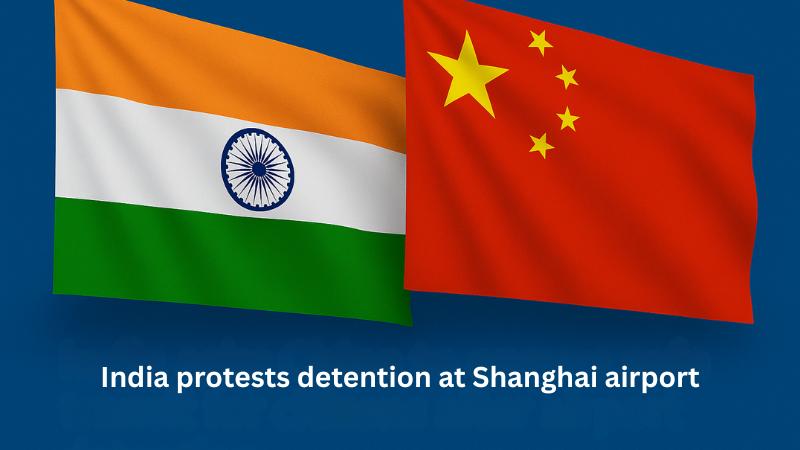
India asks China to ensure safe transit for citizens after airport detention
The Ministry of External Affairs issued a firm message to China after an Indian national was reportedly singled out and detained for nearly 18 hours at Shanghai airport. The statement, released on Monday, underscored India’s expectation that its citizens travelling through Chinese airports must not be selectively targeted or subjected to arbitrary detention, and urged Beijing to ensure that international air travel regulations are respected without exception. The incident has intensified di


India asks China to ensure safe transit for citizens after airport detention
The Ministry of External Affairs issued a firm message to China after an Indian national was reportedly singled out and detained for nearly 18 hours at Shanghai airport. The statement, released on Monday, underscored India’s expectation that its citizens travelling through Chinese airports must not be selectively targeted or subjected to arbitrary detention, and urged Beijing to ensure that international air travel regulations are respected without exception. The incident has intensified di
Cabinet Clears Rs 7,280 Crore Rare Earth Magnet Scheme To Cut China Dependence
India has taken a major step toward reducing its dependence on imported critical technologies by approving a new national programme for manufacturing sintered rare earth permanent magnets. These magnets are essential components used in electric vehicle motors, renewable energy systems, advanced electronics and defence platforms. The Union Cabinet cleared a financial package of Rs 7,280 crore to establish a fully integrated domestic supply chain capable of producing 6,000 metric tonnes per yea
Cabinet Clears Rs 7,280 Crore Rare Earth Magnet Scheme To Cut China Dependence
India has taken a major step toward reducing its dependence on imported critical technologies by approving a new national programme for manufacturing sintered rare earth permanent magnets. These magnets are essential components used in electric vehicle motors, renewable energy systems, advanced electronics and defence platforms. The Union Cabinet cleared a financial package of Rs 7,280 crore to establish a fully integrated domestic supply chain capable of producing 6,000 metric tonnes per yea
Arunachal Woman Harassed At Shanghai Airport After China Claims Her Passport Invalid
A woman from Arunachal Pradesh has alleged severe harassment and illegal detention by Chinese immigration authorities at Shanghai Pudong Airport after they refused to recognise her Indian passport during a transit halt. In detailed posts shared on X, Pema Wang Thongdok described an ordeal that lasted nearly eighteen hours on November 21, when officials insisted her passport was invalid simply because her birthplace was listed as Arunachal Pradesh, which Beijing claims as its territory.
Arunachal Woman Harassed At Shanghai Airport After China Claims Her Passport Invalid
A woman from Arunachal Pradesh has alleged severe harassment and illegal detention by Chinese immigration authorities at Shanghai Pudong Airport after they refused to recognise her Indian passport during a transit halt. In detailed posts shared on X, Pema Wang Thongdok described an ordeal that lasted nearly eighteen hours on November 21, when officials insisted her passport was invalid simply because her birthplace was listed as Arunachal Pradesh, which Beijing claims as its territory.
Indian Seafood Booms As China Bans Japanese Imports Amid Rising Asia Trade Tensions
India’s seafood industry is witnessing a sharp rise in demand from China after Beijing imposed a complete ban on Japanese seafood imports. The move comes amid escalating geopolitical tensions between China and Japan, triggered by remarks linking the Taiwan conflict to Japan’s national security. As China halted all Japanese seafood imports, Indian seafood exporters experienced a significant surge in interest, marking a major shift in Asian trade patterns. Indian seafood stocks re
Indian Seafood Booms As China Bans Japanese Imports Amid Rising Asia Trade Tensions
India’s seafood industry is witnessing a sharp rise in demand from China after Beijing imposed a complete ban on Japanese seafood imports. The move comes amid escalating geopolitical tensions between China and Japan, triggered by remarks linking the Taiwan conflict to Japan’s national security. As China halted all Japanese seafood imports, Indian seafood exporters experienced a significant surge in interest, marking a major shift in Asian trade patterns. Indian seafood stocks re
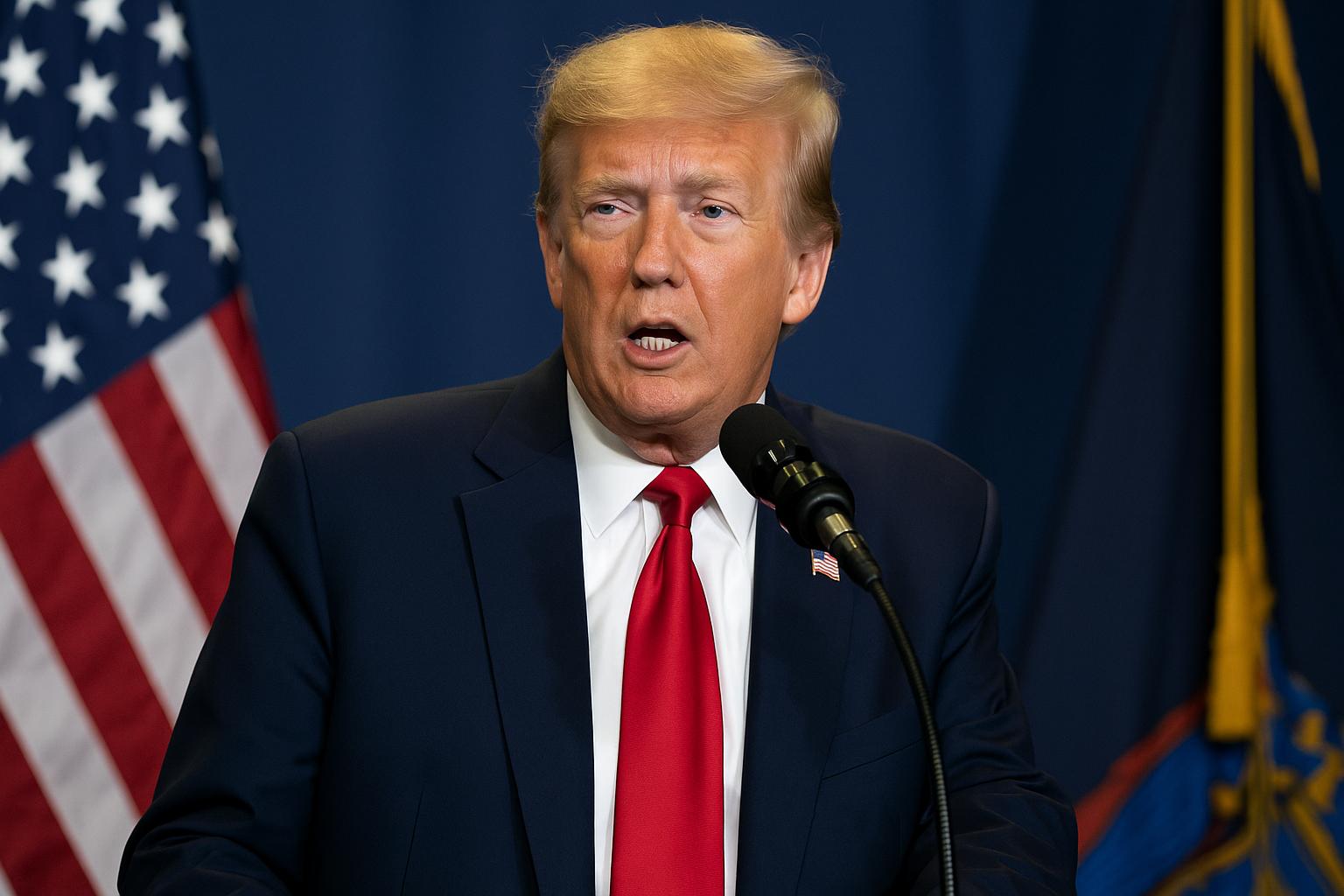
US may impose 500% tariffs on countries buying Russian oil under new bill
The United States is preparing a major escalation in its economic pressure campaign against Russia, with President Donald Trump announcing that he supports Senate legislation enabling Washington to impose tariffs of up to 500 percent on countries that continue significant trade with Moscow. The measure represents one of the most aggressive attempts yet to curtail Russian war funding and signals growing frustration in Washington over the prolonged conflict in Ukraine. Speaking before
US may impose 500% tariffs on countries buying Russian oil under new bill
The United States is preparing a major escalation in its economic pressure campaign against Russia, with President Donald Trump announcing that he supports Senate legislation enabling Washington to impose tariffs of up to 500 percent on countries that continue significant trade with Moscow. The measure represents one of the most aggressive attempts yet to curtail Russian war funding and signals growing frustration in Washington over the prolonged conflict in Ukraine. Speaking before
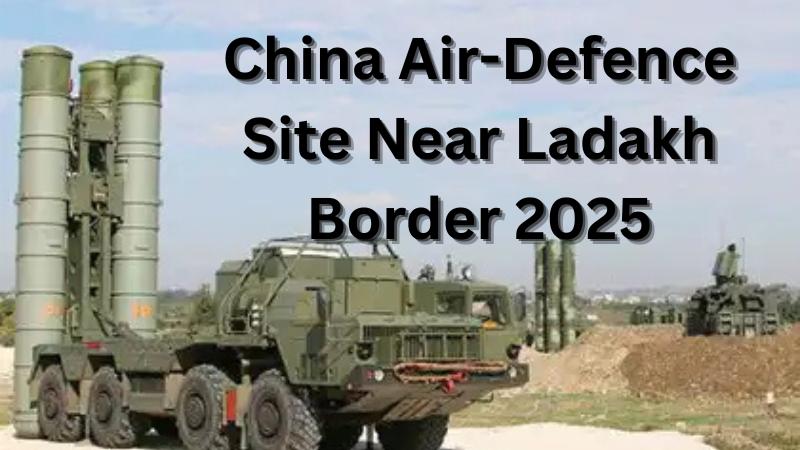
China Builds New Air-Defence Site Near India Border With Hidden Missile Launchers
Satellite imagery from US-based intelligence firms and open-source analysts has revealed a major new Chinese air-defence complex near the India border in Tibet’s Gar County. The facility, located roughly 65 km from the Line of Actual Control (LAC) and facing India’s Nyoma airfield, includes command buildings, vehicle sheds, radar positions, and hardened munition storage. The most notable feature is a cluster of covered missile launch positions believed to be equipped with retractable roof
China Builds New Air-Defence Site Near India Border With Hidden Missile Launchers
Satellite imagery from US-based intelligence firms and open-source analysts has revealed a major new Chinese air-defence complex near the India border in Tibet’s Gar County. The facility, located roughly 65 km from the Line of Actual Control (LAC) and facing India’s Nyoma airfield, includes command buildings, vehicle sheds, radar positions, and hardened munition storage. The most notable feature is a cluster of covered missile launch positions believed to be equipped with retractable roof