#indiahistory
Early petrol retail system in colonial India explained
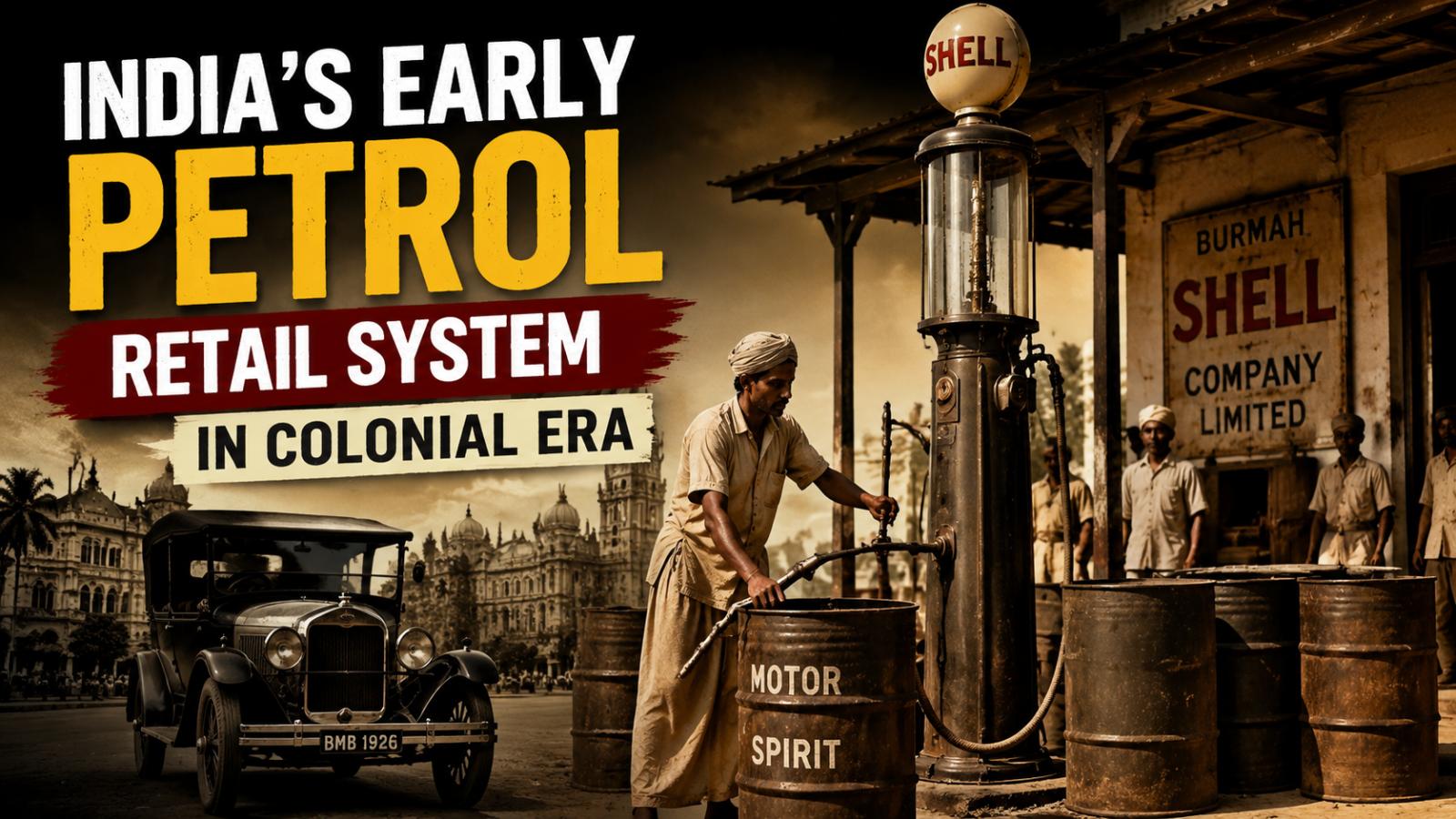
India’s early petrol retail system began in the early 1920s during the British colonial period when automobiles were still a rare luxury. The petrol retail system in colonial India first appeared in major cities like Bombay (Mumbai) and Calcutta (Kolkata). At that time, there were no modern fuel stations, and petrol was supplied through depots, barrels, and basic manual systems. This early structure marked the foundation of the petrol retail system in colonial India and served only a limited group of users. Dependence on imported fuel sources During this period, India had very limited oil production. Most petrol was imported through the British imperial trade network. The imported oil came mainly from Burma, Persia, and other oil-producing regions under British control. This imported oil system made India heavily dependent on external sources for fuel supply. The oil import system played a key role in shaping how early petrol retail operations functioned across cities. Role of burmah shell in fuel distribution One of the major companies involved was Burmah Shell, which managed fuel storage and distribution across urban centers. Burmah Shell India operated depots and controlled the supply chain in key regions. These early fuel depots were not modern petrol pumps but organized colonial-era storage and distribution points. The company played a central role in shaping early fuel retail operations and expanding access in cities. Manual petrol pumps and basic technology Early petrol stations used manual petrol pump systems instead of modern electric dispensers. Fuel was moved using hand-operated pumps or gravity-fed systems from barrels into containers or vehicles. Workers had to physically operate the system, making the process slow and labor-intensive. This manual petrol pump system represented the early stage of fuel retail evolution in India. Limited access and elite vehicle ownership Vehicle ownership during the colonial period was extremely limited. Cars were mainly owned by British officials, princely rulers, and wealthy Indian elites. Because of this, petrol usage was also restricted to a small section of society. While there were no legal restrictions on petrol access, high costs and limited infrastructure made it inaccessible for the general population. Evolution towards modern petrol stations By the 1930s and 1940s, with increasing automobile usage, the petrol retail system began to evolve. Basic depots gradually transformed into structured petrol stations with better storage systems and improved dispensing technology. This transition marked the beginning of modern fuel retail development in India, leading to today’s automated petrol pump network.
Early petrol retail system in colonial India explained
India’s early petrol retail system began in the early 1920s during the British colonial period when automobiles were still a rare luxury. The petrol retail system in colonial India first appeared in major cities like Bombay (Mumbai) and Calcutta (Kolkata). At that time, there were no modern fuel stations, and petrol was supplied through depots, barrels, and basic manual systems. This early structure marked the foundation of the petrol retail system in colonial India and served only a limited group of users. Dependence on imported fuel sources During this period, India had very limited oil production. Most petrol was imported through the British imperial trade network. The imported oil came mainly from Burma, Persia, and other oil-producing regions under British control. This imported oil system made India heavily dependent on external sources for fuel supply. The oil import system played a key role in shaping how early petrol retail operations functioned across cities. Role of burmah shell in fuel distribution One of the major companies involved was Burmah Shell, which managed fuel storage and distribution across urban centers. Burmah Shell India operated depots and controlled the supply chain in key regions. These early fuel depots were not modern petrol pumps but organized colonial-era storage and distribution points. The company played a central role in shaping early fuel retail operations and expanding access in cities. Manual petrol pumps and basic technology Early petrol stations used manual petrol pump systems instead of modern electric dispensers. Fuel was moved using hand-operated pumps or gravity-fed systems from barrels into containers or vehicles. Workers had to physically operate the system, making the process slow and labor-intensive. This manual petrol pump system represented the early stage of fuel retail evolution in India. Limited access and elite vehicle ownership Vehicle ownership during the colonial period was extremely limited. Cars were mainly owned by British officials, princely rulers, and wealthy Indian elites. Because of this, petrol usage was also restricted to a small section of society. While there were no legal restrictions on petrol access, high costs and limited infrastructure made it inaccessible for the general population. Evolution towards modern petrol stations By the 1930s and 1940s, with increasing automobile usage, the petrol retail system began to evolve. Basic depots gradually transformed into structured petrol stations with better storage systems and improved dispensing technology. This transition marked the beginning of modern fuel retail development in India, leading to today’s automated petrol pump network.
India's nuclear program: From Smiling Buddha to Operation Shakti
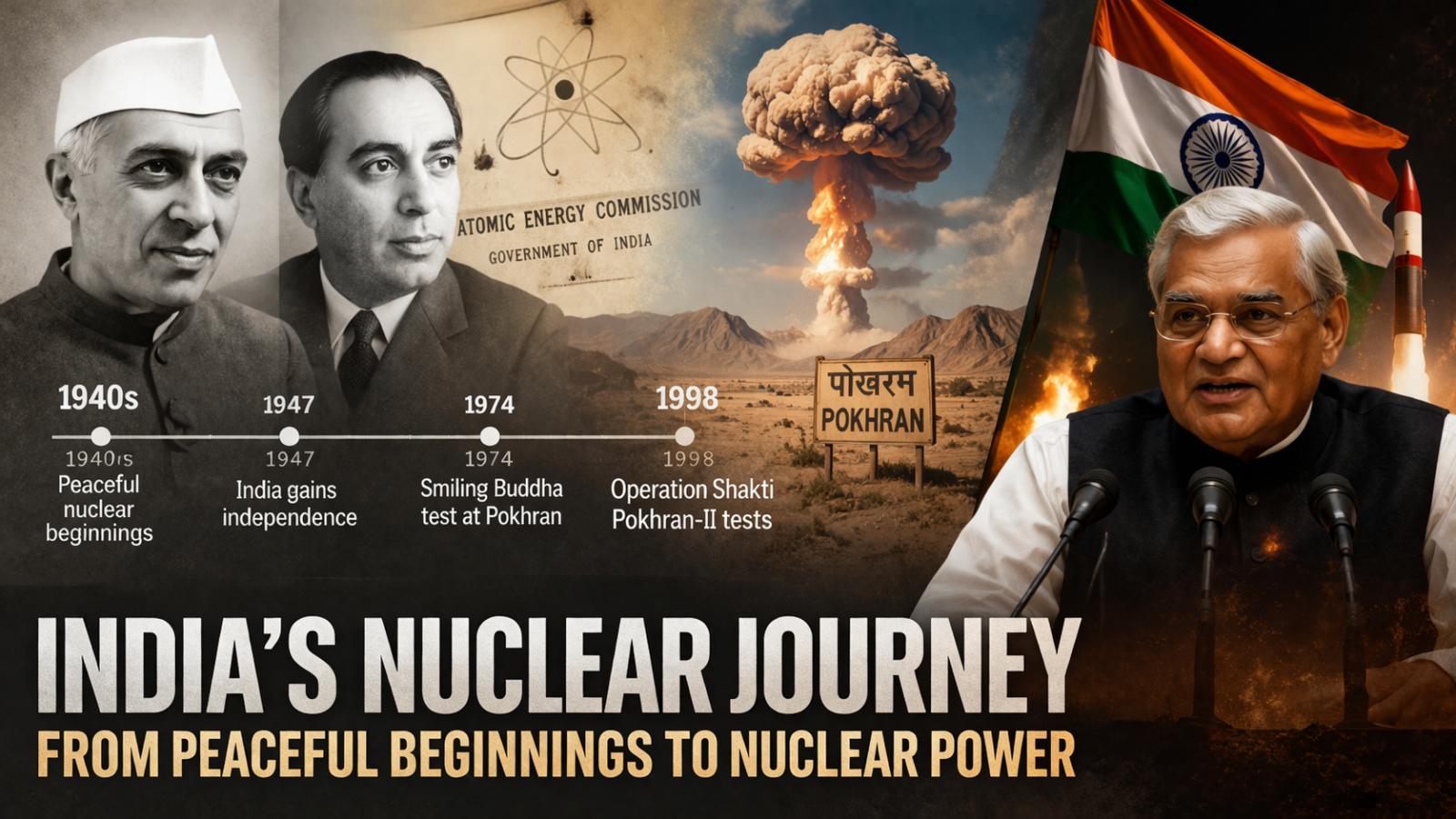
India's journey into nuclear weapons began in the early 1940s under British colonial rule. Following independence in 1947, the country embarked on a peaceful nuclear program primarily focused on energy production. At the helm of the program was Prime Minister Jawaharlal Nehru, who aimed to harness nuclear energy for civilian use, emphasizing the peaceful applications of atomic power. However, the political landscape began shifting in the 1960s as India faced mounting security concerns, partic
India's nuclear program: From Smiling Buddha to Operation Shakti
India's journey into nuclear weapons began in the early 1940s under British colonial rule. Following independence in 1947, the country embarked on a peaceful nuclear program primarily focused on energy production. At the helm of the program was Prime Minister Jawaharlal Nehru, who aimed to harness nuclear energy for civilian use, emphasizing the peaceful applications of atomic power. However, the political landscape began shifting in the 1960s as India faced mounting security concerns, partic
Historic Moment: India Welcomes Its First Queer MP in Rajya Sabha
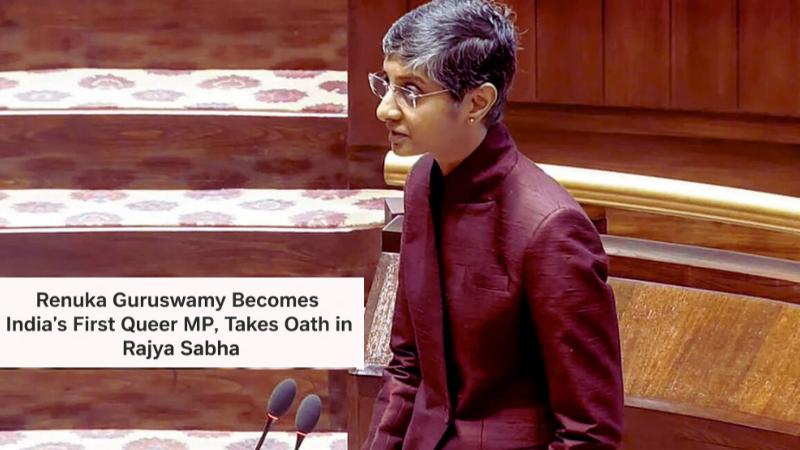
In a groundbreaking moment for Indian politics, Renuka Guruswamy, a senior advocate, has made history by becoming the first openly queer Member of Parliament (MP) in the Rajya Sabha. This marks a significant shift in India’s political landscape and gender equality discussions. The Rajya Sabha, which has traditionally kept discussions of sexuality external, now faces the reality of having a queer member within its ranks, making this a historic occasion for both the LGBTQ+ community and India
Historic Moment: India Welcomes Its First Queer MP in Rajya Sabha
In a groundbreaking moment for Indian politics, Renuka Guruswamy, a senior advocate, has made history by becoming the first openly queer Member of Parliament (MP) in the Rajya Sabha. This marks a significant shift in India’s political landscape and gender equality discussions. The Rajya Sabha, which has traditionally kept discussions of sexuality external, now faces the reality of having a queer member within its ranks, making this a historic occasion for both the LGBTQ+ community and India
Vande Mataram Now Mandatory at Official Events: What Government's New Guidelines Say
The Indian government has issued a new directive requiring the six-stanza version of Vande Mataram to be sung or played at all official ceremonies and state functions. The rendition, lasting approximately three minutes and ten seconds, will now be mandatory during significant events, including the unfurling of the Tricolour, the arrival of the President at formal gatherings, and before and after their speeches. The government’s decision aims to ensure uniformity and consi
Vande Mataram Now Mandatory at Official Events: What Government's New Guidelines Say
The Indian government has issued a new directive requiring the six-stanza version of Vande Mataram to be sung or played at all official ceremonies and state functions. The rendition, lasting approximately three minutes and ten seconds, will now be mandatory during significant events, including the unfurling of the Tricolour, the arrival of the President at formal gatherings, and before and after their speeches. The government’s decision aims to ensure uniformity and consi
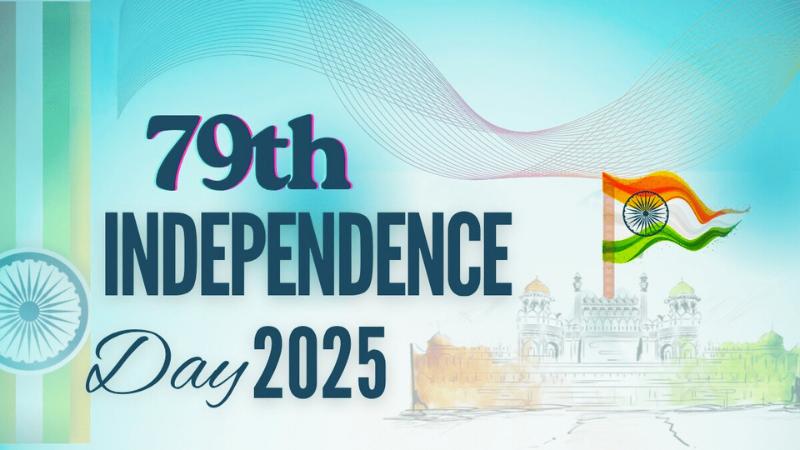
Independence Day 2025: Theme, Guest List, Program Details & More
India’s 79th Independence Day on August 15, 2025, will once again bring the country together in a grand celebration of freedom and patriotism. Every year, the country honors the sacrifices of freedom fighters who paved the way for India’s independence from British colonial rule. On this momentous day, the Prime Minister of India raises the national flag at the iconic Red Fort in Delhi, followed by a speech that resonates with the entire nation. The
Independence Day 2025: Theme, Guest List, Program Details & More
India’s 79th Independence Day on August 15, 2025, will once again bring the country together in a grand celebration of freedom and patriotism. Every year, the country honors the sacrifices of freedom fighters who paved the way for India’s independence from British colonial rule. On this momentous day, the Prime Minister of India raises the national flag at the iconic Red Fort in Delhi, followed by a speech that resonates with the entire nation. The