#indiandemocracy
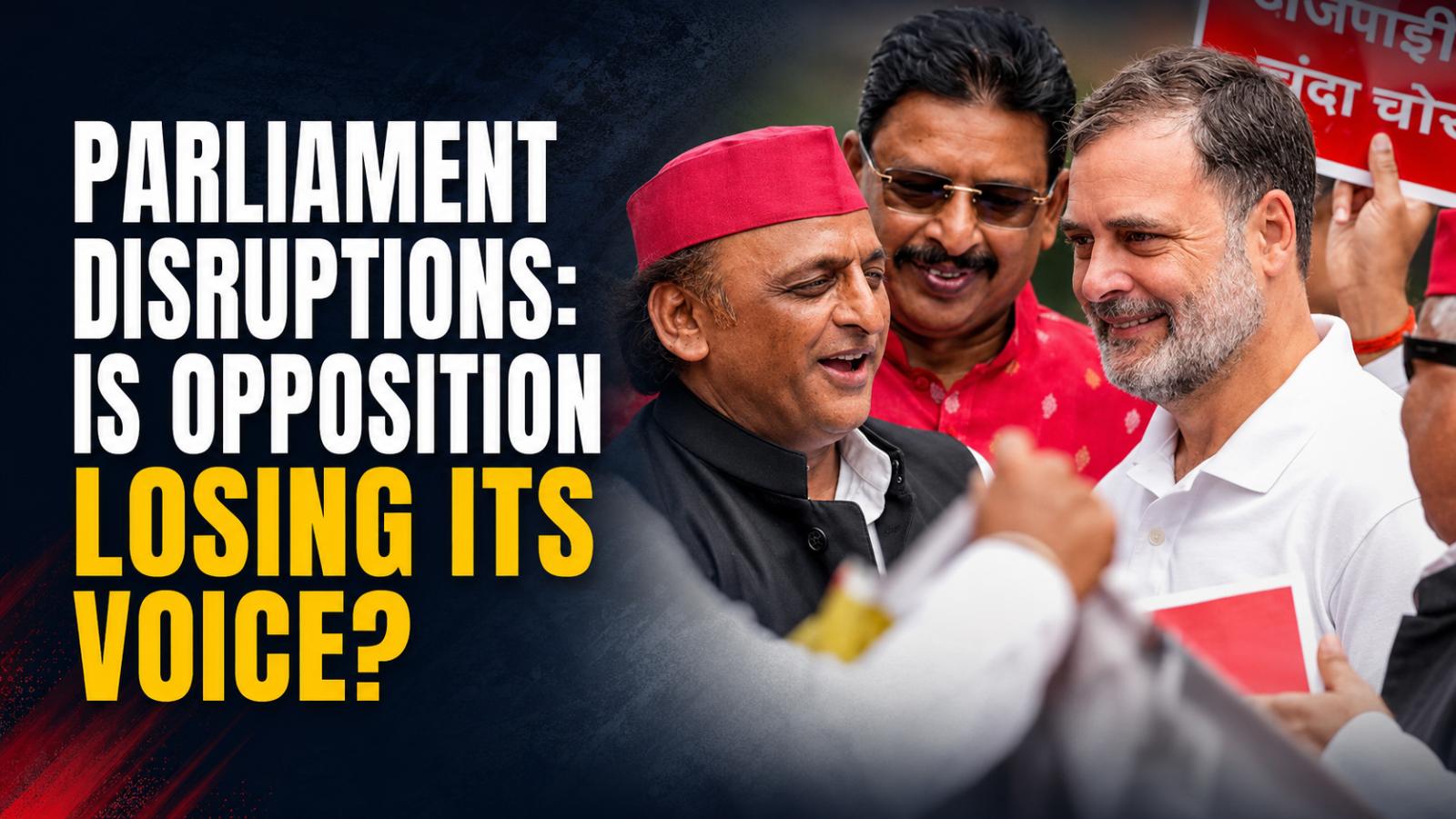
Parliament disruptions in India: Is Opposition losing its voice?
Parliament disruptions in India have repeatedly interrupted the Monsoon Session. While protests can spotlight important issues, they also weaken Question Hour accountability and parliamentary bill scrutiny, leaving Opposition MPs with fewer opportunities to challenge the government.
Parliament disruptions in India: Is Opposition losing its voice?
Parliament disruptions in India have repeatedly interrupted the Monsoon Session. While protests can spotlight important issues, they also weaken Question Hour accountability and parliamentary bill scrutiny, leaving Opposition MPs with fewer opportunities to challenge the government.
MEA Official Responds To Press Freedom Question During Modi Oslo Visit
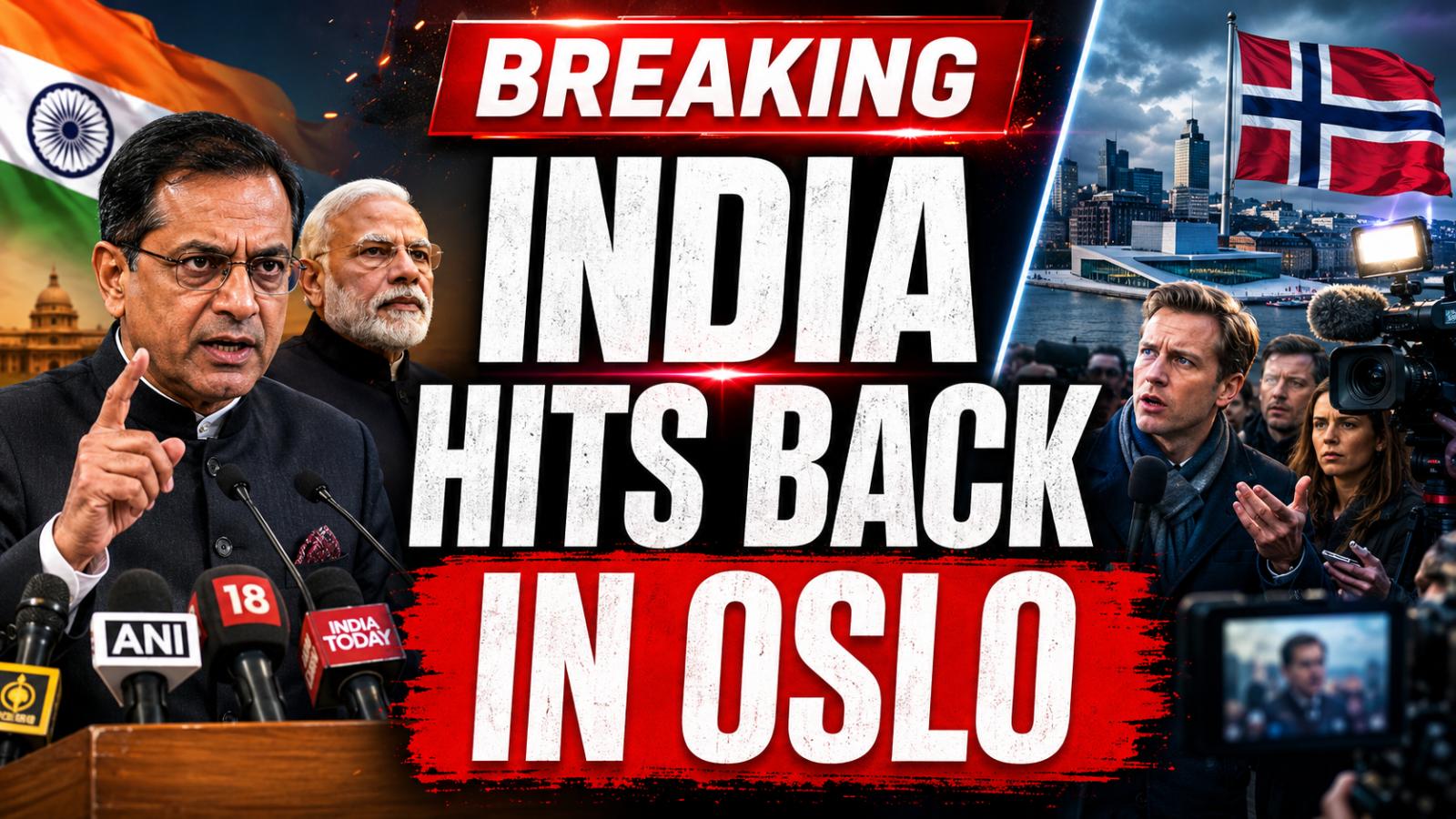
MEA Responds To Trust Question In Oslo India’s Ministry of External Affairs responded strongly during a press briefing in Oslo after a Norwegian journalist questioned why India should be trusted and why Prime Minister Narendra Modi does not take questions from the press. MEA Secretary West Sibi George answered by defending India’s democratic institutions, constitutional protections, media environment and record on human
MEA Official Responds To Press Freedom Question During Modi Oslo Visit
MEA Responds To Trust Question In Oslo India’s Ministry of External Affairs responded strongly during a press briefing in Oslo after a Norwegian journalist questioned why India should be trusted and why Prime Minister Narendra Modi does not take questions from the press. MEA Secretary West Sibi George answered by defending India’s democratic institutions, constitutional protections, media environment and record on human
India Awaits Key Election Results Across Five Regions
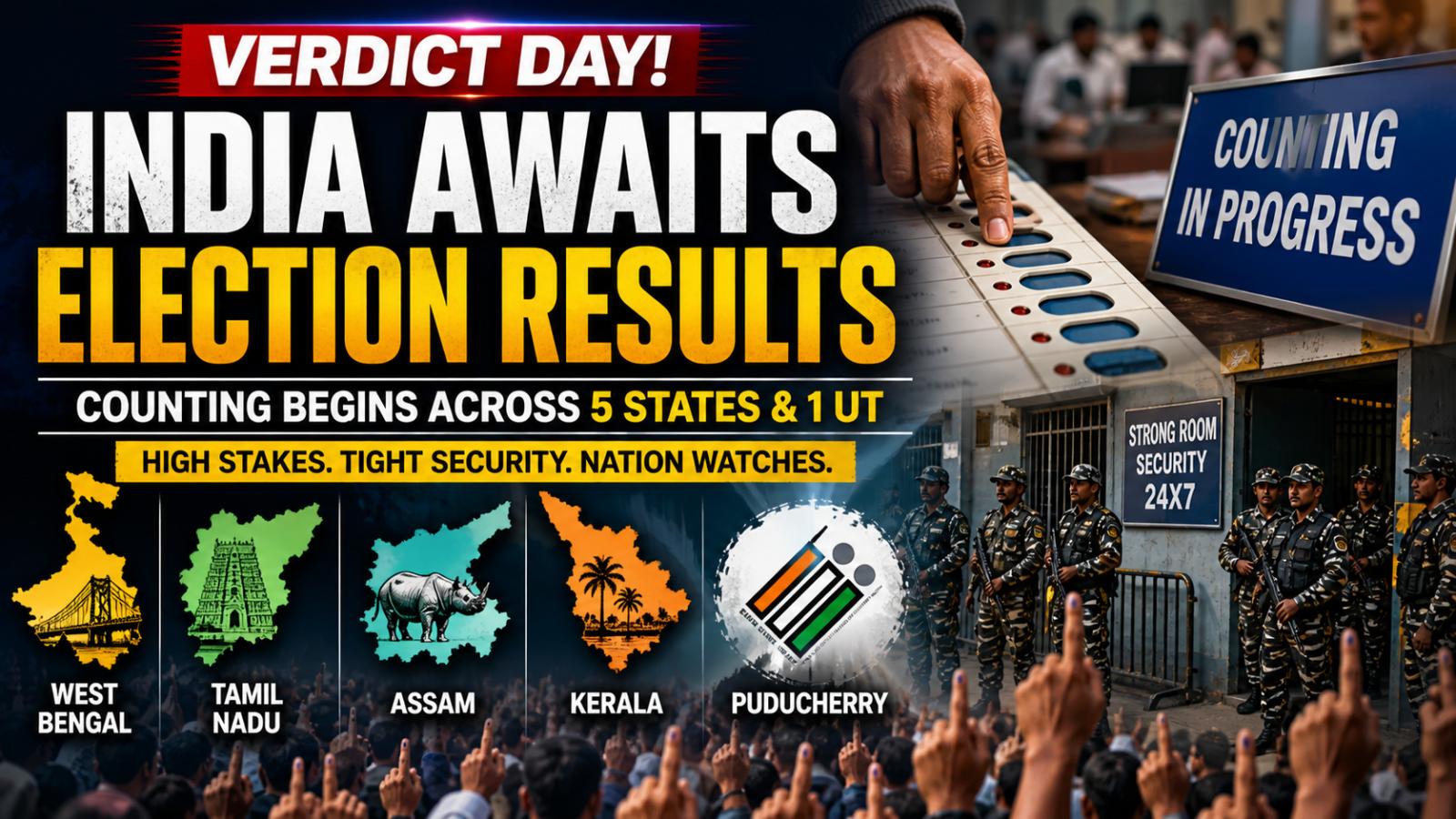
India is set to witness decisive outcomes as vote counting begins for the recently held Assembly elections across West Bengal, Tamil Nadu, Assam, Kerala, and the Union Territory of Puducherry. The results, secured in electronic voting machines under strict multi-layered security, are expected to be finalized by the end of the day, marking a significant moment in the country’s political landscape. The atmosphere remained highly charged leading up to counting day, particularly in We
India Awaits Key Election Results Across Five Regions
India is set to witness decisive outcomes as vote counting begins for the recently held Assembly elections across West Bengal, Tamil Nadu, Assam, Kerala, and the Union Territory of Puducherry. The results, secured in electronic voting machines under strict multi-layered security, are expected to be finalized by the end of the day, marking a significant moment in the country’s political landscape. The atmosphere remained highly charged leading up to counting day, particularly in We
Did Raghav Chadha’s switch expose ideology as strategy in politics? Yes, it raises serious questions
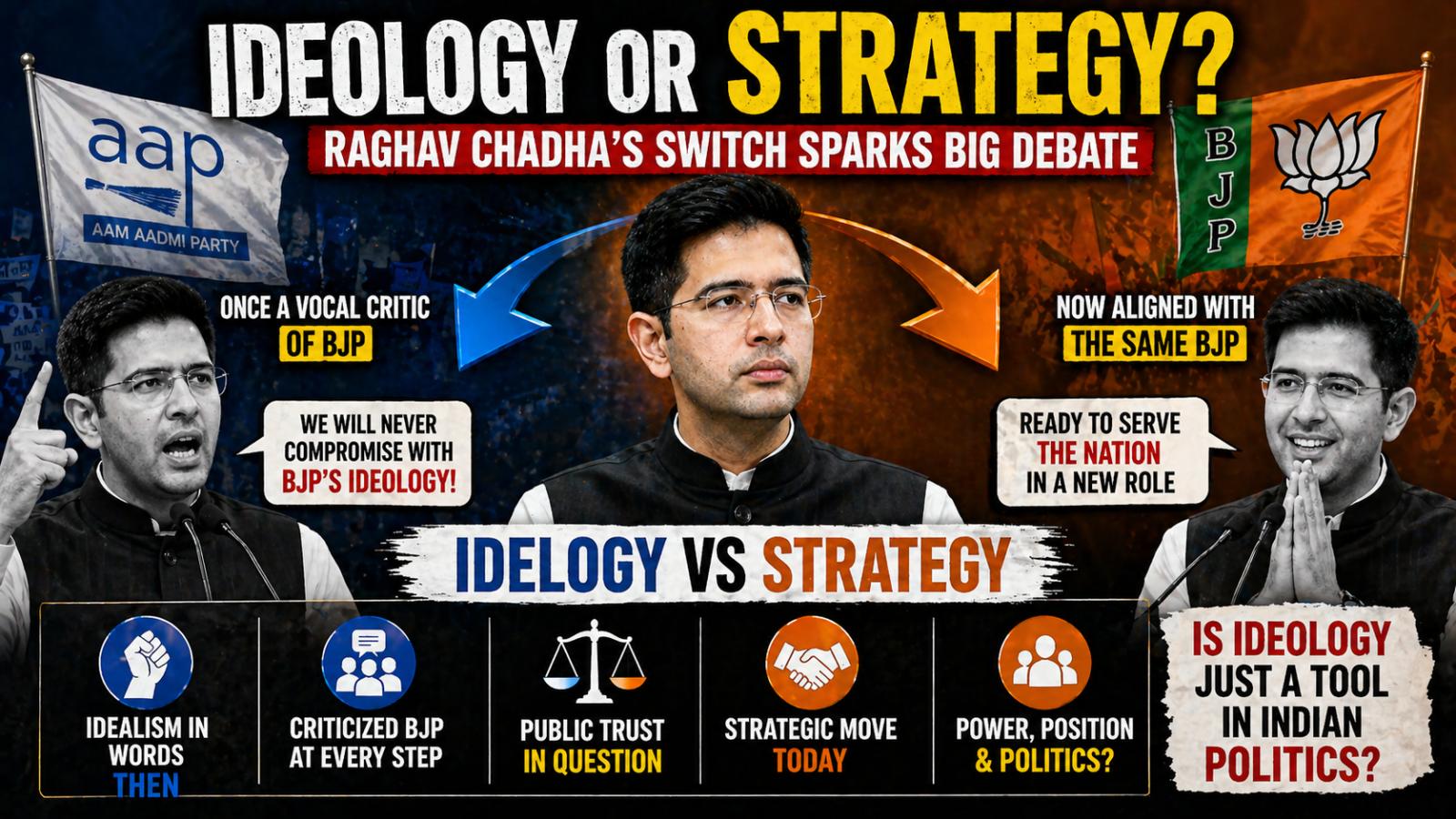
Did Raghav Chadha’s switch expose ideology as strategy in Indian politics? Yes, it raises serious questions as the recent political move by Raghav Chadha has triggered a wider debate about whether ideology in Indian politics is truly stable or simply a matter of strategy. The development, reported on Thursday, April 24, 2026, in India Standard Time, comes as Chadha, once a vocal critic of the Bharatiya Janata Party (BJP), aligned himself with the same political force he had publicly opposed. From vocal opposition to alignment with former rivals For years, Chadha built his political identity within the Aam Aadmi Party (AAP) by criticizing the BJP’s governance style, raising concerns about institutional independence and democratic functioning. His speeches positioned AAP as a clear alternative, emphasizing transparency and accountability. This consistent messaging helped shape public perception and earned him credibility among urban and educated voters. The sudden shift, however, has led to questions about whether those earlier positions were rooted in firm ideological belief or were part of a broader political strategy that evolved over time. BJP’s acceptance raises questions about ideological consistency The BJP, which has maintained political dominance at the national level for over a decade, has consistently emphasized strong ideological foundations and governance continuity. Its decision to accept a leader who had openly challenged its policies now brings attention to the balance between ideological commitment and political expansion. In parliamentary systems, numbers often determine legislative outcomes. Strategic decisions to strengthen representation can override past disagreements, reflecting a pragmatic approach to governance and policy-making. A recurring pattern across political systems This development is not isolated. Political realignments, shifting alliances, and evolving narratives are common across democratic systems worldwide. Leaders frequently transition between parties, and parties themselves adapt to changing political landscapes. Such shifts suggest that while ideology is presented as a guiding principle, strategy often plays a decisive role in shaping political actions. Public trust, consistency, and the shifting foundation of politics For the public, these developments can create uncertainty. Strong statements made in one phase of a political career may not align with actions taken later. This gap between words and actions raises broader concerns about consistency, accountability, and long-term trust in political institutions. What emerges from this pattern is not just a question about one leader or one party, but about the direction of politics itself. When positions can shift so sharply and be accepted just as quickly, it becomes harder to separate belief from convenience. The debate is no longer limited to whether one individual changed sides, but whether such changes are now an accepted norm across the political spectrum. In that context, the latest move involving Raghav Chadha reinforces a broader concern: political systems that emphasize ideology in public messaging may increasingly rely on strategy in practice. In that reality, one conclusion is becoming difficult to ignore. Adapting strategy to suit the moment is no longer just a political tool; it is increasingly becoming the most consistent ideology across political parties.
Did Raghav Chadha’s switch expose ideology as strategy in politics? Yes, it raises serious questions
Did Raghav Chadha’s switch expose ideology as strategy in Indian politics? Yes, it raises serious questions as the recent political move by Raghav Chadha has triggered a wider debate about whether ideology in Indian politics is truly stable or simply a matter of strategy. The development, reported on Thursday, April 24, 2026, in India Standard Time, comes as Chadha, once a vocal critic of the Bharatiya Janata Party (BJP), aligned himself with the same political force he had publicly opposed. From vocal opposition to alignment with former rivals For years, Chadha built his political identity within the Aam Aadmi Party (AAP) by criticizing the BJP’s governance style, raising concerns about institutional independence and democratic functioning. His speeches positioned AAP as a clear alternative, emphasizing transparency and accountability. This consistent messaging helped shape public perception and earned him credibility among urban and educated voters. The sudden shift, however, has led to questions about whether those earlier positions were rooted in firm ideological belief or were part of a broader political strategy that evolved over time. BJP’s acceptance raises questions about ideological consistency The BJP, which has maintained political dominance at the national level for over a decade, has consistently emphasized strong ideological foundations and governance continuity. Its decision to accept a leader who had openly challenged its policies now brings attention to the balance between ideological commitment and political expansion. In parliamentary systems, numbers often determine legislative outcomes. Strategic decisions to strengthen representation can override past disagreements, reflecting a pragmatic approach to governance and policy-making. A recurring pattern across political systems This development is not isolated. Political realignments, shifting alliances, and evolving narratives are common across democratic systems worldwide. Leaders frequently transition between parties, and parties themselves adapt to changing political landscapes. Such shifts suggest that while ideology is presented as a guiding principle, strategy often plays a decisive role in shaping political actions. Public trust, consistency, and the shifting foundation of politics For the public, these developments can create uncertainty. Strong statements made in one phase of a political career may not align with actions taken later. This gap between words and actions raises broader concerns about consistency, accountability, and long-term trust in political institutions. What emerges from this pattern is not just a question about one leader or one party, but about the direction of politics itself. When positions can shift so sharply and be accepted just as quickly, it becomes harder to separate belief from convenience. The debate is no longer limited to whether one individual changed sides, but whether such changes are now an accepted norm across the political spectrum. In that context, the latest move involving Raghav Chadha reinforces a broader concern: political systems that emphasize ideology in public messaging may increasingly rely on strategy in practice. In that reality, one conclusion is becoming difficult to ignore. Adapting strategy to suit the moment is no longer just a political tool; it is increasingly becoming the most consistent ideology across political parties.
High-Stakes Voting Begins in Tamil Nadu and West Bengal
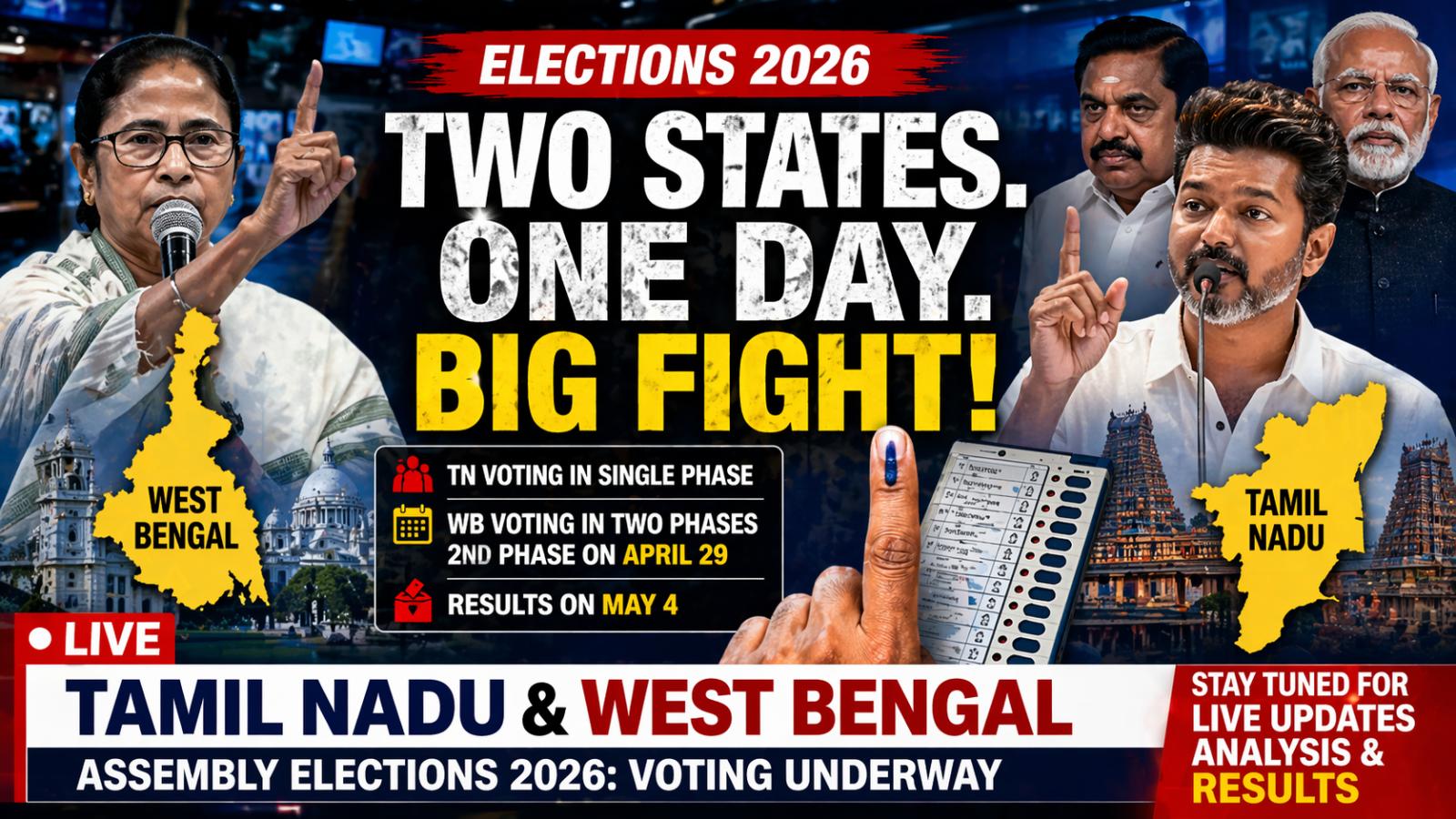
Voting is currently underway in two of India’s most politically significant states, Tamil Nadu and West Bengal, as part of the 2026 Assembly elections. Polling began today at 7:00 am and is scheduled to continue until 6:00 pm, following early mock polling exercises conducted at select locations such as Chennai and Siliguri to ensure the readiness of voting systems. Officials have reported smooth initial operations, with voter turnout expected to build steadily throughout the day. The electoral process differs between the two states. Tamil Nadu is conducting voting in a single phase, meaning voters across the state will determine the next government simultaneously. In contrast, West Bengal is following a two-phase format, with the second phase scheduled for April 29. Results for both states, along with ongoing bypolls in other regions, will be declared on May 4. In Tamil Nadu, the contest is primarily between the DMK-led Secular Progressive Alliance and the NDA bloc led by AIADMK. The DMK alliance includes Congress, DMDK, and VCK, while AIADMK is aligned with BJP and PMK. However, this election cycle introduces a notable shift with the political entry of Vijay and his party TVK. His debut adds a third dimension to what has traditionally been a two-front contest, potentially altering voting patterns and outcomes. West Bengal presents an equally intense political environment. The ruling Trinamool Congress, led by Chief Minister Mamata Banerjee, is seeking a fourth consecutive term in power. The BJP, which significantly expanded its presence in the previous election by securing 77 seats, is aiming to build on that momentum and challenge the incumbent leadership more aggressively. Beyond these two major states, bypolls are also being conducted in Gujarat’s Umreth and Maharashtra’s Baramati and Rahuri constituencies. These results will be announced alongside the main election outcomes, adding further political significance to the day’s voting activity.
High-Stakes Voting Begins in Tamil Nadu and West Bengal
Voting is currently underway in two of India’s most politically significant states, Tamil Nadu and West Bengal, as part of the 2026 Assembly elections. Polling began today at 7:00 am and is scheduled to continue until 6:00 pm, following early mock polling exercises conducted at select locations such as Chennai and Siliguri to ensure the readiness of voting systems. Officials have reported smooth initial operations, with voter turnout expected to build steadily throughout the day. The electoral process differs between the two states. Tamil Nadu is conducting voting in a single phase, meaning voters across the state will determine the next government simultaneously. In contrast, West Bengal is following a two-phase format, with the second phase scheduled for April 29. Results for both states, along with ongoing bypolls in other regions, will be declared on May 4. In Tamil Nadu, the contest is primarily between the DMK-led Secular Progressive Alliance and the NDA bloc led by AIADMK. The DMK alliance includes Congress, DMDK, and VCK, while AIADMK is aligned with BJP and PMK. However, this election cycle introduces a notable shift with the political entry of Vijay and his party TVK. His debut adds a third dimension to what has traditionally been a two-front contest, potentially altering voting patterns and outcomes. West Bengal presents an equally intense political environment. The ruling Trinamool Congress, led by Chief Minister Mamata Banerjee, is seeking a fourth consecutive term in power. The BJP, which significantly expanded its presence in the previous election by securing 77 seats, is aiming to build on that momentum and challenge the incumbent leadership more aggressively. Beyond these two major states, bypolls are also being conducted in Gujarat’s Umreth and Maharashtra’s Baramati and Rahuri constituencies. These results will be announced alongside the main election outcomes, adding further political significance to the day’s voting activity.
Indian diplomat rebukes Switzerland and Pakistan during UN Human Rights Council
India has delivered a strong rebuttal at the United Nations Human Rights Council, dismissing Switzerland’s recent remarks on minority protection and freedom of expression as misleading and baseless. At the 5th Meeting of the 60th Session of the UNHRC, Indian diplomat Kshitij Tyagi said Switzerland’s allegations were surprising, shallow and ill informed, urging the country to focus on its own domestic challenges instead of spreading false narratives about India. Tyagi poi
Indian diplomat rebukes Switzerland and Pakistan during UN Human Rights Council
India has delivered a strong rebuttal at the United Nations Human Rights Council, dismissing Switzerland’s recent remarks on minority protection and freedom of expression as misleading and baseless. At the 5th Meeting of the 60th Session of the UNHRC, Indian diplomat Kshitij Tyagi said Switzerland’s allegations were surprising, shallow and ill informed, urging the country to focus on its own domestic challenges instead of spreading false narratives about India. Tyagi poi