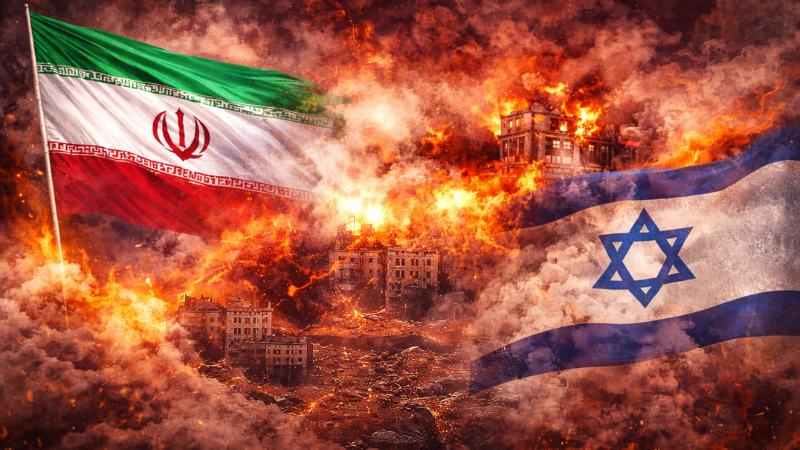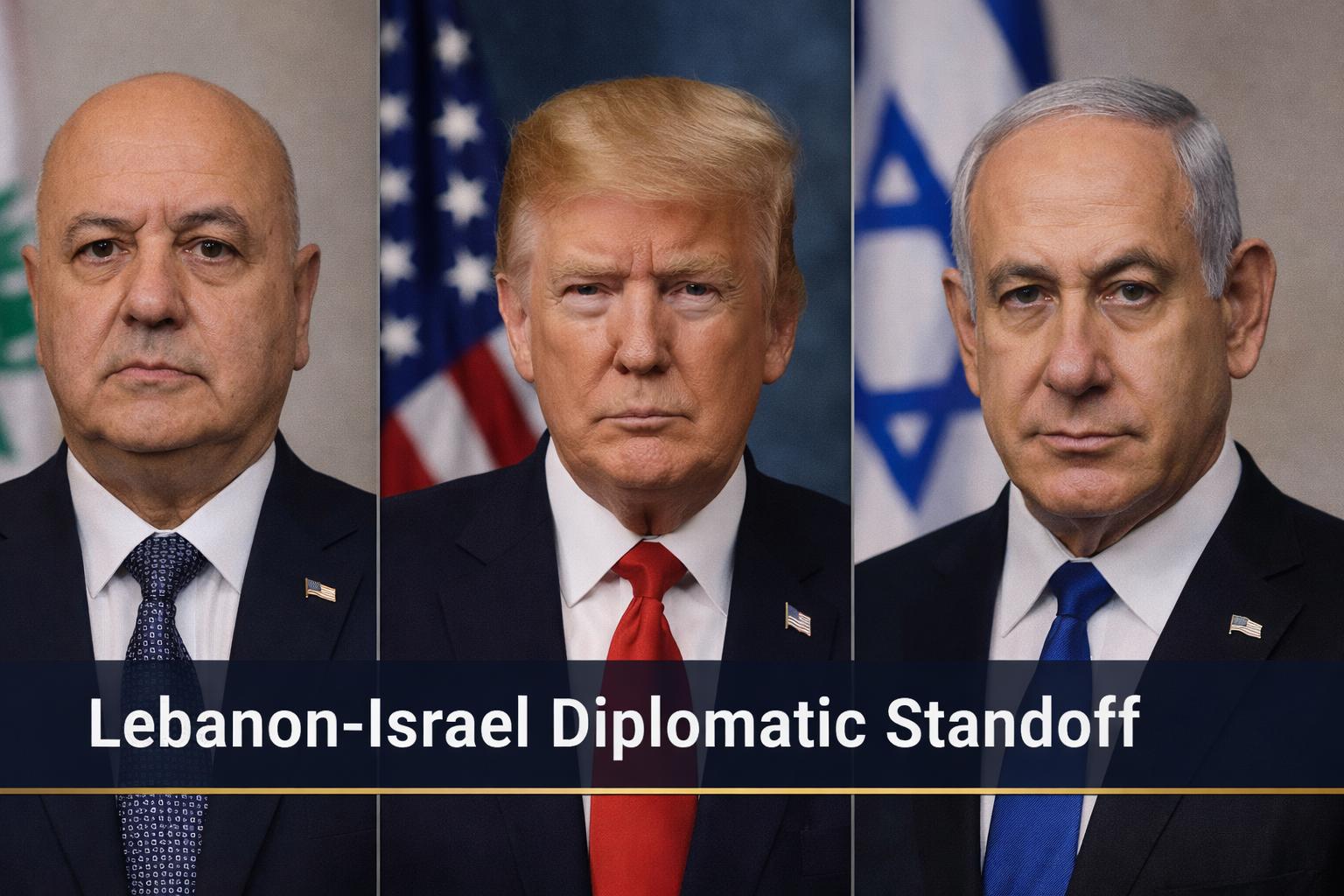
In a significant development after days of escalating conflict, Israel has officially agreed to a bilateral ceasefire proposed by former US President Donald Trump. Prime Minister Benjamin Netanyahu’s office issued a statement early this morning confirming that the Israeli government would comply with the ceasefire agreement in light of what it described as the successful achievement of its objectives related to the recent military strikes on Iran’s nuclear infrastructure. The statement conveyed appreciation to the United States for its support in Israel’s defense efforts and for participating in what it termed the elimination of a growing Iranian nuclear threat.
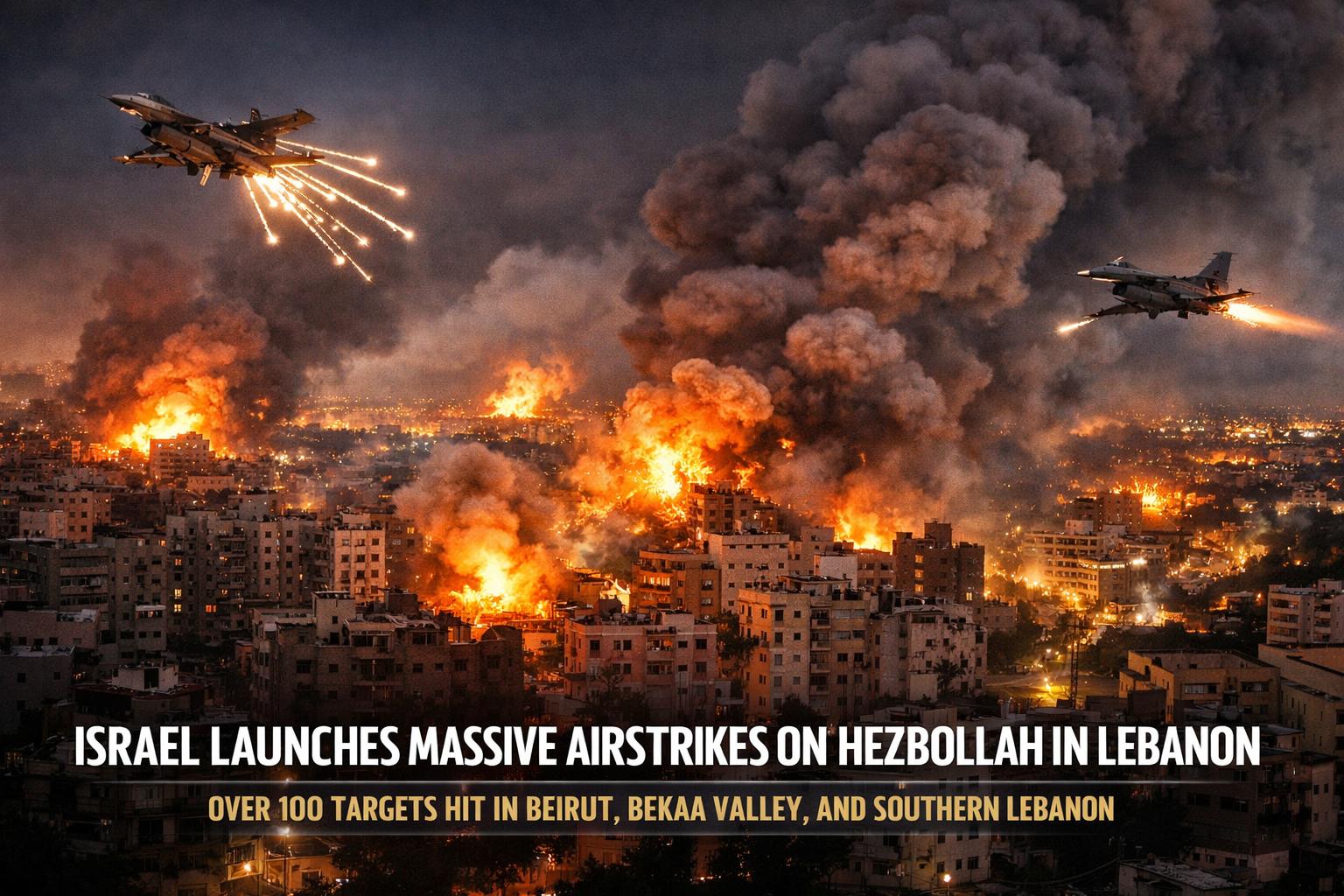
Israel’s acceptance of the ceasefire follows a period of intense military exchanges that saw multiple rounds of missile attacks between the two regional rivals. According to the statement from Netanyahu’s office, the government believes that its goals in striking Iran’s nuclear facilities have been largely met, making the ceasefire a strategic and acceptable decision. However, the statement made it clear that Israel would respond forcefully to any future violations of the agreement, maintaining a defensive stance should the ceasefire be breached by Iranian forces or their affiliates.
An additional address from Prime Minister Netanyahu is expected later today, where he is likely to elaborate on the specifics of the ceasefire, the outcome of the Israeli operations, and any new directives for Israel’s military and intelligence community. This announcement will likely serve as a reassurance to the Israeli public and global observers that national security remains the top priority amid regional instability.
Meanwhile, Iranian state media has reported that Iran launched its final wave of missiles just before the ceasefire officially came into effect. According to reports, this last round of missile fire was directed at Israeli-occupied territories and marked the conclusion of four distinct waves of Iranian attacks during the conflict. With this final salvo, Iran has signaled its compliance with the ceasefire arrangement while still delivering a concluding military message.
Shortly after the exchange of missile fire and the statements from both sides, Donald Trump confirmed via his social platform that the ceasefire had formally begun. “The ceasefire is now in effect. Please do not violate it!” Trump wrote, reiterating his role as the mediator of the agreement and urging both parties to uphold the terms of the truce. Trump’s involvement in negotiating the ceasefire underscores his continued influence on global diplomacy, particularly in the Middle East, where he has long maintained strategic relationships with both Israel and the Gulf nations.
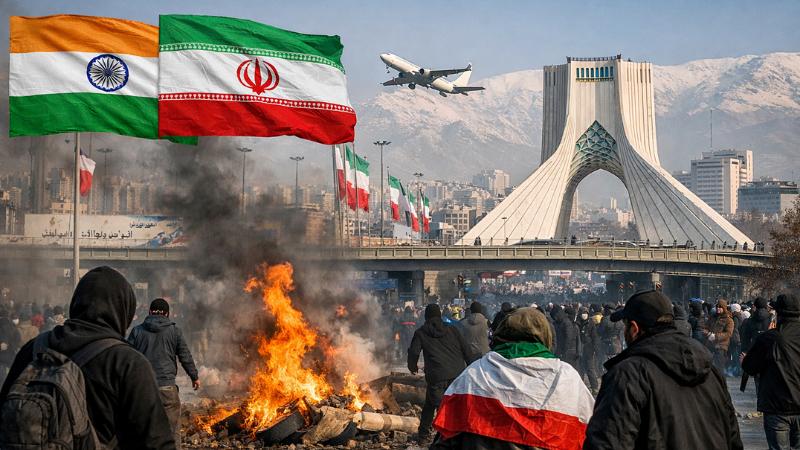
The announcement of the ceasefire marks a moment of tentative calm after what has been one of the most dangerous escalations between Iran and Israel in recent years. The conflict was largely triggered by a series of targeted airstrikes by Israel on Iranian nuclear development facilities, which prompted Iran to retaliate with waves of missile launches. These exchanges created widespread international concern about the potential for a full-scale regional war and severe humanitarian consequences.
While the ceasefire brings temporary relief, the situation remains fragile. Both governments have emphasized conditional support for the truce, and any perceived violation could reignite the hostilities. Iran has not issued a detailed statement on its ceasefire commitments beyond its initial missile reports, and observers remain cautious about the possibility of further clandestine military activities or proxy involvement from allied groups in the region.
The United States' role in brokering this ceasefire, though led by a former president, reflects the continued involvement of American influence in Middle Eastern affairs. With both Iran and Israel having shown willingness to respond militarily, the value of diplomatic mediation remains evident. International bodies are likely to monitor the ceasefire closely in the coming days, and further dialogue may be necessary to transform this temporary truce into a longer-term peace effort.
As tensions de-escalate, questions persist regarding the long-term impact on Iran’s nuclear ambitions, Israel’s defense strategies, and the broader geopolitical balance in the region. But for now, the guns have gone silent, and the world watches to see whether this calm can hold, or whether it is merely a pause before the next storm.