#iranstrike
West Asia war live: U.S. strikes Iran as Tehran confirms talks
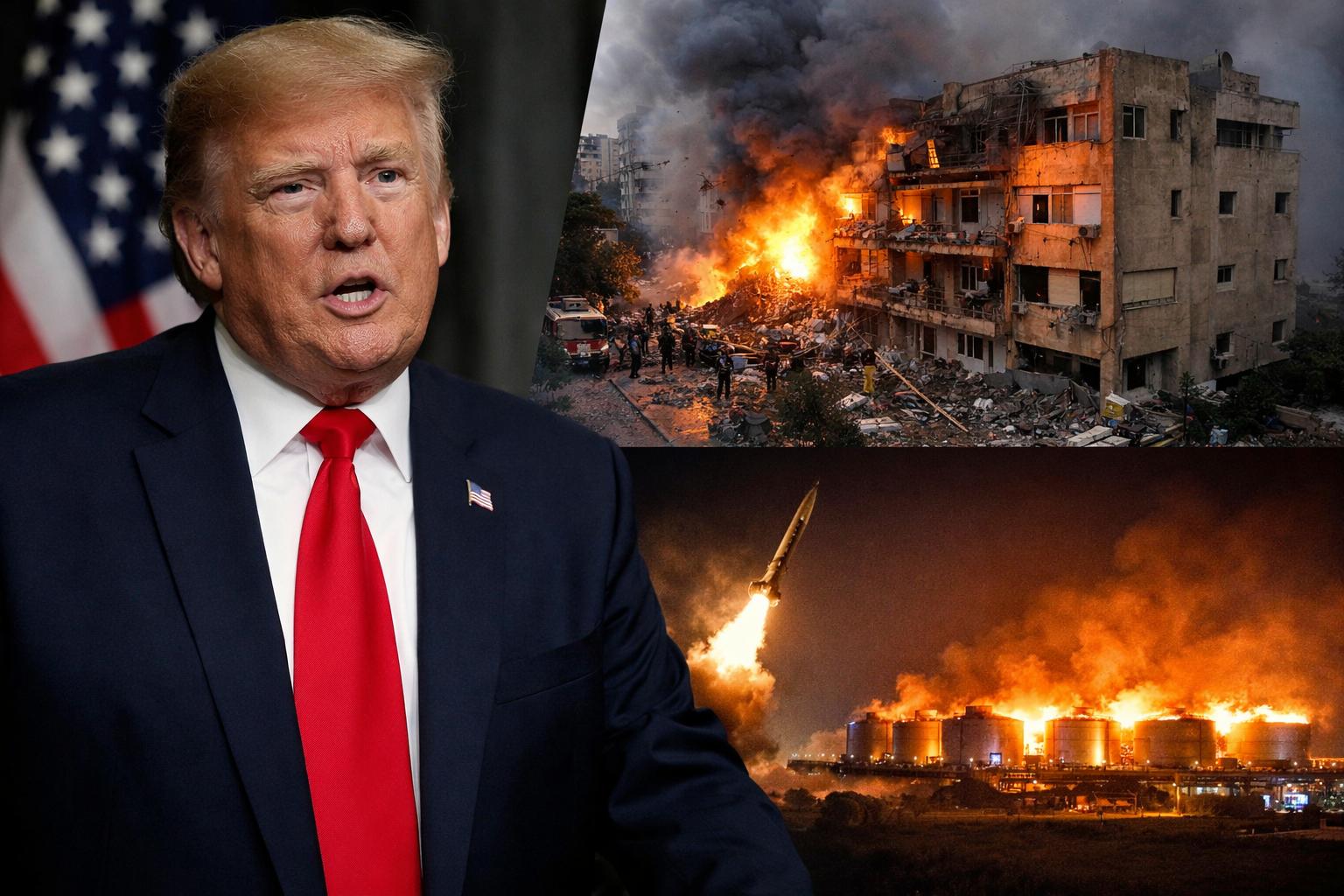
The West Asia war intensified on Monday as the United States carried out another round of strikes on Iran, Tehran acknowledged continuing diplomatic exchanges, and reported tanker explosions raised fresh concerns over the Strait of Hormuz and global energy supplies. U.S. strikes continue for ninth consecutive night The United States conducted a fresh wave of airstrikes against targets in Iran e
West Asia war live: U.S. strikes Iran as Tehran confirms talks
The West Asia war intensified on Monday as the United States carried out another round of strikes on Iran, Tehran acknowledged continuing diplomatic exchanges, and reported tanker explosions raised fresh concerns over the Strait of Hormuz and global energy supplies. U.S. strikes continue for ninth consecutive night The United States conducted a fresh wave of airstrikes against targets in Iran e
US Iran Ninth Night Strikes Raise Strait of Hormuz Risks
The US Iran ninth night strikes deepened the regional crisis as CENTCOM targeted Iranian military capabilities. Missile alerts spread across the Gulf, another US soldier died in Iraq, and rising oil prices reflected growing fears over the Strait of Hormuz. US Iran ninth night strikes announced by CENTCOM The US military launched a ninth consecutive night of attacks against Iran on Sunday, July 19, as the conflict entered another dangerous phase. US Central Command said on X that operations began at 7 p.m. Eastern Time and would continue targeting Iranian capabilities used to attack commercial vessels crossing the Strait of Hormuz. CENTCOM’s website had earlier confirmed eight consecutive nights of strikes through July 18 and listed several rounds of attacks conducted since July 11. It also confirmed that the United States had resumed its naval blockade against Iranian ports on July 13. Iranian state media reported explosions in several cities after the latest operation began, including Tabriz and areas near important ports. Reports from inside Iran also claimed that air-defence forces shot down a drone over the country’s south. These battlefield accounts had not been independently verified when they emerged. US soldier killed by Iranian drone ordnance CENTCOM announced that a US service member died in northern Iraq during a controlled detonation of unexploded ordnance from a downed Iranian one-way attack drone. Another service member suffered a minor injury during the incident. The death brought the reported number of US military fatalities linked to the wider Iran conflict to 17. Recent casualties have included service members killed during Iranian attacks in Jordan and other incidents across the region. The latest death highlights a risk that extends beyond direct missile and drone impacts. Unexploded weapons can remain dangerous after interception or crashing, placing military disposal teams and nearby communities at continued risk. Kuwait attack and Bahrain alerts widen crisis The confrontation also spread further across Gulf states. Bahrain activated warning sirens and instructed residents to seek shelter, while Kuwait said its air defences were responding to Iranian missile and drone attacks. Kuwaiti authorities accused Iran of damaging energy, water and oil-related facilities and causing fires. Gulf governments condemned the attacks as concerns grew that retaliatory operations could draw more countries into direct confrontation. The Strait of Hormuz remains at the centre of the crisis because disruptions there can affect major international energy shipments. CENTCOM says its latest attacks aim to reduce Iran’s ability to threaten vessels using the waterway. The renewed US blockade has added pressure on maritime traffic and increased fears of prolonged supply disruption. Strait of Hormuz crisis pushes oil above $90 Oil markets reacted quickly as fighting continued. Brent crude moved above $90 a barrel, while US crude traded above $84 during Sunday trading. Market reports linked the increase to renewed strikes, Iranian retaliation and uncertainty surrounding shipping through the Strait of Hormuz. The price rise shows how quickly a military escalation can spread beyond the battlefield. Higher crude costs can increase transport, manufacturing and consumer prices, particularly when traders expect shipping delays or damage to regional energy infrastructure. Iran also announced that it was suspending commitments connected to its ceasefire understanding with Washington. Iranian officials accused the United States of violating the arrangement by continuing military attacks. Those claims reflect Tehran’s position and require comparison with the original agreement and statements from all parties. With diplomacy weakening, casualties rising and Gulf infrastructure facing attacks, neither side appears close to de-escalation. The immediate danger is no longer limited to targets inside Iran. It now includes military bases, ports, commercial shipping and essential facilities across the wider region. Relevant internal links include previous coverage of the CENTCOM strikes on Iran, the Chabahar Port attack, Iranian missile interceptions over Gulf states and the full US-Iran conflict timeline.
US Iran Ninth Night Strikes Raise Strait of Hormuz Risks
The US Iran ninth night strikes deepened the regional crisis as CENTCOM targeted Iranian military capabilities. Missile alerts spread across the Gulf, another US soldier died in Iraq, and rising oil prices reflected growing fears over the Strait of Hormuz. US Iran ninth night strikes announced by CENTCOM The US military launched a ninth consecutive night of attacks against Iran on Sunday, July 19, as the conflict entered another dangerous phase. US Central Command said on X that operations began at 7 p.m. Eastern Time and would continue targeting Iranian capabilities used to attack commercial vessels crossing the Strait of Hormuz. CENTCOM’s website had earlier confirmed eight consecutive nights of strikes through July 18 and listed several rounds of attacks conducted since July 11. It also confirmed that the United States had resumed its naval blockade against Iranian ports on July 13. Iranian state media reported explosions in several cities after the latest operation began, including Tabriz and areas near important ports. Reports from inside Iran also claimed that air-defence forces shot down a drone over the country’s south. These battlefield accounts had not been independently verified when they emerged. US soldier killed by Iranian drone ordnance CENTCOM announced that a US service member died in northern Iraq during a controlled detonation of unexploded ordnance from a downed Iranian one-way attack drone. Another service member suffered a minor injury during the incident. The death brought the reported number of US military fatalities linked to the wider Iran conflict to 17. Recent casualties have included service members killed during Iranian attacks in Jordan and other incidents across the region. The latest death highlights a risk that extends beyond direct missile and drone impacts. Unexploded weapons can remain dangerous after interception or crashing, placing military disposal teams and nearby communities at continued risk. Kuwait attack and Bahrain alerts widen crisis The confrontation also spread further across Gulf states. Bahrain activated warning sirens and instructed residents to seek shelter, while Kuwait said its air defences were responding to Iranian missile and drone attacks. Kuwaiti authorities accused Iran of damaging energy, water and oil-related facilities and causing fires. Gulf governments condemned the attacks as concerns grew that retaliatory operations could draw more countries into direct confrontation. The Strait of Hormuz remains at the centre of the crisis because disruptions there can affect major international energy shipments. CENTCOM says its latest attacks aim to reduce Iran’s ability to threaten vessels using the waterway. The renewed US blockade has added pressure on maritime traffic and increased fears of prolonged supply disruption. Strait of Hormuz crisis pushes oil above $90 Oil markets reacted quickly as fighting continued. Brent crude moved above $90 a barrel, while US crude traded above $84 during Sunday trading. Market reports linked the increase to renewed strikes, Iranian retaliation and uncertainty surrounding shipping through the Strait of Hormuz. The price rise shows how quickly a military escalation can spread beyond the battlefield. Higher crude costs can increase transport, manufacturing and consumer prices, particularly when traders expect shipping delays or damage to regional energy infrastructure. Iran also announced that it was suspending commitments connected to its ceasefire understanding with Washington. Iranian officials accused the United States of violating the arrangement by continuing military attacks. Those claims reflect Tehran’s position and require comparison with the original agreement and statements from all parties. With diplomacy weakening, casualties rising and Gulf infrastructure facing attacks, neither side appears close to de-escalation. The immediate danger is no longer limited to targets inside Iran. It now includes military bases, ports, commercial shipping and essential facilities across the wider region. Relevant internal links include previous coverage of the CENTCOM strikes on Iran, the Chabahar Port attack, Iranian missile interceptions over Gulf states and the full US-Iran conflict timeline.
US Strikes Iran Military Sites as Hormuz Conflict Deepens
The United States has carried out another round of attacks on Iranian military infrastructure as fighting around the Strait of Hormuz threatens commercial shipping and regional stability. CENTCOM said its latest verified operation targeted coastal defence systems, missile facilities, drones and maritime capabilities across several Iranian locations. US strikes Iran military targets across coastal regions US Cen
US Strikes Iran Military Sites as Hormuz Conflict Deepens
The United States has carried out another round of attacks on Iranian military infrastructure as fighting around the Strait of Hormuz threatens commercial shipping and regional stability. CENTCOM said its latest verified operation targeted coastal defence systems, missile facilities, drones and maritime capabilities across several Iranian locations. US strikes Iran military targets across coastal regions US Cen
US Iran Sanctions Expand as Military Strikes Intensify
US Iran Sanctions Expand as Military Strikes Intensify The United States imposed fresh Iran sanctions on Tuesday, July 14, targeting a major shipping and oil-trading network as American forces launched additional military strikes and moved to resume a naval blockade. The measures combine financial pressure with expanded military action amid a widening conflict involving commercial shipping and the Strait of Hormuz.
US Iran Sanctions Expand as Military Strikes Intensify
US Iran Sanctions Expand as Military Strikes Intensify The United States imposed fresh Iran sanctions on Tuesday, July 14, targeting a major shipping and oil-trading network as American forces launched additional military strikes and moved to resume a naval blockade. The measures combine financial pressure with expanded military action amid a widening conflict involving commercial shipping and the Strait of Hormuz.
Trump Warns of Heavy Iran Strikes After MoU Collapse
President Donald Trump has warned that the United States will strike Iran heavily on Monday night, June 13, 2026 and Tuesday, June 14, 2026 escalating a conflict already affecting Gulf security and commercial shipping. Trump accused Tehran of failing to honor a recent memorandum of understanding and said the agreement had served as a test of Iran’s intentions. Trump Ir
Trump Warns of Heavy Iran Strikes After MoU Collapse
President Donald Trump has warned that the United States will strike Iran heavily on Monday night, June 13, 2026 and Tuesday, June 14, 2026 escalating a conflict already affecting Gulf security and commercial shipping. Trump accused Tehran of failing to honor a recent memorandum of understanding and said the agreement had served as a test of Iran’s intentions. Trump Ir
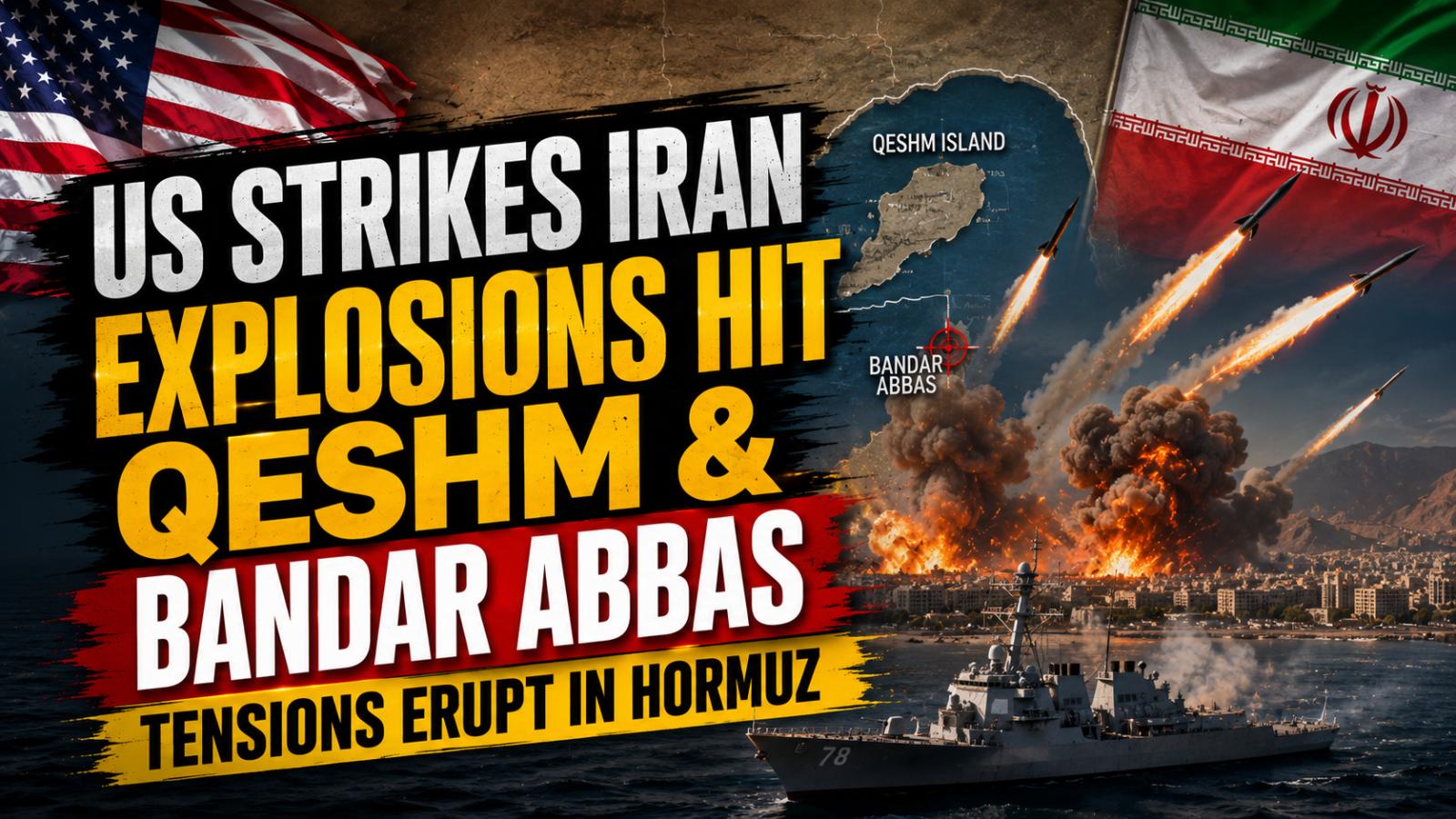
US strikes Iran after ship attack in Strait of Hormuz
US strikes Iran were followed by multiple explosions across the country’s southern coastline on Sunday, June 12,2026 including Qeshm Island and the major port city of Bandar Abbas. The renewed fighting came after an attack on a commercial ship and Iran’s declaration that the Strait of Hormuz was closed. Qeshm attack targets military locations Residents reported several explosions near M
US strikes Iran after ship attack in Strait of Hormuz
US strikes Iran were followed by multiple explosions across the country’s southern coastline on Sunday, June 12,2026 including Qeshm Island and the major port city of Bandar Abbas. The renewed fighting came after an attack on a commercial ship and Iran’s declaration that the Strait of Hormuz was closed. Qeshm attack targets military locations Residents reported several explosions near M
Trump-Netanyahu call covers Iran strikes and Turkey
US President Donald Trump and Israeli Prime Minister Benjamin Netanyahu discussed American military activity in the Gulf, tensions involving Turkey and Israel’s border security concerns during a phone call on Thursday, July 9. The leaders agreed to maintain close coordination as instability across West Asia continued. Trump-Netanyahu call covers US Gulf moves
Trump-Netanyahu call covers Iran strikes and Turkey
US President Donald Trump and Israeli Prime Minister Benjamin Netanyahu discussed American military activity in the Gulf, tensions involving Turkey and Israel’s border security concerns during a phone call on Thursday, July 9. The leaders agreed to maintain close coordination as instability across West Asia continued. Trump-Netanyahu call covers US Gulf moves
US-Iran talks set to resume despite Strait of Hormuz clashes
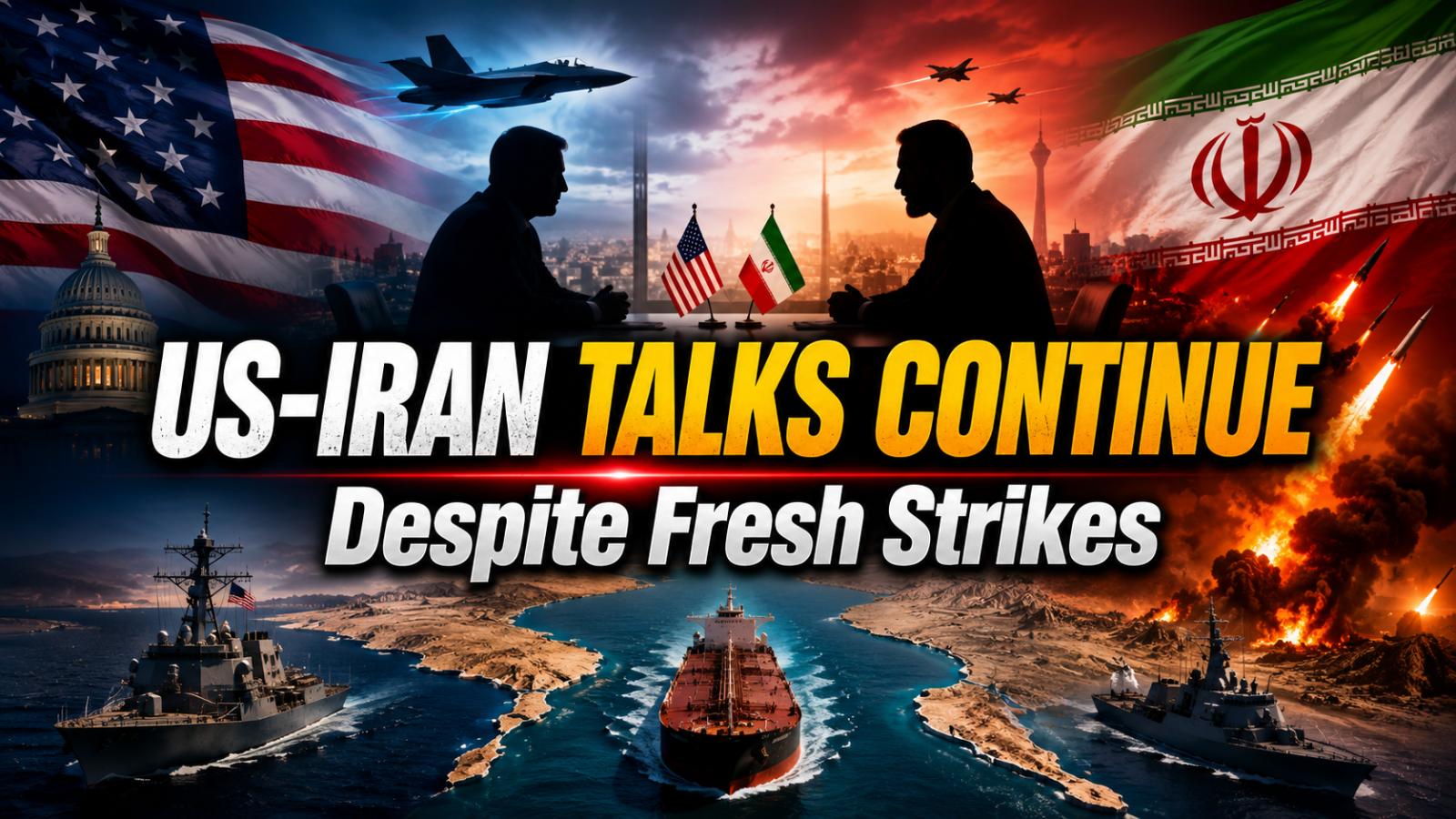
Talks to continue after latest clashes The United States and Iran are expected to continue technical talks aimed at ending the wider conflict in the Middle East despite a recent exchange of attacks, according to a US official. The discussions are linked to a fragile June 17 memorandum of understanding intended to reduce hostilities and create a framework for de-escalation after weeks of rising tension. The offi
US-Iran talks set to resume despite Strait of Hormuz clashes
Talks to continue after latest clashes The United States and Iran are expected to continue technical talks aimed at ending the wider conflict in the Middle East despite a recent exchange of attacks, according to a US official. The discussions are linked to a fragile June 17 memorandum of understanding intended to reduce hostilities and create a framework for de-escalation after weeks of rising tension. The offi
US Military Conducts Self-Defense Strikes on Iranian Missile Sites
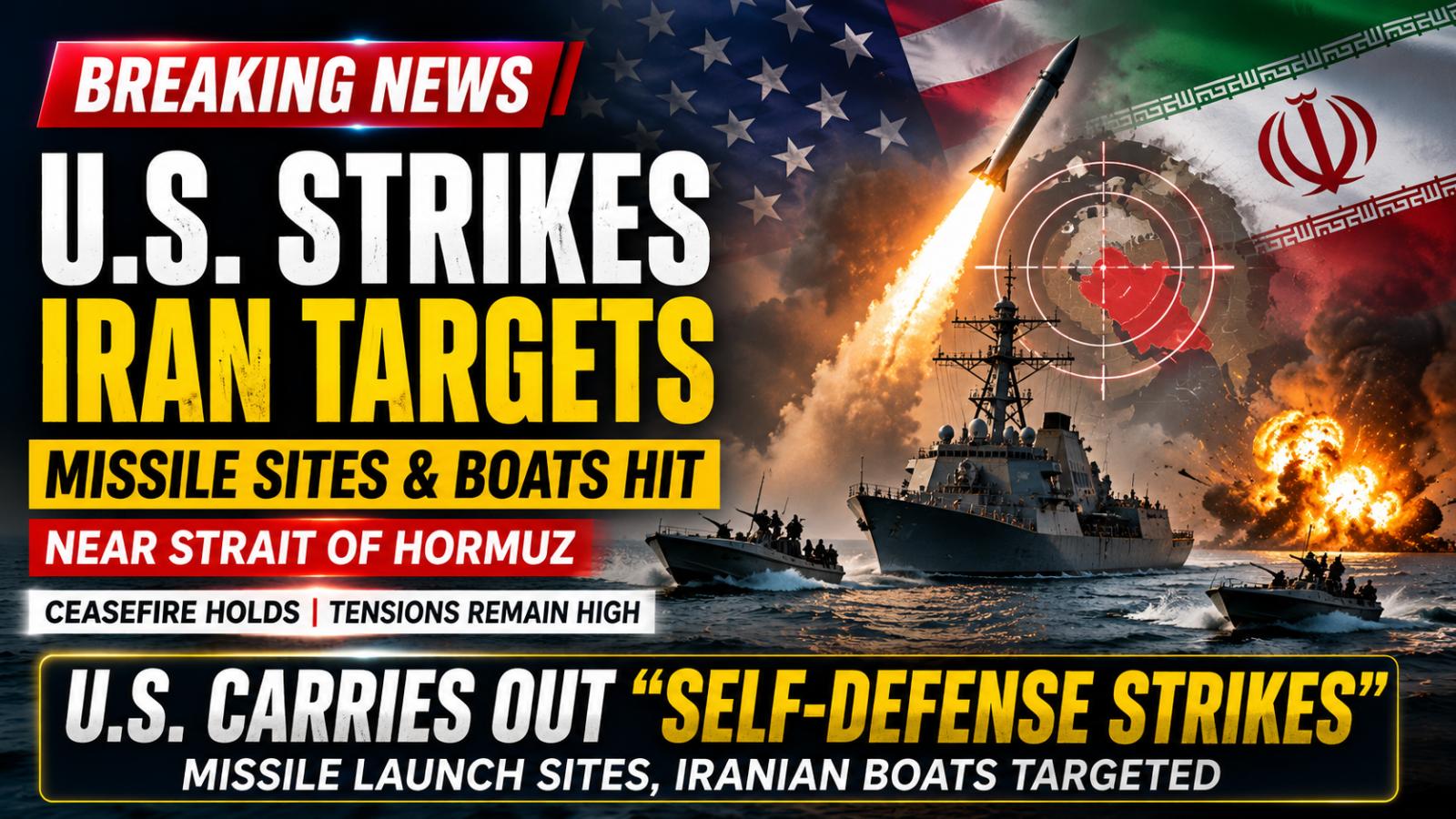
US Military Conducts Strikes on Iranian Targets The US military carried out “self-defense strikes” on Iranian missile launch sites and naval assets near the Strait of Hormuz on Monday, May 25, while a ceasefire remained in effect. According to US Central Command, the operations aimed to protect American forces from potential threats posed by Iranian military activity. Targets reportedly included missile
US Military Conducts Self-Defense Strikes on Iranian Missile Sites
US Military Conducts Strikes on Iranian Targets The US military carried out “self-defense strikes” on Iranian missile launch sites and naval assets near the Strait of Hormuz on Monday, May 25, while a ceasefire remained in effect. According to US Central Command, the operations aimed to protect American forces from potential threats posed by Iranian military activity. Targets reportedly included missile
Iranian strikes damage Qatar’s key infrastructure, new footage reveals
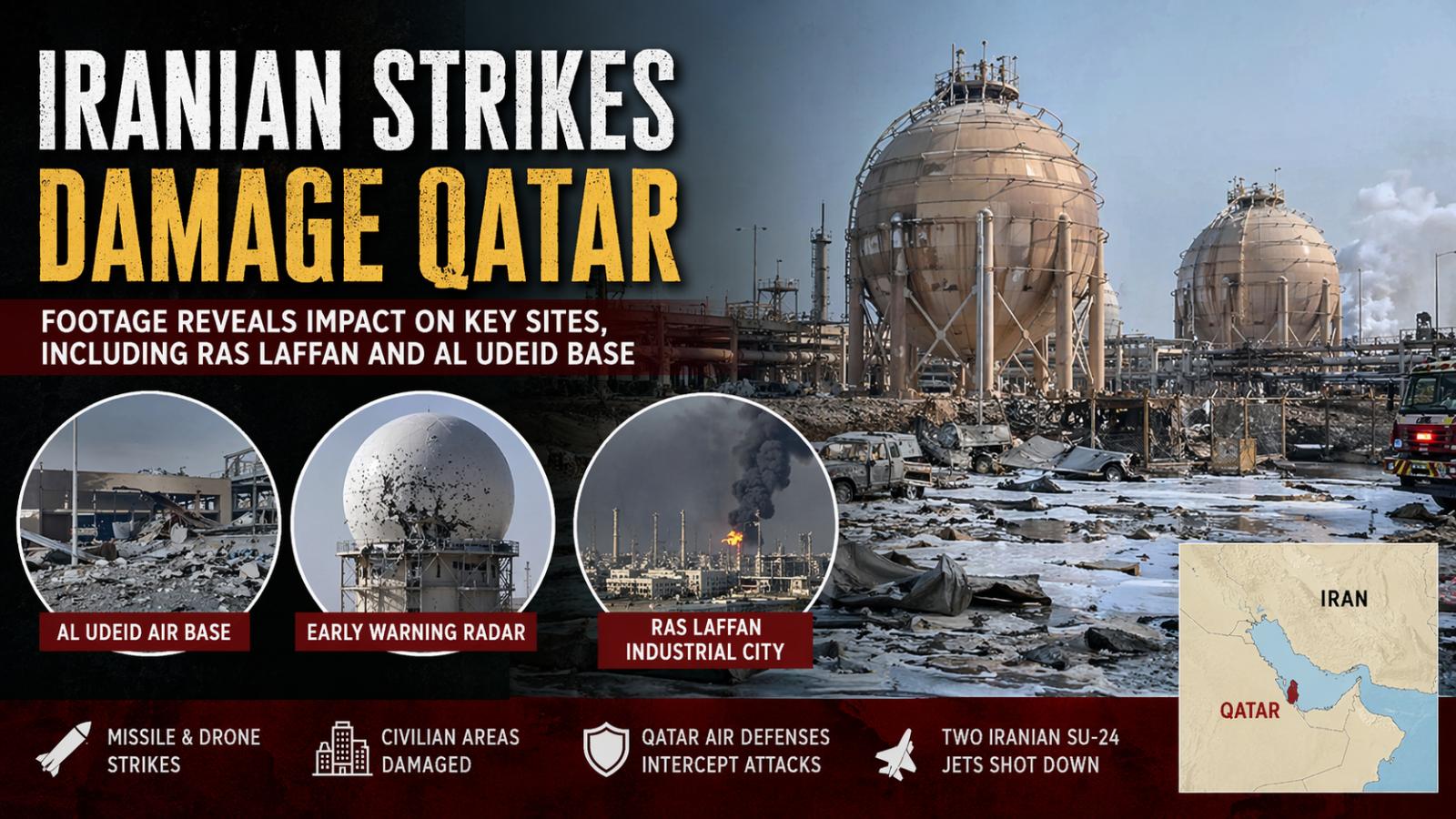
Newly released footage from Qatar provides a detailed look at the extent of damage caused by Iranian missile and drone strikes across the country, highlighting impacts on both military and civilian infrastructure. The visuals, aired in a recent investigative program, show destruction at multiple locations, including the Al Udeid Air Base, early warning radar systems in northern Qatar, and Ras Laffan Industrial City, one of the world’s most critical liquefied natural gas hubs. The
Iranian strikes damage Qatar’s key infrastructure, new footage reveals
Newly released footage from Qatar provides a detailed look at the extent of damage caused by Iranian missile and drone strikes across the country, highlighting impacts on both military and civilian infrastructure. The visuals, aired in a recent investigative program, show destruction at multiple locations, including the Al Udeid Air Base, early warning radar systems in northern Qatar, and Ras Laffan Industrial City, one of the world’s most critical liquefied natural gas hubs. The
US-Israel strikes hit Iran’s Kharg Island, raising global oil concerns
Missile strikes by United States and Israeli forces have reportedly targeted Iran’s strategically vital Kharg Island, significantly escalating tensions in West Asia. According to Iran’s Mehr News, the strikes were reported on Tuesday, April 7, 2026, marking a critical development in the ongoing military campaign known as Operation Epic Fury. Kharg Island, often described as Tehran’s economic lifeline, handles nearly 90% of Iran’s crude oil exports, making it central to globa
US-Israel strikes hit Iran’s Kharg Island, raising global oil concerns
Missile strikes by United States and Israeli forces have reportedly targeted Iran’s strategically vital Kharg Island, significantly escalating tensions in West Asia. According to Iran’s Mehr News, the strikes were reported on Tuesday, April 7, 2026, marking a critical development in the ongoing military campaign known as Operation Epic Fury. Kharg Island, often described as Tehran’s economic lifeline, handles nearly 90% of Iran’s crude oil exports, making it central to globa
US rejects Iran ceasefire response as regional strikes escalate
Escalating tensions across the Middle East intensified after US President Donald Trump said Iran’s response to a proposed ceasefire was “substantial” but ultimately “not good enough,” signaling continued diplomatic strain as military exchanges widened across the region. The remarks came as at least 34 people, including six children, were reported killed in coordinated US-Israeli strikes across Iran. The attacks mark a significant escalation in the ongoing conflict, raisin
US rejects Iran ceasefire response as regional strikes escalate
Escalating tensions across the Middle East intensified after US President Donald Trump said Iran’s response to a proposed ceasefire was “substantial” but ultimately “not good enough,” signaling continued diplomatic strain as military exchanges widened across the region. The remarks came as at least 34 people, including six children, were reported killed in coordinated US-Israeli strikes across Iran. The attacks mark a significant escalation in the ongoing conflict, raisin
US-Israel strike on Iran followed urgent call between Netanyahu and Trump
Less than 48 hours before a joint US-Israeli military operation targeting Iran, Israeli Prime Minister Benjamin Netanyahu made a final appeal to US President Donald Trump, urging swift action as intelligence indicated a narrowing operational window. According to officials, briefings suggested that Iran’s Supreme Leader Ayatollah Ali Khamenei and senior leadership were expected to gather in Tehran, presenting what was described as a rare strategic opportunity. Updated intelligence reportedly showed the meeting had been moved earlier, intensifying the urgency of the decision. Although Trump had already approved military action in principle, the exact timing and scale remained under review. Netanyahu’s call was seen as a decisive moment, reinforcing arguments that delays could result in a missed opportunity. The operation followed months of escalating tensions and unsuccessful diplomatic efforts aimed at addressing Iran’s nuclear programme, which had reached a stalemate. Earlier military actions in June, involving strikes on Iranian nuclear and missile infrastructure, had already heightened hostilities. While US forces later joined Israeli operations in a 12-day campaign, Israeli officials continued to push for a more comprehensive response. Strategic discussions, including high-level meetings, focused on Iran’s advancing missile capabilities and perceived regional threat. Additional geopolitical developments influenced Washington’s approach, including a successful US-backed operation in Venezuela and widespread unrest within Iran, which was met with force by security agencies. US officials had anticipated escalation, warning that any Israeli action could provoke retaliation against American assets and allies in the region. The coordinated strikes began on February 28 after Trump gave final approval. The White House stated that the objective was to weaken Iran’s military infrastructure, curb its missile capabilities, and prevent nuclear weapon development. Trump later announced that Khamenei had been killed during the operation. The aftermath saw immediate retaliation from Iran, disruptions in key shipping routes, and a surge in global oil prices. Reports indicated significant casualties, including Iranian civilians and US personnel. Despite expectations of political change, intelligence assessments had warned that leadership shifts might not moderate Iran’s stance. Khamenei’s son, Mojtaba Khamenei, has since assumed leadership, while security forces continue to maintain control. Both leaders have defended their roles in the decision, with Trump asserting sole responsibility and Netanyahu denying claims of influencing US involvement. However, accounts suggest that the combination of intelligence updates and diplomatic pressure played a critical role in shaping a decision that has significantly altered regional dynamics.
US-Israel strike on Iran followed urgent call between Netanyahu and Trump
Less than 48 hours before a joint US-Israeli military operation targeting Iran, Israeli Prime Minister Benjamin Netanyahu made a final appeal to US President Donald Trump, urging swift action as intelligence indicated a narrowing operational window. According to officials, briefings suggested that Iran’s Supreme Leader Ayatollah Ali Khamenei and senior leadership were expected to gather in Tehran, presenting what was described as a rare strategic opportunity. Updated intelligence reportedly showed the meeting had been moved earlier, intensifying the urgency of the decision. Although Trump had already approved military action in principle, the exact timing and scale remained under review. Netanyahu’s call was seen as a decisive moment, reinforcing arguments that delays could result in a missed opportunity. The operation followed months of escalating tensions and unsuccessful diplomatic efforts aimed at addressing Iran’s nuclear programme, which had reached a stalemate. Earlier military actions in June, involving strikes on Iranian nuclear and missile infrastructure, had already heightened hostilities. While US forces later joined Israeli operations in a 12-day campaign, Israeli officials continued to push for a more comprehensive response. Strategic discussions, including high-level meetings, focused on Iran’s advancing missile capabilities and perceived regional threat. Additional geopolitical developments influenced Washington’s approach, including a successful US-backed operation in Venezuela and widespread unrest within Iran, which was met with force by security agencies. US officials had anticipated escalation, warning that any Israeli action could provoke retaliation against American assets and allies in the region. The coordinated strikes began on February 28 after Trump gave final approval. The White House stated that the objective was to weaken Iran’s military infrastructure, curb its missile capabilities, and prevent nuclear weapon development. Trump later announced that Khamenei had been killed during the operation. The aftermath saw immediate retaliation from Iran, disruptions in key shipping routes, and a surge in global oil prices. Reports indicated significant casualties, including Iranian civilians and US personnel. Despite expectations of political change, intelligence assessments had warned that leadership shifts might not moderate Iran’s stance. Khamenei’s son, Mojtaba Khamenei, has since assumed leadership, while security forces continue to maintain control. Both leaders have defended their roles in the decision, with Trump asserting sole responsibility and Netanyahu denying claims of influencing US involvement. However, accounts suggest that the combination of intelligence updates and diplomatic pressure played a critical role in shaping a decision that has significantly altered regional dynamics.
San Francisco protest erupts after U.S. and Israeli strikes on Iran
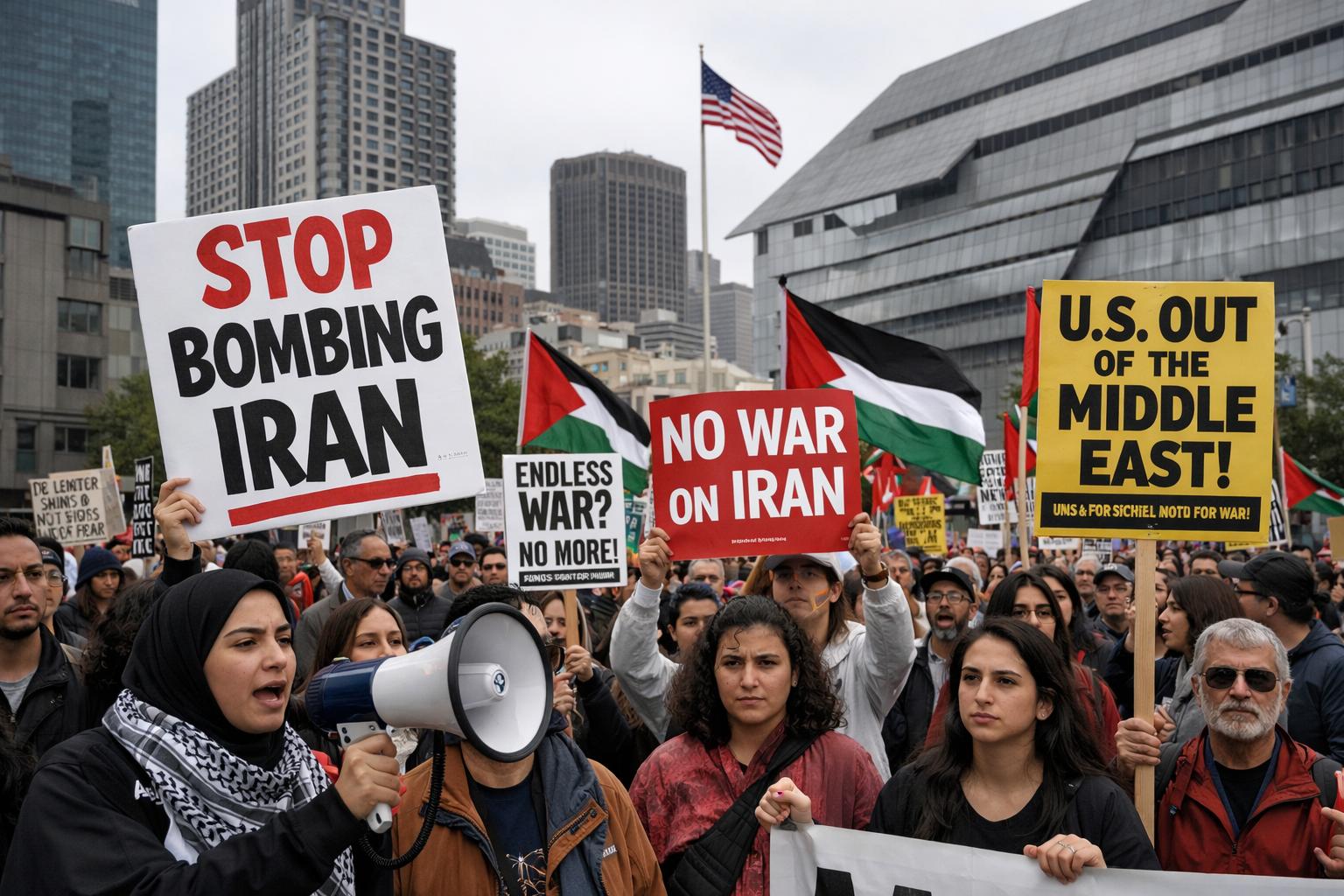
Protesters gathered Saturday outside the federal building in San Francisco to denounce recent U.S. and Israeli strikes on Iran, assembling less than a day after the military action was announced. Demonstrators later marched through downtown streets, chanting anti-war slogans and calling for an end to U.S. involvement in the Middle East. Participants carried signs criticizing military spending, condemning both major political parties, and expressing opposition to immigration enforcement and forei
San Francisco protest erupts after U.S. and Israeli strikes on Iran
Protesters gathered Saturday outside the federal building in San Francisco to denounce recent U.S. and Israeli strikes on Iran, assembling less than a day after the military action was announced. Demonstrators later marched through downtown streets, chanting anti-war slogans and calling for an end to U.S. involvement in the Middle East. Participants carried signs criticizing military spending, condemning both major political parties, and expressing opposition to immigration enforcement and forei
Tulsi Gabbard backs Trump on Iran strikes, cites intel confirming nuclear facility destruction
Tulsi Gabbard, currently serving as the United States Director of National Intelligence, has voiced strong support for President Donald Trump’s assertions regarding the recent military strikes on Iranian nuclear facilities. Amid ongoing speculation about the effectiveness of the operation, Gabbard publicly affirmed that intelligence assessments now confirm the destruction of Iran’s most critical nuclear infrastructure. In a recent online statement, Gabbard echoed Trump


Tulsi Gabbard backs Trump on Iran strikes, cites intel confirming nuclear facility destruction
Tulsi Gabbard, currently serving as the United States Director of National Intelligence, has voiced strong support for President Donald Trump’s assertions regarding the recent military strikes on Iranian nuclear facilities. Amid ongoing speculation about the effectiveness of the operation, Gabbard publicly affirmed that intelligence assessments now confirm the destruction of Iran’s most critical nuclear infrastructure. In a recent online statement, Gabbard echoed Trump
Israel Agrees to Ceasefire After Trump’s Mediation and Strikes on Iran’s Nuclear Targets
In a significant development after days of escalating conflict, Israel has officially agreed to a bilateral ceasefire proposed by former US President Donald Trump. Prime Minister Benjamin Netanyahu’s office issued a statement early this morning confirming that the Israeli government would comply with the ceasefire agreement in light of what it described as the successful achievement of its objectives related to the recent military strikes on Iran’s nuclear
Israel Agrees to Ceasefire After Trump’s Mediation and Strikes on Iran’s Nuclear Targets
In a significant development after days of escalating conflict, Israel has officially agreed to a bilateral ceasefire proposed by former US President Donald Trump. Prime Minister Benjamin Netanyahu’s office issued a statement early this morning confirming that the Israeli government would comply with the ceasefire agreement in light of what it described as the successful achievement of its objectives related to the recent military strikes on Iran’s nuclear
Tensions Escalate as UN Meets Over Iran Strikes, Tehran Pledges Targeted Retaliation
The United Nations Security Council convened on Sunday for an emergency session to address the United States’ recent airstrikes on Iran’s nuclear facilities. The meeting, called at Iran’s request, quickly turned into a tense diplomatic confrontation, with many member states voicing strong disapproval of the military action and warning of its potential consequences for regional and global stability. The strikes, carried out jointly by the United States and Isra
Tensions Escalate as UN Meets Over Iran Strikes, Tehran Pledges Targeted Retaliation
The United Nations Security Council convened on Sunday for an emergency session to address the United States’ recent airstrikes on Iran’s nuclear facilities. The meeting, called at Iran’s request, quickly turned into a tense diplomatic confrontation, with many member states voicing strong disapproval of the military action and warning of its potential consequences for regional and global stability. The strikes, carried out jointly by the United States and Isra
Iran Suffers Major Intelligence Breach as Top IRGC Officials Reportedly Assassinated
In what appears to be a significant escalation in the ongoing covert conflict between Iran and Israel, two top-ranking officials of Iran’s Islamic Revolutionary Guard Corps (IRGC) have reportedly been assassinated in targeted strikes within Iranian territory. Saeed Izadi, a commander in the elite Quds Force known for managing relations with Palestinian militant groups, was reportedly killed in the Shia holy city of Qom, while Behnam Shahryari, the head of the IRGC's Unit 190—r
Iran Suffers Major Intelligence Breach as Top IRGC Officials Reportedly Assassinated
In what appears to be a significant escalation in the ongoing covert conflict between Iran and Israel, two top-ranking officials of Iran’s Islamic Revolutionary Guard Corps (IRGC) have reportedly been assassinated in targeted strikes within Iranian territory. Saeed Izadi, a commander in the elite Quds Force known for managing relations with Palestinian militant groups, was reportedly killed in the Shia holy city of Qom, while Behnam Shahryari, the head of the IRGC's Unit 190—r