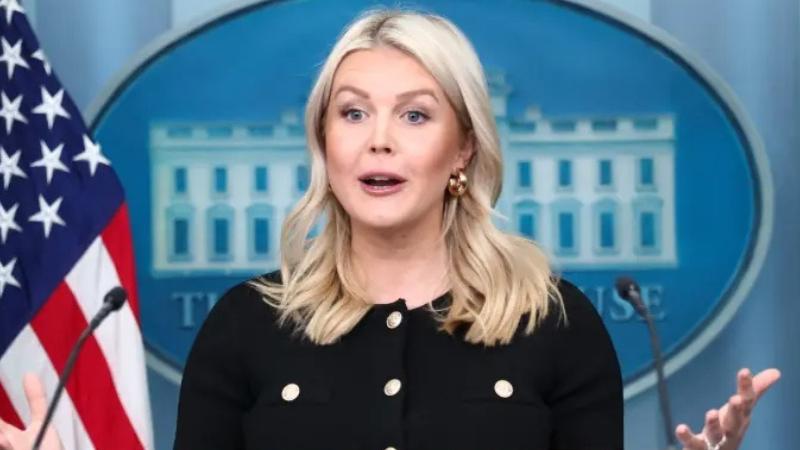
The White House has stirred up fresh controversy amidst the ongoing conflict with Iran by linking the deaths of senior Iranian leaders to failed negotiations with the United States. During a recent briefing, White House Press Secretary Karoline Leavitt claimed that these leaders were eliminated due to misleading the US government during talks aimed at ending the war. Leavitt’s explosive remarks suggested that these leaders had "strung" the US along in negotiations under the previous Trump administration, and as a result, they faced fatal consequences. She pointed out that these officials were no longer "on planet Earth" because of their failure to meet the expectations set by the president.
Despite these strong words, Leavitt confirmed that talks with Iran are still ongoing behind closed doors. The US, she emphasized, would continue to hold Iran accountable for their actions and words during these private negotiations. She also issued a stark warning, saying that failure to adhere to agreements could lead to severe military consequences. The US administration, under President Donald Trump, has indicated that Iran still has a "historic opportunity" to abandon its nuclear ambitions and reach a diplomatic agreement. If not, the consequences would be grave.
President Trump is considering asking Gulf nations to share the financial burden of the ongoing war. Leavitt hinted that Trump is interested in seeking funding from Arab countries, although she did not provide specific details. This comes as the US faces mounting costs for the conflict, and funding for the war is becoming a point of contention within Congress.
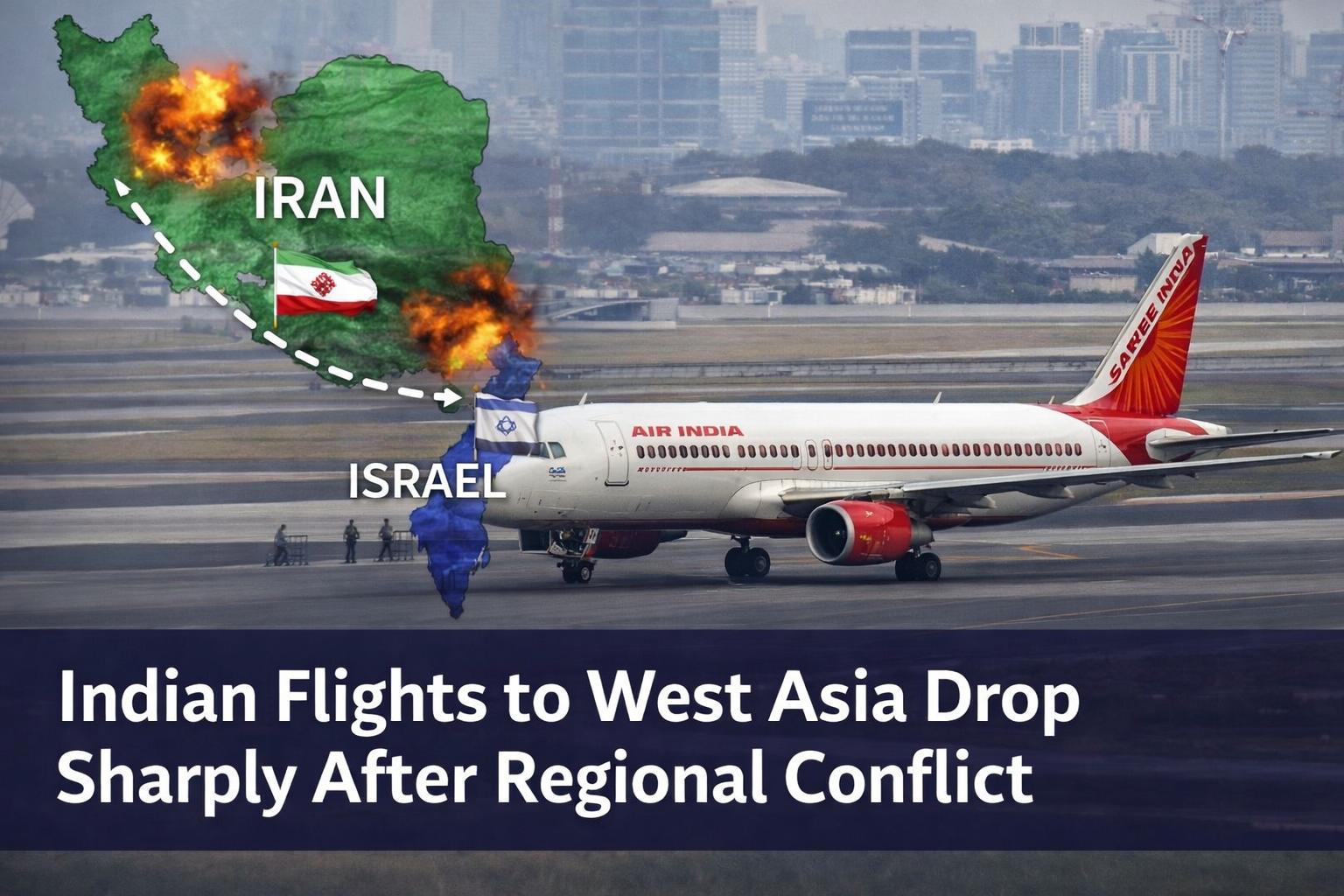
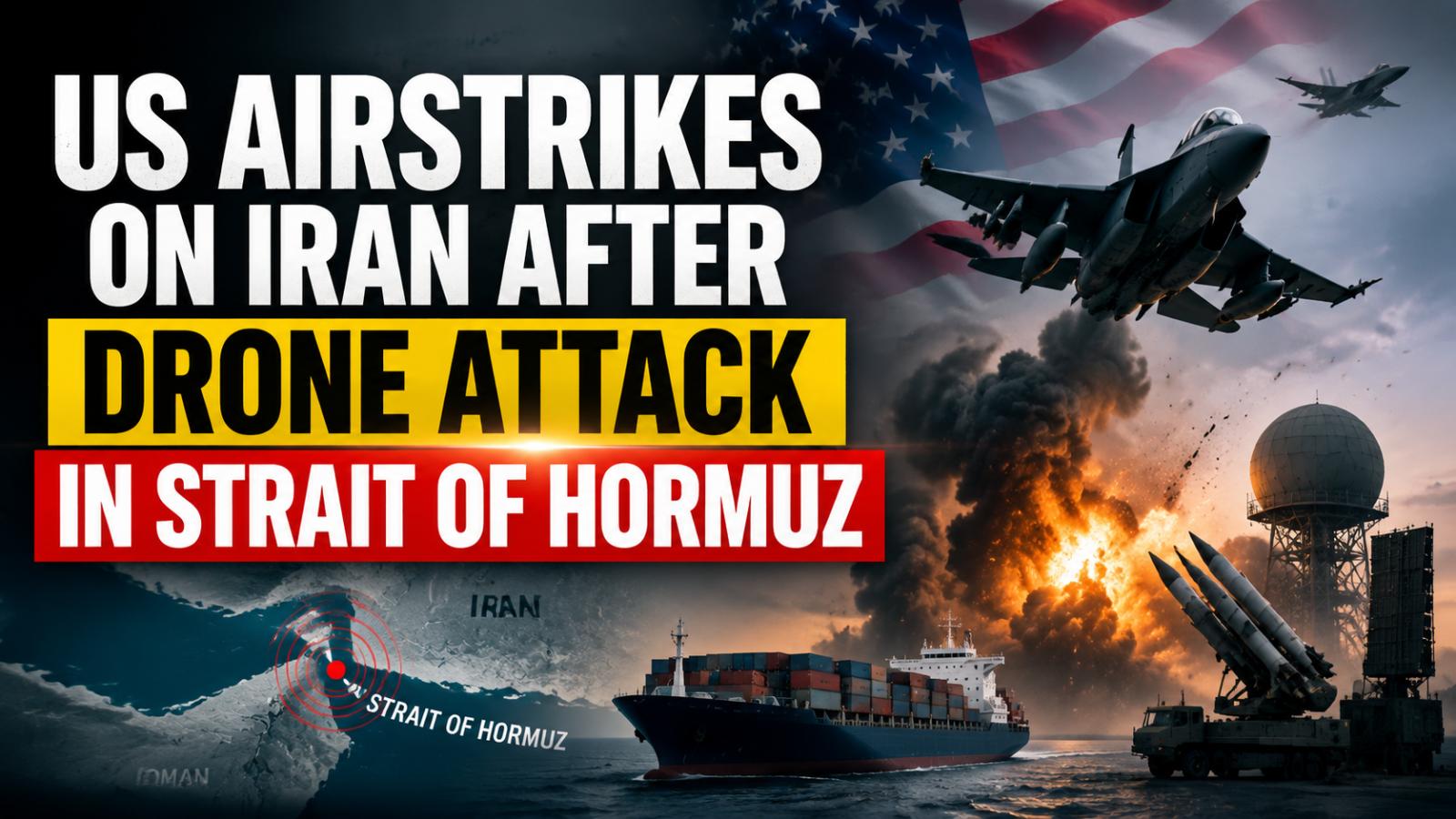
The war, which began with US-Israeli airstrikes on Iran in February, has intensified, with Iran launching missile attacks on Israel and Gulf states, while Israel retaliates against Iranian and Hezbollah targets. The conflict has severely disrupted global energy supplies, with the Strait of Hormuz being effectively blocked, and US troops are now deploying in greater numbers in the region. Despite the escalation, Trump’s administration continues to push for both military and diplomatic pressure, as they try to navigate a path toward a resolution in a volatile geopolitical landscape.