#indo-pacific
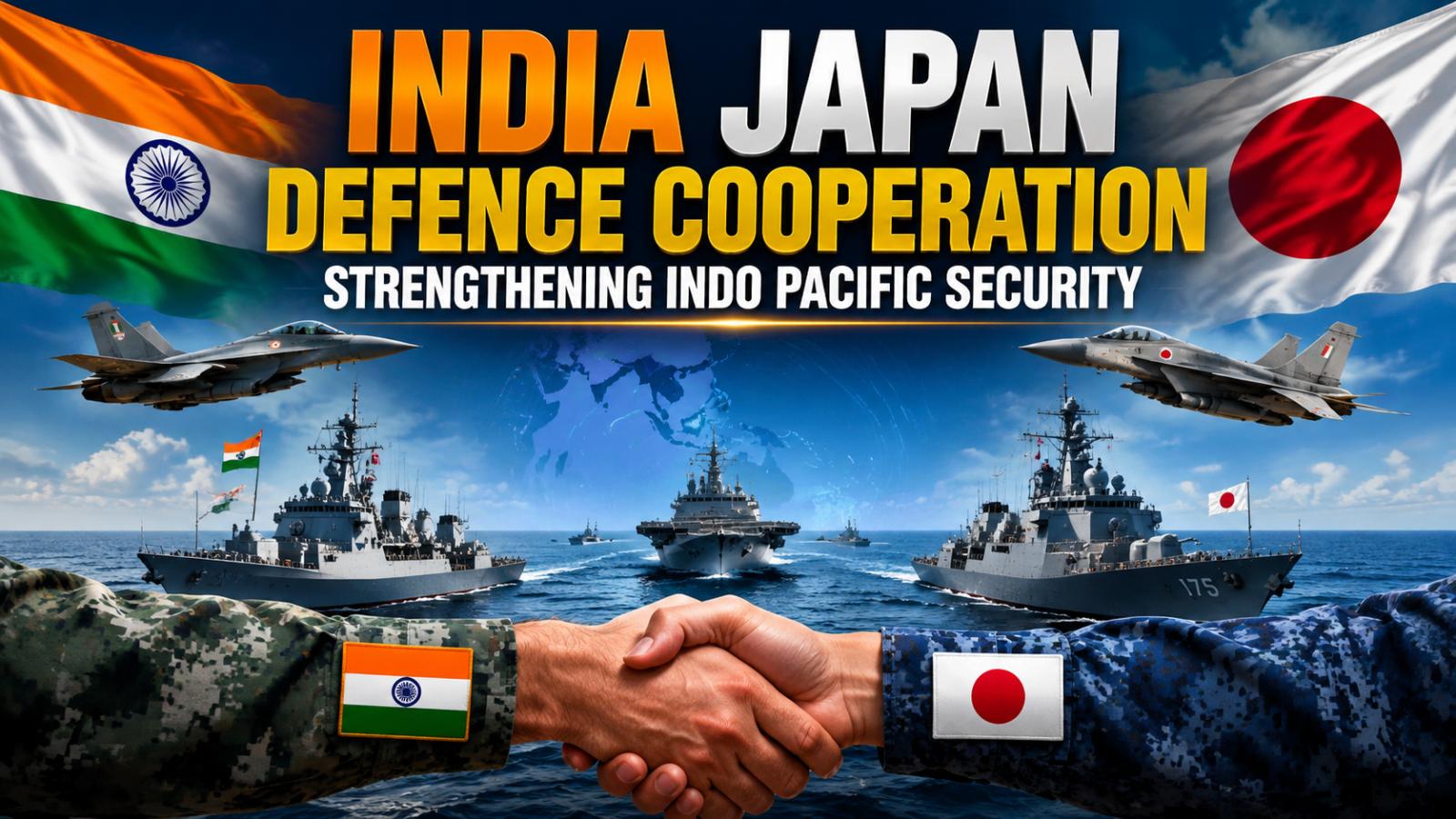
India Japan expand military drills across land sea air
India and Japan are steadily widening their defence partnership with a stronger focus on Indo Pacific stability. The cooperation is no longer limited to symbolic diplomacy and now includes structured military coordination, regular exercises and operational level engagement between the armed forces of both countries. The shared objective is improving readiness and ensuring secure maritime routes across a region that is becoming increasingly contested. Defence dialogue moves into operational coordination High level defence talks between the two countries have evolved into practical coordination mechanisms. Regular 2+2 ministerial meetings have helped align security priorities, especially around regional stability, maritime surveillance and disaster response readiness. This structured engagement has created a foundation for long term interoperability between Indian and Japanese defence forces. Army level training under Dharma Guardian framework The joint Army exercise Dharma Guardian has become a key pillar of land based cooperation. It focuses on counter insurgency operations, jungle warfare and high altitude combat readiness. These drills are designed to improve tactical coordination between the Indian Army and the Japan Ground Self Defence Force, especially in complex terrain scenarios where joint response capability is critical. Naval cooperation through Malabar, JIMEX and MILAN Maritime collaboration remains the strongest pillar of this partnership. Exercises like Malabar, JIMEX and MILAN bring together naval forces to train in anti submarine warfare, sea lane protection and coordinated fleet operations. These drills improve communication and operational compatibility between navies, while also strengthening surveillance across key Indo Pacific shipping routes. Air force integration under Veer Guardian exercises Air cooperation has also expanded through joint training activities such as Veer Guardian. These exercises involve fighter aircraft operations, tactical missions and coordinated aerial drills between the Indian Air Force and the Japan Air Self Defence Force. The focus is on improving mission readiness and developing shared operational understanding in air combat scenarios. Defence technology and industrial cooperation Beyond field exercises, both countries are deepening collaboration in defence technology. Areas such as maritime surveillance systems, sensors and advanced naval equipment are gaining attention. Technology transfer initiatives and joint development discussions are gradually shaping a more integrated defence industrial partnership. Long term Indo Pacific security outlook The India Japan defence partnership is expected to grow further as regional security dynamics continue to evolve. Both countries are increasingly aligned on maintaining freedom of navigation, securing trade routes and responding to emerging maritime threats. This cooperation is positioning them as important contributors to Indo Pacific stability rather than passive regional players.
India Japan expand military drills across land sea air
India and Japan are steadily widening their defence partnership with a stronger focus on Indo Pacific stability. The cooperation is no longer limited to symbolic diplomacy and now includes structured military coordination, regular exercises and operational level engagement between the armed forces of both countries. The shared objective is improving readiness and ensuring secure maritime routes across a region that is becoming increasingly contested. Defence dialogue moves into operational coordination High level defence talks between the two countries have evolved into practical coordination mechanisms. Regular 2+2 ministerial meetings have helped align security priorities, especially around regional stability, maritime surveillance and disaster response readiness. This structured engagement has created a foundation for long term interoperability between Indian and Japanese defence forces. Army level training under Dharma Guardian framework The joint Army exercise Dharma Guardian has become a key pillar of land based cooperation. It focuses on counter insurgency operations, jungle warfare and high altitude combat readiness. These drills are designed to improve tactical coordination between the Indian Army and the Japan Ground Self Defence Force, especially in complex terrain scenarios where joint response capability is critical. Naval cooperation through Malabar, JIMEX and MILAN Maritime collaboration remains the strongest pillar of this partnership. Exercises like Malabar, JIMEX and MILAN bring together naval forces to train in anti submarine warfare, sea lane protection and coordinated fleet operations. These drills improve communication and operational compatibility between navies, while also strengthening surveillance across key Indo Pacific shipping routes. Air force integration under Veer Guardian exercises Air cooperation has also expanded through joint training activities such as Veer Guardian. These exercises involve fighter aircraft operations, tactical missions and coordinated aerial drills between the Indian Air Force and the Japan Air Self Defence Force. The focus is on improving mission readiness and developing shared operational understanding in air combat scenarios. Defence technology and industrial cooperation Beyond field exercises, both countries are deepening collaboration in defence technology. Areas such as maritime surveillance systems, sensors and advanced naval equipment are gaining attention. Technology transfer initiatives and joint development discussions are gradually shaping a more integrated defence industrial partnership. Long term Indo Pacific security outlook The India Japan defence partnership is expected to grow further as regional security dynamics continue to evolve. Both countries are increasingly aligned on maintaining freedom of navigation, securing trade routes and responding to emerging maritime threats. This cooperation is positioning them as important contributors to Indo Pacific stability rather than passive regional players.
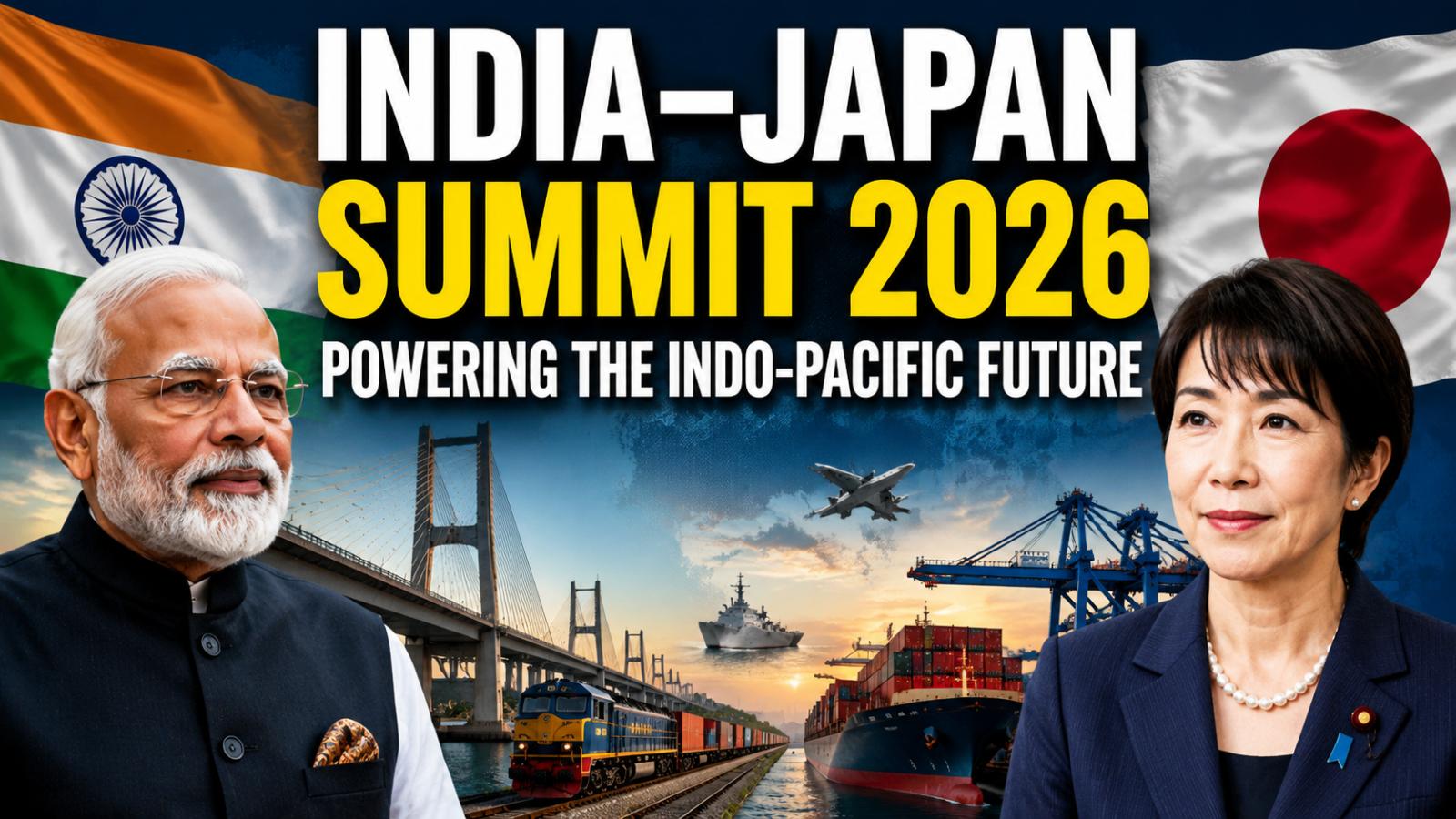
India Japan summit 2026 reshapes Indo Pacific alignment
The latest round of strategic talks between India and Japan signals a shift from broad diplomatic alignment to project-driven cooperation. The visit by Japanese Prime Minister Sanae Takaichi marks a renewed focus on infrastructure delivery, supply chain redesign, and
India Japan summit 2026 reshapes Indo Pacific alignment
The latest round of strategic talks between India and Japan signals a shift from broad diplomatic alignment to project-driven cooperation. The visit by Japanese Prime Minister Sanae Takaichi marks a renewed focus on infrastructure delivery, supply chain redesign, and
US signals India trade agreement close after key talks
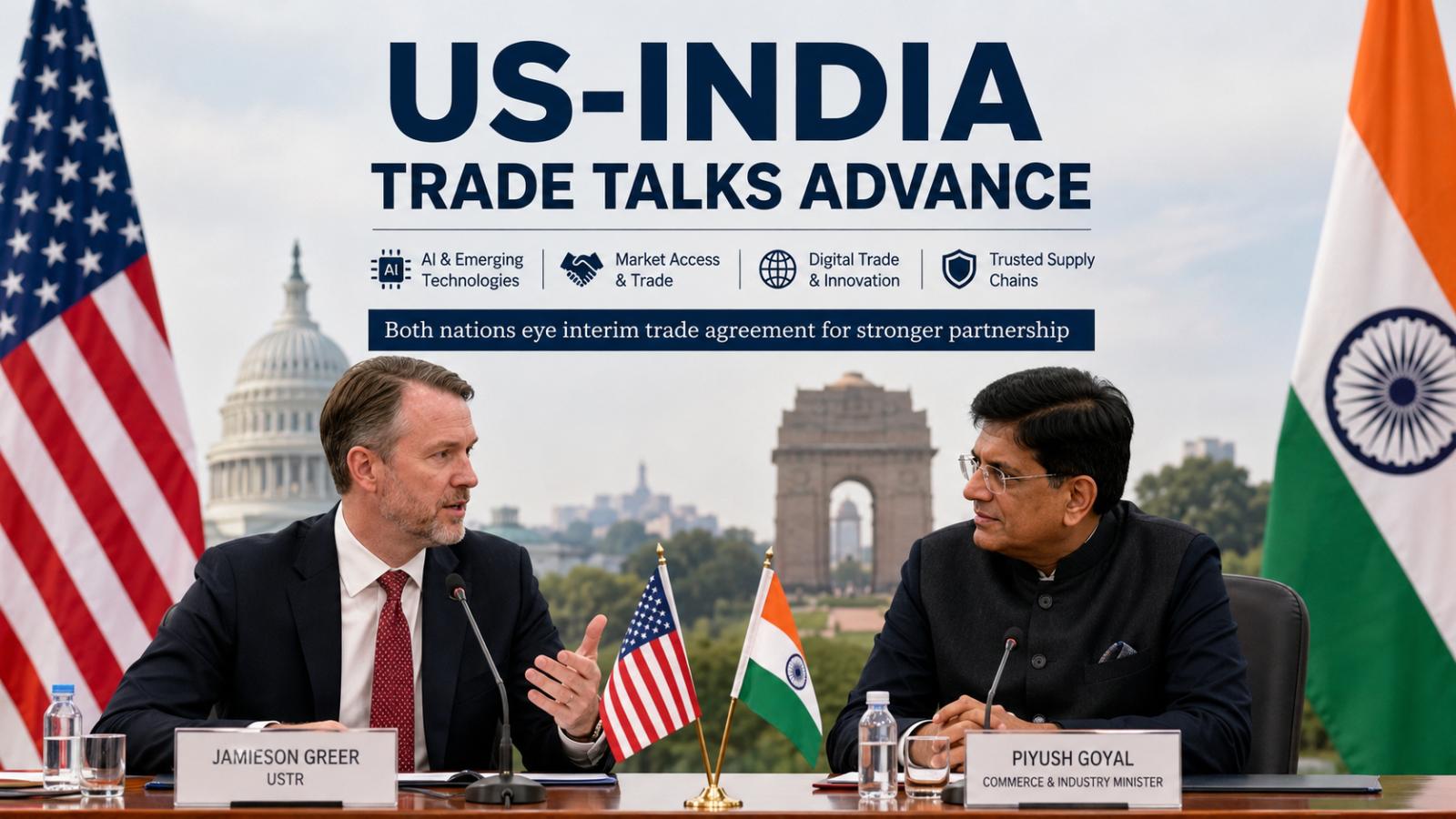
India and the United States are edging closer to a structured trade agreement after fresh negotiations indicated reduced gaps on several contentious issues. US officials described the discussions as the most constructive phase so far, suggesting that a framework deal is now within reach, even though final clearance is still pending. The talks are part of a broader effort to establish a long-term Bilateral Trade Agreement aimed at improving market access, easing tariff friction, and stabilizing supply chain cooperation between the two economies. Tariff reduction and market access remain central issues At the core of the negotiations are tariff structures and access to each other’s markets. The United States is pushing for wider entry for industrial and agricultural goods, while India is focused on protecting sensitive domestic sectors while expanding export opportunities in technology, textiles, and pharmaceuticals. Both sides are trying to balance domestic political pressures with the need to expand bilateral trade volumes, which currently remain below their long-term potential despite strong economic ties. Digital trade and pharmaceutical rules under review A significant portion of the discussion is now centered on digital trade regulations and pharmaceutical standards. The US is seeking clearer digital data flow rules and stronger intellectual property protections, while India is prioritizing flexibility for its growing digital economy and affordable healthcare exports. Pharmaceutical trade remains a key pillar, with India seeking smoother regulatory pathways for generic drug exports, while the US is focusing on compliance and quality standard alignment. Strategic economic alignment driving urgency The urgency behind the negotiations is being shaped by global supply chain realignment and geopolitical competition. Both countries are increasingly aligning their trade policies within the Indo-Pacific framework, with an emphasis on reducing dependency on concentrated manufacturing hubs. India is positioning itself as an alternative global manufacturing base, while the US is looking to diversify sourcing and strengthen resilient supply networks. Next phase depends on unresolved policy gaps Despite visible progress, the agreement is not finalized. Several policy differences still need resolution, particularly around tariff ceilings, digital governance, and sector-specific protections. Officials from both sides are expected to continue technical-level discussions before moving toward a formalized trade framework. A final agreement timeline has not been confirmed, but momentum suggests continued acceleration in the coming months.
US signals India trade agreement close after key talks
India and the United States are edging closer to a structured trade agreement after fresh negotiations indicated reduced gaps on several contentious issues. US officials described the discussions as the most constructive phase so far, suggesting that a framework deal is now within reach, even though final clearance is still pending. The talks are part of a broader effort to establish a long-term Bilateral Trade Agreement aimed at improving market access, easing tariff friction, and stabilizing supply chain cooperation between the two economies. Tariff reduction and market access remain central issues At the core of the negotiations are tariff structures and access to each other’s markets. The United States is pushing for wider entry for industrial and agricultural goods, while India is focused on protecting sensitive domestic sectors while expanding export opportunities in technology, textiles, and pharmaceuticals. Both sides are trying to balance domestic political pressures with the need to expand bilateral trade volumes, which currently remain below their long-term potential despite strong economic ties. Digital trade and pharmaceutical rules under review A significant portion of the discussion is now centered on digital trade regulations and pharmaceutical standards. The US is seeking clearer digital data flow rules and stronger intellectual property protections, while India is prioritizing flexibility for its growing digital economy and affordable healthcare exports. Pharmaceutical trade remains a key pillar, with India seeking smoother regulatory pathways for generic drug exports, while the US is focusing on compliance and quality standard alignment. Strategic economic alignment driving urgency The urgency behind the negotiations is being shaped by global supply chain realignment and geopolitical competition. Both countries are increasingly aligning their trade policies within the Indo-Pacific framework, with an emphasis on reducing dependency on concentrated manufacturing hubs. India is positioning itself as an alternative global manufacturing base, while the US is looking to diversify sourcing and strengthen resilient supply networks. Next phase depends on unresolved policy gaps Despite visible progress, the agreement is not finalized. Several policy differences still need resolution, particularly around tariff ceilings, digital governance, and sector-specific protections. Officials from both sides are expected to continue technical-level discussions before moving toward a formalized trade framework. A final agreement timeline has not been confirmed, but momentum suggests continued acceleration in the coming months.
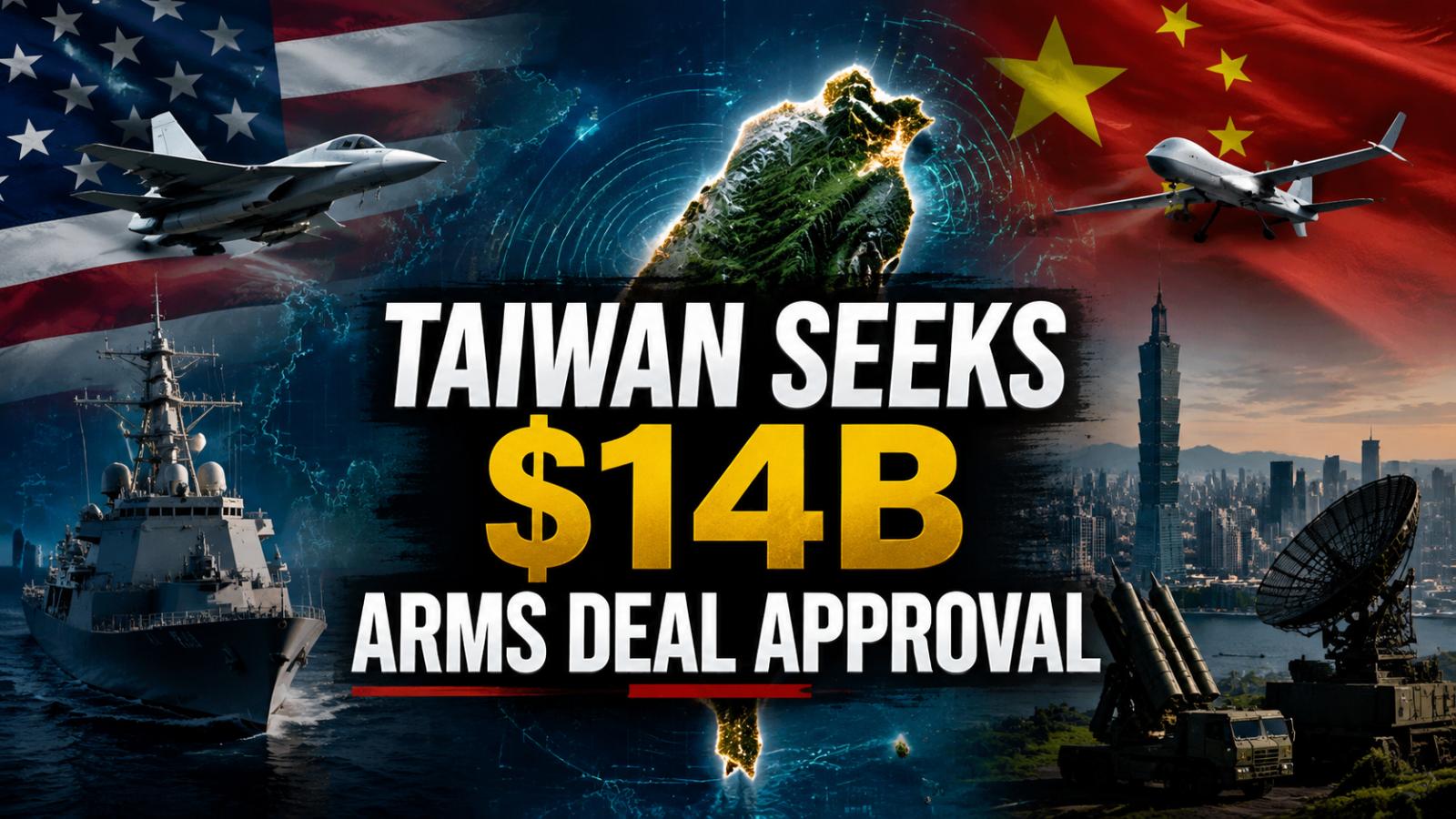
Taiwan presses US for $14bn arms approval amid China tensions
Taiwan has renewed its push for approval of a proposed $14 billion defense package from the United States, arguing that its security environment has become increasingly unstable. The request comes at a time when military activity and political messaging across the Taiwan Strait have intensified, placing additional pressure on Washington’s strategic decision-making. US officials are currently evaluating the proposal through standard defense export channels, weighing supply constrai
Taiwan presses US for $14bn arms approval amid China tensions
Taiwan has renewed its push for approval of a proposed $14 billion defense package from the United States, arguing that its security environment has become increasingly unstable. The request comes at a time when military activity and political messaging across the Taiwan Strait have intensified, placing additional pressure on Washington’s strategic decision-making. US officials are currently evaluating the proposal through standard defense export channels, weighing supply constrai
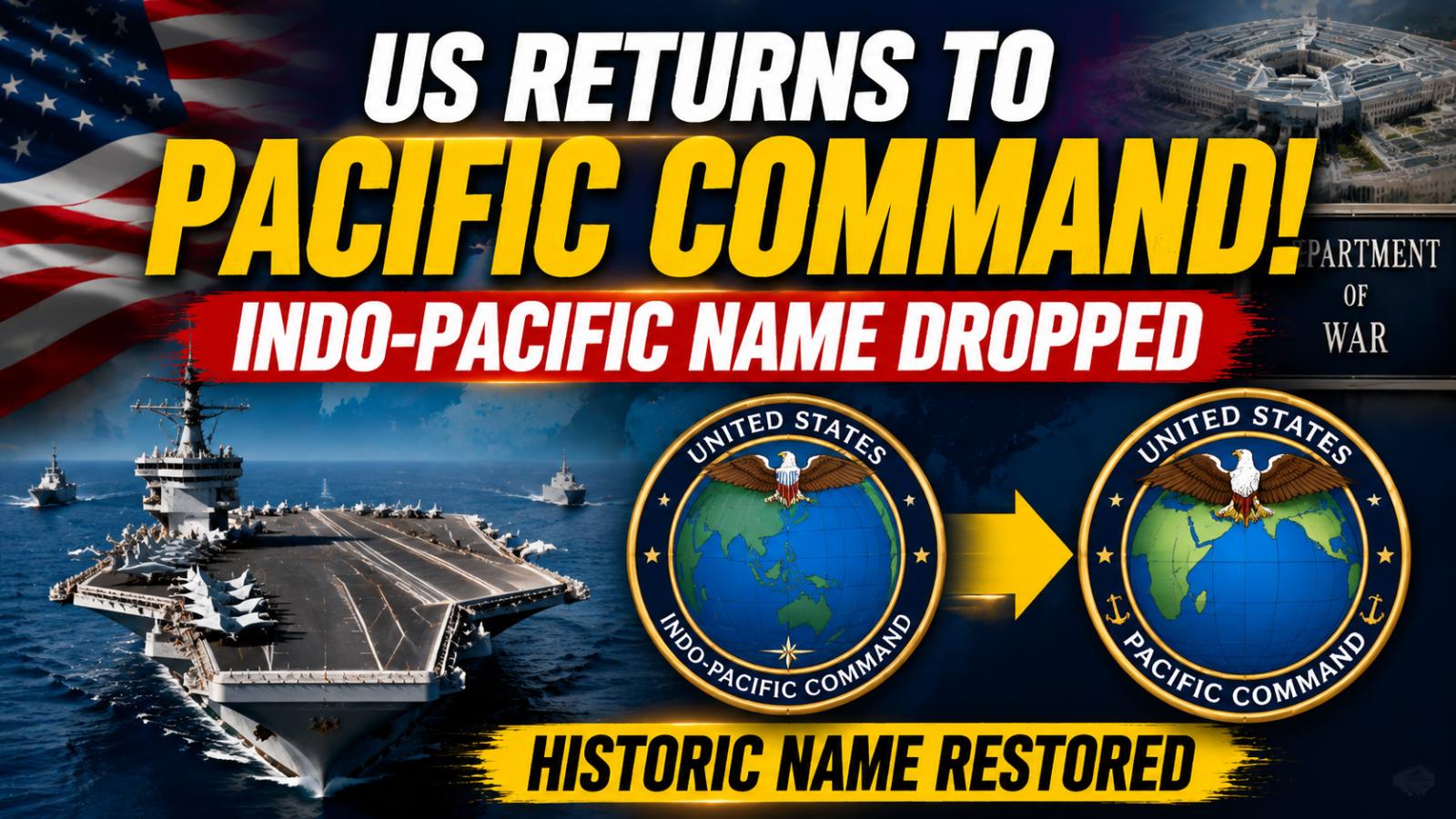
Pentagon reverts Indo-Pacific Command to US Pacific Command title
US Restores Pacific Command Name in Symbolic Military Rebranding The United States Department of War has officially renamed its largest military command, reverting the Indo-Pacific Command back to its original designation, US Pacific Command. The announcement was made on Tuesday, June 16,2026 with officials confirming that the change is symbolic and will not alter operational responsibilities, deployment st
Pentagon reverts Indo-Pacific Command to US Pacific Command title
US Restores Pacific Command Name in Symbolic Military Rebranding The United States Department of War has officially renamed its largest military command, reverting the Indo-Pacific Command back to its original designation, US Pacific Command. The announcement was made on Tuesday, June 16,2026 with officials confirming that the change is symbolic and will not alter operational responsibilities, deployment st
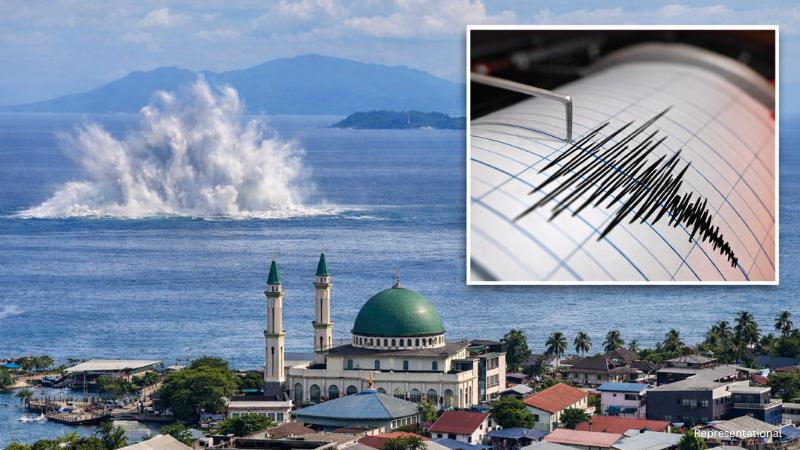
Strong earthquake strikes near Indonesia’s Talaud Islands, no tsunami threat reported
A strong earthquake struck off the coast of Indonesia’s Talaud Islands on Saturday, triggering widespread concern across parts of the northern Sulawesi region but causing no immediate reports of damage or casualties, according to monitoring agencies. The tremor highlighted the country’s ongoing vulnerability to seismic events due to its location along one of the world’s most active tectonic zones. The German Research Center for Geosciences reported that the earthquake measured
Strong earthquake strikes near Indonesia’s Talaud Islands, no tsunami threat reported
A strong earthquake struck off the coast of Indonesia’s Talaud Islands on Saturday, triggering widespread concern across parts of the northern Sulawesi region but causing no immediate reports of damage or casualties, according to monitoring agencies. The tremor highlighted the country’s ongoing vulnerability to seismic events due to its location along one of the world’s most active tectonic zones. The German Research Center for Geosciences reported that the earthquake measured
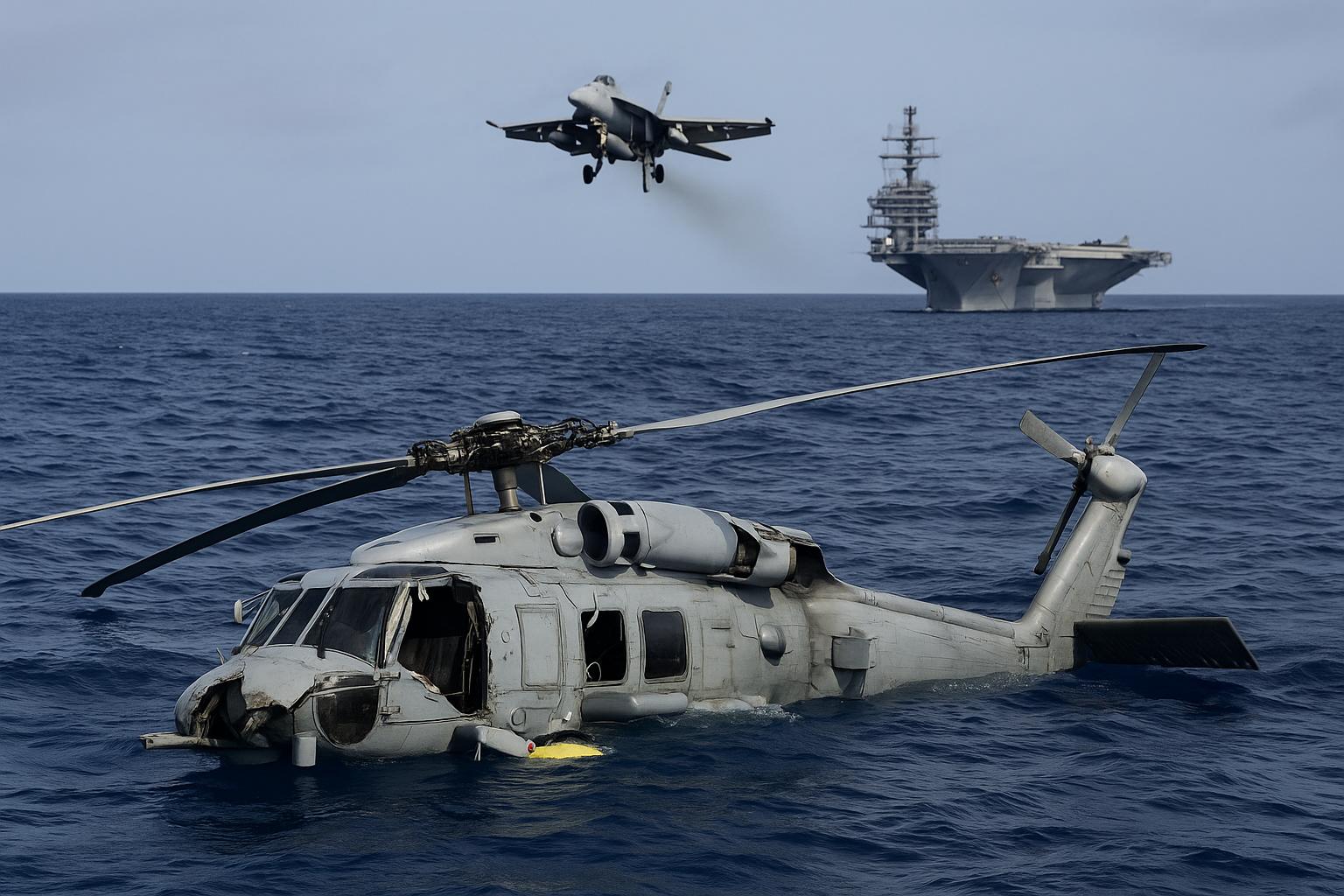
US Navy helicopter and jet crash in South China Sea amid Indo-Pacific tensions
Amid heightened tensions in the Indo-Pacific, two separate US Navy aircraft — a helicopter and a fighter jet — crashed into the South China Sea on Sunday during routine operations. The incidents have reignited regional security concerns as the United States continues its strategic presence in the disputed waters, where China maintains sweeping territorial claims. According to a statement from the US Pacific Fleet, the first incident involved an MH-60R Seahawk helicopter assigned
US Navy helicopter and jet crash in South China Sea amid Indo-Pacific tensions
Amid heightened tensions in the Indo-Pacific, two separate US Navy aircraft — a helicopter and a fighter jet — crashed into the South China Sea on Sunday during routine operations. The incidents have reignited regional security concerns as the United States continues its strategic presence in the disputed waters, where China maintains sweeping territorial claims. According to a statement from the US Pacific Fleet, the first incident involved an MH-60R Seahawk helicopter assigned
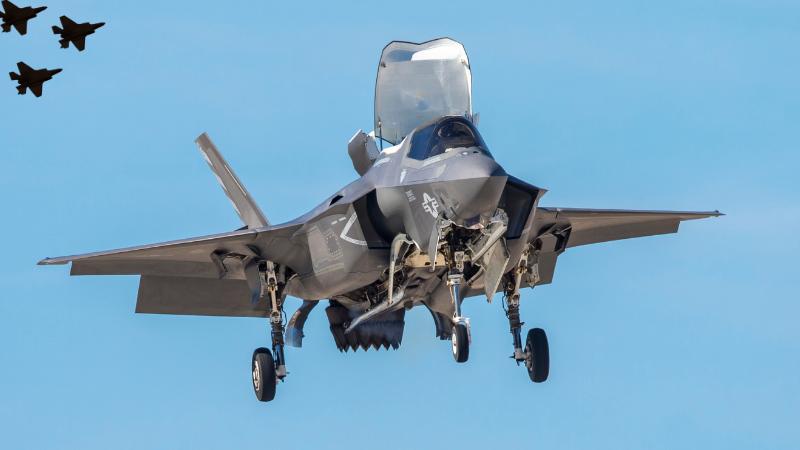
Retired US generals push for F-35 and E-7 funding amid growing Taiwan tensions
A group of senior retired United States Air Force generals has issued an urgent appeal to lawmakers, warning that proposed cuts to advanced fighter jets and airborne command systems would critically weaken national defense at a time of rising geopolitical tension. Specifically, the generals are calling for full funding to procure 75 F-35A fighter jets and to restore investment in the E-7 airborne early warning and control aircraft in the next fiscal year. In a detailed letter sent
Retired US generals push for F-35 and E-7 funding amid growing Taiwan tensions
A group of senior retired United States Air Force generals has issued an urgent appeal to lawmakers, warning that proposed cuts to advanced fighter jets and airborne command systems would critically weaken national defense at a time of rising geopolitical tension. Specifically, the generals are calling for full funding to procure 75 F-35A fighter jets and to restore investment in the E-7 airborne early warning and control aircraft in the next fiscal year. In a detailed letter sent
India and US to Sign New 10-Year Defence Deal Strengthening Strategic Partnership
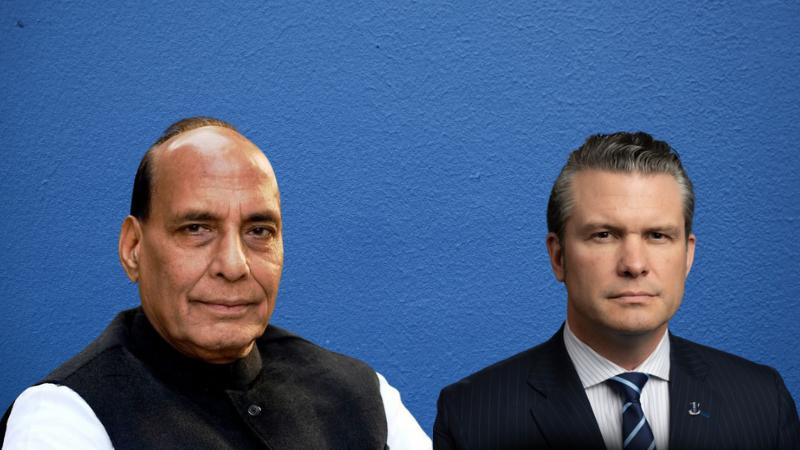
India and the United States have agreed to finalize a new 10-year defence partnership framework aimed at deepening strategic and military cooperation between the two countries. The agreement is expected to be signed later this year when India's Defence Minister Rajnath Singh meets with US Secretary of Defence Pete Hegseth, according to a Pentagon spokesperson. The decision to move forward with the long-term framework was made during a recent phone call between Singh and Heg
India and US to Sign New 10-Year Defence Deal Strengthening Strategic Partnership
India and the United States have agreed to finalize a new 10-year defence partnership framework aimed at deepening strategic and military cooperation between the two countries. The agreement is expected to be signed later this year when India's Defence Minister Rajnath Singh meets with US Secretary of Defence Pete Hegseth, according to a Pentagon spokesperson. The decision to move forward with the long-term framework was made during a recent phone call between Singh and Heg
India Signs Rs 63,000 Crore Deal with France for 26 Rafale-M Jets to Boost Naval Power
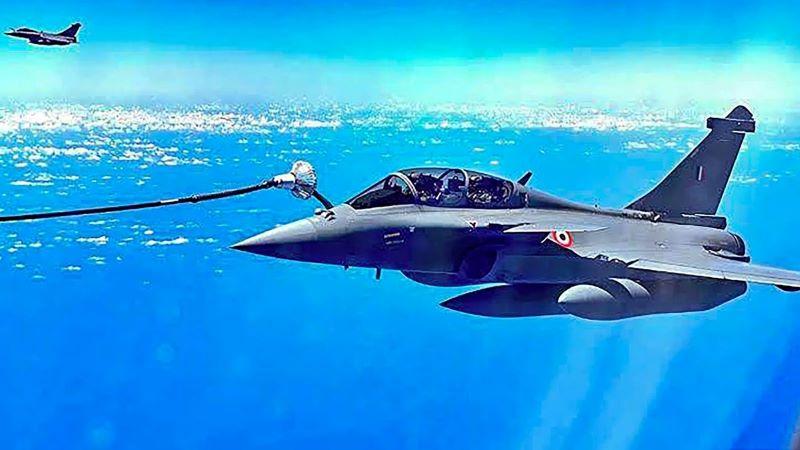
In a landmark defense agreement, India has signed a Rs 63,000 crore government-to-government deal with France to procure 26 Rafale-Marine fighter jets, aimed at strengthening the Indian Navy’s combat capabilities amid rising maritime challenges posed by China in the Indo-Pacific region. The contract was signed under an Inter-Governmental Agreement (IGA), ensuring direct procurement without any intermediaries. The agreement covers the delivery of 22 single-seater Rafale-M jets and four t
India Signs Rs 63,000 Crore Deal with France for 26 Rafale-M Jets to Boost Naval Power
In a landmark defense agreement, India has signed a Rs 63,000 crore government-to-government deal with France to procure 26 Rafale-Marine fighter jets, aimed at strengthening the Indian Navy’s combat capabilities amid rising maritime challenges posed by China in the Indo-Pacific region. The contract was signed under an Inter-Governmental Agreement (IGA), ensuring direct procurement without any intermediaries. The agreement covers the delivery of 22 single-seater Rafale-M jets and four t