College Financial Aid Under $250,000: FAFSA, CSS Profile and Net Cost Explained
Families earning under $250,000 may still qualify for college financial aid, but the amount depends on the school, household finances, assets, application forms and the college’s total cost of attendance. There is no single U.S. rule that gives every family below $250,000 free tuition. Some selective private universities offer generous income-based grants, while public colleges and smaller institutions may use different formulas. The final amount often depends on the difference be
College Financial Aid Under $250,000: FAFSA, CSS Profile and Net Cost Explained
Families earning under $250,000 may still qualify for college financial aid, but the amount depends on the school, household finances, assets, application forms and the college’s total cost of attendance. There is no single U.S. rule that gives every family below $250,000 free tuition. Some selective private universities offer generous income-based grants, while public colleges and smaller institutions may use different formulas. The final amount often depends on the difference be
UChicago Free Tuition 2027: Who Qualifies Under the $250,000 Family Income Plan
The University of Chicago will offer free tuition beginning in Autumn Quarter 2027 for eligible undergraduate students from families earning less than $250,000 a year, the university announced on Wednesday, May 13, 2026. The expanded UChicago financial aid plan is designed to make college costs clearer for families, especially middle-income households weighing the cost of a private university education. UChicago Free Tuition 2027 Eligibility
UChicago Free Tuition 2027: Who Qualifies Under the $250,000 Family Income Plan
The University of Chicago will offer free tuition beginning in Autumn Quarter 2027 for eligible undergraduate students from families earning less than $250,000 a year, the university announced on Wednesday, May 13, 2026. The expanded UChicago financial aid plan is designed to make college costs clearer for families, especially middle-income households weighing the cost of a private university education. UChicago Free Tuition 2027 Eligibility
Trump China Visit Spotlights Jet Lag and Long-Haul Travel Strain
President Donald Trump’s state visit to China on Thursday, May 14, 2026, placed U.S.-China diplomacy under global attention and also highlighted a practical challenge familiar to long-haul travelers: jet lag. Chinese officials said Trump and Chinese President Xi Jinping held talks on the morning of Thursday, May 14, 2026, at the Great Hall of the People in Beijing, where major issues included U.S.-China relations and international concerns. Why Jet Lag Matters on High-Pressure Tr
Trump China Visit Spotlights Jet Lag and Long-Haul Travel Strain
President Donald Trump’s state visit to China on Thursday, May 14, 2026, placed U.S.-China diplomacy under global attention and also highlighted a practical challenge familiar to long-haul travelers: jet lag. Chinese officials said Trump and Chinese President Xi Jinping held talks on the morning of Thursday, May 14, 2026, at the Great Hall of the People in Beijing, where major issues included U.S.-China relations and international concerns. Why Jet Lag Matters on High-Pressure Tr
Nvidia CEO Joins Trump’s China Trip as AI Chip Stakes Rise
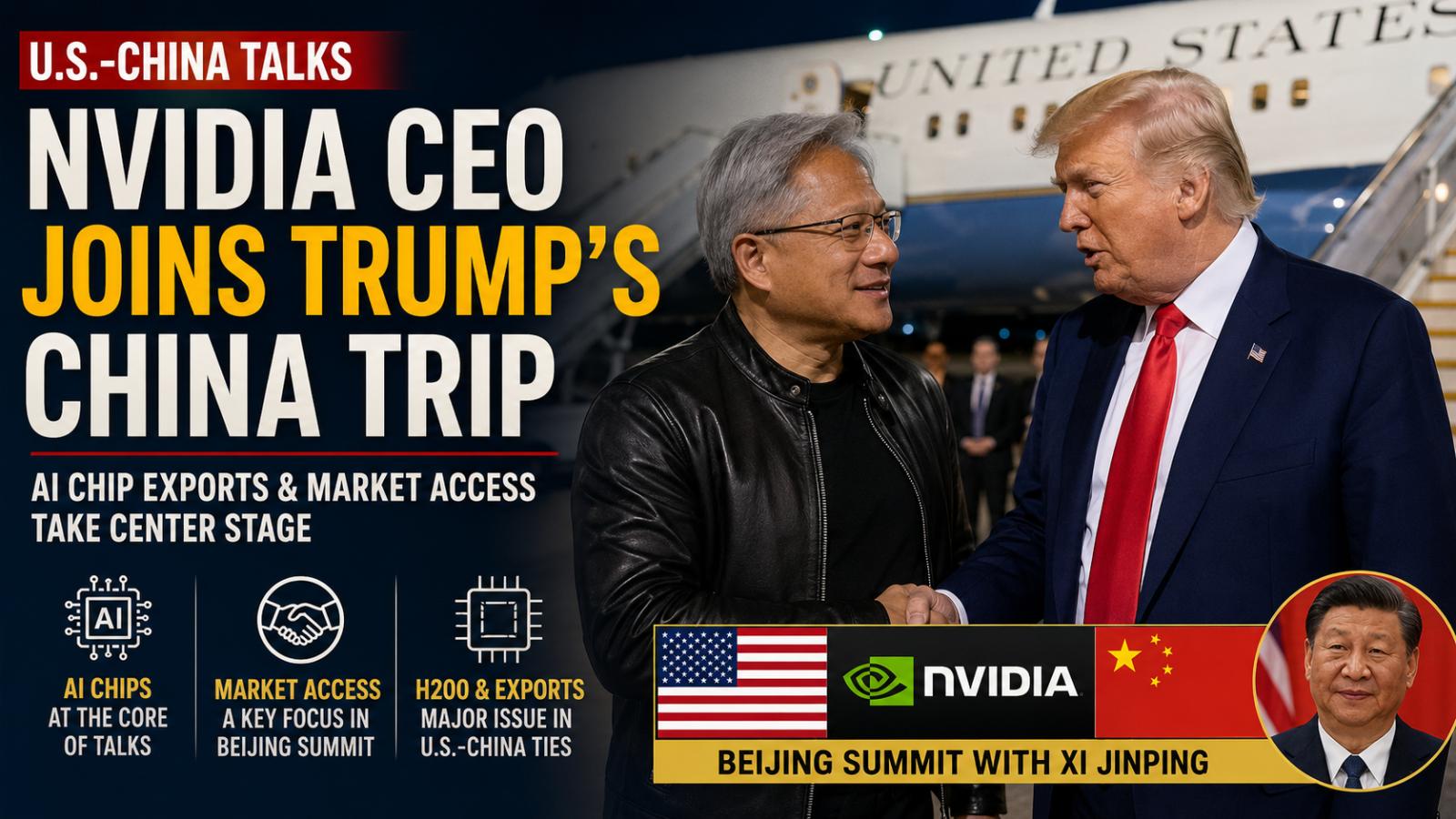
Nvidia CEO Jensen Huang joined President Donald Trump’s China trip on Wednesday, May 13, 2026, as AI chip exports and market access moved to the center of U.S.-China talks. His presence matters because Nvidia’s powerful GPUs sit at the heart of AI development, while U.S. export controls have limited high-end chip sales to China. Why Huang’s Role Matters Huang was added after earlier indications he was not in the U.S. business delegation,
Nvidia CEO Joins Trump’s China Trip as AI Chip Stakes Rise
Nvidia CEO Jensen Huang joined President Donald Trump’s China trip on Wednesday, May 13, 2026, as AI chip exports and market access moved to the center of U.S.-China talks. His presence matters because Nvidia’s powerful GPUs sit at the heart of AI development, while U.S. export controls have limited high-end chip sales to China. Why Huang’s Role Matters Huang was added after earlier indications he was not in the U.S. business delegation,
Trump-Xi Summit 2026: 6 Past Meetings That Explain US-China Tensions
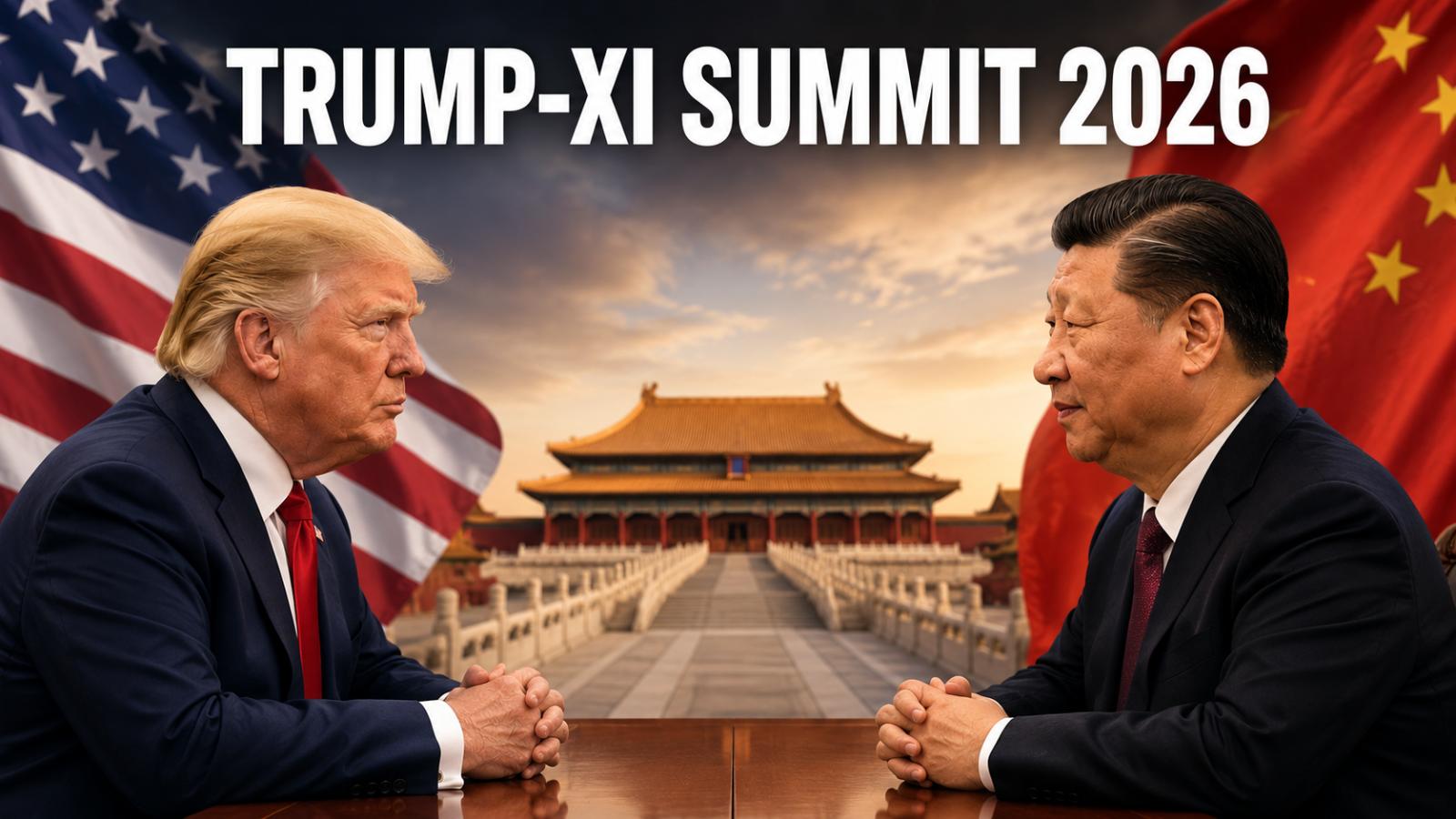
Trump-Xi Summit Puts US-China Tensions Back in Focus US President Donald Trump arrived in Beijing on Wednesday, May 13, 2026, for a high-stakes summit with Chinese President Xi Jinping, bringing tariffs, rare earth exports, AI chips, Taiwan and global security back to the center of US-China relations. The summit is expected to mark another major test for the world’s two largest economies after six previous Trump-Xi meetings shaped trade disputes, tariff pauses and fragile diplomatic resets since 2017. For Washington, the key questions include trade access, technology restrictions, agriculture purchases, Taiwan and supply-chain stability. For Beijing, the meeting is a chance to push back against US tariffs and technology controls while protecting China’s position in global trade. Why the Trump-Xi Summit Matters in 2026 The 2026 Trump-Xi summit matters because the issues are no longer limited to trade. The talks now include rare earth minerals, artificial intelligence, agriculture, Taiwan, nuclear concerns and broader geopolitical tensions. Reuters reported that Trump and Xi are expected to discuss trade, AI, agriculture, rare earths and global security issues during the summit period. Rare earth exports are especially important because China plays a major role in minerals used in defense systems, electric vehicles, electronics and clean-energy technology. Any movement on export controls could affect global supply chains and US manufacturers. AI chips are another major pressure point. Trump’s Beijing visit also drew attention because Nvidia CEO Jensen Huang joined the mission as US companies seek broader access to China’s technology market. Taiwan remains one of the most sensitive security issues. Beijing strongly opposes US arms sales to Taiwan, while Washington continues to maintain political and security ties with Taipei. AP reported that US arms sales to Taiwan are among the issues surrounding the summit. Trump-Xi Meetings Timeline Meeting Date Location Main Focus Why It Matters Now First Trump-Xi meeting Thursday, April 6, 2017 Mar-a-Lago, Florida Trade, diplomacy, North Korea Opened direct leader-level communication G20 meeting Saturday, July 8, 2017 Hamburg, Germany North Korea and economic ties Came before stronger US trade action Trump China visit Wednesday, November 8, 2017 to Friday, November 10, 2017 Beijing, China Business deals and trade imbalance Warm diplomacy did not stop tariff tensions G20 dinner Saturday, December 1, 2018 Buenos Aires, Argentina Tariffs, intellectual property and cyber concerns Opened temporary negotiations during the trade war Osaka G20 meeting Saturday, June 29, 2019 Osaka, Japan Tariff pause and farm purchases Restarted trade talks after escalation APEC meeting Thursday, October 30, 2025 Busan, South Korea Tariffs, rare earths and farm exports Created a temporary pause before the 2026 summit How Six Meetings Shaped US-China Relations Trump and Xi first met at Mar-a-Lago in Florida on Thursday, April 6, 2017. The meeting created a personal channel between the two leaders, but it did not resolve deeper US concerns over China’s trade practices, market access and industrial policy. Their second meeting came on Saturday, July 8, 2017, during the G20 summit in Hamburg, Germany. North Korea was a major topic, but trade tensions were already rising. Soon after, Washington moved toward stronger action over alleged Chinese intellectual property theft and unfair trade practices. Trump visited Beijing from Wednesday, November 8, 2017, to Friday, November 10, 2017. The visit included ceremonial events and business announcements, but the friendly tone did not prevent the two countries from moving toward a wider trade confrontation. By Saturday, December 1, 2018, when Trump and Xi met at the G20 summit in Buenos Aires, both countries had already imposed tariffs. The dinner opened temporary negotiations on trade imbalances, intellectual property and cyber concerns. The next major pause came at the G20 summit in Osaka on Saturday, June 29, 2019. Trump and Xi agreed to restart trade talks and delay new tariffs. China also pledged to buy more US agricultural goods. Their sixth meeting came after a six-year gap on Thursday, October 30, 2025, during the APEC summit in Busan, South Korea. That meeting helped create a temporary pause in parts of the trade dispute, including movement on tariffs, rare earth exports and US farm purchases. What the 2026 Trump-Xi Meeting Could Decide The Beijing summit could decide whether Washington and Beijing extend a period of limited stability or return to sharper confrontation. For the United States, the main goals include tariff relief, stronger export access for farmers, rare earth supply stability, technology safeguards and progress on broader security issues. American companies are also watching whether the talks create more space for business access in China. For China, the summit is about reducing pressure from tariffs and technology restrictions while showing that Beijing can negotiate from strength. Rare earths give China leverage, while its large consumer and technology market remains important for US companies. The six previous Trump-Xi meetings show a clear pattern: personal diplomacy can slow escalation, but it rarely solves the deeper disputes. Mar-a-Lago and Beijing created warmth but did not prevent the trade war. Buenos Aires and Osaka produced temporary pauses. Busan again showed that both sides could step back from escalation, but only for a limited period. That makes the 2026 summit more than another diplomatic event. It is a test of whether the United States and China can manage competition without allowing tariffs, AI chip restrictions, rare earth controls and Taiwan tensions to trigger another major crisis.
Trump-Xi Summit 2026: 6 Past Meetings That Explain US-China Tensions
Trump-Xi Summit Puts US-China Tensions Back in Focus US President Donald Trump arrived in Beijing on Wednesday, May 13, 2026, for a high-stakes summit with Chinese President Xi Jinping, bringing tariffs, rare earth exports, AI chips, Taiwan and global security back to the center of US-China relations. The summit is expected to mark another major test for the world’s two largest economies after six previous Trump-Xi meetings shaped trade disputes, tariff pauses and fragile diplomatic resets since 2017. For Washington, the key questions include trade access, technology restrictions, agriculture purchases, Taiwan and supply-chain stability. For Beijing, the meeting is a chance to push back against US tariffs and technology controls while protecting China’s position in global trade. Why the Trump-Xi Summit Matters in 2026 The 2026 Trump-Xi summit matters because the issues are no longer limited to trade. The talks now include rare earth minerals, artificial intelligence, agriculture, Taiwan, nuclear concerns and broader geopolitical tensions. Reuters reported that Trump and Xi are expected to discuss trade, AI, agriculture, rare earths and global security issues during the summit period. Rare earth exports are especially important because China plays a major role in minerals used in defense systems, electric vehicles, electronics and clean-energy technology. Any movement on export controls could affect global supply chains and US manufacturers. AI chips are another major pressure point. Trump’s Beijing visit also drew attention because Nvidia CEO Jensen Huang joined the mission as US companies seek broader access to China’s technology market. Taiwan remains one of the most sensitive security issues. Beijing strongly opposes US arms sales to Taiwan, while Washington continues to maintain political and security ties with Taipei. AP reported that US arms sales to Taiwan are among the issues surrounding the summit. Trump-Xi Meetings Timeline Meeting Date Location Main Focus Why It Matters Now First Trump-Xi meeting Thursday, April 6, 2017 Mar-a-Lago, Florida Trade, diplomacy, North Korea Opened direct leader-level communication G20 meeting Saturday, July 8, 2017 Hamburg, Germany North Korea and economic ties Came before stronger US trade action Trump China visit Wednesday, November 8, 2017 to Friday, November 10, 2017 Beijing, China Business deals and trade imbalance Warm diplomacy did not stop tariff tensions G20 dinner Saturday, December 1, 2018 Buenos Aires, Argentina Tariffs, intellectual property and cyber concerns Opened temporary negotiations during the trade war Osaka G20 meeting Saturday, June 29, 2019 Osaka, Japan Tariff pause and farm purchases Restarted trade talks after escalation APEC meeting Thursday, October 30, 2025 Busan, South Korea Tariffs, rare earths and farm exports Created a temporary pause before the 2026 summit How Six Meetings Shaped US-China Relations Trump and Xi first met at Mar-a-Lago in Florida on Thursday, April 6, 2017. The meeting created a personal channel between the two leaders, but it did not resolve deeper US concerns over China’s trade practices, market access and industrial policy. Their second meeting came on Saturday, July 8, 2017, during the G20 summit in Hamburg, Germany. North Korea was a major topic, but trade tensions were already rising. Soon after, Washington moved toward stronger action over alleged Chinese intellectual property theft and unfair trade practices. Trump visited Beijing from Wednesday, November 8, 2017, to Friday, November 10, 2017. The visit included ceremonial events and business announcements, but the friendly tone did not prevent the two countries from moving toward a wider trade confrontation. By Saturday, December 1, 2018, when Trump and Xi met at the G20 summit in Buenos Aires, both countries had already imposed tariffs. The dinner opened temporary negotiations on trade imbalances, intellectual property and cyber concerns. The next major pause came at the G20 summit in Osaka on Saturday, June 29, 2019. Trump and Xi agreed to restart trade talks and delay new tariffs. China also pledged to buy more US agricultural goods. Their sixth meeting came after a six-year gap on Thursday, October 30, 2025, during the APEC summit in Busan, South Korea. That meeting helped create a temporary pause in parts of the trade dispute, including movement on tariffs, rare earth exports and US farm purchases. What the 2026 Trump-Xi Meeting Could Decide The Beijing summit could decide whether Washington and Beijing extend a period of limited stability or return to sharper confrontation. For the United States, the main goals include tariff relief, stronger export access for farmers, rare earth supply stability, technology safeguards and progress on broader security issues. American companies are also watching whether the talks create more space for business access in China. For China, the summit is about reducing pressure from tariffs and technology restrictions while showing that Beijing can negotiate from strength. Rare earths give China leverage, while its large consumer and technology market remains important for US companies. The six previous Trump-Xi meetings show a clear pattern: personal diplomacy can slow escalation, but it rarely solves the deeper disputes. Mar-a-Lago and Beijing created warmth but did not prevent the trade war. Buenos Aires and Osaka produced temporary pauses. Busan again showed that both sides could step back from escalation, but only for a limited period. That makes the 2026 summit more than another diplomatic event. It is a test of whether the United States and China can manage competition without allowing tariffs, AI chip restrictions, rare earth controls and Taiwan tensions to trigger another major crisis.
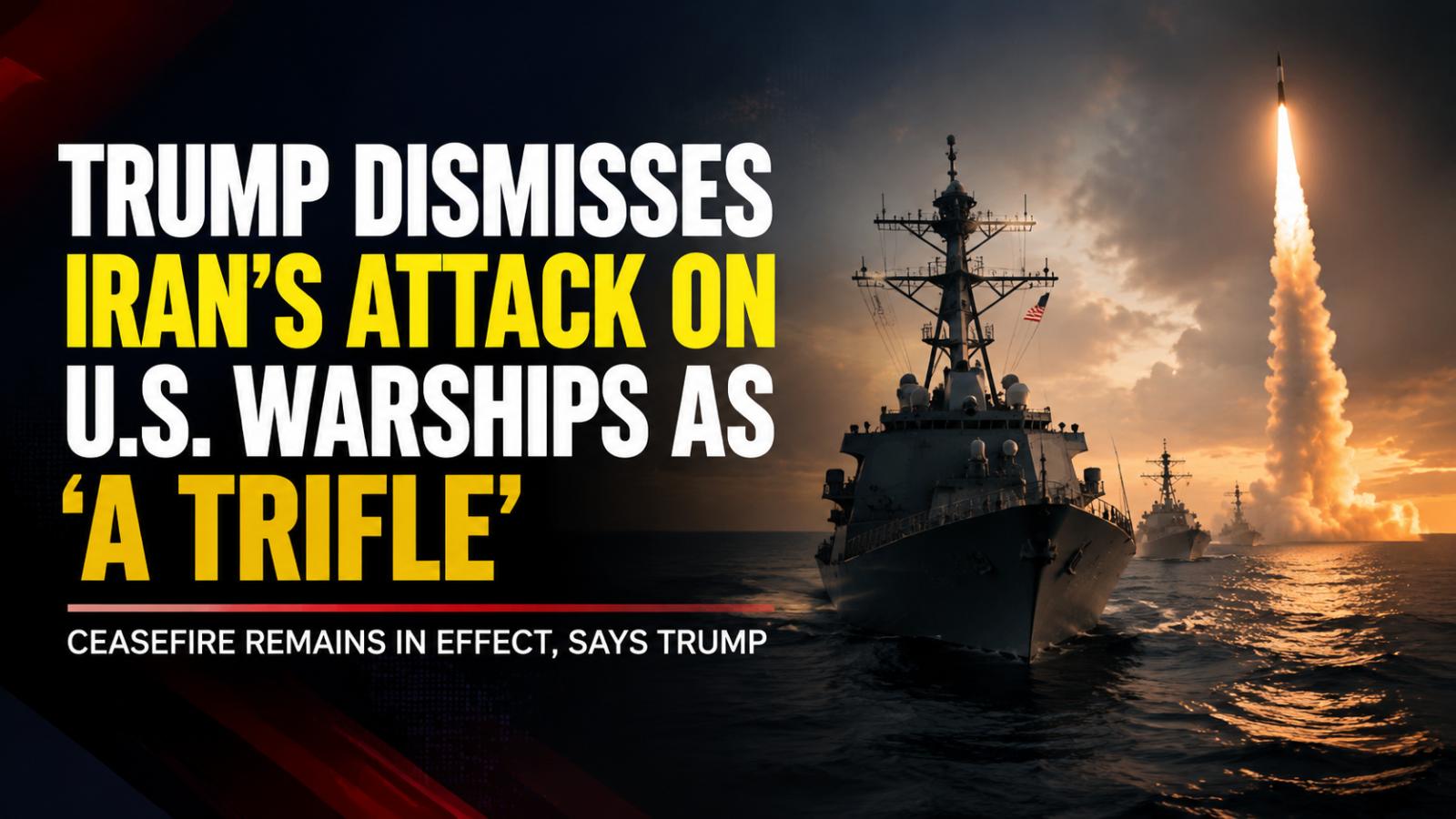
Trump dismisses Iran's attacks on US warships as 'a trifle' amid ongoing ceasefire
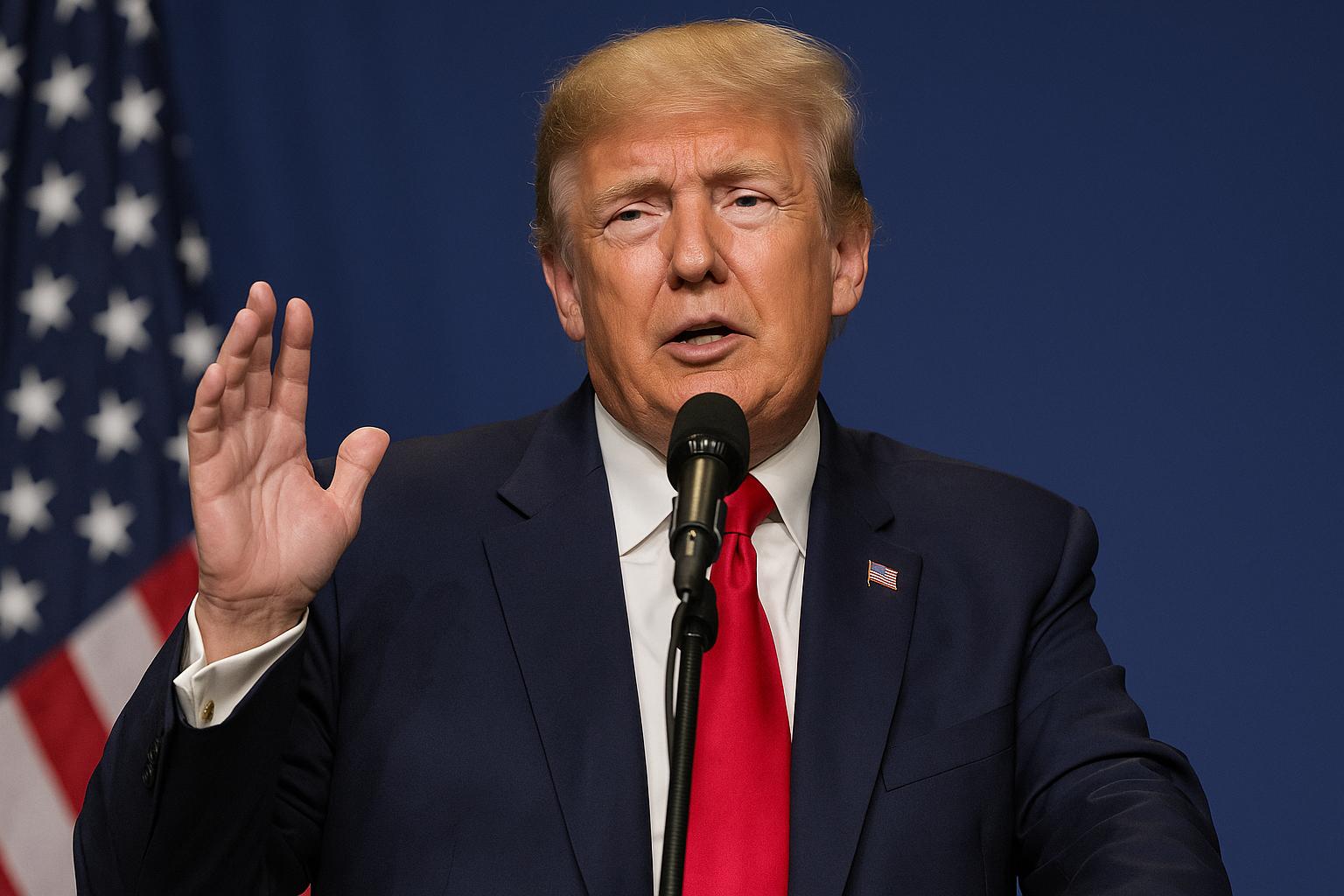
On May 7, 2026, President Donald Trump responded dismissively to recent Iranian attacks on three American warships, calling the incident "a trifle" and maintaining that the ceasefire between the two nations remained intact. During a visit to the Lincoln Memorial Reflecting Pool renovations, Trump told reporters, "They trifled with us today. We blew them away. They trifled. I call that a trifle." Despite the missile and drone strikes launched by Iranian forces, Trump assured the press that the
Trump dismisses Iran's attacks on US warships as 'a trifle' amid ongoing ceasefire
On May 7, 2026, President Donald Trump responded dismissively to recent Iranian attacks on three American warships, calling the incident "a trifle" and maintaining that the ceasefire between the two nations remained intact. During a visit to the Lincoln Memorial Reflecting Pool renovations, Trump told reporters, "They trifled with us today. We blew them away. They trifled. I call that a trifle." Despite the missile and drone strikes launched by Iranian forces, Trump assured the press that the
Iran and US Accuse Each Other of Violating Ceasefire in Strait of Hormuz
In a dramatic escalation of tensions in the Middle East, Iran's central military command has accused the United States of violating a ceasefire agreement by launching attacks on vessels in the Strait of Hormuz. According to a statement from the Khatam Al Anbiya headquarters, Iranian forces retaliated by targeting U.S. military ships. The statement, broadcasted on Iranian state television, claimed that the U.S. had attacked an Iranian oil tanker traveling from Iran's Jask region toward t


Iran and US Accuse Each Other of Violating Ceasefire in Strait of Hormuz
In a dramatic escalation of tensions in the Middle East, Iran's central military command has accused the United States of violating a ceasefire agreement by launching attacks on vessels in the Strait of Hormuz. According to a statement from the Khatam Al Anbiya headquarters, Iranian forces retaliated by targeting U.S. military ships. The statement, broadcasted on Iranian state television, claimed that the U.S. had attacked an Iranian oil tanker traveling from Iran's Jask region toward t
Father-Daughter Bonding: Building Trust and Love Every Day
The bond between a father and daughter is one of the most profound and heartwarming relationships in a family. This connection not only shapes the child’s emotional development but also builds the foundation for trust, love, and mutual respect. Father-daughter bonding goes beyond the occasional moments shared during playtime; it is about establishing a relationship that thrives on understanding, care, and shared experiences. A father plays a pivotal role in his daughter’s life,
Father-Daughter Bonding: Building Trust and Love Every Day
The bond between a father and daughter is one of the most profound and heartwarming relationships in a family. This connection not only shapes the child’s emotional development but also builds the foundation for trust, love, and mutual respect. Father-daughter bonding goes beyond the occasional moments shared during playtime; it is about establishing a relationship that thrives on understanding, care, and shared experiences. A father plays a pivotal role in his daughter’s life,
Cruise Ship Health Alert: Early Hantavirus Symptoms You Must Not Ignore at Sea
Cruise ship illness risk is low—but hantavirus symptoms can turn serious fast if ignored. Knowing the early warning signs could save your life at sea. What Are Early Hantavirus Symptoms? Hantavirus symptoms often start like the flu—fever, chills, muscle aches, headache, nausea, and fatigue. Health experts warn these early signs can appear within 1–2 weeks after exposure and are easily mistaken for common viral infections. When Does It Become Dangerous? Within days, symptoms may escalate to severe respiratory illness, including coughing, chest tightness, and difficulty breathing. Officials say falling oxygen levels and labored breathing are critical red flags requiring urgent care. Is Hantavirus a Real Risk on Cruise Ships? The risk of hantavirus on cruise ships remains extremely low, thanks to strict hygiene, sanitation, and pest control systems. However, rare exposure can occur through contaminated food storage or contact with rodent droppings at certain ports. What Should You Do If You Feel Sick Onboard? If you notice flu-like symptoms on a cruise: Report immediately to onboard medical staff Isolate to prevent confusion with contagious illnesses Get oxygen levels and vital signs checked early Doctors emphasize there is no specific antiviral cure, so early supportive care—oxygen therapy and monitoring—is critical. Why Awareness Matters for Travelers While hantavirus is rare, delayed recognition can lead to life-threatening complications. Cruise operators maintain strict safety protocols, but passenger awareness remains the first line of defense. Staying informed ensures that even in the safest environments, you can respond quickly—and travel with confidence.
Cruise Ship Health Alert: Early Hantavirus Symptoms You Must Not Ignore at Sea
Cruise ship illness risk is low—but hantavirus symptoms can turn serious fast if ignored. Knowing the early warning signs could save your life at sea. What Are Early Hantavirus Symptoms? Hantavirus symptoms often start like the flu—fever, chills, muscle aches, headache, nausea, and fatigue. Health experts warn these early signs can appear within 1–2 weeks after exposure and are easily mistaken for common viral infections. When Does It Become Dangerous? Within days, symptoms may escalate to severe respiratory illness, including coughing, chest tightness, and difficulty breathing. Officials say falling oxygen levels and labored breathing are critical red flags requiring urgent care. Is Hantavirus a Real Risk on Cruise Ships? The risk of hantavirus on cruise ships remains extremely low, thanks to strict hygiene, sanitation, and pest control systems. However, rare exposure can occur through contaminated food storage or contact with rodent droppings at certain ports. What Should You Do If You Feel Sick Onboard? If you notice flu-like symptoms on a cruise: Report immediately to onboard medical staff Isolate to prevent confusion with contagious illnesses Get oxygen levels and vital signs checked early Doctors emphasize there is no specific antiviral cure, so early supportive care—oxygen therapy and monitoring—is critical. Why Awareness Matters for Travelers While hantavirus is rare, delayed recognition can lead to life-threatening complications. Cruise operators maintain strict safety protocols, but passenger awareness remains the first line of defense. Staying informed ensures that even in the safest environments, you can respond quickly—and travel with confidence.
Potato Chip Recall: FDA Warns Against Eating Zapp’s, Dirty Chips
Potato Chip Recall: What Consumers Need to Know A potato chip recall has been issued for select Zapp’s and Dirty brand chips after Utz Quality Foods warned of a possible salmonella risk linked to seasoning. Consumers should not eat the affected products and should discard recalled bags immediately. Why Utz Recalled Zapp’s and Dirty Chips Utz said the voluntary recall followed notice that a seasoning ingredient containing
Potato Chip Recall: FDA Warns Against Eating Zapp’s, Dirty Chips
Potato Chip Recall: What Consumers Need to Know A potato chip recall has been issued for select Zapp’s and Dirty brand chips after Utz Quality Foods warned of a possible salmonella risk linked to seasoning. Consumers should not eat the affected products and should discard recalled bags immediately. Why Utz Recalled Zapp’s and Dirty Chips Utz said the voluntary recall followed notice that a seasoning ingredient containing
Does parental sacrifice build values? Consistency matters more than sacrifice
Does parental sacrifice build values? Consistency matters more than sacrifice is a question many parents reflect on when children do not respond as expected, despite years of effort and care. While sacrifice is often seen as a measure of love, young children are not equipped to understand or evaluate it in the way adults do. Children respond to patterns, not effort In early childhood, children do not think in terms of how much a parent has done for them. Th
Does parental sacrifice build values? Consistency matters more than sacrifice
Does parental sacrifice build values? Consistency matters more than sacrifice is a question many parents reflect on when children do not respond as expected, despite years of effort and care. While sacrifice is often seen as a measure of love, young children are not equipped to understand or evaluate it in the way adults do. Children respond to patterns, not effort In early childhood, children do not think in terms of how much a parent has done for them. Th
What did King Charles III say in Congress? He honored history and condemned violence
What did King Charles III say in Congress? He honored history and condemned violence— King Charles III opened his address to the United States Congress with a deeply personal tribute to his late mother, Queen Elizabeth II, recalling her historic 1991 speech delivered in the same chamber beneath the Statue of Freedom. Speaking with respect for the institution, he described Congress as a “citadel of democracy” representing the voices and rights of the American people, emphasizing the signifi
What did King Charles III say in Congress? He honored history and condemned violence
What did King Charles III say in Congress? He honored history and condemned violence— King Charles III opened his address to the United States Congress with a deeply personal tribute to his late mother, Queen Elizabeth II, recalling her historic 1991 speech delivered in the same chamber beneath the Statue of Freedom. Speaking with respect for the institution, he described Congress as a “citadel of democracy” representing the voices and rights of the American people, emphasizing the signifi
Does over-pampering help children? It often leads to entitlement later
Does over-pampering help children? It often leads to entitlement later is a question many parents overlook in the early years, often confusing love with giving everything a child asks for. While providing comfort and care is natural, a lack of boundaries during early childhood can quietly shape behavior in ways that become difficult to manage later. When love becomes unlimited giving In many homes, parents try to fulfill every small demand, believing it wil
Does over-pampering help children? It often leads to entitlement later
Does over-pampering help children? It often leads to entitlement later is a question many parents overlook in the early years, often confusing love with giving everything a child asks for. While providing comfort and care is natural, a lack of boundaries during early childhood can quietly shape behavior in ways that become difficult to manage later. When love becomes unlimited giving In many homes, parents try to fulfill every small demand, believing it wil
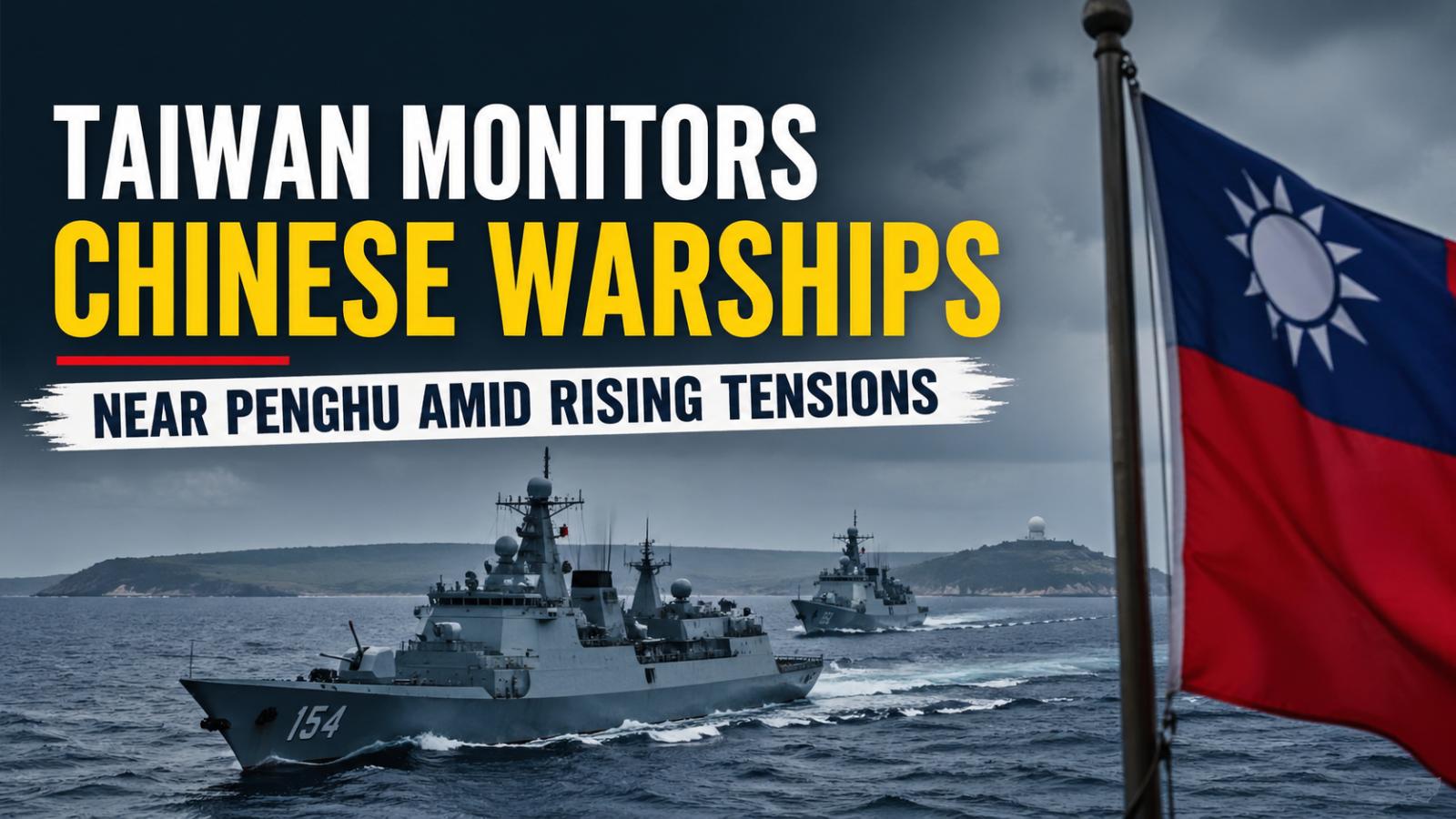
Taiwan steps up defence as Chinese warships enter sensitive waters
Taiwan China tension has intensified after Taiwan detected Chinese warships near the Penghu islands, prompting immediate military monitoring and response. Taiwan’s defence ministry confirmed that a Chinese destroyer and frigate entered sensitive waters southwest of the Penghu islands, an area known for hosting key naval and air force bases. In response, Taiwan deployed its own naval and air assets to track the ships closely and ensure security in the region. Officials stated that
Taiwan steps up defence as Chinese warships enter sensitive waters
Taiwan China tension has intensified after Taiwan detected Chinese warships near the Penghu islands, prompting immediate military monitoring and response. Taiwan’s defence ministry confirmed that a Chinese destroyer and frigate entered sensitive waters southwest of the Penghu islands, an area known for hosting key naval and air force bases. In response, Taiwan deployed its own naval and air assets to track the ships closely and ensure security in the region. Officials stated that
What do children feel when parents fight? They absorb tension, not words
What do children feel when parents fight? They absorb tension, not words is a question many parents underestimate, especially during the early years when children are highly sensitive to their surroundings. While adults may assume that young children cannot understand arguments, the emotional impact of such situations often leaves a deeper mark than expected. Emotional tension becomes a child’s silent experience Children between the ages of zero and ten m
What do children feel when parents fight? They absorb tension, not words
What do children feel when parents fight? They absorb tension, not words is a question many parents underestimate, especially during the early years when children are highly sensitive to their surroundings. While adults may assume that young children cannot understand arguments, the emotional impact of such situations often leaves a deeper mark than expected. Emotional tension becomes a child’s silent experience Children between the ages of zero and ten m
How do children learn behavior? They copy what they see, not what they’re told
How do children learn behavior? They copy what they see, not what they’re told is a reality many parents overlook, especially during early childhood when habits and emotional patterns begin to form. While adults often rely on instructions to teach right and wrong, children tend to absorb what they observe in their immediate environment, shaping their responses and communication styles over time. Everyday actions shape early learning patterns In the early
How do children learn behavior? They copy what they see, not what they’re told
How do children learn behavior? They copy what they see, not what they’re told is a reality many parents overlook, especially during early childhood when habits and emotional patterns begin to form. While adults often rely on instructions to teach right and wrong, children tend to absorb what they observe in their immediate environment, shaping their responses and communication styles over time. Everyday actions shape early learning patterns In the early
What did Elon Musk tell Tesla managers? Follow three steps or resign, email says
Resurfaced email sparks fresh debate on leadership style An internal email sent by Elon Musk to employees at Tesla in October 2021 has resurfaced on X, reigniting debate about his dire
What did Elon Musk tell Tesla managers? Follow three steps or resign, email says
Resurfaced email sparks fresh debate on leadership style An internal email sent by Elon Musk to employees at Tesla in October 2021 has resurfaced on X, reigniting debate about his dire
The Science Behind Toddlers Following Their Mothers Everywhere
Toddlers are often observed closely following their mothers throughout daily routines, a behavior that reflects important stages of early development rather than simple dependence. Research in child development highlights that this tendency is strongly linked to the formation of secure attachment, a foundational aspect of emotional and psychological growth. During the early years, children rely on consistent caregiving to build a sense of safety, which encourages them to remain physically clo
The Science Behind Toddlers Following Their Mothers Everywhere
Toddlers are often observed closely following their mothers throughout daily routines, a behavior that reflects important stages of early development rather than simple dependence. Research in child development highlights that this tendency is strongly linked to the formation of secure attachment, a foundational aspect of emotional and psychological growth. During the early years, children rely on consistent caregiving to build a sense of safety, which encourages them to remain physically clo
CENTCOM Highlights Military Preparedness Amid Iran Talks
A newly released video by United States Central Command (CENTCOM) has drawn attention to ongoing military operations in the North Arabian Sea, even as a ceasefire extension remains in place. The footage, shared shortly after an announcement by US President Donald Trump, emphasizes that American forces continue to maintain operational readiness and strategic positioning in the region.
CENTCOM Highlights Military Preparedness Amid Iran Talks
A newly released video by United States Central Command (CENTCOM) has drawn attention to ongoing military operations in the North Arabian Sea, even as a ceasefire extension remains in place. The footage, shared shortly after an announcement by US President Donald Trump, emphasizes that American forces continue to maintain operational readiness and strategic positioning in the region.
Ajit Doval’s journey from IPS officer to covert intelligence operative
Ajit Doval began his professional journey as an officer in the Indian Police Service in 1968, serving in the Kerala cadre. Over time, he developed a reputation for managing insurgency-related challenges and complex law-and-order situations, which required a combination of tactical decision-making and psychological resilience. Rather than following a conventional policing career, he later transitioned into the Intelligence Bureau, moving into a domain where operational visibility is minimal but strategic impact is significant. During the 1970s, Doval was reportedly assigned to a deep-cover intelligence mission in Pakistan, marking a critical phase in his career. The assignment extended over several years, demanding a sustained and disciplined approach to undercover work. To function effectively, he assumed a complete alternate identity, integrating into local society through language proficiency, cultural understanding, and adherence to social and religious practices. This level of immersion was essential for maintaining credibility and avoiding suspicion in a sensitive environment. Operating in a foreign and potentially hostile setting required the development of a consistent personal narrative and the ability to establish relationships without drawing attention. Such assignments are typically conducted without direct support, placing significant responsibility on the individual operative. The risks associated with exposure are severe, emphasizing the need for precision, restraint, and continuous situational awareness. Intelligence gathering in these conditions often involves incremental efforts, where accurate information is collected over time rather than through rapid or visible actions. The nature of such operations differs considerably from their portrayal in popular media. While films like Dhurandhar often depict espionage through fast-paced sequences and overt action, real-world intelligence work is characterized by patience, discretion, and long-term commitment. Doval’s reported experiences reflect the complexities of covert operations, where outcomes are rarely visible and details remain largely classified, underscoring the contrast between cinematic representation and operational reality.
Ajit Doval’s journey from IPS officer to covert intelligence operative
Ajit Doval began his professional journey as an officer in the Indian Police Service in 1968, serving in the Kerala cadre. Over time, he developed a reputation for managing insurgency-related challenges and complex law-and-order situations, which required a combination of tactical decision-making and psychological resilience. Rather than following a conventional policing career, he later transitioned into the Intelligence Bureau, moving into a domain where operational visibility is minimal but strategic impact is significant. During the 1970s, Doval was reportedly assigned to a deep-cover intelligence mission in Pakistan, marking a critical phase in his career. The assignment extended over several years, demanding a sustained and disciplined approach to undercover work. To function effectively, he assumed a complete alternate identity, integrating into local society through language proficiency, cultural understanding, and adherence to social and religious practices. This level of immersion was essential for maintaining credibility and avoiding suspicion in a sensitive environment. Operating in a foreign and potentially hostile setting required the development of a consistent personal narrative and the ability to establish relationships without drawing attention. Such assignments are typically conducted without direct support, placing significant responsibility on the individual operative. The risks associated with exposure are severe, emphasizing the need for precision, restraint, and continuous situational awareness. Intelligence gathering in these conditions often involves incremental efforts, where accurate information is collected over time rather than through rapid or visible actions. The nature of such operations differs considerably from their portrayal in popular media. While films like Dhurandhar often depict espionage through fast-paced sequences and overt action, real-world intelligence work is characterized by patience, discretion, and long-term commitment. Doval’s reported experiences reflect the complexities of covert operations, where outcomes are rarely visible and details remain largely classified, underscoring the contrast between cinematic representation and operational reality.