Apple $250M Siri AI Settlement: iPhone Users May Get Up to $95 — Who Qualifies?
Apple $250M Settlement: Who Could Get Paid? Apple has agreed to a $250 million settlement over claims it misled buyers about Siri AI and Apple Intelligence features. Eligible U.S. iPhone users may receive $25 to $95 per device if the deal gets court approval. Why Apple Is Facing Payout Claims The class-action lawsuit accused Apple of promoting advanced Siri AI features during the iPhone 16 launch cycle before some tools were

Apple $250M Siri AI Settlement: iPhone Users May Get Up to $95 — Who Qualifies?
Apple $250M Settlement: Who Could Get Paid? Apple has agreed to a $250 million settlement over claims it misled buyers about Siri AI and Apple Intelligence features. Eligible U.S. iPhone users may receive $25 to $95 per device if the deal gets court approval. Why Apple Is Facing Payout Claims The class-action lawsuit accused Apple of promoting advanced Siri AI features during the iPhone 16 launch cycle before some tools were
Ted Turner, CNN founder and media pioneer, dies at 87
Ted Turner, the founder of CNN and a pioneer of 24-hour television news, died on Wednesday, May 6, at the age of 87, his company Turner Enterprises said. Turner transformed global journalism with the launch of CNN in 1980, the first network to deliver news around the clock, reshaping how audiences consumed information worldwide. Born Robert Edward Turner III in Cincinnati in 1938, he built a media empire from his father’s billboard business. After taking over the company in 1963, he expanded into broadcasting, acquiring an Atlanta television station in 1970. He later created the “superstation” model, distributing content nationwide via satellite, laying the foundation for Turner Broadcasting System. Under his leadership, the company grew to include major networks such as CNN, TNT and Cartoon Network. Turner sold Turner Broadcasting to Time Warner in 1996 for $7.3 billion in stock and served as vice chairman until 2003. Beyond media, Turner was known for philanthropy and environmental advocacy. He pledged $1 billion to the United Nations in 1997, helping establish the United Nations Foundation, and co-founded the Nuclear Threat Initiative in 2001. He was also a competitive yachtsman, winning the America’s Cup in 1977, and became one of the largest private landowners in the United States. Turner revealed in 2018 that he had Lewy body dementia. Despite declining health, his influence on journalism and global media remained significant. He is survived by his children and extended family. Turner’s innovations in news delivery continue to shape the industry decades after CNN’s launch.
Ted Turner, CNN founder and media pioneer, dies at 87
Ted Turner, the founder of CNN and a pioneer of 24-hour television news, died on Wednesday, May 6, at the age of 87, his company Turner Enterprises said. Turner transformed global journalism with the launch of CNN in 1980, the first network to deliver news around the clock, reshaping how audiences consumed information worldwide. Born Robert Edward Turner III in Cincinnati in 1938, he built a media empire from his father’s billboard business. After taking over the company in 1963, he expanded into broadcasting, acquiring an Atlanta television station in 1970. He later created the “superstation” model, distributing content nationwide via satellite, laying the foundation for Turner Broadcasting System. Under his leadership, the company grew to include major networks such as CNN, TNT and Cartoon Network. Turner sold Turner Broadcasting to Time Warner in 1996 for $7.3 billion in stock and served as vice chairman until 2003. Beyond media, Turner was known for philanthropy and environmental advocacy. He pledged $1 billion to the United Nations in 1997, helping establish the United Nations Foundation, and co-founded the Nuclear Threat Initiative in 2001. He was also a competitive yachtsman, winning the America’s Cup in 1977, and became one of the largest private landowners in the United States. Turner revealed in 2018 that he had Lewy body dementia. Despite declining health, his influence on journalism and global media remained significant. He is survived by his children and extended family. Turner’s innovations in news delivery continue to shape the industry decades after CNN’s launch.
Indonesia bus-tanker crash kills 16 after fire in Sumatra
At least 16 people were killed on May 6 when a passenger bus collided with a fuel tanker and burst into flames in North Musi Rawas Regency on Indonesia’s Sumatra island, officials said. The crash triggered a large fire that engulfed both vehicles, leaving several others injured. Emergency teams transported the wounded to nearby hospitals, with at least three reported to have suffered severe burns.
Indonesia bus-tanker crash kills 16 after fire in Sumatra
At least 16 people were killed on May 6 when a passenger bus collided with a fuel tanker and burst into flames in North Musi Rawas Regency on Indonesia’s Sumatra island, officials said. The crash triggered a large fire that engulfed both vehicles, leaving several others injured. Emergency teams transported the wounded to nearby hospitals, with at least three reported to have suffered severe burns.
US gas prices hit $4.52 for the first time since 2022, causing political pressure for Trump
For the first time since July 2022, Americans are facing gas prices above $4.50 a gallon, with the national average hitting $4.52 as of May 6. This surge in fuel prices is placing significant political pressure on President Donald Trump, just five months before the 2024 US Midterm elections. Rising gas prices, coupled with low approval ratings, are adding to the growing dissatisfaction over his handling of key issues such as the economy, inflation, and international conflicts.
US gas prices hit $4.52 for the first time since 2022, causing political pressure for Trump
For the first time since July 2022, Americans are facing gas prices above $4.50 a gallon, with the national average hitting $4.52 as of May 6. This surge in fuel prices is placing significant political pressure on President Donald Trump, just five months before the 2024 US Midterm elections. Rising gas prices, coupled with low approval ratings, are adding to the growing dissatisfaction over his handling of key issues such as the economy, inflation, and international conflicts.
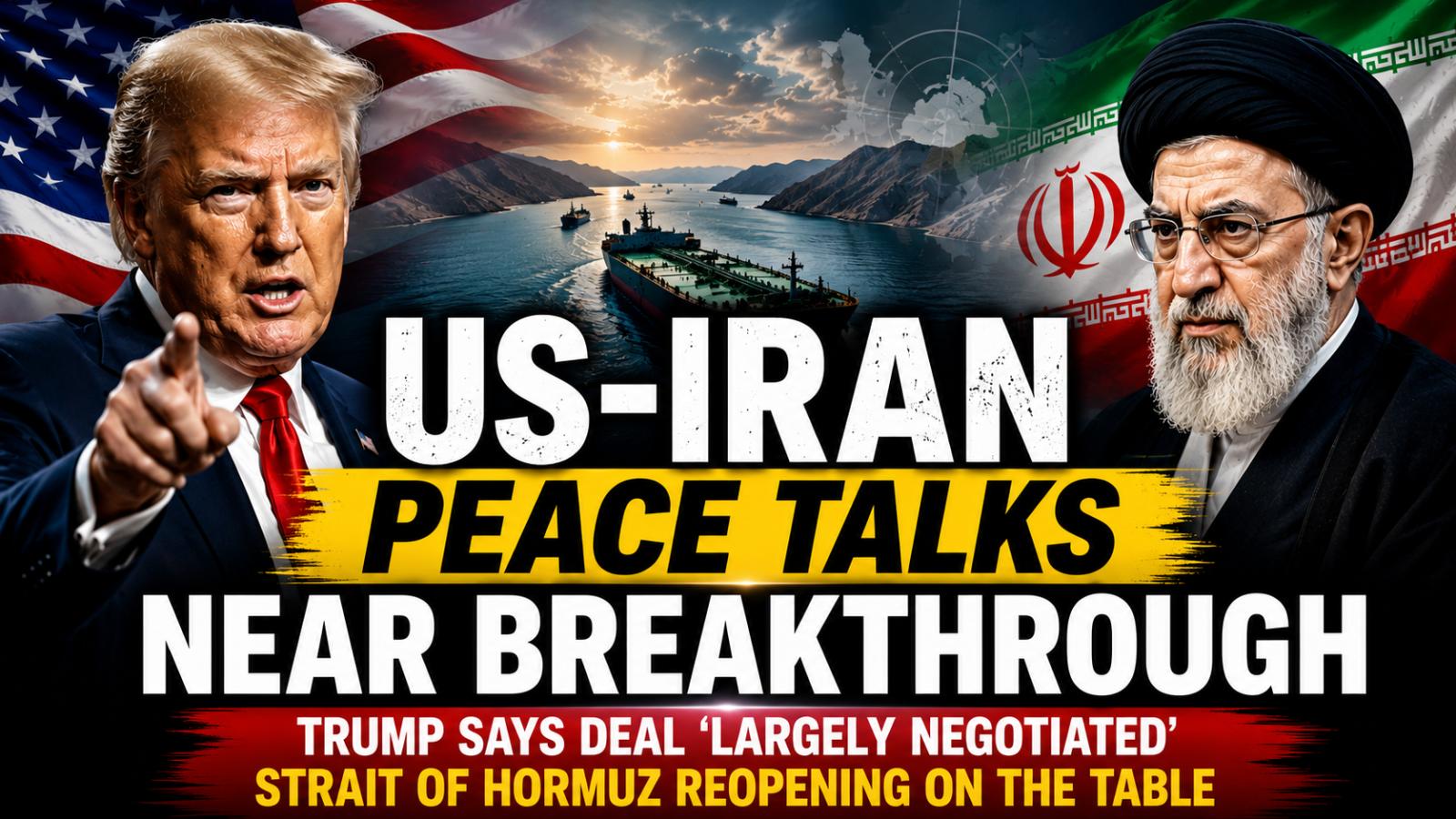
Trump’s Project Freedom sparks Iran warning amid Strait of Hormuz crisis
The Strait of Hormuz crisis has intensified after Ebrahim Azizi warned that any US intervention would be treated as a ceasefire violation. His remarks came in response to Donald Trump’s announcement of Project Freedom, a naval initiative aimed at guiding merchant vessels through the strategically vital w
Trump’s Project Freedom sparks Iran warning amid Strait of Hormuz crisis
The Strait of Hormuz crisis has intensified after Ebrahim Azizi warned that any US intervention would be treated as a ceasefire violation. His remarks came in response to Donald Trump’s announcement of Project Freedom, a naval initiative aimed at guiding merchant vessels through the strategically vital w
US Launches Project Freedom to Escort Ships in Strait of Hormuz
The United States has announced a new maritime initiative aimed at assisting commercial vessels stranded in the Strait of Hormuz, a critical global shipping route impacted by ongoing tensions. The operation, referred to as Project Freedom, is intended to guide ships safely through restricted waters as part of what officials described as a humanitarian effort to stabilize maritime activity in the region. According to statements from US leadership, the initiative will focus on escorti
US Launches Project Freedom to Escort Ships in Strait of Hormuz
The United States has announced a new maritime initiative aimed at assisting commercial vessels stranded in the Strait of Hormuz, a critical global shipping route impacted by ongoing tensions. The operation, referred to as Project Freedom, is intended to guide ships safely through restricted waters as part of what officials described as a humanitarian effort to stabilize maritime activity in the region. According to statements from US leadership, the initiative will focus on escorti
Diljit Dosanjh Stops Canada Concert, Responds To Pro Khalistan Protesters
During his live concert in Calgary, Canada, Diljit Dosanjh paused his performance midway to address a group of protesters raising pro-Khalistan slogans. The incident took place during his Aura Tour in May 2026 and quickly gained attention due to his calm and controlled response on stage. Rather than reacting emotionally, Diljit acknowledged the protesters and told them they were free to wa
Diljit Dosanjh Stops Canada Concert, Responds To Pro Khalistan Protesters
During his live concert in Calgary, Canada, Diljit Dosanjh paused his performance midway to address a group of protesters raising pro-Khalistan slogans. The incident took place during his Aura Tour in May 2026 and quickly gained attention due to his calm and controlled response on stage. Rather than reacting emotionally, Diljit acknowledged the protesters and told them they were free to wa
Pawan Kalyan Surgery Details Out As Chandrababu Visits Him In Hyderabad
May 2, 2026, Pawan Kalyan revealed details of his sinus surgery while N. Chandrababu Naidu visited him in Hyderabad, showing support during his recovery. A significant development in Andhra Pradesh politics and public life has drawn attention as
Pawan Kalyan Surgery Details Out As Chandrababu Visits Him In Hyderabad
May 2, 2026, Pawan Kalyan revealed details of his sinus surgery while N. Chandrababu Naidu visited him in Hyderabad, showing support during his recovery. A significant development in Andhra Pradesh politics and public life has drawn attention as
US-Iran Conflict Escalates: Why Trump Has No Clear Exit Strategy
More than two months into military action against Iran, Donald Trump is facing a difficult reality: the conflict is far from over—and there’s no clear way out. What began as a show of strength has turned into a prolonged standoff, with rising global consequences. Military Gains, But No Strategic Victory The United States, alongside Israeli forces, has carried out multiple strikes targeting Iran’s
US-Iran Conflict Escalates: Why Trump Has No Clear Exit Strategy
More than two months into military action against Iran, Donald Trump is facing a difficult reality: the conflict is far from over—and there’s no clear way out. What began as a show of strength has turned into a prolonged standoff, with rising global consequences. Military Gains, But No Strategic Victory The United States, alongside Israeli forces, has carried out multiple strikes targeting Iran’s
Luxury Car Oil Shortage Could Hit Soon: What the Global Base Oil Crisis Means for You
The global base oil shortage is no longer just an industry headline—it’s becoming a real concern for luxury car owners worldwide. As supply chains tighten due to geopolitical tensions around the Strait of Hormuz, the availability of high-performance engine oils used in premium vehicles is under pressure. For owners of brands like BMW, Mercedes-Benz, and Audi, this could soon translate into higher maintenance costs, limited oil availability, and delayed servicing. What’s Causing the Global Base Oil Shortage? At the heart of the issue is the ongoing instability linked to tensions involving Iran and critical oil transit routes. The Strait of Hormuz handles a significant portion of the world’s petroleum shipments—not just crude oil, but also refined products like base oils, which are essential for lubricant production. Base oils form the foundation of: Synthetic engine oils Industrial lubricants High-performance automotive fluids With shipping disruptions, delayed tankers, and rising insurance risks, the supply of these materials has tightened globally. Why Luxury Cars Are Hit Harder Not all vehicles are affected equally. Luxury and high-performance cars rely heavily on Group III and Group IV base oils, including advanced formulations like polyalphaolefins (PAO). These oils are designed to: Handle extreme temperatures Protect high-speed engines Maintain performance under pressure Unlike regular vehicles, luxury cars cannot easily switch to cheaper alternatives without risking engine damage or reduced efficiency. That’s why this shortage hits premium segments first—and hardest. Rising Prices and Supply Pressure The numbers already show stress in the system: The Gulf region contributes around 20% of global Group III base oil production It accounted for nearly half of U.S. imports in recent periods Prices in some markets have nearly doubled since the crisis began With inventories shrinking and delivery times increasing, lubricant manufacturers are struggling to keep up. If disruptions continue, experts warn that: Oil prices could rise further Service costs for luxury vehicles may spike Availability could become inconsistent in certain regions What This Means for Luxury Car Owners If you own a premium vehicle, here’s what you might notice in the coming weeks or months: Higher Maintenance Costs Synthetic oil changes could become significantly more expensive. Service Delays Workshops may face shortages or longer wait times for specific oil grades. Risk of Substitutes Some service centers might use alternative oils—potentially affecting performance if not approved. Should You Be Worried Right Now? Not immediately—but it’s something to watch closely. There’s no need to panic or stockpile engine oil. However: Stick to authorized service centers Ensure correct oil specifications are used Avoid delaying essential maintenance Being proactive now can help you avoid bigger issues later. A Bigger Energy and Supply Chain Problem This isn’t just about cars—it reflects a deeper issue in the global energy ecosystem. Heavy reliance on specific regions like the Persian Gulf makes supply chains vulnerable. Alongside geopolitical tensions, factors like: Refinery disruptions Export restrictions Seasonal risks (like hurricanes in U.S. Gulf Coast) are amplifying the pressure. Industry experts see this as a warning sign of long-term structural risks in the oil and automotive sectors. What Happens Next? If shipping routes stabilize and production resumes, the situation could ease within months. But if disruptions persist: Prices may remain elevated Supply chains could tighten further Luxury vehicle ownership costs may rise globally For now, both manufacturers and consumers are bracing for continued uncertainty. Final Takeaway The global base oil shortage is quietly building into a significant challenge—especially for luxury car owners. While it may not yet be visible at every service center, the signs are clear: tightening supply, rising costs, and growing dependence on fragile global networks. Staying informed—and maintaining your vehicle responsibly—will be key in navigating what could become one of the most overlooked automotive disruptions of the year.
Luxury Car Oil Shortage Could Hit Soon: What the Global Base Oil Crisis Means for You
The global base oil shortage is no longer just an industry headline—it’s becoming a real concern for luxury car owners worldwide. As supply chains tighten due to geopolitical tensions around the Strait of Hormuz, the availability of high-performance engine oils used in premium vehicles is under pressure. For owners of brands like BMW, Mercedes-Benz, and Audi, this could soon translate into higher maintenance costs, limited oil availability, and delayed servicing. What’s Causing the Global Base Oil Shortage? At the heart of the issue is the ongoing instability linked to tensions involving Iran and critical oil transit routes. The Strait of Hormuz handles a significant portion of the world’s petroleum shipments—not just crude oil, but also refined products like base oils, which are essential for lubricant production. Base oils form the foundation of: Synthetic engine oils Industrial lubricants High-performance automotive fluids With shipping disruptions, delayed tankers, and rising insurance risks, the supply of these materials has tightened globally. Why Luxury Cars Are Hit Harder Not all vehicles are affected equally. Luxury and high-performance cars rely heavily on Group III and Group IV base oils, including advanced formulations like polyalphaolefins (PAO). These oils are designed to: Handle extreme temperatures Protect high-speed engines Maintain performance under pressure Unlike regular vehicles, luxury cars cannot easily switch to cheaper alternatives without risking engine damage or reduced efficiency. That’s why this shortage hits premium segments first—and hardest. Rising Prices and Supply Pressure The numbers already show stress in the system: The Gulf region contributes around 20% of global Group III base oil production It accounted for nearly half of U.S. imports in recent periods Prices in some markets have nearly doubled since the crisis began With inventories shrinking and delivery times increasing, lubricant manufacturers are struggling to keep up. If disruptions continue, experts warn that: Oil prices could rise further Service costs for luxury vehicles may spike Availability could become inconsistent in certain regions What This Means for Luxury Car Owners If you own a premium vehicle, here’s what you might notice in the coming weeks or months: Higher Maintenance Costs Synthetic oil changes could become significantly more expensive. Service Delays Workshops may face shortages or longer wait times for specific oil grades. Risk of Substitutes Some service centers might use alternative oils—potentially affecting performance if not approved. Should You Be Worried Right Now? Not immediately—but it’s something to watch closely. There’s no need to panic or stockpile engine oil. However: Stick to authorized service centers Ensure correct oil specifications are used Avoid delaying essential maintenance Being proactive now can help you avoid bigger issues later. A Bigger Energy and Supply Chain Problem This isn’t just about cars—it reflects a deeper issue in the global energy ecosystem. Heavy reliance on specific regions like the Persian Gulf makes supply chains vulnerable. Alongside geopolitical tensions, factors like: Refinery disruptions Export restrictions Seasonal risks (like hurricanes in U.S. Gulf Coast) are amplifying the pressure. Industry experts see this as a warning sign of long-term structural risks in the oil and automotive sectors. What Happens Next? If shipping routes stabilize and production resumes, the situation could ease within months. But if disruptions persist: Prices may remain elevated Supply chains could tighten further Luxury vehicle ownership costs may rise globally For now, both manufacturers and consumers are bracing for continued uncertainty. Final Takeaway The global base oil shortage is quietly building into a significant challenge—especially for luxury car owners. While it may not yet be visible at every service center, the signs are clear: tightening supply, rising costs, and growing dependence on fragile global networks. Staying informed—and maintaining your vehicle responsibly—will be key in navigating what could become one of the most overlooked automotive disruptions of the year.
USS New Orleans Deployed in Arabian Sea as U.S.-Iran Tensions Rise Over Strait of Hormuz
The deployment of the USS New Orleans (LPD-18) in the Arabian Sea is drawing global attention as tensions between the United States and Iran continue to escalate. According to the U.S. Central Command, the warship has been actively involved in maritime patrol operations aimed at enforcing restrictions linked to Iran. Images released on May 2, 2026, show the vessel operatin
USS New Orleans Deployed in Arabian Sea as U.S.-Iran Tensions Rise Over Strait of Hormuz
The deployment of the USS New Orleans (LPD-18) in the Arabian Sea is drawing global attention as tensions between the United States and Iran continue to escalate. According to the U.S. Central Command, the warship has been actively involved in maritime patrol operations aimed at enforcing restrictions linked to Iran. Images released on May 2, 2026, show the vessel operatin
Why Trump’s primary fights are shaking the Republican Party — and what it means for Congress
The battle inside the Republican Party is no longer happening behind closed doors. It’s playing out in public — and it’s getting intense. Across several key states, Donald Trump is backing challengers against fellow Republicans, turning routine primaries into high-stakes political showdowns. These contests are not just about winning seats — they’re about definin
Why Trump’s primary fights are shaking the Republican Party — and what it means for Congress
The battle inside the Republican Party is no longer happening behind closed doors. It’s playing out in public — and it’s getting intense. Across several key states, Donald Trump is backing challengers against fellow Republicans, turning routine primaries into high-stakes political showdowns. These contests are not just about winning seats — they’re about definin
China Rejects US Sanctions on Iranian Oil Trade, Escalating Global Energy Tensions in 2026
China has strongly rejected new sanctions imposed by the United States on Chinese firms accused of purchasing Iranian oil, calling the measures “unlawful” and a violation of international trade norms. The move marks a fresh escalation in tensions between China and Washington, with potential ripple effe
China Rejects US Sanctions on Iranian Oil Trade, Escalating Global Energy Tensions in 2026
China has strongly rejected new sanctions imposed by the United States on Chinese firms accused of purchasing Iranian oil, calling the measures “unlawful” and a violation of international trade norms. The move marks a fresh escalation in tensions between China and Washington, with potential ripple effe
India’s High-Risk Energy Move: LPG Tanker Braces for Dangerous Strait of Hormuz Crossing
In a moment that could quietly shape global energy markets, an India-linked LPG tanker is attempting something most ships are now avoiding. The vessel, Sarv Shakti, loaded with nearly 45,000 tonnes of liquefied petroleum gas, is moving toward the tense waters of the Strait of Hormuz — a route that has suddenly become one of the world’s most dangerous maritime
India’s High-Risk Energy Move: LPG Tanker Braces for Dangerous Strait of Hormuz Crossing
In a moment that could quietly shape global energy markets, an India-linked LPG tanker is attempting something most ships are now avoiding. The vessel, Sarv Shakti, loaded with nearly 45,000 tonnes of liquefied petroleum gas, is moving toward the tense waters of the Strait of Hormuz — a route that has suddenly become one of the world’s most dangerous maritime
Air India Cuts International Schedules As Aviation Costs Soar
Air India’s decision to scale back its international flight operations reflects the growing pressure on the aviation sector as fuel prices continue to rise sharply. According to internal communication, CEO and Managing Director Campbell Wilson informed employees that the airline has little choice but to reduce schedules during June and July. The move follows earlier cuts in April and May, indicating a prolonged period of operational challenges driven by external factors beyond the airline’s control. The primary concern remains the steep increase in aviation turbine fuel prices, which constitute a major portion of airline operating costs. As fuel prices surge, airlines are finding it increasingly difficult to maintain profitability on long-haul international routes. Adding to the challenge are airspace restrictions in certain regions, forcing aircraft to take longer alternative paths. These extended routes not only increase fuel consumption but also lead to higher operational expenses and longer travel times for passengers. Industry Impact and Government Concerns The situation is not limited to a single airline, as the broader aviation industry in India is also feeling the strain. The Federation of Indian Airlines, representing major carriers like IndiGo and SpiceJet, has raised concerns with the government regarding the unsustainable rise in fuel costs. In a recent communication to the Civil Aviation Ministry, the industry body highlighted the extreme financial stress being faced by airlines, urging immediate intervention to stabilize operations and prevent further disruptions. Passenger Impact and Future Outlook For passengers, the reduction in international flights may lead to limited availability of seats, higher ticket prices, and potential changes in travel schedules. Travelers planning trips during the peak summer months may need to book tickets in advance or consider flexible travel plans. Despite these challenges, airlines are expected to closely monitor fuel price trends and regulatory developments before making further operational decisions. As the aviation sector navigates these turbulent conditions, the coming months will be crucial in determining how airlines adapt to rising costs and evolving geopolitical factors. The balance between maintaining connectivity and ensuring financial sustainability will remain a key focus for Air India and the wider airline industry.
Air India Cuts International Schedules As Aviation Costs Soar
Air India’s decision to scale back its international flight operations reflects the growing pressure on the aviation sector as fuel prices continue to rise sharply. According to internal communication, CEO and Managing Director Campbell Wilson informed employees that the airline has little choice but to reduce schedules during June and July. The move follows earlier cuts in April and May, indicating a prolonged period of operational challenges driven by external factors beyond the airline’s control. The primary concern remains the steep increase in aviation turbine fuel prices, which constitute a major portion of airline operating costs. As fuel prices surge, airlines are finding it increasingly difficult to maintain profitability on long-haul international routes. Adding to the challenge are airspace restrictions in certain regions, forcing aircraft to take longer alternative paths. These extended routes not only increase fuel consumption but also lead to higher operational expenses and longer travel times for passengers. Industry Impact and Government Concerns The situation is not limited to a single airline, as the broader aviation industry in India is also feeling the strain. The Federation of Indian Airlines, representing major carriers like IndiGo and SpiceJet, has raised concerns with the government regarding the unsustainable rise in fuel costs. In a recent communication to the Civil Aviation Ministry, the industry body highlighted the extreme financial stress being faced by airlines, urging immediate intervention to stabilize operations and prevent further disruptions. Passenger Impact and Future Outlook For passengers, the reduction in international flights may lead to limited availability of seats, higher ticket prices, and potential changes in travel schedules. Travelers planning trips during the peak summer months may need to book tickets in advance or consider flexible travel plans. Despite these challenges, airlines are expected to closely monitor fuel price trends and regulatory developments before making further operational decisions. As the aviation sector navigates these turbulent conditions, the coming months will be crucial in determining how airlines adapt to rising costs and evolving geopolitical factors. The balance between maintaining connectivity and ensuring financial sustainability will remain a key focus for Air India and the wider airline industry.
Ukraine Strikes Russian Oil Facilities As Fuel Prices Surge Globally
Ukraine has intensified its long-range strikes on energy infrastructure located deep inside Russia, targeting oil refineries, storage depots, and supply routes. These attacks mark a significant escalation in the ongoing
Ukraine Strikes Russian Oil Facilities As Fuel Prices Surge Globally
Ukraine has intensified its long-range strikes on energy infrastructure located deep inside Russia, targeting oil refineries, storage depots, and supply routes. These attacks mark a significant escalation in the ongoing
US warns Iran as Strait of Hormuz blockade tightens pressure
The US tightened pressure on Iran with a Strait of Hormuz blockade, disrupting oil trade and worsening Iran’s economic crisis, while internal political divisions grow and tensions with Washington escalate. US warns Iran as Strait of Hormuz blockade tightens pressure as tensions escalated following a sharply worded statement by U.S. Treasury Secretary Scott Bessent on Friday, in which he criticized Iran’s leadership and outlined the United States’ strategic position in the ongoing standoff. In a public post, Bessent asserted that the United States maintains full control over the Strait of Hormuz, a critical global energy transit route, and emphasized that a naval blockade would remain in effect until freedom of navigation conditions are restored to levels seen before February 27. The remarks come amid heightened geopolitical tensions involving Iran and the United States, with Bessent also pointing to economic strain within Iran, including a shortage of U.S. dollars and the implementation of food and gasoline rationing. He further stated that international sentiment has increasingly turned against Tehran, underscoring Washington’s broader diplomatic stance. The blockade represents a significant shift in pressure tactics. For years, Iran had managed to navigate sanctions by exporting oil through informal channels, particularly to China, using a network of so-called shadow vessels. However, U.S. naval operations have disrupted these routes, preventing tankers from bypassing enforcement measures and, in some cases, pursuing them beyond the Persian Gulf into the Indian Ocean. The situation escalated after Iran targeted commercial vessels and restricted maritime traffic through the Hormuz corridor, a move that disrupted global oil and liquefied natural gas shipments. In response, the United States deployed naval forces to secure the passage, effectively limiting Iran’s ability to continue its covert export operations. Internally, the crisis has exposed divisions within Iran’s leadership. President Masoud Pezeshkian is reportedly aligned with moderate factions seeking negotiations, while hardline figures such as Saeed Jalili advocate a more confrontational approach. The divergence reflects broader concerns about the sustainability of the conflict, particularly as economic conditions deteriorate. President Donald Trump has indicated support for maintaining the blockade, describing it as highly effective and signaling preparedness for a prolonged standoff. According to statements made to reporters, the administration is considering extending the measure until Iran meets specific nuclear-related demands. The economic impact on Iran has been severe. Reports indicate that unemployment has surged, food prices have risen sharply, and widespread internet disruptions have affected digital commerce. The national currency has weakened significantly over the past year, with the exchange rate reaching approximately 1.81 million rials per U.S. dollar, intensifying concerns about potential economic collapse.
US warns Iran as Strait of Hormuz blockade tightens pressure
The US tightened pressure on Iran with a Strait of Hormuz blockade, disrupting oil trade and worsening Iran’s economic crisis, while internal political divisions grow and tensions with Washington escalate. US warns Iran as Strait of Hormuz blockade tightens pressure as tensions escalated following a sharply worded statement by U.S. Treasury Secretary Scott Bessent on Friday, in which he criticized Iran’s leadership and outlined the United States’ strategic position in the ongoing standoff. In a public post, Bessent asserted that the United States maintains full control over the Strait of Hormuz, a critical global energy transit route, and emphasized that a naval blockade would remain in effect until freedom of navigation conditions are restored to levels seen before February 27. The remarks come amid heightened geopolitical tensions involving Iran and the United States, with Bessent also pointing to economic strain within Iran, including a shortage of U.S. dollars and the implementation of food and gasoline rationing. He further stated that international sentiment has increasingly turned against Tehran, underscoring Washington’s broader diplomatic stance. The blockade represents a significant shift in pressure tactics. For years, Iran had managed to navigate sanctions by exporting oil through informal channels, particularly to China, using a network of so-called shadow vessels. However, U.S. naval operations have disrupted these routes, preventing tankers from bypassing enforcement measures and, in some cases, pursuing them beyond the Persian Gulf into the Indian Ocean. The situation escalated after Iran targeted commercial vessels and restricted maritime traffic through the Hormuz corridor, a move that disrupted global oil and liquefied natural gas shipments. In response, the United States deployed naval forces to secure the passage, effectively limiting Iran’s ability to continue its covert export operations. Internally, the crisis has exposed divisions within Iran’s leadership. President Masoud Pezeshkian is reportedly aligned with moderate factions seeking negotiations, while hardline figures such as Saeed Jalili advocate a more confrontational approach. The divergence reflects broader concerns about the sustainability of the conflict, particularly as economic conditions deteriorate. President Donald Trump has indicated support for maintaining the blockade, describing it as highly effective and signaling preparedness for a prolonged standoff. According to statements made to reporters, the administration is considering extending the measure until Iran meets specific nuclear-related demands. The economic impact on Iran has been severe. Reports indicate that unemployment has surged, food prices have risen sharply, and widespread internet disruptions have affected digital commerce. The national currency has weakened significantly over the past year, with the exchange rate reaching approximately 1.81 million rials per U.S. dollar, intensifying concerns about potential economic collapse.
JNIM blockade in Mali on April 30 deepens crisis around Bamako
JNIM blockade in mali escalates crisis on April 30 The Mali crisis intensified on April 30 as the jnim blockade tightened around bamako, cutting key supply routes and increasing pressure on the mali junta government. The jihadist group, the Group for the Support of Islam and Muslims, also called for a united front to remove the military leadership, raising fears of deeper instability across the country. JNIM released a statement on Thursday, April 30, urging political parties, security forces, religious leaders, and citizens to unite against the junta. the group called for a “common front” to bring down the government and push for a transition, following recent coordinated attacks with Tuareg fighters. These attacks targeted military positions and led to the death of Mali’s defence minister Sadio Camara. His funeral in Bamako was held under tight security, attended by thousands including junta leader Assimi Goita. At the same time, the blockade around bamako has created a major supply crisis, with roads leading into the capital and nearby Kati effectively shut. Hundreds of trucks and passenger vehicles remain stranded at entry points, with drivers reporting long waits and growing uncertainty. jnim warned of strict action against anyone using these routes, allowing only those inside the city to leave. The impact is severe because Mali depends heavily on road transport for essential goods. As a landlocked country, it relies on routes through neighboring nations for fuel and supplies. key trade corridors linking to ports like abidjan are now disrupted, affecting businesses and daily life. Reports of violence against drivers along these routes have added to fear, though some claims remain unverified. Air traffic into Bamako continues without disruption, but the overall situation remains tense. analysts warn that if the blockade continues, it could worsen the mali economy crisis and create further humanitarian challenges. The developments on April 30 highlight the growing difficulty for authorities in handling both security threats and economic stability in Mali.
JNIM blockade in Mali on April 30 deepens crisis around Bamako
JNIM blockade in mali escalates crisis on April 30 The Mali crisis intensified on April 30 as the jnim blockade tightened around bamako, cutting key supply routes and increasing pressure on the mali junta government. The jihadist group, the Group for the Support of Islam and Muslims, also called for a united front to remove the military leadership, raising fears of deeper instability across the country. JNIM released a statement on Thursday, April 30, urging political parties, security forces, religious leaders, and citizens to unite against the junta. the group called for a “common front” to bring down the government and push for a transition, following recent coordinated attacks with Tuareg fighters. These attacks targeted military positions and led to the death of Mali’s defence minister Sadio Camara. His funeral in Bamako was held under tight security, attended by thousands including junta leader Assimi Goita. At the same time, the blockade around bamako has created a major supply crisis, with roads leading into the capital and nearby Kati effectively shut. Hundreds of trucks and passenger vehicles remain stranded at entry points, with drivers reporting long waits and growing uncertainty. jnim warned of strict action against anyone using these routes, allowing only those inside the city to leave. The impact is severe because Mali depends heavily on road transport for essential goods. As a landlocked country, it relies on routes through neighboring nations for fuel and supplies. key trade corridors linking to ports like abidjan are now disrupted, affecting businesses and daily life. Reports of violence against drivers along these routes have added to fear, though some claims remain unverified. Air traffic into Bamako continues without disruption, but the overall situation remains tense. analysts warn that if the blockade continues, it could worsen the mali economy crisis and create further humanitarian challenges. The developments on April 30 highlight the growing difficulty for authorities in handling both security threats and economic stability in Mali.
UAE travel ban to Iran, Lebanon, Iraq amid rising Middle East tensions
UAE issues immediate travel ban amid rising tensions The United Arab Emirates has imposed an immediate travel ban to Iran, Lebanon, and Iraq starting April 30, ordering its citizens to avoid travel and urging those currently in these countries to return without delay as regional tensions intensify. The move comes as security risks grow across West Asia, with increasing military activity and stalled diplomatic efforts. The UAE Ministry of Foreign Affairs confirmed that the travel ban came into effect immediately from Thursday (April 30). Travel to Iran, Lebanon, and Iraq is now restricted, and citizens already present there have been strongly advised to leave at the earliest opportunity, highlighting the government’s focus on citizen safety. What triggered the UAE travel ban? The decision follows rising instability, security threats, and reports of missile and drone risks in the region. Earlier advisories had warned of possible attacks, and although some alerts were later eased, authorities stress that the situation remains volatile and unpredictable. What role is the United States playing? The United States continues to maintain a strategic presence. Reports indicate that Donald Trump is reviewing military strategies presented by United States Central Command. These include short, targeted strikes aimed at pressuring Iran into negotiations, particularly around the Strait of Hormuz, a critical global oil route. CENTCOM also confirmed that US Air Force fighter jets are conducting routine patrols to support regional stability, signaling heightened readiness amid ongoing tensions. Are advanced defense systems deployed in the UAE? Yes. Reports suggest that Israel has provided support through advanced systems similar to the Iron Dome. These defense systems are designed to intercept missiles and drones, adding a layer of protection. Surveillance technologies capable of detecting threats at long range have also reportedly been deployed, indicating a coordinated regional defense strategy. What is happening with Iran-US talks? Diplomatic talks between Iran and the United States have stalled again. Iran proposed a three-stage plan involving ending hostilities, lifting maritime restrictions, and negotiating its nuclear program, but the proposal has not been accepted. Disagreements, especially regarding Hezbollah, have further complicated the process. Despite earlier ceasefire discussions, tensions have resurfaced, affecting key areas like the Strait of Hormuz and increasing global concern. The breakdown in negotiations has added to uncertainty across the region. What does this mean for UAE citizens? The UAE government has emphasized that citizen safety is the top priority, and the immediate travel ban is a precautionary step. By urging citizens to return quickly, authorities aim to minimize exposure to potential conflict zones. Residents are advised to stay updated and follow official guidance closely as the situation continues to evolve.
UAE travel ban to Iran, Lebanon, Iraq amid rising Middle East tensions
UAE issues immediate travel ban amid rising tensions The United Arab Emirates has imposed an immediate travel ban to Iran, Lebanon, and Iraq starting April 30, ordering its citizens to avoid travel and urging those currently in these countries to return without delay as regional tensions intensify. The move comes as security risks grow across West Asia, with increasing military activity and stalled diplomatic efforts. The UAE Ministry of Foreign Affairs confirmed that the travel ban came into effect immediately from Thursday (April 30). Travel to Iran, Lebanon, and Iraq is now restricted, and citizens already present there have been strongly advised to leave at the earliest opportunity, highlighting the government’s focus on citizen safety. What triggered the UAE travel ban? The decision follows rising instability, security threats, and reports of missile and drone risks in the region. Earlier advisories had warned of possible attacks, and although some alerts were later eased, authorities stress that the situation remains volatile and unpredictable. What role is the United States playing? The United States continues to maintain a strategic presence. Reports indicate that Donald Trump is reviewing military strategies presented by United States Central Command. These include short, targeted strikes aimed at pressuring Iran into negotiations, particularly around the Strait of Hormuz, a critical global oil route. CENTCOM also confirmed that US Air Force fighter jets are conducting routine patrols to support regional stability, signaling heightened readiness amid ongoing tensions. Are advanced defense systems deployed in the UAE? Yes. Reports suggest that Israel has provided support through advanced systems similar to the Iron Dome. These defense systems are designed to intercept missiles and drones, adding a layer of protection. Surveillance technologies capable of detecting threats at long range have also reportedly been deployed, indicating a coordinated regional defense strategy. What is happening with Iran-US talks? Diplomatic talks between Iran and the United States have stalled again. Iran proposed a three-stage plan involving ending hostilities, lifting maritime restrictions, and negotiating its nuclear program, but the proposal has not been accepted. Disagreements, especially regarding Hezbollah, have further complicated the process. Despite earlier ceasefire discussions, tensions have resurfaced, affecting key areas like the Strait of Hormuz and increasing global concern. The breakdown in negotiations has added to uncertainty across the region. What does this mean for UAE citizens? The UAE government has emphasized that citizen safety is the top priority, and the immediate travel ban is a precautionary step. By urging citizens to return quickly, authorities aim to minimize exposure to potential conflict zones. Residents are advised to stay updated and follow official guidance closely as the situation continues to evolve.
Texas Fuel Prices Jump, Squeezing Household Budgets
The numbers on gas station signs across Texas are rising fast—and for many drivers, so is the stress. What used to be a routine fill-up is now a moment of hesitation, as fuel costs eat deeper into already stretched budgets. High gas prices in Texas have surged in recent weeks, climbing from about $2.55 per gallon in early February to nearly $3.78. The sharp increase is being driven by global tensions that have disrupted oil supply routes, sending ripple effects through loca
Texas Fuel Prices Jump, Squeezing Household Budgets
The numbers on gas station signs across Texas are rising fast—and for many drivers, so is the stress. What used to be a routine fill-up is now a moment of hesitation, as fuel costs eat deeper into already stretched budgets. High gas prices in Texas have surged in recent weeks, climbing from about $2.55 per gallon in early February to nearly $3.78. The sharp increase is being driven by global tensions that have disrupted oil supply routes, sending ripple effects through loca