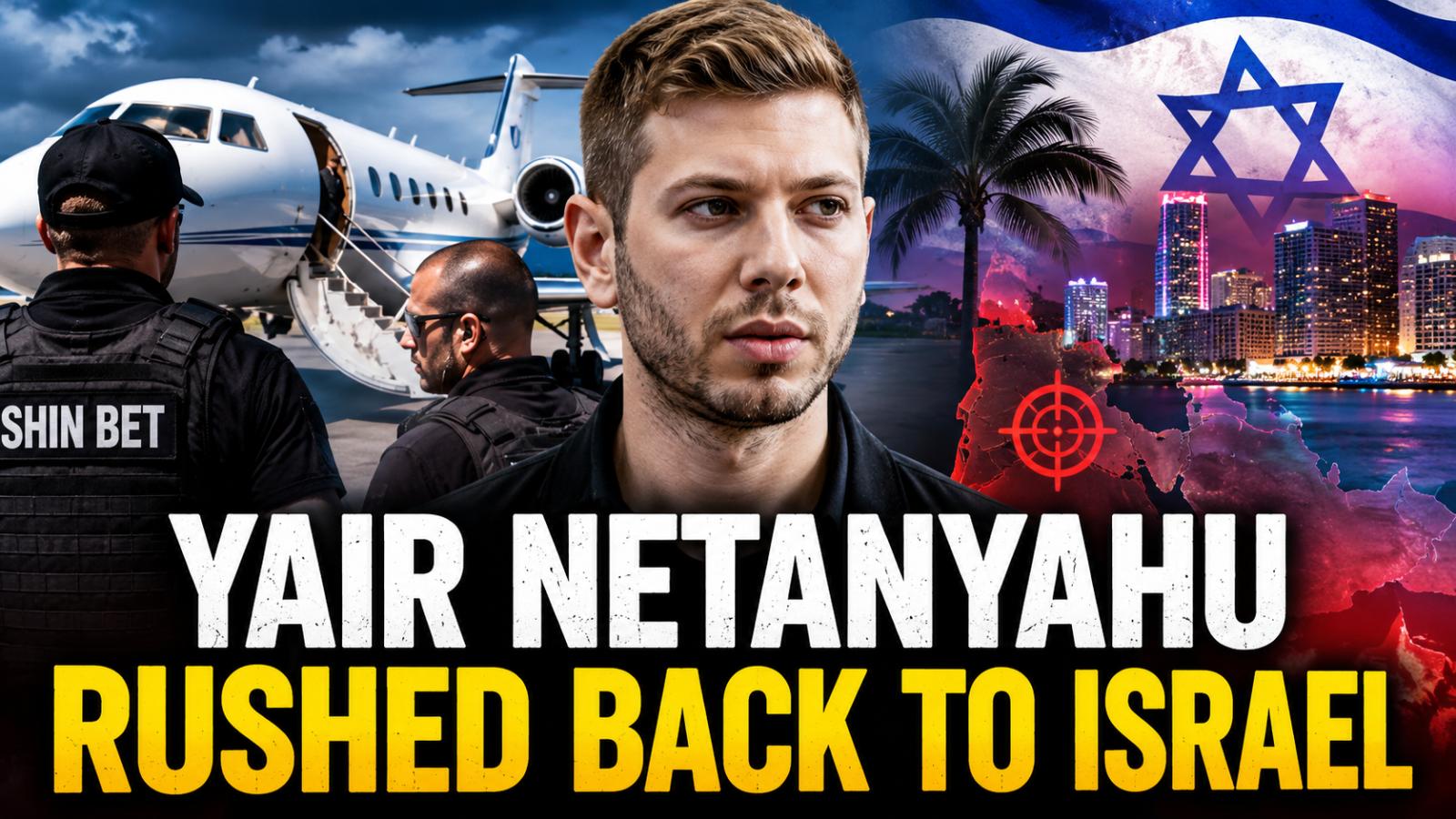
Israeli security agency Shin Bet has confirmed that a serious Yair Netanyahu threat prompted the urgent extraction of Prime Minister Benjamin Netanyahu’s eldest son from Miami and his return to Israel. The agency confirmed the security threat but did not publicly identify who was behind it.
Shin Bet Alert
The Shin Bet said on August 29 that authorities had identified a “significant threat??
Israeli security agency Shin Bet has confirmed that a serious Yair Netanyahu threat prompted the urgent extraction of Prime Minister Benjamin Netanyahu’s eldest son from Miami and his return to Israel. The agency confirmed the security threat but did not publicly identify who was behind it.
Shin Bet Alert
The Shin Bet said on August 29 that authorities had identified a “significant threat??
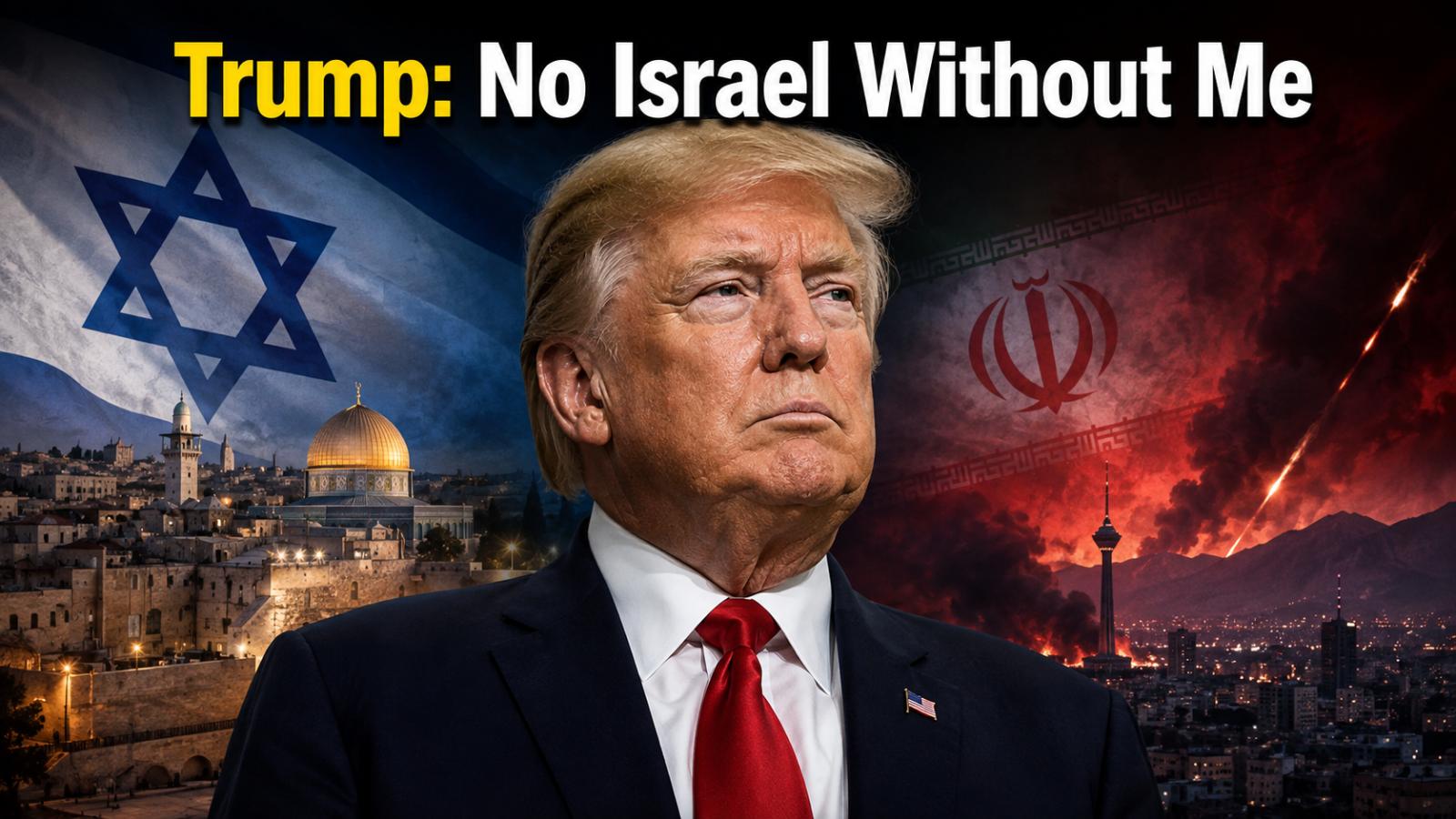
US President Donald Trump has again claimed that Israel would not exist today without his policies toward Iran. In a wide-ranging interview, he defended withdrawing from the JCPOA, discussed Mojtaba Khamenei’s condition and said the Strait of Hormuz was functioning despite continuing attacks.
JCPOA exit returns to center of Trump Israel claim
US President Donald Trump has again claimed that Israel would not exist today without his policies toward Iran. In a wide-ranging interview, he defended withdrawing from the JCPOA, discussed Mojtaba Khamenei’s condition and said the Strait of Hormuz was functioning despite continuing attacks.
JCPOA exit returns to center of Trump Israel claim
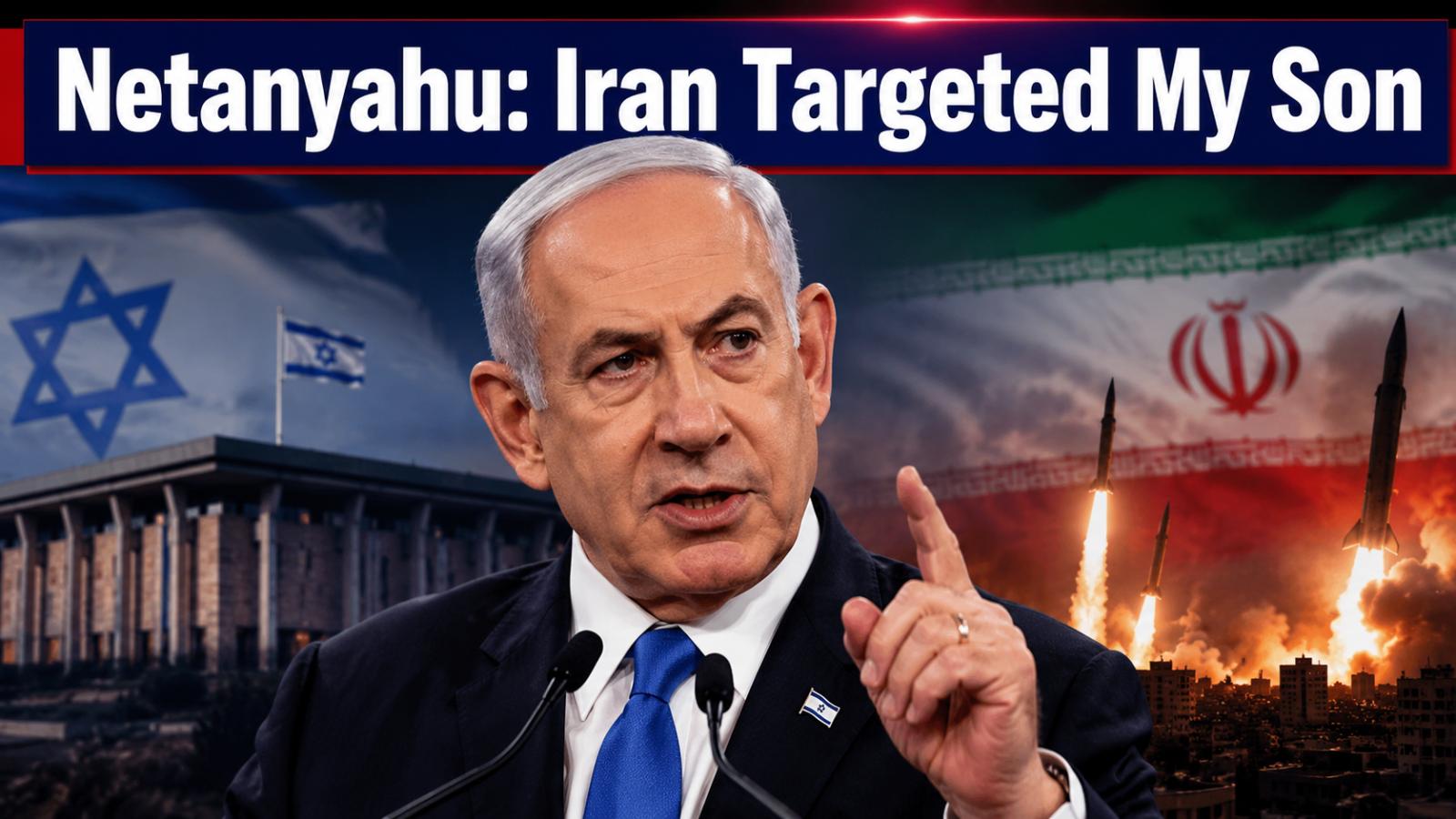
Israeli Prime Minister Benjamin Netanyahu says Iran tried to assassinate one of his sons, but he has not disclosed which son was allegedly targeted, when the attempt occurred or how it was uncovered. The claim came as he defended expanded Shin Bet protection for his family ahead of Israel’s October election.
Netanyahu Iran claim emerges during Channel 14 in
Israeli Prime Minister Benjamin Netanyahu says Iran tried to assassinate one of his sons, but he has not disclosed which son was allegedly targeted, when the attempt occurred or how it was uncovered. The claim came as he defended expanded Shin Bet protection for his family ahead of Israel’s October election.
Netanyahu Iran claim emerges during Channel 14 in
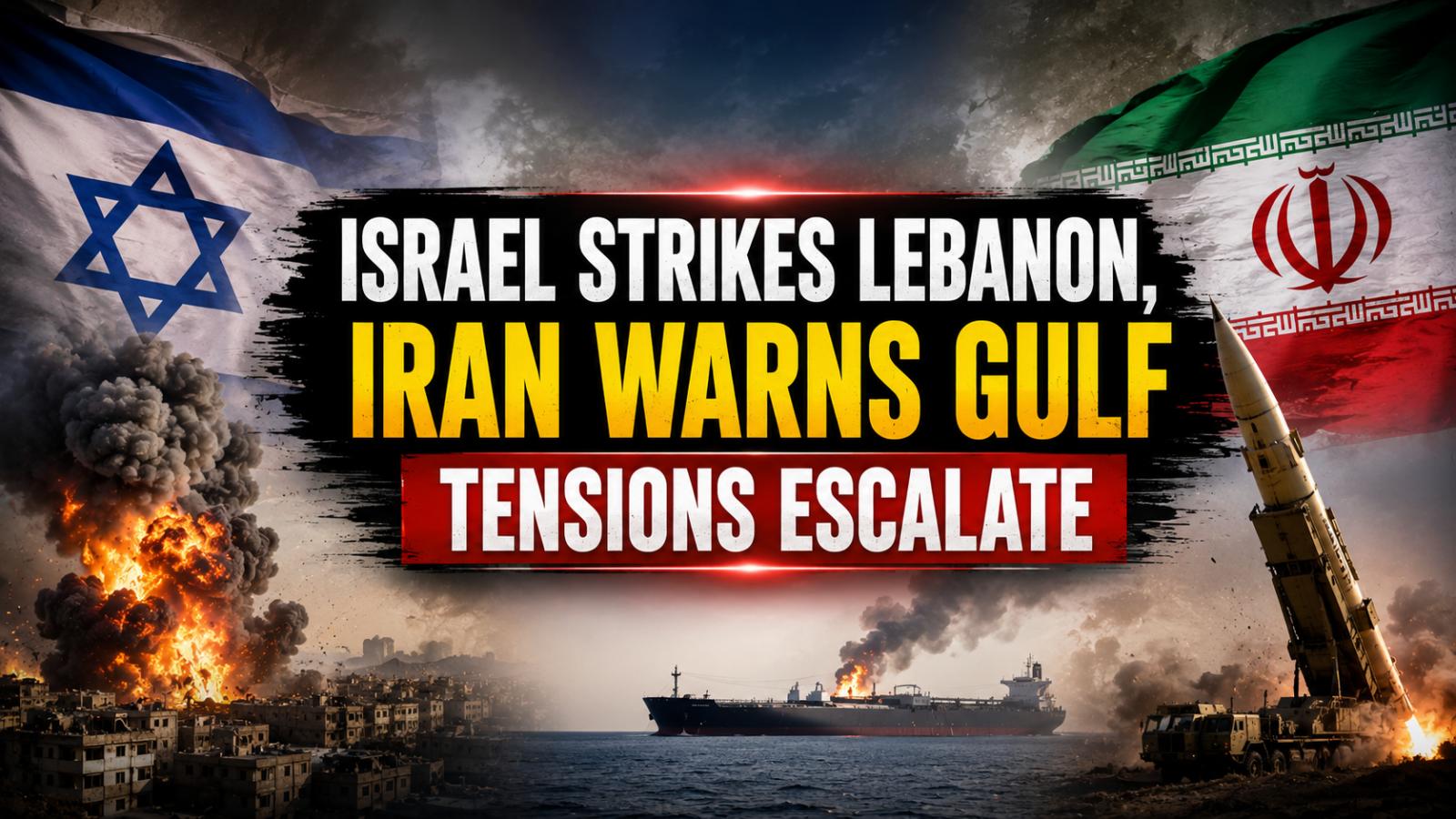
Israel Lebanon strikes have renewed fears of a wider regional conflict just as Iran and Oman move closer to an agreement on shipping through the Strait of Hormuz. The violence in southern Lebanon, threats against Gulf infrastructure and stalled Iran-US diplomacy show how fragile the search for peace remains.
Israel Lebanon strikes hit southern villages
Israel carried out strikes in southern Leb
Israel Lebanon strikes have renewed fears of a wider regional conflict just as Iran and Oman move closer to an agreement on shipping through the Strait of Hormuz. The violence in southern Lebanon, threats against Gulf infrastructure and stalled Iran-US diplomacy show how fragile the search for peace remains.
Israel Lebanon strikes hit southern villages
Israel carried out strikes in southern Leb
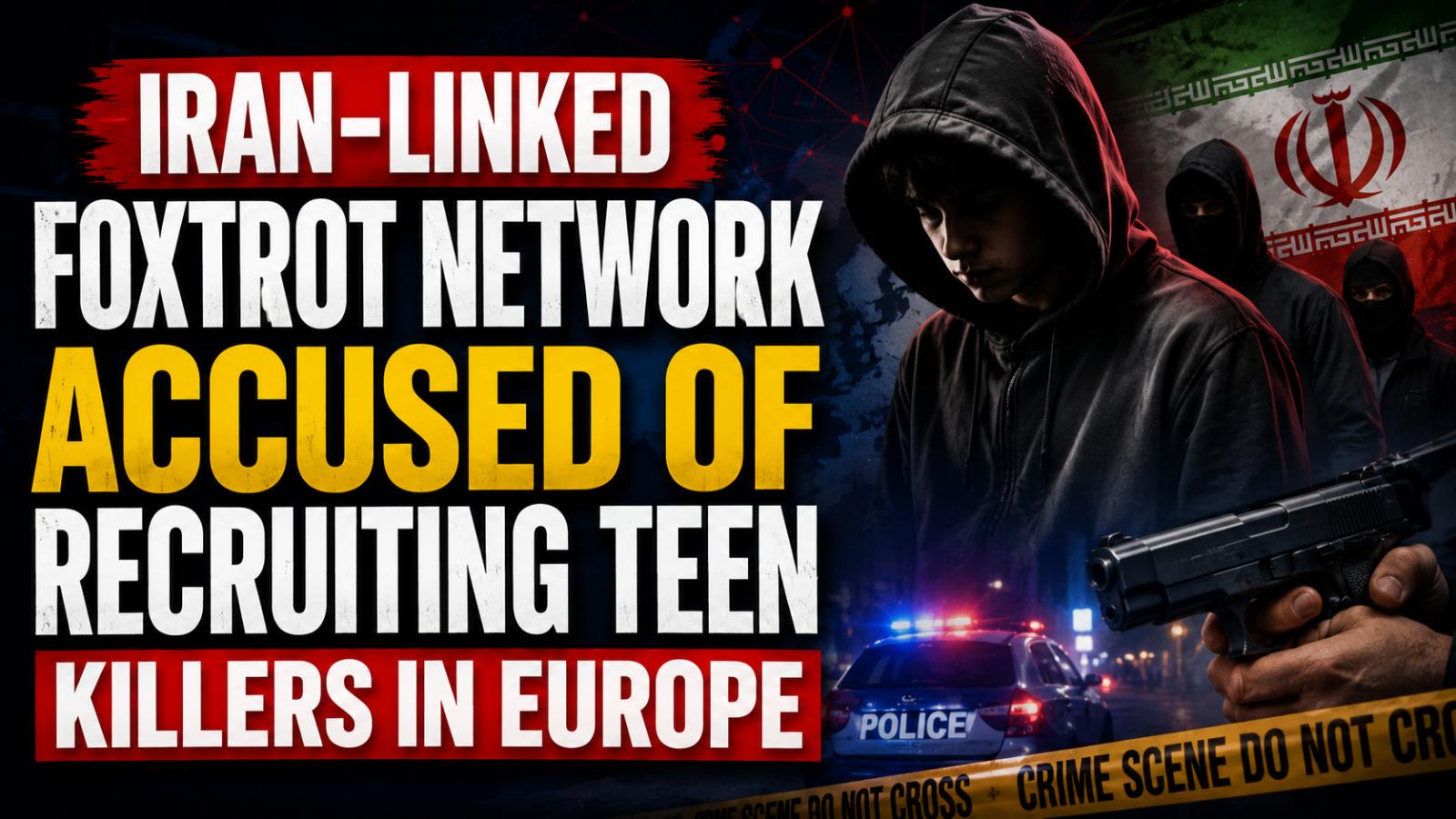
Iran-Linked Foxtrot Network Accused of Recruiting Teen Killers
The Iran Foxtrot network is under renewed scrutiny after reports alleged the criminal organisation recruited teenagers to carry out contract killings and attacks across Europe. Authorities in several countries continue investigating the group's activities, while Iran has rejected all claims linking the government to the network.
Foxtrot Teen Rec
Iran-Linked Foxtrot Network Accused of Recruiting Teen Killers
The Iran Foxtrot network is under renewed scrutiny after reports alleged the criminal organisation recruited teenagers to carry out contract killings and attacks across Europe. Authorities in several countries continue investigating the group's activities, while Iran has rejected all claims linking the government to the network.
Foxtrot Teen Rec
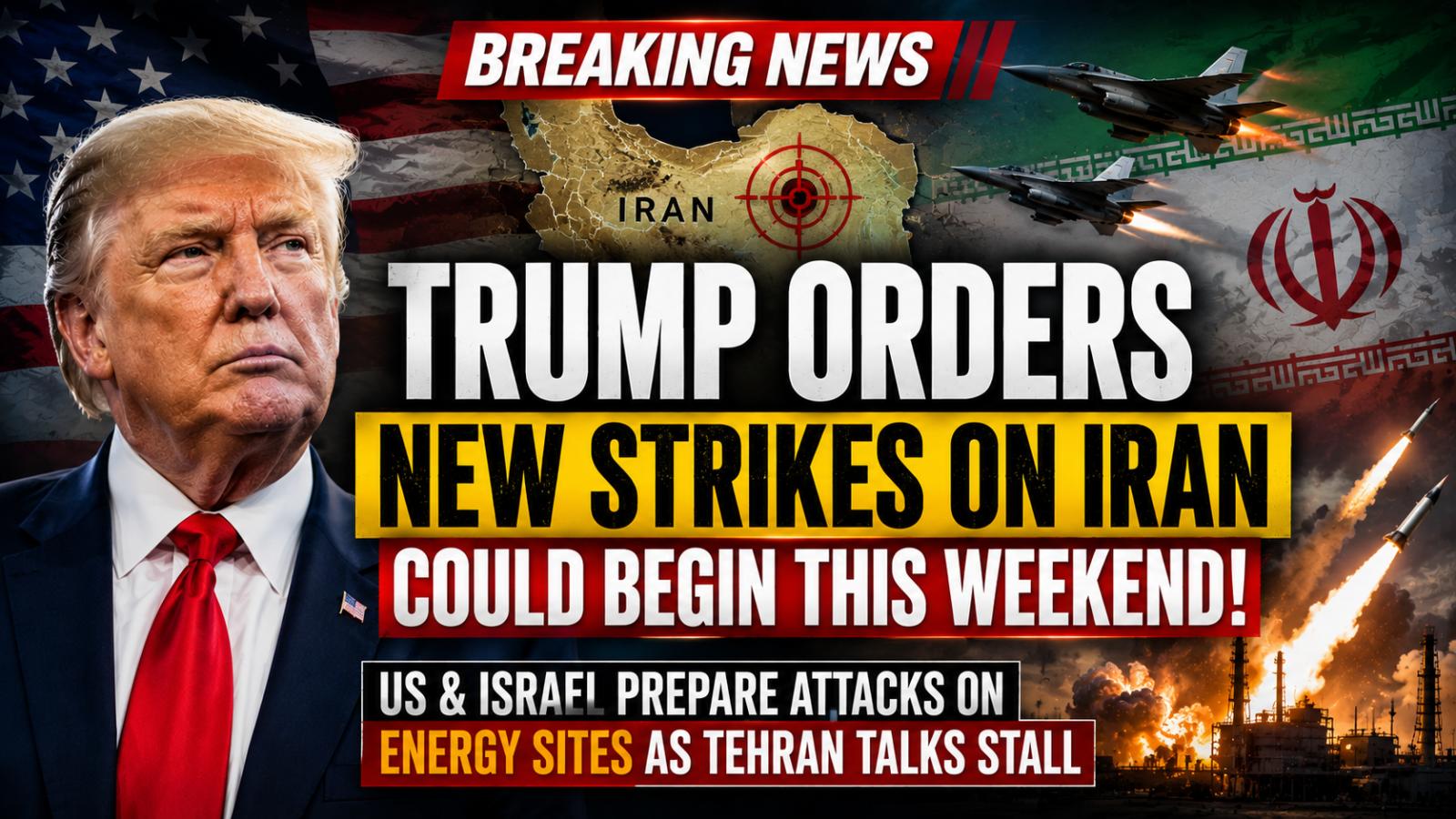
President Donald Trump has reportedly authorised a new US military strike against Iran that could begin over the weekend, as Washington increases pressure on Tehran to return to negotiations. Separate reporting suggests the United States and Israel are also considering attacks on Iranian energy infrastructure, but officials have not publicly confirmed a final target list or operational timetable.
Trump Iran Strikes Could Begin This Wee
President Donald Trump has reportedly authorised a new US military strike against Iran that could begin over the weekend, as Washington increases pressure on Tehran to return to negotiations. Separate reporting suggests the United States and Israel are also considering attacks on Iranian energy infrastructure, but officials have not publicly confirmed a final target list or operational timetable.
Trump Iran Strikes Could Begin This Wee
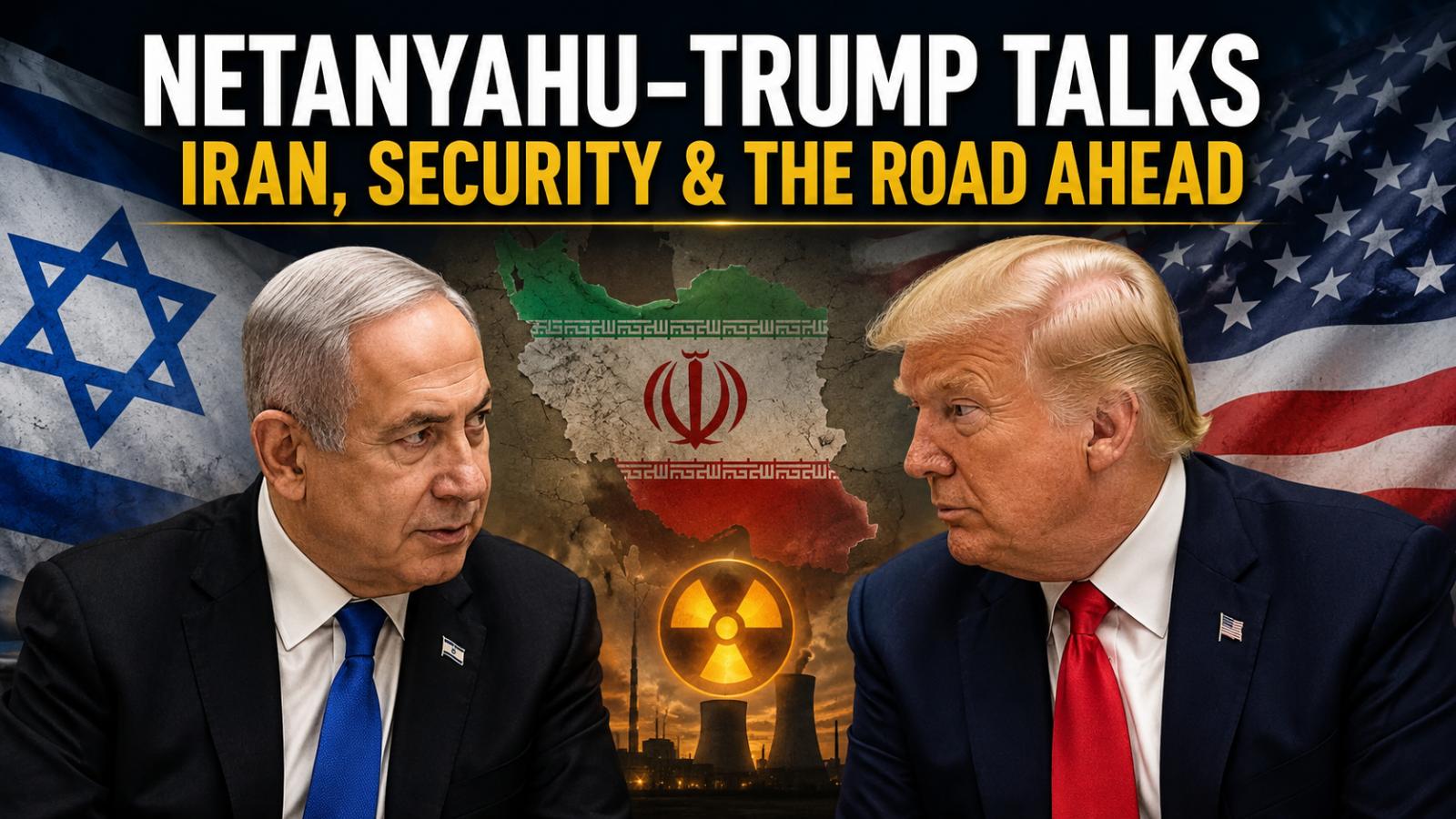
The Netanyahu Trump Iran talks placed Tehran’s nuclear programme at the centre of a wider discussion covering Syria, a proposed Saudi nuclear deal and future US aid to Israel. The 90-minute White House meeting came as both governments assessed diplomatic, economic and military options following the Iran war.
White House Talks Rebuild Strategic Coordination
Israeli Prime Minister Benjamin Neta
The Netanyahu Trump Iran talks placed Tehran’s nuclear programme at the centre of a wider discussion covering Syria, a proposed Saudi nuclear deal and future US aid to Israel. The 90-minute White House meeting came as both governments assessed diplomatic, economic and military options following the Iran war.
White House Talks Rebuild Strategic Coordination
Israeli Prime Minister Benjamin Neta
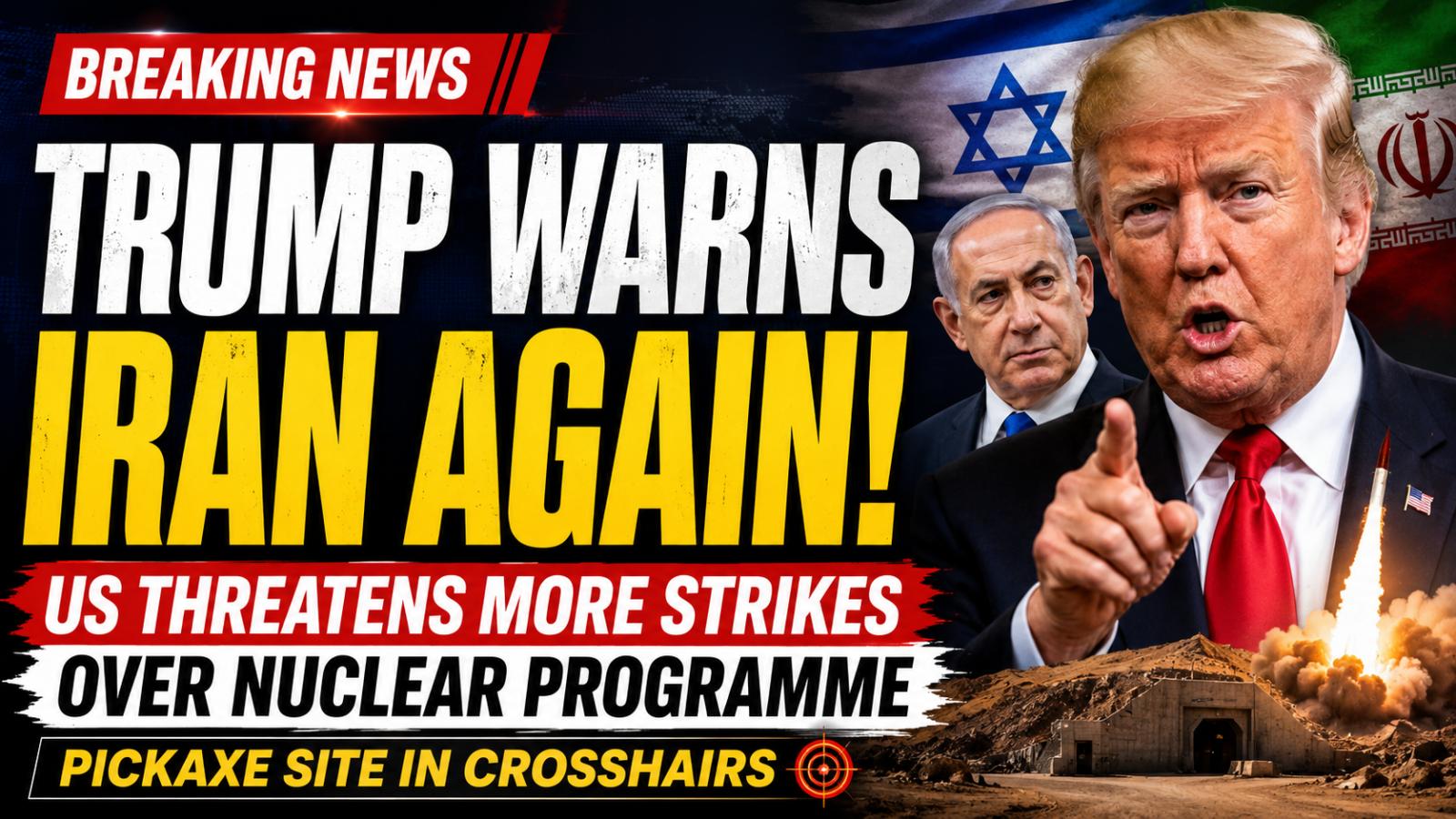
Trump Iran nuclear threat returned to the spotlight after US President Donald Trump warned that Washington could launch fresh military strikes if Tehran refuses a nuclear agreement. Speaking before meeting Israeli Prime Minister Benjamin Netanyahu, Trump questioned Israel's public intelligence disclosures while reaffirming that military action remains an option.
Trump Iran nuclear threat returned to the spotlight after US President Donald Trump warned that Washington could launch fresh military strikes if Tehran refuses a nuclear agreement. Speaking before meeting Israeli Prime Minister Benjamin Netanyahu, Trump questioned Israel's public intelligence disclosures while reaffirming that military action remains an option.
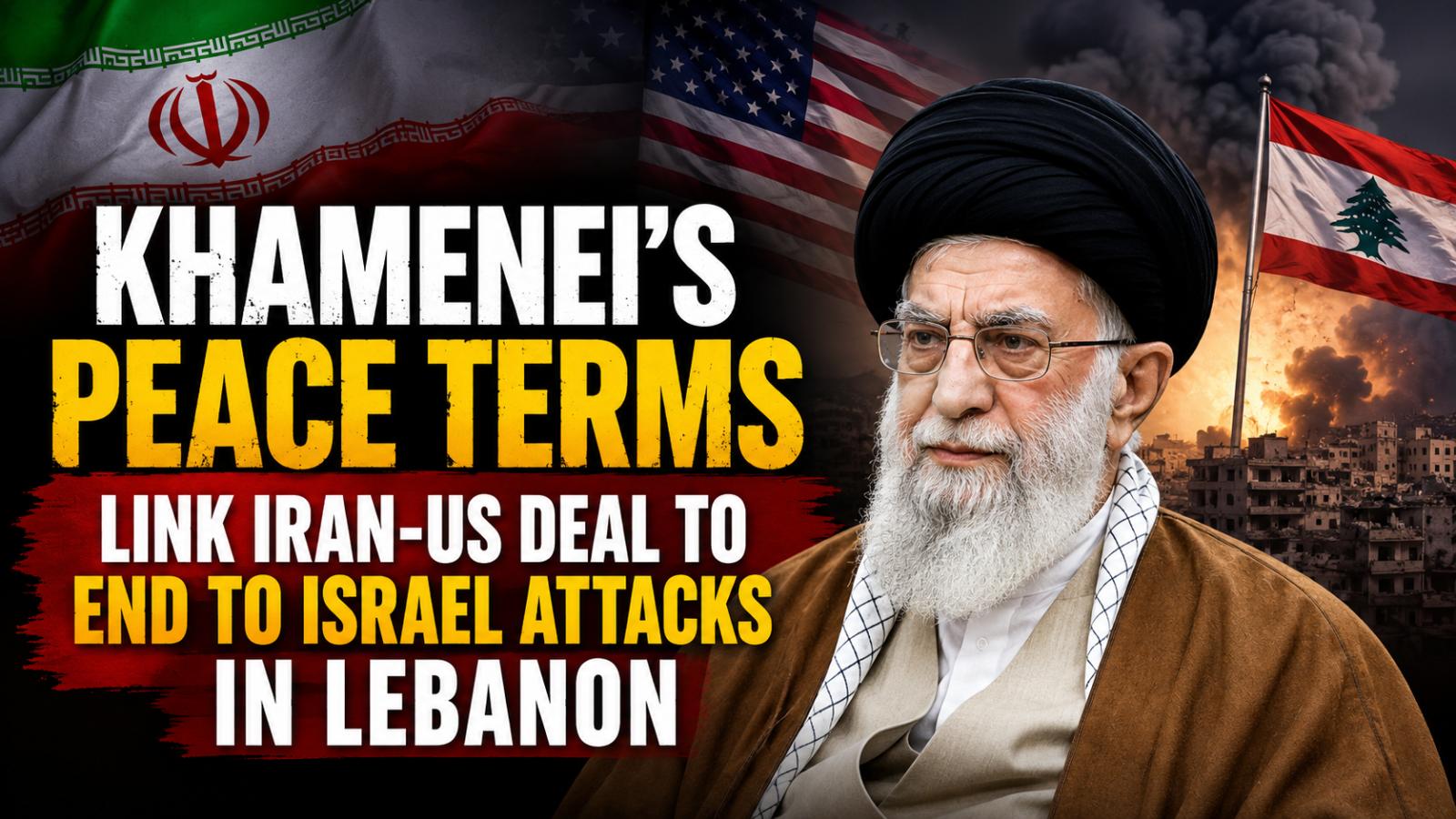
Iranian Supreme Leader Mojtaba Khamenei has linked any future agreement with the United States to an end to Israeli military operations in Lebanon. His position places Lebanon, Hezbollah support and Israeli withdrawal at the centre of Tehran’s conditions as regional diplomatic efforts continue.
Iran-US peace conditions
In a statement posted on X, Khamenei said Iran would require the protectio
Iranian Supreme Leader Mojtaba Khamenei has linked any future agreement with the United States to an end to Israeli military operations in Lebanon. His position places Lebanon, Hezbollah support and Israeli withdrawal at the centre of Tehran’s conditions as regional diplomatic efforts continue.
Iran-US peace conditions
In a statement posted on X, Khamenei said Iran would require the protectio
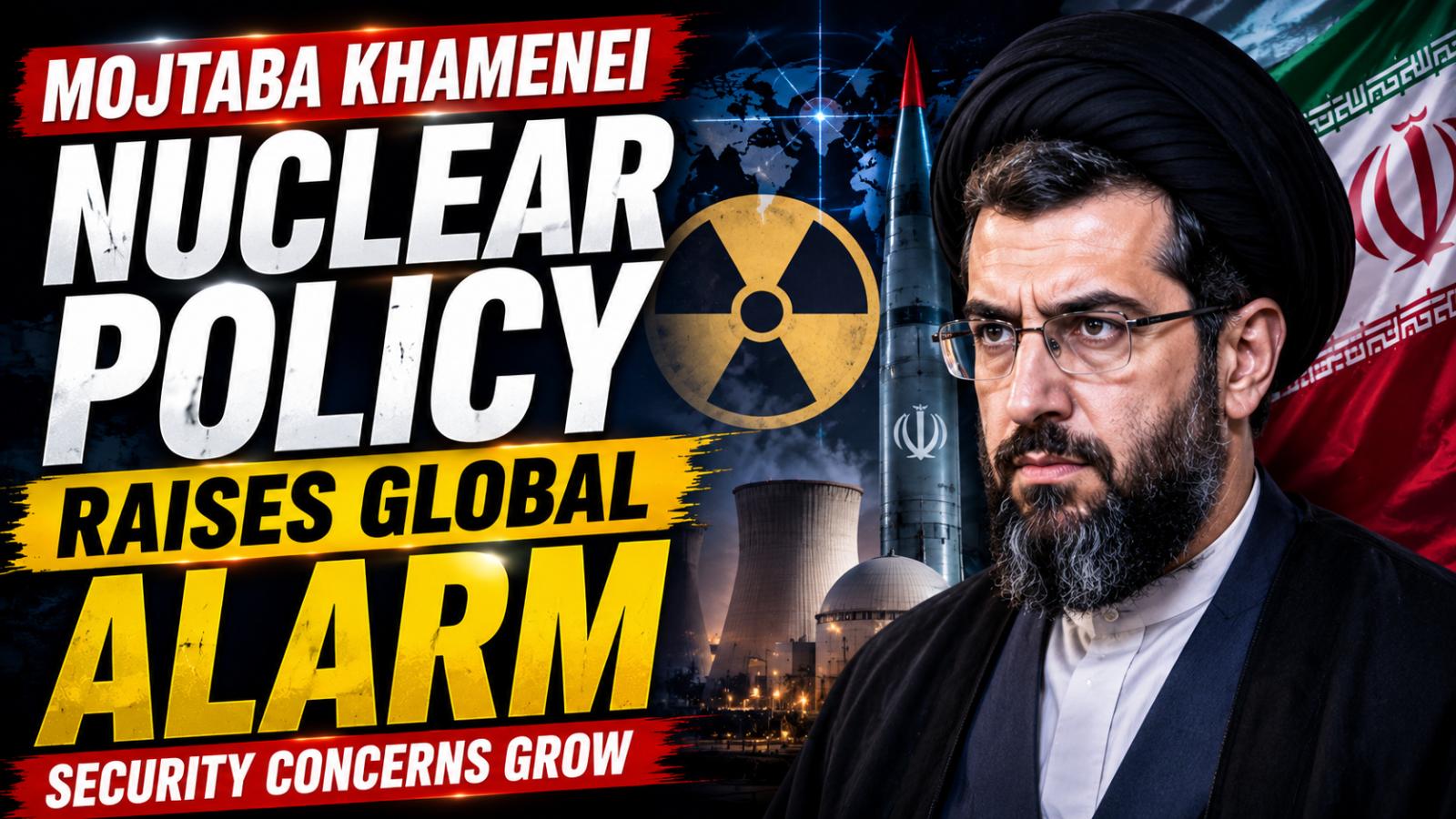
Mojtaba Khamenei's nuclear policy has come under renewed focus after a recent US intelligence assessment suggested Iran's new supreme leader may be more open to developing nuclear weapons than his father. While no official policy change has been announced, analysts say the assessment highlights growing concerns over Iran's nuclear threshold status, regional security and the future of diplomacy.
Mojtaba Khamenei's nuclear policy has come under renewed focus after a recent US intelligence assessment suggested Iran's new supreme leader may be more open to developing nuclear weapons than his father. While no official policy change has been announced, analysts say the assessment highlights growing concerns over Iran's nuclear threshold status, regional security and the future of diplomacy.
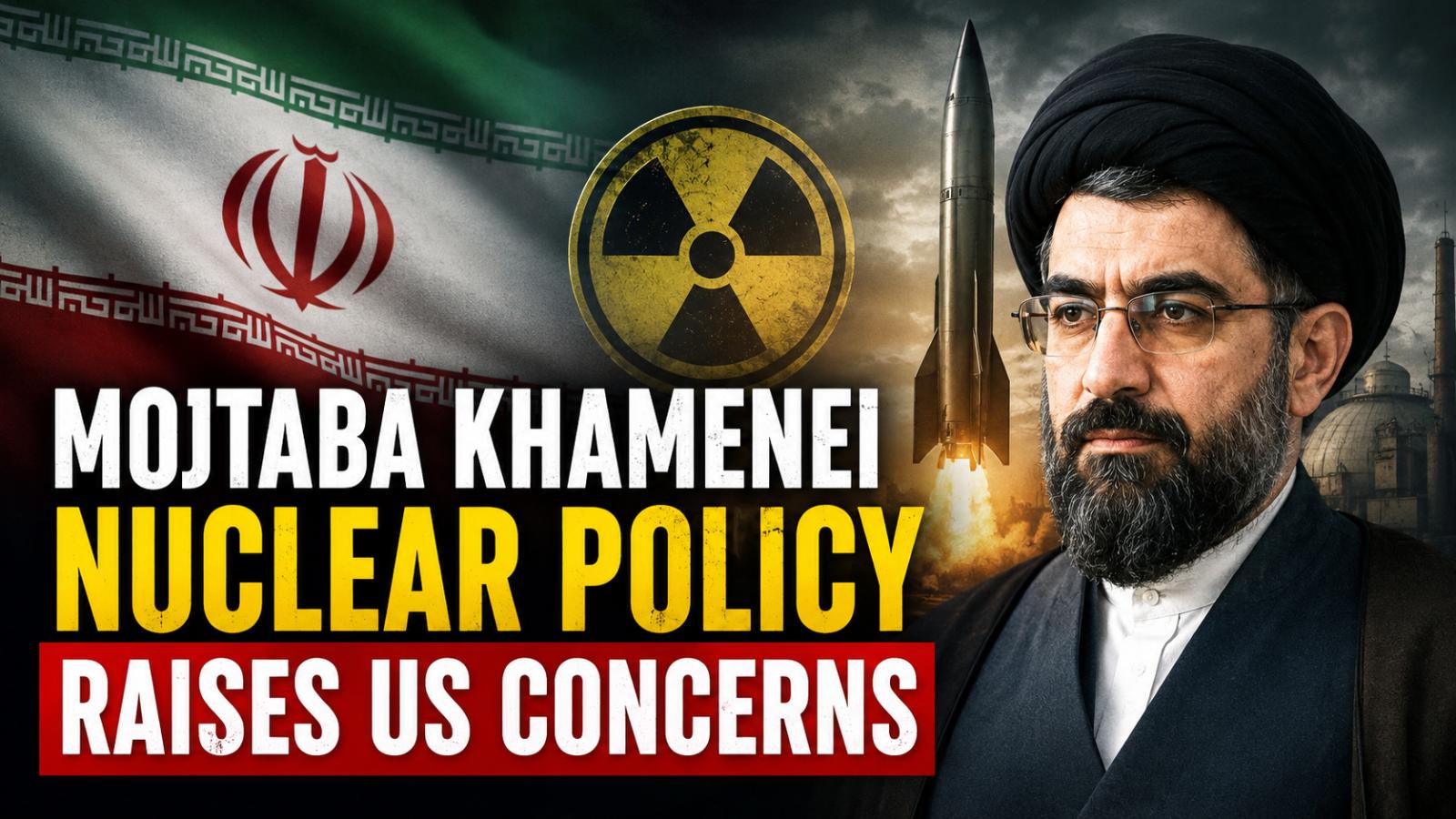
Mojtaba Khamenei nuclear policy has come under renewed scrutiny after a reported US intelligence assessment suggested that Iran’s supreme leader may be more willing than his father to consider developing nuclear weapons. The claim raises fresh questions about Iran’s nuclear doctrine, missile ambitions and regional security.
Iran Nuclear Weapons Assessment
People described as familiar with U
Mojtaba Khamenei nuclear policy has come under renewed scrutiny after a reported US intelligence assessment suggested that Iran’s supreme leader may be more willing than his father to consider developing nuclear weapons. The claim raises fresh questions about Iran’s nuclear doctrine, missile ambitions and regional security.
Iran Nuclear Weapons Assessment
People described as familiar with U
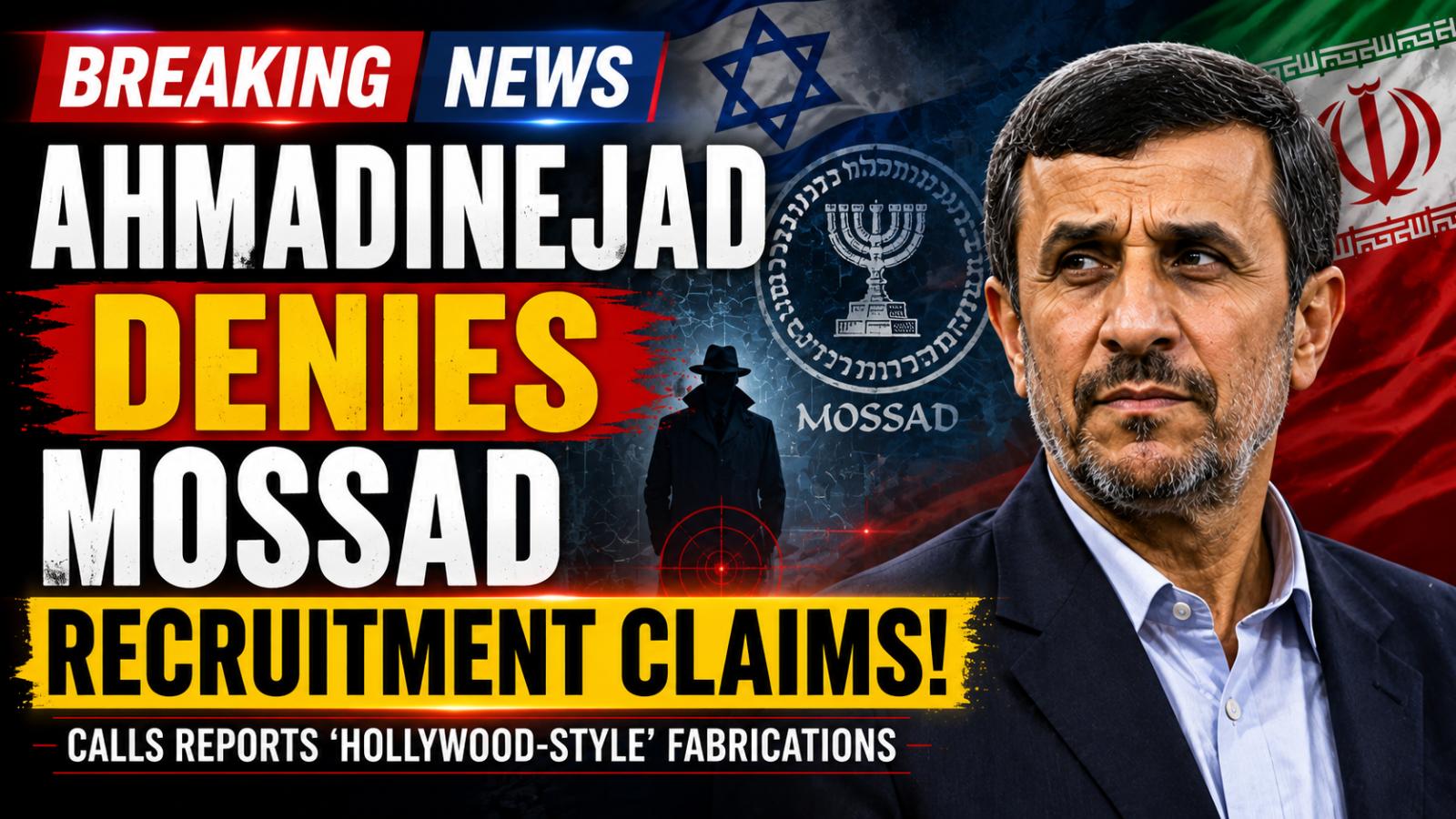
Former Iranian President Mahmoud Ahmadinejad has rejected allegations that Israel’s Mossad tried to recruit him for a plan to replace Iran’s leadership. A statement attributed to his office called the claims fabricated and denied reports that he had been placed under house arrest after the alleged operation failed.
Ahmadinejad denial challenges Mossad claims
Former Iranian President Mahmoud Ahmadinejad has rejected allegations that Israel’s Mossad tried to recruit him for a plan to replace Iran’s leadership. A statement attributed to his office called the claims fabricated and denied reports that he had been placed under house arrest after the alleged operation failed.
Ahmadinejad denial challenges Mossad claims
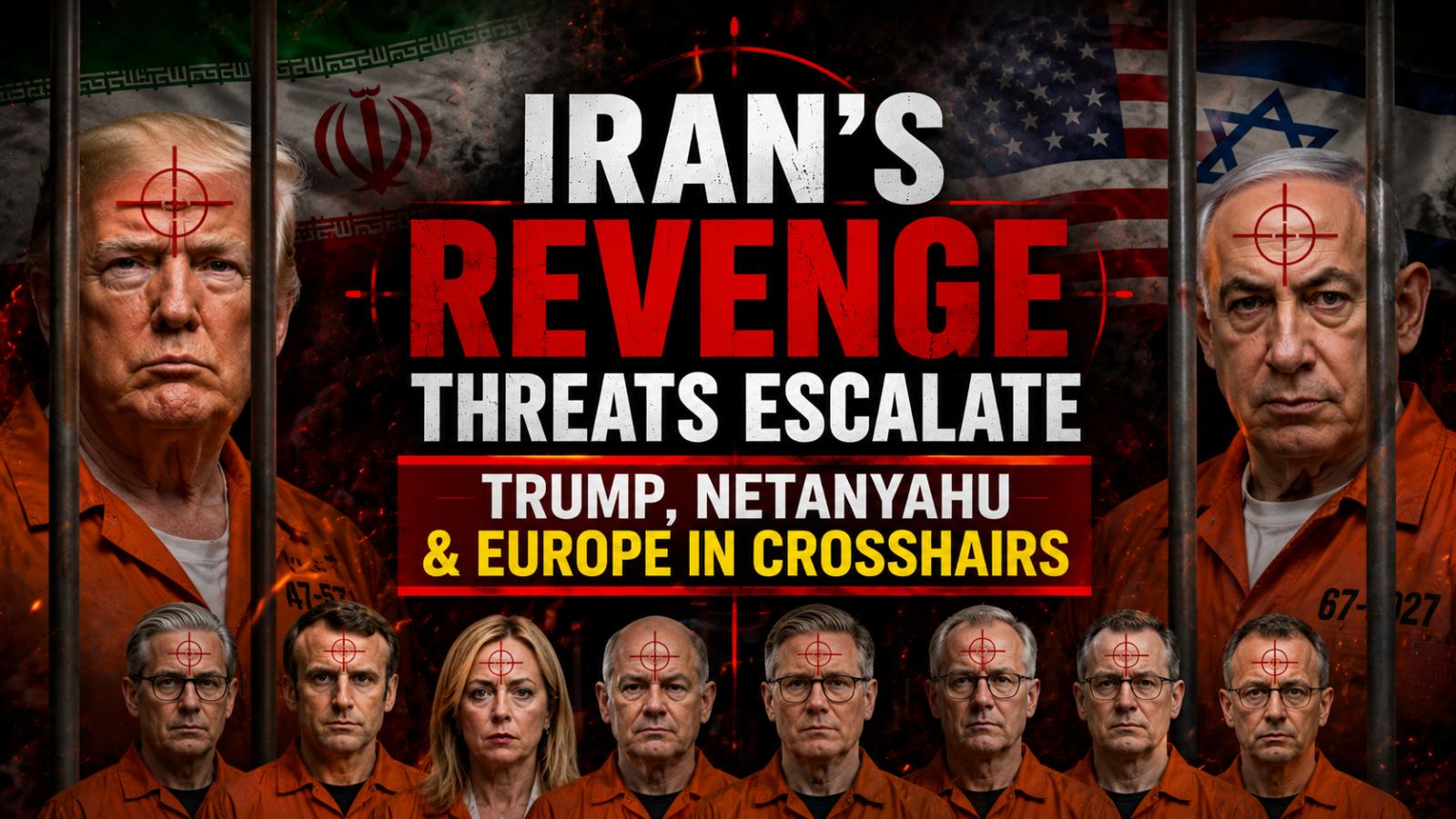
Iran revenge rhetoric has intensified after prominent newspapers published threatening headlines and images targeting US President Donald Trump, Israeli Prime Minister Benjamin Netanyahu and several European leaders. The publications followed a retaliation pledge attributed to Iran’s new supreme leader, Mojtaba Khamenei.
Iran revenge threat appears on newspaper front page
Iran revenge rhetoric has intensified after prominent newspapers published threatening headlines and images targeting US President Donald Trump, Israeli Prime Minister Benjamin Netanyahu and several European leaders. The publications followed a retaliation pledge attributed to Iran’s new supreme leader, Mojtaba Khamenei.
Iran revenge threat appears on newspaper front page
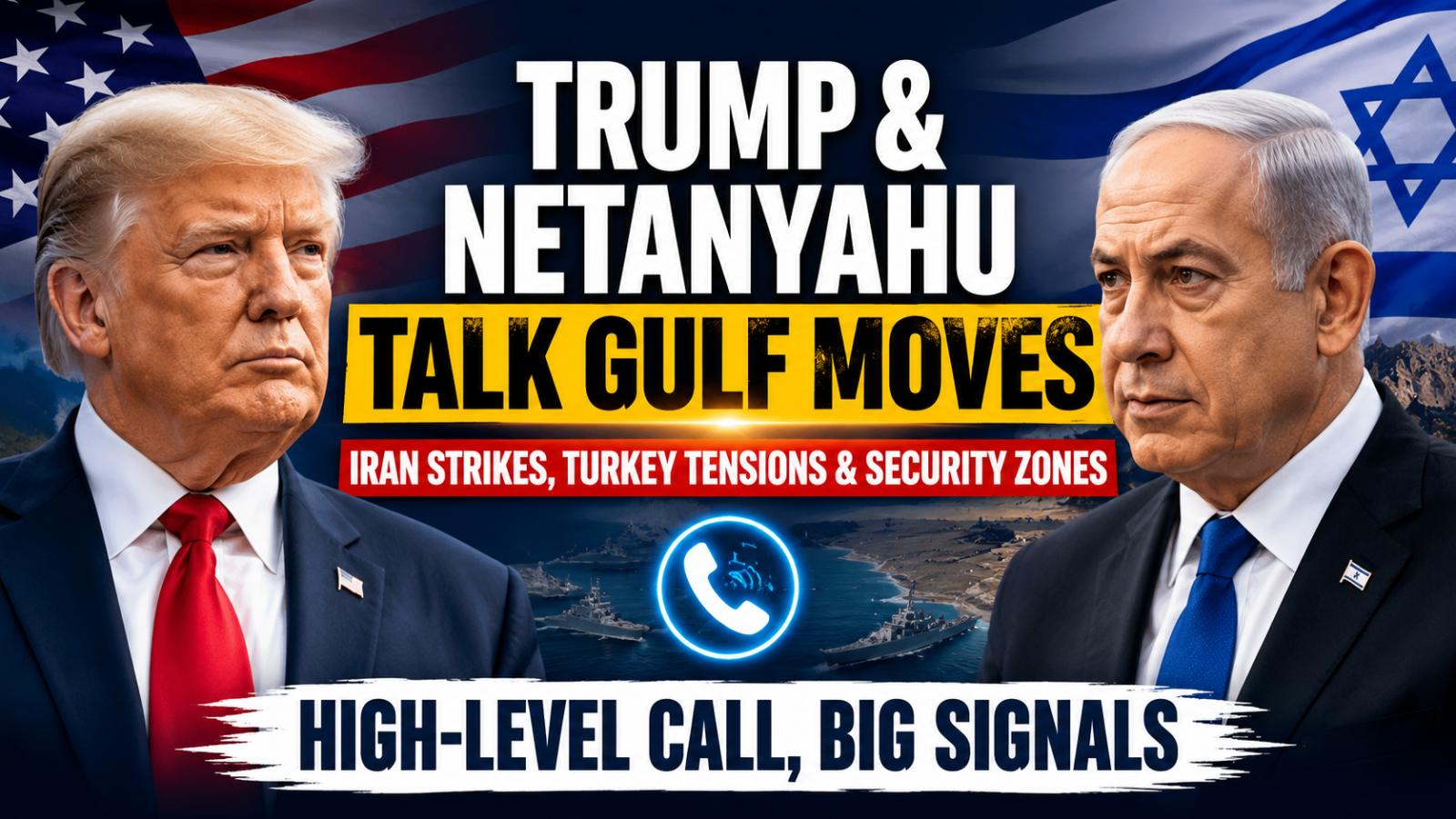
US President Donald Trump and Israeli Prime Minister Benjamin Netanyahu discussed American military activity in the Gulf, tensions involving Turkey and Israel’s border security concerns during a phone call on Thursday, July 9. The leaders agreed to maintain close coordination as instability across West Asia continued.
Trump-Netanyahu call covers US Gulf moves
US President Donald Trump and Israeli Prime Minister Benjamin Netanyahu discussed American military activity in the Gulf, tensions involving Turkey and Israel’s border security concerns during a phone call on Thursday, July 9. The leaders agreed to maintain close coordination as instability across West Asia continued.
Trump-Netanyahu call covers US Gulf moves
Chants target Pezeshkian at funeral
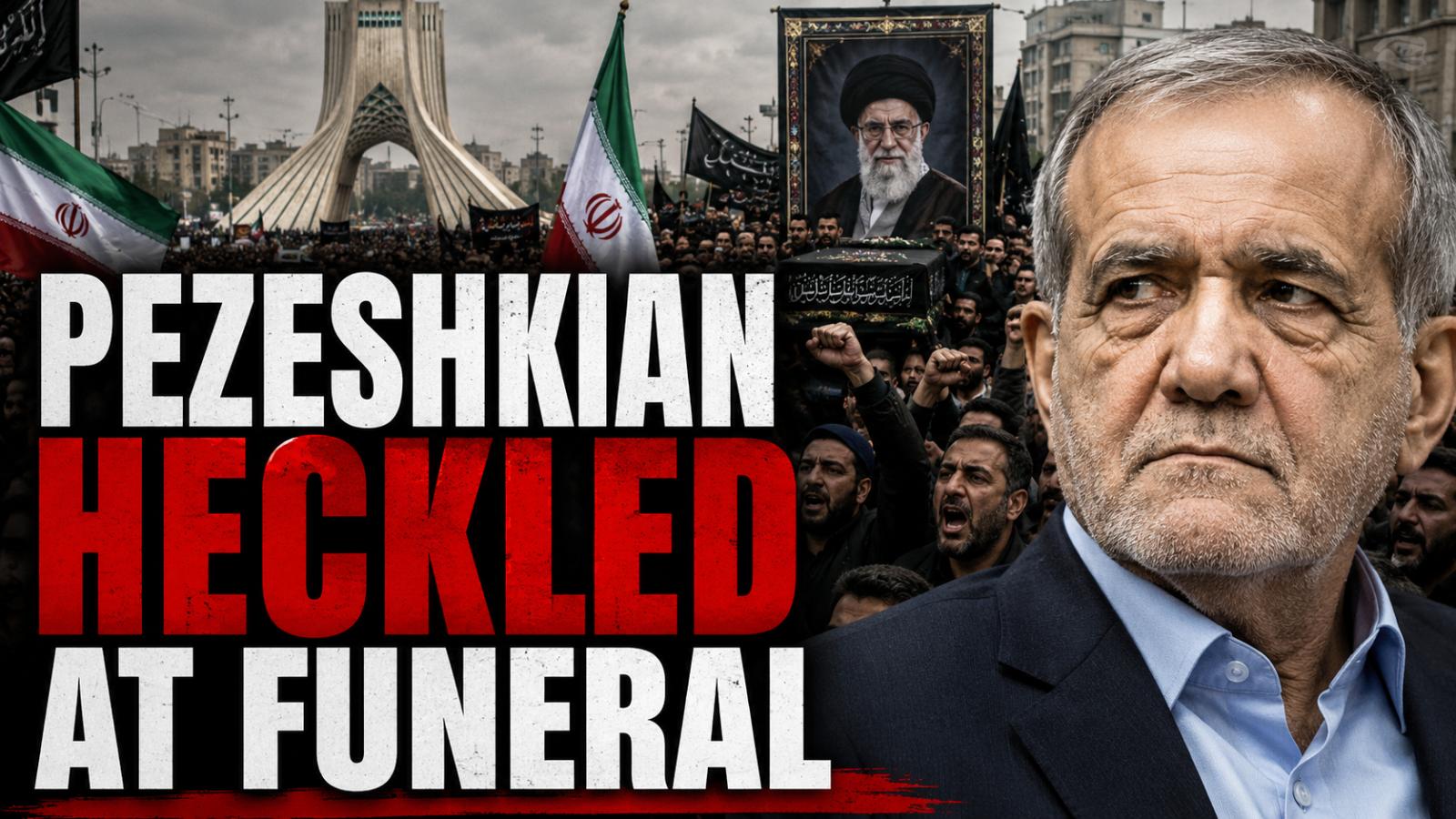
Hardline supporters of Iran’s Islamic Republic chanted against President Masoud Pezeshkian during the funeral procession for late Supreme Leader Ali Khamenei in Tehran on Monday, highlighting internal divisions over diplomacy with the United States. Videos shared on social media appeared to show mourners shouting “death to compromiser” as Pezeshkian attended the cere
Chants target Pezeshkian at funeral
Hardline supporters of Iran’s Islamic Republic chanted against President Masoud Pezeshkian during the funeral procession for late Supreme Leader Ali Khamenei in Tehran on Monday, highlighting internal divisions over diplomacy with the United States. Videos shared on social media appeared to show mourners shouting “death to compromiser” as Pezeshkian attended the cere
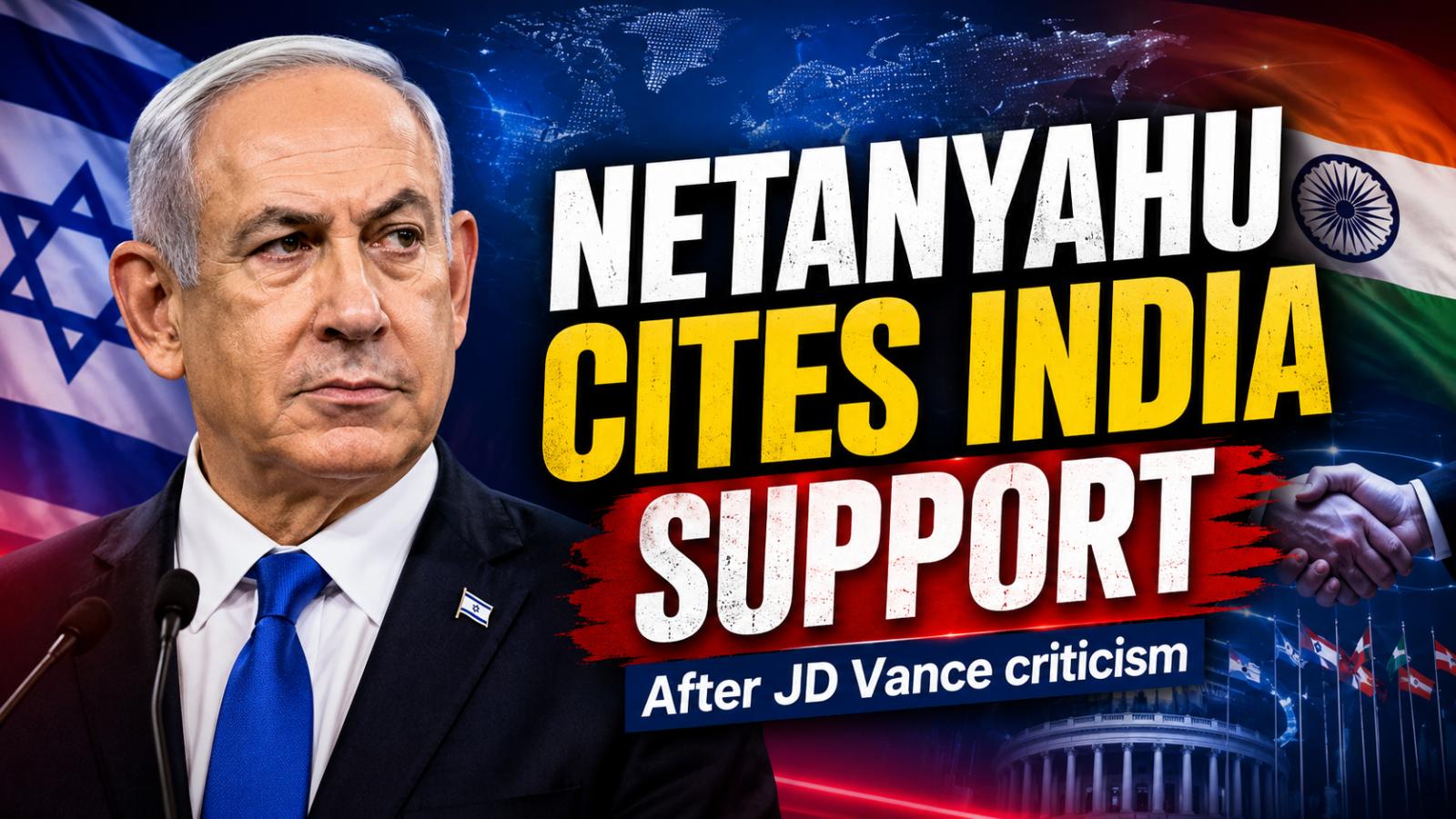
Netanyahu responds to concerns over Israel support
Israeli Prime Minister Benjamin Netanyahu pushed back against criticism over declining support for Israel, saying the country’s international backing is not limited to one leader or one nation. Speaking during a televised interview, Netanyahu said Israel has no greater ally than the United States, while also pointing
Netanyahu responds to concerns over Israel support
Israeli Prime Minister Benjamin Netanyahu pushed back against criticism over declining support for Israel, saying the country’s international backing is not limited to one leader or one nation. Speaking during a televised interview, Netanyahu said Israel has no greater ally than the United States, while also pointing
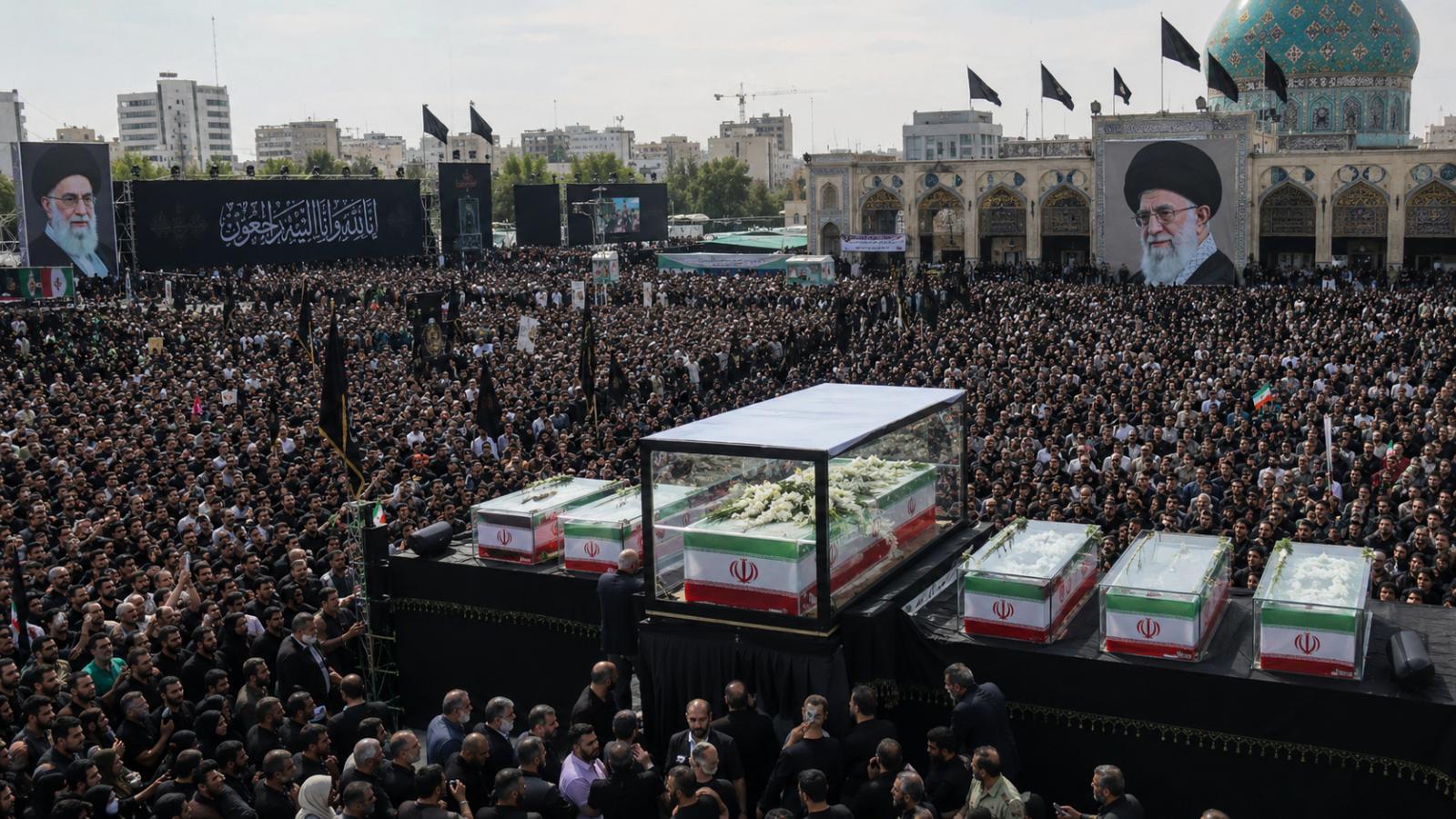
Huge crowds gathered in Tehran, Iran, at dawn local time on Saturday, July 4, 2026, as funeral ceremonies began for Ayatollah Ali Khamenei, the former Iranian supreme leader killed in late February during the U.S.-Israeli war.
The Khamenei funeral opened six days of public ceremonies expected to move through major Shiite religious centers in Iran and Iraq, including Qom, Karbala, Najaf and Mashhad.
Caskets displayed at Grand Mosalla mosque
Mour
Huge crowds gathered in Tehran, Iran, at dawn local time on Saturday, July 4, 2026, as funeral ceremonies began for Ayatollah Ali Khamenei, the former Iranian supreme leader killed in late February during the U.S.-Israeli war.
The Khamenei funeral opened six days of public ceremonies expected to move through major Shiite religious centers in Iran and Iraq, including Qom, Karbala, Najaf and Mashhad.
Caskets displayed at Grand Mosalla mosque
Mour
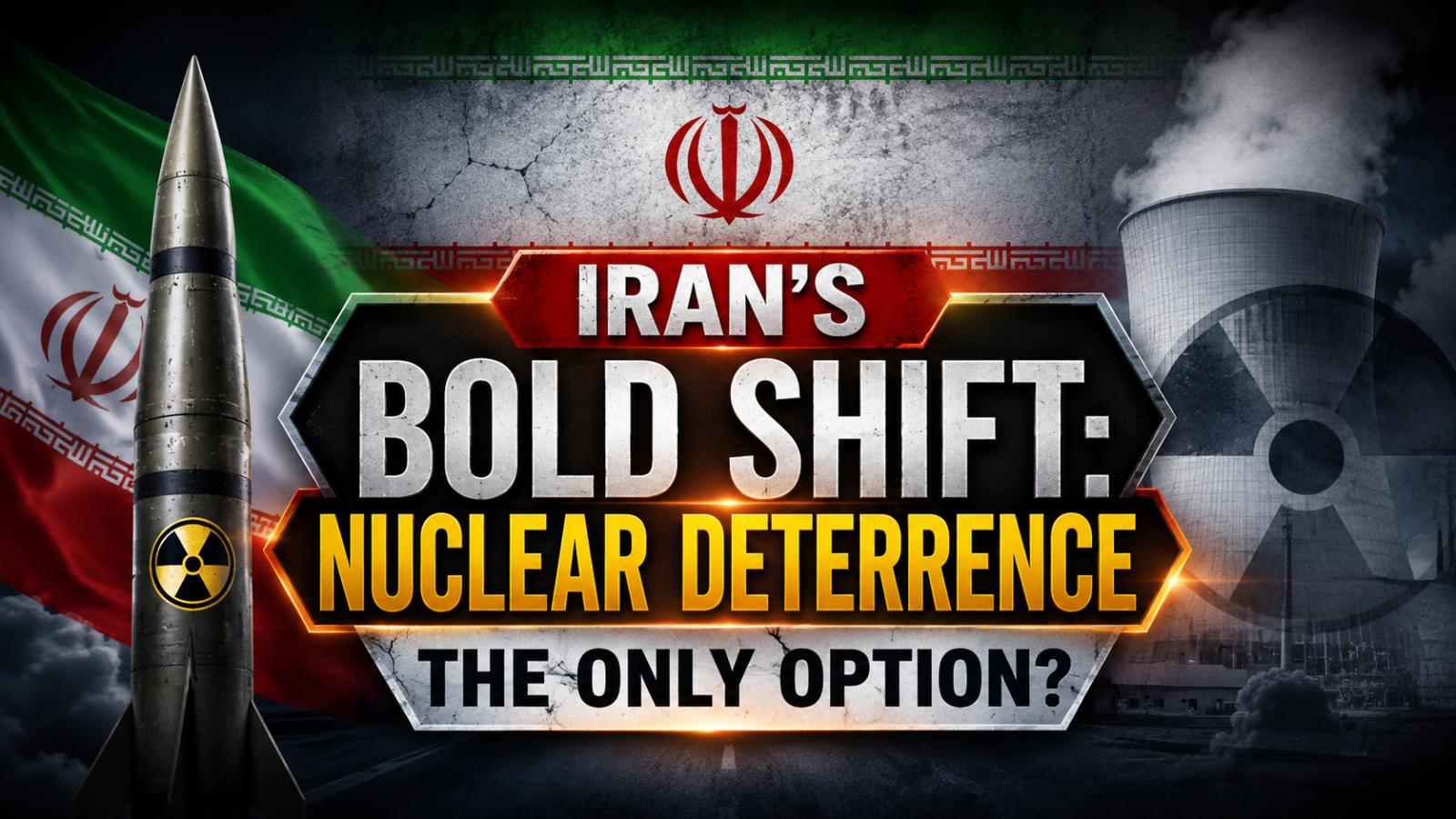
Iran Highlights Nuclear Deterrence as Strategic Priority
A commentary published by Iran’s semi-official Fars news agency has presented a position suggesting the country may need to pursue nuclear deterrence to protect itself from potential military threats. The unsigned article asserts that nuclear capabilities would ensure Iran can negotiate from a position of strength, reducing the likelihood of armed conflict and increasing leverage in future disputes.
Iran Highlights Nuclear Deterrence as Strategic Priority
A commentary published by Iran’s semi-official Fars news agency has presented a position suggesting the country may need to pursue nuclear deterrence to protect itself from potential military threats. The unsigned article asserts that nuclear capabilities would ensure Iran can negotiate from a position of strength, reducing the likelihood of armed conflict and increasing leverage in future disputes.
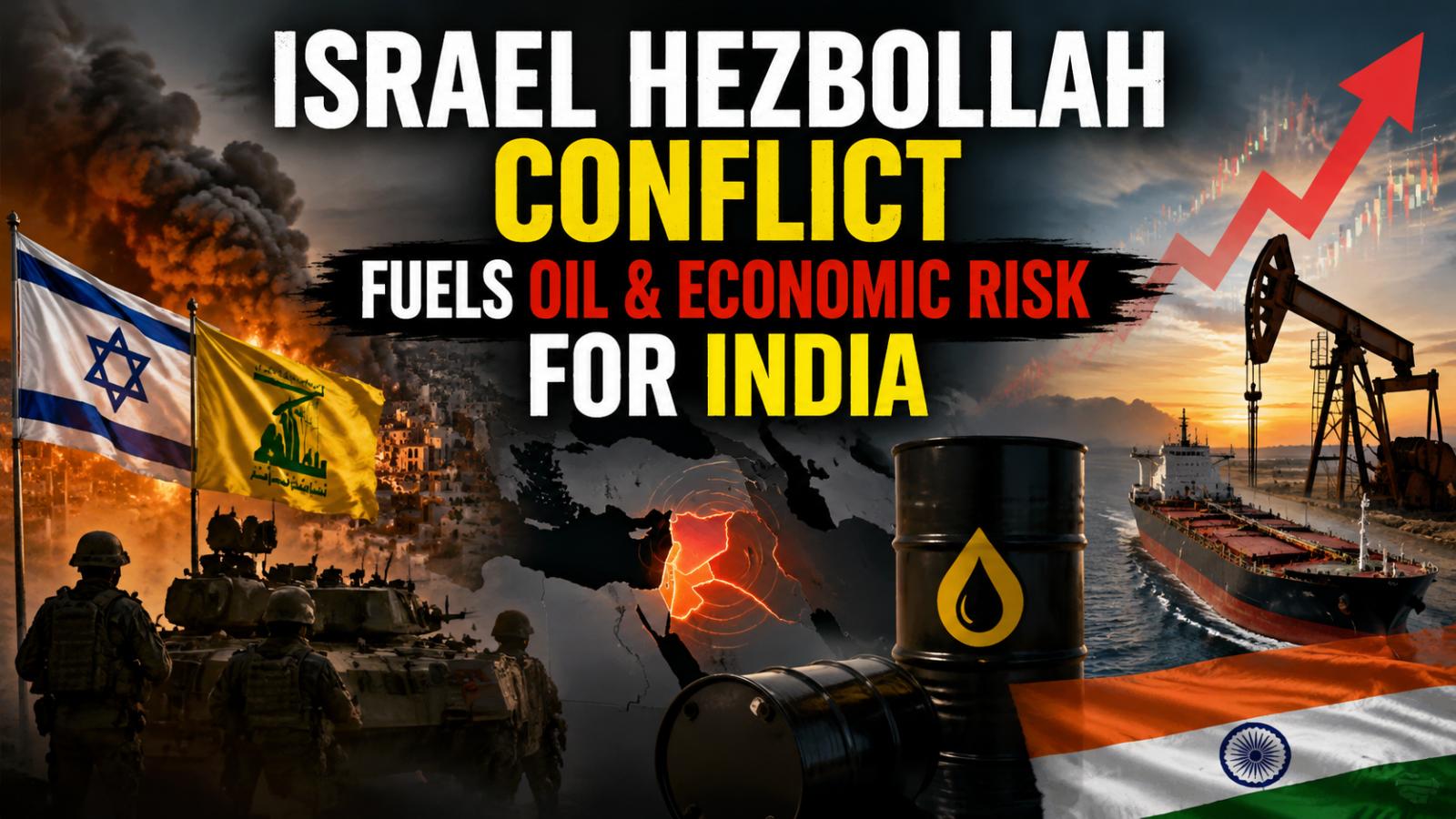
The renewed exchange of fire between Israeli forces and Hezbollah-linked positions in southern Lebanon has again drawn attention to an already fragile regional security environment. While both sides continue to frame their actions as targeted and defensive, the situation is increasingly being viewed through a wider geopolitical lens, especially by energy markets and trade-dependent economies.
Even limited escalation in this corridor tends to trigger immediate risk recalibration in global markets, not because of direct supply disruption, but due to fear of spillover into wider West Asian conflict zones.
Oil markets react to uncertainty, not only disruption
Crude oil prices have remained sensitive to developments in the region, with traders closely tracking any sign of expansion beyond localized strikes. Brent crude has shown intermittent swings, reflecting how quickly sentiment shifts when geopolitical risks rise.
For import-heavy economies like India, the concern is not only about supply cuts but also price volatility. Even short-lived spikes increase import bills, widen trade deficits, and add pressure on domestic inflation through fuel and transport costs.
India remains heavily dependent on imported crude, leaving it exposed to external shocks that originate far from its own borders but quickly reach its economy through global pricing mechanisms.
Maritime chokepoints add another layer of risk
Beyond oil production zones, shipping routes remain a critical pressure point. The Strait of Hormuz continues to be one of the most strategically sensitive maritime corridors in the world, handling a large share of global crude movement.
Any perception of instability in nearby conflict zones tends to increase insurance premiums for tankers and freight operators. This raises shipping costs even when physical disruption does not occur.
For trade-dependent economies, the indirect cost of conflict often arrives faster than any actual supply shortage.
India’s broader exposure goes beyond energy
India’s stake in West Asian stability is not limited to crude imports. A large Indian workforce in Gulf countries supports billions in annual remittances, which play a steady role in foreign exchange stability.
At the same time, India maintains layered relationships across the region—energy partnerships with Gulf producers, strategic cooperation with Israel, and connectivity interests linked to Iran and regional ports.
This creates a complex policy environment where instability in one corridor can influence multiple economic and diplomatic channels simultaneously.
Long-term infrastructure plans face sensitivity risks
Large-scale trade and infrastructure initiatives involving West Asia, including proposed trans-regional connectivity corridors, depend heavily on stable political conditions. Projects linked to ports, energy routes, and logistics networks become vulnerable when security risks rise.
Even without direct damage, prolonged uncertainty tends to slow investment decisions, delay contracts, and increase financing costs for regional development projects.
Conclusion
The current Israel–Hezbollah exchange remains geographically contained, but its economic impact is far wider. Oil markets, shipping costs, remittance flows, and long-term trade planning all react quickly to signals of escalation.
For India and other import-dependent economies, the primary challenge is not direct involvement in the conflict but exposure to its ripple effects through energy pricing, logistics costs, and regional stability risks.
The renewed exchange of fire between Israeli forces and Hezbollah-linked positions in southern Lebanon has again drawn attention to an already fragile regional security environment. While both sides continue to frame their actions as targeted and defensive, the situation is increasingly being viewed through a wider geopolitical lens, especially by energy markets and trade-dependent economies.
Even limited escalation in this corridor tends to trigger immediate risk recalibration in global markets, not because of direct supply disruption, but due to fear of spillover into wider West Asian conflict zones.
Oil markets react to uncertainty, not only disruption
Crude oil prices have remained sensitive to developments in the region, with traders closely tracking any sign of expansion beyond localized strikes. Brent crude has shown intermittent swings, reflecting how quickly sentiment shifts when geopolitical risks rise.
For import-heavy economies like India, the concern is not only about supply cuts but also price volatility. Even short-lived spikes increase import bills, widen trade deficits, and add pressure on domestic inflation through fuel and transport costs.
India remains heavily dependent on imported crude, leaving it exposed to external shocks that originate far from its own borders but quickly reach its economy through global pricing mechanisms.
Maritime chokepoints add another layer of risk
Beyond oil production zones, shipping routes remain a critical pressure point. The Strait of Hormuz continues to be one of the most strategically sensitive maritime corridors in the world, handling a large share of global crude movement.
Any perception of instability in nearby conflict zones tends to increase insurance premiums for tankers and freight operators. This raises shipping costs even when physical disruption does not occur.
For trade-dependent economies, the indirect cost of conflict often arrives faster than any actual supply shortage.
India’s broader exposure goes beyond energy
India’s stake in West Asian stability is not limited to crude imports. A large Indian workforce in Gulf countries supports billions in annual remittances, which play a steady role in foreign exchange stability.
At the same time, India maintains layered relationships across the region—energy partnerships with Gulf producers, strategic cooperation with Israel, and connectivity interests linked to Iran and regional ports.
This creates a complex policy environment where instability in one corridor can influence multiple economic and diplomatic channels simultaneously.
Long-term infrastructure plans face sensitivity risks
Large-scale trade and infrastructure initiatives involving West Asia, including proposed trans-regional connectivity corridors, depend heavily on stable political conditions. Projects linked to ports, energy routes, and logistics networks become vulnerable when security risks rise.
Even without direct damage, prolonged uncertainty tends to slow investment decisions, delay contracts, and increase financing costs for regional development projects.
Conclusion
The current Israel–Hezbollah exchange remains geographically contained, but its economic impact is far wider. Oil markets, shipping costs, remittance flows, and long-term trade planning all react quickly to signals of escalation.
For India and other import-dependent economies, the primary challenge is not direct involvement in the conflict but exposure to its ripple effects through energy pricing, logistics costs, and regional stability risks.
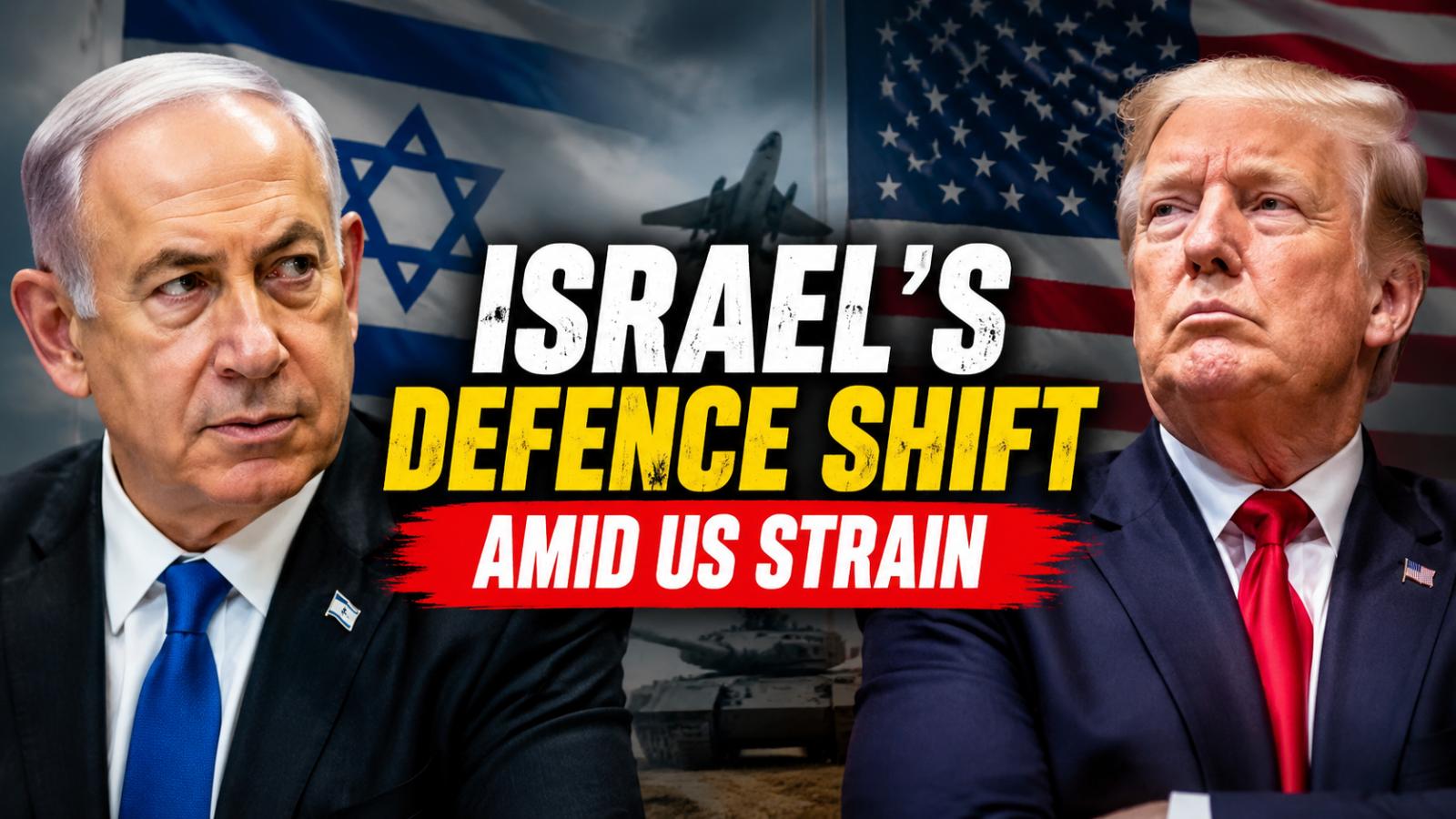
Tensions between Israel and the United States over regional security priorities have added pressure on Prime Minister Benjamin Netanyahu’s government to accelerate its push for greater military independence. The discussion has gained momentum as Israel continues operations linked to Iran-backed groups while simultaneously responding to diplomatic developments involving Washington and Tehran.
Netanyahu recently emphasized that Israel cannot depend entirely on external military supply chains for long-term security needs. His remarks were delivered during a meeting with reserve officers in the West Bank, where he highlighted the importance of strengthening domestic defence production and reducing strategic vulnerabilities linked to foreign policy shifts.
Domestic defence capacity becomes a strategic priority
Israeli leadership is increasingly focused on expanding its local defence manufacturing ecosystem. The plan includes scaling up production of advanced weapon systems, improving technological innovation within the military sector, and reducing delays caused by international procurement dependencies.
Officials argue that while US military support remains critical, future conflict scenarios require Israel to maintain uninterrupted access to essential defence capabilities without external constraints. This shift reflects broader concerns about regional instability and the speed at which security threats evolve.
Diplomatic friction over regional agreements
Recent US-led diplomatic efforts involving Iran have added another layer of complexity to the relationship. Israeli policymakers have expressed concern that regional understandings may not fully address threats posed by groups such as Hezbollah, which continue to operate along Israel’s northern border.
From Israel’s perspective, security decisions tied to immediate threats cannot be constrained by broader international agreements. This difference in approach has created periodic friction between Washington and Jerusalem, even as both sides publicly reaffirm their strategic partnership.
Political messaging highlights diverging priorities
Netanyahu’s statements also reflect internal political messaging aimed at reinforcing a doctrine of strategic independence. While maintaining that the US remains Israel’s most important ally, he has repeatedly stressed that national security decisions must ultimately remain under Israeli control.
The debate has also been reflected in wider political discourse, including commentary associated with US political figures and shifting positions on Middle East engagement. Although both governments continue coordination on defence matters, differences in threat assessment and timing of responses remain evident.
Strategic autonomy framed as long-term necessity
Israeli officials describe the current shift not as a break from alliances but as a recalibration of priorities. The focus is on ensuring that Israel can respond rapidly to evolving threats in a region marked by proxy conflicts, cross-border tensions, and shifting diplomatic alignments.
The emerging strategy positions defence self-reliance as a structural requirement rather than a temporary policy adjustment, signaling a longer-term transformation in how Israel plans its security framework.
Tensions between Israel and the United States over regional security priorities have added pressure on Prime Minister Benjamin Netanyahu’s government to accelerate its push for greater military independence. The discussion has gained momentum as Israel continues operations linked to Iran-backed groups while simultaneously responding to diplomatic developments involving Washington and Tehran.
Netanyahu recently emphasized that Israel cannot depend entirely on external military supply chains for long-term security needs. His remarks were delivered during a meeting with reserve officers in the West Bank, where he highlighted the importance of strengthening domestic defence production and reducing strategic vulnerabilities linked to foreign policy shifts.
Domestic defence capacity becomes a strategic priority
Israeli leadership is increasingly focused on expanding its local defence manufacturing ecosystem. The plan includes scaling up production of advanced weapon systems, improving technological innovation within the military sector, and reducing delays caused by international procurement dependencies.
Officials argue that while US military support remains critical, future conflict scenarios require Israel to maintain uninterrupted access to essential defence capabilities without external constraints. This shift reflects broader concerns about regional instability and the speed at which security threats evolve.
Diplomatic friction over regional agreements
Recent US-led diplomatic efforts involving Iran have added another layer of complexity to the relationship. Israeli policymakers have expressed concern that regional understandings may not fully address threats posed by groups such as Hezbollah, which continue to operate along Israel’s northern border.
From Israel’s perspective, security decisions tied to immediate threats cannot be constrained by broader international agreements. This difference in approach has created periodic friction between Washington and Jerusalem, even as both sides publicly reaffirm their strategic partnership.
Political messaging highlights diverging priorities
Netanyahu’s statements also reflect internal political messaging aimed at reinforcing a doctrine of strategic independence. While maintaining that the US remains Israel’s most important ally, he has repeatedly stressed that national security decisions must ultimately remain under Israeli control.
The debate has also been reflected in wider political discourse, including commentary associated with US political figures and shifting positions on Middle East engagement. Although both governments continue coordination on defence matters, differences in threat assessment and timing of responses remain evident.
Strategic autonomy framed as long-term necessity
Israeli officials describe the current shift not as a break from alliances but as a recalibration of priorities. The focus is on ensuring that Israel can respond rapidly to evolving threats in a region marked by proxy conflicts, cross-border tensions, and shifting diplomatic alignments.
The emerging strategy positions defence self-reliance as a structural requirement rather than a temporary policy adjustment, signaling a longer-term transformation in how Israel plans its security framework.