




























Russian army dissent claims raise tension over Ukraine war
A video circulating online featuring former Russian volunteer commander Alexander Lunin has triggered discussion about possible internal strain within sections of Russia’s military. In the recording, he suggests that prolonged combat operations in Ukraine have created growing frustration among some soldiers, though no independent verification supports claims of organized unrest. The remarks have drawn attention because public criticism linke
Russian army dissent claims raise tension over Ukraine war
A video circulating online featuring former Russian volunteer commander Alexander Lunin has triggered discussion about possible internal strain within sections of Russia’s military. In the recording, he suggests that prolonged combat operations in Ukraine have created growing frustration among some soldiers, though no independent verification supports claims of organized unrest. The remarks have drawn attention because public criticism linke
Public sentiment shifts as US founders poll shows concern
A recent Gallup survey points to a noticeable shift in how Americans view the country’s long-term direction. A large majority of respondents believe the original founders of the United States would not be satisfied with how the nation has developed as it moves closer to 250 years of independence. The findings highlight a broader sense of uncertainty around civic direction and institutional confidence. Strong majority signals dissatisfaction According to the survey results, roughly 77% of adults feel that the nation has drifted away from the principles associated with its founding era. Only a small portion believe the founders would view the country positively today. The imbalance in responses reflects a clear dominance of dissatisfaction rather than divided optimism. Political identity shapes perception The responses vary significantly depending on political affiliation. People aligned with Republican views show relatively higher optimism compared to others, while Democrats are more likely to express disappointment in current national conditions. Independent respondents fall between the two groups, but overall sentiment across all categories leans toward concern rather than approval. This suggests that dissatisfaction is not confined to a single ideological group but is spread across the spectrum. Younger adults show sharper criticism Age plays an equally important role in shaping opinions. Younger adults are more likely to question whether the country has fulfilled its founding ideals, while older groups tend to express slightly more confidence in national progress over time. This generational gap highlights a difference in expectations, with younger respondents showing lower trust in institutional outcomes. Mixed perception of national progress Despite the dominant view of disappointment, a portion of respondents still acknowledge measurable progress over time. Some believe the country has achieved at least a fair level of alignment with its founding principles, even if perfection remains out of reach. However, this recognition does not outweigh the broader concern reflected in the overall numbers. Broader implications of the findings The results point toward a country navigating contrasting perceptions of identity and progress. While historical pride remains present, it is increasingly accompanied by questions about direction, governance, and shared national values. The survey reflects not just political opinion, but a wider conversation about trust, expectations, and the future trajectory of American civic life.
Public sentiment shifts as US founders poll shows concern
A recent Gallup survey points to a noticeable shift in how Americans view the country’s long-term direction. A large majority of respondents believe the original founders of the United States would not be satisfied with how the nation has developed as it moves closer to 250 years of independence. The findings highlight a broader sense of uncertainty around civic direction and institutional confidence. Strong majority signals dissatisfaction According to the survey results, roughly 77% of adults feel that the nation has drifted away from the principles associated with its founding era. Only a small portion believe the founders would view the country positively today. The imbalance in responses reflects a clear dominance of dissatisfaction rather than divided optimism. Political identity shapes perception The responses vary significantly depending on political affiliation. People aligned with Republican views show relatively higher optimism compared to others, while Democrats are more likely to express disappointment in current national conditions. Independent respondents fall between the two groups, but overall sentiment across all categories leans toward concern rather than approval. This suggests that dissatisfaction is not confined to a single ideological group but is spread across the spectrum. Younger adults show sharper criticism Age plays an equally important role in shaping opinions. Younger adults are more likely to question whether the country has fulfilled its founding ideals, while older groups tend to express slightly more confidence in national progress over time. This generational gap highlights a difference in expectations, with younger respondents showing lower trust in institutional outcomes. Mixed perception of national progress Despite the dominant view of disappointment, a portion of respondents still acknowledge measurable progress over time. Some believe the country has achieved at least a fair level of alignment with its founding principles, even if perfection remains out of reach. However, this recognition does not outweigh the broader concern reflected in the overall numbers. Broader implications of the findings The results point toward a country navigating contrasting perceptions of identity and progress. While historical pride remains present, it is increasingly accompanied by questions about direction, governance, and shared national values. The survey reflects not just political opinion, but a wider conversation about trust, expectations, and the future trajectory of American civic life.
Strait of Hormuz drone strike damages cargo vessel near Oman
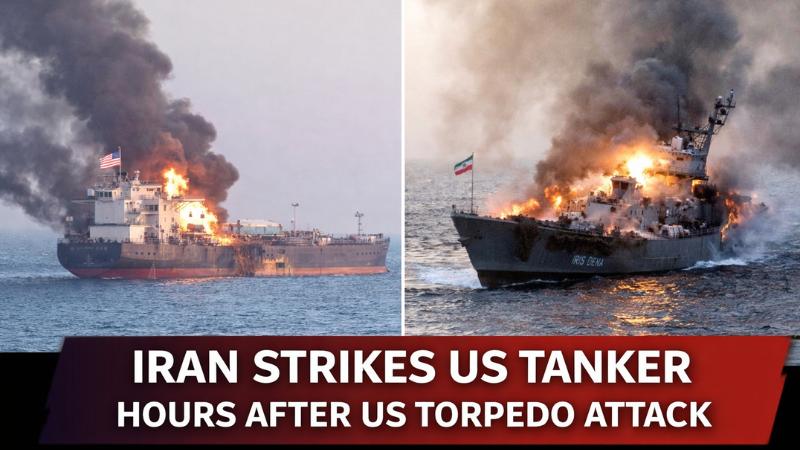
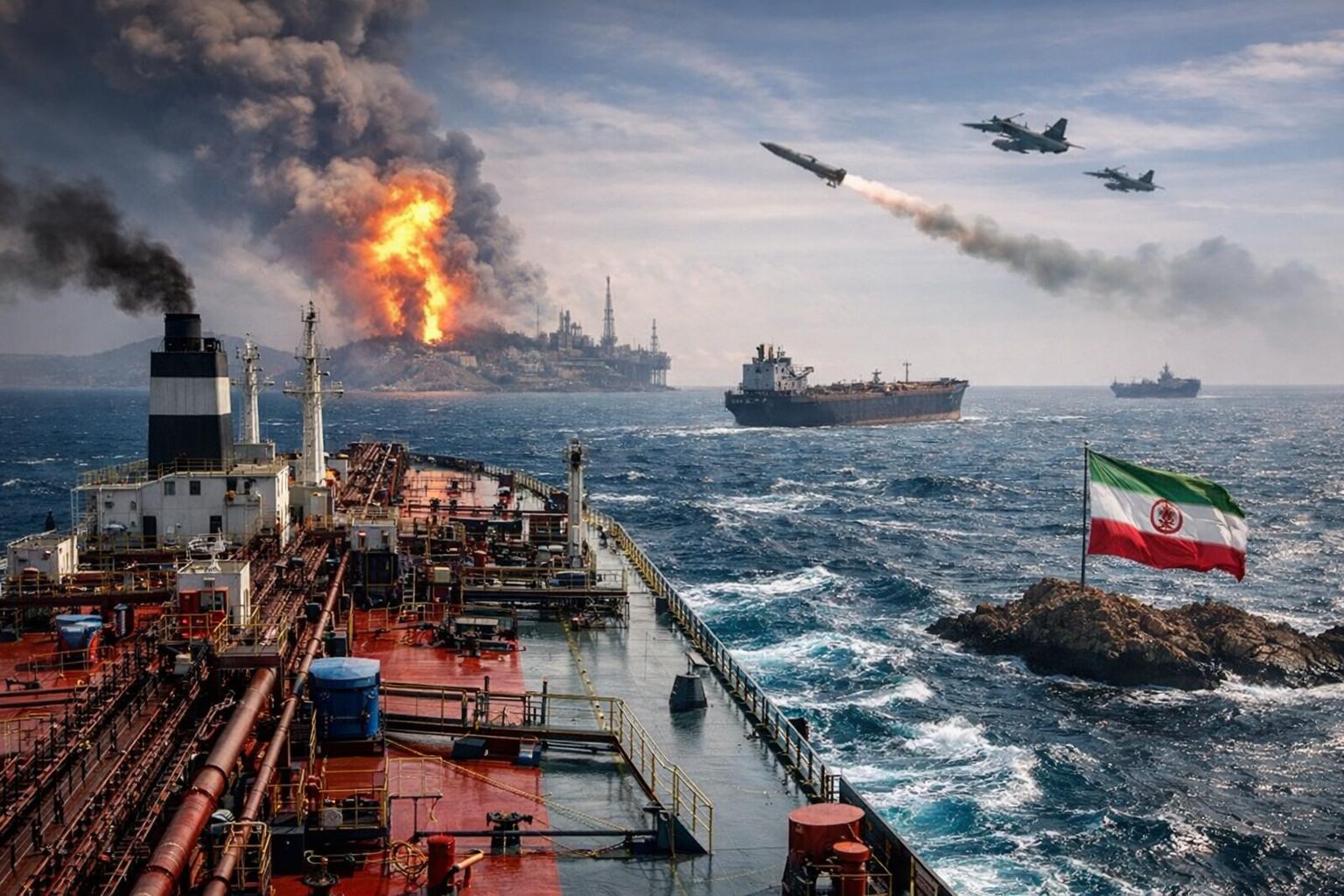
A commercial vessel sailing through waters near the Strait of Hormuz was damaged after being struck by a drone-type projectile, triggering renewed concerns over the safety of one of the world’s most critical maritime trade routes. The Singapore-flagged cargo ship Ever Lovely was affected while transiting close to Oman’s maritime zone after exiting the narrow passage. Authorities confirmed the vessel sustained structural damage, but all crew members
Strait of Hormuz drone strike damages cargo vessel near Oman
A commercial vessel sailing through waters near the Strait of Hormuz was damaged after being struck by a drone-type projectile, triggering renewed concerns over the safety of one of the world’s most critical maritime trade routes. The Singapore-flagged cargo ship Ever Lovely was affected while transiting close to Oman’s maritime zone after exiting the narrow passage. Authorities confirmed the vessel sustained structural damage, but all crew members
Iran proposal on shipping charges draws US criticism
A proposal linked to Iran suggesting charges on vessels passing through the Strait of Hormuz has triggered renewed international attention on one of the world’s most sensitive maritime corridors. The passage connects the Persian Gulf to open oceans and handles a major share of global crude oil shipments, making even minor policy changes capable of influencing energy markets. Proposed fee structure and stated objectives The idea under discussion involves introducing a structured fee system for ships using the route. The proposal frames the charges as payments for services such as navigation safety, maritime monitoring, and environmental management. Early estimates circulating in policy discussions suggest the mechanism could generate substantial annual revenue if implemented at scale. However, the concept also raises immediate legal and operational questions, particularly regarding jurisdiction over international waters and the practicality of enforcing such a system on heavily trafficked global shipping lanes. Regional outreach and diplomatic positioning Reports indicate that discussions around the proposal have included outreach to several regional and global stakeholders, including major energy-importing nations. The objective appears to be building support for a shared governance or cost-sharing model for maritime traffic management in the region. Some interpretations suggest the plan is part of a broader effort to increase regional leverage over strategic trade routes. Others view it as an attempt to formalize compensation mechanisms for security responsibilities in a highly militarized shipping corridor. International reaction and US opposition The proposal has drawn clear resistance from the United States, which maintains that key international waterways must remain free for unrestricted commercial passage. US officials argue that introducing toll-like systems could disrupt global supply chains and increase volatility in energy pricing. Concerns have also been raised by other maritime stakeholders who rely heavily on stable passage through the Strait of Hormuz for crude oil and liquefied natural gas transport. Any change in cost structure or transit policy is seen as having a direct impact on insurance premiums and shipping routes. Wider implications for global energy markets The debate comes at a time when global energy markets remain highly sensitive to geopolitical developments in the Gulf region. Even the perception of restricted access or added transit costs can influence oil price expectations and shipping risk assessments. Analysts note that the discussion highlights ongoing tensions between strategic control of critical chokepoints and the principle of open international navigation. The outcome of such proposals could shape future frameworks governing global energy transport corridors.
Iran proposal on shipping charges draws US criticism
A proposal linked to Iran suggesting charges on vessels passing through the Strait of Hormuz has triggered renewed international attention on one of the world’s most sensitive maritime corridors. The passage connects the Persian Gulf to open oceans and handles a major share of global crude oil shipments, making even minor policy changes capable of influencing energy markets. Proposed fee structure and stated objectives The idea under discussion involves introducing a structured fee system for ships using the route. The proposal frames the charges as payments for services such as navigation safety, maritime monitoring, and environmental management. Early estimates circulating in policy discussions suggest the mechanism could generate substantial annual revenue if implemented at scale. However, the concept also raises immediate legal and operational questions, particularly regarding jurisdiction over international waters and the practicality of enforcing such a system on heavily trafficked global shipping lanes. Regional outreach and diplomatic positioning Reports indicate that discussions around the proposal have included outreach to several regional and global stakeholders, including major energy-importing nations. The objective appears to be building support for a shared governance or cost-sharing model for maritime traffic management in the region. Some interpretations suggest the plan is part of a broader effort to increase regional leverage over strategic trade routes. Others view it as an attempt to formalize compensation mechanisms for security responsibilities in a highly militarized shipping corridor. International reaction and US opposition The proposal has drawn clear resistance from the United States, which maintains that key international waterways must remain free for unrestricted commercial passage. US officials argue that introducing toll-like systems could disrupt global supply chains and increase volatility in energy pricing. Concerns have also been raised by other maritime stakeholders who rely heavily on stable passage through the Strait of Hormuz for crude oil and liquefied natural gas transport. Any change in cost structure or transit policy is seen as having a direct impact on insurance premiums and shipping routes. Wider implications for global energy markets The debate comes at a time when global energy markets remain highly sensitive to geopolitical developments in the Gulf region. Even the perception of restricted access or added transit costs can influence oil price expectations and shipping risk assessments. Analysts note that the discussion highlights ongoing tensions between strategic control of critical chokepoints and the principle of open international navigation. The outcome of such proposals could shape future frameworks governing global energy transport corridors.
Bihar Orders Judicial Probe Into Bharat Tiwari Police Encounter
Bihar has ordered a judicial inquiry into the Bharat Tiwari police encounter after the 28-year-old died following a disputed operation in Bilauti village in Bhojpur district. The case has prompted protests, political criticism and a murder FIR naming police personnel. What Happened in the Bharat Tiwari Police Encounter Police said officers and Special Task Force personnel went to Bilauti village on Wednesday, June 17, 2026, after receiving reports that T
Bihar Orders Judicial Probe Into Bharat Tiwari Police Encounter
Bihar has ordered a judicial inquiry into the Bharat Tiwari police encounter after the 28-year-old died following a disputed operation in Bilauti village in Bhojpur district. The case has prompted protests, political criticism and a murder FIR naming police personnel. What Happened in the Bharat Tiwari Police Encounter Police said officers and Special Task Force personnel went to Bilauti village on Wednesday, June 17, 2026, after receiving reports that T
Karnataka Launches Praja Seva Department For Faster Public Services
Karnataka Unveils Praja Seva Department In Major Governance Reform In a significant move aimed at transforming public administration and enhancing service delivery, the Karnataka government has established a new Praja Seva Department by bringing together several key governance and citizen-service wings under one umbrella. The decision, approved by the state Cabinet and formalised through a government order issued on June 24, is being viewed as a major step towards b
Karnataka Launches Praja Seva Department For Faster Public Services
Karnataka Unveils Praja Seva Department In Major Governance Reform In a significant move aimed at transforming public administration and enhancing service delivery, the Karnataka government has established a new Praja Seva Department by bringing together several key governance and citizen-service wings under one umbrella. The decision, approved by the state Cabinet and formalised through a government order issued on June 24, is being viewed as a major step towards b
CM Vijay Launches 300 New Buses, Takes Ride Across Chennai
Tamil Nadu Adds 300 New Buses To Public Transport Fleet In a significant move aimed at strengthening public transportation services across Tamil Nadu, Chief Minister C Joseph Vijay on Thursday, June 25, 2026, inaugurated 300 new buses procured by the State Transport Corporation at an estimated cost of Rs 127.21 crore. The buses were flagged off from major transit hubs, including Kilambakkam and Koyambedu bus terminals in Chennai, and began operations immediately aft
CM Vijay Launches 300 New Buses, Takes Ride Across Chennai
Tamil Nadu Adds 300 New Buses To Public Transport Fleet In a significant move aimed at strengthening public transportation services across Tamil Nadu, Chief Minister C Joseph Vijay on Thursday, June 25, 2026, inaugurated 300 new buses procured by the State Transport Corporation at an estimated cost of Rs 127.21 crore. The buses were flagged off from major transit hubs, including Kilambakkam and Koyambedu bus terminals in Chennai, and began operations immediately aft
Israel Hezbollah clashes raise oil and trade risk for India
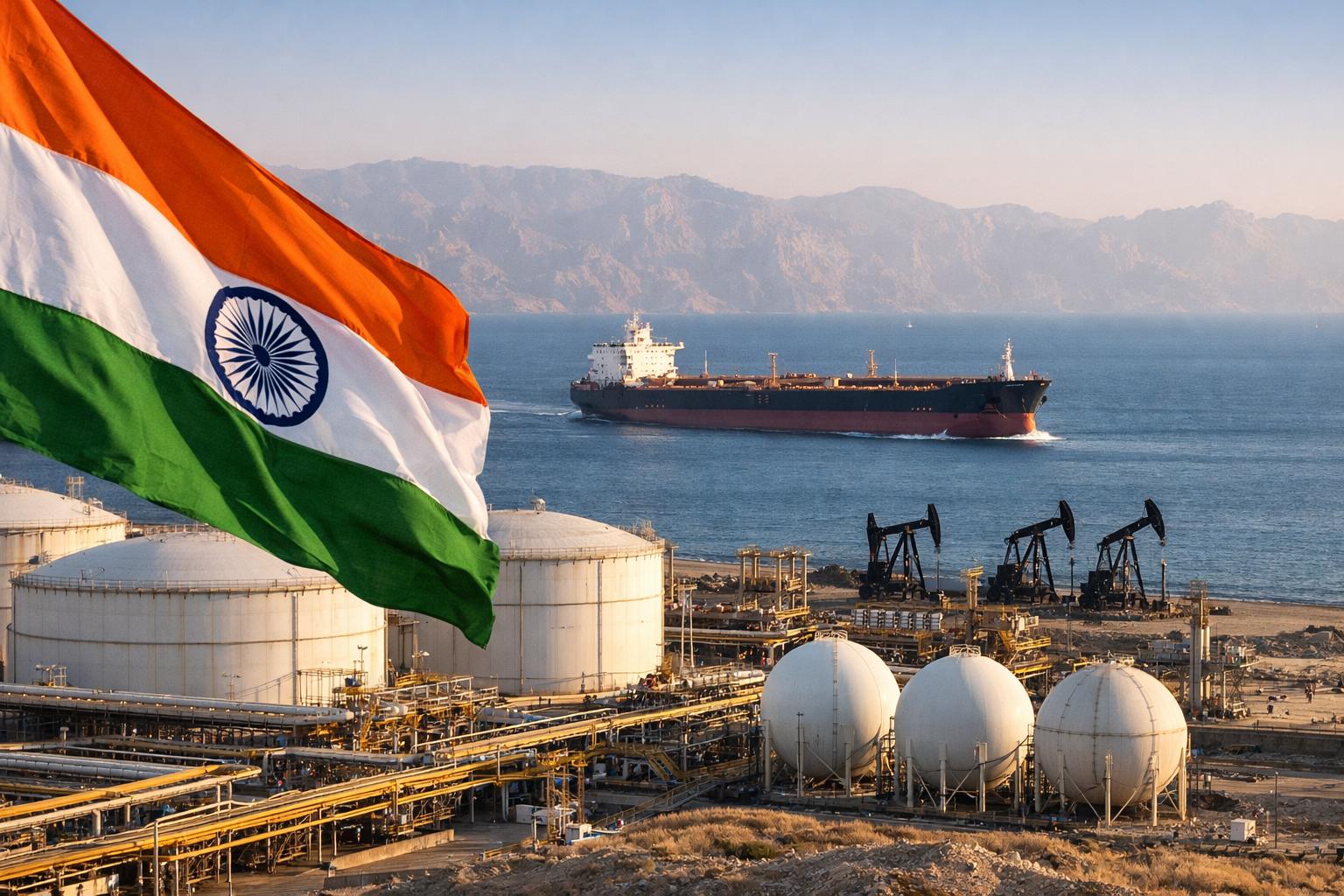
The renewed exchange of fire between Israeli forces and Hezbollah-linked positions in southern Lebanon has again drawn attention to an already fragile regional security environment. While both sides continue to frame their actions as targeted and defensive, the situation is increasingly being viewed through a wider geopolitical lens, especially by energy markets and trade-dependent economies. Even limited escalation in this corridor tends to trigger immediate risk recalibration in global markets, not because of direct supply disruption, but due to fear of spillover into wider West Asian conflict zones. Oil markets react to uncertainty, not only disruption Crude oil prices have remained sensitive to developments in the region, with traders closely tracking any sign of expansion beyond localized strikes. Brent crude has shown intermittent swings, reflecting how quickly sentiment shifts when geopolitical risks rise. For import-heavy economies like India, the concern is not only about supply cuts but also price volatility. Even short-lived spikes increase import bills, widen trade deficits, and add pressure on domestic inflation through fuel and transport costs. India remains heavily dependent on imported crude, leaving it exposed to external shocks that originate far from its own borders but quickly reach its economy through global pricing mechanisms. Maritime chokepoints add another layer of risk Beyond oil production zones, shipping routes remain a critical pressure point. The Strait of Hormuz continues to be one of the most strategically sensitive maritime corridors in the world, handling a large share of global crude movement. Any perception of instability in nearby conflict zones tends to increase insurance premiums for tankers and freight operators. This raises shipping costs even when physical disruption does not occur. For trade-dependent economies, the indirect cost of conflict often arrives faster than any actual supply shortage. India’s broader exposure goes beyond energy India’s stake in West Asian stability is not limited to crude imports. A large Indian workforce in Gulf countries supports billions in annual remittances, which play a steady role in foreign exchange stability. At the same time, India maintains layered relationships across the region—energy partnerships with Gulf producers, strategic cooperation with Israel, and connectivity interests linked to Iran and regional ports. This creates a complex policy environment where instability in one corridor can influence multiple economic and diplomatic channels simultaneously. Long-term infrastructure plans face sensitivity risks Large-scale trade and infrastructure initiatives involving West Asia, including proposed trans-regional connectivity corridors, depend heavily on stable political conditions. Projects linked to ports, energy routes, and logistics networks become vulnerable when security risks rise. Even without direct damage, prolonged uncertainty tends to slow investment decisions, delay contracts, and increase financing costs for regional development projects. Conclusion The current Israel–Hezbollah exchange remains geographically contained, but its economic impact is far wider. Oil markets, shipping costs, remittance flows, and long-term trade planning all react quickly to signals of escalation. For India and other import-dependent economies, the primary challenge is not direct involvement in the conflict but exposure to its ripple effects through energy pricing, logistics costs, and regional stability risks.
Israel Hezbollah clashes raise oil and trade risk for India
The renewed exchange of fire between Israeli forces and Hezbollah-linked positions in southern Lebanon has again drawn attention to an already fragile regional security environment. While both sides continue to frame their actions as targeted and defensive, the situation is increasingly being viewed through a wider geopolitical lens, especially by energy markets and trade-dependent economies. Even limited escalation in this corridor tends to trigger immediate risk recalibration in global markets, not because of direct supply disruption, but due to fear of spillover into wider West Asian conflict zones. Oil markets react to uncertainty, not only disruption Crude oil prices have remained sensitive to developments in the region, with traders closely tracking any sign of expansion beyond localized strikes. Brent crude has shown intermittent swings, reflecting how quickly sentiment shifts when geopolitical risks rise. For import-heavy economies like India, the concern is not only about supply cuts but also price volatility. Even short-lived spikes increase import bills, widen trade deficits, and add pressure on domestic inflation through fuel and transport costs. India remains heavily dependent on imported crude, leaving it exposed to external shocks that originate far from its own borders but quickly reach its economy through global pricing mechanisms. Maritime chokepoints add another layer of risk Beyond oil production zones, shipping routes remain a critical pressure point. The Strait of Hormuz continues to be one of the most strategically sensitive maritime corridors in the world, handling a large share of global crude movement. Any perception of instability in nearby conflict zones tends to increase insurance premiums for tankers and freight operators. This raises shipping costs even when physical disruption does not occur. For trade-dependent economies, the indirect cost of conflict often arrives faster than any actual supply shortage. India’s broader exposure goes beyond energy India’s stake in West Asian stability is not limited to crude imports. A large Indian workforce in Gulf countries supports billions in annual remittances, which play a steady role in foreign exchange stability. At the same time, India maintains layered relationships across the region—energy partnerships with Gulf producers, strategic cooperation with Israel, and connectivity interests linked to Iran and regional ports. This creates a complex policy environment where instability in one corridor can influence multiple economic and diplomatic channels simultaneously. Long-term infrastructure plans face sensitivity risks Large-scale trade and infrastructure initiatives involving West Asia, including proposed trans-regional connectivity corridors, depend heavily on stable political conditions. Projects linked to ports, energy routes, and logistics networks become vulnerable when security risks rise. Even without direct damage, prolonged uncertainty tends to slow investment decisions, delay contracts, and increase financing costs for regional development projects. Conclusion The current Israel–Hezbollah exchange remains geographically contained, but its economic impact is far wider. Oil markets, shipping costs, remittance flows, and long-term trade planning all react quickly to signals of escalation. For India and other import-dependent economies, the primary challenge is not direct involvement in the conflict but exposure to its ripple effects through energy pricing, logistics costs, and regional stability risks.
US Senate reverses stance on Iran war powers resolution
A closely watched Senate vote on a resolution linked to presidential war authority over Iran took an unexpected turn after several Republican lawmakers altered their positions. The measure, which focused on limiting executive flexibility in military action, ended up reflecting a divided but shifting political landscape rather than a clear consensus. Political negotiations behind the scenes The change in voting pattern followed internal discussions among Republican senators and briefings from senior administration figures. Lawmakers who initially leaned toward restricting presidential authority later adjusted their stance after being updated on diplomatic and security considerations related to Iran. The shift underscored how quickly positions can move when strategic briefings and party pressure converge. Key senators adjust positions Among those influencing the outcome were Senator Bill Cassidy and Senator Rand Paul. Cassidy moved away from his earlier support for tighter restrictions after consultations with White House representatives. Rand Paul maintained his broader skepticism toward expansive executive war powers but opted for a procedural position that reflected his long-standing policy concerns without directly blocking the measure. Trump frames outcome as political leverage President Donald Trump responded to the Senate outcome by framing it as a strengthening of US negotiating leverage in relation to Iran. His public remarks highlighted the vote as evidence of alignment within the Republican Party on foreign policy strategy. While the resolution itself remains largely symbolic, it has become a focal point in the wider debate over presidential authority and congressional oversight. Broader implications for US foreign policy The vote shift reflects ongoing tension in Washington over how much autonomy the executive branch should hold in matters of military engagement. Supporters of stronger presidential powers argue for flexibility in fast-moving geopolitical situations, while critics warn against reducing congressional oversight. The Iran-related vote has now become another reference point in that broader constitutional debate.
US Senate reverses stance on Iran war powers resolution
A closely watched Senate vote on a resolution linked to presidential war authority over Iran took an unexpected turn after several Republican lawmakers altered their positions. The measure, which focused on limiting executive flexibility in military action, ended up reflecting a divided but shifting political landscape rather than a clear consensus. Political negotiations behind the scenes The change in voting pattern followed internal discussions among Republican senators and briefings from senior administration figures. Lawmakers who initially leaned toward restricting presidential authority later adjusted their stance after being updated on diplomatic and security considerations related to Iran. The shift underscored how quickly positions can move when strategic briefings and party pressure converge. Key senators adjust positions Among those influencing the outcome were Senator Bill Cassidy and Senator Rand Paul. Cassidy moved away from his earlier support for tighter restrictions after consultations with White House representatives. Rand Paul maintained his broader skepticism toward expansive executive war powers but opted for a procedural position that reflected his long-standing policy concerns without directly blocking the measure. Trump frames outcome as political leverage President Donald Trump responded to the Senate outcome by framing it as a strengthening of US negotiating leverage in relation to Iran. His public remarks highlighted the vote as evidence of alignment within the Republican Party on foreign policy strategy. While the resolution itself remains largely symbolic, it has become a focal point in the wider debate over presidential authority and congressional oversight. Broader implications for US foreign policy The vote shift reflects ongoing tension in Washington over how much autonomy the executive branch should hold in matters of military engagement. Supporters of stronger presidential powers argue for flexibility in fast-moving geopolitical situations, while critics warn against reducing congressional oversight. The Iran-related vote has now become another reference point in that broader constitutional debate.
Trump criticizes Democrats amid Iran talks progress
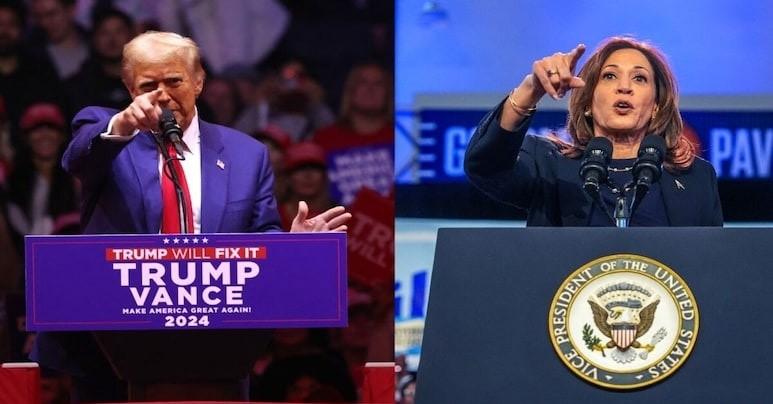
US President Donald Trump intensified political debate around ongoing Iran negotiations while addressing broader security and trade concerns tied to global energy routes. Speaking alongside NATO Secretary General Mark Rutte, he presented the current stage of Iran discussions as advancing, while sharply criticizing domestic political opponents for their foreign policy stance. I
Trump criticizes Democrats amid Iran talks progress
US President Donald Trump intensified political debate around ongoing Iran negotiations while addressing broader security and trade concerns tied to global energy routes. Speaking alongside NATO Secretary General Mark Rutte, he presented the current stage of Iran discussions as advancing, while sharply criticizing domestic political opponents for their foreign policy stance. I
Zelensky Doing ‘Pretty Well’ Says Trump Amid Changing US Ukraine Stance
Trump Signals Shift in Tone on Ukraine Conflict US President Donald Trump has offered a notably more supportive assessment of Ukrainian President Volodymyr Zelensky, describing him as performing “pretty well” in the ongoing war with Russia. Speaking alongside NATO Secretary General Mark Rutte, Trump acknowledged Ukraine’s resilience while emphasizing the heavy human cost of the conflict on both sides.
Zelensky Doing ‘Pretty Well’ Says Trump Amid Changing US Ukraine Stance
Trump Signals Shift in Tone on Ukraine Conflict US President Donald Trump has offered a notably more supportive assessment of Ukrainian President Volodymyr Zelensky, describing him as performing “pretty well” in the ongoing war with Russia. Speaking alongside NATO Secretary General Mark Rutte, Trump acknowledged Ukraine’s resilience while emphasizing the heavy human cost of the conflict on both sides.
IRGC Navy Declares Approved Shipping Routes in Strait of Hormuz Mandatory
IRGC Issues Warning Over Strait of Hormuz Navigation Routes Iran’s Islamic Revolutionary Guard Corps Navy has issued a warning to vessels transiting the Strait of Hormuz, stating that ships must strictly follow navigation routes designated by Tehran. According to a statement carried by Iranian state media, any deviation from the approved lanes will be considered dan
IRGC Navy Declares Approved Shipping Routes in Strait of Hormuz Mandatory
IRGC Issues Warning Over Strait of Hormuz Navigation Routes Iran’s Islamic Revolutionary Guard Corps Navy has issued a warning to vessels transiting the Strait of Hormuz, stating that ships must strictly follow navigation routes designated by Tehran. According to a statement carried by Iranian state media, any deviation from the approved lanes will be considered dan
Iran Slams US Officials Over Contradictory Nuclear and Trade Claims
Iran Criticises Contradictory US Statements on MoU Iran’s Foreign Ministry has raised concerns over what it described as inconsistent statements from US officials regarding a memorandum of understanding aimed at ending recent conflict-related tensions. According to Foreign Ministry spokesperson Esmaeil Baghaei, the differing positions from Washington are reinforcing
Iran Slams US Officials Over Contradictory Nuclear and Trade Claims
Iran Criticises Contradictory US Statements on MoU Iran’s Foreign Ministry has raised concerns over what it described as inconsistent statements from US officials regarding a memorandum of understanding aimed at ending recent conflict-related tensions. According to Foreign Ministry spokesperson Esmaeil Baghaei, the differing positions from Washington are reinforcing
US-India Trade Talks Advance as Greer Highlights AI Cooperation
The United States and India reported substantial progress on Wednesday, June 24, 2026, toward an interim bilateral trade agreement, as U.S. Trade Representative Jamieson Greer highlighted artificial intelligence and emerging technologies as growing areas of cooperation. Greer visited New Delhi from Monday, June 22, through Wednesday, June 24, 2026, and held multiple rounds of talks with Indian Commerce and Industry Minister Piyush Goyal. US-India Trade Talks Focus
US-India Trade Talks Advance as Greer Highlights AI Cooperation
The United States and India reported substantial progress on Wednesday, June 24, 2026, toward an interim bilateral trade agreement, as U.S. Trade Representative Jamieson Greer highlighted artificial intelligence and emerging technologies as growing areas of cooperation. Greer visited New Delhi from Monday, June 22, through Wednesday, June 24, 2026, and held multiple rounds of talks with Indian Commerce and Industry Minister Piyush Goyal. US-India Trade Talks Focus
Kerala CM Pushes Regional Alliance Against Drug Trafficking
Thiruvananthapuram, June 24, 2026: Kerala Chief Minister V D Satheesan has reached out to the governments of Karnataka, Tamil Nadu and Puducherry, seeking enhanced cooperation to combat the growing threat of interstate drug trafficking. The initiative is part of Kerala's intensified anti-drug campaign, Operation Toofan, which aims to curb narcotics abuse and dismantle organized trafficking networks operating across state borders. According to an official release from the Chief Minis
Kerala CM Pushes Regional Alliance Against Drug Trafficking
Thiruvananthapuram, June 24, 2026: Kerala Chief Minister V D Satheesan has reached out to the governments of Karnataka, Tamil Nadu and Puducherry, seeking enhanced cooperation to combat the growing threat of interstate drug trafficking. The initiative is part of Kerala's intensified anti-drug campaign, Operation Toofan, which aims to curb narcotics abuse and dismantle organized trafficking networks operating across state borders. According to an official release from the Chief Minis
Israel shifts defence strategy amid US political strain
Tensions between Israel and the United States over regional security priorities have added pressure on Prime Minister Benjamin Netanyahu’s government to accelerate its push for greater military independence. The discussion has gained momentum as Israel continues operations linked to Iran-backed groups while simultaneously responding to diplomatic developments involving Washington and Tehran. Netanyahu recently emphasized that Israel cannot depend entirely on external military supply chains for long-term security needs. His remarks were delivered during a meeting with reserve officers in the West Bank, where he highlighted the importance of strengthening domestic defence production and reducing strategic vulnerabilities linked to foreign policy shifts. Domestic defence capacity becomes a strategic priority Israeli leadership is increasingly focused on expanding its local defence manufacturing ecosystem. The plan includes scaling up production of advanced weapon systems, improving technological innovation within the military sector, and reducing delays caused by international procurement dependencies. Officials argue that while US military support remains critical, future conflict scenarios require Israel to maintain uninterrupted access to essential defence capabilities without external constraints. This shift reflects broader concerns about regional instability and the speed at which security threats evolve. Diplomatic friction over regional agreements Recent US-led diplomatic efforts involving Iran have added another layer of complexity to the relationship. Israeli policymakers have expressed concern that regional understandings may not fully address threats posed by groups such as Hezbollah, which continue to operate along Israel’s northern border. From Israel’s perspective, security decisions tied to immediate threats cannot be constrained by broader international agreements. This difference in approach has created periodic friction between Washington and Jerusalem, even as both sides publicly reaffirm their strategic partnership. Political messaging highlights diverging priorities Netanyahu’s statements also reflect internal political messaging aimed at reinforcing a doctrine of strategic independence. While maintaining that the US remains Israel’s most important ally, he has repeatedly stressed that national security decisions must ultimately remain under Israeli control. The debate has also been reflected in wider political discourse, including commentary associated with US political figures and shifting positions on Middle East engagement. Although both governments continue coordination on defence matters, differences in threat assessment and timing of responses remain evident. Strategic autonomy framed as long-term necessity Israeli officials describe the current shift not as a break from alliances but as a recalibration of priorities. The focus is on ensuring that Israel can respond rapidly to evolving threats in a region marked by proxy conflicts, cross-border tensions, and shifting diplomatic alignments. The emerging strategy positions defence self-reliance as a structural requirement rather than a temporary policy adjustment, signaling a longer-term transformation in how Israel plans its security framework.
Israel shifts defence strategy amid US political strain
Tensions between Israel and the United States over regional security priorities have added pressure on Prime Minister Benjamin Netanyahu’s government to accelerate its push for greater military independence. The discussion has gained momentum as Israel continues operations linked to Iran-backed groups while simultaneously responding to diplomatic developments involving Washington and Tehran. Netanyahu recently emphasized that Israel cannot depend entirely on external military supply chains for long-term security needs. His remarks were delivered during a meeting with reserve officers in the West Bank, where he highlighted the importance of strengthening domestic defence production and reducing strategic vulnerabilities linked to foreign policy shifts. Domestic defence capacity becomes a strategic priority Israeli leadership is increasingly focused on expanding its local defence manufacturing ecosystem. The plan includes scaling up production of advanced weapon systems, improving technological innovation within the military sector, and reducing delays caused by international procurement dependencies. Officials argue that while US military support remains critical, future conflict scenarios require Israel to maintain uninterrupted access to essential defence capabilities without external constraints. This shift reflects broader concerns about regional instability and the speed at which security threats evolve. Diplomatic friction over regional agreements Recent US-led diplomatic efforts involving Iran have added another layer of complexity to the relationship. Israeli policymakers have expressed concern that regional understandings may not fully address threats posed by groups such as Hezbollah, which continue to operate along Israel’s northern border. From Israel’s perspective, security decisions tied to immediate threats cannot be constrained by broader international agreements. This difference in approach has created periodic friction between Washington and Jerusalem, even as both sides publicly reaffirm their strategic partnership. Political messaging highlights diverging priorities Netanyahu’s statements also reflect internal political messaging aimed at reinforcing a doctrine of strategic independence. While maintaining that the US remains Israel’s most important ally, he has repeatedly stressed that national security decisions must ultimately remain under Israeli control. The debate has also been reflected in wider political discourse, including commentary associated with US political figures and shifting positions on Middle East engagement. Although both governments continue coordination on defence matters, differences in threat assessment and timing of responses remain evident. Strategic autonomy framed as long-term necessity Israeli officials describe the current shift not as a break from alliances but as a recalibration of priorities. The focus is on ensuring that Israel can respond rapidly to evolving threats in a region marked by proxy conflicts, cross-border tensions, and shifting diplomatic alignments. The emerging strategy positions defence self-reliance as a structural requirement rather than a temporary policy adjustment, signaling a longer-term transformation in how Israel plans its security framework.
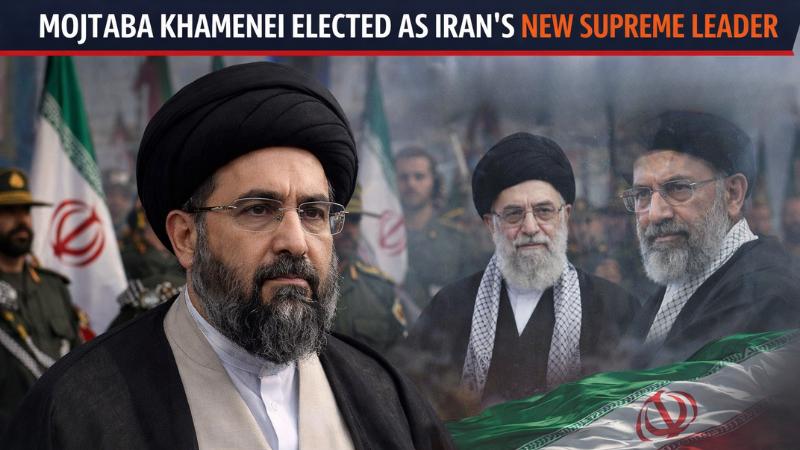
India weighs response to iran funeral invite for khamenei
Reports emerging from diplomatic channels suggest that Iran has extended formal communication to India regarding participation in upcoming state-level funeral and memorial ceremonies linked to its top leadership structure. While official confirmation from either government remains limited, the development is being viewed as part of ongoing West Asia diplomatic engagement. India reviews representation strategy
India weighs response to iran funeral invite for khamenei
Reports emerging from diplomatic channels suggest that Iran has extended formal communication to India regarding participation in upcoming state-level funeral and memorial ceremonies linked to its top leadership structure. While official confirmation from either government remains limited, the development is being viewed as part of ongoing West Asia diplomatic engagement. India reviews representation strategy
US signals India trade agreement close after key talks
India and the United States are edging closer to a structured trade agreement after fresh negotiations indicated reduced gaps on several contentious issues. US officials described the discussions as the most constructive phase so far, suggesting that a framework deal is now within reach, even though final clearance is still pending. The talks are part of a broader effort to establish a long-term Bilateral Trade Agreement aimed at improving market access, easing tariff friction, and stabilizing supply chain cooperation between the two economies. Tariff reduction and market access remain central issues At the core of the negotiations are tariff structures and access to each other’s markets. The United States is pushing for wider entry for industrial and agricultural goods, while India is focused on protecting sensitive domestic sectors while expanding export opportunities in technology, textiles, and pharmaceuticals. Both sides are trying to balance domestic political pressures with the need to expand bilateral trade volumes, which currently remain below their long-term potential despite strong economic ties. Digital trade and pharmaceutical rules under review A significant portion of the discussion is now centered on digital trade regulations and pharmaceutical standards. The US is seeking clearer digital data flow rules and stronger intellectual property protections, while India is prioritizing flexibility for its growing digital economy and affordable healthcare exports. Pharmaceutical trade remains a key pillar, with India seeking smoother regulatory pathways for generic drug exports, while the US is focusing on compliance and quality standard alignment. Strategic economic alignment driving urgency The urgency behind the negotiations is being shaped by global supply chain realignment and geopolitical competition. Both countries are increasingly aligning their trade policies within the Indo-Pacific framework, with an emphasis on reducing dependency on concentrated manufacturing hubs. India is positioning itself as an alternative global manufacturing base, while the US is looking to diversify sourcing and strengthen resilient supply networks. Next phase depends on unresolved policy gaps Despite visible progress, the agreement is not finalized. Several policy differences still need resolution, particularly around tariff ceilings, digital governance, and sector-specific protections. Officials from both sides are expected to continue technical-level discussions before moving toward a formalized trade framework. A final agreement timeline has not been confirmed, but momentum suggests continued acceleration in the coming months.
US signals India trade agreement close after key talks
India and the United States are edging closer to a structured trade agreement after fresh negotiations indicated reduced gaps on several contentious issues. US officials described the discussions as the most constructive phase so far, suggesting that a framework deal is now within reach, even though final clearance is still pending. The talks are part of a broader effort to establish a long-term Bilateral Trade Agreement aimed at improving market access, easing tariff friction, and stabilizing supply chain cooperation between the two economies. Tariff reduction and market access remain central issues At the core of the negotiations are tariff structures and access to each other’s markets. The United States is pushing for wider entry for industrial and agricultural goods, while India is focused on protecting sensitive domestic sectors while expanding export opportunities in technology, textiles, and pharmaceuticals. Both sides are trying to balance domestic political pressures with the need to expand bilateral trade volumes, which currently remain below their long-term potential despite strong economic ties. Digital trade and pharmaceutical rules under review A significant portion of the discussion is now centered on digital trade regulations and pharmaceutical standards. The US is seeking clearer digital data flow rules and stronger intellectual property protections, while India is prioritizing flexibility for its growing digital economy and affordable healthcare exports. Pharmaceutical trade remains a key pillar, with India seeking smoother regulatory pathways for generic drug exports, while the US is focusing on compliance and quality standard alignment. Strategic economic alignment driving urgency The urgency behind the negotiations is being shaped by global supply chain realignment and geopolitical competition. Both countries are increasingly aligning their trade policies within the Indo-Pacific framework, with an emphasis on reducing dependency on concentrated manufacturing hubs. India is positioning itself as an alternative global manufacturing base, while the US is looking to diversify sourcing and strengthen resilient supply networks. Next phase depends on unresolved policy gaps Despite visible progress, the agreement is not finalized. Several policy differences still need resolution, particularly around tariff ceilings, digital governance, and sector-specific protections. Officials from both sides are expected to continue technical-level discussions before moving toward a formalized trade framework. A final agreement timeline has not been confirmed, but momentum suggests continued acceleration in the coming months.
Bengaluru Family Horror: Three Found Dead in KR Puram Apartment
On June 23, 2026, a shocking triple murder was reported from Sai Green Apartment in the Seegehalli area under KR Puram police limits in Bengaluru. Three members of a family were found dead inside their residence, triggering a major police investigation. The victims have been identified as Somasundar (55), his wife Muthulakshmi (48), and their younger daughter Supriya (20). Police suspect that the elder daughter, Shwetha, along with her live-in partner Kenneth, may be involved in the
Bengaluru Family Horror: Three Found Dead in KR Puram Apartment
On June 23, 2026, a shocking triple murder was reported from Sai Green Apartment in the Seegehalli area under KR Puram police limits in Bengaluru. Three members of a family were found dead inside their residence, triggering a major police investigation. The victims have been identified as Somasundar (55), his wife Muthulakshmi (48), and their younger daughter Supriya (20). Police suspect that the elder daughter, Shwetha, along with her live-in partner Kenneth, may be involved in the
Footpath Abduction Horror in Delhi Ends in Gurugram Forest Tragedy
Delhi Shock Incident: Girl Missing From Mehrauli Footpath On June 23, 2026, a deeply disturbing case emerged from South Delhi’s Mehrauli area after an 11-year-old girl was allegedly abducted from a roadside footpath. The incident came to light in the early morning hours when police received a PCR call reporting the child missing, triggering an urgent multi-agency response across Delhi and surrounding reg
Footpath Abduction Horror in Delhi Ends in Gurugram Forest Tragedy
Delhi Shock Incident: Girl Missing From Mehrauli Footpath On June 23, 2026, a deeply disturbing case emerged from South Delhi’s Mehrauli area after an 11-year-old girl was allegedly abducted from a roadside footpath. The incident came to light in the early morning hours when police received a PCR call reporting the child missing, triggering an urgent multi-agency response across Delhi and surrounding reg


