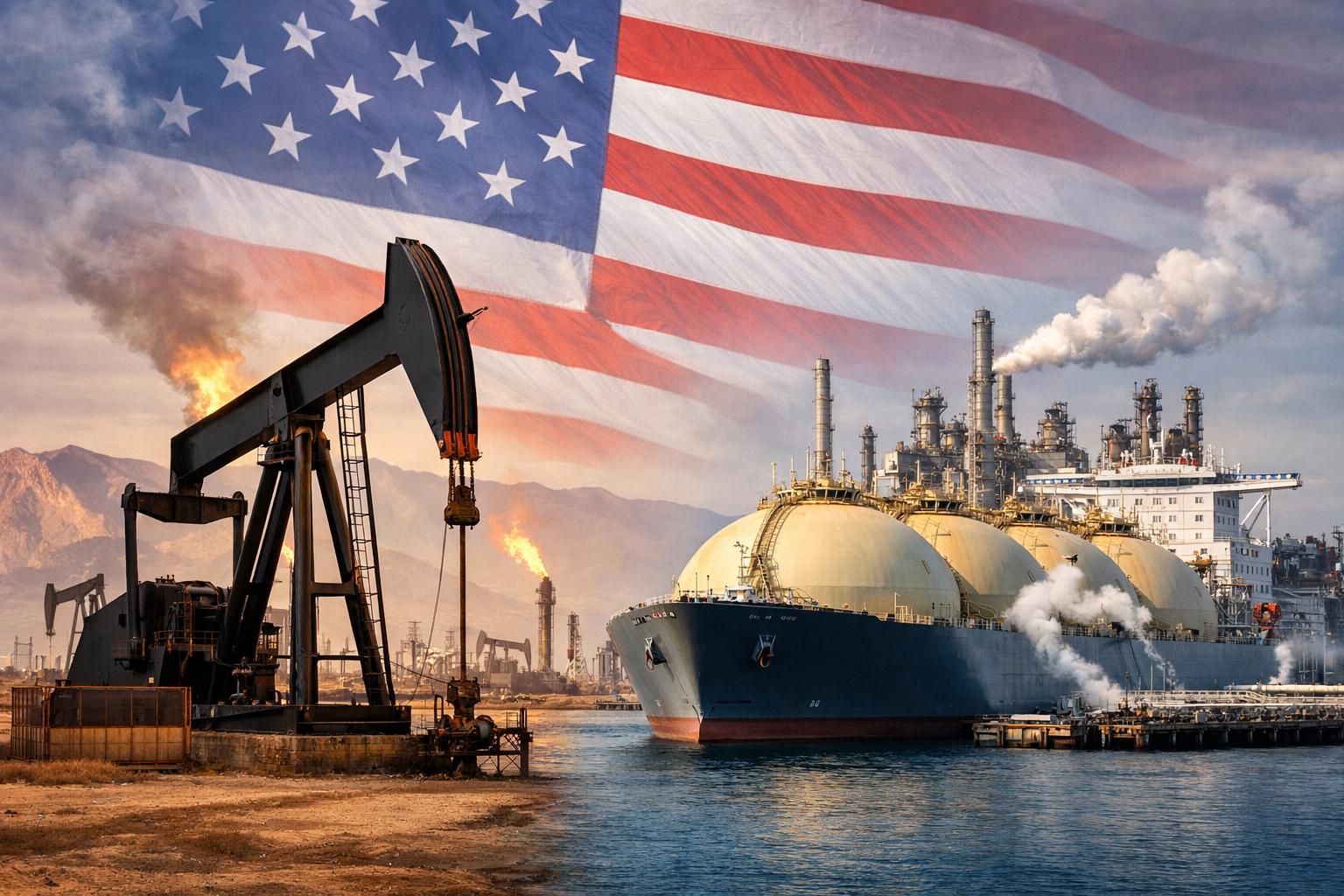
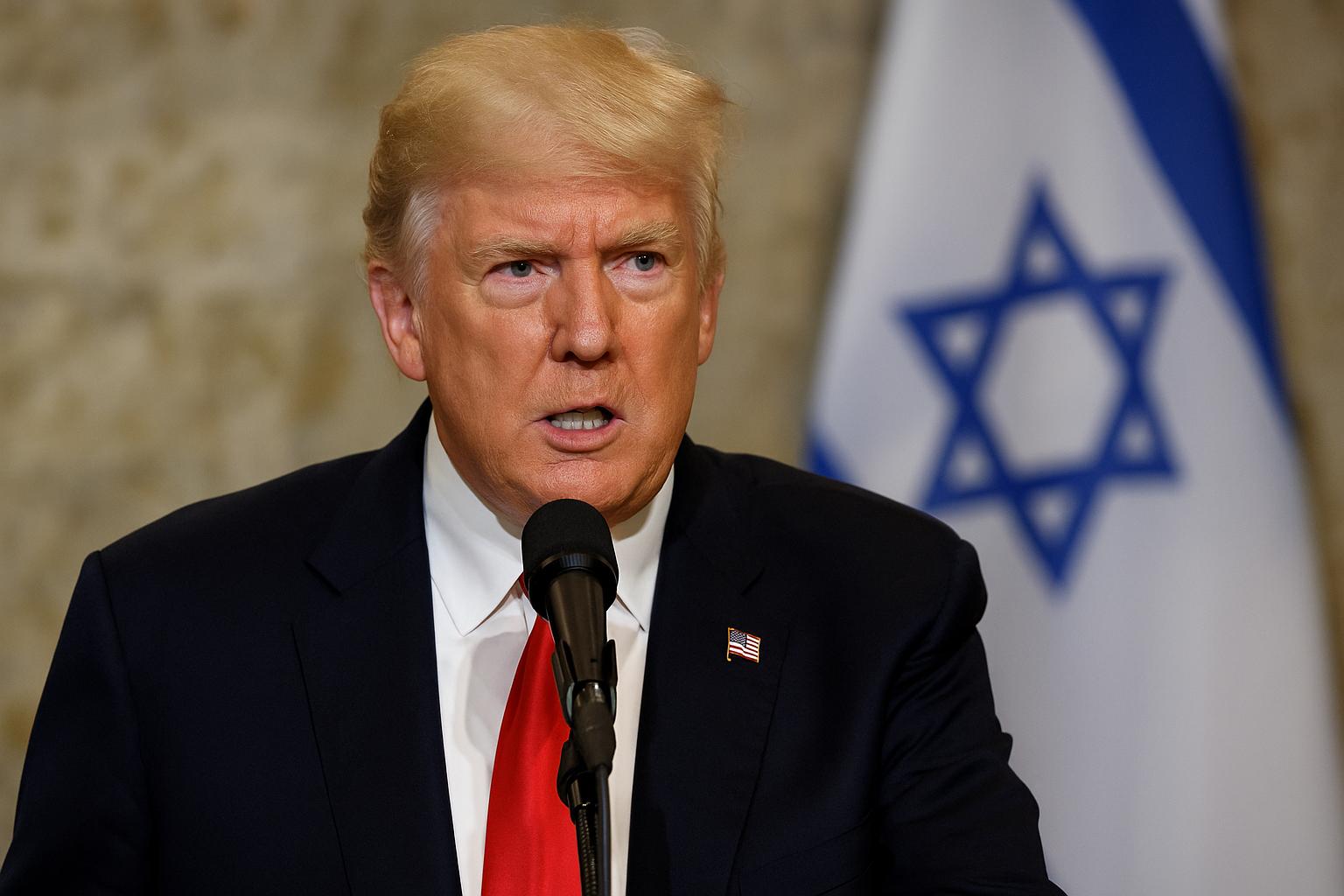
US oil production surpasses Saudi Arabia and Russia combined, new data shows
For decades, a recurring argument during periods of American involvement in the Middle East has been that such conflicts are driven by access to oil. However, the United States’ position in the global energy landscape has shifted dramatically over the past decade. Once heavily dependent on foreign imports, the country has transformed into one of the world’s largest producers of oil and natural gas, reshaping both global energy markets and geopolitical calculations. Recent figures from th
US oil production surpasses Saudi Arabia and Russia combined, new data shows
For decades, a recurring argument during periods of American involvement in the Middle East has been that such conflicts are driven by access to oil. However, the United States’ position in the global energy landscape has shifted dramatically over the past decade. Once heavily dependent on foreign imports, the country has transformed into one of the world’s largest producers of oil and natural gas, reshaping both global energy markets and geopolitical calculations. Recent figures from th
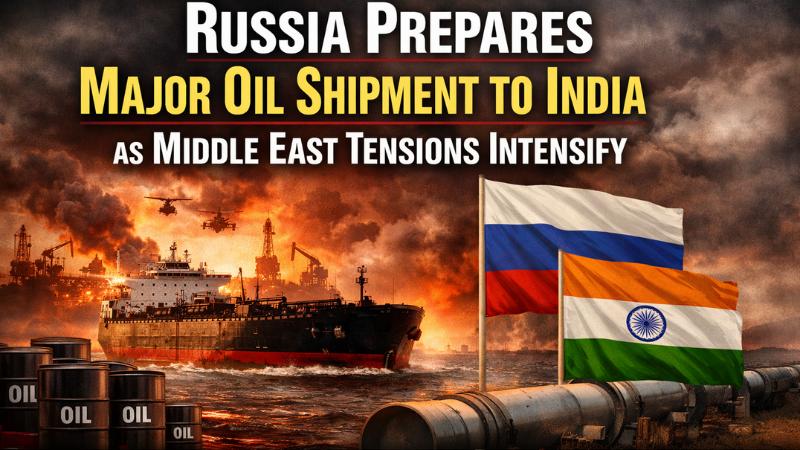
Russia to Supply 9.5 Million Barrels of Oil to India as Middle East Tensions Escalate
In response to the escalating crisis in the Middle East, Russia is preparing to ship 9.5 million barrels of crude oil to India. This move comes as India faces severe supply disruptions, particularly after Iranian attacks targeted vessels in the Strait of Hormuz, a critical oil route that handles 40% of India's crude imports. The current geopolitical tensions have left India vulnerable, as its crude stocks cover only about 25 days of demand, and inventories of refined products like gasoline, g
Russia to Supply 9.5 Million Barrels of Oil to India as Middle East Tensions Escalate
In response to the escalating crisis in the Middle East, Russia is preparing to ship 9.5 million barrels of crude oil to India. This move comes as India faces severe supply disruptions, particularly after Iranian attacks targeted vessels in the Strait of Hormuz, a critical oil route that handles 40% of India's crude imports. The current geopolitical tensions have left India vulnerable, as its crude stocks cover only about 25 days of demand, and inventories of refined products like gasoline, g
India Set to Buy Five More Russian S‑400 Air Defence Squadrons After Operation Sindoor Success
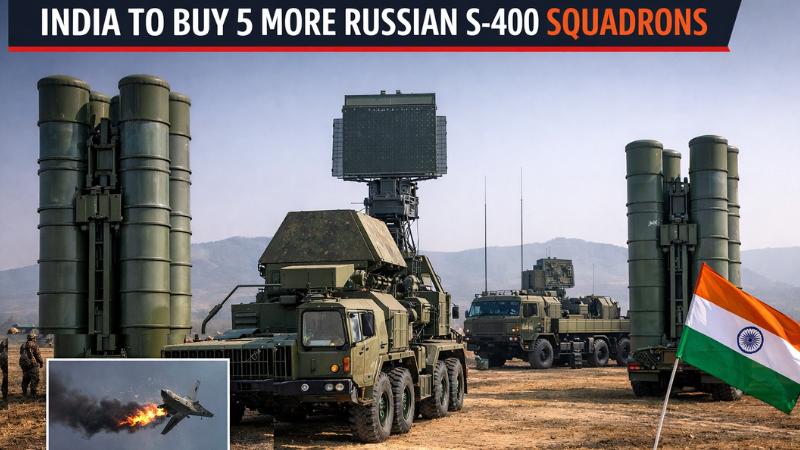
India is preparing to buy five additional squadrons of the Russian‑made S‑400 Triumf long‑range air defence missile system, a plan driven by the system’s highly effective performance during last year’s Operation Sindoor. The move aims to significantly bolster the Indian Air Force’s layered air defence network across both eastern and western fronts against evolving aerial threats. Defence ministry sources say the proposal from the Indian Air Force will soon be taken up fo
India Set to Buy Five More Russian S‑400 Air Defence Squadrons After Operation Sindoor Success
India is preparing to buy five additional squadrons of the Russian‑made S‑400 Triumf long‑range air defence missile system, a plan driven by the system’s highly effective performance during last year’s Operation Sindoor. The move aims to significantly bolster the Indian Air Force’s layered air defence network across both eastern and western fronts against evolving aerial threats. Defence ministry sources say the proposal from the Indian Air Force will soon be taken up fo
US Treasury sanctions over 30 linked to illicit Iranian oil network
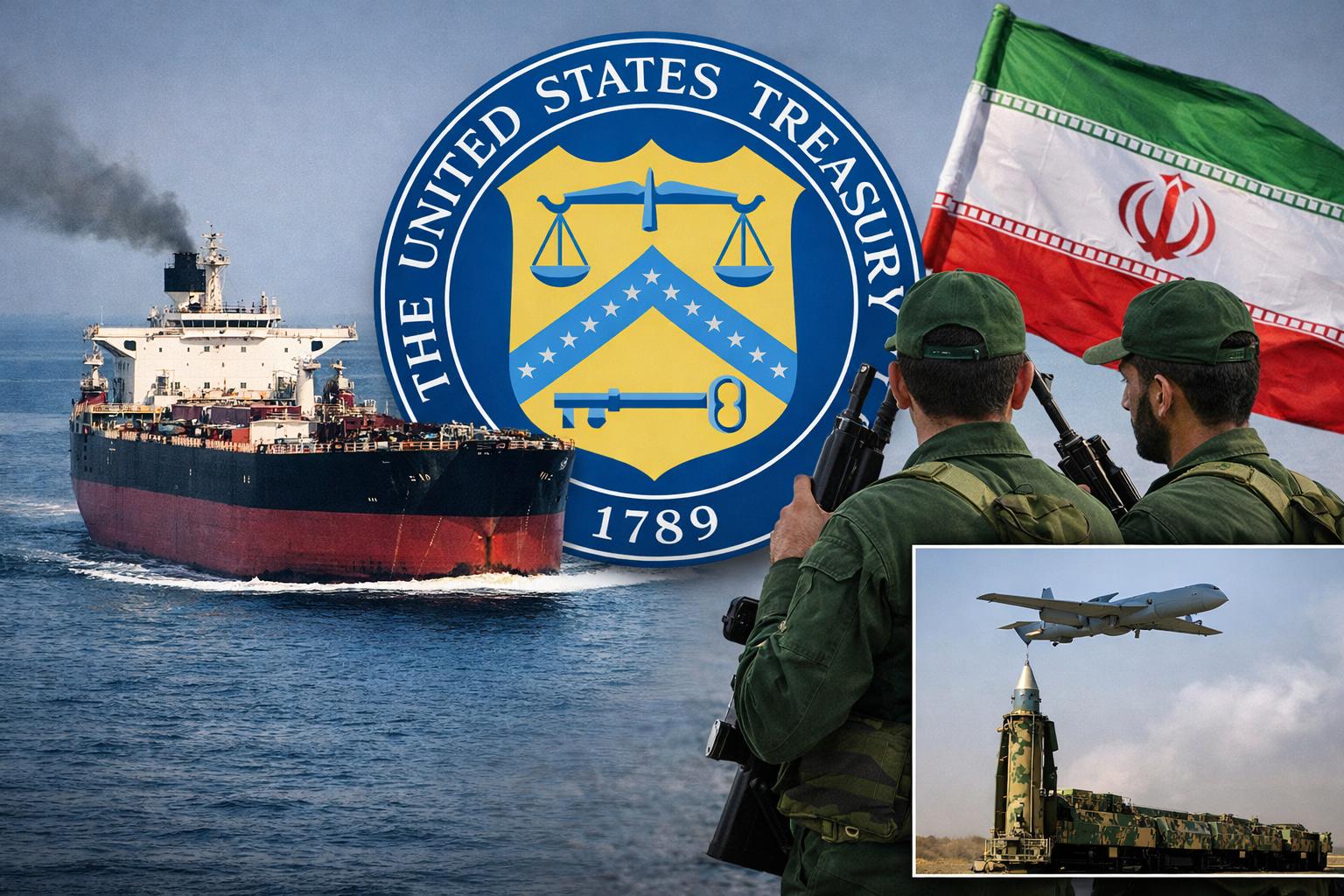
The United States Treasury Department announced on Wednesday that it has imposed sanctions on more than 30 individuals, entities, and vessels accused of facilitating illicit Iran oil sales and supporting Tehran’s weapons programs. The action, carried out through the Office of Foreign Assets Control (OFAC), forms part of Washington’s continuing maximum pressure campaign aimed at curbing Iran’s military capabilities and financial networks. According to the Treasury, the measures
US Treasury sanctions over 30 linked to illicit Iranian oil network
The United States Treasury Department announced on Wednesday that it has imposed sanctions on more than 30 individuals, entities, and vessels accused of facilitating illicit Iran oil sales and supporting Tehran’s weapons programs. The action, carried out through the Office of Foreign Assets Control (OFAC), forms part of Washington’s continuing maximum pressure campaign aimed at curbing Iran’s military capabilities and financial networks. According to the Treasury, the measures
Modi receives standing ovation during historic address at Knesset
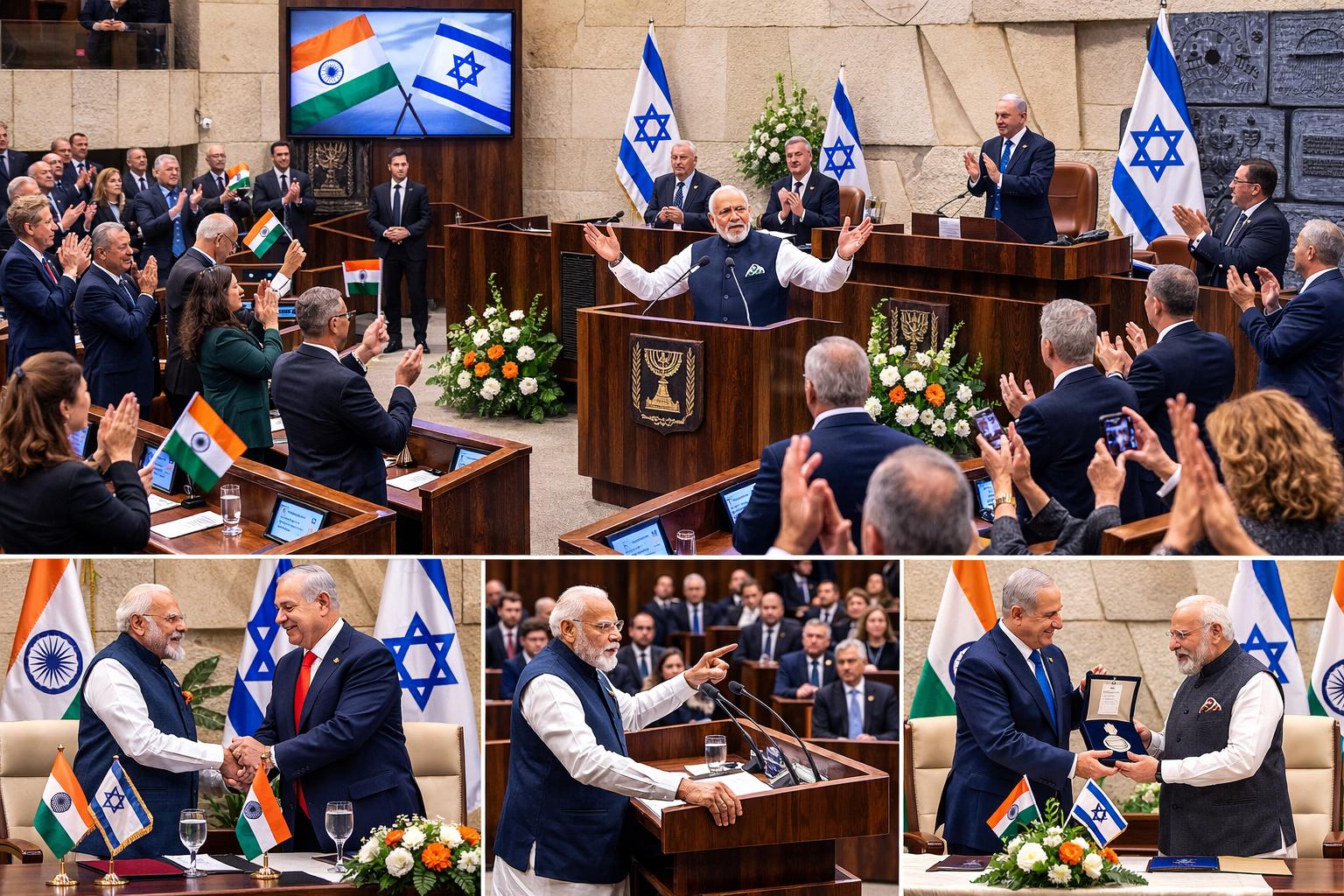
Indian Prime Minister Narendra Modi received a standing ovation in Israel’s parliament on Wednesday as he delivered a historic address to the Knesset, becoming the first Indian prime minister to speak before the Israeli legislature. Lawmakers rose to their feet and chanted his name as Modi began his remarks by conveying greetings from 1.4 billion Indians. In his speech, the prime minister strongly condemned terrorism and reiterated India’s firm policy of zero tolerance toward ex
Modi receives standing ovation during historic address at Knesset
Indian Prime Minister Narendra Modi received a standing ovation in Israel’s parliament on Wednesday as he delivered a historic address to the Knesset, becoming the first Indian prime minister to speak before the Israeli legislature. Lawmakers rose to their feet and chanted his name as Modi began his remarks by conveying greetings from 1.4 billion Indians. In his speech, the prime minister strongly condemned terrorism and reiterated India’s firm policy of zero tolerance toward ex
Trump announces $10 billion US pledge to Gaza peace board
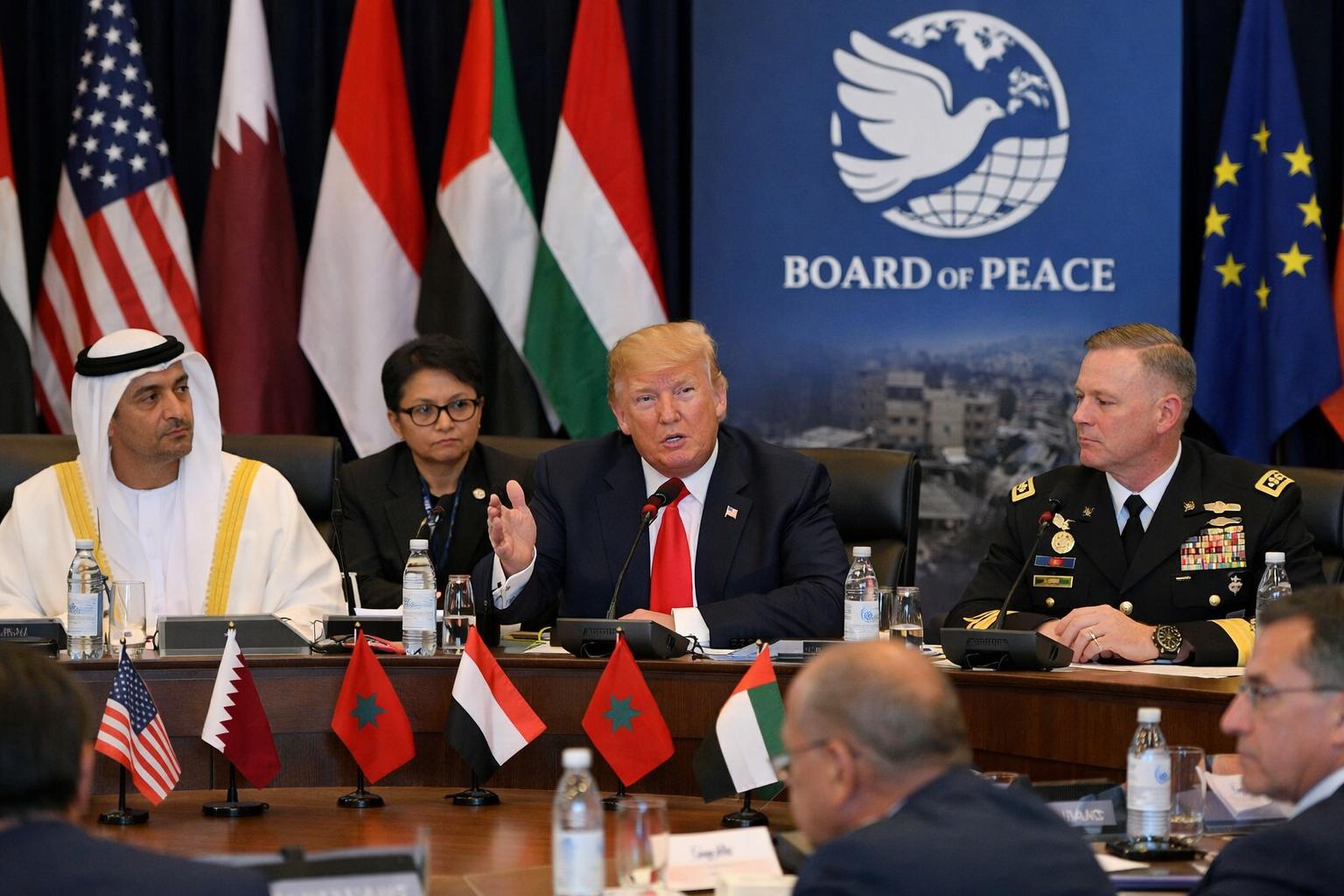
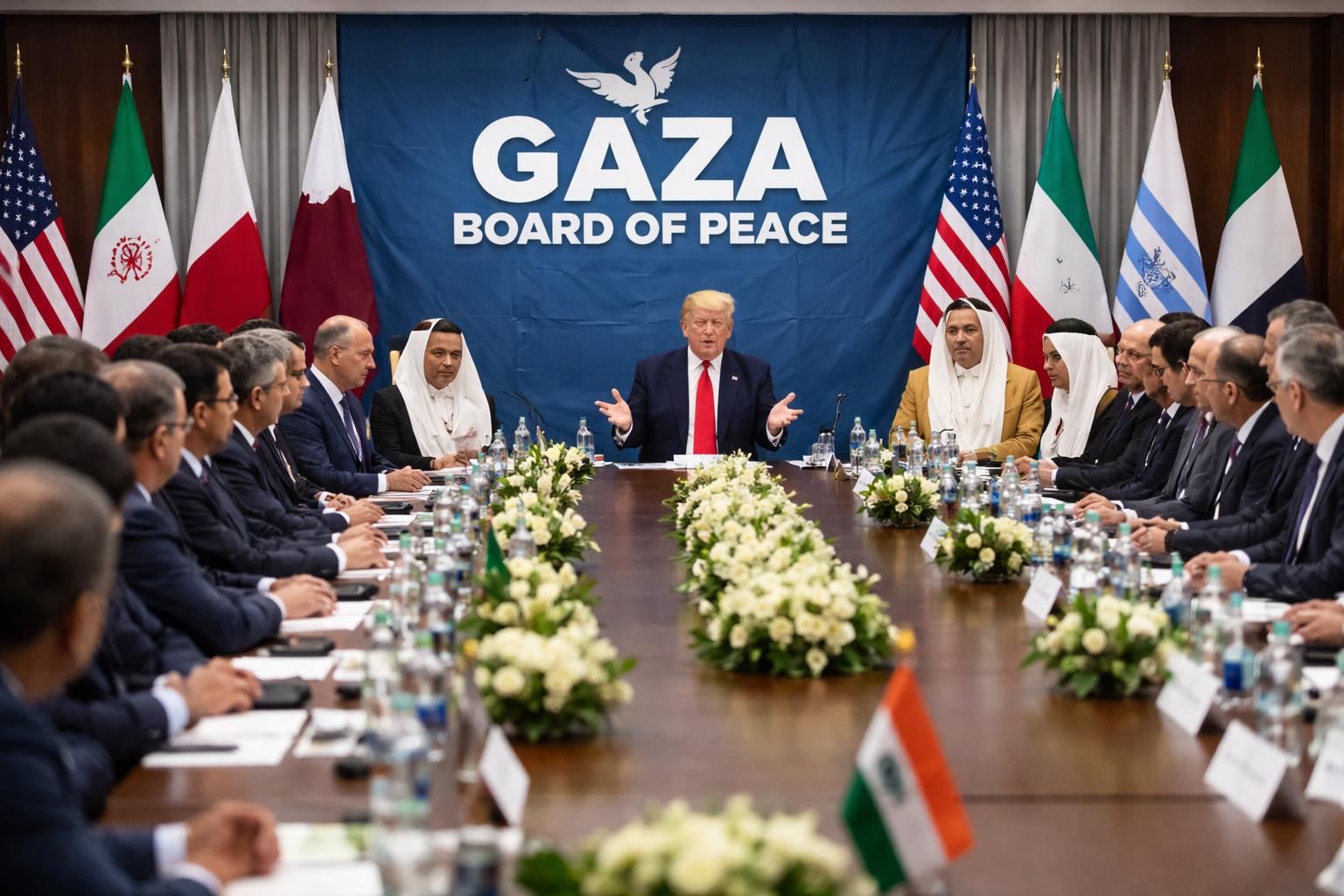
President Donald Trump on Thursday announced that the United States will contribute $10 billion to the newly formed Board of Peace, a central element of his 20-point plan aimed at stabilising and rebuilding Gaza. Speaking at the board’s inaugural meeting in Washington, Trump told representatives from nearly 50 countries that the United States intended to play a leading financial role in the initiative, though questions remain about how the funding will be sourced amid the administration’s
Trump announces $10 billion US pledge to Gaza peace board
President Donald Trump on Thursday announced that the United States will contribute $10 billion to the newly formed Board of Peace, a central element of his 20-point plan aimed at stabilising and rebuilding Gaza. Speaking at the board’s inaugural meeting in Washington, Trump told representatives from nearly 50 countries that the United States intended to play a leading financial role in the initiative, though questions remain about how the funding will be sourced amid the administration’s
India attends Trump’s Gaza Board of Peace meeting as observer
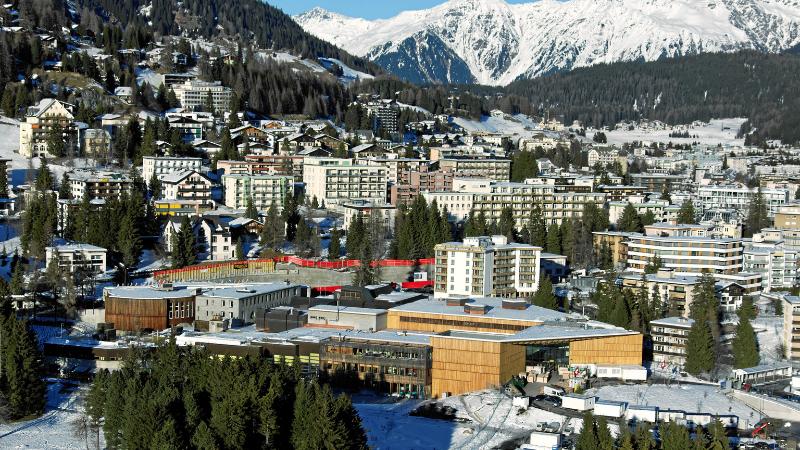
India participated as an observer in the inaugural meeting of United States President Donald Trump’s newly announced Board of Peace initiative focused on Gaza, according to official participant records. The meeting was held at the Donald J. Trump Institute of Peace in Washington, DC, where India was represented by Chargé d’Affaires Namgya Khampa from the Indian embassy. New Delhi has not formally joined the Board of Peace but attended in a limited observer capacity as international discussions around Gaza reconstruction and regional stability continue to evolve. During the launch event, Trump announced a pledge of $10 billion toward the reconstruction of the Gaza Strip, positioning the initiative as a major international effort following the recent ceasefire. Several Muslim-majority countries also committed financial and security support. Leaders from Qatar, Saudi Arabia, and the United Arab Emirates each pledged at least $1 billion, according to officials present at the gathering. The White House Press Secretary later stated that total commitments from participating nations had crossed $6.5 billion, a figure that appeared to exclude the separate US contribution. The Board of Peace was convened in the aftermath of a ceasefire agreement reached in October following negotiations facilitated by the United States in coordination with Qatar and Egypt. The ceasefire aimed to halt nearly two years of intense conflict in Gaza. Under the proposed second phase of the framework, Hamas is expected to be disarmed as part of broader stabilisation measures. The current war was triggered by Hamas’ October 7, 2023 attack on Israel, which led to a large-scale Israeli military response in the Gaza Strip. In a notable development, Morocco announced its readiness to contribute police personnel and officers to the newly proposed International Stabilisation Force, marking what officials described as a first-of-its-kind commitment by an Arab nation in the context of the Gaza peace initiative. The move is seen as part of wider efforts to establish security arrangements alongside reconstruction planning. Prime Minister Narendra Modi was among several global leaders invited by the US President to be associated with the Board of Peace, which was formally announced as part of the second phase of the Israel-Hamas ceasefire framework. India, however, had not been present at the earlier January 22 ceremony in Davos where Trump first unveiled the initiative aimed at fostering long-term peace in Gaza and potentially addressing other global conflicts. The Board of Peace has drawn attention in diplomatic circles due to perceptions that it could emerge as an alternative multilateral platform. Trump has previously suggested that the body “might” replace the United Nations, arguing that existing global institutions have not fully delivered on their mandates. Observers note that the structure, scope, and long-term objectives of the Board of Peace remain under discussion as participating countries evaluate their roles. India’s decision to attend as an observer reflects its cautious diplomatic approach to the evolving Middle East situation. Officials have not indicated any immediate plan to formally join the initiative, but New Delhi continues to monitor developments closely as international stakeholders shape the future framework for Gaza’s reconstruction and regional stability.
India attends Trump’s Gaza Board of Peace meeting as observer
India participated as an observer in the inaugural meeting of United States President Donald Trump’s newly announced Board of Peace initiative focused on Gaza, according to official participant records. The meeting was held at the Donald J. Trump Institute of Peace in Washington, DC, where India was represented by Chargé d’Affaires Namgya Khampa from the Indian embassy. New Delhi has not formally joined the Board of Peace but attended in a limited observer capacity as international discussions around Gaza reconstruction and regional stability continue to evolve. During the launch event, Trump announced a pledge of $10 billion toward the reconstruction of the Gaza Strip, positioning the initiative as a major international effort following the recent ceasefire. Several Muslim-majority countries also committed financial and security support. Leaders from Qatar, Saudi Arabia, and the United Arab Emirates each pledged at least $1 billion, according to officials present at the gathering. The White House Press Secretary later stated that total commitments from participating nations had crossed $6.5 billion, a figure that appeared to exclude the separate US contribution. The Board of Peace was convened in the aftermath of a ceasefire agreement reached in October following negotiations facilitated by the United States in coordination with Qatar and Egypt. The ceasefire aimed to halt nearly two years of intense conflict in Gaza. Under the proposed second phase of the framework, Hamas is expected to be disarmed as part of broader stabilisation measures. The current war was triggered by Hamas’ October 7, 2023 attack on Israel, which led to a large-scale Israeli military response in the Gaza Strip. In a notable development, Morocco announced its readiness to contribute police personnel and officers to the newly proposed International Stabilisation Force, marking what officials described as a first-of-its-kind commitment by an Arab nation in the context of the Gaza peace initiative. The move is seen as part of wider efforts to establish security arrangements alongside reconstruction planning. Prime Minister Narendra Modi was among several global leaders invited by the US President to be associated with the Board of Peace, which was formally announced as part of the second phase of the Israel-Hamas ceasefire framework. India, however, had not been present at the earlier January 22 ceremony in Davos where Trump first unveiled the initiative aimed at fostering long-term peace in Gaza and potentially addressing other global conflicts. The Board of Peace has drawn attention in diplomatic circles due to perceptions that it could emerge as an alternative multilateral platform. Trump has previously suggested that the body “might” replace the United Nations, arguing that existing global institutions have not fully delivered on their mandates. Observers note that the structure, scope, and long-term objectives of the Board of Peace remain under discussion as participating countries evaluate their roles. India’s decision to attend as an observer reflects its cautious diplomatic approach to the evolving Middle East situation. Officials have not indicated any immediate plan to formally join the initiative, but New Delhi continues to monitor developments closely as international stakeholders shape the future framework for Gaza’s reconstruction and regional stability.
Saudi Arabia expands political and financial push to stabilize Yemen amid fragile truce
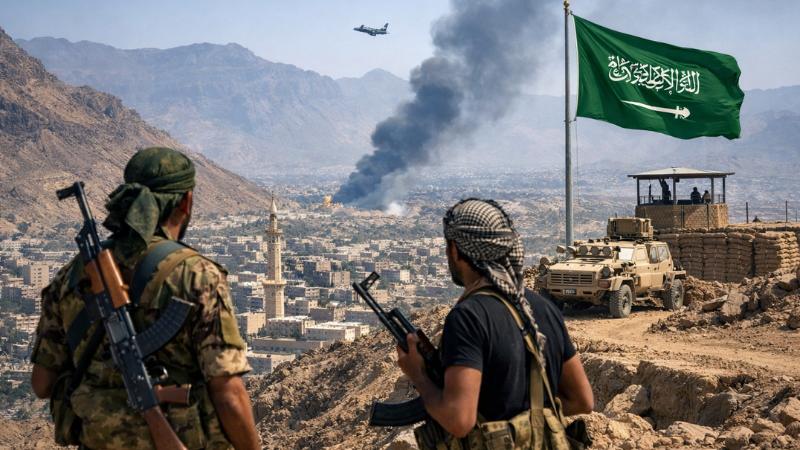
Saudi Arabia is deploying significant political influence and billions of dollars in financial support in an effort to stabilize Yemen and consolidate control over areas held by the internationally recognized government, marking a renewed regional focus after years of concentrating on domestic reforms. Officials familiar with the strategy say Riyadh aims to unify fragmented armed groups, strengthen state institutions and create conditions that could eventually pressure Houthi rebels into nego
Saudi Arabia expands political and financial push to stabilize Yemen amid fragile truce
Saudi Arabia is deploying significant political influence and billions of dollars in financial support in an effort to stabilize Yemen and consolidate control over areas held by the internationally recognized government, marking a renewed regional focus after years of concentrating on domestic reforms. Officials familiar with the strategy say Riyadh aims to unify fragmented armed groups, strengthen state institutions and create conditions that could eventually pressure Houthi rebels into nego
India reaffirms solidarity with Israel, condemns terrorism at Holocaust remembrance event
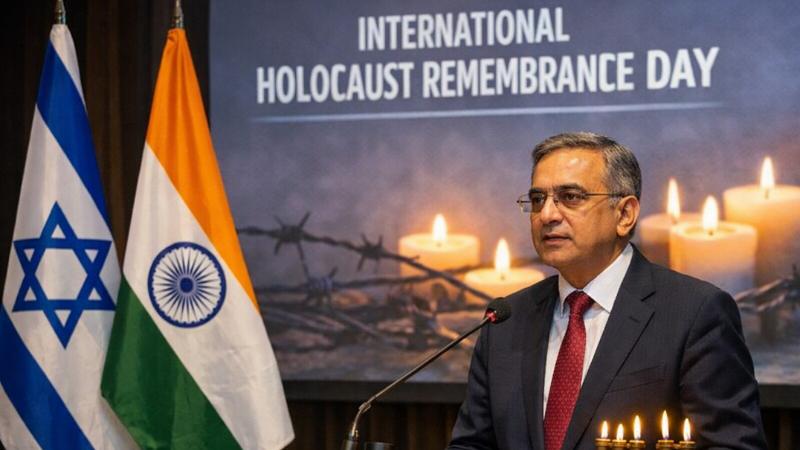
India has reiterated its firm support for Israel and renewed its condemnation of terrorism in all forms, with Foreign Secretary Vikram Misri drawing clear parallels between the Hamas attacks of October 7, 2023, and India’s long experience with cross-border violence. Speaking at an International Holocaust Remembrance Day commemoration hosted by the Israeli Embassy in New Delhi, Misri underscored India’s position that acts of terror cannot be justified under any circumstances and must be co
India reaffirms solidarity with Israel, condemns terrorism at Holocaust remembrance event
India has reiterated its firm support for Israel and renewed its condemnation of terrorism in all forms, with Foreign Secretary Vikram Misri drawing clear parallels between the Hamas attacks of October 7, 2023, and India’s long experience with cross-border violence. Speaking at an International Holocaust Remembrance Day commemoration hosted by the Israeli Embassy in New Delhi, Misri underscored India’s position that acts of terror cannot be justified under any circumstances and must be co
USS Abraham Lincoln arrives in Middle East as US boosts military posture near Iran
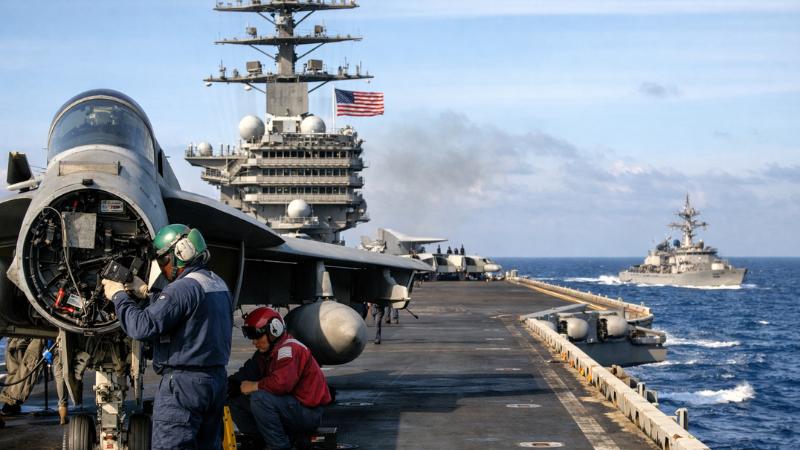
The United States has deployed the aircraft carrier USS Abraham Lincoln and its accompanying warships to the Middle East, a move aimed at reinforcing American military capabilities in a region marked by escalating political and security tensions. The announcement was made on Monday, January 26, by US Central Command, which said the carrier strike group’s presence is intended to support regional security and stability while enhancing both offensive and defensive readiness. Accordin
USS Abraham Lincoln arrives in Middle East as US boosts military posture near Iran
The United States has deployed the aircraft carrier USS Abraham Lincoln and its accompanying warships to the Middle East, a move aimed at reinforcing American military capabilities in a region marked by escalating political and security tensions. The announcement was made on Monday, January 26, by US Central Command, which said the carrier strike group’s presence is intended to support regional security and stability while enhancing both offensive and defensive readiness. Accordin
Saudi Arabia, Turkey and others back Trump-led Board of Peace plan
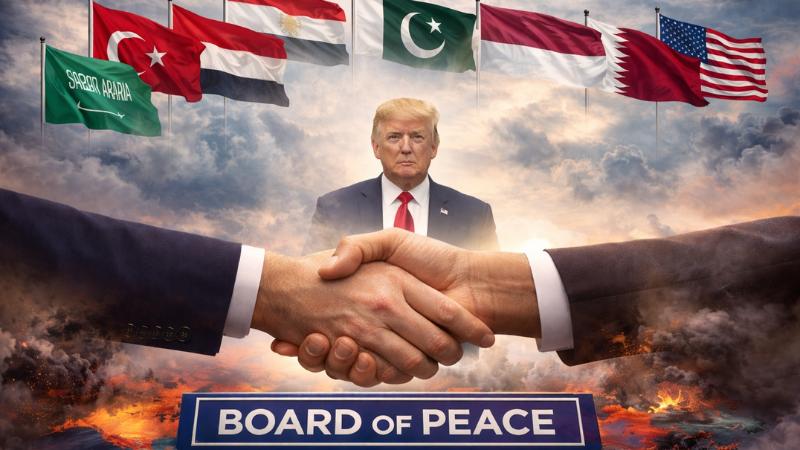
Saudi Arabia, Turkey, Egypt, Jordan, Indonesia, Pakistan and Qatar have agreed to participate in a new international initiative proposed by U.S. President Donald Trump, known as the Board of Peace, according to a joint statement issued by regional foreign ministries. The decision reflects coordinated support among several Middle Eastern and Asian governments for the initiative, which Trump has presented as a mechanism to address the ongoing Gaza conflict and broader global disputes.
Saudi Arabia, Turkey and others back Trump-led Board of Peace plan
Saudi Arabia, Turkey, Egypt, Jordan, Indonesia, Pakistan and Qatar have agreed to participate in a new international initiative proposed by U.S. President Donald Trump, known as the Board of Peace, according to a joint statement issued by regional foreign ministries. The decision reflects coordinated support among several Middle Eastern and Asian governments for the initiative, which Trump has presented as a mechanism to address the ongoing Gaza conflict and broader global disputes.
Iran foreign minister slams WEF over Davos disinvite, alleges double standards
Iran’s Foreign Minister Abbas Araghchi has strongly criticised the World Economic Forum following the cancellation of his scheduled appearance at the organisation’s annual meeting in Davos, accusing the forum of applying inconsistent moral and political standards. The remarks came after the WEF announc
Iran foreign minister slams WEF over Davos disinvite, alleges double standards
Iran’s Foreign Minister Abbas Araghchi has strongly criticised the World Economic Forum following the cancellation of his scheduled appearance at the organisation’s annual meeting in Davos, accusing the forum of applying inconsistent moral and political standards. The remarks came after the WEF announc
UAE, Turkey and Qatar airlines halt Iran flights as unrest intensifies
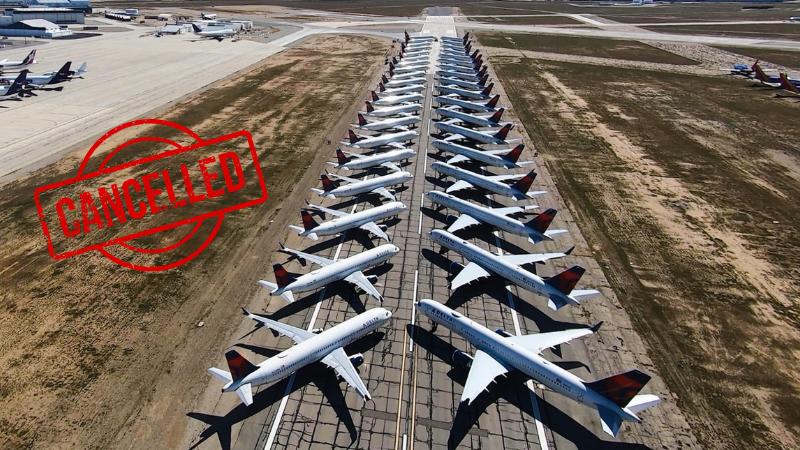
Several airlines operating from the United Arab Emirates, Turkey and Qatar suspended flights to Iran on Friday as widespread protests and communication disruptions continued to affect the country, leading to growing uncertainty across the regional aviation sector. The cancellations affected key routes linking major Gulf and Turkish hubs with Iranian cities, underscoring the broader impact of the unrest on international travel. According to information published on the Dubai Airports
UAE, Turkey and Qatar airlines halt Iran flights as unrest intensifies
Several airlines operating from the United Arab Emirates, Turkey and Qatar suspended flights to Iran on Friday as widespread protests and communication disruptions continued to affect the country, leading to growing uncertainty across the regional aviation sector. The cancellations affected key routes linking major Gulf and Turkish hubs with Iranian cities, underscoring the broader impact of the unrest on international travel. According to information published on the Dubai Airports
Israel recognises Somaliland as independent state, opens path to diplomatic ties
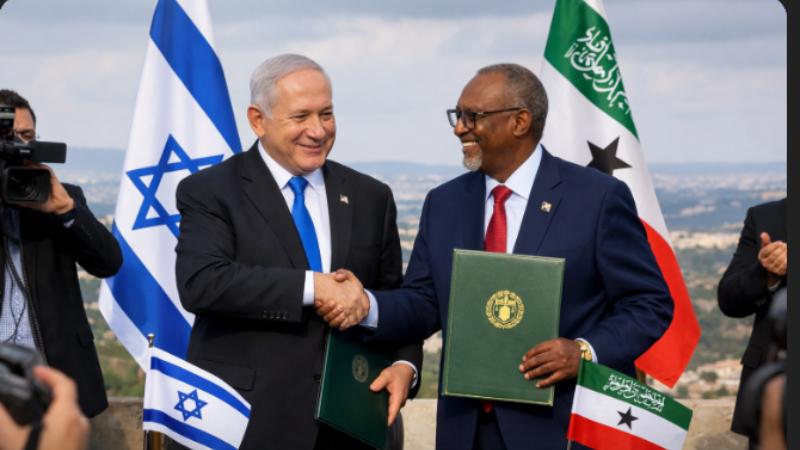
Israel has become the first member of the United Nations to officially recognise Somaliland as an independent and sovereign state, marking a significant diplomatic development for the self-declared republic in the Horn of Africa. The announcement ends decades of international non-recognition for Somaliland, which has operated as a separate political entity since breaking away from Somalia in 1991 following a prolonged civil conflict. The recognition was formalised on Friday when Isr
Israel recognises Somaliland as independent state, opens path to diplomatic ties
Israel has become the first member of the United Nations to officially recognise Somaliland as an independent and sovereign state, marking a significant diplomatic development for the self-declared republic in the Horn of Africa. The announcement ends decades of international non-recognition for Somaliland, which has operated as a separate political entity since breaking away from Somalia in 1991 following a prolonged civil conflict. The recognition was formalised on Friday when Isr
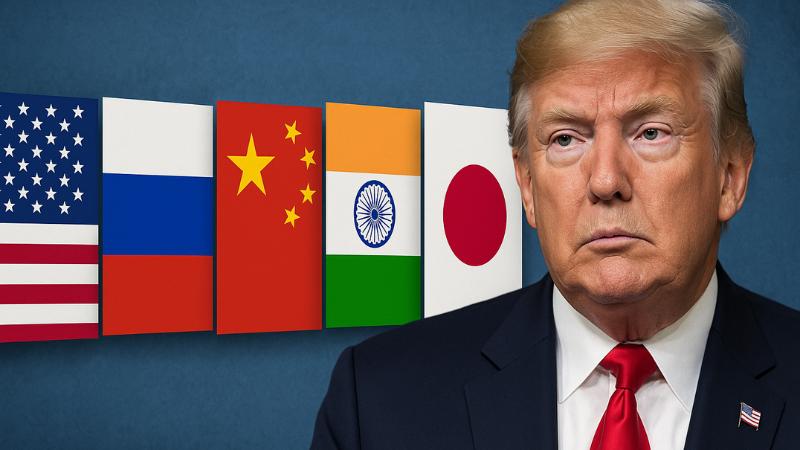
Trump weighs Core-5 global power bloc as potential alternative to the G7
US President Donald Trump is reported to be considering the formation of a new geopolitical grouping known as the “Core-5,” a proposed alliance that would bring together the United States, Russia, China, India, and Japan. The initiative is being explored as a potential alternative to the Group of Seven, signaling a significant shift in Washington’s approach to global leadership and alliance-building. If pursued, the Core-5 could represent one of the most powerful strategic blocs ever as
Trump weighs Core-5 global power bloc as potential alternative to the G7
US President Donald Trump is reported to be considering the formation of a new geopolitical grouping known as the “Core-5,” a proposed alliance that would bring together the United States, Russia, China, India, and Japan. The initiative is being explored as a potential alternative to the Group of Seven, signaling a significant shift in Washington’s approach to global leadership and alliance-building. If pursued, the Core-5 could represent one of the most powerful strategic blocs ever as
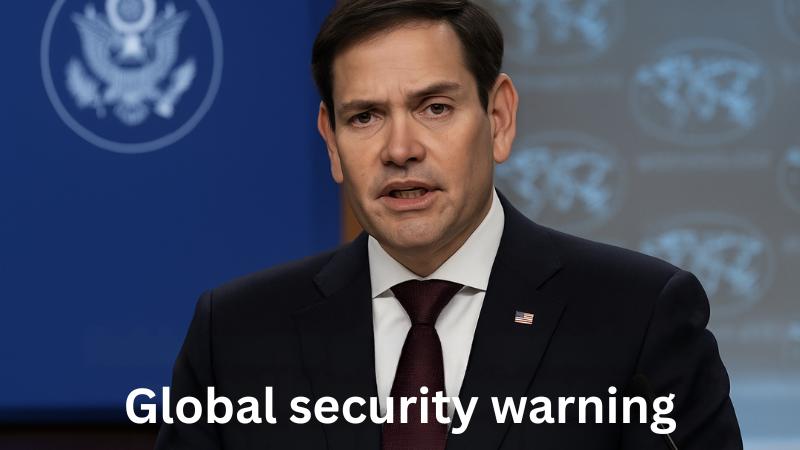
Rubio warns global expansion of radical Islamic movements poses rising security threat
United States Secretary of State Marco Rubio stated on Wednesday that radical Islamic movements represent a growing and consequential threat not only to the United States but to global security as a whole. Describing these organisations as revolutionary in nature, Rubio said their objectives extend far beyond holding limited territory, and instead involve expanding their influence across regions and cultures. He noted that the ideological framework guiding these groups envisions a broad reach
Rubio warns global expansion of radical Islamic movements poses rising security threat
United States Secretary of State Marco Rubio stated on Wednesday that radical Islamic movements represent a growing and consequential threat not only to the United States but to global security as a whole. Describing these organisations as revolutionary in nature, Rubio said their objectives extend far beyond holding limited territory, and instead involve expanding their influence across regions and cultures. He noted that the ideological framework guiding these groups envisions a broad reach
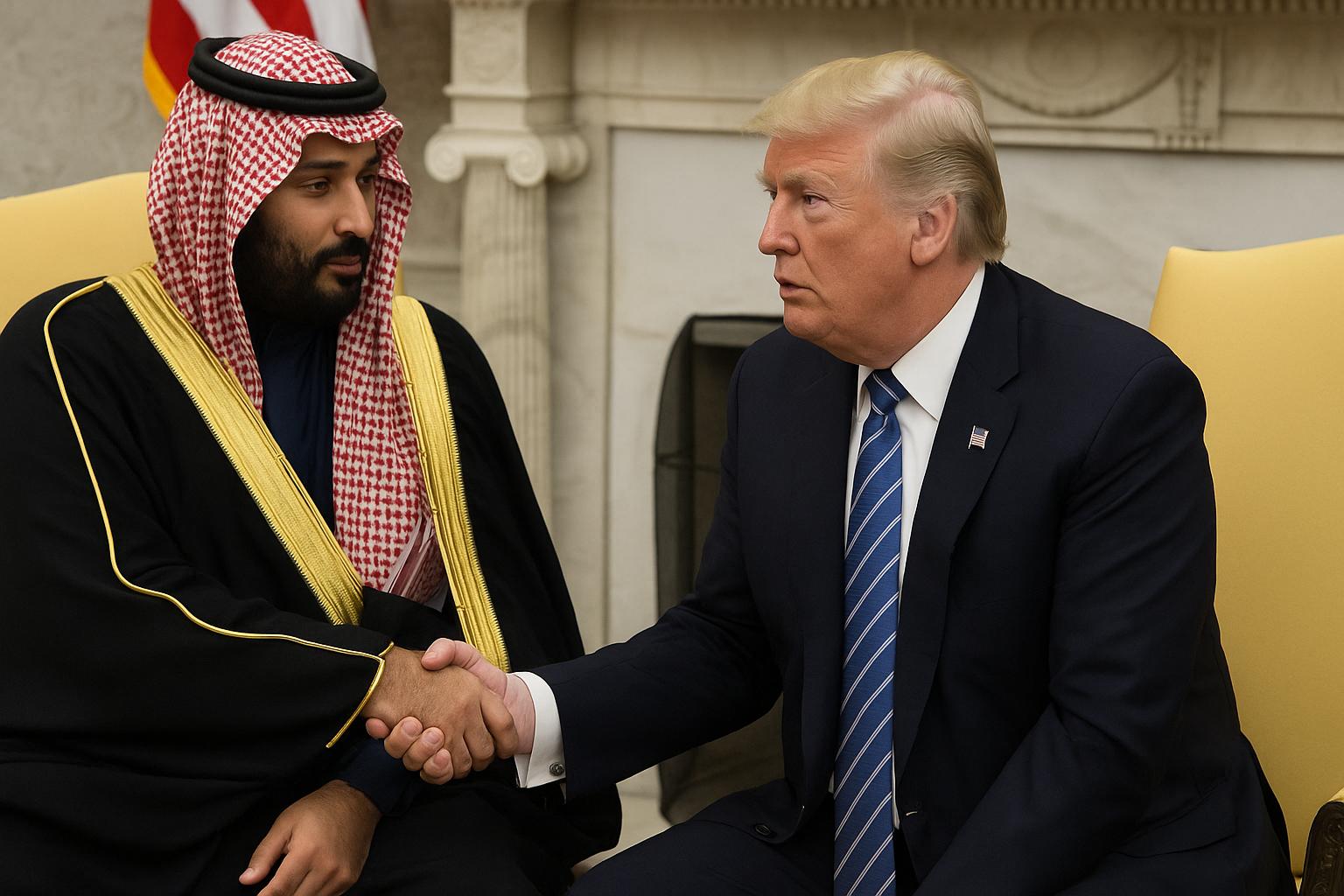
Saudi crown prince’s $1 trillion US pledge sparks questions over sovereign fund liquidity
During his recent visit to the United States, Saudi Arabia’s crown prince, Mohammed bin Salman, made a high-profile commitment to invest $1 trillion in Washington while seated beside the US president at the Oval Office. The announcement underscored the scale of Saudi Arabia’s financial ambitions, but it also renewed debate over whether the kingdom’s sovereign wealth fund has sufficient liquidity to support such a massive pledge at a time when its domestic projects are encountering financial strain. Much of the responsibility for executing the investment promise would likely fall on the Public Investment Fund, the kingdom’s flagship sovereign wealth fund, which has been under increasing pressure due to slowing returns from several large-scale ventures. The Public Investment Fund has for years been at the centre of Saudi Arabia’s economic transformation strategy, financing ambitious projects intended to diversify the nation’s oil-dependent economy. While the fund officially controls assets valued at approximately $1 trillion, a significant portion is tied up in holdings that are difficult to liquidate and lack transparent public valuations. The situation has prompted fund officials, according to people familiar with internal discussions, to caution international partners that future allocations may be scaled back until liquidity conditions improve. This comes at a time when Saudi Arabia is seeking additional capital for ongoing megaprojects that have already absorbed substantial resources. Among the most prominent initiatives facing headwinds is Neom, the futuristic development planned for the kingdom’s northwest. Conceived as a hub for advanced technology, sustainable living, and major tourism attractions, Neom was expected to showcase the scale and innovation of Saudi Arabia’s modernisation efforts. However, the project has encountered delays, rising costs, and questions about its commercial viability. Similar challenges have surfaced across other ventures funded by the PIF, including luxury Red Sea resorts that remain largely unoccupied despite significant investment. These difficulties have intensified scrutiny over the fund’s ability to sustain its commitments while supporting a broad portfolio of domestic developments. Saudi Arabia continues to benefit from substantial oil reserves, but its energy revenues have been constrained by production cuts linked to global market agreements alongside relatively subdued crude prices. As a result, the kingdom is managing a budget deficit and has increased borrowing to support national spending priorities. Analysts note that these fiscal pressures add complexity to the crown prince’s pledge, which arrives at a moment when the government is balancing long-term economic goals with short-term financial realities. The PIF, established in 1971 to support nationally significant industries, grew slowly for decades before being placed under Prince Mohammed’s direct authority in 2015. Since then, the fund has taken on a far more expansive role, backed by injections of government capital, redirected oil revenues, and assets seized under anti-corruption campaigns. Its portfolio now spans global equities, domestic infrastructure, and emerging sectors such as artificial intelligence, reflecting the prince’s drive to position the kingdom as a major player in future technologies. Despite achieving notable gains during periods of rising markets, the fund’s more recent initiatives have faced tougher conditions. In response to financial pressures, the fund’s leadership has reportedly adjusted internal forecasts, restructured teams, and replaced executives overseeing underperforming ventures. Officials have also signalled a shift in focus toward private investments in technology firms, an area viewed as strategically important to the kingdom’s long-term plans. These moves come as global investors track the fund’s evolving strategy, especially given the symbolic weight of the crown prince’s $1 trillion pledge. While signs of strain are evident within the fund’s operations, analysts caution that it is premature to conclude that Saudi Arabia is facing broader economic distress. The kingdom retains substantial financial capacity, and its long-term diversification agenda continues to receive strong state backing. However, the contrast between ambitious international commitments and the financial demands of domestic megaprojects has raised questions about sustainability. Observers will be watching closely to determine whether the kingdom can balance its aspirations abroad with the fiscal realities at home, particularly as the PIF navigates a period of tighter liquidity and heightened scrutiny.
Saudi crown prince’s $1 trillion US pledge sparks questions over sovereign fund liquidity
During his recent visit to the United States, Saudi Arabia’s crown prince, Mohammed bin Salman, made a high-profile commitment to invest $1 trillion in Washington while seated beside the US president at the Oval Office. The announcement underscored the scale of Saudi Arabia’s financial ambitions, but it also renewed debate over whether the kingdom’s sovereign wealth fund has sufficient liquidity to support such a massive pledge at a time when its domestic projects are encountering financial strain. Much of the responsibility for executing the investment promise would likely fall on the Public Investment Fund, the kingdom’s flagship sovereign wealth fund, which has been under increasing pressure due to slowing returns from several large-scale ventures. The Public Investment Fund has for years been at the centre of Saudi Arabia’s economic transformation strategy, financing ambitious projects intended to diversify the nation’s oil-dependent economy. While the fund officially controls assets valued at approximately $1 trillion, a significant portion is tied up in holdings that are difficult to liquidate and lack transparent public valuations. The situation has prompted fund officials, according to people familiar with internal discussions, to caution international partners that future allocations may be scaled back until liquidity conditions improve. This comes at a time when Saudi Arabia is seeking additional capital for ongoing megaprojects that have already absorbed substantial resources. Among the most prominent initiatives facing headwinds is Neom, the futuristic development planned for the kingdom’s northwest. Conceived as a hub for advanced technology, sustainable living, and major tourism attractions, Neom was expected to showcase the scale and innovation of Saudi Arabia’s modernisation efforts. However, the project has encountered delays, rising costs, and questions about its commercial viability. Similar challenges have surfaced across other ventures funded by the PIF, including luxury Red Sea resorts that remain largely unoccupied despite significant investment. These difficulties have intensified scrutiny over the fund’s ability to sustain its commitments while supporting a broad portfolio of domestic developments. Saudi Arabia continues to benefit from substantial oil reserves, but its energy revenues have been constrained by production cuts linked to global market agreements alongside relatively subdued crude prices. As a result, the kingdom is managing a budget deficit and has increased borrowing to support national spending priorities. Analysts note that these fiscal pressures add complexity to the crown prince’s pledge, which arrives at a moment when the government is balancing long-term economic goals with short-term financial realities. The PIF, established in 1971 to support nationally significant industries, grew slowly for decades before being placed under Prince Mohammed’s direct authority in 2015. Since then, the fund has taken on a far more expansive role, backed by injections of government capital, redirected oil revenues, and assets seized under anti-corruption campaigns. Its portfolio now spans global equities, domestic infrastructure, and emerging sectors such as artificial intelligence, reflecting the prince’s drive to position the kingdom as a major player in future technologies. Despite achieving notable gains during periods of rising markets, the fund’s more recent initiatives have faced tougher conditions. In response to financial pressures, the fund’s leadership has reportedly adjusted internal forecasts, restructured teams, and replaced executives overseeing underperforming ventures. Officials have also signalled a shift in focus toward private investments in technology firms, an area viewed as strategically important to the kingdom’s long-term plans. These moves come as global investors track the fund’s evolving strategy, especially given the symbolic weight of the crown prince’s $1 trillion pledge. While signs of strain are evident within the fund’s operations, analysts caution that it is premature to conclude that Saudi Arabia is facing broader economic distress. The kingdom retains substantial financial capacity, and its long-term diversification agenda continues to receive strong state backing. However, the contrast between ambitious international commitments and the financial demands of domestic megaprojects has raised questions about sustainability. Observers will be watching closely to determine whether the kingdom can balance its aspirations abroad with the fiscal realities at home, particularly as the PIF navigates a period of tighter liquidity and heightened scrutiny.
Saudi crown prince seeks security guarantees as Trump pushes Israel normalisation
Saudi Crown Prince Mohammed bin Salman is preparing for a high-stakes visit to Washington this week, marking his first trip to the United States in seven years. The visit comes at a moment of deep regional unease, with Saudi Arabia seeking firmer American security guarantees as tensions rise across the Middle East. While US President Donald Trump is expected to press the crown prince to move toward normalising relations with Israel, officials and analysts suggest that Riyadh remains reluctant
Saudi crown prince seeks security guarantees as Trump pushes Israel normalisation
Saudi Crown Prince Mohammed bin Salman is preparing for a high-stakes visit to Washington this week, marking his first trip to the United States in seven years. The visit comes at a moment of deep regional unease, with Saudi Arabia seeking firmer American security guarantees as tensions rise across the Middle East. While US President Donald Trump is expected to press the crown prince to move toward normalising relations with Israel, officials and analysts suggest that Riyadh remains reluctant
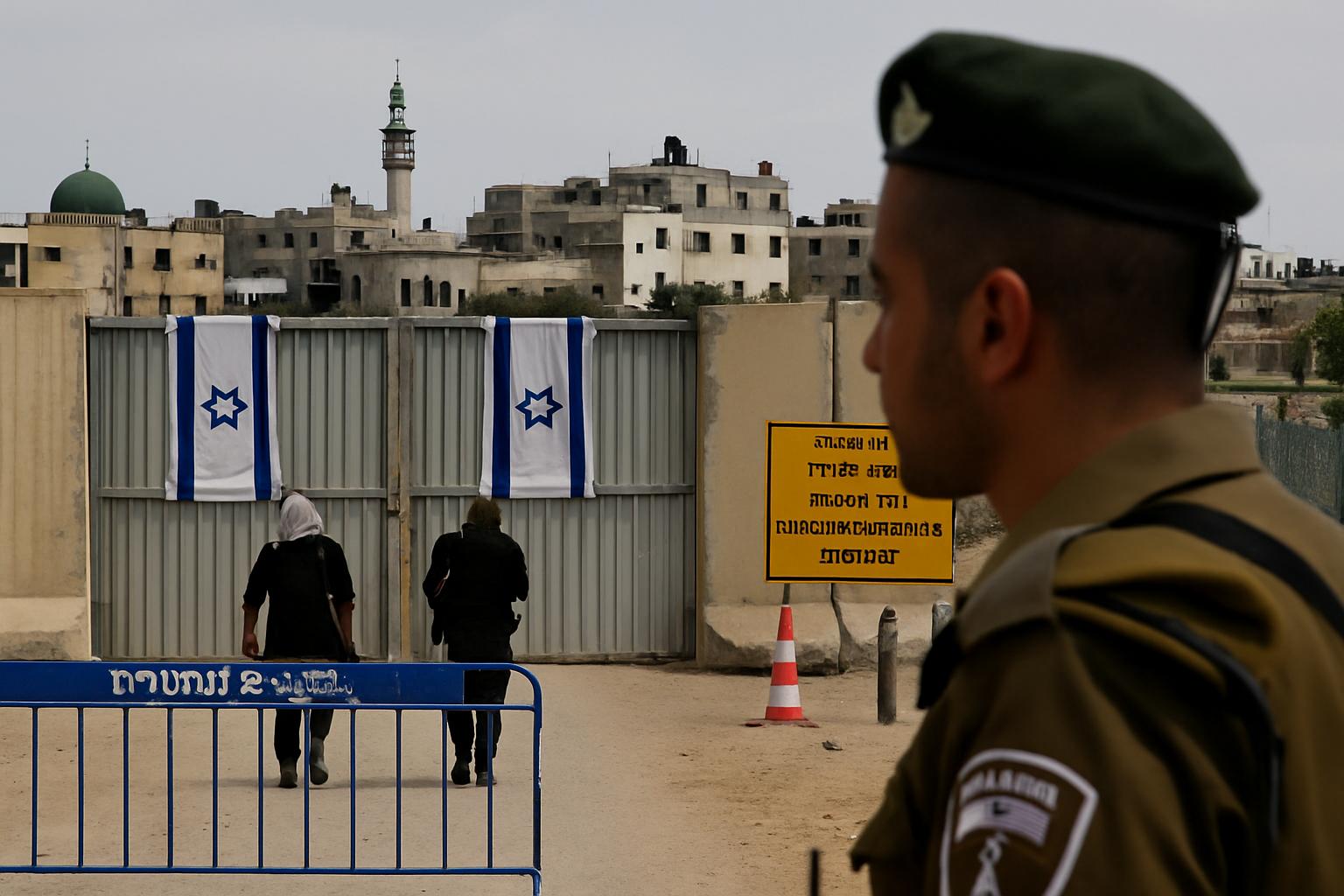
Hamas to Return Two Hostage Bodies as Israel Keeps Rafah Crossing Closed
Hamas has announced that it will hand over the bodies of two more Israeli hostages as part of the ongoing ceasefire deal with Israel. The group’s military wing stated that the bodies will be transferred at 10:00 PM local time after being recovered in the Gaza Strip earlier in the day. This development comes amid rising tensions following Israeli Prime Minister Benjamin Netanyahu’s decision to close the Rafah Crossing indefinitely, citing Hamas’s failure to fulfill its obligations under the

Hamas to Return Two Hostage Bodies as Israel Keeps Rafah Crossing Closed
Hamas has announced that it will hand over the bodies of two more Israeli hostages as part of the ongoing ceasefire deal with Israel. The group’s military wing stated that the bodies will be transferred at 10:00 PM local time after being recovered in the Gaza Strip earlier in the day. This development comes amid rising tensions following Israeli Prime Minister Benjamin Netanyahu’s decision to close the Rafah Crossing indefinitely, citing Hamas’s failure to fulfill its obligations under the

Trump warns Hamas to stop killings or ‘we’ will act, president says
WASHINGTON — President Donald Trump issued a stark public warning aimed at Hamas on Thursday, saying that if the group continues to carry out killings in parts of the Gaza Strip “we will have no choice but to go in and kill them.” The statement, delivered on social media and reiterated in later remarks, marked a notable hardening of tone after earlier comments by the president that suggested he had permitted a period of internal violence targeting criminal elements within Gaza.
Trump warns Hamas to stop killings or ‘we’ will act, president says
WASHINGTON — President Donald Trump issued a stark public warning aimed at Hamas on Thursday, saying that if the group continues to carry out killings in parts of the Gaza Strip “we will have no choice but to go in and kill them.” The statement, delivered on social media and reiterated in later remarks, marked a notable hardening of tone after earlier comments by the president that suggested he had permitted a period of internal violence targeting criminal elements within Gaza.