US-Israel strike on Iran followed urgent call between Netanyahu and Trump
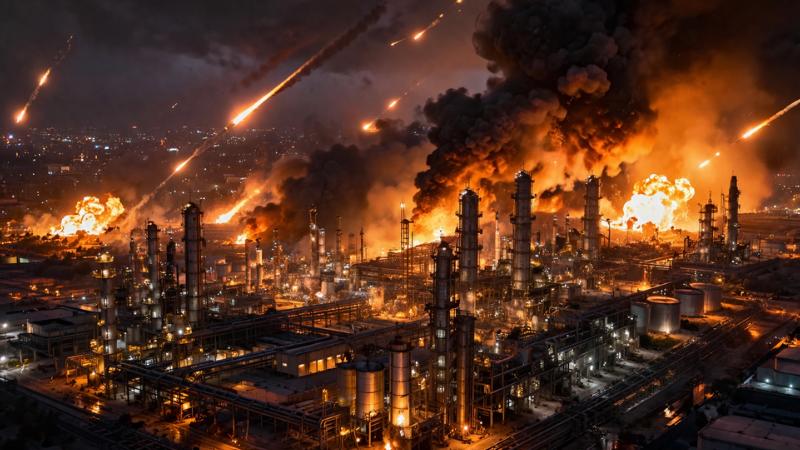
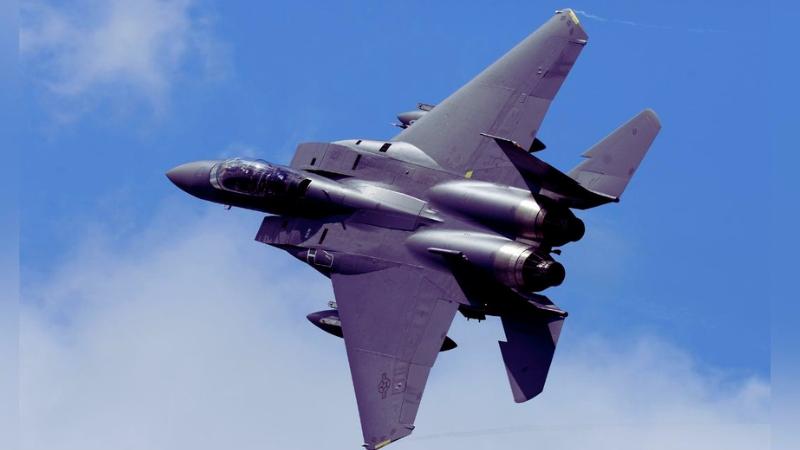
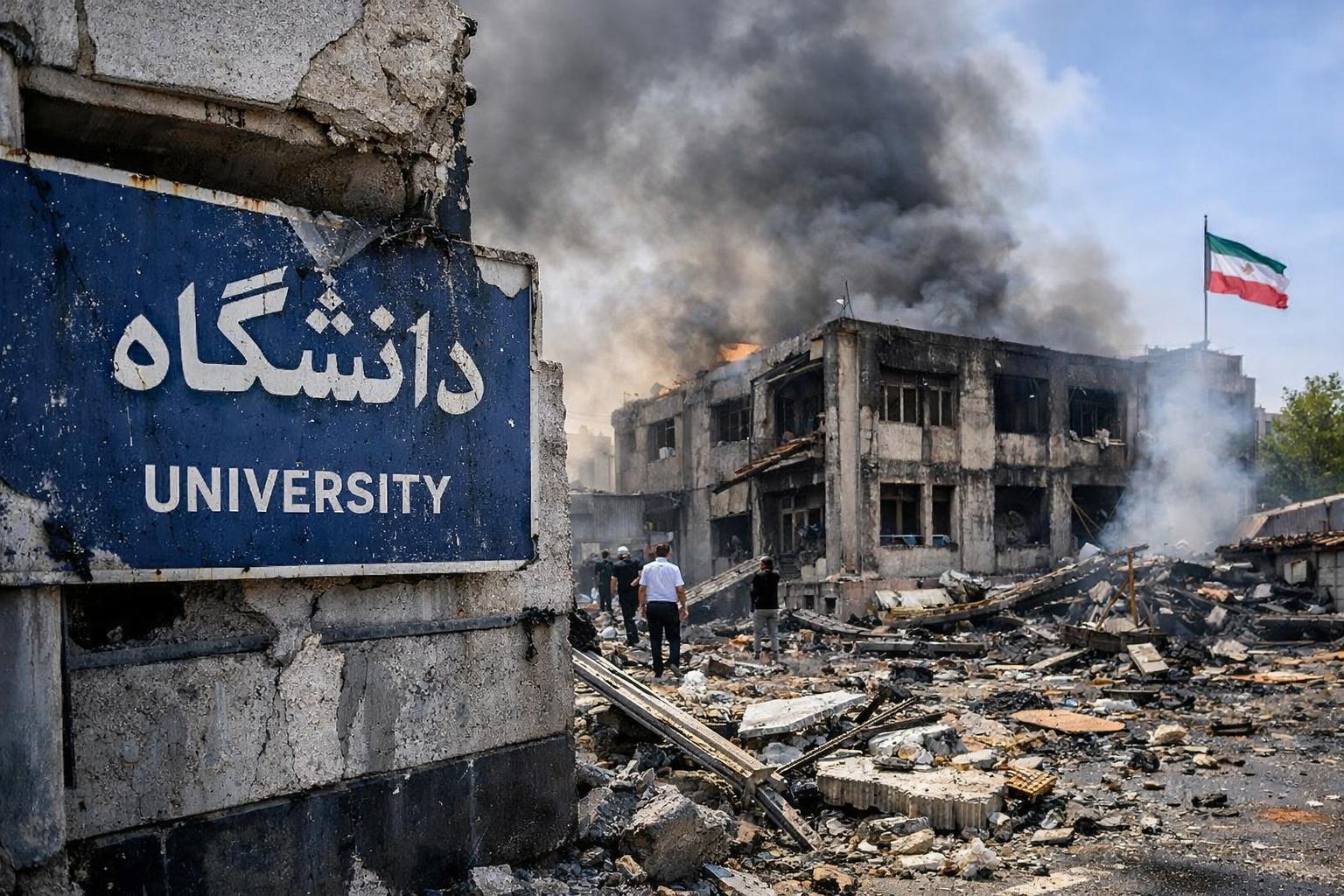
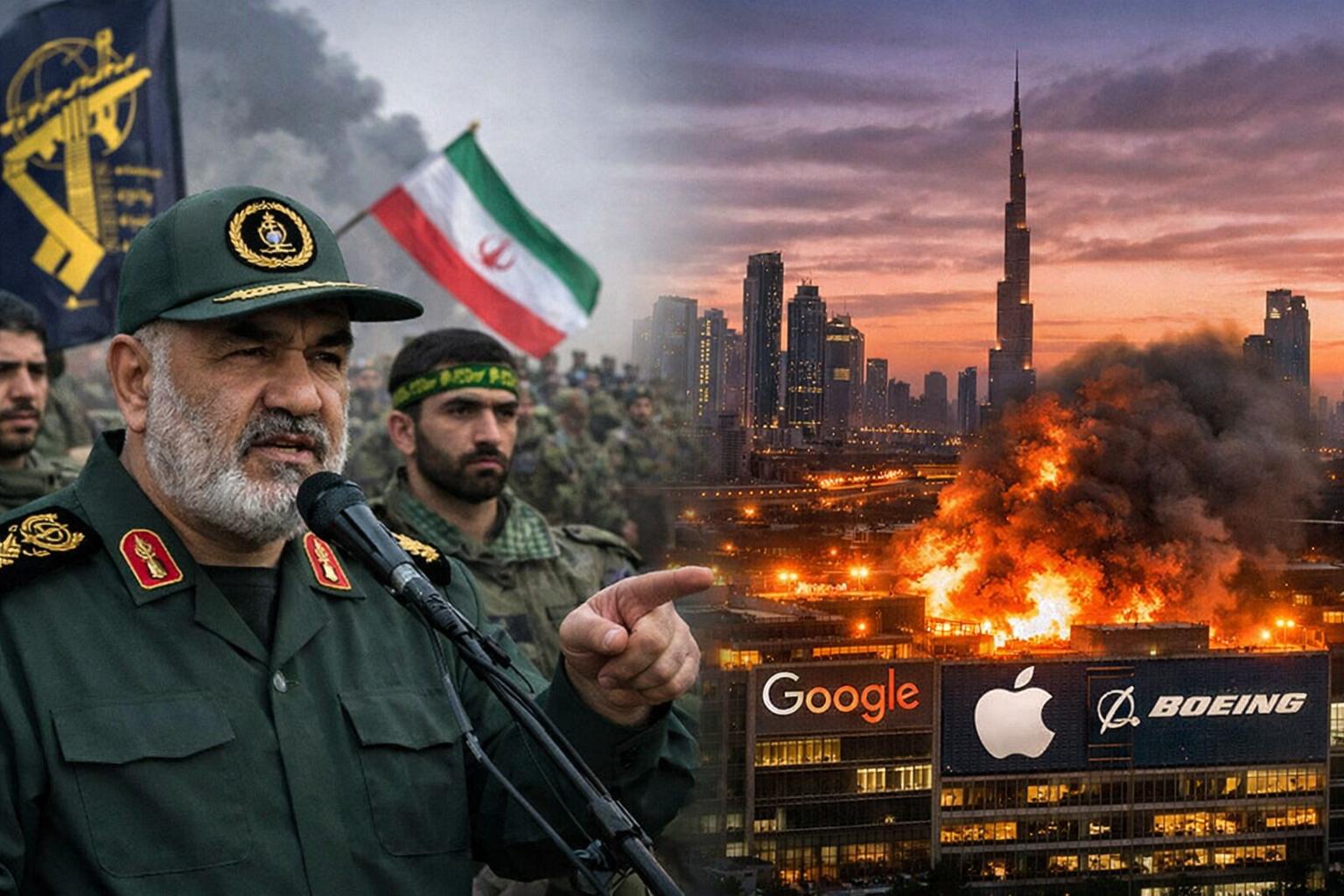
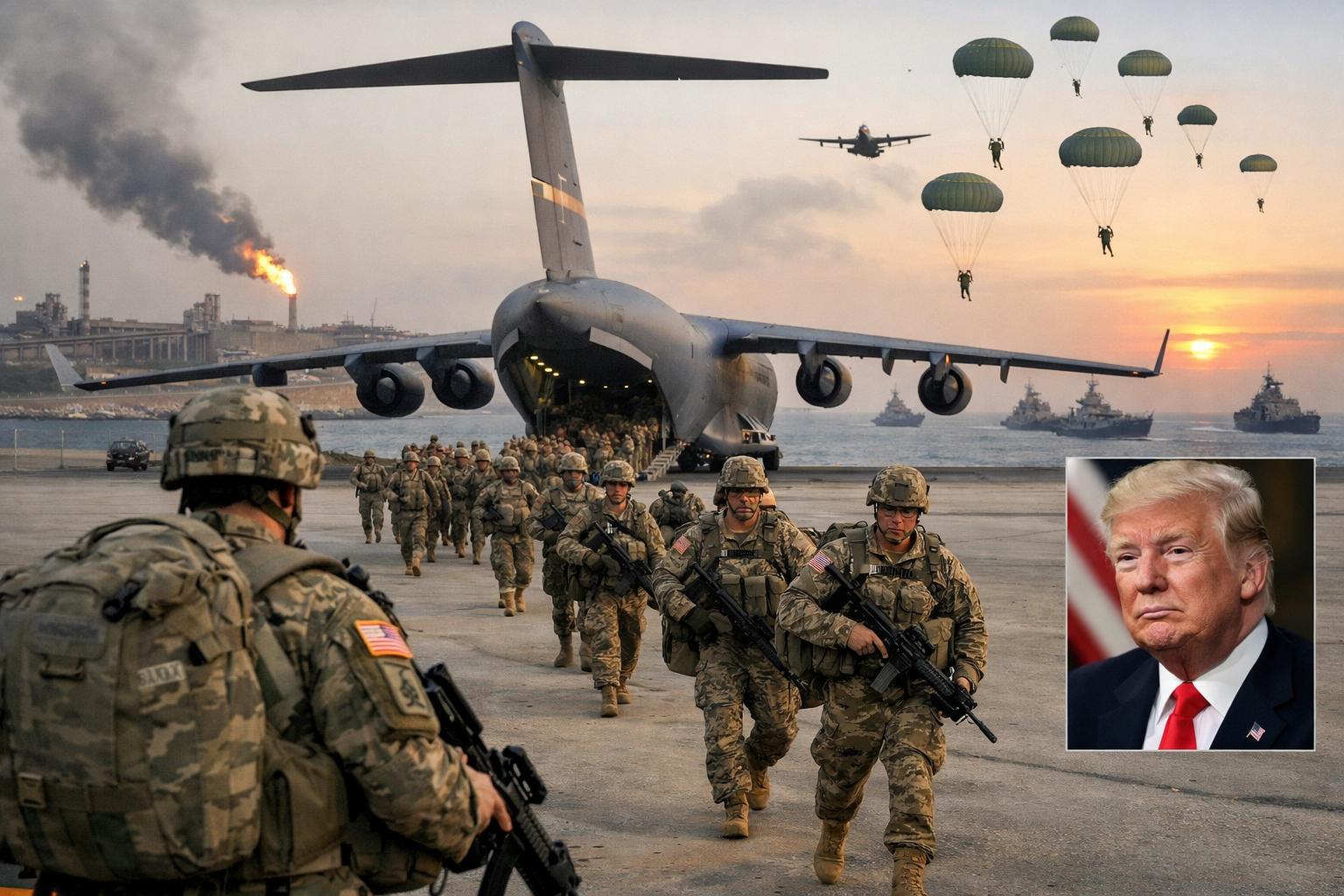
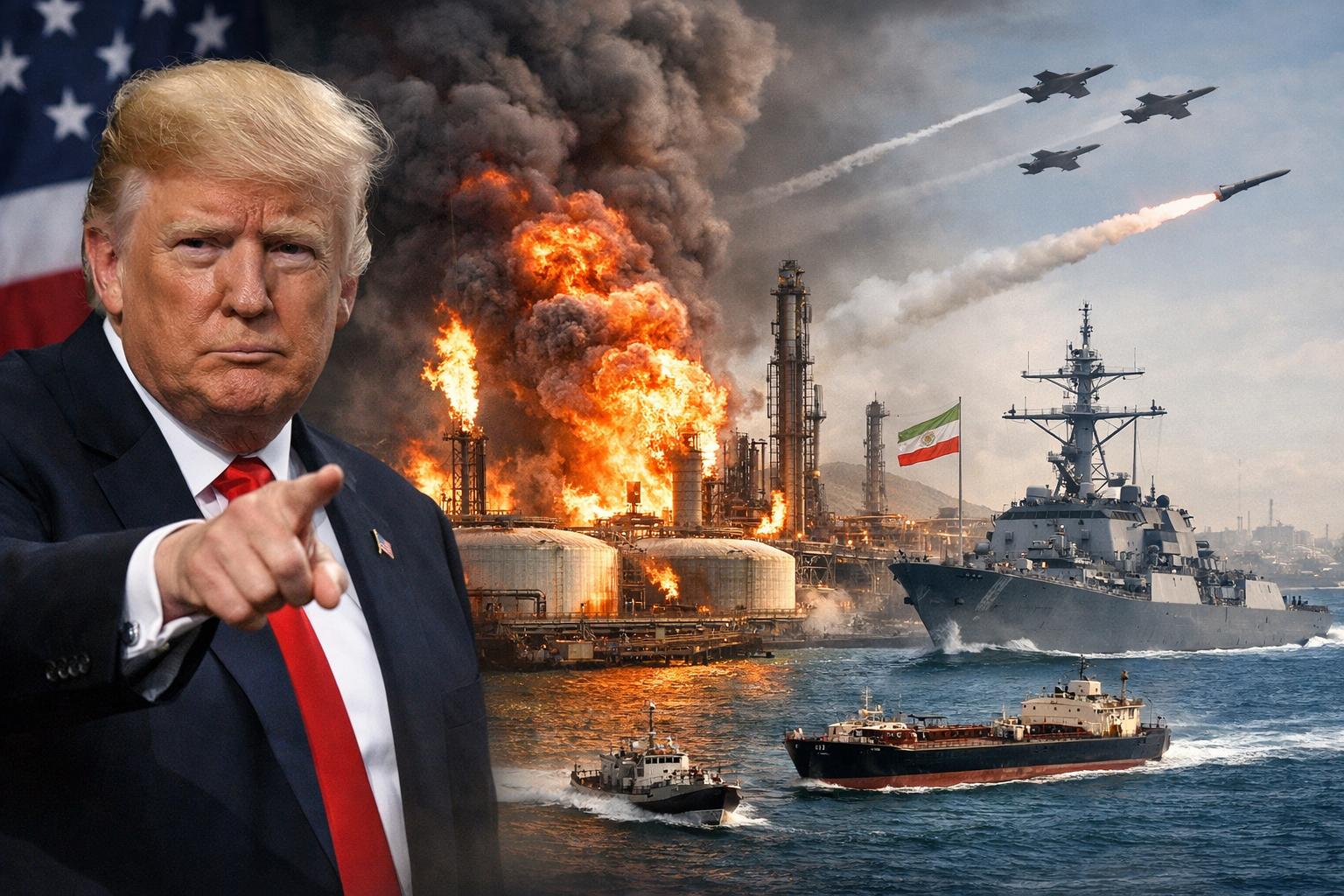
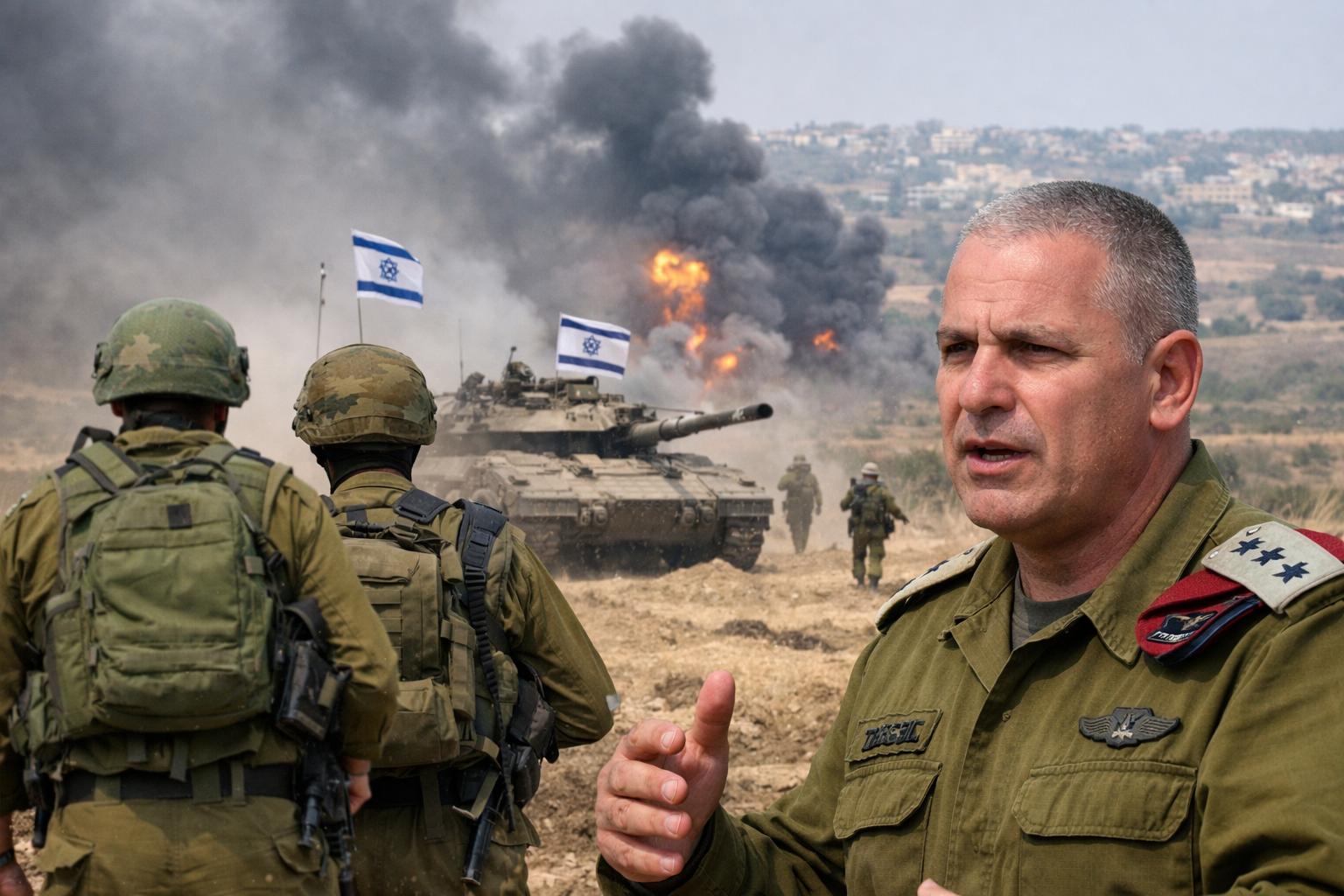
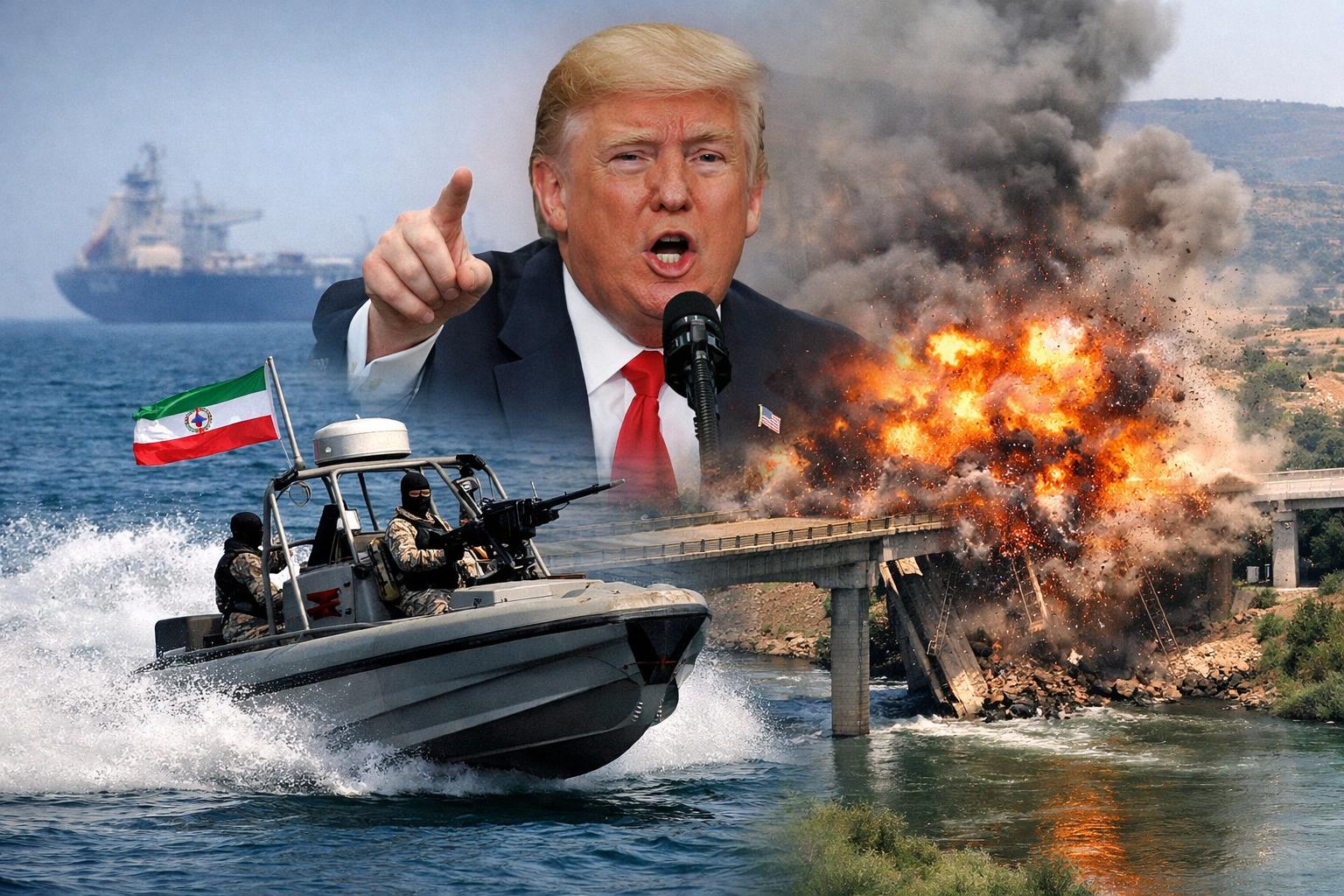
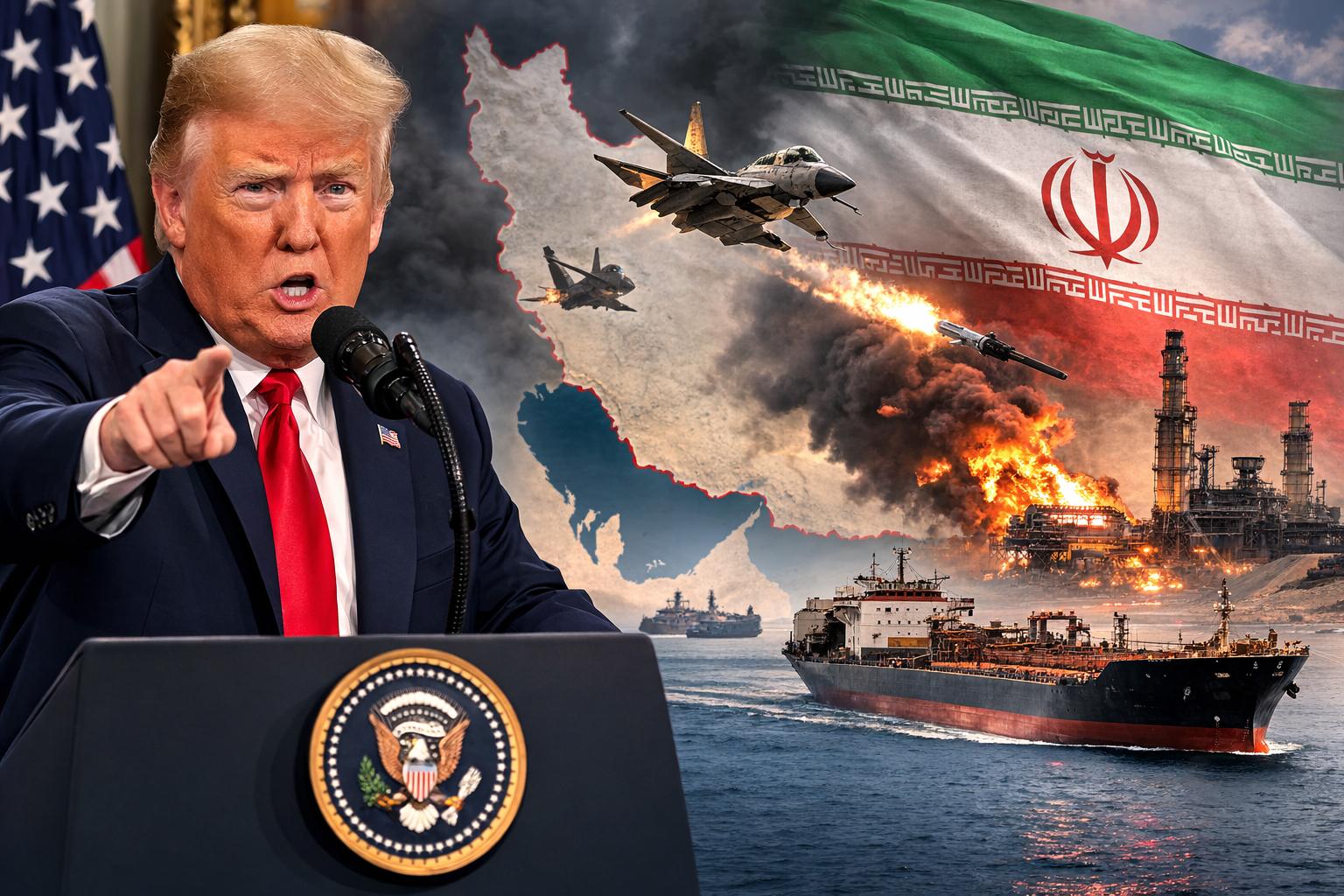
Less than 48 hours before a joint US-Israeli military operation targeting Iran, Israeli Prime Minister Benjamin Netanyahu made a final appeal to US President Donald Trump, urging swift action as intelligence indicated a narrowing operational window. According to officials, briefings suggested that Iran’s Supreme Leader Ayatollah Ali Khamenei and senior leadership were expected to gather in Tehran, presenting what was described as a rare strategic opportunity. Updated intelligence reportedly showed the meeting had been moved earlier, intensifying the urgency of the decision. Although Trump had already approved military action in principle, the exact timing and scale remained under review. Netanyahu’s call was seen as a decisive moment, reinforcing arguments that delays could result in a missed opportunity. The operation followed months of escalating tensions and unsuccessful diplomatic efforts aimed at addressing Iran’s nuclear programme, which had reached a stalemate. Earlier military actions in June, involving strikes on Iranian nuclear and missile infrastructure, had already heightened hostilities. While US forces later joined Israeli operations in a 12-day campaign, Israeli officials continued to push for a more comprehensive response. Strategic discussions, including high-level meetings, focused on Iran’s advancing missile capabilities and perceived regional threat. Additional geopolitical developments influenced Washington’s approach, including a successful US-backed operation in Venezuela and widespread unrest within Iran, which was met with force by security agencies. US officials had anticipated escalation, warning that any Israeli action could provoke retaliation against American assets and allies in the region. The coordinated strikes began on February 28 after Trump gave final approval. The White House stated that the objective was to weaken Iran’s military infrastructure, curb its missile capabilities, and prevent nuclear weapon development. Trump later announced that Khamenei had been killed during the operation. The aftermath saw immediate retaliation from Iran, disruptions in key shipping routes, and a surge in global oil prices. Reports indicated significant casualties, including Iranian civilians and US personnel. Despite expectations of political change, intelligence assessments had warned that leadership shifts might not moderate Iran’s stance. Khamenei’s son, Mojtaba Khamenei, has since assumed leadership, while security forces continue to maintain control. Both leaders have defended their roles in the decision, with Trump asserting sole responsibility and Netanyahu denying claims of influencing US involvement. However, accounts suggest that the combination of intelligence updates and diplomatic pressure played a critical role in shaping a decision that has significantly altered regional dynamics.
US-Israel strike on Iran followed urgent call between Netanyahu and Trump
Less than 48 hours before a joint US-Israeli military operation targeting Iran, Israeli Prime Minister Benjamin Netanyahu made a final appeal to US President Donald Trump, urging swift action as intelligence indicated a narrowing operational window. According to officials, briefings suggested that Iran’s Supreme Leader Ayatollah Ali Khamenei and senior leadership were expected to gather in Tehran, presenting what was described as a rare strategic opportunity. Updated intelligence reportedly showed the meeting had been moved earlier, intensifying the urgency of the decision. Although Trump had already approved military action in principle, the exact timing and scale remained under review. Netanyahu’s call was seen as a decisive moment, reinforcing arguments that delays could result in a missed opportunity. The operation followed months of escalating tensions and unsuccessful diplomatic efforts aimed at addressing Iran’s nuclear programme, which had reached a stalemate. Earlier military actions in June, involving strikes on Iranian nuclear and missile infrastructure, had already heightened hostilities. While US forces later joined Israeli operations in a 12-day campaign, Israeli officials continued to push for a more comprehensive response. Strategic discussions, including high-level meetings, focused on Iran’s advancing missile capabilities and perceived regional threat. Additional geopolitical developments influenced Washington’s approach, including a successful US-backed operation in Venezuela and widespread unrest within Iran, which was met with force by security agencies. US officials had anticipated escalation, warning that any Israeli action could provoke retaliation against American assets and allies in the region. The coordinated strikes began on February 28 after Trump gave final approval. The White House stated that the objective was to weaken Iran’s military infrastructure, curb its missile capabilities, and prevent nuclear weapon development. Trump later announced that Khamenei had been killed during the operation. The aftermath saw immediate retaliation from Iran, disruptions in key shipping routes, and a surge in global oil prices. Reports indicated significant casualties, including Iranian civilians and US personnel. Despite expectations of political change, intelligence assessments had warned that leadership shifts might not moderate Iran’s stance. Khamenei’s son, Mojtaba Khamenei, has since assumed leadership, while security forces continue to maintain control. Both leaders have defended their roles in the decision, with Trump asserting sole responsibility and Netanyahu denying claims of influencing US involvement. However, accounts suggest that the combination of intelligence updates and diplomatic pressure played a critical role in shaping a decision that has significantly altered regional dynamics.
North Korea declares nuclear status irreversible, Kim Jong Un warns of expansion
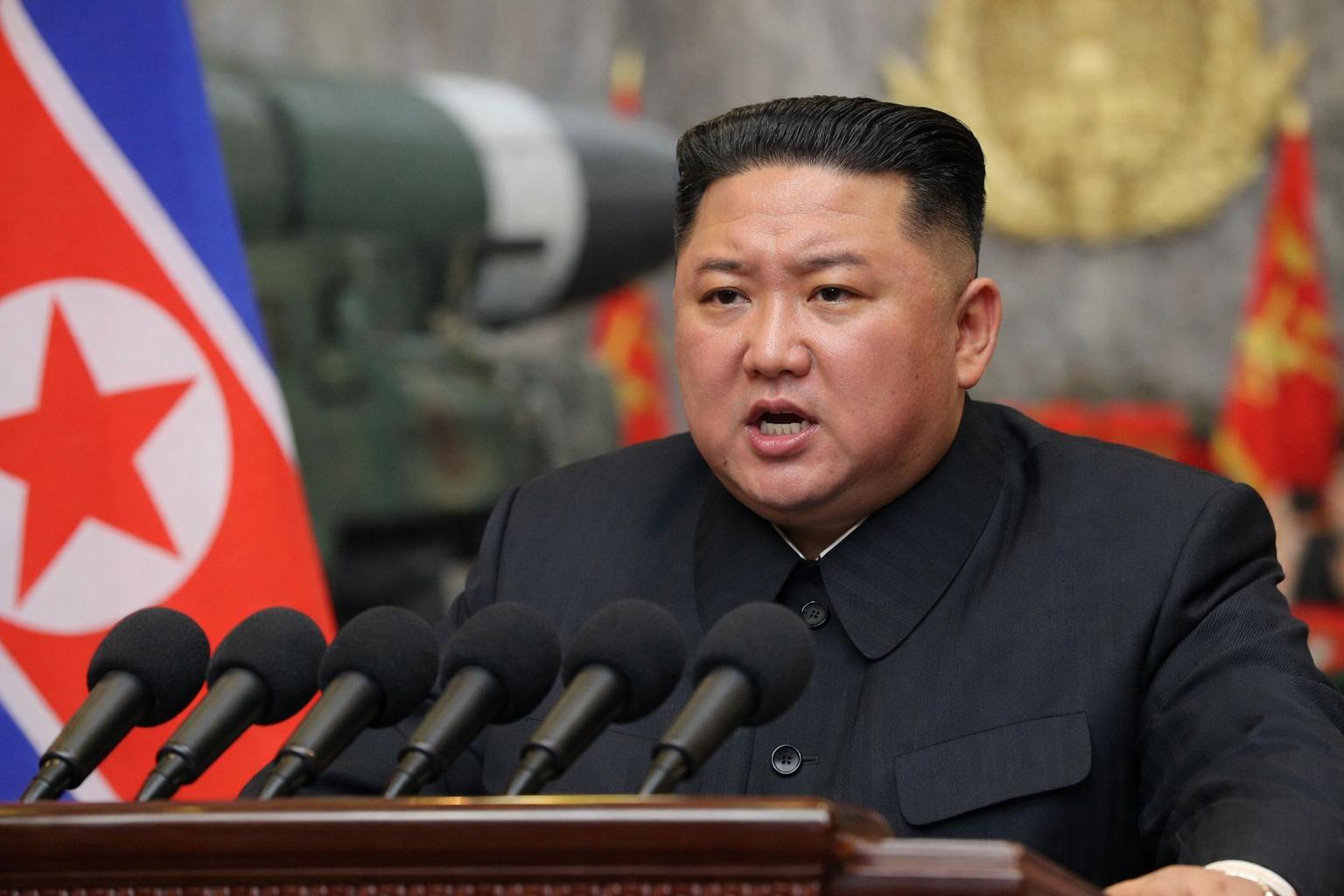
North Korean leader Kim Jong Un has reaffirmed that his country will not abandon its nuclear weapons programme, declaring its status as a nuclear-armed state “irreversible” in a strongly worded address delivered to the nation’s legislature. The remarks came shortly after his reappointment as chairman of the State Affairs Commission, consolidating his leadership over the country’s highest decision-making body. According to official reports released on March 24, Kim outlined an intensified strategy to expand North Korea’s nuclear arsenal, framing the move as essential for national security and constitutional responsibility. He stated that Pyongyang would continue to strengthen its nuclear deterrent and advance its capabilities in response to what he described as ongoing threats from hostile forces. The leader emphasized that maintaining and enhancing nuclear readiness was a key priority, ensuring that the country remains prepared to counter strategic challenges. Kim portrayed the development of nuclear weapons as a justified and defensive measure, asserting that the programme aligns with the country’s long-term security goals. He indicated that North Korea would pursue both quantitative and qualitative improvements in its nuclear forces, underscoring a commitment to sustained military advancement amid rising geopolitical tensions in the region. The speech also included sharp criticism of South Korea, which Kim labelled as the “most hostile state.” He warned that any perceived provocation or infringement on North Korea’s sovereignty would be met with a decisive and uncompromising response. The language used signalled a continuation of strained inter-Korean relations, with little indication of near-term diplomatic engagement. Kim’s address covered broader policy areas, including defence, economic priorities, and relations with the United States, though nuclear policy remained the central focus. His remarks highlight an ongoing shift toward a more assertive security posture, raising concerns among regional and global observers about the future trajectory of East Asia’s security environment.


North Korea declares nuclear status irreversible, Kim Jong Un warns of expansion
North Korean leader Kim Jong Un has reaffirmed that his country will not abandon its nuclear weapons programme, declaring its status as a nuclear-armed state “irreversible” in a strongly worded address delivered to the nation’s legislature. The remarks came shortly after his reappointment as chairman of the State Affairs Commission, consolidating his leadership over the country’s highest decision-making body. According to official reports released on March 24, Kim outlined an intensified strategy to expand North Korea’s nuclear arsenal, framing the move as essential for national security and constitutional responsibility. He stated that Pyongyang would continue to strengthen its nuclear deterrent and advance its capabilities in response to what he described as ongoing threats from hostile forces. The leader emphasized that maintaining and enhancing nuclear readiness was a key priority, ensuring that the country remains prepared to counter strategic challenges. Kim portrayed the development of nuclear weapons as a justified and defensive measure, asserting that the programme aligns with the country’s long-term security goals. He indicated that North Korea would pursue both quantitative and qualitative improvements in its nuclear forces, underscoring a commitment to sustained military advancement amid rising geopolitical tensions in the region. The speech also included sharp criticism of South Korea, which Kim labelled as the “most hostile state.” He warned that any perceived provocation or infringement on North Korea’s sovereignty would be met with a decisive and uncompromising response. The language used signalled a continuation of strained inter-Korean relations, with little indication of near-term diplomatic engagement. Kim’s address covered broader policy areas, including defence, economic priorities, and relations with the United States, though nuclear policy remained the central focus. His remarks highlight an ongoing shift toward a more assertive security posture, raising concerns among regional and global observers about the future trajectory of East Asia’s security environment.
Colombian military plane crash in Amazon raises concerns over casualties
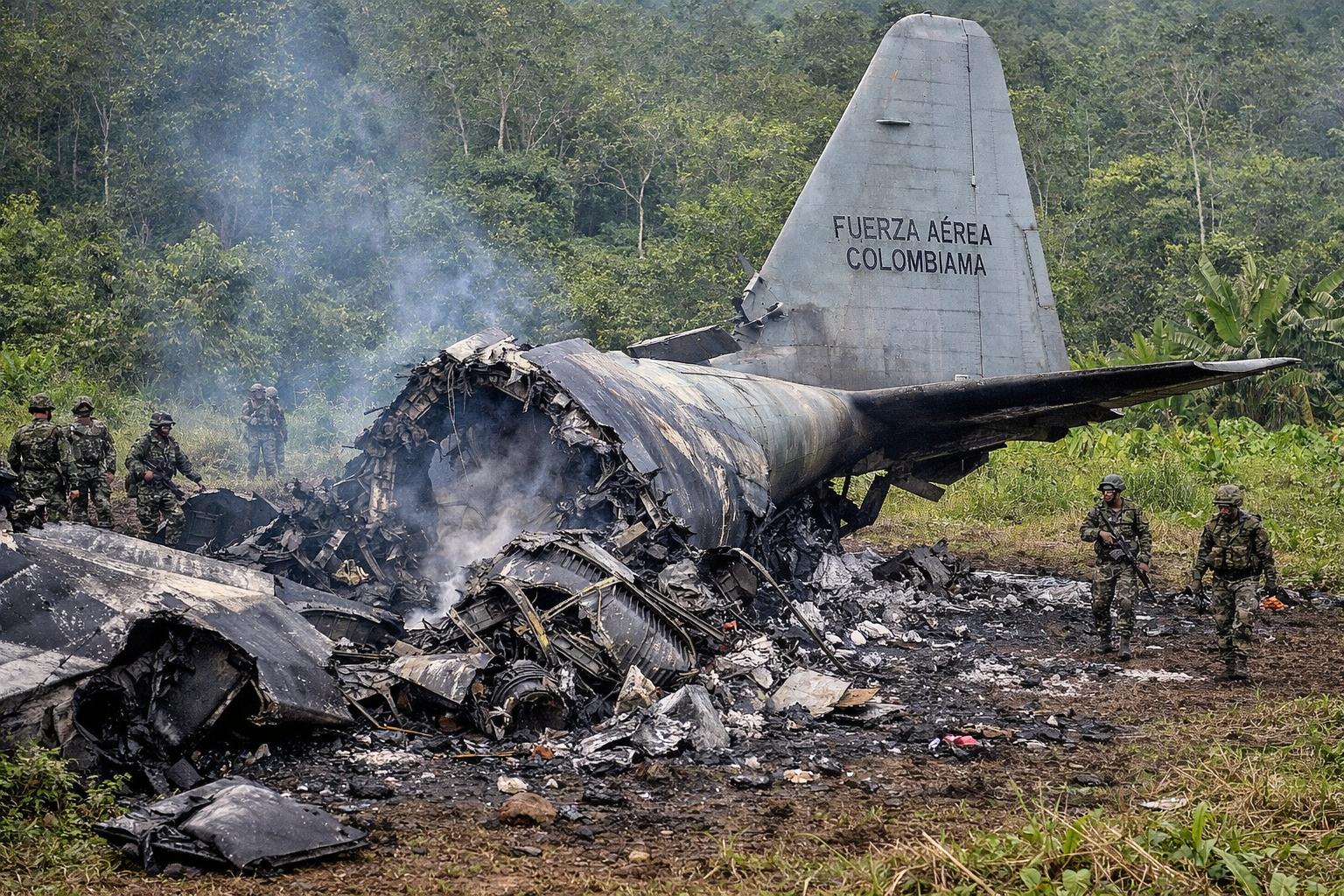
A Colombian military aircraft carrying 110 soldiers crashed shortly after take-off in the country’s remote southern Amazon region on Monday, prompting an urgent emergency response and raising concerns over potential casualties. The aircraft, identified as a Lockheed Martin Hercules C-130, went down near Puerto Leguzamo, a town located close to the border with Peru, according to officials from the defence ministry. Preliminary reports indicate that the aircraft had just departed when the in
Colombian military plane crash in Amazon raises concerns over casualties
A Colombian military aircraft carrying 110 soldiers crashed shortly after take-off in the country’s remote southern Amazon region on Monday, prompting an urgent emergency response and raising concerns over potential casualties. The aircraft, identified as a Lockheed Martin Hercules C-130, went down near Puerto Leguzamo, a town located close to the border with Peru, according to officials from the defence ministry. Preliminary reports indicate that the aircraft had just departed when the in
Trump Announces 5-Day Pause in US-Iran War, Raises Hopes for De-escalation
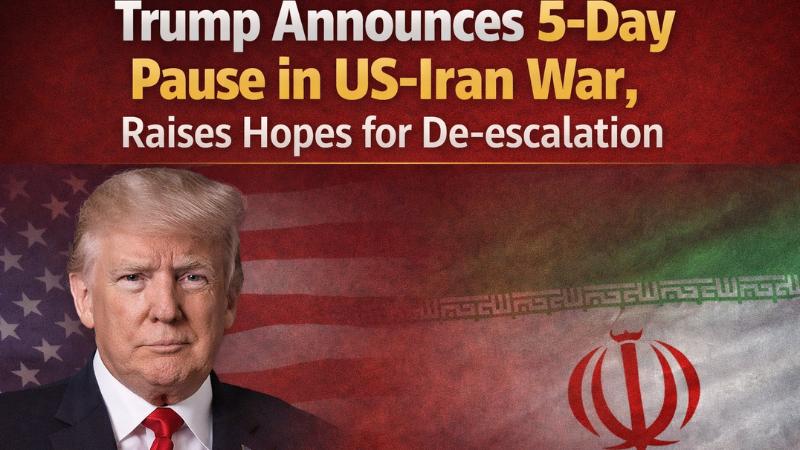
In a significant development that has captured the world's attention, President Donald J. Trump has announced a five-day pause in military actions between the United States and Iran. This decision follows a series of "productive discussions" between both nations, which Trump described as "detailed and constructive." These talks are being viewed as a potential opening for de-escalating tensions in the Middle East, a region that has been marked by ongoing conflict and instability. Tru
Trump Announces 5-Day Pause in US-Iran War, Raises Hopes for De-escalation
In a significant development that has captured the world's attention, President Donald J. Trump has announced a five-day pause in military actions between the United States and Iran. This decision follows a series of "productive discussions" between both nations, which Trump described as "detailed and constructive." These talks are being viewed as a potential opening for de-escalating tensions in the Middle East, a region that has been marked by ongoing conflict and instability. Tru
Trump says Iran weakened as US targets military assets and Strait of Hormuz threats
US President Donald Trump on Monday claimed that Iran’s military capabilities have been severely degraded following two weeks of joint US-Israeli military operations across the country. Speaking to reporters at the White House, Trump asserted that Iran had been reduced to what he described as a “paper tiger,” arguing that extensive strikes had significantly damaged the country’s air force, navy and key defense infrastructure. According to the president, the campaign targeted
Trump says Iran weakened as US targets military assets and Strait of Hormuz threats
US President Donald Trump on Monday claimed that Iran’s military capabilities have been severely degraded following two weeks of joint US-Israeli military operations across the country. Speaking to reporters at the White House, Trump asserted that Iran had been reduced to what he described as a “paper tiger,” arguing that extensive strikes had significantly damaged the country’s air force, navy and key defense infrastructure. According to the president, the campaign targeted
Indian Sailor Killed in Iranian Drone Attack on US-Owned Oil Tanker, 15 Crew Evacuated
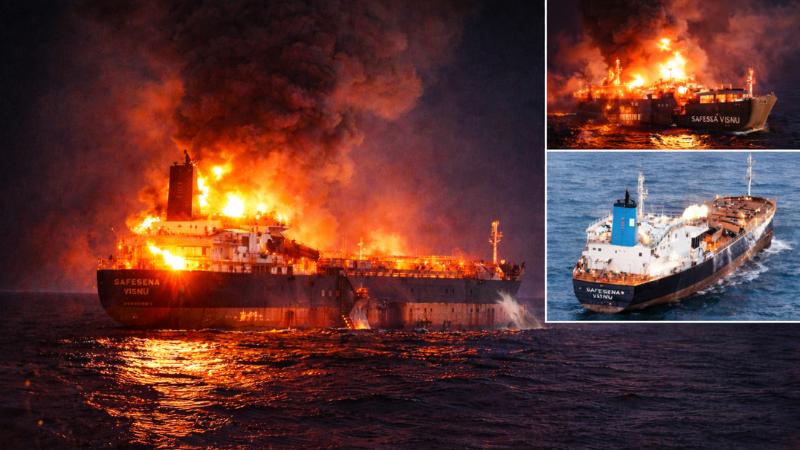
In a tragic development amidst the ongoing conflict in West Asia, an Indian sailor was killed following an underwater drone attack on the US-owned crude oil tanker, Safesea Vishnu. The attack occurred near Basra, Iraq, on March 12, 2026, as the vessel was entering the Persian Gulf. Iranian forces have claimed responsibility for the strike, which also targeted another vessel, the Maltese-flagged Zefyros. Iranian state broadcaster IRIB reported that the attack resulted in an explosion that damaged both tankers. The Indian Embassy in Iraq confirmed the death of the Indian crew member and stated that a total of 38 crew members were rescued from the two ships. Among the rescued were 15 Indian sailors, all of whom were evacuated to safety. The embassy expressed its condolences to the family of the deceased sailor and stated that it was in regular contact with Iraqi authorities and the rescued sailors to offer assistance. As tensions rise in the Strait of Hormuz, the Iranian Revolutionary Guard Corps (IRGC) has indicated that it views such economic infrastructure, including oil tankers, as legitimate targets due to its association with the US and Israel. The attack underscores the increasing risks to commercial shipping in the region, as multiple incidents have been reported involving "unknown projectiles" targeting vessels. The Indian Ministry of External Affairs (MEA) has condemned the escalation of attacks on commercial ships and reiterated its concern over the safety of Indian citizens in the region. Meanwhile, diplomatic efforts by India have yielded some success, as Iran allowed an Indian crude vessel to pass through the Strait of Hormuz without incident. This incident marks another chapter in the intensifying conflict between Iran, the US, and Israel, further destabilizing the vital shipping routes in the Persian Gulf. The international community continues to monitor the situation closely, with increasing concerns over the safety of maritime trade in the region
Indian Sailor Killed in Iranian Drone Attack on US-Owned Oil Tanker, 15 Crew Evacuated
In a tragic development amidst the ongoing conflict in West Asia, an Indian sailor was killed following an underwater drone attack on the US-owned crude oil tanker, Safesea Vishnu. The attack occurred near Basra, Iraq, on March 12, 2026, as the vessel was entering the Persian Gulf. Iranian forces have claimed responsibility for the strike, which also targeted another vessel, the Maltese-flagged Zefyros. Iranian state broadcaster IRIB reported that the attack resulted in an explosion that damaged both tankers. The Indian Embassy in Iraq confirmed the death of the Indian crew member and stated that a total of 38 crew members were rescued from the two ships. Among the rescued were 15 Indian sailors, all of whom were evacuated to safety. The embassy expressed its condolences to the family of the deceased sailor and stated that it was in regular contact with Iraqi authorities and the rescued sailors to offer assistance. As tensions rise in the Strait of Hormuz, the Iranian Revolutionary Guard Corps (IRGC) has indicated that it views such economic infrastructure, including oil tankers, as legitimate targets due to its association with the US and Israel. The attack underscores the increasing risks to commercial shipping in the region, as multiple incidents have been reported involving "unknown projectiles" targeting vessels. The Indian Ministry of External Affairs (MEA) has condemned the escalation of attacks on commercial ships and reiterated its concern over the safety of Indian citizens in the region. Meanwhile, diplomatic efforts by India have yielded some success, as Iran allowed an Indian crude vessel to pass through the Strait of Hormuz without incident. This incident marks another chapter in the intensifying conflict between Iran, the US, and Israel, further destabilizing the vital shipping routes in the Persian Gulf. The international community continues to monitor the situation closely, with increasing concerns over the safety of maritime trade in the region
Preliminary probe says US missile strike mistakenly hit Iranian elementary school
A preliminary investigation by the United States military has concluded that a deadly missile strike that hit an elementary school in Iran was likely caused by a targeting error, according to officials familiar with the inquiry. The strike occurred on February 28 in the town of Minab, where a Tomahawk missile struck the Shajarah Tayyebeh elementary school building during a series of attacks aimed at nearby Iranian naval facilities. Investigators say the incident appears to have resulted from
Preliminary probe says US missile strike mistakenly hit Iranian elementary school
A preliminary investigation by the United States military has concluded that a deadly missile strike that hit an elementary school in Iran was likely caused by a targeting error, according to officials familiar with the inquiry. The strike occurred on February 28 in the town of Minab, where a Tomahawk missile struck the Shajarah Tayyebeh elementary school building during a series of attacks aimed at nearby Iranian naval facilities. Investigators say the incident appears to have resulted from
India Developing Low Cost Kamikaze Drones Like Iran’s Shahed For Modern Warfare
Low cost drones are rapidly transforming modern warfare across the world. Recent conflicts such as the Russia Ukraine war and the ongoing tensions in the Middle East have shown how inexpensive loitering drones can challenge powerful military systems. Iran’s Shahed 136 drone has become one of the most talked about examples of this new form of warfare because of its ability to strike targets at long distances while costing only a fraction of traditional military aircraft. These dron
India Developing Low Cost Kamikaze Drones Like Iran’s Shahed For Modern Warfare
Low cost drones are rapidly transforming modern warfare across the world. Recent conflicts such as the Russia Ukraine war and the ongoing tensions in the Middle East have shown how inexpensive loitering drones can challenge powerful military systems. Iran’s Shahed 136 drone has become one of the most talked about examples of this new form of warfare because of its ability to strike targets at long distances while costing only a fraction of traditional military aircraft. These dron
Iran Strikes US Tanker Hours After US Torpedo Attack on Its Warship
In a rapid escalation of tensions, Iran struck a US tanker in the northern Persian Gulf hours after a US submarine torpedoed the Iranian warship IRIS Dena, killing 87 Iranian sailors. The Islamic Revolutionary Guard Corps (IRGC) claimed responsibility for the attack on the American tanker, which was reported to be on fire by Iranian state media. This move comes as Iran's foreign minister warned the US would "bitterly regret" its attack on the Iranian vessel, located off the coast of Sri Lanka
Iran Strikes US Tanker Hours After US Torpedo Attack on Its Warship
In a rapid escalation of tensions, Iran struck a US tanker in the northern Persian Gulf hours after a US submarine torpedoed the Iranian warship IRIS Dena, killing 87 Iranian sailors. The Islamic Revolutionary Guard Corps (IRGC) claimed responsibility for the attack on the American tanker, which was reported to be on fire by Iranian state media. This move comes as Iran's foreign minister warned the US would "bitterly regret" its attack on the Iranian vessel, located off the coast of Sri Lanka
Spain PM rejects war, responds to trade threat over air base dispute
Spanish Prime Minister Pedro Sánchez has strongly criticized the ongoing military strikes against Iran, describing the escalation in the Middle East as a “disaster” and warning that the world cannot risk repeating the mistakes of history. His remarks come shortly after a trade threat was issued to Spain in response to Madrid’s refusal to allow two jointly operated military bases on Spanish territory to be used in the strikes. In a televised address, Sánchez emphasized the dang
Spain PM rejects war, responds to trade threat over air base dispute
Spanish Prime Minister Pedro Sánchez has strongly criticized the ongoing military strikes against Iran, describing the escalation in the Middle East as a “disaster” and warning that the world cannot risk repeating the mistakes of history. His remarks come shortly after a trade threat was issued to Spain in response to Madrid’s refusal to allow two jointly operated military bases on Spanish territory to be used in the strikes. In a televised address, Sánchez emphasized the dang
US–Israel–Iran War | Israel intensifies air campaign with over 5,000 bombs dropped on Iran
Israel has intensified its military campaign against Iran, announcing that more than 5,000 bombs have been dropped on targets across the country since the conflict began. The Israeli military said the operations are continuing to expand, with a strong focus on establishing and maintaining air superiority, particularly over the Tehran region. The announcement marks a significant escalation in hostilities, as the confrontation between the two regional powers enters its fifth day with mounting casu
US–Israel–Iran War | Israel intensifies air campaign with over 5,000 bombs dropped on Iran
Israel has intensified its military campaign against Iran, announcing that more than 5,000 bombs have been dropped on targets across the country since the conflict began. The Israeli military said the operations are continuing to expand, with a strong focus on establishing and maintaining air superiority, particularly over the Tehran region. The announcement marks a significant escalation in hostilities, as the confrontation between the two regional powers enters its fifth day with mounting casu
India Set to Buy Five More Russian S‑400 Air Defence Squadrons After Operation Sindoor Success
India is preparing to buy five additional squadrons of the Russian‑made S‑400 Triumf long‑range air defence missile system, a plan driven by the system’s highly effective performance during last year’s Operation Sindoor. The move aims to significantly bolster the Indian Air Force’s layered air defence network across both eastern and western fronts against evolving aerial threats. Defence ministry sources say the proposal from the Indian Air Force will soon be taken up fo
India Set to Buy Five More Russian S‑400 Air Defence Squadrons After Operation Sindoor Success
India is preparing to buy five additional squadrons of the Russian‑made S‑400 Triumf long‑range air defence missile system, a plan driven by the system’s highly effective performance during last year’s Operation Sindoor. The move aims to significantly bolster the Indian Air Force’s layered air defence network across both eastern and western fronts against evolving aerial threats. Defence ministry sources say the proposal from the Indian Air Force will soon be taken up fo
US–Israel–Iran War | Operation Epic Fury may cost US economy $210 billion amid Iran war
The United States could face an economic impact of up to $210 billion as Operation Epic Fury intensifies tensions with Iran, according to leading budget analysts. President Donald Trump has indicated that the conflict may continue for at least four weeks, raising concerns about prolonged military spending and wider fallout for the US economy. Estimates by economist Kent Smetters of the Penn Wharton Budget Model suggest that the total cost of the Iran conflict could significantly strain federa
US–Israel–Iran War | Operation Epic Fury may cost US economy $210 billion amid Iran war
The United States could face an economic impact of up to $210 billion as Operation Epic Fury intensifies tensions with Iran, according to leading budget analysts. President Donald Trump has indicated that the conflict may continue for at least four weeks, raising concerns about prolonged military spending and wider fallout for the US economy. Estimates by economist Kent Smetters of the Penn Wharton Budget Model suggest that the total cost of the Iran conflict could significantly strain federa
Iran retaliates after US-Israel attacks as Khamenei compound destroyed in Tehran
The United States and Israel have launched large-scale military strikes on Iran, triggering a rapid escalation that has pushed West Asia toward a wider conflict. US President Donald Trump announced the start of major combat operations, while calling on the Iranian public to oppose their leadership. Within hours, Iran responded with missile attacks targeting Israeli positions and US military facilities across the region, raising fears of a prolonged confrontation. Explosions were reported in
Iran retaliates after US-Israel attacks as Khamenei compound destroyed in Tehran
The United States and Israel have launched large-scale military strikes on Iran, triggering a rapid escalation that has pushed West Asia toward a wider conflict. US President Donald Trump announced the start of major combat operations, while calling on the Iranian public to oppose their leadership. Within hours, Iran responded with missile attacks targeting Israeli positions and US military facilities across the region, raising fears of a prolonged confrontation. Explosions were reported in
US and Israel launch strikes on Iran, raising fears of wider West Asia conflict
The United States and Israel carried out a coordinated military operation against Iran on February 28, marking a sharp escalation in West Asia tensions and raising concerns about a wider regional conflict. Officials familiar with the development said the strikes were aimed at key military and political targets, including locations linked to Iran’s leadership and nuclear programme. Iranian authorities later responded with missile attacks targeting Israeli territory and facilities used by US for
US and Israel launch strikes on Iran, raising fears of wider West Asia conflict
The United States and Israel carried out a coordinated military operation against Iran on February 28, marking a sharp escalation in West Asia tensions and raising concerns about a wider regional conflict. Officials familiar with the development said the strikes were aimed at key military and political targets, including locations linked to Iran’s leadership and nuclear programme. Iranian authorities later responded with missile attacks targeting Israeli territory and facilities used by US for
Iran launches Operation True Promise 4 after US-Israel strikes across nuclear sites
Iran launched large-scale retaliatory strikes on Saturday after the United States and Israel carried out coordinated military attacks on multiple targets across Iranian territory following the collapse of recent nuclear negotiations held in Oman and Switzerland. The joint offensive, described by Israel as Operation Roaring Lion and by the United States as Operation Epic Fury, reportedly struck more than 30 locations, including government facilities in Tehran and sites suspected of involvement in
Iran launches Operation True Promise 4 after US-Israel strikes across nuclear sites
Iran launched large-scale retaliatory strikes on Saturday after the United States and Israel carried out coordinated military attacks on multiple targets across Iranian territory following the collapse of recent nuclear negotiations held in Oman and Switzerland. The joint offensive, described by Israel as Operation Roaring Lion and by the United States as Operation Epic Fury, reportedly struck more than 30 locations, including government facilities in Tehran and sites suspected of involvement in
Anthropic rejects Pentagon demand for unrestricted military AI access
Artificial intelligence company Anthropic said on Thursday that it will not permit the Pentagon unrestricted access to its technology, pushing back against pressure from US officials who warned of possible action under the Defense Production Act. The dispute highlights growing tensions between private AI developers and the US government over how advanced systems should be deployed in military and intelligence operations. According to the company, the Pentagon had given Anthropic a d
Anthropic rejects Pentagon demand for unrestricted military AI access
Artificial intelligence company Anthropic said on Thursday that it will not permit the Pentagon unrestricted access to its technology, pushing back against pressure from US officials who warned of possible action under the Defense Production Act. The dispute highlights growing tensions between private AI developers and the US government over how advanced systems should be deployed in military and intelligence operations. According to the company, the Pentagon had given Anthropic a d
Former US Air Force pilot arrested for allegedly training Chinese military
A former United States Air Force fig
Former US Air Force pilot arrested for allegedly training Chinese military
A former United States Air Force fig
US Deploys 150 Aircraft Near Iran as Nuclear Tensions Escalate
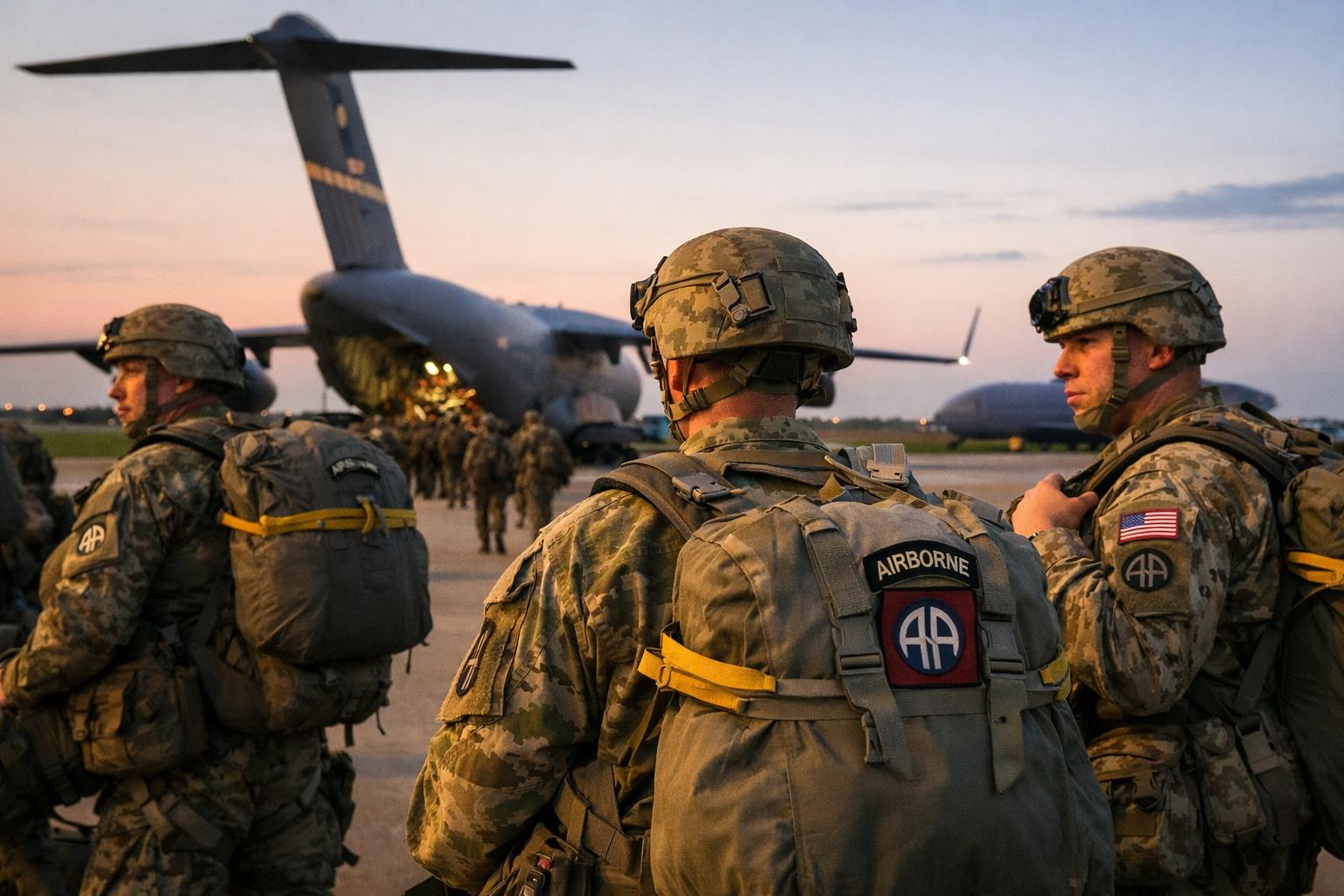
Satellite imagery and open-source flight tracking data indicate that the United States has significantly expanded its military presence across Europe and the Middle East as tensions with Iran intensify over Tehran’s nuclear programme. More than 150 American military aircraft have reportedly been repositioned to forward operating bases in what analysts describe as one of the largest regional force deployments in over two decades. The aircraft include heavy cargo planes, aerial refuelling tanker
US Deploys 150 Aircraft Near Iran as Nuclear Tensions Escalate
Satellite imagery and open-source flight tracking data indicate that the United States has significantly expanded its military presence across Europe and the Middle East as tensions with Iran intensify over Tehran’s nuclear programme. More than 150 American military aircraft have reportedly been repositioned to forward operating bases in what analysts describe as one of the largest regional force deployments in over two decades. The aircraft include heavy cargo planes, aerial refuelling tanker
Trump considering limited military strike on Iran amid stalled nuclear talks
US President Donald Trump has said he is considering a limited military strike on Iran if ongoing negotiations over Tehran’s nuclear programme fail to result in a final agreement, raising fresh concerns about escalating tensions in the Middle East. The remarks followed a second round of high-level talks in Geneva that concluded without a comprehensive deal, despite what officials described as a technical breakthrough in certain areas of discussion. While negotiators appeared to narrow differen
Trump considering limited military strike on Iran amid stalled nuclear talks
US President Donald Trump has said he is considering a limited military strike on Iran if ongoing negotiations over Tehran’s nuclear programme fail to result in a final agreement, raising fresh concerns about escalating tensions in the Middle East. The remarks followed a second round of high-level talks in Geneva that concluded without a comprehensive deal, despite what officials described as a technical breakthrough in certain areas of discussion. While negotiators appeared to narrow differen