








Trump Sends 5,000 More US Troops To Poland Amid NATO Tensions
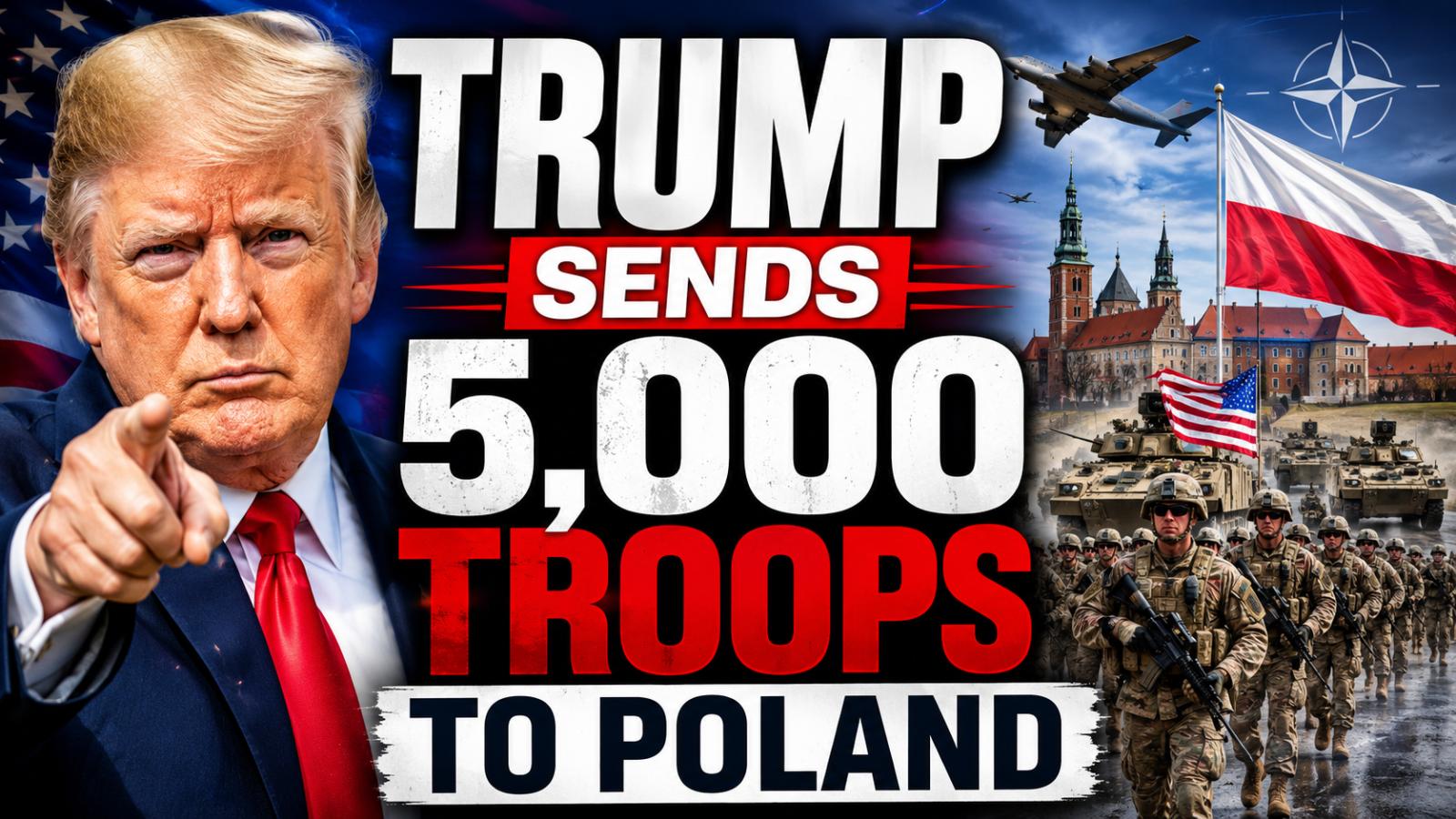
Trump Announces New Poland Troop Deployment US President Donald Trump said Thursday,May 21,2026 that the United States will deploy 5,000 additional troops to Poland, reversing earlier indications that a planned deployment had been canceled. Trump announced the decision on Truth Social and said it was influenced by his relationship with Polish President Karol Nawrocki, a nationalist ally whom he supported during last year’
Trump Sends 5,000 More US Troops To Poland Amid NATO Tensions
Trump Announces New Poland Troop Deployment US President Donald Trump said Thursday,May 21,2026 that the United States will deploy 5,000 additional troops to Poland, reversing earlier indications that a planned deployment had been canceled. Trump announced the decision on Truth Social and said it was influenced by his relationship with Polish President Karol Nawrocki, a nationalist ally whom he supported during last year’
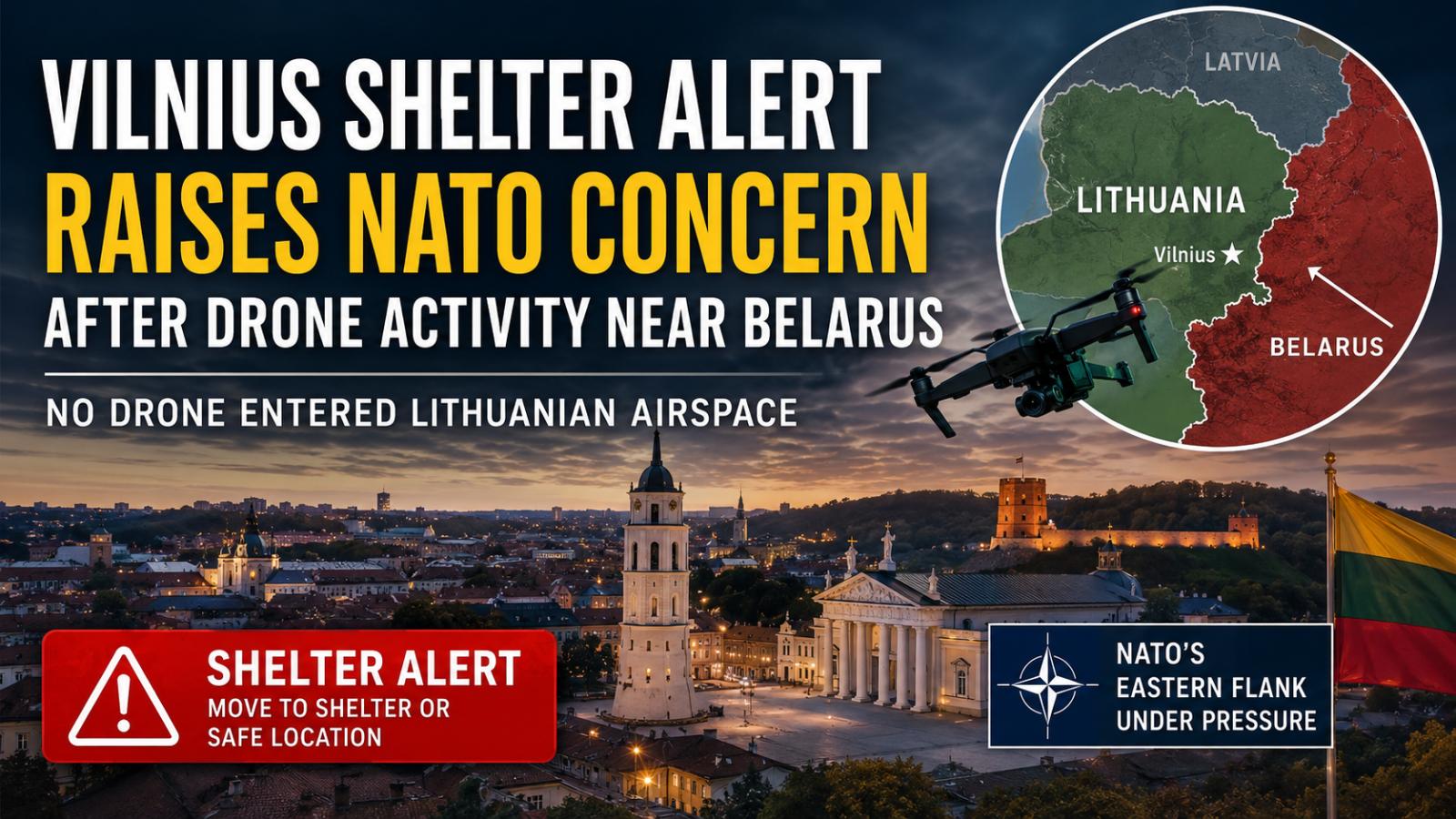
Vilnius Shelter Alert Raises NATO Concern After Drone Activity Near Belarus
A Vilnius shelter alert was issued in Lithuania after military officials detected drone activity near the country’s border with Belarus, raising fresh security concerns on NATO’s eastern flank. Residents in the Vilnius region were told to move to shelters or safe locations as authorities assessed the possible threat. Airspace over Vilnius Airport was temporarily closed, and Lithuania’s president, Gitanas Nauseda, and Prime Minister Inga Ruginiene were moved to
Vilnius Shelter Alert Raises NATO Concern After Drone Activity Near Belarus
A Vilnius shelter alert was issued in Lithuania after military officials detected drone activity near the country’s border with Belarus, raising fresh security concerns on NATO’s eastern flank. Residents in the Vilnius region were told to move to shelters or safe locations as authorities assessed the possible threat. Airspace over Vilnius Airport was temporarily closed, and Lithuania’s president, Gitanas Nauseda, and Prime Minister Inga Ruginiene were moved to
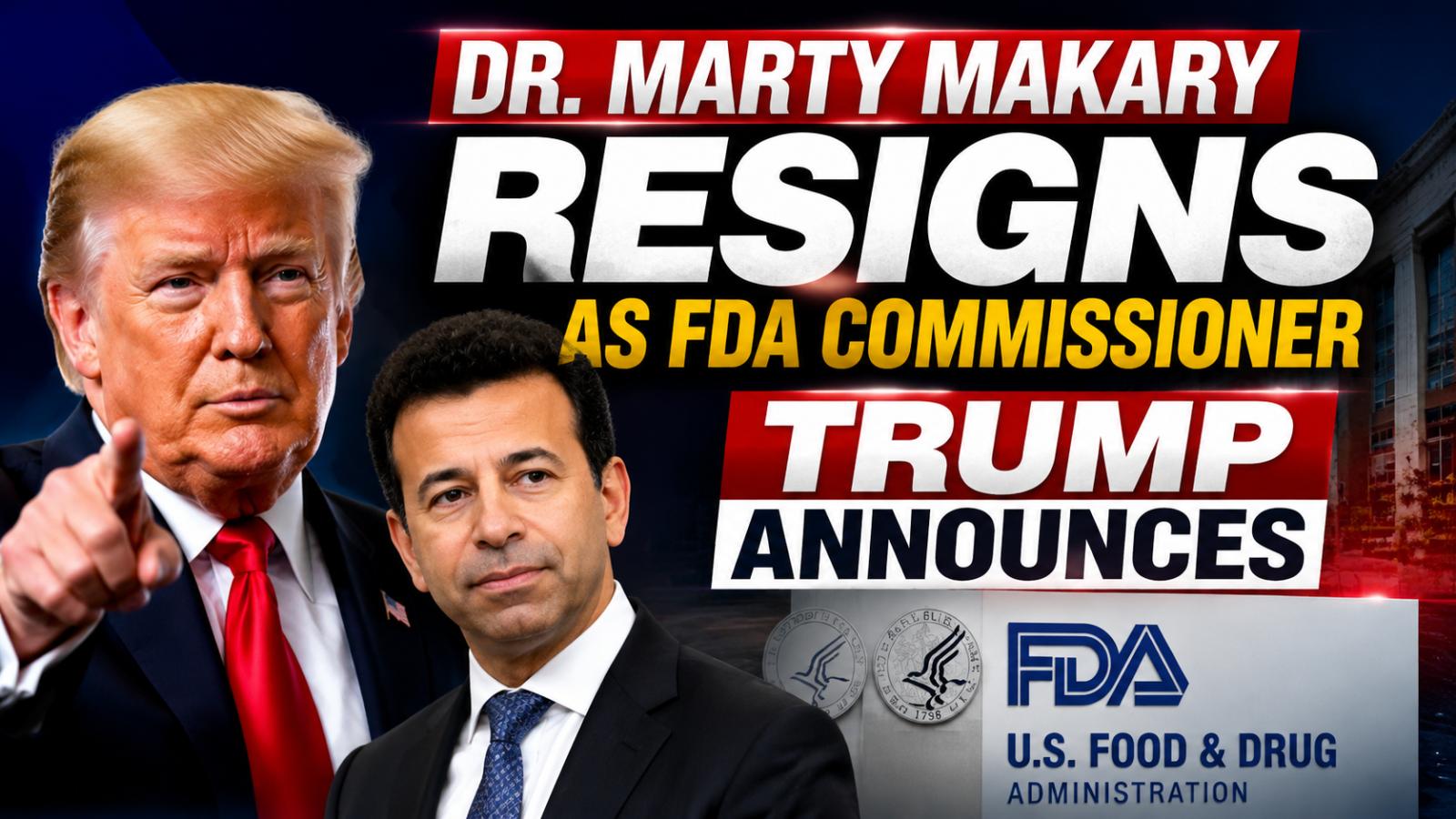
Dr. Marty Makary Resigns as FDA Commissioner, Trump Announces
Dr. Marty Makary Resigns as FDA Commissioner Dr. Marty Makary has resigned from his position as the commissioner of the U.S. Food and Drug Administration (FDA), as confirmed by President Donald Trump on May 12. In a social media post, Trump revealed that Makary had informed him of his decision to step down, effective Tuesday. While Makary did not offer an explicit reason for his resignation, Trump praised his leadership, calling him a “hard worke
Dr. Marty Makary Resigns as FDA Commissioner, Trump Announces
Dr. Marty Makary Resigns as FDA Commissioner Dr. Marty Makary has resigned from his position as the commissioner of the U.S. Food and Drug Administration (FDA), as confirmed by President Donald Trump on May 12. In a social media post, Trump revealed that Makary had informed him of his decision to step down, effective Tuesday. While Makary did not offer an explicit reason for his resignation, Trump praised his leadership, calling him a “hard worke
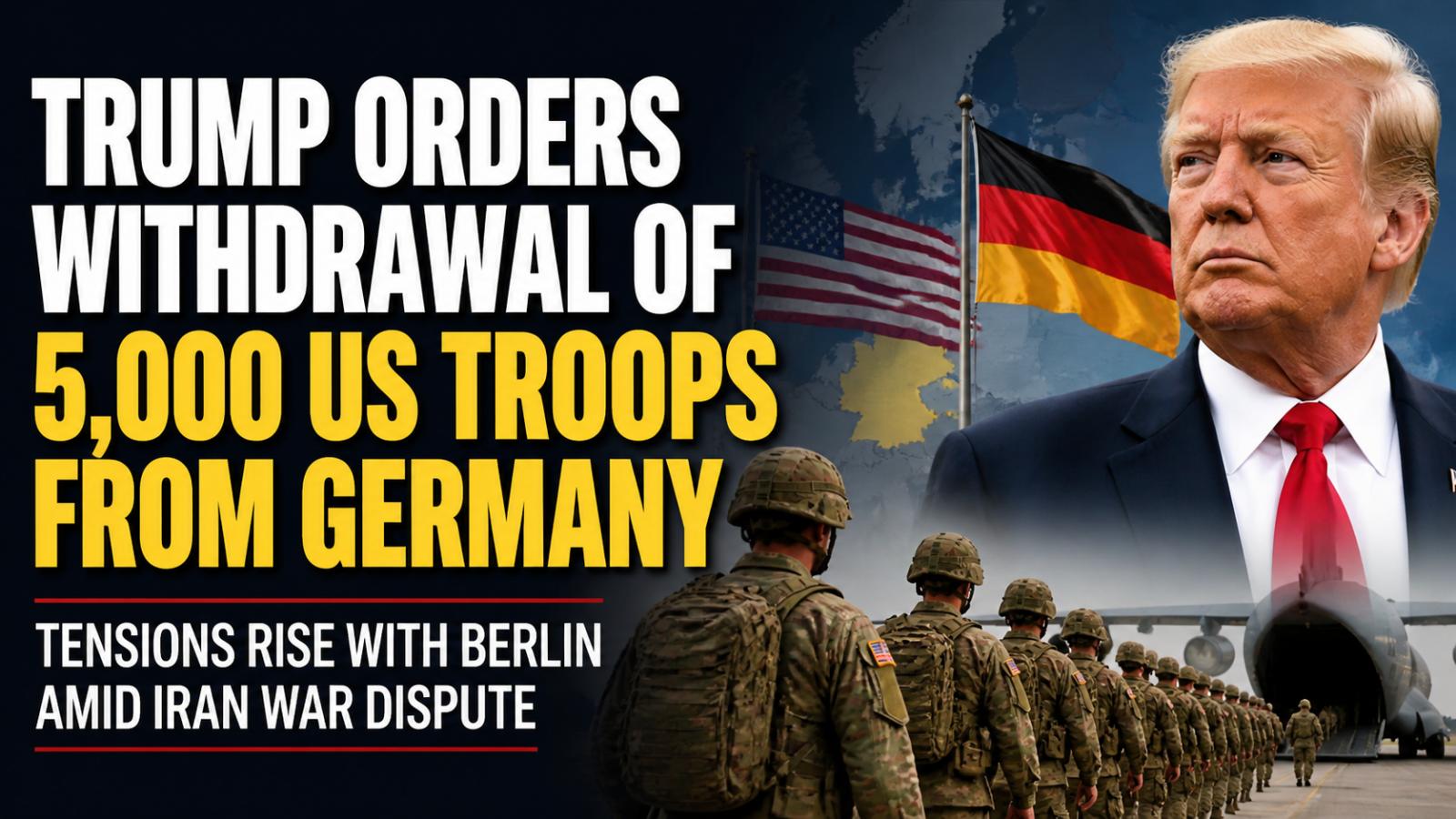
Trump orders the withdrawal of 5,000 US troops from Germany amid rising tensions
Trump Orders US Troops Withdrawal From Germany President Donald Trump has ordered the withdrawal of 5,000 US troops from Germany, escalating tensions with Berlin and NATO allies. This decision comes amid ongoing disagreements over the Iran conflict and US military operations in the Middle East. The Pentagon confirmed the move on Friday, May 1, as part of a broader shift in US military strategy, which seeks to reduce America's pres
Trump orders the withdrawal of 5,000 US troops from Germany amid rising tensions
Trump Orders US Troops Withdrawal From Germany President Donald Trump has ordered the withdrawal of 5,000 US troops from Germany, escalating tensions with Berlin and NATO allies. This decision comes amid ongoing disagreements over the Iran conflict and US military operations in the Middle East. The Pentagon confirmed the move on Friday, May 1, as part of a broader shift in US military strategy, which seeks to reduce America's pres
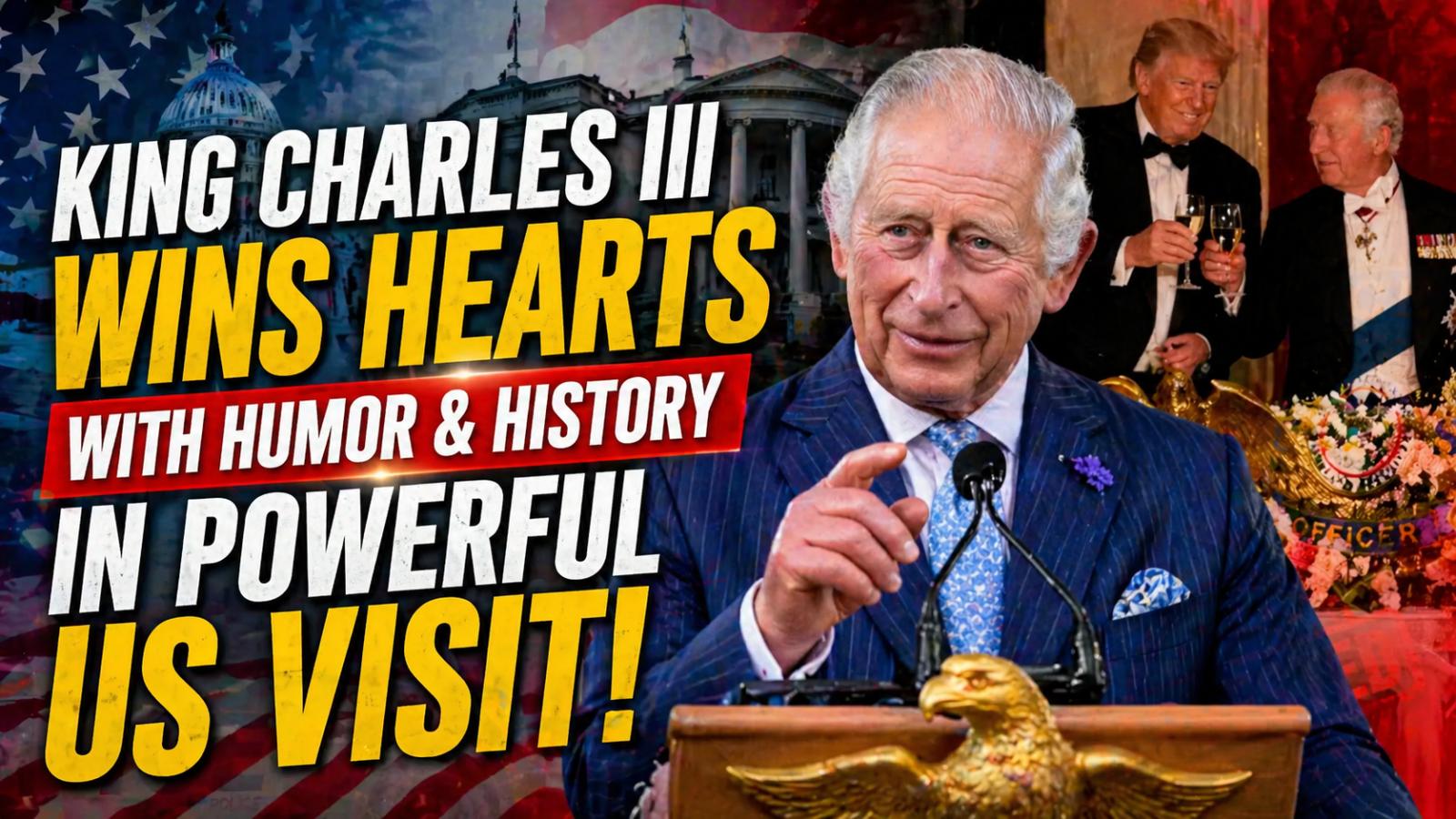
King Charles III Uses Humor to Strengthen US-UK Ties During Visit
King Charles III used a mix of humor and historical references during his recent visit to the United States, delivering speeches that balanced diplomacy with wit while reinforcing the long-standing relationship between the two nations. His appearances, including an address to Congress and remarks at a state dinner at the White House hosted by Donald Trump, drew attention for their tone and messaging. During his engagements, the King made light-hearted comments that resonated with audiences while referencing shared history. In one instance, he joked about the British army’s burning of the White House in 1814, describing it as a “small attempt at beautification,” prompting laughter while acknowledging a historic conflict. His remarks also included references to earlier global rivalries, noting that without British influence, Americans might have been speaking French, a nod to the outcome of 18th-century European conflicts. In his address to Congress, King Charles drew on literary imagery, referring to “a tale of two Georges,” linking George Washington and George III. The comment highlighted shared history while emphasizing the evolution of relations between the United Kingdom and the United States. His speech avoided direct involvement in political controversies, instead focusing on broader themes of partnership and mutual respect. The King also touched on modern geopolitical issues, including defense cooperation and the role of alliances such as NATO. He referenced the enduring collaboration between the two nations, particularly in times of crisis, while acknowledging differing perspectives on international policy matters. His remarks underscored the importance of maintaining cooperation despite disagreements. By combining humor with carefully measured commentary, King Charles demonstrated a diplomatic approach that emphasized unity without overlooking complexity. His visit highlighted both the historical depth and contemporary relevance of the US-UK relationship, presenting a message aimed at strengthening ties while navigating sensitive political dynamics.
King Charles III Uses Humor to Strengthen US-UK Ties During Visit
King Charles III used a mix of humor and historical references during his recent visit to the United States, delivering speeches that balanced diplomacy with wit while reinforcing the long-standing relationship between the two nations. His appearances, including an address to Congress and remarks at a state dinner at the White House hosted by Donald Trump, drew attention for their tone and messaging. During his engagements, the King made light-hearted comments that resonated with audiences while referencing shared history. In one instance, he joked about the British army’s burning of the White House in 1814, describing it as a “small attempt at beautification,” prompting laughter while acknowledging a historic conflict. His remarks also included references to earlier global rivalries, noting that without British influence, Americans might have been speaking French, a nod to the outcome of 18th-century European conflicts. In his address to Congress, King Charles drew on literary imagery, referring to “a tale of two Georges,” linking George Washington and George III. The comment highlighted shared history while emphasizing the evolution of relations between the United Kingdom and the United States. His speech avoided direct involvement in political controversies, instead focusing on broader themes of partnership and mutual respect. The King also touched on modern geopolitical issues, including defense cooperation and the role of alliances such as NATO. He referenced the enduring collaboration between the two nations, particularly in times of crisis, while acknowledging differing perspectives on international policy matters. His remarks underscored the importance of maintaining cooperation despite disagreements. By combining humor with carefully measured commentary, King Charles demonstrated a diplomatic approach that emphasized unity without overlooking complexity. His visit highlighted both the historical depth and contemporary relevance of the US-UK relationship, presenting a message aimed at strengthening ties while navigating sensitive political dynamics.
India Enters Top Five as Global Defense Spending Surge
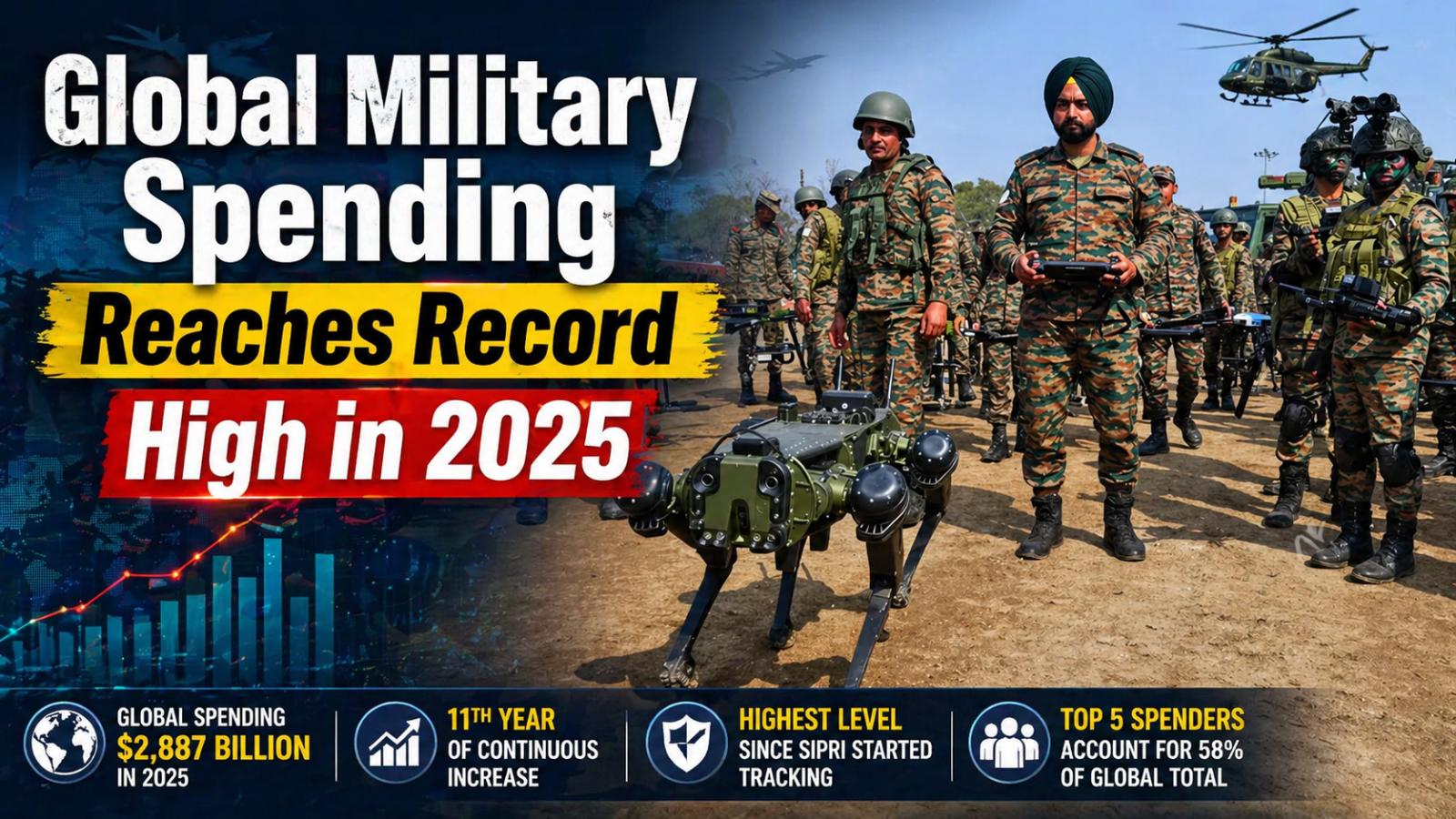
Global military spending reached a record $2,887 billion in 2025, marking the eleventh consecutive year of growth and the highest level ever recorded. According to the latest SIPRI report, the increase reflects rising geopolitical tensions, ongoing conflicts, and a shifting global security environment that has prompted governments to expand their defense budgets. India emerged as one of the world’s top military spenders, entering the top five for the first time with total expenditure of $92.1 billion. The country’s defense spending rose by 8.9 percent, reflecting heightened security concerns and operational demands. The report noted that this increase coincided with armed tensions involving Pakistan in May 2025, during which India deployed a range of military assets including aircraft, drones, and missile systems. The five largest spenders—the United States, China, Russia, Germany, and India—collectively accounted for 58 percent of global military expenditure, totaling $1,686 billion. Pakistan also increased its defense budget by 11 percent to $11.9 billion, driven largely by procurement activities and ongoing modernization efforts following regional tensions. Europe was identified as the primary contributor to the global rise in military spending, with a 14 percent increase bringing the region’s total to $864 billion. This marked the fastest growth in Central and Western Europe since the Cold War, as countries accelerated rearmament programs in response to security concerns, particularly the ongoing conflict involving Russia and Ukraine. The United States remained the largest military spender globally, allocating $954 billion in 2025. However, this represented a 7.5 percent decline compared to the previous year. The decrease was attributed mainly to reduced financial assistance to Ukraine, contrasting with higher levels of support in earlier years. Overall, the data highlights a continued global trend toward increased defense investment, driven by evolving security challenges and shifting geopolitical dynamics.
India Enters Top Five as Global Defense Spending Surge
Global military spending reached a record $2,887 billion in 2025, marking the eleventh consecutive year of growth and the highest level ever recorded. According to the latest SIPRI report, the increase reflects rising geopolitical tensions, ongoing conflicts, and a shifting global security environment that has prompted governments to expand their defense budgets. India emerged as one of the world’s top military spenders, entering the top five for the first time with total expenditure of $92.1 billion. The country’s defense spending rose by 8.9 percent, reflecting heightened security concerns and operational demands. The report noted that this increase coincided with armed tensions involving Pakistan in May 2025, during which India deployed a range of military assets including aircraft, drones, and missile systems. The five largest spenders—the United States, China, Russia, Germany, and India—collectively accounted for 58 percent of global military expenditure, totaling $1,686 billion. Pakistan also increased its defense budget by 11 percent to $11.9 billion, driven largely by procurement activities and ongoing modernization efforts following regional tensions. Europe was identified as the primary contributor to the global rise in military spending, with a 14 percent increase bringing the region’s total to $864 billion. This marked the fastest growth in Central and Western Europe since the Cold War, as countries accelerated rearmament programs in response to security concerns, particularly the ongoing conflict involving Russia and Ukraine. The United States remained the largest military spender globally, allocating $954 billion in 2025. However, this represented a 7.5 percent decline compared to the previous year. The decrease was attributed mainly to reduced financial assistance to Ukraine, contrasting with higher levels of support in earlier years. Overall, the data highlights a continued global trend toward increased defense investment, driven by evolving security challenges and shifting geopolitical dynamics.
Trump criticizes NATO support amid tensions over Iran conflict
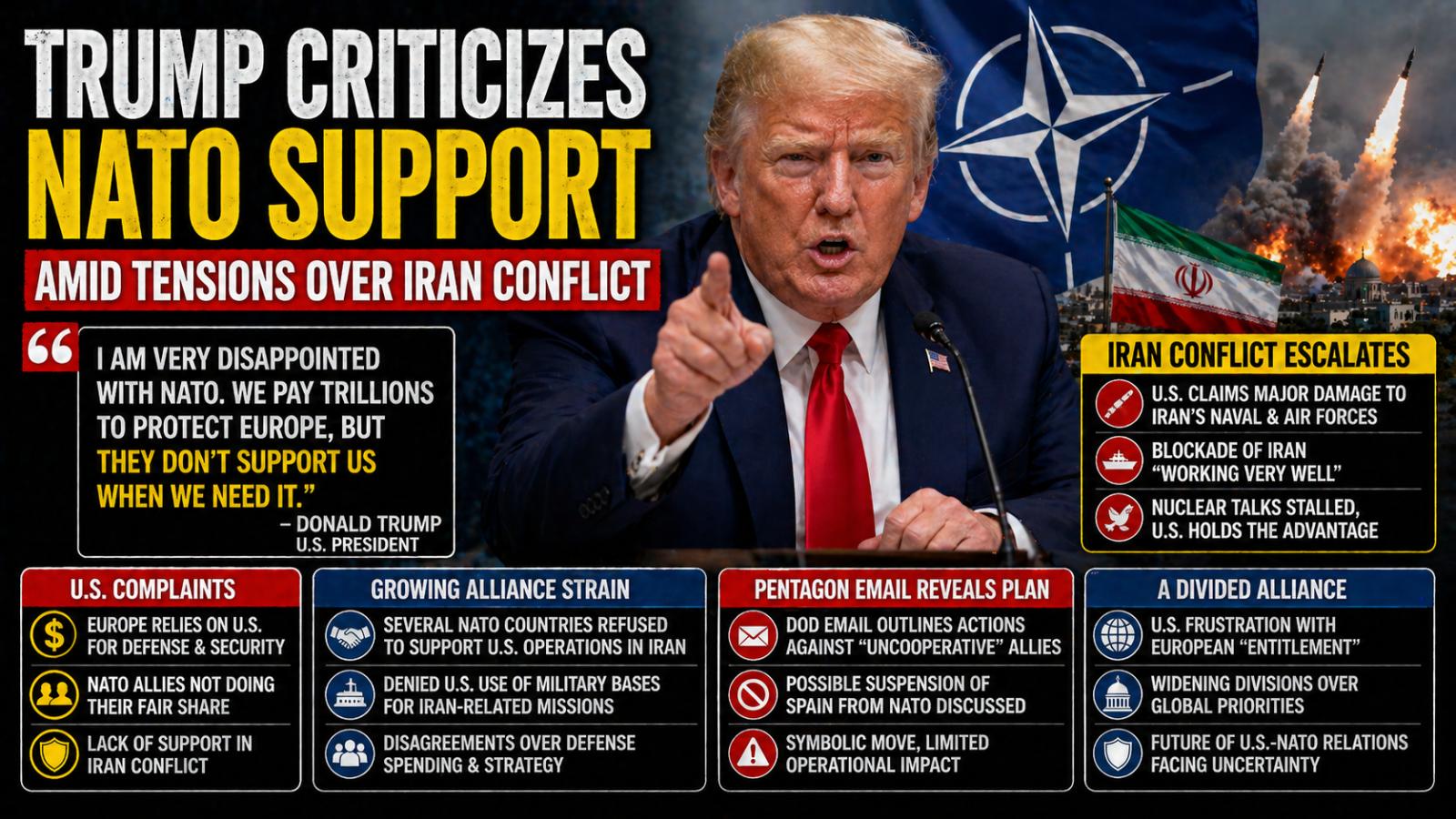
Trump criticized NATO for lack of support during the Iran conflict, highlighting growing US-alliance tensions and potential policy consequences for member states. A growing rift between the United States and NATO allies intensified after President Donald Trump voiced disappointment over support during the Iran conflict and broader security concerns. Amid escalating tensions between the United States and its allies, Donald Trump said on Sunday April 26, 2026 that he was “very disappointed” with NATO, accusing the alliance of failing to support Washington during a critical period. His remarks followed heightened security concerns earlier that day at the White House Correspondents’ Dinner. In an interview with Fox News, Trump emphasized the scale of US financial contributions to NATO, arguing that the alliance depends heavily on American resources. He said the United States has invested trillions of dollars to protect Europe from threats such as Russia and suggested that NATO members have not reciprocated adequately. The comments come as the Trump administration faces frustration with Western allies over their reluctance to back US actions in the ongoing Iran conflict. During the same interview, Trump shifted focus to Iran, asserting that the United States holds a strategic advantage despite stalled negotiations. He claimed US forces had significantly weakened Iran’s naval and air capabilities and described a blockade as highly effective. Tensions with NATO have been building since Trump returned to office, particularly as he has pushed member nations to increase defense spending. Disagreements intensified after several NATO countries declined to support US military operations in Iran or allow the use of their bases. The strain deepened further after a controversial email from the United States Department of Defense outlined potential actions against NATO allies perceived as unsupportive. Among the measures discussed was the possible suspension of Spain from NATO, a move officials indicated would carry symbolic significance but limited operational impact. Officials said the communication reflected growing frustration within the US government, describing what it characterized as a sense of entitlement among European partners. The developments underscore widening divisions within the alliance as geopolitical and military priorities diverge.
Trump criticizes NATO support amid tensions over Iran conflict
Trump criticized NATO for lack of support during the Iran conflict, highlighting growing US-alliance tensions and potential policy consequences for member states. A growing rift between the United States and NATO allies intensified after President Donald Trump voiced disappointment over support during the Iran conflict and broader security concerns. Amid escalating tensions between the United States and its allies, Donald Trump said on Sunday April 26, 2026 that he was “very disappointed” with NATO, accusing the alliance of failing to support Washington during a critical period. His remarks followed heightened security concerns earlier that day at the White House Correspondents’ Dinner. In an interview with Fox News, Trump emphasized the scale of US financial contributions to NATO, arguing that the alliance depends heavily on American resources. He said the United States has invested trillions of dollars to protect Europe from threats such as Russia and suggested that NATO members have not reciprocated adequately. The comments come as the Trump administration faces frustration with Western allies over their reluctance to back US actions in the ongoing Iran conflict. During the same interview, Trump shifted focus to Iran, asserting that the United States holds a strategic advantage despite stalled negotiations. He claimed US forces had significantly weakened Iran’s naval and air capabilities and described a blockade as highly effective. Tensions with NATO have been building since Trump returned to office, particularly as he has pushed member nations to increase defense spending. Disagreements intensified after several NATO countries declined to support US military operations in Iran or allow the use of their bases. The strain deepened further after a controversial email from the United States Department of Defense outlined potential actions against NATO allies perceived as unsupportive. Among the measures discussed was the possible suspension of Spain from NATO, a move officials indicated would carry symbolic significance but limited operational impact. Officials said the communication reflected growing frustration within the US government, describing what it characterized as a sense of entitlement among European partners. The developments underscore widening divisions within the alliance as geopolitical and military priorities diverge.
NATO intercepts Russian jets over Baltic Sea: What it means for rising tensions
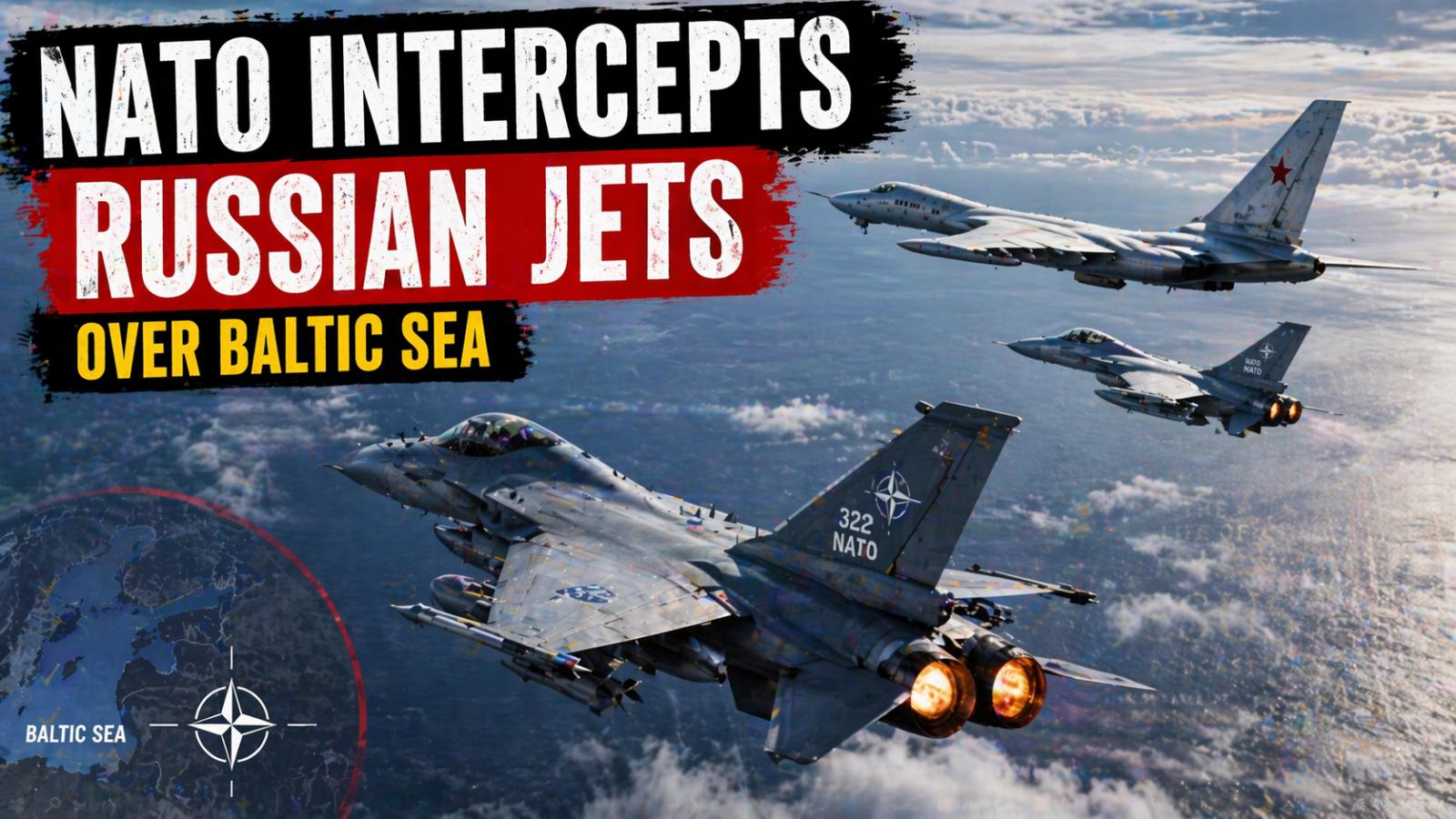
The NATO intercept Russian jets Baltic Sea incident has once again highlighted rising military tensions in Europe. Fighter jets from multiple NATO nations were scrambled to monitor Russian aircraft, signaling a strong show of force along the alliance’s eastern flank. What happened and why it matters On April 22, 2026, NATO forces launched a coordinated
NATO intercepts Russian jets over Baltic Sea: What it means for rising tensions
The NATO intercept Russian jets Baltic Sea incident has once again highlighted rising military tensions in Europe. Fighter jets from multiple NATO nations were scrambled to monitor Russian aircraft, signaling a strong show of force along the alliance’s eastern flank. What happened and why it matters On April 22, 2026, NATO forces launched a coordinated
Trump and European populists divide: What the growing rift means for global politics
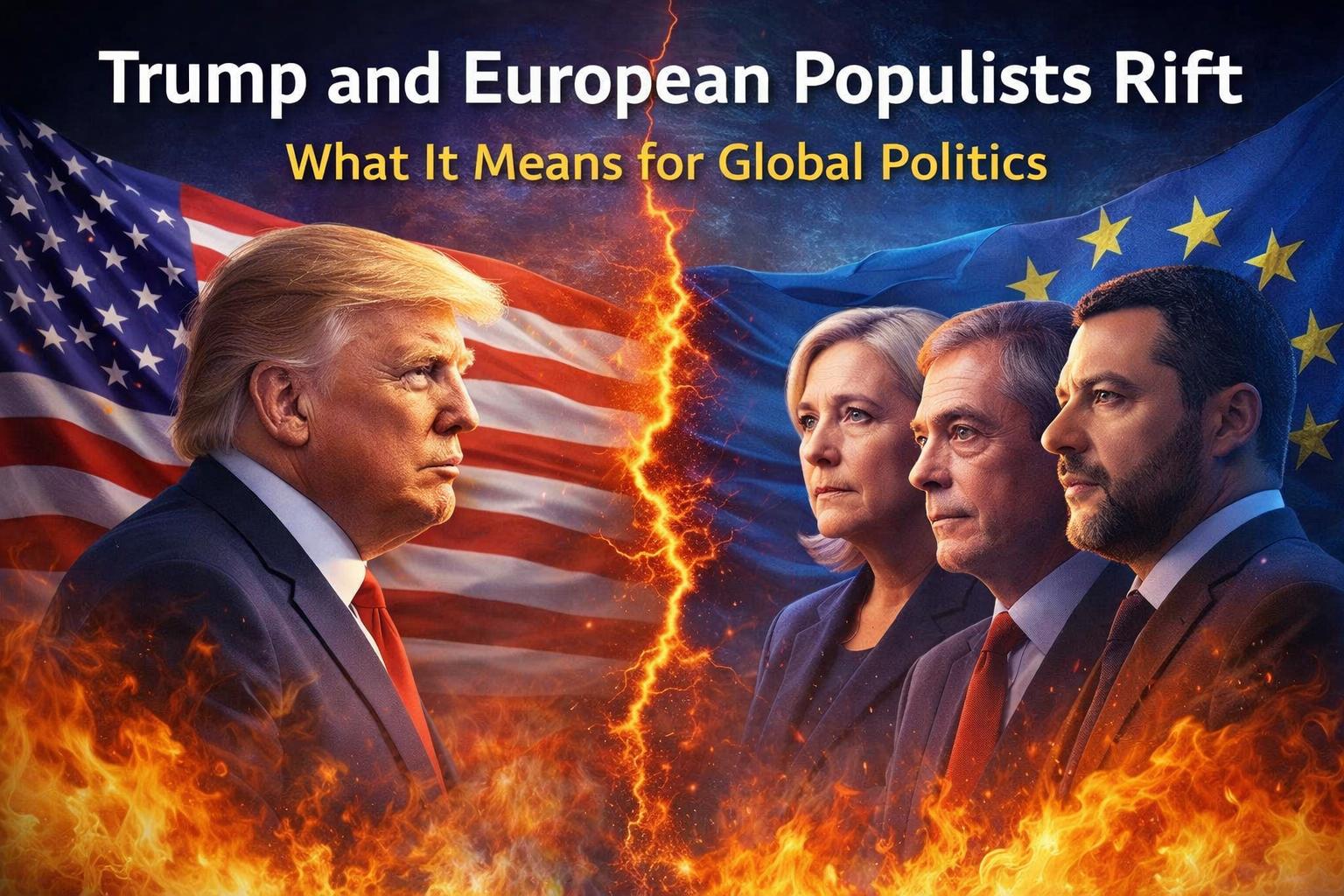
Trump European populist rift deepens over war and policy tensions The relationship between former U.S. President Donald Trump and Europe’s nationalist leaders is showing signs of strain, raising questions about the future of global political alliances. Once seen as natural allies, the growing divide reflects disagreements over foreign policy, particularly the Iran conflict, and shifting public opinion across Europe. European leaders step back from Trump alliances In recent months, several prominent European populist figures who once openly supported Trump have begun to distance themselves. Leaders across the United Kingdom, France, Germany, and Italy are reconsidering their alignment as criticism of U.S. actions abroad intensifies. Policies linked to military interventions and controversial rhetoric have sparked backlash among European voters. This has put pressure on nationalist leaders who had previously embraced Trump’s political style and agenda. In some cases, declining poll numbers suggest that close ties to Trump are becoming a political liability. Why this political shift matters globally The evolving rift highlights a broader shift in global politics. For years, Trump’s “America First” approach aligned with European nationalist movements advocating for stricter borders and reduced international cooperation. Now, disagreements over foreign interventions and economic consequences—such as rising fuel prices—are changing that dynamic. European leaders must balance domestic public opinion with their political alliances, especially as voters express concerns about economic stability and international conflicts. This shift could weaken transatlantic cooperation among right-leaning political movements and reshape political strategies across the continent. From strong alignment to growing tensions Initially, Trump’s leadership energized nationalist parties across Europe. His stance on immigration, trade, and sovereignty resonated with leaders seeking similar policies in their own countries. However, recent developments—including military actions and disputes with global institutions—have exposed differences. Some European leaders have criticized these moves as inconsistent with their own national interests, while others worry about long-term geopolitical consequences. Public opinion has also played a major role. Surveys across Europe indicate high levels of skepticism toward Trump’s policies, forcing politicians to adjust their positions ahead of elections. What happens next for US-Europe political ties Looking ahead, the relationship between Trump-aligned politics and European populism may continue to evolve. Analysts suggest that nationalist leaders will increasingly focus on domestic priorities rather than relying on alignment with U.S. leadership. Future elections across Europe will likely test whether distancing from Trump helps these leaders regain public support. At the same time, ongoing global conflicts and economic pressures could further influence political strategies. A turning point in global populist politics The growing divide between Trump and European populists marks a significant moment in international politics. What was once a strong ideological partnership is now facing real challenges. As political landscapes shift, leaders on both sides of the Atlantic will need to adapt. The outcome of this rift could redefine alliances, influence elections, and shape the future direction of populist movements worldwide.
Trump and European populists divide: What the growing rift means for global politics
Trump European populist rift deepens over war and policy tensions The relationship between former U.S. President Donald Trump and Europe’s nationalist leaders is showing signs of strain, raising questions about the future of global political alliances. Once seen as natural allies, the growing divide reflects disagreements over foreign policy, particularly the Iran conflict, and shifting public opinion across Europe. European leaders step back from Trump alliances In recent months, several prominent European populist figures who once openly supported Trump have begun to distance themselves. Leaders across the United Kingdom, France, Germany, and Italy are reconsidering their alignment as criticism of U.S. actions abroad intensifies. Policies linked to military interventions and controversial rhetoric have sparked backlash among European voters. This has put pressure on nationalist leaders who had previously embraced Trump’s political style and agenda. In some cases, declining poll numbers suggest that close ties to Trump are becoming a political liability. Why this political shift matters globally The evolving rift highlights a broader shift in global politics. For years, Trump’s “America First” approach aligned with European nationalist movements advocating for stricter borders and reduced international cooperation. Now, disagreements over foreign interventions and economic consequences—such as rising fuel prices—are changing that dynamic. European leaders must balance domestic public opinion with their political alliances, especially as voters express concerns about economic stability and international conflicts. This shift could weaken transatlantic cooperation among right-leaning political movements and reshape political strategies across the continent. From strong alignment to growing tensions Initially, Trump’s leadership energized nationalist parties across Europe. His stance on immigration, trade, and sovereignty resonated with leaders seeking similar policies in their own countries. However, recent developments—including military actions and disputes with global institutions—have exposed differences. Some European leaders have criticized these moves as inconsistent with their own national interests, while others worry about long-term geopolitical consequences. Public opinion has also played a major role. Surveys across Europe indicate high levels of skepticism toward Trump’s policies, forcing politicians to adjust their positions ahead of elections. What happens next for US-Europe political ties Looking ahead, the relationship between Trump-aligned politics and European populism may continue to evolve. Analysts suggest that nationalist leaders will increasingly focus on domestic priorities rather than relying on alignment with U.S. leadership. Future elections across Europe will likely test whether distancing from Trump helps these leaders regain public support. At the same time, ongoing global conflicts and economic pressures could further influence political strategies. A turning point in global populist politics The growing divide between Trump and European populists marks a significant moment in international politics. What was once a strong ideological partnership is now facing real challenges. As political landscapes shift, leaders on both sides of the Atlantic will need to adapt. The outcome of this rift could redefine alliances, influence elections, and shape the future direction of populist movements worldwide.
US-Iran conflict prompts Trump to question NATO’s role
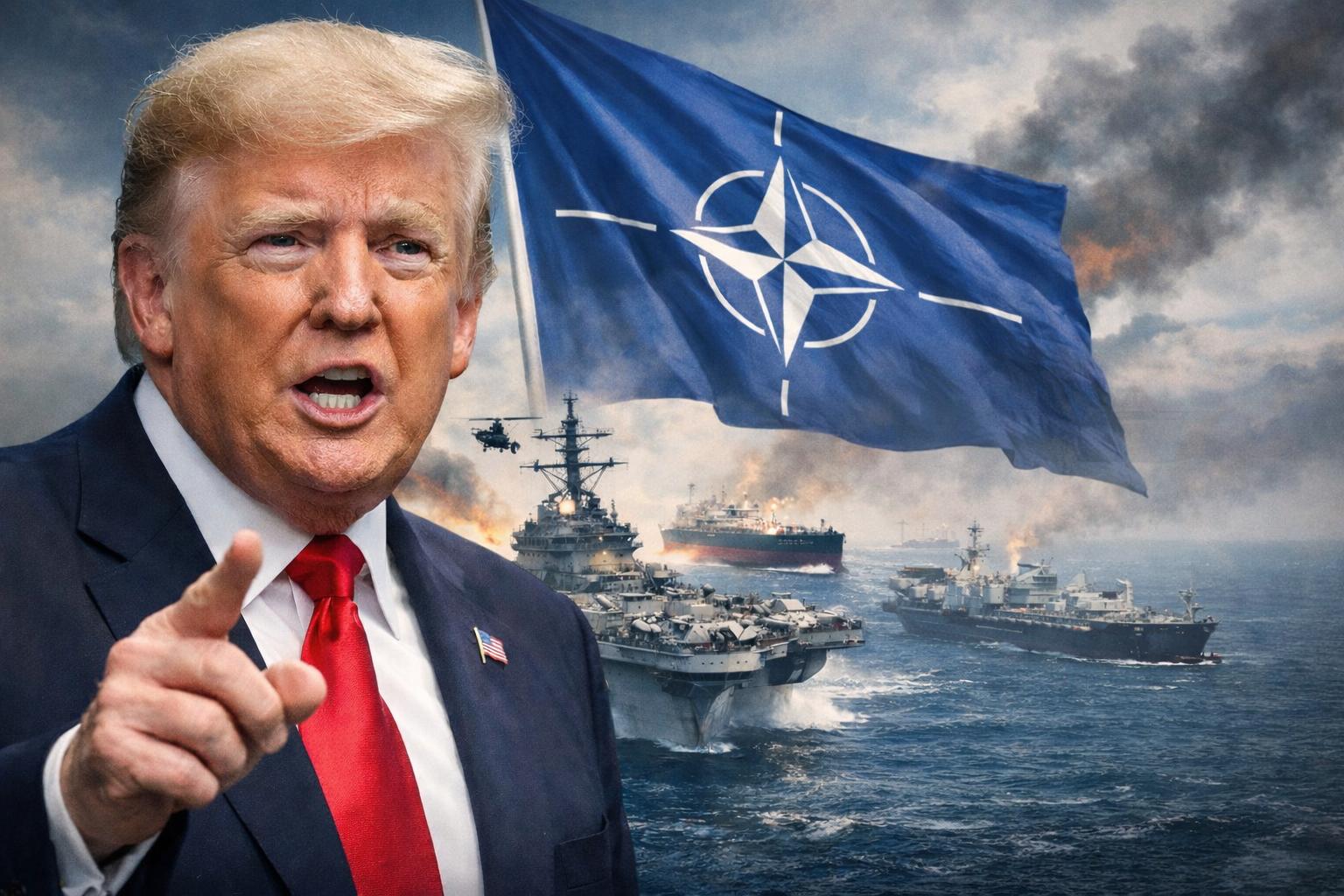
President Donald Trump renewed criticism of NATO on Saturday, April 12, 2026, saying the alliance could face a “very serious examining” after it did not support the United States during its recent conflict with Iran
US-Iran conflict prompts Trump to question NATO’s role
President Donald Trump renewed criticism of NATO on Saturday, April 12, 2026, saying the alliance could face a “very serious examining” after it did not support the United States during its recent conflict with Iran
Greenland rejects Trump comments, calls for NATO support on international law
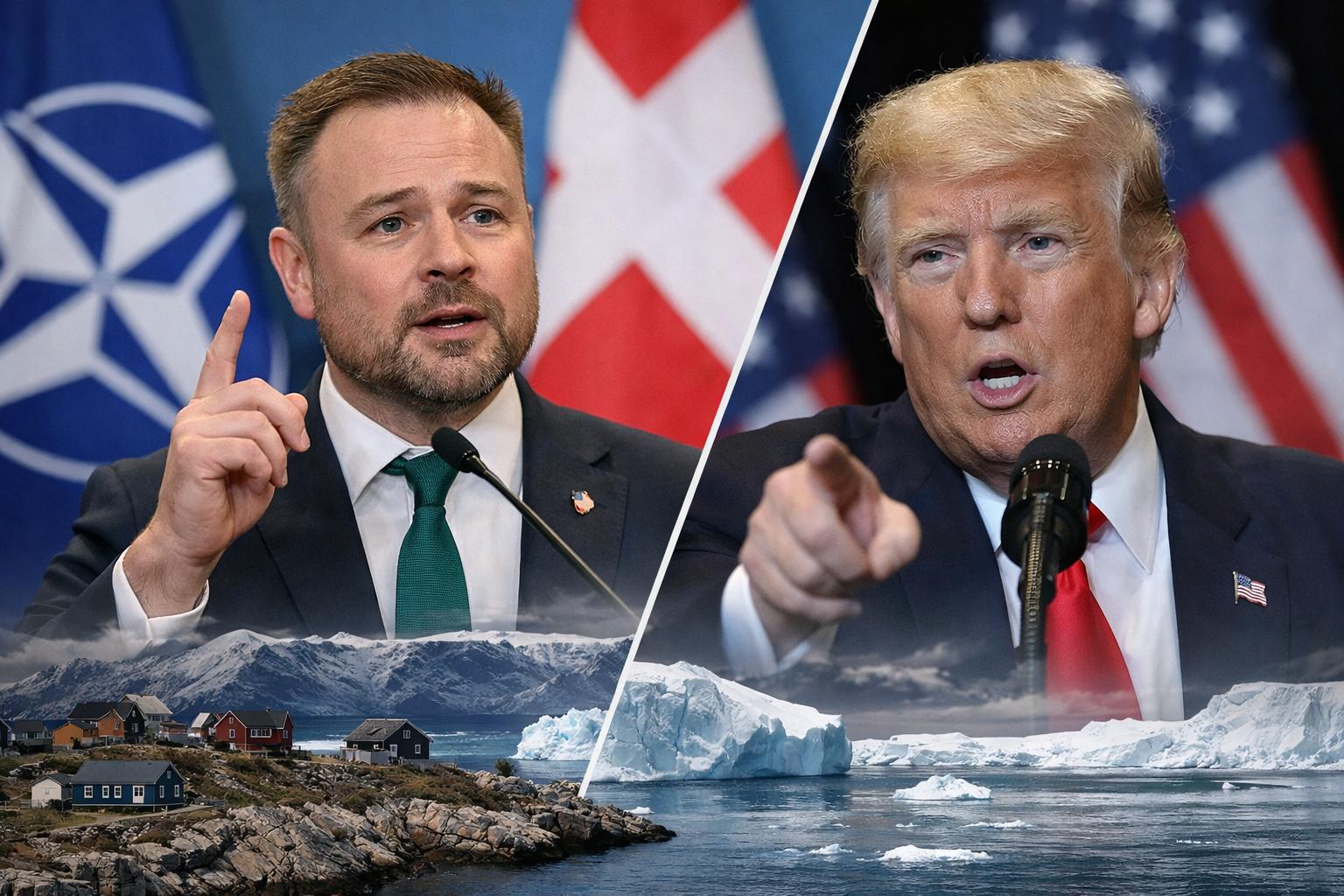
Greenland’s Prime Minister Jens-Frederik Nielsen called on allies within NATO to stand united in defense of international law following renewed remarks by U.S. President Donald Trump regarding the Arctic island. Speaking on Thursday, Nielsen emphasized the importance of maintaining global alliances and post-war geopolitical norms amid rising tensions. The statement followed Trump’s criticism of NATO’s role in recent international conflicts, including its perceived lack of support during U.S. military actions involving Iran. In a social media post, Trump expressed frustration with the alliance and referenced Greenland in dismissive terms, prompting a swift response from Greenland’s leadership. Nielsen rejected the characterization, stating that Greenland is “not some piece of ice,” but a community of approximately 57,000 people committed to international cooperation and respect for allies. He stressed that institutions such as NATO and established international law are increasingly under pressure and require collective defense from member nations. Concerns about U.S. intentions toward Greenland have persisted since earlier in the year, when Trump renewed interest in asserting control over the island, which is an autonomous territory within the Kingdom of Denmark. In January, U.S. officials signaled that military options had not been ruled out, prompting European allies, including Germany and France, to deploy limited forces to Greenland as a precautionary measure. Subsequent discussions between Trump and NATO Secretary General Mark Rutte led to a shift toward diplomatic engagement. Ongoing talks between Greenland, Denmark, and the United States began in late January and continue, with further meetings expected. The United States maintains a military presence in Greenland under a 1951 agreement and has the option to expand operations. Trump and his supporters argue that control of Greenland is strategically important to counter growing influence from Russia and China in the Arctic region. Despite ongoing negotiations, Nielsen indicated skepticism about U.S. intentions, stating that he does not believe the possibility of U.S. control over Greenland has been removed from consideration. He reiterated that any future cooperation must respect Greenland’s autonomy and align with international law.
Greenland rejects Trump comments, calls for NATO support on international law
Greenland’s Prime Minister Jens-Frederik Nielsen called on allies within NATO to stand united in defense of international law following renewed remarks by U.S. President Donald Trump regarding the Arctic island. Speaking on Thursday, Nielsen emphasized the importance of maintaining global alliances and post-war geopolitical norms amid rising tensions. The statement followed Trump’s criticism of NATO’s role in recent international conflicts, including its perceived lack of support during U.S. military actions involving Iran. In a social media post, Trump expressed frustration with the alliance and referenced Greenland in dismissive terms, prompting a swift response from Greenland’s leadership. Nielsen rejected the characterization, stating that Greenland is “not some piece of ice,” but a community of approximately 57,000 people committed to international cooperation and respect for allies. He stressed that institutions such as NATO and established international law are increasingly under pressure and require collective defense from member nations. Concerns about U.S. intentions toward Greenland have persisted since earlier in the year, when Trump renewed interest in asserting control over the island, which is an autonomous territory within the Kingdom of Denmark. In January, U.S. officials signaled that military options had not been ruled out, prompting European allies, including Germany and France, to deploy limited forces to Greenland as a precautionary measure. Subsequent discussions between Trump and NATO Secretary General Mark Rutte led to a shift toward diplomatic engagement. Ongoing talks between Greenland, Denmark, and the United States began in late January and continue, with further meetings expected. The United States maintains a military presence in Greenland under a 1951 agreement and has the option to expand operations. Trump and his supporters argue that control of Greenland is strategically important to counter growing influence from Russia and China in the Arctic region. Despite ongoing negotiations, Nielsen indicated skepticism about U.S. intentions, stating that he does not believe the possibility of U.S. control over Greenland has been removed from consideration. He reiterated that any future cooperation must respect Greenland’s autonomy and align with international law.

Indian-origin founders of Delve under spotlight amid tech controversy
Delve, a San Francisco-based startup associated with the Y Combinator ecosystem, has come under scrutiny following allegations related to its open-source practices and compliance claims, drawing attention within the global technology sector. The controversy, which surfaced online on Saturday, April 4, 2026, has sparked debate about transparency and accountability in early-stage startups. The company is led in part by founders of Indian origin, a detail that has been widely highlighted in discussions surrounding the issue. The concerns emerged from online posts and discussions that questioned whether Delve accurately represented aspects of its compliance processes and technical offerings. These claims have not been independently verified, and the company has publicly responded, disputing the allegations and describing them as misleading. The situation underscores broader challenges within the startup ecosystem, particularly as companies increasingly rely on open-source technologies and third-party partnerships. Questions around how such technologies are integrated, documented, and communicated to customers have become central to the discussion. Industry observers note that early-stage companies often operate in fast-moving environments where governance frameworks may still be evolving. Delve has stated that it remains committed to maintaining transparency and has emphasized its adherence to established standards. However, the controversy has prompted increased scrutiny from the developer community and potential stakeholders, highlighting the importance of clear communication and verifiable claims in maintaining trust. As the discussion continues, the episode reflects a growing trend in which online platforms play a significant role in surfacing and amplifying concerns about startups. For companies operating in competitive and highly visible sectors such as artificial intelligence and compliance technology, reputational risks tied to such controversies can have far-reaching implications.
Indian-origin founders of Delve under spotlight amid tech controversy
Delve, a San Francisco-based startup associated with the Y Combinator ecosystem, has come under scrutiny following allegations related to its open-source practices and compliance claims, drawing attention within the global technology sector. The controversy, which surfaced online on Saturday, April 4, 2026, has sparked debate about transparency and accountability in early-stage startups. The company is led in part by founders of Indian origin, a detail that has been widely highlighted in discussions surrounding the issue. The concerns emerged from online posts and discussions that questioned whether Delve accurately represented aspects of its compliance processes and technical offerings. These claims have not been independently verified, and the company has publicly responded, disputing the allegations and describing them as misleading. The situation underscores broader challenges within the startup ecosystem, particularly as companies increasingly rely on open-source technologies and third-party partnerships. Questions around how such technologies are integrated, documented, and communicated to customers have become central to the discussion. Industry observers note that early-stage companies often operate in fast-moving environments where governance frameworks may still be evolving. Delve has stated that it remains committed to maintaining transparency and has emphasized its adherence to established standards. However, the controversy has prompted increased scrutiny from the developer community and potential stakeholders, highlighting the importance of clear communication and verifiable claims in maintaining trust. As the discussion continues, the episode reflects a growing trend in which online platforms play a significant role in surfacing and amplifying concerns about startups. For companies operating in competitive and highly visible sectors such as artificial intelligence and compliance technology, reputational risks tied to such controversies can have far-reaching implications.
Trump defends Iran war strategy but offers few new details on next steps
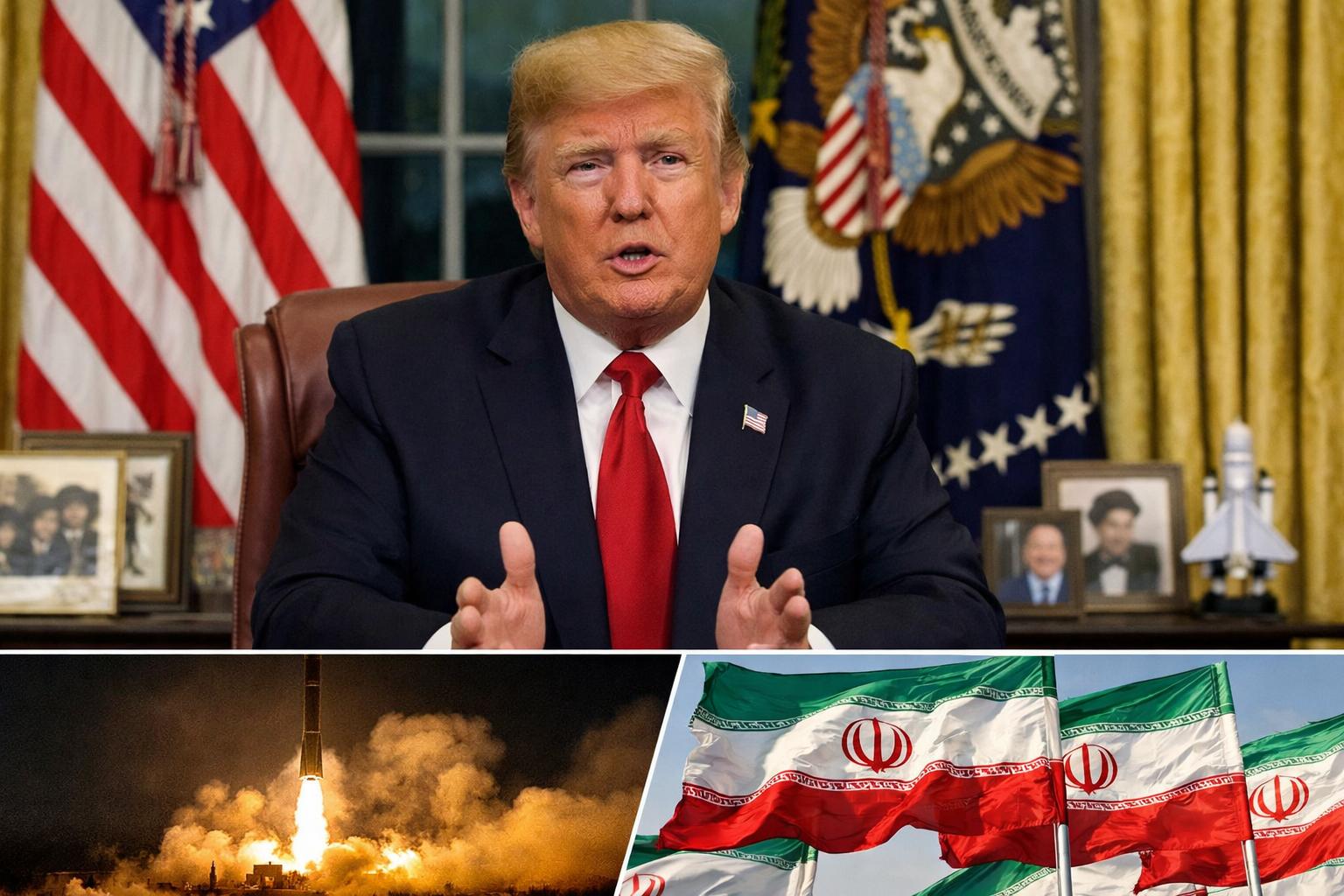
WASHINGTON — President Donald Trump on Wednesday, April 2, 2026, delivered a primetime address from the White House seeking to justify the ongoing U.S. military campaign against Iran, but he provided few new details about the conflict’s trajectory or conclusion. The speech came at a pivotal moment both domestically and internationally, as the administration continues to expand executive authority in directing the war effort. In his remarks, Trump emphasized that preventing Iran fr
Trump defends Iran war strategy but offers few new details on next steps
WASHINGTON — President Donald Trump on Wednesday, April 2, 2026, delivered a primetime address from the White House seeking to justify the ongoing U.S. military campaign against Iran, but he provided few new details about the conflict’s trajectory or conclusion. The speech came at a pivotal moment both domestically and internationally, as the administration continues to expand executive authority in directing the war effort. In his remarks, Trump emphasized that preventing Iran fr
UK allows US to use bases for defensive strikes near Strait of Hormuz
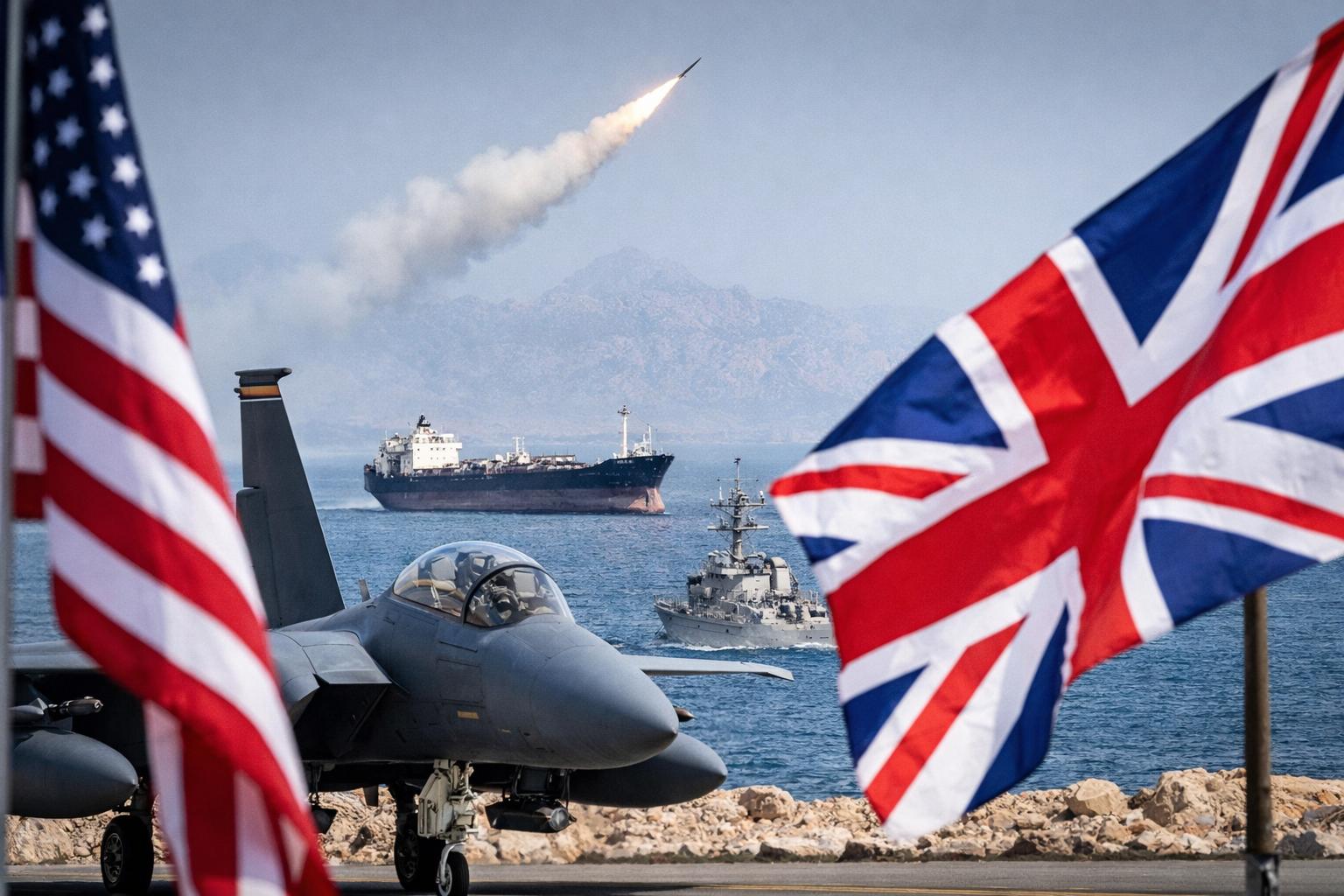
The United Kingdom has approved an expanded role for United States forces to use British bases for defensive operations targeting Iranian-linked threats in the Strait of Hormuz, according to official statements following a ministerial meeting on Friday. The decision comes amid rising tensions in the Gulf region, where attacks on commercial shipping and critical infrastructure have raised concerns about global maritime security and economic stability. Previously, London had permitted US force
UK allows US to use bases for defensive strikes near Strait of Hormuz
The United Kingdom has approved an expanded role for United States forces to use British bases for defensive operations targeting Iranian-linked threats in the Strait of Hormuz, according to official statements following a ministerial meeting on Friday. The decision comes amid rising tensions in the Gulf region, where attacks on commercial shipping and critical infrastructure have raised concerns about global maritime security and economic stability. Previously, London had permitted US force
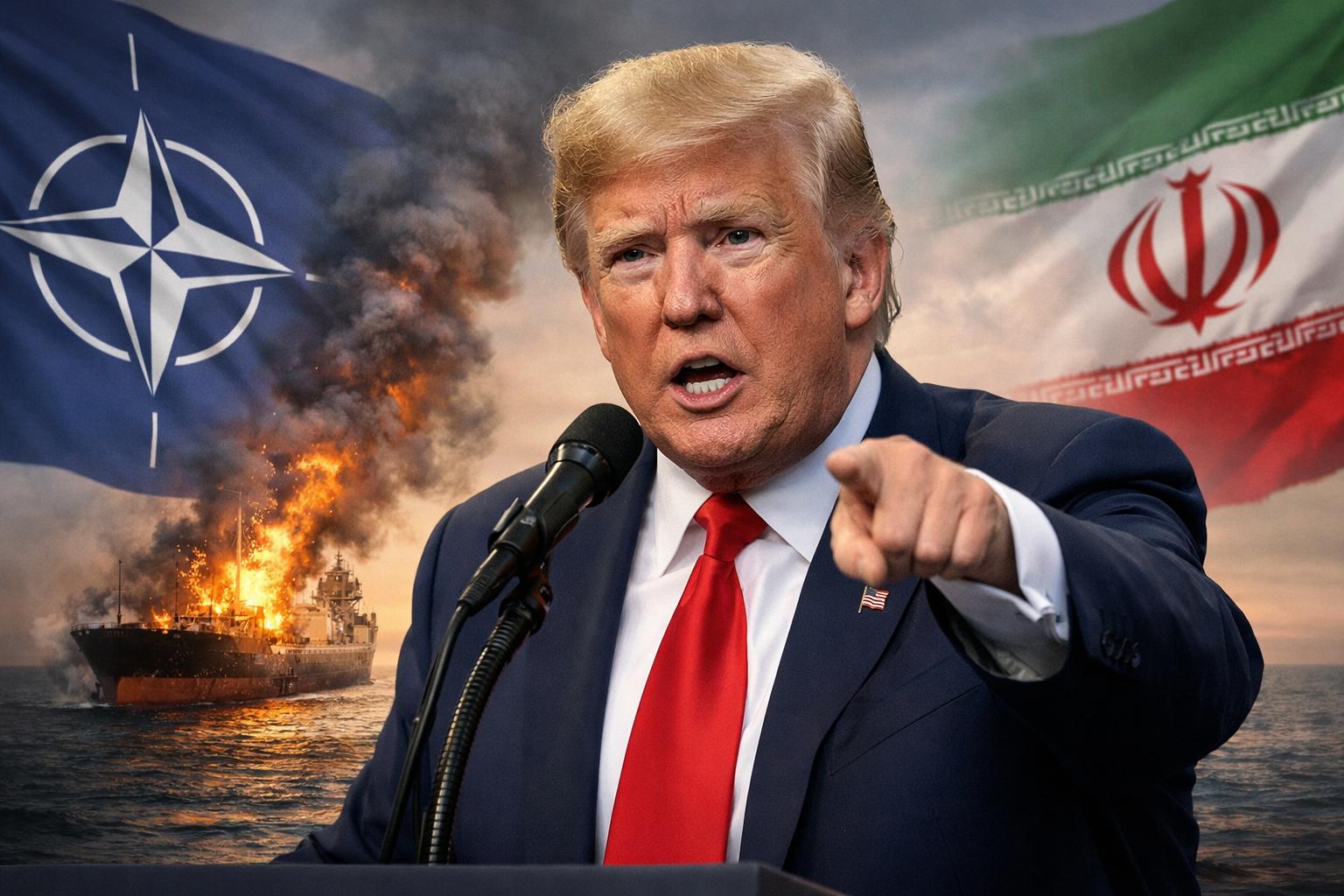
Trump criticizes NATO allies over Iran conflict support and oil concerns
US President Donald Trump on Friday sharply criticized NATO allies, accusing them of failing to support Washington and Israel during the ongoing conflict with Iran, while also expressing frustration over their stance on rising oil prices. His remarks highlight growing tensions between the United States and its traditional partners amid escalating instability in the Middle East. In a social media post, Trump described NATO as ineffective without US leadership, calling the alliance a “paper
Trump criticizes NATO allies over Iran conflict support and oil concerns
US President Donald Trump on Friday sharply criticized NATO allies, accusing them of failing to support Washington and Israel during the ongoing conflict with Iran, while also expressing frustration over their stance on rising oil prices. His remarks highlight growing tensions between the United States and its traditional partners amid escalating instability in the Middle East. In a social media post, Trump described NATO as ineffective without US leadership, calling the alliance a “paper
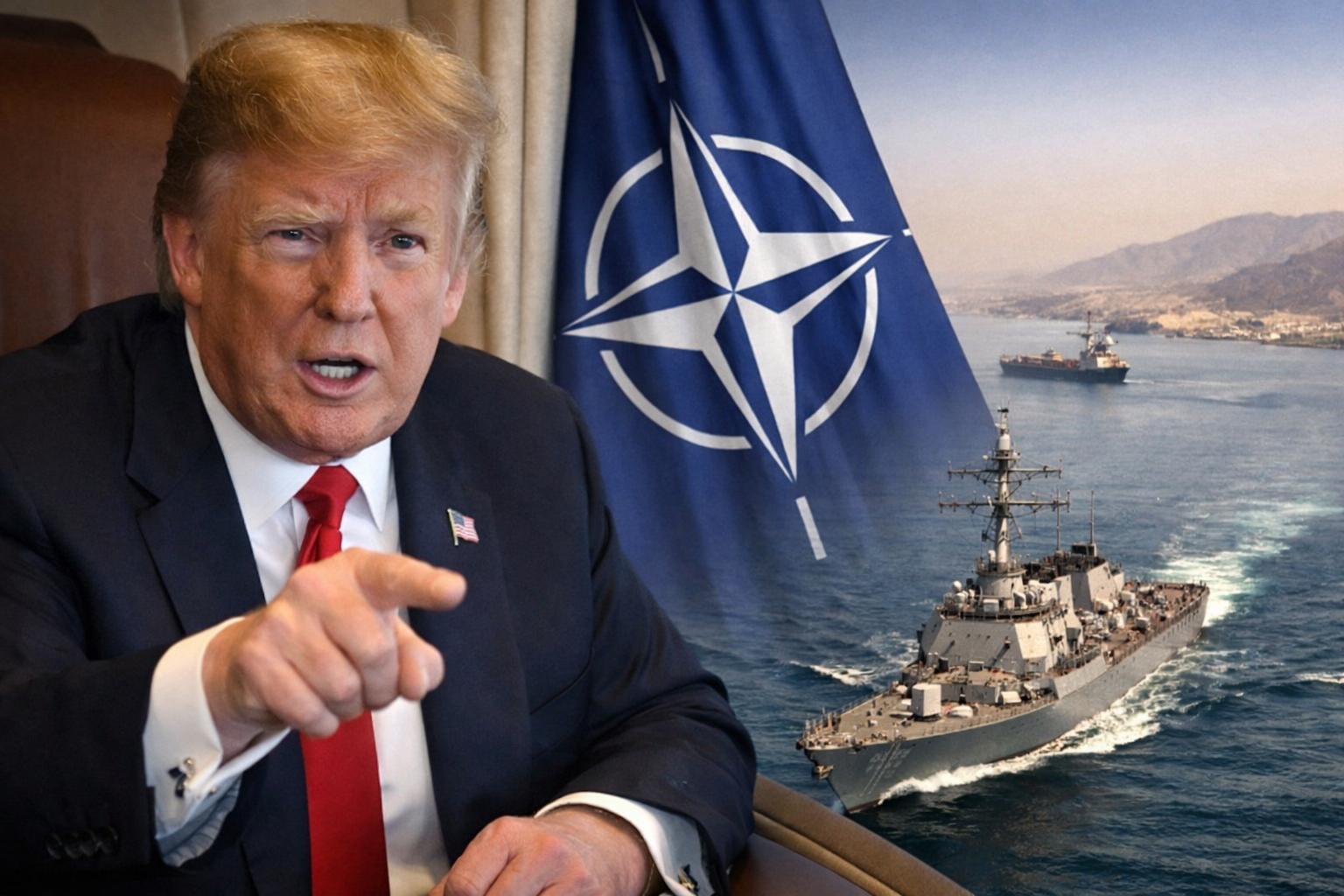
Trump warns NATO faces “very bad” future if allies refuse to reopen Strait of Hormuz
US President Donald Trump has warned that the future of the North Atlantic Treaty Organization could face serious consequences if allied nations fail to support efforts to reopen the Strait of Hormuz, a key global shipping route currently disrupted amid escalating tensions with Iran. The remarks signal increasing pressure from Washington on European allies to contribute more actively to maritime security in the strategically vital Gulf region. Speaking in a telephone interview on Sunday, Trump said a lack of support from allied nations could have negative implications for the military alliance. He emphasized that the United States has historically provided strong support to its partners, including assistance during the Ukraine-Russia war, and now expects reciprocal cooperation. According to Trump, maintaining stability in the Strait of Hormuz is essential not only for regional security but also for global oil trade and international shipping routes. Trump indicated that the United States has already taken significant action against Iranian threats in the Gulf and called for greater participation from allied countries to monitor and secure the waterway. He suggested that additional military support, including specialized forces or naval contributions, could help counter activities such as drone operations and naval mine deployments along the Iranian coastline, which he described as disruptive to maritime navigation. While speaking to reporters aboard Air Force One, Trump said he had demanded that several countries heavily dependent on oil shipments through the strait join a coalition aimed at safeguarding the passage. Although he did not disclose the names of the countries involved, he argued that nations benefiting from the route should take a more active role in protecting it. The president also discussed the situation with British Prime Minister Keir Starmer during a phone conversation on Sunday. According to the UK government, both leaders spoke about the importance of restoring access to the Strait of Hormuz to reduce disruptions in global shipping that are contributing to rising costs worldwide. Starmer also conveyed condolences for American service members who have died during the conflict. However, Trump voiced frustration over what he described as the United Kingdom’s initially cautious response to US requests for assistance. He said Washington expected support earlier in the operation and reiterated his longstanding view that NATO cooperation should be mutual. The Strait of Hormuz remains one of the world’s most critical maritime chokepoints, carrying a significant share of global oil supplies, making its security a central concern for governments and markets worldwide.
Trump warns NATO faces “very bad” future if allies refuse to reopen Strait of Hormuz
US President Donald Trump has warned that the future of the North Atlantic Treaty Organization could face serious consequences if allied nations fail to support efforts to reopen the Strait of Hormuz, a key global shipping route currently disrupted amid escalating tensions with Iran. The remarks signal increasing pressure from Washington on European allies to contribute more actively to maritime security in the strategically vital Gulf region. Speaking in a telephone interview on Sunday, Trump said a lack of support from allied nations could have negative implications for the military alliance. He emphasized that the United States has historically provided strong support to its partners, including assistance during the Ukraine-Russia war, and now expects reciprocal cooperation. According to Trump, maintaining stability in the Strait of Hormuz is essential not only for regional security but also for global oil trade and international shipping routes. Trump indicated that the United States has already taken significant action against Iranian threats in the Gulf and called for greater participation from allied countries to monitor and secure the waterway. He suggested that additional military support, including specialized forces or naval contributions, could help counter activities such as drone operations and naval mine deployments along the Iranian coastline, which he described as disruptive to maritime navigation. While speaking to reporters aboard Air Force One, Trump said he had demanded that several countries heavily dependent on oil shipments through the strait join a coalition aimed at safeguarding the passage. Although he did not disclose the names of the countries involved, he argued that nations benefiting from the route should take a more active role in protecting it. The president also discussed the situation with British Prime Minister Keir Starmer during a phone conversation on Sunday. According to the UK government, both leaders spoke about the importance of restoring access to the Strait of Hormuz to reduce disruptions in global shipping that are contributing to rising costs worldwide. Starmer also conveyed condolences for American service members who have died during the conflict. However, Trump voiced frustration over what he described as the United Kingdom’s initially cautious response to US requests for assistance. He said Washington expected support earlier in the operation and reiterated his longstanding view that NATO cooperation should be mutual. The Strait of Hormuz remains one of the world’s most critical maritime chokepoints, carrying a significant share of global oil supplies, making its security a central concern for governments and markets worldwide.
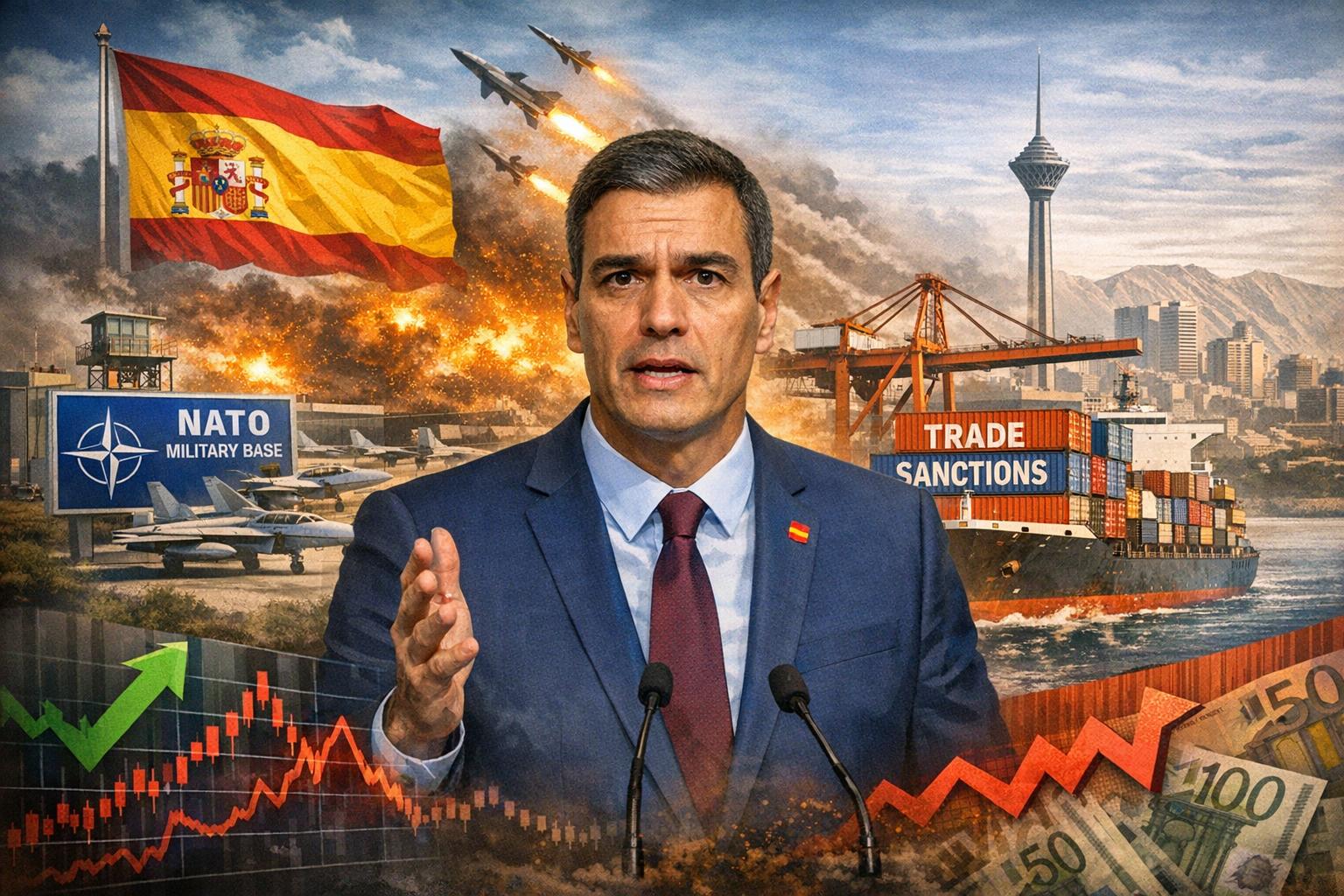
Spain PM rejects war, responds to trade threat over air base dispute
Spanish Prime Minister Pedro Sánchez has strongly criticized the ongoing military strikes against Iran, describing the escalation in the Middle East as a “disaster” and warning that the world cannot risk repeating the mistakes of history. His remarks come shortly after a trade threat was issued to Spain in response to Madrid’s refusal to allow two jointly operated military bases on Spanish territory to be used in the strikes. In a televised address, Sánchez emphasized the dang
Spain PM rejects war, responds to trade threat over air base dispute
Spanish Prime Minister Pedro Sánchez has strongly criticized the ongoing military strikes against Iran, describing the escalation in the Middle East as a “disaster” and warning that the world cannot risk repeating the mistakes of history. His remarks come shortly after a trade threat was issued to Spain in response to Madrid’s refusal to allow two jointly operated military bases on Spanish territory to be used in the strikes. In a televised address, Sánchez emphasized the dang
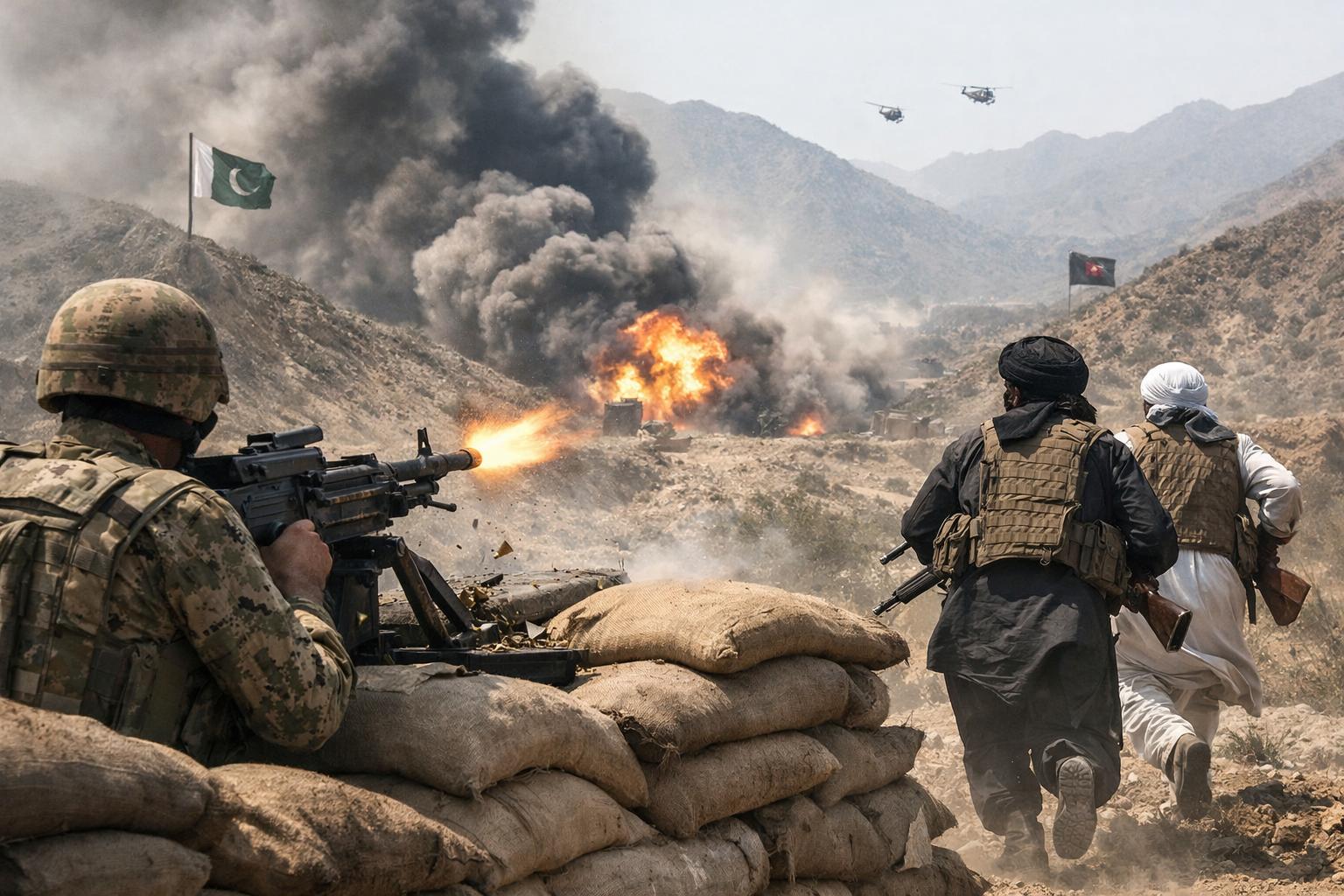
Pakistan declares open war on Afghan Taliban after border escalation
Pakistan on Friday declared what it described as an “open war” against Afghanistan’s Taliban authorities following a sharp escalation in cross-border fighting that has heightened fears of a broader regional conflict. The announcement came as reports of explosions and heavy gunfire emerged from Kabul and Kandahar, underscoring the deteriorating security situation along the frontier. Defence Minister Khawaja Asif said Islamabad’s patience had been exhausted after months of mou
Pakistan declares open war on Afghan Taliban after border escalation
Pakistan on Friday declared what it described as an “open war” against Afghanistan’s Taliban authorities following a sharp escalation in cross-border fighting that has heightened fears of a broader regional conflict. The announcement came as reports of explosions and heavy gunfire emerged from Kabul and Kandahar, underscoring the deteriorating security situation along the frontier. Defence Minister Khawaja Asif said Islamabad’s patience had been exhausted after months of mou

Royal visit highlights Denmark-Greenland unity amid Trump Greenland remarks
Denmark’s King Frederik X arrived in Nuuk on Wednesday for his second visit to Greenland within a year, a trip widely viewed as reinforcing unity between Denmark and the semi-autonomous Arctic territory at a time of renewed international attention. The visit comes amid heightened geopolitical interest in Greenland and ongoing diplomatic efforts involving the United States. The royal visit follows talks launched late last month between Greenland, Denmark and the United States aimed
Royal visit highlights Denmark-Greenland unity amid Trump Greenland remarks
Denmark’s King Frederik X arrived in Nuuk on Wednesday for his second visit to Greenland within a year, a trip widely viewed as reinforcing unity between Denmark and the semi-autonomous Arctic territory at a time of renewed international attention. The visit comes amid heightened geopolitical interest in Greenland and ongoing diplomatic efforts involving the United States. The royal visit follows talks launched late last month between Greenland, Denmark and the United States aimed
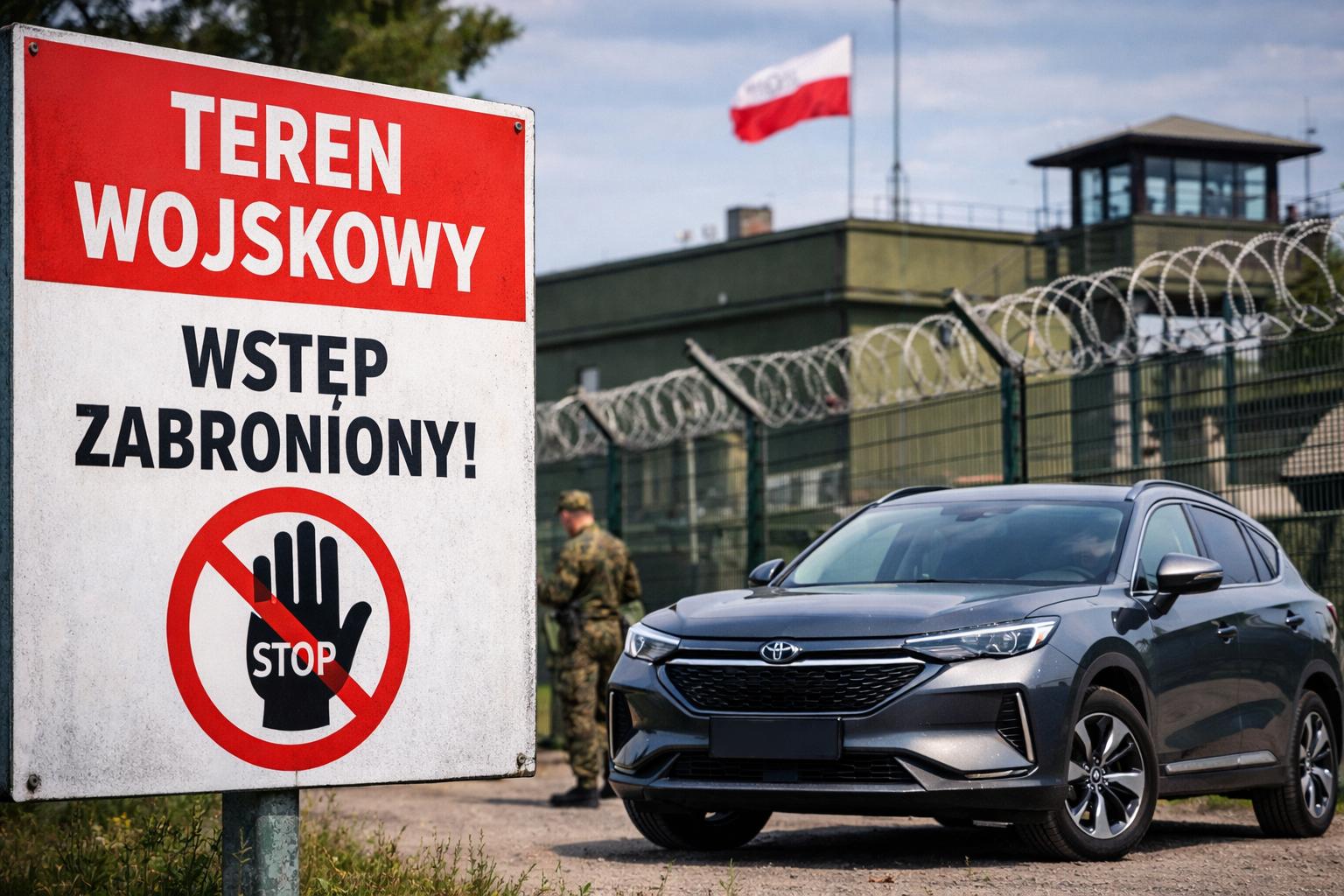
Poland bans Chinese-made vehicles from military facilities over data risks
Poland has formally prohibited Chinese-made cars and other technologically advanced vehicles from entering the country’s military facilities, citing concerns over potential data security risks. The decision, announced by the Chief of the General Staff of the Polish Armed Forces, is intended to reduce the possibility of uncontrolled acquisition and use of sensitive information by modern automotive systems. According to the Polish military, the move follows a detailed risk assessmen
Poland bans Chinese-made vehicles from military facilities over data risks
Poland has formally prohibited Chinese-made cars and other technologically advanced vehicles from entering the country’s military facilities, citing concerns over potential data security risks. The decision, announced by the Chief of the General Staff of the Polish Armed Forces, is intended to reduce the possibility of uncontrolled acquisition and use of sensitive information by modern automotive systems. According to the Polish military, the move follows a detailed risk assessmen










